



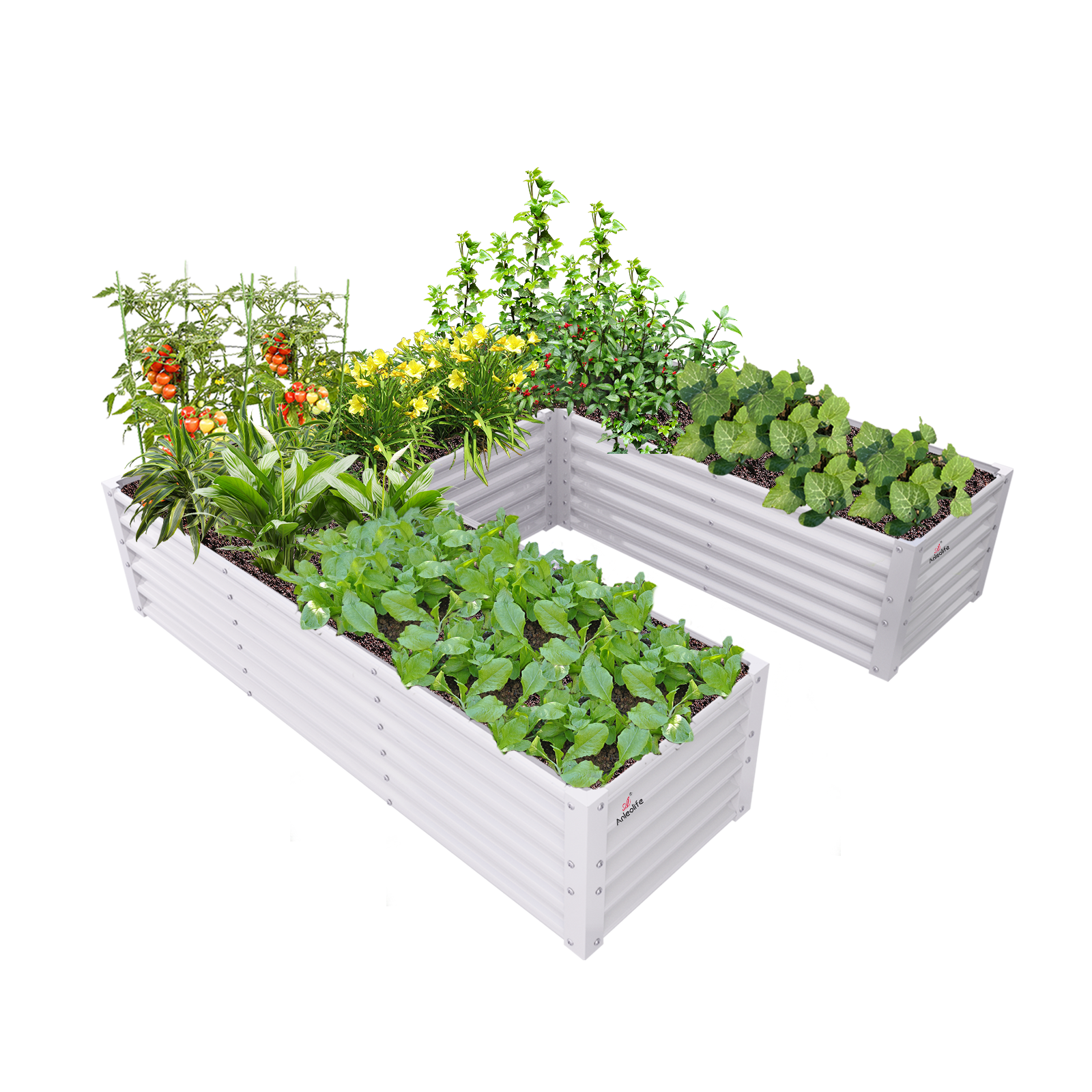

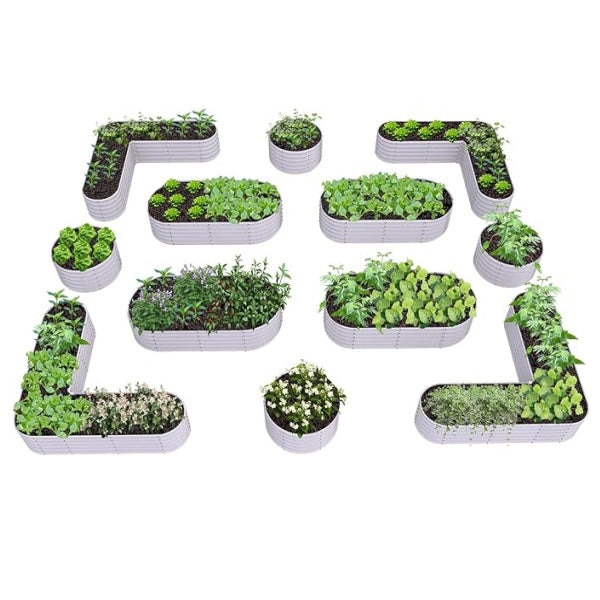






ALT: Raised garden bed with peppers, zucchini, and cucumbers growing together in a sunny backyard garden
Growing Peppers, Zucchini, and Cucumbers Together in One Raised Bed — A Complete Companion Planting Guide
Key Conclusion: Growing peppers, zucchini, and cucumbers together in a single raised garden bed is not only possible — it's a smart, space-efficient strategy that experienced home growers have used for years. When you understand each plant's light, water, and spacing needs, you can arrange a shared bed that produces abundantly from early summer through fall. The right raised bed, quality soil, and a simple layout plan are all it takes to turn one compact growing space into a high-yield vegetable garden.
Companion planting in a raised bed is one of the most rewarding approaches to home gardening. You're making every square inch count while also creating a mini-ecosystem where plants can support each other's growth. Peppers, zucchini, and cucumbers are all warm-season crops that thrive under similar conditions — they love full sun, well-draining soil, and consistent moisture. With a bit of thoughtful planning, these three vegetables can coexist beautifully in one bed, giving you a diverse summer harvest without requiring a sprawling yard.
This guide walks you through everything: why these three plants work together, how to lay out your bed, what to watch out for, and how to choose the right raised bed hardware to set yourself up for long-term success.
Who This Guide Is For — and When to Use It
✅ Applicable Scenarios:
- Home gardeners working with limited outdoor space who want to maximize yield from a single raised bed
- Beginners looking for a manageable, low-cost way to grow multiple vegetables without maintaining separate plots
- Urban micro-gardeners and patio growers who need a compact DIY modular garden layout idea for a small backyard
- Retirees and empty nesters who enjoy seasonal gardening but want a simplified, low-maintenance system
❌ Not Applicable/Cautions:
- Gardeners in USDA Hardiness Zones with very short growing seasons (fewer than 90 frost-free days) may struggle to bring all three crops to full harvest simultaneously
- Growers with shaded outdoor spaces — peppers, zucchini, and cucumbers all require a minimum of 6–8 hours of direct sun daily, so heavily shaded beds are not suitable
- Those planting in extremely small containers or beds under 4 feet in length may find spacing too tight for zucchini, which needs significant room to spread
Why These Three Vegetables Make Great Bed Companions
The idea of growing peppers, zucchini, and cucumbers together might seem bold at first — after all, these are three large, vigorous plants. But they share more in common than you might expect, and their differences are actually complementary.
Peppers are relatively compact, growing upright and vertically. They're moderate feeders that prefer consistent moisture and warm soil temperatures. Zucchini sprawls outward, producing large leaves that can shade the soil around them — which actually helps retain moisture and suppress weeds. Cucumbers are vigorous climbers when given a trellis, meaning they use vertical space rather than ground space, which frees up room for their bed-mates.
According to the University of California Cooperative Extension, raised bed gardening consistently outperforms traditional in-ground plots in terms of yield per square foot, largely because growers can control soil quality precisely and arrange plants more efficiently. This productive potential makes companion planting in raised beds an especially smart strategy.
All three crops prefer:
- Full sun: 6–8 hours minimum per day
- Well-draining, fertile soil: rich in organic matter, ideally with a pH between 6.0 and 6.8
- Consistent watering: deep, regular irrigation rather than shallow, frequent sprinkling
- Warm temperatures: all three are frost-sensitive and should be planted after the last frost date
If you're exploring which vegetables pair best in a summer raised bed, check out this helpful resource on top vegetables to plant in a raised garden bed right now this summer — it gives a broader picture of warm-season companion planting options.
The key to success isn't just plant selection — it's also about the container you're growing them in. A high-quality raised bed in the right dimensions makes all the difference in spacing, root depth, and long-term growing results.
How to Set Up Your Raised Bed for Peppers, Zucchini, and Cucumbers
Step 1: Choose the Right Raised Bed Size and Material
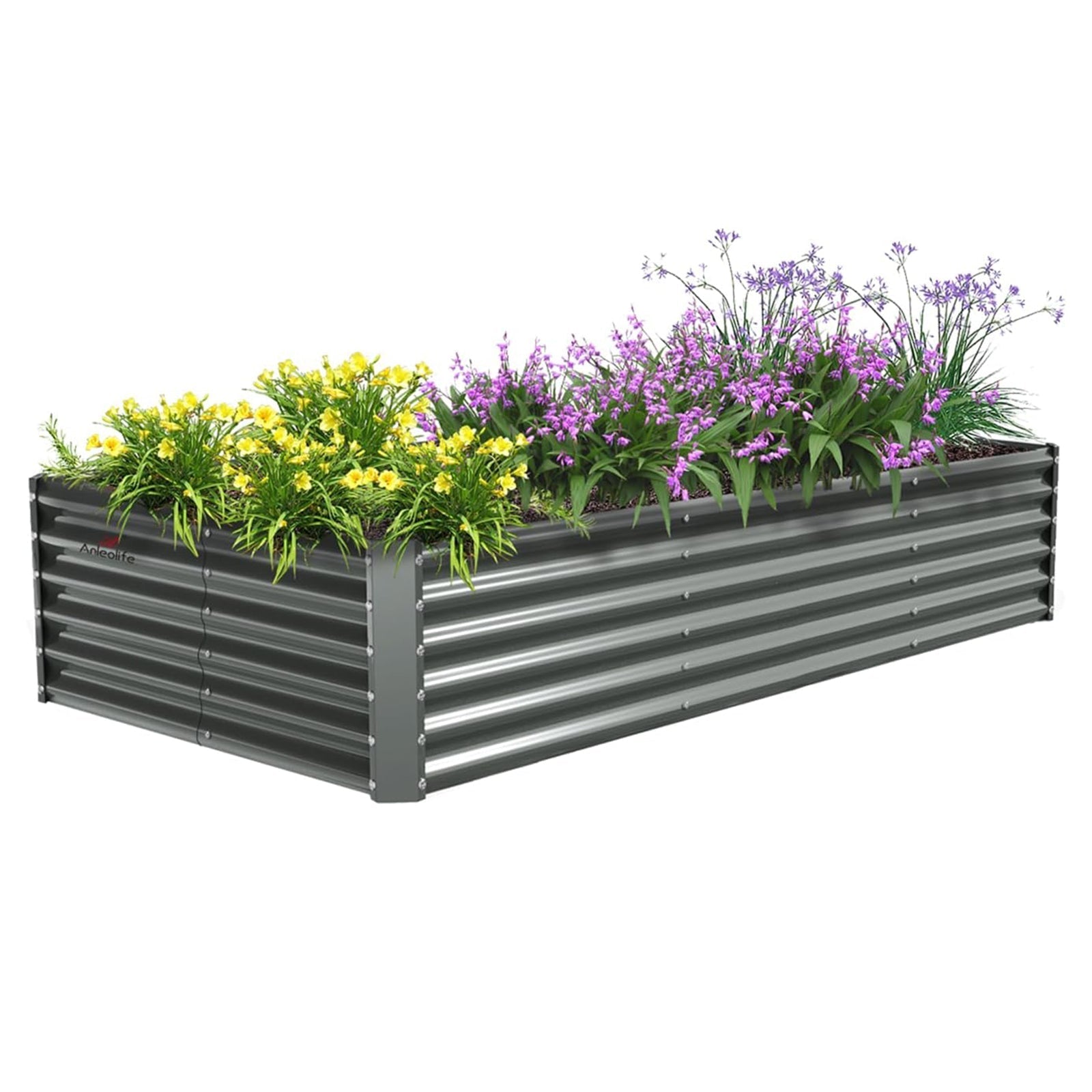
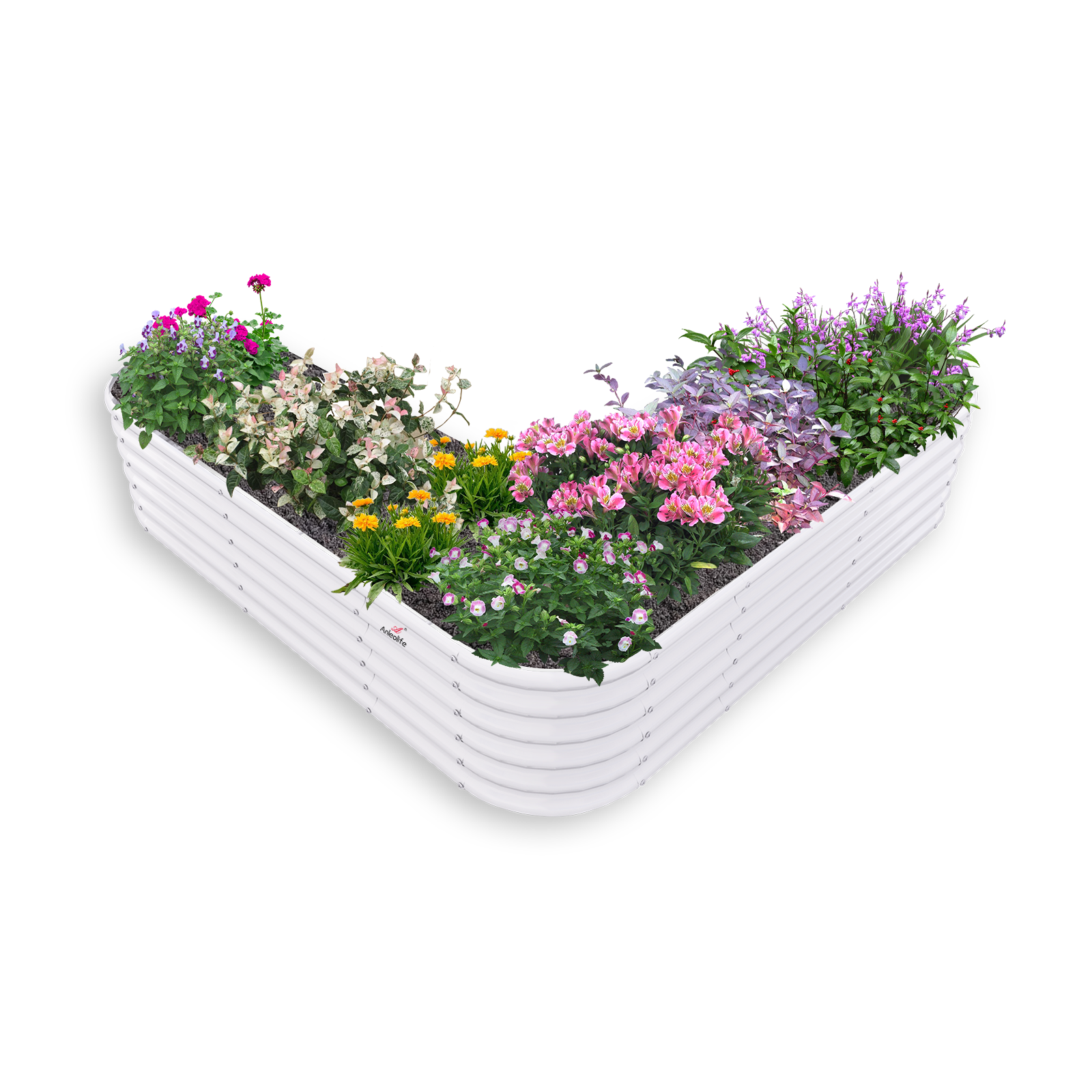
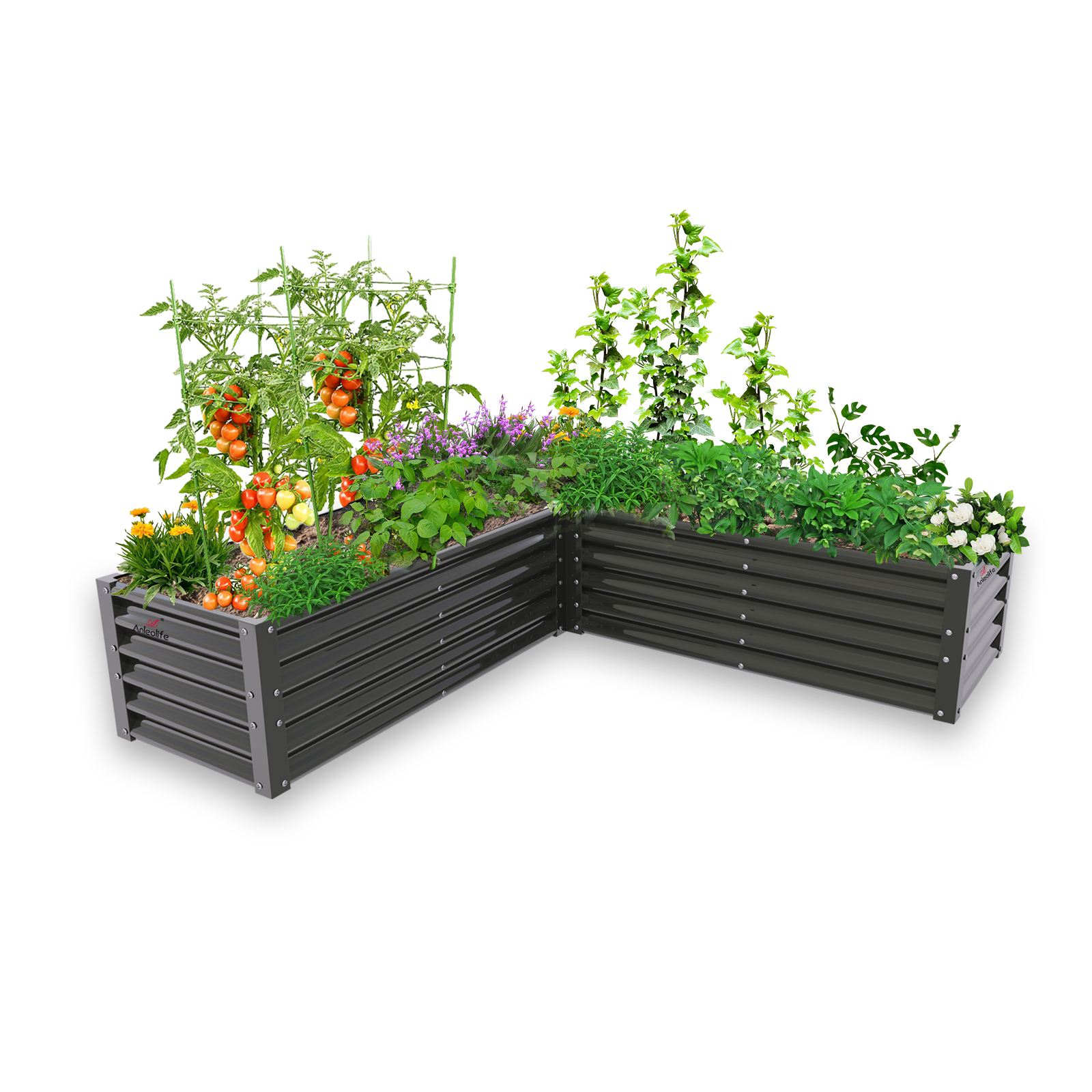
The first decision is picking a bed that gives all three plants enough room to thrive without crowding. For this planting combination, an 8x4 ft footprint is the minimum recommended size, and a bed that's at least 18 inches deep gives roots adequate room to develop. If you're designing a DIY modular garden layout for a small backyard, a modular or expandable bed system offers flexibility as your garden grows.
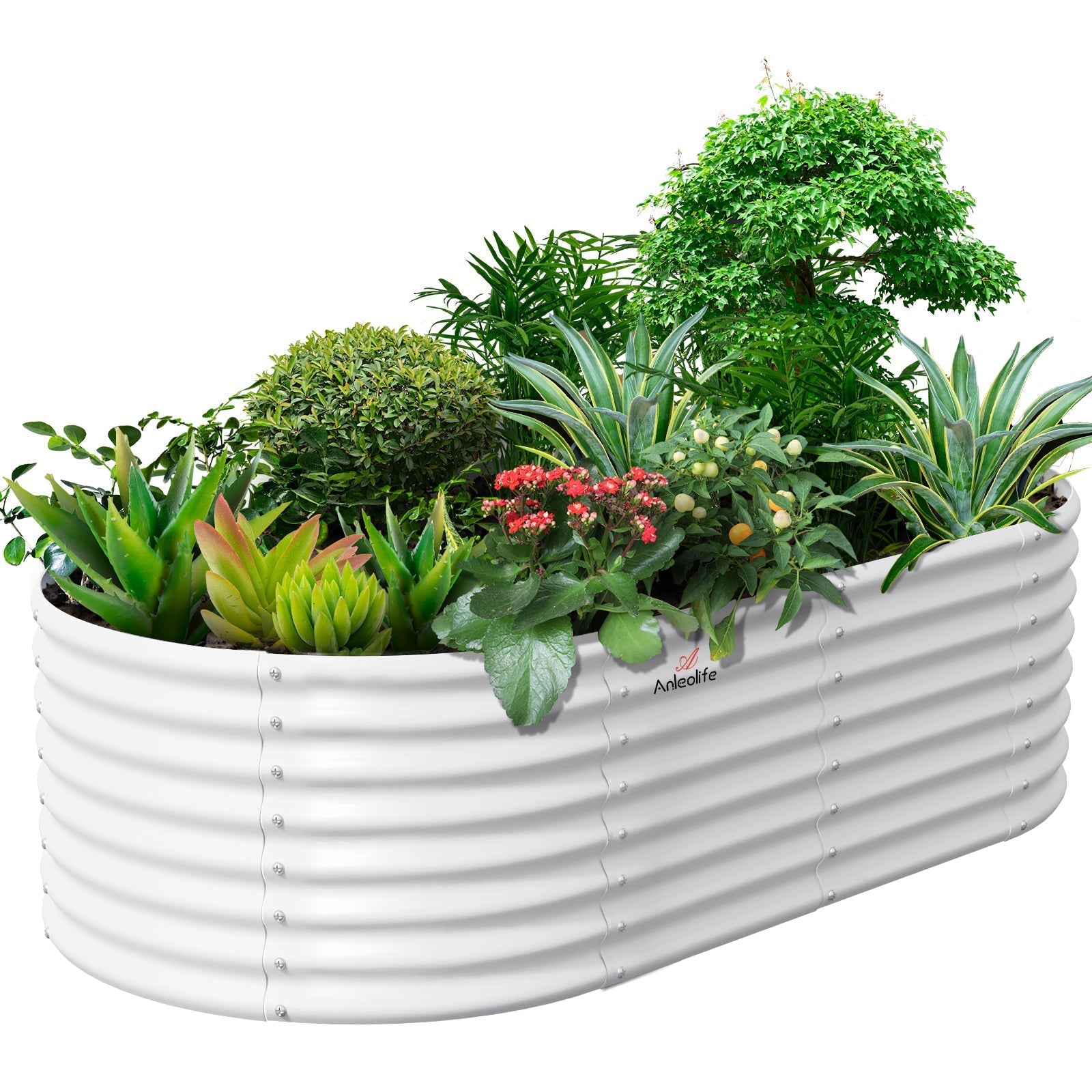
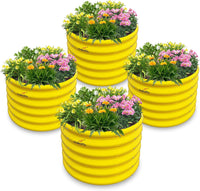
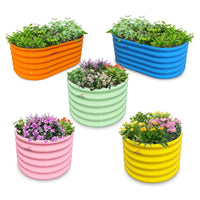
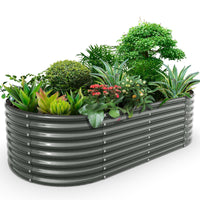
Anleolife's Galvanized Steel Raised Garden Beds in the 18" Tall 8x4 ft and 24" Extra Tall 8x4 ft sizes are particularly well-suited for this purpose. The 24-inch height is ideal for zucchini and cucumbers, which develop deep, wide root systems. For gardeners who prefer to stand while tending their plants — including many retirees and those managing back issues — the taller 30" Extra Tall 8x4 ft Modular Raised Garden Bed eliminates bending entirely.
When evaluating the best raised garden bed materials for rust resistance, galvanized steel consistently rises to the top. Anleolife's galvanized steel beds are engineered for a 20-year lifespan, outperforming wood (which typically lasts 5–7 years before rotting) and cheaper plastic alternatives. For a deep dive into material comparisons, Galvanized Steel vs. Corten Steel Garden Beds: Which Holds Up Better Outdoors? is an excellent read that breaks down long-term performance, rust resistance, and aesthetic differences between the two most popular metal options.
Estimated setup time: 30–60 minutes for most Anleolife modular beds, which use a tool-free or minimal-tool assembly process.
Step 2: Build Your Soil Mix and Amend for Three Crops
Soil is the foundation of any successful garden bed, and when you're growing three hungry crops simultaneously, getting the mix right is critical.
For peppers, zucchini, and cucumbers sharing a bed, aim for a rich, well-draining blend:
- 60% quality topsoil or garden loam
- 30% compost (well-aged, ideally homemade or certified organic)
- 10% perlite or coarse sand for drainage
Before planting, incorporate a balanced slow-release granular fertilizer according to package directions. Zucchini and cucumbers are heavy feeders, especially once they begin fruiting, so a nutrient-rich starting mix gives them a strong foundation.
Test your soil pH before filling the bed. All three crops prefer a slightly acidic to neutral range. If your pH reads too low, add agricultural lime; if too high, sulfur or acidic compost can bring it down.
Estimated time: 1–2 hours for soil sourcing and bed filling, depending on bed size.
Step 3: Lay Out Your Planting Plan Before You Put Anything in the Ground
This is where most beginners skip a crucial step — and end up with plants crowding each other out by midsummer. Sketching a planting map before you start saves you from rearranging or, worse, transplanting stressed plants.
For an 8x4 ft bed, here's a practical layout strategy:
Cucumbers: Place along the north end of the bed (or the tallest side), trained up a trellis. This ensures the trellis doesn't shade shorter plants. Give each cucumber plant about 12 inches of spacing.
Zucchini: Position at the opposite end or corner of the bed, giving each plant at least 24–36 inches of radius space. One or two plants in an 8x4 bed is the realistic maximum — zucchini is prolific and large-leafed.
Peppers: Fill the center and remaining space. Peppers are the most compact of the three and benefit from the partial shade that neighboring zucchini leaves can provide during peak afternoon heat. Space peppers 12–18 inches apart.
If you're debating between different bed dimensions for your yard, the article 8x4 vs. 12x3 ft Raised Garden Bed: Which Footprint Works Better in a Narrow Yard? can help you make an informed decision based on your available outdoor space.
Estimated time: 20–30 minutes for planning and sketching; 1–2 hours for planting.
Comparing Raised Bed Materials for This Planting Combination
Choosing the right bed material affects not just aesthetics but longevity, safety, and growing conditions. Here's how the most common options compare for growing peppers, zucchini, and cucumbers:
| Comparison Dimension | Galvanized Steel | Untreated Wood | Plastic/Resin |
|---|---|---|---|
| Lifespan | Up to 20 years | 5–7 years average | 5–10 years |
| Rust/Rot Resistance | High (galvanized coating) | Low (rots over time) | High (but UV degradation) |
| Soil Temperature Regulation | Warms quickly in spring | Moderate | Can overheat in summer |
| Budget-Friendliness | Mid-range, best long-term value | Low upfront, high replacement cost | Low-moderate |
| Assembly | Tool-free modular options available | Requires cutting, screws, and tools | Snap-together, limited size options |
| Food Safety | High (with food-safe galvanization) | Depends on wood treatment | Varies by product |
| Aesthetic Appeal | Modern, clean look | Natural, traditional | Basic |
For gardeners searching for the best budget raised beds for beginners, galvanized steel often wins on total cost-of-ownership. While the initial price may be slightly higher than untreated wood, the 20-year lifespan means you're not replacing your bed every few seasons — saving money (and time) over the long run.
Managing Water, Sunlight, and Space — The Three Key Variables
Water: Deep and Consistent Wins Every Time
All three of your crops — peppers, zucchini, and cucumbers — are thirsty plants, especially once they start producing fruit. The challenge in a shared bed is delivering consistent moisture without overwatering any single plant.
Drip irrigation is the gold standard for raised beds growing multiple crops. It delivers water directly to the root zone, reduces foliar disease risk (particularly important for zucchini, which is prone to powdery mildew), and ensures each plant gets what it needs without wasteful runoff. If you're setting up irrigation for the first time, How to Set Up a Drip Irrigation System for Multiple Raised Garden Beds provides a step-by-step breakdown that's perfectly applicable to a multi-crop setup like this one.
As a general guideline, aim for 1–2 inches of water per week during the growing season. In peak summer heat, this may need to increase. Checking soil moisture by finger-testing 2 inches below the surface is a reliable low-tech method — if it feels dry at that depth, it's time to water.
Sunlight: Positioning Matters
Because zucchini develops large leaves and cucumbers climb vertically, there's a real risk of taller plants shading shorter ones if your bed is oriented incorrectly.
Orient your bed on a north–south axis so all plants receive even morning and afternoon sun. Place your cucumber trellis at the north end. Zucchini should go at one end or in a corner. Peppers, being the shortest of the three, benefit from the south-facing exposure where sunlight is most direct.
In regions with extremely hot summers (such as the southern U.S.), the dappled shade that zucchini leaves cast over pepper plants can actually be a benefit, preventing heat stress during peak afternoon hours. This natural synergy is one reason the three crops make good companions.
Vertical Space: Don't Ignore the Z-Axis
Most gardeners think about horizontal spacing but forget about vertical real estate. Cucumbers are natural climbers and will happily scramble upward if given a trellis — freeing up ground-level space for zucchini and peppers.
A sturdy trellis or cattle panel arch at the north end of your bed is all you need. As cucumber vines grow, gently guide them upward and secure with soft garden ties. This simple technique can essentially double your planting density without adding any additional square footage to your garden footprint.

ALT: Raised bed planting layout showing cucumber trellis, zucchini spacing, and pepper placement for a productive shared garden bed
Advanced Tips: Getting the Most From a Shared Bed Season After Season
Succession Planting and Seasonal Extension
Once you've established your first season of growing peppers, zucchini, and cucumbers together, you can start thinking about extending your harvest and maximizing bed productivity across seasons.
Peppers are perennial in frost-free climates but typically grown as annuals in most of the U.S. In USDA Zones 9–11, you can overwinter pepper plants in your raised bed, giving them a head start the following spring. In cooler zones, saving seeds or purchasing early-start transplants gives you more weeks of productive harvest.
Zucchini is a heavy producer but tends to slow down significantly by late summer. A second planting started in mid-July can give you fresh production into early fall. Remove spent plants promptly to free up space and nutrients.
Cucumbers are similarly fast-growing and can be succession-planted every 3–4 weeks from late spring through early summer for continuous harvest.
Common Misconceptions About Companion Planting
One widespread myth is that companion planting automatically prevents all pest and disease problems. In reality, it reduces risk and can improve growing conditions — but it doesn't eliminate the need for monitoring, good hygiene, and occasional intervention.
Another misconception is that zucchini will "take over" the entire bed and crowd out everything else. This happens when plants are not spaced correctly from the start. Positioned properly in a corner with adequate spacing, a zucchini plant is manageable and won't bully its neighbors.
Finally, some gardeners worry about galvanized steel beds leaching zinc into their vegetables. This concern, while understandable, is not supported by current research when food-safe galvanized coatings are used. For a thorough, science-based explanation, read Do Galvanized Steel Garden Beds Leach Zinc Into Your Vegetables? The Facts — it covers exactly what you need to know about safety and soil chemistry.
When Your Plants Don't Get Along: Troubleshooting Conflicts
If you notice one plant consistently struggling — yellowing leaves, stunted growth, or wilting despite adequate water — it may be a competition issue rather than a disease.
Check for:
- Root crowding: Especially with zucchini, which develops a large root system. If planted too close to peppers, it can outcompete them for nutrients and moisture.
- Shading: If cucumber vines sprawl laterally instead of climbing, they can block sun from peppers and zucchini. Redirect them upward promptly.
- Nutrient depletion: In a heavily planted shared bed, mid-season feeding with a balanced liquid fertilizer every 2–3 weeks supports all three crops simultaneously.
Frequently Asked Questions FAQ
Q1: How much space do I really need to grow peppers, zucchini, and cucumbers together in one raised bed?
An 8x4 ft raised bed is the minimum workable size for growing all three crops together. This gives you enough room for 1–2 zucchini plants (which need the most space), 2–3 cucumber plants trained vertically on a trellis, and 3–4 pepper plants filling the remaining area. A larger bed — such as a 12x3 ft or 8x4 ft extra-tall model — gives you even more flexibility and reduces competition for nutrients and water.
Q2: Are galvanized steel raised beds safe for growing vegetables like peppers and cucumbers?
Yes, food-safe galvanized steel is widely considered safe for vegetable gardening. The zinc coating on properly manufactured galvanized steel is stable under normal garden conditions, and the amount of zinc that may enter the soil is well within safe thresholds established by horticultural research. Anleolife's raised garden beds are built with food-safe galvanization and are designed for a 20-year lifespan, making them a reliable long-term choice for edible gardens.
Q3: How long does it take to grow peppers, zucchini, and cucumbers from transplant to harvest in a raised bed?
Cucumbers typically reach harvest-ready size in 50–70 days from transplant. Zucchini is one of the fastest producers, often ready to pick in 45–55 days. Peppers take the longest, generally 60–90 days depending on variety and whether you're harvesting green or fully ripe. Starting all three from transplants (rather than seed directly in the bed) reduces this timeline and makes it easier to synchronize your harvest season.
Summary
Growing peppers, zucchini, and cucumbers together in one raised bed is a genuinely practical approach to home vegetable gardening — not just a gardening hack. Here are the three core takeaways from this guide:
- These three crops are natural companions. They share similar light, water, and temperature preferences, making management simple. With smart vertical planning (trellis for cucumbers) and proper spacing (zucchini in a corner, peppers in the center), they coexist productively without crowding each other out.
- Your raised bed hardware matters. A durable, well-sized bed — ideally at least 8x4 ft and 18–24 inches deep — provides the space, soil depth, and longevity that three vigorous crops need. Galvanized steel beds from Anleolife, rated for a 20-year lifespan, offer exceptional value compared to wood or plastic alternatives that need frequent replacement.
- Soil and water are your two biggest levers. A rich, well-draining soil mix paired with consistent deep watering (ideally via drip irrigation) keeps all three plants happy from planting to harvest. Mid-season liquid fertilizing supports the heavy feeders as they begin producing.
Your next step: sketch out your bed layout, select a raised bed in the right size for your space, and plan your planting schedule around your local last frost date. The investment you make this season will pay dividends in fresh vegetables for years to come.
Nationwide U.S. warehouse network: Strategically located in California, Texas, Florida, New York, Illinois, and Washington, Anleolife ensures delivery within 3–8 business days — so your garden upgrade plans never have to wait.
Multi-channel sales network: Anleolife products are available on major e-commerce platforms including Amazon, Walmart, Home Depot, Lowe's, and Wayfair, as well as the official website Anleolife.com, providing consistent quality assurance and after-sales service wherever you shop.
Three core scenarios: Planting (metal raised garden beds, soil systems), Raising (chicken coops, rabbit hutches), and Beautification (decorative accessories, pathway systems) — meeting complete needs from functionality to aesthetics.
Upgrade your garden with Anleolife. We understand that an ideal garden is not built overnight, but gradually improved over time. Our modular product design allows flexible expansion based on your needs — from your first raised garden bed to a fully integrated planting-and-raising ecosystem. We grow with you every step of the way.
References
- University of California Cooperative Extension. "Vegetable Gardening in Containers and Raised Beds."
https://ucanr.edu/ - U.S. Department of Agriculture. "Companion Planting and Garden Planning Resources."
https://www.nal.usda.gov/farms-and-agricultural-production-systems/sustainable-agriculture - Penn State Extension. "Growing Cucumbers, Squash, Melons, and Gourds."
https://extension.psu.edu/growing-cucumbers-squash-melons-and-gourds - Cornell University Cooperative Extension. "Growing Guide: Peppers."
https://gardening.cals.cornell.edu/ - National Gardening Association. "Raised Bed Gardening Guide."
https://garden.org/
Note: Standards and research findings may be updated. Please check the latest official documents or consult professional advisors for the most current recommendations.
About Anleolife
Anleolife is a leading outdoor garden solutions provider in North America, dedicated to offering a full-scenario product ecosystem for home gardening enthusiasts, covering planting, raising, and garden beautification. Since its founding, we have upheld our brand mission, "Made for Garden Life," continuously innovating products and optimizing services to help hundreds of thousands of users upgrade their gardens, reconnect with nature, and enjoy a better garden lifestyle.