






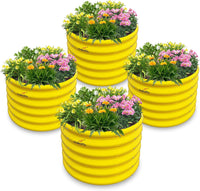
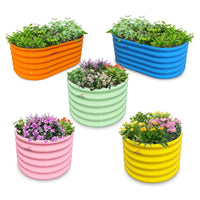




ALT: Chickens foraging near raised bed gardens in a permaculture backyard with compost bins and vegetable beds
Why Chickens and Raised Beds Are the Perfect Permaculture Partnership in 2026
Key Conclusion: Integrating chickens with your raised bed garden layout is one of the most effective permaculture strategies available to home growers today. When thoughtfully planned, a raised bed planting layout that incorporates chicken rotational access transforms backyard poultry into natural tillers, pest controllers, and compost generators—dramatically reducing your reliance on synthetic fertilizers and pesticides. The right raised bed layout creates a closed-loop ecosystem where animals and plants work together, not against each other.
Backyard gardening has evolved far beyond simple vegetable patches. In 2026, more North American homeowners are embracing permaculture principles—designing systems where every element serves multiple functions. Chickens aren't just egg-layers; they're living garden tools. Raised beds aren't just planters; they're the structural backbone of a productive, beautiful outdoor space.
The challenge most people face is integration: how do you let chickens benefit your garden without letting them destroy it? This guide walks you through a practical, proven design framework that works whether you have a quarter-acre suburban lot or a compact urban backyard.
Who Should Use This Permaculture Integration Guide
✅ Applicable Scenarios:
- Homeowners with existing or planned raised garden beds who also keep or plan to keep backyard chickens
- Eco-conscious gardeners seeking to reduce synthetic fertilizer and pesticide use through natural alternatives
- Families and retirees interested in building a low-maintenance, self-sustaining backyard food system
- Urban and suburban gardeners with at least 200 square feet of outdoor space available for rotational zones
❌ Not Applicable/Cautions:
- Apartment or condo residents without access to private outdoor ground space—this system requires physical separation zones that simply aren't feasible without a yard
- Gardeners who grow primarily ornamental flowers or delicate ground-cover plants that cannot tolerate any chicken activity, even controlled rotational access
- Anyone in municipalities with strict ordinances prohibiting backyard poultry—always verify local regulations before adding chickens to your property
The Science Behind Chickens as Garden Allies: Why This System Works
For generations, farmers understood what modern science has since confirmed: poultry and gardens exist in a natural symbiotic relationship. Yet somewhere along the way, backyard gardening and chicken-keeping became separate hobbies rather than integrated practices.
Soil health is the foundation of productive gardening, and chicken manure is one of the most nutrient-rich natural amendments available. According to research supported by the USDA, chicken manure contains roughly 1.1% nitrogen, 0.8% phosphorus, and 0.5% potassium in its raw form—a balanced NPK profile that closely mirrors many commercial granular fertilizers. The difference is that properly composted chicken manure also introduces beneficial microbial life, improving soil structure and water retention in ways synthetic products cannot replicate.
Pest control is equally significant. Chickens are opportunistic omnivores. Given rotational access to garden beds after harvest or during the off-season, they will scratch through soil and leaf litter consuming grubs, beetles, aphid eggs, slugs, and other overwintering pests. Studies from Oregon State University Extension have documented meaningful reductions in soil pest populations in gardens where chickens were given periodic access compared to control plots.
The challenge of integration is timing and physical design. Chickens allowed unrestricted access to active vegetable beds will eat seedlings, scratch up root systems, and compact soil with their footfall. The solution isn't to keep chickens away from beds entirely—it's to design a system with intentional rotational access, proper fencing, and composting infrastructure that channels chicken behavior productively.
The permaculture concept of "stacking functions" perfectly describes this approach. Your raised beds function as growing spaces, yes—but with thoughtful design, they also function as chicken forage zones during off-seasons, compost-input generators through kitchen scraps, and natural pest management systems. Your chickens function as egg producers, but also as soil tillers, pest managers, and living compost machines.
This 2026 design framework incorporates the latest thinking on rotational grazing adapted for backyard poultry, along with structural guidance for raised beds that can withstand the realities of a chicken-integrated garden. The result is a system that works harder for you, produces more food, and requires fewer external inputs year after year.
For a deeper dive into raised bed construction and layout fundamentals, the Anleolife complete guide to raised bed garden design provides an excellent foundation before implementing the integration strategies outlined here.
The Complete 2026 Integration System: From Design to Daily Management
Three-Step Quick Start
Step 1: Zone Mapping and Coop Placement
Before purchasing a single piece of infrastructure, spend 30–60 minutes mapping your available outdoor space. Identify where your raised beds are or will be located, then position your chicken coop and run at the edge of your garden zone—close enough for convenient manure collection, but separated by a gate or fence system that allows you to control access. Ideally, the coop is downhill or downwind from your primary growing area. This single positioning decision makes everything else easier. Allow 1–2 hours for this planning step.
Step 2: Build the Rotational Access System
Design your raised bed area with at least two distinct zones—Zone A (active growing beds) and Zone B (fallow or post-harvest beds). Use temporary electric poultry netting or permanent hardware cloth panels with removable gate sections between zones. This allows you to rotate chicken access to one zone at a time. When Zone A is in full production, chickens are confined to Zone B, scratching, fertilizing, and pest-clearing that area. When you harvest Zone A and it enters its rest period, flip the access. Budget 1–2 weekends for construction.
Step 3: Set Up Your Compost Loop
Position a two-bin or three-bin compost system between your coop and your raised beds. Collect coop bedding and manure (typically pine shavings mixed with droppings) and add it to Bin 1 along with carbon-rich materials: dried leaves, straw, cardboard. Let it hot-compost for 60–90 days, turning every 2 weeks. Move finished compost to Bin 2 for curing. Apply the cured compost—now safe and nutrient-dense—directly to your raised beds before each planting season. This completes the nutrient loop and eliminates the need to purchase bagged fertilizer.
Comparing Three Integration Design Models: Which Is Right for Your Space?
The right integration model depends heavily on your square footage, chicken flock size, and gardening intensity. There's no single "correct" approach—but understanding the trade-offs helps you choose wisely and avoid costly redesigns.
The three primary models used by successful backyard permaculturists in North America each have distinct advantages:
| Comparison Dimension | Model A: Fixed Separation | Model B: Rotational Forage | Model C: Full Integration |
|---|---|---|---|
| Best For | Small lots under 500 sq ft | Mid-size yards 500–1500 sq ft | Larger properties 1500+ sq ft |
| Flock Size | 2–4 hens | 4–8 hens | 6–15 hens |
| Bed Access | Never direct access | Seasonal rotational access | Zone-based daily management |
| Pest Control Benefit | Low (indirect only) | High (seasonal clearing) | Very High (continuous) |
| Compost Integration | Manual only | Semi-automated | Fully automated loop |
| Labor Requirement | Low | Medium | Medium-High |
| Setup Cost | Low | Moderate | Higher initial investment |
| Soil Health Improvement | Moderate | High | Very High |
| Suitable for Beginners | ✅ | ✅ | ❌ (requires experience) |
Model A: Fixed Separation is the safest starting point for new chicken keepers or those with smaller properties. Chickens stay in a permanent run adjacent to the garden, and manure is manually collected for composting. There's no risk of crop damage, but you also miss out on the pest-control benefits of direct chicken access.
Model B: Rotational Forage is the sweet spot for most suburban backyard gardeners. This is the approach most thoroughly detailed in this guide, and it's the system that delivers the best balance of benefit, risk management, and labor efficiency for families and retirees.
Model C: Full Integration is best suited to experienced growers with larger properties, where a permanent "chicken tractor" system or daily managed zone access can be maintained consistently. The soil health benefits are exceptional, but this model demands daily attention and a strong understanding of both gardening and poultry behavior.
Deep Dive: Building the Rotational Forage System Step by Step
Choosing the Right Raised Beds for a Chicken-Integrated Garden
Not all raised beds are built equally for this application. When chickens have rotational access to your beds—scratching through soil, occasionally hopping on edges, and generally being chickens—your bed structure needs to be robust.
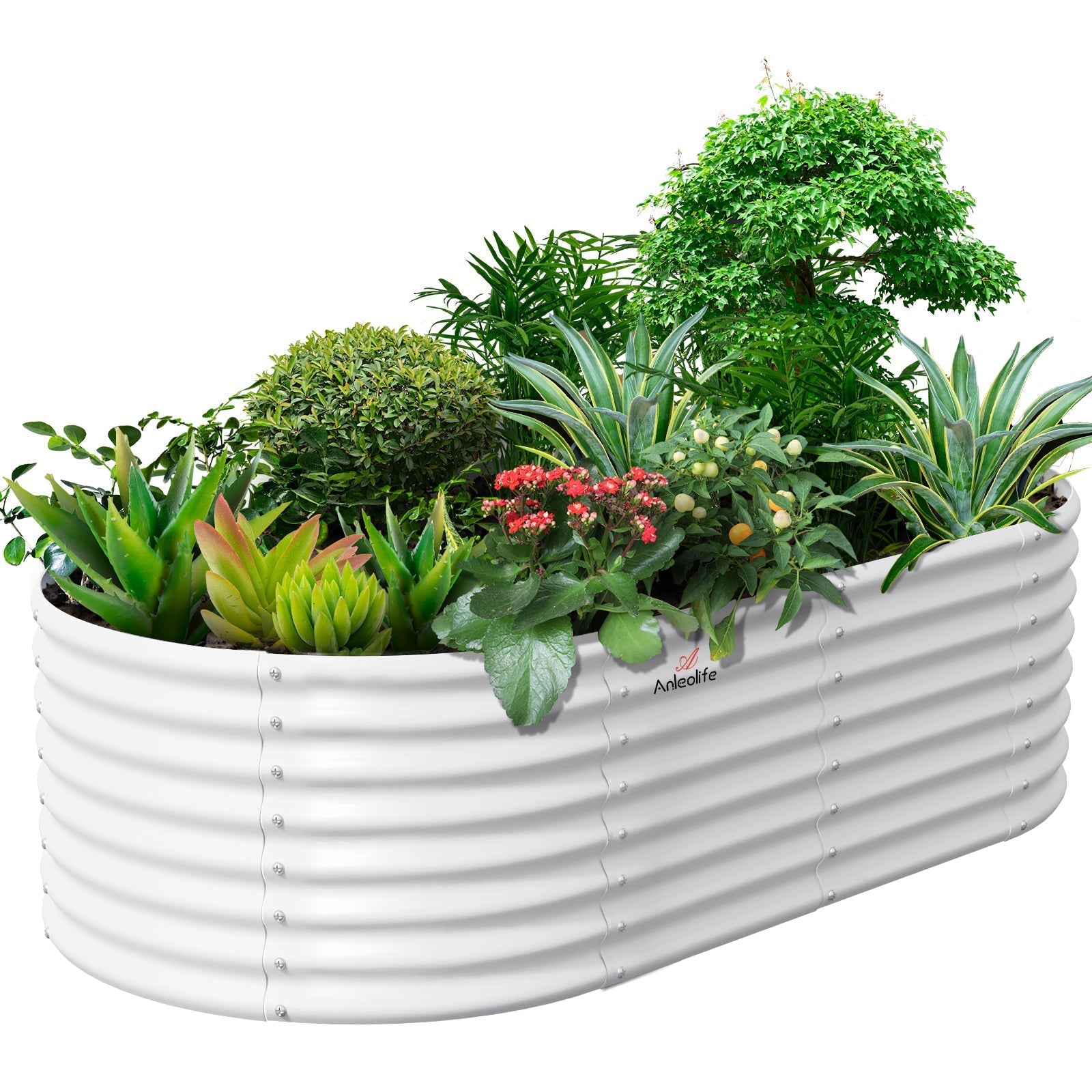
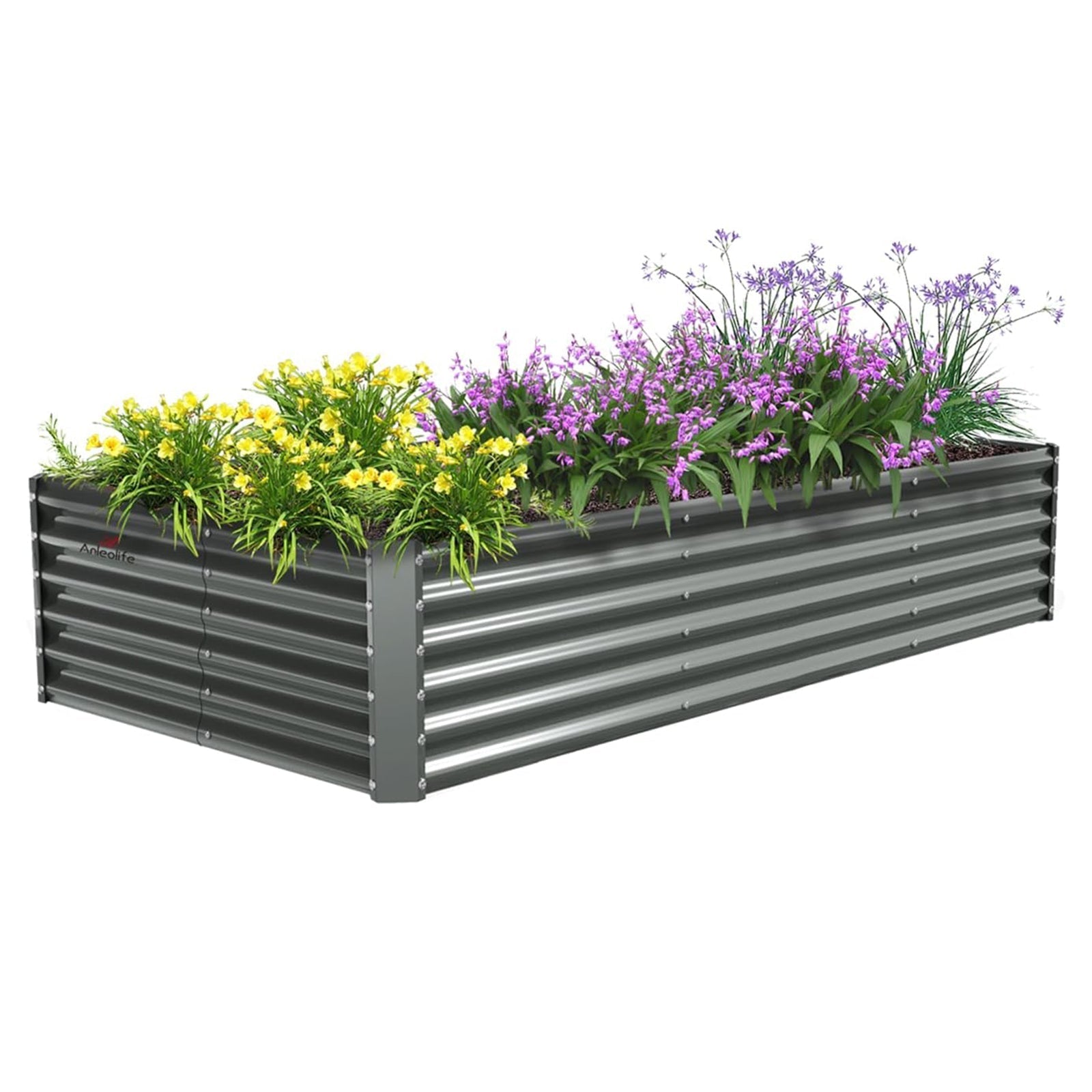
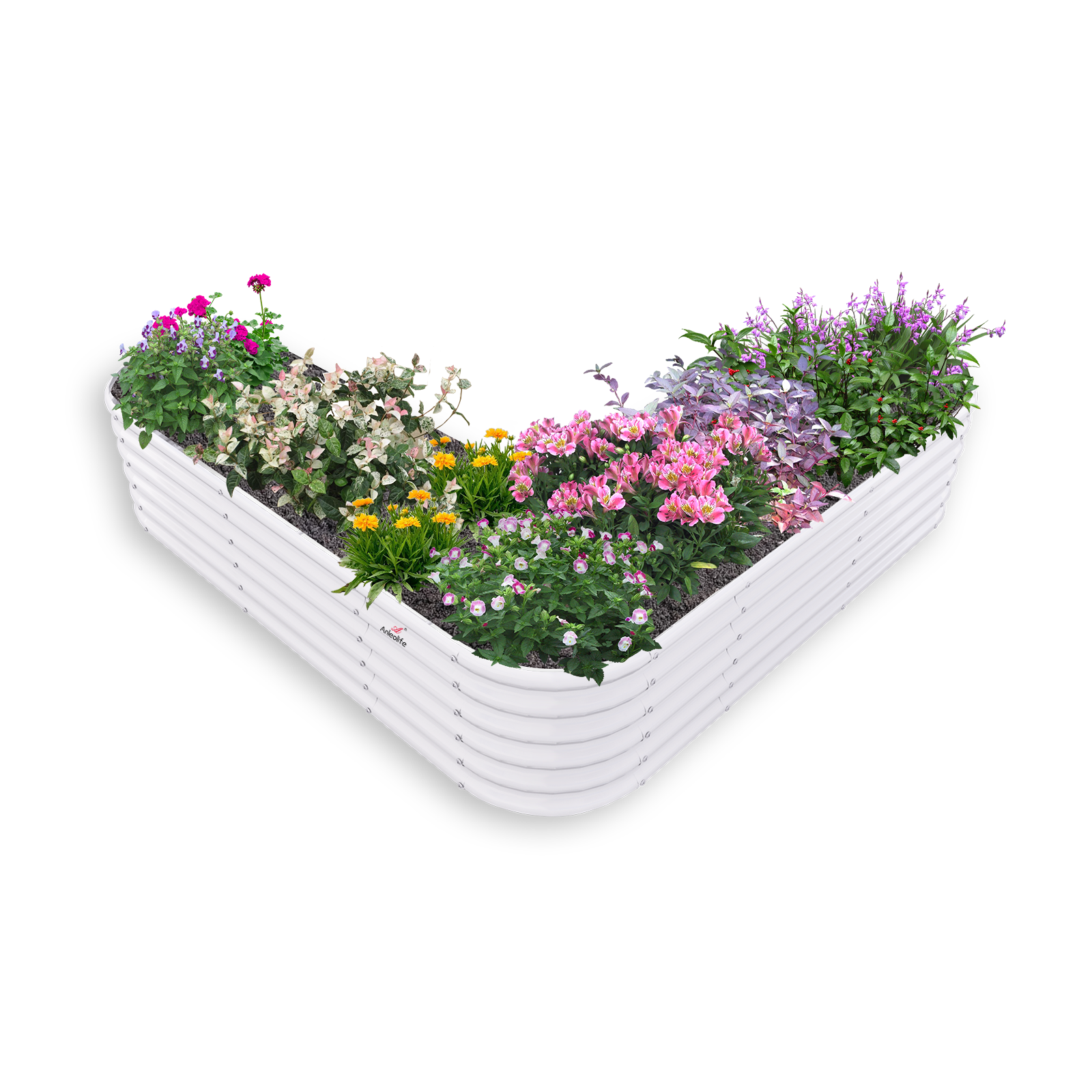
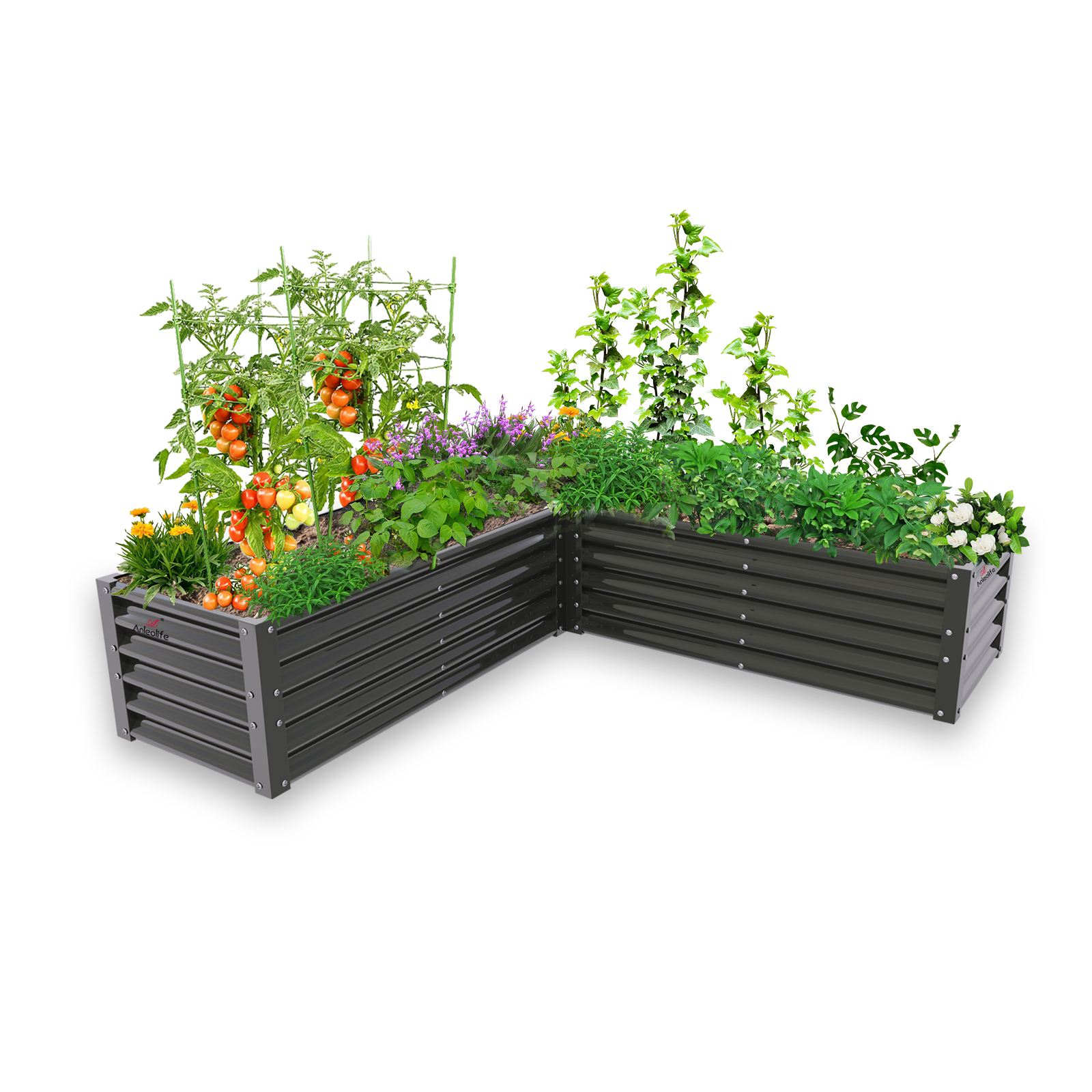
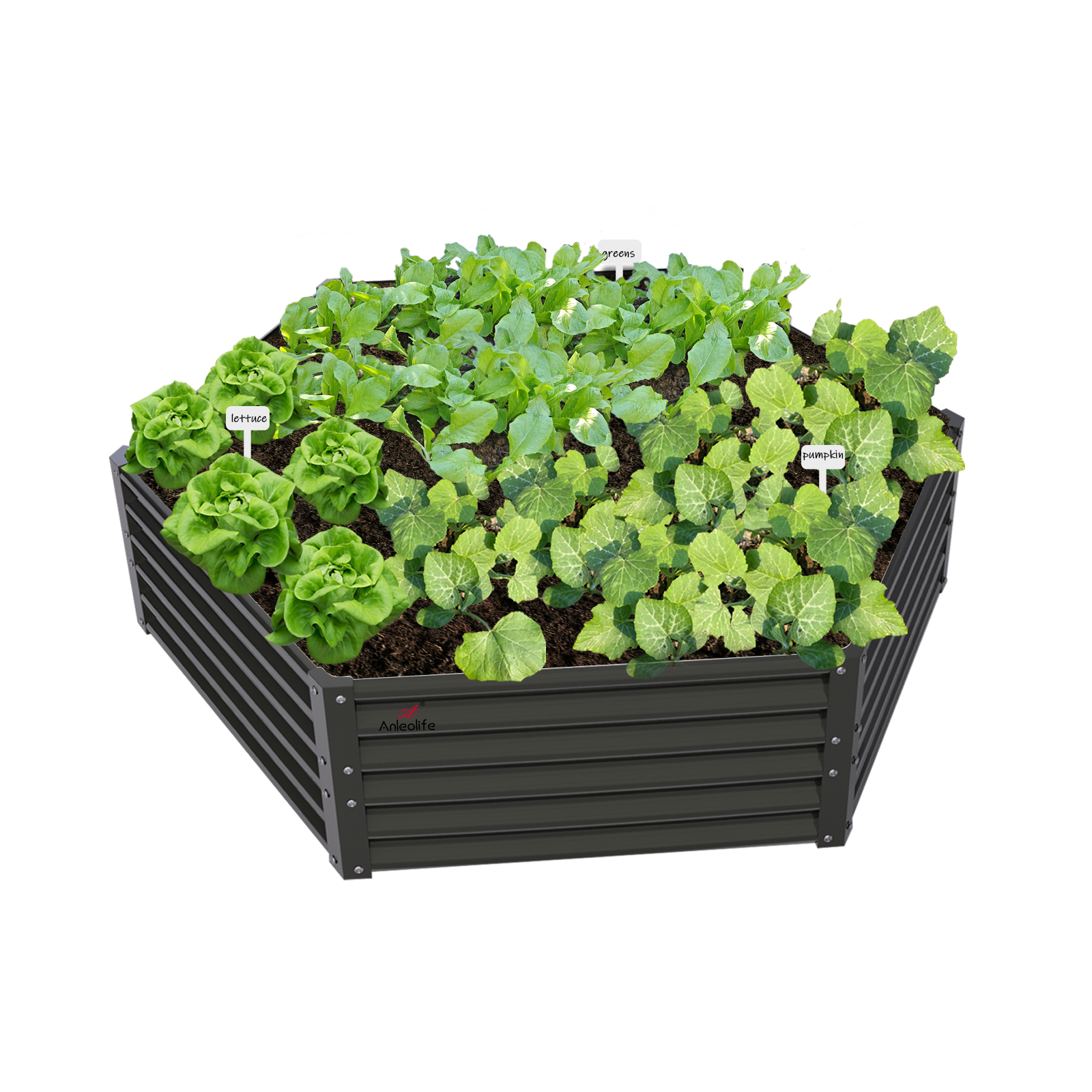
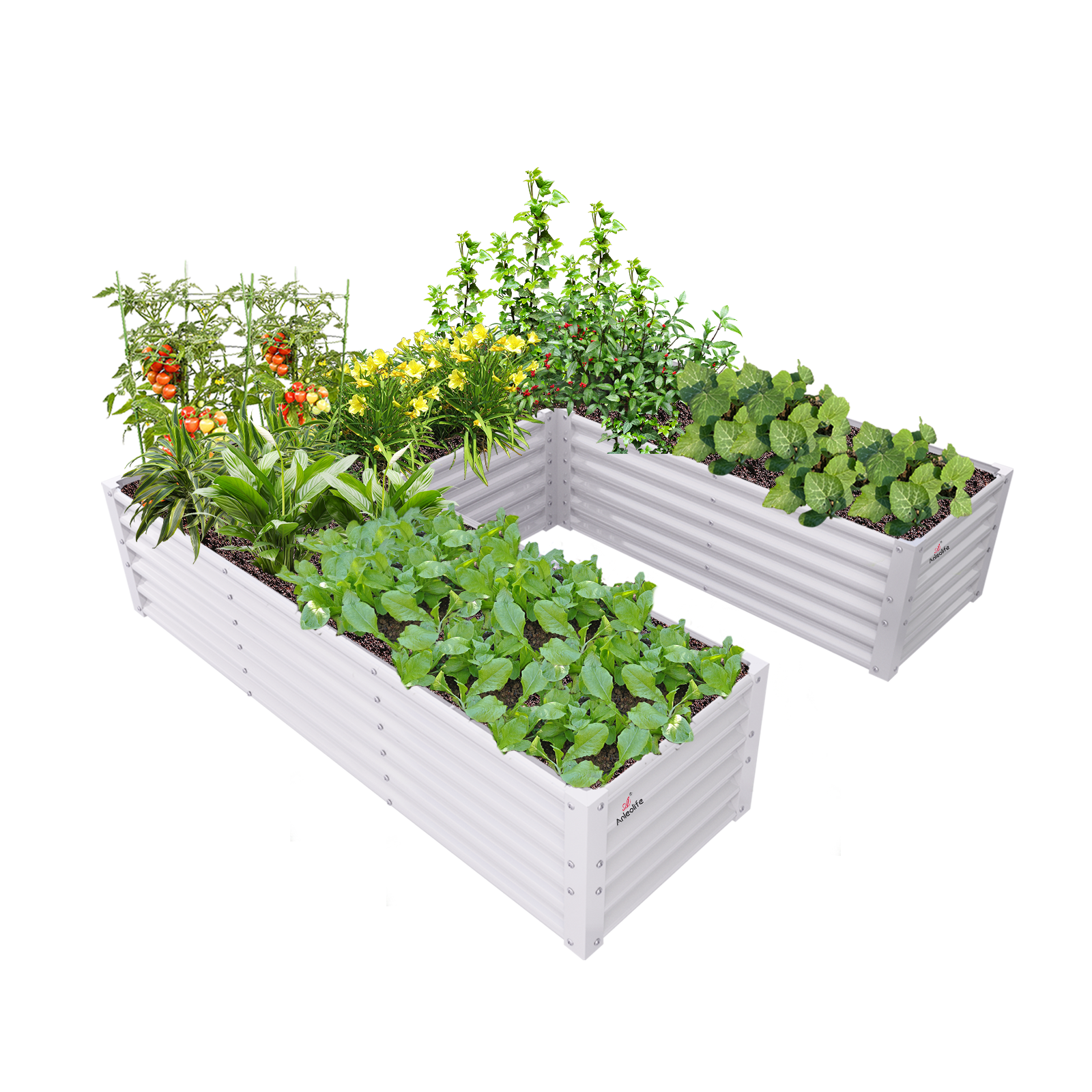
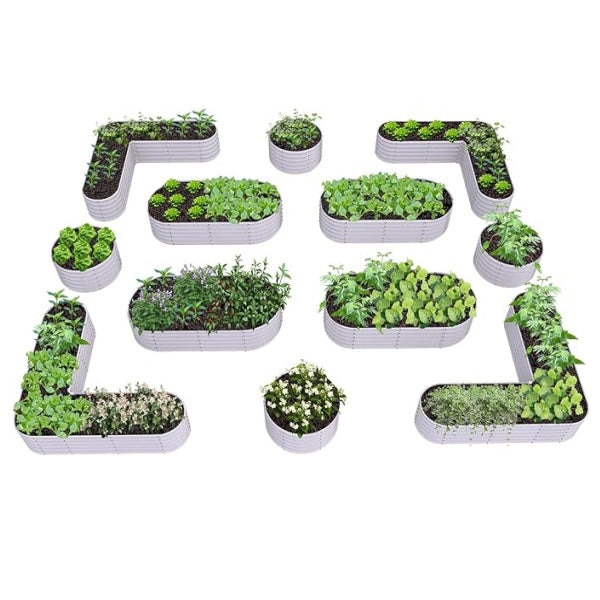
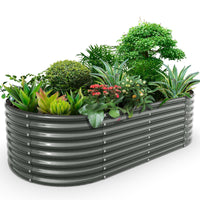
Metal raised garden beds are the clear winner for chicken-integrated systems. Unlike wood beds, which can rot when exposed to the increased moisture from manure and frequent irrigation, or plastic beds that can crack and splinter under physical stress, galvanized steel beds offer exceptional durability. Anleolife's metal raised garden beds are engineered for a 20-year lifespan, constructed from food-safe galvanized steel that resists rust, corrosion, and the wear that comes with an active, integrated garden ecosystem.
The height of your beds also matters. Taller beds (18–24 inches) create a natural deterrent to casual chicken entry while seedlings are establishing, while still allowing easy gardening access for you. When you want chickens to enter during rotation periods, simply lower a removable side panel or provide a small ramp. Anleolife offers beds in multiple heights specifically to accommodate diverse gardening needs.
Bed dimensions should account for both your planting efficiency and the chicken access pattern. A standard 4x8 foot bed remains the most practical size—reachable from both sides without stepping in, and large enough to create meaningful foraging territory for a small flock during rotation periods.
The Manure Composting Protocol That Actually Works
The most common mistake new chicken-garden integrators make is applying fresh manure directly to beds. Fresh chicken manure is high in ammonia and can burn plant roots—and if applied to food crops, carries the risk of pathogen transmission from raw animal waste. Proper hot composting eliminates these risks entirely while creating a more stable, bioavailable nutrient source.
The 60-90 Day Hot Composting Protocol:
Collect coop bedding weekly. Aim for a carbon-to-nitrogen ratio of approximately 25:1 to 30:1 in your compost pile. Since chicken manure with pine shaving bedding typically runs nitrogen-heavy, add 2–3 parts dry carbon material (straw, dried leaves, cardboard torn into small pieces) for every 1 part of coop collection.
Build your pile to at least 3x3x3 feet—the minimum size needed to generate the internal heat (130–160°F) that kills weed seeds and pathogens. Turn the pile every 10–14 days, monitoring internal temperature with a compost thermometer. After 60–90 days of active composting, allow an additional 2–4 weeks of curing before application.
Apply finished compost at a rate of 2–3 inches across your bed surface each season, working it lightly into the top 4–6 inches of soil. The nutrient release is slower and more sustained than synthetic fertilizer, feeding your plants steadily across the growing season rather than in a single burst.
Pest Control: Timing Chicken Access for Maximum Benefit
The pest control value of chickens in a raised bed system comes almost entirely from timing. Allow chickens access to a bed at the wrong moment and you'll lose seedlings and tender crops. Allow access at the right moments and you'll dramatically reduce your pest burden heading into each new season.
Three High-Value Access Windows:
- Post-harvest clearing: After pulling a crop, allow chickens 3–7 days of access to the emptied bed. They'll scratch up crop debris, consume pest eggs and larvae in the top few inches of soil, and leave behind a fresh manure deposit that gets incorporated into your compost layer.
- Late fall/winter access: In colder climates, giving chickens extended access to dormant beds in late fall provides exceptional pest-clearing of overwintering beetle grubs, slug eggs, and aphid populations that would otherwise emerge in spring. This single practice can reduce your pest pressure by 40–60% the following season, according to integrated pest management research from Oregon State University.
- Pre-planting scratching: 3–4 weeks before spring planting, allow brief chicken access (1–3 days maximum) to help break up any surface compaction and incorporate surface compost. Remove chickens promptly and allow the soil to rest before planting.
What to Protect at All Times:
Seedlings under 4 inches tall are extremely vulnerable. Any plants in flower or fruit should be fully protected. Use hardware cloth row covers or simple wire cloches to protect vulnerable plants during transition periods when chickens are being moved between zones.

ALT: Permaculture backyard diagram showing rotational chicken access zones between raised garden beds, compost bins, and coop placement for integrated pest control and manure composting
Advanced Strategies: Solving Common Integration Challenges
Special Situations Worth Planning For
Managing muddy conditions around the coop: Chickens and rain create mud—and mud adjacent to garden beds introduces risk of soil contamination and pathogen spread during heavy rains. Address this proactively by installing a 6-inch layer of wood chip mulch or decomposed granite in the permanent chicken run area. This dramatically reduces mud, provides a better substrate for chickens, and the spent wood chips become excellent carbon material for your compost pile.
Introducing new hens to an established garden: New birds take time to learn the boundaries of their foraging zones. For the first 2–4 weeks after introducing new hens, supervise their garden access periods rather than leaving them unattended. Chickens that haven't learned your rotational system can quickly decimate an unprotected bed. Temporary low fencing (even 24-inch welded wire) works as a training aid during this settling-in period.
Managing the integration through seasonal transitions: Spring is the highest-risk season for chicken-garden conflict. You're eager to plant as chickens are emerging from winter confinement and scratching aggressively. Establish a hard rule: chickens are fully locked out of all active growing zones from seed-starting time until post-harvest in fall. Post a simple visual sign or use a bright-colored flagging tape system as a reminder that a bed is in active production status.
Common Misconceptions Clarified
Misconception: "Chickens will fertilize my beds directly during access." Reality: While chickens do deposit manure during forage access, the quantities are inconsistent and the fresh manure still requires composting before it's safe and effective. Direct manure deposit is a bonus, not the primary fertilization strategy.
Misconception: "Any raised bed will work for this system." Reality: Bed durability matters enormously in an integrated system. Beds that need replacement every 3–5 years will repeatedly disrupt your established garden layout and composting routines. Investing in metal beds with a 20-year lifespan like Anleolife's galvanized steel raised beds pays for itself in stability and reduced replacement costs.
Frequently Asked Questions FAQ
Q1: How long does it take for chicken manure compost to be safe for vegetable gardens?
Raw chicken manure should never be applied directly to edible garden beds due to ammonia burn risk and potential pathogen presence. Properly managed hot composting at 130–160°F for a minimum of 60–90 days, followed by 2–4 weeks of curing, produces safe, effective compost. The USDA's National Organic Program guidelines specify a 90-day waiting period between application of uncomposted manure and harvest of food-contact crops—hot composting eliminates this waiting requirement while producing a superior soil amendment.
Q2: Are metal raised garden beds safe to use in a chicken-integrated system?
Yes—food-safe galvanized steel raised beds are an excellent choice for chicken-integrated gardens. The zinc coating on galvanized steel is stable and does not leach into soil at levels that affect plant or animal health under normal garden conditions. Unlike wood beds, metal beds won't harbor bacteria or rot from the increased moisture associated with manure composting and chicken activity. Anleolife's galvanized steel beds are specifically designed for food production environments and carry a 20-year lifespan, making them a sound long-term investment for an integrated system.
Q3: How much space do I need to start a rotational chicken-garden integration system?
A functional rotational system can be established in as little as 400–600 square feet of total outdoor space. This accommodates a small coop for 2–4 hens, a permanent run of approximately 50–80 square feet, two raised beds of 4x8 feet each (Zone A and Zone B), and a two-bin compost system. Smaller setups are possible with Model A (fixed separation), which works even in compact urban backyards with a single raised bed and manual manure collection rather than rotational access. The key is thoughtful zone design, not total square footage.
Summary
Integrating chickens with raised bed gardens isn't a complex or exotic practice—it's a return to the common-sense polyculture farming that sustained households for centuries, now updated with modern materials, systematic design thinking, and evidence-based pest management research.
The three core principles to carry forward from this guide:
First, thoughtful spatial design is everything. Position your coop strategically, build rotational access into your raised bed layout from the start, and use durable infrastructure—particularly metal raised garden beds with a 20-year lifespan—that can support a functioning integrated system for decades without needing replacement.
Second, the manure composting loop is the engine of the system. Chicken waste, properly composted through the 60–90 day hot composting protocol, becomes one of the most valuable soil amendments you can apply to your beds—free of charge, continuously produced, and far more soil-health-positive than synthetic alternatives.
Third, timing governs pest control effectiveness. Strategic seasonal access—post-harvest, late fall, and pre-planting windows—delivers meaningful, research-backed reductions in soil pest populations with minimal risk to your crops.
Your next steps: audit your current outdoor space using the zone-mapping process described in Step 1, assess which integration model fits your available square footage and flock size, and begin planning your rotational bed layout and compost infrastructure before your next growing season begins.
Start Your Integrated Garden Ecosystem with Anleolife
Nationwide U.S. warehouse network: Strategically located in California, Texas, Florida, New York, Illinois, and Washington to ensure delivery within 3–8 business days—so your garden upgrade plans never have to wait.
Multi-channel sales network: Products are available on major e-commerce platforms including Amazon, Walmart, Home Depot, Lowe's, and Wayfair, as well as the official website https://www.anleolife.com/, providing consistent quality assurance and after-sales service.
Three core scenarios: Planting (metal raised garden beds, soil systems), Raising (chicken coops, rabbit hutches), and Beautification (decorative accessories, pathway systems)—meeting complete needs from functionality to aesthetics.
Upgrade your garden with Anleolife. We understand that an ideal garden is not built overnight, but gradually improved over time. Our modular product design allows flexible expansion based on your needs—from your first 8x4x2 garden bed to a fully integrated planting-and-raising ecosystem. We grow with you every step of the way.
References
This article is based on the following official materials (as of January 2026):
- [USDA]. "National Organic Program: Manure Use Standards and Composting Requirements."
https://www.usda.gov/ - [EPA]. "Composting at Home: Benefits and Best Practices for Organic Waste Management."
https://www.epa.gov/ - [UC ANR]. "Backyard Poultry Integration and Soil Fertility Management for Home Gardens."
https://ucanr.edu/ - [OSU Extension]. "Integrated Pest Management for Home Vegetable Gardens: Rotational Practices and Biological Controls."
https://extension.oregonstate.edu/
Note: Agricultural standards and local poultry ordinances may be updated. Please check the latest official documents or consult a local extension service advisor before implementing changes to your backyard system.
About Anleolife
Anleolife is a leading outdoor garden solutions provider in North America, dedicated to offering a full-scenario product ecosystem for home gardening enthusiasts, covering planting, raising, and garden beautification. Since its founding, we have upheld our brand mission, "Made for Garden Life," continuously innovating products and optimizing services to help hundreds of thousands of users upgrade their gardens, reconnect with nature, and enjoy a better garden lifestyle.