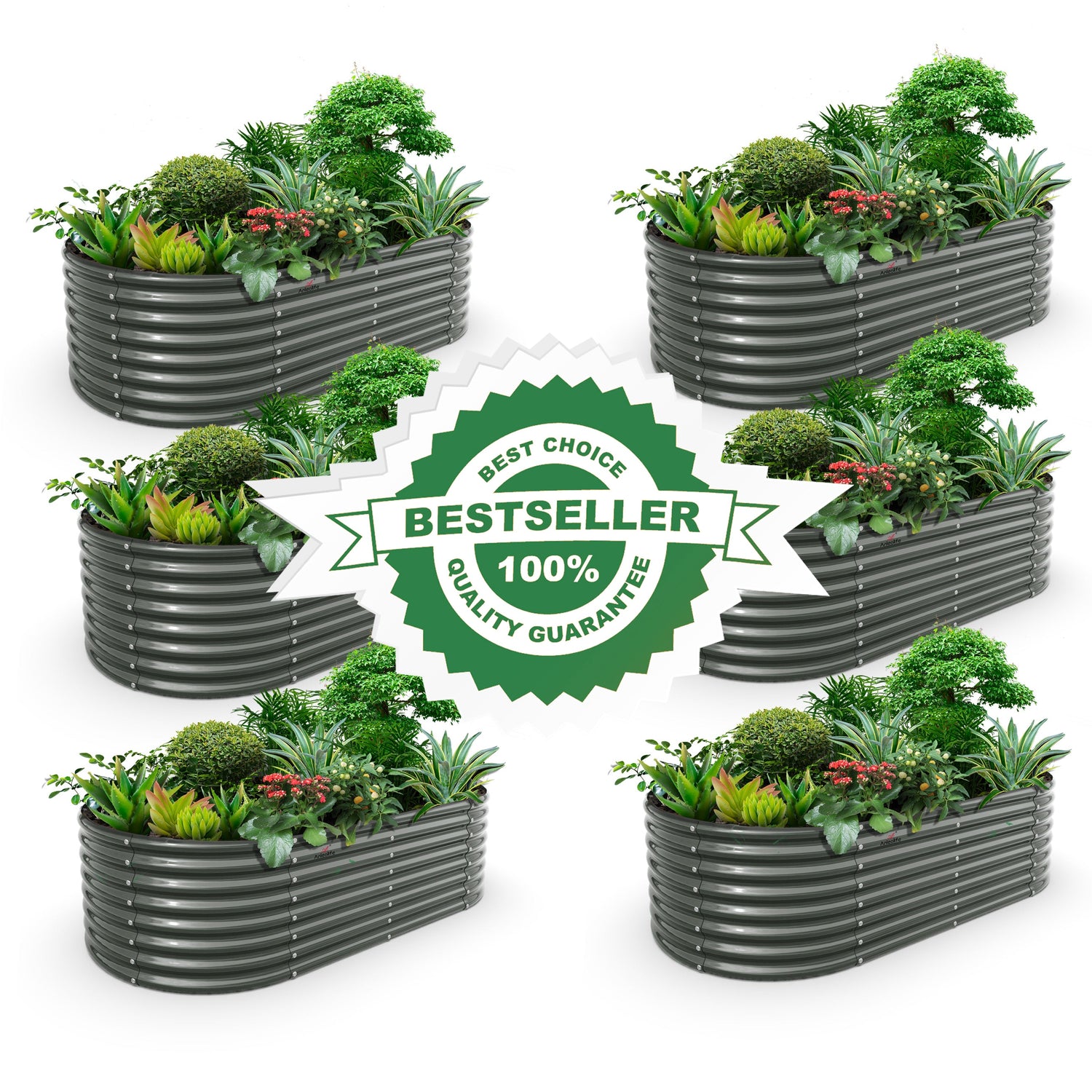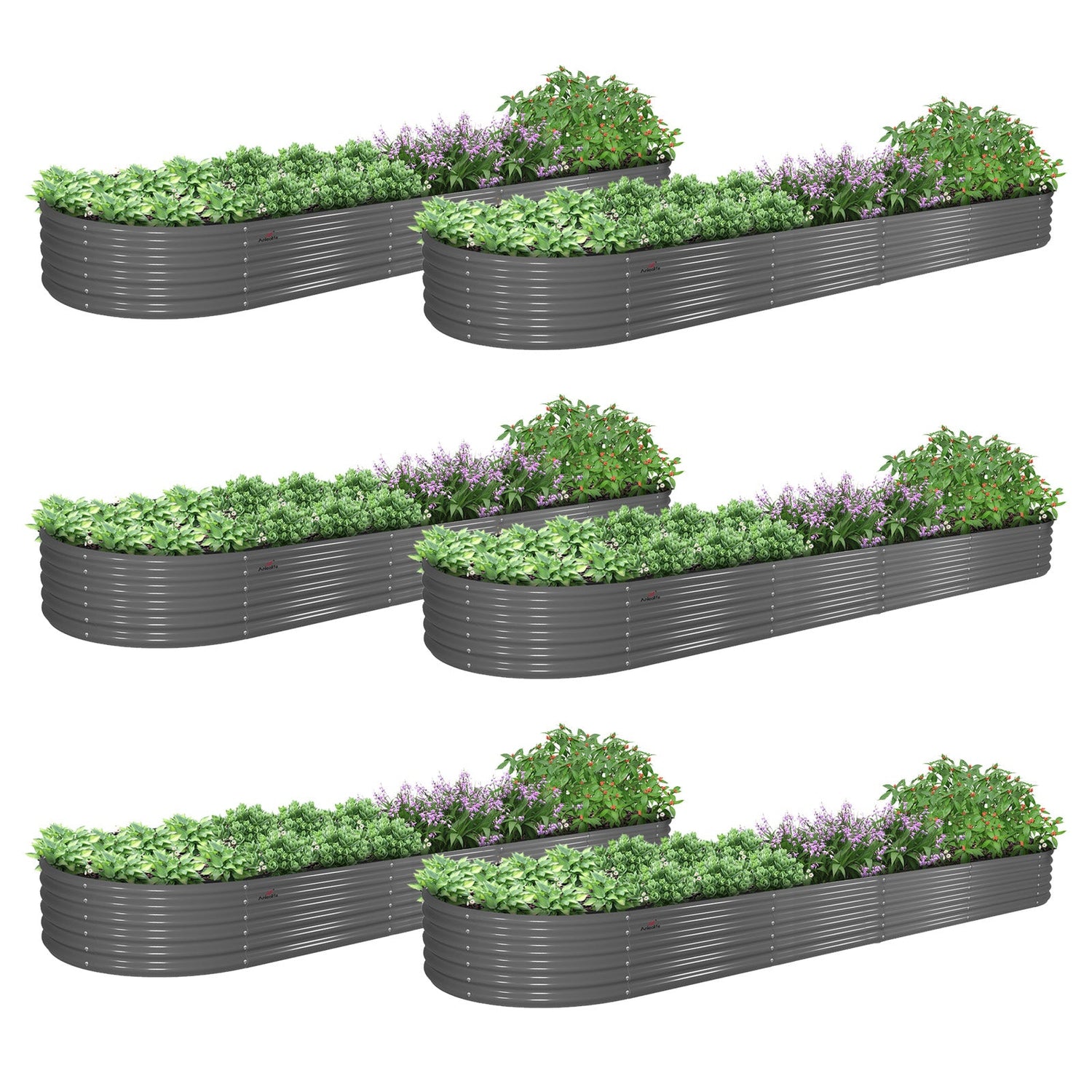



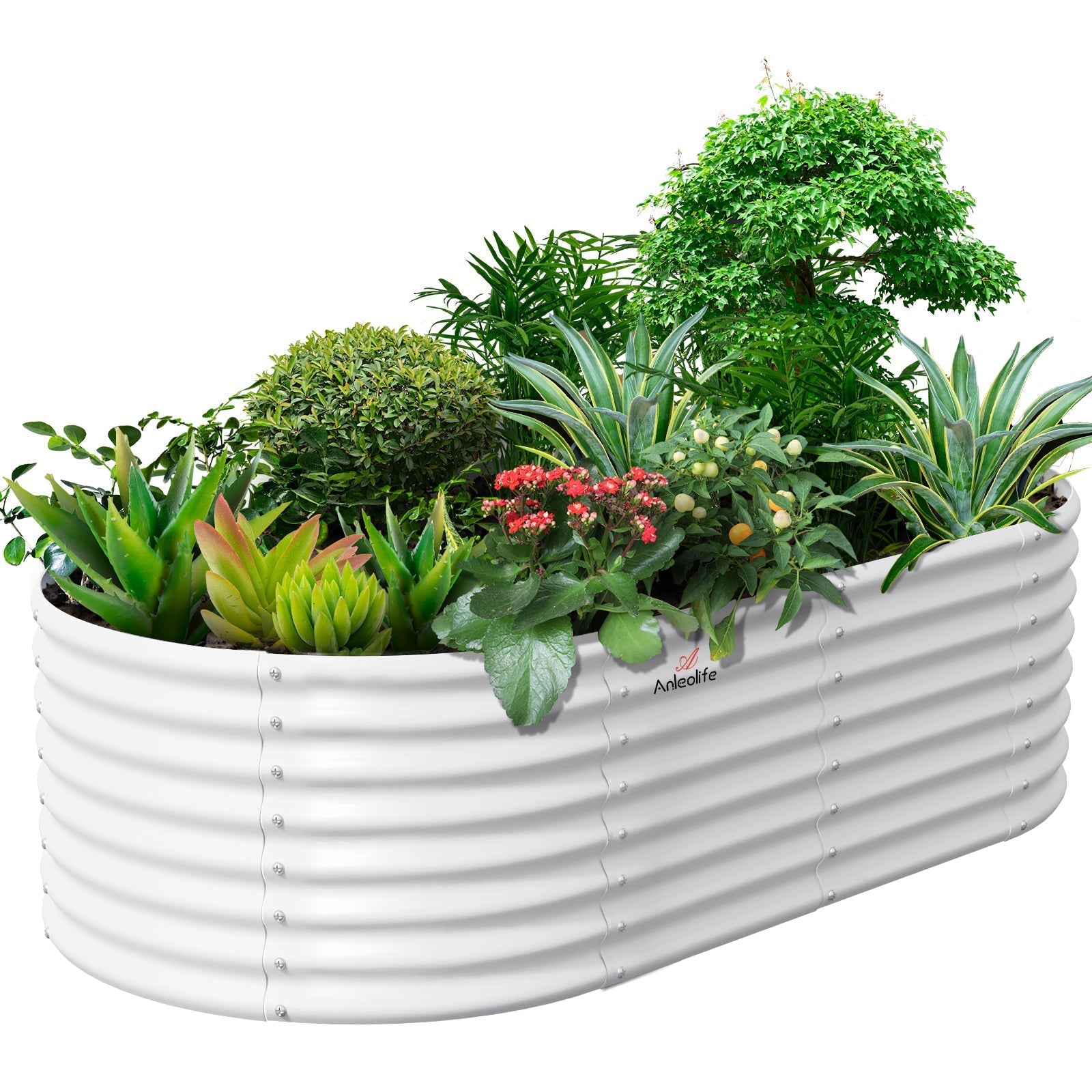
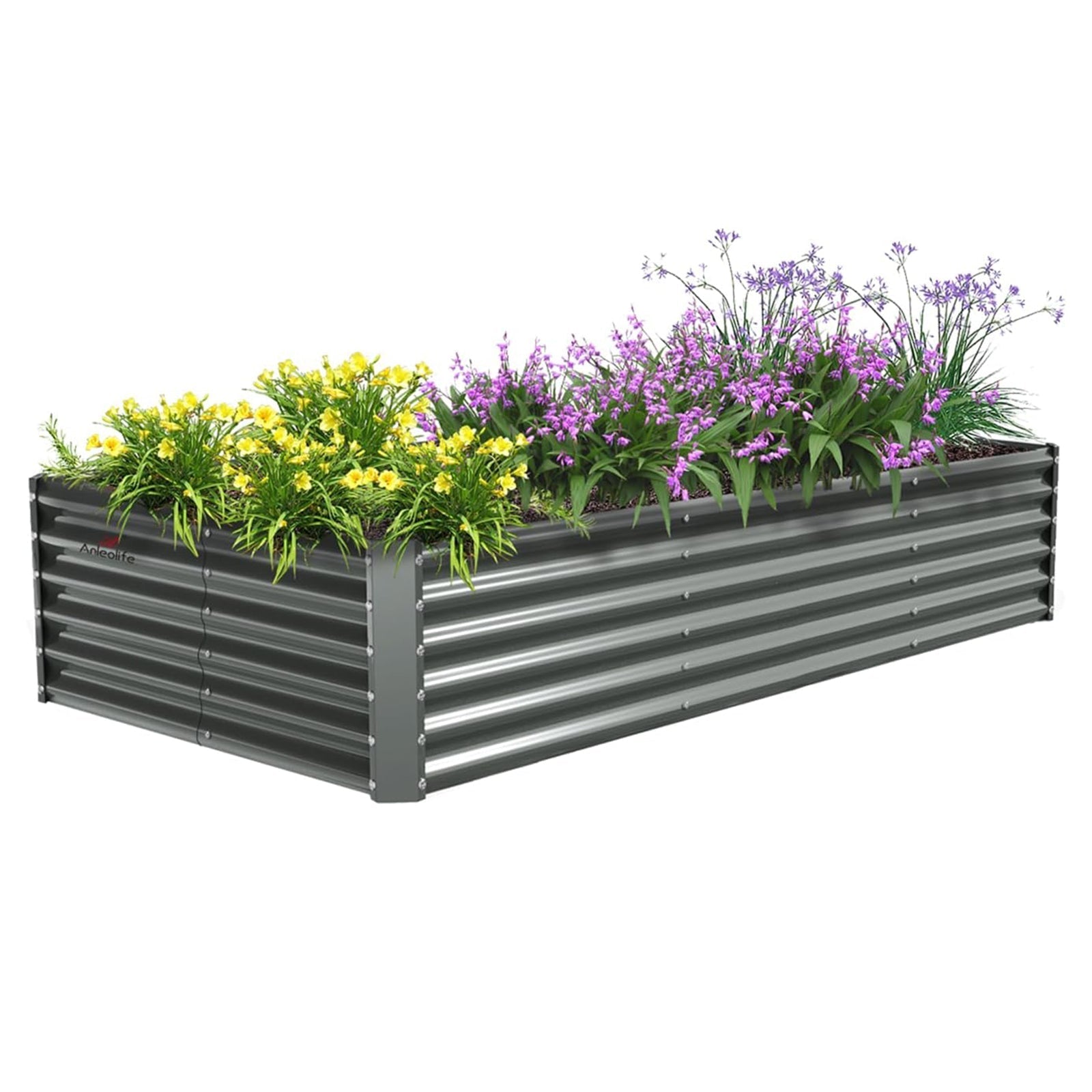

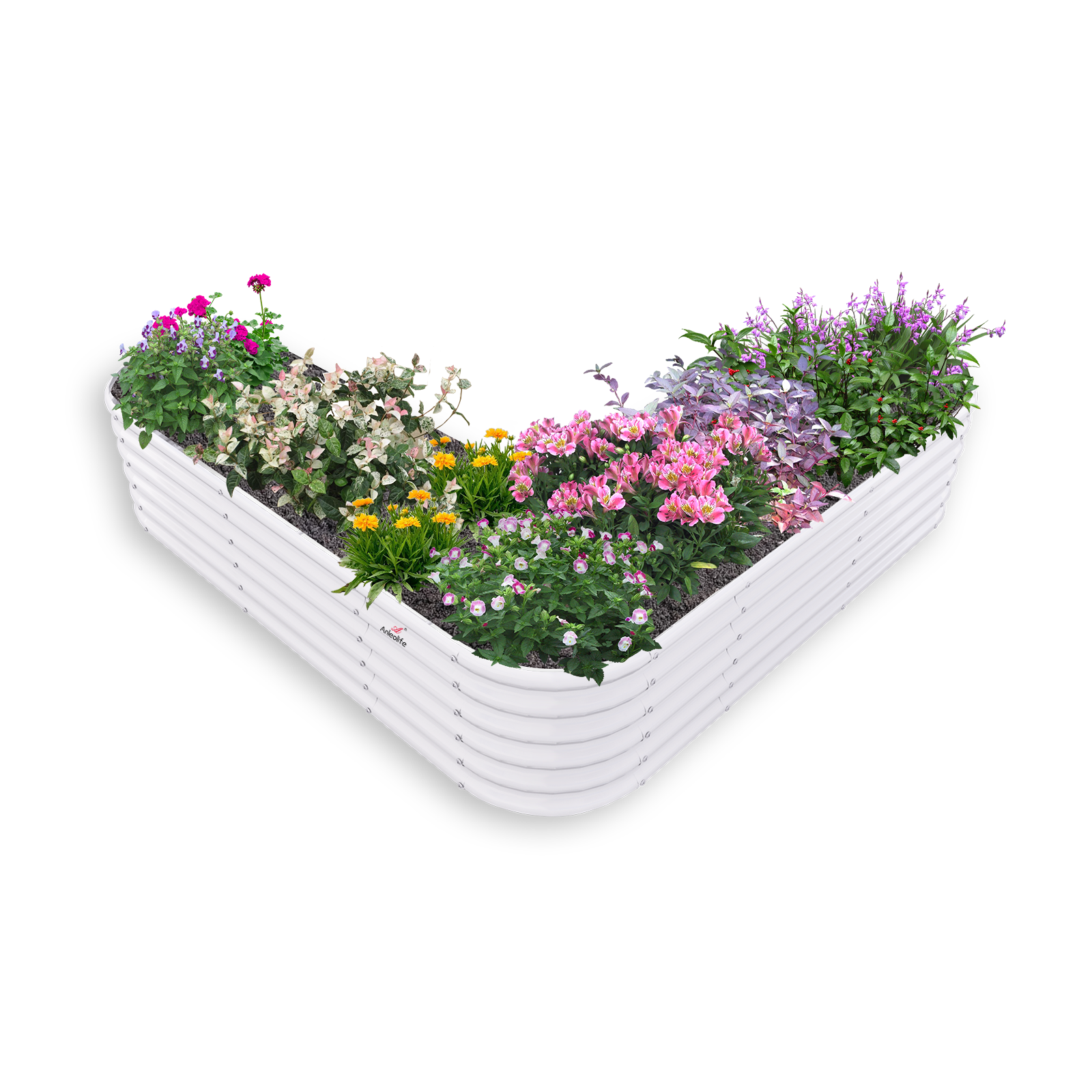
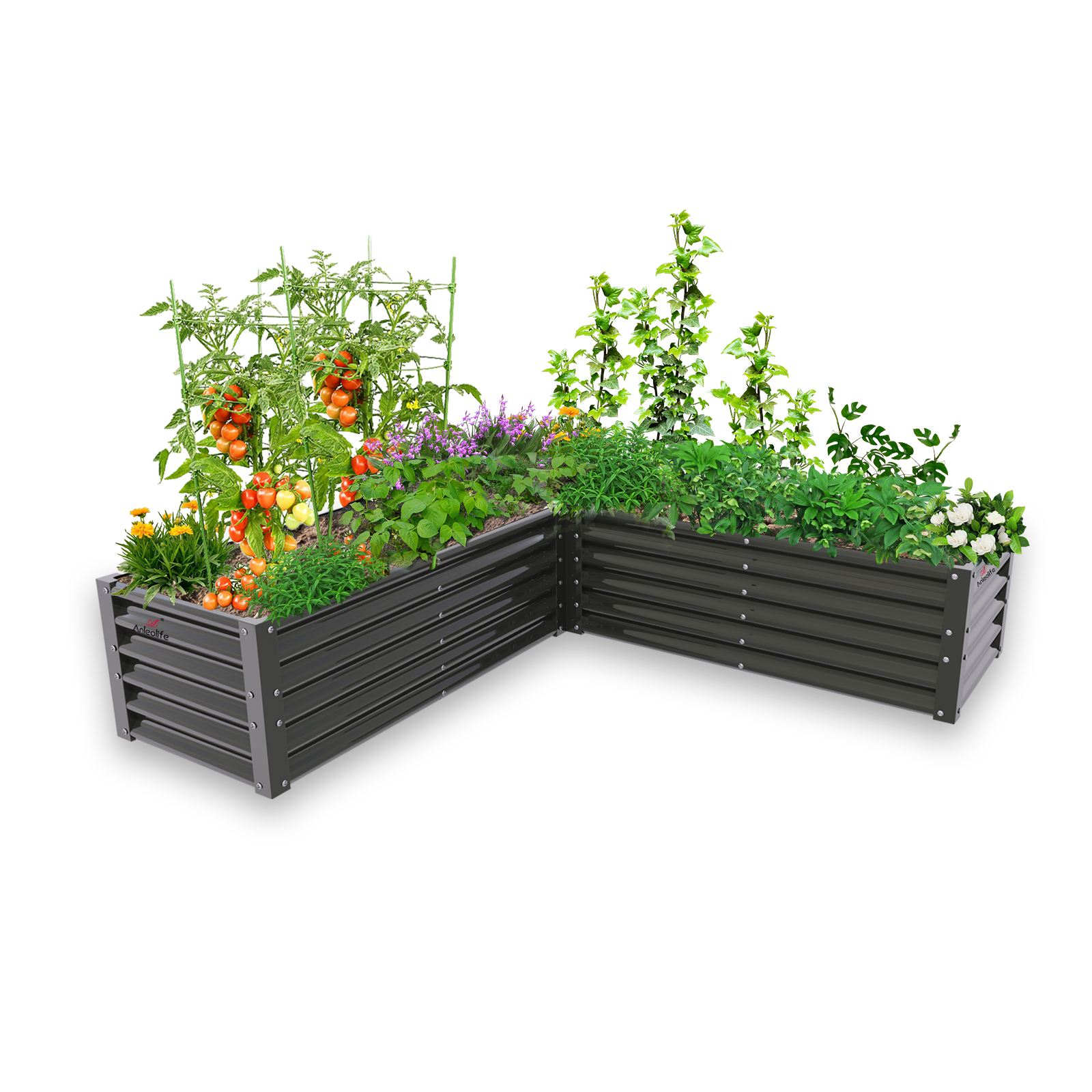
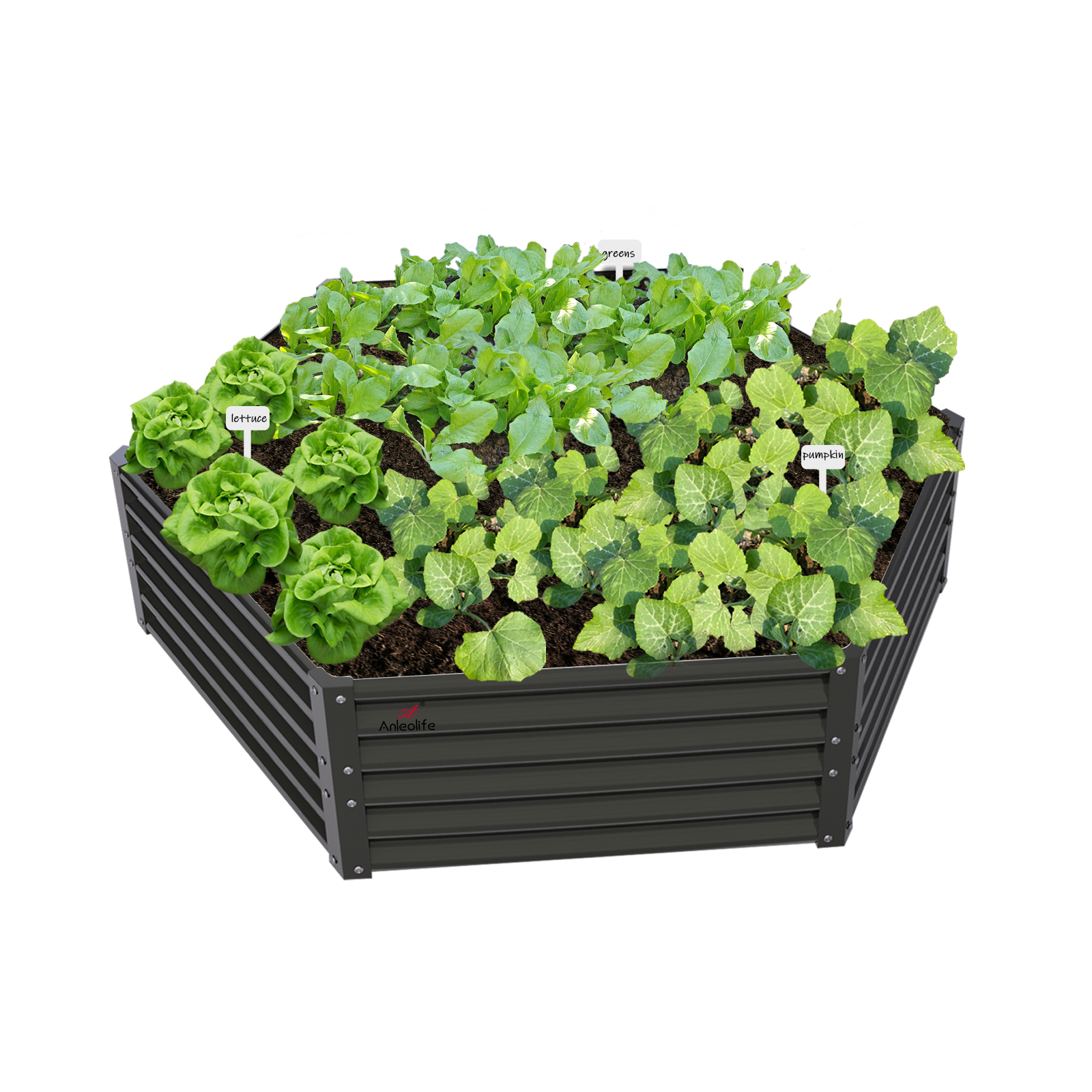
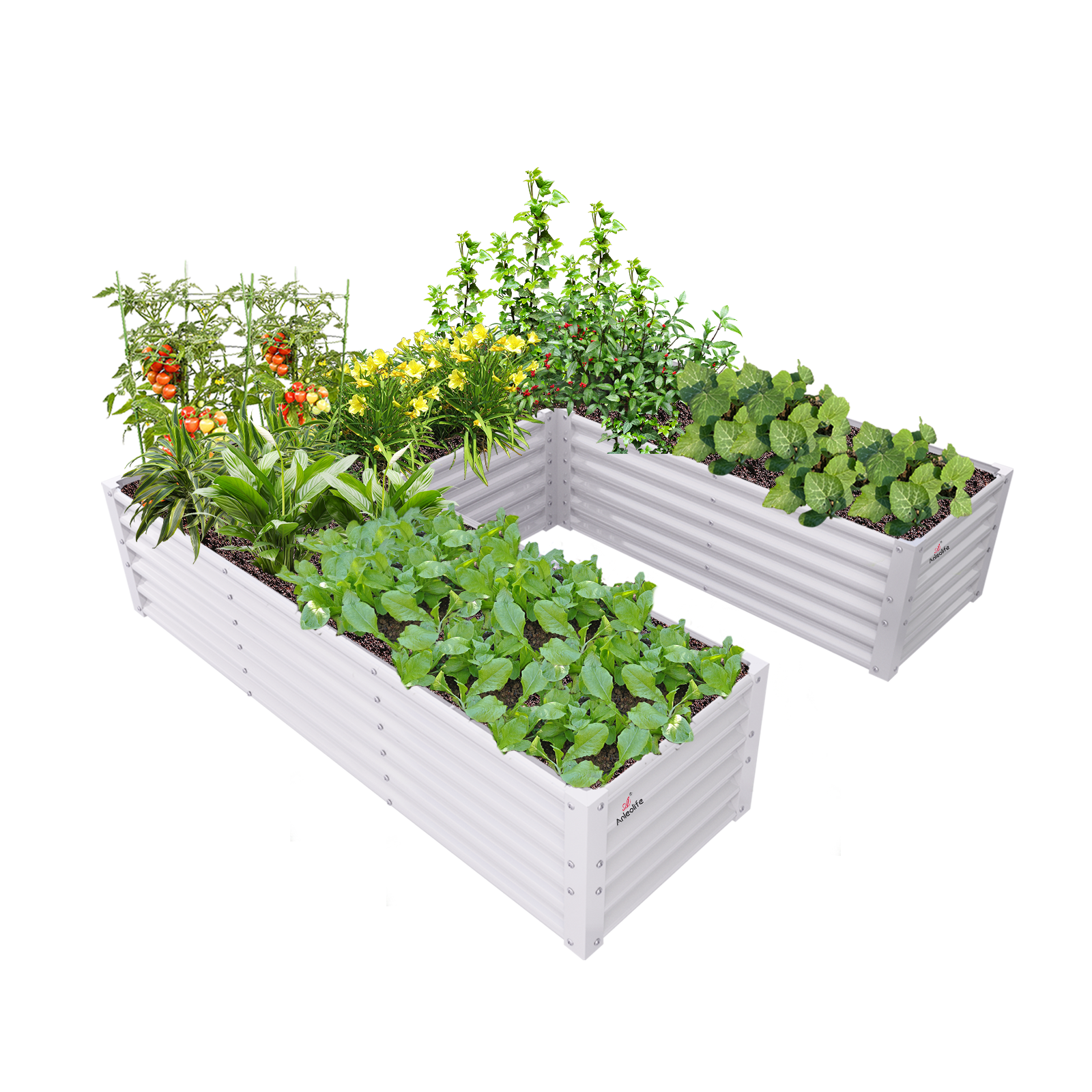

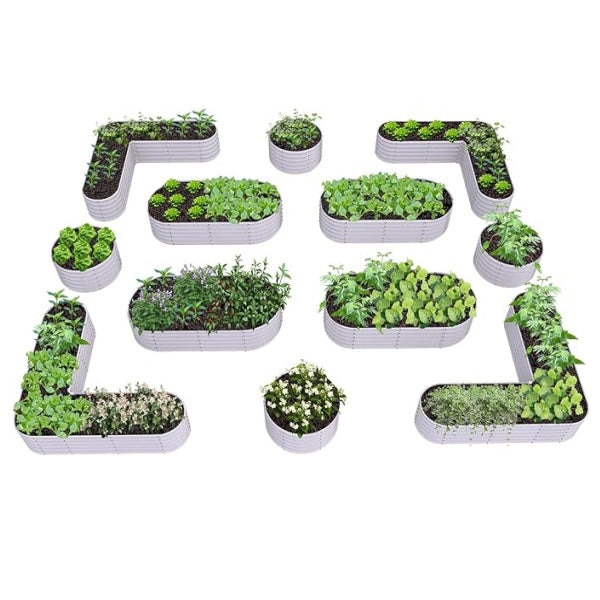


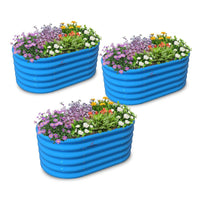
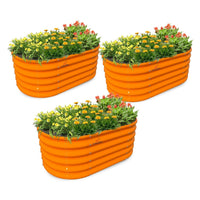
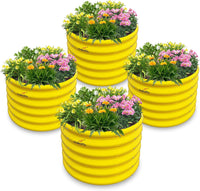
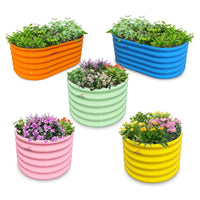
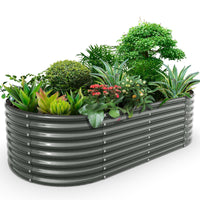




ALT: Galvanized steel raised garden bed staying rust-free and looking new during intense summer heat outdoors
Keep Your Galvanized Steel Raised Garden Bed Looking New All Summer Long
Key Conclusion: Galvanized steel raised garden beds are among the most durable and budget-friendly investments a home gardener can make — but summer heat, UV exposure, and moisture cycles can slowly dull their finish if left unattended. With the right preventive care, cleaning routines, and smart accessories, you can keep your bed looking factory-fresh for decades. Built to last up to 20 years, Anleolife's galvanized steel beds are engineered to handle the elements — your job is simply to help them along.
Summer is glorious for gardening — warm soil, long days, and the reward of watching your plants thrive. But for your raised garden bed, summer also brings relentless UV rays, intense heat fluctuations, and humidity swings that can take a toll on even the toughest metal surfaces. The good news? Galvanized steel is inherently one of the most resilient materials you can choose, and with a few practical habits, you can extend both its lifespan and its curb appeal far beyond what most gardeners expect.
In this guide, we'll walk you through exactly how to protect, maintain, and restore your galvanized steel raised garden bed through the hottest months — from quick-start routines to advanced protection strategies.
Who This Guide Is For: Applicable Scenarios and Cautions
✅ Applicable Scenarios:
- Homeowners with galvanized steel raised garden beds in full-sun or semi-exposed locations
- Gardeners in hot climates such as the Southwest, Southeast, or Gulf Coast regions where summer temperatures routinely exceed 90°F
- Urban micro-gardeners growing on patios, decks, or driveways where beds are exposed to heat radiating off hard surfaces
- Empty nesters or retirees who want low-maintenance beds that stay attractive season after season
- Eco-conscious growers who want to maximize the lifespan of their investment rather than replacing beds frequently
❌ Not Applicable/Cautions:
- This guide focuses specifically on galvanized steel beds; recommendations may not apply equally to wood, fabric, or composite raised beds, which have different maintenance needs
- If your bed shows deep structural rust, cracking welds, or compromised galvanized coating, cosmetic maintenance alone will not resolve the issue — consult the manufacturer or consider a replacement panel
- Avoid applying paint or sealants marketed for indoor metals; always choose outdoor-rated, garden-safe products that will not leach chemicals into your growing soil
Why Summer Is the True Test for Galvanized Steel Garden Beds
Galvanized steel — steel coated with a protective layer of zinc — is one of the smartest material choices for outdoor raised garden beds. It's far more durable than untreated iron, resistant to most rust under normal conditions, and holds up against physical impacts that would split or warp wood. According to research from the American Galvanizers Association, properly galvanized steel in outdoor environments can maintain its protective coating for decades when the zinc layer remains intact.
But "resistant" doesn't mean "invincible." Summer creates a specific set of challenges:
Thermal Expansion and Contraction: As temperatures swing between cool mornings and scorching afternoons, metal expands and contracts. Over time, this can stress joints, loosen fasteners, and cause tiny surface micro-scratches where moisture can eventually gain a foothold.
UV Degradation: While the zinc coating itself is not dramatically UV-sensitive, any painted or powder-coated finish on the exterior of your bed can fade, chalk, or peel under prolonged sun exposure — especially in regions with 300+ sunny days per year.
Moisture Accumulation: Summer storms, irrigation splashback, and high humidity create a wet-dry cycle on the bed's surface. When water pools in scratches or around joints, it accelerates localized corrosion even on galvanized surfaces.
Soil Acidity: The interior of your bed is in constant contact with moist, biologically active soil. Highly acidic growing mixes can, over years, begin to interact with the zinc coating on the inner walls.
Understanding these four stressors gives you a clear roadmap: protect the surface from UV and heat stress, manage moisture at joints, and use appropriate soil mixes inside the bed. The sections that follow give you a step-by-step plan for exactly that.
For gardeners just getting started, it also helps to understand what's the best material for affordable raised garden beds: galvanized steel consistently ranks at the top because it balances upfront cost, longevity (up to 20 years with proper care), and low ongoing maintenance — making it significantly more economical over time than wood beds that need replacing every 5–8 years.
Your Complete Summer Maintenance Plan for Galvanized Steel Raised Garden Beds
Three-Step Quick-Start Routine (Do This in the First Week of Summer)
Step 1: Inspect and Clean the Entire Surface
Start the season with a thorough visual inspection of every panel, corner joint, and fastener. Look for any white powdery patches (zinc oxide — harmless and actually self-healing), surface scratches exposing raw metal, or rust-colored staining near bolt holes. Then clean the exterior with a soft brush or microfiber cloth dampened with a mild dish soap solution. Rinse thoroughly and allow to dry completely in the sun — this takes about 30–60 minutes on a warm day. Never use steel wool or abrasive scrubbers, which can strip the zinc layer.
Step 2: Apply a Protective Coat or Wax
Once the surface is dry, apply a thin layer of automotive paste wax or a clear outdoor metal protectant to all exterior surfaces. This creates a hydrophobic barrier that repels water, slows UV-related dulling, and makes future cleaning easier. Use a soft cloth in circular motions, let it haze (approximately 10 minutes), then buff off. Pay special attention to the top rim of the bed — this horizontal surface collects the most standing water and direct sun.
Step 3: Tighten Hardware and Check Drainage
Walk around the bed and hand-tighten any bolts or connector clips that may have loosened over the winter. Loose joints create micro-gaps where water infiltrates and sits. While you're at it, check that your bed has adequate drainage: lift a corner slightly if possible and look for standing water around the base. Adding a gravel border or slightly elevating the bed feet ensures water drains away from the base panels rather than pooling beneath them.
Comparing Your Best Summer Protection Strategies
Not all maintenance approaches are created equal. Here's a straightforward comparison of the most commonly recommended strategies for keeping galvanized steel beds looking new through summer:
| Comparison Dimension | Automotive Paste Wax | Clear Outdoor Metal Sealant Spray | Shade Cloth + Physical Protection |
|---|---|---|---|
| UV Protection | Moderate — adds a reflective barrier | High — UV-inhibiting formulas available | Very High — blocks direct sun exposure |
| Ease of Application | Easy — cloth application, buffable | Easy — spray-on, minimal prep | Moderate — requires frame/stakes setup |
| Durability (Summer Season) | Reapply every 6–8 weeks | Reapply every season | Lasts the full season without reapplication |
| Cost | Low | Low to moderate | Moderate (one-time investment) |
| Effect on Appearance | Enhances shine and color | Clear finish, minimal visual change | Does not affect bed appearance |
| Best For | Beds in partial sun, decorative settings | Beds in full sun, harsh climates | Premium or decorative beds where aesthetics matter most |
| Garden-Safe | Yes — apply only to exterior | Verify label — choose garden-safe formulas | Yes — no chemicals involved |
The best approach for most home gardeners is to combine strategies: use a UV-protective wax or sealant for routine protection, and add shade cloth during extreme heat events (above 100°F) or during the peak afternoon hours in desert climates.
Deep-Dive: Seven Habits That Keep Galvanized Beds Looking New All Season
Habit 1: Wash Regularly, Not Occasionally
Most gardeners clean their garden beds once or twice a year at most. For summer maintenance, a light rinse with a garden hose every 2–3 weeks makes a significant difference. Dust, pollen, bird droppings, and fertilizer residue all create a slightly acidic film on the metal surface that, left unchecked, speeds up surface dulling. A quick rinse takes under five minutes and removes these deposits before they can do any lasting damage.
Habit 2: Manage Irrigation Splashback
One of the most overlooked sources of localized corrosion on raised garden beds is irrigation splashback — water loaded with soil particles, fertilizer salts, and organic matter hitting the interior walls of the bed repeatedly. Over time, this creates a distinctive staining pattern and can degrade the zinc coating on inner surfaces.
The fix is straightforward: use drip irrigation or soaker hoses instead of overhead sprinklers whenever possible. These deliver water directly to the root zone without aerating it across the interior walls. If you use overhead watering, aim the nozzle downward toward the soil rather than letting it arc against the metal sides.
Habit 3: Choose the Right Soil Mix for the Interior
Here's a tip most maintenance guides miss: what goes inside your bed matters for the outside too. Highly acidic soil mixes (pH below 5.5) in direct contact with galvanized steel interior walls for multiple seasons can gradually accelerate zinc layer wear. For most vegetables, a soil pH of 6.0–7.0 is ideal — and it's also gentler on your bed's interior coating.
Test your soil mix annually at the start of the growing season. If pH is running low, incorporate agricultural lime to bring it into the appropriate range. This single habit improves both your crop yields and your bed's longevity simultaneously.
This is also a perfect time to address a common gardener question: what's the best time of year to fill raised garden beds? Early spring — before planting season — is the ideal time to refresh or top off your growing medium. Doing it during summer heat can cause freshly added soil to dry out rapidly before it integrates properly. If you must add soil in summer, do so in the early morning and water thoroughly to settle it before midday heat arrives.
Habit 4: Don't Let Metal Touch Concrete Without a Barrier
If your galvanized steel bed sits directly on concrete, brick, or pavers, heat absorbed by the hard surface radiates upward into the base panels of the bed throughout the day. This accelerated thermal cycling stresses the base-panel coating. Place rubber or plastic furniture pads, wooden shims, or composite deck tiles under the base edge to create a thermal and moisture break. This also prevents the base from sitting in puddles after summer storms.
Habit 5: Address Scratches Immediately
Even the most careful gardener will occasionally scratch a raised bed — from tools, wheelbarrows, or pets. The key is to treat scratches promptly rather than waiting until end-of-season. A small patch of exposed steel will surface-rust quickly in summer humidity. Clean the scratch with rubbing alcohol, let it dry, then apply a zinc-rich touch-up spray paint or cold galvanizing compound. These products are specifically formulated to restore the sacrificial protection that galvanizing provides. Left untreated, a small scratch can become a spreading rust spot within a single wet summer week.
Habit 6: Protect the Top Rail
The top rail or rim of your galvanized steel raised garden bed receives more punishment than any other surface — direct vertical sun, standing water after rain, abrasion from leaning tools, and incidental contact from gardening gloves and hands. Wrapping or capping the top rail with a foam or rubber rail protector (available at hardware stores) serves a dual purpose: it protects the metal from physical abrasion, and it keeps the rim comfortable to grip when you're reaching into the bed. Remove the cap periodically and dry underneath to prevent trapped moisture.
Habit 7: Plan for Pets and Wildlife
Summer brings more wildlife activity — rabbits, deer, squirrels, and birds all take an interest in your productive garden beds. Beyond the obvious damage to your plants, animals scratching or chewing at the exterior of metal beds can actually gouge protective coatings. One of the best ways to protect your garden from rabbits and deer is to install a simple perimeter of hardware cloth or a removable fencing system around — or above — your raised beds. Anleolife's modular garden bed system is designed with this in mind: its sturdy, configurable panels create a stable base that's compatible with add-on fencing, netting, and trellis accessories, giving you a seamlessly integrated protective setup without improvised solutions.

ALT: Galvanized steel raised garden bed with drip irrigation and protective shade cloth to prevent summer heat damage
Advanced Tips: Handling Special Summer Situations
Extreme Heat Events (Heat Domes and 100°F+ Days)
During exceptional heat events, even well-maintained galvanized steel can get hot enough on the exterior to accelerate water evaporation at the soil surface and stress root zones near the bed walls. In these situations, wrap the exterior panels with breathable burlap or light-colored outdoor fabric — not plastic, which traps heat. The reflective effect of light-colored coverings can reduce surface temperature meaningfully. This is particularly valuable for beds oriented to receive intense western afternoon exposure.
Coastal and High-Humidity Environments
Gardeners in coastal areas or the humid Southeast face a different challenge: salt air and persistent humidity that test even the zinc coating's resilience. In these environments, increase your wax or sealant application frequency to every 4–6 weeks rather than every 6–8 weeks. After any tropical storm or heavy salt-air event, rinse the bed's exterior with fresh water and reapply protection once it's dry.
Common Misconception: "Galvanized Steel Will Never Rust"
This is the most widespread myth in raised bed maintenance. Galvanized steel resists rust through the sacrificial protection of its zinc coating — but that protection is finite, particularly where the coating is compromised. Tiny scratches, prolonged contact with acidic soil, and decades of wet-dry cycling will eventually deplete the zinc in localized spots. The design intent of quality galvanization is a very long service life — Anleolife's beds are built to last up to 20 years — but achieving that lifespan requires the kind of proactive care described in this guide, not passive neglect.
The Modular Advantage
One of the most underrated benefits of choosing an Anleolife modular garden bed system is the flexibility it offers when a panel does show wear. Rather than replacing an entire bed, individual panels can be swapped out, reconfigured, or supplemented with new sections as your garden evolves. This modularity is what makes the system genuinely scalable — and it's a significant reason why the modular approach consistently ranks as one of the best budget-friendly raised bed options: you invest incrementally rather than all at once, and you never pay to replace parts that are still in perfect condition.
Frequently Asked Questions FAQ
Q1: How do I remove rust spots from my galvanized steel raised garden bed without damaging the coating?
Start by scrubbing the rust spot gently with a non-metallic brush (nylon or brass bristle) and a paste made from baking soda and water. This lifts surface oxidation without scratching the zinc layer. Rinse thoroughly and dry immediately. Once dry, apply a zinc-rich cold galvanizing spray or touch-up paint to the affected area to restore sacrificial protection. Avoid using steel wool or sandpaper, which strip the galvanizing more aggressively than the rust itself. For large rust patches, contact the manufacturer for panel replacement guidance.
Q2: Is it safe to use galvanized steel raised beds for growing vegetables given the zinc coating?
Yes — extensive research and guidance from horticultural institutions confirm that food-safe galvanized steel raised garden beds do not leach harmful levels of zinc into soil under normal growing conditions. The zinc that does migrate is actually a micronutrient plants need. Concerns about cadmium or lead are associated with older, non-food-grade galvanization processes. Modern quality-manufactured galvanized beds use food-safe zinc alloys. Always source beds from reputable manufacturers with clear material specifications, and avoid reusing galvanized metal containers that originally held non-food chemicals.
Q3: How often should I apply wax or protective sealant to my galvanized steel bed during summer?
For most climates, applying an automotive paste wax or clear outdoor metal protectant every 6–8 weeks throughout summer provides adequate protection. In harsh conditions — coastal salt air, desert UV exposure, or the humid Gulf Coast — shorten this to every 4–6 weeks. A single application takes about 20–30 minutes for a standard-sized bed. The investment is small relative to the protection it provides: a well-maintained zinc coating significantly extends your bed toward its full potential 20-year service life.
Summary
Keeping your galvanized steel raised garden bed looking new through the summer heat isn't about complicated chemistry or expensive treatments — it's about three consistent principles working together:
1. Prevent damage before it starts. Regular cleaning, wax application, prompt scratch repair, and smart irrigation choices address the root causes of wear before they compound into visible deterioration.
2. Work with the material, not against it. Galvanized steel is built to be low-maintenance, not no-maintenance. Understanding how zinc coating works — and what compromises it — lets you make simple decisions that multiply your bed's effective lifespan.
3. Invest in the right system from the start. A bed built to last 20 years, with modular design that lets you expand or repair individual components, is the foundation that makes all other maintenance efforts worthwhile.
For most gardeners, a simple weekly rinse, a seasonal wax application, and prompt attention to scratches and hardware loosening will be all that's needed to keep their beds looking sharp from Memorial Day to Labor Day — and for many summers beyond.
Your next step: do a 15-minute inspection of your bed this weekend. Check for scratches, loose hardware, pooled water at the base, and any surface staining. Then apply a coat of paste wax to the exterior and you're set for the season.
Ready to Upgrade or Expand Your Garden Setup?
Nationwide U.S. warehouse network: Anleolife maintains strategically located warehouses across California, Texas, Florida, New York, Illinois, and Washington — ensuring delivery within 3–8 business days so your garden upgrade plans never have to wait through a long shipping delay.
Multi-channel availability: Shop Anleolife products on Amazon, Walmart, Home Depot, Lowe's, and Wayfair, or visit Anleolife.com directly for the full product range, consistent quality assurance, and dedicated after-sales support.
Three complete garden scenarios: From Planting (galvanized steel and rust-resistant raised garden beds, soil systems) to Raising (chicken coops, rabbit hutches) to Beautification (decorative accessories, pathway systems), Anleolife covers every dimension of your home garden — functionality and aesthetics together.
We understand that an ideal garden isn't built overnight but improved season by season. The Anleolife modular system is designed to grow with you — start with a single bed and expand into a complete planting-and-raising ecosystem at whatever pace fits your life and budget.
References
- American Galvanizers Association. "Galvanizing Process and Zinc Coating Performance Guide".
https://www.galvanizedit.com/ - University of California Agriculture and Natural Resources. "Raised Bed Gardening for Home Gardeners".
https://ucanr.edu/ - U.S. Department of Agriculture National Agricultural Library. "Home Gardening and Soil Health Resources".
https://www.nal.usda.gov/ - University of Minnesota Extension. "Raised Bed Gardening: Soil, Irrigation, and Maintenance Best Practices".
https://extension.umn.edu/ - Penn State Extension. "Managing Soil pH in Raised Bed Gardens".
https://extension.psu.edu/
Note: Standards and guidelines may be updated. Please check the latest official documents or consult professional advisors for the most current recommendations.
About Anleolife
Anleolife is a leading outdoor garden solutions provider in North America, dedicated to offering a full-scenario product ecosystem for home gardening enthusiasts, covering planting, raising, and garden beautification. Since its founding, we have upheld our brand mission, "Made for Garden Life," continuously innovating products and optimizing services to help hundreds of thousands of users upgrade their gardens, reconnect with nature, and enjoy a better garden lifestyle.