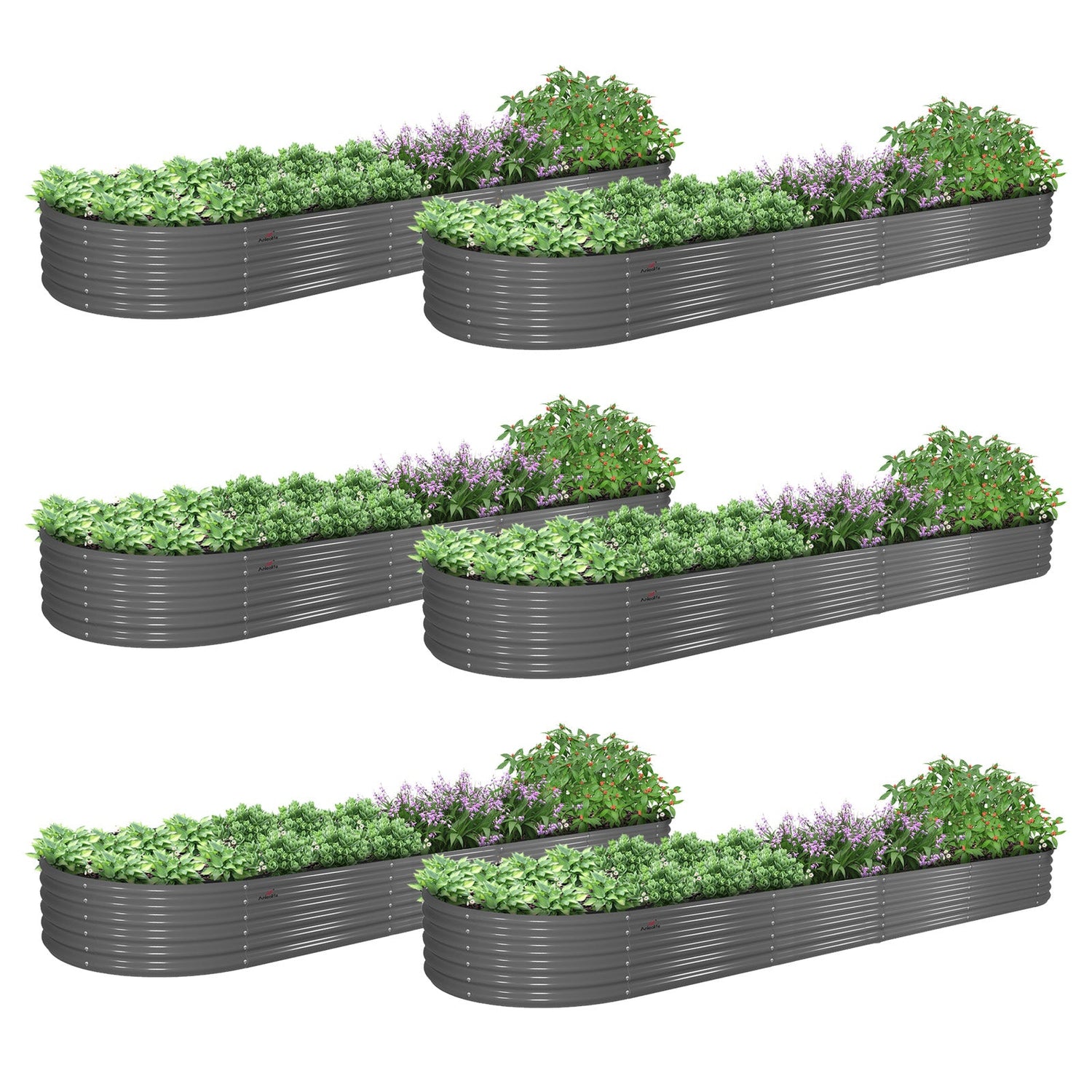



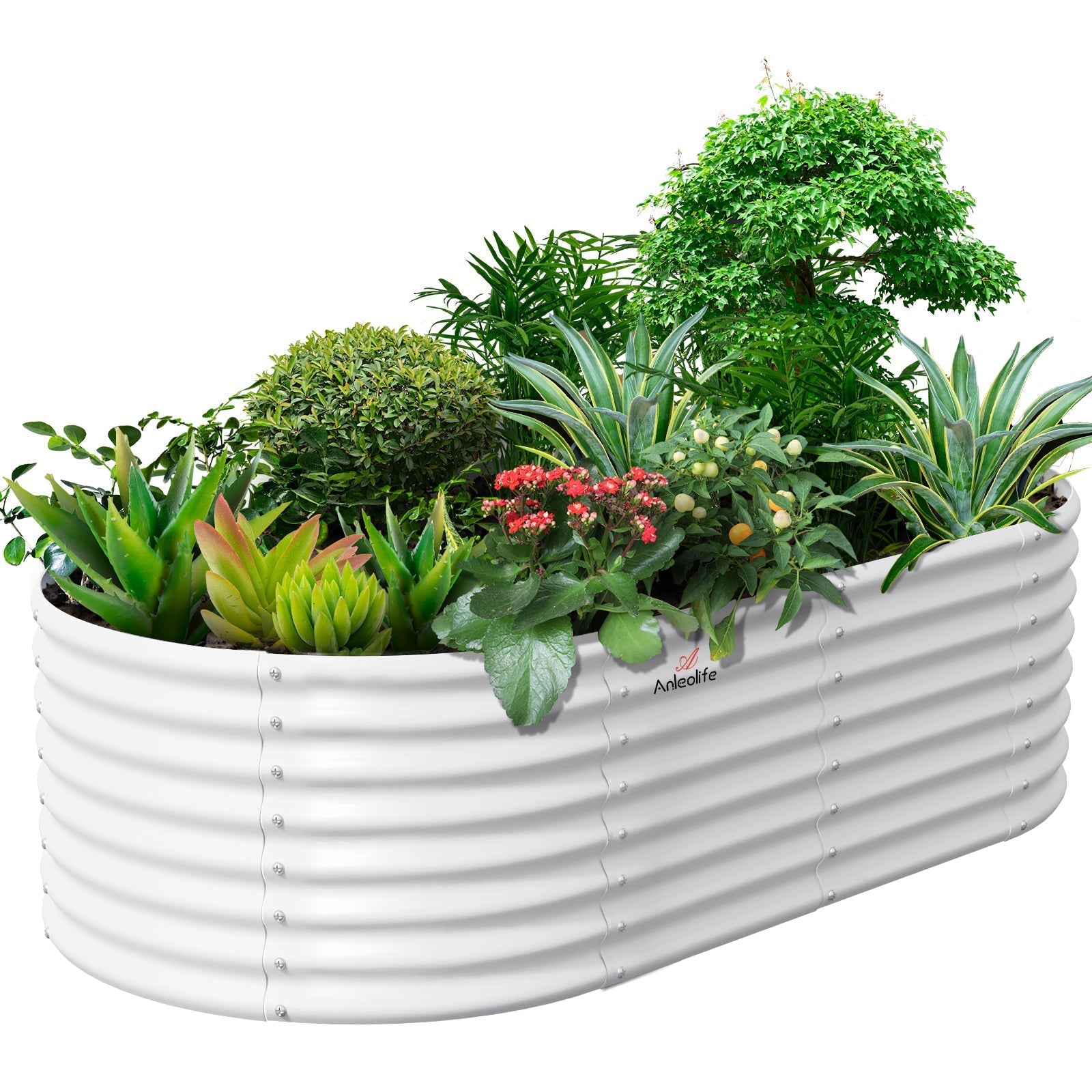
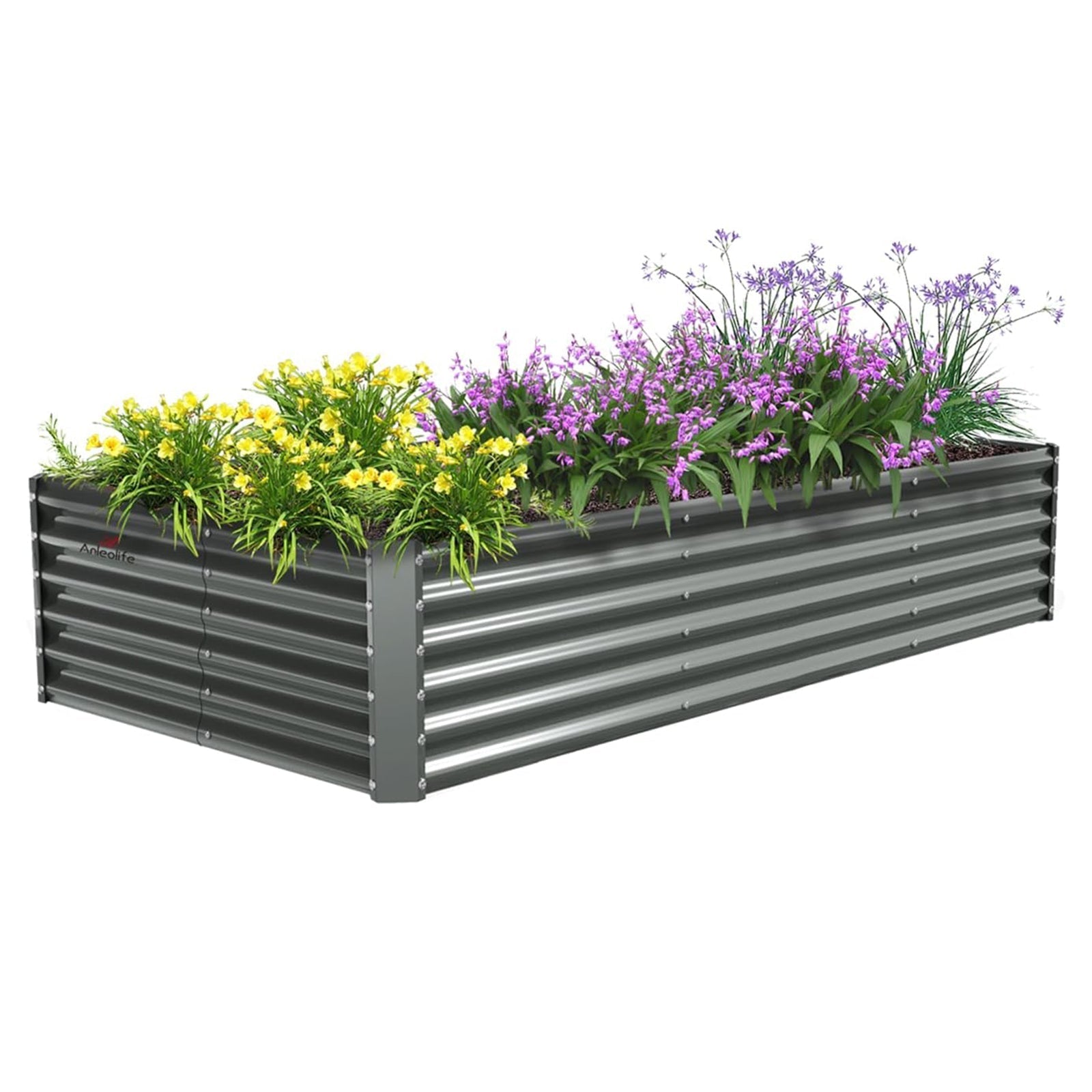

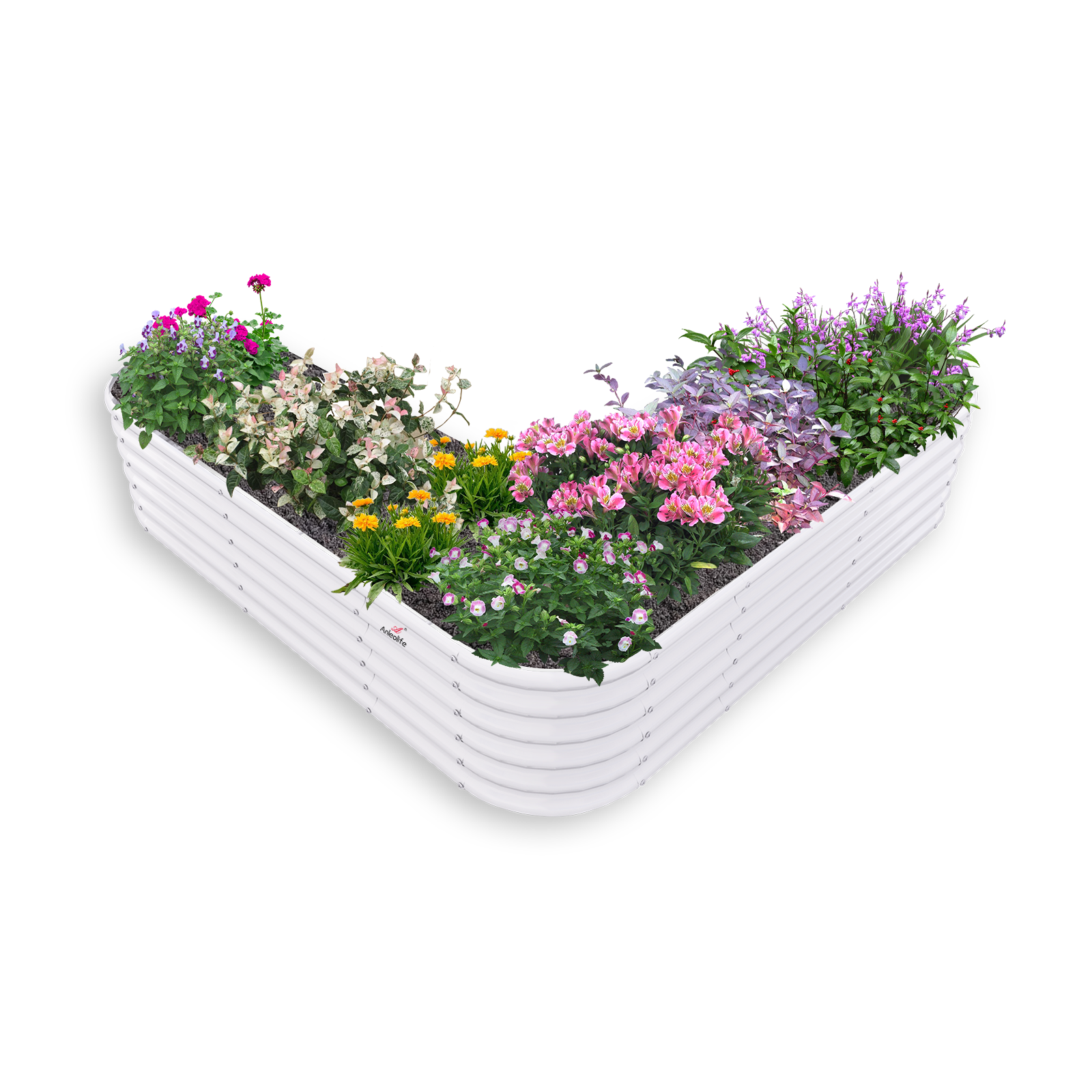
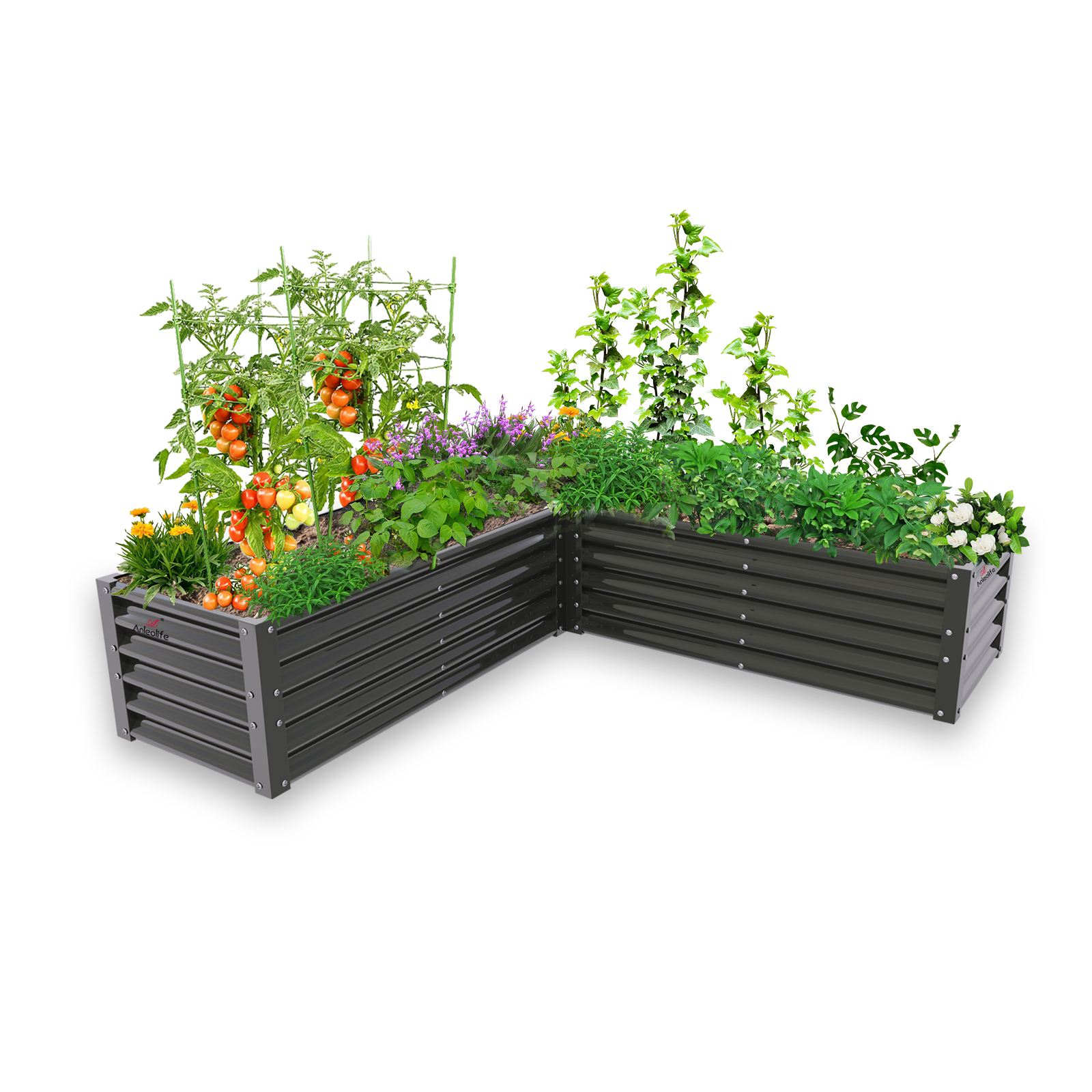
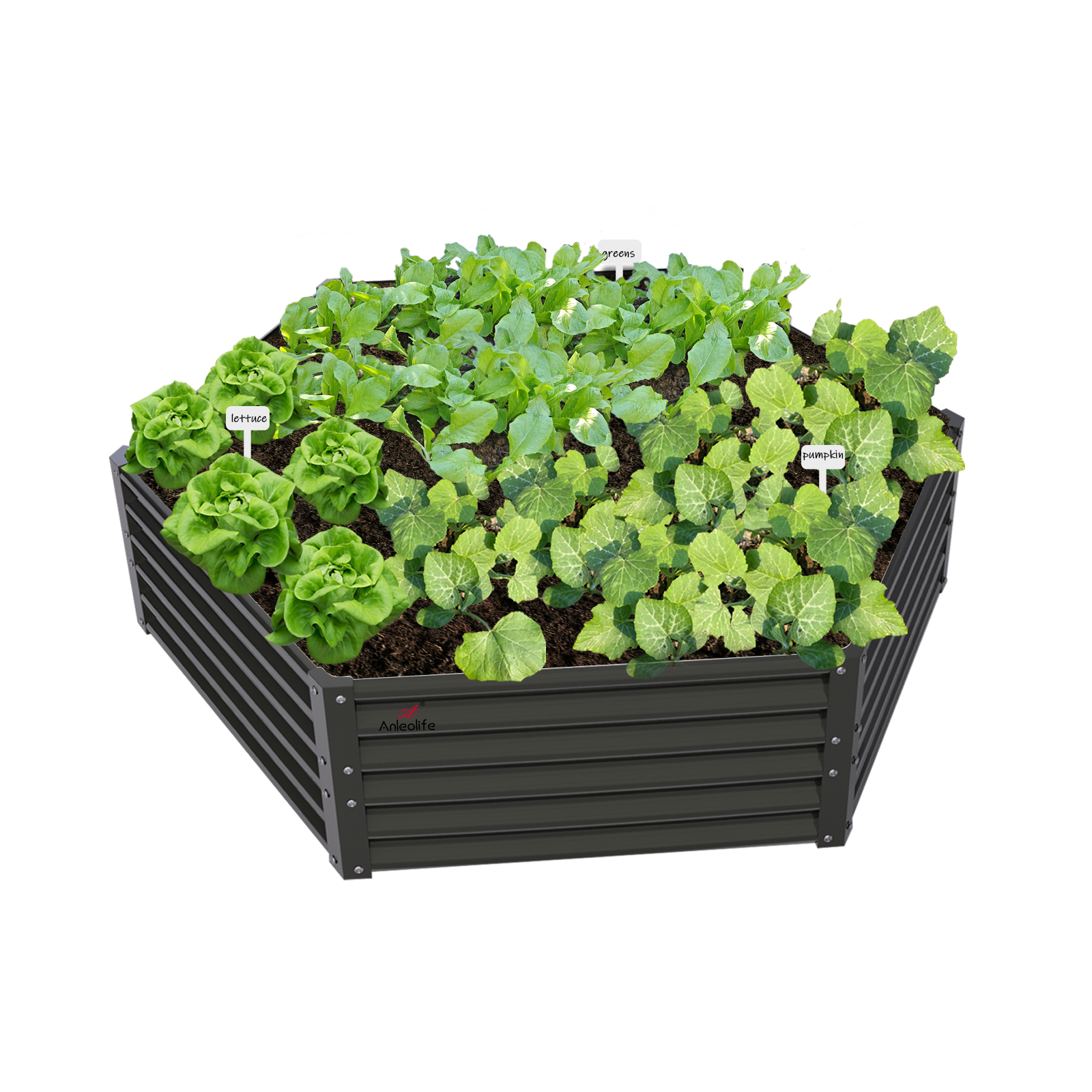
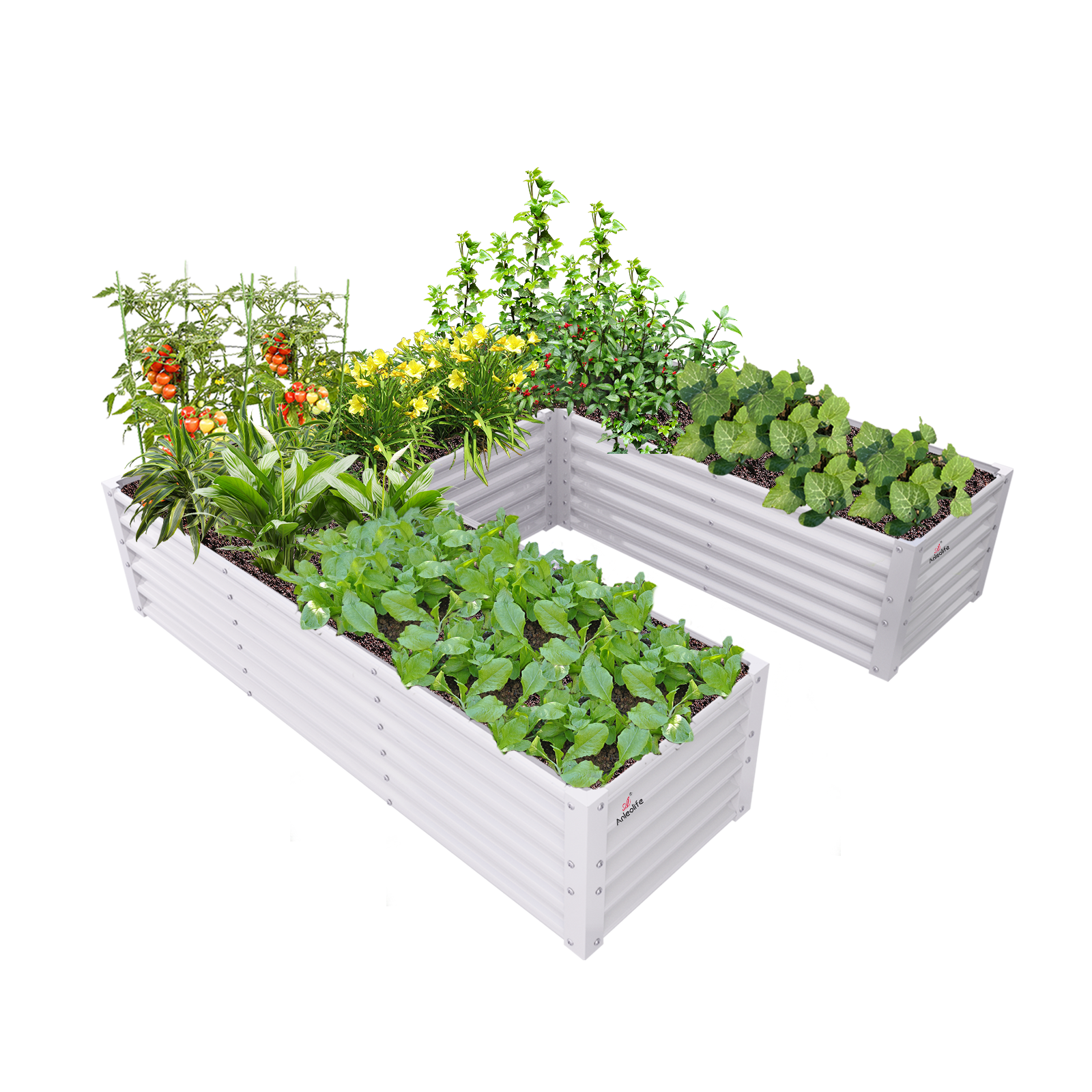

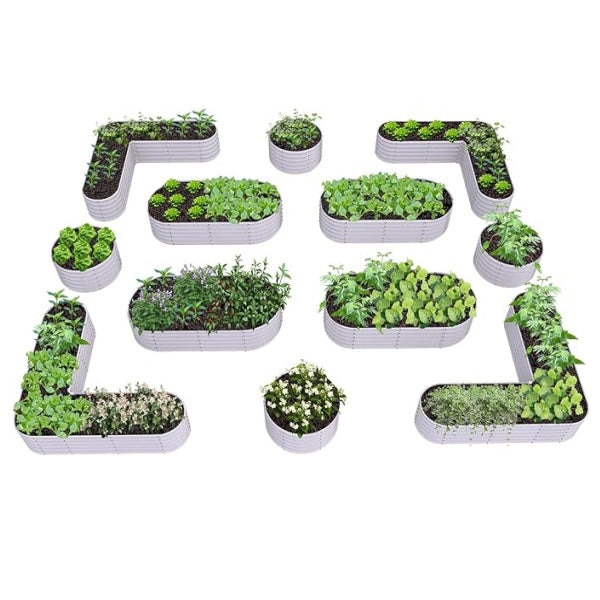


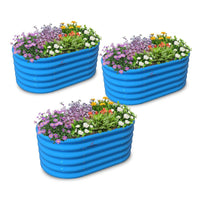
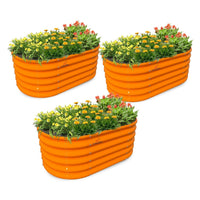
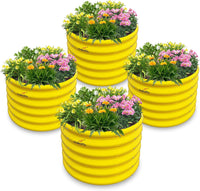
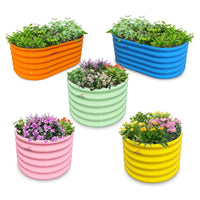
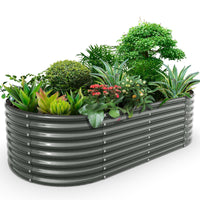



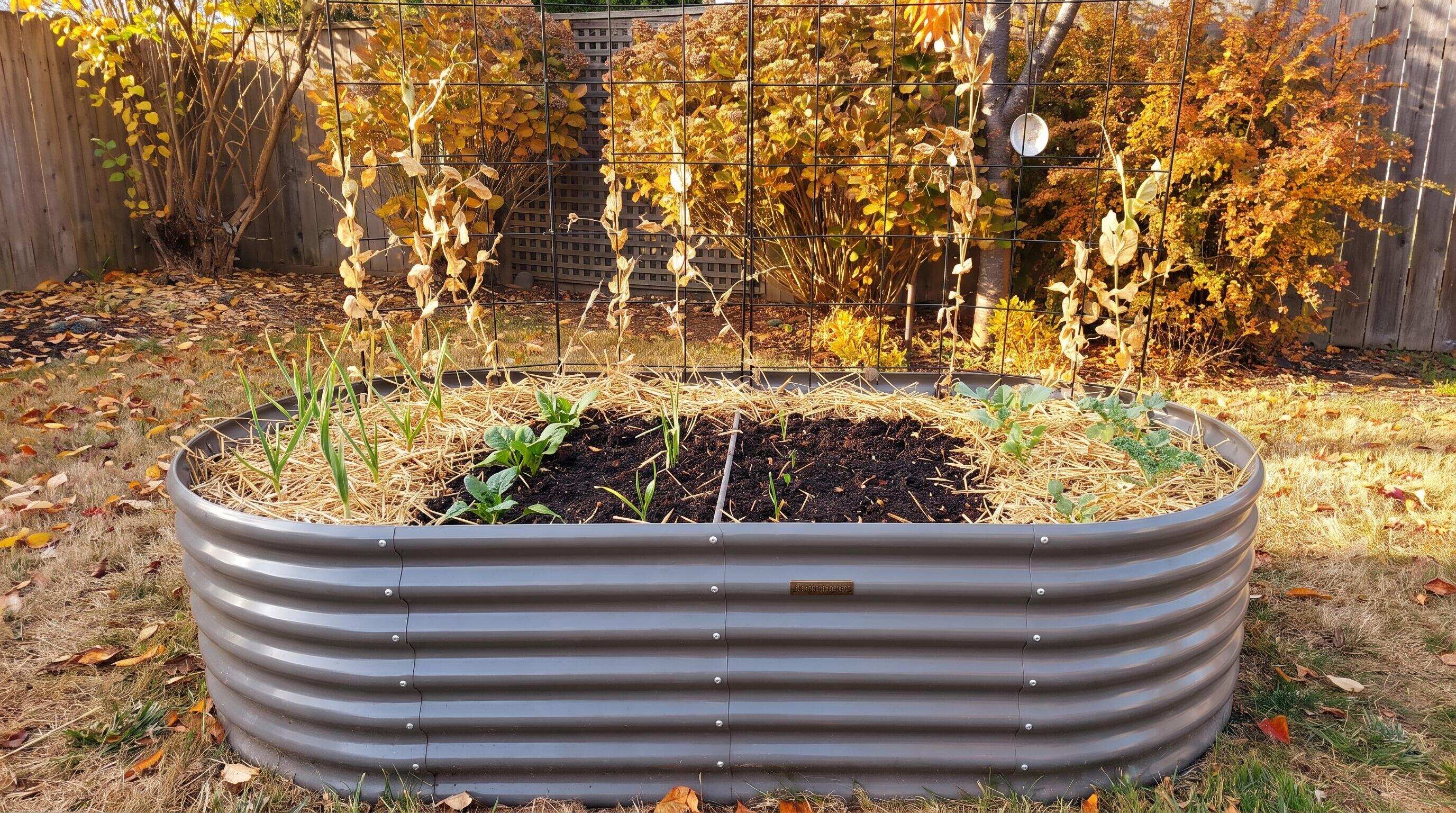
ALT: Galvanized steel raised garden bed with fall foliage, showing long-term durability maintenance tips
Protect Your Investment: Fall Maintenance for Galvanized Steel Raised Beds That Last
Galvanized steel raised beds are one of the most durable structures a home gardener can invest in — but even the toughest materials benefit from seasonal care. Fall is the ideal window to inspect, clean, and prepare your beds before winter sets in, so they emerge in spring ready for another productive growing season. A well-maintained galvanized steel raised bed can realistically serve your garden for up to 20 years, and how you handle the transition into colder months plays a significant role in reaching that lifespan.
This guide is written for anyone who already owns or is considering a galvanized steel raised bed — whether you're a first-season grower or someone who has been refining their raised bed garden layout for years. In our work with clients across North America, we consistently see the same pattern: gardeners who put in a few hours of fall maintenance avoid the costly repairs and premature replacements that others face. The steps below are practical, beginner-accessible, and designed to protect your soil system, your structure, and your future growing potential.
Before You Start: What You Need and What to Expect
Fall bed maintenance is a low-cost, moderate-effort task that most gardeners can complete in a single afternoon or across two casual weekend sessions. You don't need professional tools or specialized knowledge — just an organized approach and the right materials on hand.
Before you begin, take a moment to understand what you're working with. Galvanized steel raised beds are garden beds constructed from steel coated in a layer of zinc — a process called galvanization. The zinc coating acts as a sacrificial barrier: it oxidizes before the underlying steel does, dramatically slowing corrosion. High-quality galvanized beds, like those from Anleolife, are built to withstand outdoor conditions for up to 20 years with appropriate seasonal care.
What to gather before starting:
- A stiff-bristled brush or scrubbing pad (non-abrasive)
- Mild dish soap or a diluted white vinegar solution
- Garden hose with a spray nozzle
- A bucket for mixing cleaning solution
- Dry rags or old towels
- Wood planks, hardware cloth, or a liner if your bed needs interior reinforcement
- Mulch, compost, or a cover crop seed mix for soil protection
- A notepad or phone to record any issues you spot
Time and effort estimate: Expect a light physical effort level overall. Cleaning and inspection can be done in a couple of hours. Soil amendment and winterizing takes additional time depending on the size of your raised bed garden layout, but neither step is rushed or technically demanding.
Checklist before starting:
- All summer crops have been harvested and plant debris removed or composted
- You have access to water for rinsing
- You know the dimensions and configuration of your current raised bed layout
- Any tools needed are gathered and ready
- You've identified a source for compost or mulch if your soil needs replenishment
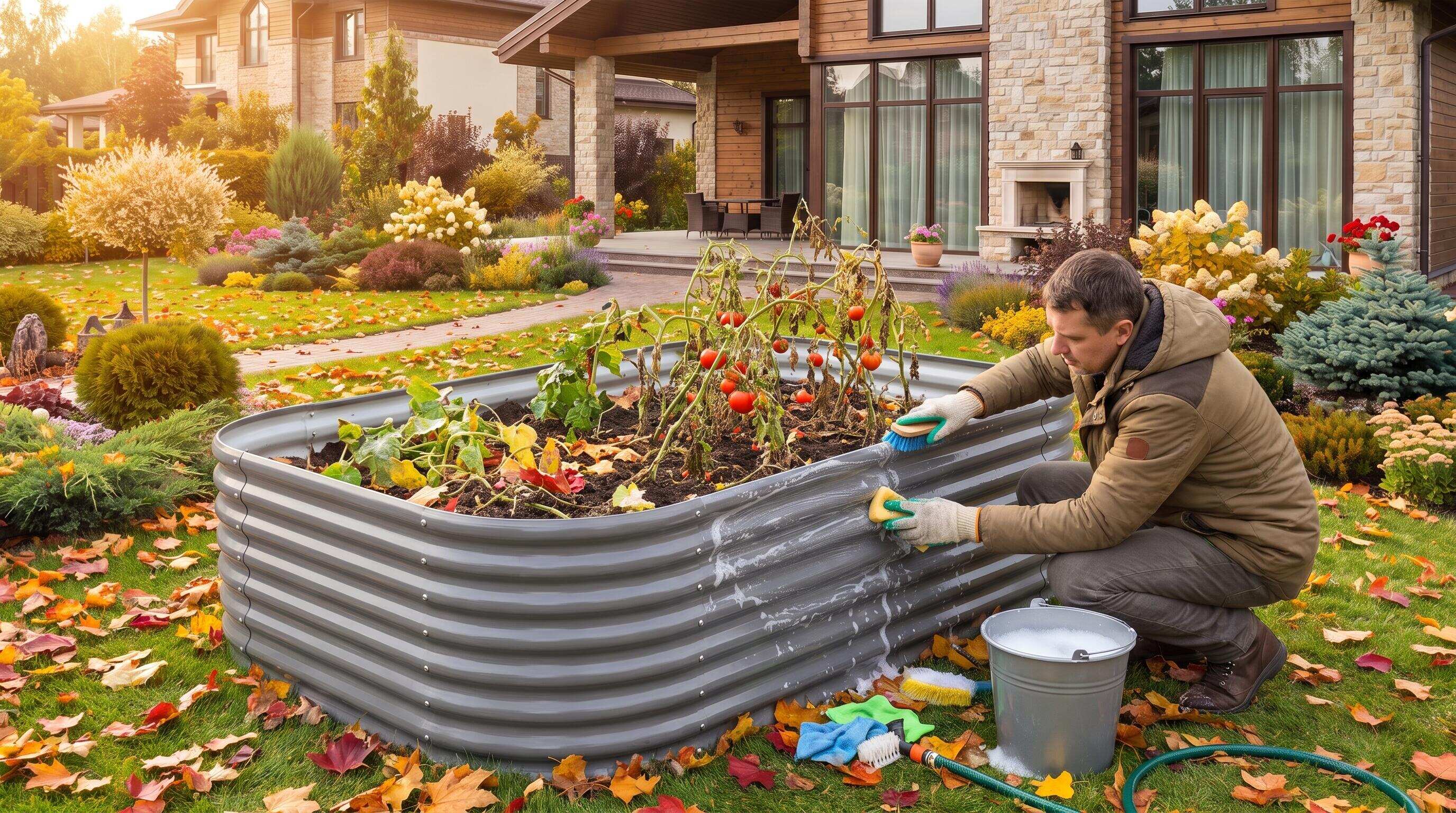
ALT: Homeowner scrubbing galvanized steel raised garden bed panels in fall, with fallen leaves and cleaning tools nearby, demonstrating seasonal maintenance for raised bed gardening durability
Step-by-Step: How to Maintain Your Galvanized Steel Raised Beds This Fall
Fall maintenance for galvanized steel raised beds breaks down into six core steps: clearing, cleaning, inspecting, protecting the interior, amending the soil system, and winterizing. Work through them in order for the most efficient outcome.
Step 1: Clear Out the Bed Completely
Remove all spent plants, roots, and organic debris from the interior of your raised bed. Pull plants at the root level rather than simply cutting stems — leaving roots in place encourages fungal growth over winter, which can compact and degrade your soil system. If any plants showed signs of disease during the growing season (yellowing leaves, powdery residue, blight), dispose of that material in the trash rather than the compost pile to prevent re-infection next spring.
Once the bed is emptied, rake the soil surface lightly to dislodge any remaining plant matter. Check underneath the bed as well, particularly if it sits directly on ground soil — accumulated debris against the lower edges of steel panels can trap moisture, which accelerates wear over time.
Tip: This clearing step doubles as a soil audit. As you work through the bed, notice whether the soil feels compacted, waterlogged, or powdery dry. These observations will inform how much amendment you add in Step 5.
Step 2: Wash the Steel Panels Thoroughly
Cleaning the exterior and accessible interior surfaces of your galvanized steel bed removes accumulated grime, mineral deposits, bird droppings, and any surface contaminants that can compromise the zinc coating over time. Mix a mild cleaning solution — a few drops of dish soap in a bucket of warm water, or a 1:4 dilution of white vinegar and water for harder mineral buildup.
Using a stiff-bristled brush or non-abrasive scrubbing pad, work across each panel systematically. Pay particular attention to seams, corners, bolt holes, and the lower few inches of the panels where soil contact is highest. After scrubbing, rinse the entire bed thoroughly with a garden hose. Avoid high-pressure washing aimed directly at seams or connection points, as this can force water into areas that don't dry easily.
Tip: Never use steel wool or abrasive metal pads on galvanized steel. These scratch through the zinc coating and create micro-sites where rust can initiate. Soft or medium-stiffness nylon brushes are the right tool for this job.
Step 3: Inspect for Damage, Rust Spots, and Loose Hardware
A thorough visual and hands-on inspection is the most important diagnostic step in fall maintenance. Galvanized steel raised beds are highly durable, but years of seasonal expansion and contraction, soil pressure, and moisture exposure can produce minor issues that are easy to address early and expensive to ignore.
Walk around the entire perimeter and press gently against each panel. The structure should feel solid with no visible flex or outward bowing. Check every fastener — bolts, screws, corner brackets — and tighten any that have worked loose. A standard socket wrench or screwdriver handles most fastener types used in modular bed designs.
Look closely at the zinc coating. Galvanized steel in good condition has a matte-gray or lightly speckled silver appearance. White powdery residue — called white rust or zinc hydroxide — can form in areas with consistent moisture; this is surface-level and not structurally damaging. True red-brown rust, however, indicates that the zinc layer has worn through to the base steel beneath. According to guidance from the American Galvanizers Association, small damaged areas on galvanized steel can be treated with zinc-rich repair paints or cold galvanizing compounds, which restore the protective barrier without requiring panel replacement.
Tip: Take photos during your inspection. Even if you find no issues this fall, photographs create a useful baseline for comparing condition in future years — a pattern we consistently find valuable when helping gardeners track long-term bed health.
Step 4: Address Any Surface Damage Before Winter
Any rust spots or coating damage you identified in Step 3 should be treated before moisture from fall rain and winter freeze-thaw cycles worsens them. The repair process is straightforward: clean the affected area with a wire brush or fine-grit sandpaper to remove loose rust and debris, wipe the surface clean and dry, then apply a zinc-rich primer or cold galvanizing spray. These products are widely available at hardware stores and are specifically formulated to bond with existing galvanized surfaces.
For beds with a liner — a fabric or plastic barrier between the soil and the steel — check that the liner remains intact. Torn liners allow soil acids and moisture to concentrate directly on the steel interior, which accelerates wear. If the liner is deteriorating, fall is the ideal time to replace it before refilling with amended soil.
If panels have developed significant bowing or structural instability, consider adding additional stake anchors along the exterior to redistribute soil pressure. Many modular raised bed systems, including those in Anleolife's lineup of galvanized steel raised garden beds, are designed with this kind of adjustability in mind — extra stakes or corner brackets can often be added without special tools.
Tip: Zinc-rich repair coatings work best when applied to a dry surface in mild temperatures. A dry, overcast fall afternoon is ideal — direct sun warms metal quickly and shortens working time.
Step 5: Amend and Protect Your Soil System
The soil system inside your raised bed is as much a part of your long-term investment as the steel structure itself. Fall is the best time to replenish nutrients, adjust structure, and set the bed up for strong spring productivity. According to guidance from university cooperative extension programs, raised bed soil benefits from annual organic matter additions because the contained environment depletes nutrients faster than in-ground gardens.
After clearing the bed, assess the current soil depth. Over a growing season, organic materials break down and the soil level naturally drops. Top the bed up with a blend of compost and, if needed, additional raised bed mix to restore depth. Work the compost into the top several inches of existing soil rather than simply layering it on top — this integrates nutrients more evenly and reduces the risk of a hard cap forming over winter.
Once soil is amended, apply a layer of mulch — straw, shredded leaves, or wood chips — across the surface. This layer insulates the soil from hard freezes, reduces moisture evaporation, and suppresses early weed emergence in spring. Alternatively, sow a cover crop such as winter rye or crimson clover, which will fix nitrogen, prevent erosion, and can be turned under in early spring as green manure. Both approaches protect the soil's biological health through the dormant season.
Tip: If your raised bed garden layout includes multiple beds at different heights — say, an 18-inch standard bed alongside a 30-inch waist-high bed — check the soil levels in each separately. Taller beds have more volume to replenish and may require proportionally more amendment material.
Step 6: Winterize and Cover for the Season
The final step is preparing the physical structure for winter exposure. If you've added mulch or a cover crop, the soil itself is protected. Now turn attention to the steel panels and any accessories.
Remove and store any removable accessories — trellis clips, row cover hoops, plant labels, or netting — indoors or in a covered space. UV exposure and freeze-thaw cycles degrade plastics faster than steel, and storing these components extends their usable life considerably.
For the bed itself, no structural covering is necessary — galvanized steel is designed for year-round outdoor exposure. However, if you live in an area with very heavy snowfall, avoid piling snow directly into the bed with a shovel, as the compaction and weight can stress soil structure and press panels outward. Let snow accumulate naturally; it actually acts as insulation for the soil and soil organisms beneath.
Finally, ensure adequate drainage around the bed's base. If your raised bed garden layout places beds on a slope or in a low-lying area, clear any debris from drainage paths so meltwater can flow away freely in spring. Standing water at the base of panels is a primary cause of accelerated corrosion at the lower edge — keeping water moving is one of the simplest protective measures you can take.
Tip: Label your beds — even informally with a stake and a tag — noting what was grown, what amendments were added, and any issues noted during inspection. This record becomes invaluable when planning next season's raised bed planting layout and rotating crop families.
Common Mistakes and How to Fix Them
Fall maintenance seems simple, but a few recurring errors can undermine even the best-prepared beds. The table below covers the most common issues we see, their likely causes, and practical fixes.
| Symptom | Likely Cause | How to Fix |
|---|---|---|
| Red-brown rust appearing on panel surfaces | Zinc coating worn through, often at scratches or seams | Sand lightly to remove loose rust, clean dry, apply zinc-rich cold galvanizing primer |
| Soil level significantly lower than panel top | Organic material decomposed during the season | Top up with compost and raised bed soil mix; work into existing soil layer |
| Panels bowing outward | Soil pressure without adequate corner or stake support | Add exterior stake anchors; compact soil gently to reduce lateral pressure |
| White powdery residue on steel surface | White rust (zinc hydroxide) from moisture contact; surface-level only | Brush off with a stiff dry brush; improve drainage around bed base; not structurally harmful |
| Water pooling at the base of panels | Poor site drainage or debris blocking runoff paths | Clear drainage paths; consider elevating bed slightly or adding gravel perimeter |
| Liner torn or deteriorating | Age, root penetration, or physical damage during gardening | Replace liner before refilling; cut to fit and overlap edges at seams |
| Fasteners corroded or seized | Dissimilar metals or poor-quality hardware exposed to moisture | Replace with stainless steel or zinc-coated bolts; apply anti-seize compound to new hardware |
Pro Tips for Better Results
Rotate your raised bed planting layout every year. Even in a well-maintained bed with fresh soil amendments, growing the same plant families in the same positions year after year depletes specific nutrient profiles and builds up soil pathogens that prefer those plants. A simple rotation — moving tomatoes and peppers to where your beans grew, and vice versa — breaks pest and disease cycles and reduces how much corrective amendment you need to add each fall.
Use fall to redesign your raised bed garden layout if it isn't working. If certain beds were difficult to reach, received too little sun, or didn't drain well during the growing season, the dormant period is the right time to reconsider their placement. Modular galvanized steel beds can often be disassembled and reconfigured without damage to the panels, allowing you to adapt your layout as your garden evolves.
Don't skip the drainage check even in mild climates. A common misconception is that fall drainage only matters in regions with hard freezes. In reality, standing water against steel panels causes corrosion in all climates. In warmer, wetter regions, the risk is actually higher because moisture is present year-round rather than locked in frozen ground over winter.
Consider a pH test before amending. Adding compost is almost always beneficial, but if your soil has developed an imbalance — too acidic from pine needle mulch, or too alkaline from hard water — simply adding more organic matter won't fully correct it. A basic soil pH test kit (widely available and inexpensive) takes ten minutes and tells you whether to add agricultural lime for acidity or sulfur for alkalinity alongside your compost.
For extra-tall raised beds, inspect support stakes at ground level. Beds in the 24-inch to 35-inch height range hold significant soil weight, and the stakes or anchors that hold them plumb experience real lateral force. Pull each stake and check for corrosion at the soil line — the most moisture-exposed point — and replace any that show significant surface deterioration before winter, when frozen ground makes this task much harder.
Frequently Asked Questions FAQ
Q1: How often should I apply a zinc repair coating to my galvanized raised bed?
Zinc repair coatings — also called cold galvanizing compounds — should be applied only where the existing zinc layer has visibly worn through or where red-brown rust has appeared. For most well-maintained galvanized steel raised beds, this is an occasional rather than annual task. During your regular fall inspection, check seams, bolt holes, and lower panel edges carefully. Catching small damaged areas early and treating them promptly is more effective than waiting until corrosion spreads to a larger surface.
Q2: Is it safe to use galvanized steel raised beds for growing vegetables year after year?
Galvanized steel raised beds are widely considered safe for vegetable gardening. The zinc coating is the protective layer of concern, and research from extension programs at land-grant universities consistently indicates that zinc levels in soil adjacent to galvanized steel remain within ranges that are not harmful to plants or humans consuming produce grown in those beds. Using a liner between the soil and steel further reduces any incidental contact. A 20-year lifespan for a quality galvanized bed reflects both its structural durability and its long record of safe use in food gardening.
Q3: How long does fall bed maintenance typically take, and when in the season should I do it?
The ideal window for fall maintenance is after your last harvest but before the ground freezes — typically late October through November in most of North America, though this varies by region. Plan for a half-day if you're maintaining one or two standard beds, and a full day for larger raised bed garden layouts with multiple configurations. Working in dry, mild conditions makes cleaning and inspection easier and allows repair coatings to cure properly before rain or freezing temperatures arrive.
Key Takeaways
Three principles sum up everything covered in this guide. First, fall maintenance is an investment multiplier — the time spent inspecting, cleaning, and protecting your galvanized steel raised beds directly extends their productive lifespan, moving you closer to that 20-year benchmark rather than away from it. Second, the soil system inside your bed deserves as much attention as the steel around it; amending with compost and applying mulch or a cover crop each fall keeps the biological foundation of your garden healthy and productive. Third, small issues caught early — a loose fastener, a minor rust spot, a deteriorating liner — are inexpensive to fix and expensive to ignore.
The next step is practical: set aside a specific afternoon this fall to walk your beds with the inspection checklist from this guide. Even if you find nothing that needs immediate repair, the documentation you create becomes a valuable reference for future seasons and for planning next year's raised bed planting layout.
Your garden is a long-term project, and the choices you make this fall compound over many growing seasons. The gardeners who get the most from their raised beds are the ones who treat maintenance as a natural, satisfying part of the gardening rhythm — not a chore to defer.
Ready to expand or upgrade your raised bed setup? Anleolife's full range of galvanized steel and rust-resistant raised garden beds ships from a nationwide U.S. warehouse network — with locations in California, Texas, Florida, New York, Illinois, and Washington — ensuring delivery within 3–8 business days so your garden plans stay on schedule. Browse the complete selection on the Anleolife website or through major retail platforms including Amazon, Walmart, Home Depot, Lowe's, and Wayfair. Whether you're starting with a single 8x4 bed or building out a complete planting-and-raising ecosystem, Anleolife grows with you every step of the way.
References & Further Reading
- Growing the Home Garden. "My Vegetable Garden Layout Part 2 (Raised Beds)".
https://growingthehomegarden.com/my-vegetable-garden-layout-part-2/ - Instagram / Popular. "Vegetable Garden Layout Raised Beds".
https://www.instagram.com/popular/vegetable-garden-layout-raised-beds/ - American Galvanizers Association. Guidance on Galvanized Steel Maintenance and Zinc Coating Repair.
https://www.galvanizeit.org/ - United States Department of Agriculture — National Institute of Food and Agriculture. Resources on Soil Health and Raised Bed Gardening for Home Growers.
https://www.nifa.usda.gov/
Note: Standards and guidelines may be updated; please check the latest official documents or consult professional advisors for current recommendations.