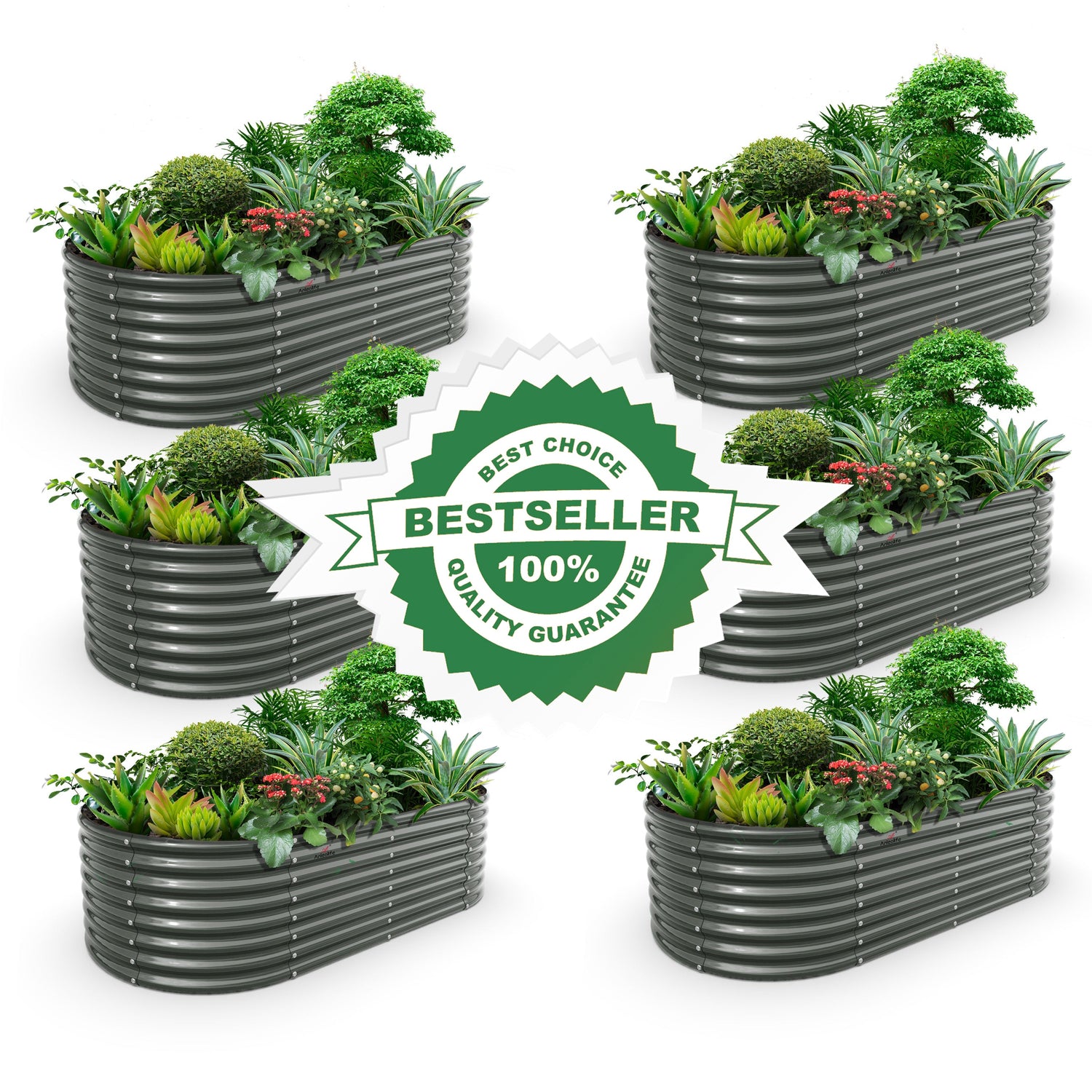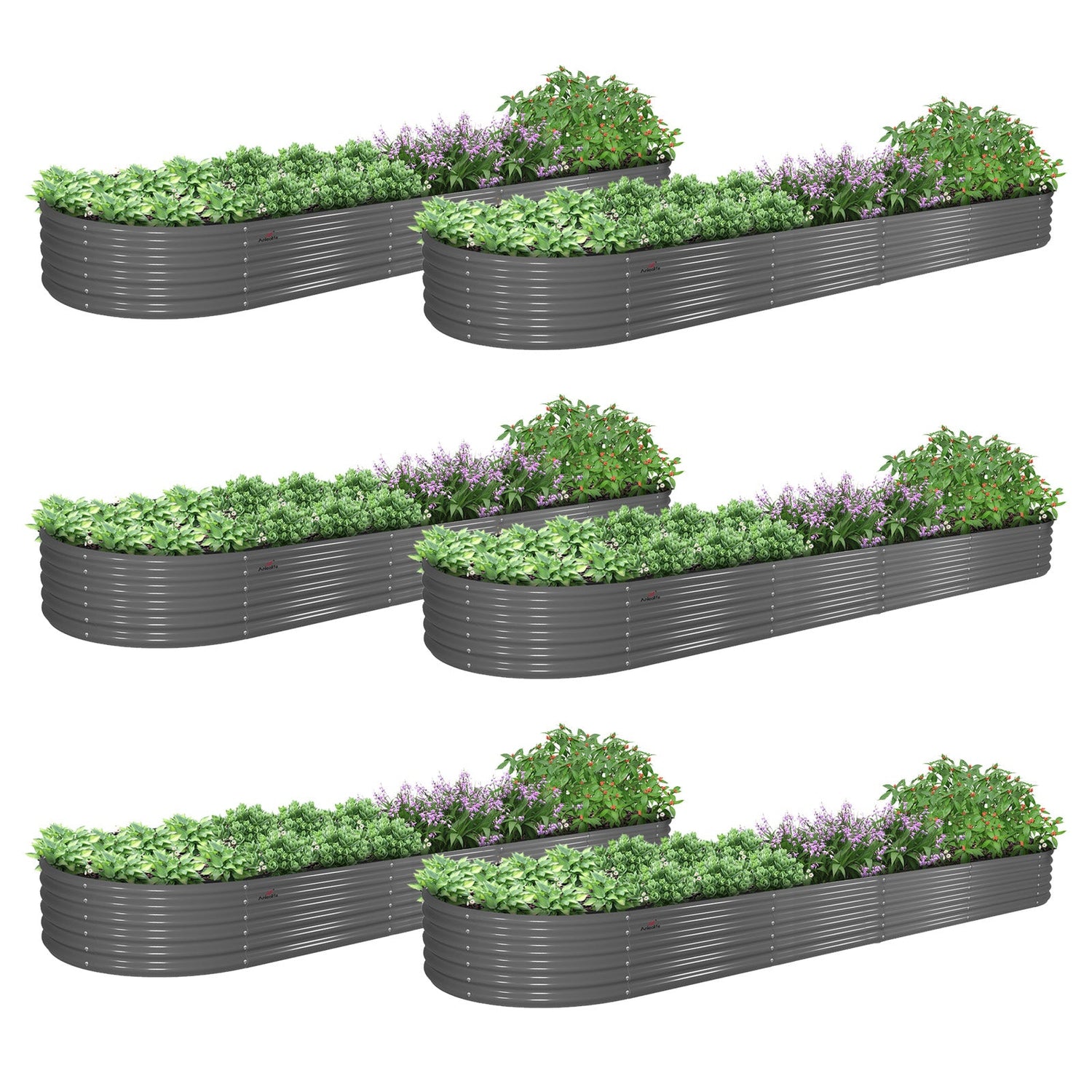



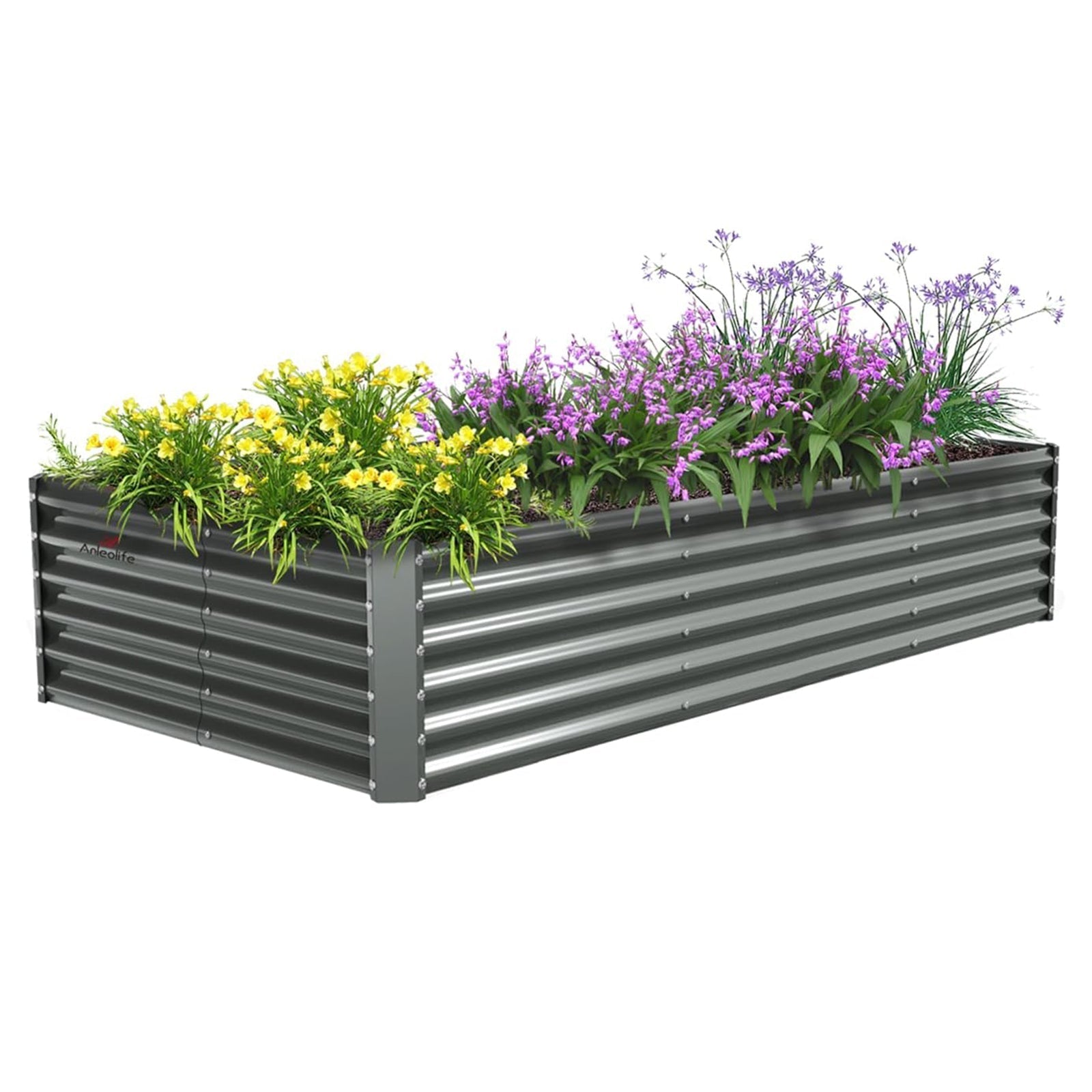

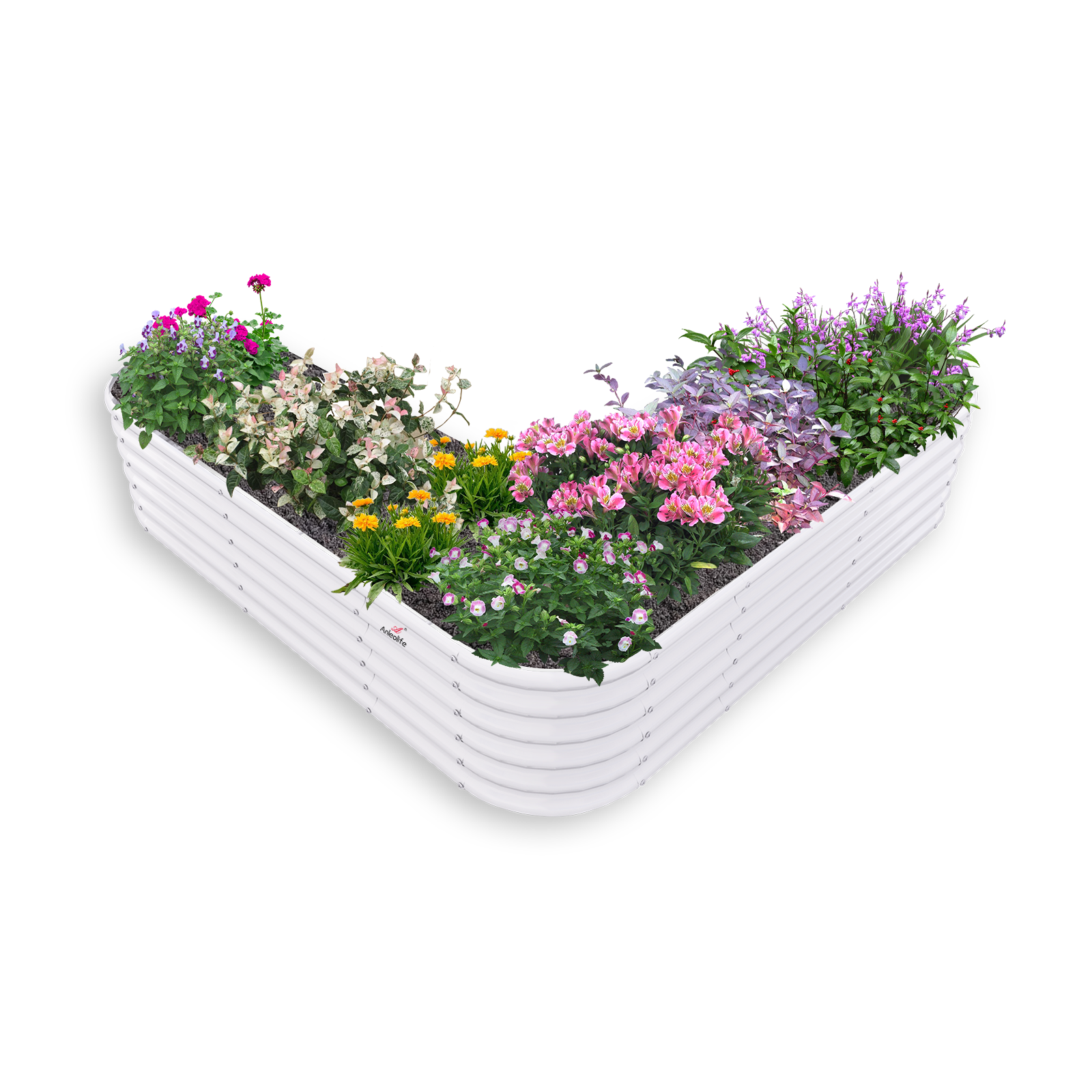
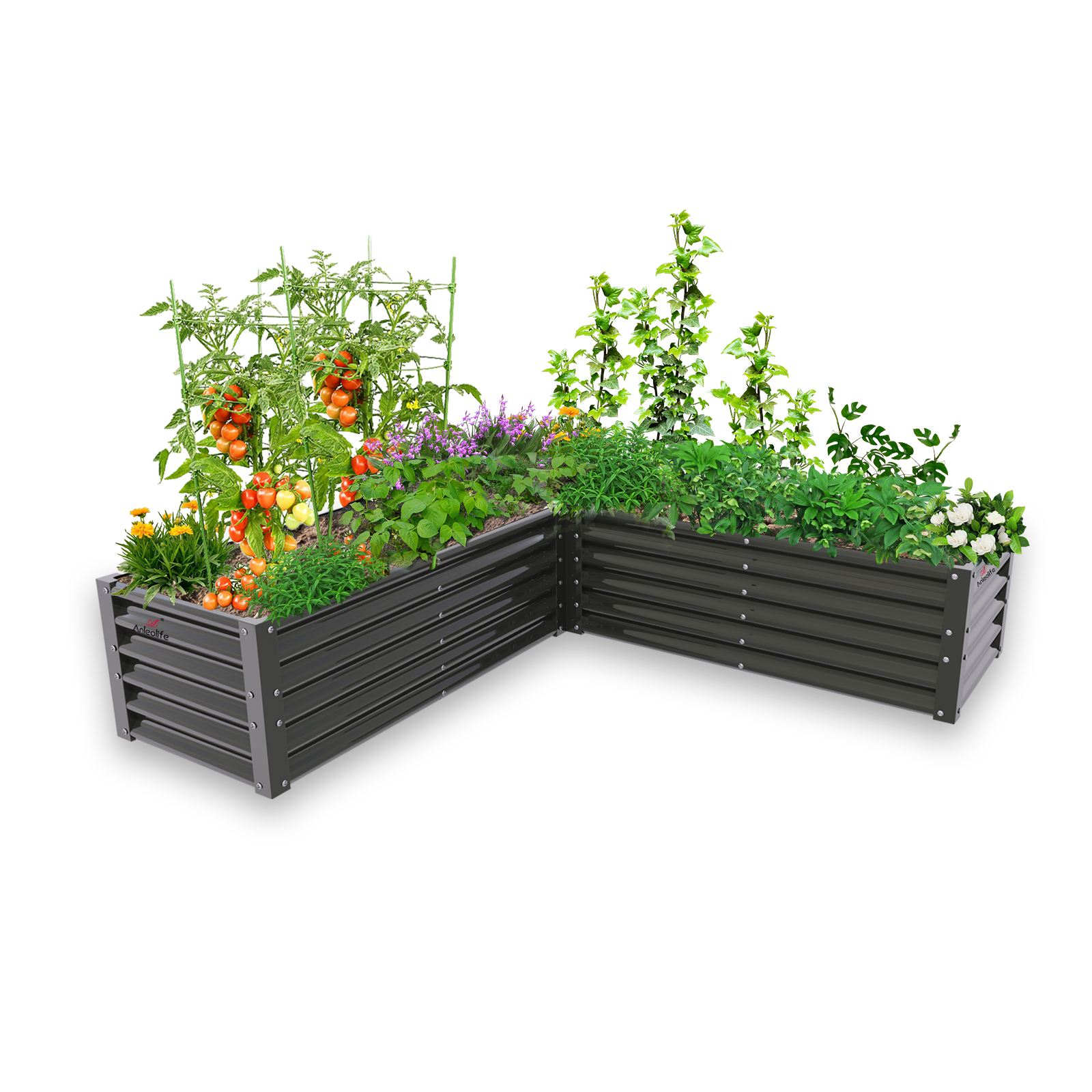
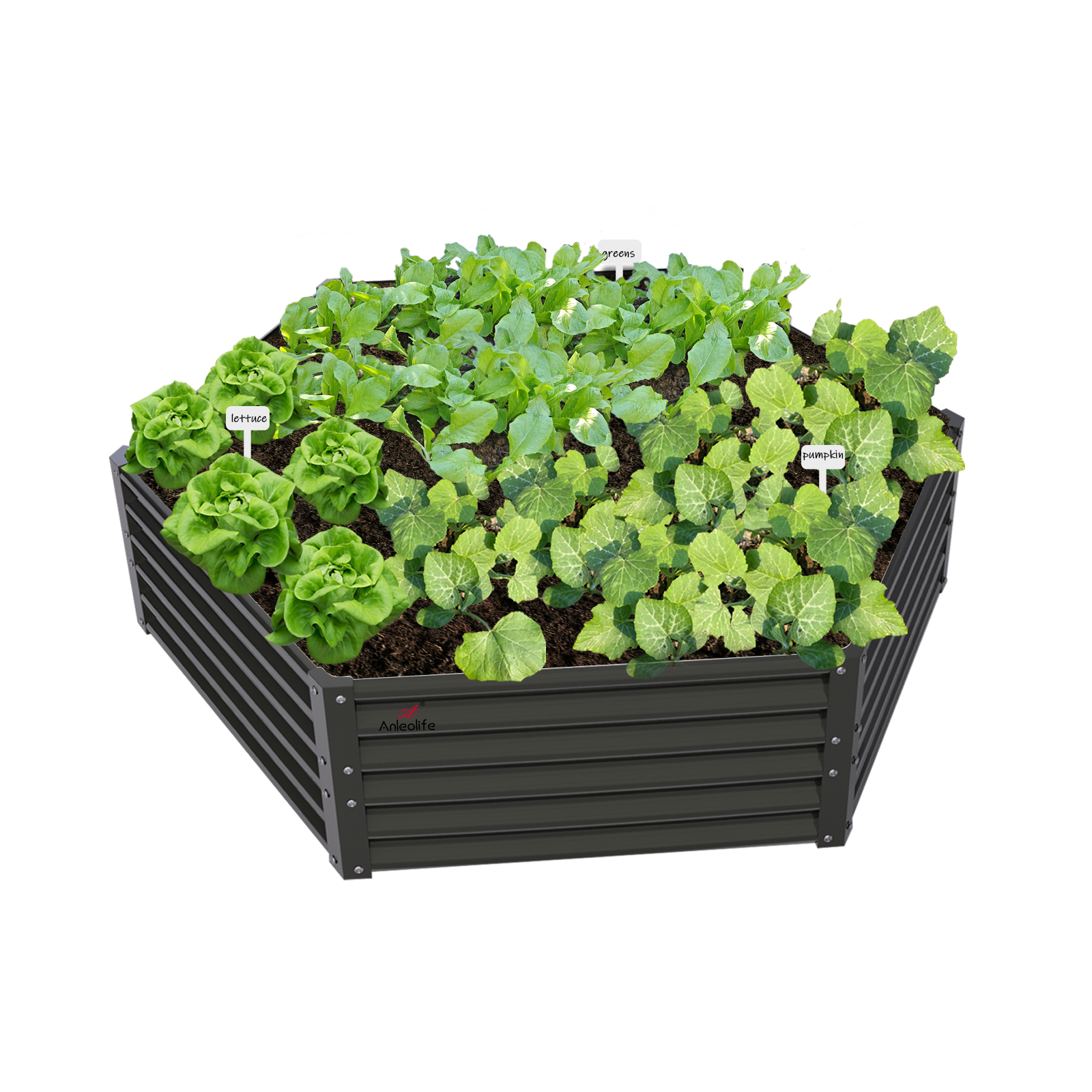
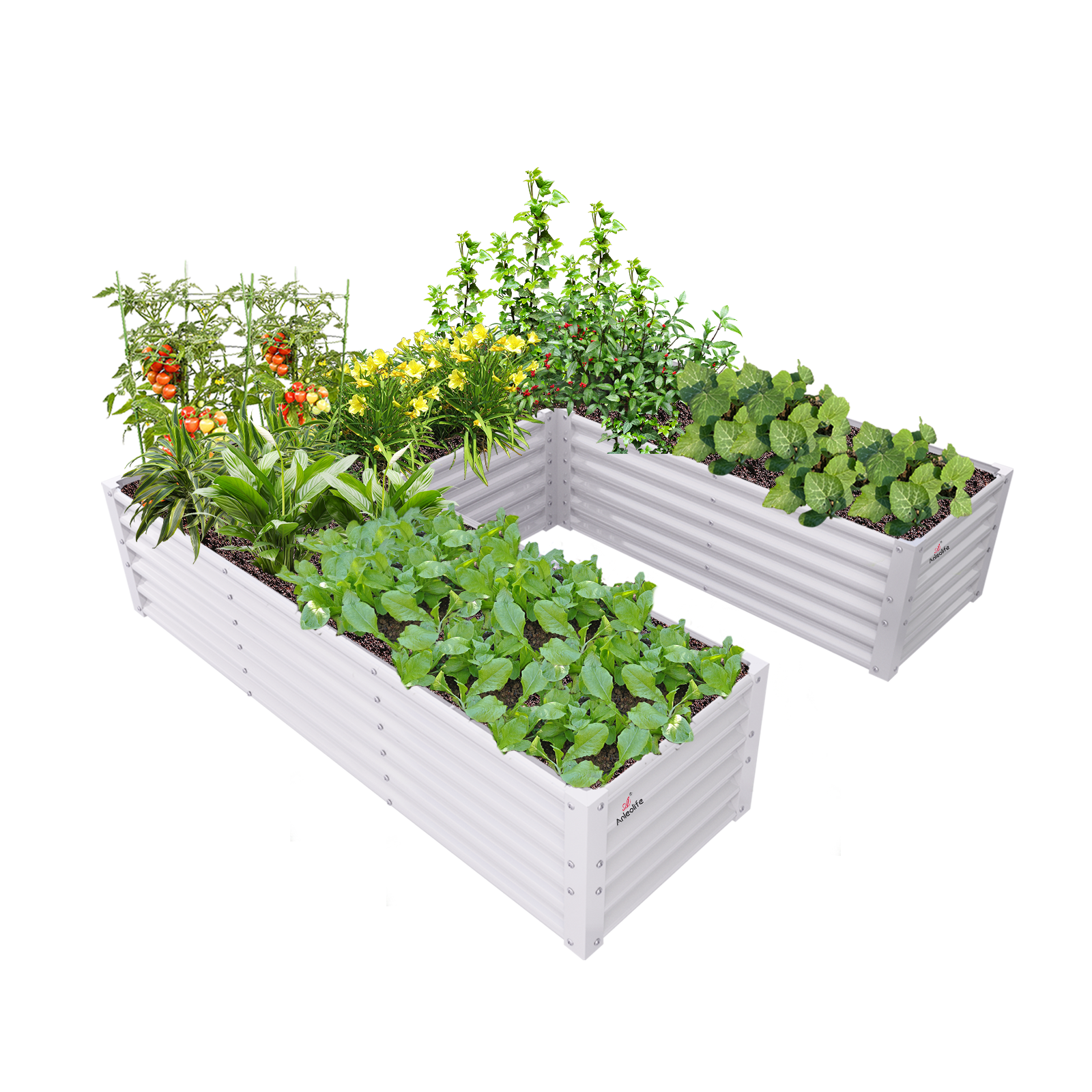

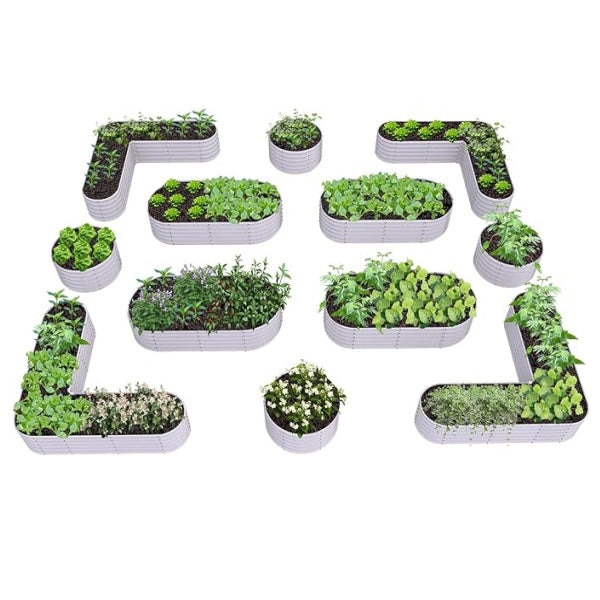






ALT: Organized backyard garden space featuring raised beds, edging, racks, and clearly defined planting zones
Why Backyard Garden Organization Changes Everything (And How Edging, Racks, and Zones Make It Happen)
Key Conclusion: A thoughtfully organized backyard garden isn't just beautiful — it's productive, manageable, and deeply satisfying. By combining strategic garden zoning, defined edging, and functional storage racks, you can transform even a modest outdoor space into a high-performing garden system. Whether you're a weekend grower or a serious home food producer, organizing your garden space with clear zones, durable borders, and smart vertical storage is the single most impactful upgrade you can make this season.
Most gardeners start with enthusiasm and a handful of seeds — and end up with a tangled, overgrown space that feels more stressful than restorative. The good news? It doesn't take a landscape architect or a large budget to fix this. What it takes is a plan: a clear sense of how to divide your outdoor space into purposeful zones, how to separate those zones cleanly with edging, and how to use racks and vertical structures to reclaim ground-level space.
In this guide, we'll walk through every layer of backyard garden organization — from reading your space and sketching zones, to choosing the right raised beds, to using edging and racks for a cohesive, functional layout that works for your lifestyle.
Who This Guide Is For (And When to Use It)
✅ Applicable Scenarios:
- You have a backyard, patio, or side yard of any size and want to make it more productive and visually cohesive
- You're starting a new garden from scratch and want to plan it right the first time
- You have an existing garden that feels chaotic, crowded, or underused and want a practical reorganization strategy
- You're an empty nester or retiree looking to create a low-maintenance, high-reward outdoor space
❌ Not Applicable/Cautions:
- If your outdoor space receives fewer than 4–6 hours of direct sunlight daily, zone planning for edible gardens will require additional consideration for shade-tolerant varieties
- If you're renting and cannot make permanent landscape modifications, some edging and structural solutions may need adaptation to be non-invasive
The Problem with Unplanned Garden Spaces (And Why It's More Common Than You Think)
Walk through almost any suburban neighborhood in spring, and you'll see the same story played out over and over: raised beds squeezed into odd corners, garden tools scattered across the lawn, pathways disappearing under spreading foliage, and container plants clustered with no clear logic. It's not a lack of effort — it's a lack of structure.
According to the National Gardening Association, home food gardening in the U.S. has grown significantly in recent years, with millions of households now growing at least some of their own food. As more people enter gardening, the need for smart, scalable organization systems has never been higher.
The challenge isn't growing plants. The challenge is designing a space that grows with you — one that accommodates expansion, integrates different functions (planting, storage, composting, relaxing), and stays manageable season after season.
That's where the three pillars of backyard organization come in: edging to define boundaries, racks to organize tools and vertical growing, and zones to give every activity its own designated place. When these three elements work together, the result is a garden that feels intentional, not improvised.
Before you invest in any new structures or materials, it's worth understanding your options at a materials level. For instance, if you're considering metal raised beds as your primary planting structures, Galvanized Steel vs. Corten Steel Garden Beds: Which Holds Up Better Outdoors? is an excellent starting point for understanding which material suits your climate and long-term goals.
Similarly, if you're planning to incorporate raised beds at different heights across different zones — a common and highly effective strategy — it's worth planning your irrigation before you finalize your layout. How to Set Up a Drip Irrigation System for Multiple Raised Garden Beds offers a practical technical guide that integrates seamlessly with zone-based garden design.
Building Your Organized Backyard Garden: A Complete Framework
Three-Step Quick Start for Backyard Garden Organization
Step 1: Audit Your Space and Identify Natural Zones
Before purchasing a single item, spend 30–60 minutes walking your backyard with a notepad (or your phone). Note where sunlight falls at different times of day, where water tends to collect, where you naturally walk, and where the "dead zones" are — areas that get no use. Sketch a rough overhead map. This audit doesn't need to be precise; it's about identifying the three to five primary functions your garden needs to serve, such as growing food, storing tools, composting, relaxing, or housing animals.
Step 2: Assign Zones and Plan Your Edging Boundaries
Once you know your functions, assign each one a physical zone in your space. The planting zone should occupy your sunniest area. The utility zone (tools, compost, racks) should be accessible but out of the primary sightline. A relaxation zone can share partial shade. Then decide how you'll define these zones — with raised bed borders, gravel pathways, stone edging, metal landscape edging strips, or low decorative fencing. Edging is the element that makes zones feel permanent and intentional rather than improvised.
Step 3: Layer in Vertical Storage and Racks
Ground space is precious. Once your zones are defined, look upward. Vertical racks mounted on fences or freestanding structures can hold tools, small containers, seed starting trays, and supplies. Tiered plant racks allow you to stack growing space in a small footprint, which is especially valuable for urban micro-gardeners or those with small patios. This step transforms a functional plan into a truly efficient system.
Comparing Edging, Raised Bed Structures, and Zone Dividers: Which Solutions Work Best?
The market offers a wide range of materials and approaches for defining garden zones. Here's an honest look at the most common options:
| Comparison Dimension | Metal Landscape Edging | Stone or Brick Borders | Raised Garden Beds as Zone Anchors |
|---|---|---|---|
| Durability | High (especially galvanized steel) | Very High | Very High (up to 20 years with quality beds) |
| Visual Appeal | Clean and modern | Classic and natural | Strong structural focal point |
| Cost Range | Low to moderate | Moderate to high | Moderate to high depending on size |
| DIY-Friendliness | Very easy to install | Requires more labor | Moderate — most kits are tool-free |
| Flexibility / Reconfigurability | High | Low | Moderate (modular beds offer more options) |
| Best For | Lawn-to-bed transitions, pathway edges | Permanent landscape features | Defining primary growing zones |
The most effective backyard garden organization systems typically combine two or three of these approaches. Raised garden beds anchor the planting zone; metal or stone edging defines pathways and lawn transitions; and racks complete the picture in the utility and vertical growing areas.
Designing Productive Zones: What Every Backyard Garden Needs
The Planting Zone: Your Garden's Engine
The planting zone is the heart of any productive backyard garden, and it deserves the most careful attention to design. For most home gardeners, this zone is built around raised garden beds — structures that improve drainage, warm soil faster in spring, deter some pests, and give you complete control over your growing medium.
When choosing raised beds for this zone, size and height matter more than most first-time buyers realize. A standard 18-inch-tall bed is ideal for most vegetables and herbs, providing enough depth for strong root development without requiring you to bend too far. If back strain is a concern — especially for retirees or those with mobility considerations — stepping up to a 24- or 30-inch bed height changes the gardening experience dramatically.
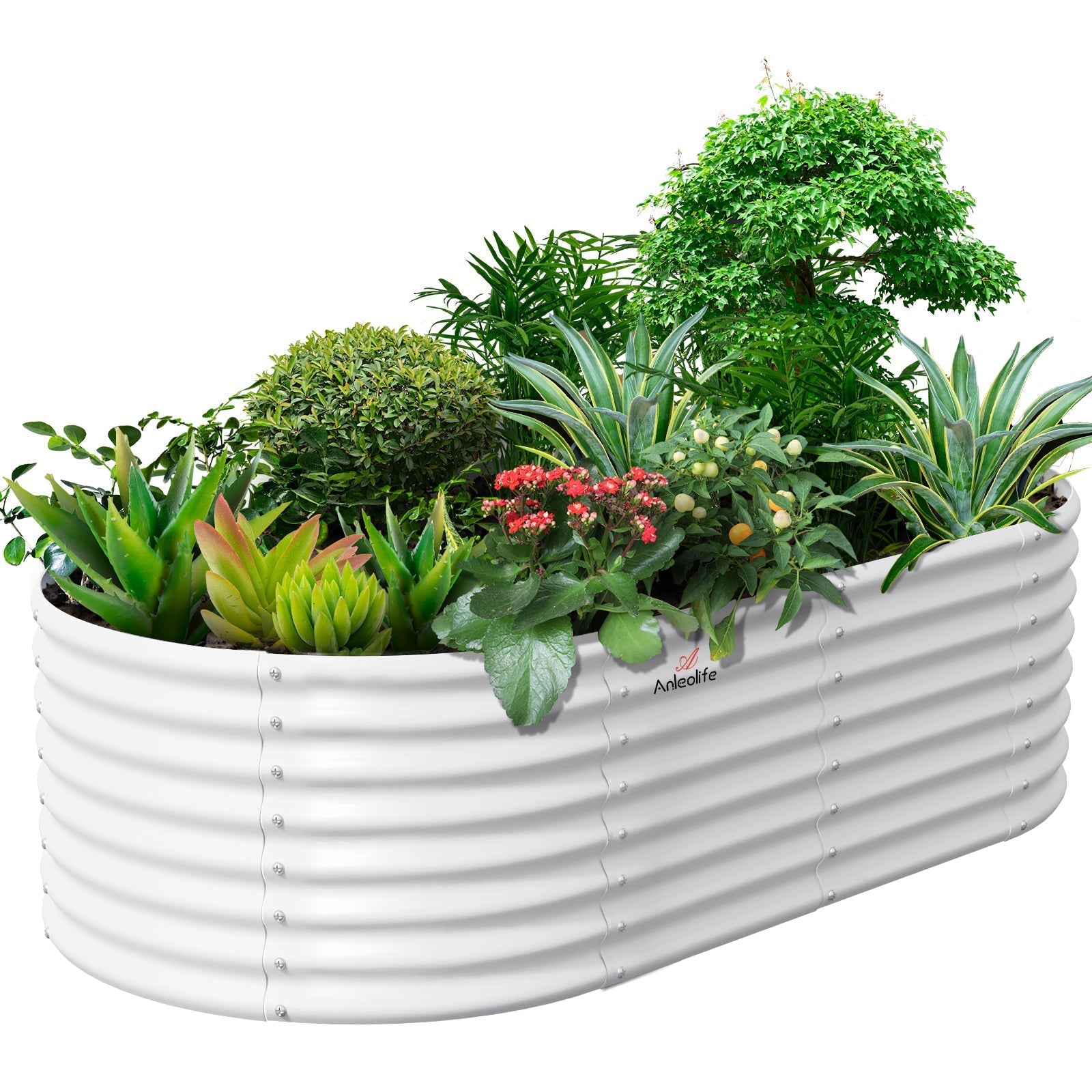
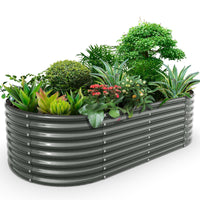
Anleolife's galvanized steel raised garden beds are engineered for exactly this kind of long-term, zone-based garden planning. With a rated lifespan of 20 years, these beds are a permanent investment in your garden's infrastructure, not a seasonal accessory. The range includes options from compact 18-inch-tall 4x4 ft beds — perfect for a focused herb or salad zone — all the way up to 30-inch extra-tall 10x3 ft beds for serious vegetable production. The 24-inch extra-tall 8x4 ft models hit a sweet spot for many gardeners, offering generous planting area and a comfortable working height.
If you're figuring out the best footprint for a narrower yard, 8x4 vs. 12x3 ft Raised Garden Bed: Which Footprint Works Better in a Narrow Yard? is worth reading before you finalize your layout decisions.
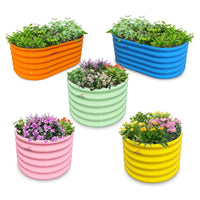
For small patios and urban spaces specifically, the best container gardening setup often centers on modular or stackable structures that can be reconfigured as your needs change. Anleolife's Modular Raised Garden Bed line is designed with exactly this flexibility in mind — individual panels connect without specialized tools, allowing you to create custom shapes and expand your planting zone over time.
The Utility Zone: Where Organization Actually Happens
Most gardeners underinvest in their utility zone, and it shows. When tools have nowhere to live, they end up scattered across the lawn. When supplies have no storage, they accumulate in cluttered piles near the back door. A dedicated, well-equipped utility zone solves all of this.
The utility zone should include:
- A vertical tool rack or wall-mounted storage system — even a simple pegboard on a fence panel dramatically reduces clutter
- A potting bench or work surface — for repotting, seed starting, and mixing soil amendments
- Compost access — whether a tumbler, bin, or three-bin system, compost should be in the utility zone, close enough to use but separated from the primary growing area
- Covered supply storage — for fertilizers, seeds, labels, and small tools
The utility zone benefits enormously from edging that clearly separates it from the growing and relaxation zones. Gravel surfacing in this area is practical — it's easy to sweep, drains well, and signals "work area" clearly to anyone using the space.
The Relaxation Zone: Don't Forget to Enjoy Your Garden
An organized garden should also be a place you want to spend time in, not just work in. Even a small seating area — a bistro set on a paved corner, a bench beneath a trellis, a hammock between two trees — transforms the garden from a productive space into a restorative one.
This zone benefits from thoughtful edging that separates it from both the planting and utility zones. Low decorative borders, a change in surface material (from gravel to pavers, or from mulch to flagstone), or the natural barrier created by a row of raised beds all work well.
Adding aesthetic touches — solar lighting along pathways, climbing plants on a trellis, or decorative accessories that reflect your personal style — completes the picture. The best backyard garden layouts balance productivity with beauty, making the space genuinely enjoyable to inhabit throughout the growing season.
The Pathway System: The Glue That Holds Zones Together
Pathways are often treated as an afterthought, but they're actually one of the most important design elements in any organized garden. A well-planned pathway system ensures you can reach every bed without stepping on soil, allows wheelbarrow or cart access for heavy loads, and creates a visual framework that makes the whole garden feel intentional.
Key pathway principles:
- Main paths should be at least 24–30 inches wide — enough to walk comfortably and maneuver a garden cart
- Secondary paths between beds can be narrower, but shouldn't feel cramped
- Path material should contrast with bed material — gravel or wood chips between metal beds, pavers between stone borders
- Paths should connect all three zones (planting, utility, relaxation) in a logical flow
Edging along pathways serves a functional purpose beyond appearance: it keeps gravel or mulch from spreading onto lawn areas, maintains clean sight lines, and reduces long-term maintenance by preventing grass from encroaching into path surfaces.

ALT: Organized backyard garden pathway with metal edging, gravel surfaces, and galvanized raised beds on either side
Advanced Strategies for Small Spaces, Unique Layouts, and Long-Term Expansion
Solving the Small-Space Challenge
The question of what's the best way to design a backyard garden layout for a small space comes up constantly — and the answer is always the same: think vertically and think modularly. Ground space is finite; vertical space is almost always underutilized.
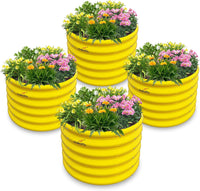
Vertical racks mounted on fences or walls can hold trailing plants, herbs in small containers, or gardening supplies. A compact 18-inch-tall 4x1.5 ft waist-high raised bed can fit on a balcony or narrow side yard. Round raised garden beds (like Anleolife's 18-inch-tall, 48-inch-wide circular option) work beautifully as focal-point planters in small courtyard spaces, breaking the rectangular monotony while maximizing corner and central areas.
For those managing a patio or very compact backyard, Best Raised Garden Bed Size for a Patio or Small Backyard in 2026 provides targeted guidance on footprint selection that directly informs your zone planning.
Common Misconceptions About Garden Organization
Misconception 1: "Organized gardens are rigid and inflexible."
In reality, the best-organized gardens are modular by design. Using raised beds with removable panels, gravel paths that can be rerouted, and freestanding racks that can be repositioned means your garden can evolve with your needs. Organization creates a framework, not a cage.
Misconception 2: "Edging is just decorative."
Edging is one of the hardest-working elements in a garden. It reduces maintenance by keeping grass out of beds and gravel in paths, defines zones that help you manage different care routines separately, and dramatically improves the visual clarity of the space. Treating it as optional leads to significantly more long-term upkeep.
Misconception 3: "You need to do everything at once."
Phased garden development is not only acceptable — it's often smarter. Starting with one well-organized zone and expanding methodically is more sustainable than overwhelming yourself with a complete overhaul. Anleolife's modular raised bed system is specifically designed to support this kind of phased expansion.
Integrating Anleolife Galvanized Steel Beds vs. Other Brands
When comparing Anleolife galvanized steel raised beds vs. other brands, several differences stand out. Anleolife's beds are engineered for a 20-year lifespan, a specification that reflects genuine investment in material quality and construction integrity. The range of sizes — from compact 18-inch-tall 4x4 ft options to expansive 30-inch extra-tall 10x3 ft configurations — means you can build an entire multi-zone garden system from a single, consistent product line.
Beyond size range, the rust-resistant coating technology in Anleolife's dedicated Rust-Resistant Raised Garden Bed line adds an extra layer of durability for high-moisture climates or areas with heavy rainfall. The heavy-duty line further elevates structural integrity for large-scale planting zones. This breadth of options within a single brand ecosystem simplifies purchasing, ensures visual consistency across your garden, and streamlines assembly since panel systems are compatible across the range.
Frequently Asked Questions
Q1: How do I design a backyard garden layout for a small space without it feeling cluttered?
The key to a small-space garden layout is layering rather than spreading. Define one primary planting zone using compact raised beds — a 4x4 ft or 4x2 ft bed is often ideal for a patio — and use vertical racks to add growing capacity without expanding your footprint. Keep pathways narrow but navigable, use consistent edging to create visual order, and limit your palette to two or three bed sizes. Consistency in materials makes even a small space feel intentional and spacious rather than cluttered.
Q2: Are galvanized steel raised beds safe for growing vegetables?
Yes — galvanized steel raised beds are widely considered safe for food gardening. The zinc coating that gives galvanized steel its corrosion resistance is not readily leached into the soil in quantities that pose a health concern, and zinc is actually an essential micronutrient for plants. For a thorough, evidence-based look at this topic, the article Do Galvanized Steel Garden Beds Leach Zinc Into Your Vegetables? The Facts covers the science clearly and completely.
Q3: How long does it take to fully organize a backyard garden with zones, edging, and raised beds?
Timeline varies based on garden size and scope, but most homeowners can complete a zone audit and layout plan in one weekend, install edging and pathways in a second weekend, and assemble raised beds in a third session. Anleolife beds arrive with delivery in 3–8 business days from order, and most models are designed for straightforward, tool-free or minimal-tool assembly. A complete one-zone garden setup (one or two beds, edging, basic rack storage) is realistically achievable in a single weekend once materials arrive.
Summary
Organizing your backyard garden space with edging, racks, and zones is one of the highest-return investments you can make in your outdoor lifestyle. Here's what matters most:
- Zone planning is foundational. Separating your garden into dedicated planting, utility, and relaxation zones eliminates the chaos that makes most gardens feel unmanageable. Every subsequent decision — where to place beds, how to route paths, where to store tools — flows naturally from this foundation.
- Edging does more work than it gets credit for. Beyond aesthetics, edging reduces long-term maintenance, defines functional boundaries, and gives your garden the visual clarity that makes it feel like a designed space rather than a collection of random elements.
- Durable structures pay for themselves over time. Choosing quality raised beds with a documented 20-year lifespan — like those in the Anleolife lineup — means your garden infrastructure grows in value over time rather than requiring constant replacement. Pair this with functional vertical racks and storage, and you have a system that serves you for decades.
The next step is simple: start with your space audit. Spend thirty minutes this weekend mapping your backyard, identifying your zones, and sketching a rough layout. Then build from there — one zone at a time, one bed at a time, one season at a time.
Start Building Your Organized Garden with Anleolife
Nationwide U.S. warehouse network: Strategically located in California, Texas, Florida, New York, Illinois, and Washington to ensure delivery in 3–8 business days — so your garden upgrade plans never have to wait.
Multi-channel sales network: Products are available on major e-commerce platforms including Amazon, Walmart, Home Depot, Lowe's, and Wayfair, as well as the official website Anleolife.com, providing consistent quality assurance and after-sales service.
Three core scenarios: Planting (metal raised garden beds, soil systems), Raising (chicken coops, rabbit hutches), and Beautification (decorative accessories, pathway systems) — meeting complete needs from functionality to aesthetics.
Upgrade your garden with Anleolife. We understand that an ideal garden is not built overnight, but gradually improved over time. Our modular product design allows flexible expansion based on your needs — from your first 8x4 ft garden bed to a fully integrated planting-and-raising ecosystem. We grow with you every step of the way.
References
- National Gardening Association. "Garden to Table: A Guide to Growing Food at Home".
https://garden.org - University of California Agriculture and Natural Resources. "Vegetable Gardening in California: Planning Your Garden Layout".
https://ucanr.edu/ - USDA National Agricultural Library. "Home Gardening Resources and Soil Health Guides".
https://www.nal.usda.gov/agriculture/home-gardening - Penn State Extension. "Raised Bed Gardening — Planning, Building, and Maintaining".
https://extension.psu.edu/raised-bed-gardening - Cooperative Extension System (eXtension). "Small-Space Vegetable Gardening and Container Design".
https://extension.org/
Note: Standards and recommendations may be updated. Please check the latest official documents or consult professional advisors for the most current guidance.
About Anleolife
Anleolife is a leading outdoor garden solutions provider in North America, dedicated to offering a full-scenario product ecosystem for home gardening enthusiasts, covering planting, raising, and garden beautification. Since its founding, we have upheld our brand mission, "Made for Garden Life," continuously innovating products and optimizing services to help hundreds of thousands of users upgrade their gardens, reconnect with nature, and enjoy a better garden lifestyle.