



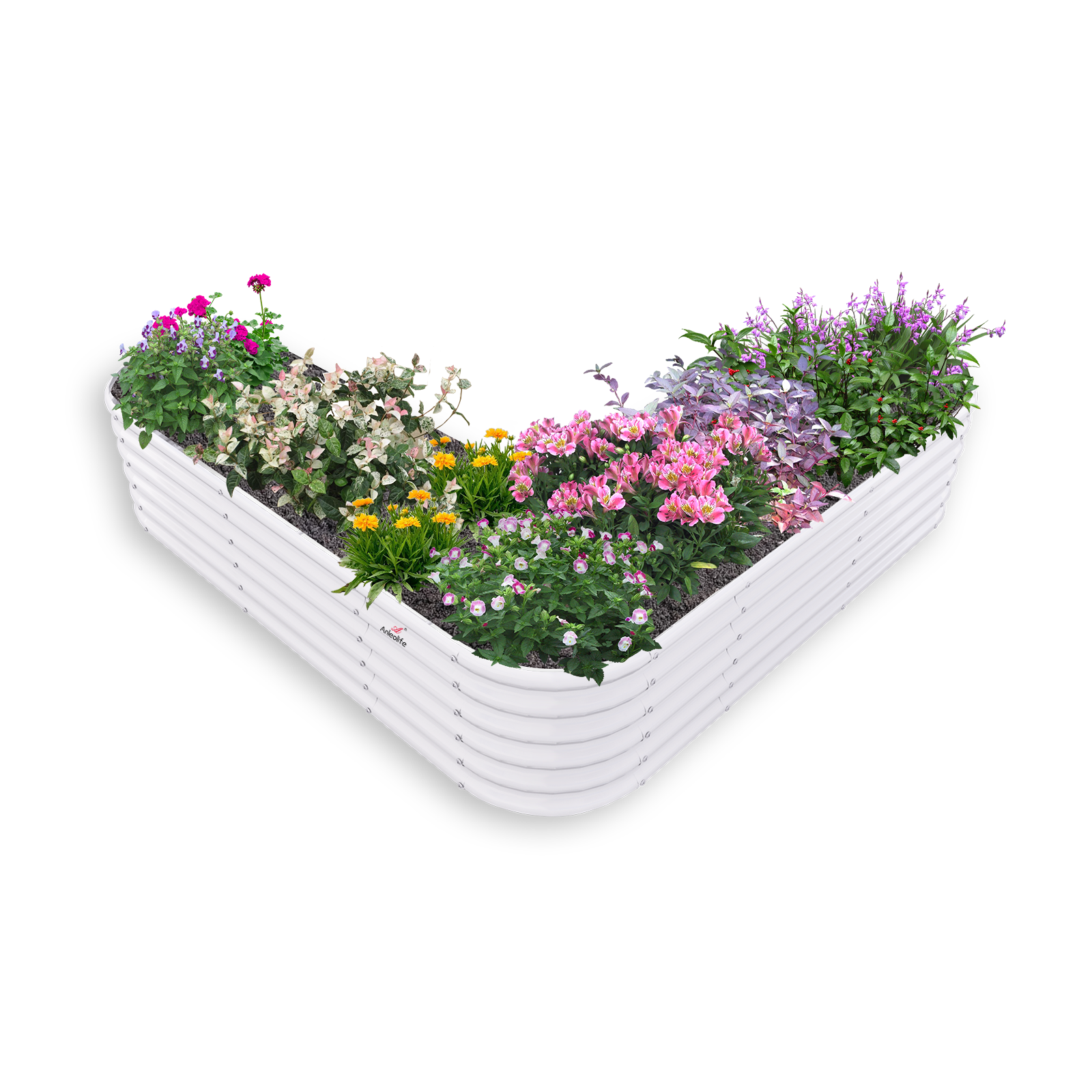
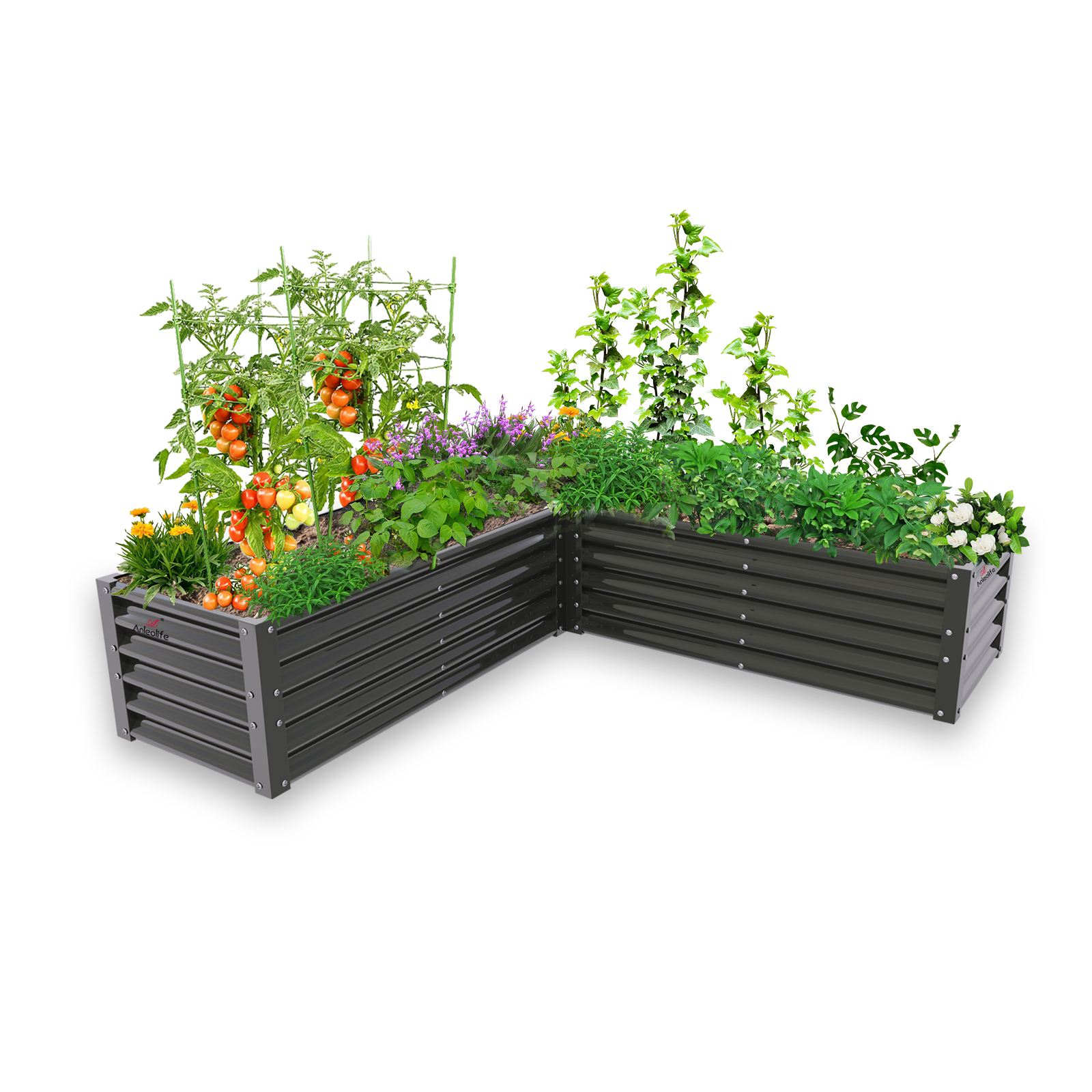
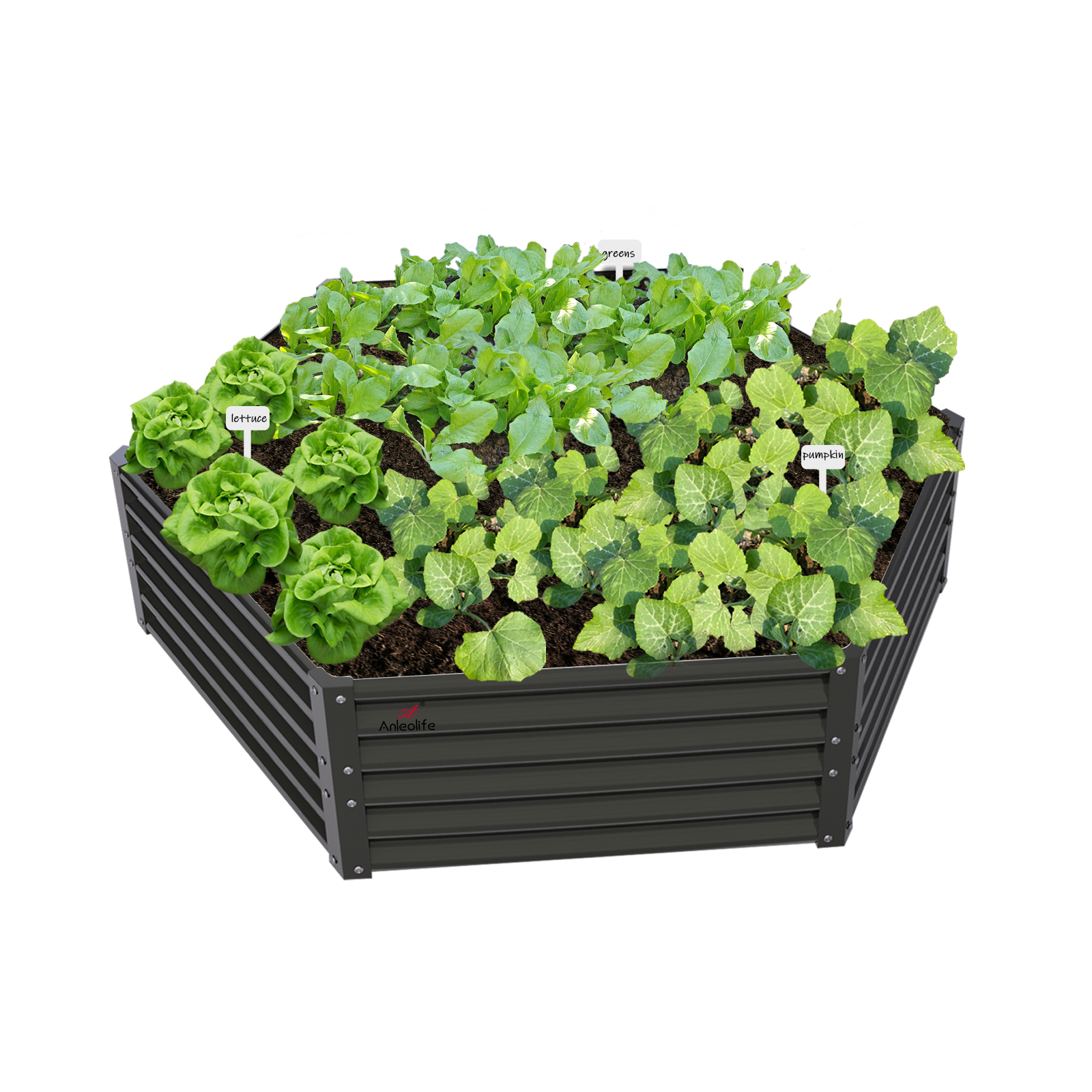
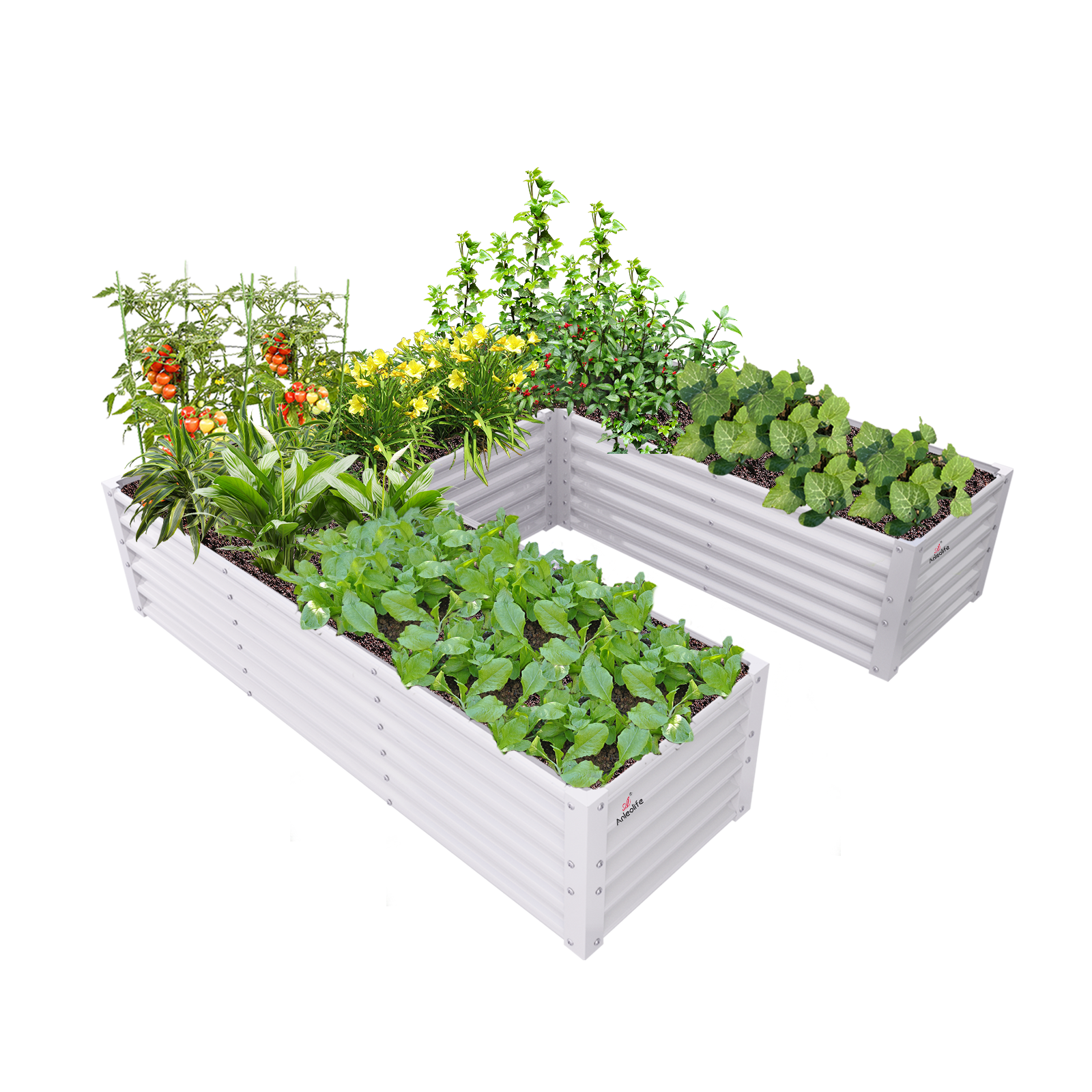

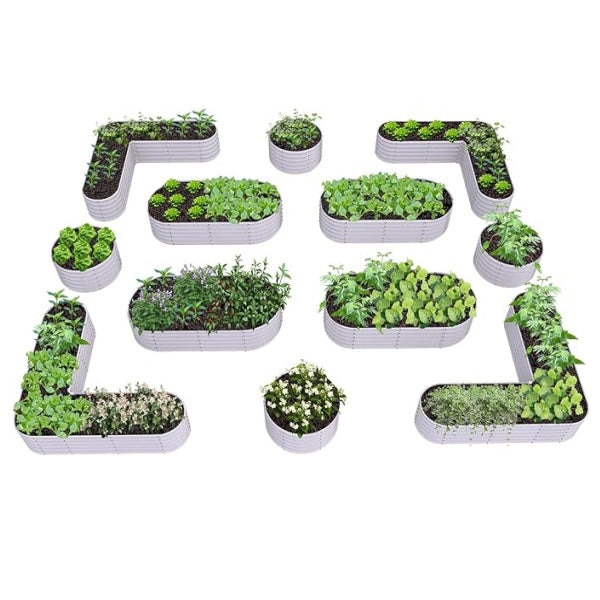


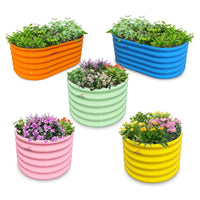
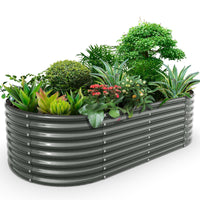




ALT: Choosing the right raised garden bed color to enhance your outdoor aesthetic and backyard landscaping
Why Raised Garden Bed Color Matters More Than You Think for Your Outdoor Aesthetic
Key Conclusion: The color of your raised garden bed plays a surprisingly powerful role in shaping your outdoor aesthetic. Beyond mere appearance, the right color choice can make your garden feel larger or more intimate, harmonize with your home's architecture, and even influence how often you step outside to tend your plants. Choosing wisely means your garden looks intentional, polished, and personal — not just functional.
Most gardeners spend weeks researching soil mixes, plant varieties, and irrigation methods. Yet the visual impact of the garden bed itself — its color, finish, and how it interacts with surrounding elements — often gets treated as an afterthought. That's a missed opportunity.
The truth is, your raised garden bed is a permanent fixture in your outdoor space. Unlike annuals that change every season, the bed frame stays year-round. Its color will greet you every morning, appear in your family photos, and define the character of your backyard. Getting the color right from the start saves you time, money, and the frustration of a space that never quite feels cohesive.
This guide walks you through everything you need to consider — from understanding your home's color palette to matching finishes with your garden's mood — so you can make a confident, inspired choice.
Who This Guide Is For
✅ Applicable Scenarios:
- Homeowners designing a new raised garden bed setup and wanting it to integrate seamlessly with existing landscaping or architecture
- Urban micro-gardeners working with limited patio or balcony space, where every visual element counts
- Empty nesters and retirees creating a serene, beautiful garden retreat and investing in long-term aesthetics
- Families building a functional yet visually appealing kitchen garden that complements their home's exterior
❌ Not Applicable/Cautions:
- Gardeners planning to move soon who want purely temporary, low-investment setups — color matching may not be the top priority
- Those working under strict HOA restrictions that dictate allowable outdoor structure colors — always check local guidelines before purchasing
- Anyone expecting color alone to solve deeper landscaping or layout problems without addressing structural garden planning
The Growing Trend of Aesthetically Intentional Gardens
Garden design has undergone a remarkable transformation over the past decade. What was once purely a utilitarian endeavor — growing food or managing outdoor space — has evolved into an expression of personal lifestyle and values. According to the Garden Research organization, over 55 million U.S. households participated in some form of food gardening in recent years, and the number continues to grow. Alongside this boom, aesthetic investment in garden spaces has surged dramatically.
Homeowners today are treating their backyards like outdoor living rooms. Raised garden beds are no longer just functional grow boxes — they are design elements that need to complement outdoor furniture, fencing, pathways, and the home's architectural palette. The concept of "garden-as-lifestyle" has made color selection a genuine design decision, not a trivial one.
This shift also reflects broader trends in eco-conscious living. Gardeners who grow their own vegetables are also investing in how that process looks and feels — because a beautiful garden is one you actually want to spend time in. The more visually appealing your setup, the more connected you feel to it, and the more consistently you tend it.
If you're also thinking about the size and layout of your beds alongside their color, the The Ultimate Raised Garden Bed Sizing Guide for Summer 2026: Find Your Perfect Fit is an excellent resource to read in tandem. Getting both the dimensions and the color right means your garden will look and function beautifully from day one.
For the budget-conscious gardener wondering about the most affordable way to start a raised garden bed, the great news is that investing in a well-chosen color early doesn't have to mean overspending. Many of the best budget-friendly raised bed options under $200 are available in attractive, neutral finishes that work with most outdoor color schemes — meaning you can start smart and scale up as your garden grows.
Choosing the Right Color: A Practical Deep Dive
Three Steps to Finding Your Perfect Raised Garden Bed Color
Step 1: Audit Your Existing Outdoor Color Palette
Before you browse product options, spend 15–20 minutes walking your outdoor space with fresh eyes. Take note of your home's exterior color, the shade of your fencing or deck, the tones in your patio furniture, and even the dominant colors of your surrounding plantings. Photograph these elements. You're building a reference palette that will guide every subsequent decision. Look for patterns — is your space warm-toned (creams, terracottas, wood browns) or cool-toned (grays, blues, whites, blacks)?
Step 2: Identify Your Garden's Mood and Style
Consider the overall vibe you want your garden to project. A modern minimalist garden calls for clean, dark tones — charcoal, slate, or matte black. A cottage-style garden might pair beautifully with softer, earthy tones that blend with the landscape rather than contrasting sharply. A Mediterranean or tropical-inspired space could embrace bolder, warmer finishes. Your garden's "mood" should align with how you live outdoors — entertaining guests, quiet morning routines, children's play space, or a meditative retreat. This step typically takes 10–15 minutes of reflection but saves hours of second-guessing later.
Step 3: Test Before You Commit
Once you've narrowed your options to two or three colors, bring physical samples outdoors and observe them at different times of day. Morning light, afternoon sun, and dusk all render colors differently. A finish that looks elegant in midday sun might appear flat or too stark in the soft light of evening. If physical samples aren't available, use digital visualization tools or print color swatches and hold them against your existing outdoor elements. This testing phase, done over a single weekend, can save you from a color choice you'll regret for years — especially important when investing in beds built to last up to 20 years.
Comparing Popular Raised Garden Bed Color Directions
Different color families bring entirely different energies to a garden space. Here's a breakdown of the most popular approaches:
| Comparison Dimension | Dark/Charcoal Tones | Earthy/Natural Tones | Light/Neutral Tones |
|---|---|---|---|
| Best Garden Style | Modern, minimalist, industrial | Cottage, farmhouse, rustic | Coastal, Scandinavian, eclectic |
| Contrast with Plants | High — makes greenery pop dramatically | Medium — blends naturally with surroundings | Low to medium — soft, harmonious look |
| Heat Absorption | Higher — can warm soil in cool climates | Medium | Lower — less heat retention |
| Complementary Home Exterior | Gray, white, black, dark brick | Warm wood, cream, tan, red brick | White, light gray, pale blue, beige |
| Seasonal Versatility | Year-round sophistication | Warm seasons feel most cohesive | Bright seasons shine; may feel cold in winter |
| Maintenance Visibility | Shows dust and debris more readily | Hides soil splatter well | Shows marks easily, requires more upkeep |
Understanding these trade-offs helps you make a choice that serves you not just aesthetically, but practically across all four seasons.
Deep Dive: Color Psychology and Practical Application in Garden Design
How Color Shapes Perceived Space
Color isn't just decorative — it's spatial. Dark-colored raised garden beds visually recede, making the green of your plants and the brightness of your flowers leap forward. If you grow vivid vegetables like red tomatoes, bright peppers, or yellow squash, a dark charcoal or slate bed creates a dramatic, almost gallery-like contrast. This technique works particularly well in compact urban gardens where every square foot needs to feel purposeful and intentional.
Lighter tones, conversely, tend to reflect light and make spaces feel more open and airy. For small patios or balcony gardens, a soft gray or warm cream finish can prevent the garden structure from feeling visually heavy. This is especially valuable for urban micro-gardeners who want their growing space to feel like an extension of their interior aesthetic.
Matching Beds to Architectural Styles
Your home's architecture offers strong visual cues. A craftsman bungalow with warm wood tones and earthy brick calls for beds in complementary natural hues — think weathered bronze, warm brown, or deep olive. A contemporary home with clean lines, white walls, and black metal accents is the perfect backdrop for a set of sleek, charcoal-finished raised beds that echo the home's modern sensibility.
For colonial or traditional homes with red brick or painted wood siding, earthy green or classic black beds offer a timeless, heritage-garden feel that looks like it was always meant to be there. The key principle is to either complement (choose a color from the same family as your home's exterior) or contrast deliberately (choose a color from the opposite end of the spectrum for dramatic effect). Avoid accidental near-matches that neither harmonize nor contrast — they simply look unfinished.
The Galvanized Steel Advantage: Natural Color That Lasts
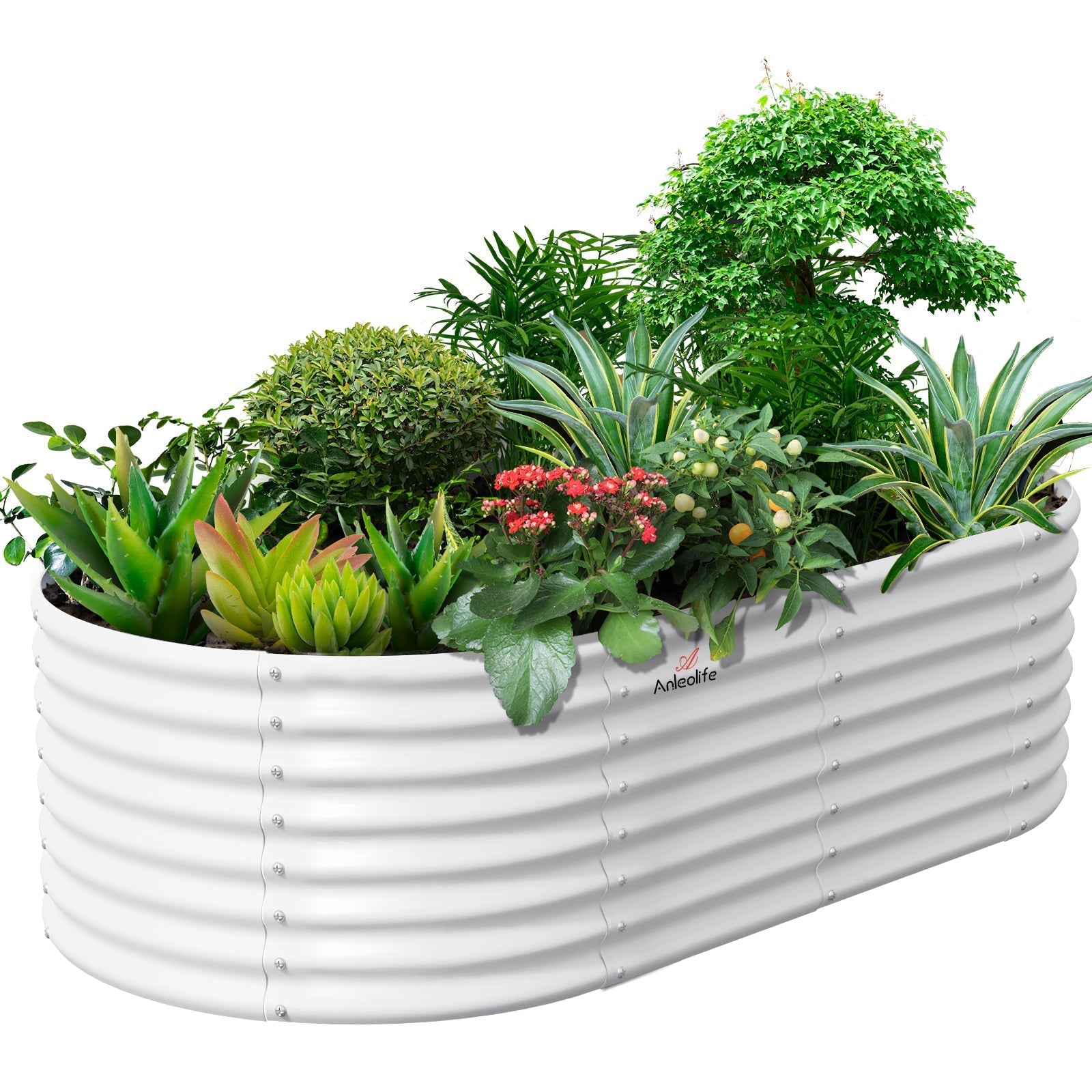
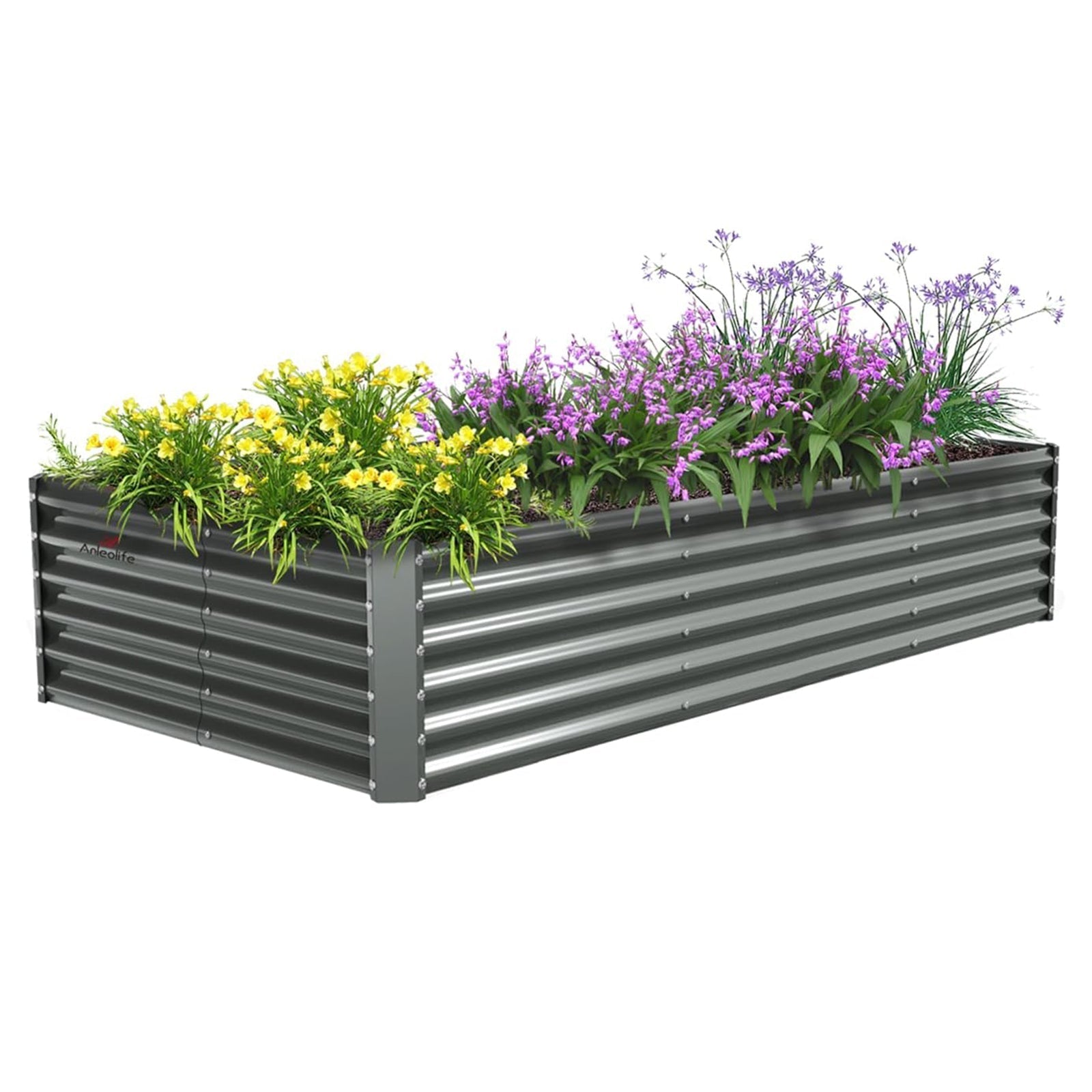
One of the most appealing color solutions in the current garden design landscape is the natural metallic finish of galvanized steel. Anleolife's Galvanized Steel Raised Garden Beds carry an inherent aesthetic versatility — the silvery, slightly textured surface of galvanized metal reads as both industrial-chic and farmhouse-friendly, depending on its surroundings. Pair it with weathered wood accents and wildflower planting for a relaxed country garden look, or position it against a clean white wall with structured plantings for a more contemporary feel.
The finish also evolves subtly over time, developing a gentle patina that many gardeners find adds character rather than looking worn. And because these beds are built for a lifespan of up to 20 years, you're investing in a color choice — and a structure — that will grow alongside your garden vision for the long term.
For gardeners who prefer a more controlled, consistent look, the Rust-Resistant Raised Garden Beds in Anleolife's lineup offer finishes that maintain their appearance with excellent durability, resisting the weathering that can compromise both the look and structural integrity of lesser products.
Seasonal Thinking: Color Through the Year
A color that looks stunning in July's lush fullness may feel very different in November when the beds are cleared. Consider how your chosen color will read against bare soil, winter frost, or dried plant stalks. Dark tones tend to retain elegance year-round, while bright or very light tones can look stark in the off-season.
Earthy tones — warm browns, greens, and bronzes — are perhaps the most seasonally forgiving. They echo the natural landscape in every season: they look grounded in spring, lush in summer, harvest-ready in fall, and quietly dignified in winter.
Coordinating with Garden Ornaments and Accessories
Your raised bed color doesn't exist in isolation. Think about how it interacts with garden ornaments, pathway systems, and decorative accessories. If you're incorporating pathway edging or trellises in your space, a cohesive color family across all elements will tie the garden together. This is where the concept of a "garden color story" becomes especially powerful — choosing two or three tones that repeat across structures, accessories, and even plant selections creates a garden that feels designed, not just assembled.
For those interested in how organic pest control choices intersect with garden aesthetics — since natural deterrents and companion plantings can add beautiful visual layers — Organic Pest Control Strategies for Raised Garden Beds This Summer offers practical guidance that complements an aesthetically minded approach to gardening.
Also, if you're planning which crops to grow in your newly chosen beds, 10 Best Vegetables for Raised Beds This Summer: A Beginner's Planting Checklist is a wonderful resource to align your planting vision with your aesthetic goals — because the colors of your plants matter just as much as the color of your beds.
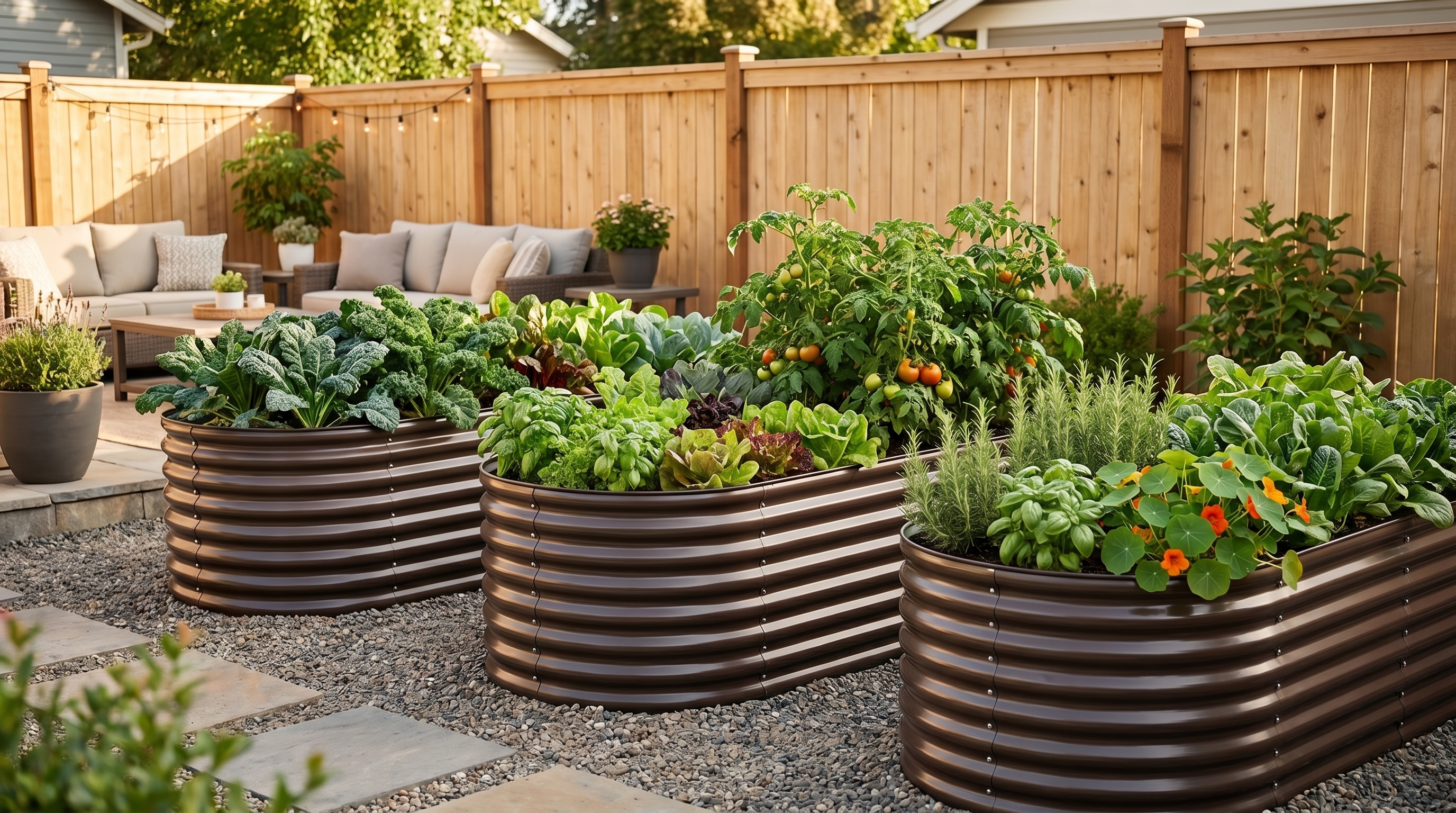
ALT: Comparing raised garden bed color options including charcoal, earthy tones, and galvanized steel finishes in a real backyard outdoor aesthetic setting
Advanced Considerations: Beyond the Basics
Handling Special Situations
Renting or HOA Communities: If you live in a community with design guidelines, opt for classic, neutral tones — charcoal, black, or natural galvanized silver. These are the least likely to conflict with restrictions and are also the most universally appealing, which matters if you plan to sell your home.
Mixed-Material Gardens: Some gardeners combine raised beds with wooden planter boxes, terracotta pots, or concrete containers. In this case, choose a metal bed color that acts as a neutral anchor — dark charcoal or natural galvanized — and let the other materials add warmth and texture. Avoid competing with multiple strong color statements.
Small Space, Big Impact: For urban micro-gardeners or those with only a balcony or small patio, a consistent color across all raised bed units creates a sense of intentional design that makes even a small space feel curated. If you're planning a smaller setup, reviewing 5 Common Raised Bed Layout Mistakes to Avoid When Planning Your Summer Garden can help you get both the layout and the visual cohesion right from the start.
Common Misconceptions
"Any color will fade anyway, so it doesn't matter." High-quality galvanized steel and rust-resistant beds are engineered to maintain their finish for years. Choosing a color and finish from a durable product line — like those built to last up to 20 years — means your aesthetic investment actually holds up.
"Dark colors will overheat the soil and harm my plants." While dark beds do absorb more heat, this is often an advantage in early spring and fall, extending your growing season. In very hot climates, position beds strategically and water consistently to manage soil temperature.
"Neutral colors are boring." Neutrals are actually the most powerful choice for longevity and versatility. A charcoal or galvanized silver bed looks stunning surrounded by nearly any plant palette and complements virtually every architectural style.
Frequently Asked Questions FAQ
Q1: How do I choose a raised garden bed color that won't clash with my home's exterior?
Start by identifying your home's dominant exterior tones — siding color, roof color, and trim. From there, select a bed color that either closely complements these tones (same warm or cool family) or provides a deliberate, clean contrast. For most homes, charcoal, black, and natural galvanized steel are safe choices that complement a wide range of architectural styles without competing. If in doubt, neutral dark tones are the most universally harmonious option for long-term satisfaction, especially given that well-built beds can last up to 20 years.
Q2: Are darker-colored raised garden beds really better for plant growth?
Darker colors do absorb more solar heat, which can be beneficial in cooler climates or during early spring and late fall planting. This can help extend your growing season by keeping soil temperatures more consistent. However, in very hot climates like the Southwest, extremely dark beds paired with intense sun exposure may require more frequent watering to prevent soil from drying out too quickly. The practical solution is to choose your color based on your climate zone first, aesthetic second — though in most of the U.S., the difference in thermal performance between popular dark and medium tones is manageable.
Q3: How long does a quality raised garden bed typically maintain its color and finish?
Premium galvanized steel and rust-resistant raised garden beds are engineered for exceptional durability. Anleolife's beds, for example, are built to last up to 20 years, with finishes designed to resist rust, weathering, and UV degradation over extended time. Delivery typically takes 3–8 business days, so you won't be waiting long to start building your ideal garden space. Proper maintenance — like clearing debris from inside the bed and avoiding prolonged standing water contact with the exterior — can help preserve the finish and color fidelity throughout the bed's lifespan.
Summary
Choosing the right color for your raised garden bed is one of the most rewarding decisions you can make in your garden journey. Done thoughtfully, it transforms a functional growing structure into a cohesive, beautiful anchor point for your entire outdoor aesthetic.
Three key points to carry with you:
- Color is a design tool, not an afterthought. It shapes the perceived size of your space, amplifies the beauty of your plants, and ties your garden to your home's architectural identity.
- Consider durability alongside aesthetics. Beds built to last up to 20 years deserve a color choice made with long-term vision — one that will look as good in year ten as it does on day one.
- Start with your space, not the product page. Audit your existing colors first, identify your garden's mood, then find a bed that serves both your functional and aesthetic needs.
Whether you're creating a sleek modern kitchen garden, a relaxed cottage retreat, or a productive family growing space, there's a perfect color waiting to bring your vision to life. Take the time to choose deliberately — your garden (and your daily wellbeing) will thank you for it.
Upgrade Your Garden with Anleolife
Anleolife operates a nationwide U.S. warehouse network strategically located in California, Texas, Florida, New York, Illinois, and Washington, ensuring delivery within 3–8 business days so your garden upgrade plans never have to wait.
Our products are available across major e-commerce platforms — Amazon, Walmart, Home Depot, Lowe's, and Wayfair — as well as directly through Anleolife.com, providing consistent quality assurance and reliable after-sales support wherever you prefer to shop.
Anleolife's three core scenarios cover your complete garden journey: Planting (metal raised garden beds, soil systems), Raising (chicken coops, rabbit hutches), and Beautification (decorative accessories, pathway systems) — meeting every need from pure functionality to full aesthetic expression.
We understand that an ideal garden isn't built overnight. It grows with you. Our modular product design allows flexible expansion based on your needs — from your very first raised bed to a fully integrated planting-and-raising ecosystem. Whatever stage of your garden journey you're on, Anleolife grows with you every step of the way.
References
- Garden Research. "National Gardening Survey: Participation and Spending Trends."
https://www.gardenresearch.com/ - University of California Agriculture and Natural Resources. "Backyard Gardening: Soil, Beds, and Growing Systems."
https://ucanr.edu/ - U.S. Department of Agriculture. "Community Gardening and Home Food Production Resources."
https://www.usda.gov/ - Penn State Extension. "Raised Bed Gardening: Design and Construction Principles."
https://extension.psu.edu/ - American Horticultural Society. "Garden Design Principles for Home Landscapes."
https://ahsgardening.org/
Note: Standards and recommendations may be updated. Please check the latest official documents or consult professional garden design advisors for the most current guidance.
About Anleolife
Anleolife is a leading outdoor garden solutions provider in North America, dedicated to offering a full-scenario product ecosystem for home gardening enthusiasts, covering planting, raising, and garden beautification. Since its founding, we have upheld our brand mission, "Made for Garden Life," continuously innovating products and optimizing services to help hundreds of thousands of users upgrade their gardens, reconnect with nature, and enjoy a better garden lifestyle.