




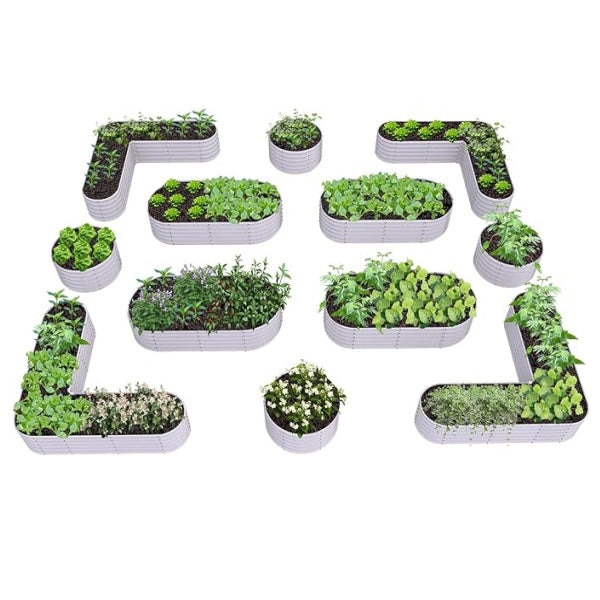


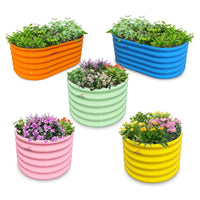
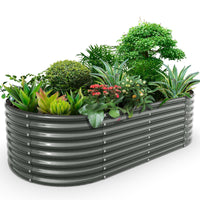



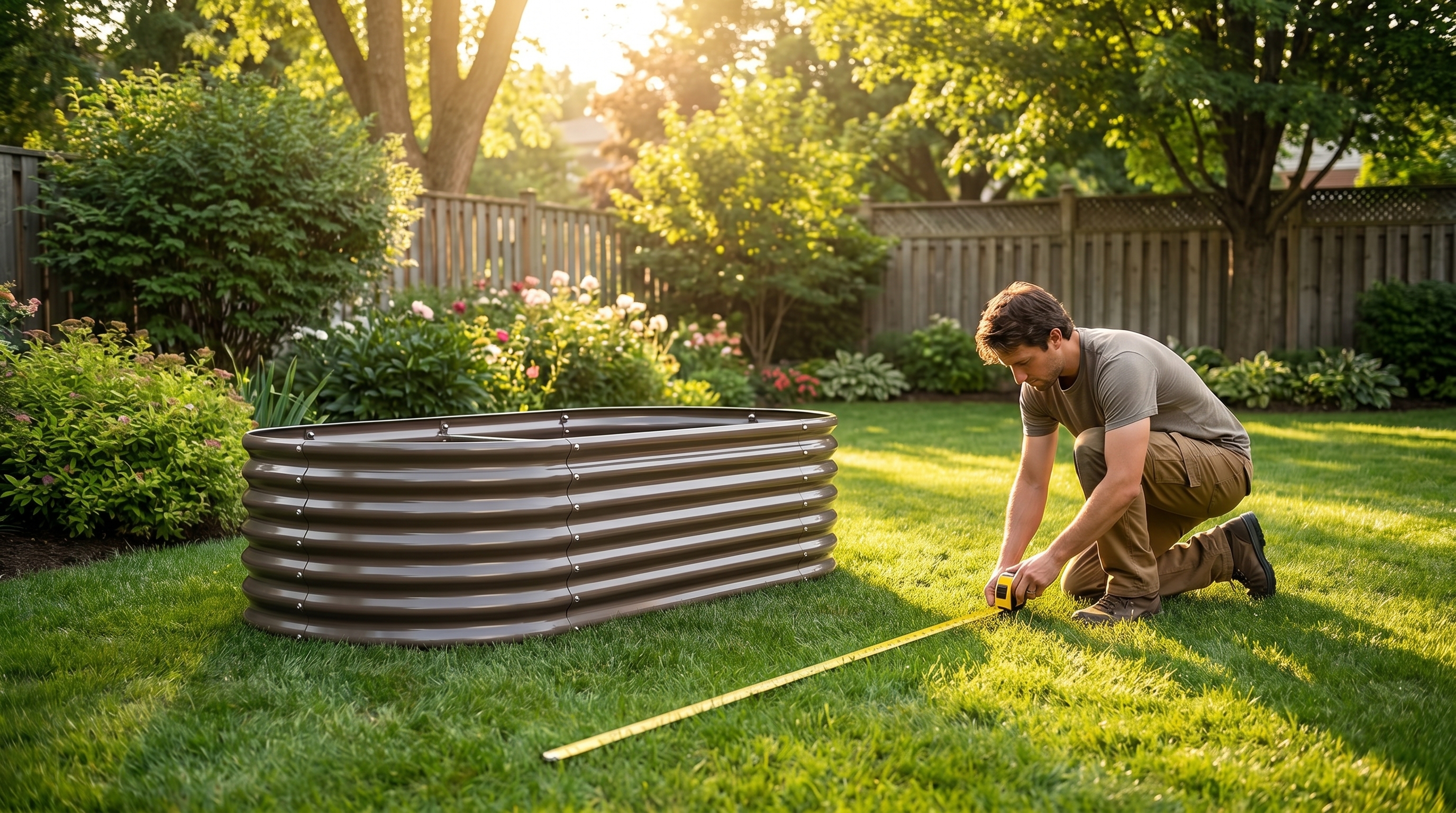
ALT: Gardener measuring backyard space to select the ideal raised garden bed size for summer vegetable growing
Why Choosing the Right Raised Garden Bed Size Makes or Breaks Your Summer Garden
Key Conclusion: Picking the right raised garden bed size is one of the most impactful decisions you'll make for your summer garden. The wrong dimensions lead to wasted space, awkward reach, poor airflow, and underwhelming harvests. The right size, matched to your available space, physical comfort, and crop goals, transforms your backyard into a productive, beautiful outdoor retreat. Whether you're a first-time grower or an experienced home gardener, understanding how raised garden bed size affects everything from soil volume to plant density will help you grow smarter and harvest more.
Getting the size right before you buy saves you time, money, and frustration. Raised garden beds come in a wide range of footprints and heights — from compact 4×2 ft options perfect for patios to expansive 12×3 ft beds for serious summer harvests. Beyond surface area, the height of your bed determines root depth, soil warmth, drainage quality, and whether you'll be kneeling in the dirt or standing comfortably while you tend your crops.
This guide walks you through the key factors that determine the best raised garden bed size for your summer garden — your available space, plant types, physical needs, and long-term goals. We'll also introduce specific Anleolife bed options that align with each scenario, so you can move from decision to planting day with confidence.
Who This Guide Is For — and When Size Really Matters
✅ Applicable Scenarios:
- First-time gardeners setting up a backyard raised bed for the first time this summer
- Urban or suburban homeowners with limited yard space who need to maximize every square foot
- Retirees or older gardeners looking for taller, ergonomic beds that reduce bending and kneeling
- Families wanting to grow enough vegetables (tomatoes, zucchini, beans, herbs) to make a meaningful contribution to the kitchen
- Gardeners transitioning from in-ground growing to raised beds for better soil control and drainage
❌ Not Applicable/Cautions:
- This guide focuses on residential home gardens; commercial-scale agricultural operations have very different sizing and layout needs
- If you are growing exclusively in containers or pots, the sizing principles here do not directly apply — though bed height comparisons may still be useful
- Those with HOA restrictions or rental property limitations should verify permitted structures before purchasing any raised bed system
The Real Cost of Getting Raised Bed Size Wrong This Summer
Most gardeners focus on what to grow, not how much space they actually need to grow it well. That's a mistake that plays out slowly — over a season of crowded tomatoes, stunted roots, and beds that are impossible to reach across without stepping inside.
Raised bed gardening has grown dramatically in popularity across North America in recent years. According to the National Gardening Association, home food gardening participation has surged, with millions of households adding edible gardens each year. More people are growing their own food for health, sustainability, and cost reasons — and raised beds remain the preferred structure for beginners and experienced growers alike.
But popularity has also created confusion. Shoppers are now choosing between dozens of sizes, materials, and brands — from popular options like Birdies to newer contenders. Many gardeners searching "vego garden vs birdies" are really asking a deeper question: which system offers the right size, depth, and durability for my specific yard and goals? The answer almost always depends on your space and what you're growing, not just the brand name.
If you're just getting started, our Step-by-Step Raised Bed Garden Layout Planning for Summer 2026 Beginners guide is a perfect companion to this article, walking you through the full planning process from sketch to soil.
Sizing mistakes fall into two main categories: beds that are too small (leaving you wanting more growing space by midsummer) and beds that are too large (making it hard to reach the center without stepping in and compacting your soil). Getting this balance right the first time is what this guide is all about.
How to Pick the Right Raised Garden Bed Size: A Practical Framework
Three Steps to Narrow Down Your Ideal Size Before You Shop
Step 1: Measure Your Available Outdoor Space
Before you look at any product, go outside with a tape measure. Note the usable length and width of your intended growing area, and consider how much clear pathway space you'll want around the bed — at least 18–24 inches on each side is recommended for comfortable access. This step typically takes 15–20 minutes and immediately eliminates a large portion of size options, making your decision much easier.
Step 2: Decide What You Want to Grow This Summer
Different crops have very different space requirements. Tomatoes, squash, and cucumbers need generous spacing — plan for 1–2 plants per square foot of bed surface. Herbs, lettuce, radishes, and greens can be planted much more densely. Tall crops like corn or pole beans also need vertical clearance and spacing that affects how many rows fit in your bed's footprint. Write down your top 5–8 target crops before you size your bed, because the vegetables you choose to grow in your raised bed directly determine how much surface area and depth you actually need.
Step 3: Consider Your Physical Comfort and Maintenance Habits
Do you prefer to garden standing up? Are you managing a physical limitation that makes kneeling difficult? Standard 18-inch tall beds work well for most gardeners working from a seated or kneeling position. Extra-tall beds at 24–30 inches bring the soil surface much closer to standing height, dramatically reducing strain. A 35-inch waist-high bed essentially eliminates the need to bend at all. Match the height to your body and lifestyle, not just your budget.
Comparing Raised Garden Bed Sizes: Which Footprint Fits Your Summer Goals?
Raised garden bed sizing involves two key dimensions: the surface footprint (length × width) and the height (depth). Both affect what you can grow and how comfortably you can maintain the bed. The table below compares common size categories to help you find the right match.
| Comparison Dimension | Compact Beds (e.g., 4×2 ft, 4×1.5 ft) | Mid-Size Beds (e.g., 8×4 ft, 6×3 ft) | Large Beds (e.g., 12×3 ft, 10×3 ft) |
|---|---|---|---|
| Best for | Patios, balconies, small yards, herbs | Standard backyards, mixed vegetables | Serious growers, large yard spaces |
| Reach across from one side | Easy — no stepping in needed | Manageable (4 ft max width) | Easy if 3 ft wide; harder if 4 ft |
| Crop capacity | 8–16 plants depending on type | 30–50+ plants depending on spacing | 50–80+ plants |
| Ease of setup | Very easy, lightweight | Moderate | Requires more assembly time |
| Height options available | 18"–35" waist-high | 18"–30" extra tall | 18"–30" extra tall |
| Ideal user | Beginners, seniors, renters | Families, intermediate growers | Dedicated home growers |
Understanding the relationship between footprint and width is critical. The golden rule of raised bed design is that no bed should be wider than you can comfortably reach across from either side. For most adults, that means a maximum width of about 4 feet. Beds narrower than that — 2 or 3 feet wide — are easier to reach across but sacrifice total growing area. A 12×3 ft bed, for example, offers excellent reach from both sides with a long planting corridor, making it a smart choice for trellised crops like cucumbers or beans.
Deep Dive: Height, Depth, and What Your Roots Actually Need
Why Bed Height Is Just as Important as Footprint
When most people shop for a raised garden bed, they focus heavily on the length and width. But bed height — the vertical depth of your soil column — is equally important, especially for summer vegetables.
Most vegetables need a minimum of 6–8 inches of root depth to thrive. Tomatoes, peppers, and squash benefit greatly from 12+ inches. Deep-rooted crops like carrots and parsnips need at least 12–18 inches of loose, unobstructed soil to grow straight and full. A shallow bed limits what you can grow and forces roots downward into whatever native soil lies beneath.
Anleolife's raised garden beds are available in several height tiers to match different growing and comfort needs:
- 18-inch tall beds are the most popular height, offering ample root depth for most summer vegetables while keeping costs manageable. These work well placed directly on soil or grass.
- 24-inch extra tall beds provide deeper root zones and bring the soil surface higher for more comfortable access — a great middle ground between standard and waist-high.
- 30-inch extra tall beds are ideal for gardeners who want deep root depth without sacrificing comfort. They're particularly popular with retirees and anyone managing knee or back issues.
- 35-inch waist-high beds essentially function as standing garden tables, eliminating almost all bending. The 4×1.5 ft waist-high bed is a standout option for small spaces or accessibility-focused setups.
For most summer vegetables — tomatoes, peppers, cucumbers, zucchini, beans, basil — an 18-inch or 24-inch bed will meet root needs comfortably, especially when filled with a quality growing mix. To learn how to get the most out of whatever depth you choose, check out the best soil recipe for raised garden beds in summer 2026 — the right soil blend dramatically improves drainage, aeration, and root development regardless of bed depth.
Matching Bed Size to Common Summer Gardening Scenarios
The Small Backyard or Urban Gardener
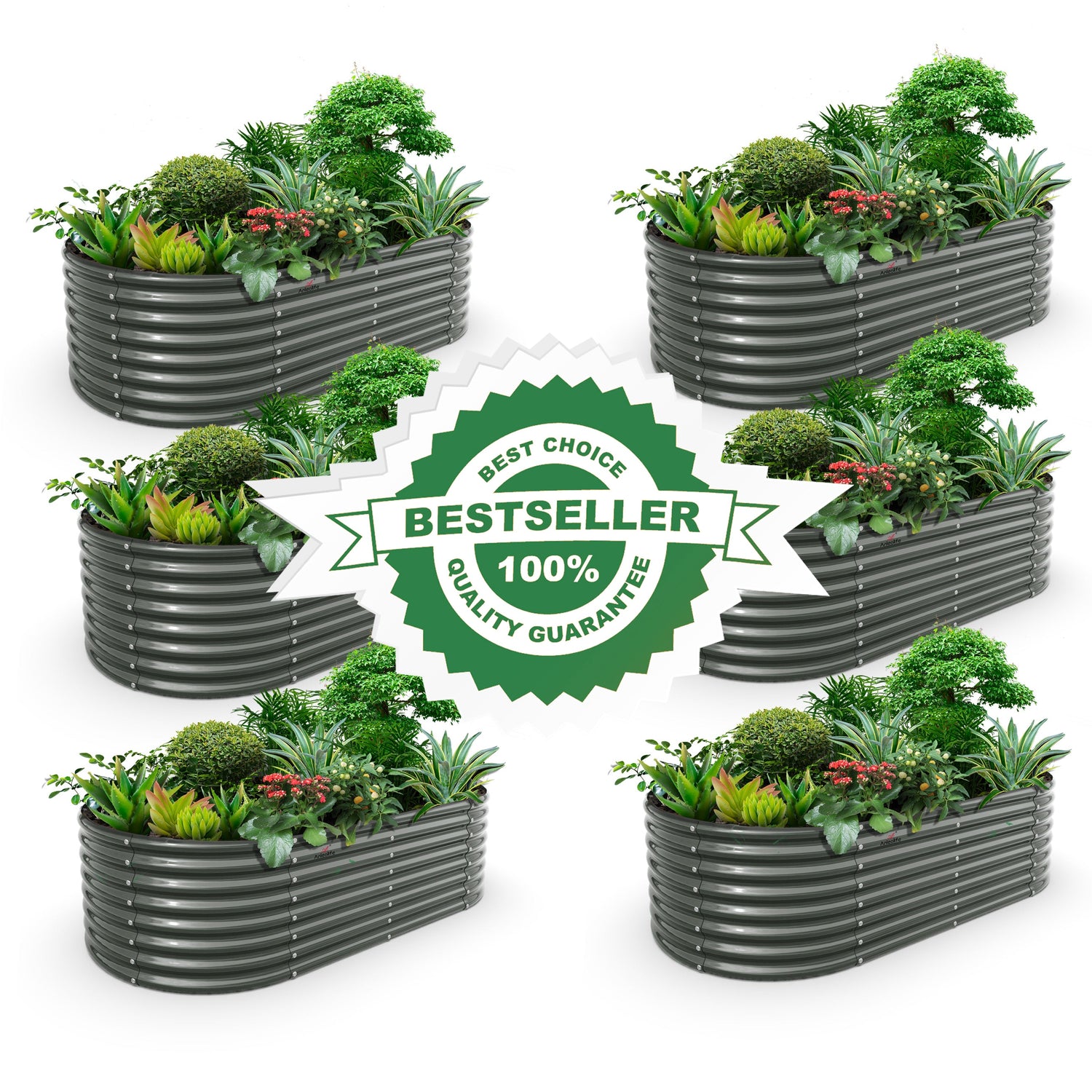
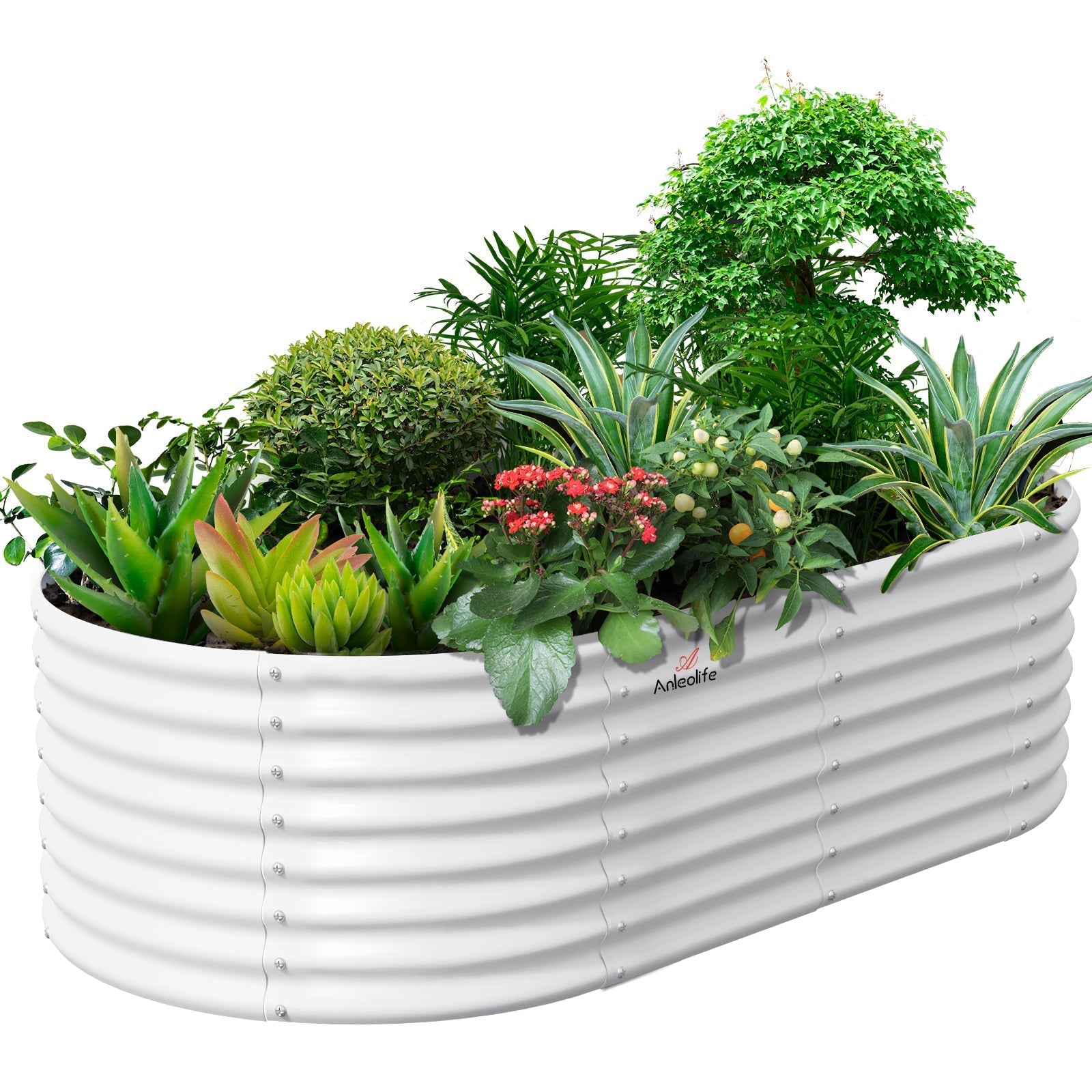
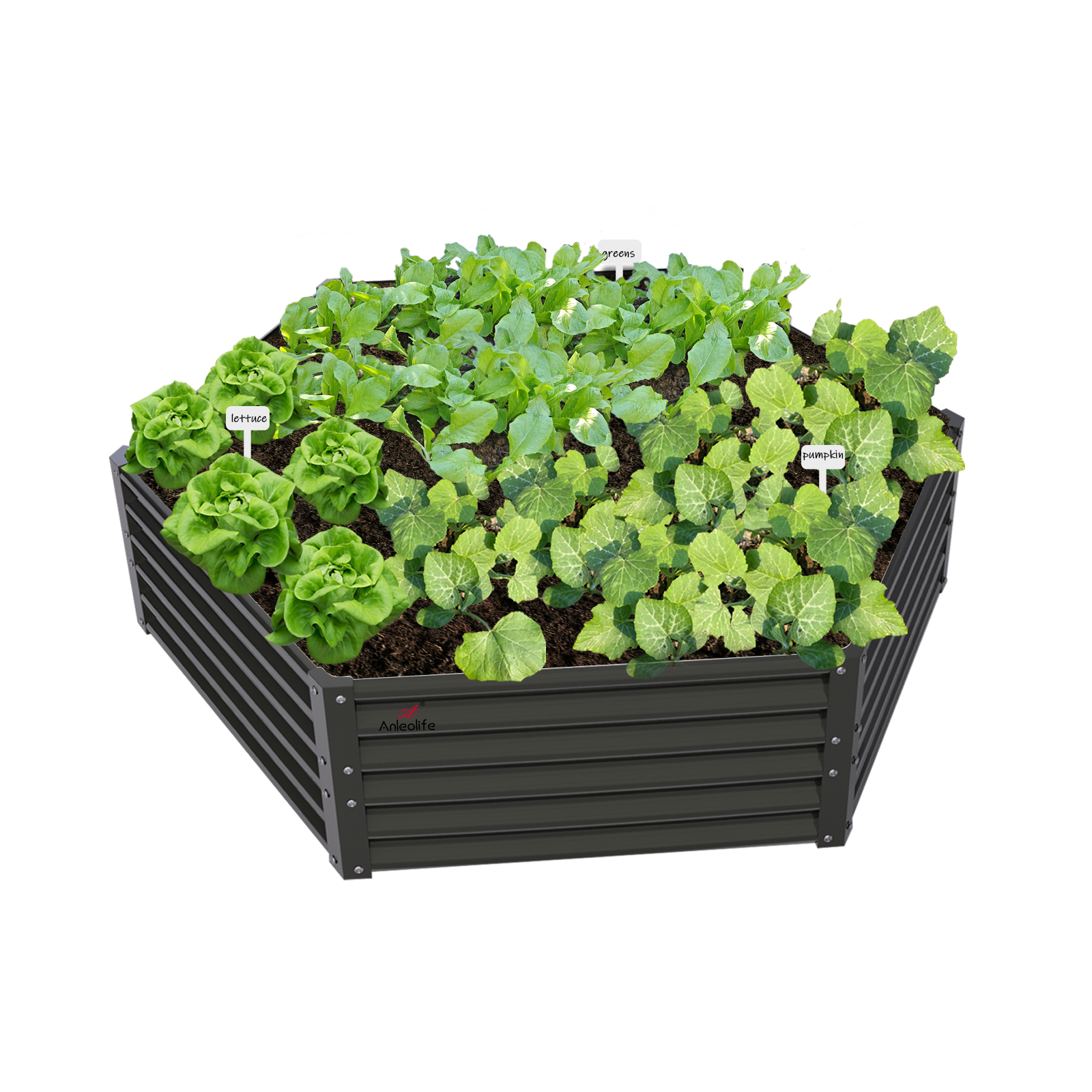
If you're working with a compact outdoor space — a narrow side yard, a small patio, or a shared urban garden plot — the best raised garden bed kit for a small backyard is typically in the 4×2, 4×4, or 6×3 ft range. Anleolife's 18-inch tall 4×4 ft galvanized steel bed fits neatly in corners and tight spaces while providing enough surface area for a meaningful herb and salad garden. The round 18-inch tall 48-inch wide bed is another compact option with visual appeal, working beautifully on patios or as a focal point in a small garden.
For those wondering about rust-resistant materials, Anleolife's rust-resistant raised garden beds use a specifically treated steel that holds up exceptionally well against moisture, humidity, and seasonal temperature changes. When comparing rust resistant garden bed materials, what holds up best is a treated or coated steel that combines structural rigidity with long-term corrosion resistance — exactly what Anleolife's rust-resistant line is designed to deliver.
The Family Vegetable Garden
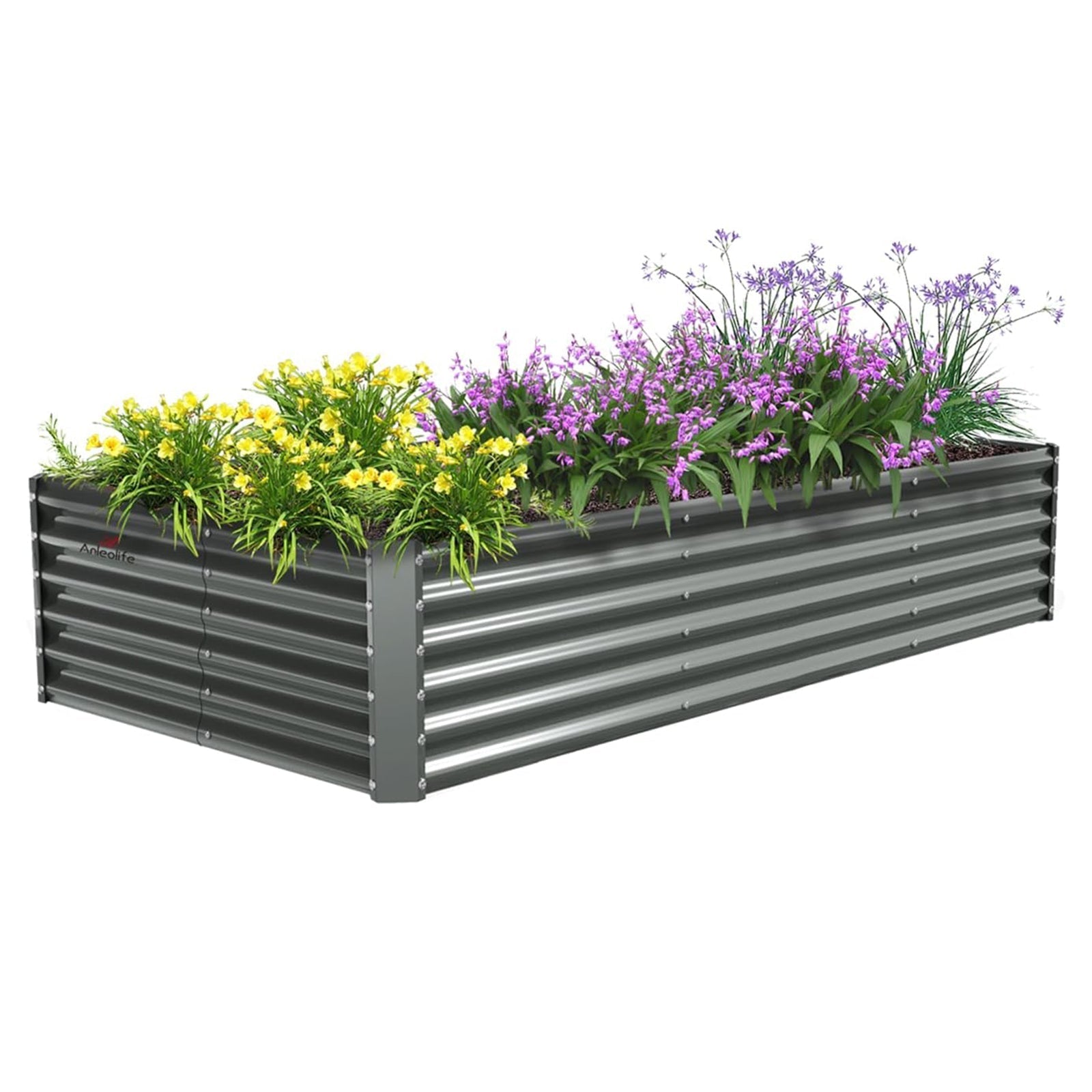
For families growing a meaningful amount of summer food — tomatoes, peppers, zucchini, beans, cucumbers, plus herbs — an 8×4 ft bed is the most versatile starting point. It provides enough surface area to grow 6–10 different crops simultaneously while remaining manageable in size. Anleolife offers 8×4 ft options across multiple product lines including galvanized steel, rust-resistant, modular, and heavy-duty categories, all in heights ranging from 18 to 30 inches.
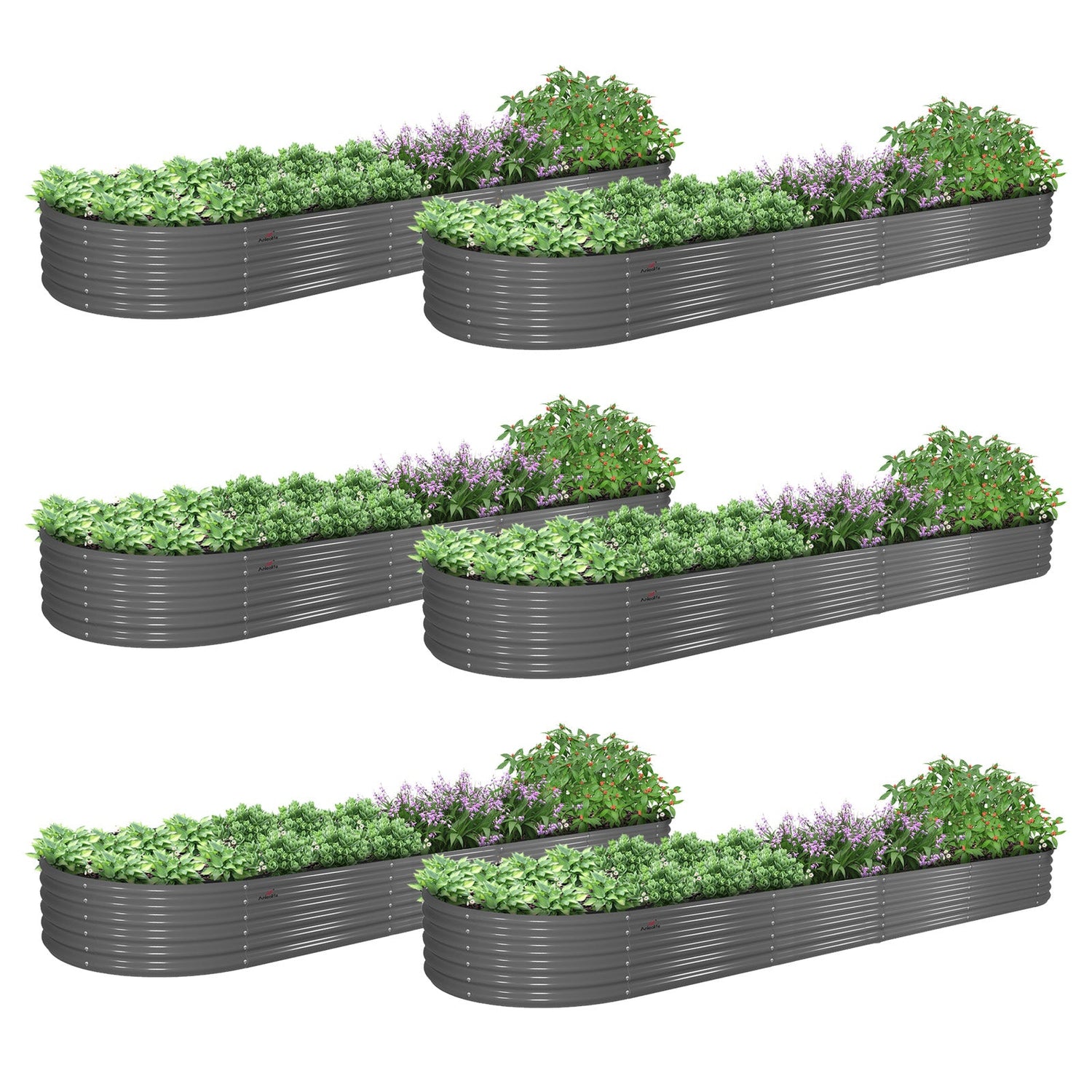
If your family wants to expand across a larger footprint, the 12×3 ft galvanized steel bed is an excellent choice — long enough for multiple planting zones but narrow enough that every inch of soil is reachable without stepping inside. This is a particularly smart shape for trellised summer crops.
The Serious Home Grower or Empty Nester
Retirees and empty nesters often have more outdoor space and more time to dedicate to gardening — but they also benefit most from ergonomic bed heights that reduce physical strain. The 30-inch extra tall beds — available in 6×3 ft and 10×3 ft footprints — bring the soil to a comfortable working height while offering generous root depth. Anleolife's heavy-duty raised garden beds are built for exactly this kind of long-term, daily-use gardening, engineered with reinforced construction to handle years of regular soil pressure and seasonal use.
With a garden bed lifespan of up to 20 years, investing in a well-sized, durable bed pays dividends far beyond a single growing season. That durability also makes the Anleolife system a strong choice for anyone who has been comparing brands and asking questions like "vego garden vs birdies" — the real answer lies in long-term structural performance and size flexibility, not just initial aesthetics.
The Modular Planner
If you're not sure how large you want your garden to eventually become, the modular raised garden bed system is worth serious consideration. Starting with an 18-inch tall 6×2 ft or 8×4 ft modular bed, you can expand your layout over time as your growing confidence and available space increase. If you want help thinking through non-standard yard shapes, the guide on how to customize a modular garden bed system for your unique backyard shape offers excellent practical advice for irregular spaces.
A Note on Material and Why It Affects Your Size Decision
When you're choosing between bed materials — wood, plastic, or metal — the material affects not just appearance and durability but also how you configure and maintain your beds over time. Wood beds can warp and compress over seasons, which may cause frame distortion in larger footprints. Metal beds, particularly galvanized and rust-resistant steel options, maintain their structural integrity across large spans without bowing or shifting — which is exactly why serious gardeners often prefer them for wider, longer beds.
If you're concerned about how metal beds perform in summer heat, that's a legitimate and common question. Read Are Metal Raised Garden Beds Heat-Safe for Summer Vegetables? for a detailed, science-backed breakdown of how galvanized steel beds manage heat and why they're safe for your crops. For an even broader perspective on why galvanized steel outperforms traditional wood raised beds, the pillar guide Galvanized Steel Raised Beds: 7 Reasons They Outperform Wood for Summer Gardening lays out the case comprehensively.
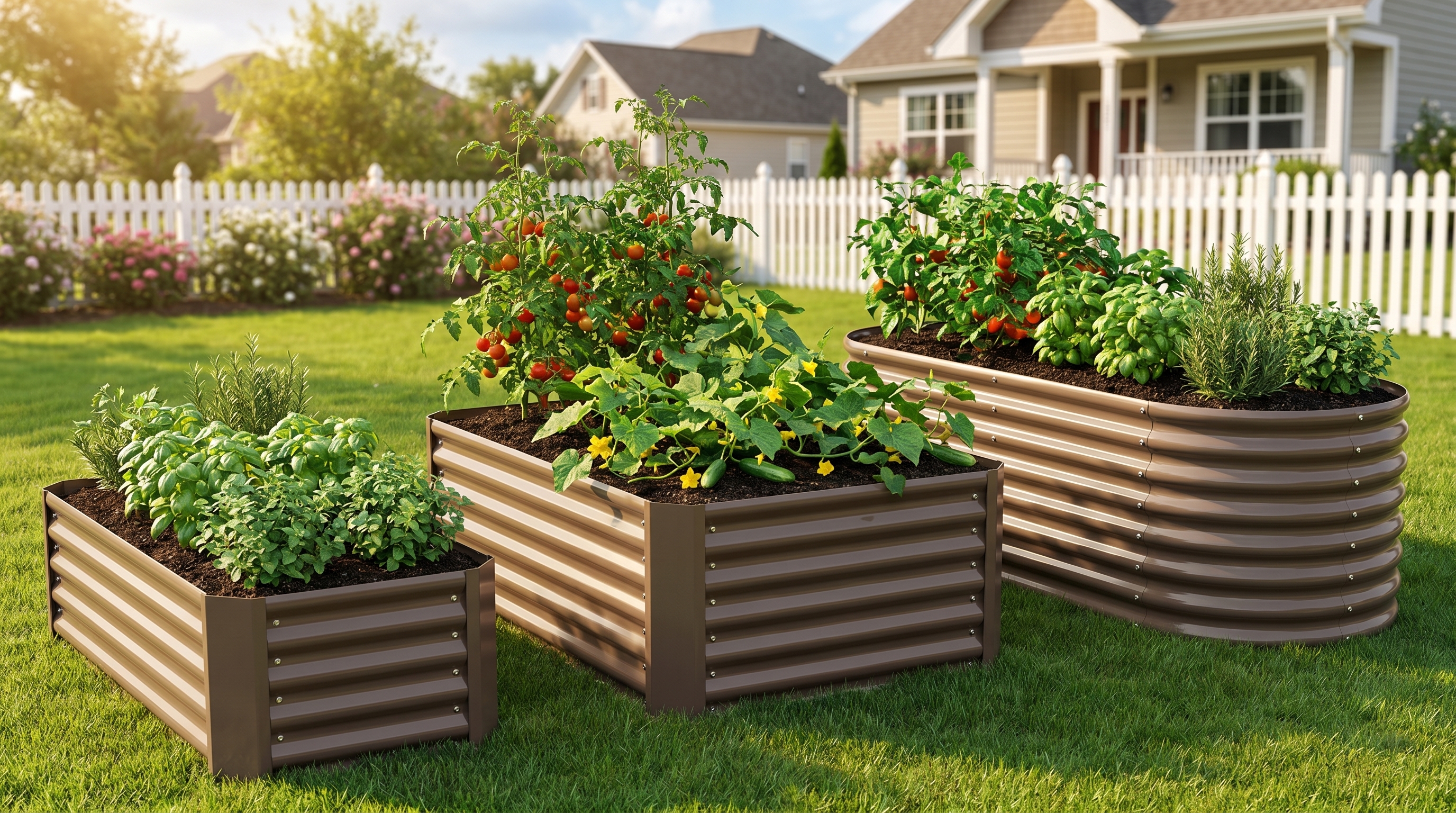
ALT: Anleolife galvanized steel raised garden beds in multiple sizes displayed in a bright summer backyard garden setting
Advanced Sizing Considerations: When Standard Advice Doesn't Apply
Sloped Yards, Irregular Shapes, and Non-Standard Spaces
Most raised bed sizing advice assumes a flat, rectangular outdoor space. But many real backyards are sloped, oddly shaped, or partially shaded. If your yard has a gentle slope, you'll need to either level the ground before installation or choose a bed height that compensates for the elevation change across the bed's length. In practice, this often means choosing a taller bed (24–30 inches) to maintain consistent soil depth even on uneven ground.
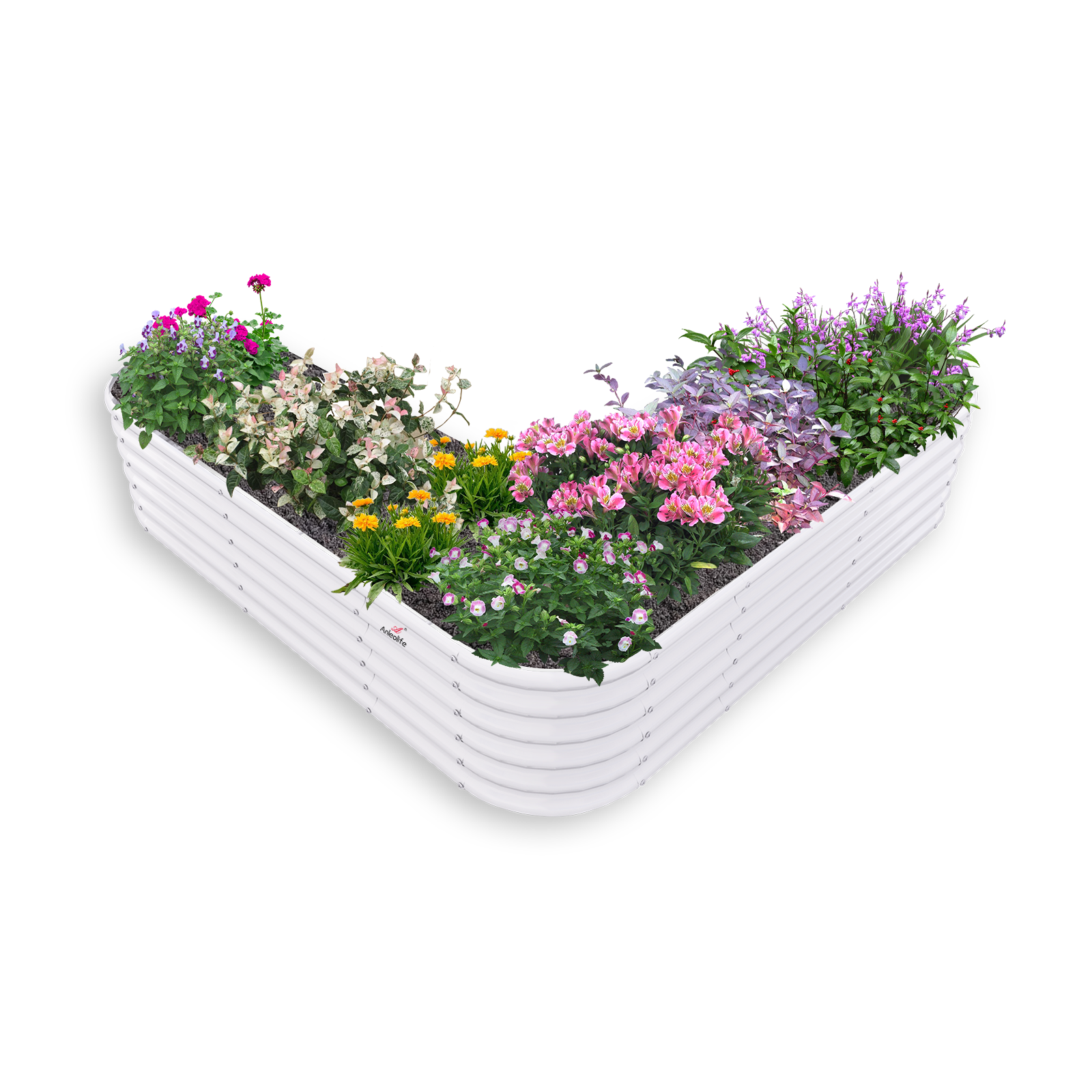
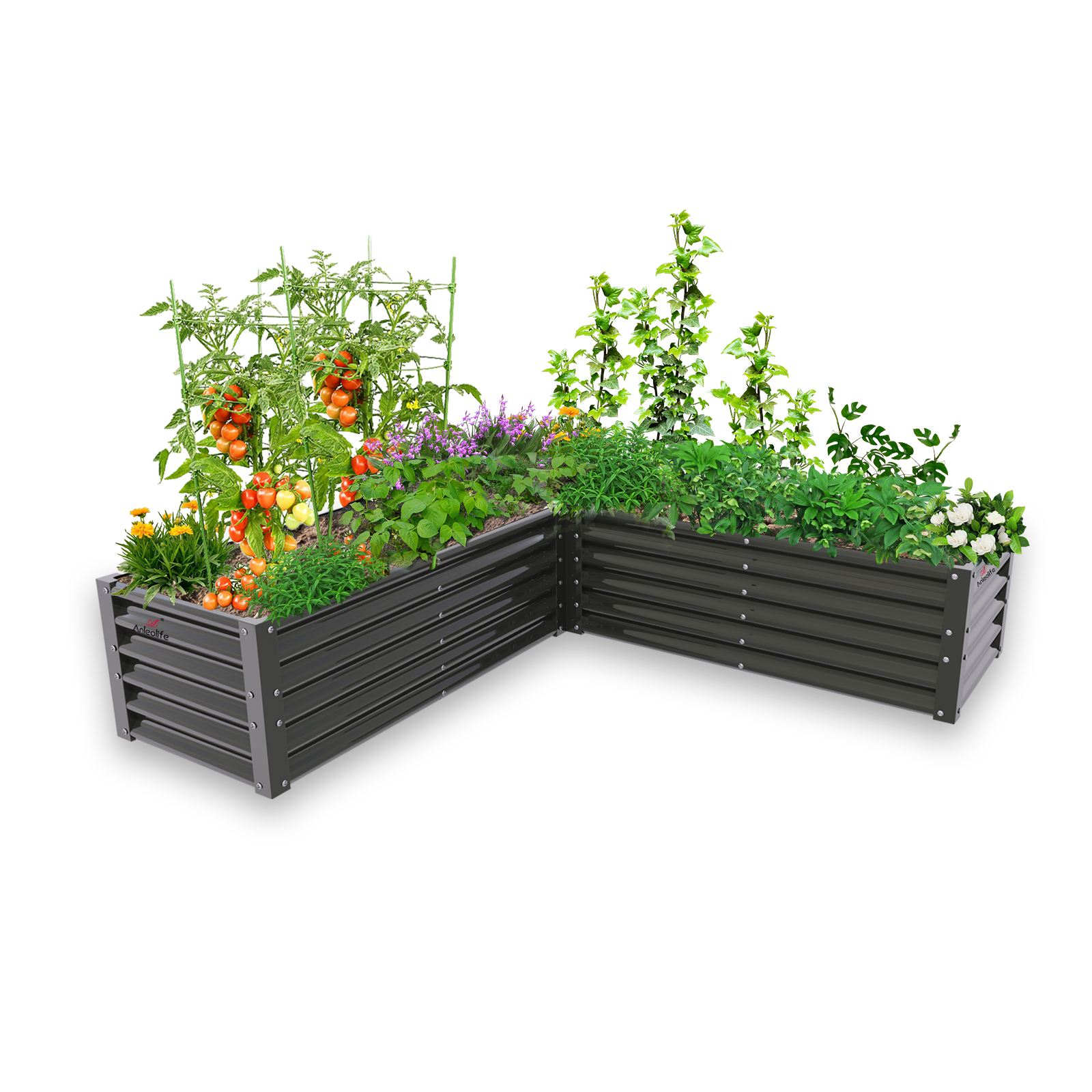
For narrow side yards or L-shaped spaces, consider using multiple smaller beds (e.g., 6×3 ft or 8×4 ft) arranged in an L-shape or staggered row rather than one oversized bed that may not fit cleanly.
Misconception: Bigger Is Always Better
A very common mistake is assuming that the largest possible bed will yield the most produce. In reality, a bed that's too wide to reach across will lead you to avoid certain sections entirely, causing uneven care, watering gaps, and wasted space. A well-tended 6×3 ft bed will consistently outperform a neglected 12×4 ft bed. Focus on what you can comfortably manage before going large.
Companion Planting and the Role of Multiple Beds
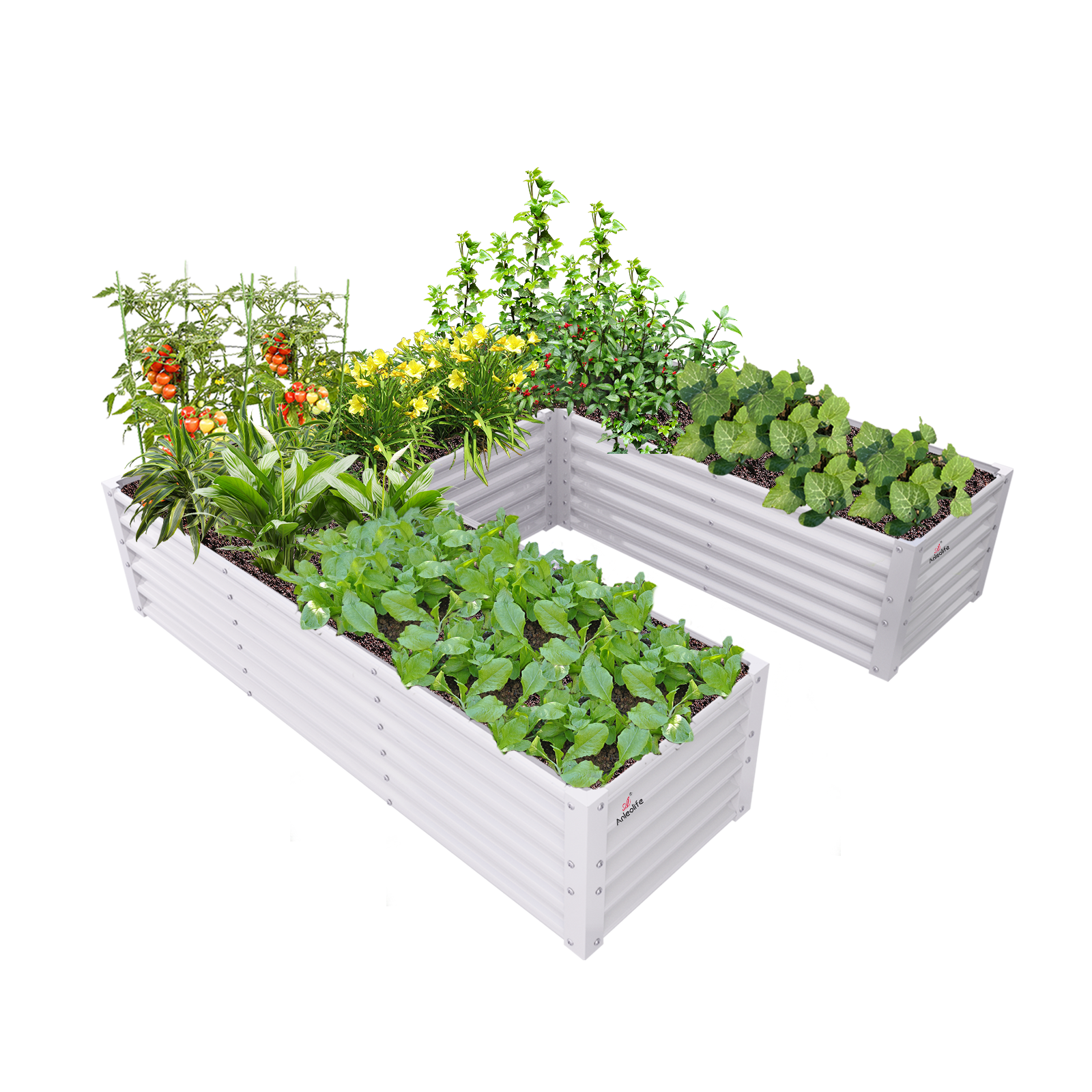
Many experienced gardeners find that two or three medium-sized beds outperform one large bed. Multiple beds allow you to separate crops by nutrient needs, watering schedules, or sunlight requirements. A pair of 8×4 ft beds, for instance, gives you the same total growing area as a single 16×4 ft bed but with a clear pathway between them, better airflow, and more flexibility to rotate crops season to season.
Frequently Asked Questions FAQ
Q1: How do I figure out the best size raised garden bed kit for a small backyard?
Start by measuring your available space and subtracting at least 18–24 inches on each side for walking clearance. For most small backyards, a 6×3 ft or 8×4 ft bed is the sweet spot — large enough to grow a meaningful variety of summer vegetables but small enough to remain fully reachable from both sides. If space is very limited, a compact 4×4 ft or even a 4×2 ft bed can still support a productive herb and salad garden throughout summer.
Q2: Are rust-resistant raised garden beds worth the upgrade over standard galvanized options?
Both galvanized steel and rust-resistant steel beds offer excellent longevity — Anleolife beds are built to last up to 20 years. The difference lies in the coating and treatment process. Rust-resistant beds use a specially engineered finish that provides an extra layer of protection in high-humidity climates or areas with frequent rainfall. If you garden in the Pacific Northwest, the Gulf Coast, or anywhere with persistent moisture, the upgrade is generally worth the investment for long-term peace of mind.
Q3: How long does it take to set up an Anleolife raised garden bed, and when can I start planting?
Most Anleolife raised garden beds can be assembled in under an hour with basic tools, thanks to their panel-and-post construction system. Once assembled and placed, you can fill with soil immediately and begin planting the same day. Anleolife ships from a strategic U.S. warehouse network — California, Texas, Florida, New York, Illinois, and Washington — ensuring delivery within 3–8 business days, so you can order today and be planting within the same week in most cases.
Summary
Choosing the right raised garden bed size isn't a minor detail — it's a foundational decision that shapes everything from your plant selection to how much you enjoy being in your garden. Let's recap the three most important takeaways:
1. Match footprint to your reachable space, not your ambition. The most productive beds are the ones you can fully access and care for. Keep maximum width at 4 feet or less, and ensure you have clear pathways on all sides.
2. Match height to your crops and your body. 18-inch beds suit most standard summer vegetables and most gardeners. 24–30-inch beds add root depth and ergonomic comfort. 35-inch waist-high beds are transformative for seniors, gardeners with mobility challenges, or anyone who simply wants to garden without kneeling.
3. Think in seasons and years, not just this summer. With a 20-year lifespan, an Anleolife raised garden bed is a long-term garden investment. Choose a size that works not just for what you're growing now, but for the garden you're building toward.
Your next step: measure your space, write down your five to eight target crops, and use the size comparison table in this guide to narrow your options to two or three candidates. Then browse Anleolife's full lineup to match the right footprint and height to your summer garden goals.
Start Building Your Summer Garden with Anleolife
Nationwide U.S. warehouse network: Strategically located in California, Texas, Florida, New York, Illinois, and Washington, Anleolife ensures delivery within 3–8 business days — so your garden upgrade plans never have to wait.
Multi-channel availability: Products are available on major e-commerce platforms including Amazon, Walmart, Home Depot, Lowe's, and Wayfair, as well as the official website Anleolife.com, providing consistent quality assurance and after-sales service no matter where you shop.
Three core garden scenarios: Planting (metal raised garden beds, soil systems), Raising (chicken coops, rabbit hutches), and Beautification (decorative accessories, pathway systems) — meeting complete needs from functionality to aesthetics.
We understand that an ideal garden is not built overnight, but gradually improved over time. Anleolife's modular product design allows flexible expansion based on your needs — from your first 8×4 ft garden bed to a fully integrated planting-and-raising ecosystem. We grow with you every step of the way.
References
- National Gardening Association. "Garden to Table: A Guide to Growing Food at Home".
https://garden.org - University of California Agriculture and Natural Resources. "Vegetable Gardening in California".
https://ucanr.edu/ - USDA National Institute of Food and Agriculture. "Home Gardening and Urban Agriculture Resources".
https://www.nifa.usda.gov/ - Cornell Cooperative Extension. "Raised Bed Gardening: Planning, Planting, and Maintenance".
https://cce.cornell.edu/ - Oregon State University Extension Service. "Raised Bed Gardening Guide".
https://extension.oregonstate.edu/
Note: Standards and recommendations may be updated. Please check the latest official documents or consult professional gardening advisors for the most current guidance.
About Anleolife
Anleolife is a leading outdoor garden solutions provider in North America, dedicated to offering a full-scenario product ecosystem for home gardening enthusiasts, covering planting, raising, and garden beautification. Since its founding, we have upheld our brand mission, "Made for Garden Life," continuously innovating products and optimizing services to help hundreds of thousands of users upgrade their gardens, reconnect with nature, and enjoy a better garden lifestyle.