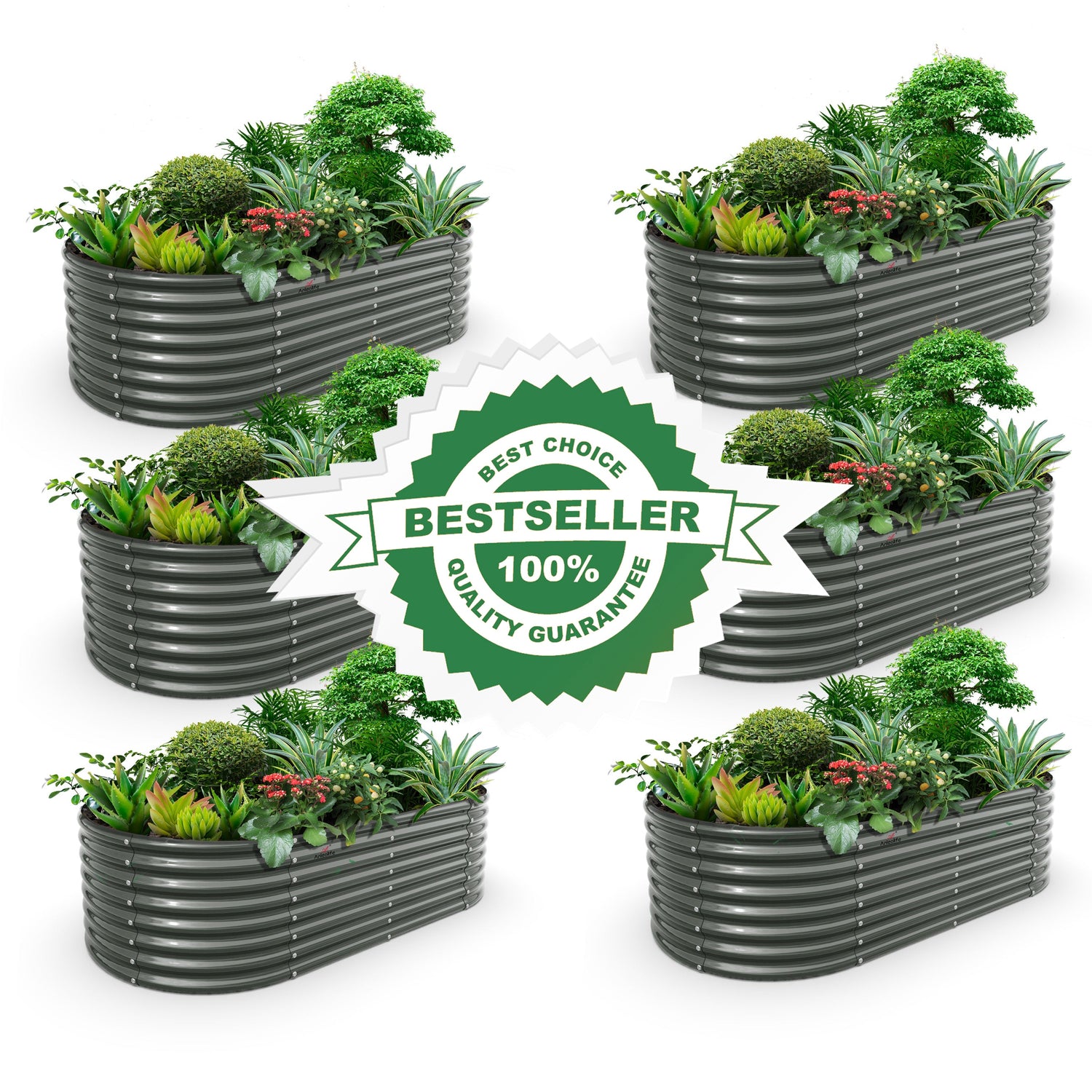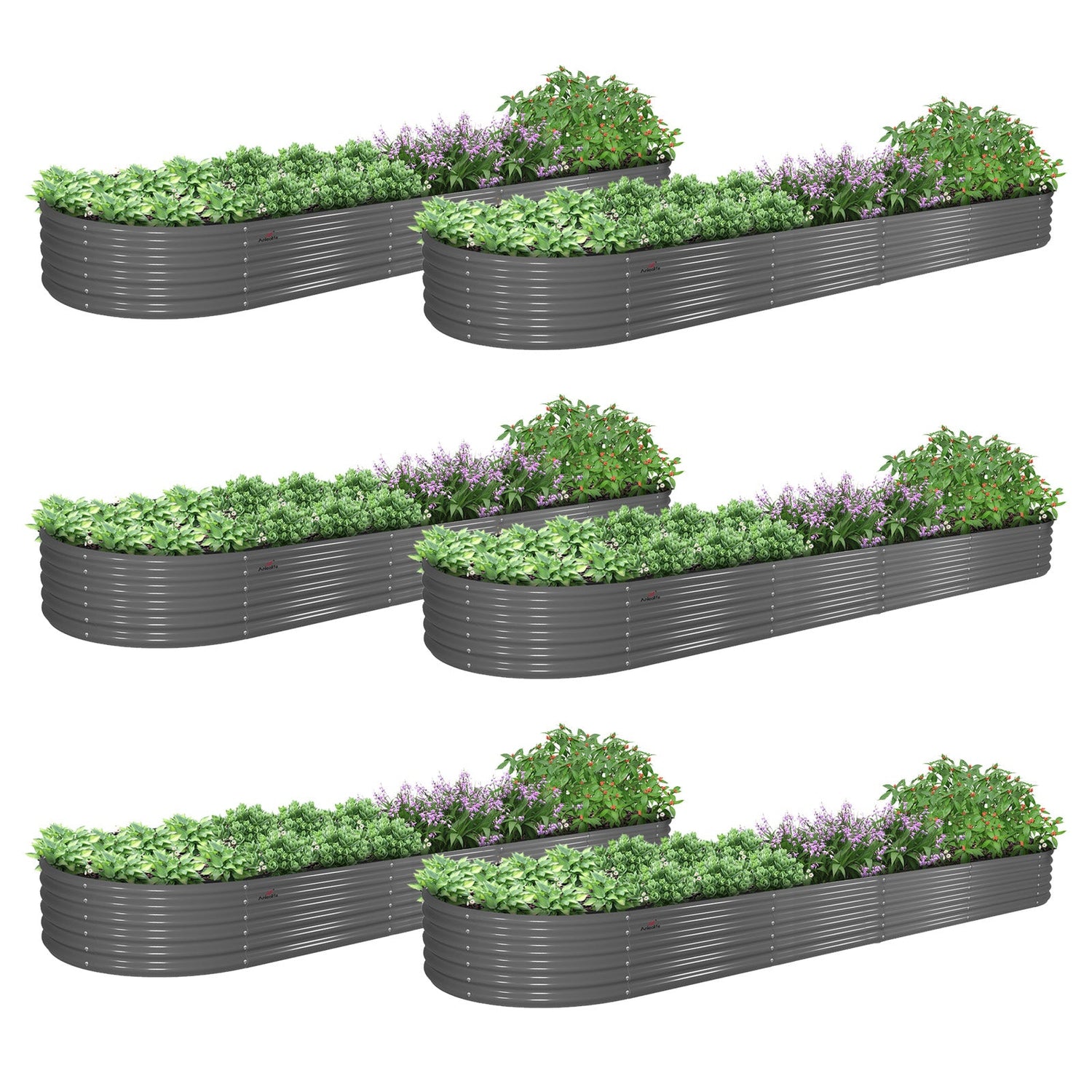



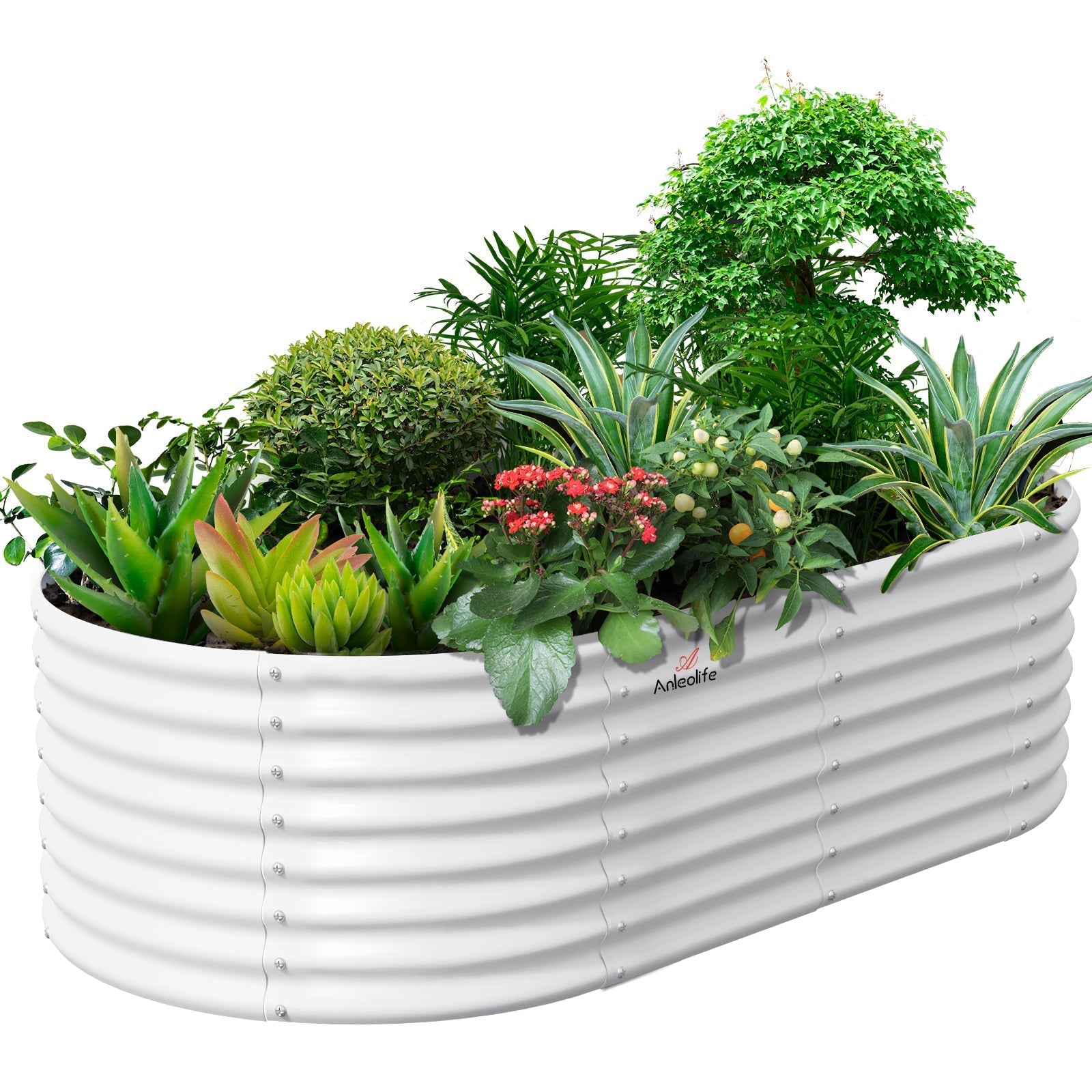
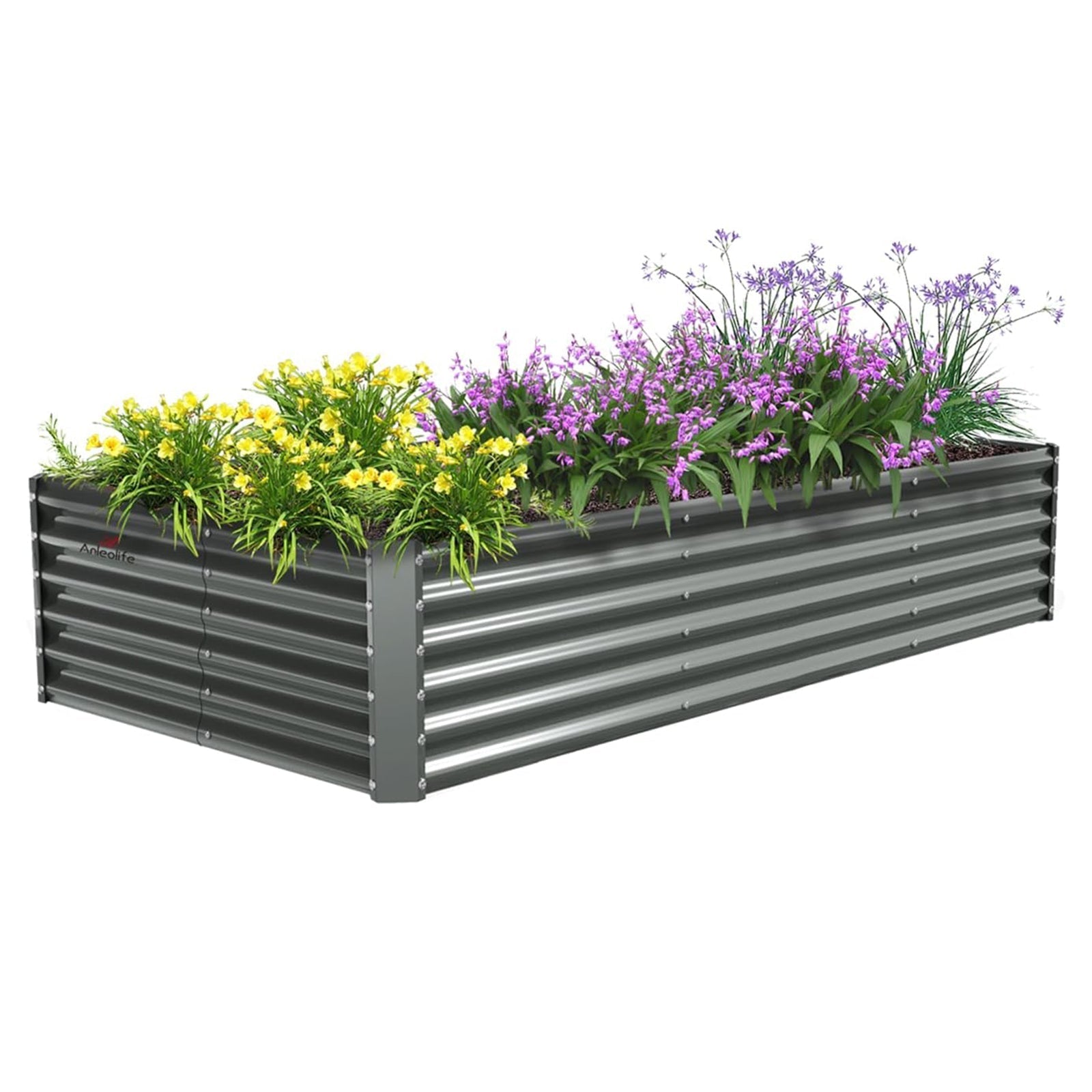

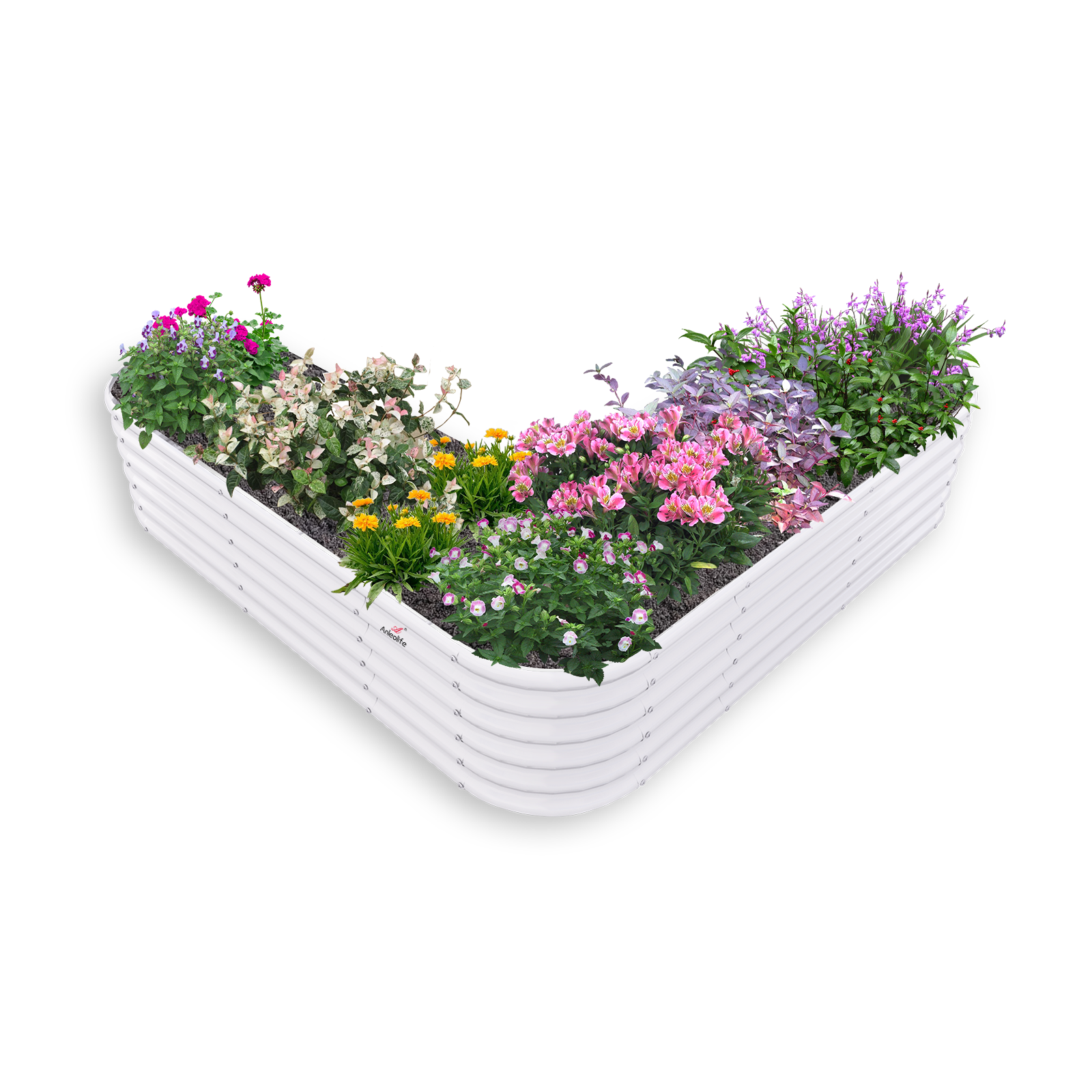
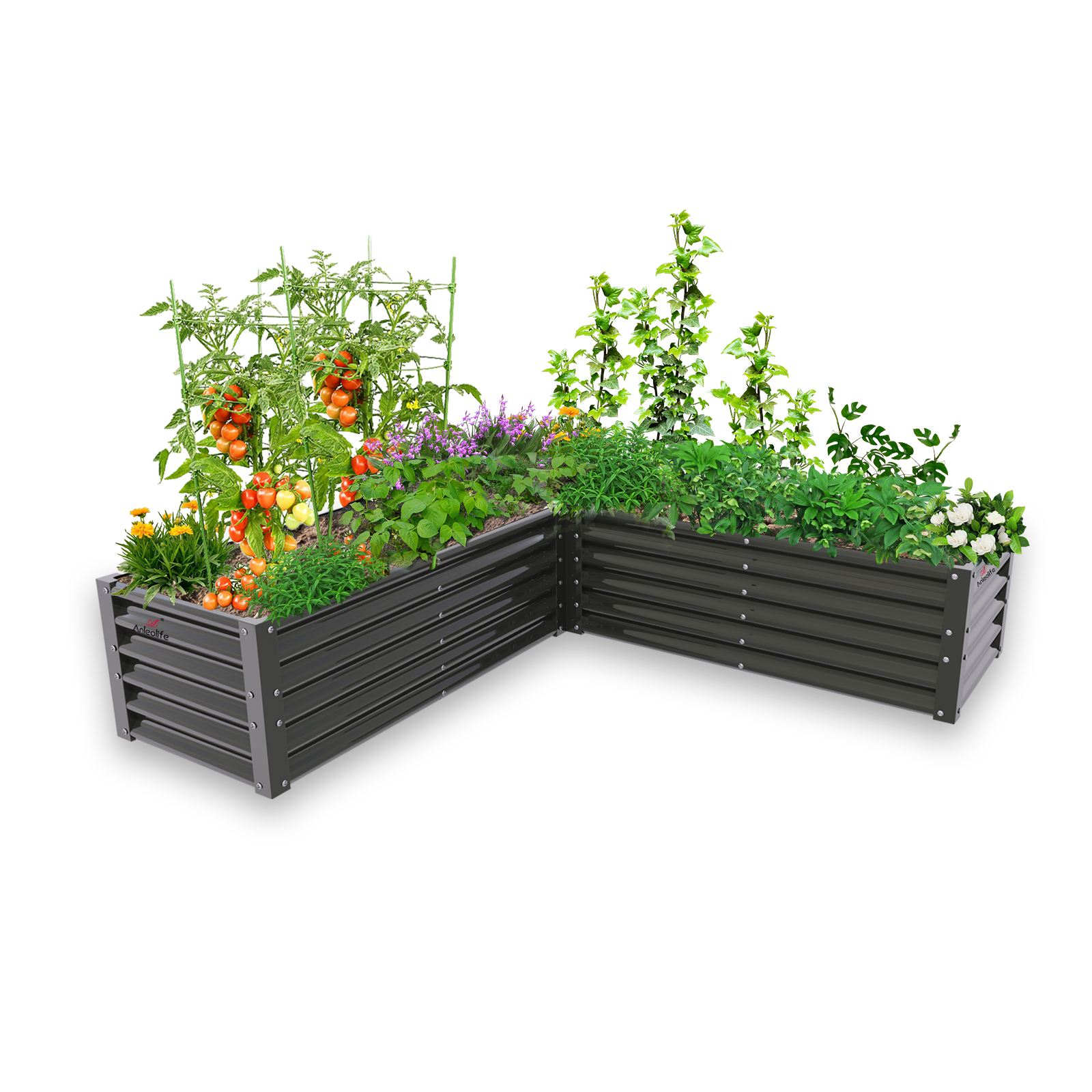
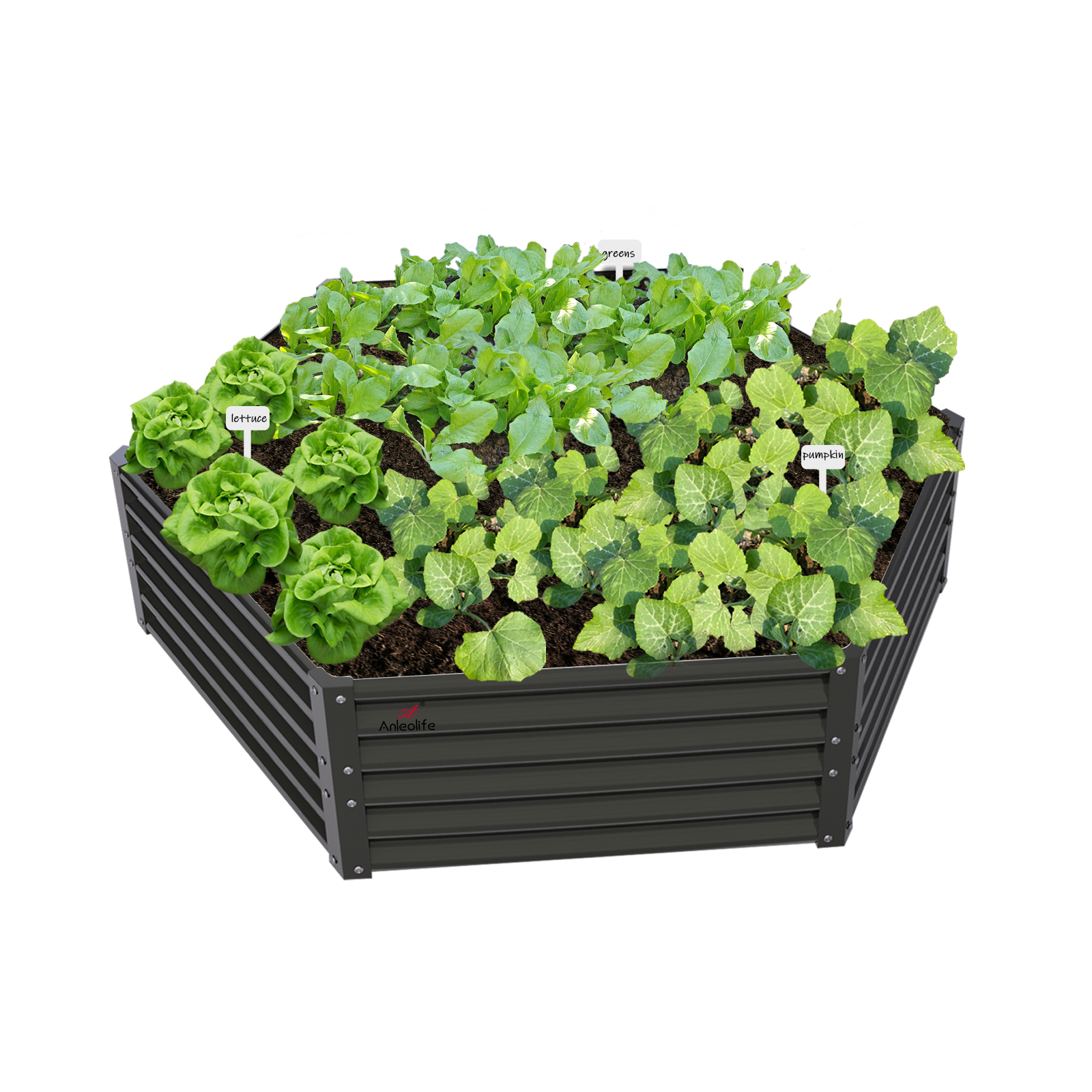
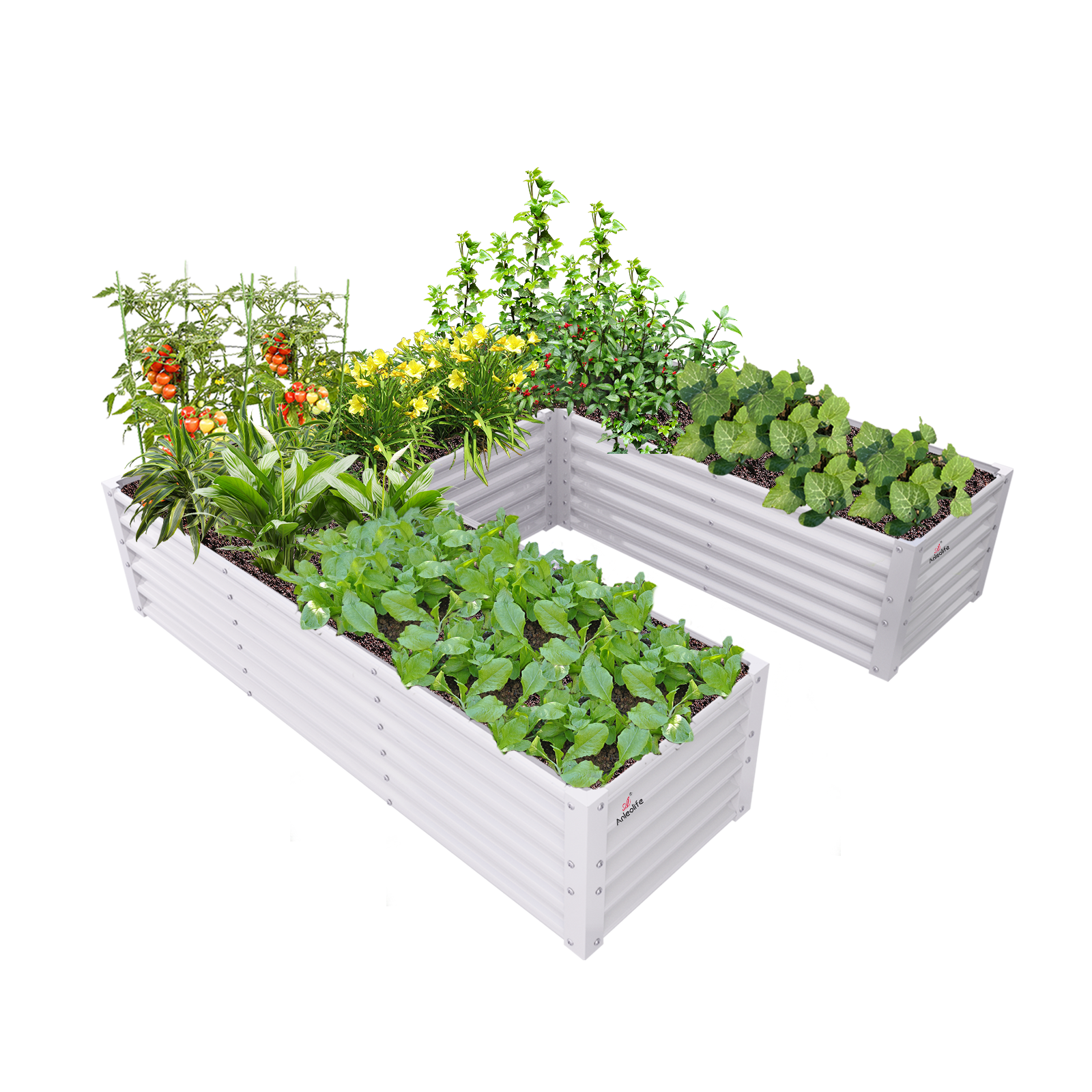

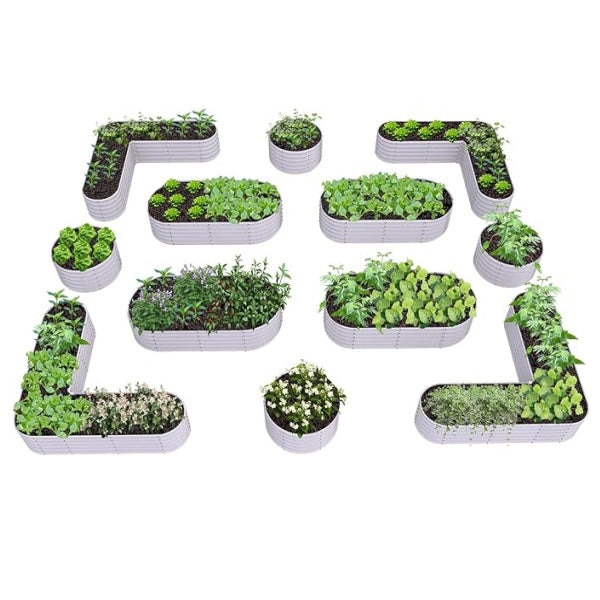


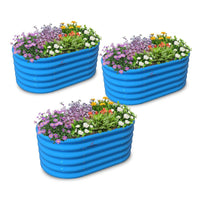
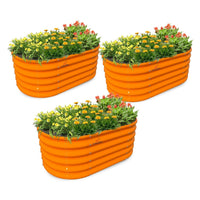
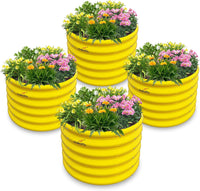
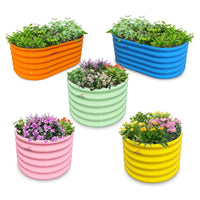
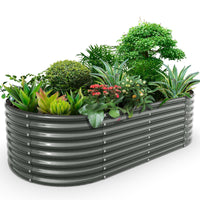



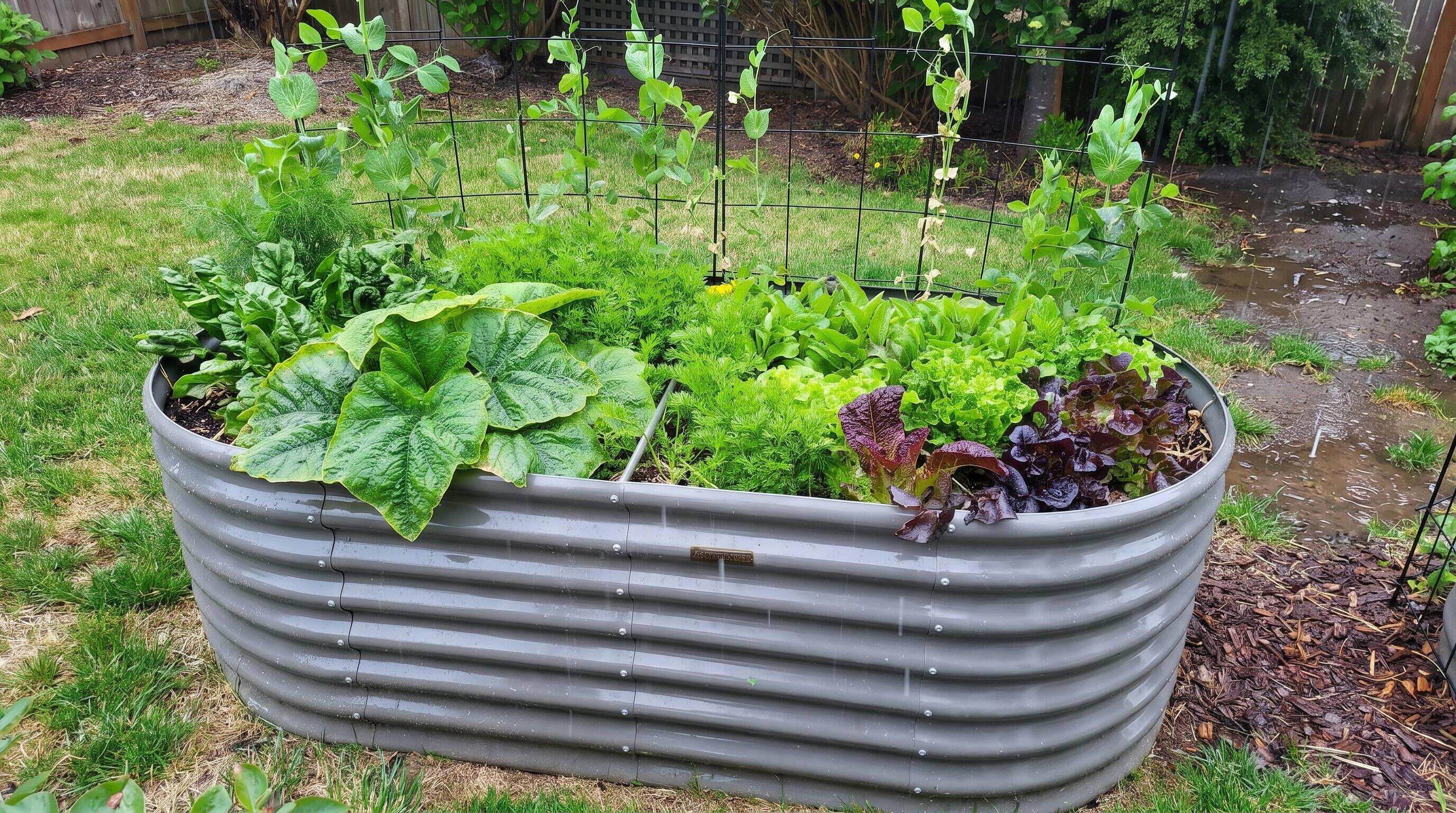
ALT: Galvanized steel raised garden beds protected from rust in a wet, rainy backyard garden setting
Protect Your Raised Garden Beds from Rust in High-Rainfall Climates
If you garden in the Pacific Northwest, the Gulf Coast, or anywhere that sees persistent rainfall, you already know the frustration: a beautiful metal raised garden bed that starts showing orange streaks and rough patches within a season or two. Moisture is the number-one enemy of unprotected metal, and in regions where rain is a near-constant companion, the risk of rust accelerating faster than expected is very real. This guide walks you through every practical layer of rust prevention — from choosing the right materials before you even assemble your first bed, all the way through long-term seasonal maintenance — so that your raised bed gardening investment stays productive, attractive, and structurally sound for the long haul.
This guide is written for home growers, urban gardeners, and outdoor enthusiasts who want honest, field-tested advice on protecting metal raised garden beds in genuinely wet environments. Whether you are setting up a new bed or trying to extend the life of an existing one, the steps here apply directly to your situation.
Before You Start: Prerequisites and Preparation for Rust-Proofing Your Raised Garden Beds
Rust prevention in raised bed gardening is not a single task — it is a layered system. Before diving into specific steps, it helps to understand what you are working with and what you will need on hand.
Understanding the enemy: how rust forms on garden beds
Rust is the product of an electrochemical reaction called oxidation. When iron or steel is exposed to water and oxygen simultaneously, iron oxide (rust) begins to form. According to the American Society for Testing and Materials (ASTM), even coated steels can experience accelerated corrosion in environments where moisture contact is prolonged and drainage is inadequate. In wet, rainy regions, this process is compressed — what might take years in a dry climate can develop visibly in a single wet season on an improperly protected bed.
What you need before starting
- A clear understanding of your local rainfall patterns and soil drainage characteristics
- Access to your existing raised garden beds or specifications for beds you plan to purchase
- Basic cleaning supplies: a stiff wire brush, clean rags, and a bucket
- Rust-inhibiting primer or paint rated for outdoor metal use (if applying a topcoat)
- Food-safe sealants or bed liners (if lining interiors)
- Drainage materials: coarse gravel, landscape fabric, or a perforated base layer
- Waterproofing or rust-resistant coating appropriate for your bed material
Time and effort estimate
The initial setup of a thorough rust-prevention system — including cleaning, coating, drainage prep, and liner installation — is a moderate weekend project for a single bed. Ongoing maintenance is lighter, typically a seasonal inspection and spot treatment. The effort you invest up front pays dividends over many years of use.
Checklist before starting:
- Confirm your bed material (galvanized steel, rust-resistant alloy, or other metal)
- Assess your site for natural drainage and sun exposure
- Gather all protective coatings, liners, and drainage materials
- Check the current condition of any existing beds for early rust signs
- Review manufacturer guidelines for your specific raised garden bed model
Step-by-Step Instructions: How to Prevent Rust in Raised Garden Beds in Wet Climates
Step 1: Start With the Right Material — Choose Beds Built for Moisture Resistance
The single most impactful rust-prevention decision you make is at the point of purchase. Raised garden beds made from galvanized steel or purpose-engineered rust-resistant alloys are specifically designed to resist the oxidation process that causes rust. Galvanization works by bonding a layer of zinc to the steel surface; zinc corrodes preferentially, sacrificing itself to protect the underlying steel — a process called cathodic protection, documented extensively by ASTM International in standards governing zinc-coated steel products.
In our work with home gardeners across high-humidity and high-rainfall regions, a pattern we consistently see is that gardeners who start with quality materials spend far less time and money on remediation later. Beds built from raw or thinly coated steel almost always require intervention within a year or two in genuinely wet climates, while properly galvanized or rust-resistant beds maintain their integrity dramatically longer.
Anleolife engineers its raised garden beds specifically for durability in varied North American climates. The Galvanized Steel Raised Garden Beds line and the Rust-Resistant Raised Garden Beds line are designed with long-term moisture exposure in mind — the brand backs these products with a 20-year lifespan expectation, which speaks directly to the quality of material and coating that goes into each bed. When evaluating any metal raised garden bed for a wet region, ask specifically about the zinc coating weight, any secondary rust-resistant treatment, and what the manufacturer's durability claim is. A 20-year lifespan claim, backed by material quality, is the benchmark worth holding to.
Tip: If you are deciding between galvanized and rust-resistant alloy beds, consider that rust-resistant alloys often layer multiple protective mechanisms, while galvanized steel's protection depends heavily on the thickness and integrity of the zinc coating. Both are sound choices; the key is avoiding plain carbon steel with only a thin painted finish.
Step 2: Optimize Site Placement to Minimize Prolonged Moisture Contact
Where you place your raised garden bed in a wet region matters almost as much as what the bed is made of. Rust accelerates when moisture has no path to escape — when water pools around the base of a bed, soaks into soil that stays saturated against the metal walls, and never fully dries out between rain events.
Raised bed gardening offers a structural advantage here: the bed is elevated above ground level, which theoretically improves drainage. But in practice, placement on low-lying, compacted, or clay-heavy soil can negate that advantage entirely. Before setting your bed, assess the natural drainage of the site. If water visibly pools on the spot after a rain event, that location will keep your bed's base in chronic contact with standing moisture.
Concrete pads, brick pavers, or well-compacted gravel beds beneath the garden bed create an air gap and drainage channel that dramatically reduces the time metal is in contact with water. Even a slight slope — directing water away from the bed's footprint — can extend the life of the coating significantly.
Tip: If your ideal location has poor natural drainage, consider placing a 2–3 inch layer of coarse gravel under and immediately around the bed's base before setting it in place. This single step dramatically reduces the amount of time the metal base sits in contact with standing water after rain.
Step 3: Line the Interior to Protect Metal Walls from Soil Contact
Soil in a raised garden bed is not inert from a corrosion standpoint. Damp soil maintains sustained, direct contact with interior metal walls — and depending on its pH, organic matter content, and microbial activity, it can accelerate the breakdown of protective coatings from the inside out. This interior surface is one of the most overlooked vectors of rust in raised bed gardening, precisely because it is hidden from view.
Lining the interior of your raised garden bed with a food-safe barrier serves two purposes: it protects the metal from sustained soil-to-metal moisture contact, and it prevents any potential migration of metal ions into your growing medium. High-quality polyethylene or food-grade polypropylene liners designed for garden beds are the most practical option. They should be permeable enough to allow drainage at the base while covering the side walls completely.
For gardeners growing vegetables or herbs — a primary use case in raised bed gardening — food-safe certification of the liner material matters. Per guidance from the U.S. Environmental Protection Agency (EPA) on safe gardening practices, choosing materials rated for direct food contact or explicitly food-safe reduces any concern about chemical leaching into your soil system.
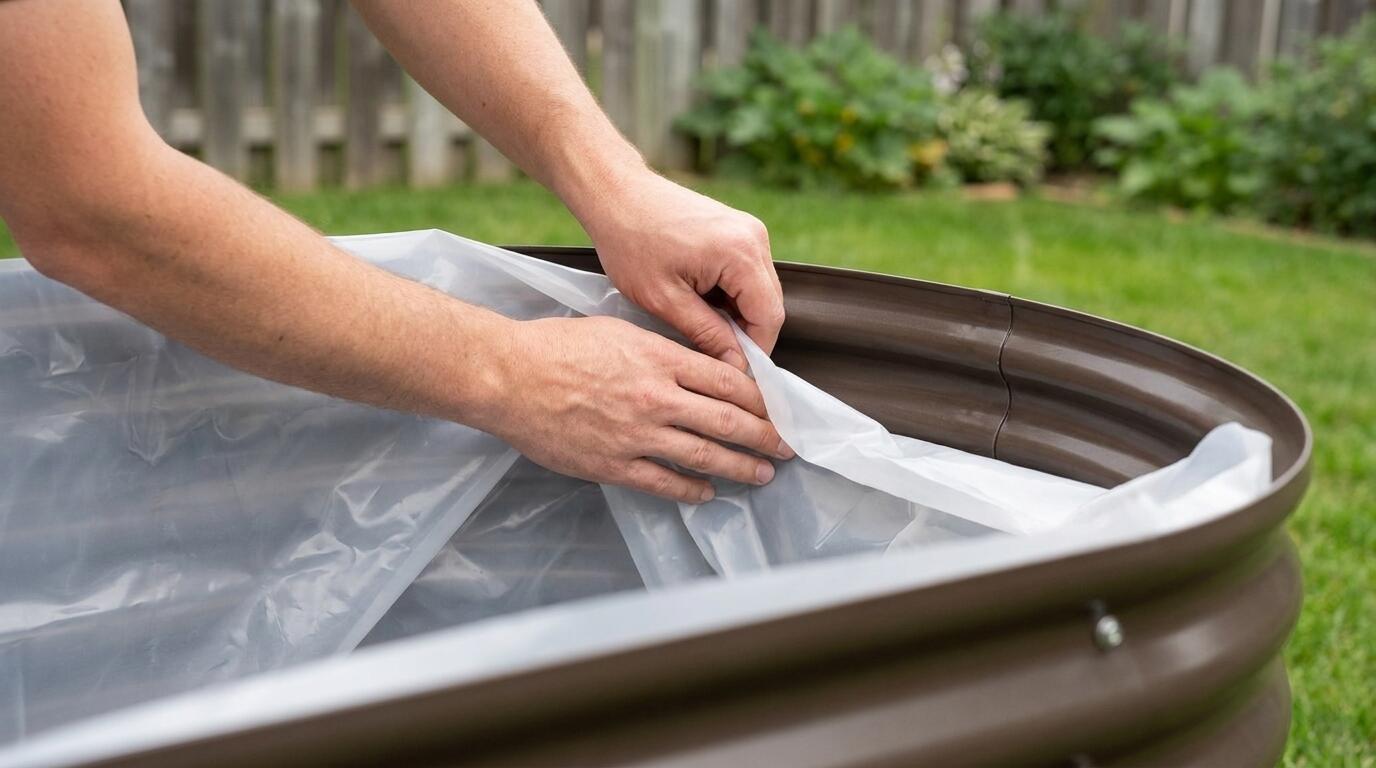
ALT: Food-safe liner being installed inside a galvanized raised garden bed to protect metal walls from moist soil contact and prevent rust
Tip: Secure the liner firmly at the top edge of the bed — loose liners tend to shift and bunch, creating pockets where water collects against the metal rather than draining away. A simple fold-over-and-clip method works well on most standard bed profiles.
Step 4: Improve Drainage at the Base to Prevent Waterlogging
Standing water at the bottom of a raised garden bed is a primary rust accelerant. Even in beds with drainage holes, clay-heavy or compacted native soil below can act as a plug — water fills the base faster than it drains, keeping the bottom metal panels saturated indefinitely.
The solution is a deliberate drainage layer. A 2–4 inch base layer of coarse gravel, broken pottery, or horticultural perlite at the very bottom of the bed significantly improves drainage velocity. Over this, a layer of landscape fabric prevents fine soil particles from migrating down and blocking the drainage layer. This is a standard recommendation in soil systems design for raised bed gardening, and in wet regions it is not optional — it is foundational.
For particularly challenging sites, consider drilling or confirming adequate drainage holes in the base of your bed (if the design allows), and making sure these holes are never obstructed by debris, compacted soil, or the liner itself. Leave small drainage gaps in the liner at the base while keeping the side walls fully covered.
Tip: A quick field test for drainage adequacy: after a rain event, check the base of your bed 24 hours later. If the bottom layer of soil or gravel is still visibly saturated, your drainage needs improvement before the next wet season.
Step 5: Apply or Maintain Protective Coatings on Exposed Exterior Surfaces
Even galvanized and rust-resistant beds benefit from monitoring and, where appropriate, supplementary exterior protection — especially on cut edges, bolt holes, connection points, and any area where the factory coating may have been disrupted during assembly or shipping. These are the locations where rust most commonly initiates, because the protective zinc or alloy layer is thinnest or absent.
For galvanized beds, a zinc-rich cold galvanizing compound or a rust-inhibiting metal primer applied to any exposed cut or abraded areas restores the cathodic protection at those points. For rust-resistant alloy beds, matching touch-up products recommended by the manufacturer accomplish the same goal. On the exterior walls, an additional coat of outdoor-rated, rust-inhibiting paint or clear metal sealant is an optional but effective enhancement in extremely high-rainfall climates — it adds a physical barrier layer on top of the metallurgical protection already built in.
According to research published through cooperative extension programs at land-grant universities, maintaining coating integrity on metal garden structures is the highest-return maintenance action a gardener in a wet climate can take. The cost of a small touch-up application is orders of magnitude lower than the cost of replacing a bed prematurely.
Tip: Do your coating touch-ups during dry weather — ideally when a dry spell of at least 48 hours is forecast. Coatings applied to damp metal surfaces adhere poorly and may trap moisture under the film, accelerating rather than preventing corrosion.
Step 6: Conduct Regular Seasonal Inspections and Targeted Spot Treatments
Rust prevention in a raised bed garden layout is not a set-and-forget action — it is an ongoing practice. In wet regions, a twice-yearly inspection (once in early spring before the growing season and once in late fall after harvest) catches developing issues before they compromise structural integrity.
During each inspection, look for:
- Orange or reddish-brown surface staining on exterior walls
- Pitting or roughness on any metal surface, especially at joints and hardware locations
- Deterioration or separation of any applied sealant or paint layer
- Pooling or watermarks at the base of the bed indicating drainage issues
- Liner condition — tears, slipping, or gaps that expose metal to soil contact
When you find surface rust at an early stage (surface discoloration without pitting), address it immediately. Wire brush the affected area to bare, clean metal, treat with a phosphoric-acid rust converter (which chemically transforms iron oxide into a stable compound), and follow with a rust-inhibiting primer and topcoat. Early intervention keeps what would become a structural problem at the level of a simple maintenance task.
Tip: Keep a small touch-up kit — wire brush, rust converter, and matching primer — stored near your garden shed so that when you spot an early rust patch, you can address it on the same day rather than adding it to a list that gets postponed.
Step 7: Adapt Your Soil System and Watering Practices to Reduce Interior Moisture Load
The soil system inside your raised garden bed is a direct source of sustained moisture against the metal walls. In wet regions, where rain itself is providing abundant moisture, your irrigation choices and soil composition can either compound or mitigate the corrosion pressure on the bed's interior.
Use a well-draining raised bed soil mix — typically a blend of topsoil, compost, and a significant proportion of a coarse amendment like perlite or coarse sand. Dense, water-retentive mixes that stay uniformly wet for days after a rain event keep interior metal surfaces in near-constant contact with damp material. A faster-draining mix means the soil equilibrates to a moist (not saturated) state more quickly, reducing the sustained moisture load.
Avoid overwatering. In wet regions, this sounds obvious, but many gardeners default to fixed irrigation schedules that do not account for rainfall. A soil moisture sensor or simple finger-check method ensures you are not adding irrigation water to soil that is already saturated from rain. Chronic oversaturation is as hard on metal as standing water at the base.
Tip: Mulching the top of your raised garden bed soil with a 2-inch layer of wood chips or straw reduces the splash effect of rain — water hitting bare soil tends to splash upward against the interior walls, carrying fine soil particles that cling to metal surfaces. Mulch absorbs the impact and keeps the interior walls noticeably cleaner between seasons.
Common Mistakes and Troubleshooting
| Symptom | Likely Cause | How to Fix |
|---|---|---|
| Rust spots appearing at bolt holes and connection points | Factory coating is absent or thin at cut/drilled edges; hardware itself may be untreated | Apply zinc-rich cold galvanizing compound to all hardware contact points; replace with stainless steel hardware where possible |
| Rust forming on the interior base panel despite exterior maintenance | Liner is not covering the base, or drainage is inadequate, keeping base metal saturated | Extend liner to cover base, confirm drainage holes are unobstructed, add coarse gravel drainage layer |
| Surface rust developing rapidly after one wet season | Base material lacks adequate galvanization or rust-resistant coating; or protective layer was scratched during shipping/assembly | Address immediately with rust converter and primer; consider upgrading to a bed with a verified rust-resistant alloy or heavier zinc coating |
| Paint or sealant peeling off exterior walls | Coating was applied to damp or dirty metal; incorrect primer used | Strip peeling areas completely, clean to bare metal, apply appropriate rust-inhibiting primer before topcoat |
| Standing water visible inside bed 24+ hours after rain | Poor drainage layer, compacted native soil beneath bed acting as a plug | Add or deepen coarse gravel base layer; confirm drainage holes are not blocked; improve site drainage around bed perimeter |
| Rust streaks staining surrounding patio or pathway | Active rust runoff during rain events | Treat rust immediately with converter; in the longer term, evaluate whether the bed material is appropriate for your rainfall level |
Pro Tips for Better Results in Wet-Climate Raised Bed Gardening
Stagger your raised bed garden layout for maximum airflow
One pattern we consistently observe in our work with gardeners in humid climates is that bed-to-bed airflow is underrated as a corrosion mitigation factor. Beds placed too close together trap moisture between them, reducing the drying effect of wind and sun after rain events. In a multi-bed raised bed garden layout, spacing beds at least 18–24 inches apart on their long sides gives air room to move and surfaces room to dry.
Use sacrificial anodes at known problem points
Zinc anodes — the same principle used to protect boat hulls — can be attached to metal raised garden beds at particularly vulnerable locations like the base frame. Zinc is more electrochemically active than steel and corrodes preferentially, protecting the surrounding steel. This is a relatively advanced technique but genuinely useful in extreme maritime or coastal high-rainfall environments. ASTM standards covering cathodic protection describe the underlying principle in detail.
Monitor soil pH and its effect on metal corrosion
Highly acidic soil (pH below 5.5) can accelerate corrosion of metal surfaces it contacts. According to cooperative extension guidance from land-grant universities, maintaining a soil pH in the 6.0–7.0 range is standard for most vegetables — and conveniently, this range is also less corrosive to steel. Test your soil pH annually and amend with agricultural lime if it trends too acidic.
Common misconception: galvanized means rust-proof
A nuance worth addressing directly: galvanized steel is highly rust-resistant, but it is not rust-proof in perpetuity. The zinc coating can be damaged by physical abrasion, strong acids, or prolonged exposure to very aggressive environments. A 20-year lifespan — as Anleolife's raised garden beds are built to achieve — is a realistic expectation under normal conditions with reasonable maintenance, but it assumes the coating is kept reasonably intact and the bed is not subjected to conditions far outside normal use.
Document your inspections
A simple dated photo log of your beds taken at each seasonal inspection creates a visual record of how the coating is weathering over time. This makes it far easier to catch gradual changes — a slow-spreading rust patch, for example — that would be easy to miss in a single inspection but are obvious when compared to a photo from two seasons prior.
People Also Ask
Q1: How do you treat rust that has already appeared on a metal raised garden bed?
Surface rust on a metal raised garden bed — where the metal is discolored but not yet pitted — can be effectively treated. First, remove loose rust with a wire brush or coarse sandpaper down to clean metal. Apply a phosphoric acid-based rust converter, which chemically neutralizes iron oxide and converts it to a stable iron phosphate layer. Once cured, apply a rust-inhibiting primer followed by an outdoor-rated metal paint. Early treatment prevents surface rust from developing into structural pitting, which is far more difficult to reverse.
Q2: Are galvanized raised garden beds safe for growing vegetables in wet, rainy environments?
Galvanized steel raised garden beds are widely regarded as safe for vegetable gardening. The zinc coating that provides rust resistance is the same material used in many food-contact applications. According to the U.S. Environmental Protection Agency, zinc is an essential micronutrient, and the low levels that may migrate from galvanized steel into soil are generally considered safe for both plants and humans. Using a food-safe interior liner adds an additional barrier and further reduces any concerns about metal-to-soil contact, making galvanized beds a practical and reliable choice even in high-moisture environments.
Q3: How long do metal raised garden beds typically last in high-rainfall regions, and what affects their lifespan?
Metal raised garden beds built from quality galvanized or rust-resistant materials can last 20 years or more with proper maintenance — this is the lifespan standard that Anleolife builds its beds to. In wet regions, lifespan depends on the quality of the initial coating, whether interior liners are used, drainage adequacy, and how consistently seasonal maintenance is performed. Beds with thin or damaged coatings placed in poorly draining sites without liners may show significant rust within a few years. Proper site preparation, material quality, and routine inspection are the primary variables within a gardener's control.
Wrapping Up
Preventing rust in raised garden beds in wet, rainy regions is not complicated, but it does require a layered approach — starting with the right materials and continuing with consistent, informed maintenance. The good news is that each layer of protection compounds the others, and getting the fundamentals right at the start dramatically reduces the ongoing effort required.
Key Takeaways:
- Material quality is the foundation: start with galvanized steel or rust-resistant alloy beds with a credible long-term durability claim, such as a 20-year lifespan.
- Site placement and drainage design are as important as bed material — poor drainage can accelerate rust even on well-coated beds.
- Interior liners protect metal walls from sustained soil-moisture contact and add a food-safety layer for vegetable gardeners.
- Protective coatings on cut edges, hardware points, and any abraded surfaces are the highest-leverage ongoing maintenance action.
- Twice-yearly inspections with immediate spot treatment keep minor surface issues from becoming structural ones.
The most practical next step is to assess your current raised garden bed situation against these criteria — material, site drainage, liner, and coating condition — and identify which layer needs the most attention this season. If you are starting fresh, that means choosing beds built for longevity from the outset.
Explore the full range of Anleolife raised garden beds — including Galvanized Steel and Rust-Resistant lines — available through the Anleolife website, and on major platforms including Amazon, Walmart, Home Depot, Lowe's, and Wayfair. With a warehouse network spanning California, Texas, Florida, New York, Illinois, and Washington, delivery reaches most U.S. addresses within 3–8 business days. Whether you are starting with a single bed or expanding into a full planting-and-raising ecosystem, Anleolife's modular product design grows with your garden at every stage.
References
- ASTM International. "Standards for Zinc-Coated (Galvanized) Steel and Corrosion Protection."
https://www.astm.org/ - U.S. Environmental Protection Agency. "Safe Gardening Practices and Soil Safety Guidance."
https://www.epa.gov/ - National Institute of Food and Agriculture (USDA). "Cooperative Extension Guidance on Raised Bed Gardening and Soil Systems."
https://www.nifa.usda.gov/ - NACE International (now AMPP — Association for Materials Protection and Performance). "Corrosion Prevention and Cathodic Protection Standards for Metal Structures."
https://www.ampp.org/
Note: Standards and guidance documents may be updated; please check the latest official publications or consult a professional advisor for current recommendations.