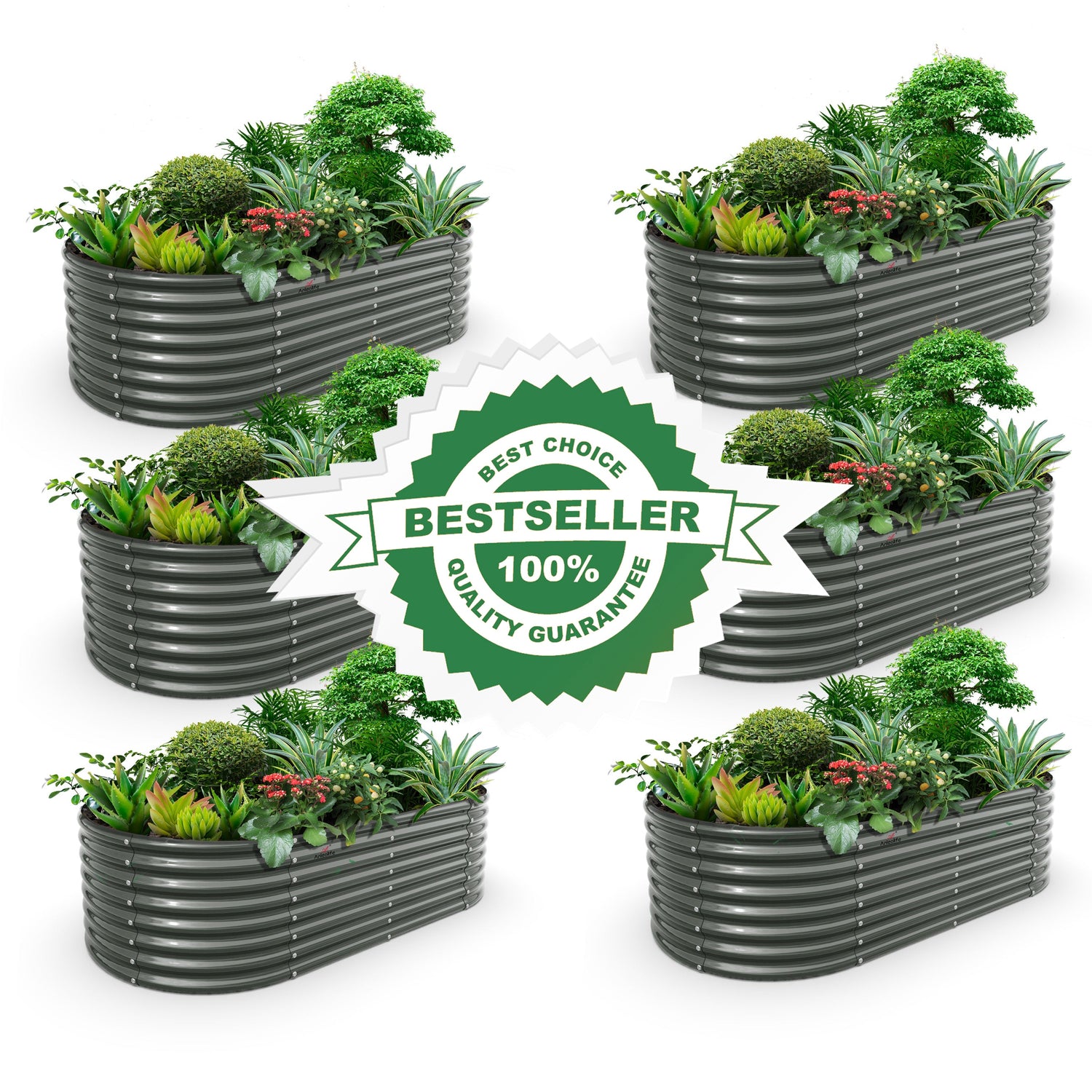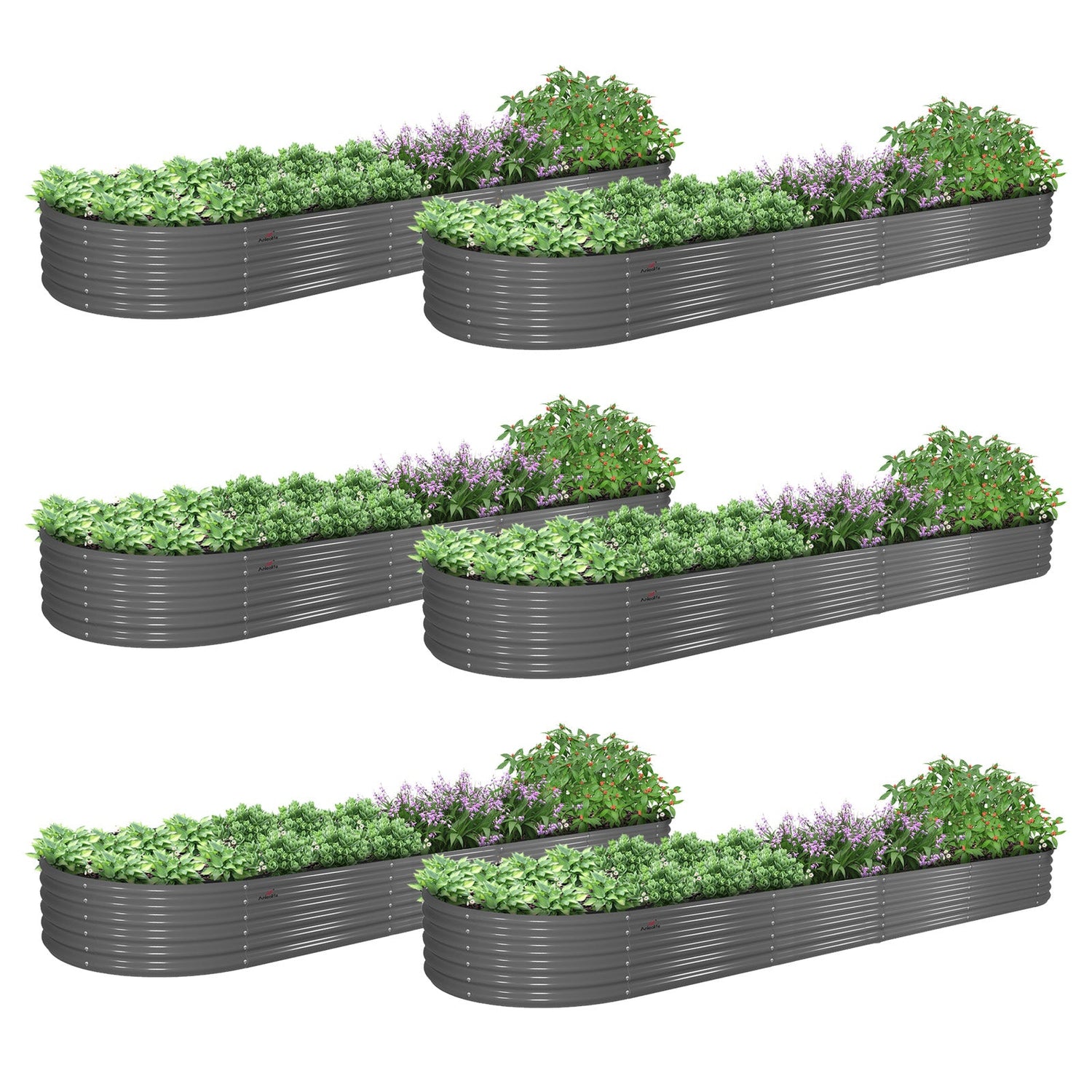



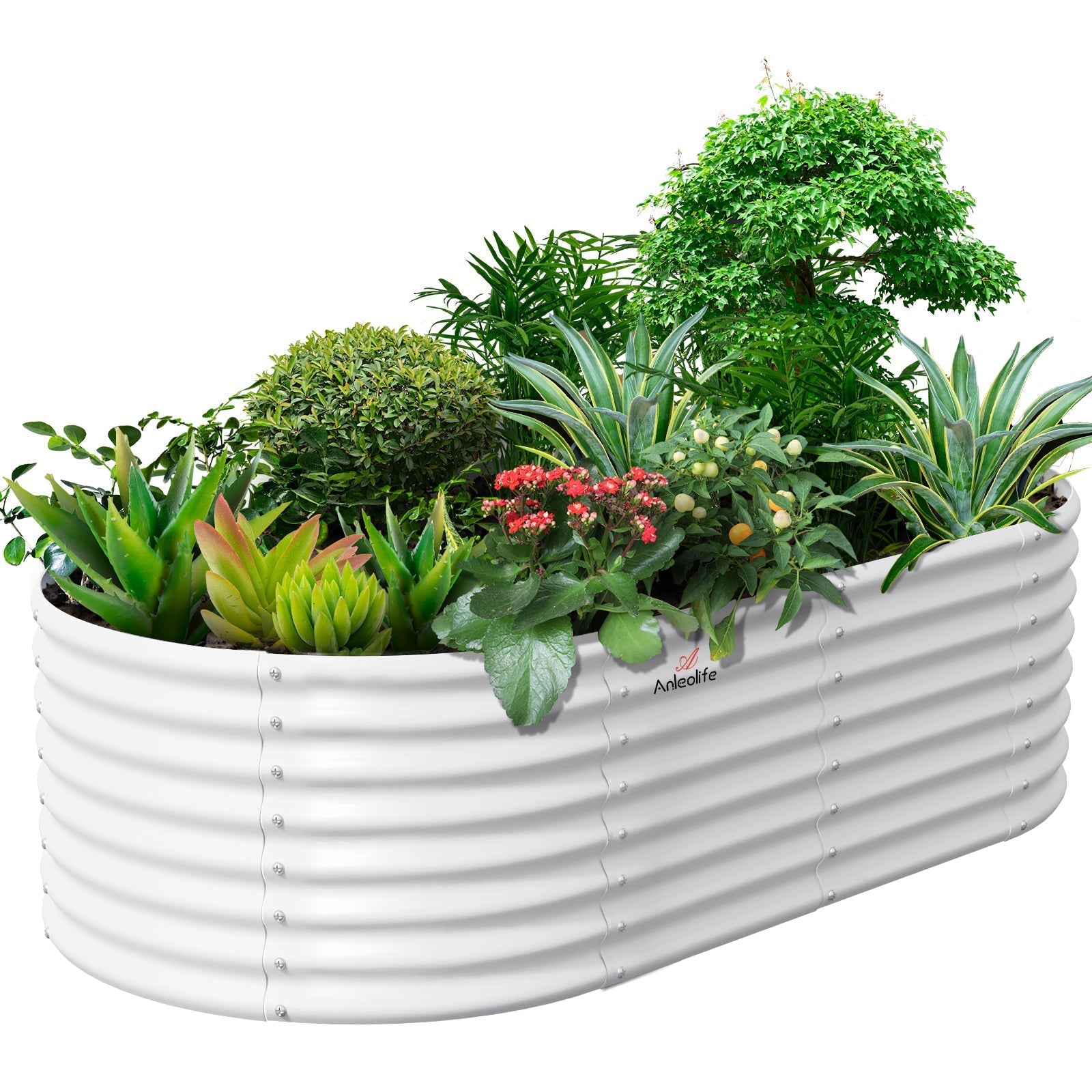
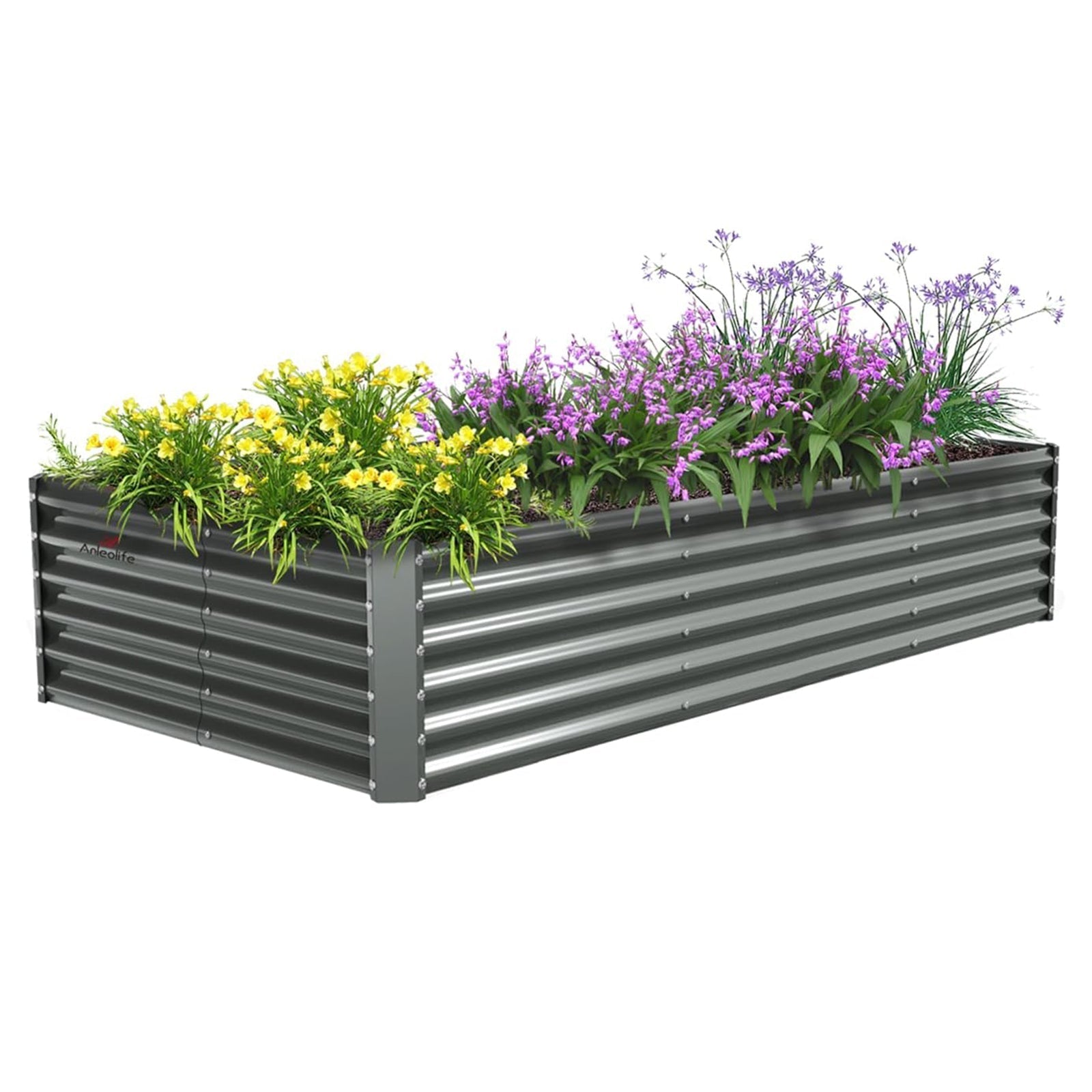

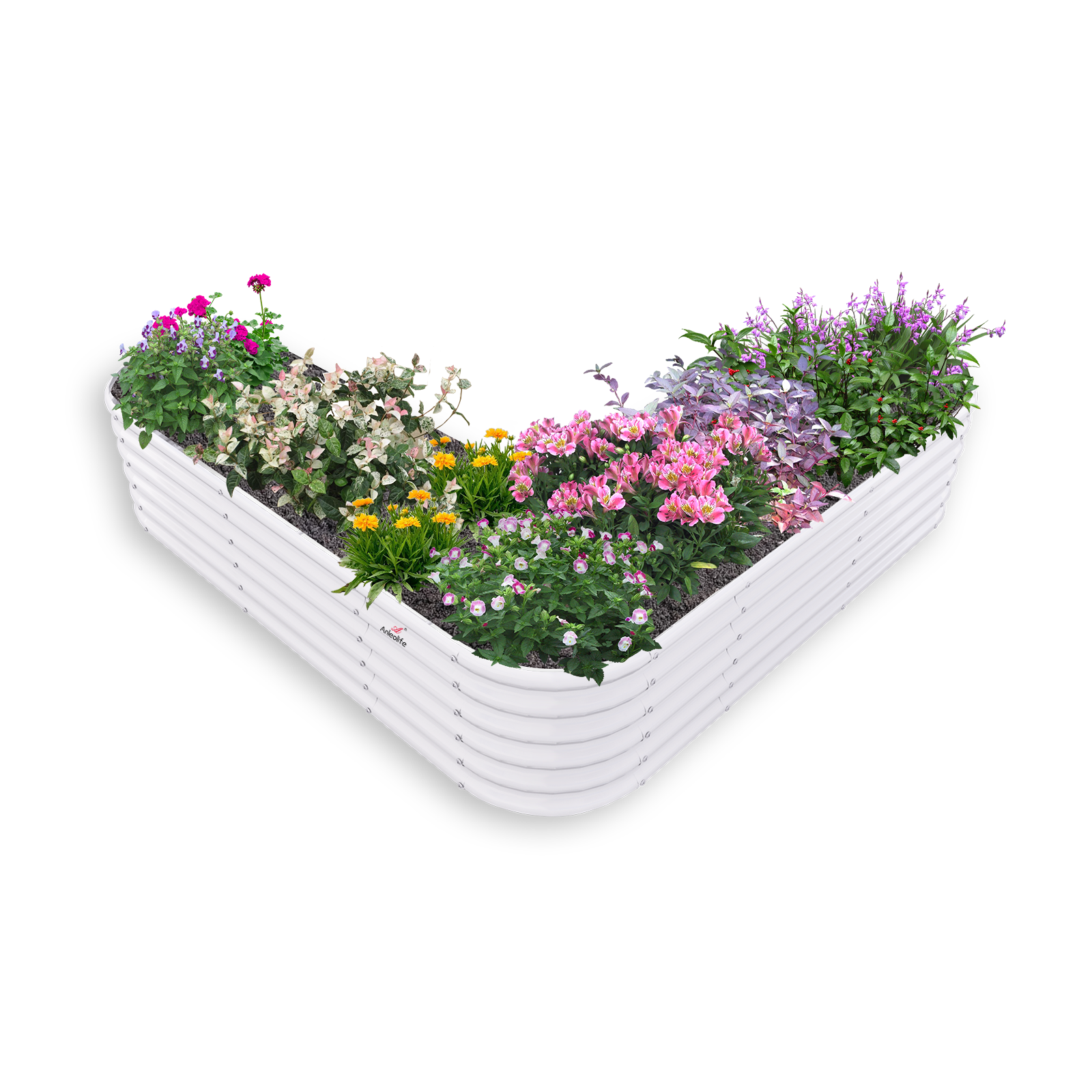
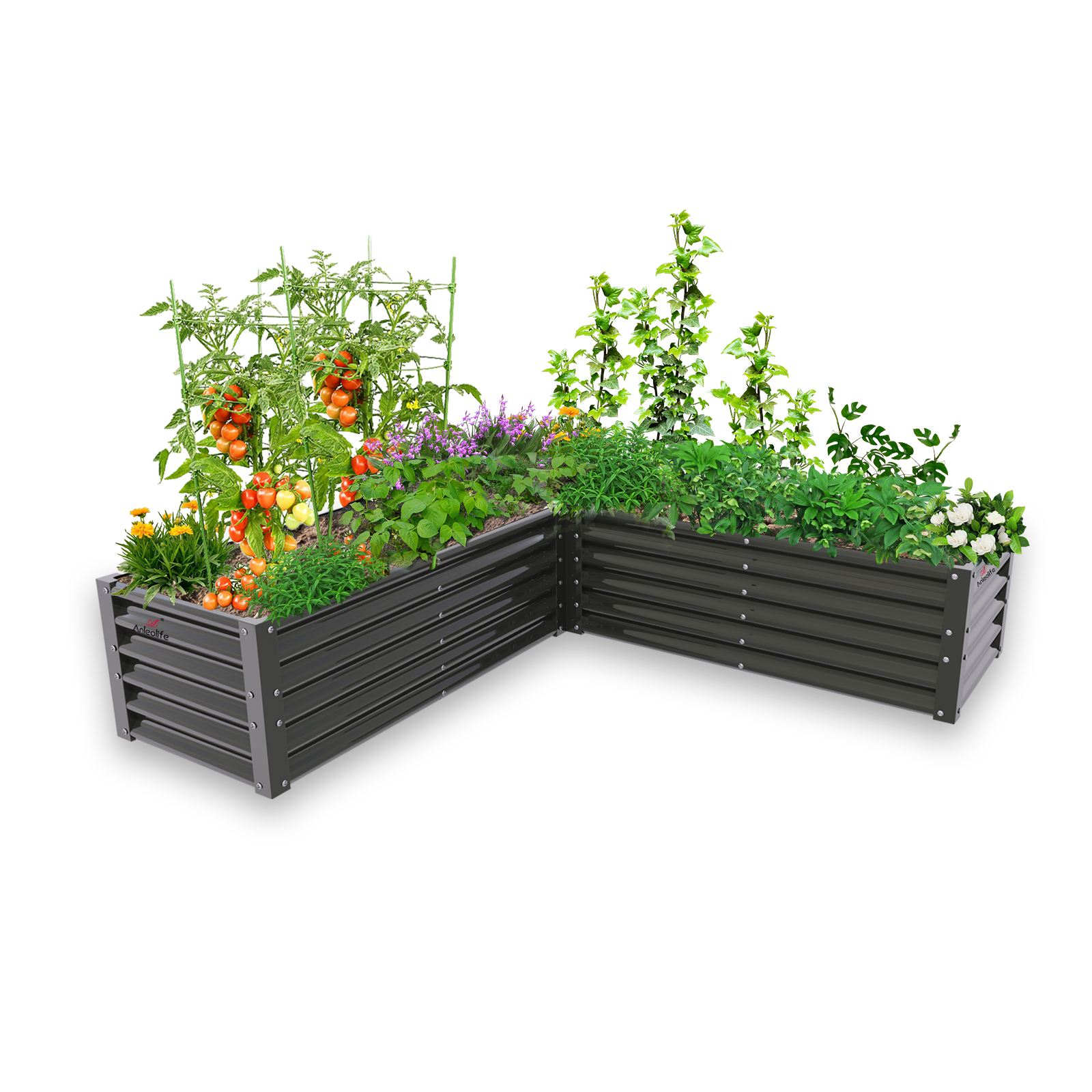
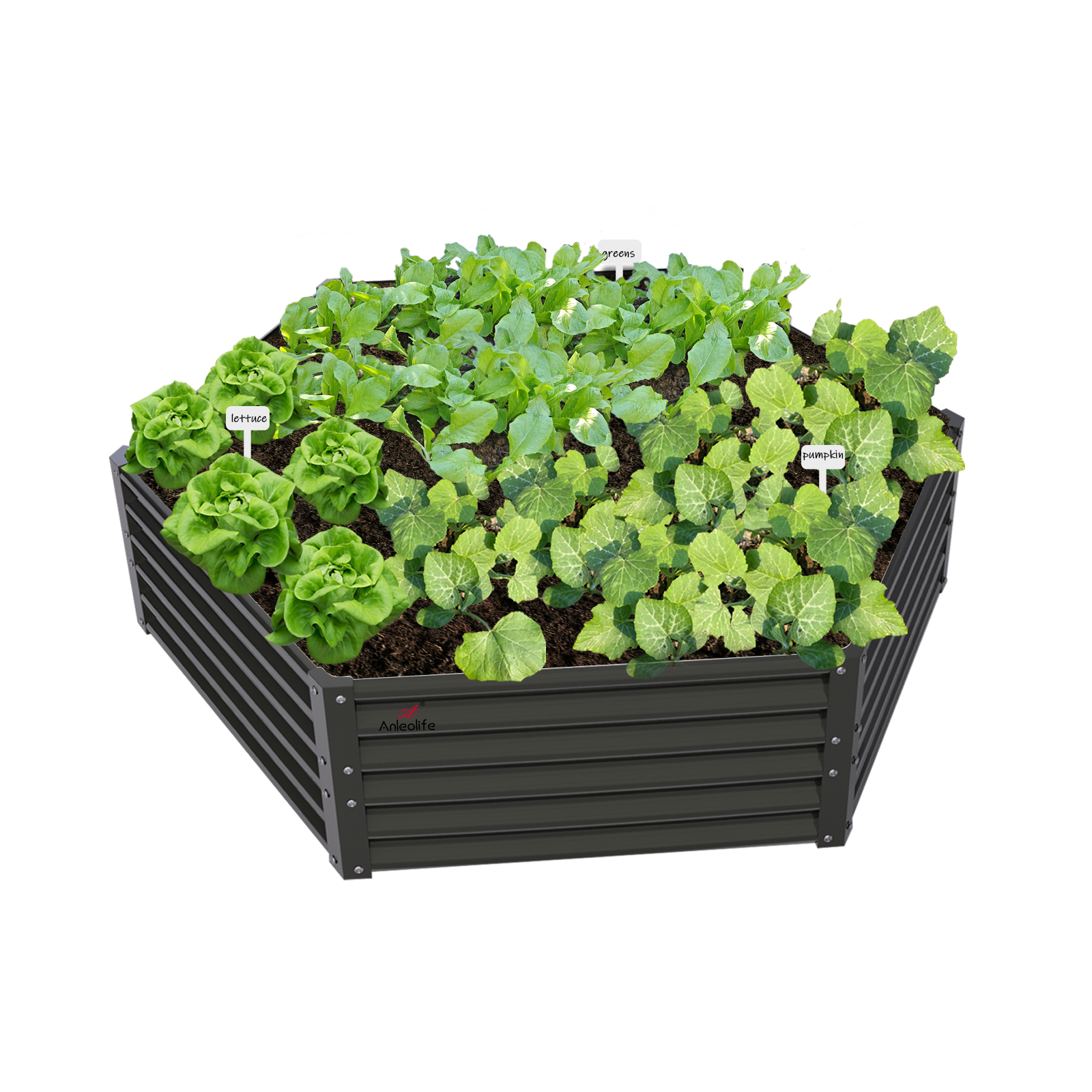
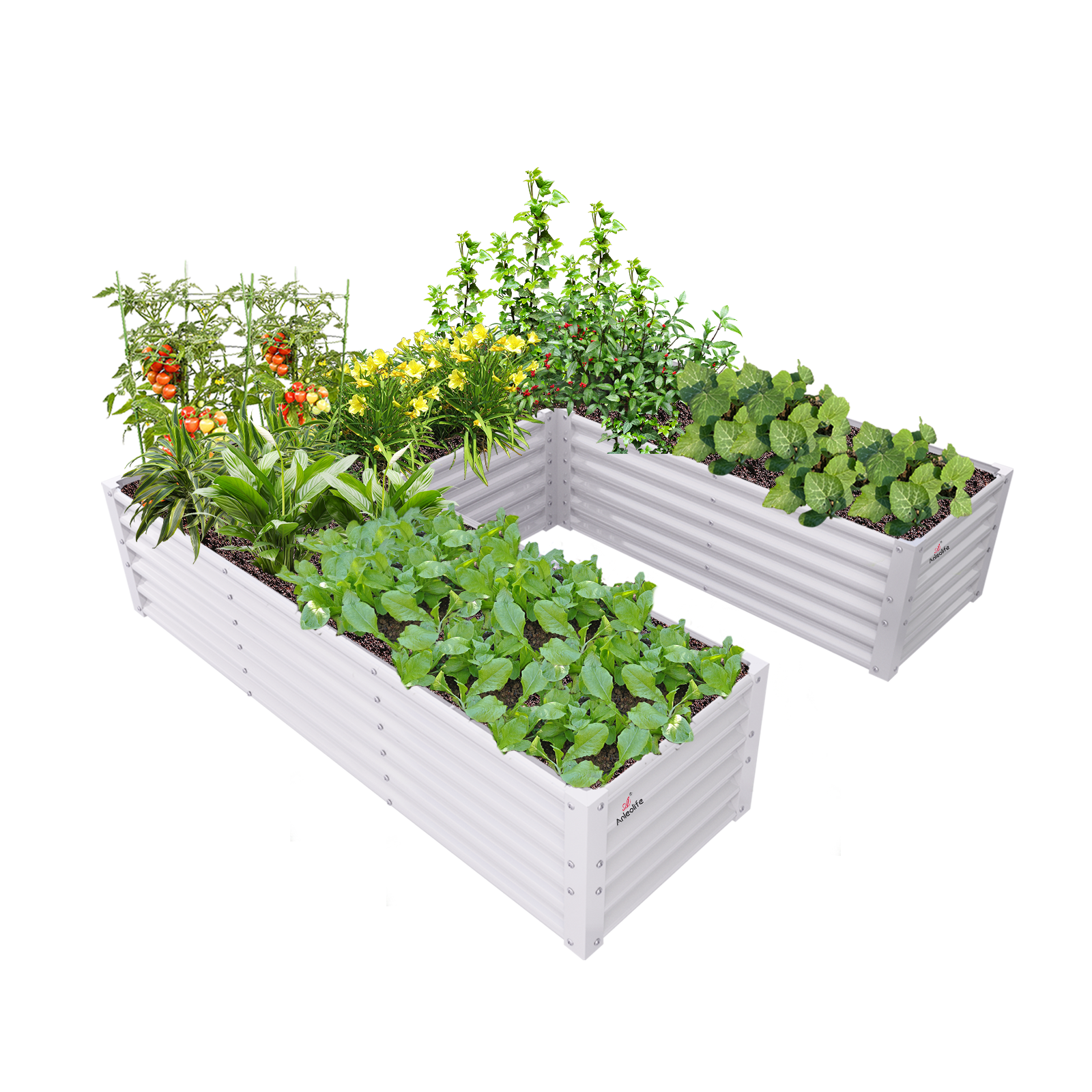

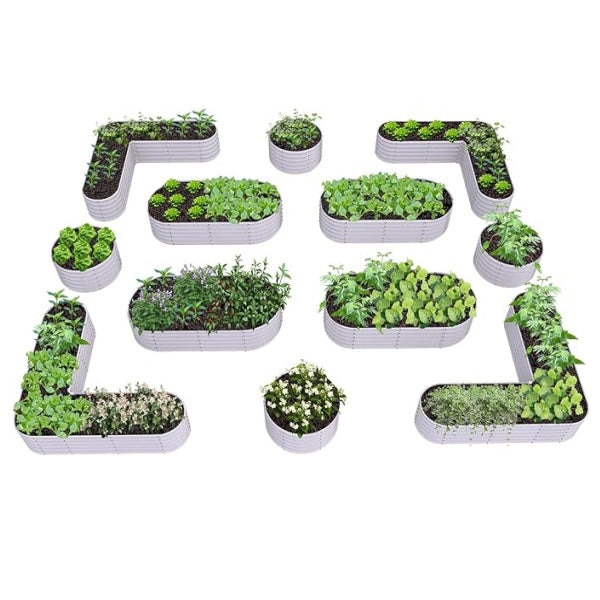


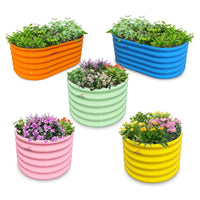
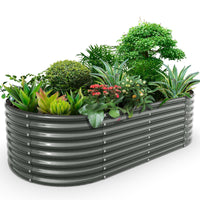



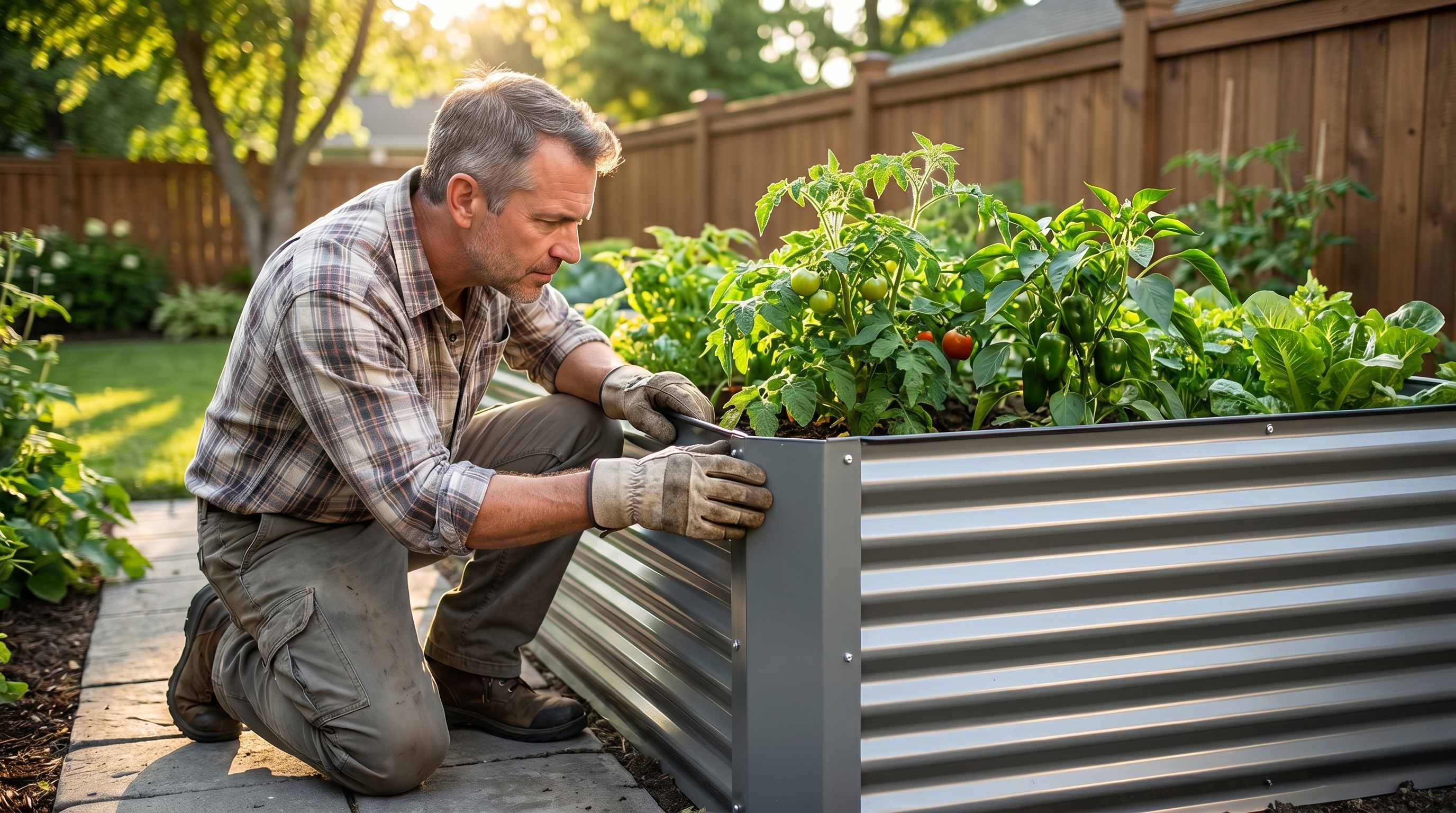
ALT: Gardener inspecting galvanized metal raised garden bed for rust prevention and long-term durability
Why Rust Protection for Your Metal Raised Garden Bed Matters More Than You Think
Key Conclusion: Protecting your metal raised garden bed from rust is not a one-time task—it is an ongoing commitment that directly affects the lifespan, safety, and productivity of your garden. With the right materials, preventive coatings, drainage strategies, and seasonal maintenance habits, a quality galvanized steel bed can serve your household for 20 years or more, delivering both functional planting space and beautiful curb appeal season after season.
Metal raised garden beds have become a cornerstone of modern home gardening, offering clean lines, structural durability, and long-term value over wood alternatives. But even the toughest steel can fall victim to rust when exposed to constant moisture, acidic soil, and fluctuating seasonal temperatures.
Whether you are a first-time gardener setting up your backyard beds or a seasoned grower looking to extend the life of an existing investment, understanding how rust forms—and more importantly, how to stop it—will save you time, money, and frustration. This guide walks you through everything you need to know, from choosing rust-resistant materials to monthly maintenance routines that keep your beds looking pristine for decades.
Who This Guide Is For
✅ Applicable Scenarios:
- Homeowners who already own or are planning to purchase galvanized steel or powder-coated metal raised garden beds
- Urban and suburban gardeners in humid climates, coastal regions, or areas with frequent rainfall where rust risk is elevated
- Eco-conscious growers who want food-safe, non-toxic rust prevention methods that won't contaminate vegetable crops
- Empty nesters and retirees seeking low-maintenance garden solutions that last for years without frequent replacement
❌ Not Applicable/Cautions:
- Gardeners using untreated raw steel or repurposed metal containers not originally designed for garden use—these require different and more aggressive rust treatment approaches
- Situations where the metal bed has already experienced deep, structural rust penetration—surface treatments alone will not restore severely corroded frames
Understanding Why Metal Raised Garden Beds Rust (And What Modern Materials Do Differently)
The Science Behind Garden Bed Rust
Rust is the result of a straightforward but destructive chemical process: iron in steel reacts with oxygen and water to form iron oxide—the reddish-brown flaking substance we recognize as rust. For a metal raised garden bed, the conditions are almost ideal for this reaction. Beds are outdoors year-round, constantly in contact with moist soil, rain, irrigation water, and organic matter that can be mildly acidic.
What makes this particularly important for gardeners is that rust is not purely a cosmetic problem. As rust progresses, it weakens the structural integrity of the bed's walls, eventually causing them to bow, crack, or crumble. Heavy rust can also potentially leach iron compounds into the surrounding soil, which—while iron itself is a plant micronutrient—in excessive concentrations can affect soil chemistry over time.
How Modern Galvanization Changes the Equation
The most significant advancement in metal garden bed manufacturing over the past decade has been the widespread adoption of hot-dip galvanization. In this process, steel panels are submerged in molten zinc, creating a metallurgical bond between the zinc coating and the base metal. Zinc acts as a "sacrificial anode"—it corrodes before the steel beneath it does, essentially buying your garden bed years of additional protection.
According to the American Galvanizers Association, hot-dip galvanized steel in moderate environments can last 50 to 100 years before the base metal begins to corrode. For garden applications with soil contact, the practical lifespan is shorter but still impressive—high-quality galvanized garden beds like those from Anleolife are engineered for a 20-year lifespan, far outlasting cedar or pine alternatives that may rot within 5 to 7 years.
Powder Coating: An Additional Layer of Defense
Many premium metal raised garden beds feature powder coating over the galvanized layer. Powder coating is an electrostatically applied dry powder that, when heat-cured, forms a thick, even, UV-resistant shell over the metal surface. This coating:
- Creates a physical barrier against moisture intrusion
- Resists chipping and scratching better than traditional liquid paint
- Adds aesthetic color options without compromising food safety
- Provides an additional buffer zone before any zinc or steel is exposed to environmental elements
The combination of hot-dip galvanization plus powder coating represents the gold standard in rust-resistant metal garden bed construction, and is the foundation upon which all other protective strategies build.
Climate and Location: Knowing Your Risk Level
Not all garden environments carry equal rust risk. Coastal homeowners face the additional challenge of salt-laden air, which accelerates the electrochemical corrosion process. Gardeners in the Pacific Northwest, Gulf Coast, or Great Lakes regions deal with persistent humidity and frequent precipitation. Even inland gardeners using drip irrigation or heavy mulching create microclimates of elevated moisture around their bed frames.
Understanding your specific risk environment helps you calibrate how proactive your rust prevention strategy needs to be. A gardener in Phoenix, Arizona, may only need basic preventive maintenance, while someone in coastal Florida or Seattle should adopt a more aggressive protection regimen. This is a core principle that guides everything we discuss in the sections ahead.
For a broader overview of metal raised garden bed selection and layout strategies, our comprehensive guide on setting up and maintaining metal raised garden beds offers additional context and product recommendations.
A Complete Rust Protection Strategy for Your Metal Raised Garden Bed
Three Steps to Get Started Right Now
Step 1: Inspect Your Bed's Current Condition
Before applying any treatment, spend 15 to 20 minutes doing a thorough inspection of your metal raised garden bed. Look closely at welded joints, bolt holes, the interior base panel, and any scratched or chipped areas on the exterior. Use a dry cloth to wipe surfaces and check for reddish-brown discoloration, surface bubbling, or chalky residue—all early signs of oxidation. Identifying trouble spots early allows you to address them before they spread.
Step 2: Clean and Prepare All Surfaces
Remove any dirt, plant debris, and organic residue from all exposed metal surfaces using a stiff brush and warm water. For areas showing minor surface oxidation (not deep rust), use a 50/50 white vinegar and water solution applied with a cloth—vinegar's acidity dissolves early iron oxide without damaging surrounding coatings. Allow surfaces to dry completely (at least 2 hours in sunlight) before proceeding. This step takes approximately 30 to 45 minutes and is critical before applying any sealant or protective coating.
Step 3: Apply a Protective Sealant or Touch-Up Coating
For scratched or chipped areas where bare metal is exposed, apply a rust-inhibiting primer followed by a food-safe, weather-resistant touch-up paint or clear sealant. Products formulated with zinc phosphate primer are ideal because they chemically bond with both the metal and subsequent coatings. Apply in thin, even coats and allow 24 hours of curing time before exposing the bed to moisture. This proactive touch-up process, done once or twice a year, is your single most effective rust prevention habit.
Comparing Rust Protection Methods: Which Approach Is Right for You?
Choosing the right protection strategy depends on your bed's current condition, your local climate, and how hands-on you want to be with maintenance. Here is a clear comparison of the most common approaches:
| Comparison Dimension | Preventive Sealant Coating | Vinegar + Rust Converter Treatment | Professional Powder Recoat |
|---|---|---|---|
| Best For | New or lightly used beds with intact coatings | Beds showing early surface rust spots | Beds with widespread coating damage or heavy scratch patterns |
| Cost | Low ($10–$30 per application) | Very Low (under $10) | Moderate to High ($50–$150+ depending on size) |
| DIY Friendly | ✅ Yes | ✅ Yes | ❌ Requires professional equipment |
| Food Safety | ✅ When food-safe products used | ✅ Vinegar is natural and safe | ✅ When cured correctly |
| Effectiveness Duration | 1–2 seasons per application | Addresses surface rust only | 5–10 years per recoat |
| Time Required | 1–2 hours | 30–45 minutes | 1–3 days (drop-off service) |
| Climate Suitability | All climates | Moderate climates | All climates, especially coastal |
The key insight here is that most home gardeners will find that preventive sealant coating—applied to new beds right out of the box and refreshed annually—is the most cost-effective and practical approach. Reactive treatments like vinegar conversion are useful for spot-treating, but should not be your only line of defense.
Detailed Rust Prevention Practices: Seasonal, Structural, and Soil-Based Strategies
Soil Contact Management: The Often-Overlooked Risk Factor
The interior base of your metal raised garden bed spends 365 days a year in direct contact with moist soil—arguably the most aggressive corrosion environment your bed will ever face. While the interior of a quality galvanized bed is designed to handle this, you can dramatically extend protection with a few simple strategies.
Use a breathable liner on the interior walls. A geotextile fabric liner placed against the interior metal panels creates a moisture buffer that reduces direct soil-to-metal contact time. Unlike plastic sheeting, geotextile fabric allows air circulation, preventing the stagnant moisture buildup that accelerates corrosion. It also serves the secondary function of blocking weeds from entering through the bed's drainage openings.
Choose a balanced soil mix. Highly acidic soils (pH below 5.5) are more corrosive to metal surfaces than neutral or slightly alkaline soils. A quality raised bed mix—typically a blend of topsoil, compost, and perlite or vermiculite—generally maintains a pH between 6.0 and 7.0, which is not only better for most vegetables but also gentler on your bed's metal surfaces. The UC ANR (University of California Agriculture and Natural Resources) recommends testing soil pH annually for productive raised bed gardening, and this same practice benefits your metal bed's longevity.
Ensure proper drainage. Standing water inside a raised bed is the enemy of both your plants and your metal frame. If your bed lacks a bottom panel, verify that the ground beneath allows free drainage. If your bed sits on a hard surface like a patio or deck, use risers or feet to create a gap of at least 1–2 inches beneath the frame, allowing airflow and preventing moisture pooling at the base.
Exterior Surface Care: Seasonal Maintenance Calendar
Developing a simple seasonal maintenance rhythm for your metal raised garden bed keeps rust from gaining a foothold over the long term. Here is a practical annual schedule:
Spring (March–April): After winter, inspect all surfaces for frost damage, paint chips, or new rust spots. Clean with a soft brush and mild soap. Touch up any exposed metal areas with zinc-rich primer before planting season begins.
Summer (June–August): Wipe down exterior surfaces monthly during heavy irrigation periods. Check that drip irrigation systems or soaker hoses are not creating persistent puddles against the bed walls.
Fall (September–October): Before adding fall crops or winterizing, do a full inspection and apply a thin coat of clear weather-resistant sealant to exterior surfaces. Pay special attention to corners, joints, and bolt connections.
Winter (November–February): If your climate experiences snow or ice, brush snow off the metal frame after heavy storms to prevent prolonged moisture contact. In extreme cold climates, a breathable frost cover over the entire bed provides protection for both plants and frame.
Hardware and Connection Points: The Weak Links
Bolts, screws, brackets, and corner connectors are the most vulnerable points in any metal raised garden bed system. These hardware elements often have thinner coatings than the main panels, and the mechanical stress of assembly can chip their protective surfaces.
Always use stainless steel or hot-dip galvanized hardware for any connections or additions to your metal bed. Mixing metals—for example, using aluminum connectors on a galvanized steel frame—can actually accelerate corrosion through a process called galvanic corrosion, where two dissimilar metals in electrical contact create a micro-battery effect.
Check all bolts and screws annually and apply a thin bead of clear silicone caulk or thread sealant at the entry points where fasteners penetrate the metal panels. This simple step prevents water from wicking inside the panel connection and initiating rust from the inside out.
Touch-Up Painting: Matching and Application Tips
When touch-up painting is necessary, color matching matters for aesthetics, but formulation matters for protection. Look for paints or primers specifically labeled as "rust-inhibiting" or "rust-converting." Products containing zinc phosphate or epoxy base components are particularly effective.
For powder-coated beds, a matching spray enamel can be used for cosmetic touch-ups, but ensure you first apply a compatible primer to any bare metal areas. Apply paint in multiple thin coats rather than one thick coat—thick applications are more likely to bubble, peel, and trap moisture underneath.
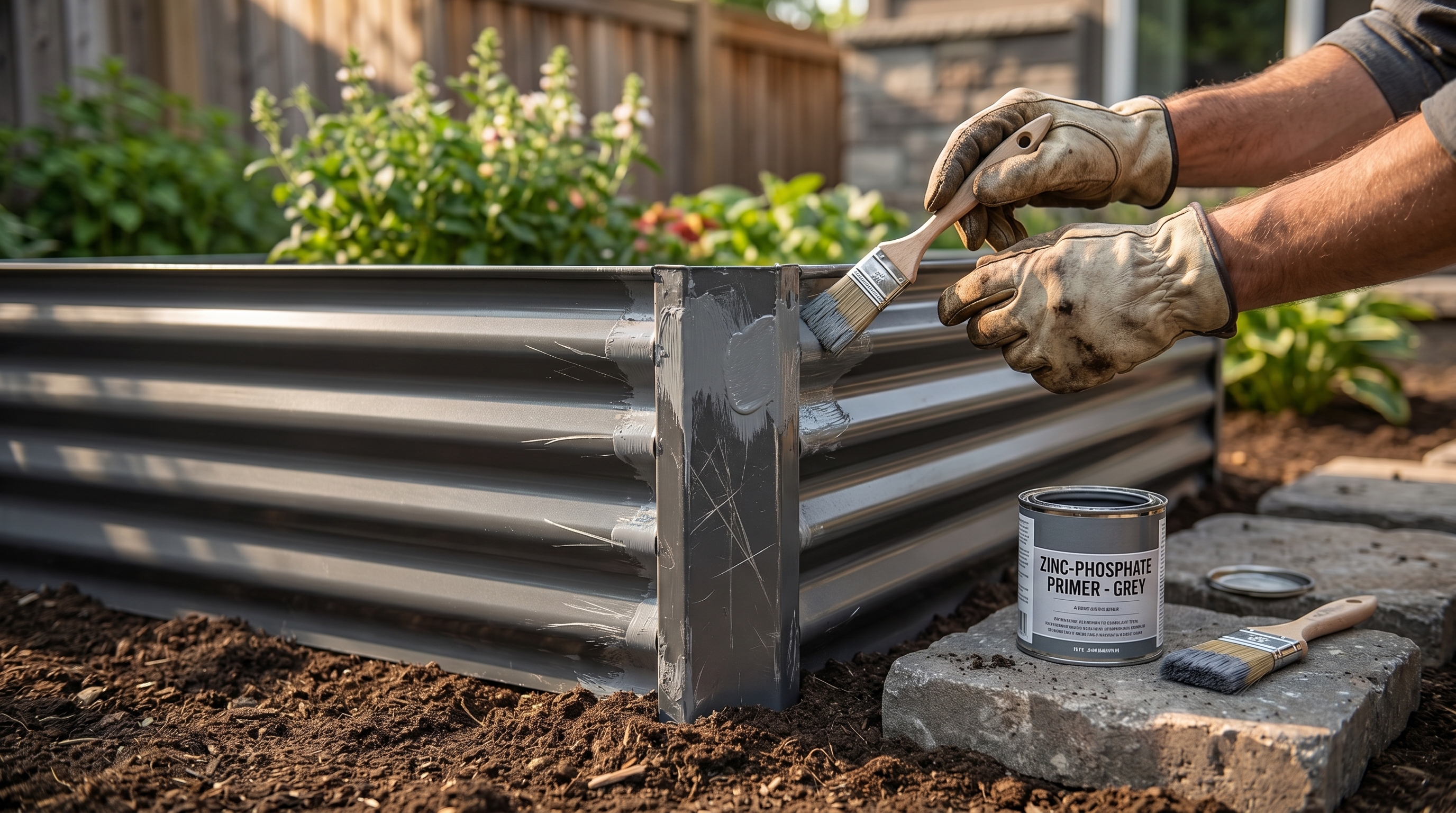
ALT: Gardener applying rust-inhibiting primer to scratched corner joint on galvanized metal raised garden bed for long-term rust protection
Advanced Considerations: Coastal Climates, Acidic Soil Crops, and Long-Term Planning
Special Situations That Demand Extra Attention
Coastal and High-Humidity Environments: Salt spray from ocean air is one of the most corrosive environmental factors a metal raised garden bed can face. Homeowners within 5 miles of a coastline should increase their inspection frequency to monthly, apply exterior sealant twice per season instead of once, and strongly consider marine-grade zinc primers for any touch-up work. Rinsing the exterior of bed panels with fresh water after stormy weather also helps flush salt deposits before they can begin their corrosive work.
Growing Acid-Loving Crops: Blueberries, strawberries, and certain herbs thrive in acidic soil (pH 4.5–5.5). If you are using your metal bed for these crops, be aware that the lower pH environment is more aggressive toward metal surfaces. Consider a thicker geotextile liner on interior walls when growing acid-loving plants as a long-term precaution.
Stacking or Modular Configurations: If you expand your garden using stacking bed extensions or modular connectors, ensure that all new components are made from compatible galvanized or powder-coated materials. Introducing lower-quality extension pieces can create galvanic corrosion at the junction points, undermining the protection of your original bed.
Common Misconceptions About Metal Garden Bed Rust
Misconception 1: "If my bed is galvanized, I don't need to do anything else."
Galvanization provides excellent baseline protection, but it is not impervious to mechanical damage. Scratches, chips from gardening tools, and assembly abrasion can all expose bare steel. Proactive maintenance is still necessary regardless of your bed's coating quality.
Misconception 2: "White rust on my galvanized bed means it's failing."
White rust—a chalky white powder that sometimes appears on new galvanized surfaces—is actually zinc hydroxide, a natural weathering product of the zinc coating. It indicates the zinc is doing its job by oxidizing in place of the steel. Light white rust can be cleaned with a mild vinegar solution and is not a cause for alarm.
Misconception 3: "I can use any exterior paint to touch up my metal bed."
Standard latex or acrylic exterior paints formulated for wood or masonry do not bond well to metal and offer minimal rust inhibition. Always use metal-specific primers and coatings for touch-up work on your bed.
Frequently Asked Questions FAQ
Q1: How can I tell if the rust on my metal raised garden bed is surface-level or structural?
Surface rust appears as discoloration or a thin, removable layer that comes off with light scrubbing or vinegar treatment, leaving intact metal beneath. Structural rust has penetrated deeper into the metal, often causing visible pitting, flaking in layers, or areas where the metal feels soft or crumbles under light pressure. Surface rust is fully treatable at home; structural rust in key load-bearing areas may require panel replacement to maintain the bed's integrity.
Q2: Are rust-inhibiting coatings safe to use on beds where I grow vegetables?
Yes, when you choose the right products. Look for rust-inhibiting primers and sealants labeled as food-safe once cured, or specifically marketed for use around edible gardens. Avoid products containing heavy metals like lead or cadmium. Water-based epoxy and zinc phosphate formulations are generally considered safe for garden use after full curing (typically 24–72 hours). The EPA's guidelines on safe garden practices offer additional context on chemical use near food crops.
Q3: How long does proper rust prevention actually extend the life of a metal raised garden bed?
A metal raised garden bed that is properly maintained—with annual inspections, prompt touch-up painting, correct drainage, and appropriate soil management—can last 20 years or more. Anleolife's galvanized steel garden beds are specifically engineered and tested for this 20-year lifespan benchmark. In contrast, a neglected bed of the same quality, left without any protective maintenance in a humid climate, may show structural degradation in as little as 5 to 8 years. Consistent care is the single most impactful factor in longevity.
Summary
Protecting your metal raised garden bed from rust is less about emergency intervention and more about building smart, consistent habits from day one. Let's recap the three core principles:
1. Start with quality materials. Hot-dip galvanized steel with powder coating gives you the strongest rust-resistant foundation. A bed built to last 20 years is only as durable as the manufacturing quality beneath your maintenance efforts.
2. Be proactive, not reactive. An annual inspection and touch-up routine takes less than two hours but adds years to your bed's functional life. Address scratches and chips before winter moisture can work its way into exposed metal.
3. Manage moisture at every level. Proper soil drainage, geotextile interior liners, elevated positioning on hard surfaces, and thoughtful irrigation practices all reduce the moisture exposure that drives corrosion.
Your metal raised garden bed is an investment in your outdoor lifestyle—in fresh vegetables, beautiful landscapes, and the daily joy of tending a garden that reflects your values. With the right care, it will reward that investment year after year, season after season.
Your next step: Walk out to your garden today and do a quick visual inspection of your metal bed's corners, joints, and base. Note any scratched or chipped areas and pick up a rust-inhibiting touch-up spray on your next shopping trip. Starting with this one small action builds the maintenance habit that protects your investment for the long haul.
Start Growing with Anleolife
Nationwide U.S. warehouse network: Strategically located in California, Texas, Florida, New York, Illinois, and Washington to ensure delivery within 3–8 business days—so your garden upgrade plans never have to wait.
Multi-channel sales network: Products are available on major e-commerce platforms including Amazon, Walmart, Home Depot, Lowe's, and Wayfair, as well as the official website Anleolife.com, providing consistent quality assurance and responsive after-sales service.
Three core scenarios: Planting (metal raised garden beds, soil systems), Raising (chicken coops, rabbit hutches), and Beautification (decorative accessories, pathway systems), meeting complete needs from functionality to aesthetics.
Upgrade your garden with Anleolife. We understand that an ideal garden is not built overnight, but gradually improved over time. Our modular product design allows flexible expansion based on your needs—from your first 8×4×2 garden bed to a fully integrated planting-and-raising ecosystem. We grow with you every step of the way.
References
This article is based on the following official materials (as of January 2026):
- [USDA]. "Soil Health and Garden Management Resources."
https://www.usda.gov/ - [EPA]. "Safer Choice: Pesticides and Chemical Safety in the Home Garden."
https://www.epa.gov/ - [UC ANR]. "Soil pH Management for Home Gardens and Raised Beds."
https://ucanr.edu/ - [OSU Extension]. "Raised Bed Gardening: Materials, Construction, and Soil Management."
https://extension.oregonstate.edu/
Note: Material standards and chemical safety guidelines may be updated. Please check the latest official documents or consult professional advisors for current recommendations.
About Anleolife
Anleolife is a leading outdoor garden solutions provider in North America, dedicated to offering a full-scenario product ecosystem for home gardening enthusiasts, covering planting, raising, and garden beautification. Since its founding, we have upheld our brand mission, "Made for Garden Life," continuously innovating products and optimizing services to help hundreds of thousands of users upgrade their gardens, reconnect with nature, and enjoy a better garden lifestyle.