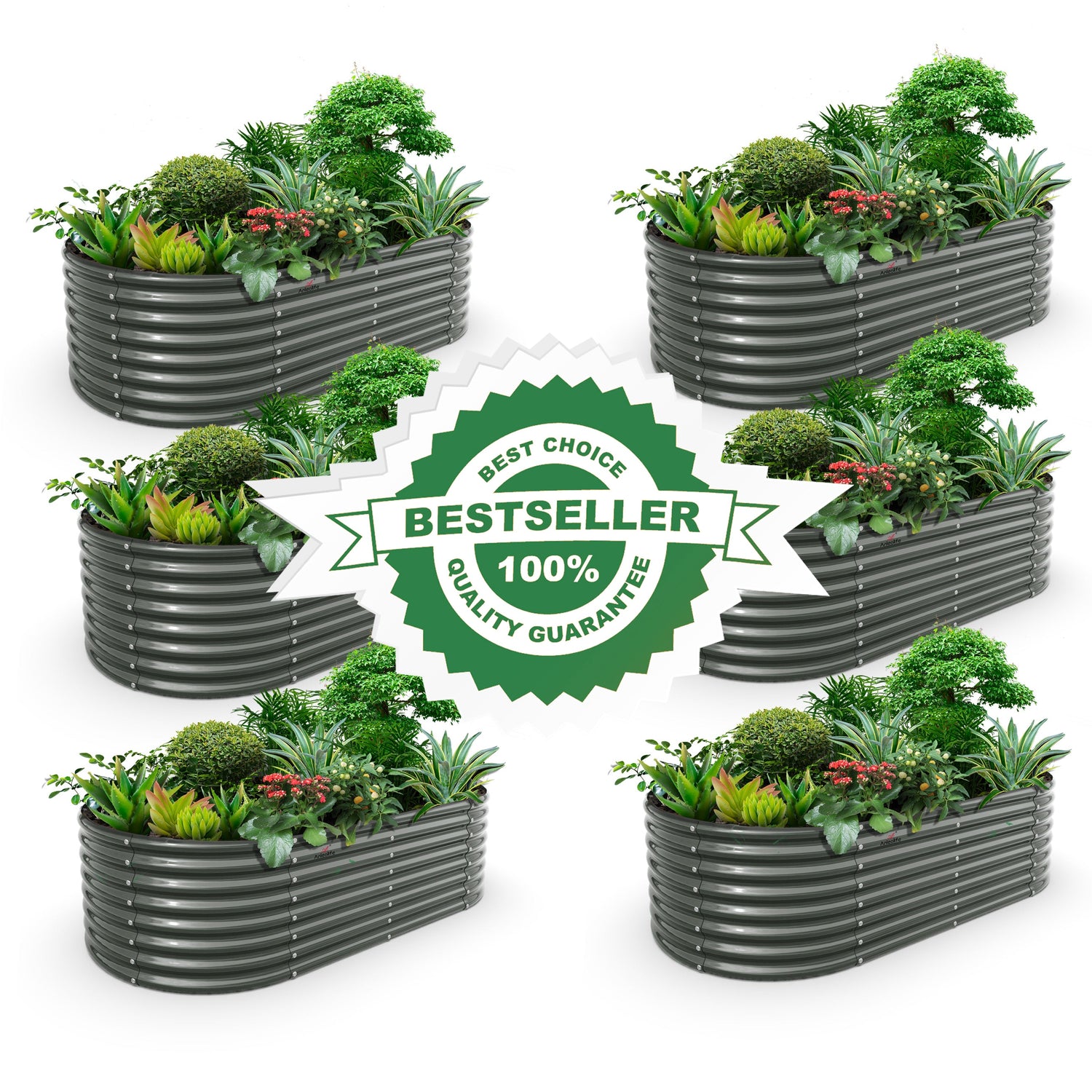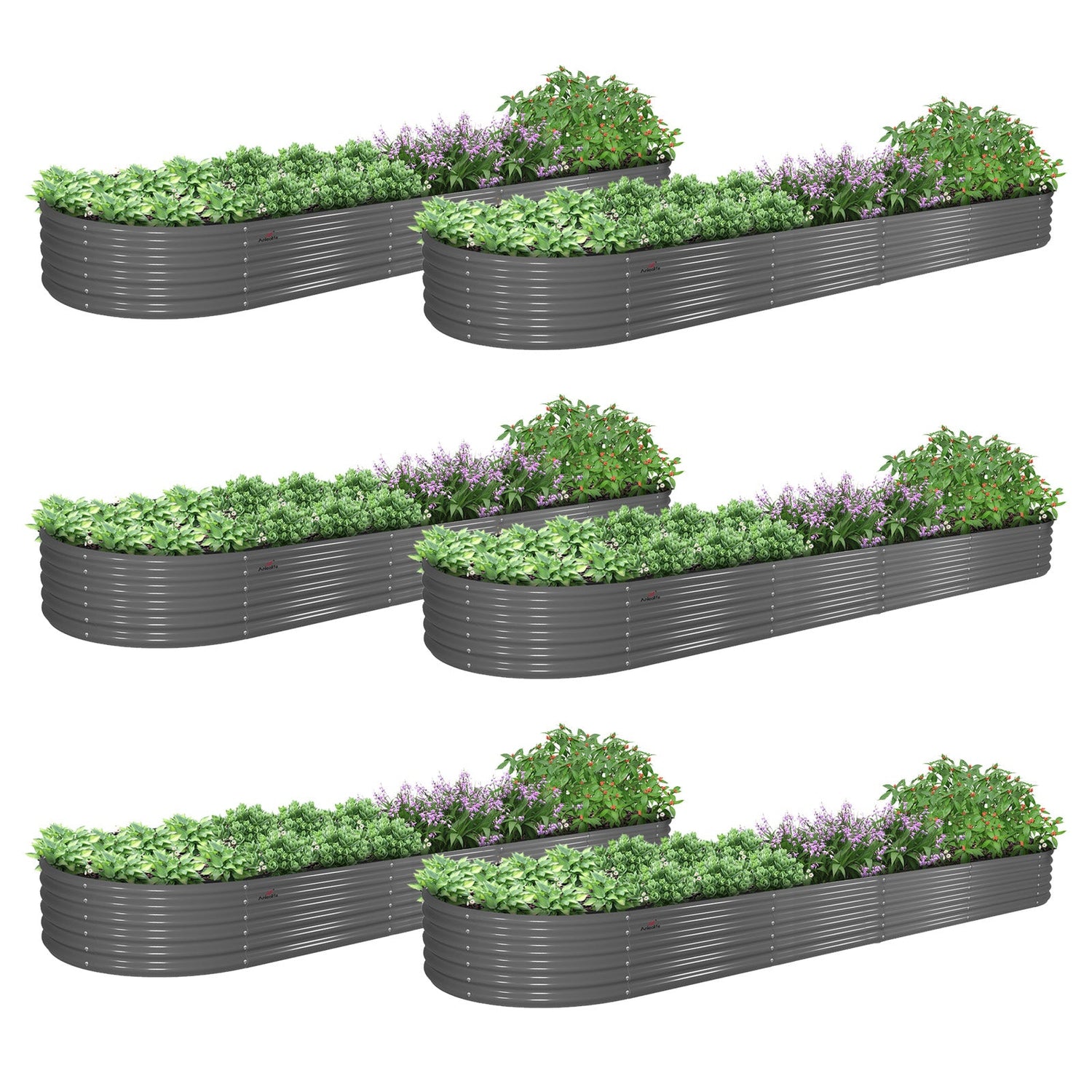



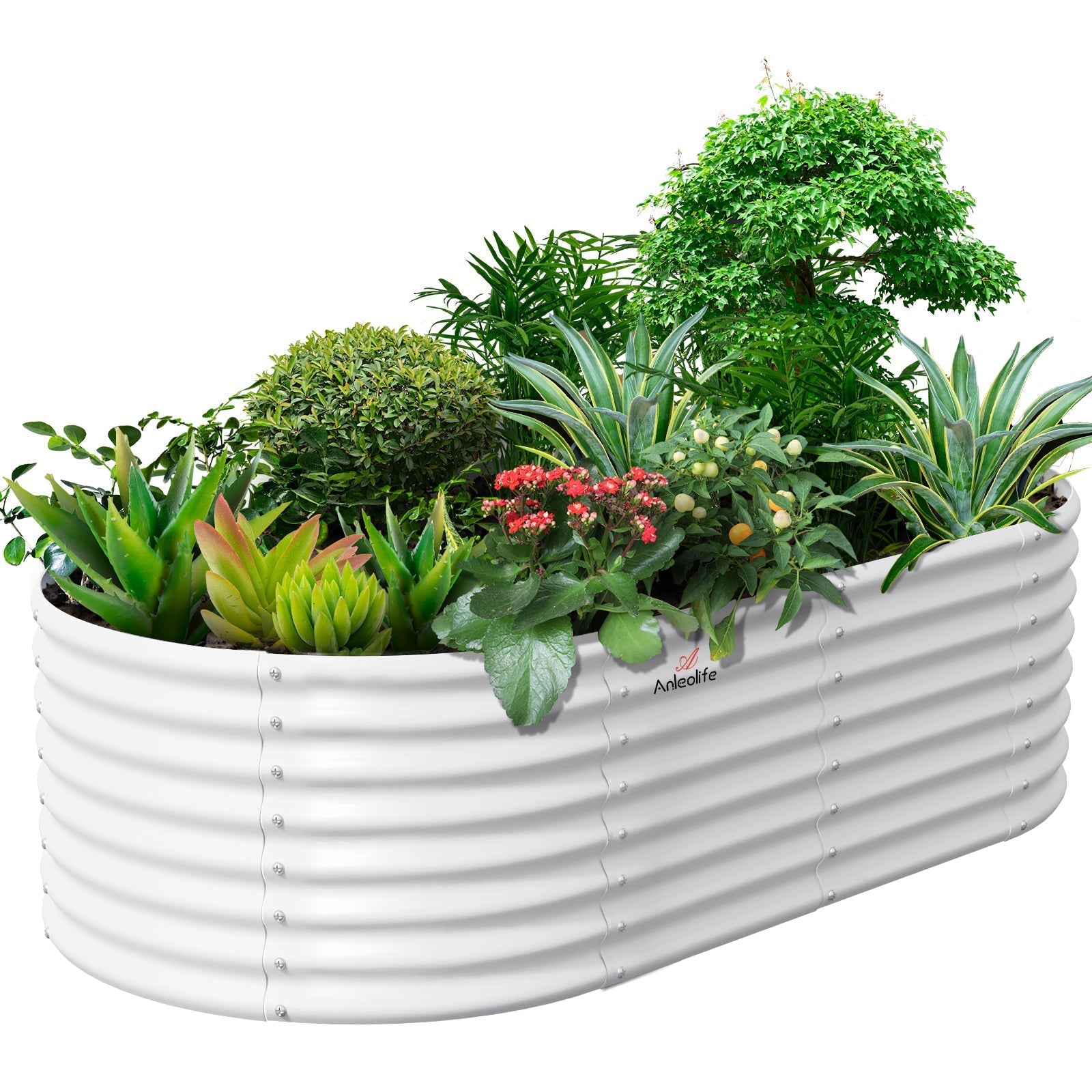
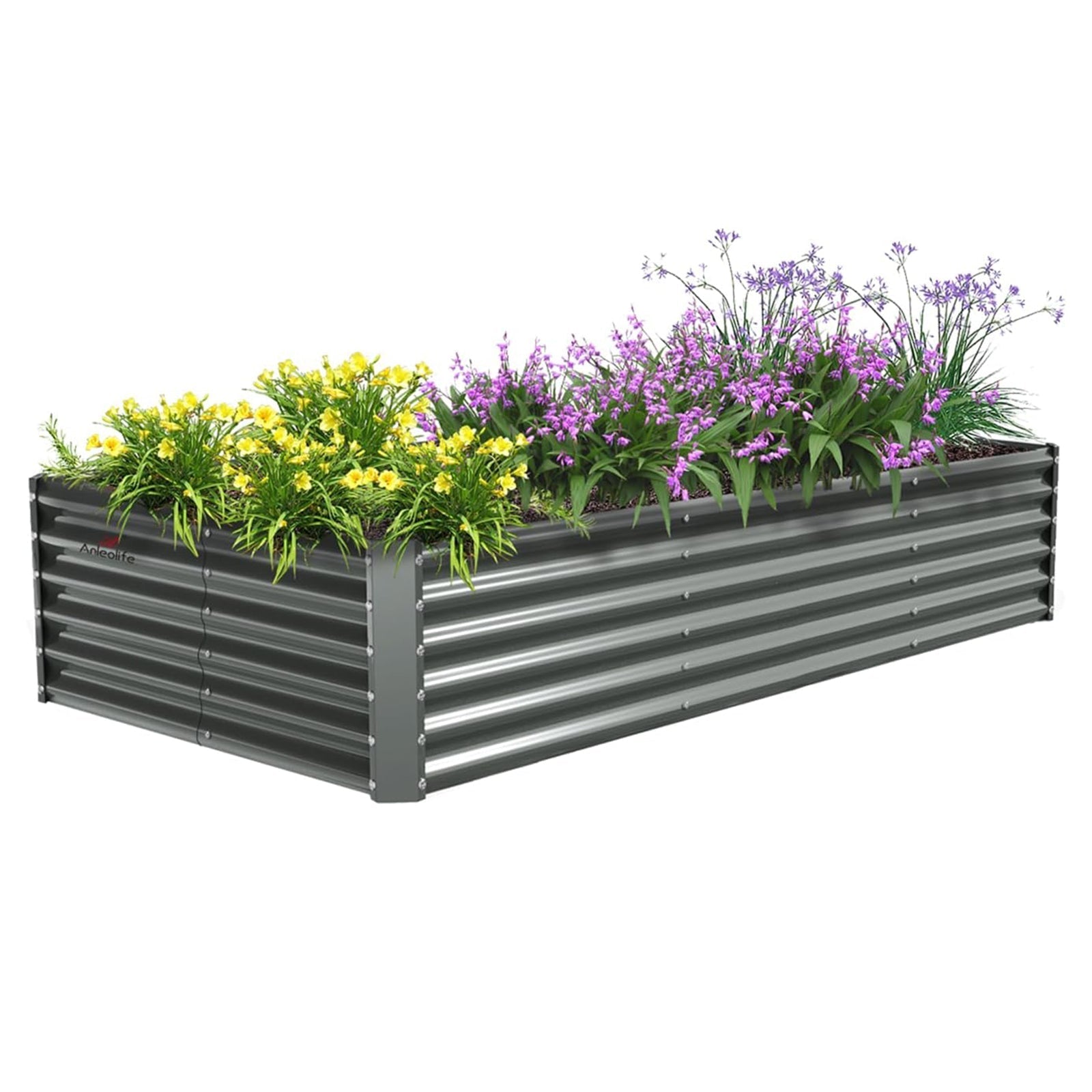

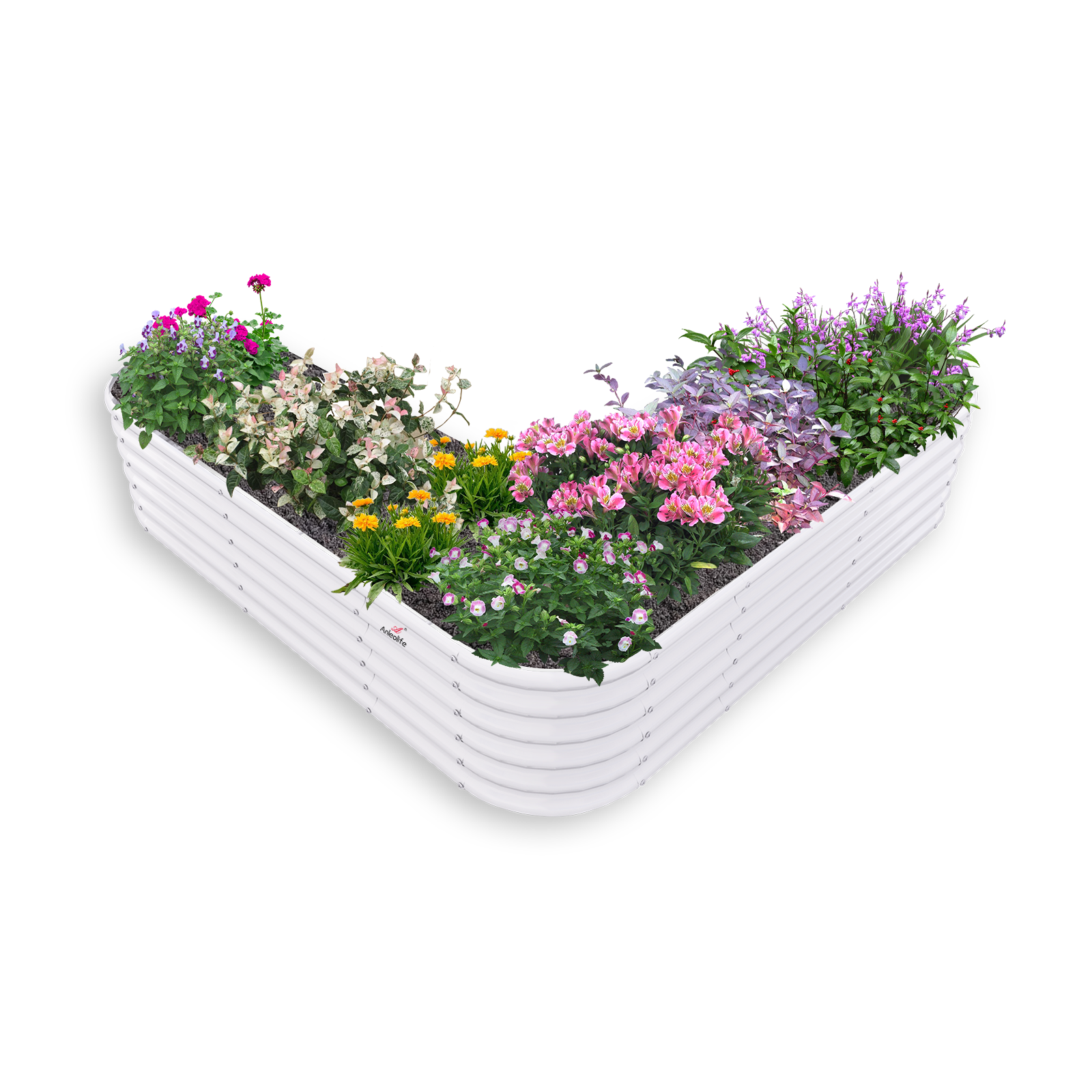
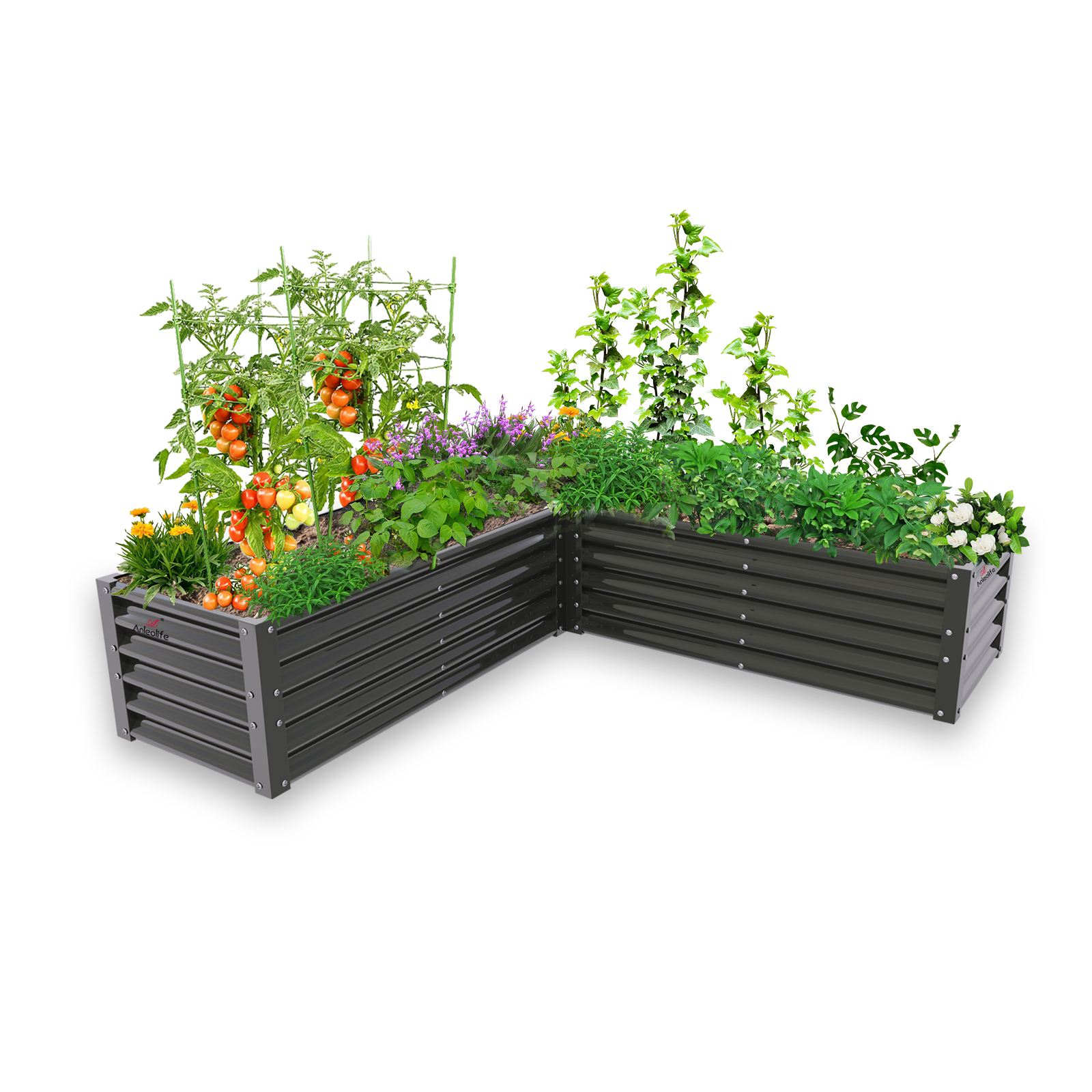
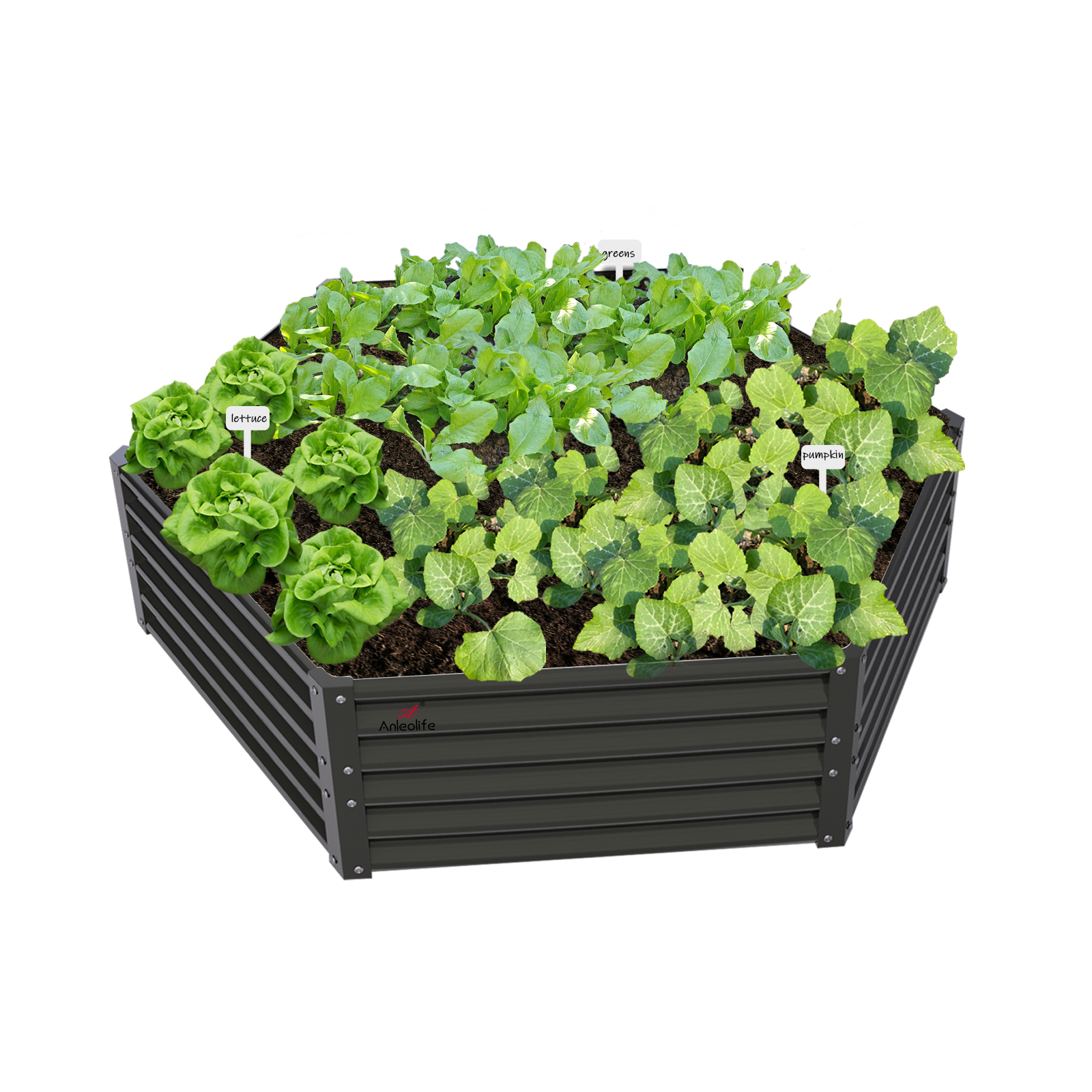
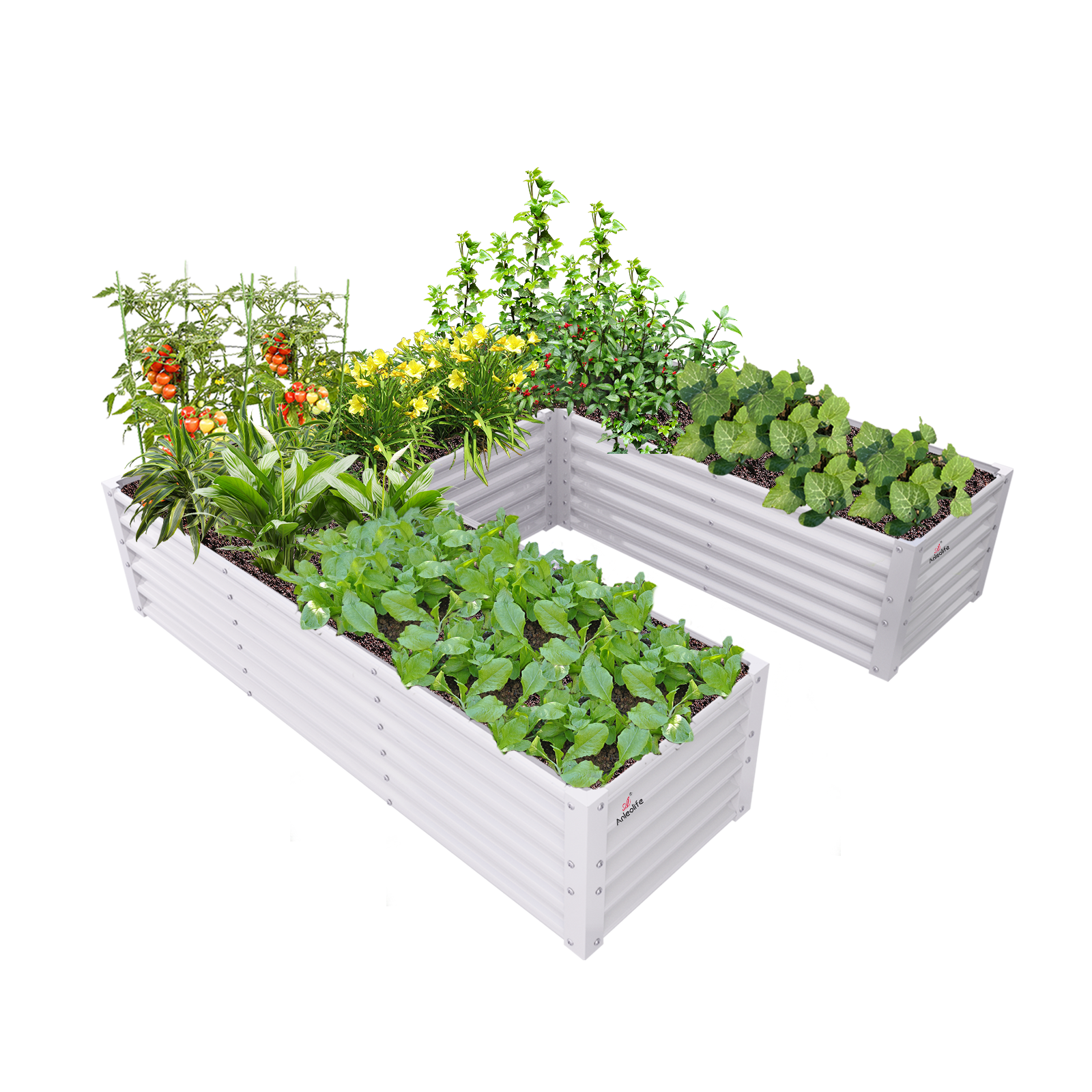

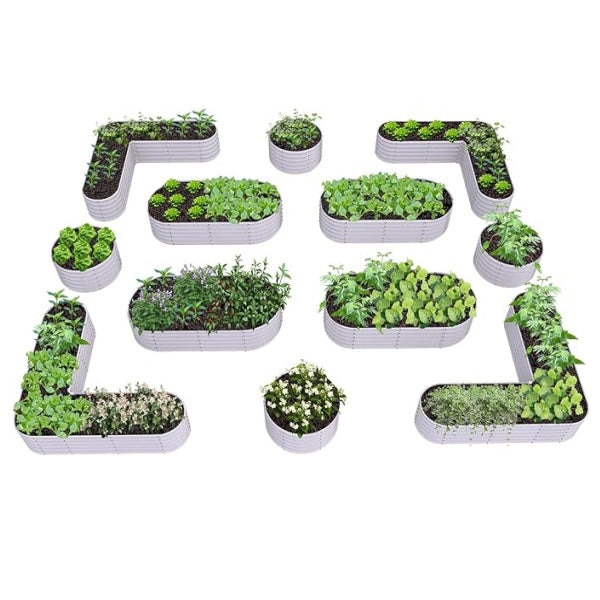


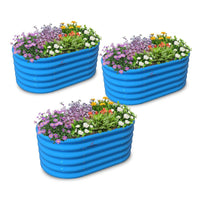
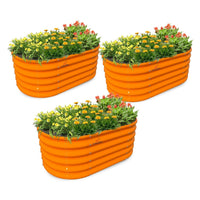
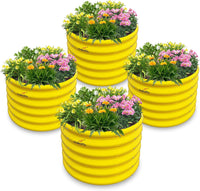
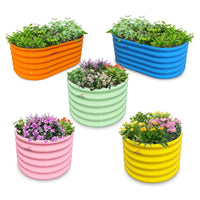
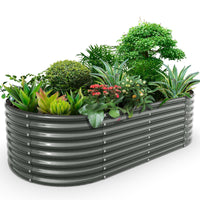


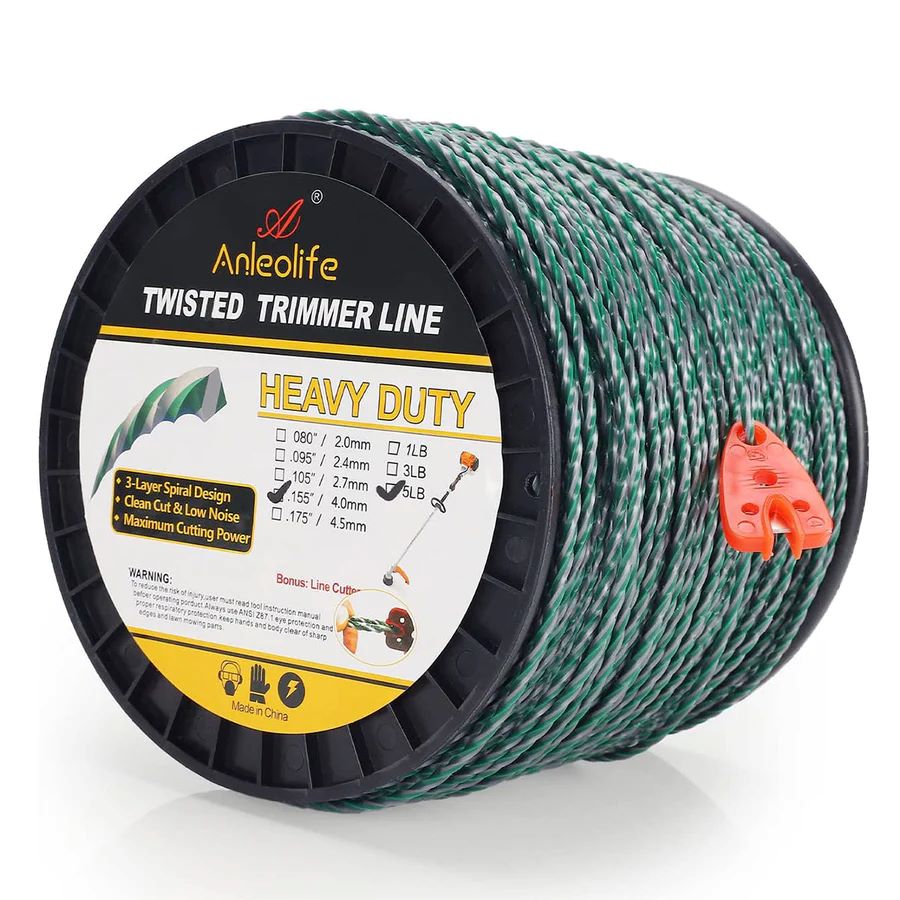
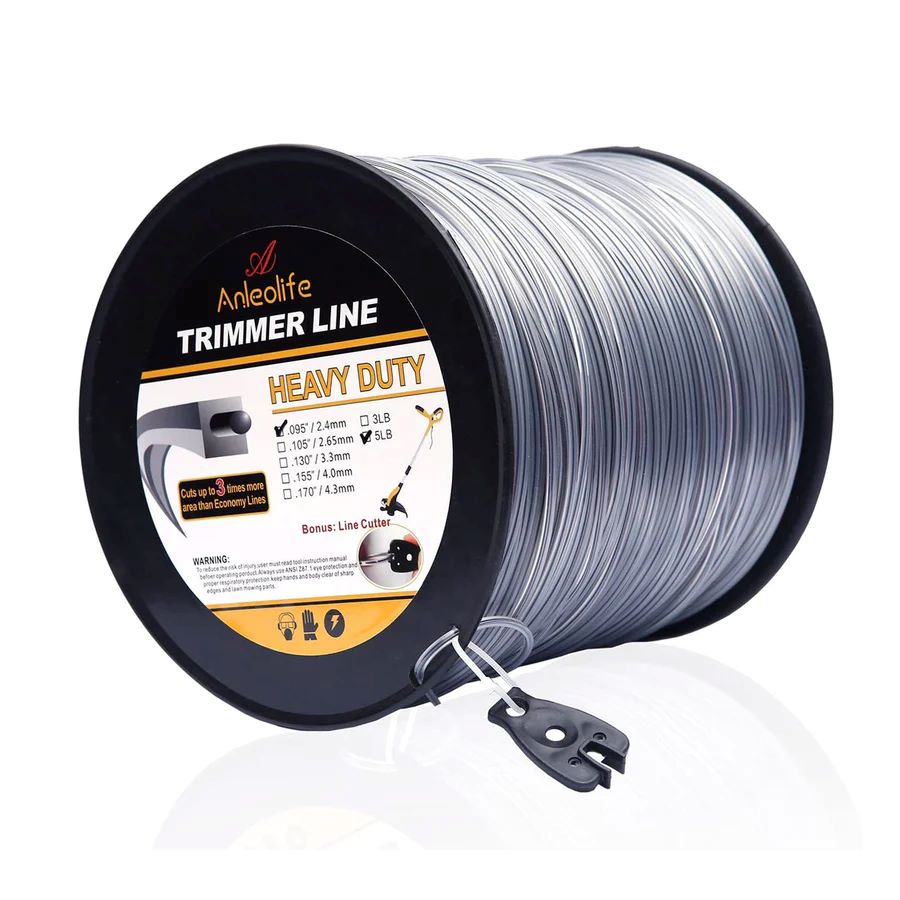

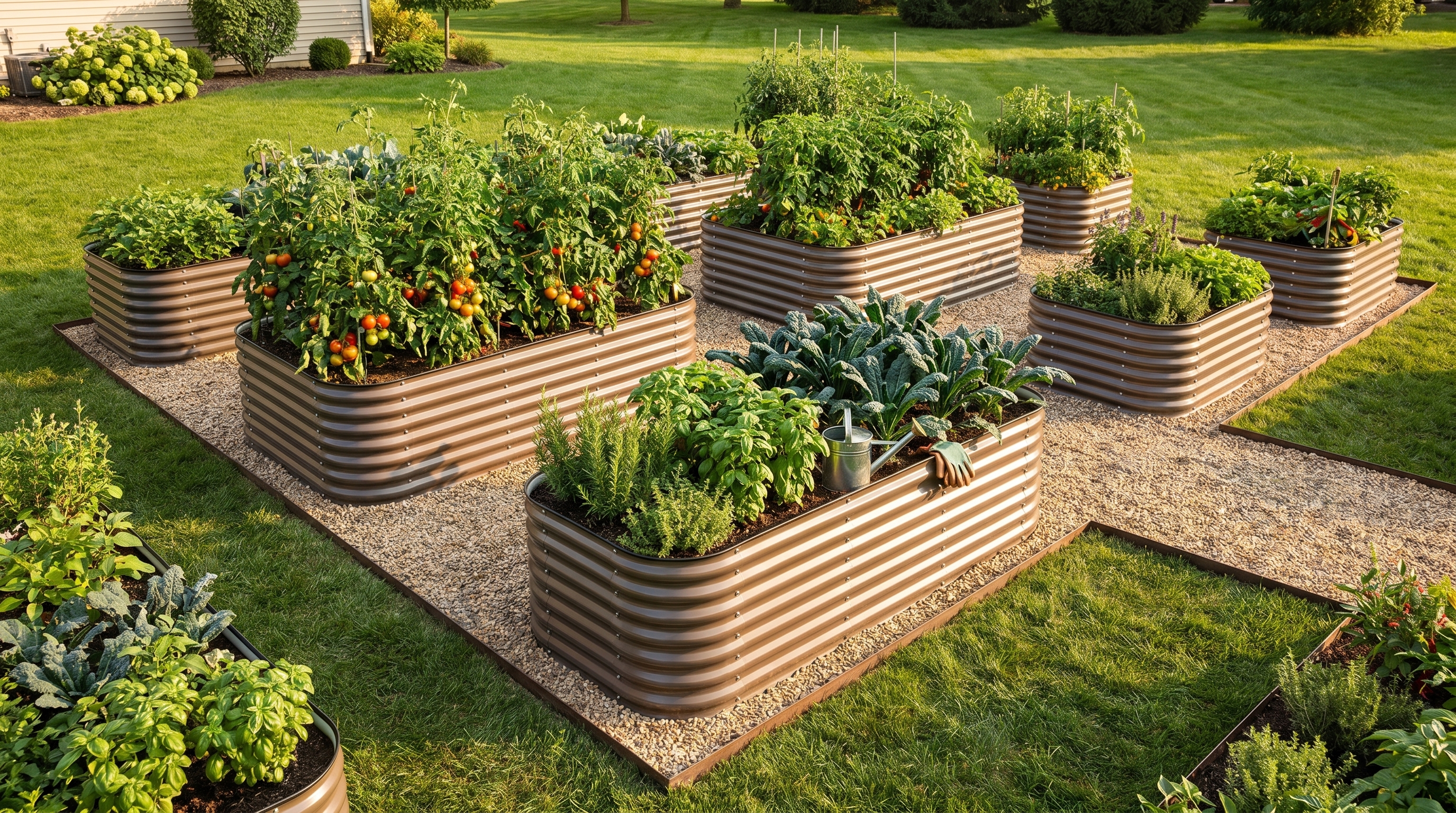
ALT: Redesigned backyard garden layout with raised beds, garden edging, and DIY gardening kits before summer ends
Why Redesigning Your Backyard Garden Layout Before Summer Ends Is the Smartest Move You Can Make
Key Conclusion: Redesigning your backyard garden layout before summer ends gives you a strategic head start for the next growing season while maximizing the remaining warm weeks you have left. By incorporating smart garden edging, upgrading your trimmer lines, and investing in the right DIY gardening kits, you can transform a tired, overgrown backyard into a functional, beautiful outdoor space that works harder for you — all before the first frost arrives.
There's a certain urgency that creeps in as late summer approaches. The garden that felt full of potential back in May has perhaps become a little chaotic — beds overflowing their boundaries, pathways muddied, and that raised bed you meant to add still sitting in its box. The good news is that late summer is actually one of the best windows for a layout redesign. The ground is workable, plants are telling you exactly what is and isn't working, and you still have time to plant fall crops in a freshly organized space.
This guide walks you through a practical, achievable backyard redesign process — from evaluating what you have, to selecting the right materials and beds, to pulling everything together into a cohesive plan that will serve your family for years to come.
Who Should Read This Guide: Is a Late-Summer Redesign Right for You?
✅ Applicable Scenarios:
- You have an existing garden that has become disorganized, overgrown, or inefficient over the growing season
- You want to add raised garden beds, define new planting zones, or extend your growing capacity before fall
- You're planning ahead for next spring and want infrastructure (beds, edging, pathways) in place before winter
❌ Not Applicable/Cautions:
- If your region experiences early frost (before late September), focus on quick-install solutions rather than major structural changes
- If your garden is currently in peak mid-season production, wait until after your main harvest before disturbing established plant root zones
The Case for Acting Now: Why Late Summer Is the Hidden Sweet Spot for Garden Redesigns
Most gardeners think of spring as the only time to plan and build. But seasoned growers know that late summer — roughly August through mid-September — offers a uniquely practical window. The soil is warm and loose after months of activity, making it far easier to work with than the compacted, cold ground of early spring. You've also spent a full season observing your garden's strengths and weaknesses: where the sun lingers longest, where water pools, which beds underperformed.
The home gardening market has surged significantly in recent years. According to the National Gardening Association, more than 35% of American households are now engaged in food gardening, with a growing emphasis on raised bed systems and structured backyard layouts. This shift reflects broader lifestyle trends around health, food security, and outdoor living — and it means that the tools, materials, and guidance available to home gardeners have never been better.
For those considering a full layout overhaul, the foundational resource Step-by-Step Raised Bed Garden Layout Planning for Summer 2026 Beginners provides an excellent baseline for understanding how to approach zoning, spacing, and bed placement from the ground up.
Late summer redesigns also mean your new infrastructure — particularly raised garden beds — has time to settle before you fill them with fall crops like kale, spinach, Swiss chard, and garlic. You're not just preparing for the remaining weeks of this season; you're laying the groundwork for an exceptional spring.
The Core Framework: How to Redesign Your Backyard Garden Layout Step by Step
Three-Step Quick Start
Step 1: Audit Your Existing Space
Before purchasing a single item or moving a single plant, spend 30–60 minutes walking your backyard with fresh eyes. Take photos from multiple angles, note where the sun is most intense at midday, identify any drainage issues, and mark which existing beds or zones are working well versus which have been a source of frustration all season. This audit becomes your redesign brief — a clear picture of what to keep, what to remove, and what to add.
Step 2: Sketch Your New Layout
You don't need professional landscaping software for this. A simple hand-drawn sketch on graph paper (or a free app like GardenPlanner or SmartDraw) is sufficient. Prioritize access paths of at least 18–24 inches wide between beds so you can comfortably kneel, carry tools, or wheel a barrow through. Plan bed placement to optimize sun exposure, and decide early whether you want uniform rectangular beds, a mix of shapes, or a modular system you can expand over time.
Step 3: Source Materials and Begin Installation in Zones
Work in zones rather than trying to overhaul everything at once. Start with the area that will deliver the most immediate impact — often the main growing area visible from your home or patio. Install new raised beds first, then address edging and pathways, then move on to decorative or secondary zones. This phased approach keeps the project manageable and ensures you can still harvest from undisturbed parts of the garden while working.
Comparing Your Core Material Options for a Backyard Redesign
Choosing the right materials is one of the most consequential decisions in any backyard redesign. Your beds, edging, and pathways will define the look and function of your garden for many years, so it's worth understanding the trade-offs clearly.
When it comes to the best raised garden bed brands, the debate often centers on cedar vs. galvanized steel — two of the most popular options on the market. A third option, composite or recycled plastic lumber, has also gained traction among eco-conscious growers. Here's how they compare across the dimensions that matter most:
| Comparison Dimension | Cedar Wood | Galvanized Steel | Composite/Recycled Plastic |
|---|---|---|---|
| Lifespan | 5–10 years (untreated) | Up to 20 years | 10–15 years |
| Eco-Friendliness | Sustainably sourced options available | Recyclable steel; no chemical leaching | Made from recycled materials |
| Maintenance Required | Annual sealing/treatment recommended | Minimal — rust-resistant coating | Very low |
| Heat Retention | Moderate | Higher — beneficial for extending growing season | Low to moderate |
| Aesthetic Options | Natural, warm tones | Modern, clean lines; various colors | Limited styles |
| Cost Range | Moderate to high | Moderate — good long-term value | Moderate |
| Best For | Traditional, rustic garden styles | Long-term, high-performance growing | Low-maintenance setups |
For a deeper look at why galvanized steel consistently outperforms wood over time, Galvanized Steel Raised Beds: 7 Reasons They Outperform Wood for Summer Gardening offers a thorough comparison backed by real growing experience.
Choosing the Right Raised Bed Height, Size, and Configuration
What's the best height for a raised garden bed? This is one of the most frequently asked questions among new and experienced gardeners alike, and the answer depends on what you're growing and your own physical needs.
Standard 18-inch tall beds are the workhorse of most backyard gardens. They provide enough soil depth for the vast majority of vegetables, herbs, and flowers — including deep-rooted crops like tomatoes, peppers, and carrots — while keeping costs and material requirements reasonable. Anleolife's galvanized steel raised garden beds are available in 18-inch height configurations across a wide range of footprints, including 12x3 ft, 8x4 ft, 6x3 ft, and 4x4 ft options, giving you the flexibility to fit almost any yard configuration.
If you or someone in your household has mobility limitations, or if you simply want the ergonomic benefit of gardening without kneeling, extra-tall and waist-high beds are a transformative choice. Anleolife offers 24-inch extra-tall configurations in popular sizes like 8x4 ft and 6x3 ft, as well as 30-inch extra-tall options for serious growers who want a truly comfortable standing reach. The 35-inch waist-high 4x1.5 ft bed is particularly popular among retirees and anyone with back or knee concerns — it genuinely changes the gardening experience.
Modular systems deserve special attention for any redesign project. If you're not entirely sure how your layout will evolve — or if you want the freedom to expand incrementally — a modular raised garden bed system allows you to add panels and sections as your needs grow. Anleolife's modular lineup includes sizes from a compact 6x2 ft up to an expansive 30-inch extra-tall 8x4 ft configuration. As you explore your options, this resource on how to customize a modular garden bed system for your unique backyard shape is an excellent companion guide.
The best eco-friendly materials for raised garden beds are a genuine concern for health-oriented growers. Anleolife's galvanized steel beds use a rust-resistant coating that does not leach harmful chemicals into soil — a critical consideration if you're growing food crops. Steel is also one of the most recycled materials on Earth, making it a responsible long-term choice for environmentally conscious families. With a rated lifespan of 20 years, one well-chosen galvanized steel bed replaces the need to purchase, install, and dispose of multiple wooden beds over the same period — a meaningful reduction in waste and consumption.
A note on heat safety: One common concern with metal beds is whether they overheat summer crops. In practice, well-designed galvanized steel beds distribute heat evenly through the soil profile, which is actually beneficial for heat-loving crops like tomatoes, eggplant, and melons. For a thorough examination of this topic, see the detailed analysis in Are Metal Raised Garden Beds Heat-Safe for Summer Vegetables?
Defining Garden Edging, Pathways, and the Finishing Touches
A redesigned garden layout isn't just about the beds themselves. The spaces between the beds — your pathways, borders, and transition zones — are equally important for function and aesthetics.
Garden edging serves both a practical and visual purpose. Practically, it prevents grass and weeds from creeping into your beds or gravel pathways. Visually, crisp edging signals intentionality — it transforms a yard that looks "planted in" into one that looks designed. Steel, stone, brick, and recycled rubber are all popular edging materials. For a cohesive look, many gardeners opt for edging that echoes the material of their raised beds: if you've chosen galvanized steel beds, a steel or dark metal edging strip creates a pleasingly unified aesthetic.
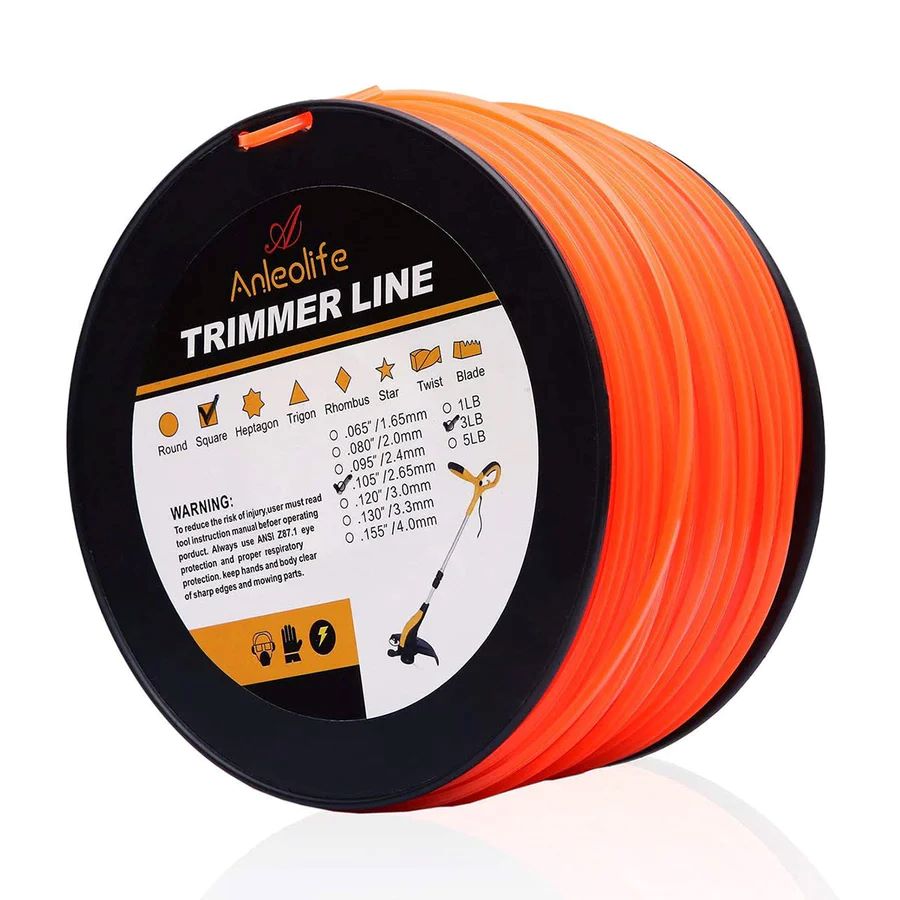
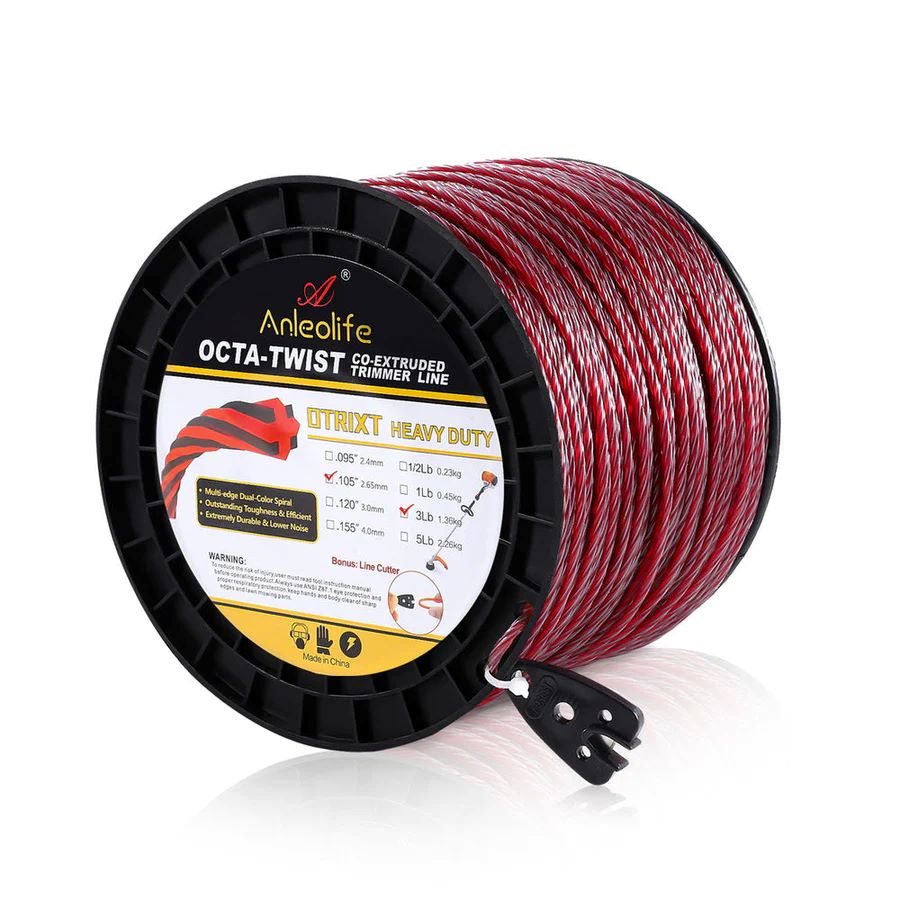
Trimmer lines and a reliable string trimmer are essential maintenance tools once your new layout is in place. Well-defined garden edges look their best only when they're maintained — and a quality trimmer line makes the weekly task of keeping edges sharp far less time-consuming. Look for commercial-grade trimmer line if you have a large perimeter to maintain; it lasts significantly longer than standard residential line.
Pathways are often underestimated in their impact on garden usability. Gravel, bark mulch, stepping stones, and compacted decomposed granite are all excellent choices depending on your climate and aesthetic preference. Whatever you choose, ensure pathways are wide enough to navigate comfortably with a wheelbarrow or garden cart — this simple consideration dramatically reduces physical strain over a full season of tending.
For inspiration on pulling the aesthetic elements of your redesign together, the guide on how to give your backyard a fresh summer aesthetic with minimal spend offers creative, budget-conscious ideas for making your redesigned garden feel intentional and inviting.
Soil, Lighting, and the Details That Make a Garden Thrive
Once your beds and pathways are in place, attention turns to the filling and finishing details that determine whether your redesigned garden actually produces well.
Soil selection is non-negotiable for raised bed success. Native ground soil is almost never appropriate — it compacts too easily in contained beds and typically lacks the drainage and nutrient profile that intensive raised bed growing demands. A well-balanced raised bed mix combines quality topsoil, compost, and a drainage amendment like perlite or coarse sand. For a detailed breakdown of the ideal proportions and ingredients, The Best Soil Recipe for Raised Garden Beds in Summer 2026 is an authoritative starting point.
DIY gardening kits have become increasingly popular as a way to streamline the setup process for new beds. These kits typically include soil amendment blends, seed assortments, basic tools, and sometimes trellis or support hardware — everything you need to get a new bed productive quickly. They're particularly useful for gardeners who are expanding their layout mid-season and want to avoid multiple separate purchases.
Garden lighting is a finishing detail that extends the enjoyment of your redesigned space well into the evening. Best-rated solar lights for gardens in recent consumer reviews tend to share a few characteristics: sufficient lumens for practical pathway illumination, durable weather-resistant construction, and attractive design that complements the garden aesthetic. Path lights along your redesigned walkways and accent lights near feature beds can transform your backyard into an evening destination — especially valuable for busy families who most enjoy their outdoor space after work.
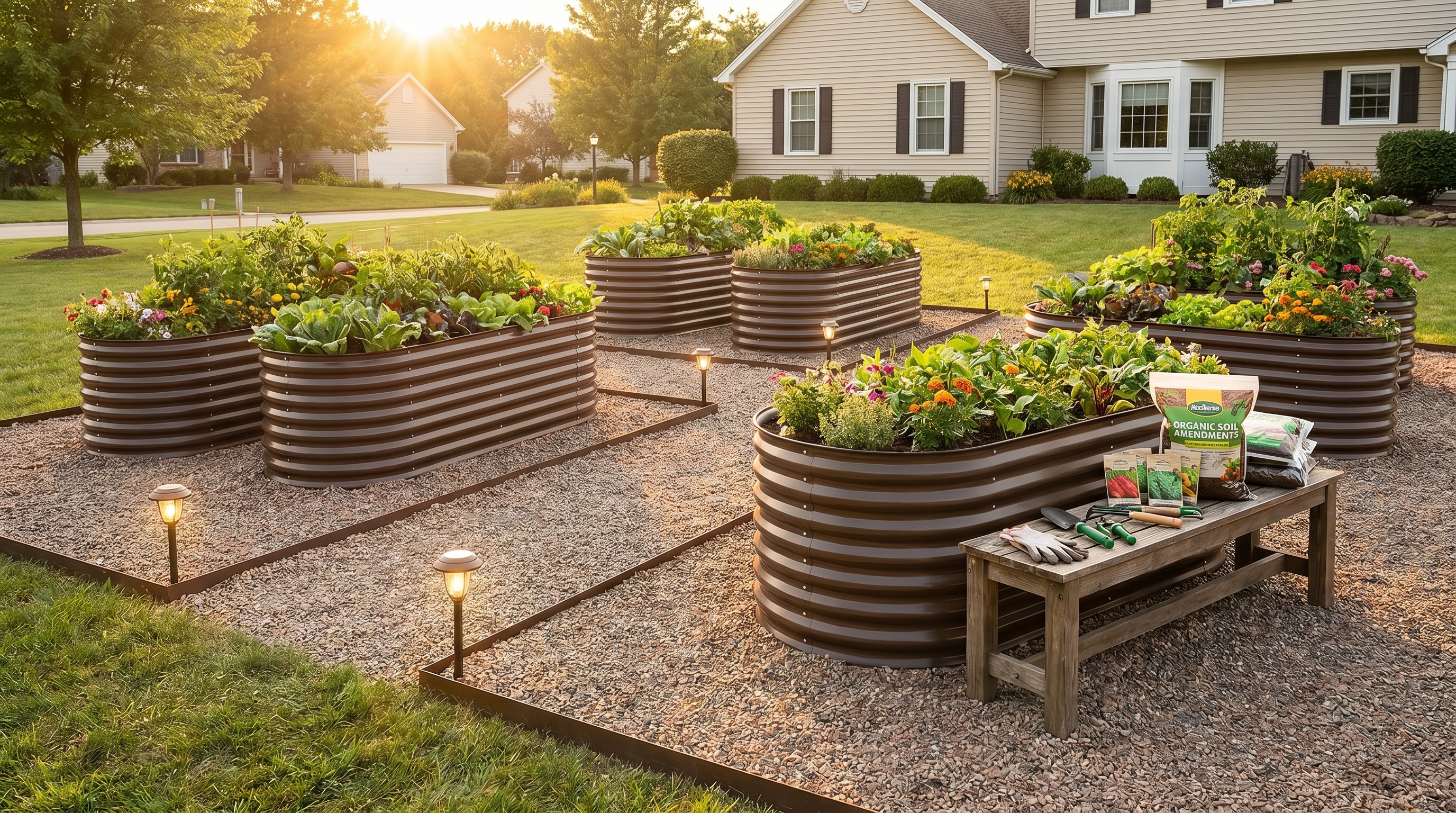
ALT: Anleolife galvanized steel raised garden beds with garden edging, trimmer lines, and DIY gardening kit setup in redesigned backyard
Advanced Considerations: Handling Special Situations in Your Backyard Redesign
Dealing With Uneven or Sloped Ground
Sloped backyards present a genuine design challenge but also an opportunity. Terraced raised beds — particularly in extra-tall or heavy-duty configurations — can transform a difficult slope into a dramatic, highly productive growing space. Anleolife's heavy-duty raised garden bed line, available in configurations including 30-inch extra-tall 10x3 ft options, provides the structural integrity needed for terraced installations where soil pressure against bed walls is higher than on flat ground.
When Your Garden Is Very Small
Urban micro-gardeners and homeowners with compact backyards often assume a "redesign" isn't worthwhile at their scale. In fact, small spaces benefit enormously from intentional layout work. A single extra-tall 8x4 ft bed, a neat gravel pathway, and clean steel edging can make a tiny backyard feel like a proper kitchen garden. Vertical growing — trellises attached to or positioned behind raised beds — multiplies growing capacity without expanding footprint.
Clarifying a Common Misconception: Redesign Doesn't Mean Starting Over
Many gardeners hesitate to redesign because they assume it means destroying everything they've built. In practice, a redesign is often additive — you're inserting new structure around existing plants, adding beds to unused corners, and improving the organization of what's already there. Perennial herbs, established berry bushes, and mature fruit trees can almost always be incorporated into a redesigned layout rather than removed.
Understanding your investment is also important. If you're wondering how much an Anleolife 24-inch tall raised garden bed costs, pricing varies by size and configuration — the best approach is to visit Anleolife.com directly or check listings on Amazon, Walmart, Home Depot, Lowe's, or Wayfair for current pricing and any active promotions. The long-term value calculation is compelling: a 20-year rated lifespan means the per-year cost of a quality galvanized steel bed is typically a fraction of what you'd pay to replace wooden beds every 5–7 years.
Frequently Asked Questions FAQ
Q1: How do I know what size raised garden bed is best for my backyard redesign?
Start with your available space and intended crops. A standard 8x4 ft bed is widely considered the most versatile size — it's reachable from all sides without stepping in, large enough to grow a meaningful quantity of food, and available in multiple heights. If you have a narrow side yard, a 12x3 ft or 6x3 ft configuration maximizes length without sacrificing access. For those with very limited space, a compact 4x4 ft or even a round 48-inch wide bed can anchor a small but productive design. Always plan for at least 18–24 inches of pathway between beds.
Q2: Are galvanized steel raised garden beds safe for growing food?
Yes — modern galvanized steel raised garden beds from reputable manufacturers use a coating process that does not leach harmful chemicals into soil at levels that pose health risks. The zinc used in galvanization is actually an essential micronutrient for plants. Anleolife's galvanized steel and rust-resistant bed lines are designed specifically for food growing applications. For additional peace of mind, you can line the interior bottom and sides of beds with landscape fabric, which also helps with weed suppression from below.
Q3: How long does it take to complete a backyard garden layout redesign, and what does it cost?
The timeline depends heavily on the scope. A focused redesign — adding two or three new raised beds, installing edging, and laying a gravel pathway — can realistically be completed over a single weekend. A more comprehensive overhaul involving significant regrading, multiple bed installations, and irrigation additions might take two to three weekends. For budget context, a detailed breakdown is available in Raised Garden Bed Budget Breakdown: What You Can Expect to Pay This Summer. Anleolife's beds ship within 3–8 business days from a strategically placed U.S. warehouse network, so materials can arrive quickly once you're ready to begin.
Summary
Redesigning your backyard garden layout before summer ends is one of the highest-leverage actions you can take as a home gardener. Three core ideas should anchor your approach:
First, audit before you act. Understanding what's working and what isn't in your current garden saves you from making expensive decisions based on incomplete information.
Second, invest in durable infrastructure. Raised garden beds rated for a 20-year lifespan, quality garden edging, and well-designed pathways pay dividends across every season you garden — not just this one.
Third, think in systems, not individual pieces. A redesigned garden works because the beds, soil, pathways, lighting, and trimmer line maintenance all reinforce each other. When these elements are planned together, the whole genuinely exceeds the sum of its parts.
Your next step is simple: grab a notebook, walk your backyard this weekend, and sketch what you see. Identify your single biggest frustration and your single biggest opportunity. From there, even a modest investment in the right materials can catalyze a transformation that surprises you.
The remaining weeks of summer are not a deadline — they're an invitation.
Start Your Backyard Transformation with Anleolife
Nationwide U.S. warehouse network: Strategically located in California, Texas, Florida, New York, Illinois, and Washington, Anleolife ensures delivery within 3–8 business days — so your garden upgrade plans never have to wait for materials.
Multi-channel availability: Anleolife products are available on Amazon, Walmart, Home Depot, Lowe's, Wayfair, and directly at Anleolife.com, providing consistent quality assurance and responsive after-sales service wherever you prefer to shop.
Three complete garden scenarios: Planting (galvanized and rust-resistant metal raised garden beds, soil systems), Raising (chicken coops, rabbit hutches), and Beautification (decorative accessories, pathway systems) — meeting your complete needs from functionality to aesthetics.
We understand that an ideal garden is not built overnight, but gradually improved over time. Our modular product design allows flexible expansion based on your needs — from your first raised garden bed to a fully integrated planting-and-raising ecosystem. Anleolife grows with you every step of the way.
References
- National Gardening Association. "Garden to Table: A Guide to Growing Food at Home".
https://garden.org - University of California Agriculture and Natural Resources. "Raised Bed Gardening".
https://ucanr.edu/sites/sacmg/files/233325.pdf - U.S. Department of Agriculture. "Know Your Farmer, Know Your Food: Home Gardening Resources".
https://www.usda.gov/topics/farming/urban-agriculture - Penn State Extension. "Building a Raised Bed Garden".
https://extension.psu.edu/raised-bed-gardening - Oregon State University Extension Service. "Raised Bed Gardening".
https://extension.oregonstate.edu/gardening/techniques/raised-bed-gardening
Note: Standards and recommendations may be updated over time. Please check the latest official documents or consult a professional gardening advisor for the most current guidance.
About Anleolife
Anleolife is a leading outdoor garden solutions provider in North America, dedicated to offering a full-scenario product ecosystem for home gardening enthusiasts, covering planting, raising, and garden beautification. Since its founding, Anleolife has upheld its brand mission, "Made for Garden Life," continuously innovating products and optimizing services to help hundreds of thousands of users upgrade their gardens, reconnect with nature, and enjoy a better garden lifestyle. Whether you're setting up your first raised bed or redesigning an entire backyard, Anleolife has the products, expertise, and customer support to help you build the garden you've always imagined.