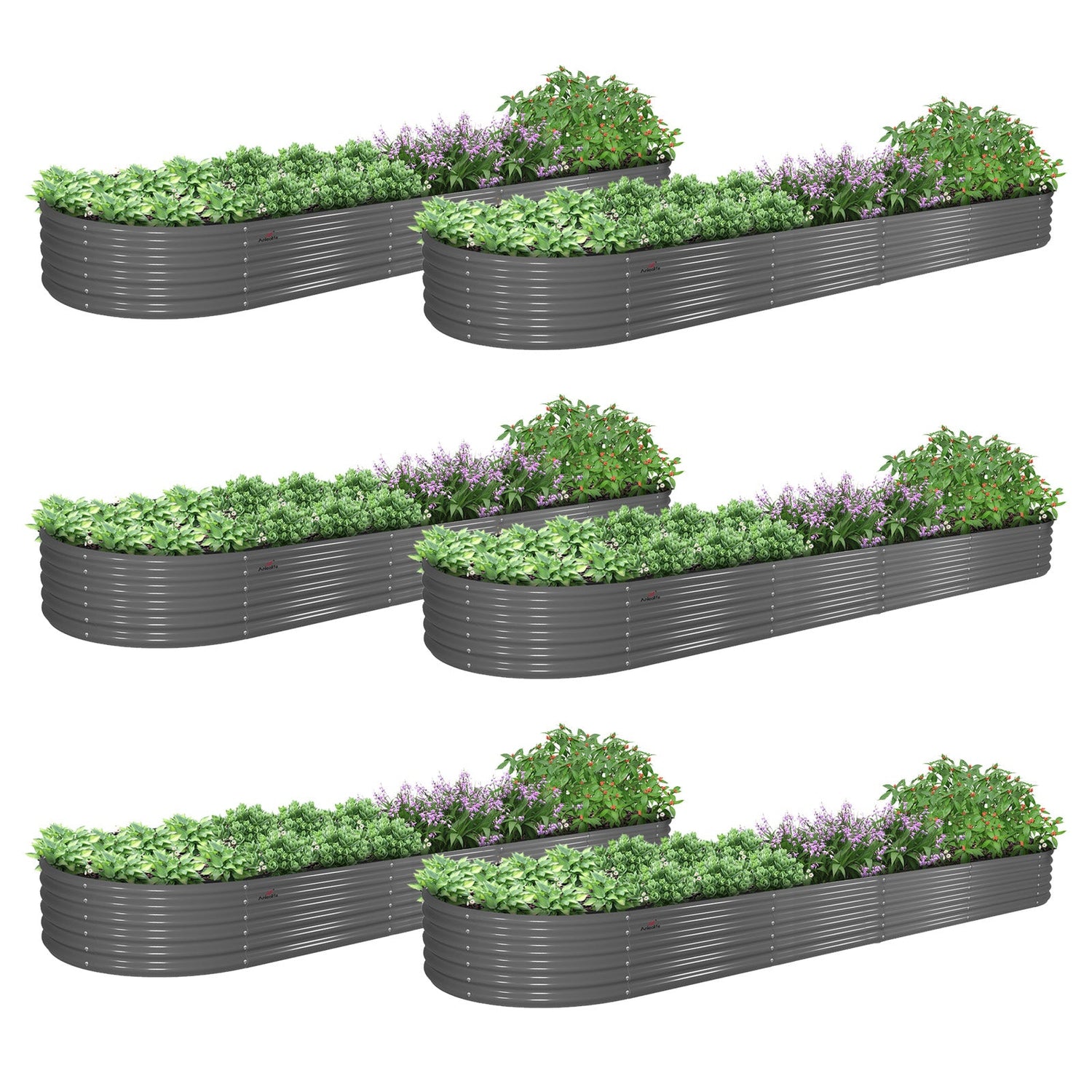



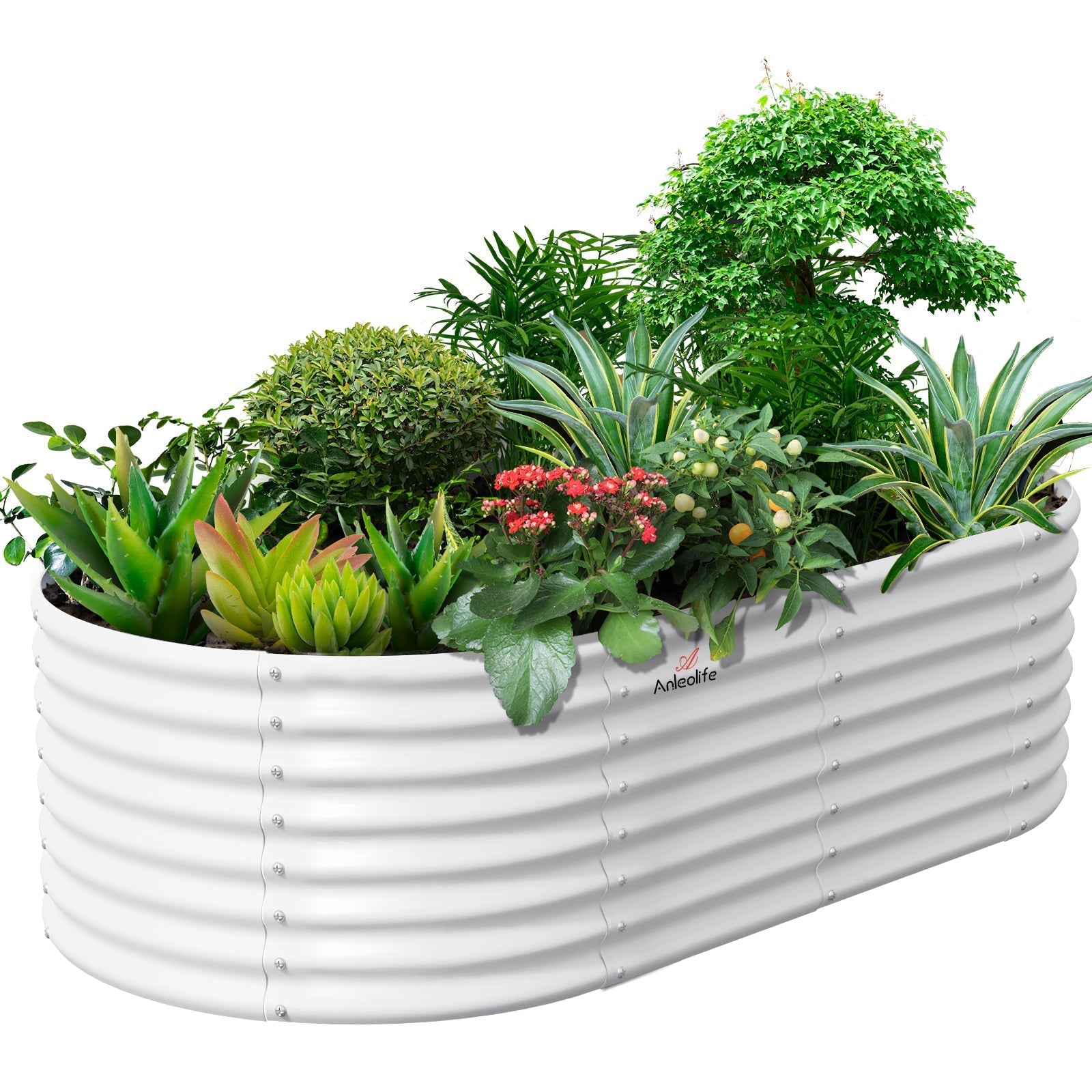
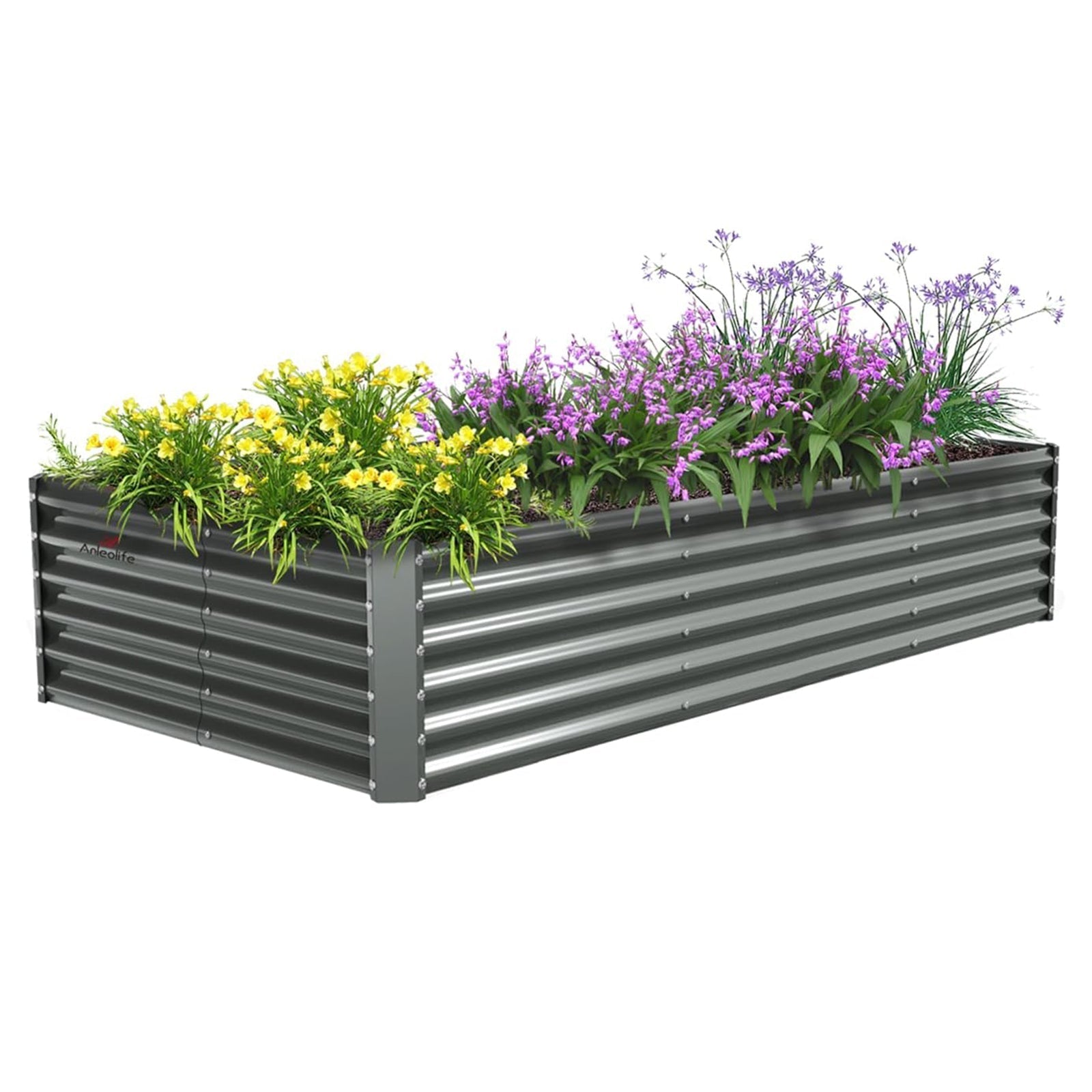

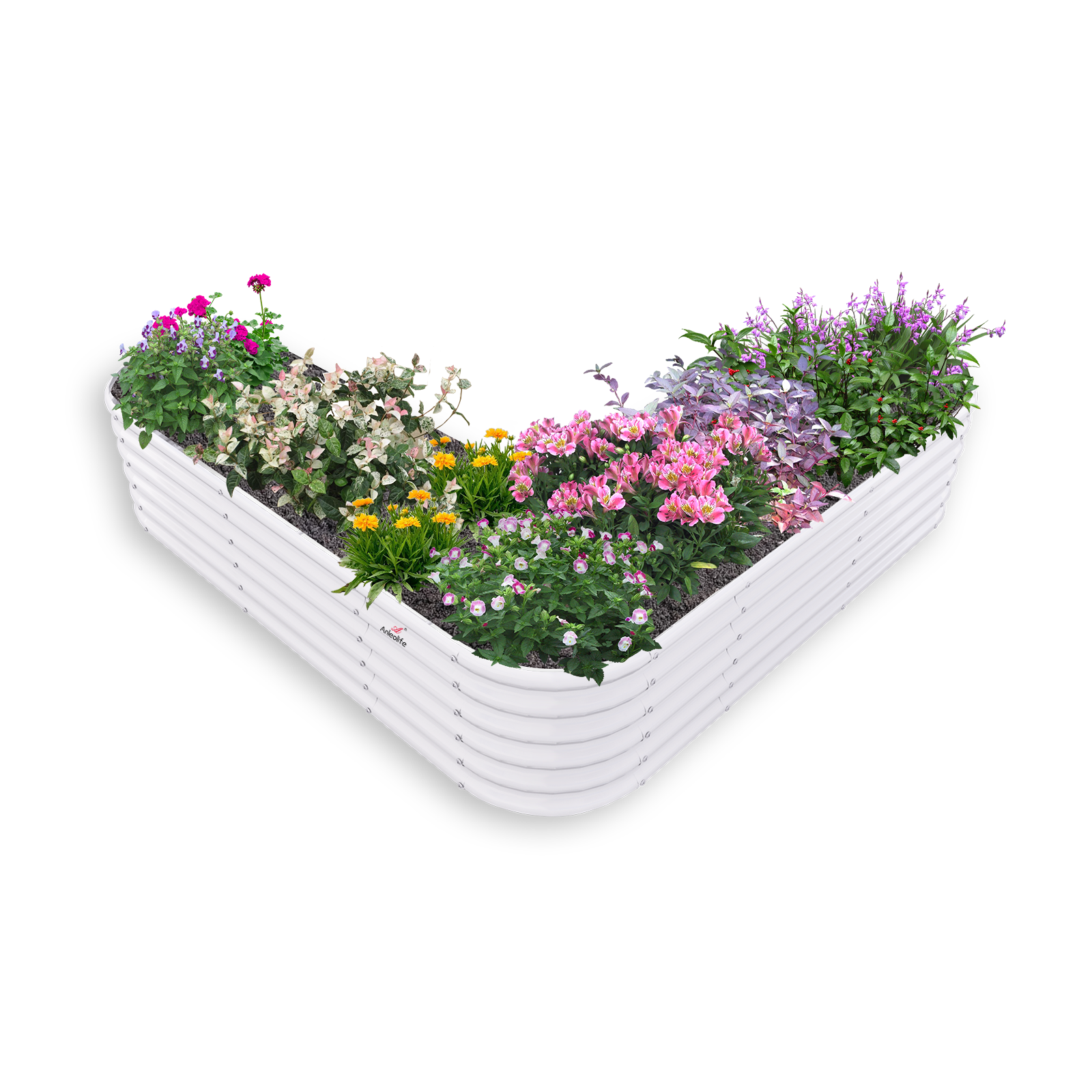
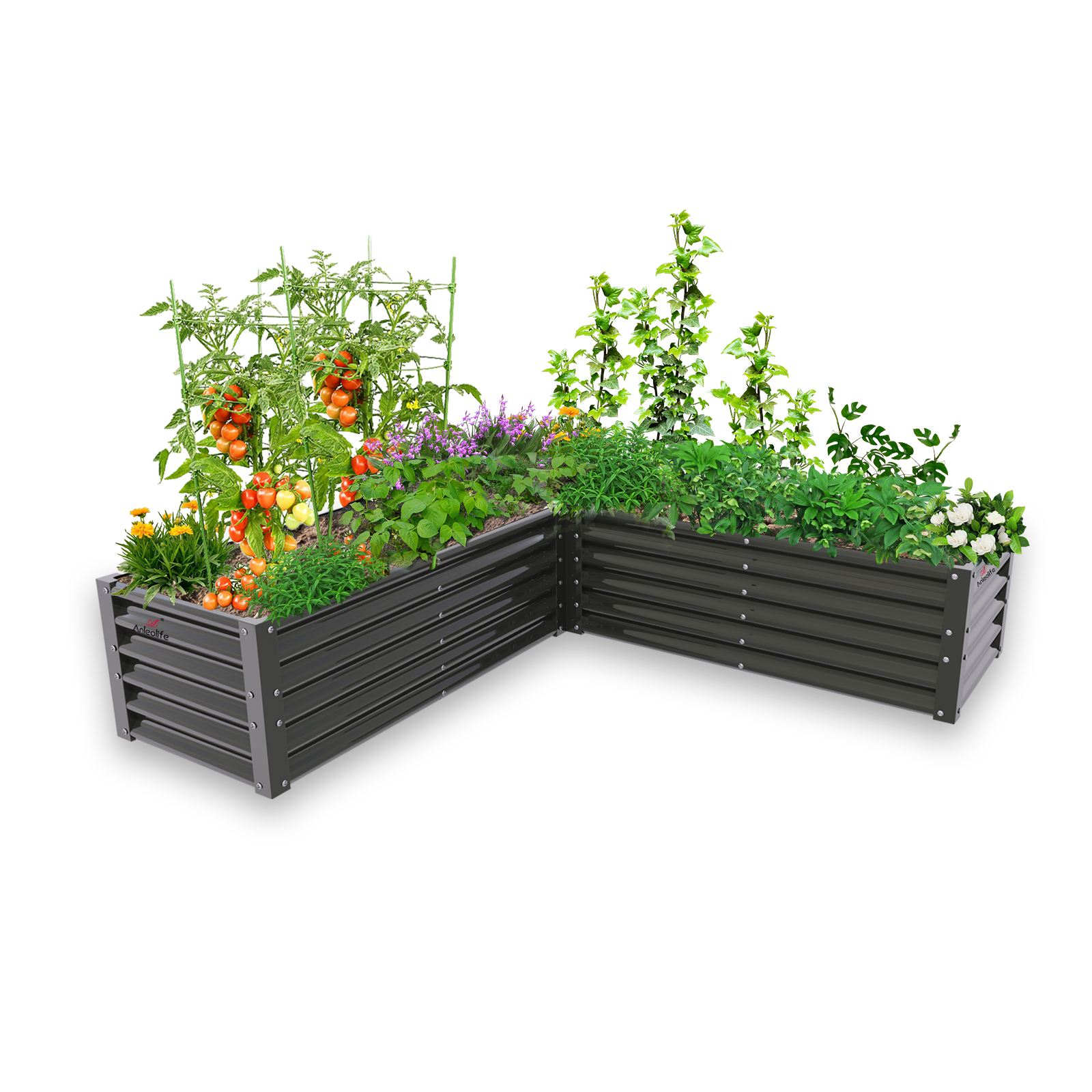
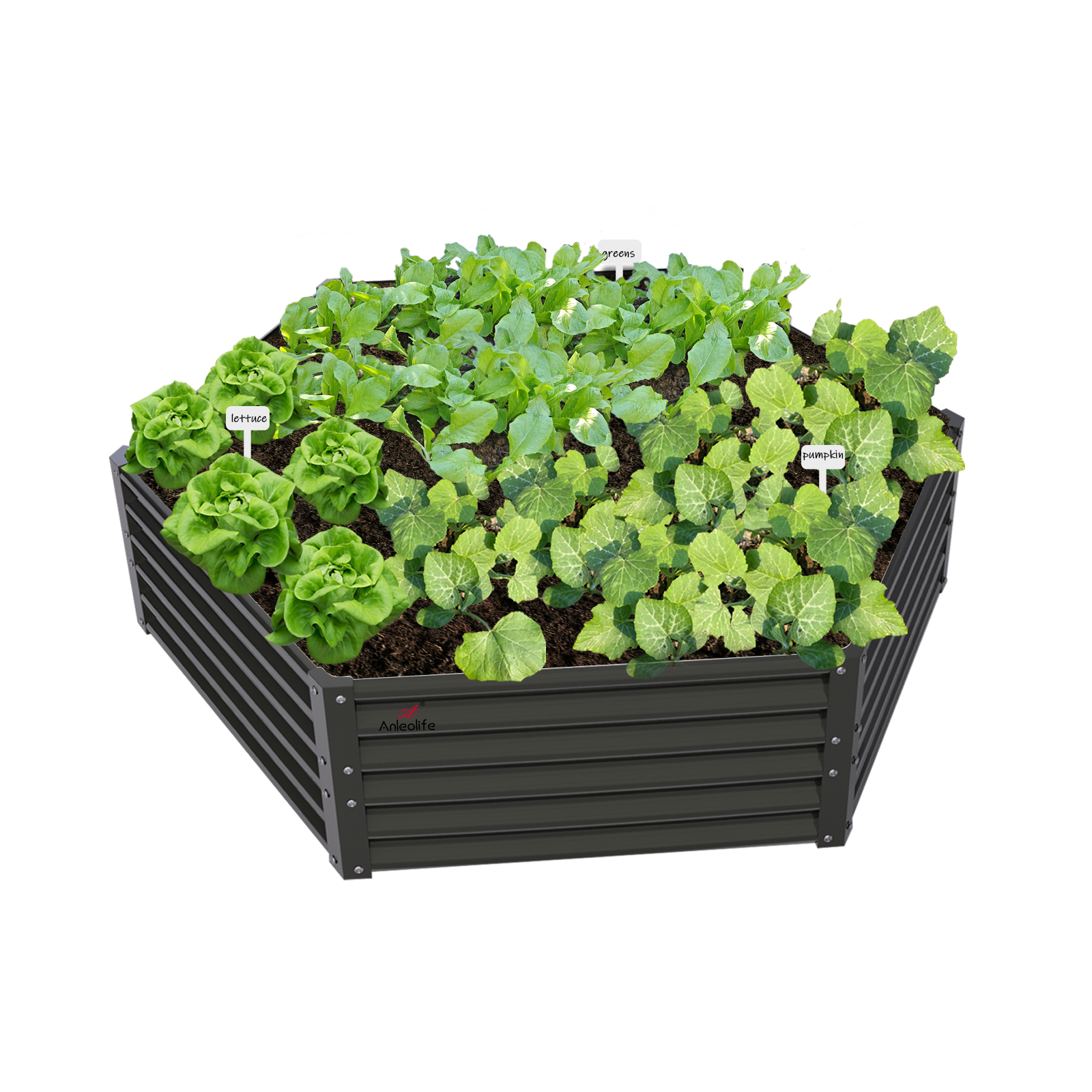
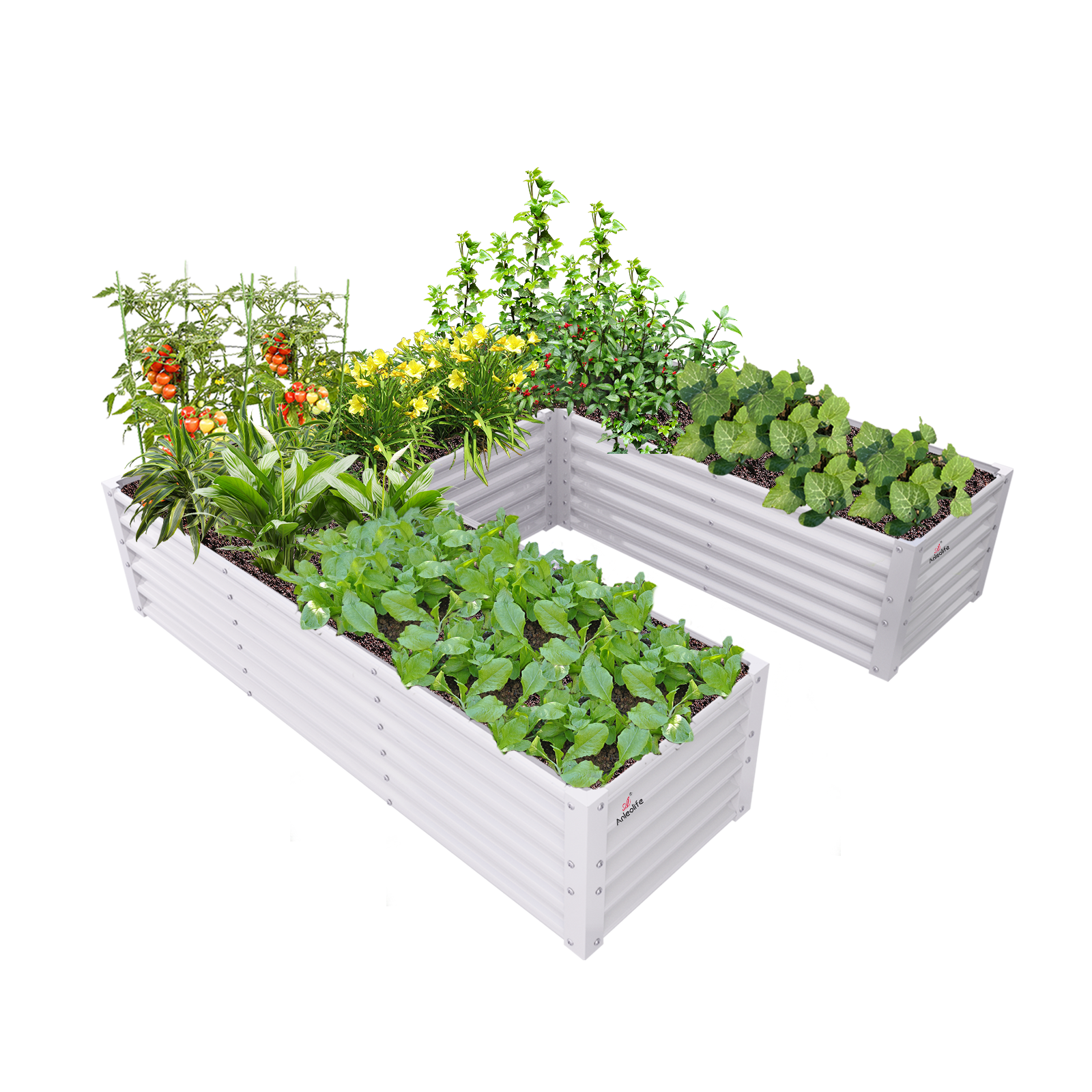

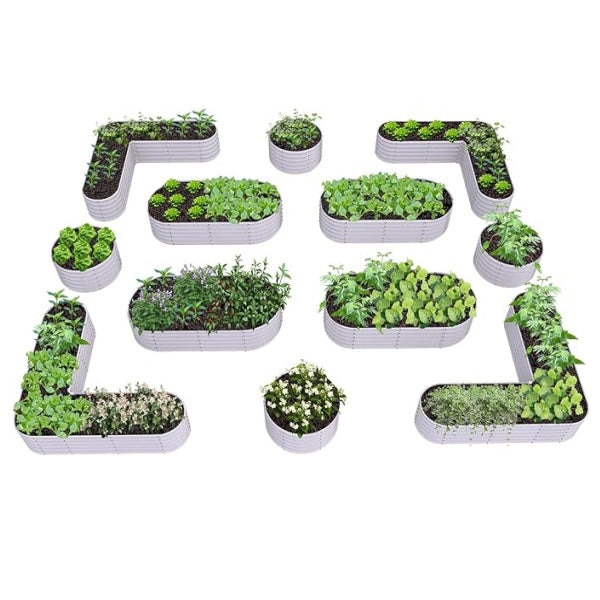



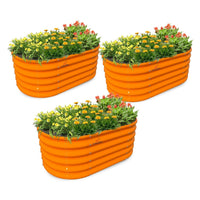
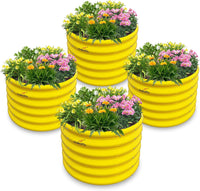
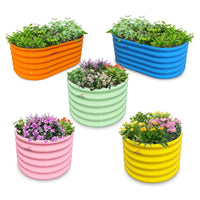
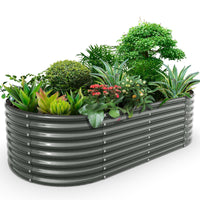



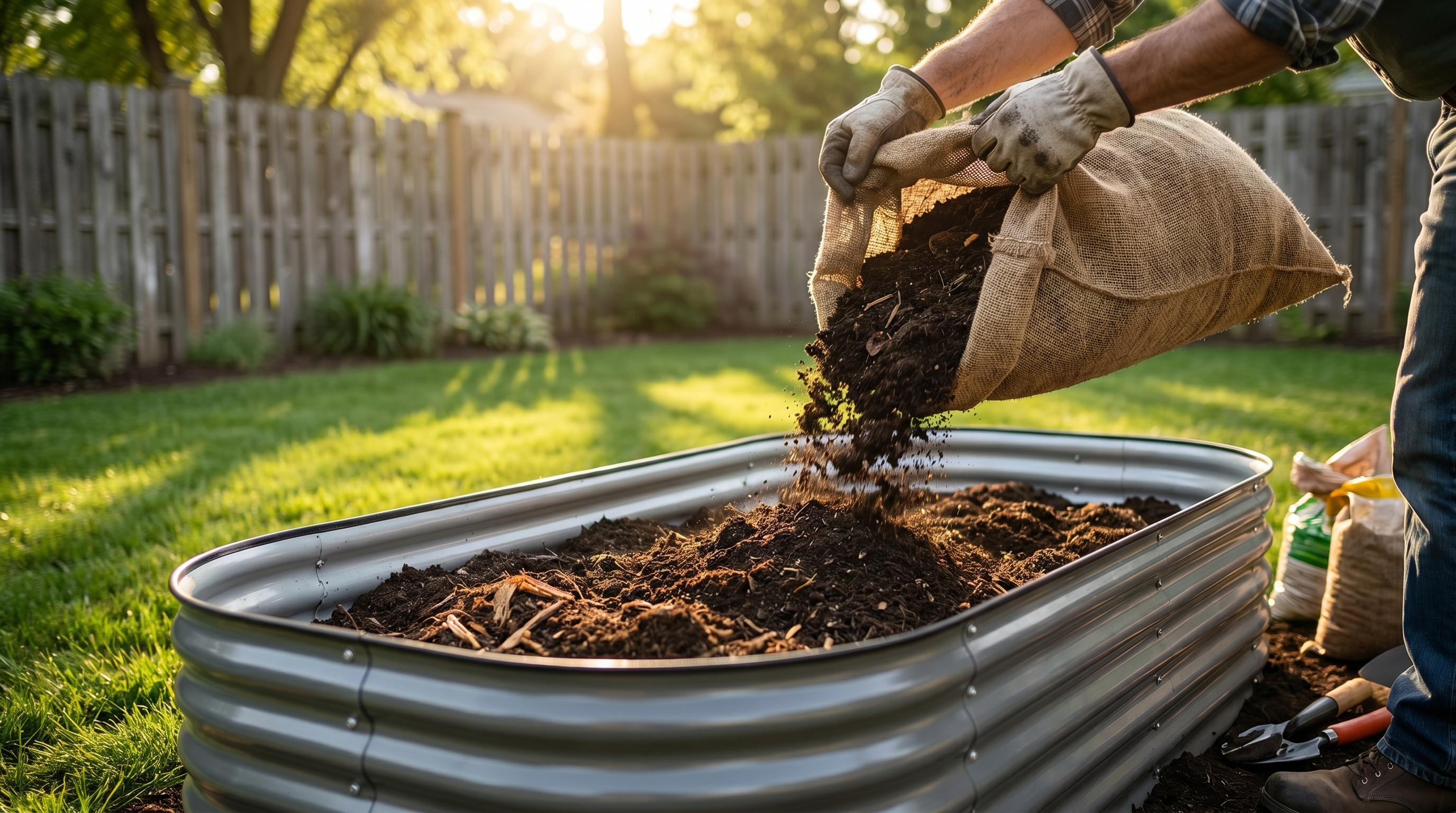
ALT: Gardener refreshing raised garden bed soil with compost and organic amendments for a productive new growing season
Why Annual Soil Renewal Is the Secret to a Thriving Raised Bed Garden
Key Conclusion: Refreshing and rebuilding raised garden bed soil each year is the single most impactful maintenance habit you can build as a home gardener. Healthy, nutrient-rich soil directly determines the productivity, flavor, and vitality of everything you grow. Whether you're managing a raised bed garden layout for vegetables, herbs, or flowers, a structured annual soil renewal process replenishes organic matter, restores microbial life, and corrects pH imbalances—giving your plants the best possible foundation season after season.
Most gardeners invest heavily in choosing the right raised bed planting layout, selecting quality seeds, and picking the perfect location—yet overlook the single most important factor: the living soil beneath their plants. Soil in a raised bed is a closed ecosystem. Unlike in-ground gardens, it cannot draw on the subsoil layers for replenishment, which means what you put in is what your plants have to work with.
Annual soil renewal isn't complicated, but it is essential. Done right, it transforms tired, compacted, nutrient-depleted soil into a rich, spongy growing medium that produces abundantly. This guide walks you through every step, from diagnosing soil problems to layering amendments like a pro—so your raised bed layout performs better each year than it did the last.
Who Should Follow This Annual Soil Renewal Guide
✅ Applicable Scenarios:
- Home gardeners who have been growing in the same raised bed for one or more seasons and notice declining plant vigor or yields
- Urban micro-gardeners working with limited space who need to maximize every square inch of their raised bed planting layout
- Eco-conscious growers who want to maintain soil health using organic, sustainable methods
- Empty nesters and retirees who garden for enjoyment, wellness, and fresh food, and want a low-effort but high-reward maintenance routine
- Anyone preparing a new or expanded raised bed garden layout ahead of spring planting
❌ Not Applicable/Cautions:
- Gardeners growing plants that specifically require poor, fast-draining soil (such as lavender or certain Mediterranean herbs)—over-amending with rich compost can actually harm these plants
- Those using brand-new raised beds filled with fresh Mel's Mix or high-quality blended soil in the current season—a full soil rebuild may not be necessary until year two or three
- Gardeners in climates with year-round growing seasons should adjust the renewal schedule rather than following a strict spring-only protocol
The Problem With Leaving Raised Bed Soil Untouched Year After Year
When you first fill a raised bed, the soil feels perfect: light, fluffy, and full of nutrients. But within one growing season, that dynamic changes significantly. Plants consume nitrogen, phosphorus, potassium, and dozens of trace minerals. Roots break down and leave behind carbon residue. Watering compacts the soil over time, reducing aeration. Microbial communities shift depending on what you grew and what you added.
According to research supported by the UC ANR (University of California Agriculture and Natural Resources), soil organic matter naturally breaks down at a rate of approximately 5–10% per year in active garden beds. This means that even if you started with a beautifully blended mix, after three seasons without amendment, you could be dealing with a much less productive growing environment—one that holds water poorly, drains unevenly, and struggles to support strong root development.
The good news? Raised beds are easier to maintain than in-ground gardens precisely because they're contained and accessible. You control everything that goes into them. A few hours of intentional soil work each year—ideally in late fall or early spring—can fully restore that first-year magic, and then some.
Common signs your raised bed soil needs renewal:
- Plants that look pale, stunted, or slow to establish
- Soil that cracks when dry or becomes waterlogged when wet
- A noticeable drop in harvest quantity or quality compared to previous seasons
- Visible surface crusting or a lack of earthworm activity
- Persistent pest or disease pressure in the same crop families
If you're planning a complete redesign of your raised bed layout—adding new beds, reconfiguring pathways, or upgrading to a longer-lasting metal structure—this is also the perfect time to address soil health from the ground up.
The Complete Process: How to Refresh and Rebuild Your Raised Bed Soil Step by Step
Three-Step Quick Start for Busy Gardeners
Step 1: Assess and Clear the Bed
Before adding anything new, take stock of what's already there. Remove all plant debris, spent roots, and any weeds. Use a garden fork to gently loosen the existing soil without fully turning it—this preserves beneficial fungal networks. Check for signs of compaction, poor drainage, or unusual odors. This initial assessment takes about 20–30 minutes per 4×8 bed and tells you exactly which amendments are most needed.
Step 2: Amend and Layer
Based on your assessment, add a 2–4 inch layer of finished compost across the entire surface. Then incorporate targeted amendments: blood meal or feather meal for nitrogen, bone meal for phosphorus, greensand or kelp meal for potassium and micronutrients. If needed, adjust pH with lime (to raise) or sulfur (to lower). Use a broadfork or garden fork to incorporate amendments into the top 6–8 inches of soil. This step takes 30–60 minutes and is the most impactful part of the entire process.
Step 3: Top-Dress and Protect
Once amended, apply a 1–2 inch layer of mulch—straw, wood chips, or shredded leaves work well—to protect the soil surface, retain moisture, and continue feeding microbial life over time. If you're not planting immediately, cover the bed with a frost cloth or burlap to prevent erosion and nutrient leaching. This final step takes 15–20 minutes and sets your soil up for success before the first seed or transplant goes in.
Comparing Soil Renewal Approaches: Which Method Is Right for You?
Not every gardener starts from the same place. Some are refreshing well-established beds; others are rebuilding from scratch after a difficult season. Here's a side-by-side comparison of the three most common soil renewal approaches:
| Comparison Dimension | Light Refresh | Moderate Rebuild | Full Replacement |
|---|---|---|---|
| Best For | Beds performing well with minor fatigue | Beds with clear nutrient deficiency or compaction | Beds with severe disease, pests, or degraded fill |
| Effort Level | Low (1–2 hours) | Moderate (2–4 hours) | High (half day or more) |
| Cost | Low ($10–$30 in compost) | Moderate ($30–$80 in amendments) | Higher ($80–$200+ for fresh soil) |
| Organic Matter Added | 1–2 inches of compost | 2–4 inches compost + targeted amendments | Fully blended new soil mix |
| Disruption to Soil Life | Minimal | Low to moderate | High (start over) |
| Recommended Frequency | Annually for healthy beds | Every 1–2 years as needed | Every 4–6 years or after disease outbreak |
| Suitable for Anleolife Metal Beds | ✅ | ✅ | ✅ |
| Eco-Friendly | ✅ | ✅ | ⚠️ (use organic blends) |
For most home gardeners maintaining a well-designed raised bed planting layout, a moderate rebuild every year with occasional light refreshes between major seasons is the ideal rhythm. This keeps input costs manageable while maintaining consistently productive soil.
Deep Dive: Understanding Soil Layers, Amendments, and Timing
Reading Your Soil Before You Amend
The first rule of effective soil renewal is this: don't guess, test. A basic home soil test kit (available at most garden centers for under $20) or a mail-in test through your local cooperative extension service gives you pH, nitrogen, phosphorus, and potassium levels within days. The OSU Extension Service recommends testing raised bed soil every 1–2 years to catch imbalances before they become problems.
Ideal raised bed soil parameters:
- pH: 6.0–7.0 for most vegetables
- Organic matter: 5–10% by volume
- Texture: Loose, crumbly, able to hold shape when squeezed but break apart easily
Once you have your test results, you can make targeted amendments rather than guessing. This saves money and prevents the common mistake of over-fertilizing, which can actually burn roots or throw off soil chemistry.
The Lasagna Layering Technique for Annual Rebuilds
One of the most effective and sustainable methods for rebuilding raised bed soil is the lasagna layering technique—also called sheet mulching. Rather than fully replacing your existing soil, you build upward by layering organic materials that decompose in place, feeding soil life and improving structure simultaneously.
Here's a proven layering sequence for spring rebuilds:
- Base layer: Dampen existing soil and loosen with a broadfork
- Nitrogen layer: Thin layer of blood meal, composted manure, or coffee grounds
- Carbon layer: Shredded leaves, straw, or wood chip material (2–3 inches)
- Compost layer: Mature finished compost (2–3 inches)
- Top dressing: A thin layer of worm castings or aged compost mixed with a little native soil
This layered approach mimics how forest floors naturally regenerate and is particularly effective in raised bed garden layouts that have been in use for 2+ years.
Key Organic Amendments and What They Do
Understanding your amendments empowers you to make smarter decisions each season:
Compost is the foundation of any soil renewal plan. It adds organic matter, improves drainage and water retention simultaneously, introduces beneficial microbes, and releases nutrients slowly. Use 2–4 inches per renewal cycle.
Worm castings are a premium amendment rich in beneficial bacteria, enzymes, and plant-available nutrients. Even a small amount (1/2 inch top-dressed) significantly improves microbial activity.
Kelp meal provides over 60 trace minerals and natural growth hormones. It's an excellent all-around conditioner that works synergistically with other amendments.
Biochar is a game-changer for long-term soil health. This activated charcoal material improves water retention, increases microbial habitat, and persists in soil for centuries. It's particularly valuable in beds with sandy or fast-draining fill.
Mycorrhizal inoculants can be worked into the soil or applied directly to transplant roots. These beneficial fungi form symbiotic relationships with plant roots, dramatically improving nutrient uptake—especially phosphorus.
Timing: When to Renew Soil for Maximum Impact
Fall renewal is ideal for gardeners in cold climates. Amending in the fall gives organic materials the entire winter to break down and integrate into the soil. By spring, the bed is biologically active and ready to plant immediately.
Spring renewal works well in warmer climates or for gardeners who didn't get to it in the fall. Aim to complete soil work 2–4 weeks before your anticipated planting date, giving amendments time to stabilize.
Between-season top-dressing (mid-summer) is a lighter intervention—just 1 inch of compost worked gently into the top few inches—that provides a mid-season nutrient boost without disturbing plant roots.
Seasonal Crop Rotation and Its Impact on Soil Health
Annual soil renewal is most effective when paired with intentional raised bed layout planning and crop rotation. Different plant families draw on different nutrient pools and leave different residues behind. Rotating crops—for example, following heavy-feeding tomatoes with nitrogen-fixing legumes—reduces the demand for external amendments and naturally rebuilds soil fertility.
A simple four-quadrant rotation system for a raised bed planting layout:
- Zone 1: Heavy feeders (tomatoes, squash, corn)
- Zone 2: Light feeders (carrots, beets, herbs)
- Zone 3: Legumes (beans, peas, clover as cover crop)
- Zone 4: Brassicas (cabbage, kale, broccoli)
Rotate each group one zone clockwise each season. This simple system, combined with annual organic amendments, creates a self-reinforcing cycle of soil health.
A Real-World Example: The Johnson Family's 3-Year Raised Bed Transformation
Consider a practical scenario: a family in the Pacific Northwest installed four 4×8 metal raised beds in their backyard three years ago. In year one, harvests were abundant. By year two, yields from tomatoes and peppers began dropping noticeably. By year three, they were dealing with blossom end rot (a calcium deficiency symptom) and slow-growing lettuce.
After a soil test revealed low calcium, moderate pH (6.2), and significantly depleted organic matter, they implemented a full moderate rebuild: 3 inches of compost, a calcium amendment (gypsum), kelp meal, and mycorrhizal inoculants. They also rotated crops into a new four-zone plan.
The following season? Full recovery—and harvests that exceeded even year one. This is the compounding power of intentional annual soil care.
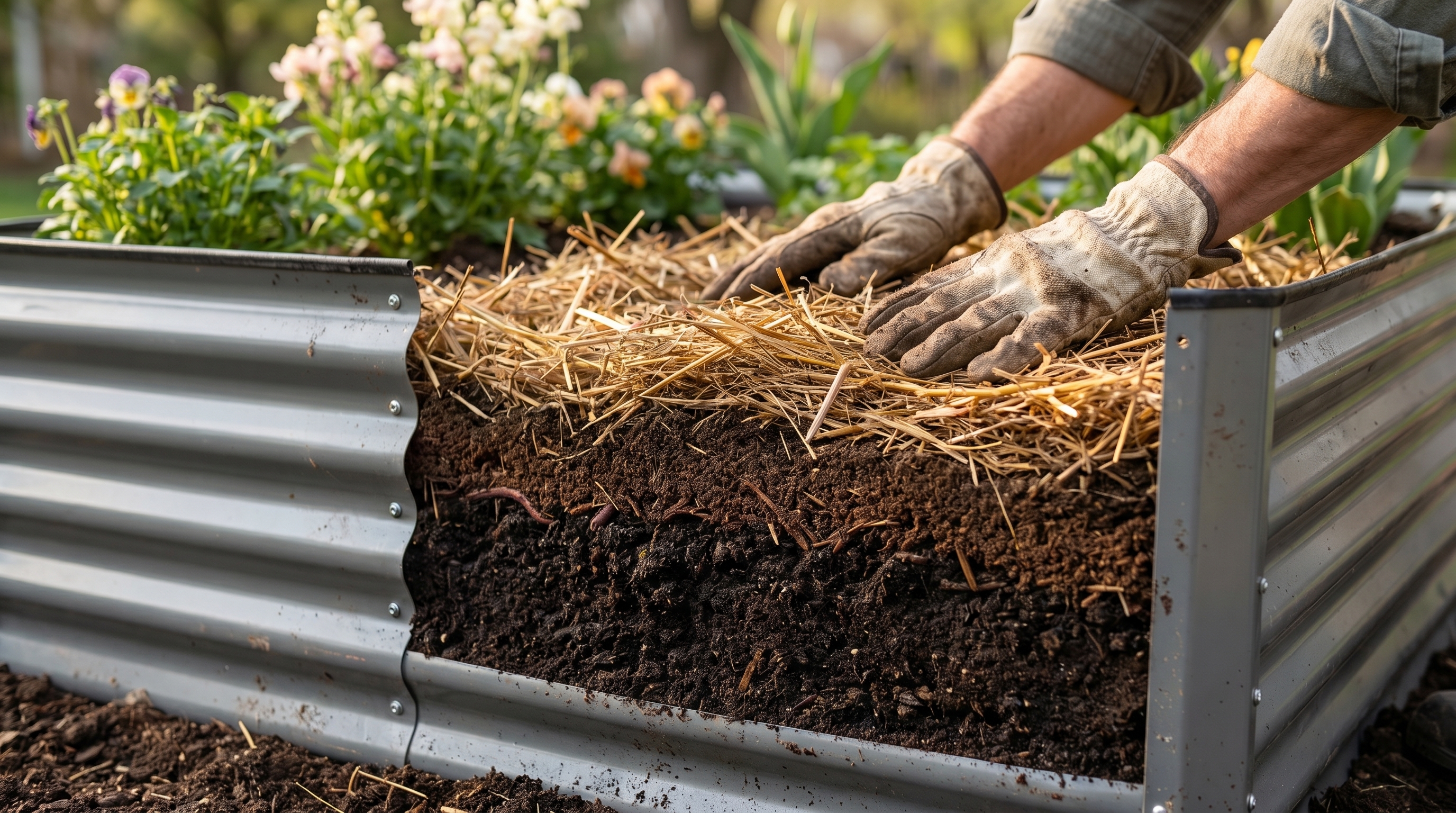
ALT: Close-up of layered raised garden bed soil with compost, worm castings, and organic mulch being refreshed for spring planting season
Advanced Soil Strategies: Going Beyond Basic Amendments
Dealing With Common Problem Scenarios
Persistent waterlogging: If your raised bed drains poorly even after amending, the issue may be at the bottom of the bed rather than in the soil mix itself. Check that drainage holes or a gravel base layer hasn't become blocked. Add perlite (10–15% by volume) to your next rebuild to permanently improve drainage.
Soil that stays too dry: Sandy soils or beds in hot, windy locations often lose moisture too quickly. Incorporate biochar (5% by volume) and increase compost levels to 30–40% of your total mix. A permanent layer of organic mulch on the surface will also dramatically reduce evaporation.
Recurring disease pressure: If you've battled the same fungal disease (like early blight or powdery mildew) for two or more seasons, the pathogen may have established itself in the soil. A full soil replacement with sterilized blended mix—combined with a switch in crop families for that zone—is the most reliable solution.
Clearing Up Three Common Myths
Myth 1: "More compost is always better."
Excess compost can lead to nutrient imbalances, particularly excess nitrogen, which promotes lush foliage at the expense of fruit. Stick to the recommended 2–4 inch annual application and supplement with targeted amendments as needed.
Myth 2: "You need to fully replace soil every year."
This is unnecessary for well-maintained beds and is actually counterproductive—it destroys the beneficial microbial networks and fungal communities you've worked hard to build. Reserve full replacement for problem beds only.
Myth 3: "Soil renewal is only for vegetable beds."
Flower beds, herb gardens, and pollinator plantings in raised beds also benefit enormously from annual organic matter replenishment. Healthy soil grows healthy plants of all kinds.
How Soil Health Connects to Bed Structure
Your soil renewal strategy is closely linked to the quality and longevity of your raised bed structure. A premium metal raised bed—designed to last 20 years like those offered by Anleolife—allows you to invest in progressive, long-term soil building without worrying about replacing the bed itself. When your structure is permanent, your soil ecosystem can compound in health and complexity year over year, just like a small forest floor building organic layers over decades.
Frequently Asked Questions
Q1: How often should I fully replace the soil in my raised garden bed?
For most well-maintained raised beds, a full soil replacement is only necessary every 4–6 years—or following a severe disease outbreak. Annual organic amendments (compost, worm castings, targeted minerals) are sufficient to maintain productivity in healthy beds. The USDA's soil health research supports the value of continuous organic matter input over full replacement, as it preserves the soil food web and reduces costs. Monitor your plants and do a soil test every 1–2 years to guide your decisions rather than following a fixed schedule.
Q2: Is it necessary to test soil before adding amendments to a raised bed?
While not strictly required, soil testing is strongly recommended before any significant amendment program. Without a baseline, you risk over-applying certain nutrients—particularly nitrogen and phosphorus—which can harm plant development and contribute to nutrient runoff. A basic test kit costs under $20 and takes minutes to use. The UC ANR and OSU Extension both provide mail-in soil testing programs with detailed amendment recommendations tailored to your region, making it one of the highest-value investments a serious home gardener can make.
Q3: How long does it take to complete an annual raised bed soil refresh, and what does it cost?
A light annual refresh for a standard 4×8 raised bed typically takes 1–2 hours and costs $15–$40 in compost and minor amendments. A more thorough moderate rebuild takes 2–4 hours and may cost $40–$80 depending on the amendments needed. Spreading this work across fall (primary rebuild) and spring (light top-dress) keeps the time commitment manageable. Over the 20-year lifespan of a quality metal raised bed like those from Anleolife, this modest annual investment compounds into exceptional long-term soil productivity.
Summary
Annual soil renewal is one of the most powerful and cost-effective practices any raised bed gardener can adopt. Three core principles drive long-term success:
First, consistency beats intensity. A modest annual refresh—2–4 inches of compost, targeted amendments, and a fresh layer of mulch—outperforms sporadic heavy interventions every time. Build it into your gardening calendar the same way you'd schedule planting dates.
Second, work with your soil, not against it. The goal of soil renewal isn't to sterilize and replace—it's to feed and support the living ecosystem beneath your plants. Organic amendments, crop rotation, and light-touch cultivation techniques preserve the fungal networks and bacterial communities that do the hardest work for you.
Third, structure and soil are partners. A durable raised bed is a multi-decade investment. When your bed structure lasts—as it should when built from quality materials—your soil can build in complexity and health year after year, creating a compounding return on your gardening investment.
Your next step: walk out to your raised beds today and give the soil a simple squeeze test and visual inspection. Note any signs of compaction, crusting, or color changes. Then start planning your amendment list for the upcoming season. The most productive gardens aren't built in a single season—they're grown, layer by layer, year by year.
Ready to Upgrade Your Garden Foundation?
Anleolife supports your garden at every stage—from the soil up. With a nationwide U.S. warehouse network strategically located in California, Texas, Florida, New York, Illinois, and Washington, Anleolife ensures delivery within 3–8 business days, so your garden upgrade plans never have to wait through a long shipping window.
Anleolife products are available on major platforms including Amazon, Walmart, Home Depot, Lowe's, Wayfair, and the official Anleolife.com website, offering consistent quality and reliable after-sales support no matter where you shop.
Anleolife's three core garden scenarios have you covered end to end:
- Planting: Metal raised garden beds built to last 20 years, plus complete soil systems
- Raising: Chicken coops, rabbit hutches, and small animal habitats
- Beautification: Decorative accessories, pathway systems, and garden accents
We understand that an ideal garden isn't built overnight—it's gradually improved over time. Our modular product design allows flexible expansion based on your needs, whether you're starting with your first 8×4×2 raised bed or growing into a fully integrated planting-and-raising ecosystem. We grow with you every step of the way.
👉 Explore the full Anleolife collection at anleolife.com and find the raised bed and soil system that fits your space, your goals, and your lifestyle.
References
This article is based on the following official materials (as of January 2026):
- [USDA]. "Soil Health Resources and Research." https://www.usda.gov/
- [EPA]. "Composting at Home and Organic Waste Management." https://www.epa.gov/
- [UC ANR]. "Home Vegetable Gardening and Soil Management Resources." https://ucanr.edu/
- [OSU Extension]. "Raised Bed Gardening and Soil Testing Guidance." https://extension.oregonstate.edu/
Note: Soil science recommendations may be updated as new research emerges. Please consult the latest official documents or a local cooperative extension service for region-specific advice.
About Anleolife
Anleolife is a leading outdoor garden solutions provider in North America, dedicated to offering a full-scenario product ecosystem for home gardening enthusiasts, covering planting, raising, and garden beautification. Since its founding, Anleolife has upheld its brand mission, "Made for Garden Life," continuously innovating products and optimizing services to help hundreds of thousands of users upgrade their gardens, reconnect with nature, and enjoy a better garden lifestyle.
From premium metal raised garden beds engineered for a 20-year lifespan, to thoughtfully designed chicken coops and decorative garden accessories, every Anleolife product is built with the real home gardener in mind—practical, durable, and beautiful enough to enhance any outdoor space. Whether you're just starting your first raised bed or expanding into a multi-bed growing system, Anleolife is the partner you can grow with for decades to come.