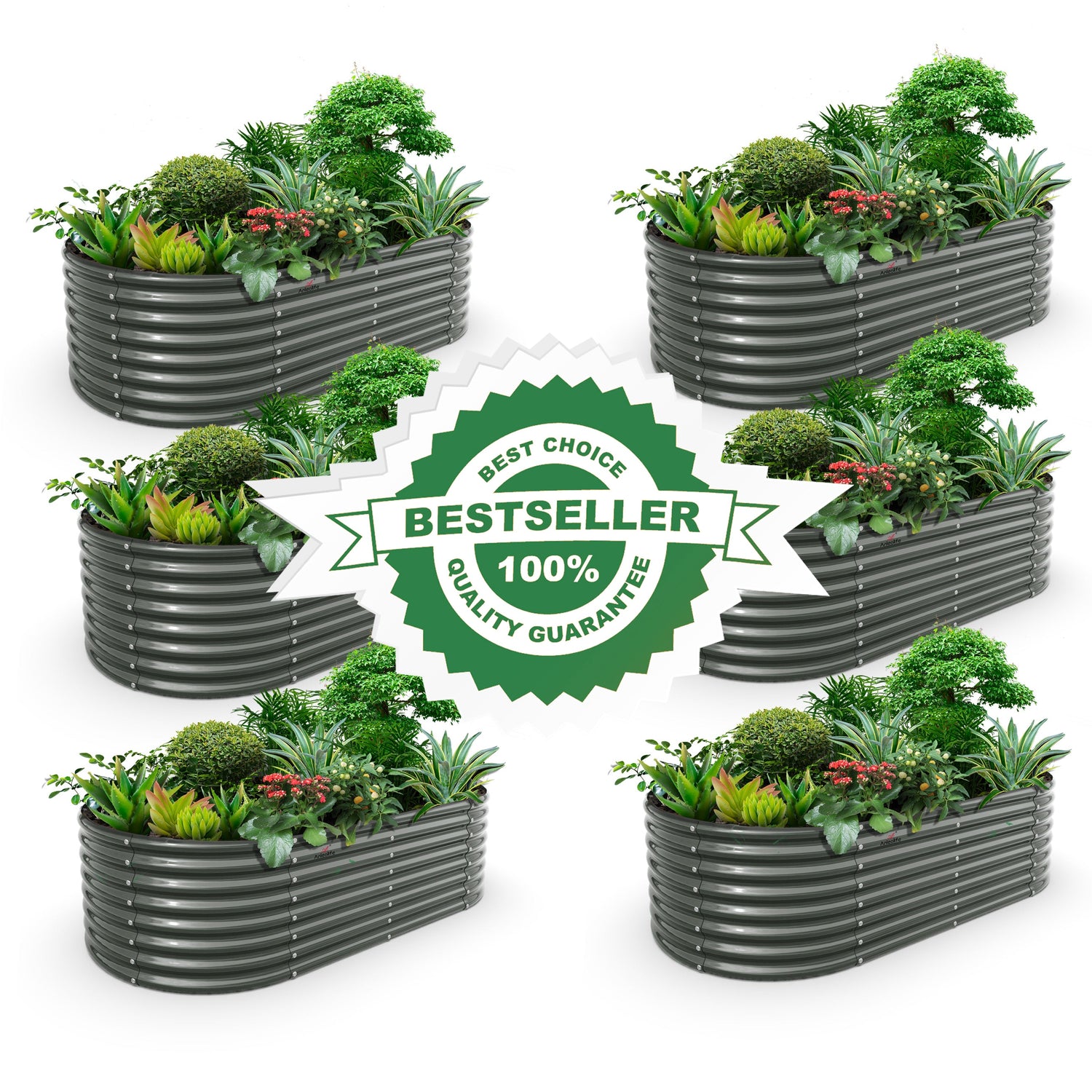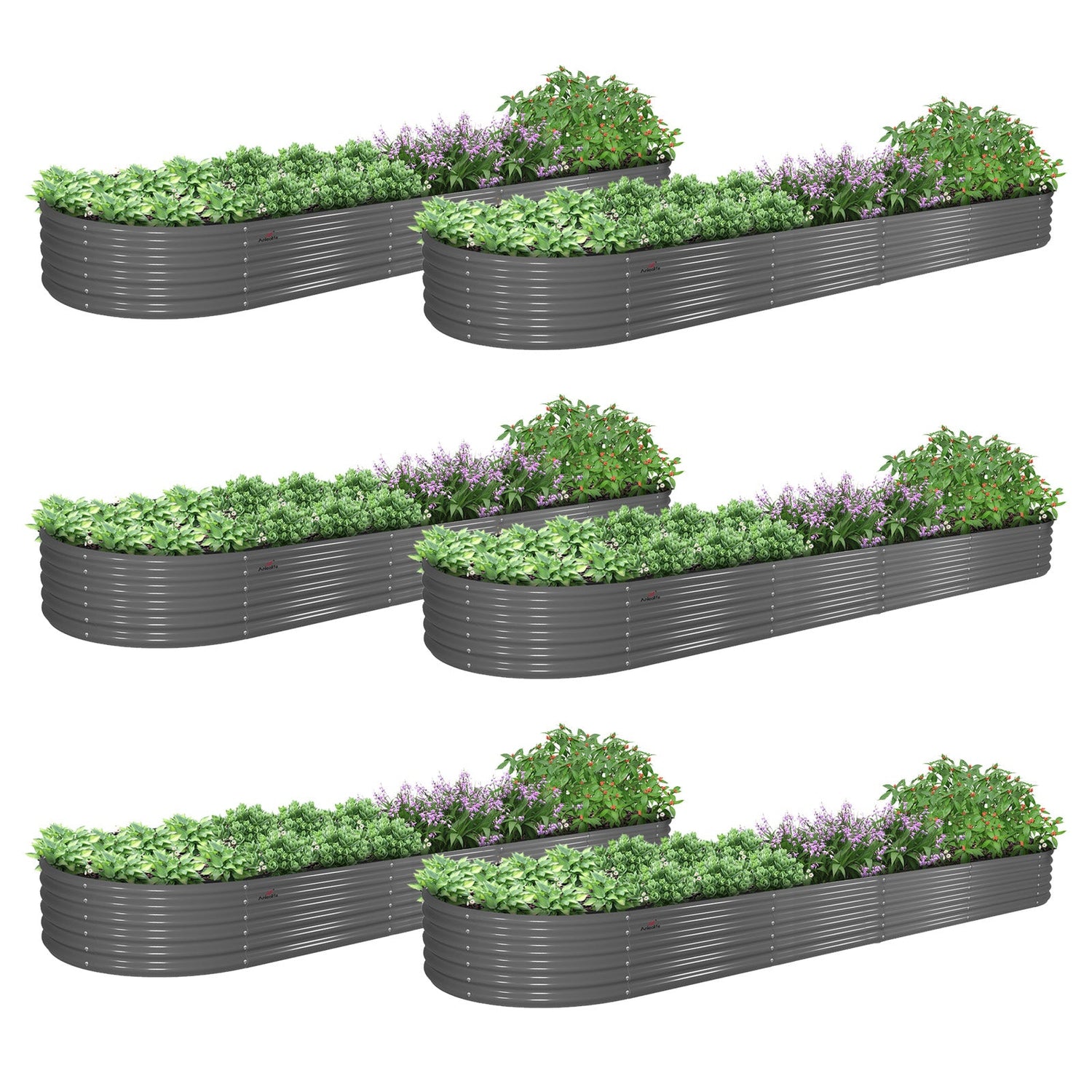



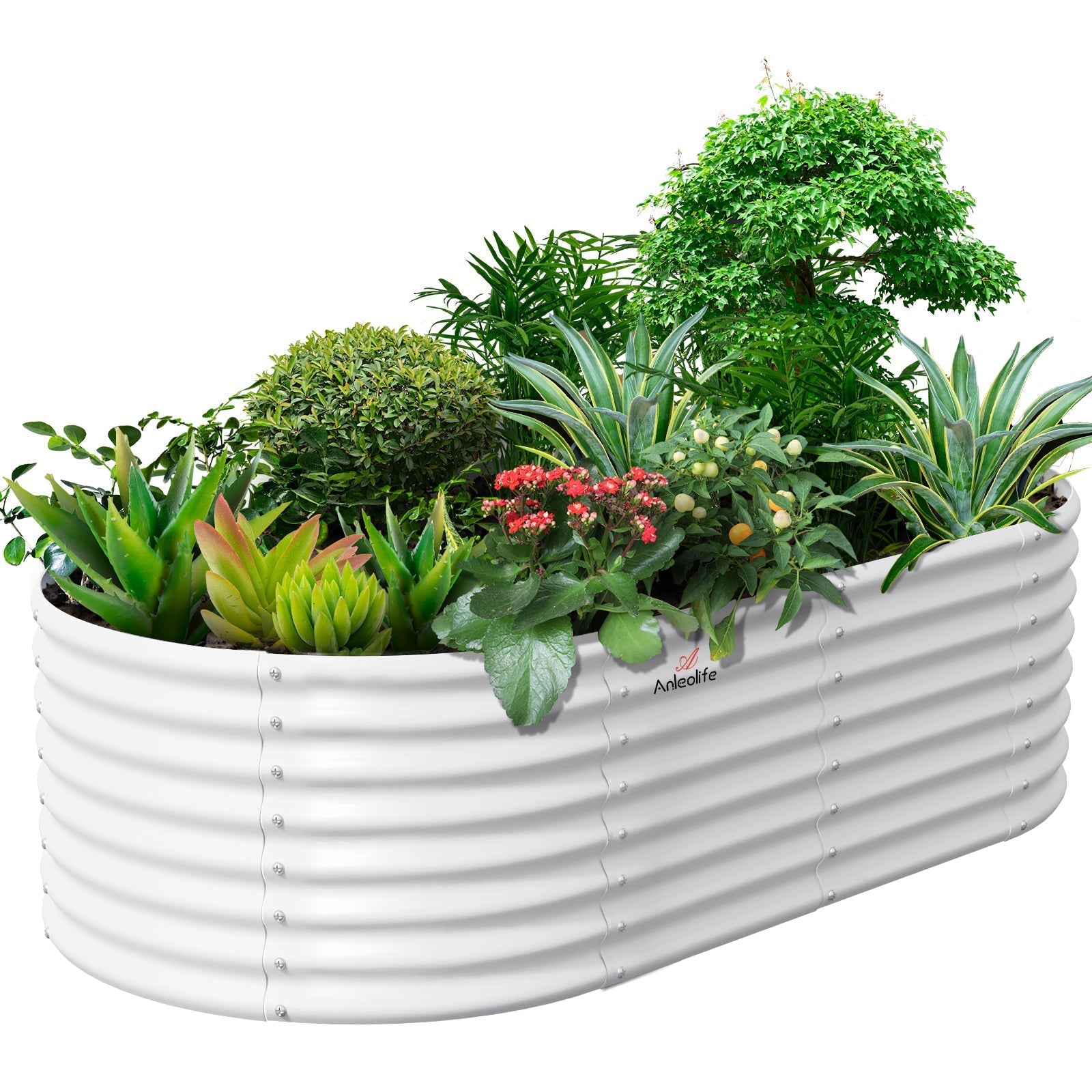
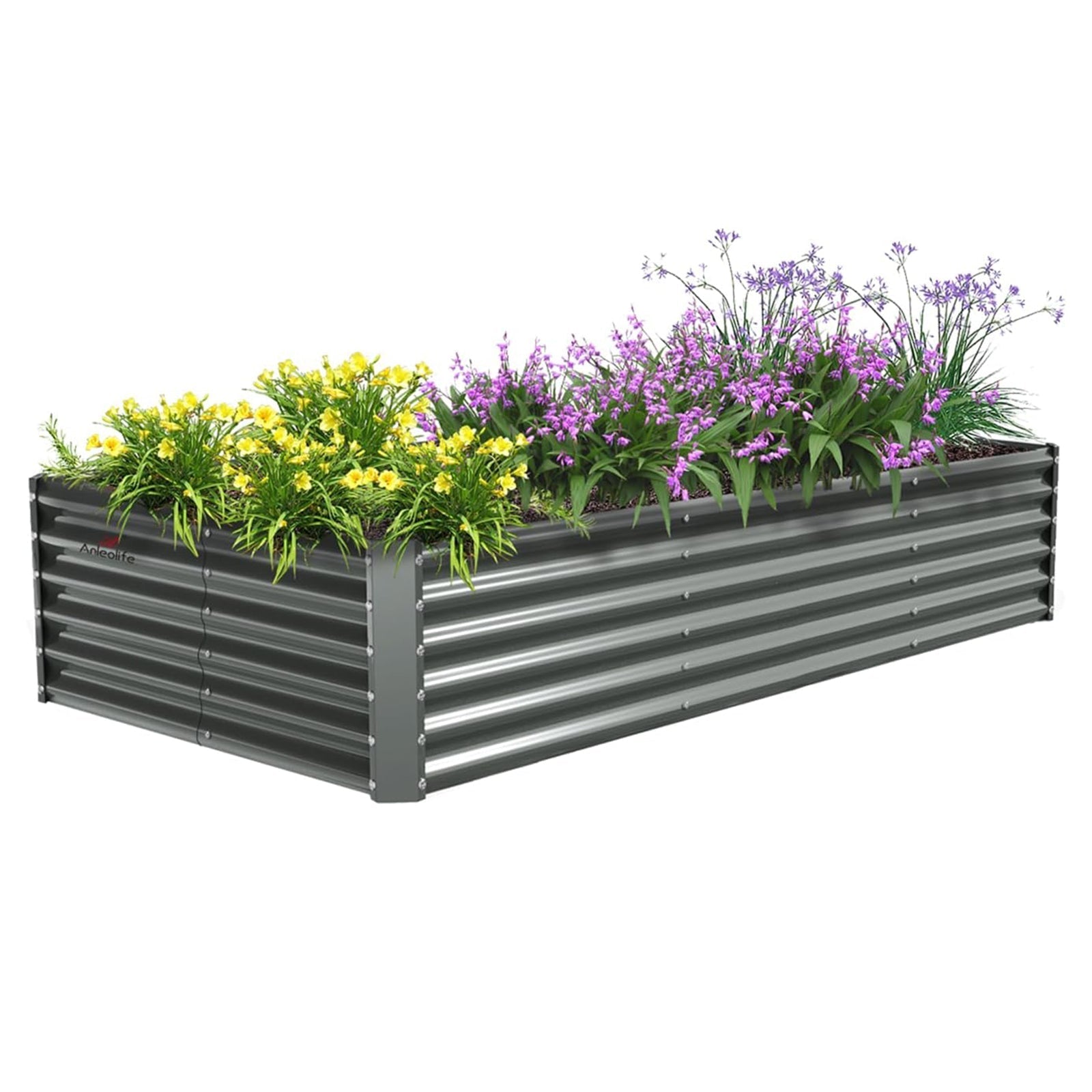

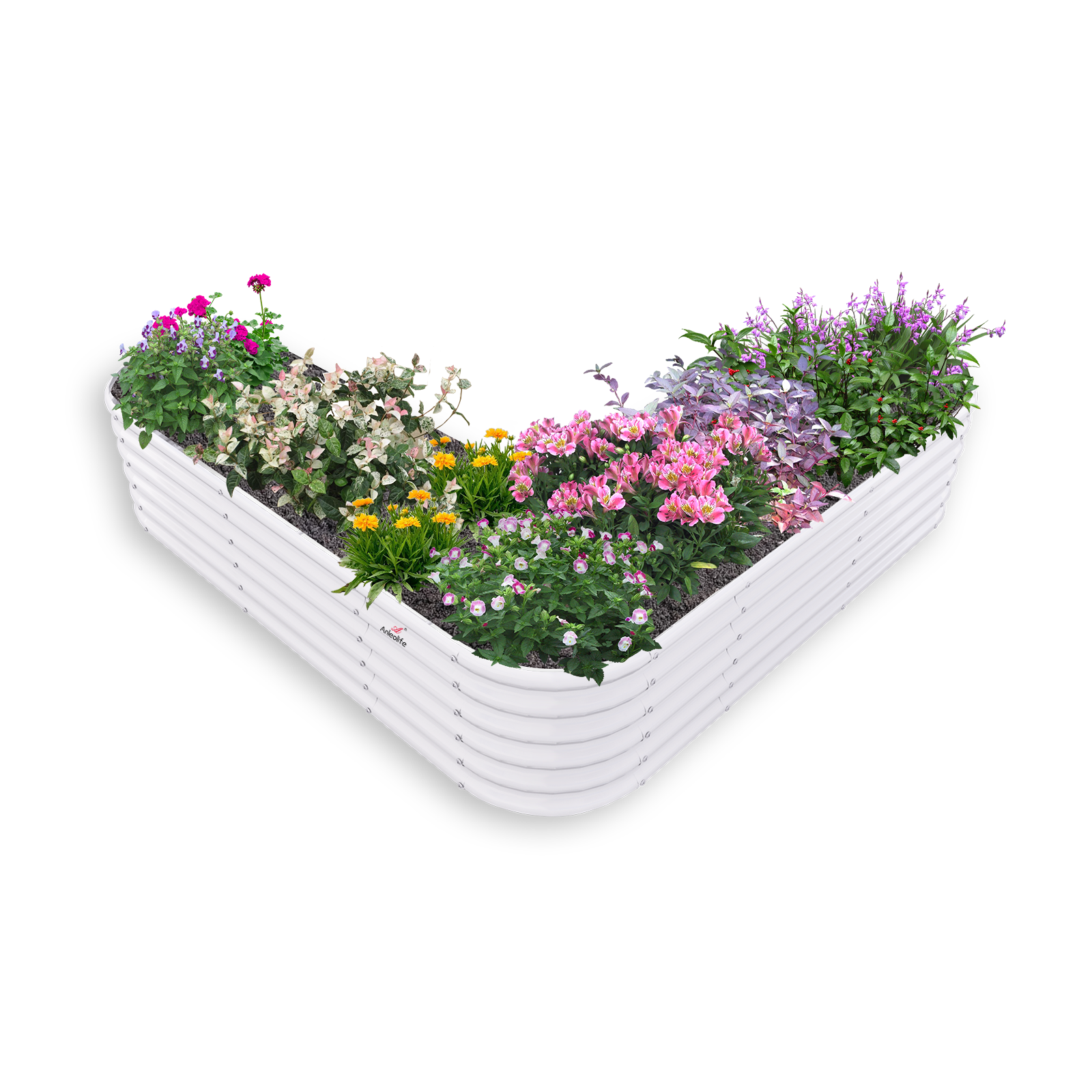
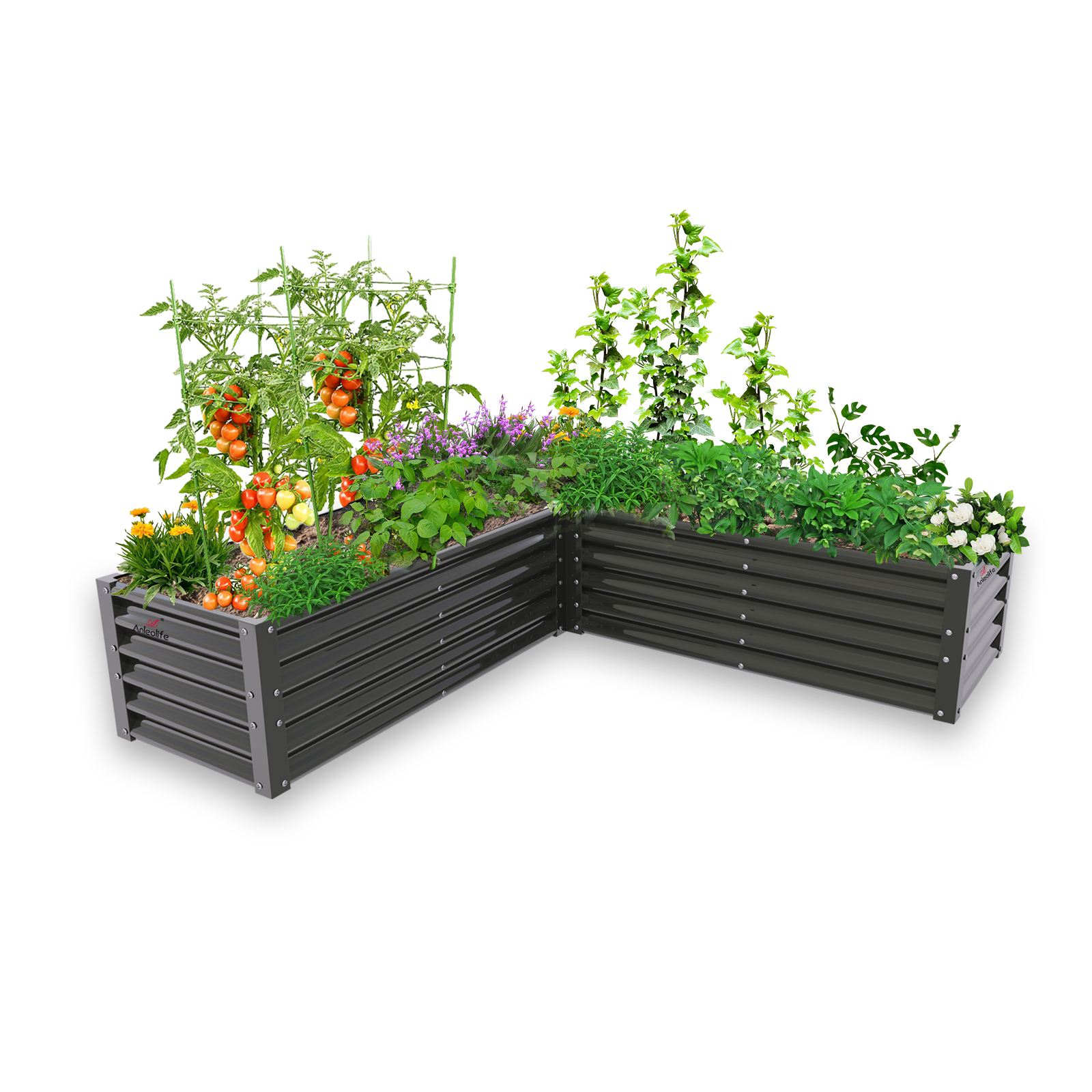
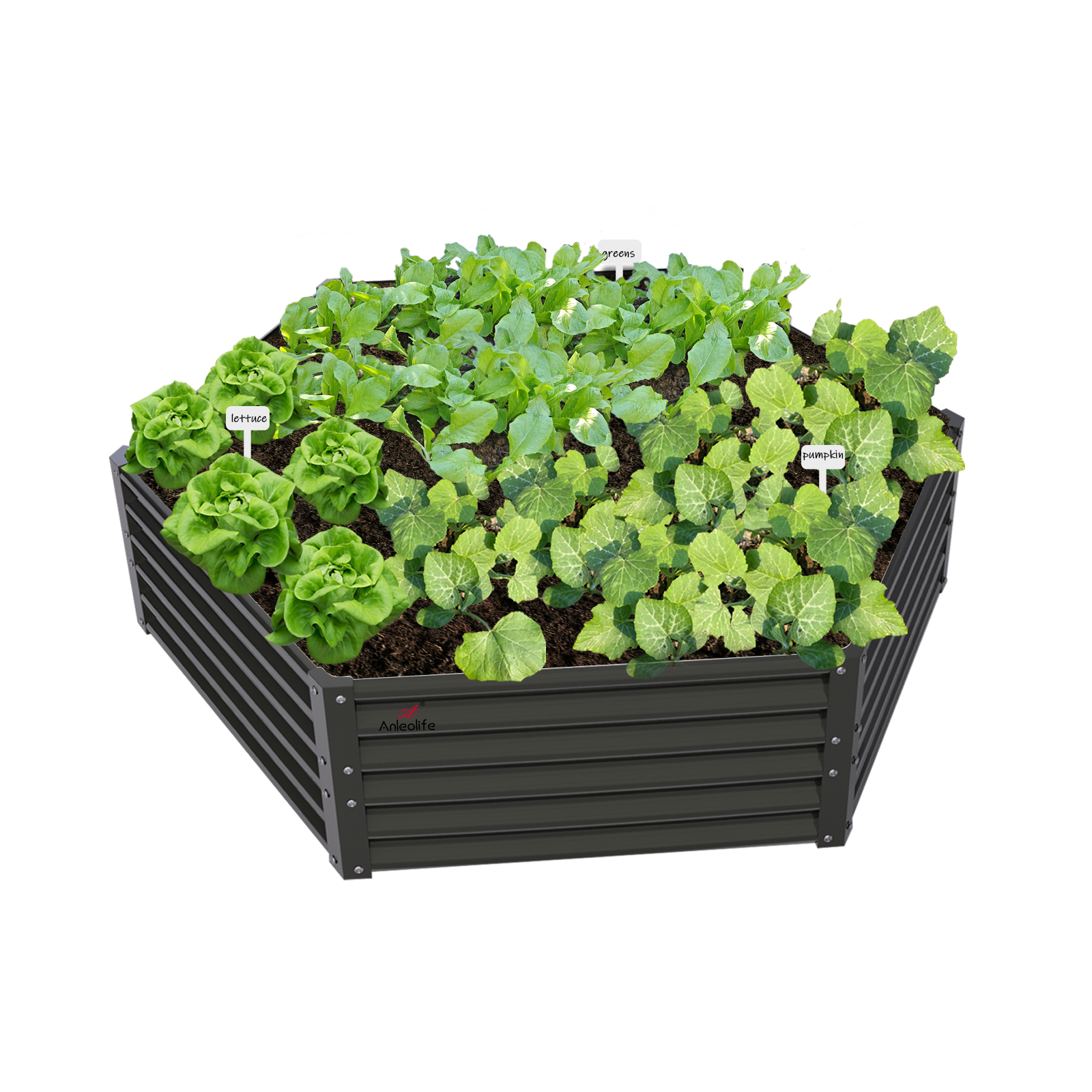
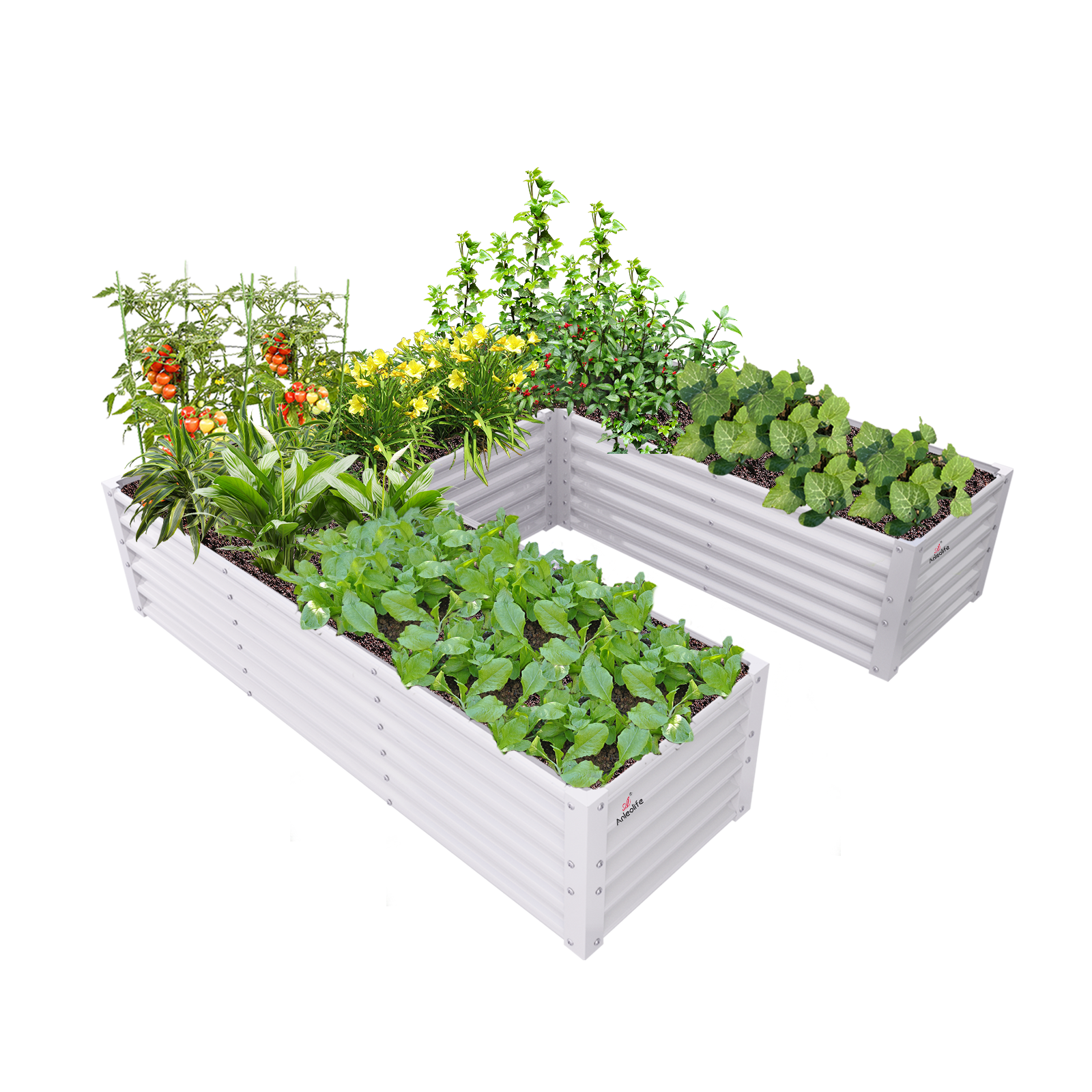

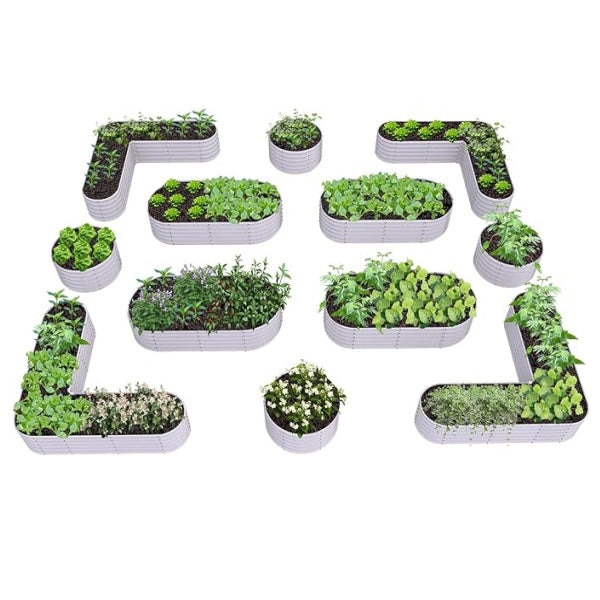


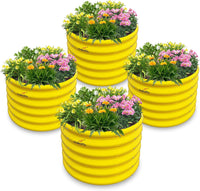
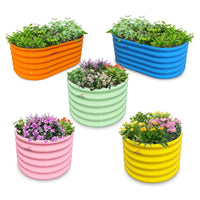
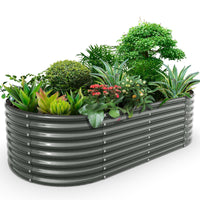



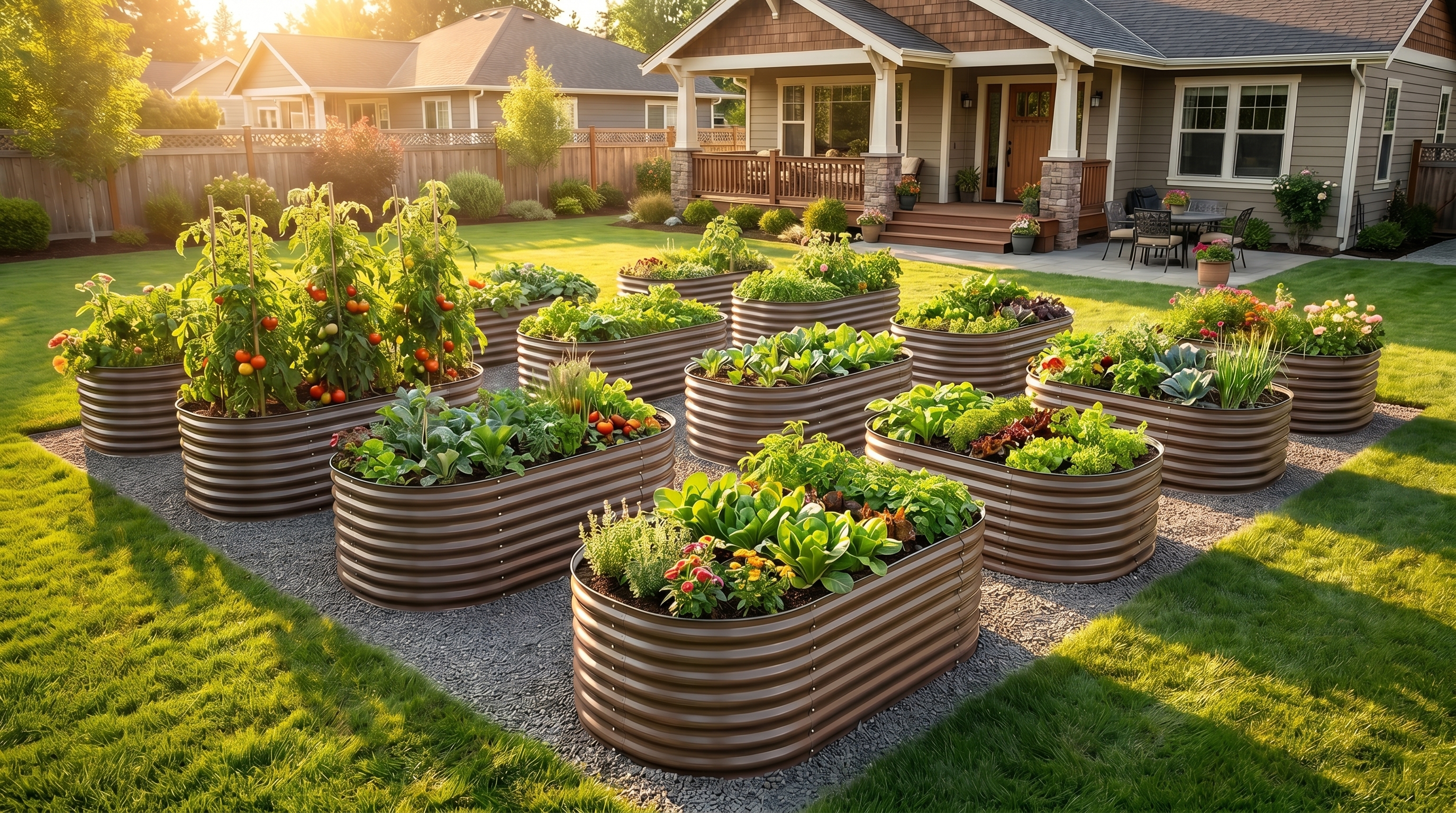
ALT: Modular raised garden beds scaling up into a full backyard transformation with thriving vegetables and organized garden system
How a Modular Garden System Can Completely Transform Your Backyard
Key Conclusion: Scaling up a modular garden system is one of the most rewarding investments a home grower can make. By starting with a single raised bed and strategically expanding outward, you can transform an unused backyard into a productive, beautiful, and deeply personal outdoor sanctuary. Whether you're integrating chicken coops, adding firewood log racks for rustic charm, or accenting pathways with kinetic wind spinners, a well-planned modular approach ensures every addition serves both function and beauty—growing with you at your own pace.
If you've ever looked out at your backyard and felt the itch to do more with it, you're not alone. Millions of American homeowners are discovering that the key to a truly transformed outdoor space isn't a single grand renovation—it's a thoughtful, scalable system built piece by piece.
Modular garden systems make this possible. They allow you to start small, test what works, and then expand with confidence. And with durable galvanized steel raised beds at the core, your investment isn't just seasonal—it's built to last up to 20 years, giving you decades of growing potential.
Who This Guide Is For: Scenarios Where Scaling Up Makes Sense
✅ Applicable Scenarios:
- Homeowners with underused backyard space who want to convert lawn into productive growing areas
- Families who started with one or two raised beds and are ready to build a full garden ecosystem
- Empty nesters and retirees looking to create a meaningful, manageable outdoor hobby space that can evolve over time
- Health-conscious growers who want to expand homegrown food production and reduce grocery dependence
- Garden enthusiasts who want to integrate planting, raising (chickens, rabbits), and beautification into one cohesive backyard system
❌ Not Applicable/Cautions:
- Renters or those in temporary housing where permanent installation isn't possible (though modular beds can still work with landlord permission)
- Properties with extreme soil contamination issues that require professional remediation before any raised-bed installation
- Homeowners in HOA communities without first reviewing local guidelines on raised bed placement, enclosure structures, and decorative additions
Why Backyard Transformation Starts With a Modular Mindset
The idea of "transforming your backyard" can feel overwhelming. Most people picture a single massive weekend project, a huge budget commitment, and a team of contractors. The reality is far more manageable—and far more satisfying—when you embrace a modular approach.
A modular garden system works by breaking your backyard into functional zones that can be built, connected, and expanded over time. You don't need to do everything at once. Instead, you build a framework that grows with your life, your budget, and your gardening ambitions.
In recent years, the raised bed gardening movement has exploded across North America. According to the National Gardening Association, food gardening participation has surged significantly since 2020, with millions of new growers entering the hobby each year. This isn't just a trend—it's a lifestyle shift. People want fresher food, greater self-sufficiency, and more meaningful ways to spend time outdoors.
What's driving this shift toward modular systems specifically? Three things: flexibility, durability, and scalability. Unlike permanent hardscaping like concrete patios or built-in planters, modular raised beds can be rearranged, supplemented, or relocated. They're designed to adapt.
If you're just beginning to think about how to size your beds for maximum productivity, The Ultimate Raised Garden Bed Sizing Guide for Summer 2026: Find Your Perfect Fit is an excellent starting point. It breaks down sizing options based on your space, crop goals, and physical needs—helping you build a smarter foundation from day one.
The key insight here is this: your first garden bed isn't the destination. It's the anchor point from which everything else grows.
Building Your Full Backyard System: A Practical Expansion Guide
Three-Step Quick Start for Scaling Up
Step 1: Map Your Backyard and Define Zones
Before buying a single additional bed, spend 30–60 minutes walking your yard and sketching a simple overhead map. Divide your space into three functional zones: Planting (raised beds for vegetables, herbs, and flowers), Raising (if you plan to keep chickens or rabbits), and Beautification (pathways, lighting, decorative features). This zoning approach prevents overlap, ensures logical foot traffic flow, and helps you prioritize your first expansion purchases. A rough hand-drawn sketch works perfectly—no design software needed.
Step 2: Anchor Your System With a Core Bed Configuration
Choose your central garden bed arrangement based on your zone map. For most backyards, a cluster of two to three beds forms a natural hub. Consider orientation carefully—most vegetables need at least 6–8 hours of direct sunlight daily, so your beds should run north-to-south where possible. Once your core configuration is set, leave deliberate space between beds (at least 24–36 inches) for comfortable access. This spacing becomes your pathway network, which you can formalize with gravel, stepping stones, or pavers as you expand.
Step 3: Add Zones Sequentially, One Season at a Time
The biggest mistake new gardeners make when scaling up is trying to build everything simultaneously. Instead, complete one zone per season. In spring, establish your planting zone with two or three beds. In summer, focus on soil enrichment and crop rotation planning. In fall, begin preparing your raising or beautification zones. This rhythmic approach lets you learn from each phase, adjust your plans based on real experience, and avoid costly missteps that come from rushing.
Comparing Modular Garden Bed Options: Which Configuration Fits Your Expansion Plan?
When scaling up, not all beds are created equal. The right configuration depends on your available space, physical comfort, and what you're growing. Here's how Anleolife's core modular bed categories compare across key dimensions for backyard expansion planning:
| Comparison Dimension | Galvanized Steel Raised Garden Beds | Rust-Resistant Raised Garden Beds | Modular Raised Garden Beds |
|---|---|---|---|
| Best For | Long-term productivity, large planting zones | Coastal/humid climates, moisture-exposed areas | Flexible layout changes, growing systems |
| Height Range | 11" standard to 35" waist-high | 18" to 30" extra tall | 18" to 30" extra tall |
| Scalability | High – wide size variety | High – multiple size options | Very High – designed for modular connection |
| Lifespan | Up to 20 years | Up to 20 years | Up to 20 years |
| Size Footprints Available | From 4x1.5 ft to 12x3 ft and larger | From 4x2 ft to 8x4 ft and larger | From 6x2 ft to 12x3 ft and larger |
| Ideal Expansion Role | Core anchor beds | Secondary/peripheral beds | Connector and expansion beds |
| Accessibility | Standard to waist-high options | Multiple heights available | Multiple heights available |
The table above reflects one fundamental truth about modular expansion: diversity within a unified system is a strength, not a complication. You can mix galvanized steel anchor beds with modular connector beds and rust-resistant peripheral beds to create a garden that's both beautiful and highly functional.
Designing the Three Zones: Planting, Raising, and Beautification in Detail
Zone 1: The Planting Zone — Your Productive Heart
The planting zone is where your food grows, and it deserves the most careful attention during your expansion. Start by thinking about crop diversity and succession planting. A well-scaled planting zone isn't just bigger—it's smarter.
When adding beds to your planting zone, think in terms of crop families. Dedicate one or two beds to heavy feeders like tomatoes, squash, and corn. Reserve another for root vegetables like carrots and beets, which prefer deeper soil profiles—making Anleolife's extra-tall 24" and 30" bed options particularly valuable here. Use a third bed for fast-turnover greens like lettuce, spinach, and radishes that allow for multiple harvests per season.
How often should you water plants in raised beds? This is one of the most common questions from gardeners scaling up their systems. Generally, raised beds dry out faster than in-ground soil due to improved drainage. During warm months, most vegetables need watering every 1–2 days, and daily watering may be necessary during peak summer heat. Drip irrigation systems are a worthwhile investment when you have three or more beds—they conserve moisture, reduce disease pressure, and save hours of manual labor each week. For deeper guidance on moisture management, Watering Raised Garden Beds in June Heat: Tips for Conserving Moisture offers practical, season-specific advice worth bookmarking.
Pest management also becomes more important as your planting zone grows. A larger growing area means a more attractive target for aphids, cabbage worms, squirrels, and deer. The best pest control methods for vegetable gardens combine physical barriers (row covers, netting), companion planting (marigolds near tomatoes, basil near peppers), and organic sprays as a last resort. Avoiding chemical pesticides protects your soil biology and keeps your harvest truly clean. For a comprehensive approach, explore Organic Pest Control Strategies for Raised Garden Beds This Summer for proven, chemical-free techniques that work.
Layout mistakes can silently undermine your entire expansion plan. Beds placed too close together, poorly oriented to sunlight, or without logical access paths create frustration that compounds as your system grows. For a thorough pre-expansion checklist, 5 Common Raised Bed Layout Mistakes to Avoid When Planning Your Summer Garden identifies the pitfalls most home gardeners don't see until it's too late.
Zone 2: The Raising Zone — Chickens, Rabbits, and a Living Backyard
One of the most rewarding expansions any home gardener can make is introducing small animals into their backyard ecosystem. Chickens and rabbits aren't just charming additions—they're functional partners in a closed-loop garden system.
Chickens scratch and fertilize naturally, producing rich manure that can be composted and applied to your raised beds. Rabbits produce some of the highest-nitrogen manure available, and unlike chicken manure, it can be applied directly to garden beds without burning plants. Together, they create a natural fertility loop that reduces your dependence on purchased fertilizers.
When designing your raising zone, site it downwind of your main living areas and adjacent (but not directly connected) to your planting zone. This proximity makes transporting compost easy while keeping odor away from patios and seating areas. Leave enough space between structures for comfortable daily chores—feeding, watering, and egg collection.
Consider also how firewood log racks can play a dual role in the raising zone. Placed strategically near chicken coops or along perimeter fencing, a well-built firewood rack adds rustic visual structure to what can otherwise feel like a utilitarian corner of the yard. It also keeps your firewood supply dry and accessible, which matters during cold months when your outdoor lifestyle continues even as garden production slows.
Zone 3: The Beautification Zone — Making Your Garden a Place You Love to Be
A productive garden is wonderful. A beautiful productive garden is transformative. The beautification zone is where your backyard becomes an extension of your home's living space—a place for morning coffee, evening dinners, and long weekend afternoons.
Best garden lighting for entertaining outdoor spaces centers on layered illumination: ambient string lights or overhead lanterns for atmosphere, path lighting for safety and elegance, and spotlighting for focal features like statement plants or decorative structures. Solar-powered options are increasingly popular because they require no wiring and can be repositioned as your garden layout evolves.
Kinetic wind spinners are one of the most underrated beautification elements available to home gardeners. These dynamic, motion-activated sculptures catch the breeze to create mesmerizing light-play effects throughout the day. Beyond aesthetics, some gardeners find they help deter birds and pests from newly planted beds—making them both decorative and functional. Place them at the corners of your garden layout or along pathways where air movement is consistent.
When it comes to best garden ornaments for tropical landscaping, the emphasis shifts toward bold foliage sculptures, large ceramic pots, and water features that complement the lush, oversized aesthetic of tropical plants. Bamboo accents, tiki-style torches, and stone lanterns all work beautifully alongside tropical beds filled with elephant ears, cannas, and bird of paradise. The goal is ornaments that feel immersive rather than incidental.
What's the recommended way to store hand tools and power tools outside? As your garden system scales up, tool storage becomes a genuine logistical challenge. The best outdoor tool storage combines weather-resistant materials (galvanized metal, treated wood, or heavy-duty resin) with organized systems—wall-mounted pegboards for hand tools, locked metal cabinets for power tools, and designated hooks for hoses and extension cords. Placing your tool storage at the intersection of your three zones minimizes walking time and keeps your garden operations efficient.
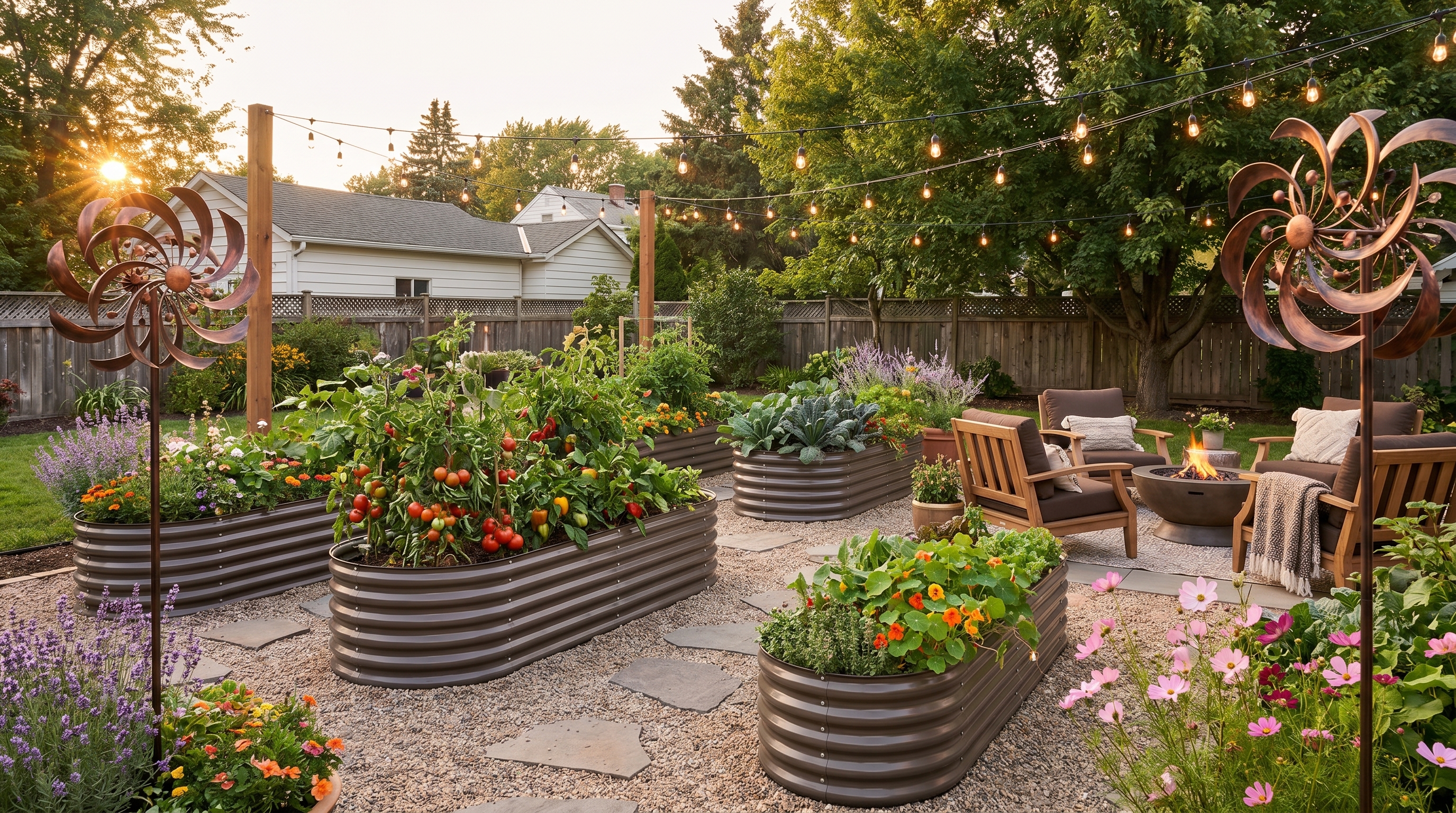
ALT: Modular garden system with raised beds, kinetic wind spinners, garden lighting, and pathway beautification elements in a backyard transformation
Advanced Expansion Strategies: Thinking Three Seasons Ahead
Once you've established your three zones and achieved a functional garden system, the real artistry begins. Advanced expansion isn't just about adding more beds—it's about deepening the integration between zones and extending your garden's productive season.
Misconception #1: Bigger Always Means Better
Many gardeners assume that scaling up means maximizing bed count. In reality, too many beds without a corresponding investment in soil quality, irrigation, and time management leads to burnout. A tightly managed system of six to eight well-maintained beds almost always outperforms a sprawling twenty-bed system that's perpetually under-resourced.
Misconception #2: You Need to Finish Before You Start Enjoying
One of the great joys of a modular system is that it's usable at every stage of completion. Don't wait until all three zones are built before sitting down in your garden. Place a bench or two chairs early in the process. Hang string lights before the pathways are finished. Enjoy the space as it grows—this enjoyment will fuel your motivation to continue.
Special Situation: Cold Climate Expansion
If you're in a northern climate with hard winters, plan your expansion around season extension tools. Low-tunnel hoops over your raised beds can extend your growing season by 4–6 weeks on each end of the year. Pair this with cold-hardy crop selections (kale, spinach, carrots, garlic) and your modular system becomes a nearly year-round operation.
Special Situation: Small Backyards and Urban Spaces
Urban and suburban growers with limited space should prioritize vertical integration—trellises mounted to the ends of raised beds, stacked planting systems along fence lines, and window boxes that extend your growing capacity beyond your footprint. Anleolife's waist-high 35" bed options are particularly well-suited for urban micro-gardens where kneeling space is limited and a clean, compact aesthetic matters.
Connecting Your System to a Larger Eco-Conscious Vision
As your garden matures, consider integrating a composting station between your raising and planting zones. Animal manure plus kitchen scraps plus garden waste equals rich, free fertilizer that closes the nutrient loop on your property. This is sustainable gardening at its most satisfying—a self-reinforcing system that gives back more than it takes.
Frequently Asked Questions FAQ
Q1: How do I decide which modular garden bed size to start with when scaling up?
The best starting point for scaling up depends on your available space, what you want to grow, and how much time you can commit weekly. For most backyard gardeners, an 8x4 bed offers the ideal balance of growing surface and accessibility—you can reach the center from either side without stepping in. From there, add beds in complementary sizes (like a 6x3 or 12x3) to create variety in your planting plan. Checking resources like Anleolife's sizing guide helps match dimensions to your specific crop goals.
Q2: Are galvanized steel raised beds safe for growing vegetables long-term?
Yes. Galvanized steel raised beds are widely considered safe for vegetable gardening. The zinc coating that gives galvanized steel its rust resistance is stable in soil conditions and does not leach harmful levels of zinc into plant-available forms under normal garden use. Anleolife's galvanized steel beds are built for a 20-year lifespan, making them a reliable, long-term investment for food production. If you have specific health concerns, lining the interior with food-grade landscape fabric provides an additional barrier.
Q3: How long does it realistically take to complete a full backyard garden transformation?
A full three-zone backyard transformation—planting, raising, and beautification—typically takes two to three growing seasons when approached at a comfortable pace. Most gardeners complete their core planting zone in the first season (3–6 months), add their raising zone in the second season, and refine beautification elements continuously over year two and beyond. With Anleolife's nationwide warehouse network ensuring delivery within 3–8 business days, you can order additional components as needed without long waits slowing your momentum.
Summary
Scaling up your modular garden system from a single raised bed to a full backyard transformation is less about grand ambition and more about smart, sequential action. Three core principles emerge from everything we've covered:
1. Zone First, Build Second. Mapping your planting, raising, and beautification zones before buying anything extra saves time, money, and redesign headaches. A clear zone plan turns a collection of garden beds into a cohesive system.
2. Choose Durable Foundations. With Anleolife's raised garden beds built to last up to 20 years, your modular system isn't a short-term experiment—it's a permanent feature of your home. Investing in quality materials from the start pays dividends every single season.
3. Let Beauty and Function Coexist. The most successful backyard transformations don't sacrifice aesthetics for productivity or vice versa. Integrate garden lighting, kinetic wind spinners, and thoughtful ornamental choices from the beginning, and your garden becomes a space you genuinely love—not just a place you work.
Your next step? Walk your backyard today with fresh eyes. Sketch your three zones. Identify your anchor bed location. Then visit Anleolife.com to find the bed sizes and configurations that match your vision.
Ready to Scale Up? Anleolife Is With You Every Step
Nationwide U.S. warehouse network: Strategically located in California, Texas, Florida, New York, Illinois, and Washington, Anleolife ensures delivery within 3–8 business days—so your garden upgrade plans never have to wait for the right season.
Multi-channel availability: Shop on Amazon, Walmart, Home Depot, Lowe's, Wayfair, or directly at Anleolife.com for consistent quality, competitive pricing, and reliable after-sales support wherever you prefer to shop.
Three core scenarios, one complete vision: Planting (metal raised garden beds, soil systems), Raising (chicken coops, rabbit hutches), and Beautification (decorative accessories, pathway systems)—everything you need to build a garden that grows with you.
We understand that an ideal garden isn't built overnight. Our modular product design allows flexible expansion based on your needs—from your very first garden bed to a fully integrated planting-and-raising ecosystem. We grow with you, every single step of the way.
References
- National Gardening Association. "Garden to Table: A Guide to Cooking What You Grow".
https://garden.org - University of California Agriculture and Natural Resources. "Raised Bed Gardening".
https://ucanr.edu/ - U.S. Department of Agriculture. "Urban Agriculture and Community Food Systems".
https://www.usda.gov/topics/urban - Penn State Extension. "Raised Bed Gardening: Getting Started".
https://extension.psu.edu - Colorado State University Extension. "Zinc in Garden Soils and Plants".
https://extension.colostate.edu
Note: Standards and research may be updated over time. Please check the latest official documents or consult a professional horticultural advisor for the most current guidance.
About Anleolife
Anleolife is a leading outdoor garden solutions provider in North America, dedicated to offering a full-scenario product ecosystem for home gardening enthusiasts, covering planting, raising, and garden beautification. Since its founding, we have upheld our brand mission, "Made for Garden Life," continuously innovating products and optimizing services to help hundreds of thousands of users upgrade their gardens, reconnect with nature, and enjoy a better garden lifestyle.