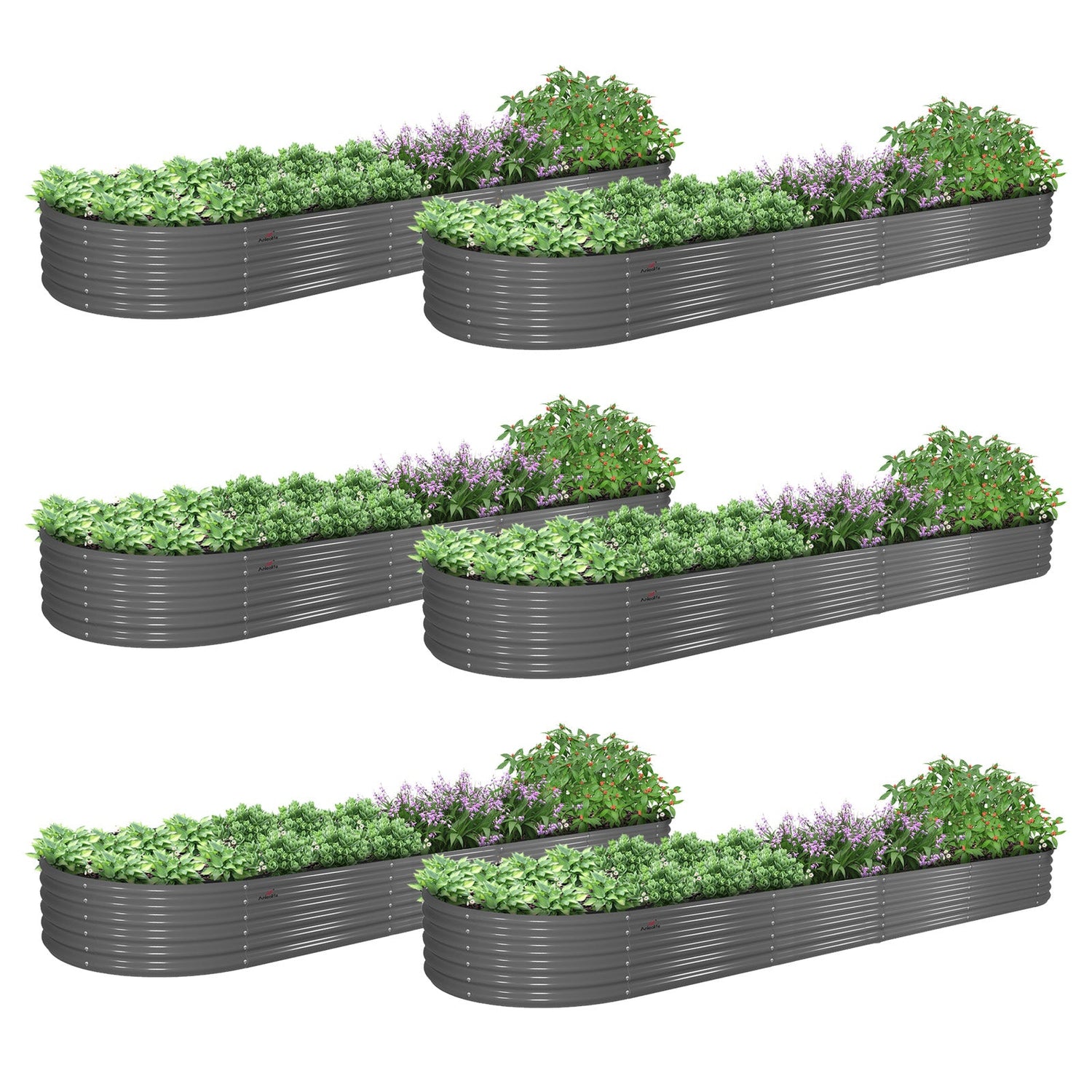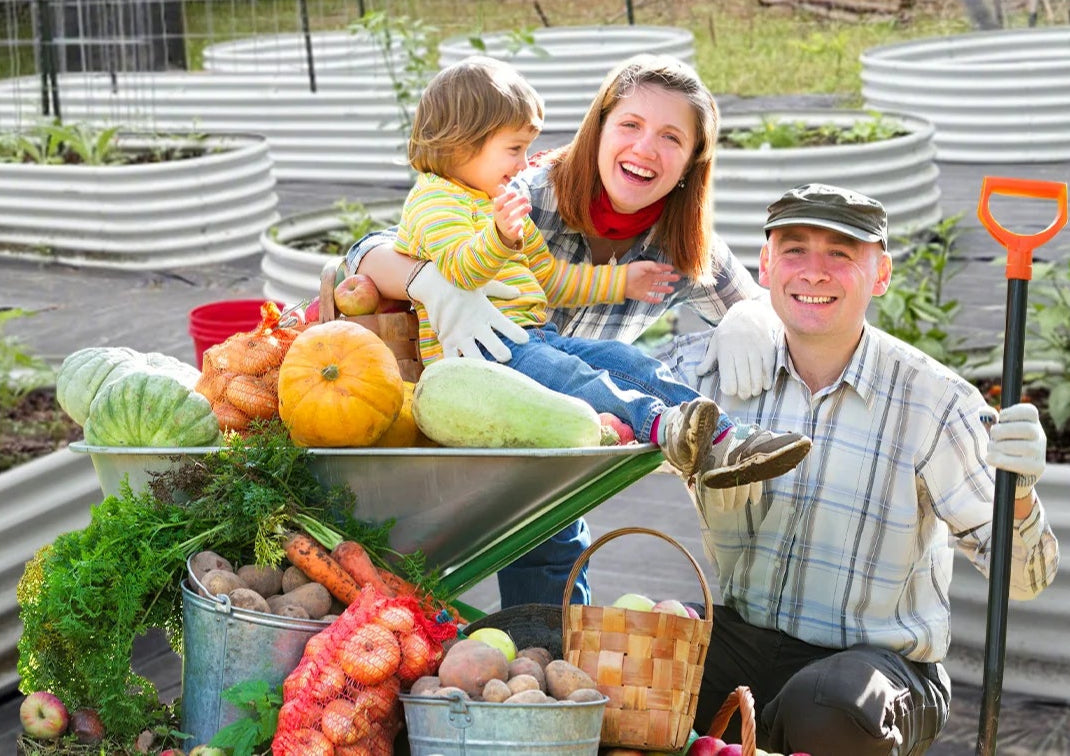



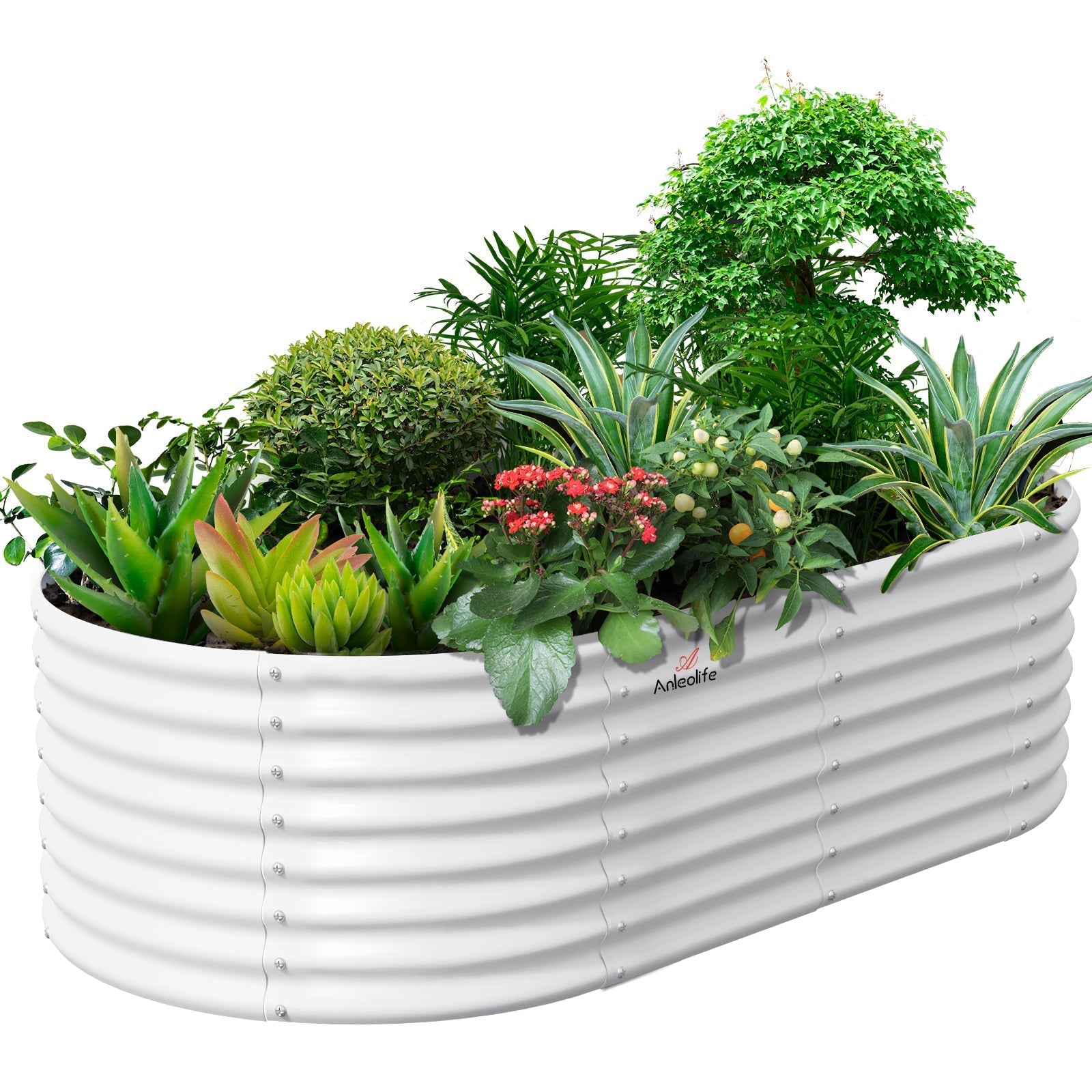
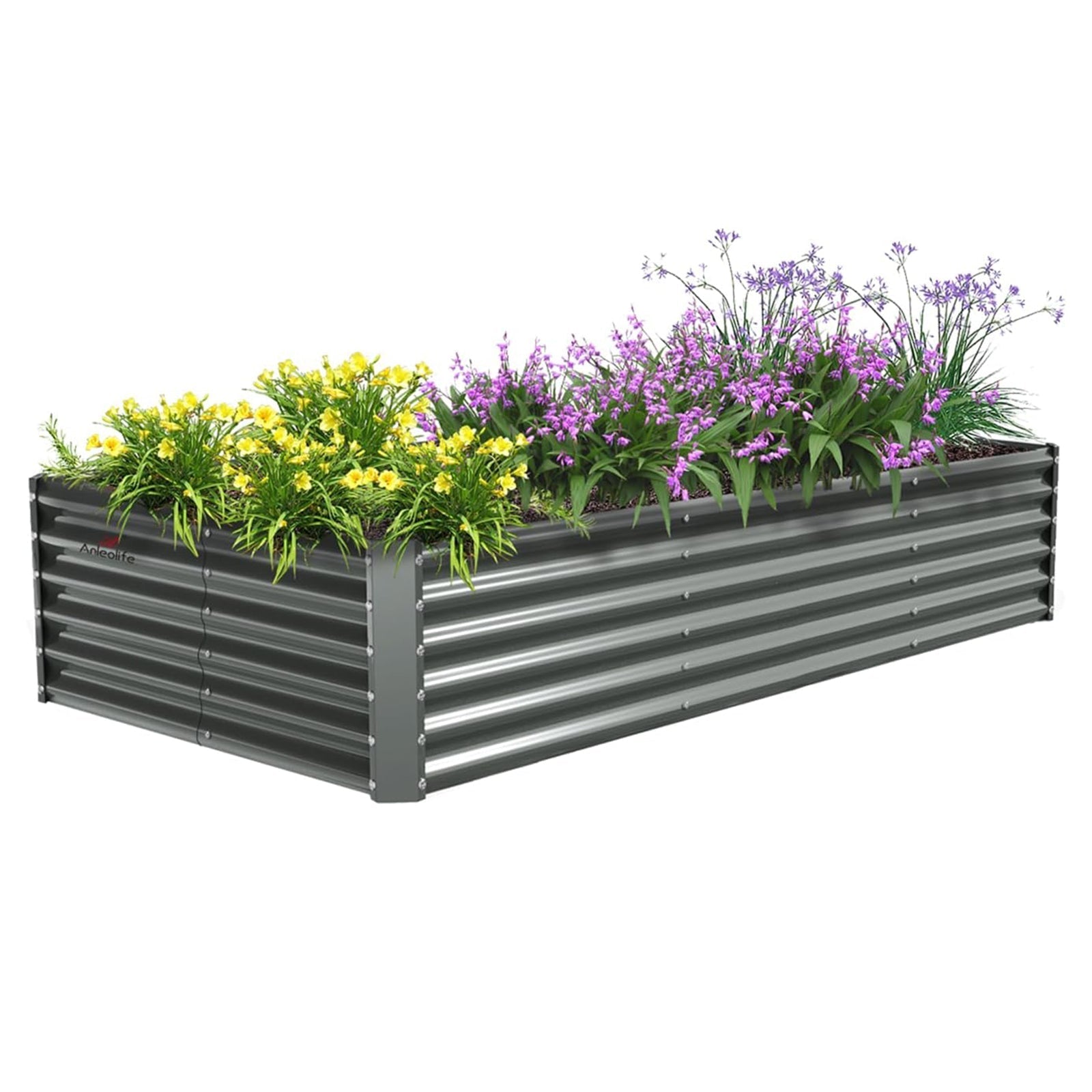

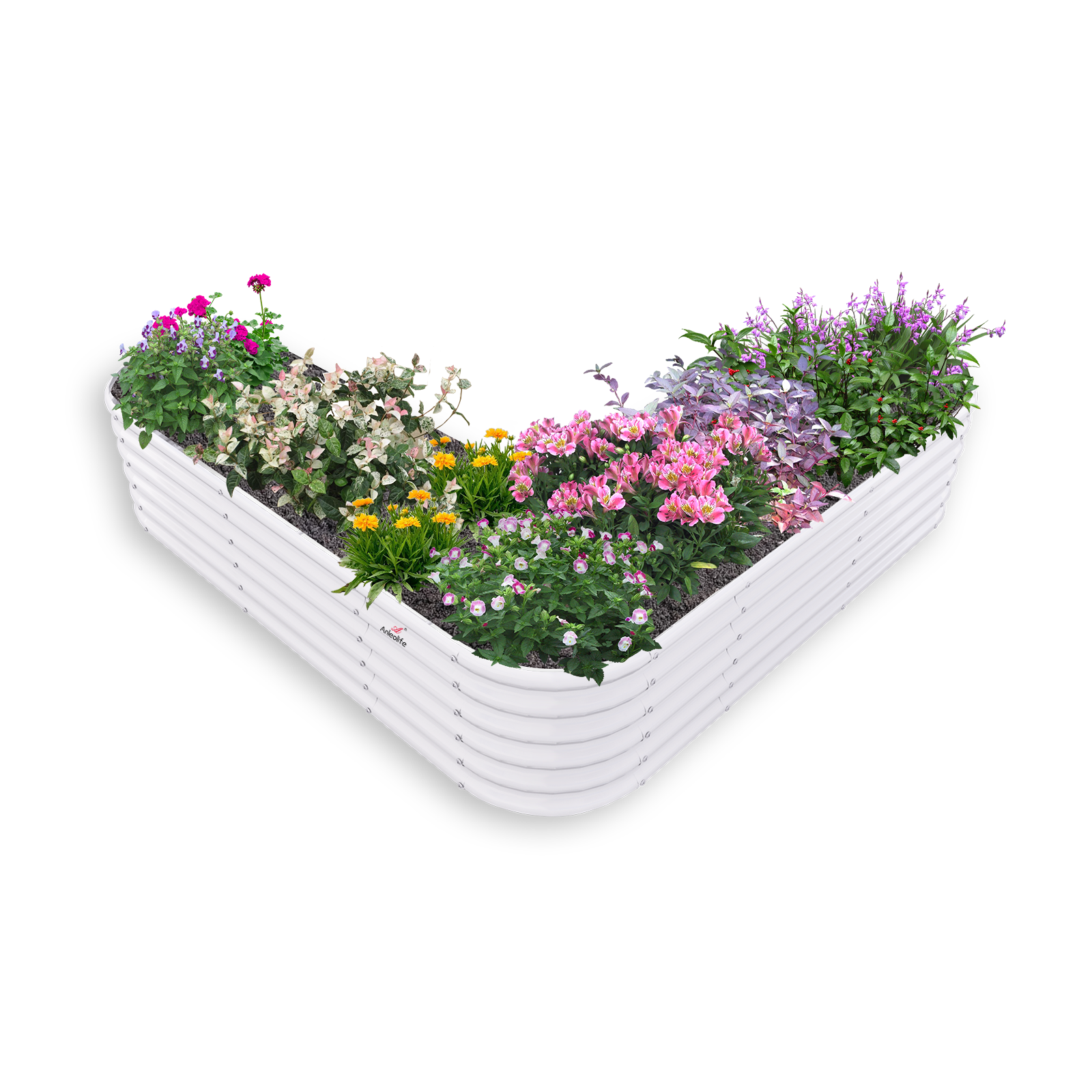
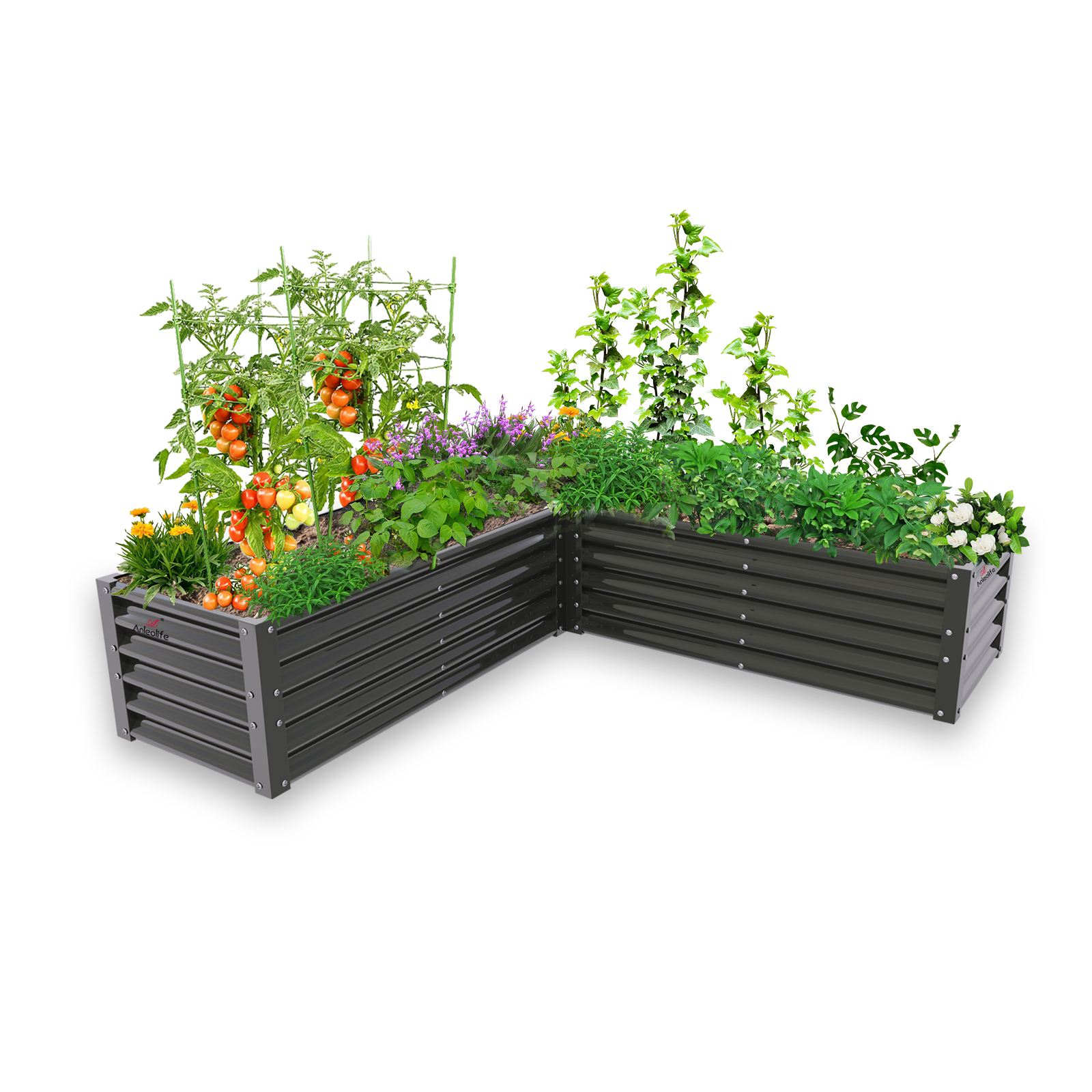
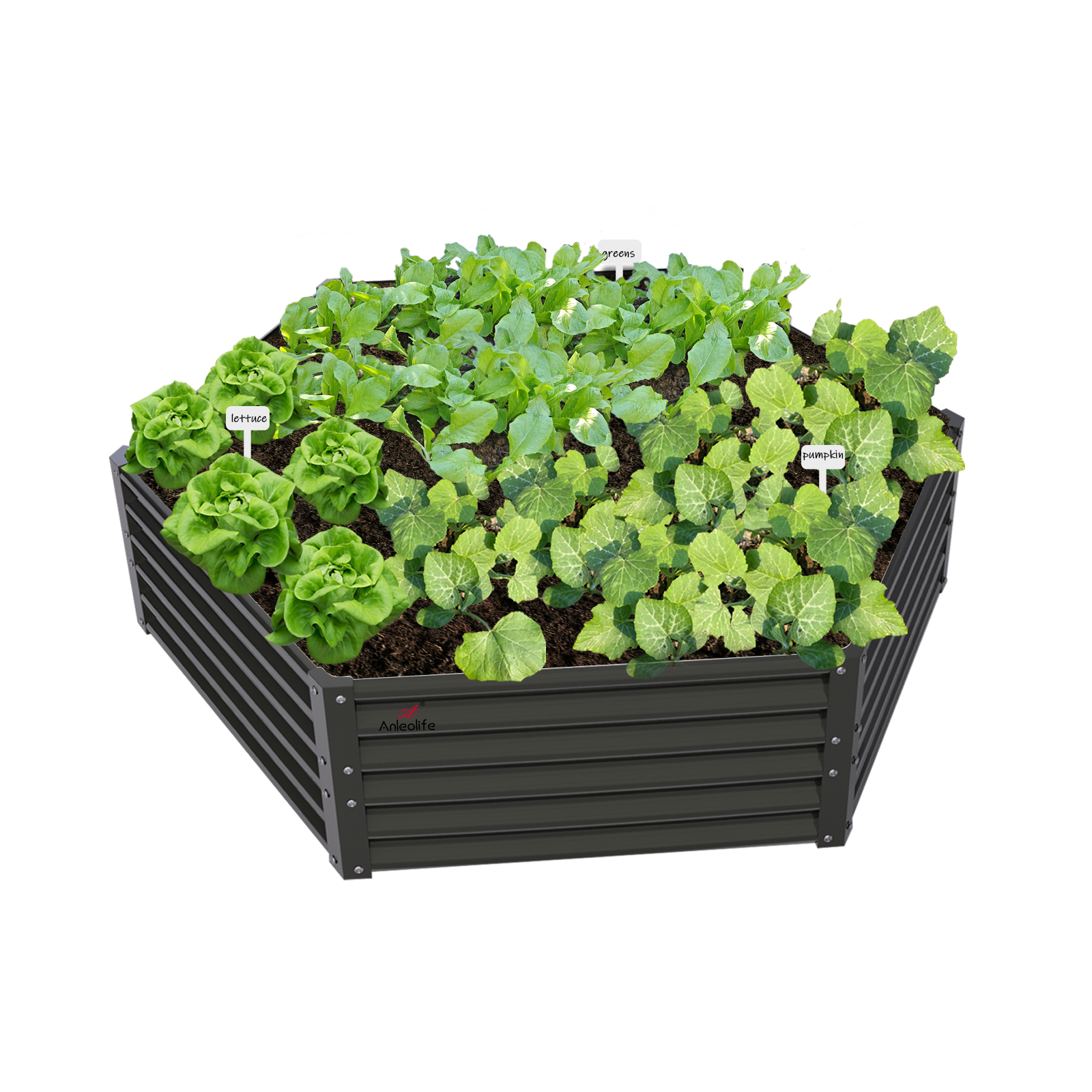



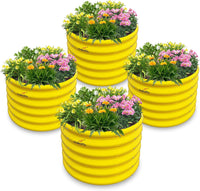
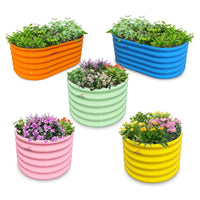
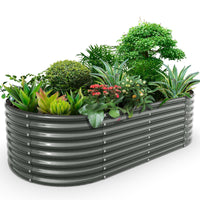



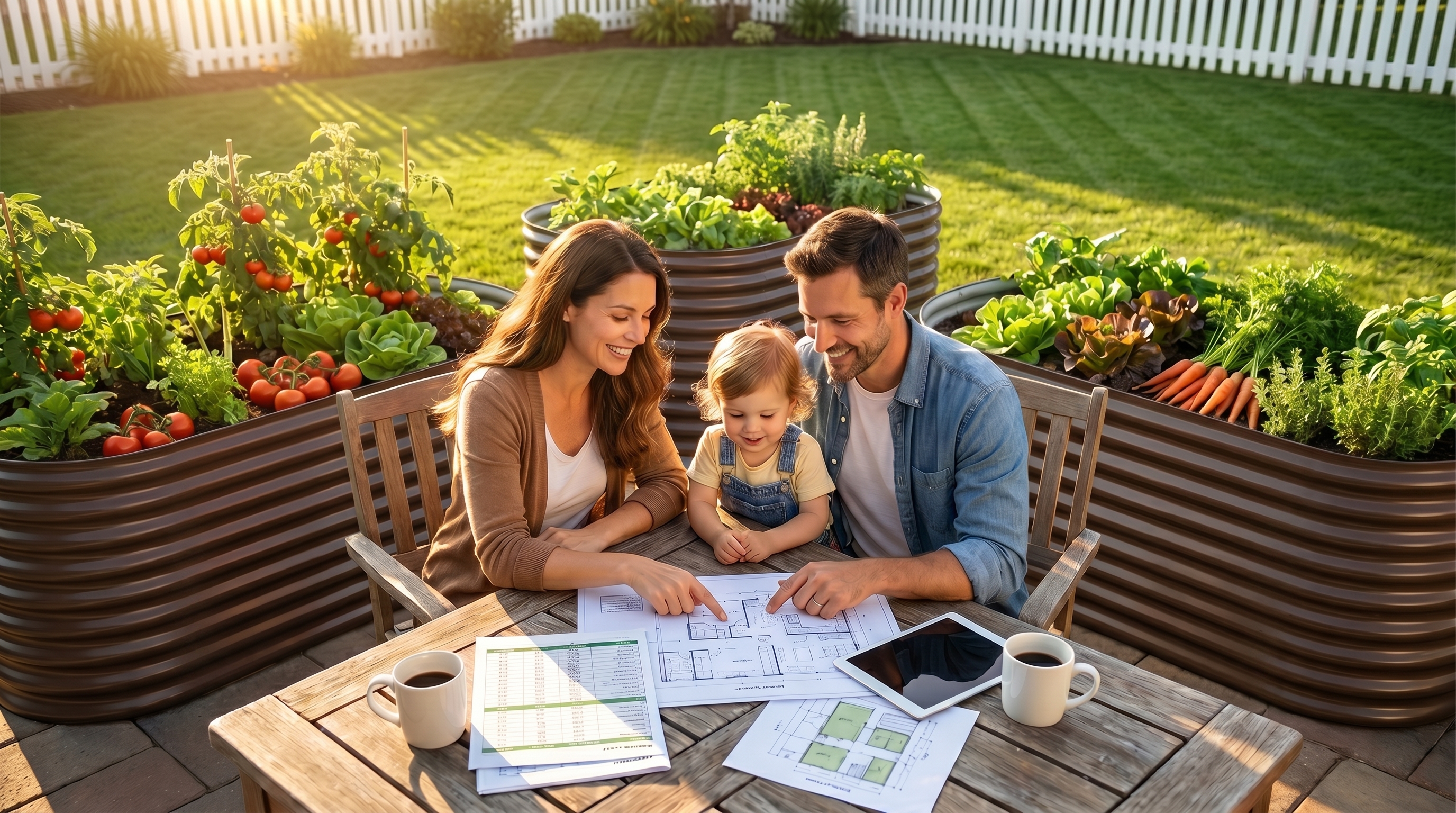
ALT: Family setting a realistic summer budget for backyard garden expansion with raised garden beds
How Smart Gardeners Set a Realistic Budget for Backyard Garden Expansion This Summer
Key Conclusion: Planning a backyard garden expansion requires more than enthusiasm — it demands a clear financial roadmap. Whether you're adding galvanized steel gardens for vegetable growing, installing a garden trellis for climbing plants, or investing in easy assembly gardens that save on labor costs, the secret to success lies in prioritizing spending by value, not impulse. A well-structured budget helps you expand confidently, avoid costly mistakes, and build a garden that rewards you for years to come.
Summer is the season when most home gardeners feel the itch to go bigger. Maybe you've outgrown your single raised bed, or you've been inspired by neighbors who transformed their backyards into lush, productive landscapes. The challenge isn't the vision — it's the money. How much should you actually spend? What's worth investing in long-term versus what can wait?
This guide walks you through a practical, step-by-step approach to budgeting for your garden expansion, covering everything from infrastructure and soil to structures and finishing touches. We'll help you distinguish between smart investments and spending traps, and show you how choosing quality materials upfront — like durable metal raised beds designed to last up to 20 years — can actually reduce your total cost over time.
Who This Guide Is For (And Who Might Need a Different Approach)
✅ Applicable Scenarios:
- Homeowners planning to expand an existing backyard garden this summer with a defined outdoor space
- First-time raised bed gardeners looking to scale from one or two beds to a fuller growing system
- Eco-conscious families wanting to grow their own vegetables, herbs, or fruits with a controlled budget
- Empty nesters or retirees converting underused yard space into productive, beautiful garden areas
- Urban micro-gardeners working with limited square footage who want to maximize ROI per planting zone
❌ Not Applicable/Cautions:
- Renters without landlord permission to install permanent or semi-permanent garden structures — budget planning needs to account for portability and removal
- Gardeners in regions with extreme climate conditions (heavy frost, drought zones) who need to factor in specialized materials and irrigation costs not covered in a standard expansion budget
- Those seeking a commercial or large-scale farming setup — this guide is designed for residential home garden expansions
Why Most Garden Expansion Budgets Fall Apart Before Summer Ends
The enthusiasm of spring planning often collides head-on with the reality of summer spending. A 2023 survey by the National Gardening Association found that American households spent an average of $600 per year on lawn and garden products — and many exceeded their self-set budgets by 30% or more. The culprit is almost never one big purchase; it's the accumulation of unplanned additions.
You buy a raised bed, then realize you need soil. You buy soil, then realize you need a trellis system. You install the trellis, then the space looks bare without pathway stones. Suddenly, your $400 project is a $1,200 reality.
The problem is that most people budget for individual items rather than for a complete garden system. A backyard garden expansion, done right, is a series of interdependent decisions — soil quality affects what you grow, which affects your structure needs, which affects your layout. Treating these as separate purchases leads to mismatched investments.
There's also a material quality trap. Cheaper wooden beds may seem like a budget win initially, but they can rot within two to three seasons, forcing replacement. Higher-quality galvanized steel raised beds, by contrast, are engineered for longevity — Anleolife's metal garden beds are built to last up to 20 years, making the per-year cost dramatically lower than it initially appears.
The good news? With a structured approach, you can build a genuinely functional and beautiful backyard garden expansion without financial regret. Let's break down exactly how to do that.
Your Step-by-Step Budget Planning Framework
Three-Step Quick Start
Step 1: Define Your Garden Zones and Priorities
Before you spend a single dollar, map out your available space and identify your top three garden goals for this summer. Are you focused on food production, beautification, or raising small animals like chickens or rabbits? Spend 30–60 minutes sketching a rough layout and listing what each zone needs. This exercise alone can prevent thousands in impulsive purchases by anchoring every decision to a clear function.
Step 2: Build a Tiered Budget with Must-Haves, Nice-to-Haves, and Future Plans
Divide your total available budget into three buckets: core infrastructure (40–50% of budget), growing essentials (30–35%), and aesthetic or enhancement items (15–25%). Core infrastructure includes raised beds, soil, and any structural systems like trellises or fencing. Growing essentials cover plants, seeds, irrigation, and amendments. Aesthetic enhancements include pathway stones, decorative containers, and seating. Tier 3 items can always be deferred without affecting function.
Step 3: Research Material Costs and Calculate Total Cost of Ownership
Once you know what you need, research real pricing — not just sticker price but total cost of ownership over five to ten years. A wooden raised bed at $80 that needs replacing every three years costs far more over a decade than a galvanized steel bed at $150–$200 that lasts up to 20 years. Factor in soil refilling, maintenance, and replacement when comparing options. This one step prevents the most common budgeting mistake home gardeners make.
Comparing Garden Expansion Approaches: What's Worth Your Investment?
Choosing the right approach for your garden expansion significantly affects your budget efficiency. Here's a practical comparison of the three most common strategies:
| Comparison Dimension | DIY Wood Raised Beds | Pre-Built Modular Metal Beds | In-Ground Garden Expansion |
|---|---|---|---|
| Upfront Cost | Low to medium | Medium | Low |
| Lifespan | 3–7 years (varies by wood type) | Up to 20 years | Indefinite (with maintenance) |
| Assembly Complexity | High (requires tools, skills) | Low (easy assembly design) | Medium (soil prep required) |
| Pest & Root Control | Limited | Excellent (elevated, defined borders) | Poor (exposed to ground pests) |
| Scalability | Difficult to modify | Highly modular, easily expanded | Limited by soil layout |
| Maintenance Cost | High (rot, warping, replacement) | Very low | Medium (ongoing soil management) |
| Best For | Hands-on DIYers with carpentry skills | Families, seniors, and efficiency-focused growers | Large-space growers with good native soil |
The data above makes a clear case for modular metal garden systems, especially for families and retirees looking for low-maintenance, long-term value. For small backyards in particular, modular raised beds offer one of the best space-to-productivity ratios available — making them consistently among the top-rated modular garden systems for small backyards.
Budget Category Deep Dive: Where to Spend, Save, and Splurge
Infrastructure: Your Biggest and Most Important Investment
The foundation of any backyard garden expansion is its infrastructure — and this is where quality pays the highest dividends over time.
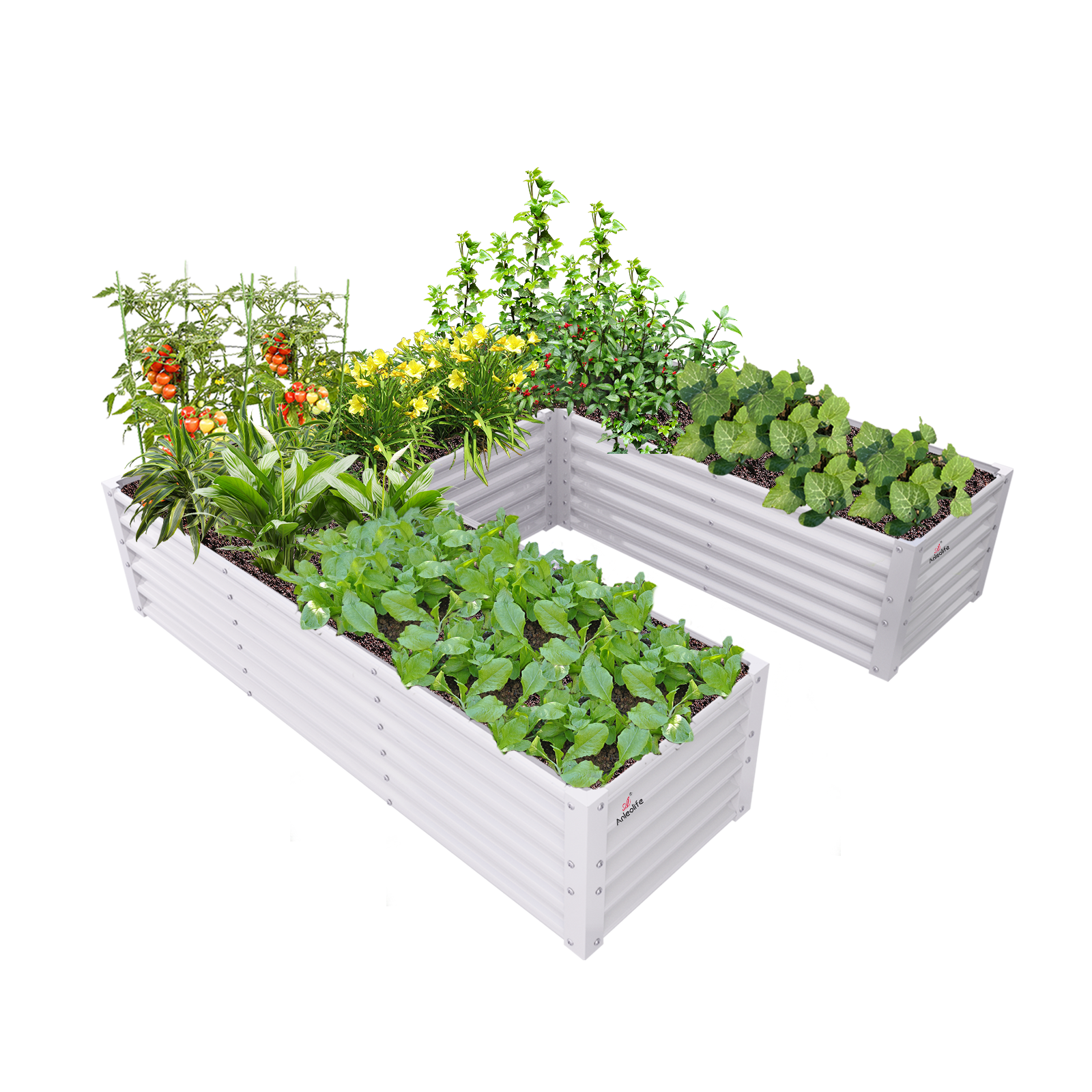
Raised garden beds are the single most impactful structural purchase in most residential garden expansions. When evaluating options, the critical question isn't "how cheap can I go?" but "what's the best materials for raised garden beds that won't rust and won't need replacing?"
Galvanized steel consistently ranks as the top answer. Anleolife's galvanized steel raised garden beds are available in a wide range of sizes — from compact 4x1.5 ft waist-high models ideal for urban micro-gardeners to expansive 12x3 ft configurations suited for serious vegetable production. There are also extra-tall options in 24-inch and 30-inch heights for growers who want minimal bending, and heavy-duty models designed for high-volume planting.
The rust-resistant coating used in quality galvanized beds isn't just cosmetic — it's structural protection that prevents the oxidation that destroys cheaper alternatives within a few growing seasons. Anleolife's rust-resistant raised garden bed line is specifically engineered for harsh outdoor conditions, and their beds are rated for up to a 20-year lifespan. When you amortize that cost across two decades, the value per year is exceptional.
For budget planning, allocate a realistic per-bed cost based on size and depth. Larger, deeper beds generally cost more but provide significantly more growing volume, especially for root vegetables like carrots and potatoes that need at least 18–24 inches of soil depth.
Soil and Growing Media: Don't Underspend Here
One of the most common budget mistakes in garden expansion is underestimating soil costs. A single 8x4 ft raised bed requires a substantial volume of quality growing mix — typically a blend of compost, topsoil, and drainage material like perlite or coarse sand.
As a rule of thumb, budget $50–$100 per raised bed for initial soil fill, depending on depth and local material costs. This is not an area to cut corners; poor soil directly undermines your growing results and can make even expensive beds underperform.
If you're expanding multiple beds, consider sourcing bulk compost from local municipal programs or landscaping suppliers — many cities offer free or heavily discounted compost to residents, which can dramatically reduce this line item.
Trellises, Supports, and Vertical Growing Systems
Adding a garden trellis to your expansion plan is one of the highest-ROI additions you can make, especially in smaller yards. Vertical growing dramatically increases your effective planting area without expanding your footprint. Cucumbers, tomatoes, pole beans, peas, and many squash varieties thrive on vertical support systems.
Budget anywhere from $20 to $150 for trellis systems depending on size and material. Powder-coated steel and galvanized options offer the best durability in outdoor environments. When your raised beds and trellis systems match in material and finish, the overall aesthetic of your garden space feels intentional and polished — a detail that matters to gardeners who care about beautification as much as function.
Aesthetic and Lifestyle Enhancements
This is where many gardeners either overspend impulsively or underspend unnecessarily. The beautification layer of your garden — pathway systems, decorative containers, ornamental accessories, and outdoor seating — is what transforms a functional growing space into a place you genuinely want to spend time in.
If you're drawn to Mediterranean-style landscaping, some of the best garden ornaments for Mediterranean style yards include terracotta pots, low stone walls, ornamental grasses, and structured pathway stones in warm earth tones. These elements pair beautifully with the natural metallic tones of galvanized raised beds and create a cohesive visual language throughout the space.
For outdoor seating, don't overlook the practical value of comfortable lounge chairs for reading outdoors positioned near your garden. Many empty nesters and retirees specifically design their gardens as peaceful retreats — spaces where you can sit with morning coffee and enjoy what you've built. Investing modestly in weather-resistant seating is a quality-of-life enhancement that makes your outdoor time significantly more enjoyable.
Allocate 15–20% of your total budget for this category, and resist the urge to go beyond it. Aesthetic additions are wonderful but should never come at the expense of functional infrastructure.
Irrigation: Plan for It, Budget for It
Irrigation is one of the most frequently forgotten line items in garden expansion budgets. Yet without adequate watering infrastructure, your investment in beds, soil, and plants can be devastated in a single hot week.
For raised beds specifically, drip irrigation systems are highly recommended. They're water-efficient, easy to install, and reduce the time you spend manually watering. A basic drip irrigation kit for two to four beds typically runs $40–$80 and pays for itself quickly in water savings and plant health.
If you're in a drought-prone region, consider budgeting for a rain barrel system as well — both for environmental responsibility and to offset rising water costs.

ALT: Organized backyard garden expansion featuring galvanized steel raised garden beds with vertical trellis systems and neat pathways
Advanced Considerations for a Smarter Garden Budget
Timing Your Purchases Strategically
Not everything in your expansion needs to be purchased at once. Smart gardeners use seasonal sales cycles to their advantage. Late summer and early fall are prime times for deep discounts on garden infrastructure — including raised beds, irrigation kits, and soil amendments — as retailers clear inventory before winter. Planning your expansion in summer but staging purchases through fall can reduce your total outlay by 20–30%.
The Hidden Cost of "Free" Materials
Many gardeners are tempted by free or salvaged materials — reclaimed wood, old pallets, or surplus construction materials. While these can work in certain applications, be cautious. Treated lumber can leach chemicals into your soil. Untreated wood rots quickly. And the time cost of building, cutting, and finishing DIY beds often exceeds the price difference compared to a quality pre-built metal system. Factor in your time as a real cost.
Common Misconception: Bigger Beds Always Mean Better Yields
More square footage doesn't automatically mean more produce. Overcrowding, inadequate soil, and poor irrigation can make a large bed underperform compared to a well-managed smaller one. It's often smarter to invest in two or three medium-sized, high-quality beds — like Anleolife's top-rated raised planters for vegetables in 8x4 ft or 6x3 ft configurations — rather than one enormous bed you struggle to maintain.
Modular Systems: Your Best Hedge Against Budget Surprises
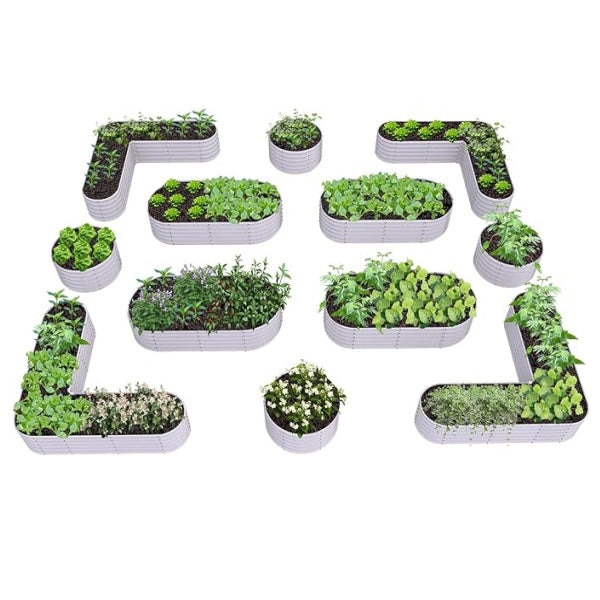
One of the smartest ways to manage expansion budget risk is to choose modular garden systems from the start. Anleolife's modular raised garden bed line allows you to begin with a single unit and expand incrementally as your budget allows — adding panels, connecting beds, or reconfiguring layouts without replacing existing infrastructure. This approach is particularly valuable for gardeners who aren't sure how ambitious they want to be in year one.
Frequently Asked Questions FAQ
Q1: How do I calculate how much soil I need for a raised garden bed expansion?
Calculate soil volume by multiplying the length × width × depth of each bed (in feet), then divide by 27 to get cubic yards. A standard 8x4 ft bed at 18 inches deep needs approximately 2.4 cubic yards of growing mix. For multiple beds, add those totals together and purchase in bulk when possible. Many local nurseries and landscaping suppliers offer bulk cubic yard pricing that's significantly cheaper per unit than bagged soil from hardware stores.
Q2: Are galvanized steel raised garden beds safe for growing vegetables?
Yes — galvanized steel raised beds are widely considered safe for food production. Modern galvanized coatings use zinc as the primary protective layer, and research consistently shows that zinc leaching into soil occurs at negligible levels far below any dietary concern. In fact, zinc is an essential micronutrient for plants. Anleolife's galvanized steel garden beds are designed for food-safe growing and have a rated lifespan of up to 20 years, making them both a healthy and highly cost-effective choice for vegetable gardeners.
Q3: How much should I realistically budget for a complete backyard garden expansion this summer?
Budget ranges vary widely based on scale and goals, but a practical benchmark for a meaningful residential expansion — three to four raised beds, soil, basic irrigation, and a trellis — typically falls between $500 and $1,500. A minimal single-bed starter setup can cost as little as $200–$400 when purchasing quality materials. Larger, multi-zone expansions with aesthetic enhancements can run $2,000–$3,500. The key is prioritizing durable infrastructure that won't need replacement, which reduces total cost significantly over a five-to-ten year window.
Summary
A realistic garden expansion budget isn't about spending as little as possible — it's about spending with intention. The three core principles that separate smart garden investors from frustrated overspenders are these:
First, prioritize durable infrastructure over cheap short-term solutions. Materials like galvanized steel raised beds that last up to 20 years consistently deliver far better value than lower-cost alternatives that need frequent replacement.
Second, plan your full garden system before you start buying. Soil, irrigation, trellising, and pathways are all part of the same ecosystem — treating them as separate impulse purchases leads to budget blowouts and functional gaps.
Third, stage your expansion intelligently. Use modular systems that grow with you over time, take advantage of seasonal pricing windows, and allow your garden to evolve rather than trying to build everything at once.
Your backyard garden is one of the most rewarding investments you can make in your home and your lifestyle. With a clear budget framework and quality materials chosen thoughtfully, this summer's expansion can become the foundation for a garden that serves you beautifully for decades.
Start Your Garden Expansion with Anleolife
Nationwide U.S. warehouse network: Strategically located in California, Texas, Florida, New York, Illinois, and Washington to ensure delivery within 3–8 business days — so your summer garden plans never have to wait for inventory.
Multi-channel availability: Anleolife products are available across Amazon, Walmart, Home Depot, Lowe's, and Wayfair, as well as directly through Anleolife.com, with consistent quality assurance and dedicated after-sales support wherever you shop.
Three complete garden scenarios: Planting (metal raised garden beds, soil systems), Raising (chicken coops, rabbit hutches), and Beautification (decorative accessories, pathway systems) — everything you need to build a garden that's as functional as it is beautiful.
We understand that an ideal garden isn't built in a single weekend. Anleolife's modular product design allows you to start small and expand steadily — from your first raised bed to a fully integrated planting-and-raising ecosystem. We grow with you, every step of the way. Visit Anleolife.com to explore the full product range and find the right starting point for your summer expansion.
References
- National Gardening Association. "Garden Market Research — U.S. Household Gardening Statistics".
https://garden.org/learn/articles/view/3819/ - University of California Agriculture and Natural Resources. "Raised Bed Gardening — Soil Health and Management".
https://ucanr.edu/sites/MarinMG/files/146385.pdf - U.S. Environmental Protection Agency. "Recycled Water and Garden Safety — Materials and Contaminant Guidance".
https://www.epa.gov/watersense/landscaping-tips - Penn State Extension. "Building and Filling Raised Beds — Cost and Material Planning".
https://extension.psu.edu/raised-bed-gardening - Colorado State University Extension. "Galvanized Metal and Vegetable Gardens — Safety Research Summary".
https://extension.colostate.edu/topic-areas/yard-garden/metal-raised-beds/
Note: Standards and pricing data may be updated; please check the latest official documents or consult professional advisors for current information.
About Anleolife
Anleolife is a leading outdoor garden solutions provider in North America, dedicated to offering a full-scenario product ecosystem for home gardening enthusiasts, covering planting, raising, and garden beautification. Since its founding, we have upheld our brand mission, "Made for Garden Life," continuously innovating products and optimizing services to help hundreds of thousands of users upgrade their gardens, reconnect with nature, and enjoy a better garden lifestyle.