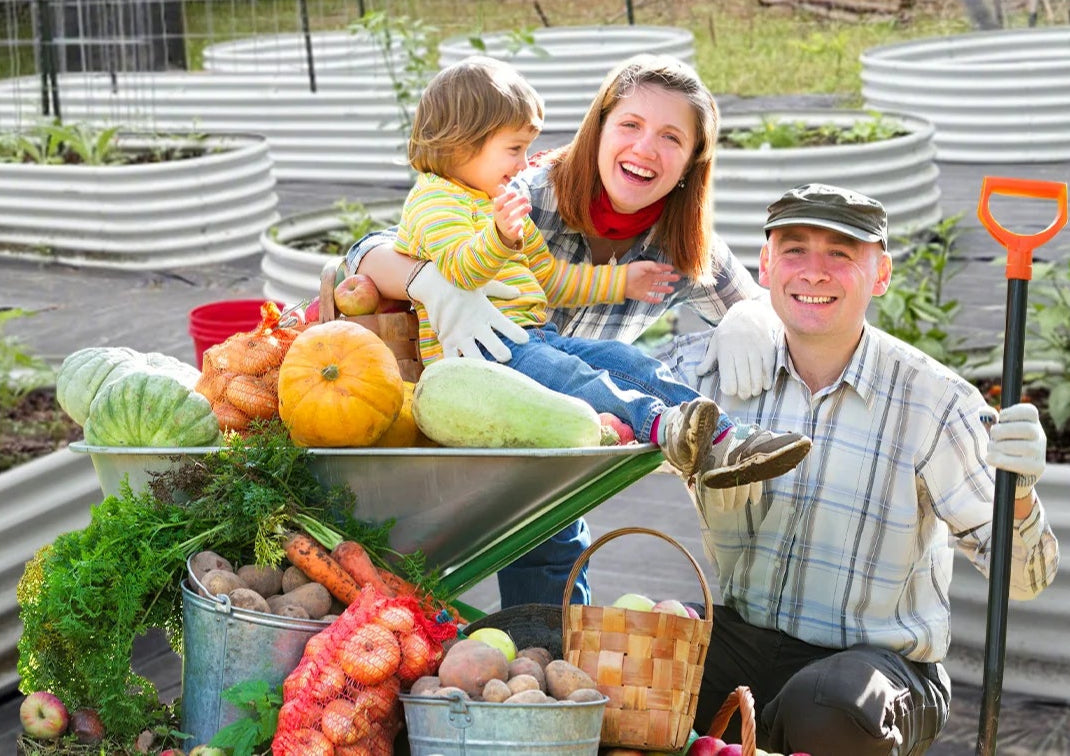










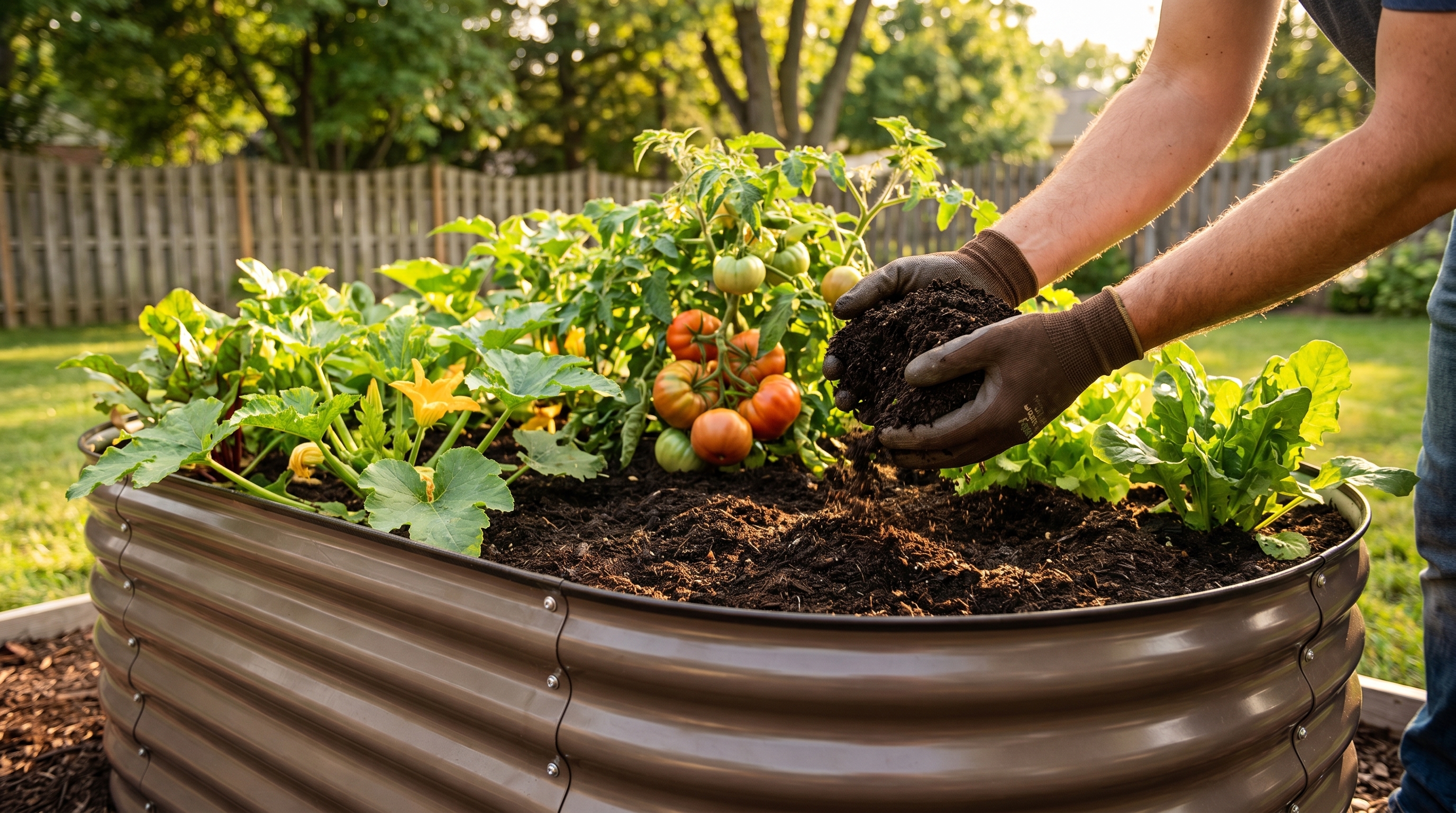
ALT: Gardener applying compost top-dressing to a raised garden bed mid-season to boost vegetable yields
Why Mid-Season Soil Top-Dressing Is the Secret to Better Raised Bed Yields
Key Conclusion: Mid-season top-dressing is one of the most effective, low-effort techniques for replenishing depleted nutrients in your raised garden bed soil without disturbing plant roots. By layering compost, aged manure, or balanced organic amendments directly onto the soil surface, you give actively growing vegetables a steady nutritional boost right when they need it most—translating directly into stronger plants, higher yields, and healthier harvests through the peak growing season.
Most gardeners focus the majority of their soil preparation energy on spring setup—mixing in compost, balancing pH, and filling the bed. But here's a reality check: by midsummer, your raised bed soil has likely lost a significant portion of its available nutrients. Frequent watering leaches minerals downward, plant roots draw up nitrogen and phosphorus at a rapid clip, and the organic matter you started with continues to break down. Without intervention, yields start to plateau or decline just as your tomatoes, squash, and beans are hitting their most productive phase.
The good news? A simple, well-timed top-dressing application can reset the nutritional balance of your bed without tilling, transplanting, or any major disruption. It's a technique used by experienced kitchen gardeners and market farmers alike—and it's something any home grower can master in an afternoon.
Who Should Be Top-Dressing Their Raised Beds Mid-Season
✅ Applicable Scenarios:
- Home gardeners growing heavy-feeding crops like tomatoes, peppers, squash, cucumbers, and corn who notice slowed growth or yellowing lower leaves mid-season
- Raised bed growers who filled their beds with a soil mix earlier in the season and haven't added any amendments since planting
- Eco-conscious growers looking for an organic, non-disruptive way to feed plants without applying synthetic liquid fertilizers repeatedly
- Urban micro-gardeners and retirees who want a simple, time-efficient maintenance routine that delivers measurable results
- Anyone who has experienced mid-season yield drops or poor fruit set in previous years and suspects nutritional depletion as the cause
❌ Not Applicable/Cautions:
- Beds where soil is already nutrient-rich and plants are actively thriving—over-amending can burn roots or create nutrient imbalances, particularly with nitrogen
- Seedling beds or beds with very young transplants less than two weeks old, where fresh amendments applied too close to tender stems can cause salt stress or damping off
- Situations where mid-season problems stem from pest pressure, disease, or drainage issues rather than soil nutrition—top-dressing won't fix root rot or aphid infestations, so diagnose first
Understanding Why Raised Bed Soil Depletes Faster Than In-Ground Soil
Raised garden beds are exceptional growing environments. They drain better, warm up earlier in spring, give you full control over your soil composition, and protect plants from compaction. But these same advantages come with a trade-off: the contained, well-drained soil environment means nutrients move through and out of the bed faster than they would in a large in-ground plot.
The Science of Nutrient Depletion in Raised Beds
Think of your raised bed as a high-performance engine. It runs efficiently and productively—but it burns through fuel quickly. Each time you water (or rain falls), soluble nutrients like nitrogen and potassium leach downward through the soil profile and out the bottom of the bed. Meanwhile, your plants are actively mining the soil for the macro and micronutrients they need to photosynthesize, flower, and set fruit.
By midsummer—roughly 8 to 12 weeks after planting—most raised beds are running at a fraction of their original nutritional capacity. The organic matter that provided slow-release feeding has largely broken down. The beneficial microbial activity in the soil is still present, but without fresh organic inputs to consume and process, microbial populations can decline. The result: plants that look okay on the surface but are quietly underperforming.
According to the Penn State Extension, vegetable crops in intensive garden settings—which includes raised beds—can deplete available nitrogen from the top several inches of soil within just a few weeks of active growth. Heavy feeders like tomatoes and brassicas are especially aggressive in pulling nutrients.
This is also why understanding your bed's construction matters. If you're wondering what the best materials for raised garden beds are, the container itself plays a role in how well soil conditions are maintained. Metal beds—particularly galvanized steel—maintain structural integrity through temperature swings and wet seasons without degrading into the soil. You can read more about the durability differences between metals in this helpful comparison: Galvanized Steel vs. Corten Steel Garden Beds: Which Holds Up Better Outdoors?
Why Timing Matters More Than You Think
Top-dressing is most effective when applied at a point when plants are actively growing but haven't yet hit their peak production window. For most growing zones in North America, this means late June through mid-July for spring-planted crops. Applying amendments too early (before plants establish) or too late (after fruiting is nearly complete) reduces the benefit significantly.
Also worth noting: a well-designed raised bed with proper irrigation makes top-dressing more effective because the amendments get watered in evenly. If you're managing multiple beds, setting up a consistent irrigation approach helps enormously—this guide on How to Set Up a Drip Irrigation System for Multiple Raised Garden Beds is worth reviewing before your next mid-season amendment session.
How to Top-Dress Your Raised Garden Bed: A Complete Practical Guide
Three-Step Quick Start
Step 1: Assess Your Soil and Plants Before Amending
Before reaching for any amendment, spend 10–15 minutes observing your plants carefully. Look for classic signs of nutrient deficiency: yellowing leaves starting from the bottom of the plant (often nitrogen), purplish tints on leaf undersides (phosphorus), or brown leaf edges (potassium). Also assess the soil surface—if it's compacted, crusted, or pulling away from the bed walls, your soil structure has degraded and needs organic matter replenishment more urgently. This diagnostic step ensures you're applying the right amendment rather than just adding more of everything.
Step 2: Prepare and Apply Your Top-Dressing Layer
Clear any debris, dead leaves, or mulch from the soil surface around your plants. Using a trowel or your hands, apply your chosen amendment (compost, aged manure, worm castings, or a blended organic fertilizer) in a layer approximately 1 to 2 inches thick across the bed surface. Work carefully around plant stems, keeping amendments at least 2 to 3 inches away from stem bases to prevent moisture buildup and rot. For beds with dense planting, you can apply amendments between plant rows and gently work them into the top half-inch of soil with a hand cultivator. The whole process for an 8x4 ft bed typically takes 20–30 minutes.
Step 3: Water In Thoroughly and Restore Mulch
Immediately after applying your top-dressing, water the bed deeply so the amendments begin to integrate with the existing soil and the nutrients become available to plant roots. This is especially important with dry granular amendments or compost that hasn't been recently wetted. Once watered in, restore a 2-inch layer of straw mulch or wood chip mulch over the amended surface to retain moisture, regulate soil temperature, and slow future nutrient leaching. Check in over the following week—most plants will show visible improvement in color and vigor within 7 to 14 days of an effective top-dressing.
Comparing the Best Top-Dressing Amendments for Raised Garden Beds
Choosing the right amendment depends on what your plants need, how quickly you need results, and your preference for fully organic versus supplemented approaches. Here's a practical breakdown of the most widely used options:
| Comparison Dimension | Finished Compost | Worm Castings | Aged Manure | Granular Organic Fertilizer |
|---|---|---|---|---|
| Nutrient Release Speed | Moderate (weeks) | Fast (days to weeks) | Moderate to slow | Moderate (weeks) |
| Nitrogen Availability | Low to moderate | Moderate | Moderate to high | Variable (check label) |
| Risk of Burning Plants | Very low | Negligible | Low if fully aged | Low to moderate |
| Soil Structure Improvement | High | High | Moderate | Low |
| Cost | Low (DIY free) | Moderate to high | Low to moderate | Moderate |
| Best For | All-purpose refresh | Seedlings, sensitive crops | Heavy feeders | Quick targeted nutrition |
| Organic Certification | Depends on source | Generally yes | Depends on source | Check label |
Finished compost is the workhorse of raised bed top-dressing. It feeds microbial life, improves soil texture, adds a broad spectrum of nutrients in gentle slow-release form, and never burns plants. If you compost at home, this is essentially free. If you purchase bagged compost, look for products with a clear ingredient list and no synthetic additives.
Worm castings are the luxury option—extraordinarily rich in plant-available nutrients and beneficial microorganisms, gentle enough to use generously around even young seedlings. They're more expensive than bulk compost but highly effective in small quantities.
Aged manure (chicken, cow, or rabbit) provides a solid nitrogen boost and is excellent for heavy feeders. The key word is aged—fresh manure can burn plants and may contain pathogens. Only use manure that has been fully composted or aged for at least six months.
Granular organic fertilizers (like feather meal, blood meal, bone meal, or balanced blended products) offer the ability to target specific deficiencies with precision. They're convenient and shelf-stable, though they generally don't improve soil structure the way raw organic matter does.
Deep Dive: Making Top-Dressing Work With Your Specific Bed Setup
Heavy Feeders vs. Light Feeders: Calibrating Your Amendment Rate
Not all crops have the same mid-season nutritional demands, and top-dressing too aggressively on light feeders can actually cause problems. Heavy feeders—tomatoes, peppers, eggplant, cucumbers, squash, and corn—benefit most from a generous mid-season top-dressing with a nitrogen-rich amendment like aged manure or balanced compost. Apply the full 1–2 inch layer and consider a supplemental application of liquid kelp or fish emulsion every two to three weeks alongside it.
Light feeders—lettuce, herbs, radishes, and most root vegetables—need only a modest top-dressing of finished compost, and should never receive high-nitrogen amendments mid-season, as this promotes leafy growth at the expense of roots or flavor.
For a curated list of the top vegetables to plant in a raised garden bed right now this summer, including guidance on their nutritional needs, that resource is a great companion to this guide.
The Role of Mulch in Mid-Season Soil Health
Many gardeners apply top-dressing and then leave the soil surface exposed. This is a missed opportunity. After every top-dressing application, covering the bed with 2 inches of straw, wood chips, or shredded leaves dramatically slows nutrient leaching, reduces soil temperature fluctuations, and keeps the beneficial microorganisms in your amendment moist and active. Mulch essentially extends the life of your top-dressing application by weeks.
Does Your Bed Structure Support Good Soil Health Long-Term?
The best soil amendment program in the world is limited if your raised bed itself is compromising soil conditions. Beds that rust, leach chemicals, or deteriorate structurally can introduce contaminants or simply fail to contain your carefully built soil environment. This is why the best metal raised garden beds—built from galvanized steel with quality rust-resistant coatings—are worth the investment.
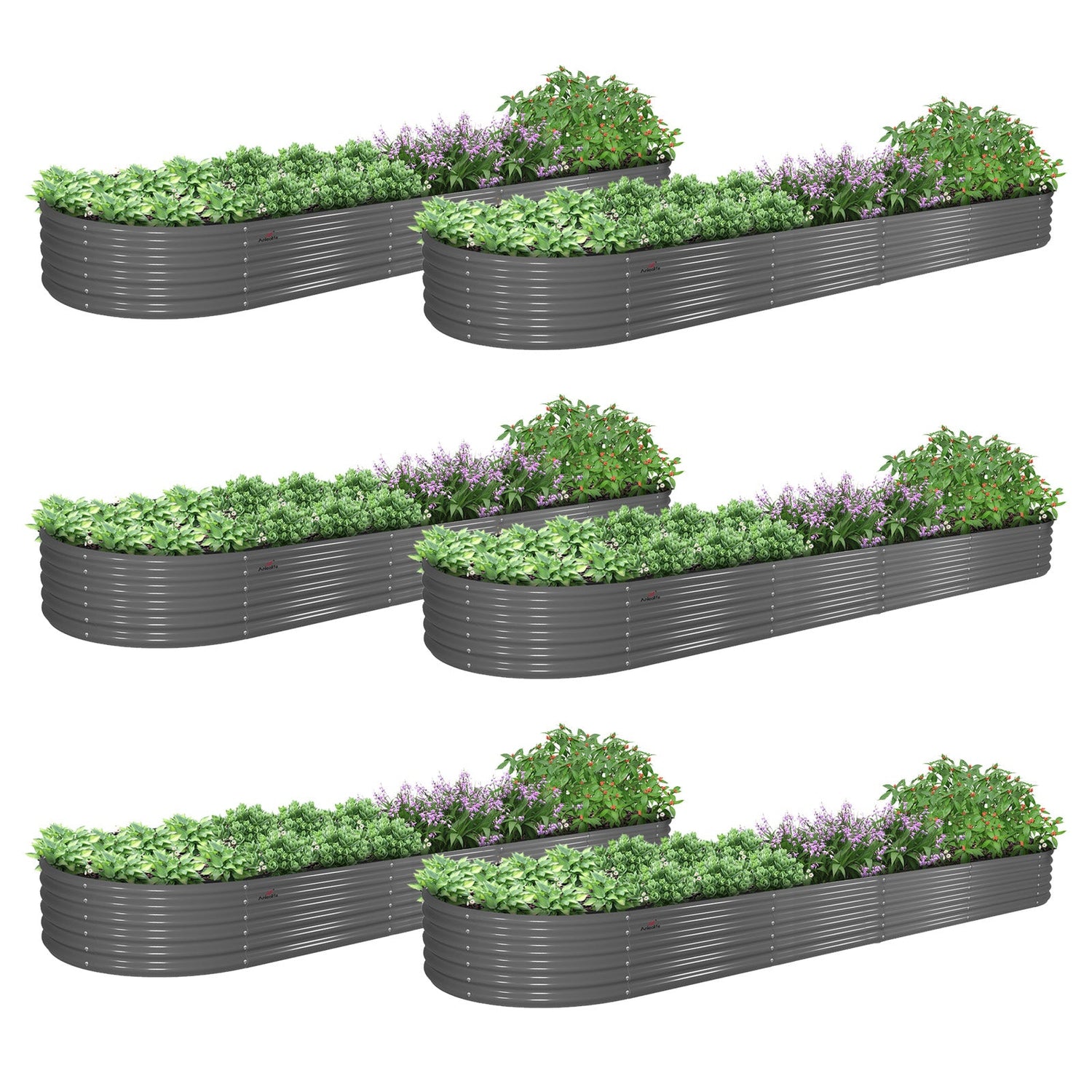
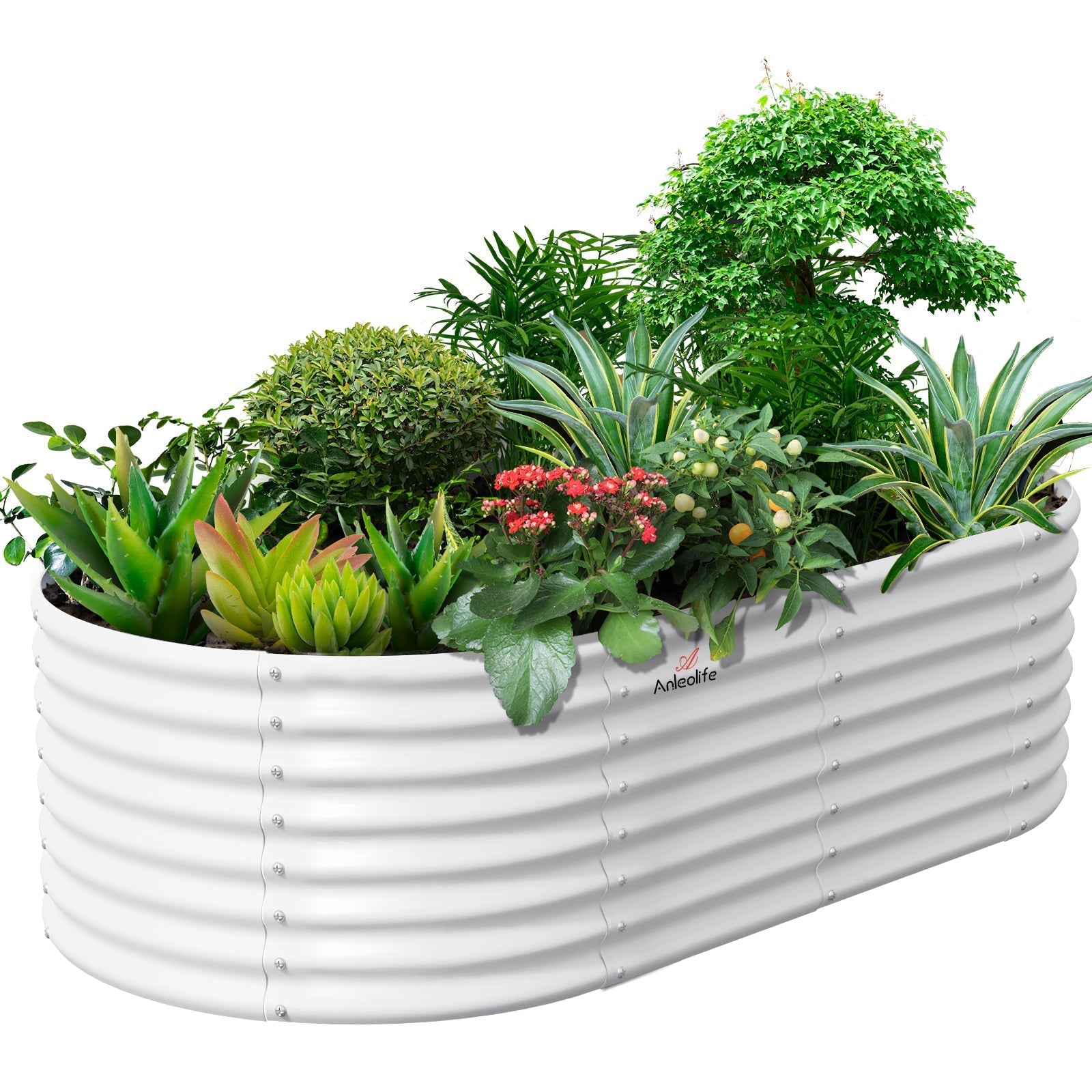
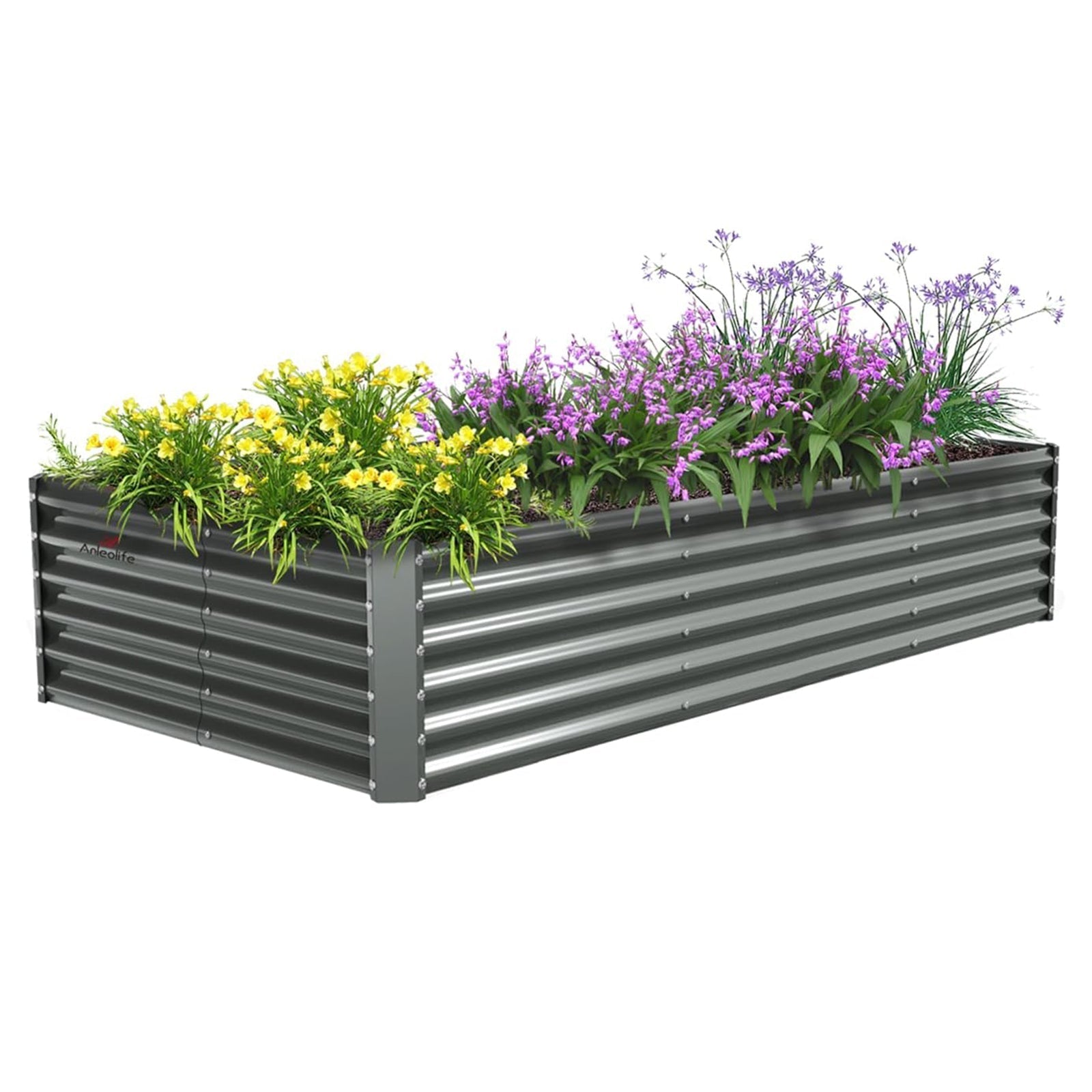
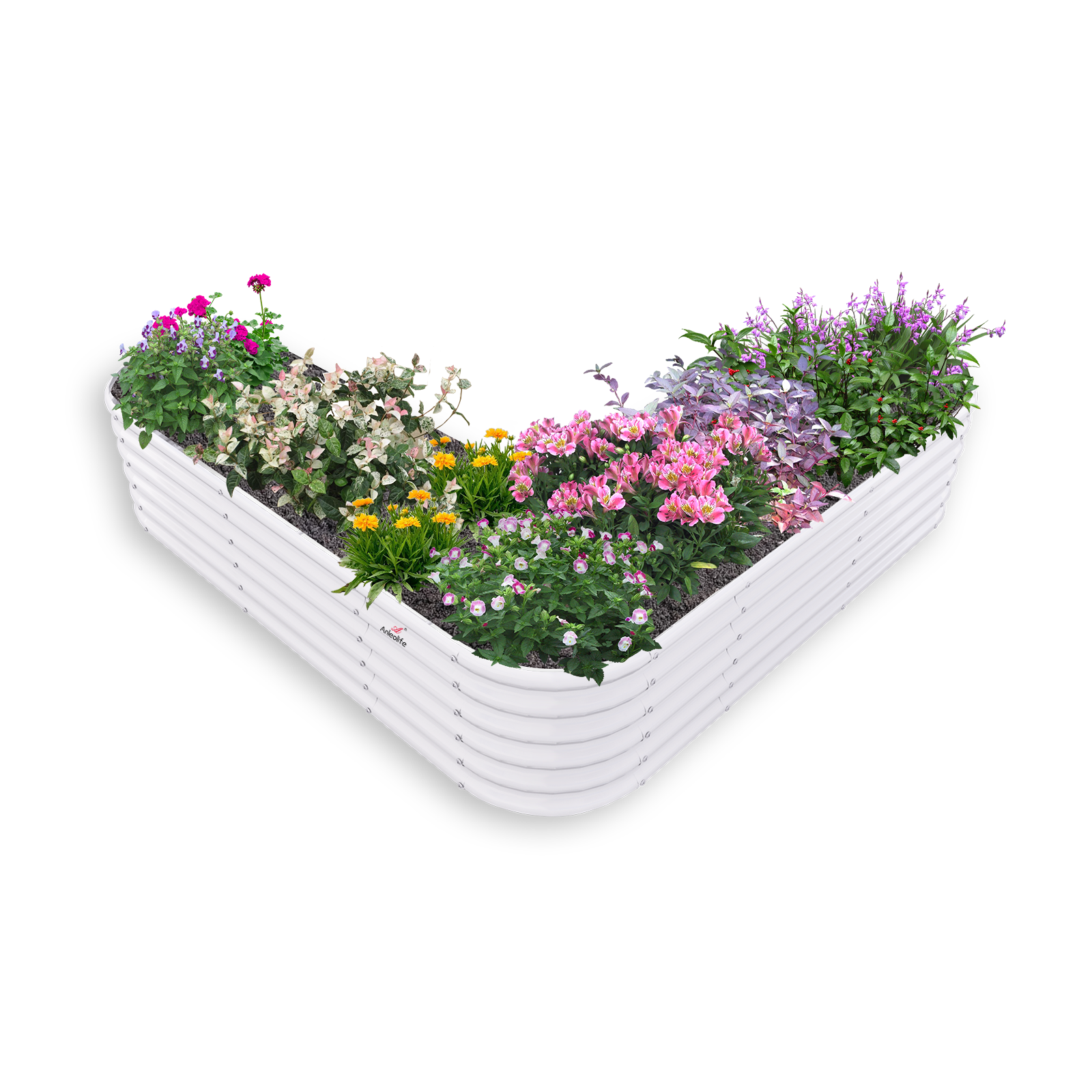
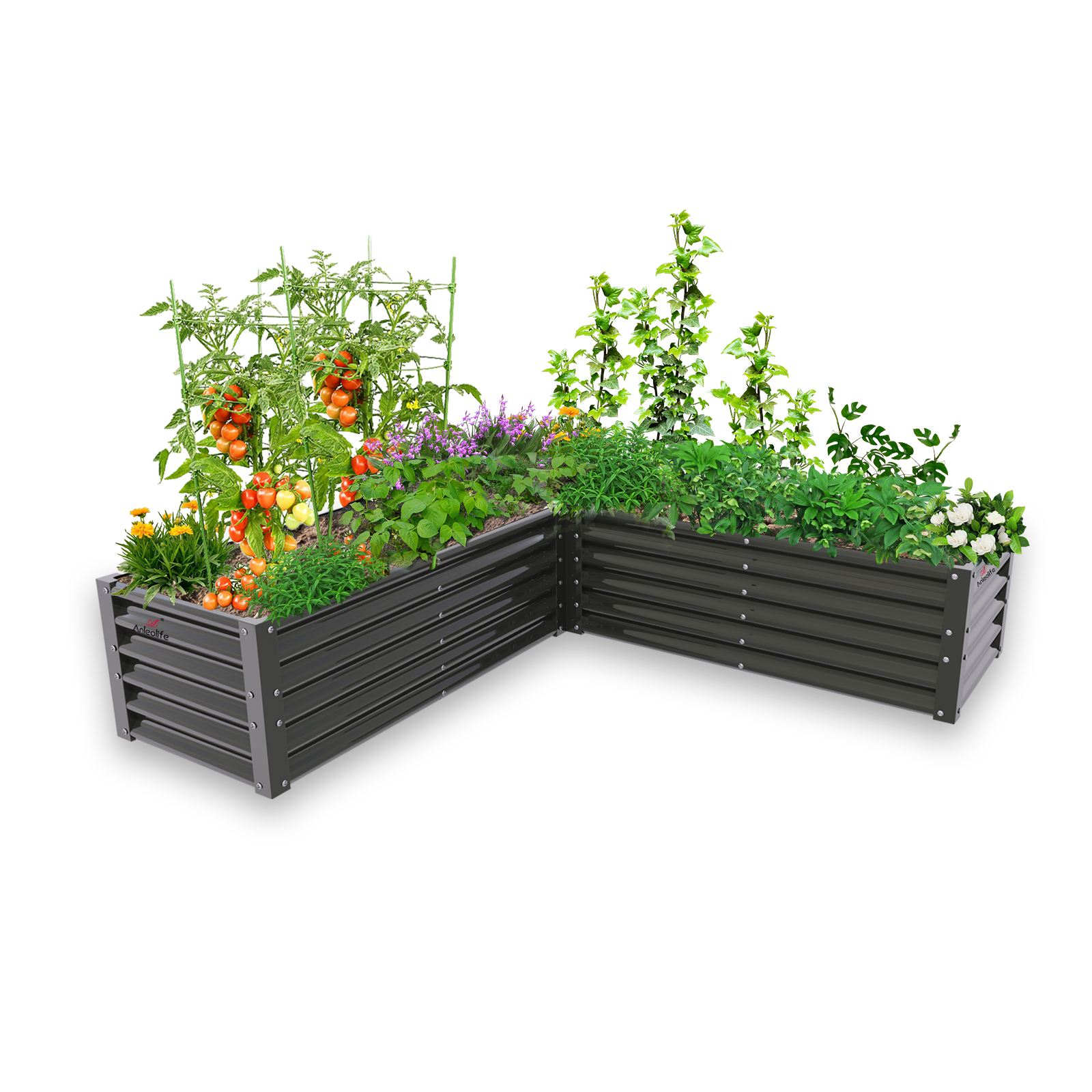
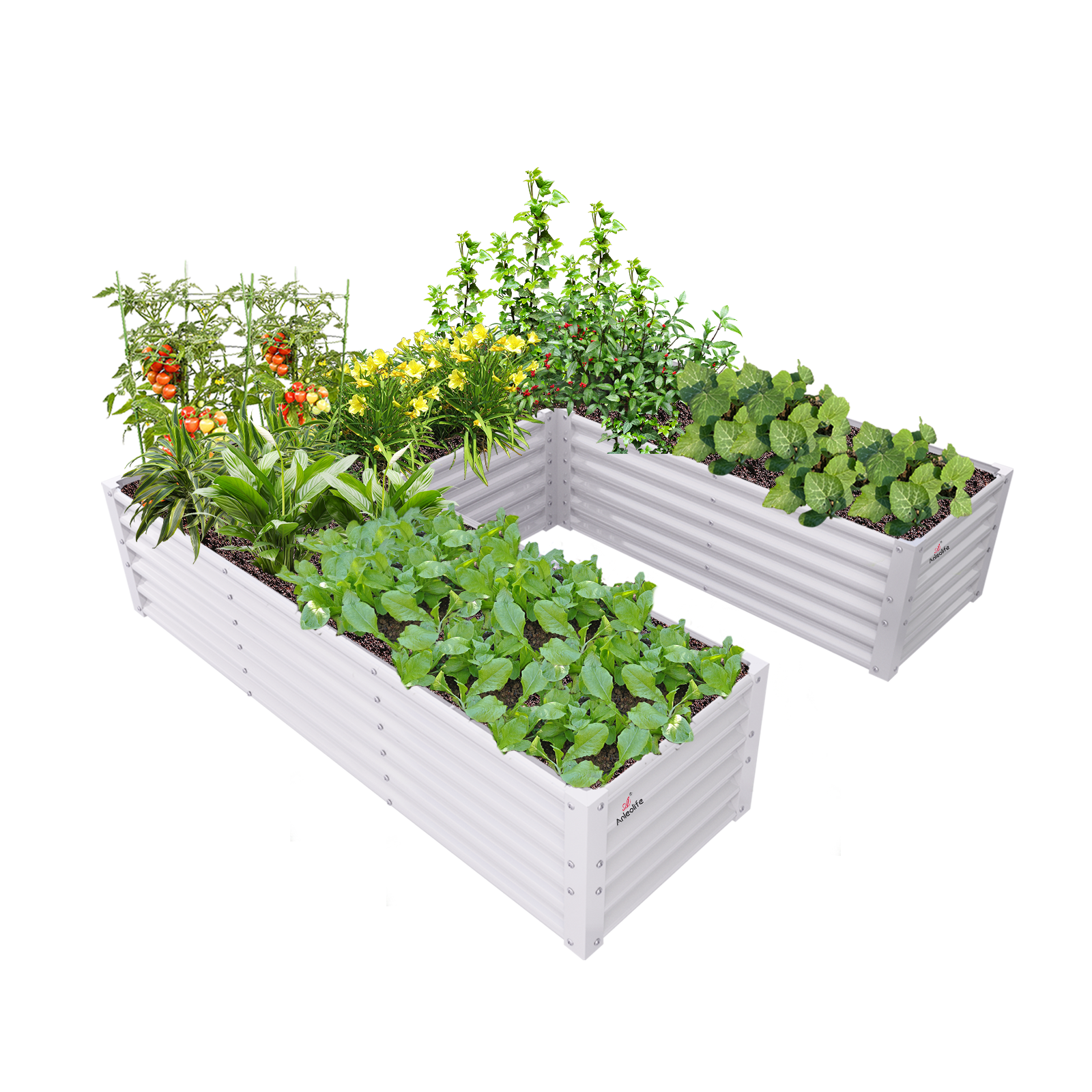
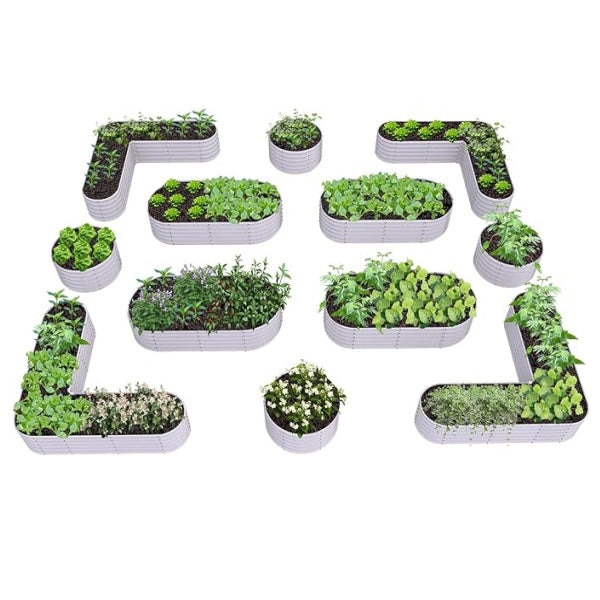
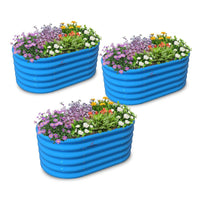
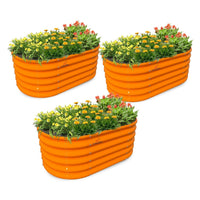
Anleolife's range of galvanized steel raised garden beds is designed with long-term soil health in mind. Their beds are built to last up to 20 years, meaning the soil ecosystem you build through consistent top-dressing and amendment has a stable, durable home for decades. Whether you're working with an 18-inch tall 8x4 ft bed for a standard vegetable garden or stepping up to a 30-inch extra tall 10x3 ft bed for ergonomic, back-friendly gardening, the structural integrity of the container directly supports the effectiveness of your soil management practices.
For those wondering are Anleolife garden beds recyclable or biodegradable, galvanized steel is one of the most widely recycled materials in the world. While the beds themselves are designed for multi-decade use, the steel is fully recyclable at end of life—making them a responsible choice for eco-conscious gardeners.
Adjusting Top-Dressing for Compact and Urban Beds
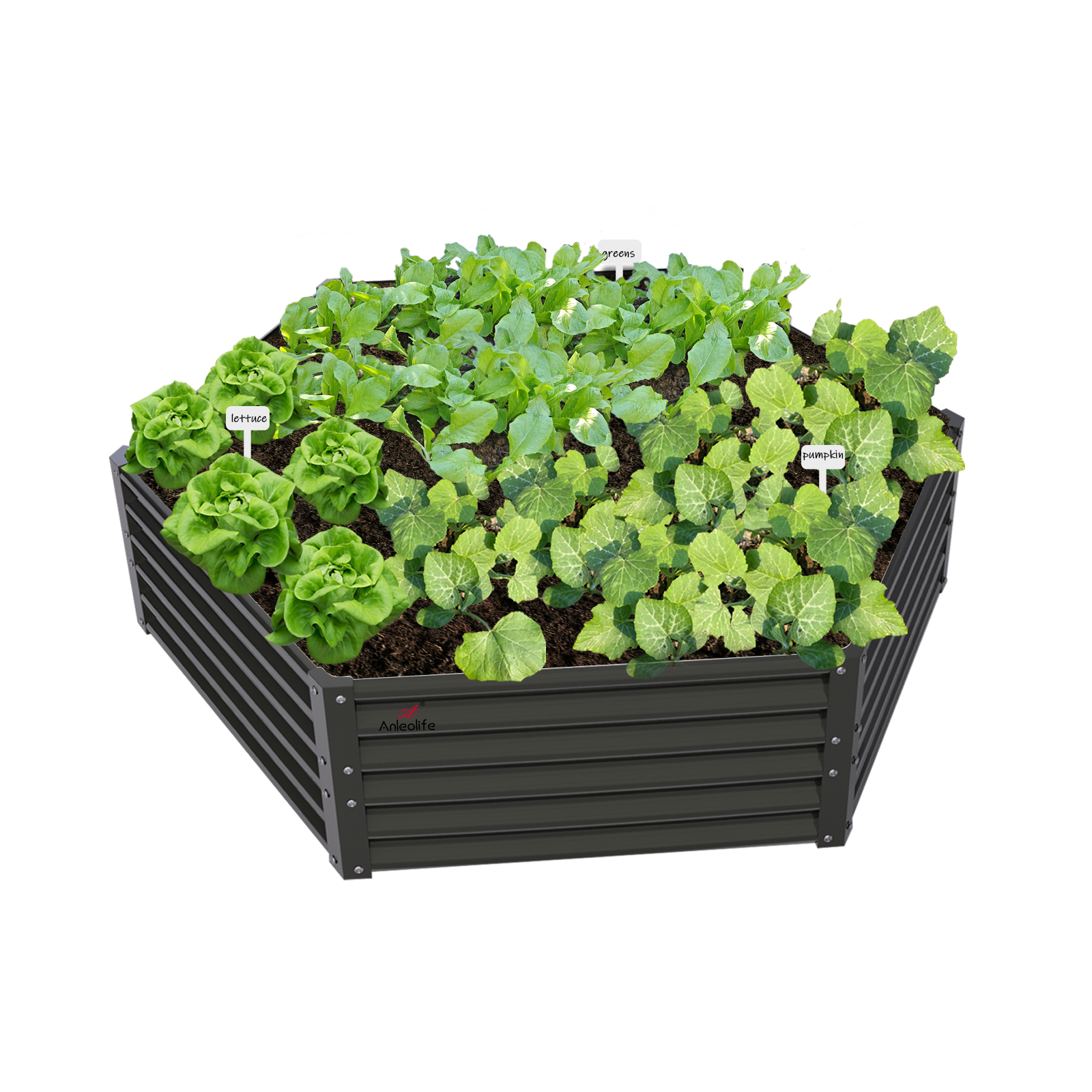
Urban micro-gardeners and those working with smaller footprint beds face a slightly different set of considerations. In a compact 4x1.5 ft waist-high bed or a 48-inch wide round bed, the ratio of plant root mass to soil volume is higher, meaning nutrient depletion happens even faster. These beds often benefit from more frequent, lighter top-dressing applications—a half-inch of worm castings every three to four weeks rather than a single heavy application.
If you're managing best backyard garden accessories for small spaces alongside your beds—trellises, drip systems, plant supports—integrating your top-dressing schedule with your overall maintenance calendar keeps the workload manageable. The goal is consistency, not intensity.
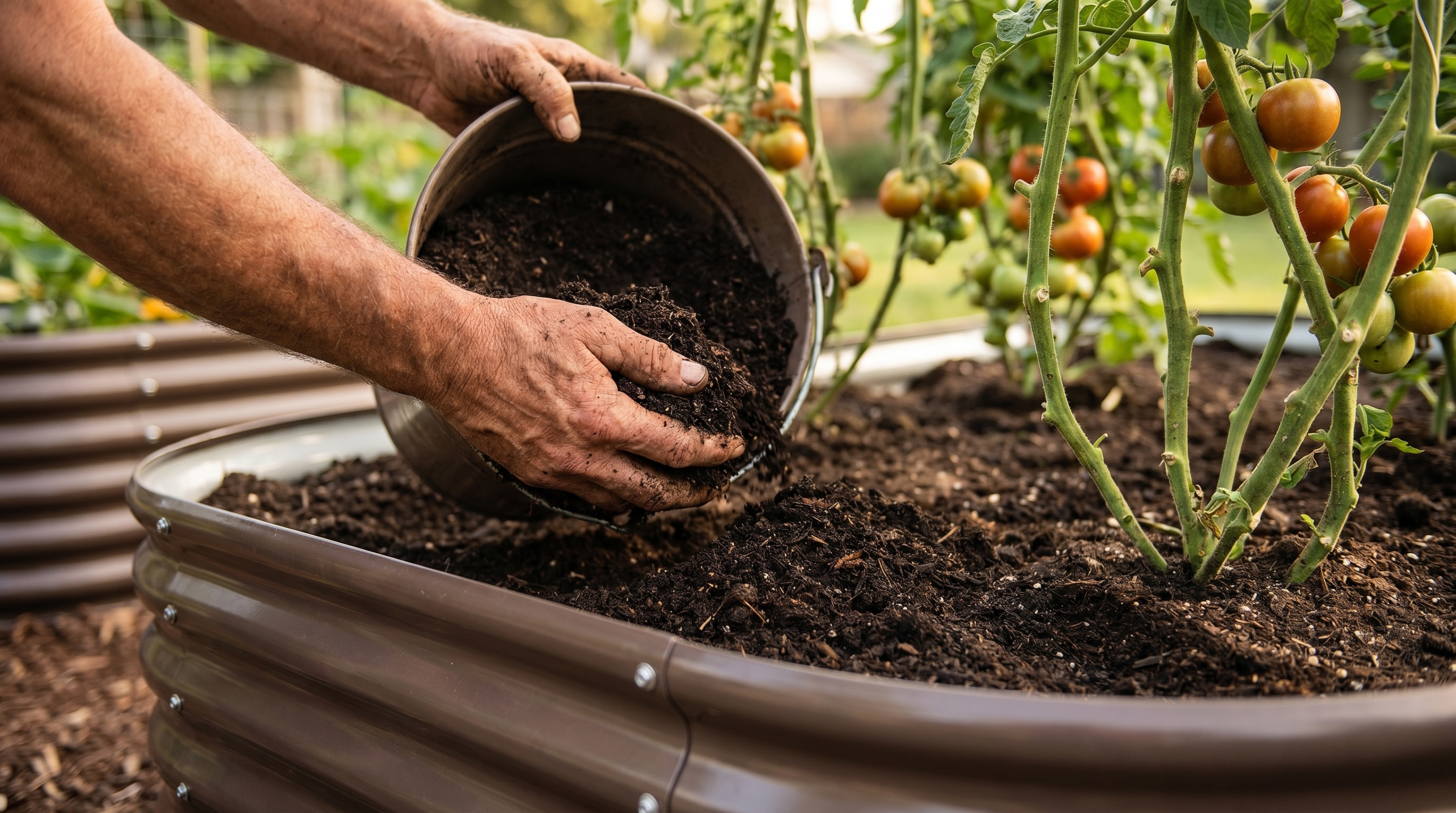
ALT: Close-up of gardener applying compost top-dressing between tomato plants in a galvanized steel raised garden bed for better mid-season yields
Advanced Considerations: When Top-Dressing Alone Isn't Enough
Addressing pH Drift Mid-Season
Heavy watering and decomposing organic matter can gradually shift soil pH in a raised bed, typically pushing it toward slightly more acidic conditions over time. If your top-dressing efforts don't seem to be producing results—even though you've been consistent—pH may be the underlying issue. Plants can't absorb nutrients effectively if pH falls outside their preferred range, regardless of how much amendment you add.
A mid-season soil pH test (available as inexpensive home test kits) takes about five minutes. If pH has drifted below 6.0, a light application of garden lime worked into your top-dressing layer can help bring it back toward the 6.2–6.8 sweet spot most vegetables prefer. If it's run above 7.5, sulfur amendments can nudge it back downward.
Recognizing When You Have a Watering Problem, Not a Soil Problem
One common misconception among raised bed gardeners is that every case of yellowing leaves or sluggish growth points to a nutritional deficit. In fact, inconsistent watering—either under-watering that stresses plants or over-watering that suffocates roots—produces symptoms that look nearly identical to nutrient deficiency. Before adding any amendment, stick your finger 2–3 inches into the soil. If it's bone dry, water first and observe. If it's consistently waterlogged, improve drainage before amending.
The Relationship Between Soil Biology and Amendment Effectiveness
Top-dressing isn't just about chemistry—it's about biology. The nutrients in compost and manure only become available to plant roots after soil microorganisms process them. If your soil's microbial population has been depleted (by synthetic pesticides, extreme heat, or extended drought), amendments won't perform as expected. Consider adding a microbial inoculant or mycorrhizal fungi product alongside your first mid-season top-dressing to help rebuild the biological foundation that makes organic amendments work.
Frequently Asked Questions FAQ
Q1: How often should I top-dress my raised garden bed during the growing season?
For most raised beds growing heavy-feeding vegetables, one to two mid-season top-dressing applications are ideal—typically once in early summer and again in midsummer if the growing season extends through early fall. Light feeders and herb gardens can get by with a single application. The key is to watch your plants: if color and vigor remain strong after the first application, you can hold off on the second. Consistent, modest applications outperform a single heavy dose.
Q2: Is compost or fertilizer better for mid-season top-dressing in raised beds?
Both have a role, and the best approach often combines them. Finished compost provides broad-spectrum, slow-release nutrition while simultaneously improving soil structure and feeding microbial life—it's the foundation of any top-dressing program. Targeted granular organic fertilizers (like balanced blends or specific amendments for nitrogen, phosphorus, or potassium) are most useful when a soil test reveals a specific deficit. Think of compost as your baseline and fertilizer as a precision supplement applied only when needed.
Q3: How long does it take to see results after top-dressing a raised garden bed?
Most gardeners notice visible improvement in plant color, leaf size, and overall vigor within 7 to 14 days of an effective top-dressing, assuming adequate watering to activate the amendments. Fruit-set improvement on crops like tomatoes and peppers may take slightly longer—typically two to three weeks—as the plant first needs to redirect energy from root uptake before expressing that nutrition in flowering and fruiting. Worm castings tend to show faster results than bulk compost due to their higher concentration of immediately plant-available nutrients.
Summary
Mid-season top-dressing is one of the highest-return activities you can do in your raised garden bed with minimal time investment. Let's recap the three core principles:
Diagnose before you amend. Understanding whether your plants are dealing with a nutritional gap, a watering issue, or a pH problem will save you time and money and produce faster results. Look at your plants carefully, test your soil if needed, and choose your amendment accordingly.
Match your amendment to your crop and timing. Heavy feeders like tomatoes and squash thrive with a generous mid-season application of compost or aged manure, while light feeders only need a modest refresh. Timing matters—apply amendments when plants are actively growing and still in their productive phase, not after yield has already peaked.
Support your soil with the right structure. The effectiveness of your soil management program depends partly on having a durable, stable raised bed that contains your carefully built growing environment without introducing contaminants or deteriorating over time. Investing in quality materials from the start pays dividends through years of consistent, healthy harvests.
Your next step: walk out to your garden today, take a good look at your plants, and assess whether a mid-season top-dressing is overdue. If your vegetables are showing any signs of slowing down, a bag of finished compost and 30 minutes of your afternoon could be the most productive thing you do for your garden this week.
Upgrade Your Garden With Anleolife
Anleolife's nationwide U.S. warehouse network—strategically located in California, Texas, Florida, New York, Illinois, and Washington—ensures delivery within 3–8 business days, so your garden upgrade plans never have to wait. Our products are available across major e-commerce platforms including Amazon, Walmart, Home Depot, Lowe's, Wayfair, and directly at Anleolife.com, offering consistent quality assurance and responsive after-sales support.
Our three core scenarios—Planting (metal raised garden beds, soil systems), Raising (chicken coops, rabbit hutches), and Beautification (decorative accessories, pathway systems)—meet your complete needs from functionality to aesthetics. Our galvanized steel and rust-resistant raised garden beds are engineered to last up to 20 years, giving your soil-building investments a home that grows with you. Whether you're starting with your first 8x4 ft bed or building toward a fully integrated planting-and-raising ecosystem, Anleolife is designed to meet you where you are and support every stage of your garden journey.
References
- Penn State Extension. "Soil Fertility Management for Vegetable Gardens."
https://extension.psu.edu/soil-fertility-management-for-vegetable-gardens - University of California Agriculture and Natural Resources. "Fertilizing the Vegetable Garden."
https://ucanr.edu/sites/gardenweb/files/183084.pdf - USDA National Organic Program. "Compost and Soil Health in Organic Production."
https://www.ams.usda.gov/rules-regulations/organic - Oregon State University Extension Service. "Improving Garden Soils with Organic Matter."
https://extension.oregonstate.edu/gardening/techniques/improving-garden-soils-organic-matter - Cooperative Extension – University of Minnesota. "Raised Bed Gardening."
https://extension.umn.edu/how/raised-bed-gardening
Note: Standards and recommendations may be updated. Please check the latest official documents or consult a local agricultural extension advisor for the most current guidance.
About Anleolife
Anleolife is a leading outdoor garden solutions provider in North America, dedicated to offering a full-scenario product ecosystem for home gardening enthusiasts, covering planting, raising, and garden beautification. Since its founding, we have upheld our brand mission, "Made for Garden Life," continuously innovating products and optimizing services to help hundreds of thousands of users upgrade their gardens, reconnect with nature, and enjoy a better garden lifestyle.