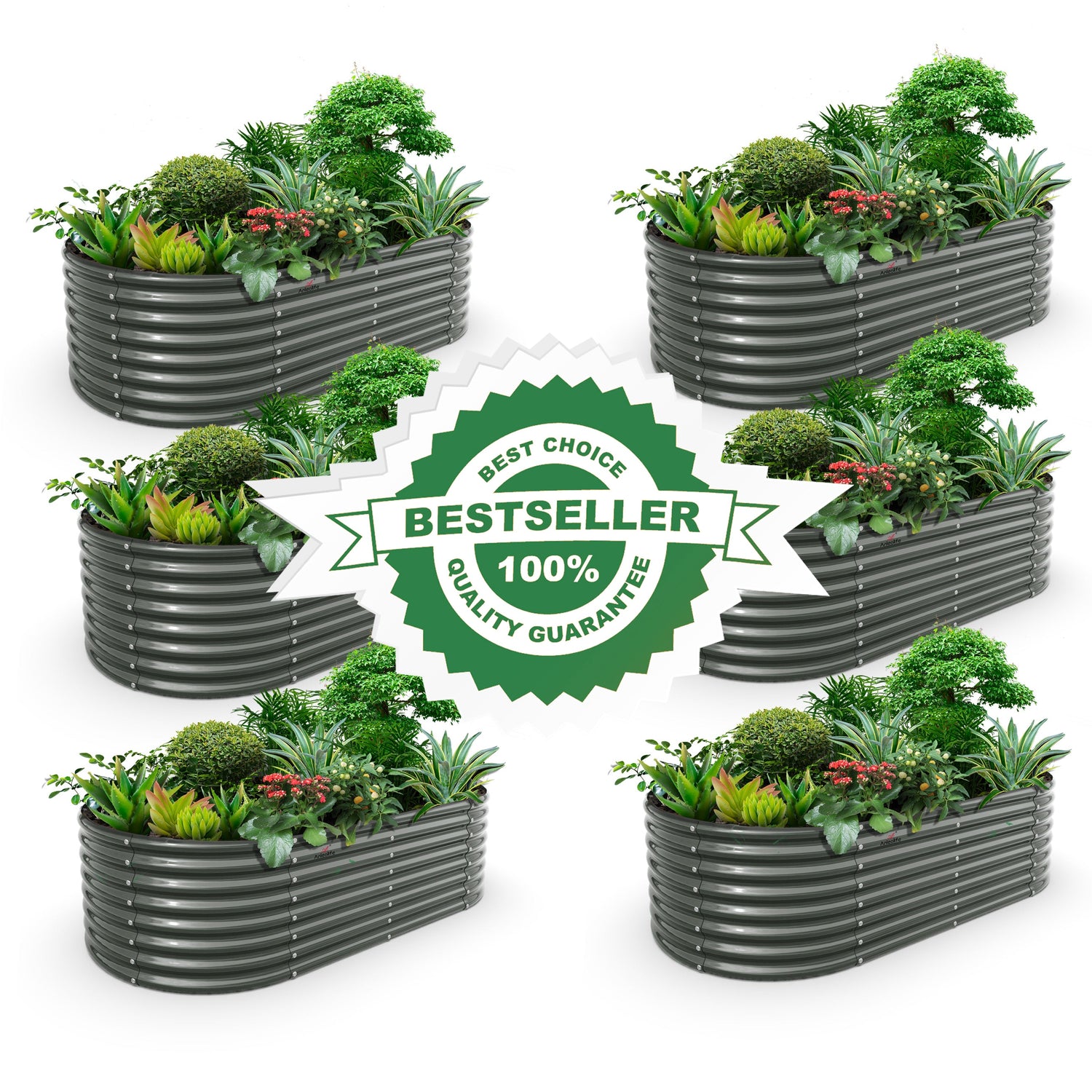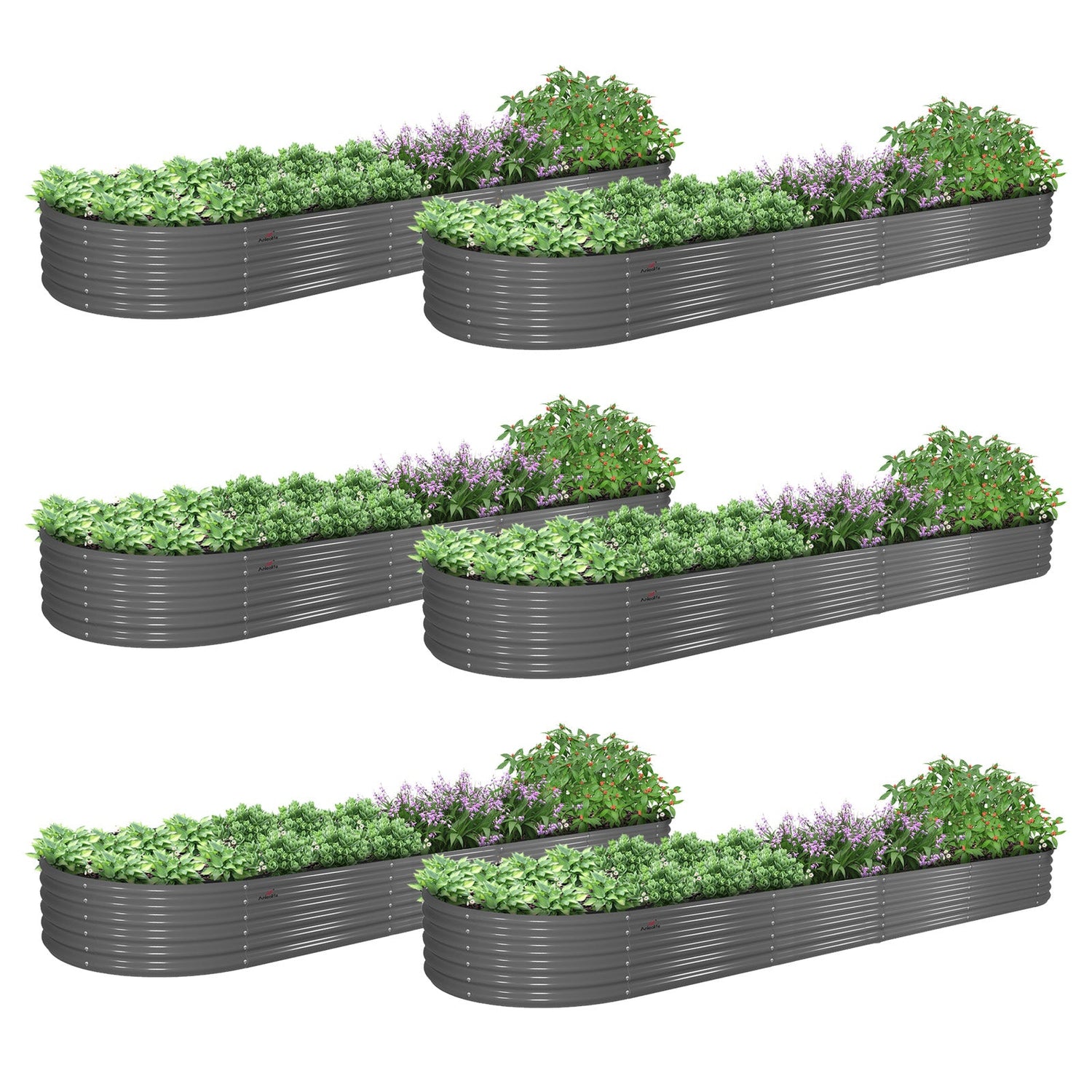



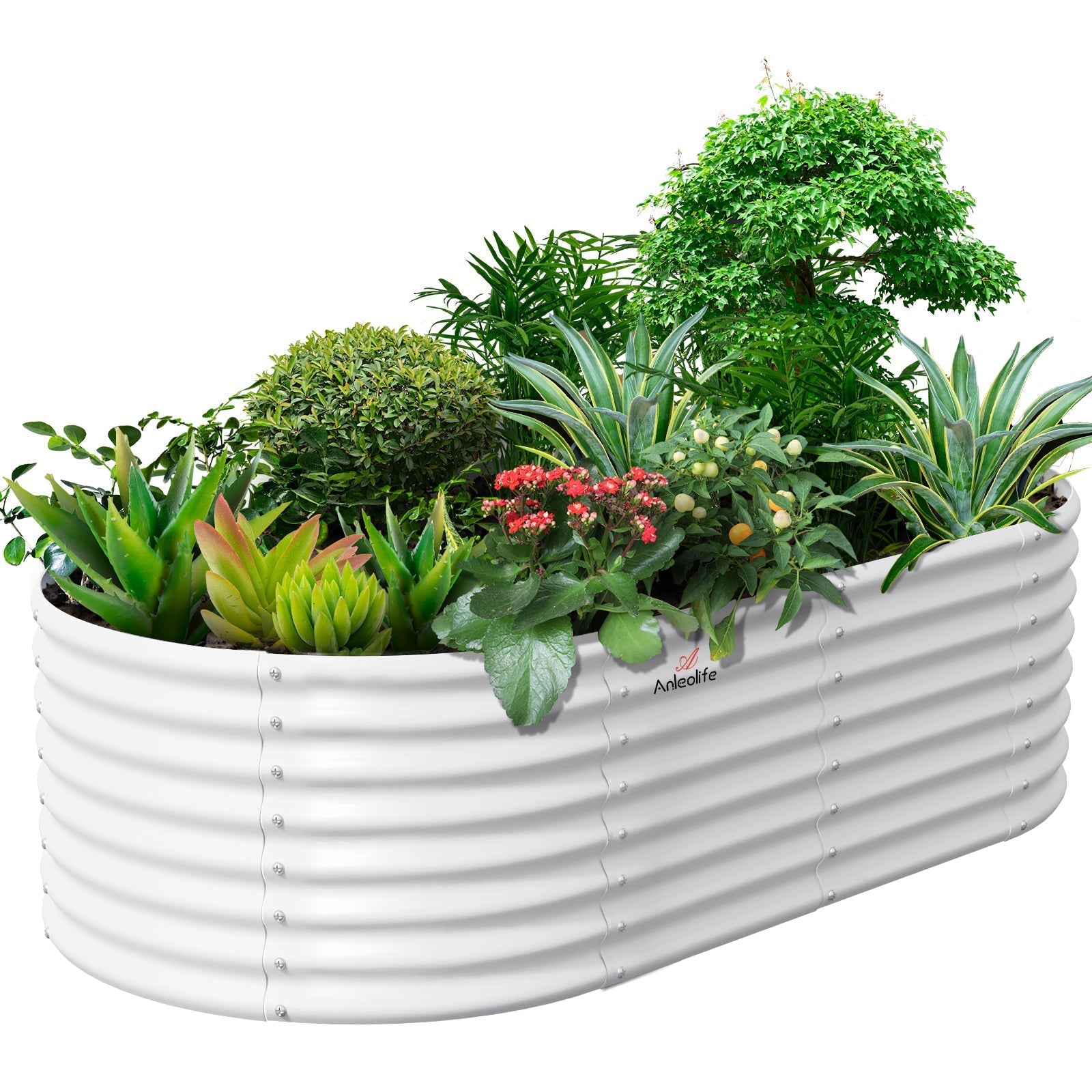
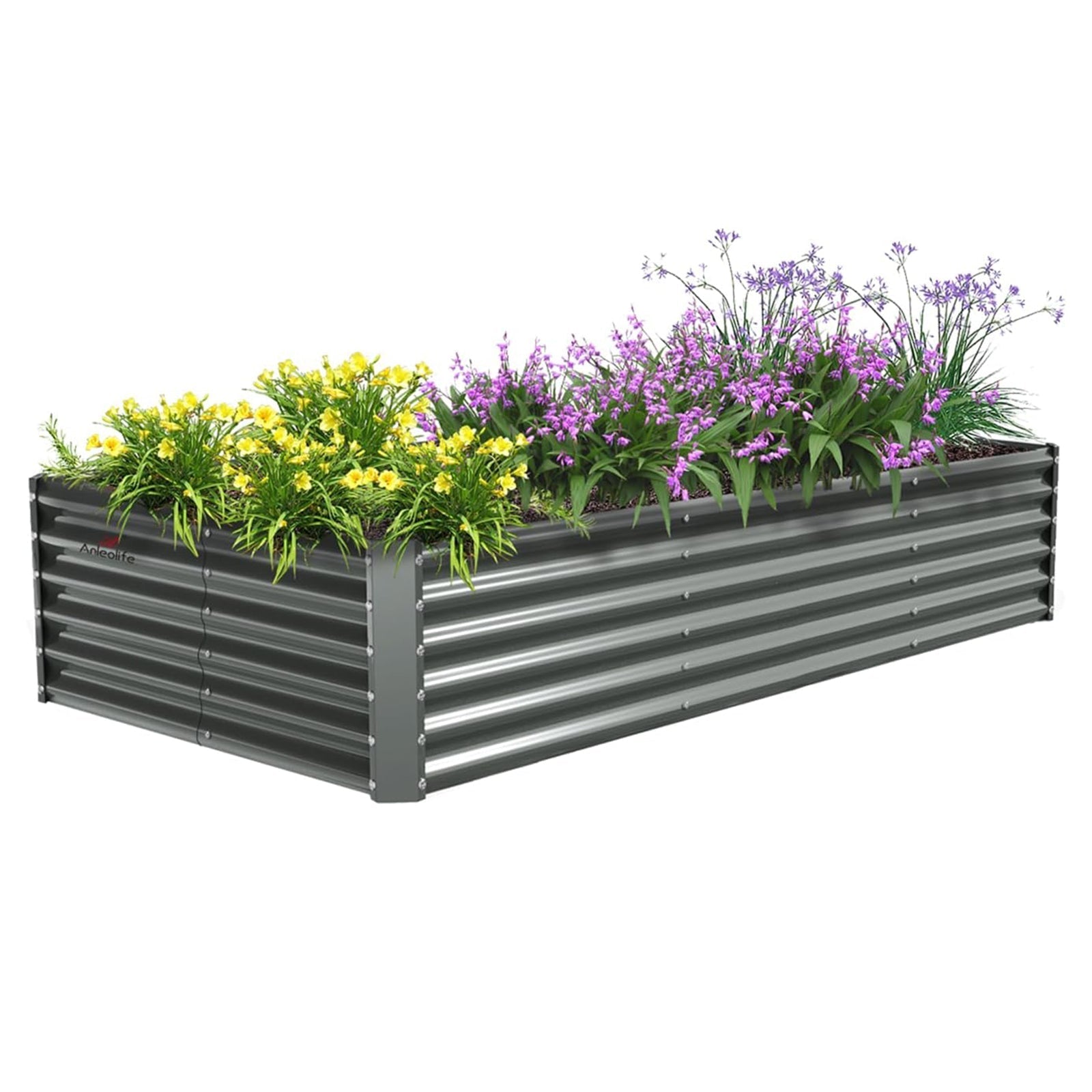

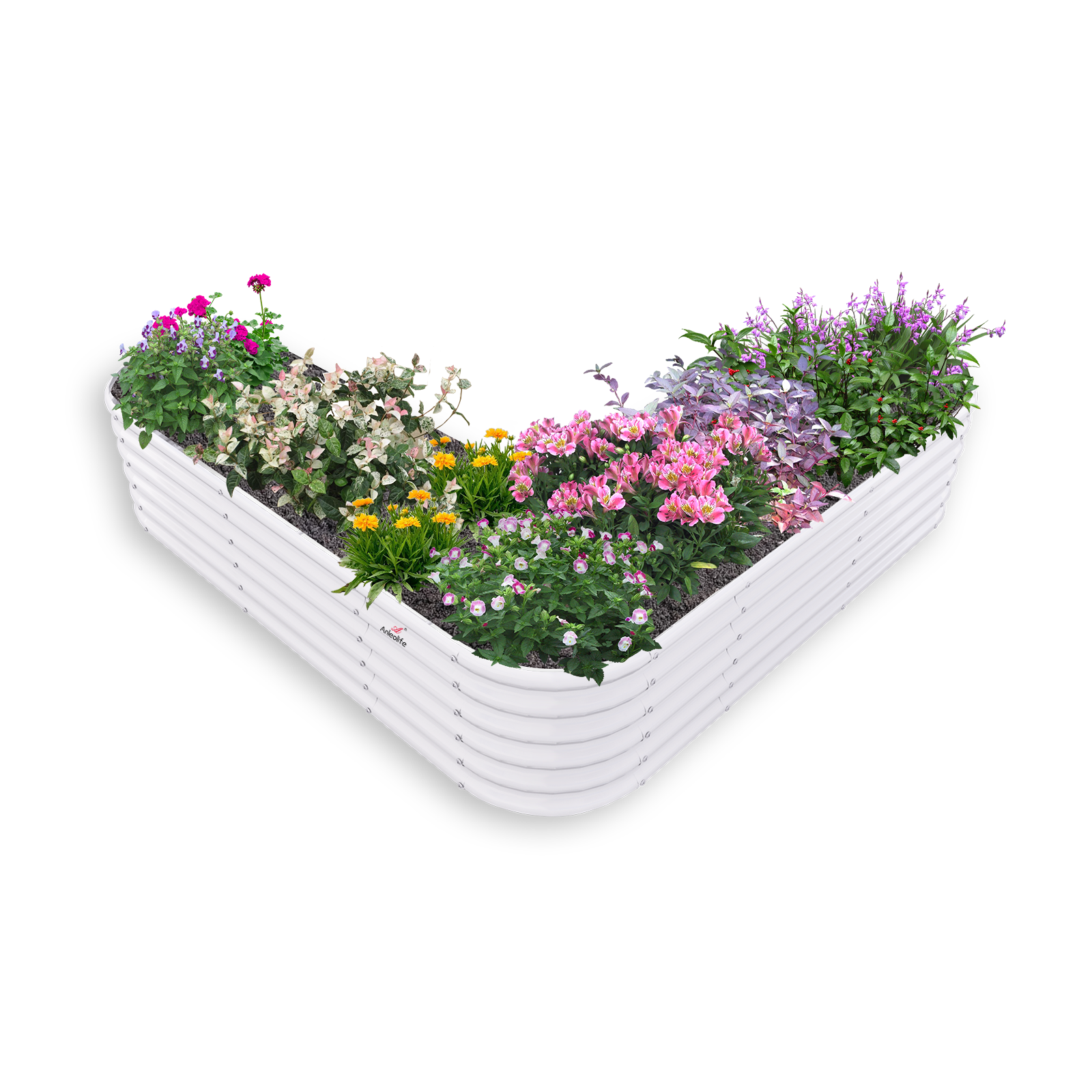
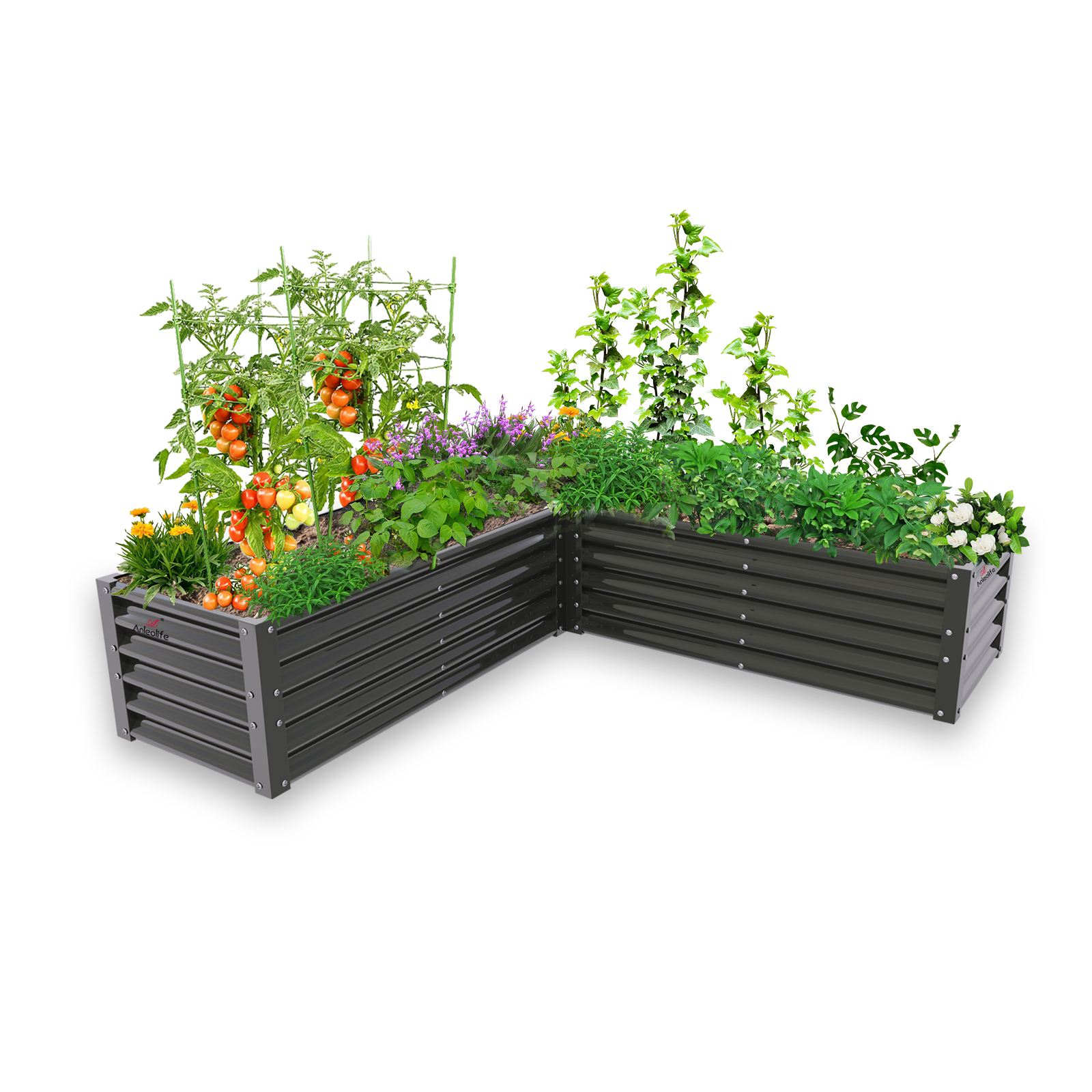
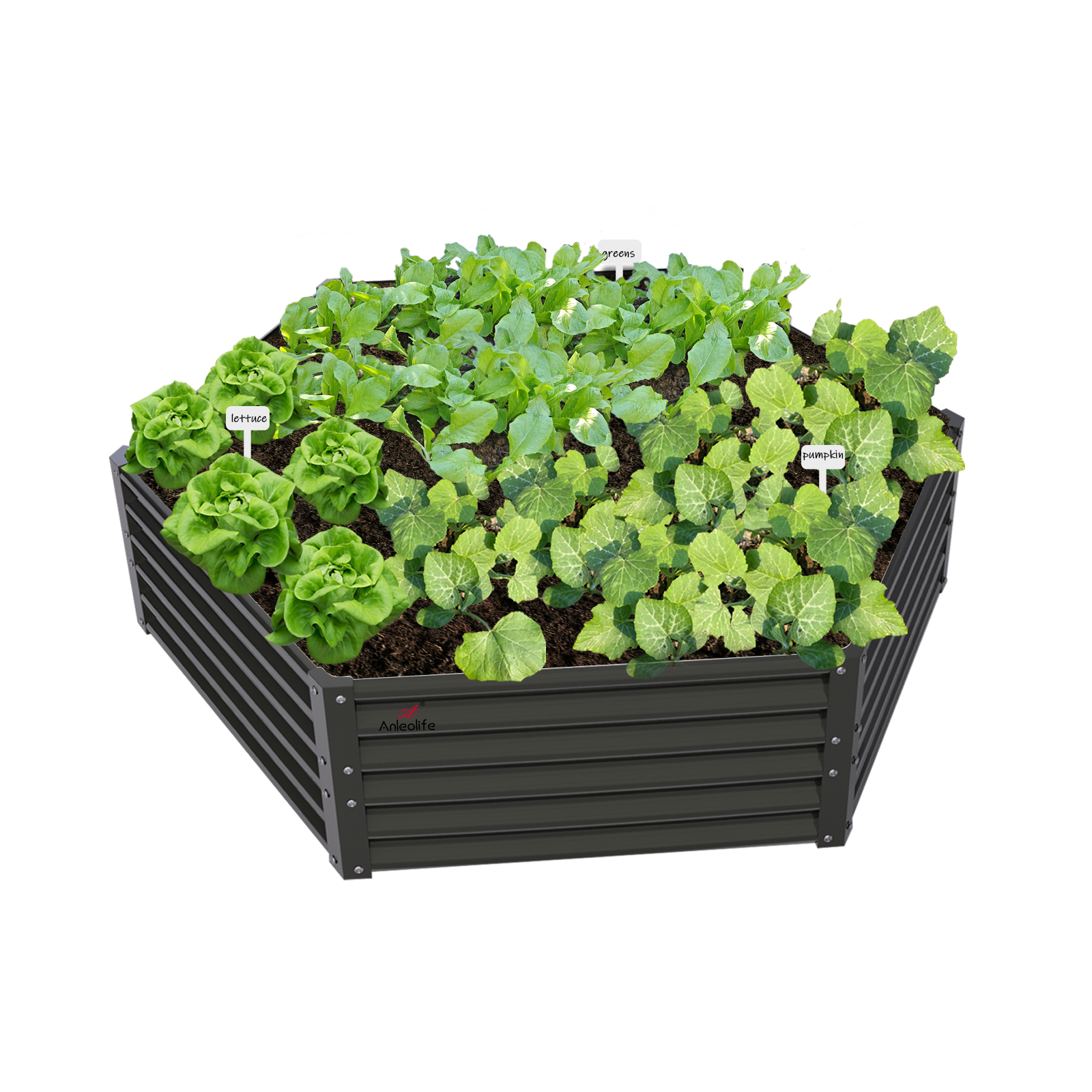
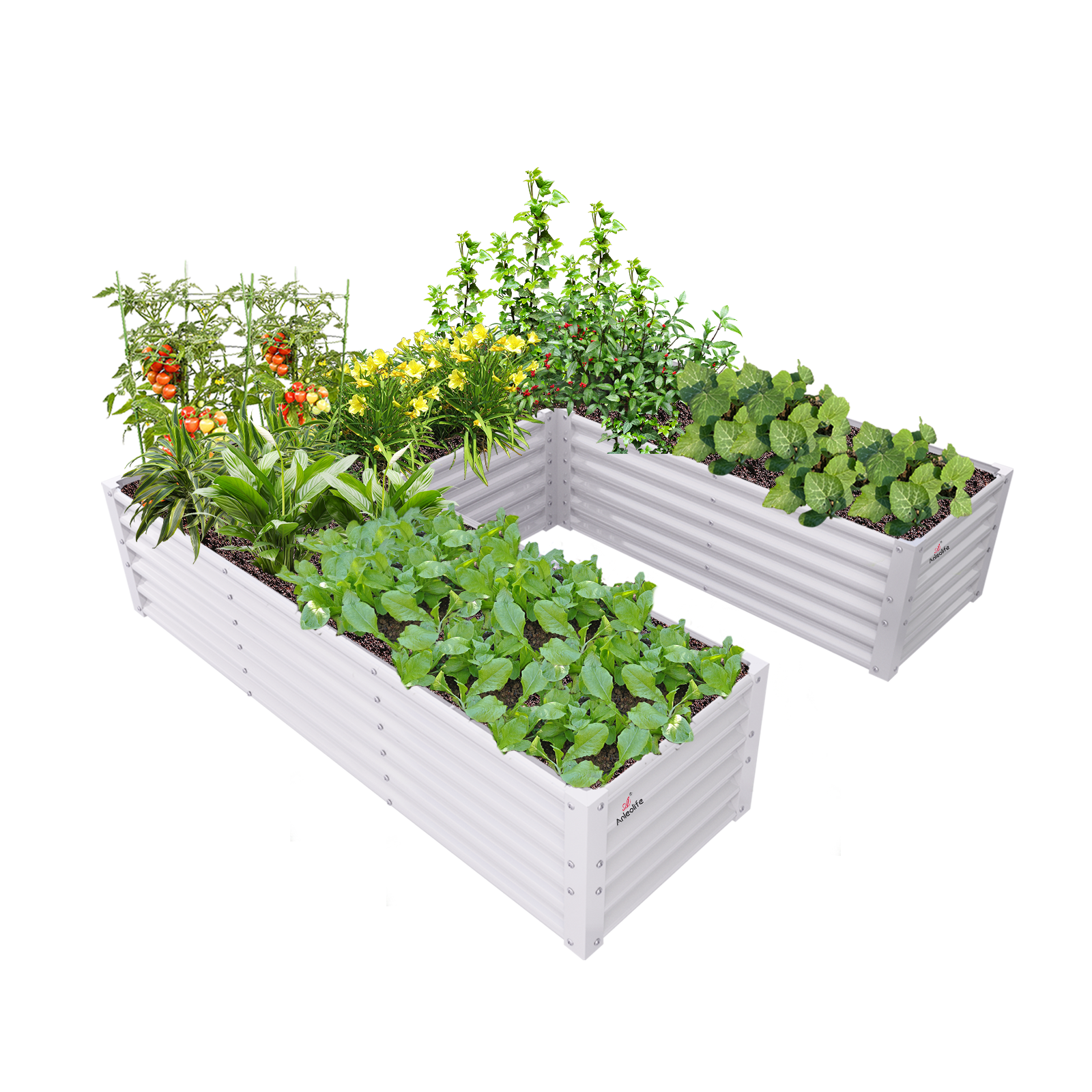

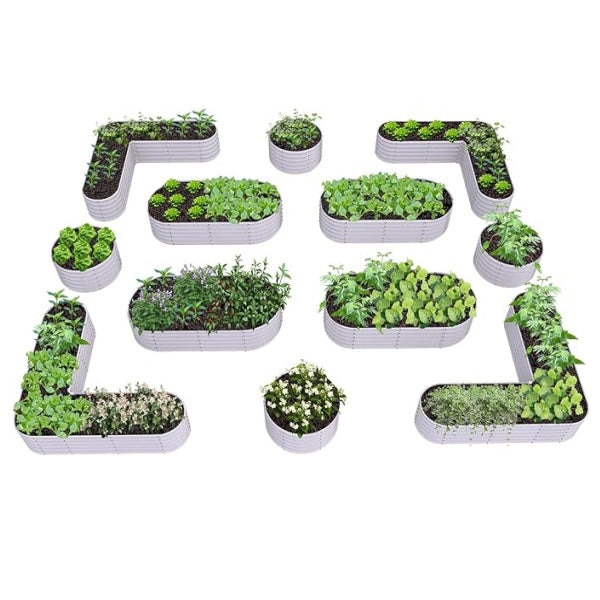


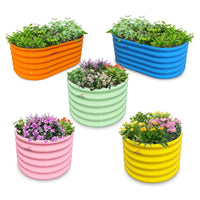
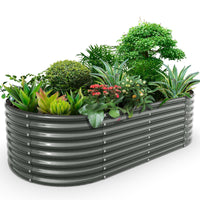



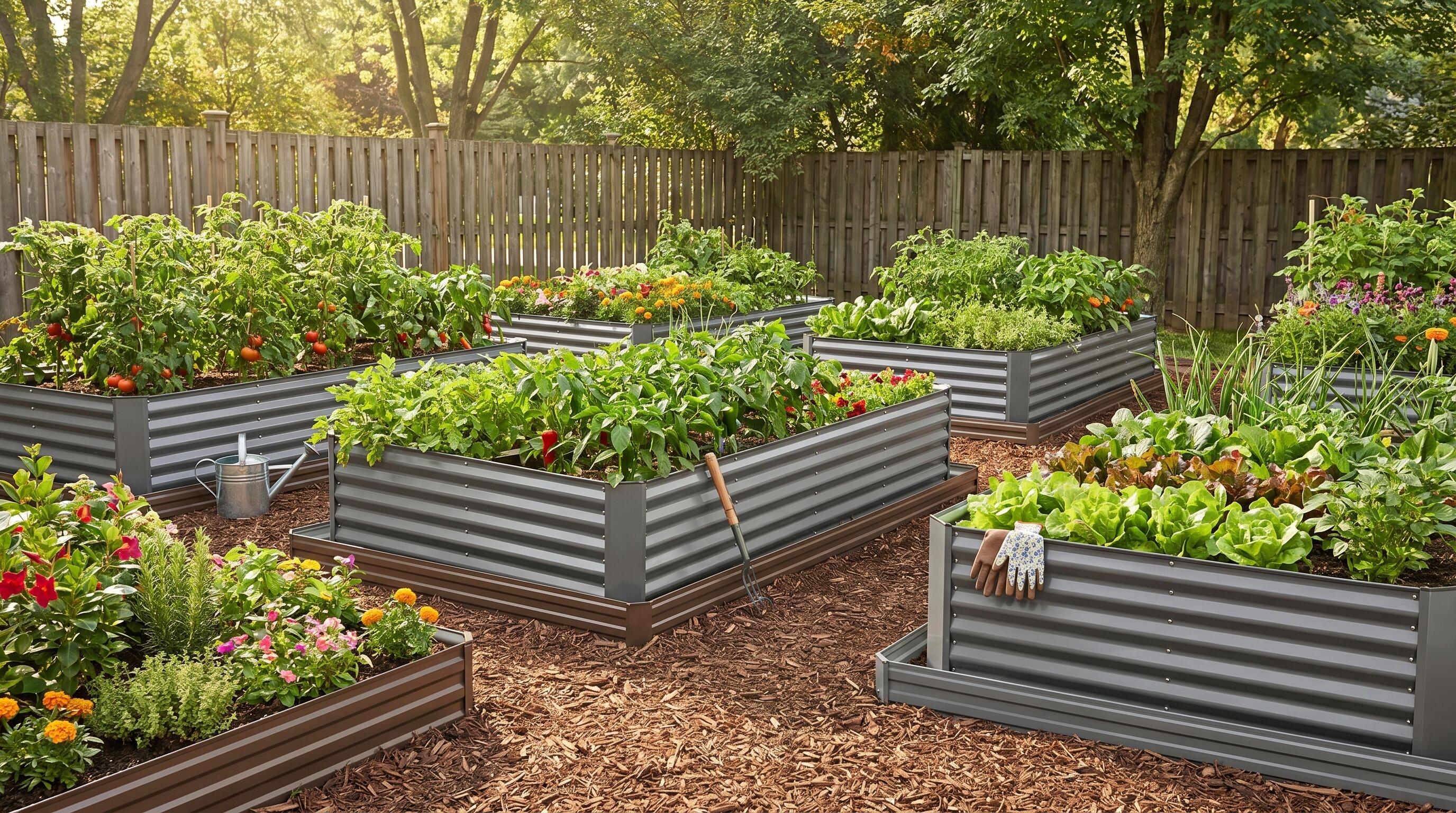
ALT: Metal garden edging installed around raised garden beds to block weeds and define clean planting borders
Why Garden Edging Is the Secret Weapon Your Raised Beds Have Been Missing
Key Conclusion: A well-planned raised bed garden layout does more than organize your planting space — it actively defends your garden against invasive weeds. By pairing a thoughtful raised bed planting layout with the right garden edging, you create a physical barrier that stops grass and weeds before they take root. Whether you're working with a classic raised bed layout or experimenting with something more creative, edging is the low-effort, high-impact upgrade that keeps your garden productive season after season.
There's a familiar frustration that nearly every raised bed gardener knows: you spend a Saturday morning preparing your soil, planting your seeds, and stepping back to admire the results — only to find two weeks later that crabgrass is already creeping in from the sides and dandelions are poking up between the boards.
Weeds are persistent. They don't care how much effort you've put in, and they certainly don't respect borders. But here's the good news — the right edging strategy can stop them in their tracks. In this guide, we'll walk you through exactly how to use garden edging to protect your raised beds, what materials work best, how to install them, and how edging fits into a smart, long-term garden design.
Who Should Read This Guide
✅ Applicable Scenarios:
- Home gardeners with existing raised beds who are dealing with persistent grass or weed encroachment along the perimeter
- New gardeners planning a raised bed setup and wanting to get weed prevention right from the start
- Urban micro-gardeners and balcony growers looking to define compact planting zones without messy overgrowth
- Empty nesters and retirees who want a lower-maintenance garden that stays tidy with minimal weekly effort
- Eco-conscious growers who want to reduce herbicide use by relying on physical barriers instead
❌ Not Applicable/Cautions:
- Gardeners growing in containers or pots indoors, where weed pressure from surrounding soil doesn't apply
- Those in heavily shaded yards with minimal weed growth — edging may be optional in very low-pressure environments
- Gardeners dealing with deep-rooted perennial weeds (like bindweed or Japanese knotweed) — edging alone won't eliminate established infestations; root removal and barrier fabric are also needed
The Real Cost of Ignoring Weeds Around Your Raised Beds
If you've invested time and money into building raised beds, neglecting the edges is one of the most common — and costly — mistakes a gardener can make.
Weeds don't just look untidy. They compete directly with your vegetables, herbs, and flowers for water, nutrients, and sunlight. Research from the University of California Cooperative Extension indicates that weed competition can reduce vegetable crop yields by 20–50% when left unmanaged, particularly during the early growth stages when seedlings are most vulnerable.
And it's not just the plants growing inside your beds that you need to worry about. Turf grass, clover, and creeping weeds from your lawn or pathways will continuously send runners and rhizomes under and around your raised bed frames, eventually breaching the interior unless you create a deliberate physical barrier at the perimeter.
This is where garden edging changes the equation entirely. Rather than spending every weekend pulling weeds by hand or reaching for chemical sprays, a properly installed edging system creates a defined boundary that cuts off the weed's access route.
Beyond weed control, edging also serves an important structural role in your overall raised bed garden layout. It separates planting zones from pathways, gives your garden a clean, intentional look, and — when chosen well — can last for years or even decades.
The popularity of raised bed gardening has surged in recent years. According to the National Gardening Association, vegetable gardening participation in the U.S. has grown significantly, with millions of households now maintaining some form of home food garden. As more families move toward backyard food production, managing that space efficiently — including weed control — has become a top priority.
The good news? You don't need complicated equipment or a professional landscaper to make this work. With the right materials and a clear installation process, you can set up effective weed-blocking edging in a single afternoon.
How to Set Up Garden Edging for Maximum Weed Control
Three-Step Quick Start
Step 1: Map Your Raised Bed Perimeter and Choose Your Edging Material
Before buying anything, walk around each raised bed and measure the total perimeter. Note whether the beds sit directly on lawn turf, gravel, bare soil, or mulched pathways — this affects your material choice and installation depth. Budget around 30–45 minutes for planning and measuring. For most standard 4x8 or 8x4 raised beds, you'll need roughly 24 linear feet of edging per bed. Choose a material based on your aesthetic preference, soil type, and how much maintenance you're willing to do long-term (more on materials in the next section).
Step 2: Prepare the Ground and Install a Weed Barrier
Clear any existing weeds, grass, or debris from the 6–8 inch strip surrounding your raised bed frame. Use a flat spade or edging tool to cut a clean line. For extra protection, lay a strip of landscape fabric or cardboard along this cleared zone before setting your edging in place. This two-layer approach — fabric plus physical edging — dramatically reduces weed breakthrough. Plan for about 1–2 hours depending on how many beds you're edging and the condition of your existing soil. Make sure to overlap fabric sections by at least 6 inches to eliminate gaps.
Step 3: Set, Secure, and Mulch
Install your chosen edging material along the perimeter, pressing or staking it firmly into the ground. For metal or plastic strip edging, use a rubber mallet to drive the anchoring stakes at least 6 inches deep, preventing frost heave and lateral movement over time. Once edging is secured, apply a 2–3 inch layer of mulch (wood chips, straw, or gravel) to the pathway side of the edging. This suppresses any remaining weed seeds while keeping the entire border zone looking neat and finished. Total installation time for a two-bed setup: approximately 2–4 hours.
Comparing the Best Edging Materials for Raised Garden Beds
Not all edging materials are created equal. The right choice depends on your garden size, climate, aesthetic goals, and how long you want your setup to last. Here's a practical side-by-side comparison of the most popular options:
| Comparison Dimension | Metal Garden Edging | Rubber/Plastic Strip Edging | Natural Stone or Brick |
|---|---|---|---|
| Best For | Permanent, clean-edge installations around metal raised beds | Budget-friendly, flexible layouts on curved or irregular edges | Decorative garden borders with a rustic or formal look |
| Weed Barrier Effectiveness | High — rigid wall blocks runners effectively | Medium — can shift over time, creating gaps | Medium to high — depends on installation precision |
| Durability | 15–25+ years with proper installation | 3–7 years before UV degradation | 20+ years with minimal maintenance |
| Aesthetic Appeal | Modern, minimalist, professional | Functional but less decorative | Highly decorative, classic appeal |
| Installation Difficulty | Moderate — requires stakes and mallet | Easy — flexible and lightweight | Moderate to hard — heavy lifting required |
| Cost Range | $1–$3 per linear foot | $0.50–$1.50 per linear foot | $2–$8+ per linear foot |
| Climate Suitability | Excellent in all climates; won't crack in freeze-thaw cycles | May crack in extreme cold | Excellent in most climates; may shift in freeze-thaw |
| Eco-Friendly Rating | ✅ (galvanized/recycled steel available) | ⚠️ (plastic, limited recyclability) | ✅ (natural material, no chemicals) |
For gardeners already using metal raised garden beds — which are among the best materials for raised garden beds due to their durability, drainage, and resistance to rot — metal strip edging is a natural companion. It creates a visually cohesive look while offering serious long-term performance.
Deep Dive: Installing Edging That Actually Keeps Weeds Out
Understanding How Weeds Breach Raised Beds
Before you install edging, it helps to understand the enemy. Weeds reach your raised beds in two primary ways: above-ground runners (stolons) that creep laterally across the soil surface, and below-ground rhizomes that travel underground and pop up inside your bed walls.
Standard edging handles above-ground runners well. But for aggressive underground spreaders — like Bermuda grass, quackgrass, or creeping Charlie — you need edging that penetrates at least 4–6 inches into the soil. This cuts off the rhizome pathway before it reaches your growing medium.
The Depth Rule: Why 4–6 Inches Matters
One of the most common installation mistakes is setting edging too shallow. If your edging strip only extends 1–2 inches into the soil, it functions as a visual border — not a functional weed barrier. Most experienced gardeners and extension advisors recommend a minimum burial depth of 4–6 inches for effective root and rhizome blockage.
When working with sandy or loose soils (common in warmer climates like the American Southwest or Southeast), go deeper — 6–8 inches — because rhizomes travel more freely through low-density soil structures.
Pairing Edging with Landscape Fabric: A Layered Approach
For truly tenacious weeds, edging alone may not be sufficient. A smarter approach is to combine your perimeter edging with a layer of landscape fabric or thick cardboard laid flat on the pathway side of the border.
Here's the layered system that works best:
- Clear and edge the perimeter strip (6–8 inches wide) around the raised bed frame
- Lay cardboard or 3–4 mil landscape fabric across the cleared strip, tucking it under the edge of the raised bed frame
- Install your metal or rubber edging along the outer edge of this cleared zone, staking it firmly
- Cover the fabric with 2–3 inches of wood chip mulch or pea gravel
This creates three overlapping lines of defense: the raised bed frame itself, the buried fabric layer, and the outer edging strip. Weeds that somehow get through one layer are typically stopped by the next.
Edging Around Beds of Different Sizes and Shapes
Raised bed sizing recommendations vary significantly based on climate, available space, and what you're growing. Standard rectangular beds (4x8 feet or 4x4 feet) are the easiest to edge with rigid metal strip materials. However, if you're working with L-shaped, circular, or keyhole-style beds, flexible rubber or plastic edging is more practical for navigating curves.
For small balconies or tight urban growing spaces, compact raised beds paired with low-profile aluminum edging strips can define boundaries between planters and walking surfaces without eating up precious square footage. Raised bed gardens for small balconies typically use beds that are 2–3 feet wide to allow easy reach from one side, and low-profile edging (2–3 inches visible above grade) keeps the visual footprint minimal.
In colder northern climates (Zones 3–5), opt for materials that won't crack under freeze-thaw pressure — galvanized steel and natural stone are your best bets. In humid southern climates (Zones 8–10), treated metal and heavy-gauge plastic both perform reliably, though UV exposure can degrade plastic over 4–5 seasons.
Maintaining Your Edging System Over Time
Once your edging is installed, maintenance is minimal — but not zero. Every spring, walk your perimeter and check for:
- Frost heave: Cold winters can push edging stakes upward; re-drive any lifted sections with a mallet
- Mulch migration: Top up pathway mulch annually to maintain 2–3 inch depth
- Fabric degradation: If you used landscape fabric, check for tears or UV damage after 3–5 years and replace as needed
- Weed seedlings: A few weeds will always find their way into mulched pathways via airborne seeds — pull these while small before they establish
Metal edging, particularly galvanized or powder-coated steel, is one of the most low-maintenance options available. With proper installation, a quality metal edging system can last 15–20 years — comparable to the 20-year lifespan of Anleolife's raised garden beds, making them an ideal long-term pairing.
A Note on Tool Storage Near Your Garden
While you're building out your edging system, it's also a good time to think about where you store your tools. Hand tools and power tools used for edging and bed maintenance should be stored in a covered, dry location — ideally a wall-mounted shed organizer or a sealed tool cabinet in a garage. Never leave metal edging tools or powered cultivators exposed to rain for extended periods, as rust will shorten their lifespan significantly. Keep your installation tools — rubber mallet, flat spade, measuring tape, and landscape stakes — together in a dedicated garden tote so they're ready when you need them each season.
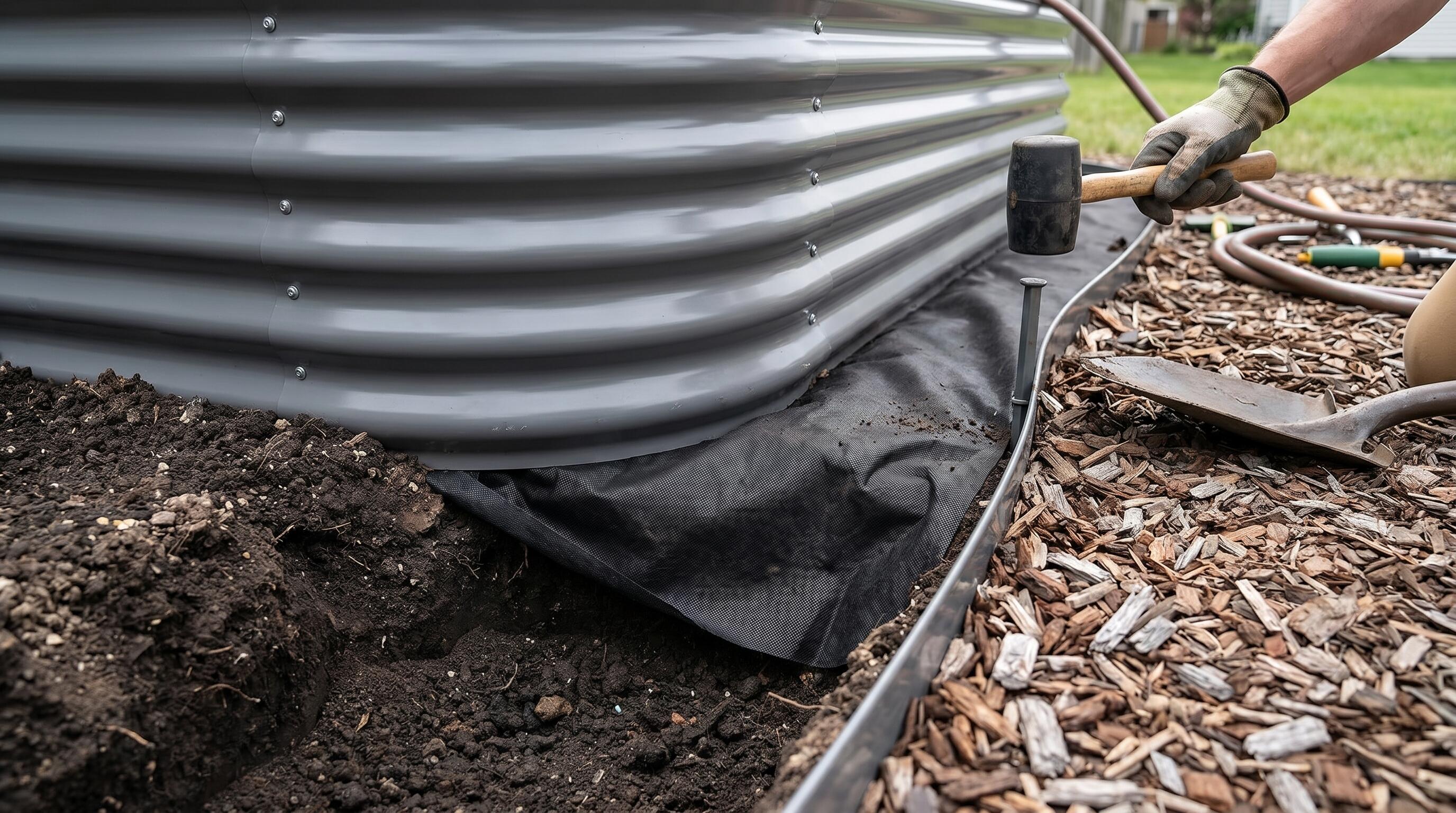
ALT: Step-by-step layered weed barrier installation with metal edging, landscape fabric, and mulch around raised garden beds
Advanced Strategies: When Basic Edging Isn't Enough
Dealing with Persistent Perennial Weeds
If your yard has a history of aggressive perennial weeds — bindweed, Japanese knotweed, or Bermuda grass — standard edging alone won't solve the problem. These plants have deep, far-reaching root systems that can travel several feet underground. In these cases, consider using root barrier fabric (a heavy-duty, 24–30 mil plastic barrier designed for invasive plant control) installed vertically along your bed perimeter, extending 12–18 inches into the ground. Combine this with your surface edging for a dual-depth defense system.
The Misconception That Raised Beds Don't Need Edging
Many new gardeners assume that because a raised bed is elevated, it's automatically protected from ground-level weeds. This is a common misconception. While raised beds do provide some natural protection from certain weed types, the base of any raised bed sits at or near ground level — meaning grass runners and shallow rhizomes can still enter from the sides. The soil inside the bed also tends to be rich and loose, making it more attractive to opportunistic weed roots, not less.
Edging and Pest Control: An Unexpected Benefit
One underappreciated advantage of garden edging is its indirect role in pest management. Clean, defined borders make it easier to spot slug trails, burrowing pest activity, or unusual soil disturbance. By keeping the perimeter tidy and mulched, you also reduce the damp, hidden spaces where slugs, pill bugs, and earwigs like to shelter — leading to fewer pest pressure events inside your beds.
Coordinating Edging with Your Broader Raised Bed Layout
Edging doesn't exist in isolation. For the best results, plan your edging as part of your overall raised bed planting layout — factoring in pathway width (at least 18–24 inches for comfortable access), the visual rhythm of your garden zones, and how edging materials coordinate with your bed frame material and color. A cohesive raised bed layout where edging, beds, and pathways all work together not only looks more intentional — it also functions better, with fewer gaps, weed incursions, and maintenance headaches.
Frequently Asked Questions FAQ
Q1: How deep should garden edging be installed to effectively block weeds?
For most common weeds, 4–6 inches of edging depth below the soil surface is sufficient to block both surface runners and shallow rhizomes. For aggressive spreaders like Bermuda grass or quackgrass, go deeper — 6–8 inches — especially in loose or sandy soil where roots travel more freely. Always use a rubber mallet to ensure stakes are fully seated, and check annually after winter for frost heave that may have lifted your edging out of position.
Q2: Is metal edging better than plastic for long-term weed control around raised beds?
Metal edging generally outperforms plastic for long-term weed control. Galvanized or powder-coated steel resists UV degradation and temperature extremes better than most plastic options, which can become brittle after 3–5 years of sun exposure. Metal also tends to hold its shape and depth over time, whereas plastic strips can bow, warp, or shift — creating the gaps that weeds exploit. The higher upfront cost of metal edging is typically offset by its 15–25+ year functional lifespan.
Q3: How long does it take to install garden edging around a standard raised bed, and what does it cost?
For a standard 4x8 raised bed with approximately 24 linear feet of perimeter, plan for 1–2 hours of installation time, including ground prep and staking. Material costs range from about $12–$36 for plastic strip edging, $24–$72 for metal edging, and $48–$192+ for natural stone, depending on your region and supplier. Pairing edging with landscape fabric adds roughly $10–$20 per bed but significantly improves long-term weed suppression, making it a worthwhile investment for most gardeners.
Summary
Keeping weeds out of your raised beds doesn't have to be an endless, exhausting battle. With the right edging system in place, you create a reliable physical barrier that does the work for you — season after season, with minimal upkeep.
Here are the three key takeaways from this guide:
- Depth matters more than material: Whatever edging you choose, make sure it penetrates at least 4–6 inches into the soil to block rhizomes and underground runners.
- Layered systems work best: Combining edging with landscape fabric and mulch creates multiple lines of defense that dramatically reduce weed breakthrough compared to any single method.
- Match your edging to your raised bed layout: The best results come from planning edging as part of your overall raised bed garden layout — considering pathway width, visual cohesion, material compatibility, and long-term maintenance needs.
Your next steps are simple: measure your bed perimeters, choose a material that suits your climate and aesthetic, and set aside one weekend afternoon to install. Once it's done, you'll wonder why you waited so long.
Upgrade Your Garden with Anleolife
Anleolife makes it easy to build and maintain a productive, beautiful garden — starting with the right foundation.
Nationwide U.S. warehouse network: Strategically located in California, Texas, Florida, New York, Illinois, and Washington, Anleolife's fulfillment network ensures delivery within 3–8 business days — so your garden upgrade plans never have to wait.
Multi-channel availability: Products are available on major e-commerce platforms including Amazon, Walmart, Home Depot, Lowe's, and Wayfair, as well as the official Anleolife.com website, providing consistent quality assurance and responsive after-sales service.
Three core garden scenarios: Planting (metal raised garden beds with a proven 20-year lifespan, soil systems), Raising (chicken coops, rabbit hutches), and Beautification (decorative accessories, pathway systems) — meeting your complete garden needs from functionality to aesthetics.
We understand that an ideal garden isn't built overnight — it's improved gradually, season by season. Anleolife's modular product design allows flexible expansion based on your needs, from your first 8x4x2 garden bed to a fully integrated planting-and-raising ecosystem. We grow with you every step of the way.
References
- University of California Cooperative Extension. "Weed Management in Home Gardens".
https://ucanr.edu/sites/gardenweb/Pests/Weeds/ - National Gardening Association. "Gardening Trends and Statistics: Home Food Gardening in America".
https://garden.org/learn/articles/view/3819/ - Penn State Extension. "Mulches for the Home Landscape".
https://extension.psu.edu/mulches-for-the-home-landscape - Oregon State University Extension Service. "Raised Bed Gardening".
https://extension.oregonstate.edu/gardening/techniques/raised-bed-gardening - University of Minnesota Extension. "Controlling Weeds in the Garden".
https://extension.umn.edu/yard-and-garden-insects/controlling-weeds
Note: Standards and recommendations may be updated. Please check the latest official documents or consult a local extension service advisor for current guidance.
About Anleolife
Anleolife is a leading outdoor garden solutions provider in North America, dedicated to offering a full-scenario product ecosystem for home gardening enthusiasts, covering planting, raising, and garden beautification. Since its founding, we have upheld our brand mission, "Made for Garden Life," continuously innovating products and optimizing services to help hundreds of thousands of users upgrade their gardens, reconnect with nature, and enjoy a better garden lifestyle.