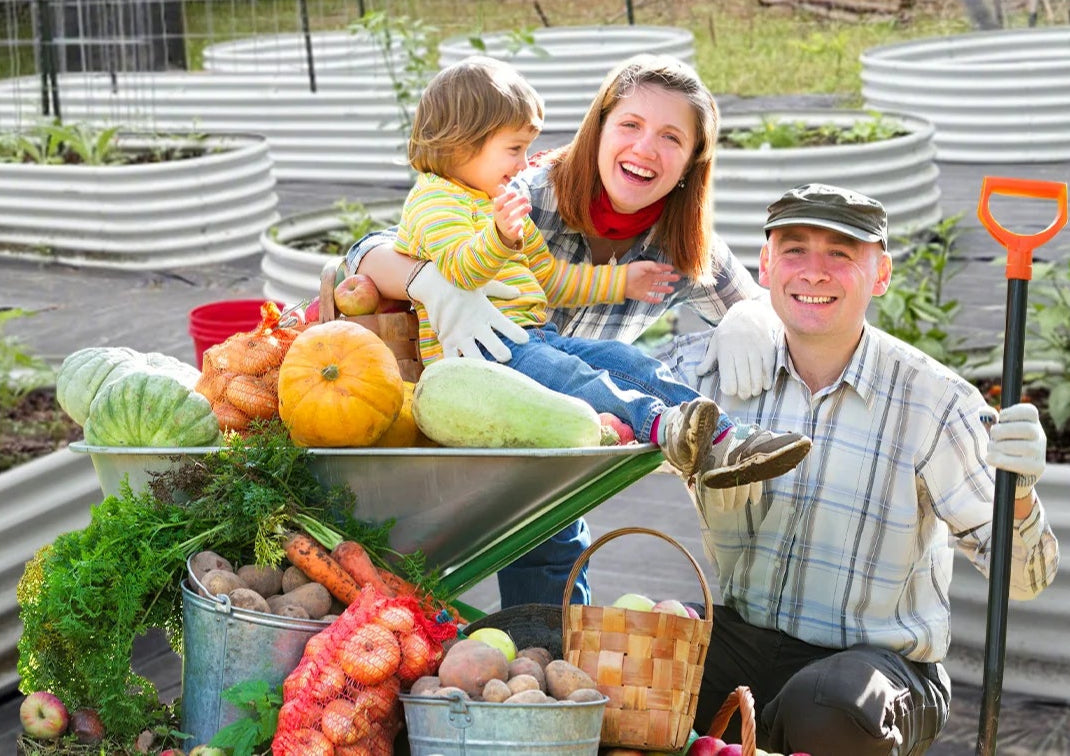










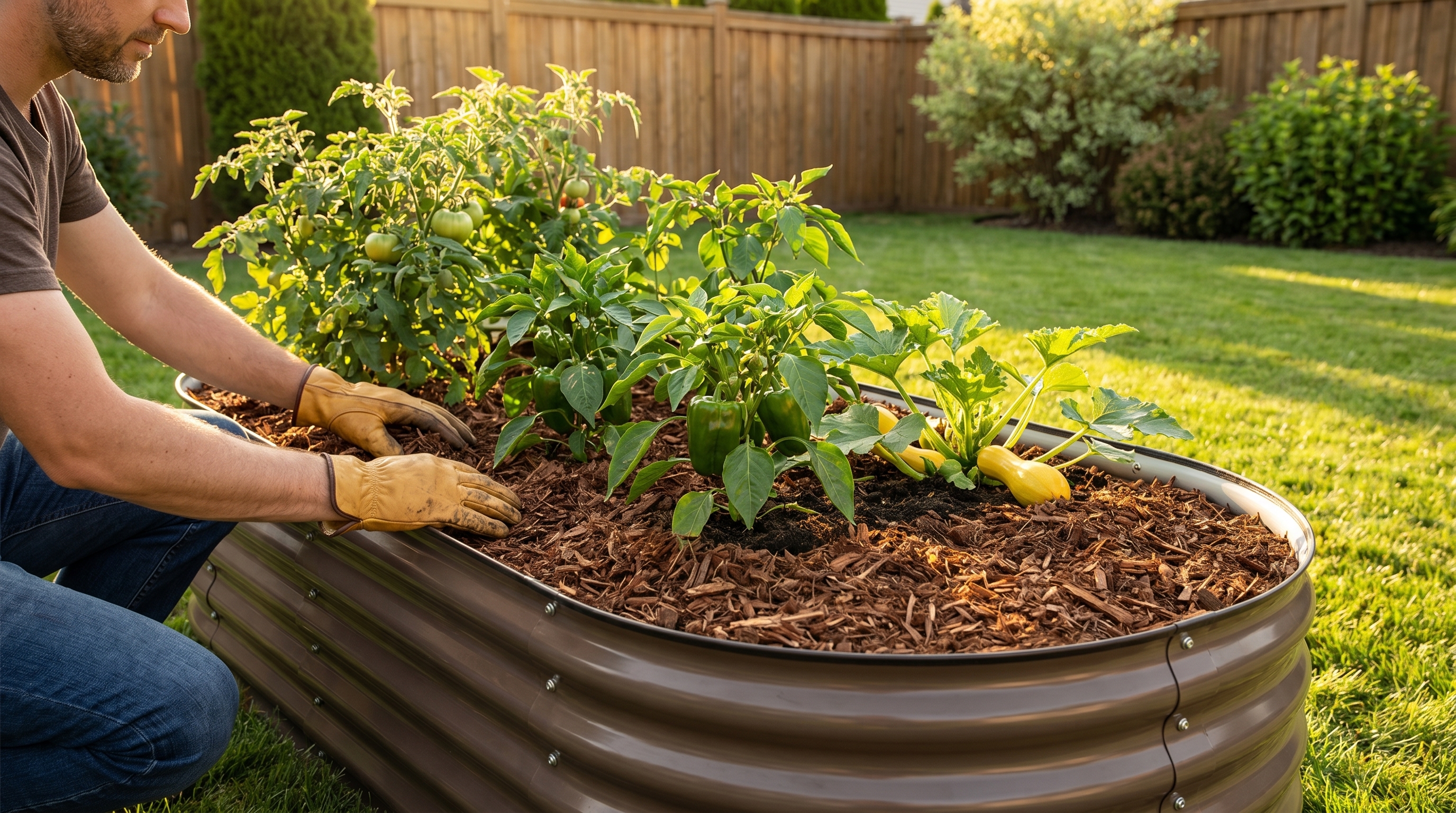
ALT: Gardener applying organic mulch to a raised garden bed to improve summer soil health and retain moisture
Why Mulch Is the Secret Weapon for Raised Bed Soil Health This Summer
Key Conclusion: Mulching your raised garden beds this summer is one of the highest-return investments you can make for long-term soil health. By insulating roots from heat, locking in moisture, suppressing weeds, and feeding beneficial soil microbes, the right mulch transforms ordinary raised bed soil into a thriving, productive ecosystem — giving your vegetables, herbs, and flowers the best possible environment to flourish through the hottest months of the year.
Summer is the season when raised bed gardening either shines or struggles — and the difference often comes down to what's sitting on top of your soil. Mulch is not glamorous. It doesn't spark the same excitement as choosing heirloom tomato varieties or planning a new bed layout. But experienced gardeners know that a well-mulched raised bed behaves like a different system entirely: cooler roots, slower moisture loss, fewer weeds, and richer organic matter building up season after season.
This guide digs into the practical science and real-world application of mulch in raised beds during summer. Whether you're a first-time grower managing a compact urban bed or a seasoned home gardener tending multiple large plots, understanding how to choose, apply, and maintain mulch will meaningfully improve your results this season.
Who Should Use Mulch in Raised Beds (And Who Needs to Be Careful)
✅ Applicable Scenarios:
- Home gardeners growing vegetables, herbs, or edible flowers in raised beds during hot summer months
- Urban micro-gardeners with limited water access who need to maximize moisture retention
- Empty nesters and retirees who want lower-maintenance beds that require less frequent watering and weeding
- Eco-conscious growers looking to build long-term soil fertility using organic materials rather than synthetic inputs
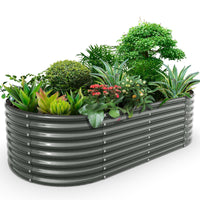
- Gardeners using metal raised beds who want to moderate soil temperature fluctuations
❌ Not Applicable/Cautions:
- Seedlings and newly germinated seeds: thick mulch layers can smother emerging plants — wait until seedlings reach at least 3–4 inches tall before mulching around them
- Beds with drainage issues: piling mulch against plant stems or over poorly draining soil can create anaerobic conditions and encourage root rot
- Clay-heavy soil blends that already retain too much moisture may not need heavy mulch layers — monitor soil moisture carefully before applying
- Avoid using dyed or chemically treated mulch products in edible garden beds, as these may introduce unwanted compounds into your food crops
The Summer Soil Crisis Hiding Beneath Your Plants
Summer heat does something predictable and damaging to unprotected raised bed soil: it dries it out, bakes it, and slowly kills the microbial life that makes your plants productive.
According to the USDA Natural Resources Conservation Service, bare soil exposed to direct summer sun can reach temperatures significantly higher than the ambient air temperature — hot enough to damage shallow root systems and disrupt the activity of beneficial bacteria and fungi. In raised beds, this problem is compounded because the smaller soil volume heats and cools more rapidly than in-ground gardens.
The challenge is especially acute for gardeners growing what many consider the best vegetables to grow in raised beds — crops like tomatoes, cucumbers, peppers, and leafy greens, all of which have relatively sensitive root zones that suffer under thermal stress.
Meanwhile, unprotected soil loses moisture at an alarming rate. Raised beds, by design, have excellent drainage — which is a tremendous advantage for root health in wet climates, but a liability during summer dry spells when every drop of water counts. Studies from university extension programs consistently show that a 2–3 inch layer of organic mulch can reduce soil moisture evaporation by 25–50%, dramatically reducing your watering burden.
There's also the question of soil structure. Summer rainfall (when it arrives) can compact bare soil and form a hard surface crust that repels water rather than absorbing it. Organic mulch acts as a physical buffer, keeping the soil surface open and porous. And as it breaks down, it feeds earthworms and beneficial microbes that build the crumbly, well-aerated texture that gardeners call "good tilth."
If you're still refining your soil blend before laying mulch, The Best Soil Recipe for Raised Garden Beds in Summer 2026 is an excellent starting point for getting your foundation right before you add that top layer.
The bottom line: mulching isn't optional if you want peak summer performance from your raised beds. It's a fundamental part of the system.
How to Apply Mulch to Your Raised Beds: A Three-Step Quick Start
Step 1: Prepare Your Soil and Clear the Bed Surface
Before laying any mulch, take 15–20 minutes to clear the bed of weeds, old crop debris, and any large clumps or crusted areas on the soil surface. If the soil feels dry more than an inch down, water it thoroughly first — mulch applied over dry soil will slow rather than prevent further drying. This is also a good moment to side-dress with compost or a slow-release organic fertilizer, since it will be harder to work amendments into the soil once mulch is in place.
Step 2: Choose and Apply the Right Mulch Type
Select your mulch based on the crop type and bed conditions (see the comparison table below). Apply a layer of 2–3 inches for most vegetable beds — deep enough to suppress weeds and retain moisture, but not so thick that it creates waterlogging or restricts airflow to seedling stems. Keep mulch pulled back 1–2 inches from the base of plant stems to prevent moisture-related diseases. For a standard 8x4 ft raised bed, you'll typically need around 2–3 cubic feet of mulch material to achieve proper coverage.
Step 3: Monitor, Refresh, and Build Soil Over Time
Organic mulch breaks down over the course of a season — which is actually a benefit, since it adds organic matter to your soil, but it does mean you'll need to top it up. Check mulch depth every 3–4 weeks during summer and add another inch or so as needed. By end of season, rather than removing the mulch, simply work it gently into the top layer of soil. This is the beginning of building long-term soil fertility — each season's mulch becomes next season's organic matter.
Mulch Type Comparison: Which Material Works Best in Raised Beds?
Choosing the right mulch for your raised bed depends on what you're growing, how much organic matter you want to add to the soil, and what materials you have available. Here's a practical comparison of the most popular options:
| Comparison Dimension | Straw/Hay | Wood Chips/Bark | Shredded Leaves |
|---|---|---|---|
| Moisture Retention | Excellent | Very Good | Good |
| Weed Suppression | Good | Excellent | Good |
| Soil Enrichment | Moderate (fast breakdown) | High (slow breakdown) | High (moderate breakdown) |
| Best For | Vegetables, tomatoes, squash | Pathways, perennials, berry beds | General vegetable beds |
| Caution | May contain weed seeds if not certified; avoid hay with seeds | Fresh wood chips may temporarily tie up nitrogen | Shred finely for best results; avoid diseased leaves |
| Cost | Low to moderate | Low to moderate | Free (if you have trees) |
| Application Depth | 3–4 inches | 2–3 inches | 2–3 inches |
Cocoa hull mulch deserves a special mention for raised decorative or herb beds — it has a pleasant aroma and fine texture. However, it is toxic to dogs and cats, so avoid it if pets have access to your garden.
Grass clippings can work well in thin layers (1 inch or less) but mat together and restrict airflow when applied too thickly. Use them as a quick-fix option between more substantial mulch applications.
Deep Dive: How Each Mulch Type Affects Soil Biology, Temperature, and Structure
Organic Mulch and the Soil Microbiome
The most underappreciated benefit of mulch has nothing to do with moisture or weeds — it's what mulch does for the invisible life living in your soil. Beneficial soil bacteria and fungi are the engines of plant nutrition; they break down organic material into forms that plant roots can absorb, build disease-suppressive compounds, and create the physical structure that makes soil drain well and hold nutrients.
These microbes are highly sensitive to temperature extremes and desiccation. A bare raised bed in full summer sun can see surface soil temperatures spike dramatically during afternoon hours — conditions that kill or dramatically slow microbial activity. An organic mulch layer buffers these temperature swings, keeping the soil environment stable enough for microbial communities to thrive.
As organic mulch breaks down, it also directly feeds these communities. Straw, shredded leaves, and wood chips are carbon-rich materials that become food for soil fungi, which in turn form symbiotic mycorrhizal relationships with plant roots. A well-mulched raised bed, maintained over several seasons, develops a genuinely different quality of soil than an unmulched one — richer in organic matter, more biologically active, and significantly more productive.
Managing Soil Temperature in Metal Raised Beds
Gardeners using metal raised beds sometimes wonder whether the beds themselves contribute to overheating. The reality is more nuanced. Quality galvanized steel beds, like those in the Anleolife lineup — which are engineered for a lifespan of up to 20 years — conduct heat, but their walls heat the soil primarily around the perimeter rather than from the top. The greater driver of soil temperature in summer is direct sun exposure on the bare soil surface.
For more detail on this topic, Are Metal Raised Garden Beds Heat-Safe for Summer Vegetables? covers the science thoroughly. The short answer: a proper mulch layer on the soil surface is the most effective way to moderate soil temperature in any raised bed, metal or otherwise.
Mulch and Water Conservation: A Partnership with Drip Irrigation
Mulch works synergistically with drip irrigation or soaker hose systems, which are the most efficient watering methods for raised beds. When water is delivered at soil level (rather than overhead), mulch helps hold that moisture in place rather than letting it evaporate quickly from the surface. This combination — efficient delivery plus effective retention — can dramatically reduce your total water use during a summer growing season.
If you haven't yet set up an efficient irrigation system, the Raised Bed Watering Guide: How to Conserve Water This Summer with Simple Systems offers practical, beginner-friendly guidance that pairs perfectly with a mulching strategy.
Building Long-Term Fertility: The Season-to-Season Advantage
One of the most compelling arguments for mulching is what it does to your soil over multiple growing seasons, not just one. Each time organic mulch breaks down, it adds a thin layer of humus — the stable, sponge-like organic matter that gives rich soil its dark color and exceptional nutrient-holding capacity.
Over time, this process meaningfully improves the soil in your raised bed. Gardeners who have mulched consistently for three or more years frequently report that their soil becomes darker, softer, and more productive each season — requiring less fertilizer and producing more abundant harvests. If you want to accelerate this process mid-season, combining mulch with active composting is highly effective; see Building Soil Fertility in Raised Beds: A Mid-Season Composting Action Plan for a step-by-step approach.
Choosing the Right Raised Bed for Maximum Mulching Benefits
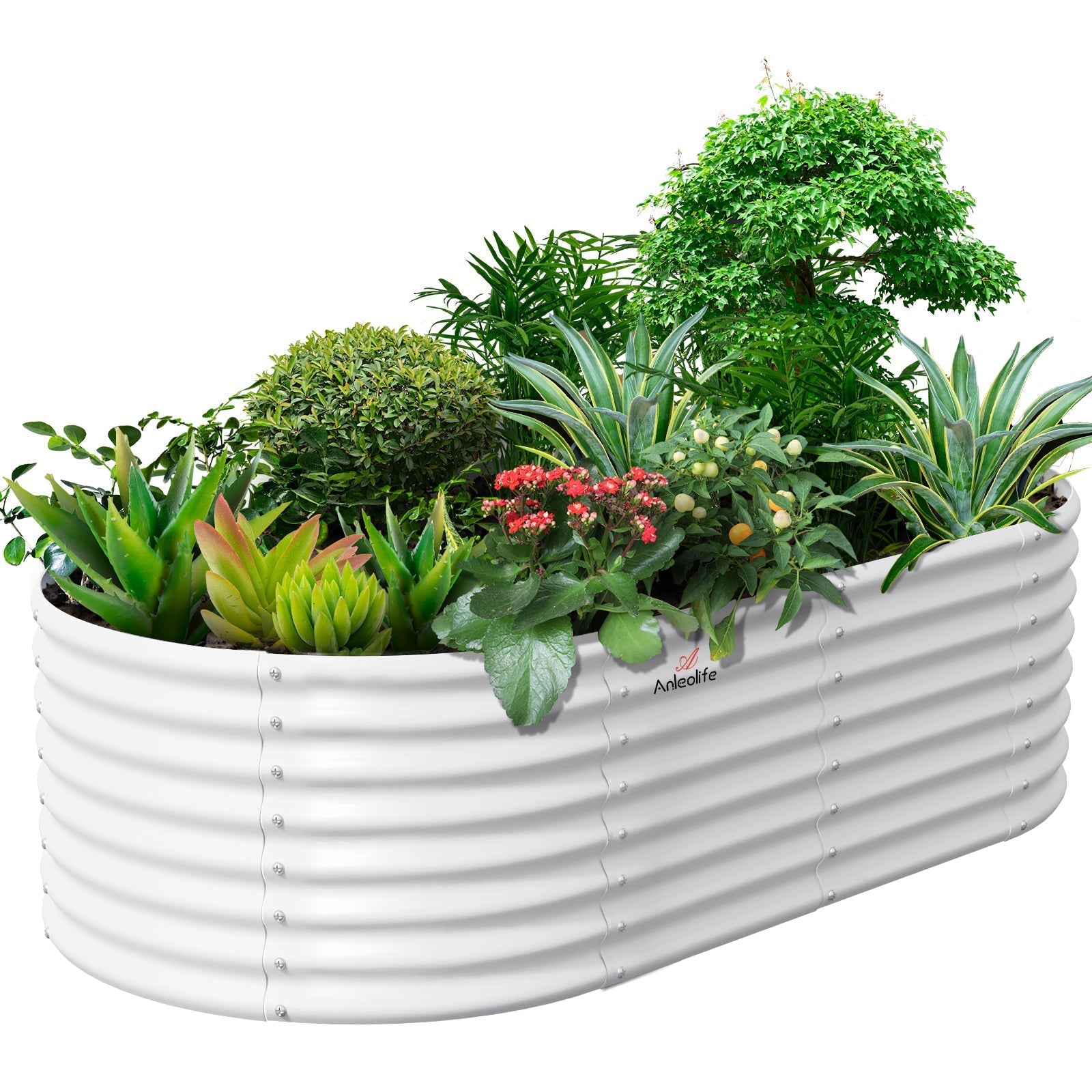
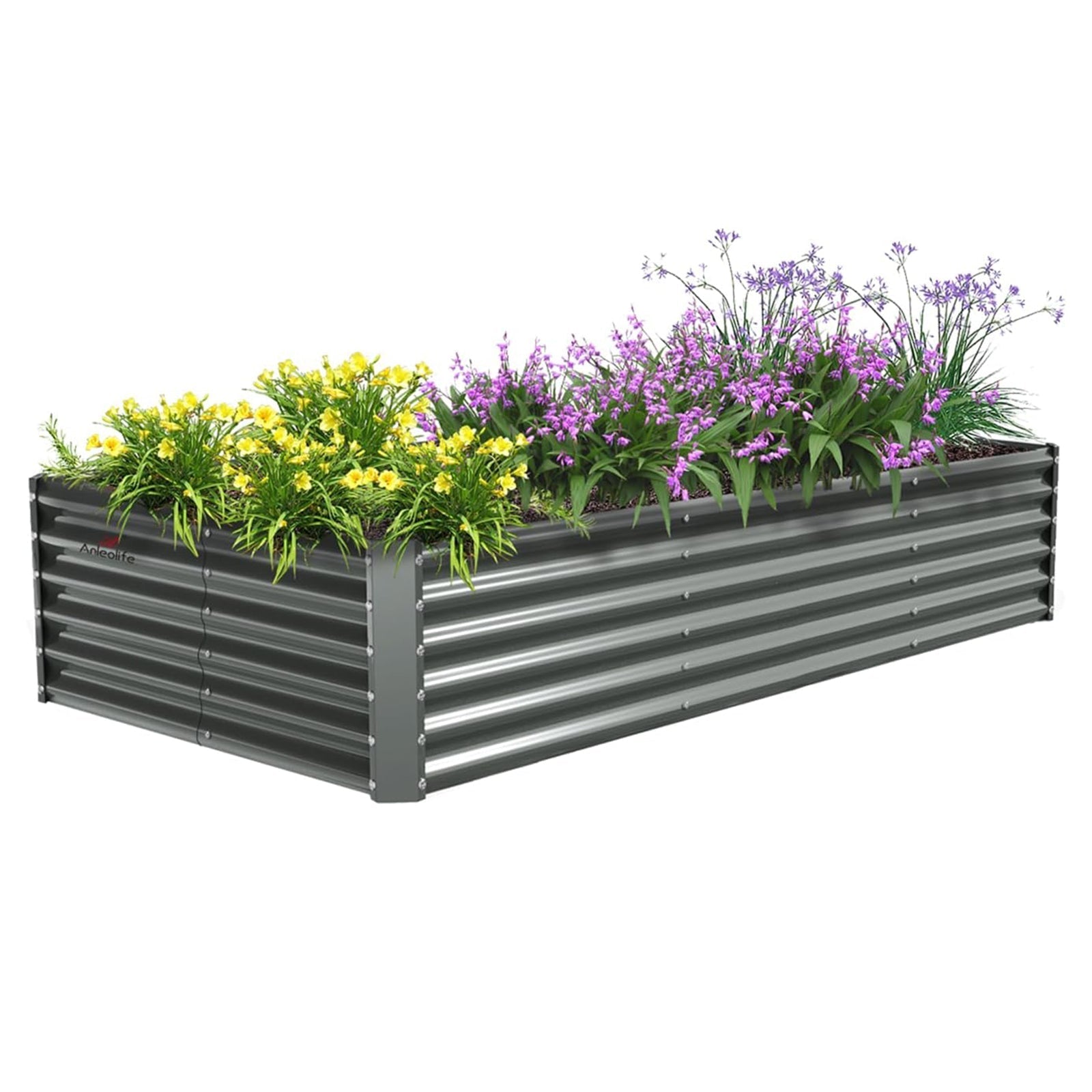
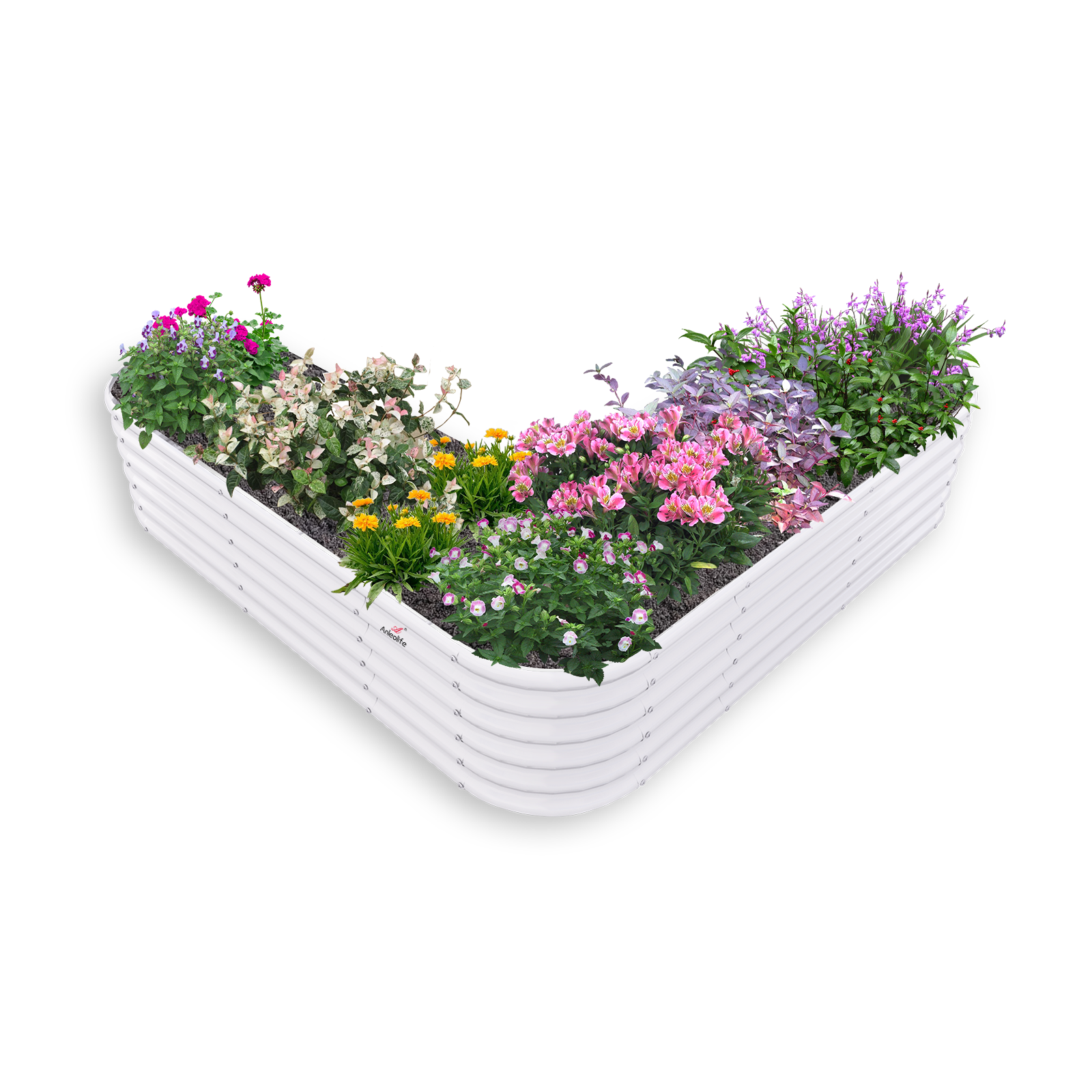
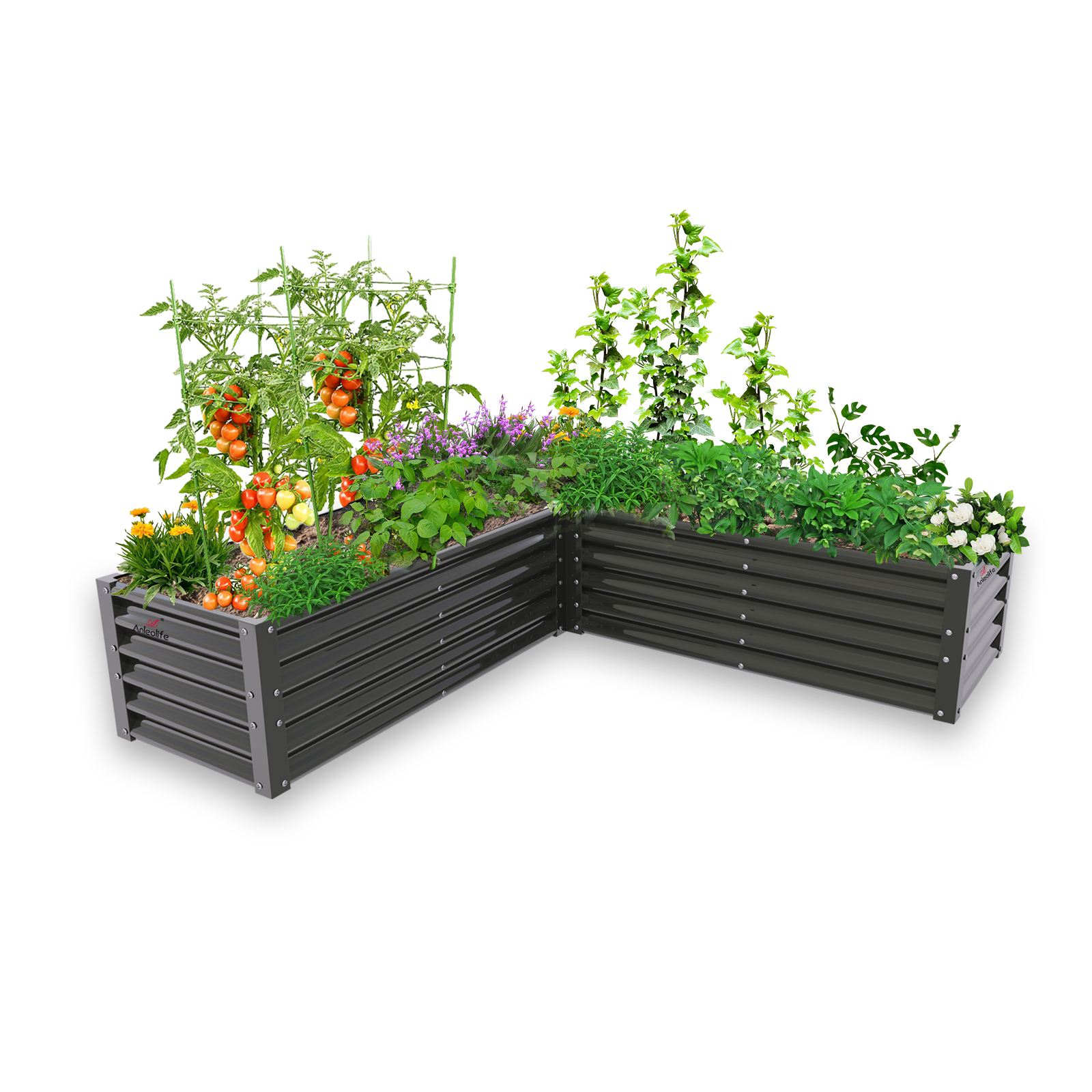
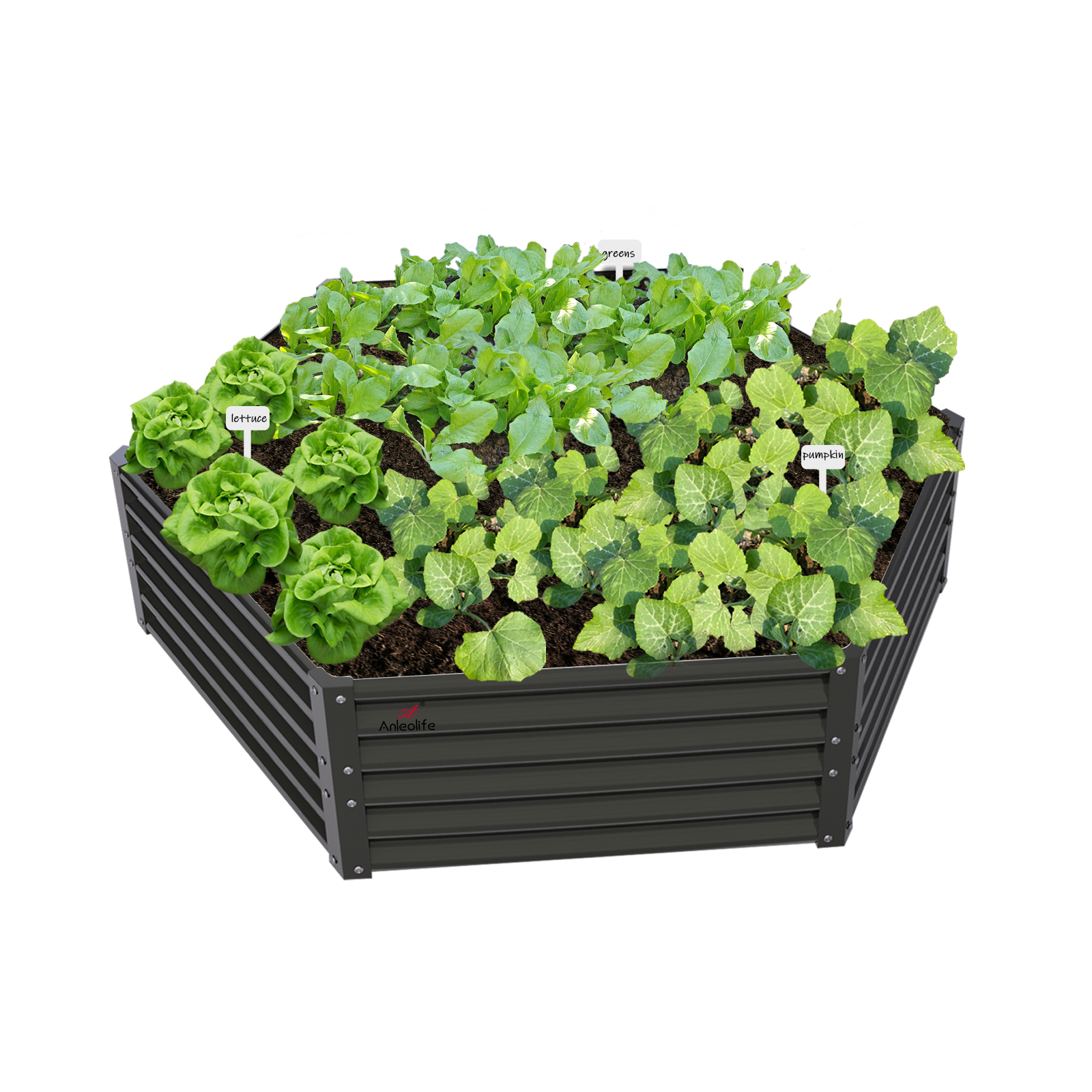
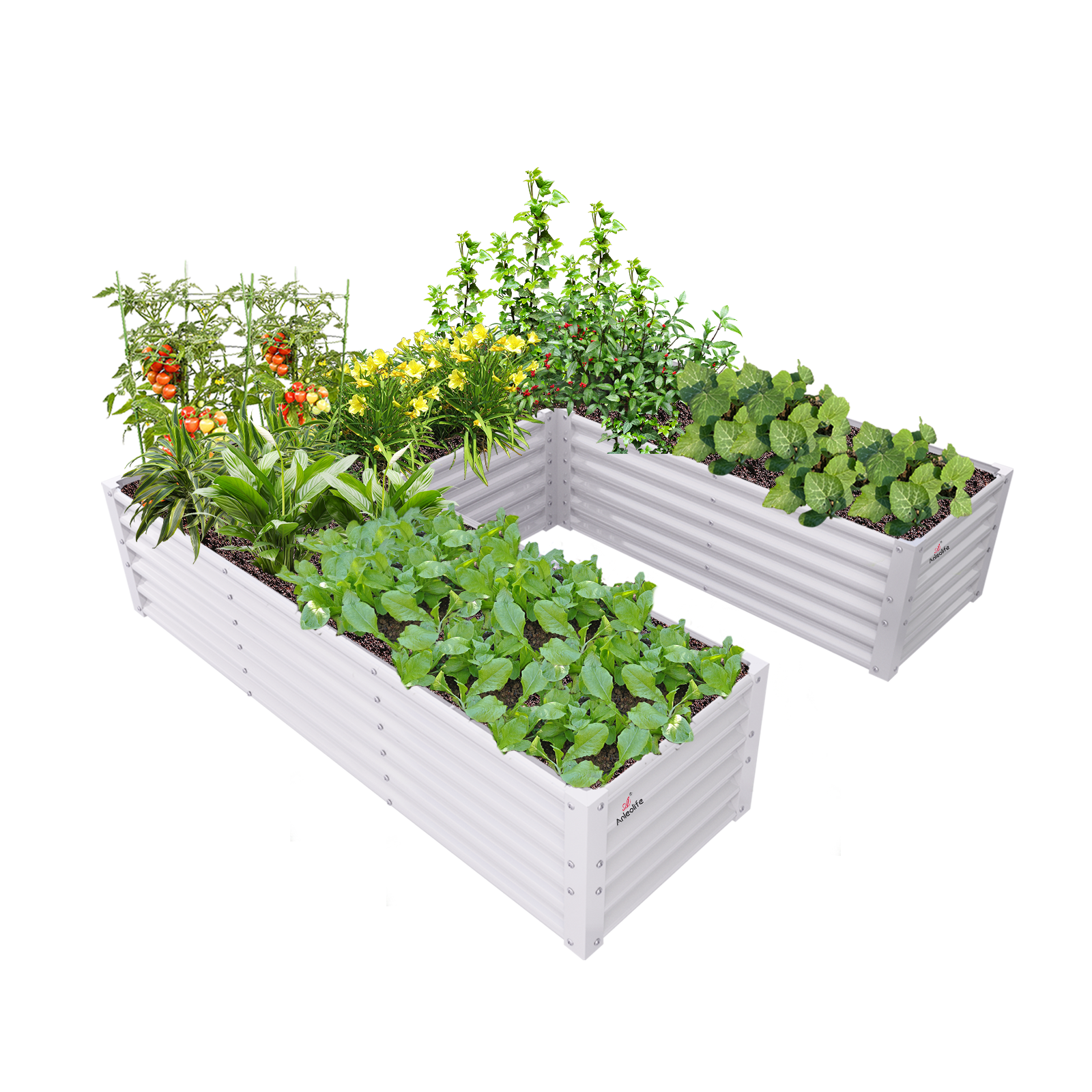
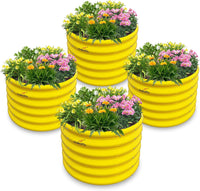
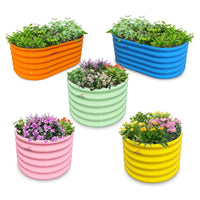
The physical design of your raised bed affects how well mulching works. Taller beds give you more root zone depth to work with, meaning mulch benefits are felt across a larger volume of soil. Anleolife's raised bed lineup includes options ranging from standard 18-inch tall beds all the way to 35-inch waist-high models — providing meaningful flexibility for gardeners who want deeper growing conditions that pair especially well with a consistent mulching practice.
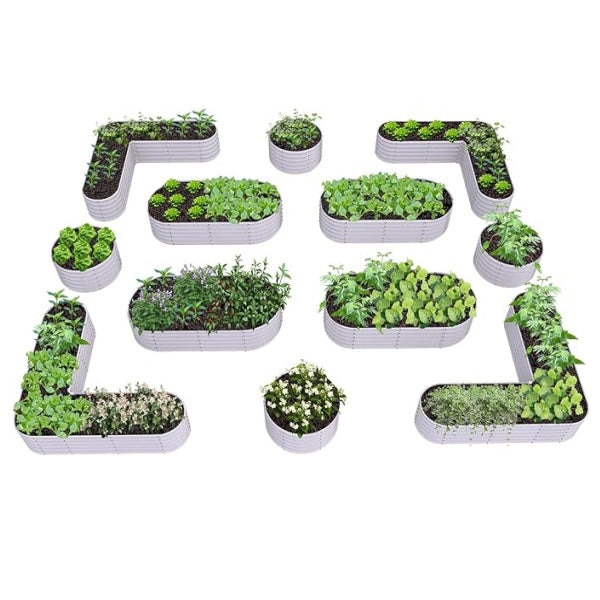
For gardeners exploring layout options or planning a new bed installation this summer, Step-by-Step Raised Bed Garden Layout Planning for Summer 2026 Beginners provides clear guidance on sizing, placement, and spacing to set you up for success.
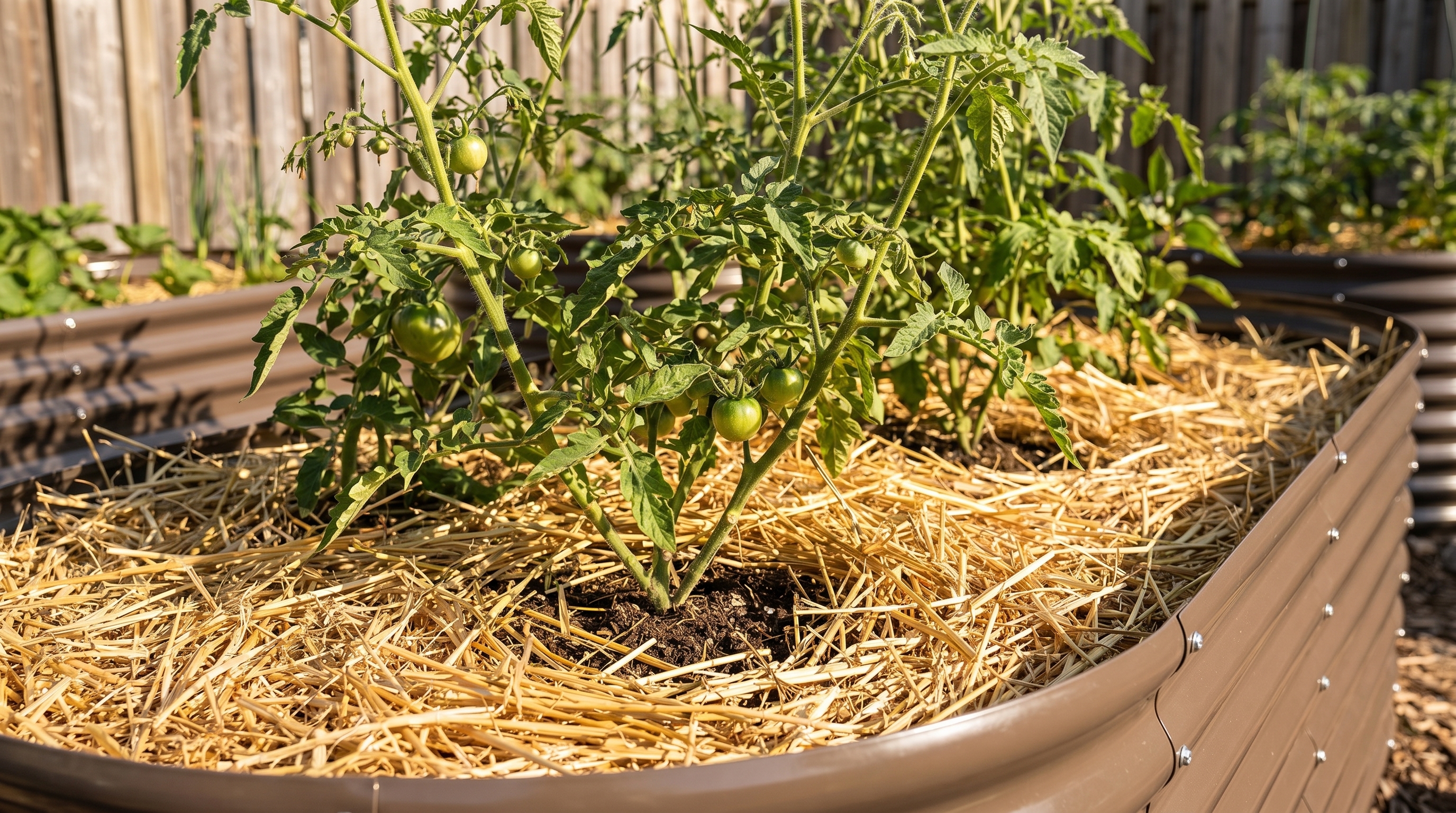
ALT: Straw mulch applied around tomato plants in a galvanized steel raised garden bed to retain moisture and regulate soil temperature in summer heat
Advanced Mulching Strategies for Summer Raised Bed Gardening
Handling Special Situations
Newly planted seedlings: As mentioned earlier, thick mulch can smother young transplants. A useful technique is to mulch the bed first, then create small clearings around each planting hole. Once seedlings are established and 3–4 inches tall, draw mulch gently back toward their bases, leaving a 1–2 inch gap around stems.
Beds with heavy weed pressure: If your bed has a persistent weed problem, consider laying a single layer of cardboard or several overlapping sheets of newspaper directly on the soil surface before applying organic mulch on top. This "sheet mulching" technique creates a double barrier that breaks down over the season while dramatically reducing weed germination.
Mid-summer mulch refresh: By mid-July, your initial mulch layer may have partially broken down or been displaced by watering and rainfall. Don't just add more on top without checking what's underneath. Pull back the mulch, assess the soil moisture and surface condition, apply a thin top-dressing of compost if needed, then replace and top up the mulch to your target depth.
Common Misconceptions About Mulching Raised Beds
Misconception 1: "Mulch causes slug and pest problems." Organic mulch can provide habitat for slugs in cool, humid climates — but in summer heat, the real problem is bare, moist soil from overhead watering. Proper mulch combined with drip irrigation actually reduces the damp surface conditions that slugs prefer. If slugs are a concern, keep mulch pulled back slightly from plant bases.
Misconception 2: "You only need to mulch once." Organic mulch is not a set-and-forget solution. It breaks down over the season, which is desirable for soil building but means you need to monitor and refresh it regularly. Think of mulching as a seasonal practice, not a one-time task.
Misconception 3: "Wood chip mulch steals nitrogen from plants." Fresh wood chips can temporarily tie up nitrogen in the soil as they begin to break down — but this effect is primarily limited to the mulch-soil interface. Plant roots deeper in the bed are largely unaffected. If you're concerned, simply apply a nitrogen-rich fertilizer or compost topdress before laying wood chip mulch.
Frequently Asked Questions FAQ
Q1: How deep should mulch be in a raised vegetable garden bed?
For most raised bed vegetables, a mulch depth of 2–3 inches strikes the right balance between moisture retention and breathability. Too thin (under 1 inch) and weeds will push through and evaporation won't be meaningfully reduced. Too thick (over 4 inches) and you risk creating anaerobic conditions and potentially harboring fungal issues near plant crowns. For pathways between beds or around perennial plantings, a slightly thicker layer of 3–4 inches is appropriate for longer-lasting weed suppression.
Q2: Is straw or wood chips better for raised bed vegetable gardens in summer?
Both are effective, but they serve slightly different purposes. Straw is lighter, easier to work around densely planted beds, and breaks down faster — making it ideal for annual vegetable beds. Wood chips break down more slowly, provide more long-term weed suppression, and are better suited to berry plants, perennial herbs, or pathways. For a typical summer vegetable raised bed, straw is usually the more practical choice. The most important factor is using clean, chemical-free material in any edible garden.
Q3: How often should I replace mulch in my raised beds during summer?
Rather than replacing mulch entirely, think in terms of refreshing it. Check depth every 3–4 weeks and top up as needed when the layer compresses below 1–1.5 inches. A full refresh — pulling back old mulch, adding compost, then re-mulching — is typically worthwhile once mid-season (around late July) and again at the end of the season when you're putting beds to rest. Over a full summer, you'll likely go through two to three rounds of material, which all contributes to building richer soil for next year.
Summary
Using mulch in your raised garden beds this summer isn't complicated, but it is consequential. Here are the three core takeaways to carry forward:
1. Mulch protects your soil and your plants. It moderates temperature extremes, retains moisture that would otherwise evaporate, suppresses weeds that compete for nutrients, and keeps the soil surface from compacting under rainfall or irrigation.
2. Mulch builds your soil over time. Every layer of organic material that breaks down adds to the long-term fertility and biological richness of your raised bed. Gardeners who mulch consistently season after season see compounding returns in soil quality and crop productivity.
3. Mulch works best as part of a complete system. Pair it with a good soil blend, an efficient irrigation approach, and the right raised bed setup — and the synergistic effect is significantly greater than any single element on its own.
Your next steps: assess your current beds, identify which mulch material is most accessible and appropriate for your growing conditions, and get a 2–3 inch layer down as soon as possible. Mid-summer is not too late to see meaningful benefits this season — and every week of mulch coverage is a week of improved soil health.
Upgrade Your Garden with Anleolife
Anleolife's nationwide U.S. warehouse network — strategically located in California, Texas, Florida, New York, Illinois, and Washington — ensures delivery within 3–8 business days, so your garden upgrade plans never have to wait.
Products are available across major e-commerce platforms including Amazon, Walmart, Home Depot, Lowe's, and Wayfair, as well as directly at Anleolife.com, with consistent quality assurance and after-sales support across every channel.
Anleolife's three core scenarios cover everything your garden needs: Planting (metal raised garden beds, soil systems), Raising (chicken coops, rabbit hutches), and Beautification (decorative accessories, pathway systems) — meeting complete needs from functionality to aesthetics.
We understand that an ideal garden is not built overnight, but gradually improved over time. Our modular product design allows flexible expansion based on your needs — from your first raised bed to a fully integrated planting-and-raising ecosystem. We grow with you every step of the way. Explore the full range at Anleolife.com and find the bed that fits your summer garden vision.
References
- USDA Natural Resources Conservation Service. "Soil Health Management Practices".
https://www.nrcs.usda.gov/conservation-basics/natural-resource-concerns/soils/soil-health - University of California Agriculture and Natural Resources. "Mulching in the Garden".
https://ucanr.edu/sites/scmg/files/30917.pdf - Penn State Extension. "Mulches for the Home Landscape".
https://extension.psu.edu/mulches-for-the-home-landscape - Oregon State University Extension Service. "Improving Garden Soils with Organic Matter".
https://extension.oregonstate.edu/gardening/techniques/improving-garden-soils-organic-matter - University of Minnesota Extension. "Mulching Your Garden".
https://extension.umn.edu/planting-and-growing-guides/mulching-your-garden
Note: Standards and recommendations may be updated; please check the latest official documents or consult a professional garden advisor for the most current guidance.
About Anleolife
Anleolife is a leading outdoor garden solutions provider in North America, dedicated to offering a full-scenario product ecosystem for home gardening enthusiasts, covering planting, raising, and garden beautification. Since its founding, we have upheld our brand mission, "Made for Garden Life," continuously innovating products and optimizing services to help hundreds of thousands of users upgrade their gardens, reconnect with nature, and enjoy a better garden lifestyle.