



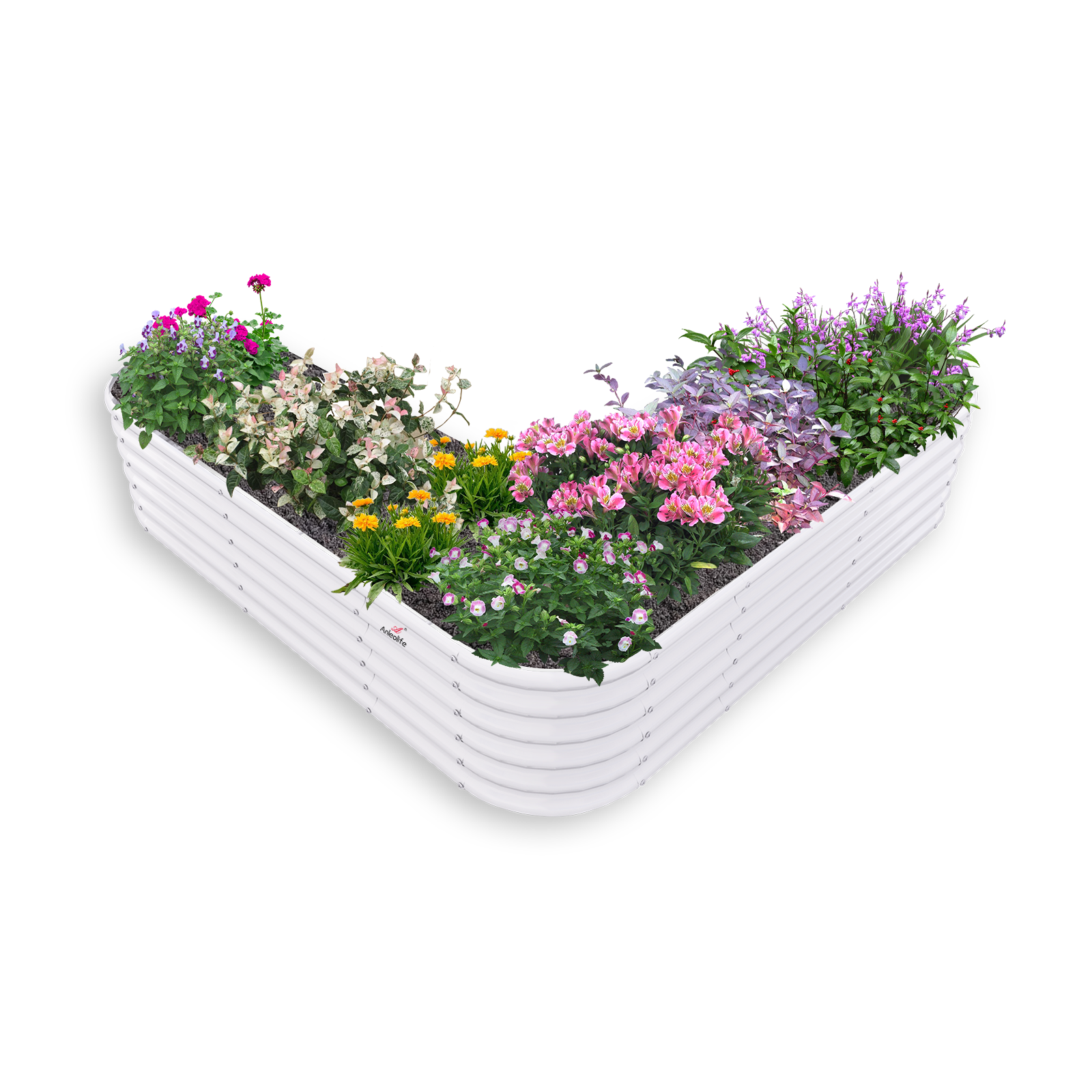
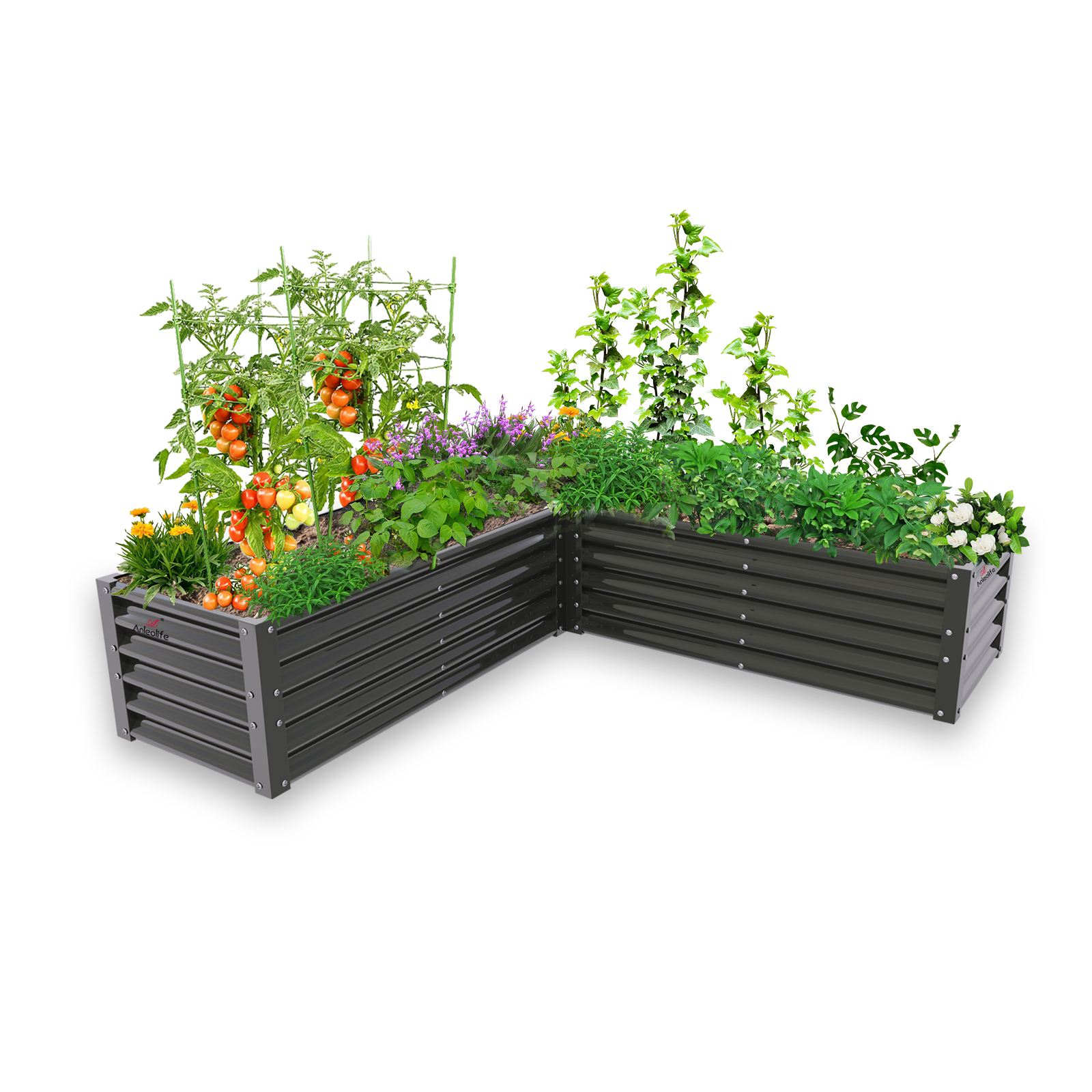
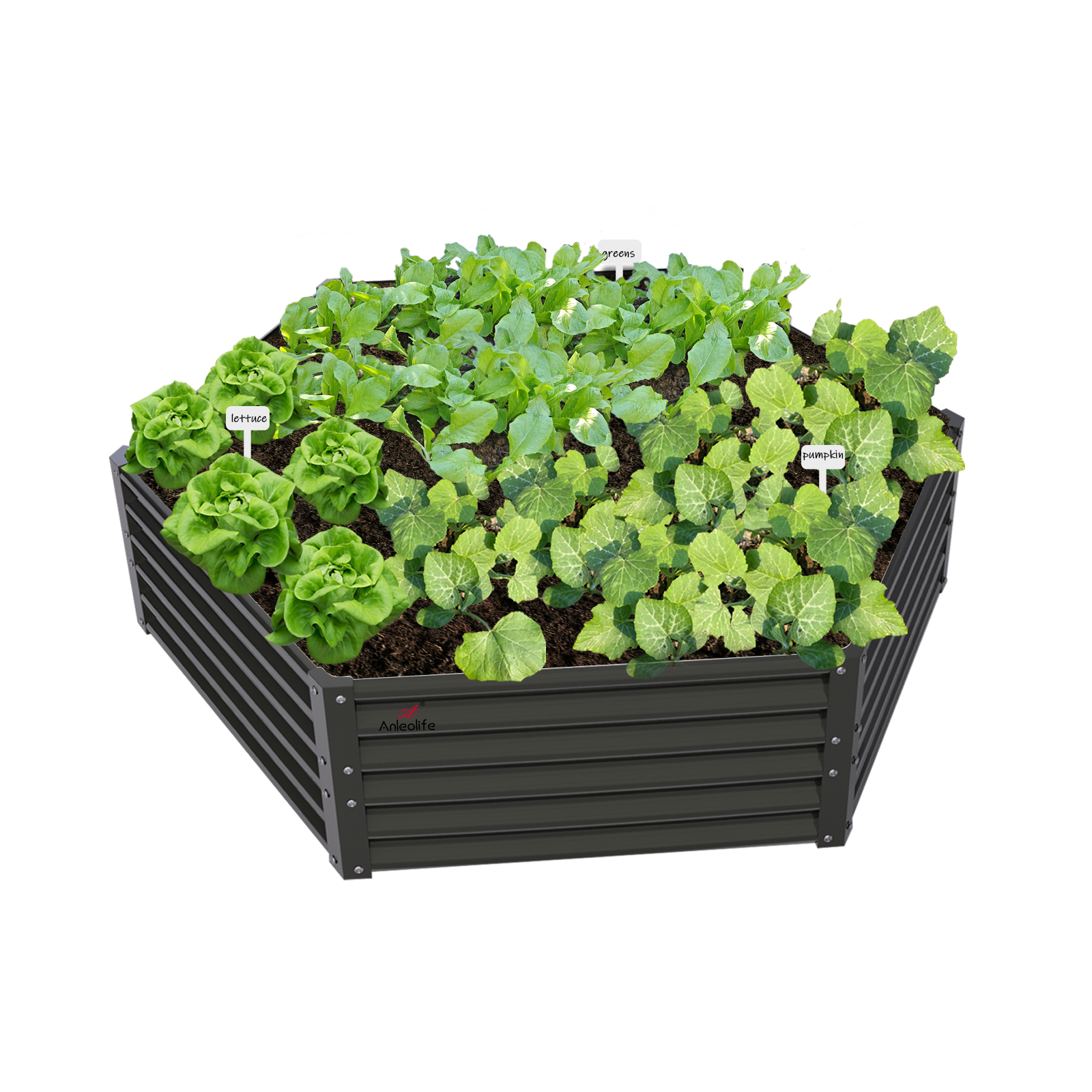
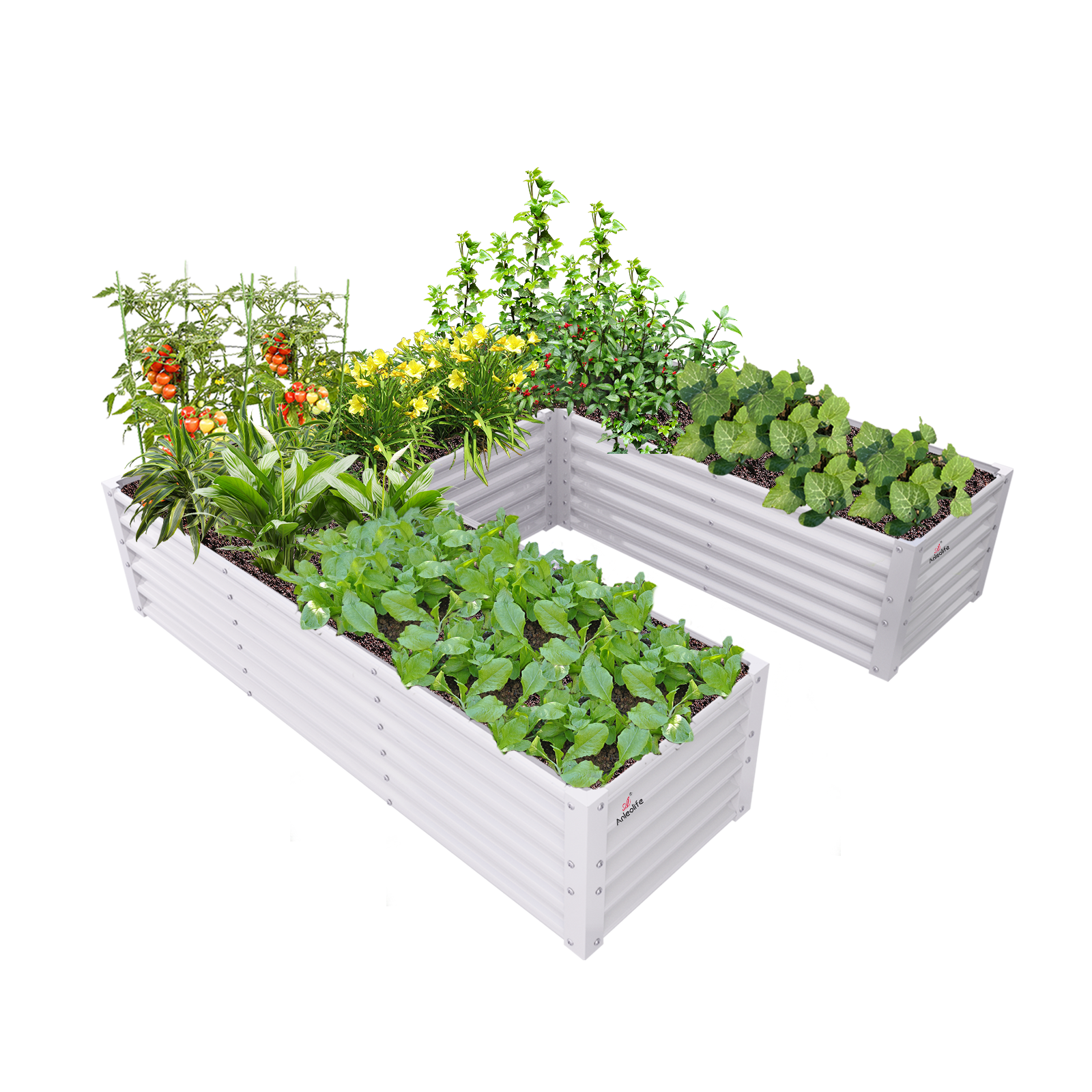

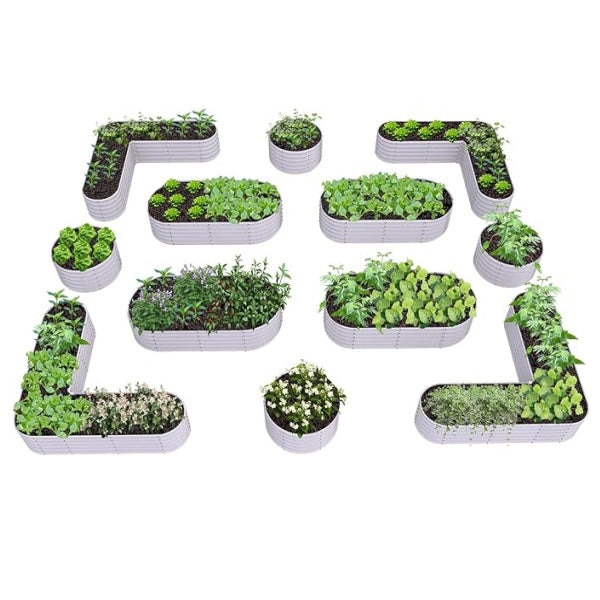


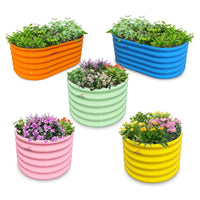
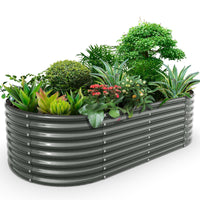




ALT: Colorful kinetic wind spinners spinning in a lush backyard garden, adding art and movement to outdoor space
Kinetic Wind Spinners: Bringing Your Garden to Life with Art and Motion
Key Conclusion: Kinetic wind spinners are one of the most affordable and visually striking ways to transform a static garden into a dynamic, living art installation. Whether you're cultivating a raised bed garden layout, working on a raised bed planting layout, or refining your overall raised bed layout, adding movement through wind art creates depth, personality, and sensory delight that no static ornament can match. With the right placement and style choices, kinetic spinners become the heartbeat of your outdoor space.
Gardening has always been about more than just growing plants — it's about creating an environment where you feel at peace, inspired, and connected to the natural world. For many homeowners, the challenge is bridging the gap between a functional planting space and a truly beautiful, expressive garden. That's where kinetic wind spinners come in.
These mesmerizing, rotating sculptures harness the power of the breeze to create fluid, hypnotic movement. They're decorative, functional (acting as gentle pest deterrents), and deeply satisfying to watch. Whether you're a retiree cultivating a serene backyard retreat, an eco-conscious urban gardener working with limited space, or a family looking to add personality to your outdoor area, kinetic wind spinners offer something uniquely compelling.
Who Should Consider Kinetic Wind Spinners for Their Garden?
✅ Applicable Scenarios:
- Homeowners with open garden beds, lawns, or patios who want to add visual interest without heavy construction or landscaping
- Urban micro-gardeners working with balconies, container gardens, or small courtyard spaces where statement décor makes a big impact
- Empty nesters and retirees who enjoy low-maintenance beauty and want to create a calming, ever-changing outdoor environment
- Families with children who want to introduce sensory engagement and wonder into their garden — the spinning motion delights kids and adults alike
- Eco-conscious gardeners who want to deter birds or small pests from garden beds without chemicals or harsh barriers
❌ Not Applicable/Cautions:
- Very windy or storm-prone regions where high-speed gusts may damage delicate spinner components — in these areas, only heavy-duty metal spinners with reinforced stakes should be used
- Gardens with no open airflow (completely enclosed by tall hedges or walls) where wind movement is virtually absent, reducing the spinner's effectiveness and appeal
- Areas with very strict HOA (Homeowners Association) rules on outdoor decorations — always check community guidelines before installation
Why Kinetic Wind Art Is Having a Major Moment in Garden Design
Garden design trends have shifted significantly over the past decade. Where once the focus was purely horticultural — the best fertilizer for raised garden beds, the best way to layer soil in raised beds, optimal gravel size for raised bed drainage — today's gardeners are equally invested in the aesthetic experience of their outdoor spaces. Gardens are increasingly viewed as extensions of the home's interior design, and decorative elements are becoming as important as the plants themselves.
According to data from the Garden Media Group's annual trends report, outdoor living and garden beautification continue to rank among the top home improvement priorities for North American households. More homeowners are investing in ornamental features that create mood and atmosphere, not just structure. Kinetic art — sculptures and installations that move — has crossed over from gallery spaces into everyday gardens, driven by a growing desire for outdoor environments that feel alive and dynamic.
Wind spinners, in particular, have evolved far beyond the simple plastic pinwheels of decades past. Today's kinetic wind spinners are crafted from powder-coated steel, stainless steel, hand-painted aluminum, and even copper-accented metals, offering durability alongside genuine artistic merit. They range from compact, single-stake garden accents to large, multi-arm architectural installations that become genuine focal points in the landscape.
What makes kinetic wind art so appealing to the modern gardener is its versatility. A single well-placed spinner can transform the visual experience of an entire garden corner. A cluster of spinners at varying heights creates a flowing, choreographed display that changes with every shift in the breeze. And unlike static ornaments, they never look the same twice — the garden is always in gentle motion, always surprising.
For gardeners who have invested time and care into building productive raised beds, establishing planting systems, or creating structured layouts, kinetic wind spinners offer the final expressive layer — the element that says this garden belongs to someone who loves being here.
Choosing, Placing, and Styling Kinetic Wind Spinners in Your Garden
Three Steps to Get Started with Garden Wind Art
Step 1: Choose the Right Style and Material for Your Garden's Personality
Before purchasing your first spinner, spend 10–15 minutes assessing your garden's existing aesthetic. Is it formal and structured, with clean lines and symmetrical beds? Or is it loose, cottage-inspired, and wildly planted? Contemporary geometric spinners in matte black or brushed steel work beautifully with modern, minimalist garden designs, while multi-colored floral or butterfly-shaped spinners complement informal, playful spaces. Material matters too — powder-coated steel offers excellent rust resistance and longevity, while copper-finished pieces develop a beautiful patina over time. Match the spinner's visual weight to its intended location: smaller spinners for intimate container gardens, larger architectural pieces for open lawn spaces.
Step 2: Identify the Ideal Placement Zones in Your Garden
Effective placement is the difference between a spinner that captivates and one that gets overlooked. Walk through your garden at different times of day and note where you naturally look — near the entrance, alongside a garden bed border, beside a seating area, or at the end of a pathway. These natural focal points are prime spinner locations. Also consider airflow: spinners need a consistent breeze to perform, so avoid placing them directly behind large shrubs, solid fences, or walls. Raised bed corners, pathway intersections, and open lawn centers all offer excellent exposure. Spend about 20 minutes mapping two or three potential locations before committing.
Step 3: Install, Style, and Layer for Maximum Visual Impact
Most kinetic wind spinners come with ground stakes or mounting systems that take just minutes to install. Push the stake firmly into soil — for raised garden beds, position it at the corner or end of a bed where it won't shade plants. For layered visual interest, combine spinners at different heights: a tall stake spinner (chest height), a mid-height spinner (waist level), and a low-to-ground pinwheel style creates a cascading composition. Group odd numbers (three or five spinners) for a more natural, artistic grouping. Finally, step back from multiple viewpoints — the kitchen window, the patio, the garden path — to ensure the arrangement reads well from every angle.
Comparing Kinetic Wind Spinner Types: Which Style Fits Your Garden?
Choosing between spinner styles can feel overwhelming given the sheer variety on the market. The table below breaks down the most common categories to help you make a confident decision.
| Comparison Dimension | Geometric/Modern Metal Spinners | Floral/Nature-Inspired Spinners | Large Architectural Kinetic Sculptures |
|---|---|---|---|
| Best Garden Style | Contemporary, minimalist, Japanese zen | Cottage, wildflower, informal | Landscape focal point, large lawns |
| Typical Material | Powder-coated or stainless steel | Painted aluminum, treated metal | Heavy-gauge steel, sometimes mixed media |
| Movement Type | Precise rotation, clean spin axis | Softer, petal-like flutter and spin | Multi-arm, orbital or layered movement |
| Size Range | Compact to medium | Compact to medium | Medium to very large |
| Durability | High — resists rust and fading | Moderate to high, depends on finish | High — built for permanence |
| Visual Impact | Sophisticated, understated | Charming, whimsical | Bold, statement-making |
| Best Placement | Alongside raised beds, patios | Garden borders, container groupings | Open lawn center, garden entrance |
| Maintenance Level | Low | Low to moderate | Low |
| Price Range | Budget to mid-range | Budget to mid-range | Mid-range to premium |
Understanding these distinctions helps you invest wisely. A beautifully crafted geometric spinner placed thoughtfully beside a productive raised bed garden creates a visual narrative — the intentional meeting of form and function — that elevates the entire outdoor space.
Designing a Complete Garden Display: Pairing Spinners with Garden Features
Scale and Proportion: What Size Garden Ornaments Work Best?
One of the most common questions gardeners ask is: what size garden ornaments work best? The answer lies in proportion and context. A general design principle holds that ornaments should be sized to create visual tension without overwhelming their surroundings. In a small raised bed garden or container space, a spinner standing 24–36 inches tall creates a lovely focal point without dominating the planting. In a wide-open backyard, a 5–6 foot kinetic sculpture commands appropriate presence without feeling lost.
For raised garden bed settings specifically, consider the height of your mature plants. A spinner that rises just above the plant canopy will be visible from across the garden and will appear to float among the foliage — a magical effect. Place spinners at bed corners or at the end of a bed row to frame the planting space visually.
Color Strategy: Complementing Your Plants and Hardscape
Color is one of the most powerful tools in garden design, and kinetic wind spinners offer tremendous opportunity for intentional color use. Warm metallic tones — copper, bronze, gold — harmonize beautifully with the warm greens of vegetable gardens and the earthy tones of natural wood raised beds. Cool tones — silver, cobalt blue, teal — create a refreshing contrast against lush foliage and work particularly well in shaded or moisture-rich garden areas.
For maximum impact, choose spinner colors that echo or contrast with your dominant flowering plants. If your garden features predominantly purple lavender and blue salvia, a warm copper spinner creates stunning complementary contrast. If you grow mostly yellow sunflowers and orange marigolds, a cobalt or teal spinner will make those warm tones pop dramatically.
Creating a Layered Garden Display with Spinners and Raised Beds
The most visually compelling gardens don't rely on a single feature — they create depth through layers. When integrating kinetic wind spinners into a garden that includes raised beds, consider building your display in three visual layers:
Foreground layer: Low ground-level accents — decorative gravel, border stones, low-growing herbs or flowers at the base of raised beds. If you're wondering about what gravel size is best for raised bed drainage, coarser gravel (typically pea gravel or crushed stone) placed at the base of raised beds before adding soil provides excellent drainage while also functioning as a decorative border element visible from above.
Mid-ground layer: Your raised beds themselves, filled with healthy, productive plants. This is where soil preparation matters most. The best way to layer soil in raised beds follows the "lasagna method" — starting with coarse organic material at the base, followed by a layer of compost, then a nutrient-rich growing medium at the top. This creates the drainage and fertility foundation your plants need. Pair this productive beauty with mid-height kinetic spinners placed at bed corners.
Background layer: Taller architectural elements — fencing, trellises, large spinners, or climbing plant supports. A tall geometric spinner positioned against a garden fence or trellis creates a dynamic backdrop that anchors the entire scene.
Maintenance and Longevity of Kinetic Wind Spinners
Quality kinetic wind spinners require minimal maintenance, but a little seasonal care goes a long way. At the start of each growing season, inspect stake connections and spinning mechanisms for any debris or corrosion. Wipe down metal surfaces with a damp cloth and apply a light coat of protective spray if the finish shows any wear. Store delicate painted aluminum spinners indoors during harsh winter months in regions with freezing temperatures — powder-coated steel spinners can generally remain outdoors year-round in most North American climates.
The best garden ornaments are those that age gracefully. Copper spinners, for instance, develop a beautiful verdigris patina that many gardeners find even more appealing than the original bright finish. Stainless steel maintains its luster indefinitely with minimal care.
Integrating Wind Spinners with a Broader Garden Ecosystem
Kinetic wind spinners aren't just decorative — they contribute to a healthier garden ecosystem in subtle ways. The movement and reflected light from spinning metal surfaces can deter birds and small animals from landing in garden beds, offering a gentle, chemical-free alternative to protective netting for certain crops. For gardeners raising chickens or rabbits alongside their garden spaces, spinners near vegetable beds help define the boundary between the productive garden and the animal area — a visual and functional cue.
When thinking about the best fertilizer for raised garden beds to pair with your beautiful spinner-adorned beds, organic slow-release fertilizers work harmoniously with the layered soil approach. They feed plants gradually, maintaining that lush, picture-perfect appearance that makes a decorated garden look intentional and cared-for.

ALT: Colorful kinetic wind spinners installed alongside raised garden beds in a landscaped backyard, showing garden beautification with movement and art
Advanced Considerations for Wind Spinner Enthusiasts
Handling Special Situations and Common Misconceptions
Misconception #1: "Wind spinners only work in very windy areas."
This is one of the most pervasive myths about kinetic garden art. In reality, high-quality spinners are engineered to respond to even the gentlest breeze — sometimes as light as 2–3 mph. The key is in the bearing quality and blade design. Look for spinners with sealed ball bearings rather than simple friction pivots; these will spin in conditions that would leave an inferior product motionless. Choosing lightweight aluminum or thin powder-coated blades also improves responsiveness in calm conditions.
Misconception #2: "Bigger is always better when it comes to garden spinners."
Oversized spinners in a small garden actually create visual clutter and can overwhelm the planting, making the space feel crowded rather than curated. Scale appropriately — a well-proportioned medium spinner in the right location will always outperform a giant piece placed without consideration for context. The goal is to complement the garden, not compete with it.
Special Situation: Wind Spinners Near Vegetable Gardens
Some gardeners worry that spinning reflective elements may stress plants or disrupt pollinators. Research suggests that moderate movement and reflected light near vegetable gardens has no negative impact on plant health or pollinator activity — in fact, many pollinators are attracted to dynamic, visually stimulating garden environments. Position spinners at least 18 inches away from main plant stems to ensure no physical contact during rotation.
Pairing Wind Art with Hose Management
A beautifully decorated garden can quickly lose its charm if practical elements like hoses are left coiled on the ground. The best hose storage solutions and reel systems are those that integrate cleanly into the garden aesthetic — wall-mounted reels in muted tones, decorative pot-style hose holders, or built-in storage benches. Pairing thoughtful hose storage with your kinetic spinner display ensures the practical infrastructure of your garden is as refined as its decorative elements.
Frequently Asked Questions FAQ
Q1: How do I choose the best placement for kinetic wind spinners in a small garden?
In small gardens, placement precision matters more than in large spaces. Identify the primary sightline from your most-used outdoor seat or indoor window, then position your spinner along that axis. Corner placements at raised bed ends work beautifully, as do pathway intersections. Avoid cluttering the center of small spaces — one or two well-chosen spinners at the periphery of a small garden create more impact than multiple spinners competing for attention. Height variety (mixing low and taller stake heights) adds depth without consuming horizontal space.
Q2: Are kinetic wind spinners durable enough to stay outdoors year-round?
This depends largely on material quality and your local climate. Powder-coated steel and stainless steel spinners are designed for year-round outdoor use in most North American climates and will withstand rain, UV exposure, and moderate frost. Painted aluminum spinners are highly rust-resistant but may benefit from indoor storage during severe winter months. Always check manufacturer recommendations for specific products. Investing in quality materials upfront pays off significantly — a well-made metal spinner can provide years of reliable beauty with minimal maintenance.
Q3: How long does it typically take to install a kinetic wind spinner, and what does it cost?
Most kinetic wind spinners install in under 10 minutes — simply push the ground stake into soil to the recommended depth and attach the spinner head. No tools are typically required. Cost varies widely by size, material, and craftsmanship: basic garden spinners are available from under $20, mid-range decorative pieces run $30–$80, and premium large-scale kinetic sculptures can cost $100–$300 or more. For most home gardeners, a mix of one mid-range statement piece and two or three smaller accent spinners provides excellent visual impact at a reasonable overall investment.
Summary
Kinetic wind spinners represent one of the most joyful and accessible ways to transform your garden from a purely functional space into a living work of art. By adding movement, color, and dynamic energy to your outdoor environment, they create a sensory experience that static ornaments simply cannot replicate.
Three key takeaways from this guide:
- Strategic placement transforms impact: Position spinners at natural focal points, alongside raised bed borders, at pathway intersections, and at varying heights to create depth and visual flow throughout your garden.
- Material and style should match your garden's personality: From sleek geometric modern spinners to whimsical floral designs, matching your spinner's aesthetic to your existing garden style creates a cohesive, intentional look that elevates the entire space.
- Wind art works best as part of a complete garden ecosystem: The most beautiful gardens layer productive raised beds, thoughtful soil systems, practical infrastructure like quality hose storage, and expressive decorative elements like kinetic spinners into a unified whole.
Your next step is simple: identify one focal point in your garden — a raised bed corner, a patio edge, or a pathway intersection — and begin with a single, well-chosen spinner. Let it inspire you, and let your garden grow from there.
Upgrade Your Garden with Anleolife
At Anleolife, we believe that an extraordinary garden is built layer by layer — from the soil up, and from the functional to the beautiful. Our nationwide U.S. warehouse network, strategically located in California, Texas, Florida, New York, Illinois, and Washington, ensures delivery within 3–8 business days, so your garden upgrade plans never have to wait.
Our products are available across major e-commerce platforms including Amazon, Walmart, Home Depot, Lowe's, and Wayfair, as well as directly through Anleolife.com, with consistent quality assurance and dedicated after-sales support no matter where you shop.
Anleolife's three core garden scenarios cover everything you need:
- Planting: Our metal raised garden beds are built to last up to 20 years, paired with complete soil systems to give your plants the best possible foundation
- Raising: Chicken coops and rabbit hutches designed for backyard harmony alongside your productive garden
- Beautification: Decorative accessories and pathway systems that bring the finishing artistry to your outdoor space
We understand that an ideal garden is not built overnight — it's crafted gradually, with care and intention. Our modular product design grows with you, from your very first raised bed to a fully integrated planting-and-raising ecosystem. Every product we make is designed to help you spend more time enjoying your garden, and less time worrying about it.
References
- Garden Media Group. "Garden Trends Report: The Future of Outdoor Living".
https://www.gardenmediagroup.com/trends - University of Florida IFAS Extension. "Ornamental Garden Design Principles for Home Landscapes".
https://edis.ifas.ufl.edu/ - National Gardening Association. "Decorating Your Garden: Ornaments, Structures, and Art".
https://garden.org/ - Colorado State University Extension. "Raised Bed Gardening: Soil Preparation and Planting".
https://extension.colostate.edu/topic-areas/yard-garden/raised-bed-gardening/ - Penn State Extension. "Soil Health and Organic Matter Management in Home Gardens".
https://extension.psu.edu/soil-health
Note: Garden design trends and product standards may be updated. Please check the latest official resources or consult a professional garden designer for the most current guidance.
About Anleolife
Anleolife is a leading outdoor garden solutions provider in North America, dedicated to offering a full-scenario product ecosystem for home gardening enthusiasts, covering planting, raising, and garden beautification. Since its founding, we have upheld our brand mission, "Made for Garden Life," continuously innovating products and optimizing services to help hundreds of thousands of users upgrade their gardens, reconnect with nature, and enjoy a better garden lifestyle.