



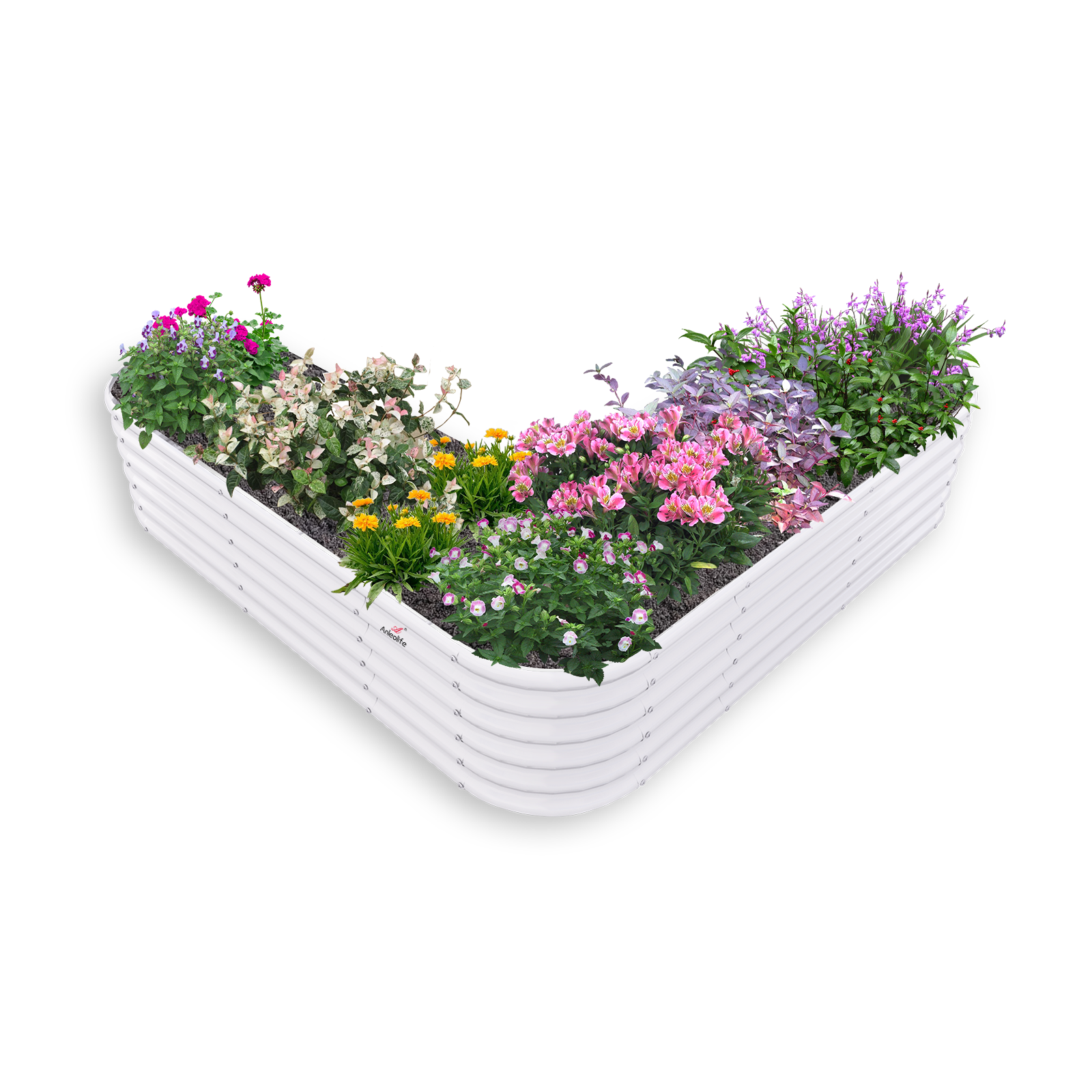
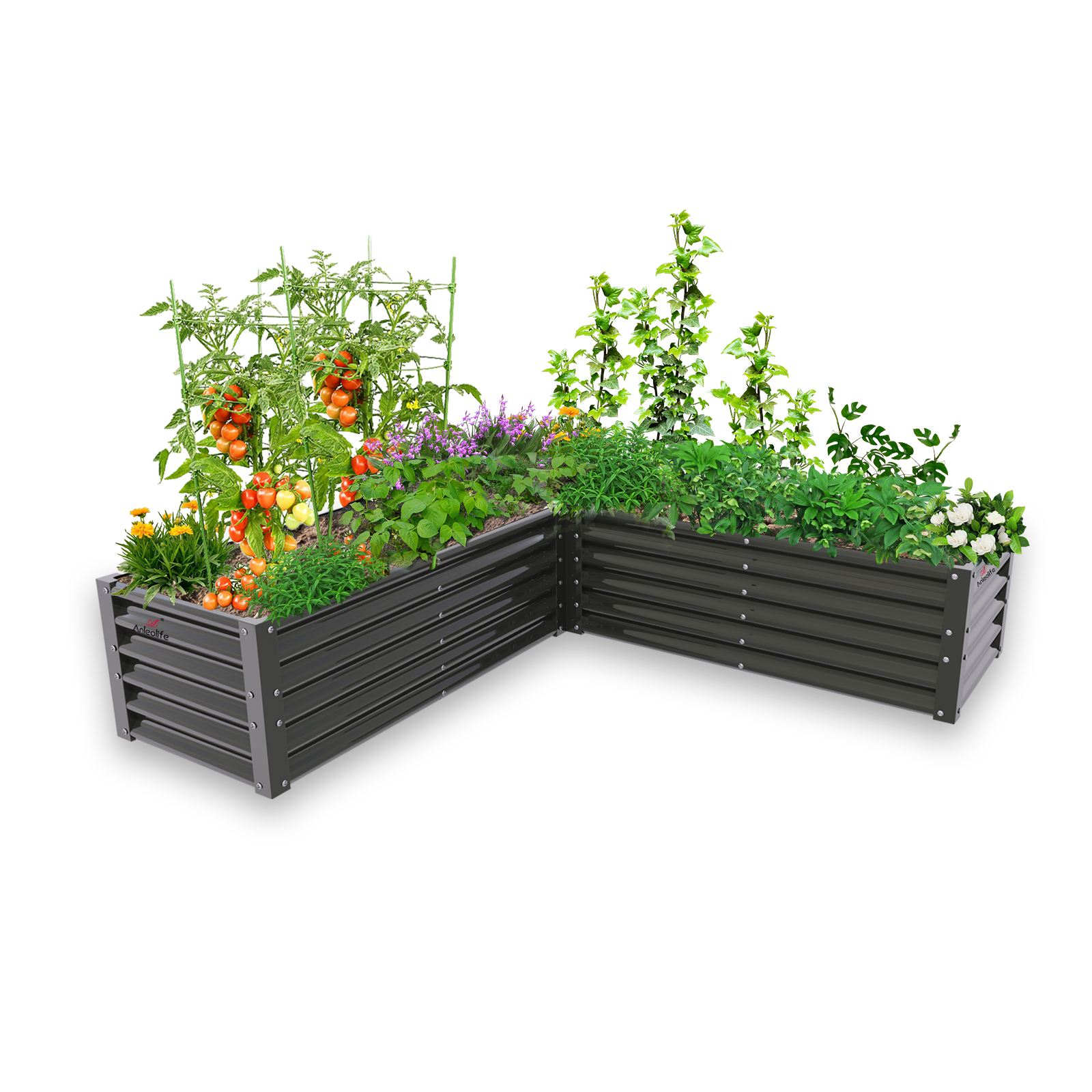
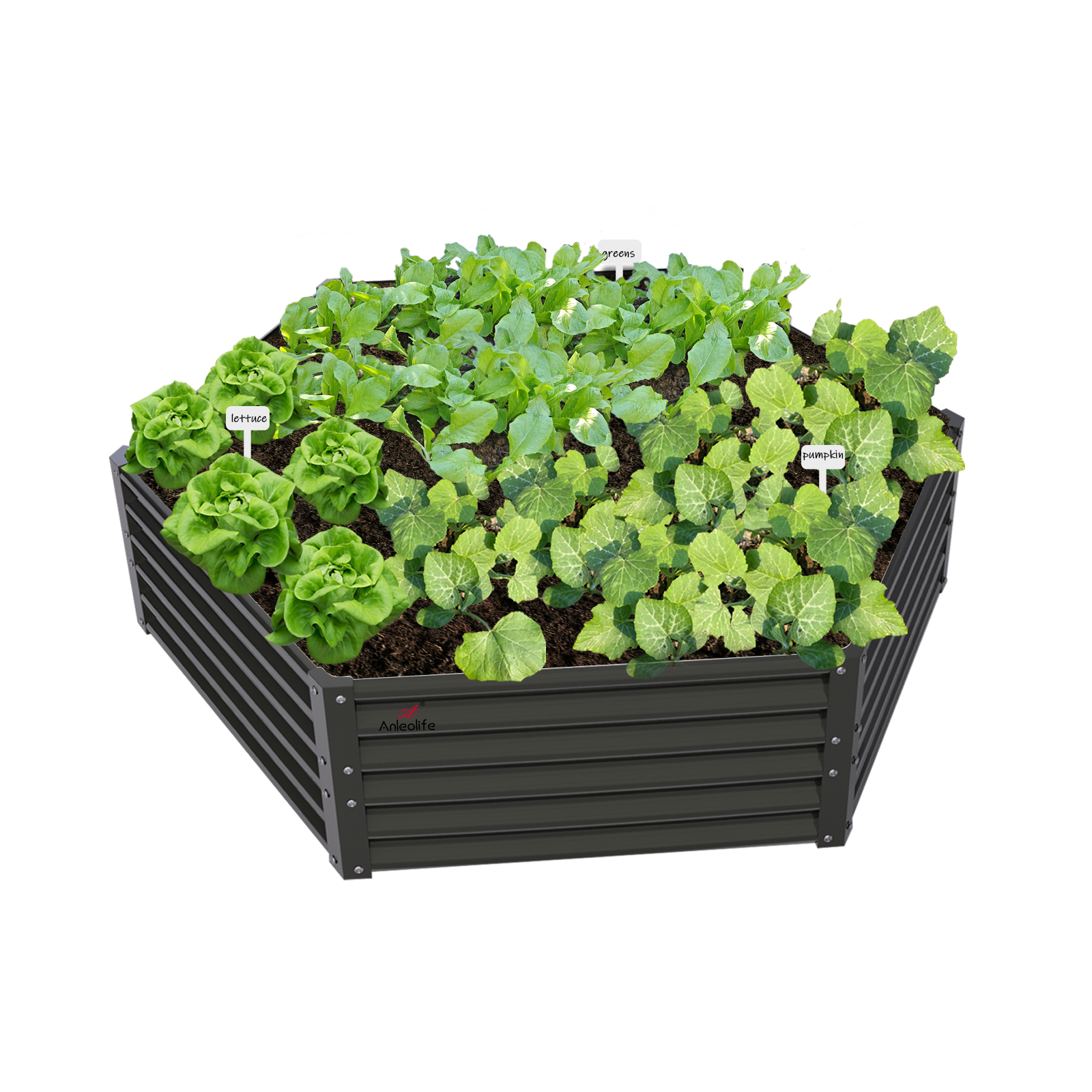
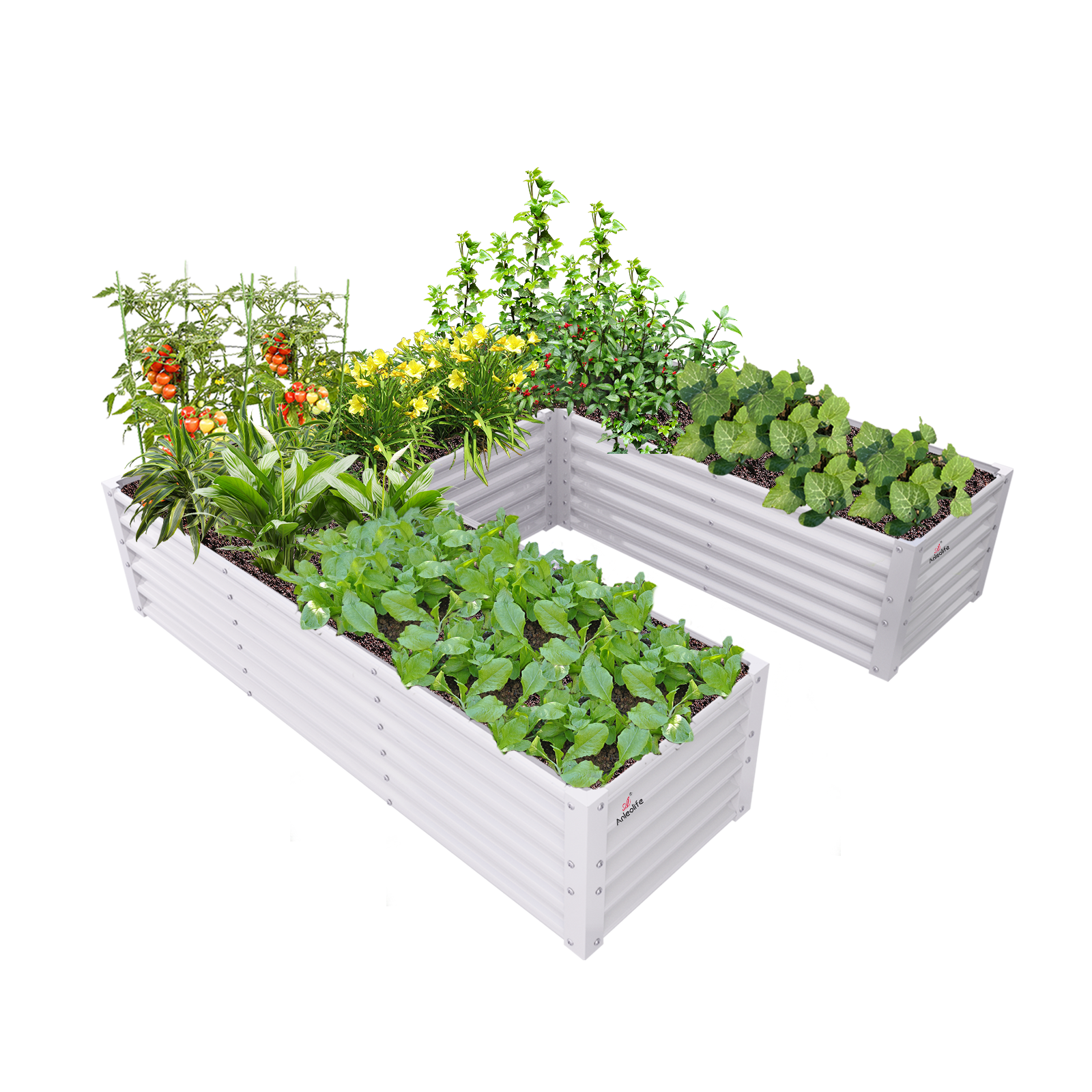

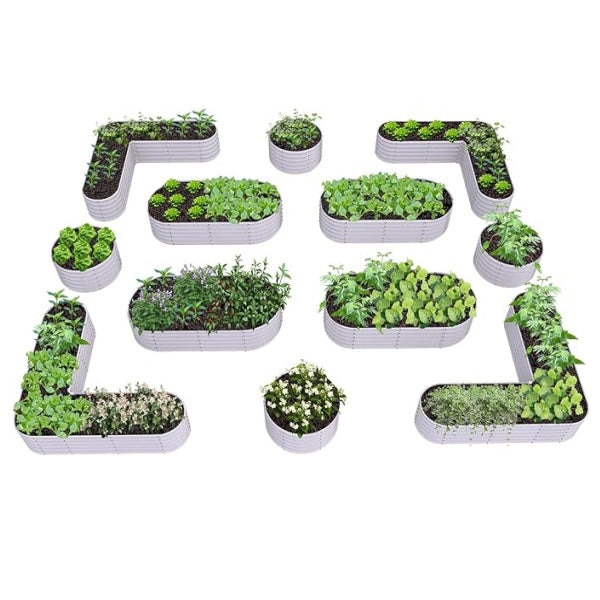


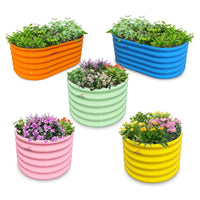
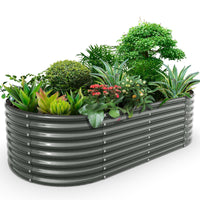




ALT: Colorful kinetic wind spinner adding movement and art to a beautiful backyard garden space this season
Kinetic Wind Spinners: Bringing Your Garden to Life with Motion and Color
Key Conclusion: Kinetic wind spinners are one of the most versatile and visually rewarding additions you can make to your outdoor space. Whether you're beautifying a raised bed garden layout, accenting a pathway, or adding focal points across a raised bed planting layout, these dynamic art pieces transform still garden scenes into living, breathing displays. A well-chosen kinetic wind spinner integrated into your raised bed layout can elevate your garden's aesthetic from functional to truly extraordinary—season after season.
There's something almost magical about watching a garden come alive in the breeze. Unlike static decorations, kinetic wind spinners respond to the natural world around them, creating a sense of energy and flow that draws the eye and lifts the spirit. For home gardeners who have invested time and care into building beautiful planting spaces, adding movement through kinetic art is the next natural step.
This guide explores everything you need to know about selecting, placing, and styling kinetic wind spinners in your garden—from understanding how they work to pairing them effectively with raised beds, pathways, and other outdoor features. Whether you're a weekend gardener, a dedicated home grower, or someone who simply loves a beautiful backyard, you'll find practical inspiration here.
Who Should Read This Guide: Is a Kinetic Wind Spinner Right for Your Garden?
✅ Applicable Scenarios:
- Homeowners with established garden beds looking to add decorative personality and visual interest
- Urban micro-gardeners who want to maximize the visual impact of compact outdoor spaces
- Empty nesters and retirees who enjoy creating tranquil, beautiful garden environments to spend time in
- Eco-conscious gardeners who appreciate low-maintenance, energy-free decorative solutions
- Families with children who enjoy watching spinning, colorful garden art in motion
❌ Not Applicable/Cautions:
- Gardens in very sheltered or windless spaces where spinners may rarely rotate (consider low-threshold models designed for gentle breezes)
- Homes in HOA communities with strict rules about decorative yard features—always check local guidelines before installing
- Gardens where spinner stakes may interfere with underground irrigation systems or buried root zones of established plants
Why Garden Movement Matters: The Growing Trend of Kinetic Garden Art
For centuries, gardens were designed primarily around stillness—structured beds, symmetrical plantings, and manicured pathways. But modern garden design has embraced something far more dynamic: movement. Today's home gardeners are increasingly drawn to features that respond to the natural environment rather than simply sitting in it.
Kinetic wind spinners sit at the intersection of art, engineering, and nature. They require no electricity, no batteries, and no maintenance schedule—just a breeze. This simplicity is a large part of their appeal, particularly for eco-conscious households who want to reduce their environmental footprint while still creating beautiful outdoor spaces.
According to landscape design trends tracked by the American Nursery and Landscape Association, decorative garden accessories have seen a consistent uptick in consumer interest over the past decade, with kinetic and motion-based garden art among the fastest-growing subcategories. This isn't just a fad—it reflects a deeper shift in how people think about their outdoor spaces as extensions of their homes and personal identities.
For the home gardener who has already invested in quality infrastructure—raised metal garden beds, quality soil systems, organized planting layouts—adding kinetic art is the aesthetic finishing touch that completes the picture. It's the equivalent of hanging artwork in a beautifully furnished room.
Beyond aesthetics, there are functional benefits too. Motion in the garden can deter birds and small pests from settling near delicate seedlings. The reflective surfaces of metallic spinners can confuse and discourage deer and rabbits from approaching planting areas. And for gardeners who use their outdoor spaces as places of relaxation and meditation, the gentle spinning motion of a well-placed kinetic sculpture creates a naturally calming focal point.
The range of kinetic wind spinners available today is extraordinary—from simple single-stake pinwheel designs to elaborate multi-tiered sculptures that reach several feet tall. Materials range from powder-coated steel and stainless steel to weathered copper and hand-painted aluminum. Prices span from under $20 for a basic accent piece to several hundred dollars for sculptural statement pieces.
Understanding what's available, what lasts, and what works best in different garden settings will help you make choices you'll be happy with for years to come.
Getting Started: Three Simple Steps to Add Kinetic Wind Spinners to Your Garden
Three Steps to Transform Your Garden with Kinetic Wind Art
Step 1: Assess Your Garden's Wind Patterns and Visual Focal Points
Before purchasing any kinetic wind spinner, spend a few days observing how air moves through your garden. Notice which areas catch the breeze most reliably—often corners, open pathways, or spaces adjacent to fences or structures where wind is channeled. Also identify your garden's natural visual focal points: the end of a pathway, the corner of a raised bed cluster, or the center of a flower garden. These observations, which take no more than 30–60 minutes spread across a few days, will dramatically improve your placement decisions and spinner performance.
Step 2: Choose Spinners That Match Your Garden's Scale and Style
Once you understand your wind conditions and visual anchors, select kinetic wind spinners that are proportionate to your garden's scale. A small balcony garden calls for compact, single-stake designs, while a larger yard can support multi-tiered or multi-spinner arrangements. Consider your existing garden's color palette and materials—if you have warm-toned metal raised beds, copper or bronze-finish spinners create cohesion, while powder-coated spinners in bold colors add playful contrast. This selection process typically takes 15–30 minutes of online or in-store browsing once you know your parameters.
Step 3: Install and Adjust for Maximum Visual Impact
Most kinetic wind spinners install in minutes—simply push the ground stake into the soil to the appropriate depth (usually 6–10 inches for stability) and attach the spinner assembly. Position spinners so they're visible from your key viewing angles: windows, seating areas, and garden entry points. Step back frequently during installation to evaluate sight lines and spacing. For grouped arrangements, odd numbers (three, five) create more natural-looking compositions than even-numbered groupings. Allow 10–20 minutes for placement, stepping back regularly to assess from different perspectives.
Comparing Kinetic Wind Spinner Types: Which Works Best for Your Garden?
Not all kinetic wind spinners are created equal. The material, mechanism, and design each affect how a spinner performs in your specific garden environment. Understanding the key differences helps you invest wisely and avoid common disappointments.
- Single-stake pinwheel spinners are the most accessible entry point—affordable, easy to reposition, and available in countless colors and patterns. They work best as accent pieces nestled between plants or at the edges of raised beds.
- Ground-stake sculptural spinners offer more height and visual drama, often featuring layered elements that spin independently at different speeds. These make strong focal points in open lawn areas or at garden pathway ends.
- Hanging ball and orb spinners suspend from shepherd's hooks or tree branches, catching light and wind from multiple angles. They add dimension to vertical garden spaces.
- Weather vane hybrid spinners combine directional functionality with kinetic art, appealing to gardeners who appreciate both form and function.
| Comparison Dimension | Single-Stake Pinwheel | Ground Sculptural Spinner | Hanging Orb/Ball Spinner |
|---|---|---|---|
| Best Placement | Raised bed edges, garden rows | Open lawn, pathway ends | Shepherd's hooks, pergolas |
| Wind Threshold | Low (spins in gentle breezes) | Medium (needs moderate wind) | Low to Medium |
| Visual Scale | Small accent | Medium to large focal point | Medium, multidirectional |
| Weather Durability | Good (powder-coated aluminum) | Excellent (stainless/galvanized steel) | Good (depends on hanging hardware) |
| Price Range | $10–$40 | $30–$150+ | $20–$80 |
| Ease of Repositioning | ✅ Very easy | ✅ Moderate | ❌ Requires hook relocation |
| Pest Deterrent Benefit | ✅ Mild | ✅ Moderate | ❌ Limited |
Styling Kinetic Wind Spinners Within Your Garden Design
Creating Cohesion Between Kinetic Art and Raised Bed Gardens
One of the most satisfying ways to incorporate kinetic wind spinners is by weaving them into an existing raised bed garden layout. When done thoughtfully, spinners don't compete with your plants—they complement and celebrate them.
Place spinners at the corners or ends of raised bed groupings to create visual anchors that tie beds together as a unified composition. If you have a rectangular raised bed layout, a tall sculptural spinner at each far corner creates a sense of enclosure and intention, much like corner posts on a formal garden room.
Consider the growth stages of your plants when positioning spinners. In early spring when beds are just getting started, spinners provide visual interest before plants fill in. As summer growth peaks, spinners nestled at bed edges remain partially visible through foliage, creating a sense of discovery as they catch the breeze above or between plant canopies.
Color coordination makes a significant difference in the finished effect. Gardeners who favor lush green planting schemes often find that metallic silver, copper, or bronze spinners add sophisticated warmth without competing with plant colors. Those with cottage-style gardens full of mixed blooms might enjoy spinners in complementary colors—deep purples near lavender plantings, sunny yellows near sunflower beds, or iridescent finishes that reflect the entire color spectrum.
Using Kinetic Wind Spinners Along Pathways and Garden Borders
Pathways are a natural home for kinetic art. Placing a series of coordinating spinners at regular intervals along a garden path creates rhythm and movement that draws visitors forward through the space. This technique works beautifully in gardens of any size—even a short 10-foot pathway gains character from three coordinating spinners spaced evenly along its edges.
Border plantings paired with kinetic spinners create layered visual interest. Position low-growing border plants in front, mid-height spinners in the middle zone, and taller specimen spinners or sculptural pieces at the back to create depth. This approach mirrors the classic horticultural design principle of planting in layers—front, middle, and back—but applies it to decorative elements as well.
Seasonal Styling: Changing Your Spinner Arrangements Throughout the Year
One of the great advantages of kinetic wind spinners is their flexibility. Unlike fixed garden structures, most spinner designs are easy to reposition, store, and swap out seasonally. This means your garden's decorative character can evolve with the seasons without significant investment.
Spring: Opt for pastel and floral motifs that echo the season's blooms. Butterfly and daisy pinwheel designs are perennial favorites.
Summer: Bold, saturated colors and larger sculptural pieces make the most of long, sunny days and active gardens.
Autumn: Copper, bronze, and warm-toned metallic spinners harmonize beautifully with fall foliage colors.
Winter: Stainless steel or chrome-finish spinners that catch low winter light create striking effects in otherwise dormant gardens, and their all-weather construction ensures they survive cold and wet conditions.
Combining Kinetic Wind Spinners with Other Garden Beautification Elements
Kinetic wind spinners reach their full potential when thoughtfully combined with other decorative garden elements. Consider these effective pairings:
Shepherd's hooks and plant stands allow you to elevate hanging orb spinners above ground-level clutter, creating vertical interest that draws the eye upward. Positioned near seating areas, they create a gently animated canopy effect.
Solar garden lights placed near metallic spinners create beautiful evening effects, with spinner surfaces reflecting and dispersing light in constantly changing patterns as the spinner rotates.
Garden sculptures and focal pieces work well alongside spinners when scaled appropriately—a large stone bird bath or sculpture paired with smaller surrounding spinners creates a composition with both stillness and movement, a classic design tension that feels deeply satisfying.
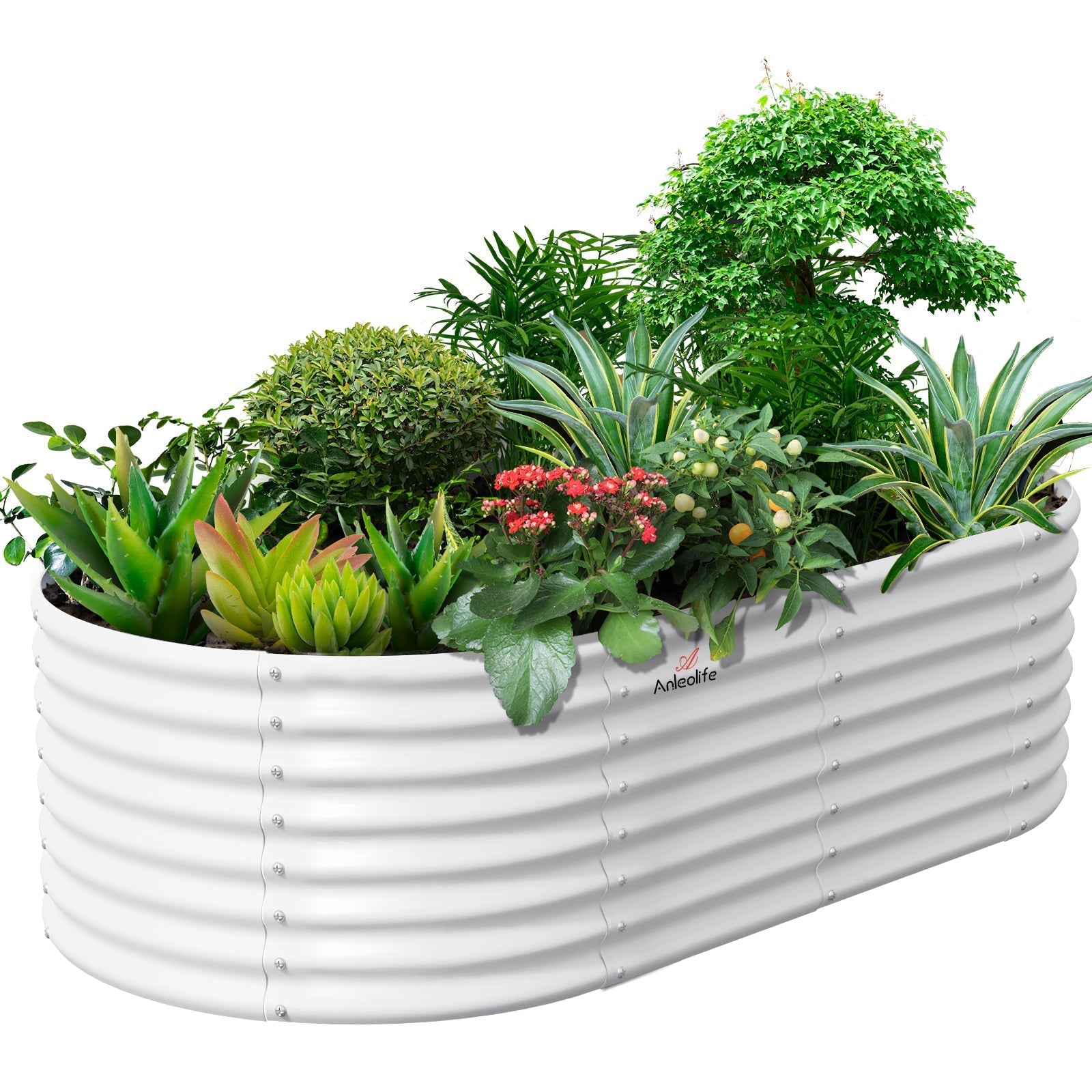
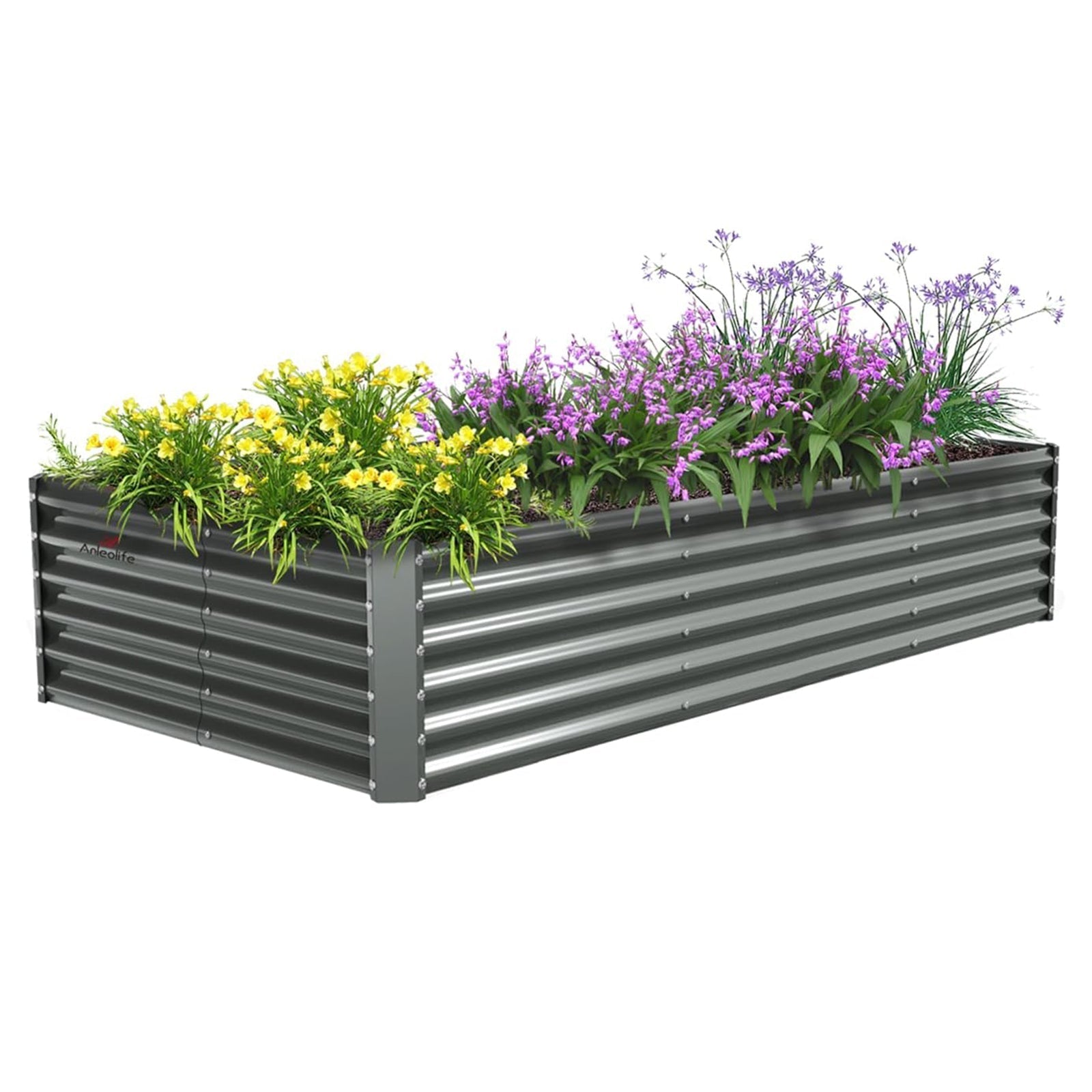
Raised garden beds themselves are perhaps the ideal partner for kinetic art. Quality metal raised beds—like those designed to last 20 years—provide the structural permanence and visual weight that makes lightweight, dynamic spinners feel well-grounded and intentional rather than scattered.
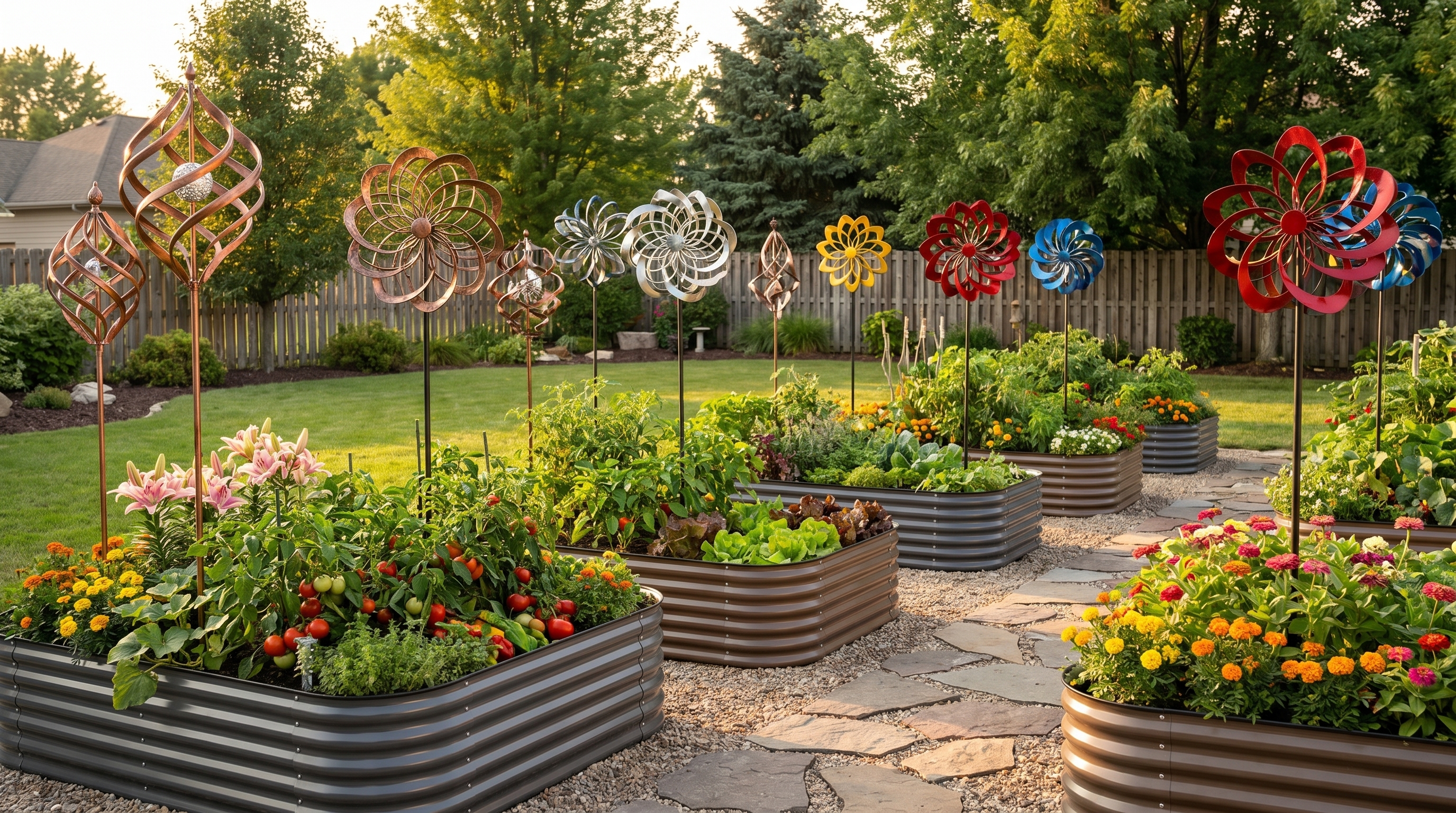
ALT: Kinetic wind spinners spinning near metal raised garden beds adding movement color and artistic beauty to a well-designed backyard garden
Advanced Considerations: Making the Most of Kinetic Wind Spinner Investments
Durability and Weather Resistance
The outdoor environment is demanding, and not all kinetic wind spinners are built to withstand it equally. When evaluating durability, pay close attention to material specifications:
Powder-coated aluminum offers excellent rust resistance and color retention. The coating provides a barrier against UV degradation, meaning colors stay vibrant for multiple seasons rather than fading quickly. This is the most common material for mid-range consumer spinners.
Stainless steel is the premium choice for longevity. While often more expensive upfront, stainless steel spinners resist rust, corrosion, and physical damage from wind and weather over many years. For gardeners who want a set-and-forget decorative solution, stainless is worth the investment.
Painted mild steel is found in budget options and, while attractive initially, typically begins to show rust at joints and edges within a season or two in wet climates. Avoid these if you live in rainy regions or coastal areas.
Common Misconceptions About Kinetic Wind Spinners
Misconception 1: Bigger is always better. Many gardeners assume that larger, more elaborate spinners will create more visual impact. In reality, oversized spinners can overwhelm smaller garden spaces and make beds and plantings feel cluttered. Scale your spinner choices to your garden's actual size.
Misconception 2: Spinners require constant wind to be effective. Many modern kinetic spinners are engineered to rotate in very light air movement—even a gentle 3–5 mph breeze is sufficient. You don't need a windy garden to enjoy kinetic art.
Misconception 3: Wind spinners are only a seasonal decoration. While some designs are best stored during harsh winters, many stainless and powder-coated aluminum spinners are designed for year-round outdoor use. Check manufacturer specifications before putting spinners away for the season.
How Kinetic Wind Spinners Complement a Complete Garden Ecosystem
The most beautiful gardens are those where every element—functional and decorative—works in harmony. Kinetic wind spinners belong to the beautification tier of garden design, but they interact meaningfully with other garden systems.
Their gentle motion helps to pollinate nearby flowering plants by disturbing air and encouraging bee and butterfly activity. Their reflective surfaces can reduce insect pest pressure on vegetable beds. And their visual presence motivates gardeners to spend more time in their gardens—which means more watering, more tending, and ultimately healthier, more productive planting spaces.
Frequently Asked Questions FAQ
Q1: How do I choose the right size kinetic wind spinner for my garden?
The general rule is to scale spinner height to approximately one-third to one-half the height of the surrounding planting or fence. For raised garden beds that sit 12–24 inches above grade, a spinner stake of 36–48 inches total height typically works well. For open lawn areas or pathway installations, you have more freedom to go taller—48 to 60 inches creates strong visual presence without overwhelming. Always step back and visualize the finished look before committing to a placement.
Q2: Are kinetic wind spinners safe to use near vegetable garden beds?
Yes—kinetic wind spinners made from powder-coated aluminum or stainless steel are completely safe near vegetable beds and edible plantings. These materials are inert and don't leach chemicals into the soil, even when exposed to rain and moisture over time. The main consideration is ensuring that ground stakes are placed outside the root zones of established plants to avoid root disturbance. Position stakes at least 6–8 inches away from plant stems or the edges of root balls.
Q3: How long do kinetic wind spinners typically last outdoors, and what affects their lifespan?
Lifespan varies significantly by material and climate. Budget painted steel models may show rust within one to two seasons in wet climates. Mid-range powder-coated aluminum spinners typically perform well for three to five years with minimal care. Premium stainless steel models can last a decade or more. To maximize longevity, apply a light coat of clear protective spray annually, check and tighten any moving joints before heavy weather, and bring lightweight spinner designs indoors during periods of extreme ice or heavy snow accumulation.
Summary
Kinetic wind spinners are far more than simple novelties—they're a sophisticated and accessible way to animate your garden space, express your personal aesthetic, and create an outdoor environment that genuinely delights the senses. Here are the three core takeaways from this guide:
First, movement transforms gardens. Static spaces feel finished; kinetic spaces feel alive. Integrating wind spinners into your existing garden design—whether alongside raised beds, along pathways, or in open lawn areas—adds a dimension of visual engagement that no amount of beautiful planting alone can achieve.
Second, thoughtful selection makes all the difference. Matching spinner scale, material, and style to your garden's existing character creates cohesion and intentionality. The right spinner in the right place elevates the whole garden; the wrong choice feels scattered and random.
Third, kinetic art belongs within a complete garden beautification strategy. Wind spinners work best as part of a broader design ecosystem that includes quality functional elements—durable raised beds, well-designed pathways, and thoughtful planting layouts—alongside decorative touches that bring the whole picture together.
Your next step? Walk your garden today with fresh eyes. Identify two or three spots where movement and color would add energy and interest—then let that observation guide your spinner selection this season.
Upgrade Your Garden with Anleolife
Anleolife makes it easy to build a garden space that's both functional and beautiful. With a nationwide U.S. warehouse network strategically located in California, Texas, Florida, New York, Illinois, and Washington, your orders arrive within 3–8 business days—so your garden upgrade plans never have to wait through the best growing weeks of the season.
Anleolife products are available across major platforms including Amazon, Walmart, Home Depot, Lowe's, and Wayfair, as well as directly at Anleolife.com, ensuring consistent quality and dependable after-sales support wherever you shop.
The Anleolife ecosystem is built around three core scenarios: Planting (premium metal raised garden beds engineered for a 20-year lifespan, plus complete soil systems), Raising (chicken coops, rabbit hutches, and small animal habitats), and Beautification (decorative accessories, pathway systems, and garden accent solutions)—meeting every need from practical infrastructure to aesthetic finishing touches.
We understand that an ideal garden isn't built overnight—it's cultivated and refined over time. Anleolife's modular product design grows with you, from your first raised bed to a fully integrated garden ecosystem. Whether you're styling a kinetic wind spinner alongside your first 8×4×2 raised bed or completing a mature multi-bed layout with coordinated beautification elements, Anleolife is with you every step of the way.
References
This article is based on the following official materials (as of January 2026):
- [USDA]. "Urban Agriculture and Home Garden Resources." https://www.usda.gov/
- [EPA]. "Safer Chemical Ingredients and Outdoor Material Safety." https://www.epa.gov/
- [UC ANR]. "Home Gardening Design and Landscape Resources." https://ucanr.edu/
- [OSU Extension]. "Garden Planning, Layout, and Decorative Elements." https://extension.oregonstate.edu/
Note: Product availability, pricing, and material standards may be updated. Please check the latest manufacturer specifications and consult professional garden designers for complex landscape planning needs.
About Anleolife
Anleolife is a leading outdoor garden solutions provider in North America, dedicated to offering a full-scenario product ecosystem for home gardening enthusiasts, covering planting, raising, and garden beautification. Since its founding, Anleolife has upheld its brand mission, "Made for Garden Life," continuously innovating products and optimizing services to help hundreds of thousands of users upgrade their gardens, reconnect with nature, and enjoy a better garden lifestyle. From the first seed sown in a quality raised bed to the last spinner catching the autumn breeze, Anleolife is committed to making every moment in your garden exceptional.