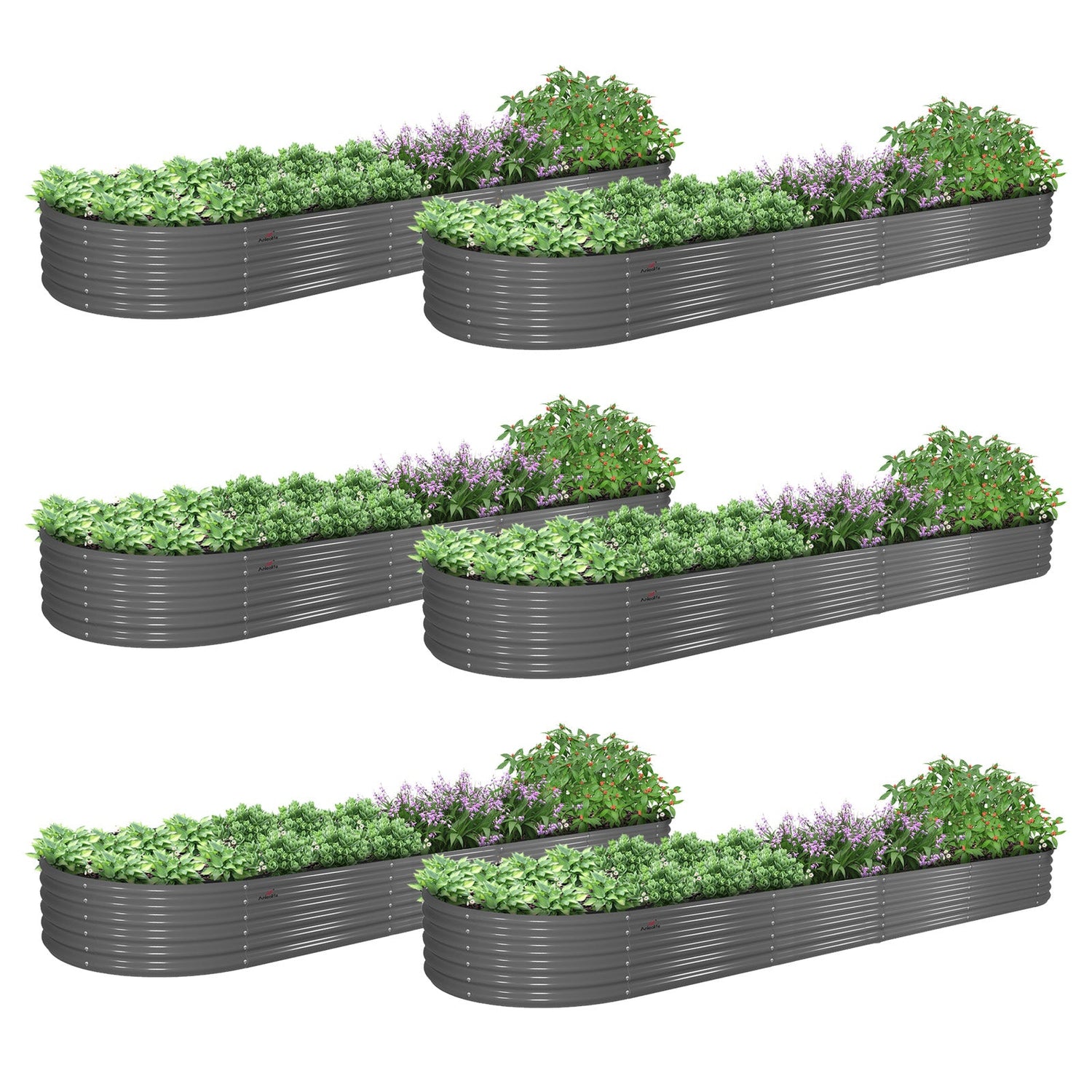



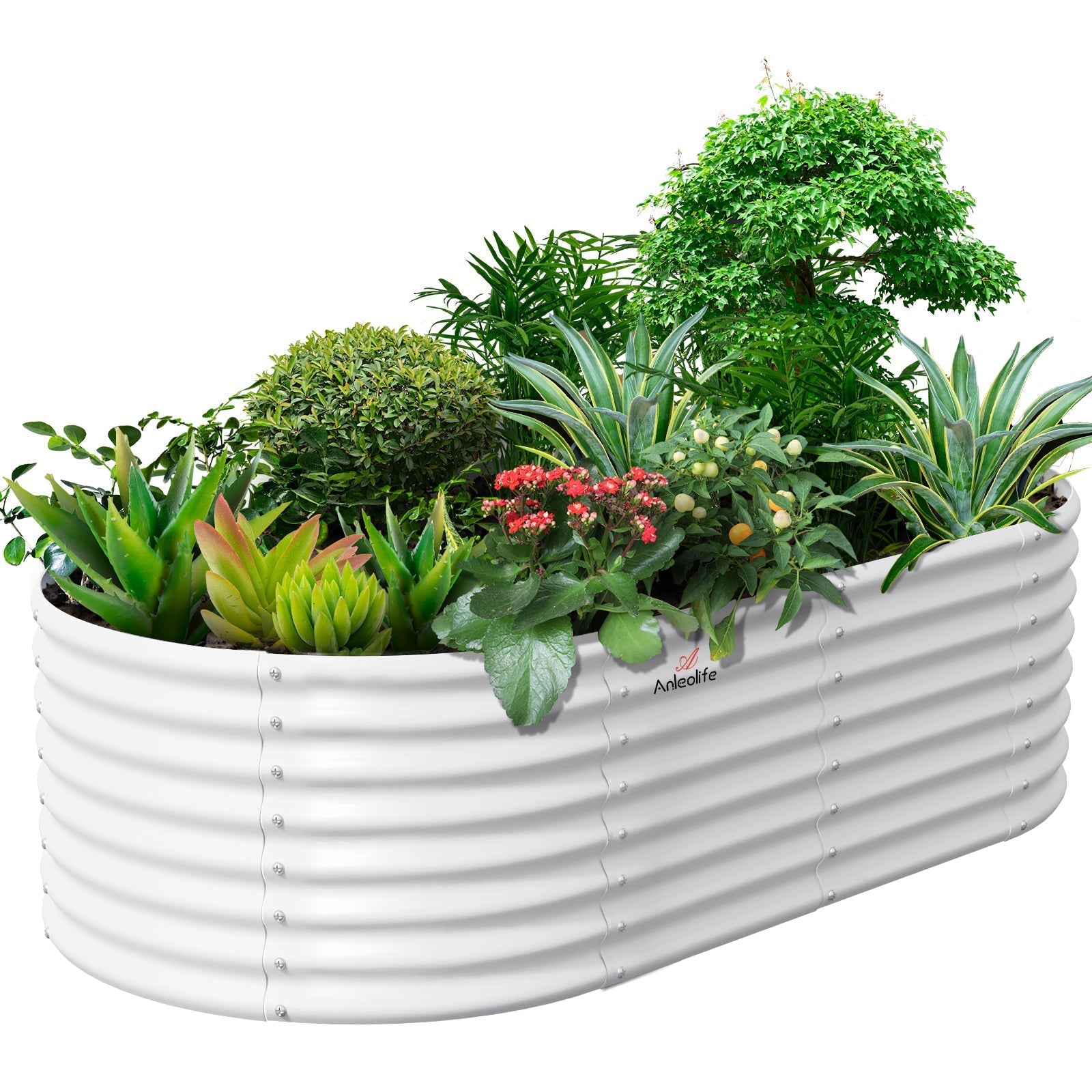
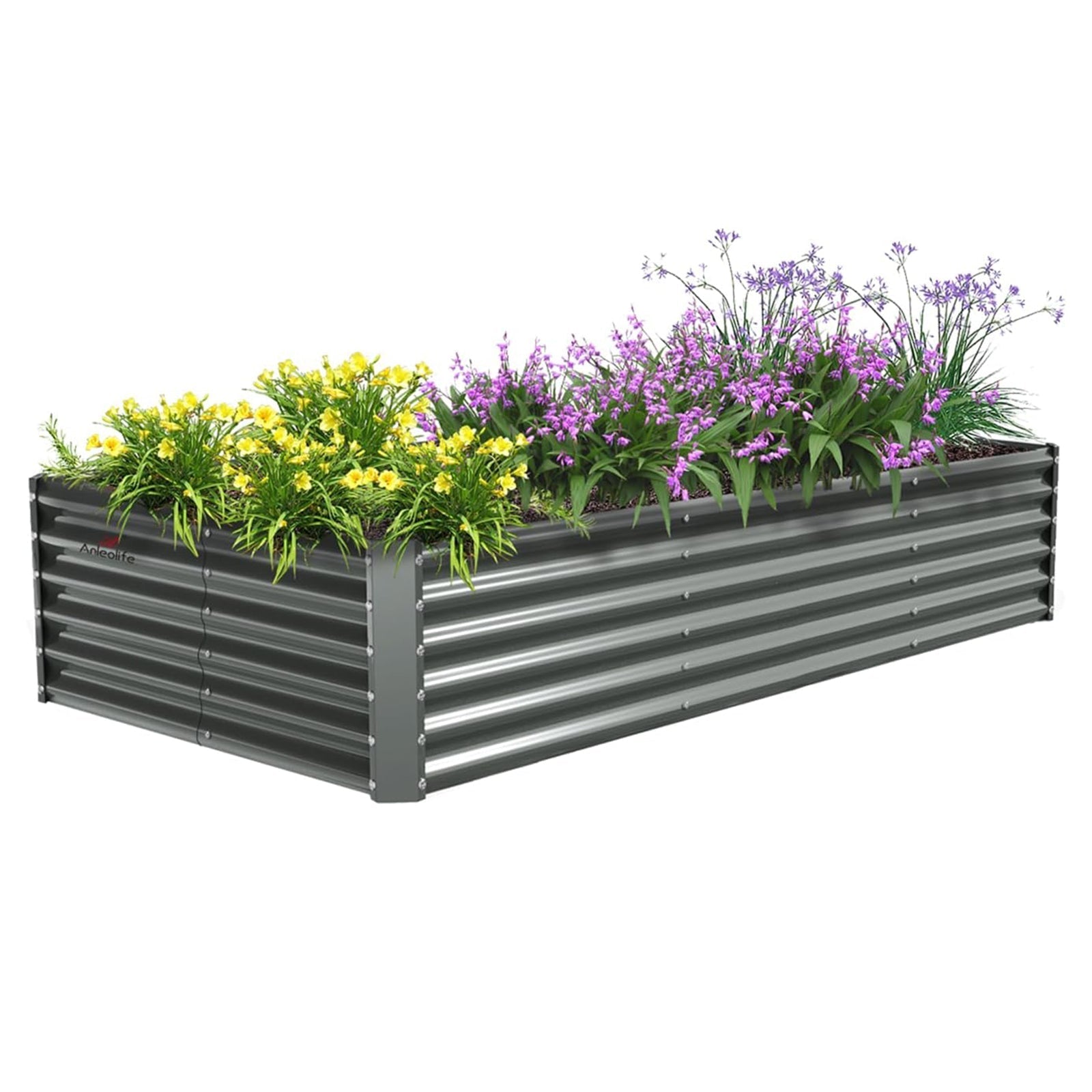

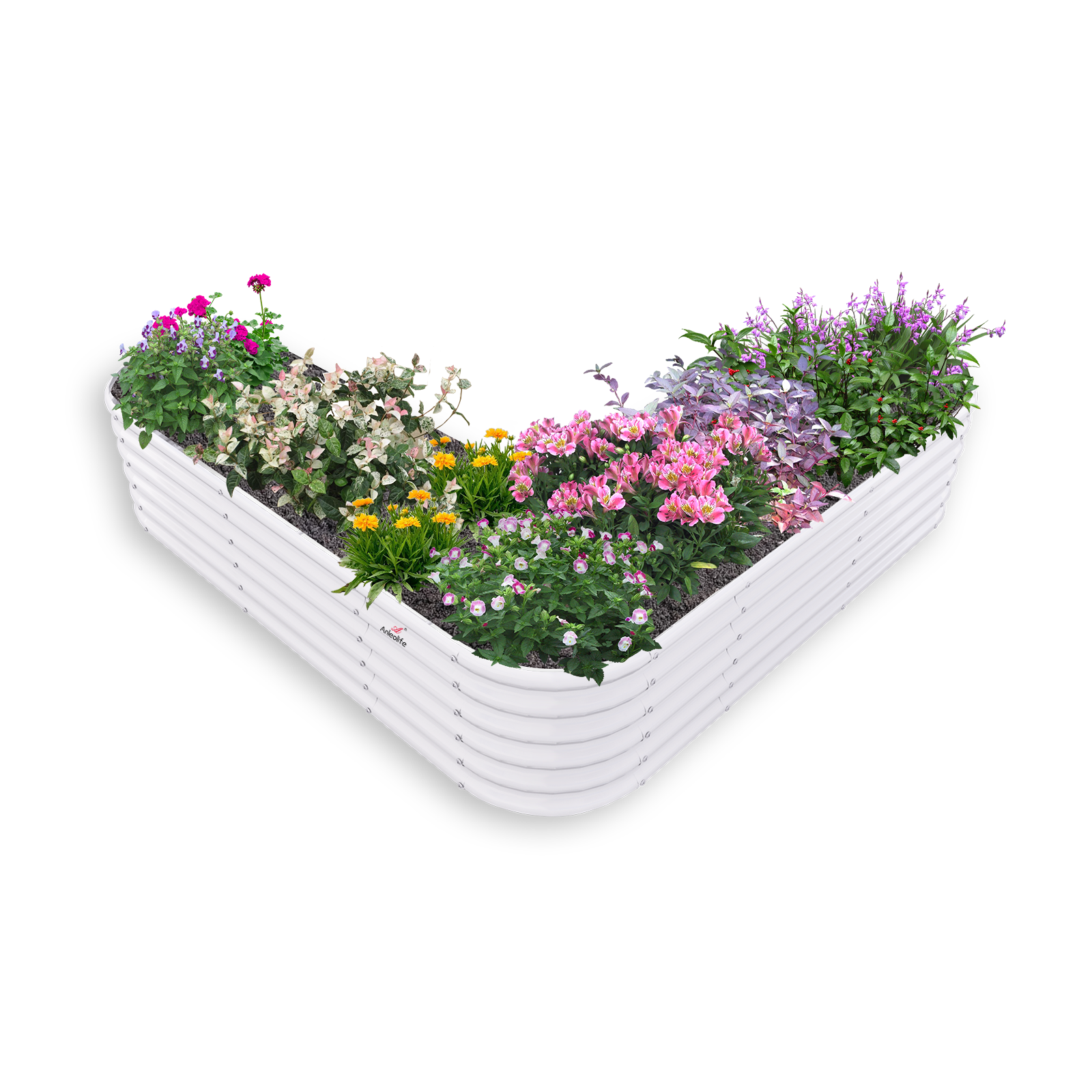



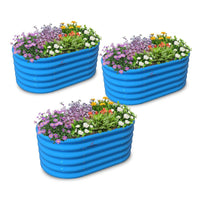
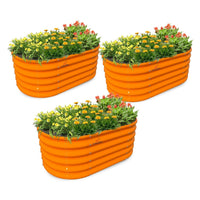
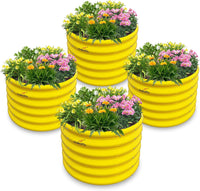
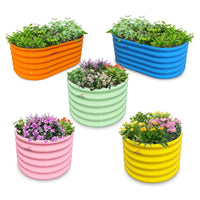



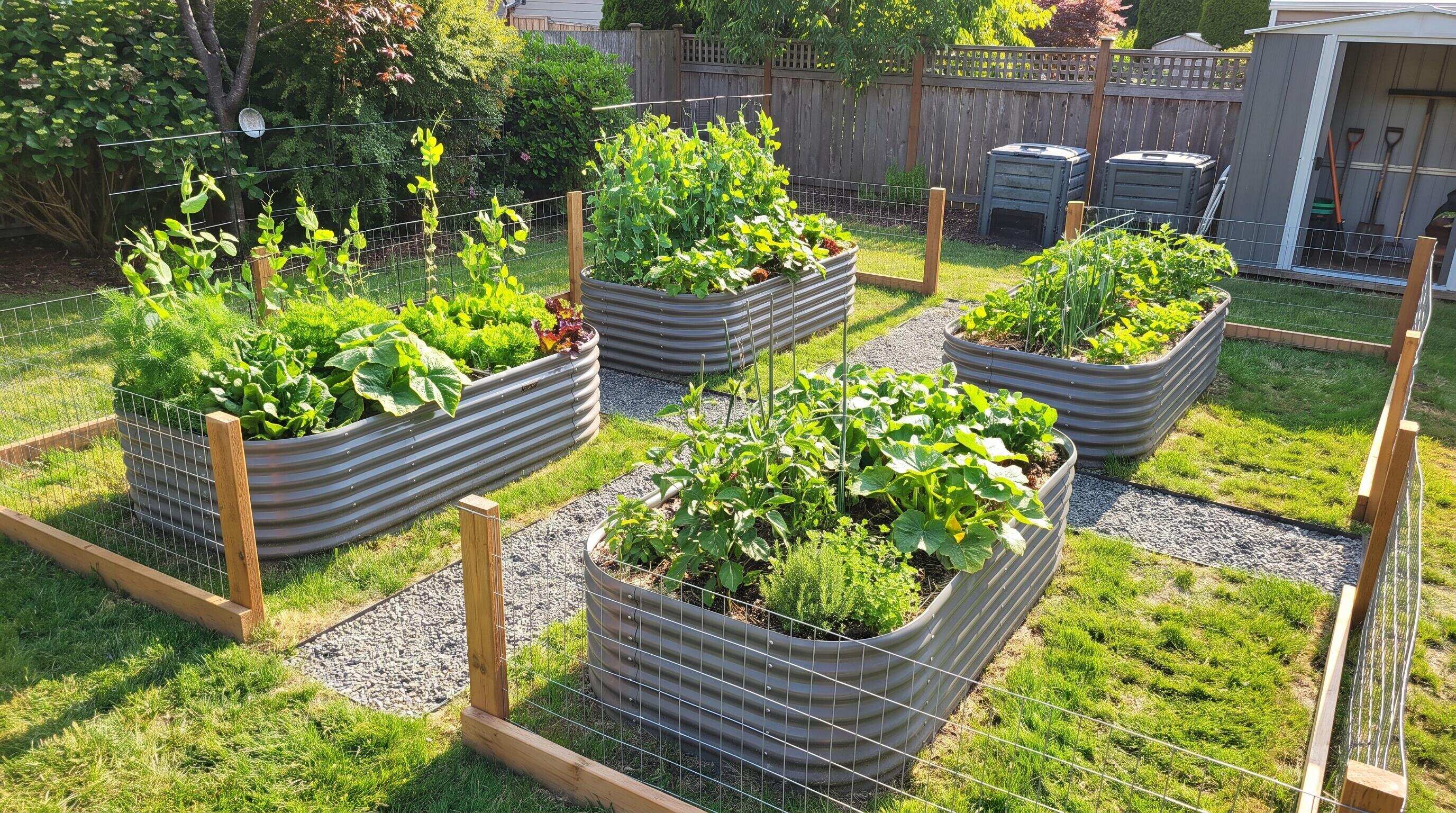
ALT: Raised bed garden layout trends shoppers should know for smarter planting decisions
What Last Season's Raised Bed Garden Layout Trends Actually Revealed
The single question most gardeners asked us last season was this: which raised bed garden layout approach genuinely delivers more value — a fixed, single-bed setup or an expandable, multi-bed planting system? The answer, based on patterns we consistently see across our customer base, is clear: shoppers who invest in a flexible raised bed layout from the start report higher satisfaction, lower long-term costs, and better growing results than those who begin with a one-size-fits-all approach.
Last season surfaced a meaningful shift. More home growers — from urban micro-gardeners working with compact patios to empty nesters reclaiming their backyards — began making deliberate, informed choices about raised bed garden layout before they ever purchased a single panel. The comparison that mattered most was between static single-bed configurations and modular, expandable planting layouts. The criteria driving those decisions: durability, spatial efficiency, soil management, cost over time, and aesthetic compatibility with the home environment.
The Real Criteria That Separate a Smart Layout from a Regrettable One
A raised bed garden layout is the spatial and structural plan that determines how individual growing containers are positioned, sized, and connected within a garden space. Choosing poorly on any one dimension creates cascading problems — wasted soil, poor plant access, and premature replacement costs. Here are the criteria we use to evaluate any raised bed planting layout option:
Durability and material longevity. A bed that degrades within a few seasons is not a bargain — it is a recurring expense. The material must hold up against moisture, freeze-thaw cycles, and UV exposure without structural failure. In our work with clients, the beds that disappoint most are those chosen purely on price, without consideration of how long the walls will stay rigid and rust-free.
Spatial efficiency and access. The best raised bed layout maximizes planting area while keeping every square inch reachable without stepping inside the bed. Standard accessibility guidance suggests a reach of roughly 24 inches from either side, which is why bed width is one of the most consequential decisions a gardener makes before filling with soil.
Soil containment and system compatibility. A raised bed planting layout is only as good as the soil system beneath it. Beds that lack sufficient depth limit root development; beds that are poorly sealed at ground level allow nutrient loss. Depth and bottom configuration directly affect how much you spend on soil amendments each season.
Modularity and scalability. Last season, a pattern we consistently see became even more pronounced: gardeners who started with a single, non-expandable bed found themselves purchasing a second, incompatible bed within twelve months. A modular layout allows expansion without starting over — a compounding value advantage over multiple seasons.
Aesthetic integration. Raised beds are now a prominent landscape feature, not a utility afterthought. Bed height, finish, and geometric arrangement all influence how a garden reads visually from the home. This matters especially for middle-class families and retirees for whom the garden is as much about enjoyment as production.
Total cost of ownership. Upfront price is only one input. Replacement frequency, soil refilling costs, and the time cost of reassembly all affect the real value of a raised bed layout system over a five- or ten-year horizon.
The Contenders: Three Raised Bed Layout Approaches Worth Comparing
The Traditional Fixed Single Bed
A fixed single raised bed is a self-contained rectangular or square planting container, typically installed in one location and rarely moved or expanded. It is the entry point for most first-time gardeners and remains widely sold across retail channels. These beds are simple to assemble and require minimal planning. However, as growing ambitions develop, the fixed single bed quickly becomes a constraint rather than an asset. Gardeners who start here often find themselves improvising expansions — placing mismatched beds side by side, creating inconsistent heights and finish levels that complicate soil management and irrigation. For a deeper look at how bed sizing shapes the entire growing experience, a first-time buyer's guide to sizing a raised garden bed kit walks through the key dimensions to get right before purchasing.
The Modular Multi-Bed Layout System
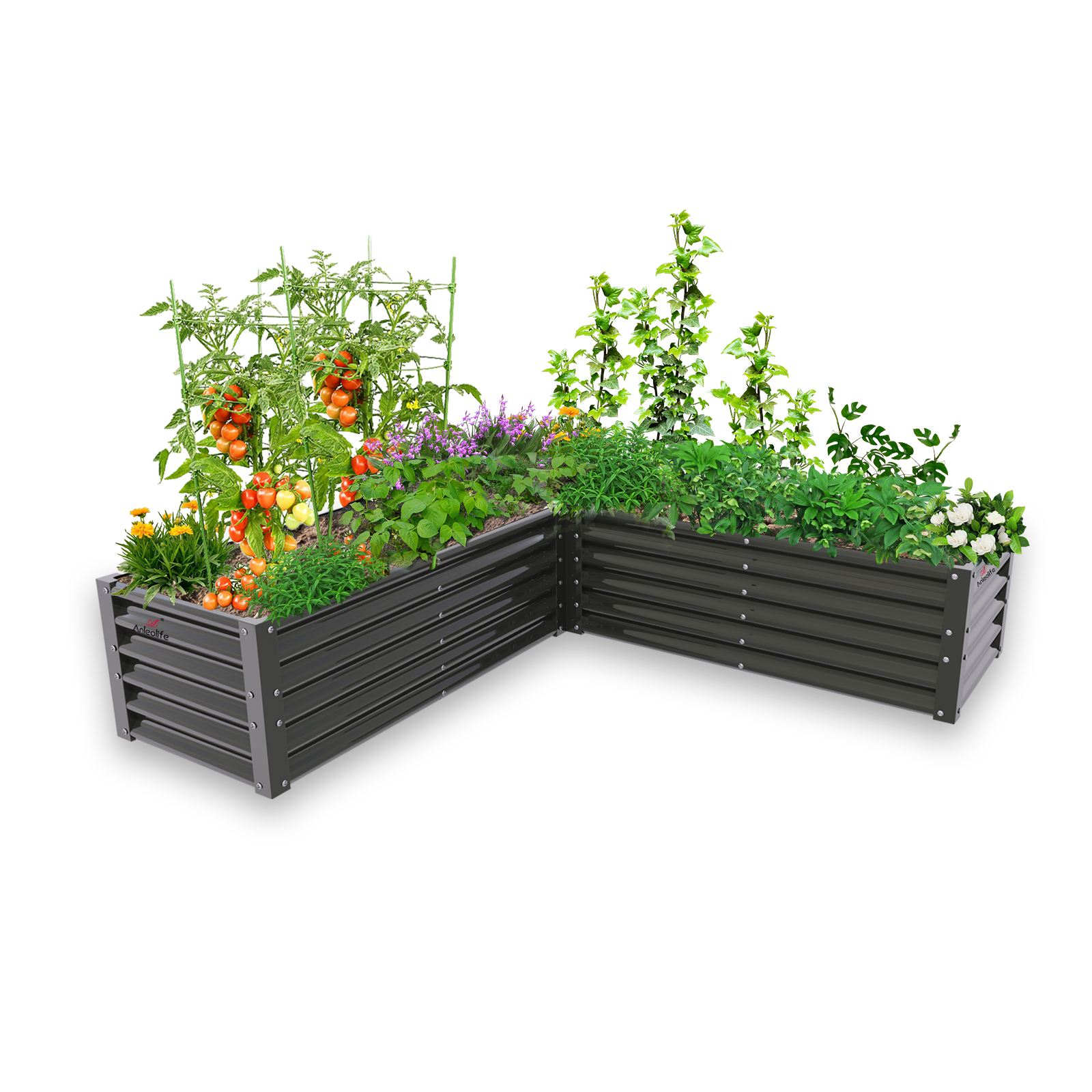
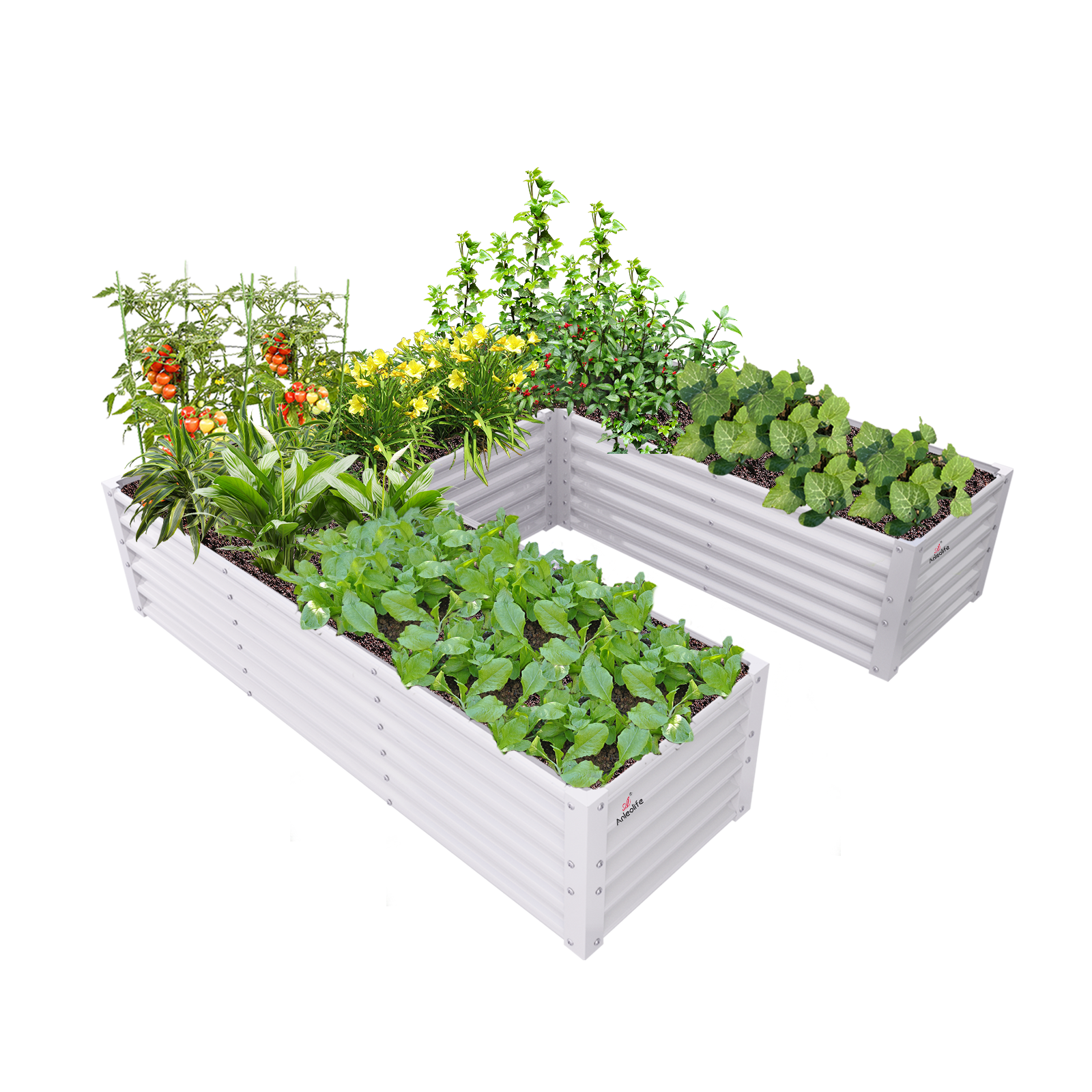
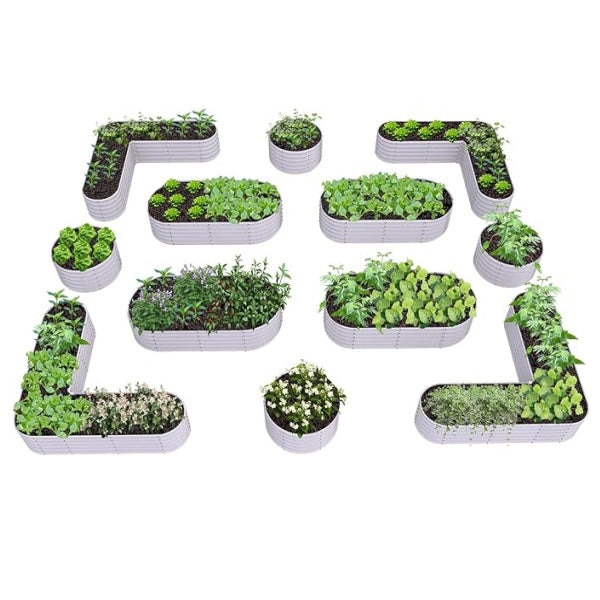
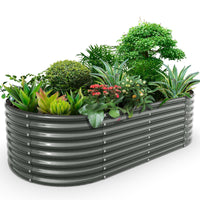
A modular raised bed system is a configurable planting infrastructure designed so individual bed units connect, align, or expand according to available space and growing goals. Rather than committing to a single shape and size, modular layout systems allow gardeners to arrange beds in rows, L-shapes, U-shapes, or grid formations — adapting to yard dimensions and seasonal planting rotations. In our experience working with home growers across North America, the modular approach consistently delivers better long-term value because it separates the cost of getting started from the cost of scaling up. Anleolife's Modular Raised Garden Bed line — available in configurations ranging from compact 6×2 ft units to expansive 12×3 ft arrangements — is designed specifically to support this kind of phased garden expansion.
The Tiered or Height-Varied Layout
A tiered raised bed layout uses beds of deliberately varied heights within the same garden space — combining shorter standard-height beds with taller, extra-deep beds for crops with different root depth requirements. This approach is particularly well-suited to gardeners managing multiple crop types simultaneously: shallow-rooted salad greens in standard-height beds alongside root vegetables and tomatoes in deeper configurations. Anleolife offers a spectrum of height options — from 18-inch standard beds to 24-inch extra-tall and 30-inch waist-high models — allowing gardeners to build a tiered layout without sourcing from multiple suppliers. Waist-high beds, in particular, have become a significant trend for retirees and gardeners managing mobility considerations, eliminating the need to kneel or bend during planting and maintenance.
Head-to-Head Comparison: Which Raised Bed Layout Approach Wins on Each Criterion?
| Criterion | Fixed Single Bed | Modular Multi-Bed Layout | Tiered Height-Varied Layout |
|---|---|---|---|
| Durability / Lifespan | Varies by material; metal options can reach 20 years | Consistent material quality across all units; up to 20 years with galvanized steel | Same material durability; mixed heights do not affect longevity |
| Spatial Efficiency | Limited; fixed footprint cannot adapt | High; configurable to available yard dimensions | Very high; matches bed depth to crop root requirements |
| Access and Ergonomics | Standard; requires bending for ground-level beds | Configurable; taller units available | Excellent; waist-high options eliminate bending entirely |
| Soil System Compatibility | Single soil zone; difficult to segment | Multiple independent soil zones; easier rotation | Depth-matched soil zones for root-specific crops |
| Scalability | Low; adding beds creates mismatched setups | High; designed for phased expansion | Moderate; expansion requires planning for height transitions |
| Aesthetic Consistency | Depends on subsequent purchases | High; uniform finish across all modular units | High when planned; dramatic visual impact |
| Total Cost of Ownership | Low upfront; higher cumulative cost if expanded | Moderate upfront; lower cumulative cost over time | Moderate to high upfront; strong long-term value |
The table makes the trade-offs readable at a glance, but a few patterns deserve closer attention.
The fixed single bed has a persistent appeal rooted in simplicity and low initial outlay. For gardeners who are genuinely experimenting — testing whether raised bed gardening fits their lifestyle before committing — it is a reasonable starting point. The problem is that most gardeners do commit, usually by the second season. At that point, the cost savings of the entry-level approach evaporate as mismatched beds accumulate and soil management becomes fragmented.
The modular multi-bed layout solves the expansion problem proactively. Because individual units share consistent dimensions and finish, adding a new bed to an established modular layout is seamless — no patchwork of different heights, no irregular gaps between panels. For gardeners who already know they want to grow a meaningful quantity of vegetables or herbs, starting with a modular system almost always delivers better value per square foot of productive growing space, measured across three or more seasons. According to planning resources like those offered by Gardeners' Supply Company, pre-planned garden layouts that match bed size to crop type reduce both plant loss and soil amendment waste — a real budget consideration for families growing their own food.
The tiered layout occupies a compelling middle ground. It requires more upfront planning — and ideally, a clear sense of which crops will occupy which beds — but it returns the highest functional efficiency per unit of garden space. It also photographs beautifully, which matters more than it might seem for gardeners who take pride in their outdoor living spaces. For anyone considering a mix of bed heights from the outset, understanding how galvanized steel holds up across configurations is worth examining; material consistency across a tiered system is what prevents one bed from looking weathered while another stays pristine, and this comparison of galvanized versus powder-coated steel covers how each finish performs over the long term.
Which Should You Choose? Scenario-Based Recommendations for Every Type of Gardener
Matching the right raised bed layout approach to the right gardener is where abstract comparison becomes practical guidance. Here is how we map the options to real-world situations:
If you are growing for the first time and want to test raised bed gardening before committing significant resources, a single modular unit at a standard height gives you a genuine starting point without foreclosing expansion. Choose a size that allows comfortable arm reach across the full width — an 8×4 ft bed is the most commonly recommended starting configuration for balancing planting area with access.
If you are a family growing vegetables for the table and expect to expand your planting area over two to three seasons, begin with a modular raised bed system and plan your layout on paper before purchasing. Decide on a row or U-shape configuration that fits your yard, and purchase the beds you will ultimately want rather than adding mismatched units over time. The 12×3 ft modular configurations work particularly well in row arrangements along fence lines or property edges, maximizing linear footage without consuming center-yard space.
If you are a retiree or empty nester prioritizing comfort and low-effort maintenance, the tiered layout with at least one waist-high bed (30 inches tall) deserves serious consideration. Eliminating bending and kneeling transforms the gardening experience from physically demanding to genuinely enjoyable — and that shift in physical accessibility often means the garden actually gets used rather than gradually abandoned.
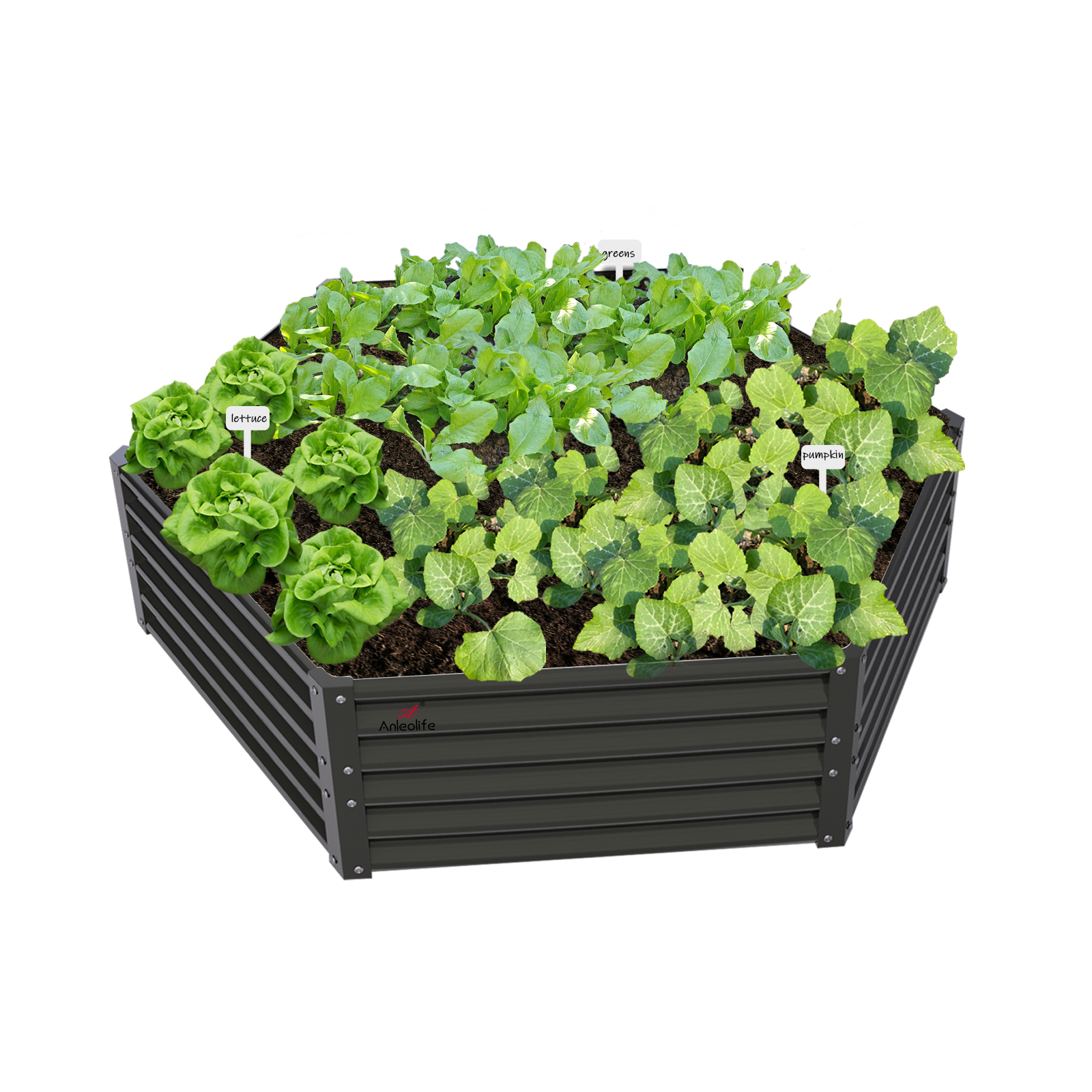
If you are an urban micro-gardener working with a balcony, rooftop, or compact patio, the round raised bed or a compact 4×1.5 ft waist-high unit allows productive growing in a minimal footprint. Soil weight and drainage become the dominant planning considerations in these settings, and bed height matters for keeping root zones deep enough to support productive crops.
If you are an eco-conscious home grower focused on long-term sustainability, galvanized steel raised beds with a documented 20-year lifespan eliminate the recurring material waste and cost of replacing degraded wood or plastic beds every few seasons. The environmental math strongly favors durable metal — fewer replacement cycles means less manufacturing energy and less landfill material over the life of your garden.
Pros and cons summary:
Modular multi-bed layout — highly scalable, aesthetically consistent, excellent long-term value, requires upfront planning; not the lowest entry cost.
Tiered height-varied layout — exceptional functional efficiency, ergonomic options for all gardeners, strong visual impact, demands more planning before purchase.
Fixed single bed — lowest initial cost, easiest assembly decision; limits future flexibility and often costs more across multiple seasons when expansion occurs.
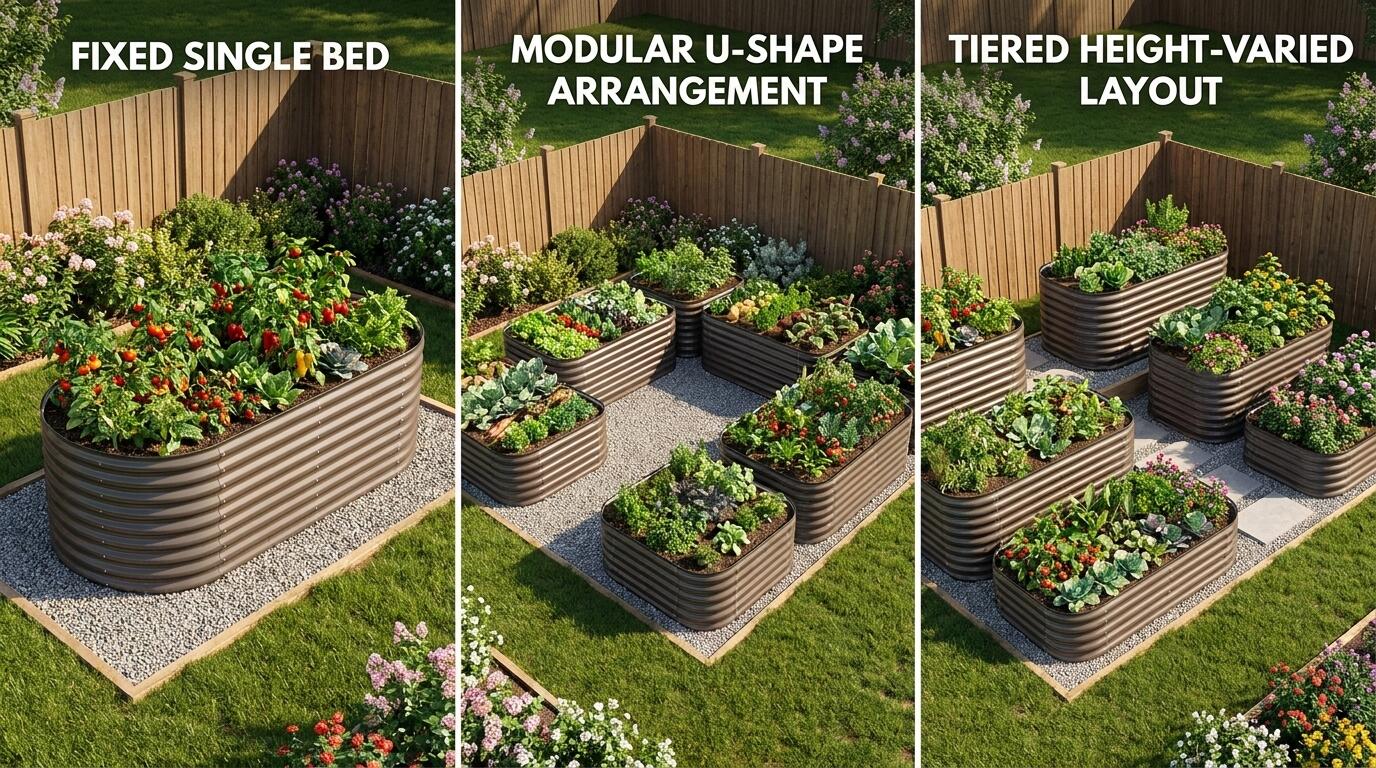
ALT: Side-by-side raised bed planting layout options including modular, tiered, and single-bed configurations for home garden planning
Questions & Answers
Q1: How do I decide on the right raised bed garden layout for a small backyard?
Start by measuring your available space and identifying where sunlight falls for six or more hours daily — that determines your planting zone. Within that zone, plan for beds no wider than 4 feet to ensure comfortable access from both sides, and leave at least 24 inches of pathway between beds for movement and tool use. A U-shaped or parallel-row arrangement typically maximizes productive planting area within small yards. For practical layout planning, Savvy Gardening's 4×8 raised bed vegetable garden layout guide offers illustrated examples worth consulting before finalizing your configuration.
Q2: Are galvanized steel raised beds safe for growing vegetables and herbs?
Galvanized steel raised beds are widely used and generally regarded as safe for food production. The zinc coating that provides rust resistance is the same mineral used as a soil micronutrient, and the quantities that might leach into soil under normal garden conditions are not considered a food safety concern by mainstream horticultural guidance. Galvanized steel beds offer a documented lifespan of up to 20 years, making them one of the most cost-effective and durable material choices for long-term raised bed gardening. Gardeners with specific concerns can line the interior walls with food-safe barrier materials as an added precaution.
Q3: How long does it typically take to receive a raised bed and get it set up?
Delivery timelines vary by supplier and location. Anleolife operates a nationwide U.S. warehouse network — with facilities in California, Texas, Florida, New York, Illinois, and Washington — so most customers receive their orders within 3–8 business days. Assembly for modular beds is designed to be tool-friendly and straightforward, with most configurations completable in a single afternoon. Soil filling is the most time-intensive step; planning your soil system in advance, including the ratio of topsoil, compost, and amendments, will significantly speed up the time from delivery to first planting. A well-prepared soil composition guide for organic vegetable raised beds can help you order the right materials alongside your bed.
Final Thoughts
Last season's raised bed trends pointed clearly in one direction: gardeners who approach their raised bed garden layout as a system — rather than a single purchase — grow more, spend less over time, and enjoy the experience more consistently. Three points stand out from everything the season revealed.
First, material durability is a budget decision, not just a quality preference. A galvanized steel raised bed with a 20-year lifespan is a fundamentally different financial proposition than a bed requiring replacement every three to five years. The upfront cost difference rarely justifies the long-term replacement cycle.
Second, layout planning before purchase is the single highest-leverage action any gardener can take. Knowing whether you need a modular row arrangement, a tiered configuration, or a compact waist-high unit eliminates the most common and most expensive mistake: buying the wrong configuration and working around it for years.
Third, scalability should be the default assumption. Most gardeners expand. Building a layout that accommodates growth from the start — rather than patching growth onto a fixed starting point — is where genuine long-term value is created.
The next step is straightforward: sketch your available space, identify your primary growing goals, and match those requirements to the bed configuration that serves them best. Start with what you need now, and choose a system that can grow with you.
Ready to build a raised bed garden layout that works now and scales with you over time? Explore Anleolife's full range of galvanized steel and modular raised garden beds at the Anleolife website, or find them on Amazon, Walmart, Home Depot, Lowe's, and Wayfair. With a nationwide warehouse network delivering in 3–8 business days and a product ecosystem covering planting, raising, and garden beautification, Anleolife is designed to grow with you — from your first bed to a fully integrated garden system.
Sources
- Gardeners.com. "Pre-Planned Gardens."
https://www.gardeners.com/pages/kitchen-garden-planner-preplanned-gardens - Savvy Gardening. "4x8 Raised Bed Vegetable Garden Layout Ideas."
https://savvygardening.com/4x8-raised-bed-vegetable-garden-layout/ - Pinterest. "Raised Garden Bed Ideas."
https://www.pinterest.com/alethead74/raised-garden-bed-ideas/
Note: Standards and guidelines may be updated; please check the latest official documents or consult professional advisors for current recommendations.