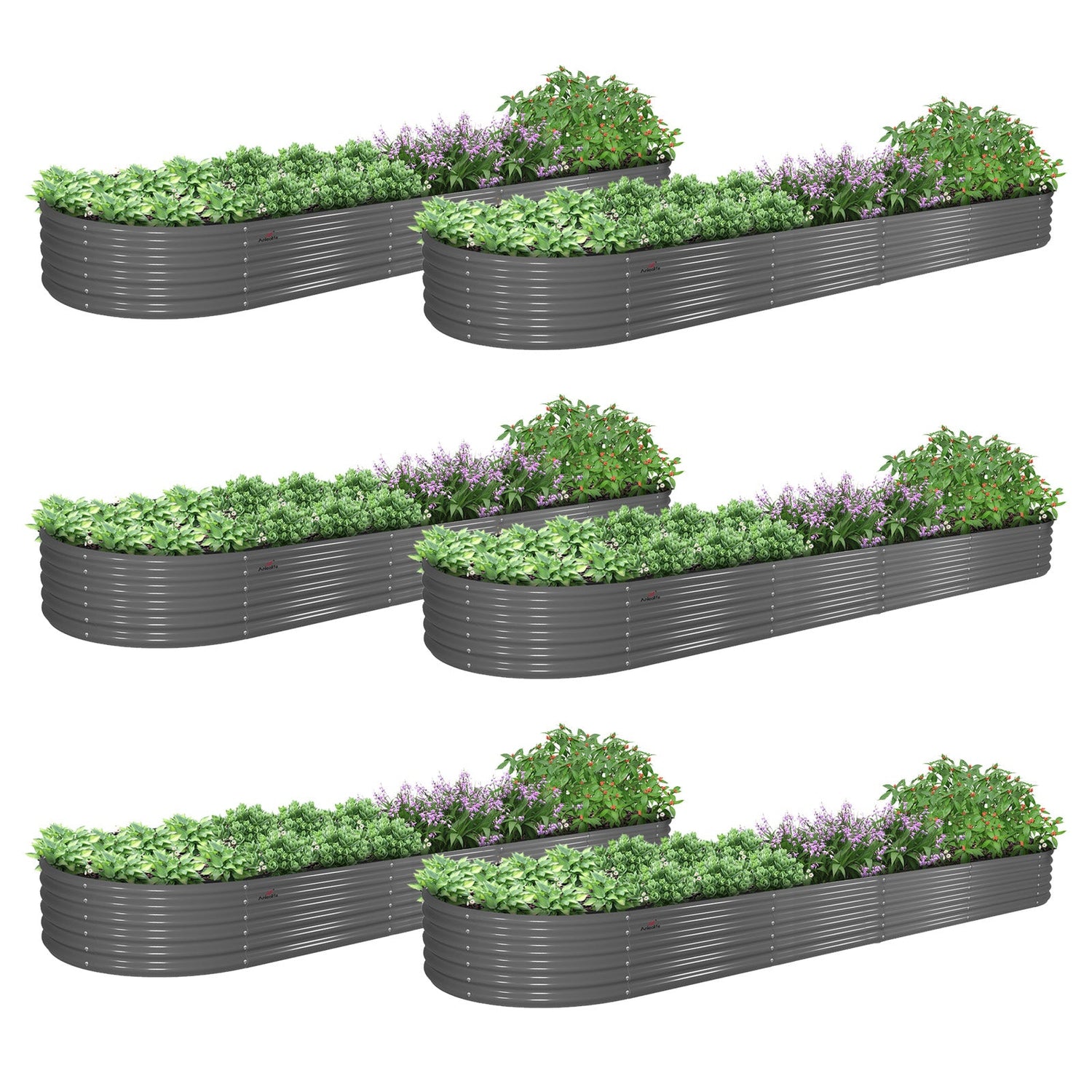




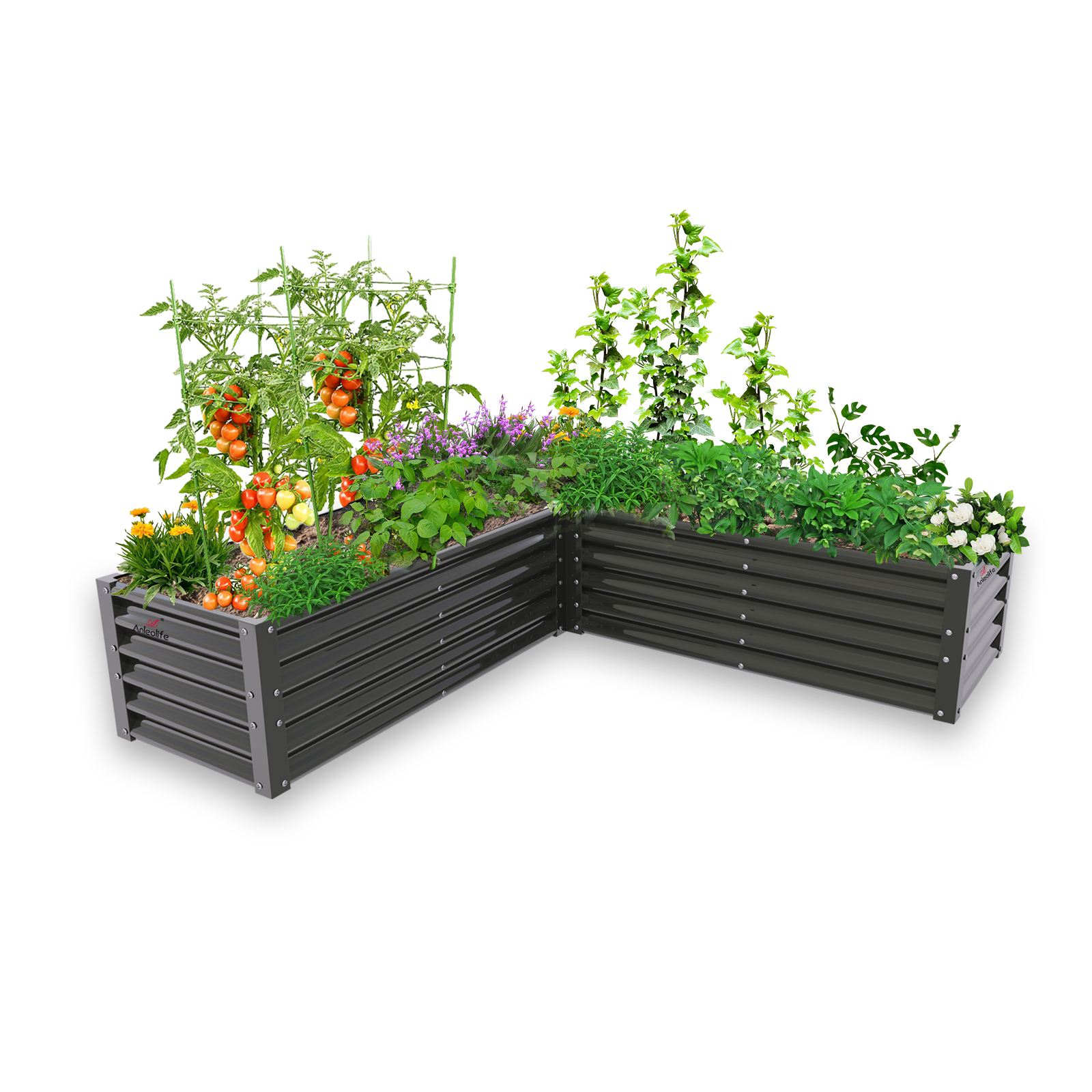
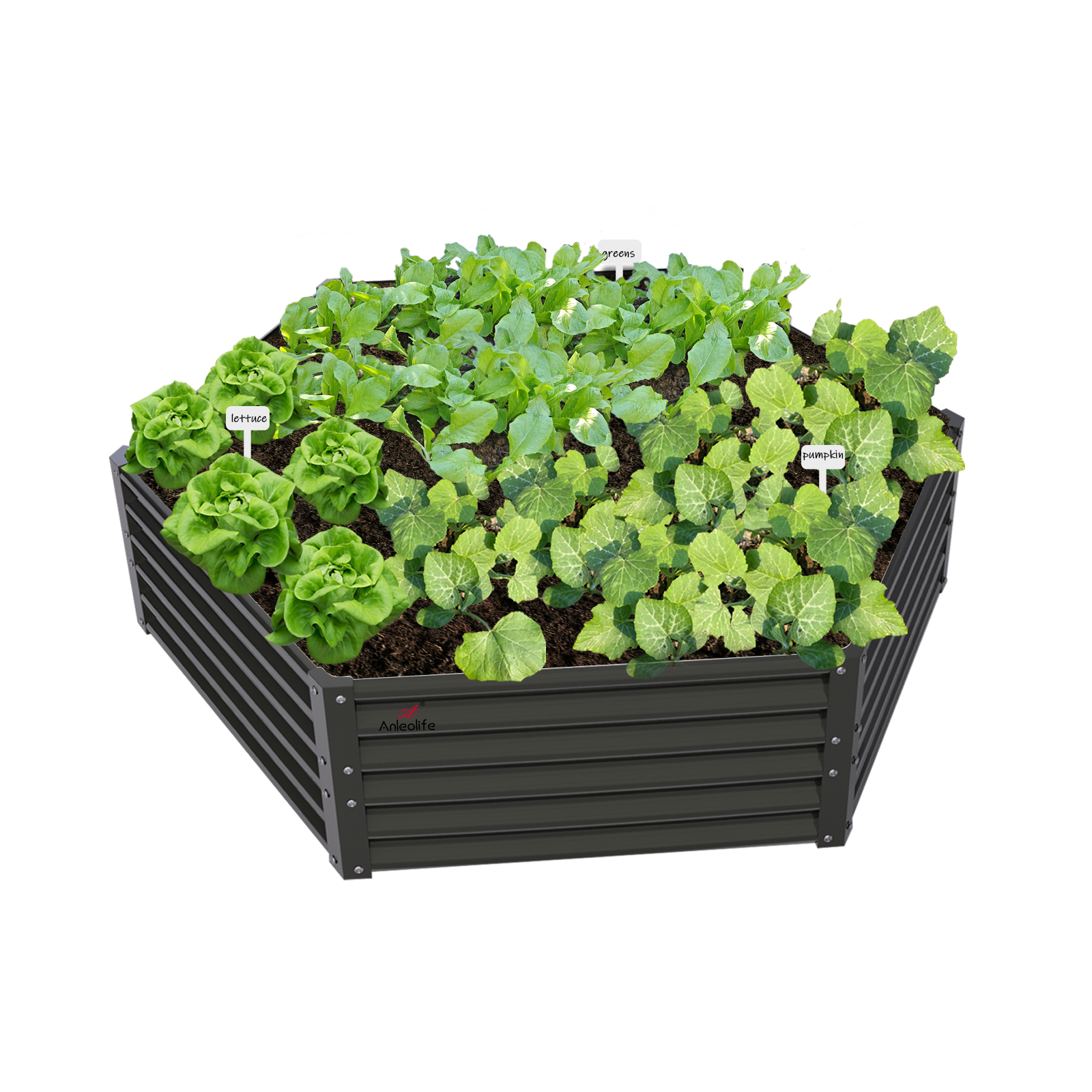
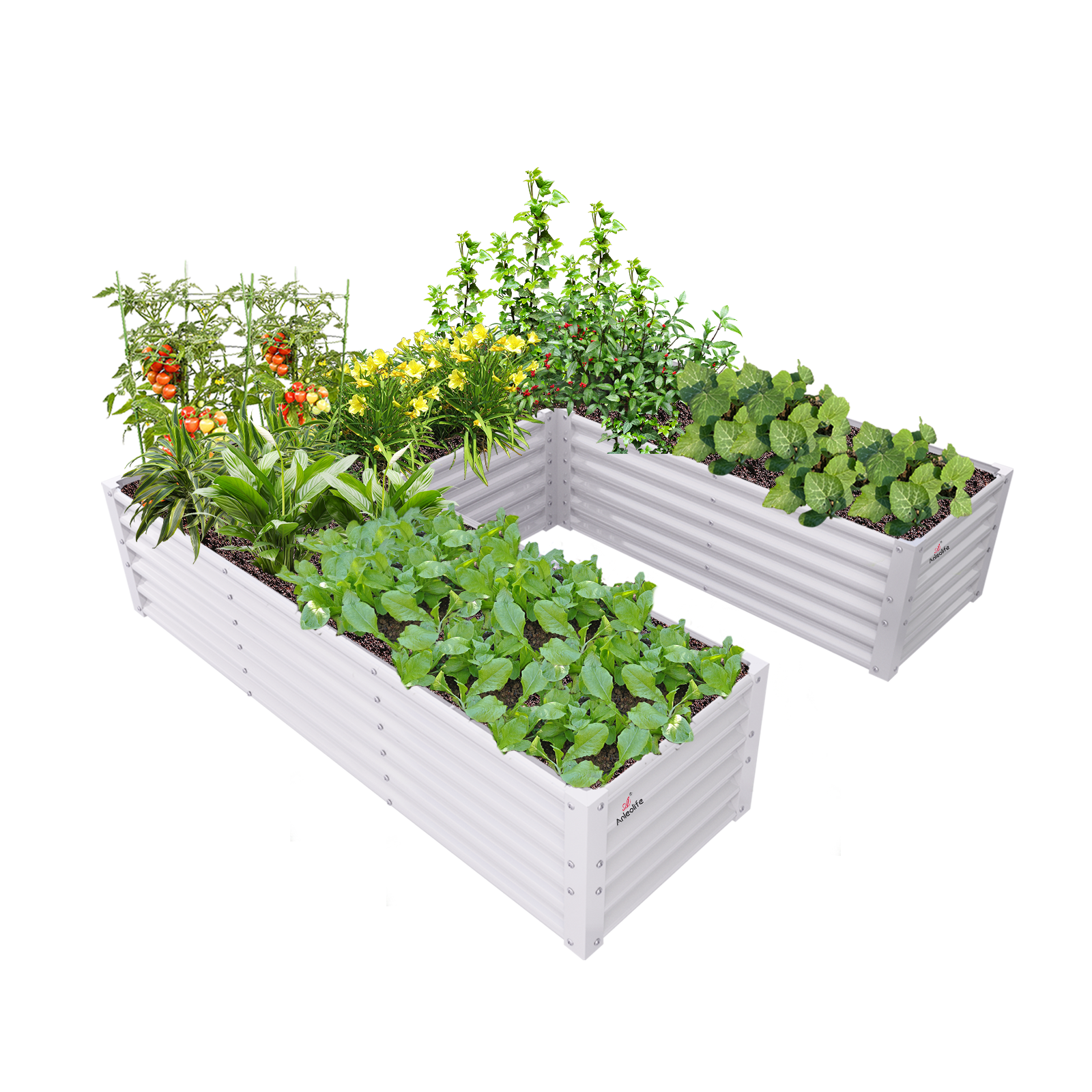

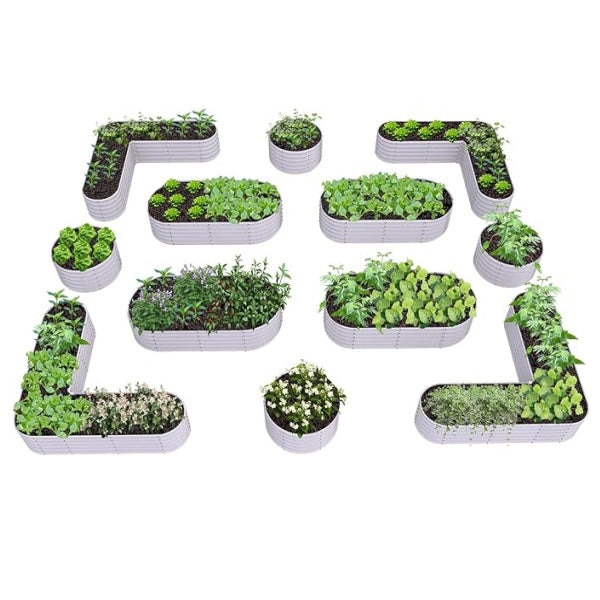


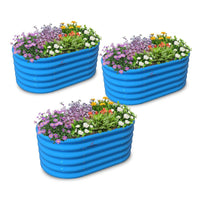
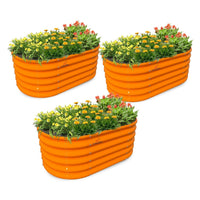
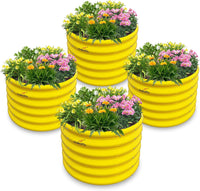
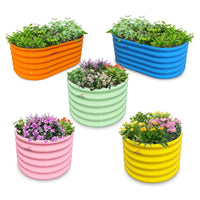
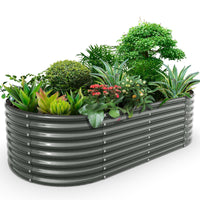



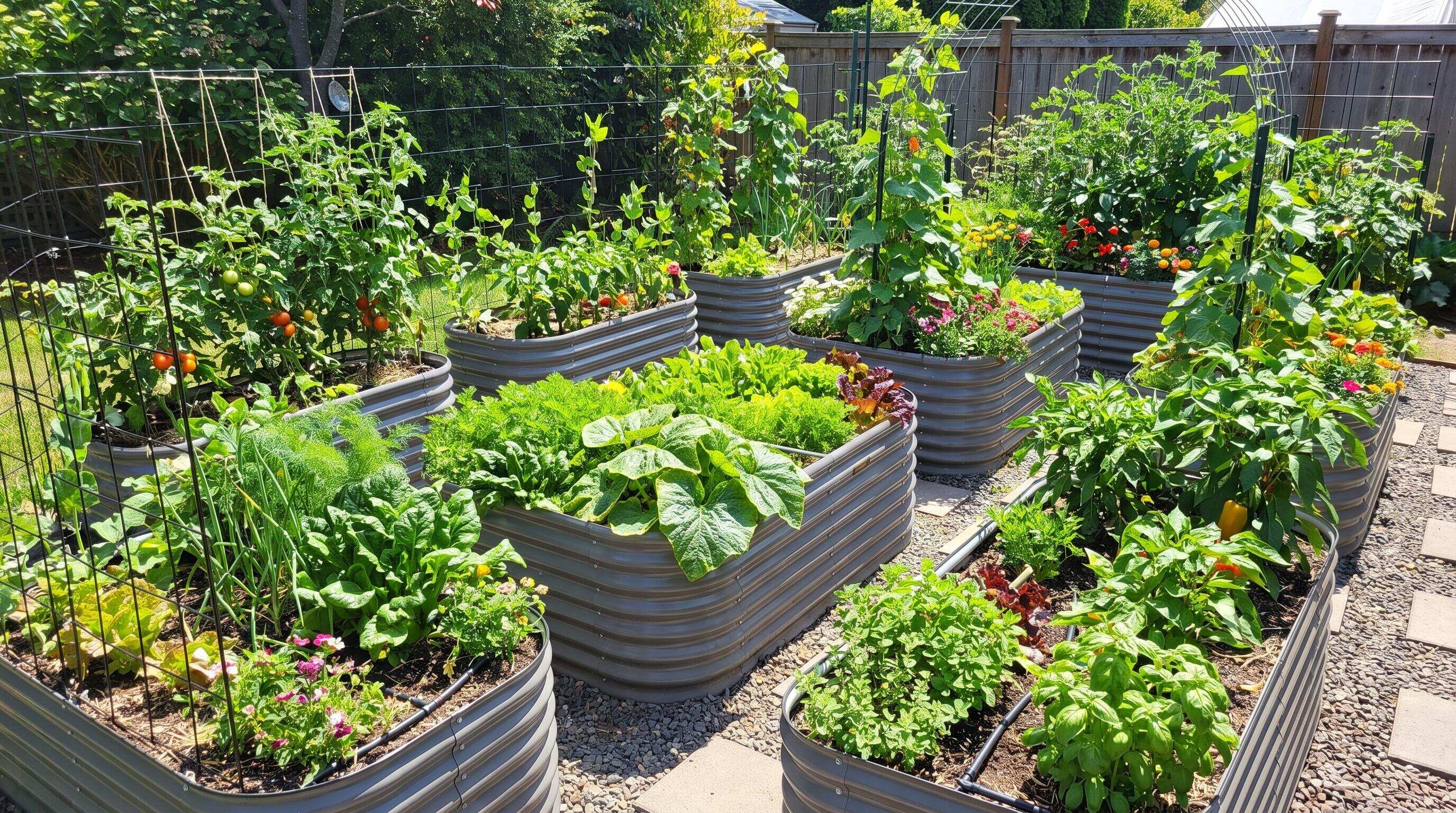
ALT: Compact backyard raised bed garden layout maximizing sunlight and growing space efficiently
Which Raised Bed Garden Layout Actually Works Best in a Small Backyard?
The single question we hear most often from gardeners working with limited outdoor space is this: given a compact backyard, which raised bed garden layout will produce the most food and the most satisfaction without turning the yard into an obstacle course? The direct answer is that no single layout wins universally — but a well-matched raised bed planting layout, chosen against your specific site conditions, consistently outperforms a randomly placed arrangement by a meaningful margin in both yield and ease of maintenance.
This article compares three practical raised bed layout approaches — the classic parallel-row arrangement, the U-shape or horseshoe configuration, and the tiered or staggered layout — against the criteria that matter most to compact-space gardeners: sunlight capture, ease of access, soil management flexibility, scalability, and aesthetic fit. We draw on consistent patterns from our work guiding home gardeners across North America to give you an honest, scenario-specific recommendation.
Evaluation Criteria: How to Judge a Raised Bed Layout for a Compact Space
Choosing the right raised bed layout for a small backyard is not simply a matter of personal taste. Five measurable dimensions separate layouts that thrive from those that frustrate gardeners by midsummer.
Sunlight capture efficiency is the foundation of any productive raised bed garden layout. In a compact yard, structures, fences, and neighboring trees cast moving shadows throughout the day. A layout that orients beds along a north-to-south axis and staggers taller plants to the north allows maximum direct light to reach every planting surface. According to the U.S. Department of Agriculture's guidance on home food production, most food crops require a minimum of six hours of direct sunlight daily — a threshold that layout geometry can either protect or squander.
Accessibility and ergonomics determine whether you actually enjoy gardening or dread it. A bed that requires kneeling or stretching across more than arm's reach discourages consistent care, which directly damages yield. Every bed in your layout should be reachable from at least one side without stepping into the soil, preserving soil structure and reducing compaction. Layouts that prioritize wide, stable pathways between beds make daily watering, weeding, and harvesting genuinely comfortable.
Soil system flexibility matters because different crops thrive in different growing media, and a good layout allows you to customize soil mix per bed without cross-contamination. Raised beds give you precise control over drainage, pH, and organic matter in a way that in-ground planting cannot — but only if your layout separates distinct planting zones clearly.
Scalability and modular expansion distinguish a short-term fix from a long-term garden ecosystem. A layout that begins with two beds but cannot logically accommodate a third or fourth without redesigning pathways traps you. Modular bed systems that can be reconfigured or extended preserve the value of your initial investment as your confidence and ambition grow.
Visual coherence and aesthetic fit round out the criteria because, particularly for middle-class households and retirees who value curb appeal, a garden that looks purposefully designed encourages continued investment and neighborhood pride. A chaotic collection of mismatched containers does not have the same motivational pull as a tidy, well-proportioned raised bed planting layout.
The Contenders: Three Proven Raised Bed Layout Approaches
Parallel-Row Layout: The Classic Grid
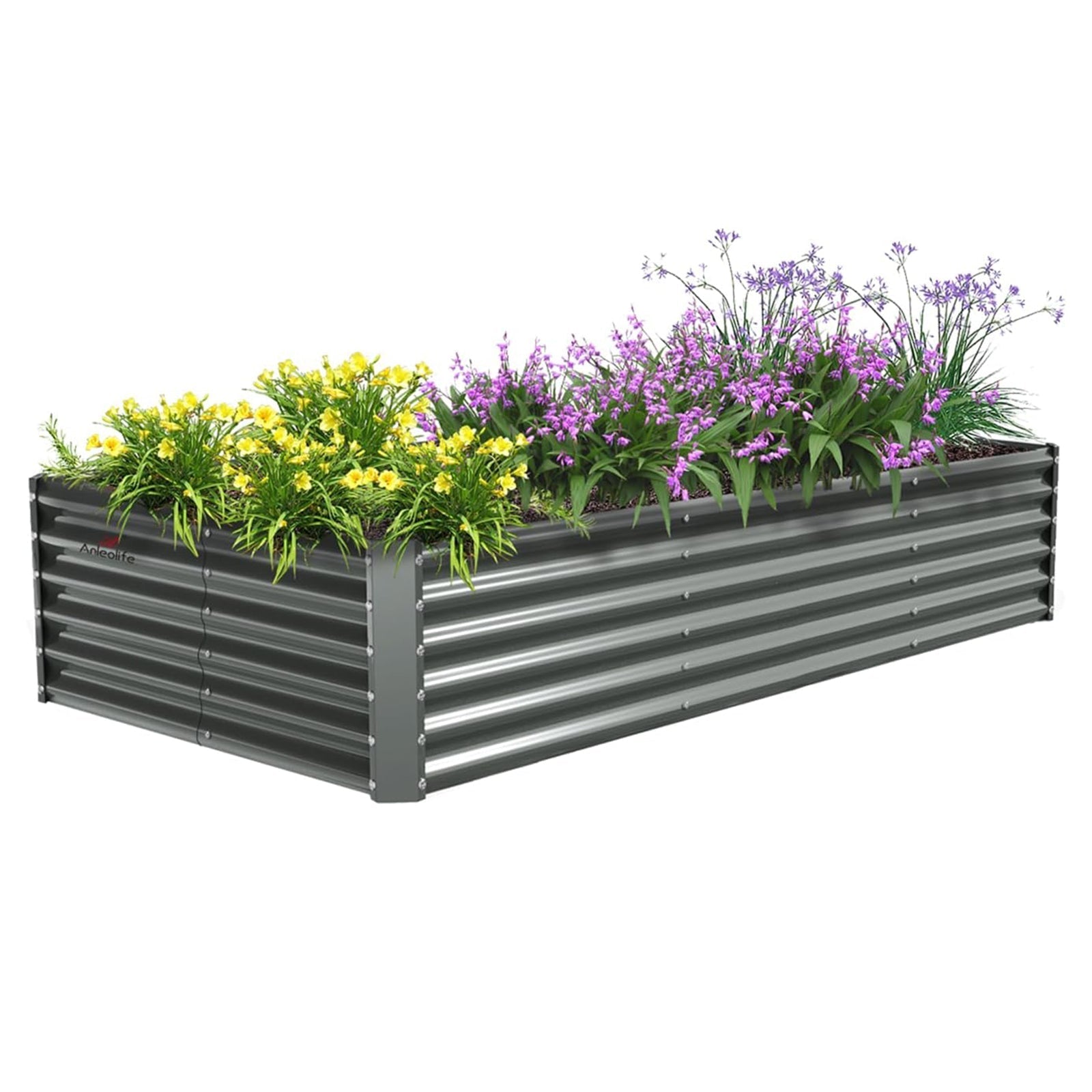
The parallel-row layout is the most widely used raised bed garden layout in North American home gardens, and for good reason. Beds are arranged in straight, parallel lines running ideally from north to south, with uniform pathways between them wide enough for a wheelbarrow or comfortable side-by-side walking. This arrangement makes the most intuitive use of rectangular garden spaces and is the layout pattern most commonly illustrated in resources like the 4x8 Raised Bed Vegetable Garden Layout Ideas guide from Savvy Gardening.
The parallel-row approach works best when beds are kept to a consistent width — narrow enough to reach the center from either side without stepping in — and when taller crops such as pole beans or staked tomatoes are consistently placed at the northern end of each bed. Its primary limitation in a compact yard is that it requires adequate straight-line distance, which a narrow or irregular lot may not offer cleanly. It is also the least efficient layout for corners and odd-shaped spaces.
In our experience working with clients who have standard rectangular urban backyards, parallel rows almost always become the default starting point. The pattern is easy to explain, easy to assemble, and easy to expand by adding beds to the end of the row sequence.
U-Shape or Horseshoe Layout: Maximum Access in Minimum Footprint
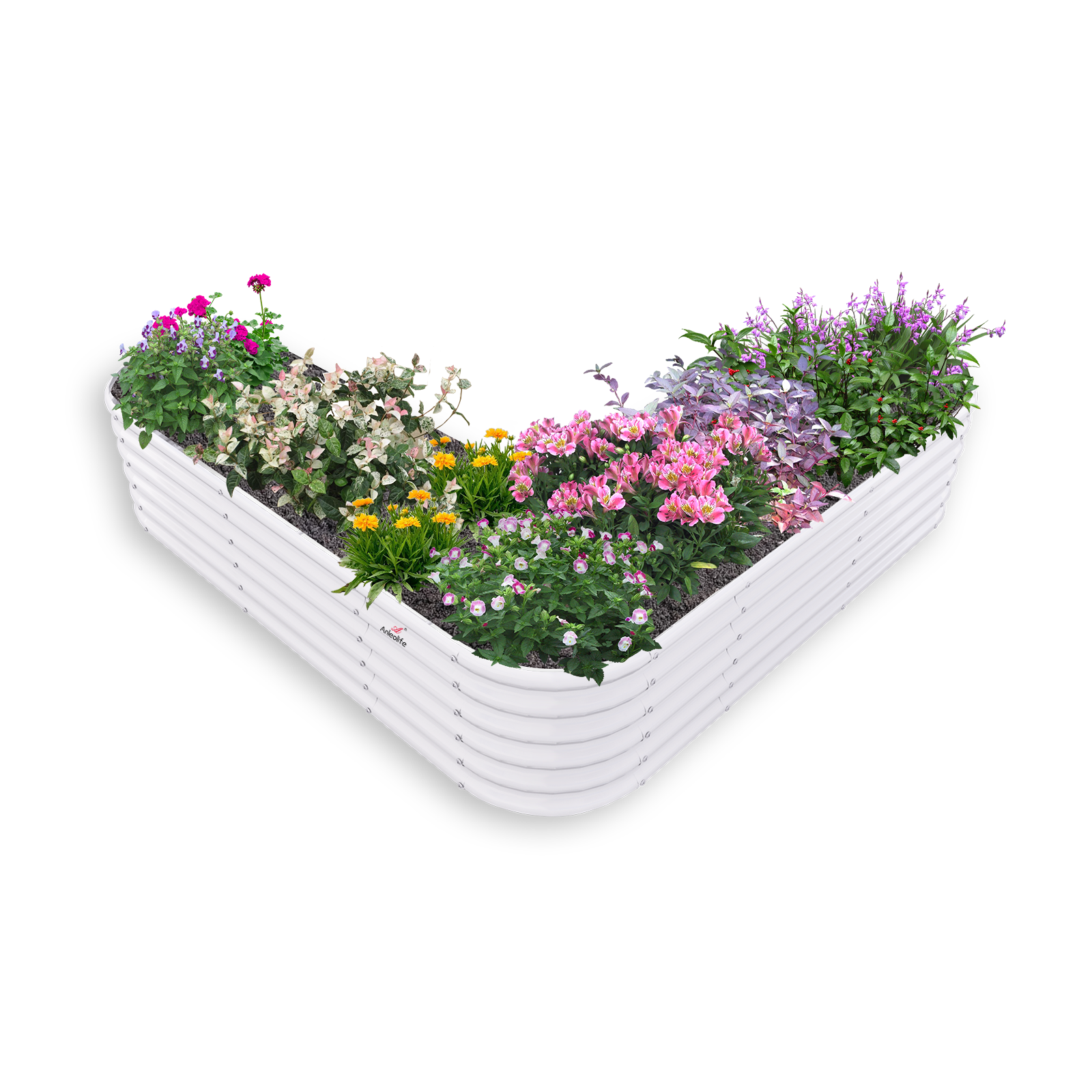
The U-shape raised bed layout wraps beds around three sides of a central working space, leaving one side open for entry. This configuration is particularly well suited to square or nearly square compact yards because it concentrates productive growing area along the perimeter and creates a defined, enclosed workspace in the center.
The ergonomic advantage of the U-shape layout is significant. From a single standing position at the center of the U, a gardener can reach into beds on three sides without relocating. This pattern is a consistent favorite among retirees and gardeners with limited mobility in our portfolio, because it minimizes steps and maximizes reach. The enclosed central space also creates a natural microclimate — slightly warmer temperatures and reduced wind exposure — that benefits heat-loving crops.
The trade-off is that the U-shape commits a specific footprint to a fixed configuration. Expanding beyond the initial three sides requires either extending bed length (which works well with modular systems) or adding a fourth side that closes the rectangle entirely, shifting the layout into a new category. Sunlight management also requires careful planning: the interior beds on the north side of the U can shade the central workspace and the beds opposite them if planted with tall crops.
Tiered or Staggered Layout: Vertical Space and Visual Drama
The tiered or staggered raised bed layout uses beds at different heights — or offsets beds in a stepped diagonal pattern — to capture more vertical growing space and create visual interest. This approach is particularly effective when the compact yard slopes gently, when a fence or wall can serve as a vertical growing structure, or when the gardener wants to produce both ground-level crops and elevated plantings in the same footprint.
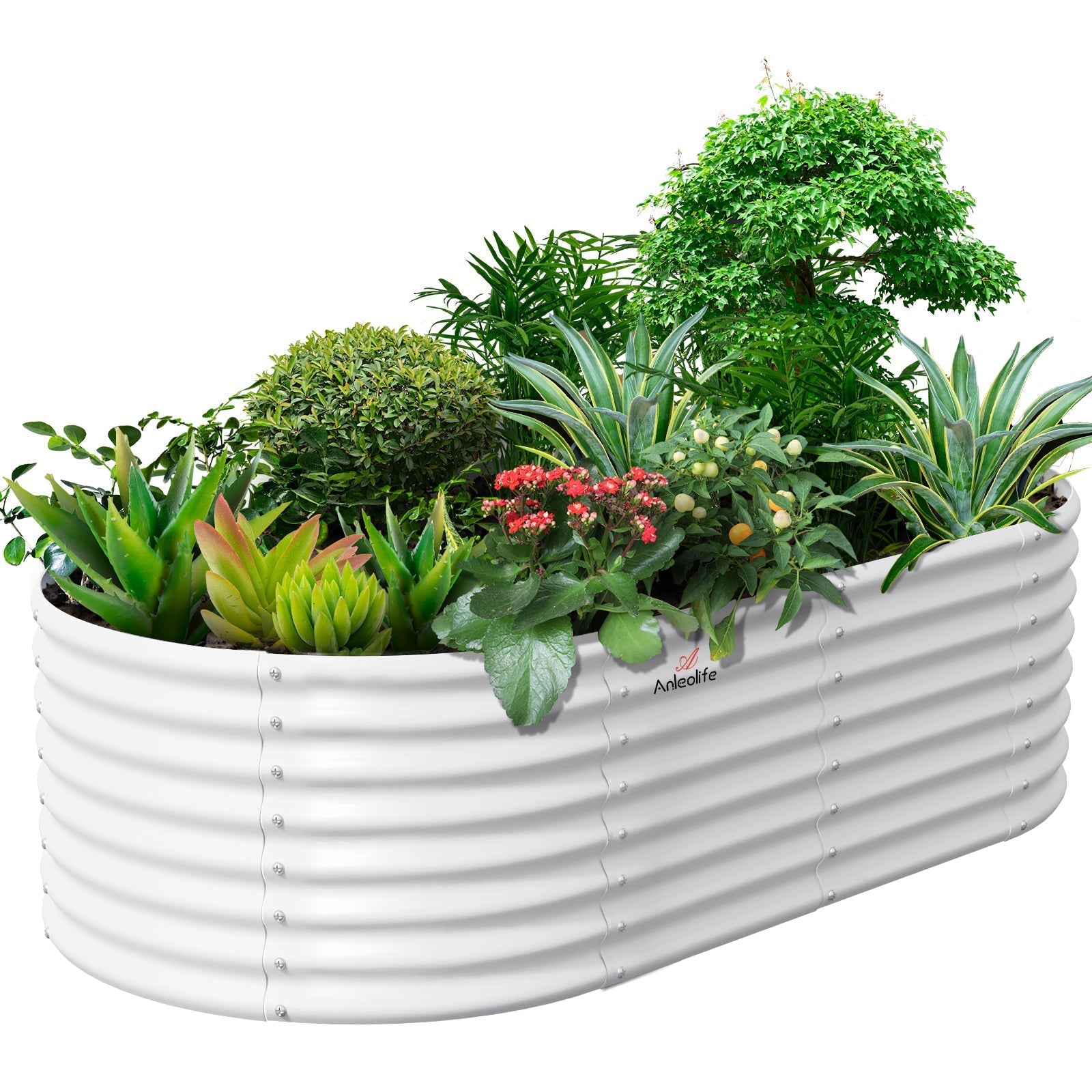
Staggering bed heights takes full advantage of the product range available in modern galvanized steel raised bed systems, which span from standard 18-inch tall beds to waist-high options at 30 or even 35 inches — heights that dramatically reduce the bending required for daily care. When shorter beds are placed at the front (southern exposure) and taller beds step progressively northward, the entire arrangement functions like a natural amphitheater for sunlight, with every tier receiving direct light without being shaded by its neighbors.
The tiered layout requires the most planning upfront and the most precise placement relative to sun angles. It also tends to be the most visually compelling option, making it a natural choice for gardeners who want the growing space to serve double duty as an outdoor living feature. The staggered layout pairs naturally with decorative pathway systems and accessories that turn a functional garden into a designed landscape.
Head-to-Head Comparison: Parallel Row vs. U-Shape vs. Tiered Layout
| Criterion | Parallel-Row Layout | U-Shape Layout | Tiered / Staggered Layout |
|---|---|---|---|
| Sunlight Capture | High (with N-S orientation) | Moderate (interior beds at risk) | Very High (graduated exposure) |
| Accessibility | Moderate (pathway-dependent) | Very High (central access point) | Moderate to High (height-dependent) |
| Soil System Flexibility | High (each bed fully independent) | High (each bed fully independent) | High (each tier customizable) |
| Space Efficiency | Moderate (requires straight runs) | High (uses perimeter efficiently) | Very High (vertical dimension added) |
| Scalability | High (extend the row) | Moderate (constrained by U footprint) | Moderate (requires planned height steps) |
| Aesthetic Fit | Clean and orderly | Enclosed and intimate | Dynamic and design-forward |
| Best Yard Shape | Rectangle | Square or L-shaped | Sloped, narrow, or fence-backed |
| Complexity of Setup | Low | Low to Moderate | Moderate to High |
The comparison table reveals a clear pattern: no single layout dominates across all criteria, which is exactly why the most productive compact gardens we encounter typically combine elements of two approaches rather than committing rigidly to one.
The parallel-row layout is the most forgiving for first-time raised bed gardeners because its logic is transparent — beds go in straight lines, pathways go between them, and the system expands by repetition. Its weakness is space efficiency in non-rectangular yards, and it demands discipline around plant height management to protect sunlight access across all beds.
The U-shape layout's ergonomic advantage is hard to overstate for gardeners who spend significant time tending their beds. The ability to work three sides from a single position is genuinely transformative for daily care routines, and the enclosed central space creates a sense of purposeful garden design that flat grid layouts lack. The main constraint is that the U-shape is somewhat self-limiting — you optimize within it rather than expanding indefinitely.
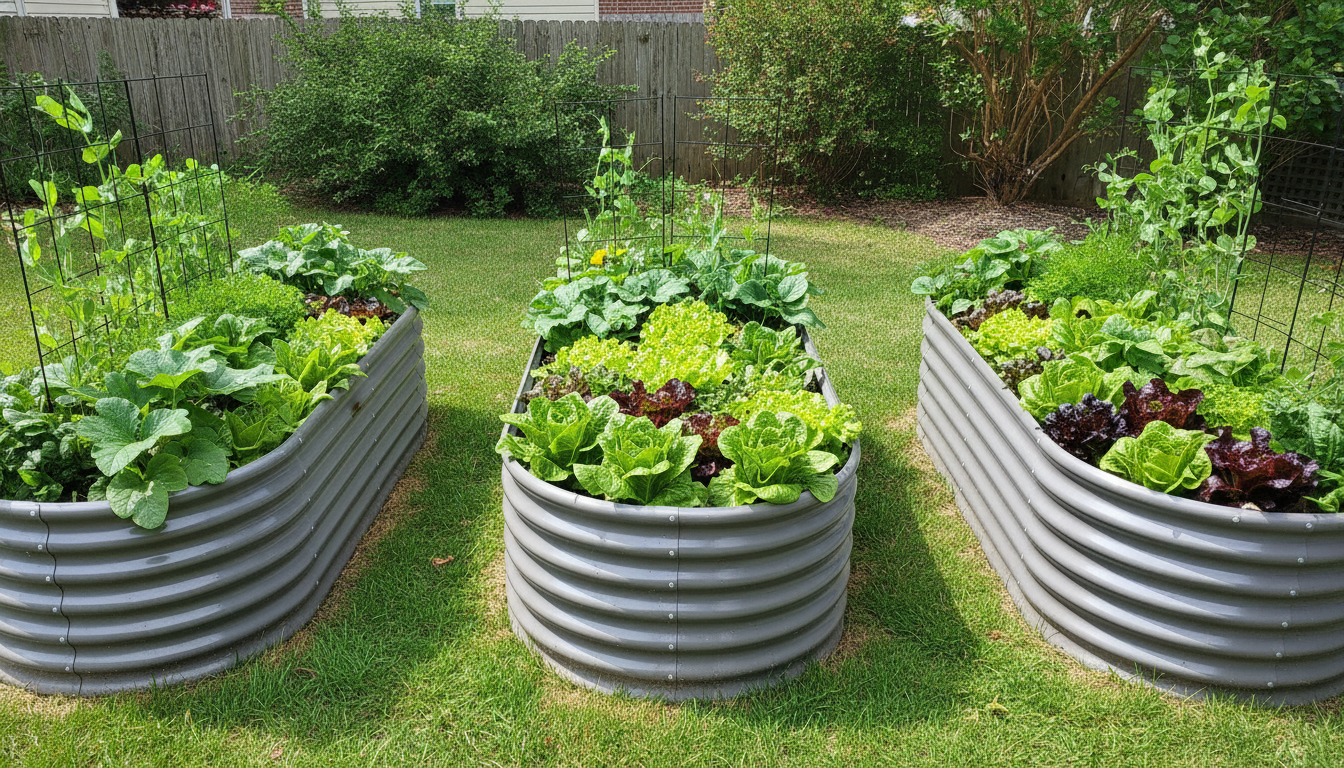
ALT: Comparison of parallel row, U-shape, and tiered staggered raised bed planting layouts in a small backyard garden designed for maximum sunlight and space efficiency
The tiered layout rewards the gardeners who invest in planning it correctly. When taller Anleolife beds — such as the 30-inch extra-tall or the 35-inch waist-high models — are positioned deliberately at the northern boundary and shorter 18-inch beds step forward toward the south, the resulting structure captures sunlight with remarkable efficiency even in yards with partial shading from perimeter fences. The visual payoff is considerable, and this is the layout pattern that most naturally evolves a functional garden into an outdoor living environment.
Which Raised Bed Layout Should You Choose? Scenario Recommendations
Matching your specific situation to the right layout approach is the most practical service this comparison can offer. Here is how we consistently guide gardeners in our work.
If you have a standard rectangular backyard and are setting up your first raised bed garden, begin with a parallel-row layout using two to four beds oriented north to south. This gives you an intuitive, manageable starting point and teaches you the rhythms of raised bed gardening — watering frequency, soil maintenance, crop rotation — before you commit to a more complex arrangement. Consulting resources like Pre-Planned Gardens at Gardeners.com can help you visualize spacing and crop combinations before your first growing season begins.
If you are a retiree or empty nester managing joint discomfort or simply wanting to spend less time bending and more time enjoying the garden, the U-shape layout combined with taller bed heights is the highest-impact choice. Placing 24-inch or 30-inch extra-tall Anleolife raised garden beds on three sides of your central workspace puts plants at a comfortable standing or slight-bend height, and the ergonomic payoff compounds daily. For deeper guidance on matching bed height to physical comfort, the Ergonomic Garden Bed Design resource walks through how to select the right height for your needs.
If your compact yard is narrow, L-shaped, fence-backed, or gently sloped, the tiered staggered layout is almost certainly the right answer. It transforms spatial constraints into design assets. A fence that would otherwise cast shade on an in-ground garden becomes the vertical structure that supports the tallest tier of your raised bed system, while shorter beds at the front of the property capture the open sky. Galvanized steel raised garden beds from Anleolife — built to last up to 20 years — are particularly well suited to this configuration because their material strength supports the structural demands of multi-height arrangements without degradation over time.
If you are an urban micro-gardener working with a very small footprint — a townhouse patio, a side yard, or a narrow strip behind a fence — consider combining a single U-shape of smaller beds with one tiered element at the back. This hybrid uses every square foot productively while keeping the arrangement visually clean. The Smart Raised Bed Placement Ideas for Narrow or Oddly Shaped Yards guide explores exactly this kind of scenario with practical placement strategies.
If long-term durability and soil system control are your top priorities, all three layouts benefit from investing in a quality soil mix and a bed system rated for lasting performance. Understanding what goes into a great soil composition — and into a bed that will hold up that soil for decades — is foundational regardless of which layout you choose. Our detailed piece on the best soil composition for thriving organic vegetable raised beds covers exactly that ground for this growing season.
Summary of pros and cons:
Parallel-row layout: straightforward to plan and expand, excellent sunlight management with proper orientation, but demands adequate straight-line distance and disciplined plant-height management.
U-shape layout: outstanding ergonomic access, natural microclimate benefits, and a strong sense of enclosed garden space, but relatively fixed in footprint and requires thoughtful tall-crop placement to avoid self-shading.
Tiered staggered layout: superior sunlight capture, highest visual impact, and excellent use of vertical space and irregular terrain, but demands the most careful upfront planning and is the most complex to set up correctly.
Frequently Asked Questions FAQ
Q1: How do I orient my raised bed garden layout to get the most sunlight in a compact yard?
Orient your beds along a north-to-south axis so both long sides receive direct morning and afternoon sun throughout the day. Place the tallest crops — staked tomatoes, pole beans, trellised cucumbers — at the northernmost end of each bed to avoid casting shade onto shorter plants to the south. According to the U.S. Department of Agriculture, most vegetable crops require at least six hours of direct sunlight daily, making orientation one of the highest-leverage decisions in any raised bed planting layout.
Q2: Are galvanized steel raised garden beds safe for growing vegetables?
Galvanized steel raised garden beds are widely considered safe for food growing. The zinc coating that gives galvanized steel its rust resistance is the same material used in food-grade processing equipment and water infrastructure. Zinc is also an essential micronutrient for plant growth. Anleolife's galvanized steel raised garden beds are designed to last up to 20 years, which means the material investment amortizes well over a long growing career. For an in-depth comparison of material options, see the piece on galvanized steel vs. recycled plastic raised bed options.
Q3: How long does it take to receive Anleolife raised garden beds after ordering?
Anleolife operates a strategic warehouse network across six U.S. states — California, Texas, Florida, New York, Illinois, and Washington — which allows the company to deliver most orders within 3 to 8 business days. This delivery window applies across the continental United States and means that gardeners who decide to start or expand their raised bed layout at the beginning of a growing season can realistically receive and assemble their beds before the optimal planting window closes for most vegetable crops.
Wrapping Up
Three points from this comparison deserve to travel with you into your garden planning process.
First, the right raised bed garden layout is determined by your yard's geometry, your sun exposure, and your physical preferences — not by what looks most impressive in a photograph. A parallel-row arrangement done thoughtfully in a north-south orientation will outperform an over-ambitious tiered design that was placed without reference to where the shadows fall.
Second, raised bed gardening rewards modular thinking. Starting with one or two well-placed beds in the right layout pattern and expanding systematically is consistently more successful — in our experience working with home gardeners — than attempting a full transformation in a single season. Each bed you add should slot logically into the layout plan you established at the start.
Third, material quality and soil system integrity underpin every layout decision. A raised bed planting layout is only as good as the structure holding the soil and the growing media filling the beds. Investing in beds rated for long-term durability and pairing them with a well-considered soil composition gives every layout the biological foundation it needs to produce year after year.
Your next step is to sketch your yard to scale, identify your sun angles at midday, and choose the layout category that best matches your space and your physical comfort preferences. From there, select the bed sizes and heights that fit the plan — and let the growing season begin.
Ready to bring your compact backyard layout to life? Shop the full range of Anleolife galvanized steel and rust-resistant raised garden beds at the Anleolife website, or find Anleolife products on Amazon, Walmart, Home Depot, Lowe's, and Wayfair. With delivery in 3 to 8 business days from warehouses across the country, your garden upgrade can be in your yard and ready to plant before the best of the growing season slips by. Whether you're starting with a single 8x4 bed or building out a complete planting-and-raising ecosystem, Anleolife grows with you — one thoughtfully designed bed at a time.
Sources & Citations
- Savvy Gardening. "4x8 Raised Bed Vegetable Garden Layout Ideas".
https://savvygardening.com/4x8-raised-bed-vegetable-garden-layout/ - Gardeners.com. "Pre-Planned Gardens".
https://www.gardeners.com/pages/kitchen-garden-planner-preplanned-gardens - U.S. Department of Agriculture. Home Garden and Food Production Guidance.
https://www.usda.gov/
Note: Standards and guidelines may be updated; please check the latest official documents or consult professional advisors.