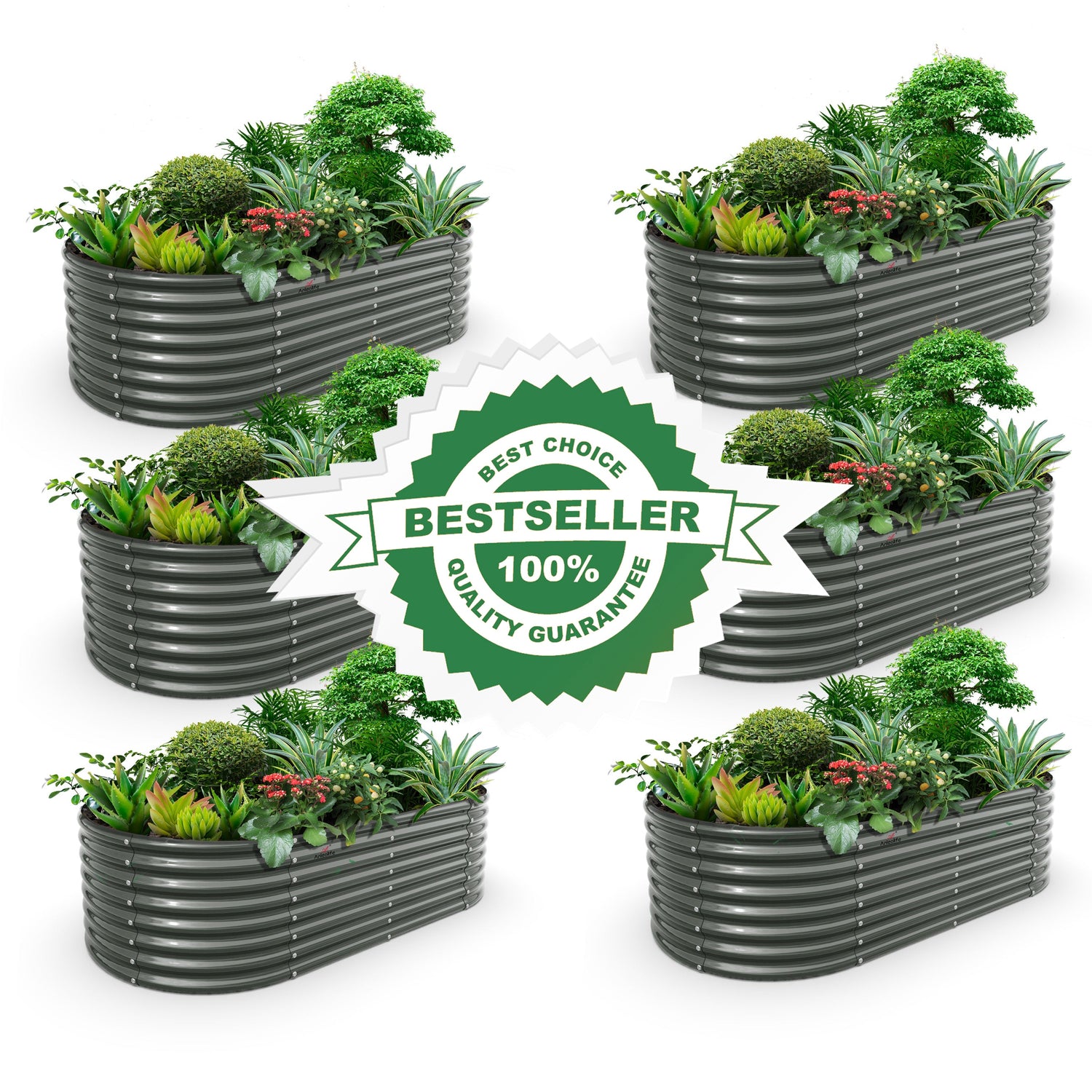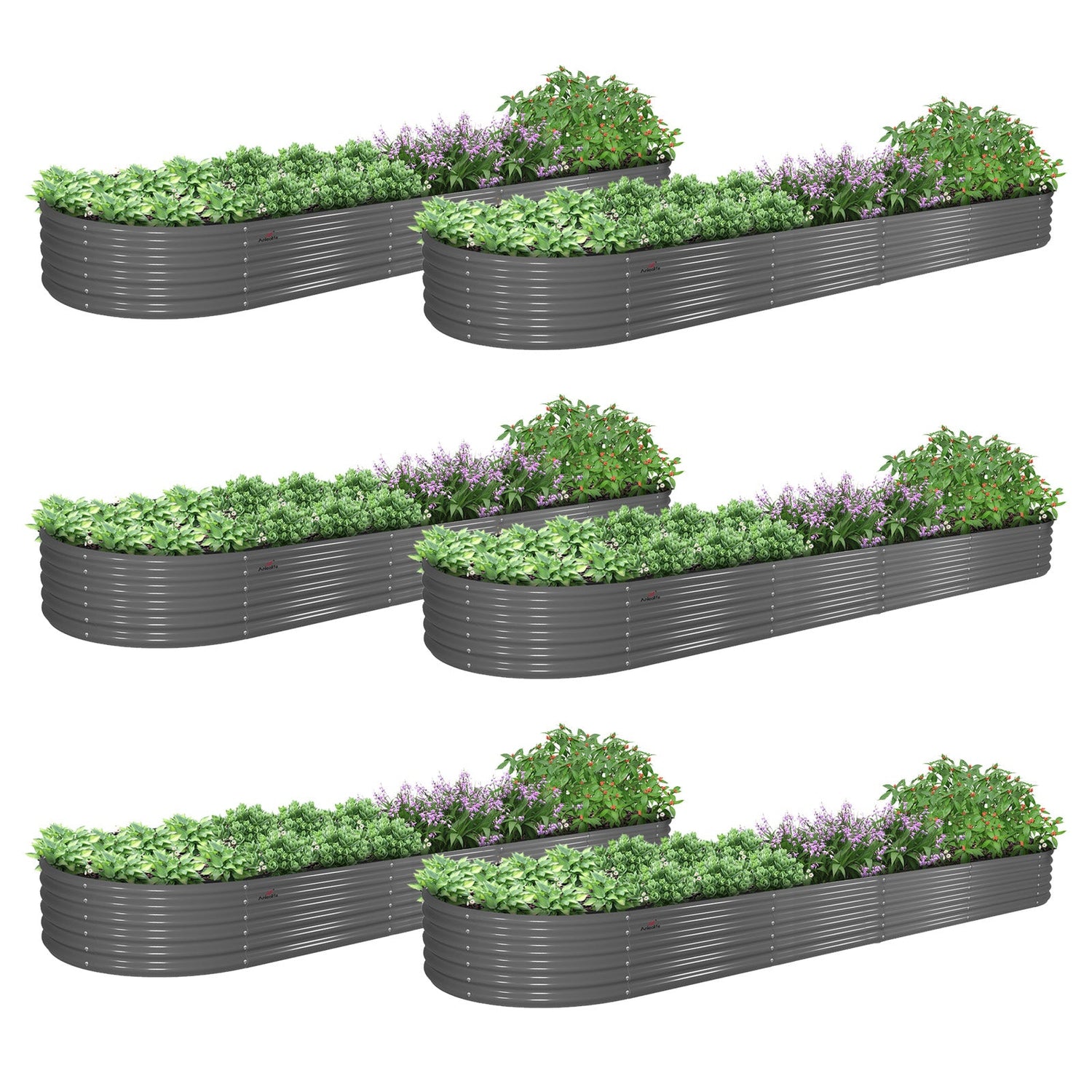



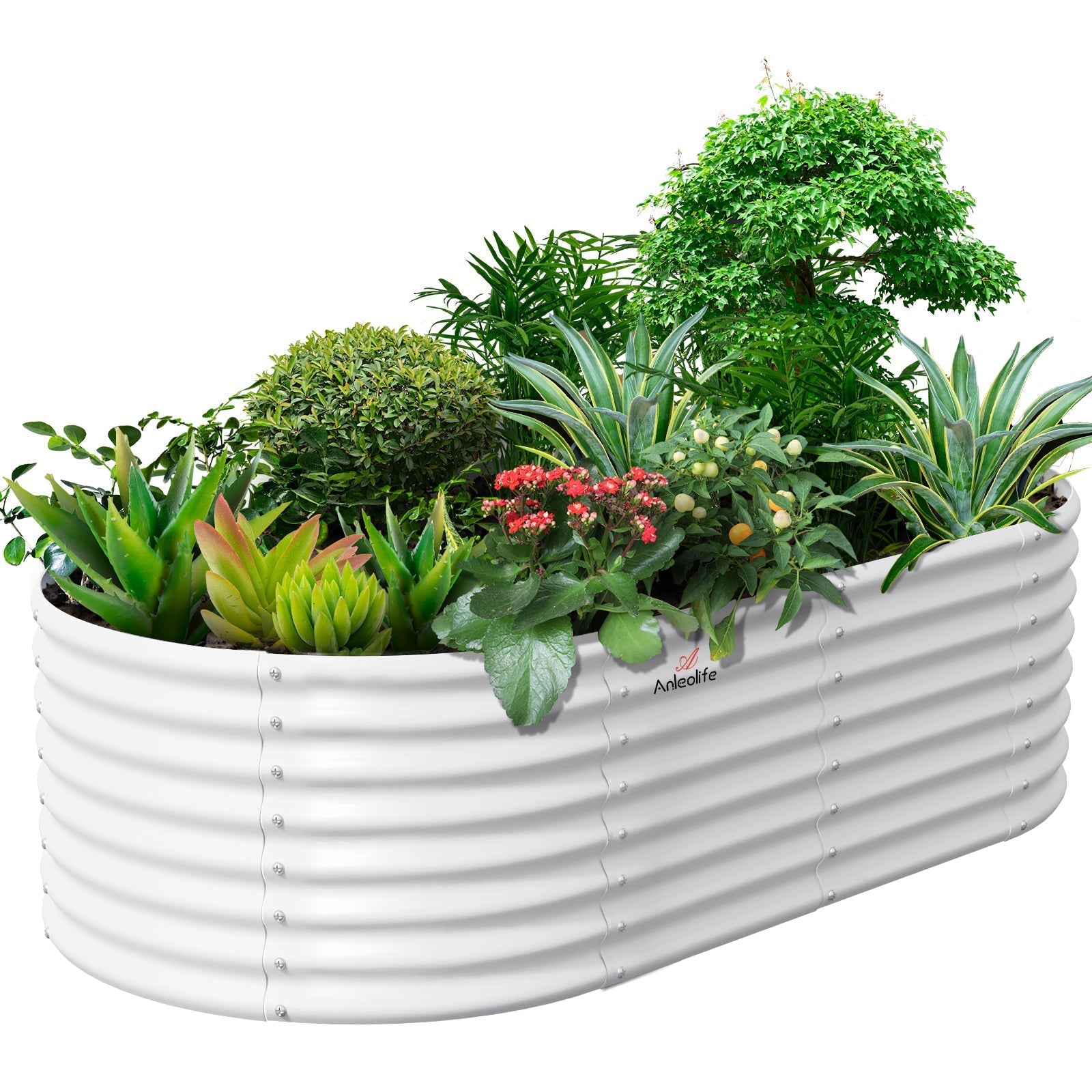
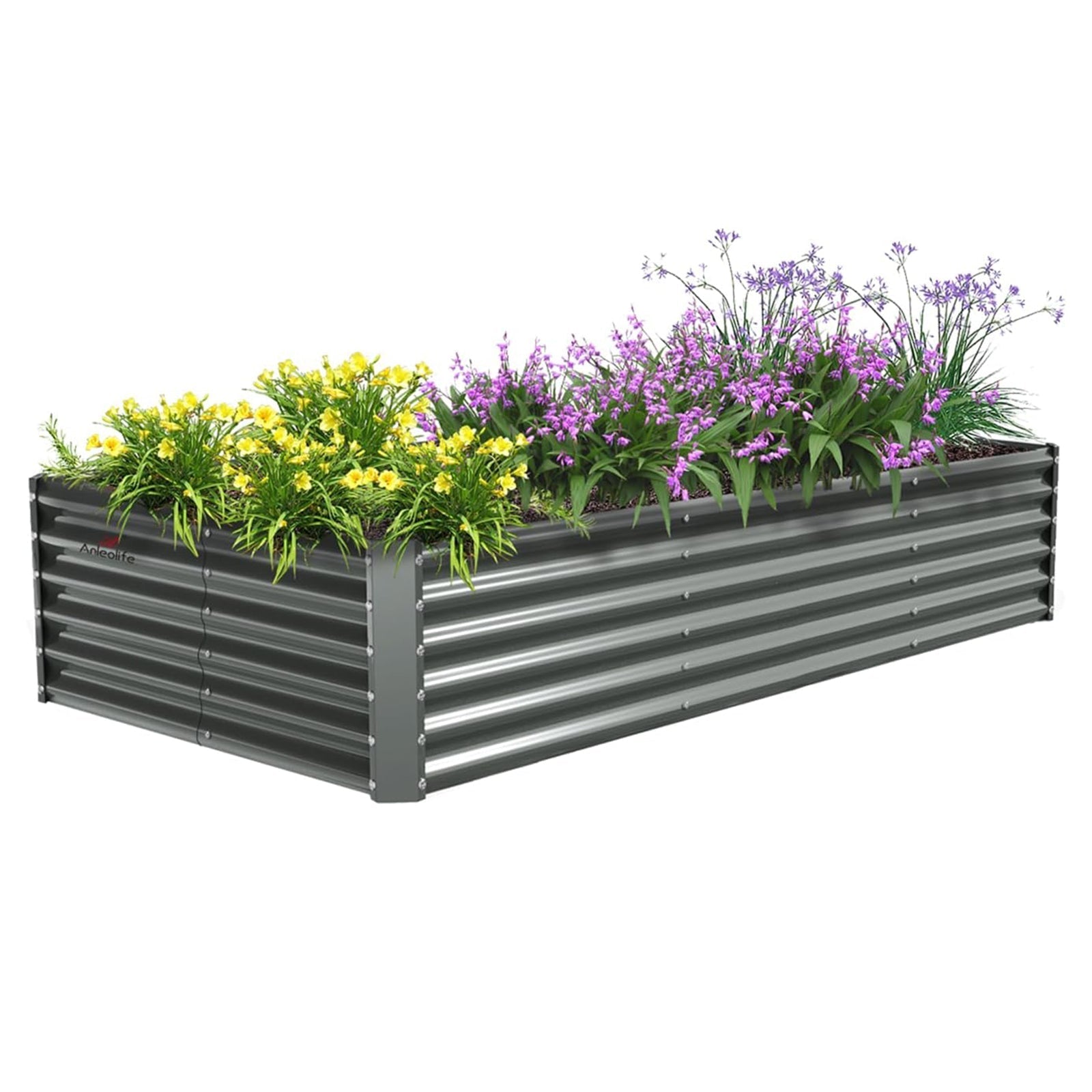

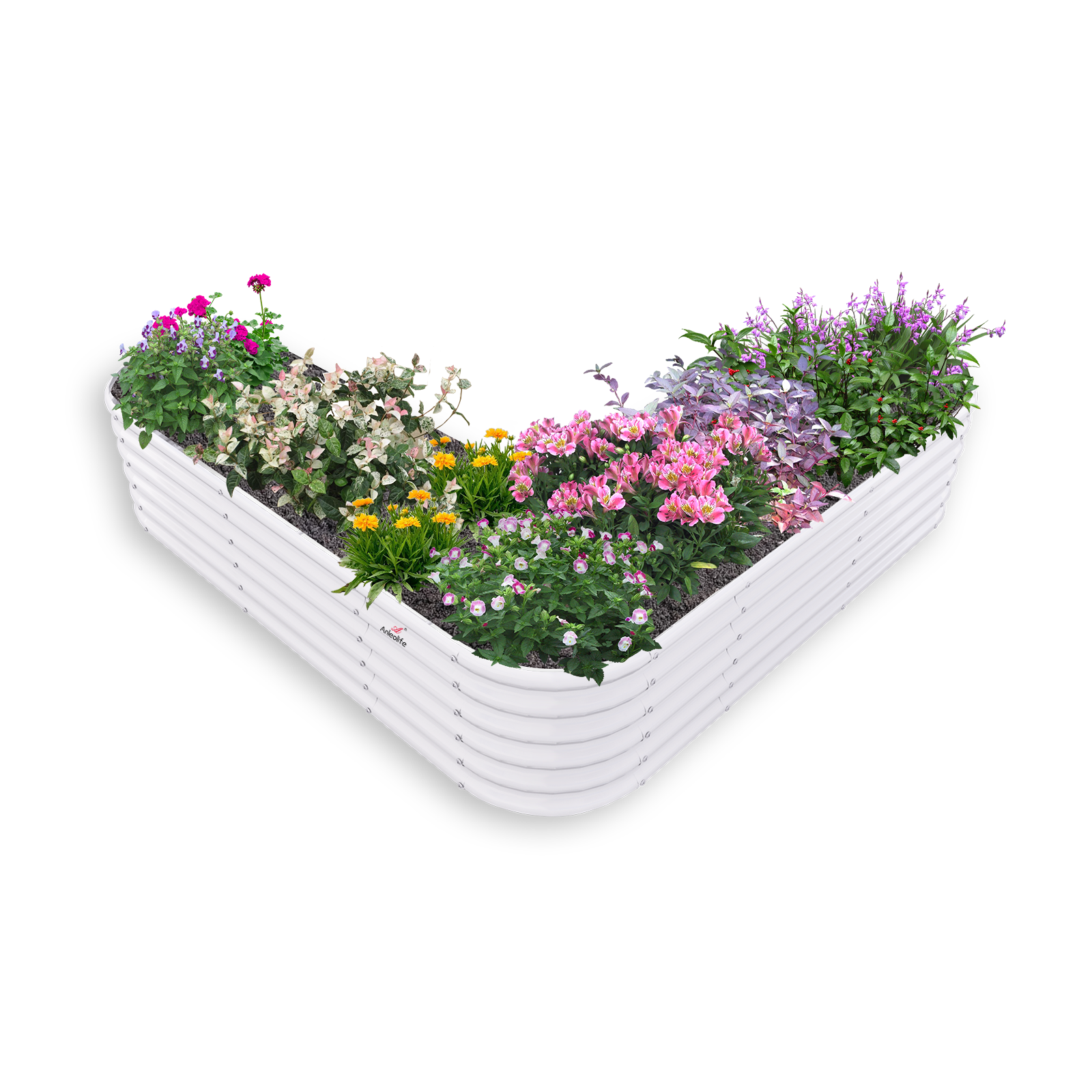
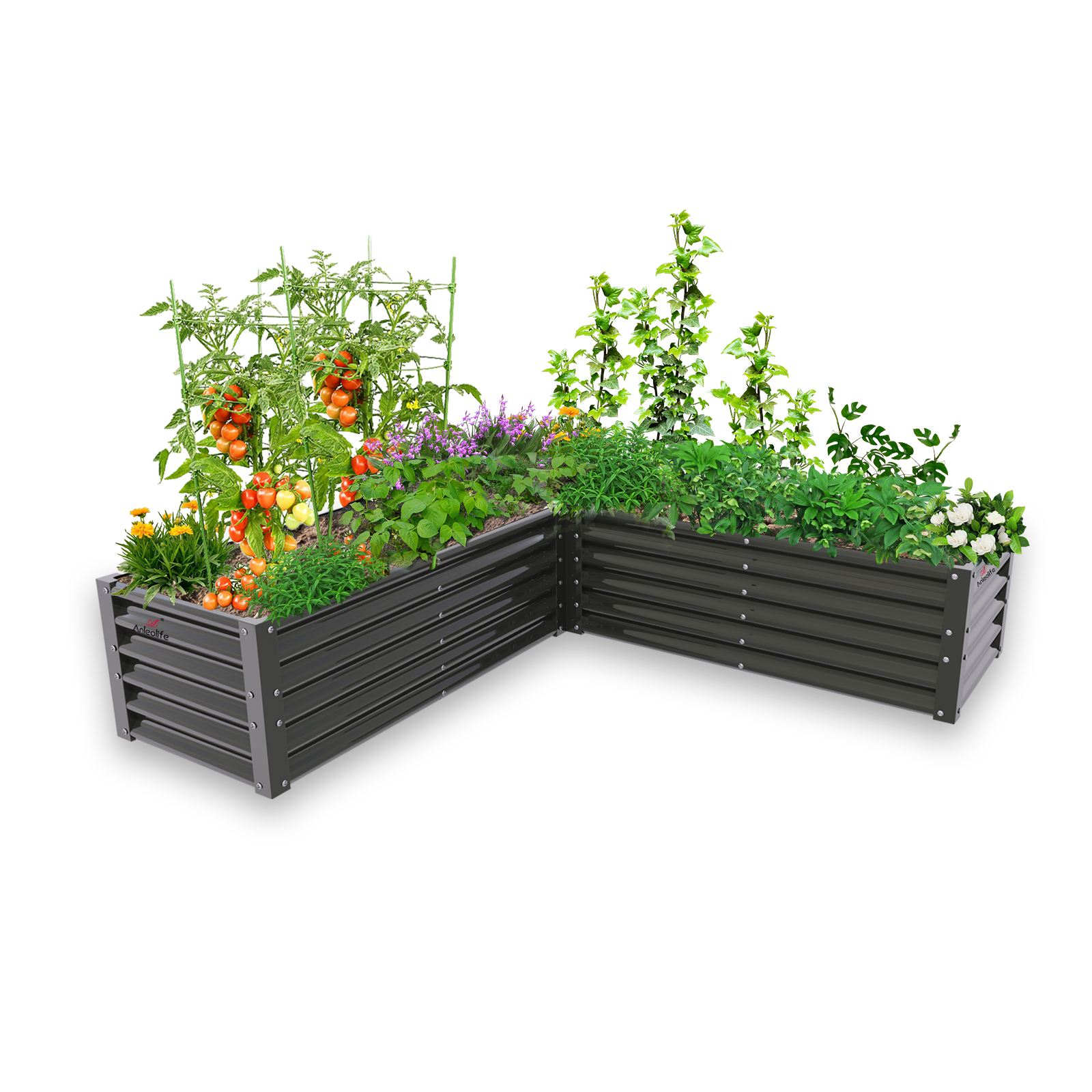
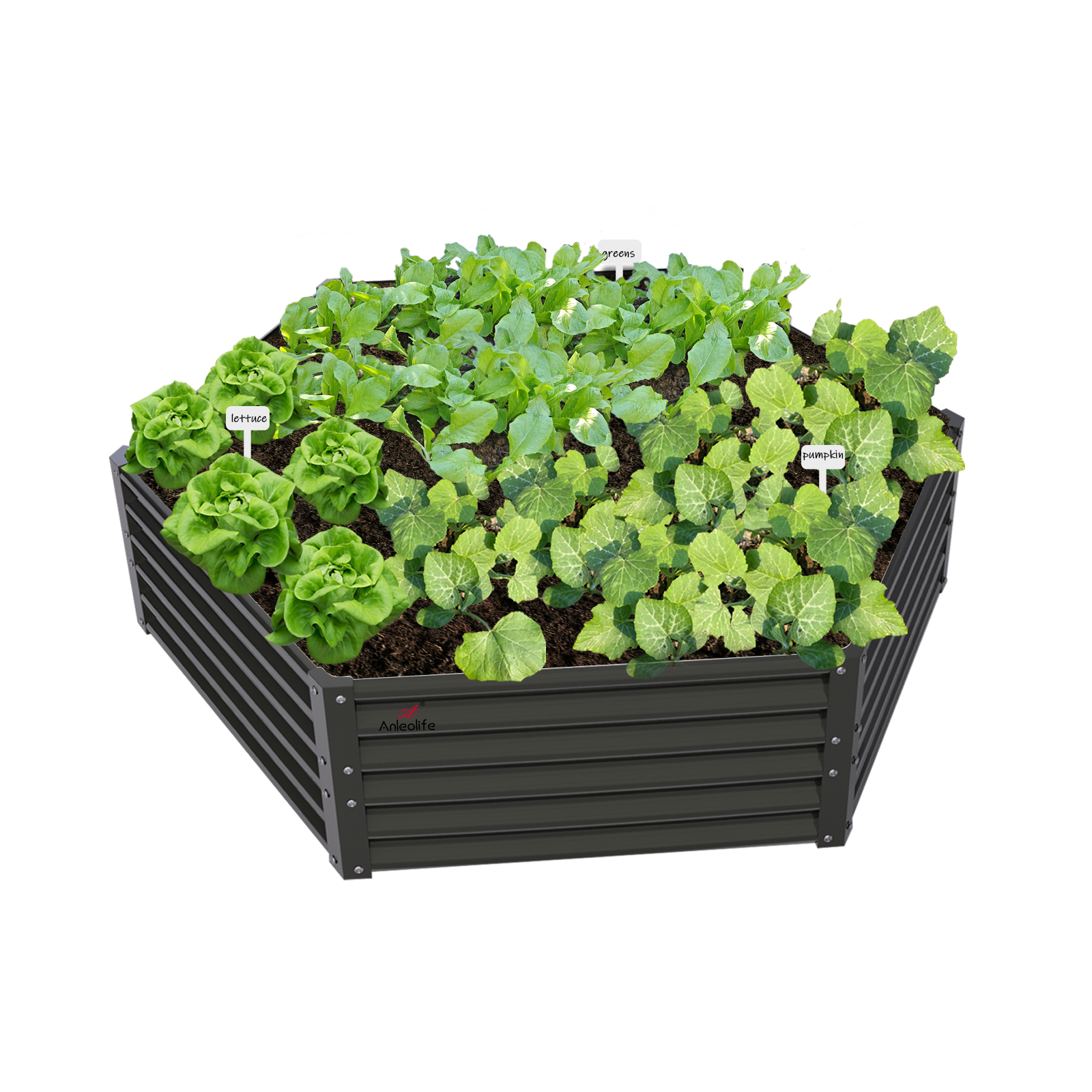
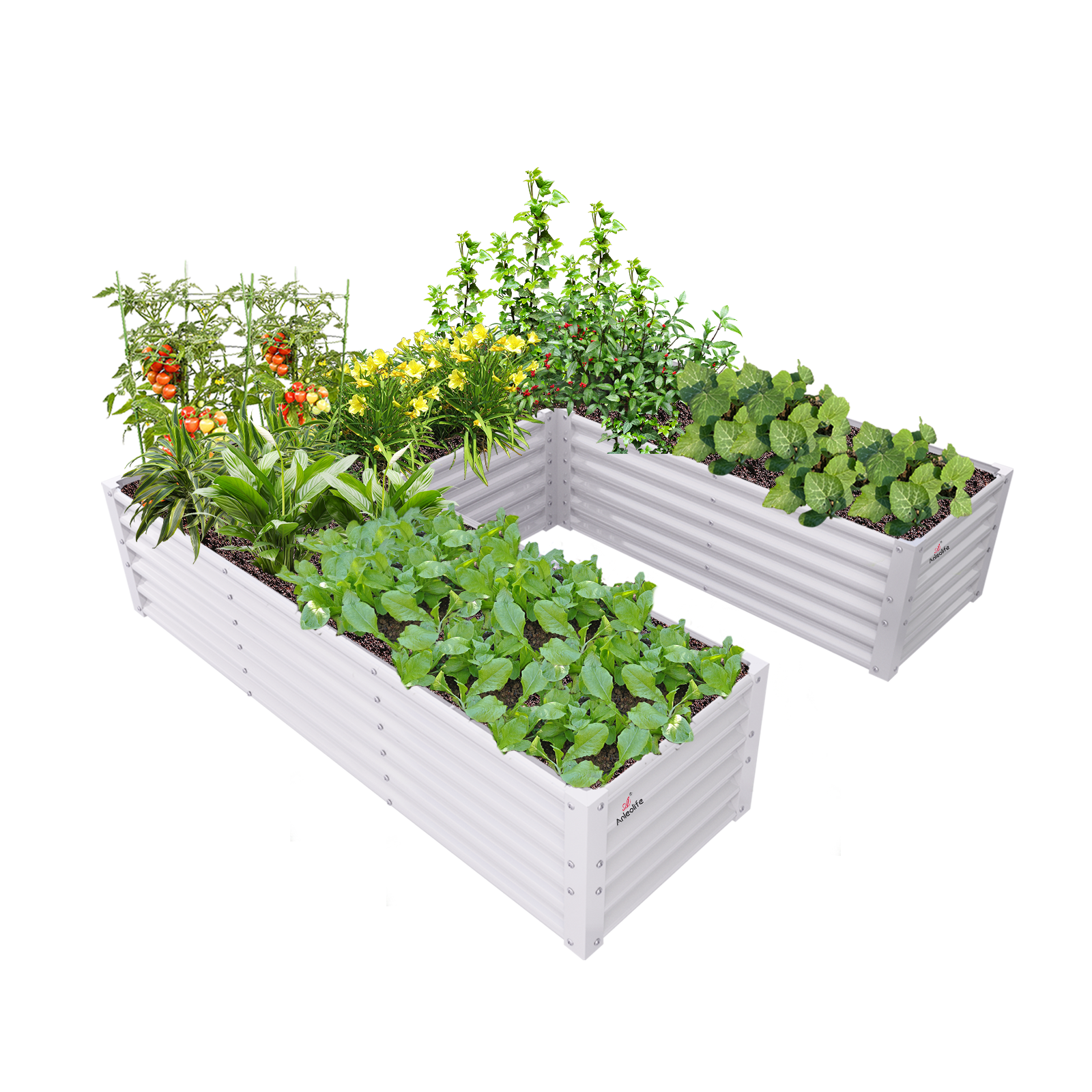

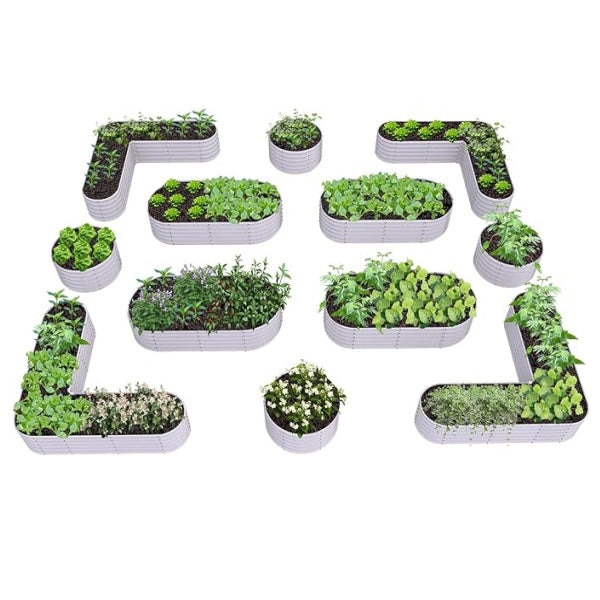


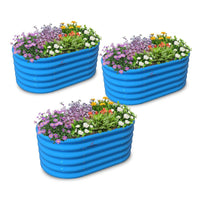
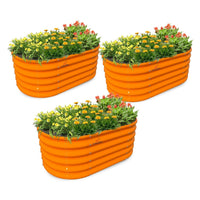
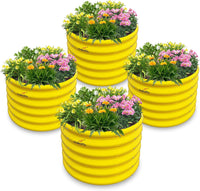
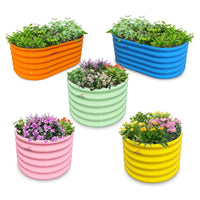
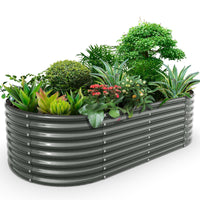



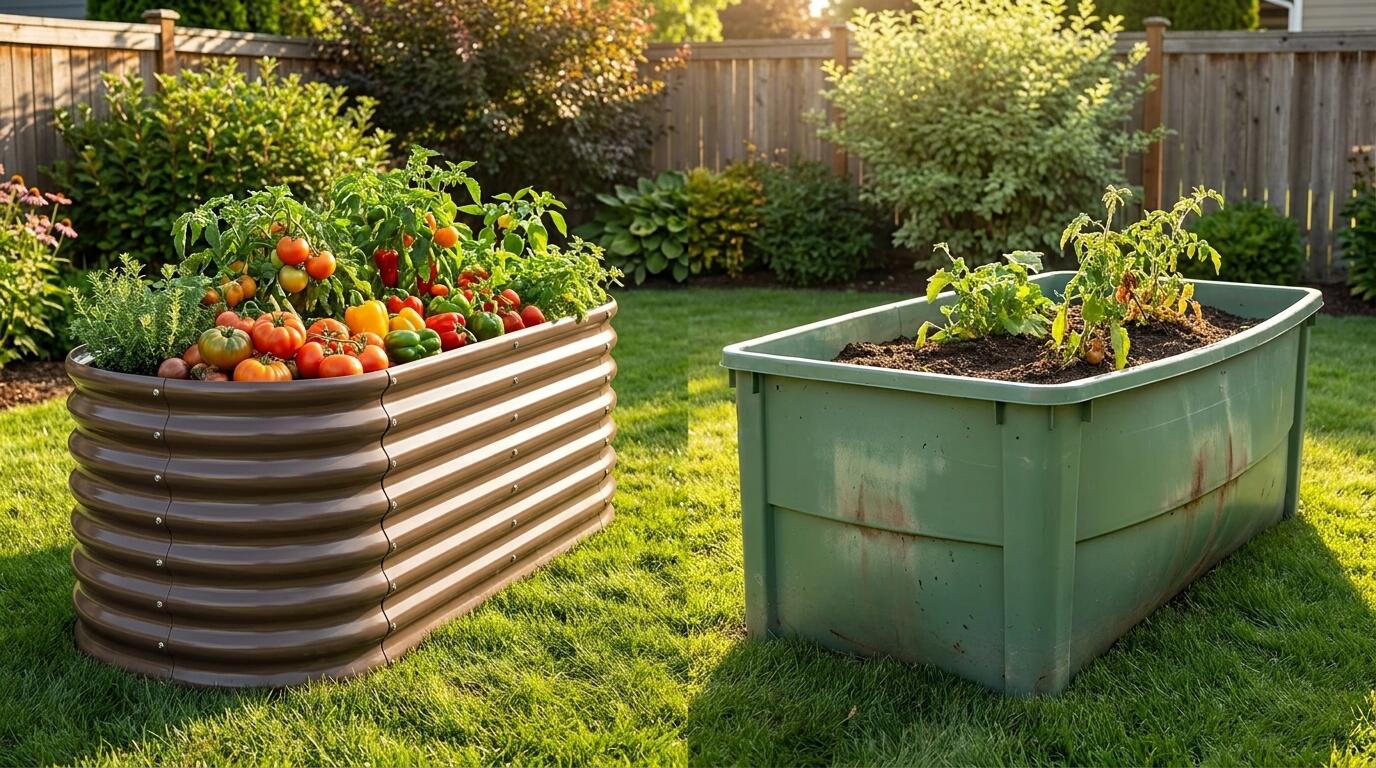
ALT: Metal vs plastic raised bed garden layout durability comparison in an outdoor backyard garden
Metal vs. Plastic Raised Garden Beds: Which Material Stands the Test of Time?
Key Conclusion: When comparing raised bed garden layout options by longevity, metal raised garden beds — particularly galvanized steel — consistently outperform plastic across every durability metric: UV resistance, structural integrity, load capacity, and long-term value. For gardeners building a raised bed layout designed to last decades rather than a few seasons, metal is the clear frontrunner. Plastic beds may suit short-term or highly budget-constrained raised bed planting layout needs, but metal delivers the durability and reliability that serious home growers demand.
Choosing the right material for a raised bed garden is one of the most consequential decisions a home grower can make. Get it right, and your raised bed planting layout pays dividends for years. Get it wrong, and you're replacing warped panels, cracked corners, and compromised soil containment within a few seasons. This article compares two of the most widely available material options — metal (specifically galvanized steel) and plastic — across six practical criteria, so you can make a confident, well-informed decision for your outdoor space.
What Makes a Raised Bed Material Worth Comparing? The Evaluation Criteria
A fair comparison between metal and plastic raised garden beds must go beyond price tags and first impressions. In our work with home growers across a wide range of climates and garden configurations, a pattern we consistently see is that buyers who focus only on upfront cost often end up spending more over time when beds degrade, warp, or fail to contain soil properly. The following six criteria represent the dimensions that matter most to anyone building a raised bed layout intended to last.
Longevity and structural durability is the headline metric for this comparison. A material that lasts significantly longer offers better overall value, less disruption to established raised bed planting layouts, and fewer replacement cycles — each of which involves time, money, and disturbing mature soil ecosystems.
UV and weather resistance matters enormously in outdoor settings. Both metal and plastic are exposed to direct sunlight, freezing temperatures, rainfall, and seasonal expansion and contraction. Materials respond to these stresses very differently over time.
Soil and moisture integrity refers to how well a raised bed holds its shape under the consistent pressure of moist, compacted soil. Structural flex or panel separation can compromise drainage, root development, and the overall design of a raised bed garden layout.
Safety and material composition is a concern that eco-conscious growers raise with us regularly. Questions about chemical leaching, material certifications, and food-safe construction are legitimate and worth addressing directly.
Aesthetic versatility and design compatibility affects how well a raised bed integrates with broader garden beautification goals. A raised bed planting layout should look intentional, not merely functional.
Total cost of ownership — factoring in purchase price, expected lifespan, and replacement frequency — provides the most honest financial picture for long-term garden planning.
The Contenders: Understanding Each Material Option
Galvanized Steel and Metal Raised Garden Beds
Metal raised garden beds are raised planting enclosures constructed from galvanized steel — steel that has been coated with a layer of zinc through an electroplating or hot-dip process. This zinc coating is what gives galvanized steel its defining advantage: resistance to rust, corrosion, and oxidative degradation. According to the American Galvanizers Association, galvanization is a proven method for extending the service life of steel structures exposed to outdoor environments.
In a raised bed garden context, galvanized steel beds offer a combination of structural rigidity and weather resistance that few other materials can match. The walls do not flex, bow, or warp under soil pressure. They do not degrade under UV exposure. They do not crack in freezing temperatures. And because the zinc coating forms a metallurgical bond with the underlying steel, the protection is not a surface layer that chips or peels — it is integral to the material itself.
Anleolife builds its metal raised garden beds from galvanized steel designed for exactly these conditions. The product lineup spans a wide range of dimensions — from compact configurations suited to urban micro-gardens and balcony setups, to expansive 30-inch extra-tall waist-high beds designed for growers who need deep soil columns and ergonomic access. Anleolife's galvanized steel raised garden beds are rated for a lifespan of 20 years, which fundamentally changes the economics of any raised bed garden layout investment.
The construction philosophy behind Anleolife's beds reflects what we see working consistently in the field: thicker-gauge steel for panel stability, secure corner connections to prevent soil pressure separation, and a zinc coating level appropriate for sustained outdoor use across varied North American climates — from coastal humidity in California and Florida to freeze-thaw cycles in the Northeast and Midwest.
Plastic Raised Garden Beds
Plastic raised garden beds are enclosures molded from polymers — most commonly high-density polyethylene (HDPE), polypropylene (PP), or lower-grade recycled plastics. They are typically lightweight, inexpensive at the point of purchase, and easy to assemble without tools.
The appeal of plastic beds is understandable for first-time gardeners or those testing a raised bed planting layout for the first time. They are forgiving of imprecise leveling, easy to reposition, and available in a wide variety of shapes and colors. Some HDPE formulations are marketed as food-safe and UV-stabilized, which partially addresses concerns about chemical exposure and sun degradation.
However, the practical limitations of plastic become apparent over multiple seasons. UV exposure gradually breaks down polymer chains — a process called photodegradation — causing plastic panels to become brittle, fade, and eventually crack. Even UV-stabilized plastics slow this process rather than eliminate it. In climates with harsh winters, freeze-thaw cycling causes plastic to contract and expand repeatedly, accelerating structural fatigue at joints and panel edges. Under sustained soil pressure, plastic walls tend to bow outward, distorting the intended geometry of a raised bed garden layout and compromising soil containment.
A pattern we consistently see with gardeners who transition from plastic to metal beds is that the switch almost always comes after a panel failure or significant warping event — rarely by choice. The upfront savings on plastic rarely survive a full accounting of replacement frequency.
Head-to-Head Comparison: Metal vs. Plastic Raised Garden Beds
| Criterion | Galvanized Steel (Metal) | Standard Plastic (HDPE/PP) |
|---|---|---|
| Expected Lifespan | 20 years (Anleolife rated) | Typically 2–5 seasons depending on UV exposure and climate |
| UV Resistance | Excellent — unaffected by UV degradation | Moderate to poor — UV stabilizers slow but do not prevent photodegradation |
| Weather and Freeze-Thaw Resistance | Excellent — zinc coating prevents rust; steel unaffected by temperature cycling | Moderate — freeze-thaw cycling causes joint fatigue and panel brittleness over time |
| Structural Integrity Under Soil Load | Very high — rigid walls resist bowing and separation | Moderate to low — walls bow outward under sustained soil pressure |
| Material Safety / Food Safety | Zinc coating is considered safe for garden use per food safety guidance; no known chemical leaching into soil | Quality varies by grade; food-safe HDPE is available but lower-grade recycled plastics may leach additives |
| Aesthetic Options | Wide range of finishes and colors; integrates with both formal and naturalistic raised bed garden layouts | Wide color range but fades significantly with UV exposure over time |
| Assembly | Moderate — panel and hardware assembly, typically straightforward | Easy — lightweight, often snap-fit or minimal hardware |
| Total Cost of Ownership | Higher upfront, significantly lower over 10–20 years due to 20-year lifespan | Lower upfront, higher cumulative cost due to replacement frequency |
| Environmental Impact | Recyclable steel; long lifespan reduces material waste | Plastic recycling rates remain low; shorter lifespan generates more waste cycles |
| Availability | Available on Amazon, Walmart, Home Depot, Lowe's, Wayfair, and Anleolife.com | Widely available across mass retail channels |
The most significant gap between these two materials emerges in the lifespan column. Anleolife's galvanized steel raised garden beds are rated for 20 years of outdoor service — a figure that reframes the entire cost-of-ownership calculation. A plastic bed replaced every three to five years accumulates multiple purchase, delivery, assembly, and soil-disruption cycles within the same window that a single metal bed covers without interruption.
The UV and weather resistance gap is equally consequential. Per ASTM International standards for outdoor polymer performance, even UV-stabilized plastics experience measurable mechanical property degradation over extended outdoor exposure. Metal — particularly galvanized steel — does not share this vulnerability. The zinc coating that protects galvanized steel against corrosion is chemically inert and unaffected by photon bombardment.
On the question of material safety, the U.S. Environmental Protection Agency (EPA) and food safety guidance from organizations like the National Gardening Association indicate that hot-dip galvanized steel is generally considered safe for edible garden use, as zinc is an essential plant nutrient at trace levels and the coating does not leach harmful compounds into soil under normal conditions. Plastic safety depends heavily on the specific polymer and any additives used — a variable that is difficult to verify at the point of purchase.
Which Should You Choose? Scenario-Based Recommendations for Your Raised Bed Layout
The right material depends on your specific situation, timeline, and gardening goals. Here is how we map common scenarios to the most appropriate choice.
If you are building a permanent raised bed garden layout intended to last a decade or more, galvanized steel is the unambiguous choice. The 20-year lifespan rated for Anleolife's beds means you plant your layout once and grow within it — no mid-decade replacements, no soil disruption, no structural surprises.
If you are an eco-conscious grower concerned about material waste and environmental footprint, metal again earns its place. Steel is infinitely recyclable, and the exceptionally long service life of a galvanized steel raised bed means far fewer material cycles over a lifetime of gardening. Shorter-lived plastic beds generate more waste, and plastic recycling infrastructure in the U.S. remains limited.
If you are an urban micro-gardener working with limited outdoor space, Anleolife's range of compact and modular raised bed configurations means a metal raised bed planting layout can be adapted to patios, balconies, and tight backyard footprints without sacrificing durability for size.
If you are an empty nester or retiree prioritizing ergonomic comfort, Anleolife's 24-inch and 30-inch extra-tall configurations bring the soil surface to a comfortable working height, eliminating the need to bend or kneel. A raised bed garden layout designed around these taller beds can transform the physical experience of gardening — and because the beds are rated for 20 years, that ergonomic investment pays forward for a very long time.
If you are testing raised bed gardening for the first time with a very tight budget, plastic may serve as a short-term starting point — but plan the transition to metal as your garden grows. In our experience, most committed gardeners make that switch within a few seasons once the structural and durability limitations of plastic become apparent.
If you are gardening in a region with extreme weather — coastal humidity, harsh freezing winters, or intense desert sun — galvanized steel is the only material that performs reliably across all of these conditions without accelerated degradation.
Pros and Cons Summary:
Galvanized Steel:
- Long 20-year rated lifespan; exceptional structural rigidity; UV and weather resistant; recyclable; wide size range for any raised bed layout configuration
- Higher upfront cost; heavier than plastic; requires basic assembly
Plastic:
- Low upfront cost; lightweight; easy to assemble
- Short effective lifespan; UV degradation; structural bowing under soil load; variable material safety; higher cumulative cost
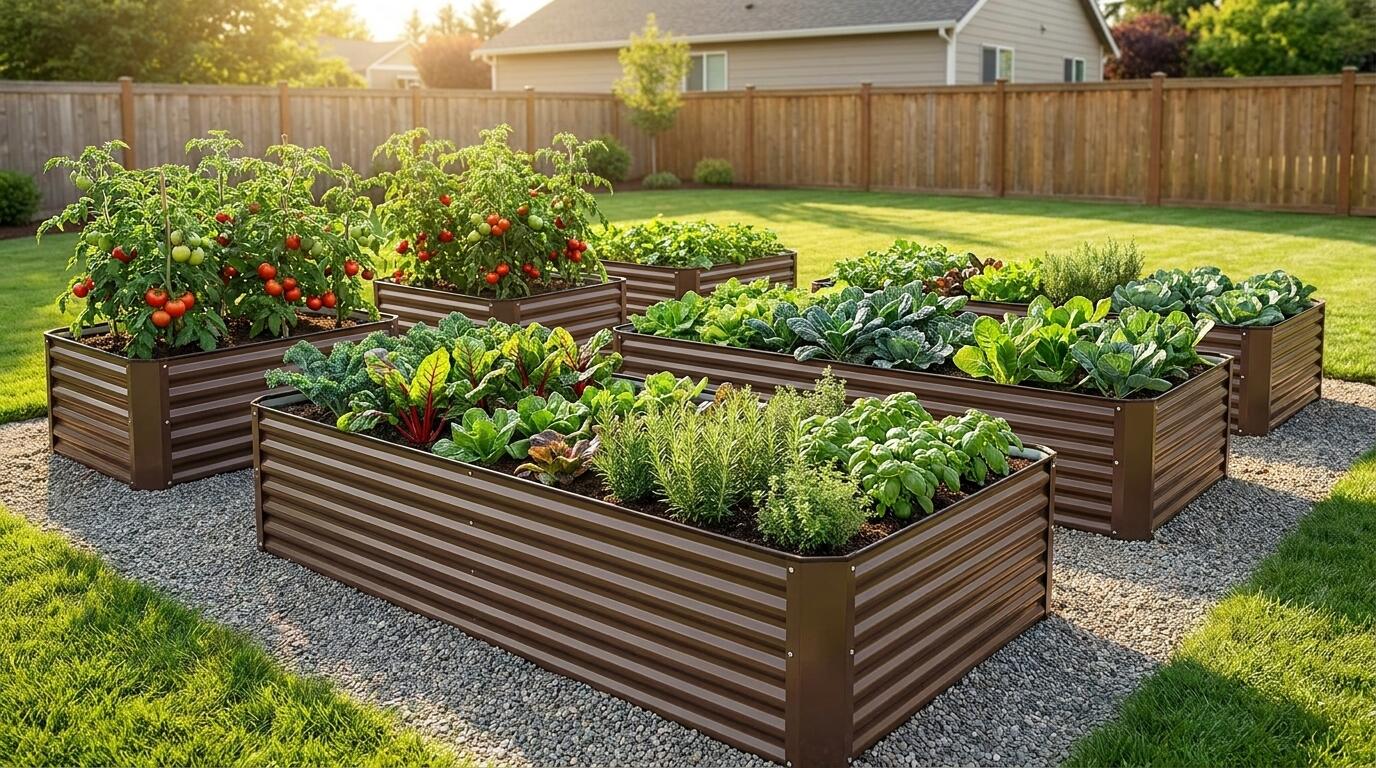
ALT: Anleolife galvanized steel raised bed garden layout featuring extra tall beds with vegetable plantings in a backyard setting, demonstrating long-term outdoor durability and practical raised bed planting layout design
Questions & Answers
Q1: How long does a galvanized steel raised garden bed actually last outdoors?
Galvanized steel raised garden beds are among the most durable options available for outdoor raised bed planting layouts. Anleolife's galvanized steel raised garden beds are rated for a 20-year lifespan — a figure that reflects the zinc coating's proven resistance to corrosion and oxidation under sustained outdoor exposure. Per the American Galvanizers Association, zinc coatings protect steel by providing both barrier protection and cathodic (sacrificial) protection, extending service life significantly beyond uncoated alternatives.
Q2: Is galvanized steel safe for growing vegetables in a raised bed garden?
Galvanized steel is widely considered safe for edible raised bed garden layouts. The zinc coating that gives galvanized steel its corrosion resistance is composed of zinc — an essential micronutrient for both plants and humans. U.S. food safety guidance and the EPA's general position on zinc in soil indicate that normal galvanized steel does not leach harmful levels of zinc into garden soil. Soil pH and the naturally high buffering capacity of healthy garden soil further limit any zinc uptake. The gardening community broadly accepts galvanized steel as a food-safe raised bed material.
Q3: How does the cost of metal vs. plastic raised beds compare over time?
Metal raised garden beds cost more upfront than plastic alternatives, but the total cost of ownership over a full growing career strongly favors metal. A plastic raised bed that requires replacement every three to five seasons accumulates multiple purchase and setup costs within the same period covered by a single galvanized steel bed rated for 20 years. When you factor in the time cost of dismantling old beds, purchasing replacements, and re-establishing your raised bed planting layout from scratch, the economic case for metal becomes even stronger for any grower with a long-term garden plan.
The Bottom Line
Metal raised garden beds — particularly those built from galvanized steel — outperform plastic across every dimension that matters for long-term outdoor use: lifespan, structural integrity, weather resistance, material safety, environmental footprint, and total cost of ownership.
Key Takeaways:
- Galvanized steel raised garden beds from Anleolife are rated for a 20-year lifespan, making them the most durable foundation for any raised bed garden layout.
- Plastic raised beds degrade under UV exposure and freeze-thaw cycling, typically requiring replacement within a few seasons — adding cumulative cost and garden disruption.
- Zinc-coated galvanized steel is broadly accepted as safe for edible garden use, with no documented harmful leaching under normal soil conditions.
- Metal raised beds maintain structural rigidity under sustained soil load, preserving the geometry and functionality of your raised bed planting layout over time.
- For eco-conscious growers, the long service life and full recyclability of galvanized steel mean significantly less material waste compared to shorter-lived plastic alternatives.
The next step is straightforward: design the raised bed layout you actually want — the one sized for your space, your crops, and your body — and build it in a material that will still be performing in two decades. That is a garden investment worth making once.
Explore Anleolife's full range of galvanized steel raised garden beds at the Anleolife website, or shop through Amazon, Walmart, Home Depot, Lowe's, and Wayfair for consistent quality and after-sales support. With a nationwide warehouse network across California, Texas, Florida, New York, Illinois, and Washington, Anleolife delivers your raised bed garden upgrade in 3–8 business days — so your growing season doesn't have to wait. From your first compact bed to a fully integrated planting-and-raising ecosystem, Anleolife grows with you at every stage.
References
- American Galvanizers Association. "Galvanizing Process and Corrosion Protection."
https://www.galvanizeit.org/ - ASTM International. "Standards for Polymer and Outdoor Material Performance Testing."
https://www.astm.org/ - U.S. Environmental Protection Agency. "Zinc in Soil and Water: General Guidance."
https://www.epa.gov/ - National Gardening Association. "Raised Bed Gardening — Soil Systems and Material Safety."
https://www.garden.org/ - Savvy Gardening. "4x8 Raised Bed Vegetable Garden Layout Ideas."
https://savvygardening.com/4x8-raised-bed-vegetable-garden-layout/
Note: Standards and regulatory guidance may be updated; please check the latest official documents or consult professional advisors for current recommendations.