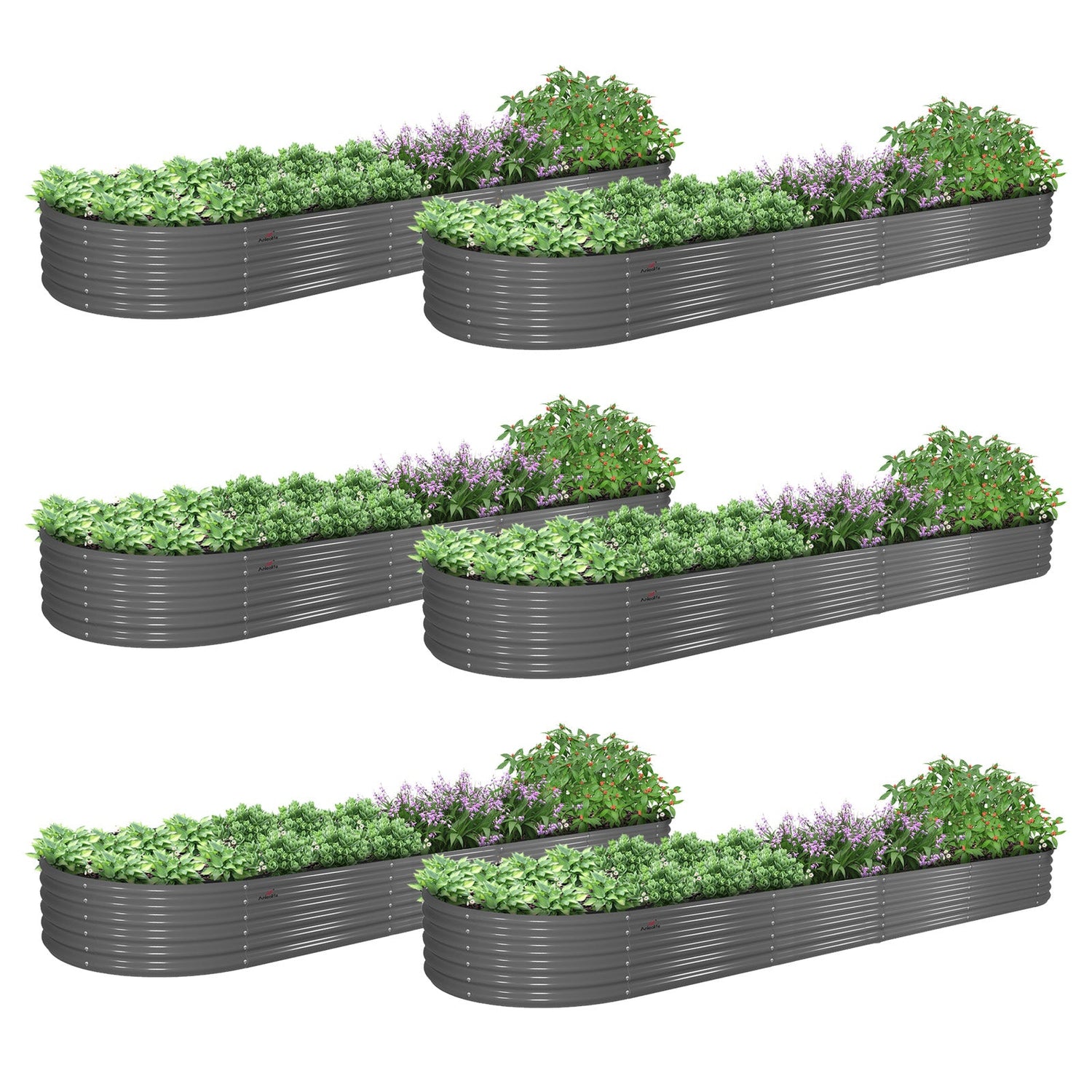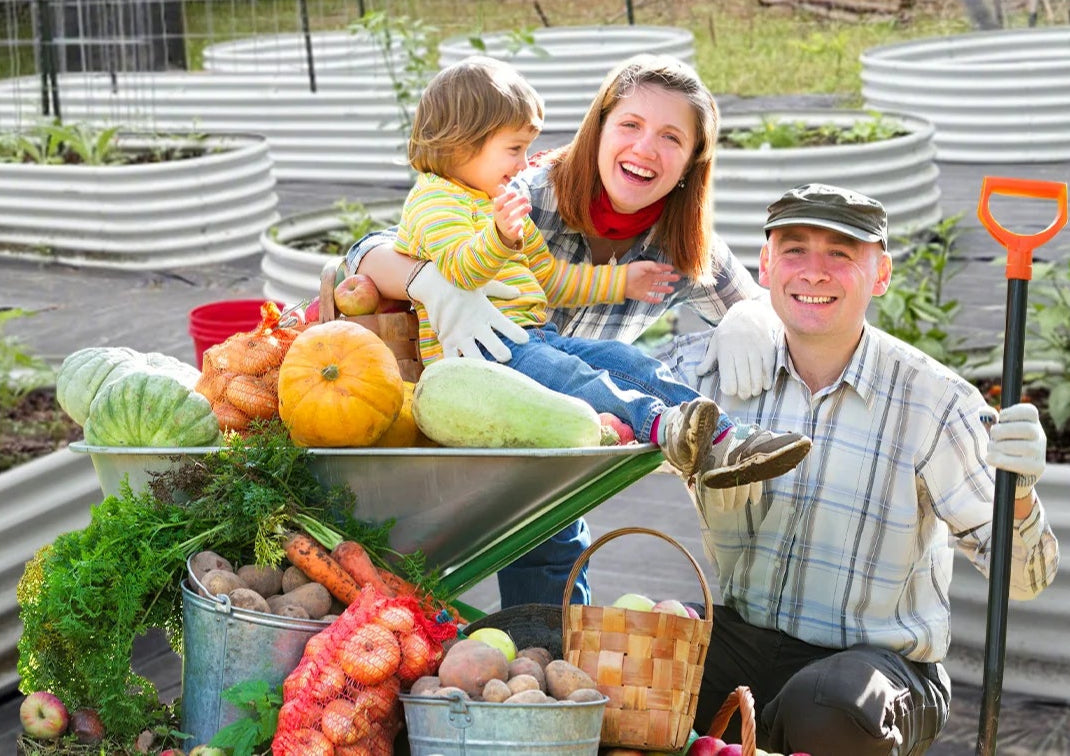




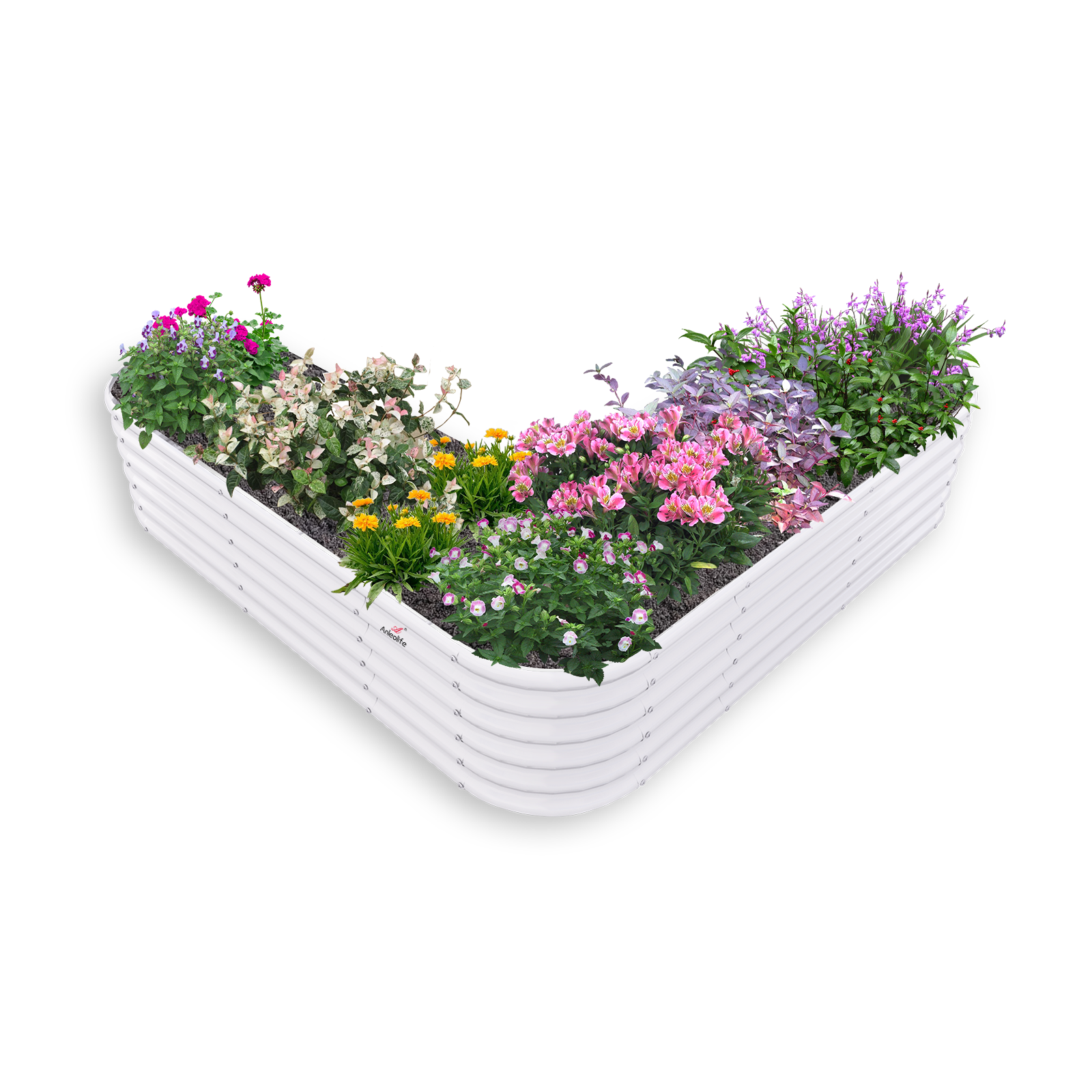
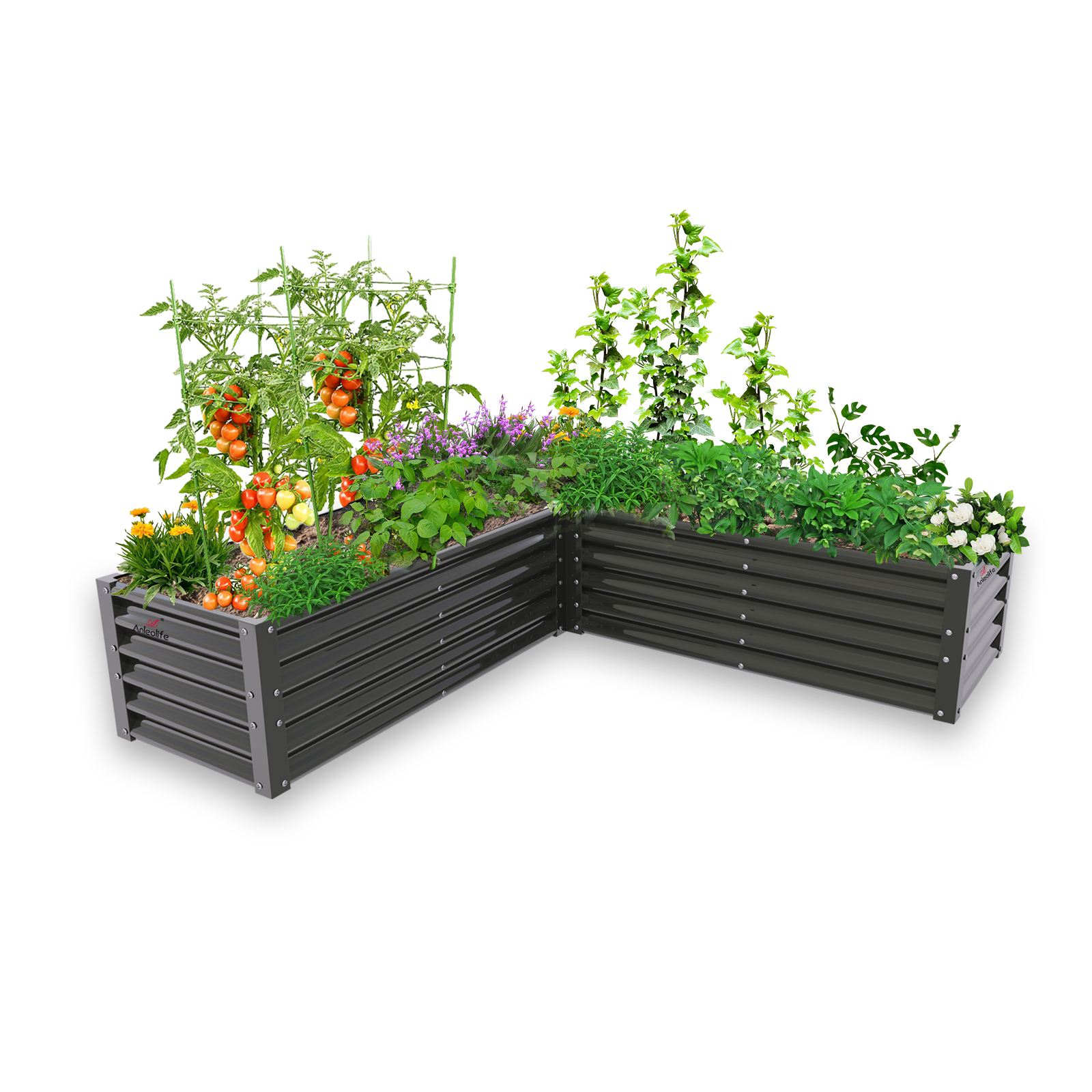
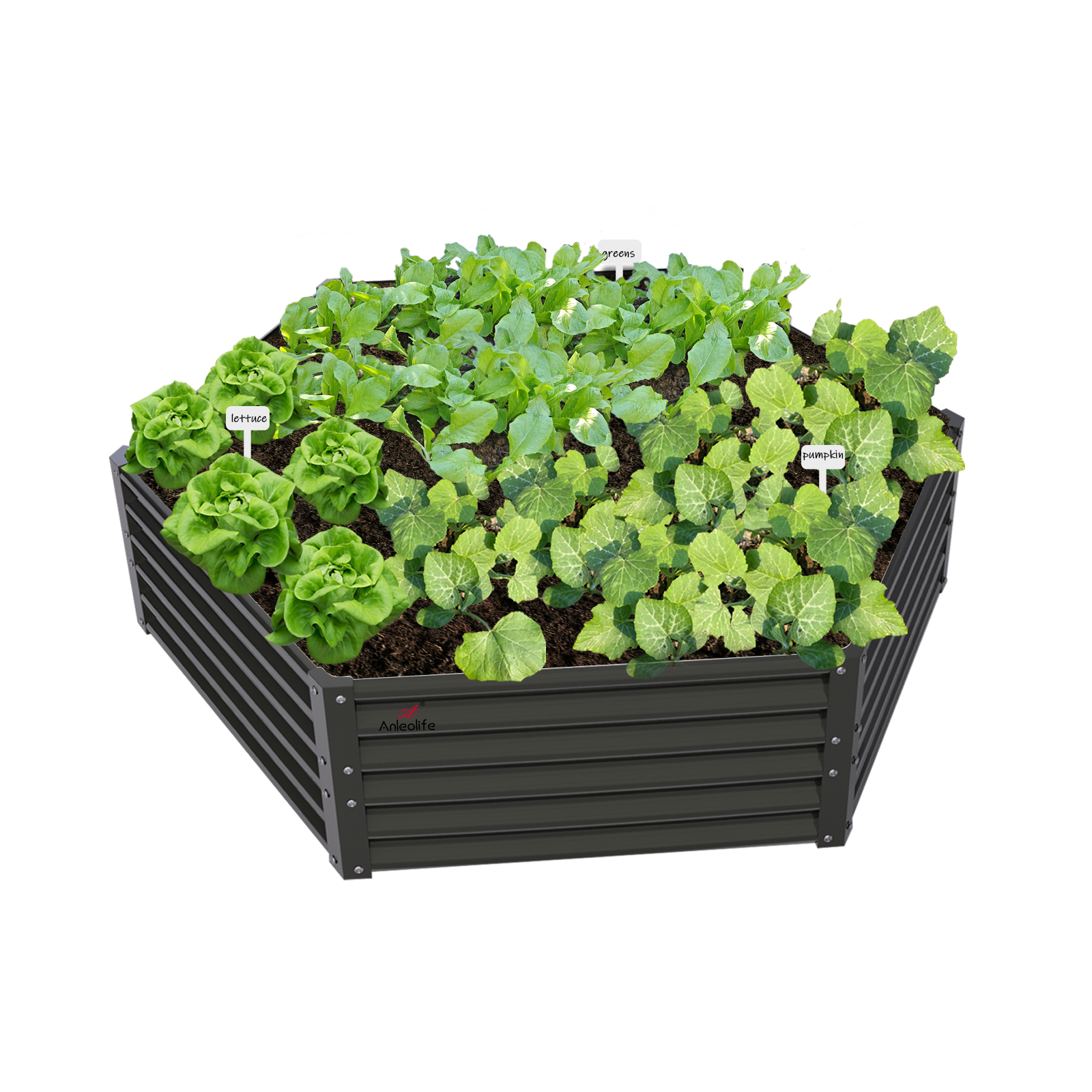
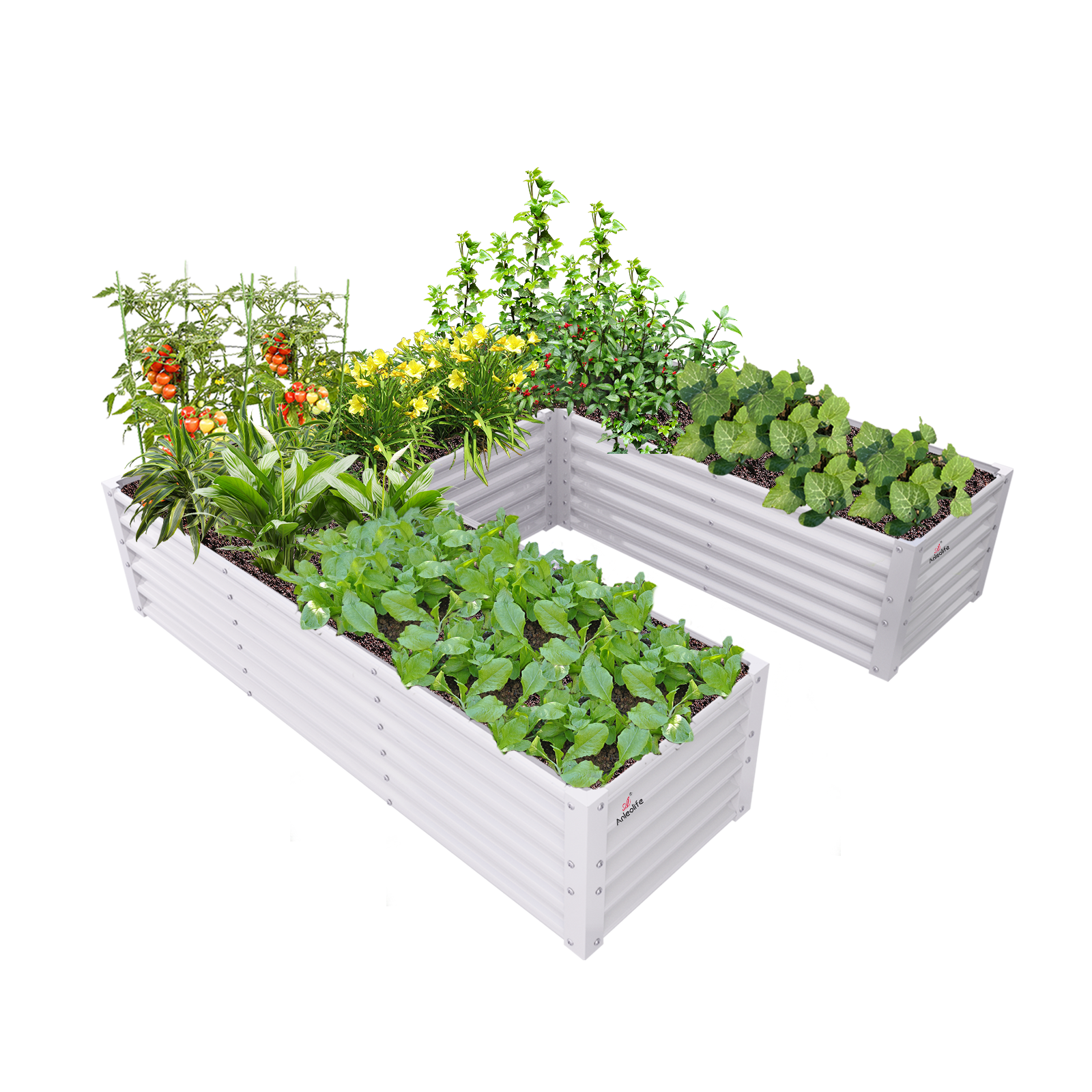

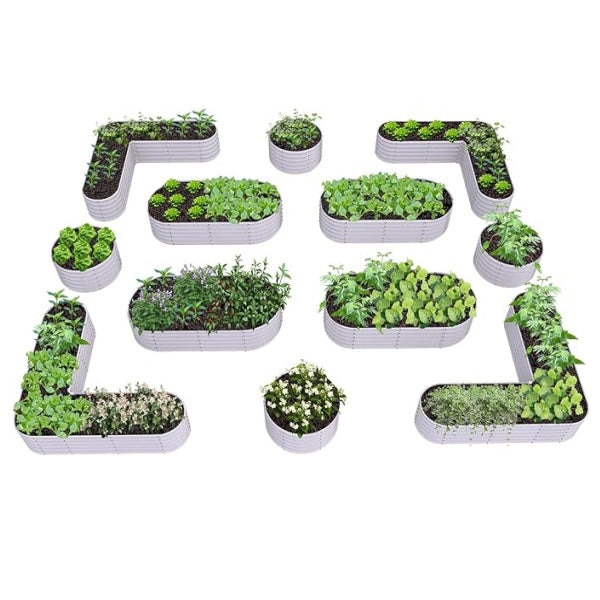





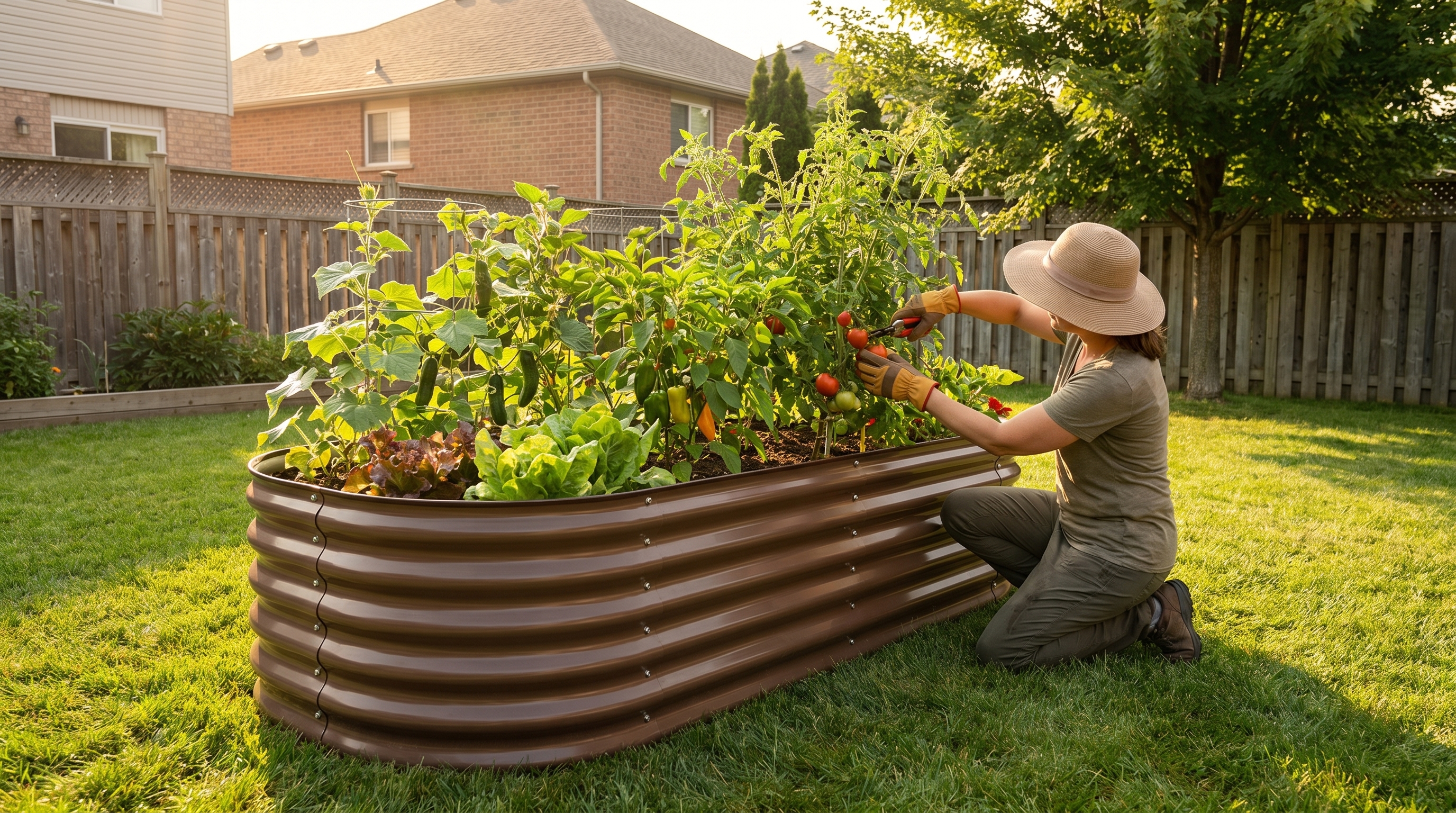
ALT: Gardener doing mid-season raised bed maintenance tasks in June with lush summer vegetables growing
June Is the Real Test for Your Raised Bed Garden — Here's How to Pass It
Key Conclusion: June marks the midpoint of the primary growing season, and your raised garden beds are under maximum stress — from heat, pests, nutrient depletion, and rapid plant growth. A focused mid-season check-in with four targeted maintenance tasks (soil replenishment, pest scouting, structural inspection, and plant management) can mean the difference between a thriving harvest and a disappointing season. Whether you're growing seasonal vegetables, managing a backyard ecosystem, or just keeping things tidy and beautiful, these practical steps will keep your beds performing at their peak.
By the time June rolls around, most gardeners have already put in the hard work: seeds were started, transplants were set in, and the first flush of growth has been exciting to watch. But here's the thing — mid-season is where the real gardening happens. Soil nutrients get depleted fast, pests find their footing, plants begin competing for space, and the structural integrity of your beds gets its first real-world stress test.
If you've invested in quality raised garden beds built to last, you want to protect that investment. And if you're considering adding beds or upgrading your setup, now is the ideal time to evaluate what's working and what isn't. This article walks you through four essential maintenance tasks to complete in June, with practical, actionable steps that apply whether you're a seasoned grower or in your first or second season.
Who Should Do a Mid-Season Raised Bed Check-In?
✅ Applicable Scenarios:
- Home gardeners who planted spring crops in March–May and are transitioning to or adding summer crops
- Raised bed owners who set up new beds this year and want to ensure long-term structure and soil health
- Urban micro-gardeners managing compact spaces who need every square foot to perform optimally
- Retirees and empty nesters who tend their beds independently and want low-maintenance, high-reward routines
- Eco-conscious growers focused on organic methods and sustainable soil management
❌ Not Applicable/Cautions:
- Gardeners in frost-prone regions where June still brings cold snaps — prioritize frost protection before these tasks
- Those with brand-new beds planted fewer than 3 weeks ago — give plants time to establish before aggressive intervention
- Anyone using heavy chemical fertilizers and pesticides — many tips here are optimized for organic and low-input gardening
Why June Is a Critical Turning Point for Raised Beds
June sits at an interesting intersection in the garden calendar. Spring crops like lettuce, spinach, and radishes are wrapping up, while summer heavyweights — tomatoes, peppers, cucumbers, squash, and beans — are hitting their stride. The soil has been actively feeding plants for weeks, beneficial microbes are competing with harmful pathogens, and the structure of your beds has now experienced real seasonal movement, watering cycles, and root pressure.
According to the University of Minnesota Extension, vegetable gardens reach peak nutritional demand during the active fruiting and flowering stage — which for most warm-season crops falls squarely in June and July. Missing this window for soil replenishment means yield losses that can't be fully recovered later in the season.
Beyond soil, June is also the month when pest populations explode. Aphids, squash bugs, cucumber beetles, and spider mites all thrive in warm, dry conditions. The earlier you spot them, the easier they are to manage without resorting to harsh chemicals. For a deep dive into safe and effective solutions, Organic Pest Control Strategies for Raised Garden Beds This Summer offers a comprehensive breakdown of methods that protect your crops without compromising soil biology.
There's also the question of your bed's physical condition. Raised beds — especially metal ones — expand and contract with temperature changes, and the screws, fasteners, or panel connections can loosen over time. A mid-season structural check takes only 20 minutes but can prevent a mid-summer collapse that damages plants and wastes your investment.
Finally, June is about strategic plant management. Succession planting, trellising, thinning, and deciding which seasonal vegetables to put in next all require an honest assessment of what's currently in your beds and where you want to be by September.
For those still deciding on the right bed layout or sizing for summer expansion, The Ultimate Raised Garden Bed Sizing Guide for Summer 2026: Find Your Perfect Fit is an excellent starting point before making any new purchases or additions.
The 4 Essential Mid-Season Maintenance Tasks for June
Three-Step Quick Start Before You Begin
Before diving into each task in depth, here's a quick orientation to get you set up for a productive check-in session.
Step 1: Do a Full Walkthrough of All Your Beds
Take 10–15 minutes to walk around every raised bed you manage. Bring a notepad or use your phone to record what you observe — yellowing leaves, pest damage, dry soil patches, loose panels, overcrowded plants. Don't fix anything yet; just document. This snapshot gives you a prioritized task list so you're not jumping randomly between beds.
Step 2: Gather Your Supplies in Advance
Collect what you'll need: pH tester or soil test strips, slow-release organic fertilizer or compost, pruning shears (cleaned and sharpened), a screwdriver or wrench for structural checks, pest control supplies, and mulch. Having everything on hand saves you multiple trips and keeps the process efficient. Aim to set aside 2–3 hours for a thorough check-in across all beds.
Step 3: Prioritize by Plant Stage and Urgency
Address the most pressing issues first. If you see active pest damage or wilting plants, start there. Nutrient deficiencies and structural issues can follow. Plant management tasks like thinning and succession planting can round out the session. Organizing by urgency prevents minor problems from becoming major setbacks while you're focused on less critical tasks.
Task-by-Task Comparison: DIY vs. Systematic Approach vs. Neglect
Understanding what's at stake with each maintenance task helps you see why a structured approach pays off. Here's a comparison of outcomes based on how thoroughly you approach mid-season care:
| Comparison Dimension | Proactive Systematic Check-In | Minimal/Reactive Maintenance | No Mid-Season Maintenance |
|---|---|---|---|
| Soil Nutrient Levels | Replenished at peak demand | Partially addressed | Depleted, reducing yield |
| Pest Management | Early detection, low intervention needed | Moderate infestation risk | High infestation, possible crop loss |
| Bed Structural Integrity | Confirmed sound, small issues fixed | May catch major problems late | Risk of panel failure or warping |
| Plant Productivity | Maximized through thinning and training | Moderate yield | Below-potential harvest |
| Seasonal Transition Readiness | On schedule for fall planting | Delayed by late fixes | Significant gap in planting calendar |
| Time Investment | ~2–3 hours, spread across tasks | ~1 hour, reactive | Minimal now, costly later |
Task 1: Replenish Soil Nutrients and Test pH
Why It Matters
Raised bed soil — even high-quality mixes — loses nitrogen, potassium, and phosphorus rapidly when plants are actively growing. By June, your soil has been working hard for 6–10 weeks, and the top 6 inches of growing medium may be significantly depleted. Soil fertility is the single biggest driver of summer vegetable yield, and June is your best opportunity to course-correct before fruiting begins in earnest.
How to Do It
Start with a simple soil test. Home test kits are widely available and can tell you pH, nitrogen, phosphorus, and potassium levels in about 15 minutes. Ideal raised bed pH for most vegetables is between 6.0 and 7.0. If your pH is off, sulfur (to lower) or lime (to raise) can be worked into the top layer of soil.
For nutrient replenishment, the best fertilizer for raised garden beds at mid-season is typically a balanced, slow-release organic option — something like a 5-5-5 or 4-6-4 blend that feeds plants over 6–8 weeks without burning roots. Alternatively, top-dressing with 1–2 inches of finished compost works beautifully and improves soil structure at the same time. For gardeners interested in supercharging their soil biology further, Advanced Composting Techniques to Supercharge Your Raised Bed Soil This Season offers expert-level strategies.
Pro Tips for Specific Crops
- Tomatoes and peppers: Add calcium (crushed eggshells or gypsum) to prevent blossom end rot, which spikes in June
- Leafy greens transitioning to heat-tolerant varieties: Prioritize nitrogen-rich amendments to support fast growth
- Beans and peas: These fix their own nitrogen — skip N-heavy fertilizers and focus on potassium and phosphorus instead
Task 2: Conduct a Thorough Pest Scout and Intervene Early
Why June Is Peak Pest Season
Warm soil, lush foliage, and reduced rainfall in many regions create ideal conditions for insect pests to establish colonies. The best pest control methods for vegetable gardens all share one characteristic: they work best when applied early. A June scout that catches 10 aphids is infinitely easier to manage than an August infestation of thousands.
What to Look For
Walk through your beds and check both the tops and undersides of leaves. Common June pests include:
- Aphids: Soft, clustered insects on new growth and undersides of leaves; look for sticky residue and distorted leaves
- Squash vine borers: Sawdust-like frass at the base of squash stems; wilting that doesn't respond to watering
- Cucumber beetles: Yellow-green beetles with black spots or stripes; direct feeding damage on leaves and fruit
- Spider mites: Tiny specks on leaves with fine webbing; thrives in hot, dry conditions
- Cabbage worms: Green caterpillars on brassicas; irregular holes in leaves
Organic Intervention Options
For most pest scenarios, start with the least invasive options:
- Blast with water: Effective for aphids and mites on sturdy plants
- Neem oil spray: Broad-spectrum, disrupts insect life cycles without harming beneficial insects when used correctly
- Row cover: Physical barrier for flying insects; particularly effective against cucumber beetles and squash vine borers
- Beneficial insect attraction: Plant flowers like dill, fennel, and marigolds nearby to draw in predatory wasps and ladybugs
Task 3: Inspect and Reinforce Your Raised Bed Structure
The Overlooked Task That Protects Your Investment
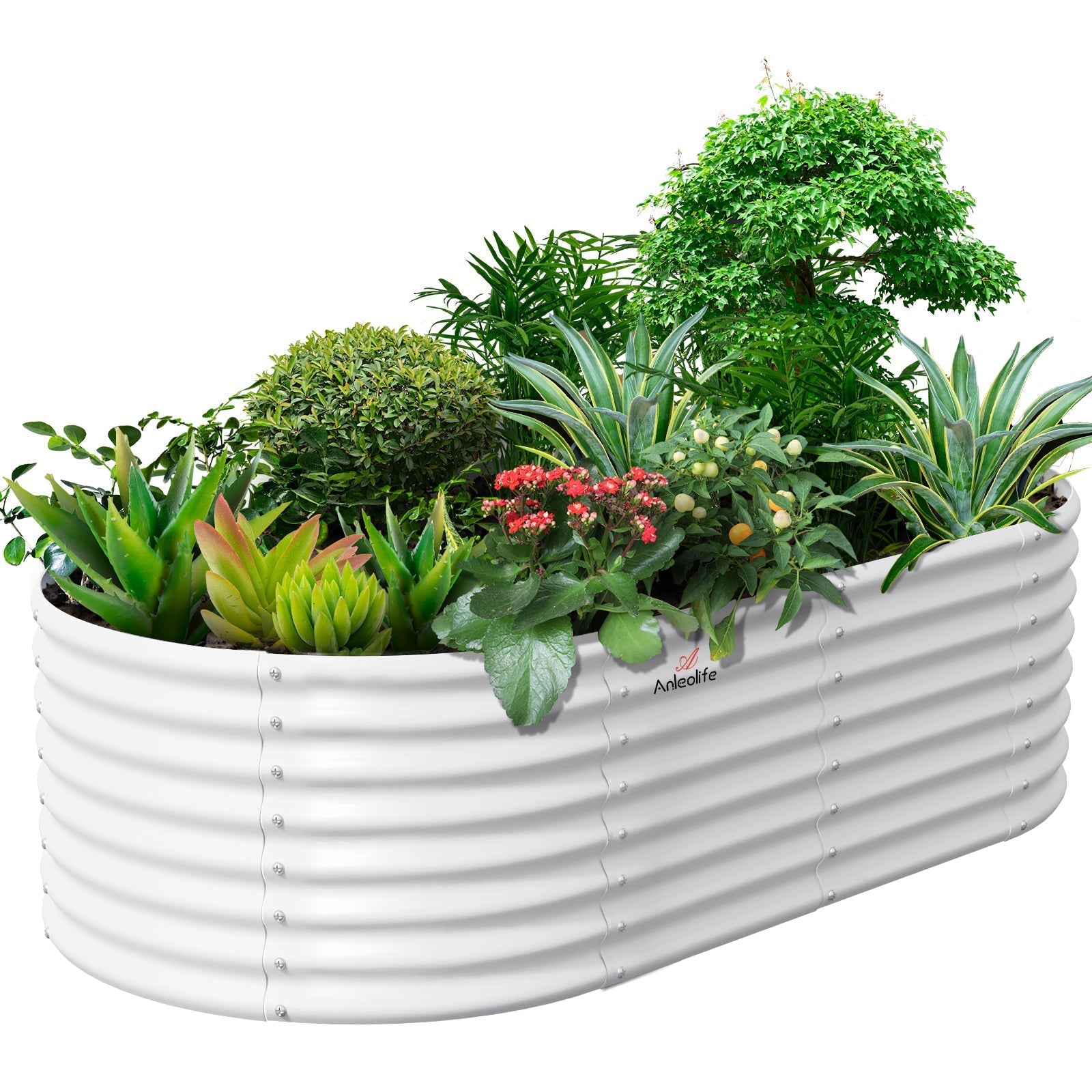
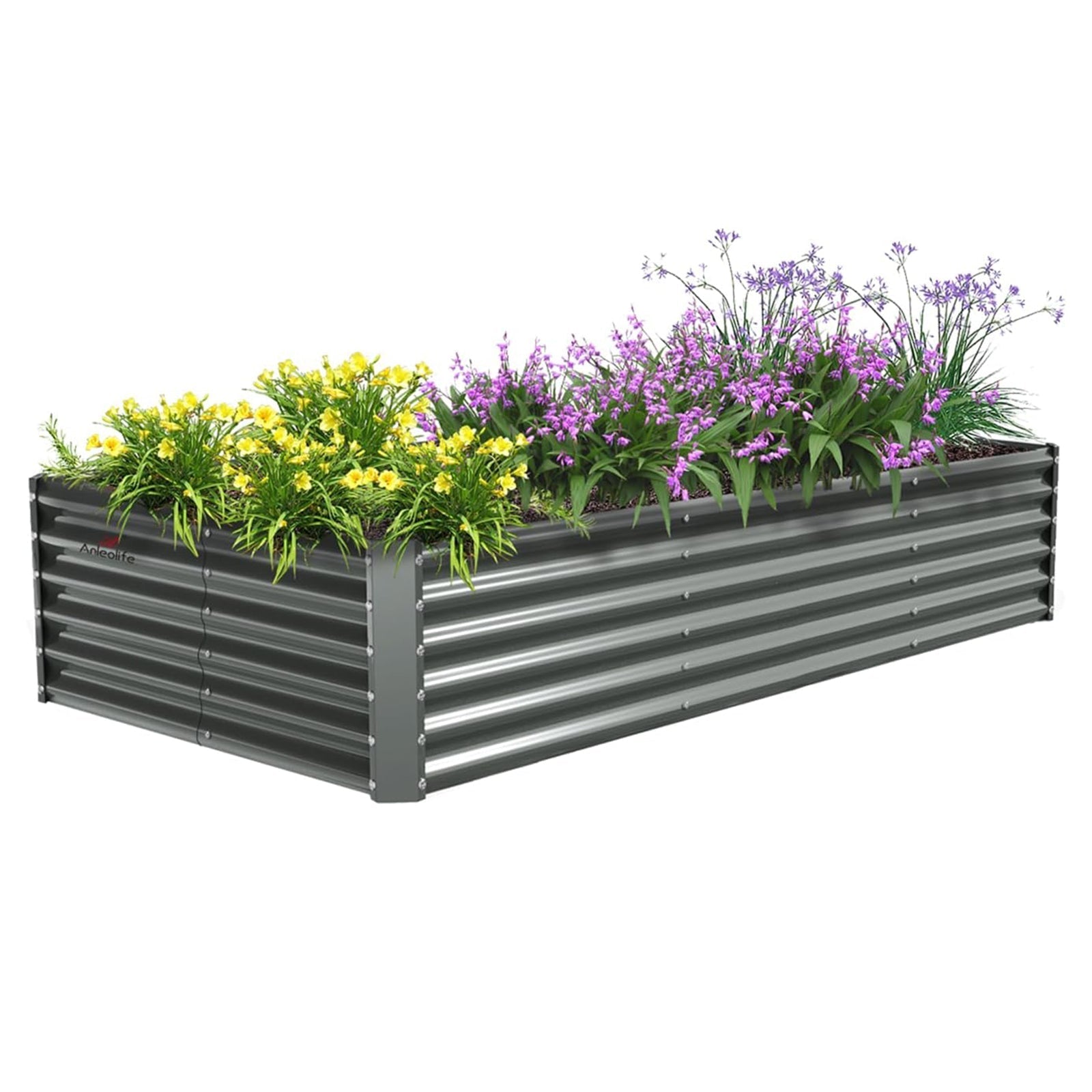
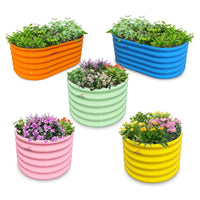
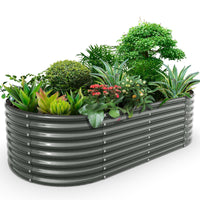
Most gardeners focus on plants and soil during their summer check-in and skip the structure. But the physical integrity of your raised bed determines how well it performs not just this season, but for years to come. A quality galvanized steel raised garden bed from Anleolife is engineered for a lifespan of up to 20 years — but that longevity is best protected with occasional preventive maintenance.
What to Check
Walk around each bed and look for:
- Loose fasteners or connectors: Temperature cycling causes metal to expand and contract, which can loosen screws over time. Tighten any loose bolts with a wrench or screwdriver
- Warping or bowing panels: If soil pressure has caused panels to bow outward, reinforcing with exterior stakes can restore shape
- Rust spots: On lower-quality beds, surface rust can develop at cut edges or around fasteners. On Anleolife beds built with rust-resistant galvanized steel, this is far less common — but it's worth checking corners and any areas where water pools
- Liner condition (if applicable): If you use a fabric liner, check for tears or compression that might reduce drainage
- Ground contact areas: Look for signs of soil erosion under or around the bed base
The Best Materials for Long-Term Performance
If you're evaluating whether your current beds are up to the task — or planning new purchases — the best raised garden bed materials for rust resistance and durability consistently include galvanized steel with a zinc coating applied to both interior and exterior surfaces. Anleolife's metal raised garden beds use this construction, which resists moisture, soil acids, and weather exposure across all four seasons.
For those managing larger or multi-bed setups, it's also worth checking that your outdoor tool storage is organized and easily accessible. Having a designated tool rack or cabinet near your garden cuts down on time spent searching for the right implement and reduces the chance of tool damage from leaving equipment outdoors. Well-maintained tools also mean cleaner cuts, better pruning results, and less disease transmission between plants.
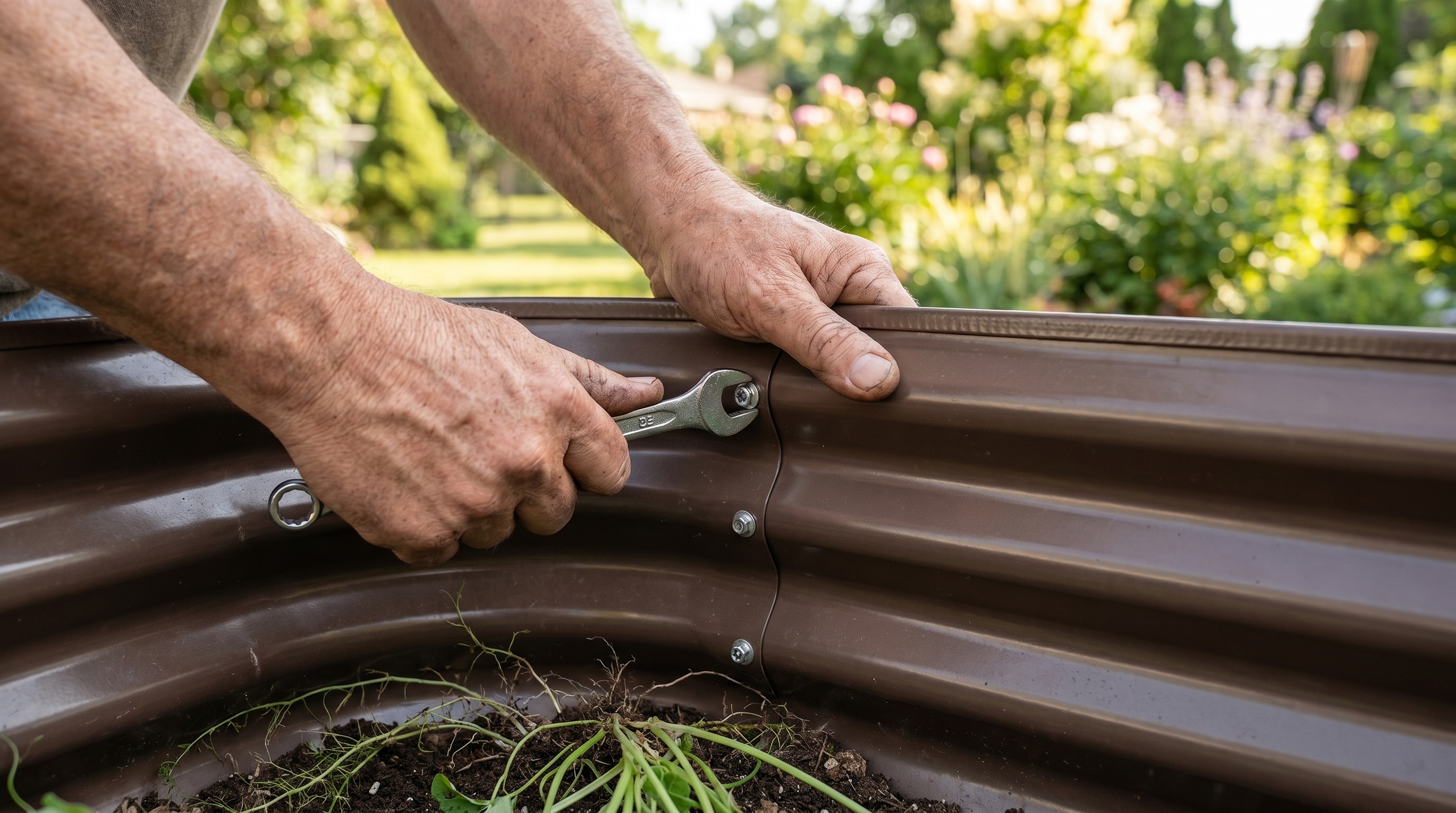
ALT: Homeowner inspecting galvanized steel raised garden bed structure during mid-season June maintenance check for durability and rust resistance
Task 4: Manage Plants Strategically — Thin, Train, and Plan Succession
Why Plant Management in June Pays Off
By June, many beds are at or approaching maximum plant density. What started as neat rows of seedlings has become a dense canopy competing for light, air, and water. Without intervention, this density creates the perfect environment for fungal disease, reduces yields on every plant, and makes pest management far more difficult.
Thinning and Pruning
For direct-sown crops like carrots, beets, and radishes, thin to the recommended spacing if you haven't already. For fruiting plants like tomatoes and peppers, remove suckers and lateral branches that won't have time to produce mature fruit before the season ends. This redirects the plant's energy into the fruits already forming.
For cucumbers and beans, make sure your trellis systems are secure and guide new growth upward rather than outward. Vertical growing in raised beds is one of the best ways to maximize space in smaller footprints — a key strategy for urban micro-gardeners and anyone working with compact yard space.
Planning Your Succession Plantings
June is the perfect time to plan what goes in the bed once your spring crops finish. Succession planting for seasonal vegetables for raised beds in the fall means starting or sourcing transplants in July and August. Common excellent choices for fall raised bed planting include:
- Kale and chard: Cold-hardy and actually sweeten after frost; direct sow in August
- Broccoli and cauliflower: Transplant in August for September/October harvests
- Beets and turnips: Direct sow in late July for a fall root crop
- Spinach and arugula: Direct sow in late August for a quick fall harvest
For more planting inspiration and timing guidance, 10 Best Vegetables for Raised Beds This Summer: A Beginner's Planting Checklist covers the best options by season, with practical setup tips for first-time and experienced growers alike.
Advanced Tips: Handling Common Mid-Season Challenges
Challenge 1: Heat Stress and Soil Moisture Depletion
June heat can dry out raised bed soil much faster than in-ground gardens — particularly in beds located in full sun. If your soil is pulling away from the bed walls or feels dry 2 inches below the surface, you need to increase watering frequency and add a 2–3 inch layer of organic mulch (straw, wood chips, or shredded leaves). Mulch reduces evaporation, moderates soil temperature, and suppresses weeds simultaneously.
Challenge 2: Nutrient Lockout From pH Imbalance
One common misconception is that adding more fertilizer will fix yellowing plants. In many cases, the issue isn't a lack of nutrients — it's that pH is out of range and the plant can't absorb what's already there. This is called nutrient lockout, and it's particularly common in beds that receive heavy rainfall or irrigation. Test pH before adding any amendments, and adjust accordingly.
Challenge 3: Conflating Pest Damage With Disease
Spotted or yellowed leaves don't always mean insects — they can signal fungal disease, bacterial infection, or physiological disorders. Before reaching for pest control, look closely at the pattern of damage. Insect damage tends to have jagged edges and follows feeding paths; disease damage often has water-soaked edges, concentric rings, or uniform yellowing patterns. Misidentifying the problem leads to ineffective treatments and wasted time.
Frequently Asked Questions FAQ
Q1: How do I know which fertilizer is best for my raised bed vegetables in mid-season?
The best approach is to match your fertilizer type to your current plant stage. In June, most vegetable crops are in active vegetative growth or early flowering, which means they benefit from a balanced or slightly phosphorus-heavy formula. Slow-release organic granular fertilizers (like bone meal, kelp meal, or a blended 4-6-4) applied as a top dressing are safe, effective, and won't burn roots. If you suspect a specific deficiency (e.g., yellowing between leaf veins suggests iron or manganese), targeted foliar sprays can address it quickly.
Q2: Is galvanized steel really safe for growing vegetables in raised beds?
Yes — galvanized steel raised garden beds are widely considered safe for growing edible plants. The zinc coating used in galvanization is stable and does not leach into soil at harmful levels under normal garden conditions. Studies from institutions like the UC Davis Extension have consistently found that well-constructed metal beds do not pose food safety risks. Anleolife's raised beds are specifically designed with this safety standard in mind, offering both rust resistance and long-term durability with a projected lifespan of 20 years.
Q3: How long does a proper mid-season raised bed check-in take, and when is the best time to do it?
A thorough mid-season check-in covering all four tasks — soil, pests, structure, and plant management — typically takes 2–3 hours for a garden with 2–4 raised beds. The best time is on a mild morning in early-to-mid June, before temperatures peak and while plants are actively metabolizing. Avoid doing the check-in during or immediately after heavy rain, as wet soil and foliage make accurate assessment more difficult and increase the risk of spreading soil-borne pathogens between beds.
Summary
June's mid-season check-in isn't glamorous gardening — there's no new seed to sow or exciting harvest to photograph. But it is arguably the most impactful single session of maintenance you can do all year. By addressing four focused areas — soil nutrients, pest management, structural integrity, and plant management — you protect the investment you've already made and set up the second half of your growing season for real success.
Three key takeaways from this article:
- Soil fertility peaks and valleys determine yield — test and replenish in June before plants hit their maximum demand window
- Early pest detection is exponentially easier than late intervention — a single June scout session can prevent significant crop loss
- A structurally sound raised bed pays dividends for decades — especially when built from durable, rust-resistant materials designed for 20-year performance
Your next step is simple: schedule your check-in for this weekend, gather the supplies listed in Step 2 above, and work through each task systematically. Two to three hours now will save you weeks of firefighting later.
Upgrade Your Garden with Anleolife
Anleolife's nationwide U.S. warehouse network is strategically located in California, Texas, Florida, New York, Illinois, and Washington — ensuring delivery within 3–8 business days so your garden upgrade plans never have to wait for the right equipment to arrive.
Our products are available across major e-commerce platforms including Amazon, Walmart, Home Depot, Lowe's, and Wayfair, as well as directly through Anleolife.com — providing consistent quality assurance and responsive after-sales service wherever you prefer to shop.
Anleolife's product ecosystem spans three core scenarios: Planting (metal raised garden beds, soil systems), Raising (chicken coops, rabbit hutches), and Beautification (decorative accessories, pathway systems), giving you everything you need to take your garden from functional to genuinely beautiful.
We understand that an ideal garden isn't built overnight — it's built gradually, with thoughtful decisions and quality materials that grow with you. Our modular product design allows flexible expansion based on your needs: from a single raised bed to a fully integrated planting-and-raising ecosystem. Whatever stage you're at, Anleolife is with you every step of the way.
References
- University of Minnesota Extension. "Fertilizing Vegetable Gardens".
https://extension.umn.edu/yard-and-garden/fertilizing-vegetable-gardens - University of California Cooperative Extension. "Integrated Pest Management for Home Gardens".
https://ipm.ucanr.edu/PMG/GARDEN/index.html - USDA Agricultural Research Service. "Soil Health and Nutrient Management in Home Gardens".
https://www.ars.usda.gov/research/docs.htm?docid=10208 - Penn State Extension. "Raised Bed Gardening: Soil, Structure, and Plant Health".
https://extension.psu.edu/raised-bed-gardens - Oregon State University Extension Service. "Vegetable Gardening in Oregon: Succession Planting and Mid-Season Management".
https://extension.oregonstate.edu/gardening/vegetables
Note: Standards and recommendations may be updated; please check the latest official documents or consult a local extension advisor for region-specific guidance.
About Anleolife
Anleolife is a leading outdoor garden solutions provider in North America, dedicated to offering a full-scenario product ecosystem for home gardening enthusiasts, covering planting, raising, and garden beautification. Since its founding, we have upheld our brand mission, "Made for Garden Life," continuously innovating products and optimizing services to help hundreds of thousands of users upgrade their gardens, reconnect with nature, and enjoy a better garden lifestyle.