


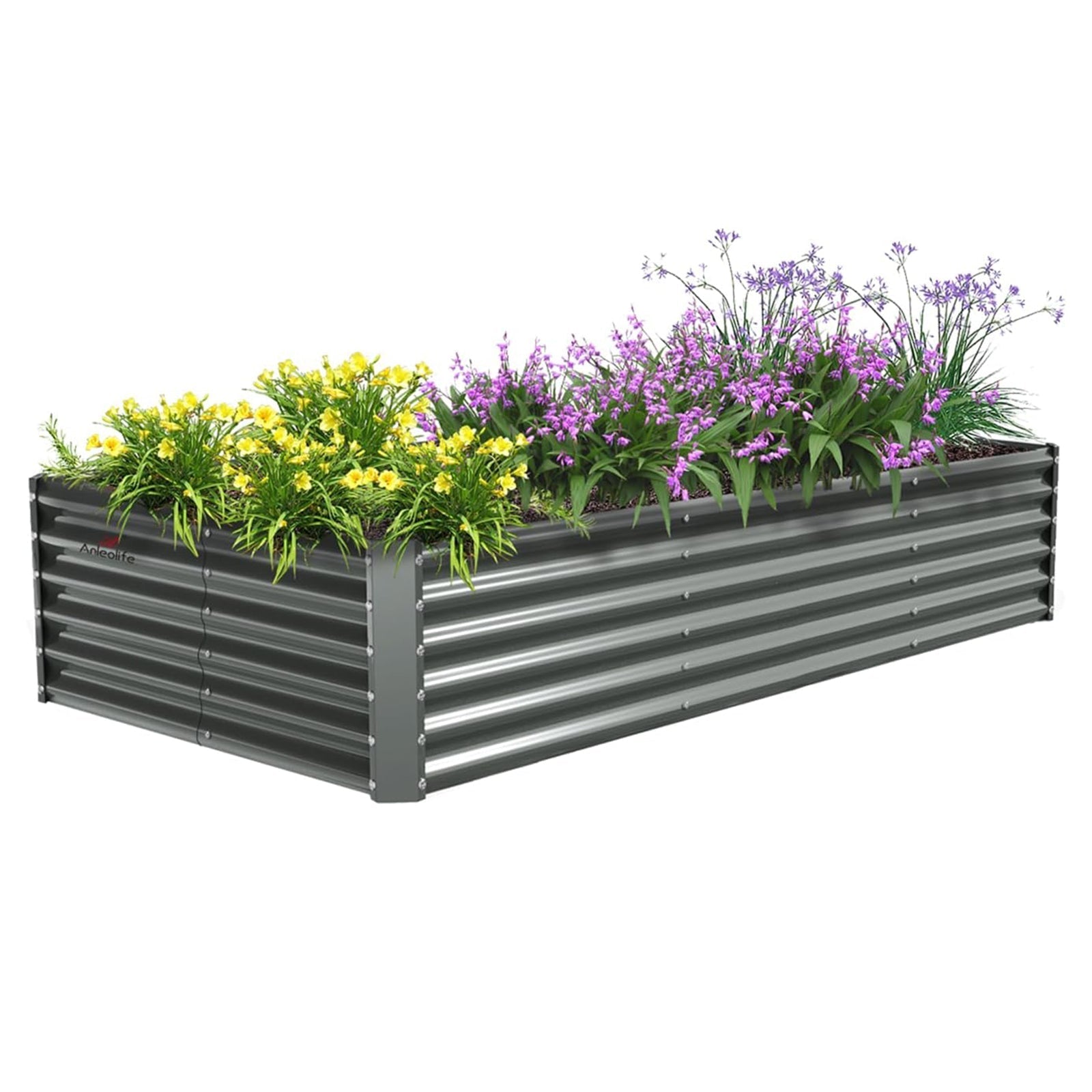

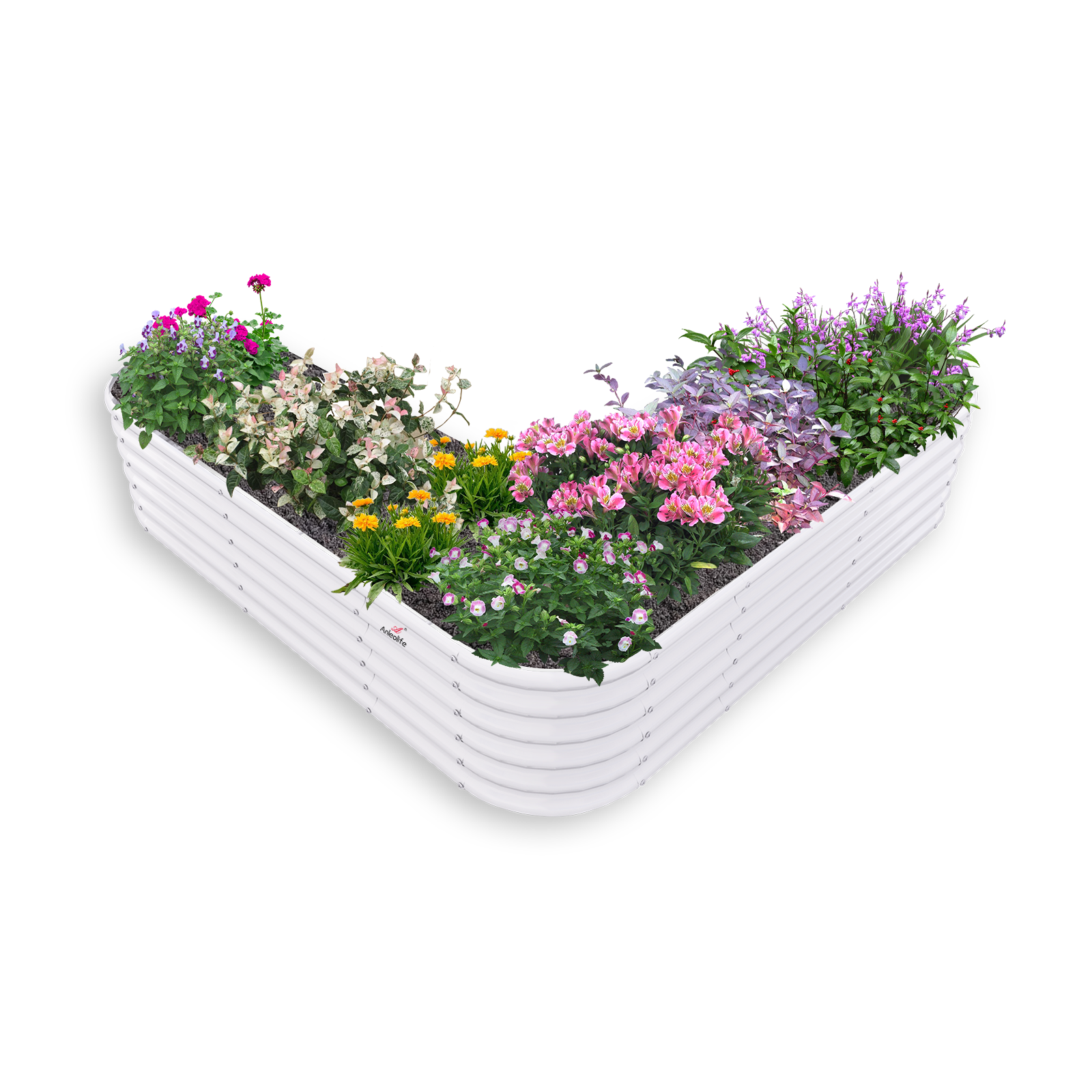
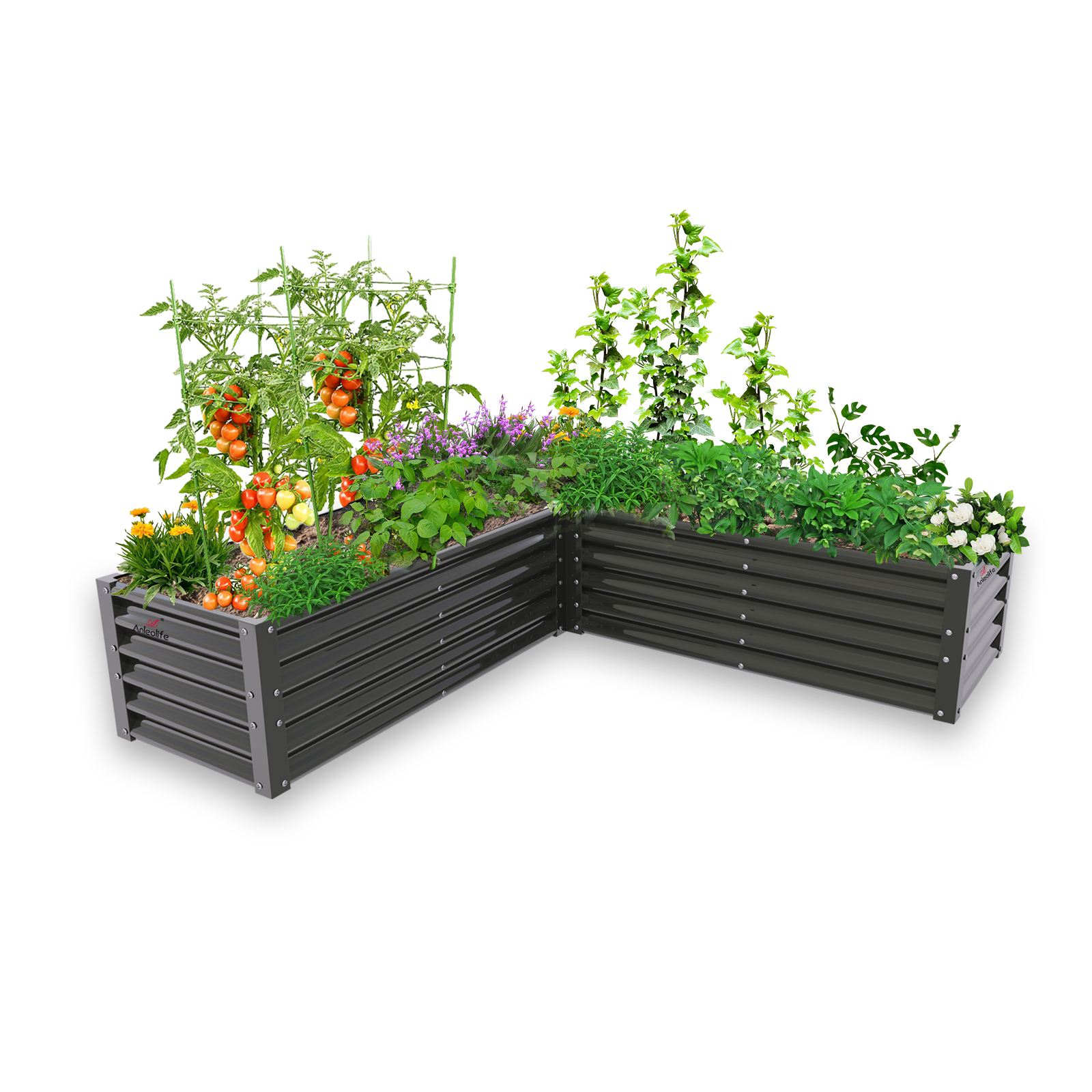
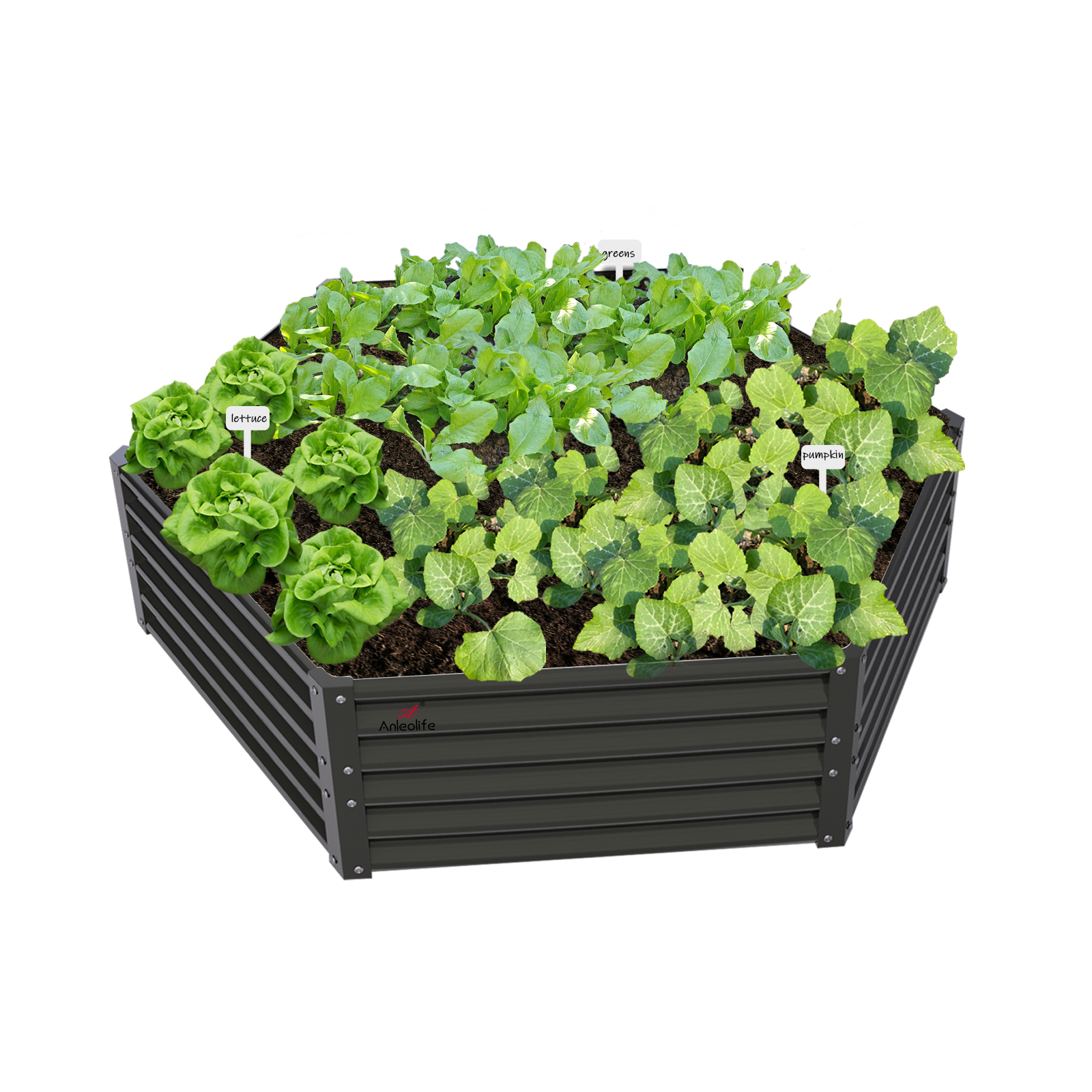
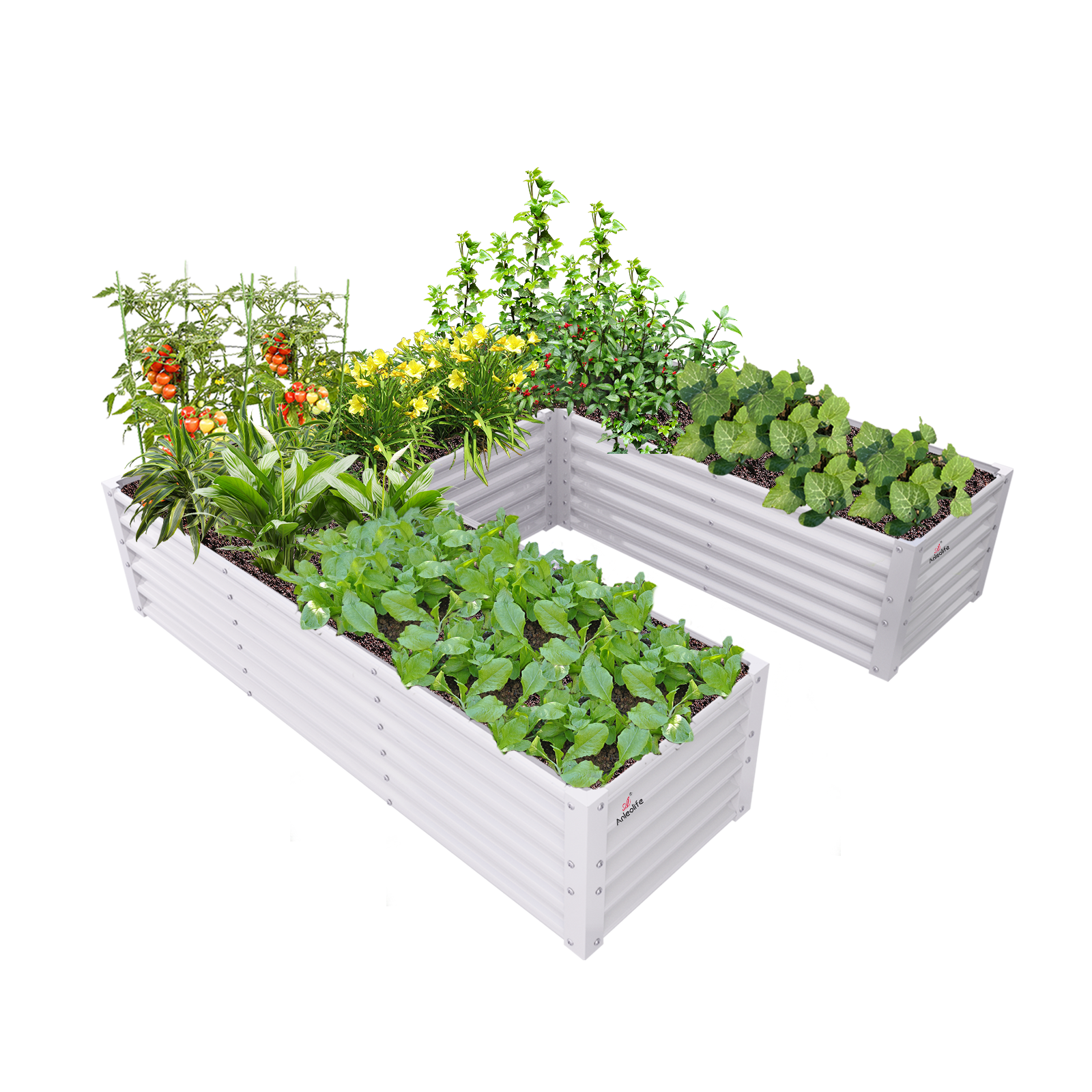

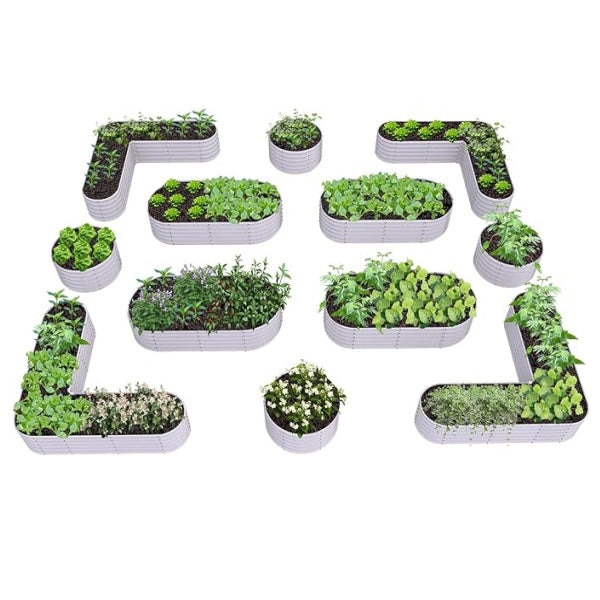






ALT: Mid-summer raised bed maintenance checklist for June July healthy vegetable garden growth
Mid-Summer Raised Bed Care: Why June and July Are the Most Critical Months for Your Garden
Key Conclusion: June and July represent peak growing season for raised bed gardeners—heat intensifies, pests surge, and soil moisture fluctuates wildly. Staying ahead with a structured mid-summer maintenance checklist means the difference between a thriving harvest and a stressed, struggling garden. Whether you're managing a compact urban setup or a sprawling backyard planting system, consistent care during these two months sets the foundation for everything that follows through fall.
Mid-summer is when raised bed gardens truly come alive—and when they face their greatest challenges. The combination of intense sun, warm nights, heavy irrigation demands, and peak insect activity creates a complex environment that rewards attentive gardeners and punishes those who let routines slip. Two key realities define successful June–July gardening: watering consistency and proactive pest and soil management. If you can master both, your beds will reward you generously.
The good news? Raised bed gardening already gives you a structural advantage. Elevated soil warms faster, drains better, and stays more workable than in-ground plots. With the right checklist in hand—and the right equipment supporting you—mid-summer maintenance becomes less of a chore and more of a satisfying seasonal rhythm.
Who This Mid-Summer Raised Bed Checklist Is For
✅ Applicable Scenarios:
- Home gardeners with galvanized steel or metal raised beds growing vegetables, herbs, or flowers through summer
- Urban micro-gardeners managing limited space who need efficient, targeted care routines
- Empty nesters or retirees who want a structured seasonal guide to simplify mid-season gardening decisions
- Eco-conscious growers looking for sustainable, low-waste approaches to summer bed maintenance
❌ Not Applicable/Cautions:
- Gardeners in climates with very short summers (zones 3–4) may find some heat-management strategies less relevant
- Container-only gardeners without raised beds may need to adapt soil and irrigation recommendations to their specific setup
- Those using strictly no-dig, no-amendment soil systems should consult their specific program guidelines before applying fertilization advice
Why Mid-Summer Is Make-or-Break for Raised Bed Success
Every gardening season has its rhythm, but the June–July window occupies a uniquely high-stakes position. Your spring transplants have matured. Your direct-sown seeds are competing for resources. And the environmental pressures—drought stress, heat waves, fungal outbreaks, and insect infestations—are at or near their annual peak.
Raised beds amplify both the advantages and the vulnerabilities of this period. On the positive side, the contained, enriched soil environment you've built means plants have access to optimized nutrition and excellent drainage. On the challenging side, elevated beds can dry out more rapidly than in-ground plots during heat waves, and the concentrated planting density that makes raised beds so productive also creates ideal conditions for certain pests and diseases to spread quickly.
According to data from the U.S. Department of Agriculture, home vegetable gardening has surged significantly in recent years, with millions of households now growing at least some of their own food. This growing movement has brought with it a wave of first-time and intermediate gardeners who are eager to succeed but sometimes underestimate how much mid-season attention their beds require.
The best mulch for vegetable garden use becomes a central question in June and July. Organic mulches—straw, wood chips, shredded leaves—play a dramatically different role in summer than in spring. During peak heat, a 2–3 inch layer of mulch can reduce soil temperature by several degrees, cut water evaporation by up to 50%, and suppress the weed competition that explodes in warm months. Choosing the right mulch for your specific crops is one of the most impactful decisions you'll make during this period.
Soil health also needs renewed attention mid-season. The intensive planting typical in raised beds means nutrients deplete faster than in traditional gardens. A mid-summer soil check and targeted amendment program can revive flagging plants and push them toward a strong finish.
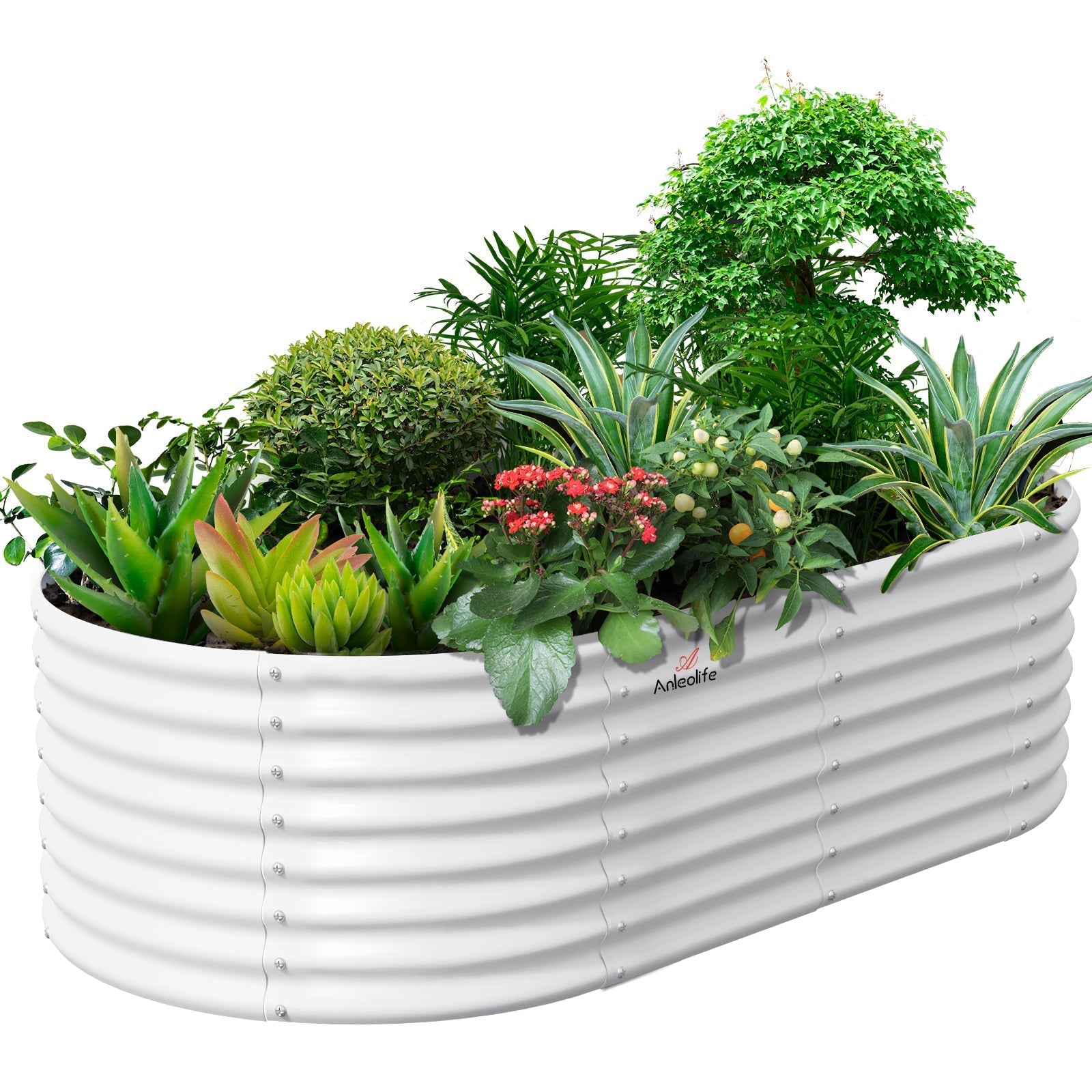
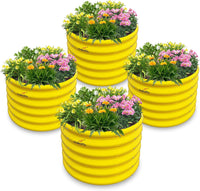
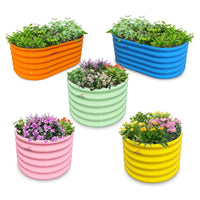
For gardeners who have invested in quality metal raised beds—like those from Anleolife, designed to last up to 20 years—this mid-summer maintenance window is also an opportunity to assess the structural integrity of your beds, check for any soil settling, and ensure drainage is performing as expected after the intense spring planting season.
Your Complete June–July Raised Bed Maintenance Checklist
Three-Step Quick Start for Busy Gardeners
Step 1: Conduct a Full Bed Assessment (30–45 minutes)
Walk every bed and document what you observe: plant health, soil moisture levels, weed pressure, signs of pest damage, and any structural concerns with the bed itself. Take photos if helpful. This baseline assessment tells you where to prioritize effort in the weeks ahead. Look for yellowing leaves (nutrient deficiency or overwatering), wilting during cooler morning hours (root stress), or irregular holes in foliage (insect activity). A clear-eyed inventory now prevents reactive scrambling later.
Step 2: Refresh Mulch, Water Systems, and Soil Amendments (1–2 hours)
Top up organic mulch to maintain a consistent 2–3 inch layer across all beds. Check drip lines, soaker hoses, or irrigation heads for clogs or misalignment—summer is peak season for blockages. Add a balanced organic fertilizer or compost side-dressing to beds showing nutrient stress. This practical refresh session addresses the three most impactful factors in mid-summer plant performance: moisture retention, consistent hydration, and soil nutrition.
Step 3: Implement Pest and Disease Protocols (45–60 minutes)
Install or inspect insect netting over vulnerable crops, scout for early signs of fungal disease, and apply any organic pest controls you've been monitoring. Catching problems at this stage—before populations explode or infections spread—saves enormous effort and prevents crop losses that are heartbreaking after months of careful cultivation. Consistency is everything: a quick weekly walk-through takes far less time than dealing with a full-blown infestation.
Comparing Mid-Summer Mulch Options for Raised Vegetable Beds
Choosing the right mulch is one of the most discussed topics among raised bed growers, and for good reason. The options vary significantly in cost, availability, performance, and impact on soil biology. Here's how the most popular choices compare during the demanding June–July window:
The following table covers qualitative performance based on commonly observed gardening outcomes. Always source materials locally when possible for freshness and cost efficiency.
| Comparison Dimension | Straw Mulch | Wood Chip Mulch | Shredded Leaf Mulch |
|---|---|---|---|
| Moisture Retention | High – excellent at reducing evaporation | Very High – dense coverage holds moisture well | Moderate to High – varies with leaf type |
| Weed Suppression | Good – light and easy to apply thickly | Excellent – heavy coverage blocks light | Good – breaks down faster, may need topping up |
| Soil Temperature Regulation | Good – reflects some light, insulates roots | Excellent – thick layer buffers heat effectively | Moderate – thinner layers less effective |
| Nutrient Contribution | Low – minimal slow-release nutrition | Moderate – breaks down slowly over seasons | High – rich in carbon, improves soil structure |
| Availability & Cost | Widely available, low cost | Available from arborists, often free | Free from autumn leaf collection |
| Suitability for Raised Beds | Excellent – lightweight, easy to manage | Good – may compact slightly over time | Excellent – improves drainage and aeration |
For most vegetable gardeners, straw mulch offers the best balance of performance and practicality in mid-summer. It's light enough to apply around established plants without damaging them, retains moisture effectively, and is inexpensive to source. Wood chips are ideal for pathways between beds or around perennial plantings where their slower decomposition rate is an asset rather than a limitation.
Detailed Mid-Summer Care: Area by Area
Watering: The Non-Negotiable Core of June–July Maintenance
Consistent soil moisture is the single most important variable in mid-summer raised bed success. The challenge is that "consistent" looks different on a 75°F overcast day versus a 95°F afternoon with low humidity. This is why the best systems adapt dynamically rather than running on fixed schedules.
Invest in a quality, durable hose for flexibility. When evaluating the best garden hoses for durability and long-lasting use, look for reinforced construction, UV-resistant materials, and fittings that resist cracking under pressure changes. A good hose is a multi-season investment that pays dividends every time you reach for it. Pair it with a moisture meter—a simple tool that tells you exactly what's happening at root depth and removes the guesswork from watering decisions.
For beds with dense plantings, drip irrigation or soaker hoses deliver water directly to the root zone, reducing foliage moisture that can contribute to fungal disease. If you're hand-watering, do so in the morning so leaves have time to dry during the day.
Pest Management: Smart Strategies for Peak Season
June and July are prime time for aphids, caterpillars, squash bugs, cucumber beetles, and a host of other garden visitors. The goal isn't elimination—it's management. A healthy garden ecosystem includes beneficial insects that naturally regulate pest populations.
Top-rated insect netting materials for vegetable gardens typically fall into two categories: fine-mesh row covers that exclude small insects while allowing light and water penetration, and heavier exclusion netting designed for larger pests like birds or rabbits. For most summer vegetable crops, a lightweight, breathable insect mesh draped over hoops provides excellent protection without creating excessive heat buildup—a real concern in the middle of summer. Secure edges carefully to prevent gaps that determined insects will find.
For pest species already present, start with the least disruptive interventions: hand-picking, targeted blasts of water, or insecticidal soap applications. Reserve stronger treatments for situations where populations are overwhelming or crop damage is severe.
Soil and Nutrition: Feeding Your Beds Through the Heat
Raised beds in active production are heavy feeders. By mid-summer, even well-amended spring soil can show signs of depletion, particularly in nitrogen—the nutrient most responsible for leafy growth and overall plant vigor.
A mid-season side-dressing with balanced compost, worm castings, or a slow-release organic fertilizer restores depleted nutrients without the risk of burning plants or disrupting soil biology. For fruiting crops like tomatoes, peppers, and squash, a phosphorus and potassium boost supports flower and fruit development.
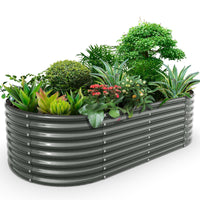
Soil health is also tied directly to the quality of your bed infrastructure. Anleolife's galvanized steel raised garden beds are engineered for a 20-year lifespan precisely because they maintain their structural integrity through seasons of soil amendments, heavy watering, and temperature extremes. When your beds hold their shape without warping or leaching contaminants, your soil environment stays predictable—and predictability is the foundation of consistent growing results.
Plant Care: Pruning, Succession, and Support
Mid-summer is the right time to take stock of your plantings and make smart mid-season decisions. Remove any plants that have finished their productive life and are now just occupying space—these become disease reservoirs and shade competitors for healthier plants. For tomatoes and cucumbers, continue pruning suckers and lateral growth to maintain airflow and focus the plant's energy on fruit development.
Consider succession planting in any gaps that open up. Fast-maturing crops like radishes, spinach, or arugula can be sown now for a fall harvest, maximizing the productivity of your beds through the end of the season.
Tall plants—indeterminate tomatoes, pole beans, climbing cucumbers—should have their support systems checked and reinforced. Summer storms can be severe, and a few minutes spent securing a trellis or cage prevents the heartbreak of a broken main stem just as the fruit is ripening.
Garden Tool Storage and Organization: An Often-Overlooked Efficiency Factor
When your maintenance routine is running well, it's often the small logistical details that determine whether you actually follow through consistently. One of the most underrated upgrades any gardener can make is improving how and where they store their tools.
The best garden tool storage solutions for small spaces combine accessibility with protection. Wall-mounted pegboards, vertical tool organizers, and compact rolling carts all work well in different contexts. The goal is to eliminate the friction of "where did I put the pruners?" so that your mid-summer walk-through actually happens rather than getting postponed because setup takes too long. Store tools clean and dry—soil left on blades accelerates rust and dulls edges faster than regular use.
Lighting: Evening Maintenance and Garden Aesthetics
As days get longer and temperatures peak in the afternoon, many gardeners shift some of their routine work to early evening. This is when outdoor lighting fixtures that work best for highlighting plants become genuinely useful—both for aesthetic enjoyment and for practical visibility during evening tasks.
Solar-powered stake lights, low-voltage pathway lighting, and directional spotlights positioned at bed perimeters let you assess plant health and perform light maintenance tasks well into the evening without straining your eyes. They also add genuine beauty to the garden during the long summer evenings, extending your enjoyment of the space you've worked hard to cultivate.

ALT: Healthy mid-summer raised bed with mulch, insect netting and garden lighting for vegetable growing success
Advanced Considerations: Going Beyond the Basic Checklist
Managing Heat Stress in Extreme Summer Conditions
When temperatures climb significantly above normal seasonal averages—as they increasingly do across much of North America—even well-maintained raised beds can show signs of heat stress. Shade cloth (typically 30–50% shade rating for vegetables) deployed over hoops during the hottest part of the day can protect crops from heat damage without significantly reducing photosynthesis. Remove it during the cooler morning and evening hours to ensure plants get the light they need.
Mulch becomes even more critical during heat extremes. If you notice your mulch layer has thinned through wind, decomposition, or disturbance, refresh it immediately. The soil temperature difference between a mulched and unmulched raised bed on a hot summer afternoon can be dramatic—and that difference directly impacts root health and water uptake efficiency.
Common Mid-Summer Misconceptions to Avoid
Misconception 1: More fertilizer during stress = faster recovery. In fact, fertilizing a heat-stressed or drought-stressed plant often makes things worse by adding salt load to an already-struggling root zone. Restore adequate moisture first, then feed once the plant has stabilized.
Misconception 2: Yellow leaves always mean nitrogen deficiency. Yellowing in mid-summer can also signal overwatering, waterlogged roots, pest damage at the root level, or viral infection. Diagnose before you treat.
Misconception 3: Raised beds never need structural maintenance. Quality raised beds—especially galvanized steel beds rated for 20 years of use—are extremely low maintenance, but mid-summer is a good time to check corner connections, assess whether soil has settled significantly, and ensure drainage holes or gaps at the base remain unobstructed.
Integrating Raised Beds with Your Broader Garden Ecosystem
If your outdoor space includes both planting beds and animal-raising elements—backyard chickens, for example—mid-summer management involves some additional considerations. Chicken activity near garden beds can be both beneficial (scratching up soil, consuming pests) and damaging (trampling plants, overworking soil). Thoughtful physical separation and rotation systems let you leverage both aspects productively.
Frequently Asked Questions FAQ
Q1: How often should I water my raised vegetable beds in June and July?
Watering frequency in mid-summer depends on your climate, bed depth, soil composition, and mulch coverage. As a general rule, most vegetable crops in raised beds need consistent moisture at root depth—roughly 1–2 inches of water per week from combined rainfall and irrigation. The most reliable approach is to use a moisture meter and water when the top 1–2 inches of soil feel dry. In heat waves, daily watering may be necessary. Drip irrigation systems significantly improve efficiency and reduce the guesswork involved in hand-watering schedules.
Q2: Is insect netting safe to use over edible crops all summer?
Yes, lightweight insect netting designed for vegetable gardens is safe for edible crops when used correctly. Breathable, fine-mesh row covers allow light, air, and water to pass through while excluding most common pest insects. The key considerations are ventilation (heavier covers can trap heat) and pollination—crops that require insect pollination, like squash and cucumbers, need to have covers removed when flowers are open. For self-pollinating crops or those pollinated by hand, netting can remain in place throughout the growing period.
Q3: How long does mulch last in a raised bed before it needs to be refreshed during summer?
Organic mulches break down progressively throughout the growing season, and the rate accelerates in summer heat. Straw mulch typically needs refreshing every 4–6 weeks during peak summer, while wood chips may last a full season without significant loss of coverage. Rather than waiting for a fixed schedule, simply monitor your mulch depth during weekly walk-throughs. When you notice the layer has thinned to less than 1.5–2 inches, add fresh material. Keeping mulch consistently topped up is one of the simplest and highest-return maintenance habits in the summer gardening toolkit.
Summary
Mid-summer raised bed maintenance isn't about reacting to problems—it's about building a rhythm that keeps your garden ahead of the challenges that June and July reliably deliver. Three core principles define success during this window:
Consistency over intensity: Short, regular maintenance sessions outperform occasional marathon efforts. A 20-minute weekly check that catches pest pressure early and refreshes mulch as needed is worth far more than a three-hour rescue mission every month.
Systems thinking: Each element of your maintenance routine—watering, mulching, pest management, soil nutrition—connects to and influences the others. Improving any one of these strengthens the whole system, but neglecting any one creates vulnerabilities that cascade.
Quality infrastructure pays dividends: The raised beds, tools, storage solutions, and irrigation systems you invest in now will shape how much effort your mid-summer maintenance requires. Durable, well-designed equipment—built to last through many growing seasons—makes the difference between maintenance that feels burdensome and maintenance that feels like a natural part of enjoying your garden.
With this checklist as your guide, your beds are well-positioned not just to survive mid-summer's demands but to thrive through them and deliver a genuinely satisfying harvest.
Ready to Strengthen Your Garden Foundation?
Anleolife supports every stage of your mid-summer garden journey. Our nationwide U.S. warehouse network—strategically located in California, Texas, Florida, New York, Illinois, and Washington—ensures delivery within 3–8 business days, so your garden upgrade plans never have to wait through the critical growing window.
Our products are available across major platforms including Amazon, Walmart, Home Depot, Lowe's, Wayfair, and directly at Anleolife.com, with consistent quality assurance and responsive after-sales support at every channel.
Our three core scenarios cover everything your mid-summer garden needs: Planting (metal raised garden beds and soil systems engineered for a 20-year lifespan), Raising (chicken coops and rabbit hutches for integrated backyard ecosystems), and Beautification (decorative accessories and pathway systems that make your garden as beautiful as it is productive).
We understand that an ideal garden isn't built overnight—it's refined season by season. Our modular product design allows flexible expansion as your needs grow, from a first raised bed to a fully integrated planting-and-raising ecosystem. We grow with you, every step of the way.
References
- U.S. Department of Agriculture. "Mulching and Its Effects on Soil and Plant Health in Home Gardens".
https://www.usda.gov/ - University of California Agriculture and Natural Resources. "Irrigation Management for Home Vegetable Gardens".
https://ucanr.edu/ - Penn State Extension. "Vegetable Garden Pest Management: Integrated Approaches for Home Growers".
https://extension.psu.edu/ - Cooperative Extension System. "Soil Fertility and Nutrient Management in Raised Bed Gardens".
https://www.extension.org/
Note: Standards and recommendations may be updated. Please check the latest official documents or consult professional horticultural advisors for guidance specific to your region and growing conditions.
About Anleolife
Anleolife is a leading outdoor garden solutions provider in North America, dedicated to offering a full-scenario product ecosystem for home gardening enthusiasts, covering planting, raising, and garden beautification. Since its founding, we have upheld our brand mission, "Made for Garden Life," continuously innovating products and optimizing services to help hundreds of thousands of users upgrade their gardens, reconnect with nature, and enjoy a better garden lifestyle. From first-time growers discovering the joy of homegrown vegetables to experienced gardeners building sophisticated multi-bed systems, Anleolife is committed to being the partner that makes every stage of that journey more productive, more beautiful, and more rewarding.