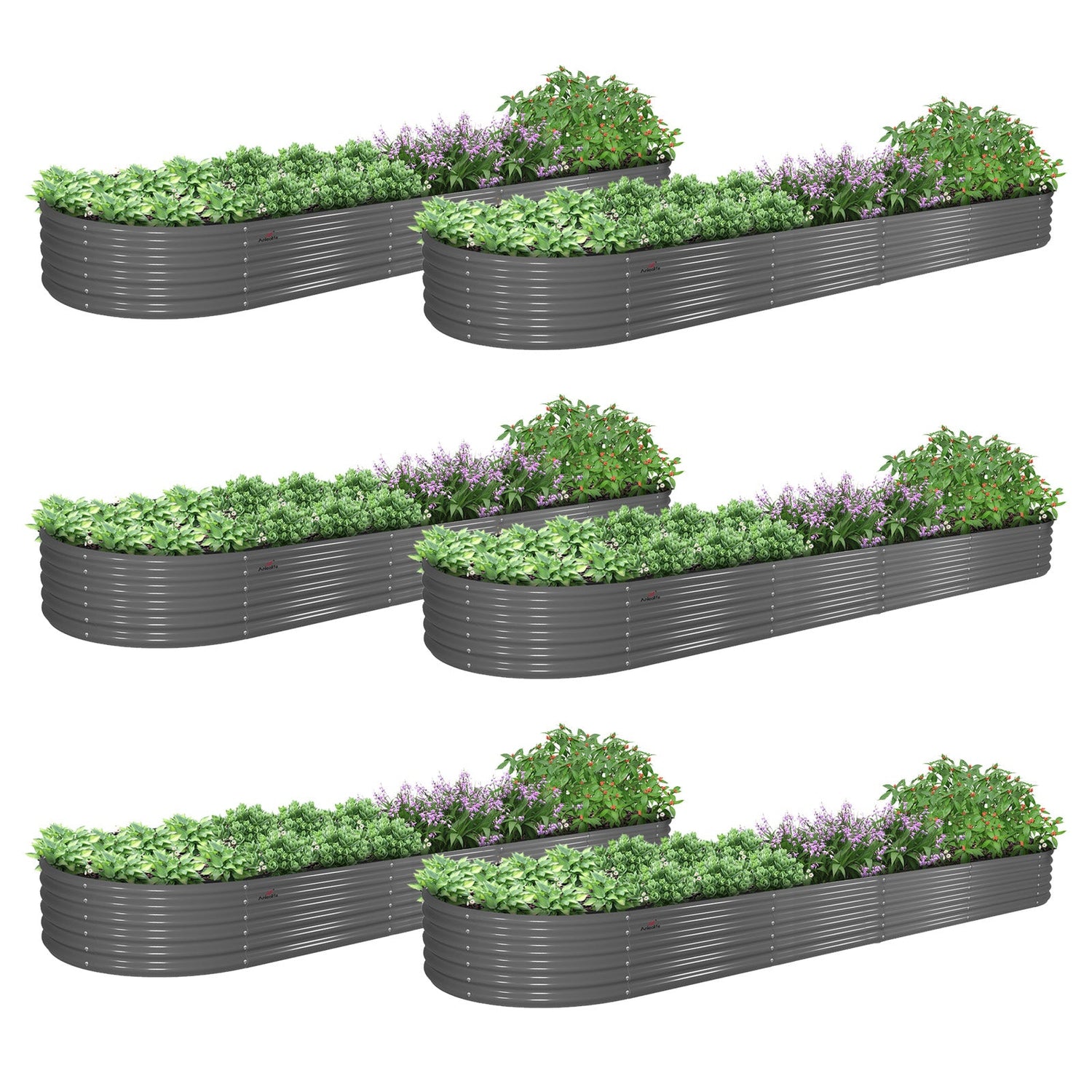



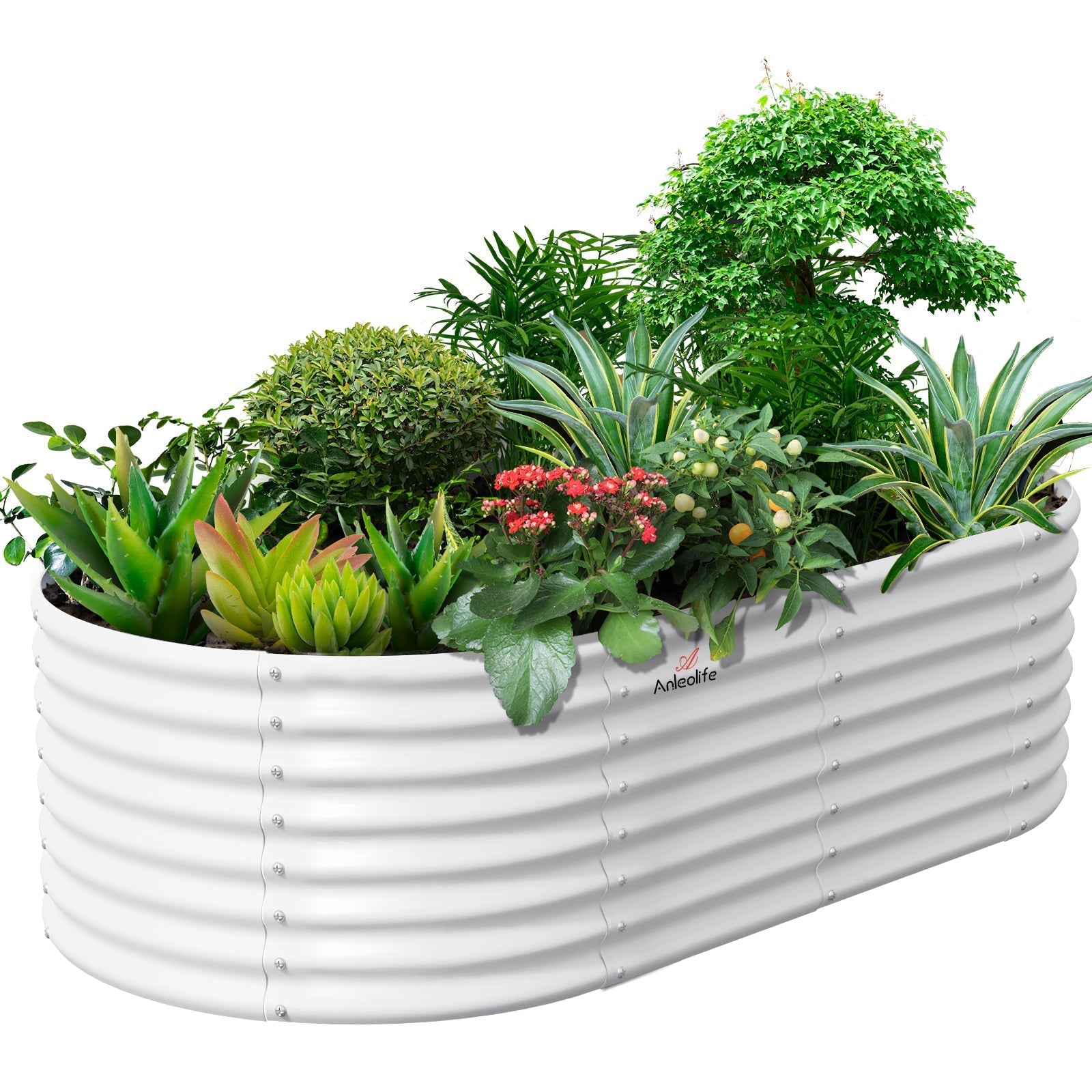

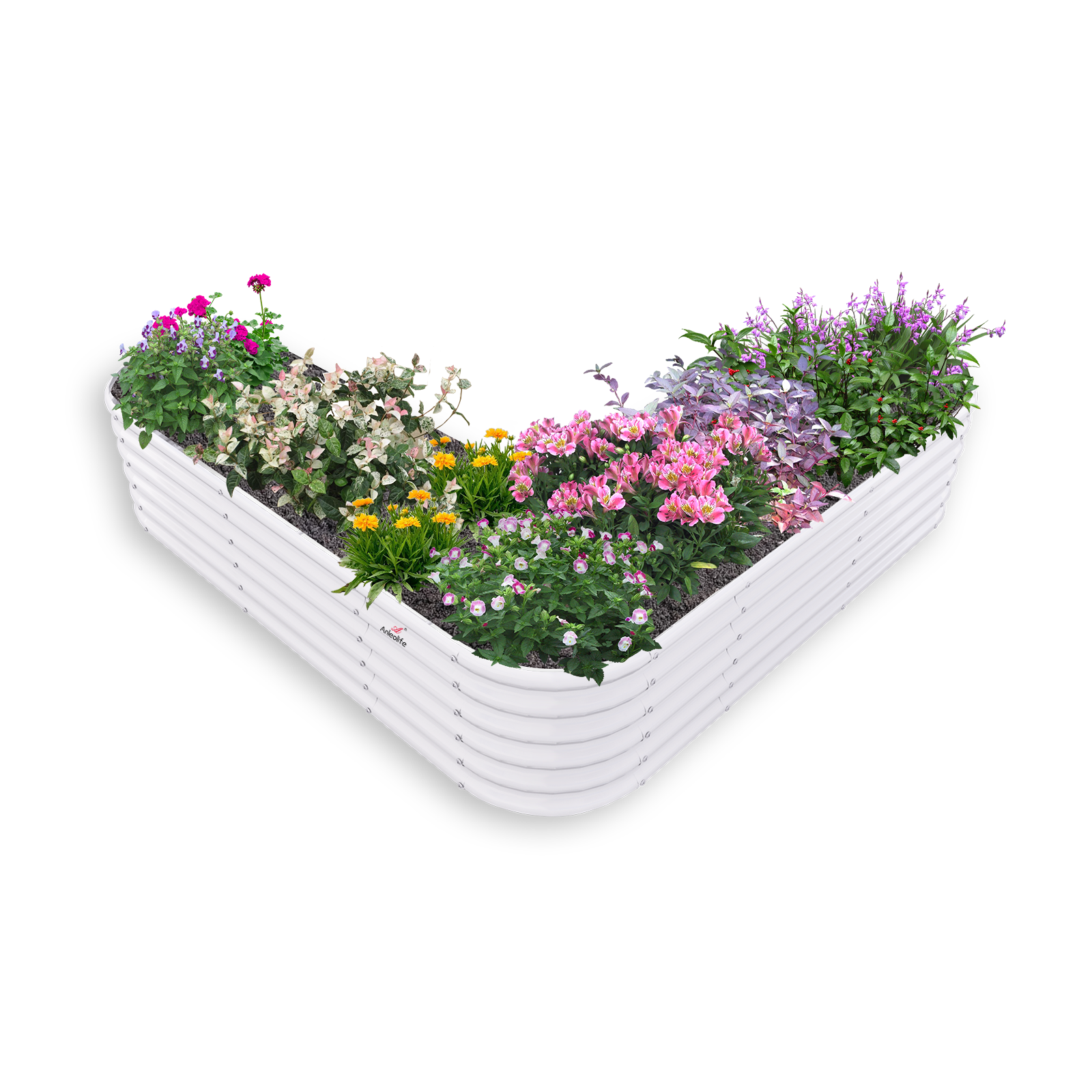
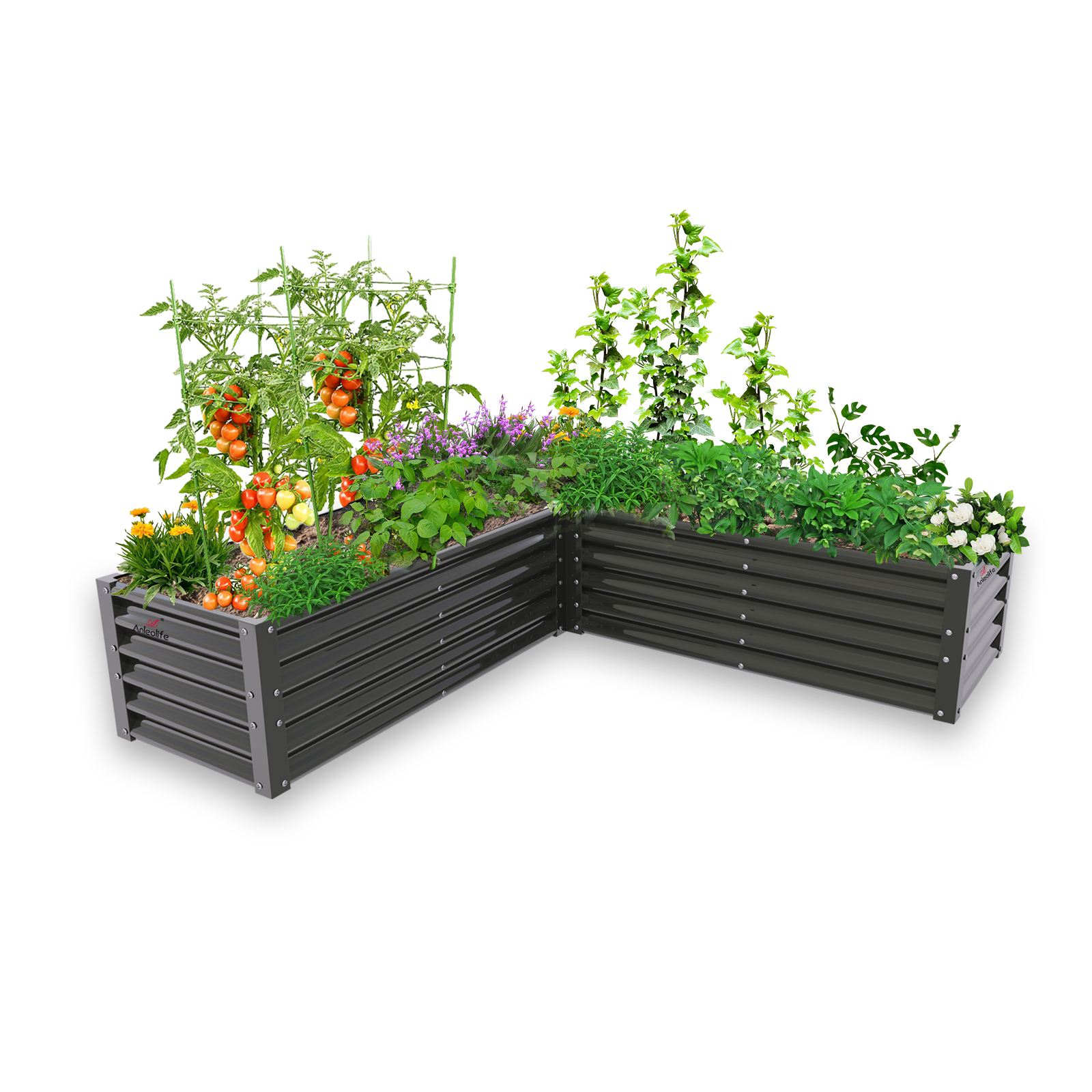
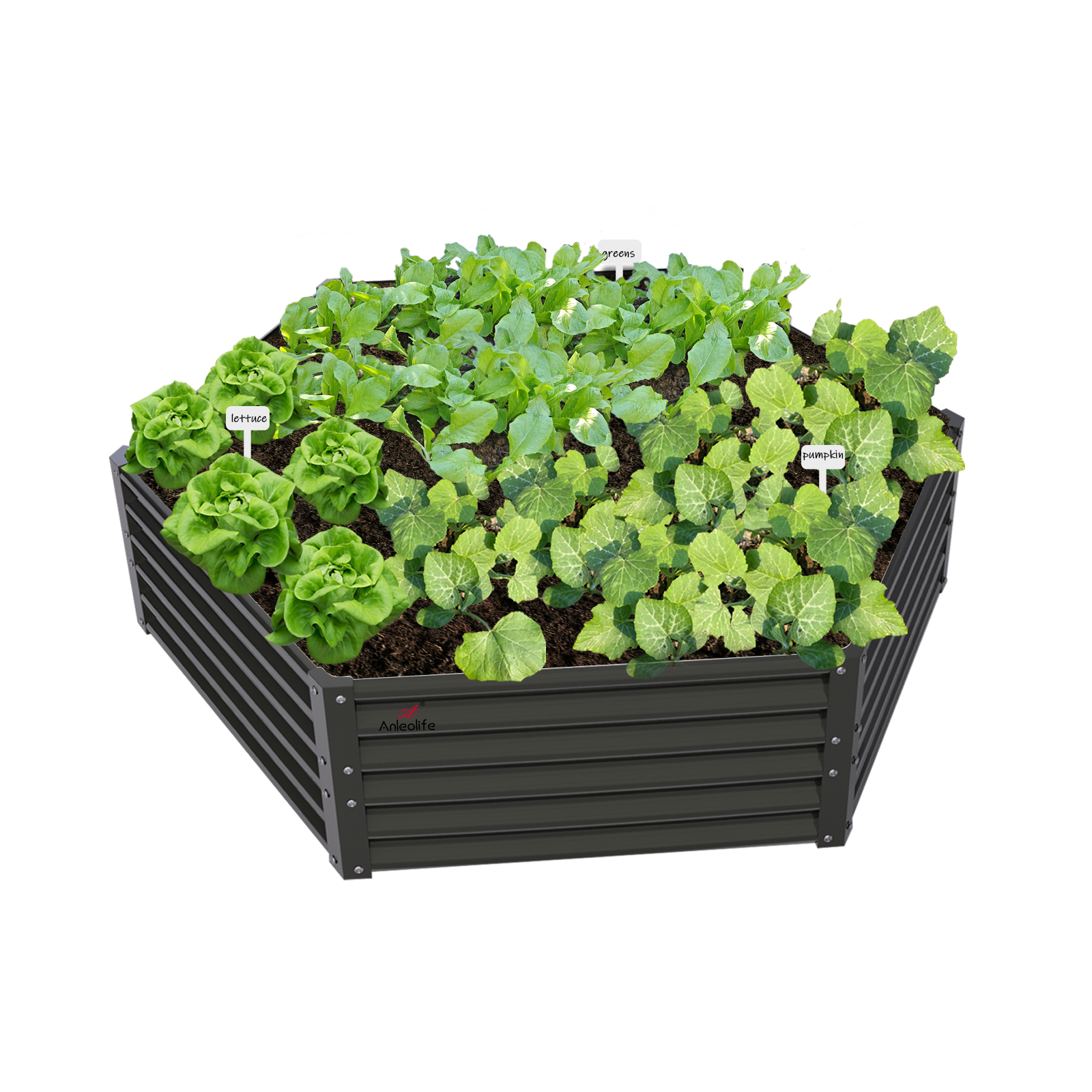
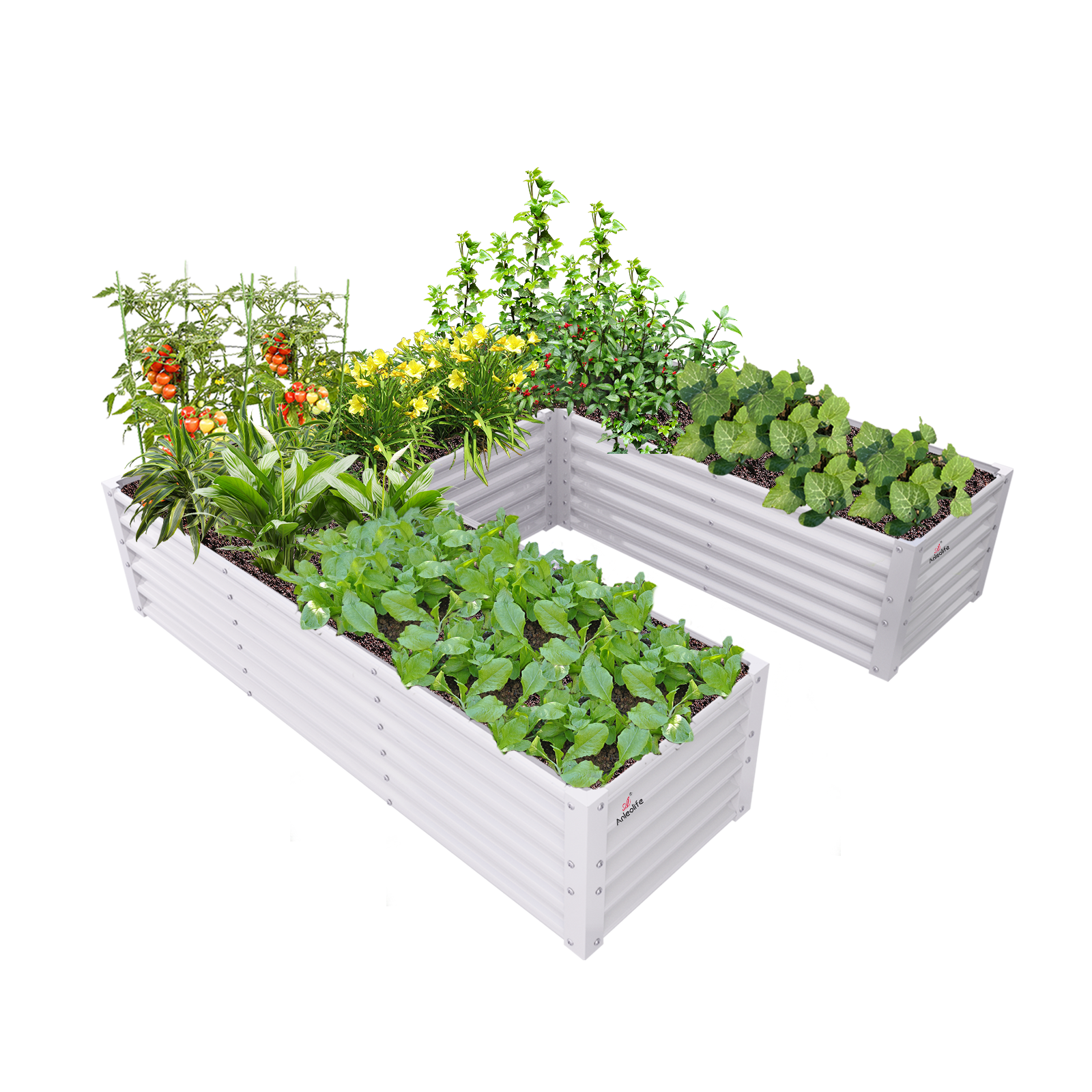

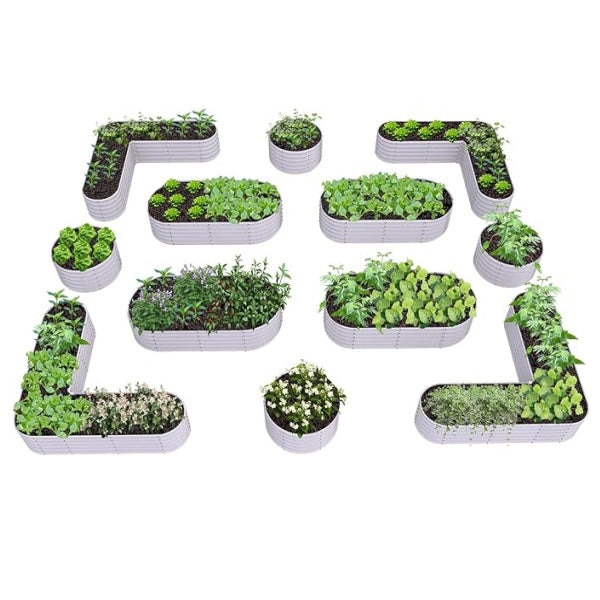


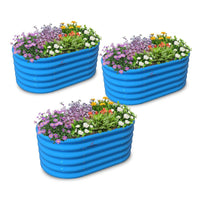
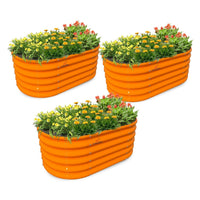
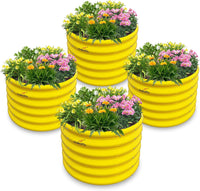
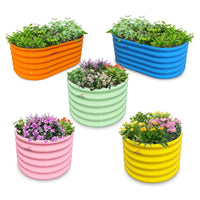
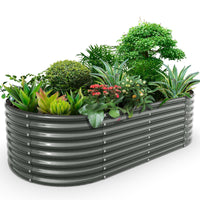



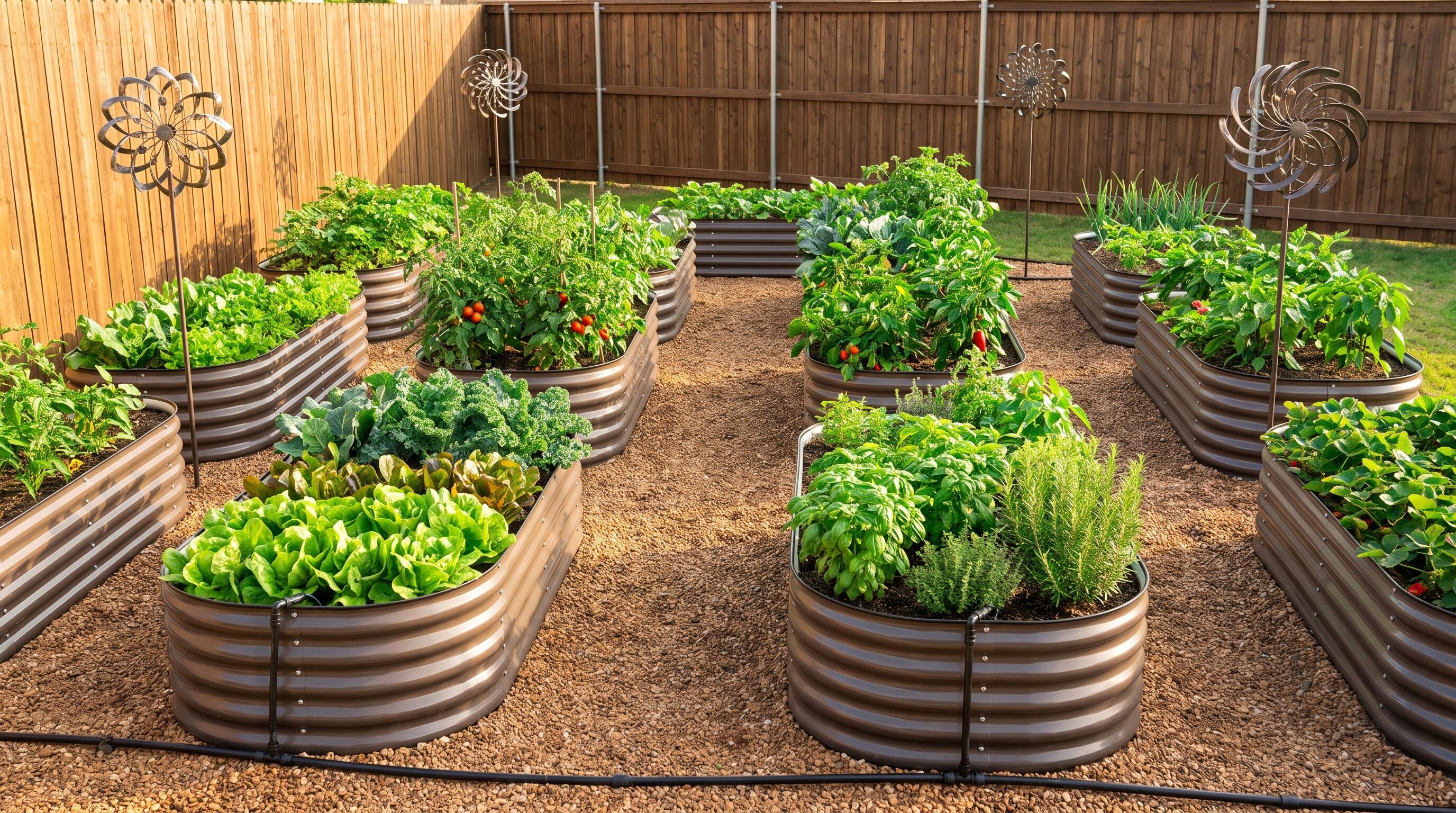
ALT: Multi-bed raised bed garden layout ideas for 600-1000 sq ft yards with irrigation systems and kinetic wind spinners
How to Plan a Multi-Bed Garden Layout for Yards Between 600 and 1,000 sq.ft.
Key Conclusion: Planning a multi-bed garden layout for a mid-sized yard doesn't have to feel overwhelming. With the right combination of raised bed placement, smart irrigation systems, and decorative touches like kinetic wind spinners, homeowners with 600–1,000 sq.ft. of outdoor space can create a fully functional, visually stunning garden ecosystem. The key is thoughtful raised bed layout design that balances growing capacity, accessibility, and beauty—all within a manageable footprint.
If you're working with a yard in the 600–1,000 sq.ft. range, you're in a genuinely sweet spot. You have enough space to grow a diverse selection of vegetables, herbs, and flowers, yet the area is compact enough to stay organized and manageable without hiring a landscaping crew. The challenge—and the opportunity—lies in how you arrange your beds, route your water, and use vertical and decorative elements to make the space feel intentional rather than cluttered. This guide walks you through practical layout strategies, product recommendations, and design principles to help you get the most out of every square foot.
Who This Guide Is For
✅ Applicable Scenarios:
- Homeowners with backyard or side-yard spaces ranging from 600 to 1,000 sq.ft. looking to start or expand a raised bed garden
- Health-conscious families wanting to grow their own vegetables, herbs, and strawberries in an organized, efficient garden setup
- Retirees, empty nesters, or urban micro-gardeners who want a low-maintenance but productive outdoor space with aesthetic appeal
❌ Not Applicable/Cautions:
- Rooftop or balcony gardens with weight restrictions—ground-level bed density calculations don't apply in those environments
- Properties with significant slopes or drainage issues that require professional grading before any raised bed installation can begin
Why Mid-Sized Yards Are the Perfect Canvas for Multi-Bed Gardening
There's a quiet revolution happening in American backyards. According to the National Gardening Association, the number of households engaged in food gardening has grown substantially over the past decade, with raised bed gardening consistently cited as the preferred method for beginners and experienced growers alike. And it's easy to understand why: raised beds offer superior drainage, warmer soil temperatures in spring, and the ability to control your soil composition from day one.
But here's what most beginner guides overlook: the layout matters just as much as the beds themselves.
A single raised bed dropped arbitrarily into a yard is a garden. A thoughtfully arranged multi-bed garden layout—one that accounts for sun exposure, walking paths, irrigation lines, companion planting zones, and decorative elements—is a living system. That distinction becomes especially important when you're working within the 600–1,000 sq.ft. range, where every decision has a compounding effect on how productive and enjoyable the space becomes.
Mid-sized yards present a specific design challenge: they're large enough to feel disorganized if beds are placed without intention, yet too small to hide inefficiencies behind sheer scale. The good news is that this range is also where thoughtful design pays off the most. When your raised bed garden layout is well-planned, a 700 sq.ft. backyard can out-produce a poorly designed 2,000 sq.ft. plot in terms of usable harvest per effort invested.
The trend toward raised bed gardening with metal beds—particularly galvanized steel options—has surged because these materials solve durability concerns that plagued older wooden designs. Beds that last up to 20 years mean your layout investment compounds over time. You're not rebuilding every few seasons; you're refining and expanding a permanent structure.
In this guide, we'll focus on how to combine smart raised bed layout planning with practical irrigation systems and finishing touches like kinetic wind spinners that do double duty as pest deterrents and visual focal points—creating a garden that's as beautiful as it is productive.
Designing Your Multi-Bed Layout: A Practical System for 600–1,000 sq.ft. Yards
Three-Step Quick Start for Your Garden Layout
Step 1: Map Your Space and Sun Exposure
Before ordering a single bed or a foot of drip line, spend one weekend observing your yard at different times of day. Identify which zones receive full sun (6+ hours), partial sun, and shade. Sketch a rough overhead map on graph paper or use a free online tool. Mark fixed obstacles—fences, trees, AC units, water spigots. This map becomes the foundation of every decision you make. Expect to spend 2–4 hours on this step, and it will save you countless hours of rework later.
Step 2: Choose a Layout Pattern That Fits Your Yard Shape
Once your sun map is complete, select a layout pattern. For rectangular yards (the most common configuration in suburban homes), a parallel row arrangement with 24–30 inch pathways between beds is the most space-efficient option. For irregularly shaped yards, a cluster or hub-and-spoke arrangement—where beds radiate outward from a central seating area or water source—can feel more natural and maximize usable corners. This step should involve at least one dry-run using cardboard or string to mock up bed positions before committing.
Step 3: Layer in Irrigation and Decorative Elements
With bed positions confirmed, design your irrigation system before the beds are filled with soil—it's far easier to route drip lines and soaker hoses under or around empty beds than full ones. Once irrigation is mapped, identify 2–3 spots for vertical interest: a trellis, a garden stake, or a kinetic wind spinner that catches prevailing breezes while adding motion and visual life to the garden. These finishing touches transform a functional layout into a space you'll actually want to spend time in.
Comparing Common Layout Patterns for Mid-Sized Yards
Different yard shapes and growing goals call for different arrangements. Here's a side-by-side comparison of the three most popular multi-bed layout strategies for yards in the 600–1,000 sq.ft. range:
| Comparison Dimension | Parallel Row Layout | Cluster/Hub Layout | U-Shape or Perimeter Layout |
|---|---|---|---|
| Best yard shape | Rectangular, regular | Irregular, corner-heavy | Square or near-square |
| Accessibility | Excellent—easy to reach all beds from pathways | Good—central hub allows access to multiple beds | Excellent—all beds reachable from interior |
| Irrigation compatibility | Easiest to run straight drip lines | Requires branching or radial drip design | Works well with perimeter soaker hose loops |
| Decorative element placement | Kinetic wind spinners work best at row ends | Central spinner or focal point works naturally | Corner placements create balanced visual anchors |
| Scalability | Easy to add rows over time | Can feel crowded if hub gets too busy | Limited by yard perimeter |
| Recommended for | Families growing vegetables in volume | Empty nesters wanting an aesthetic focal point | Urban micro-gardeners maximizing edge space |
No layout is universally superior—the best choice depends on your yard's geometry, your primary growing goals, and how much time you want to spend on maintenance.
Detailed Layout Planning: Bed Sizes, Pathways, and Planting Zones
Choosing the Right Bed Sizes for Your Layout
One of the most common mistakes in multi-bed planning is defaulting to all the same size beds. A smarter approach is to use a mix of sizes based on what you're growing and where in the yard the bed will sit.
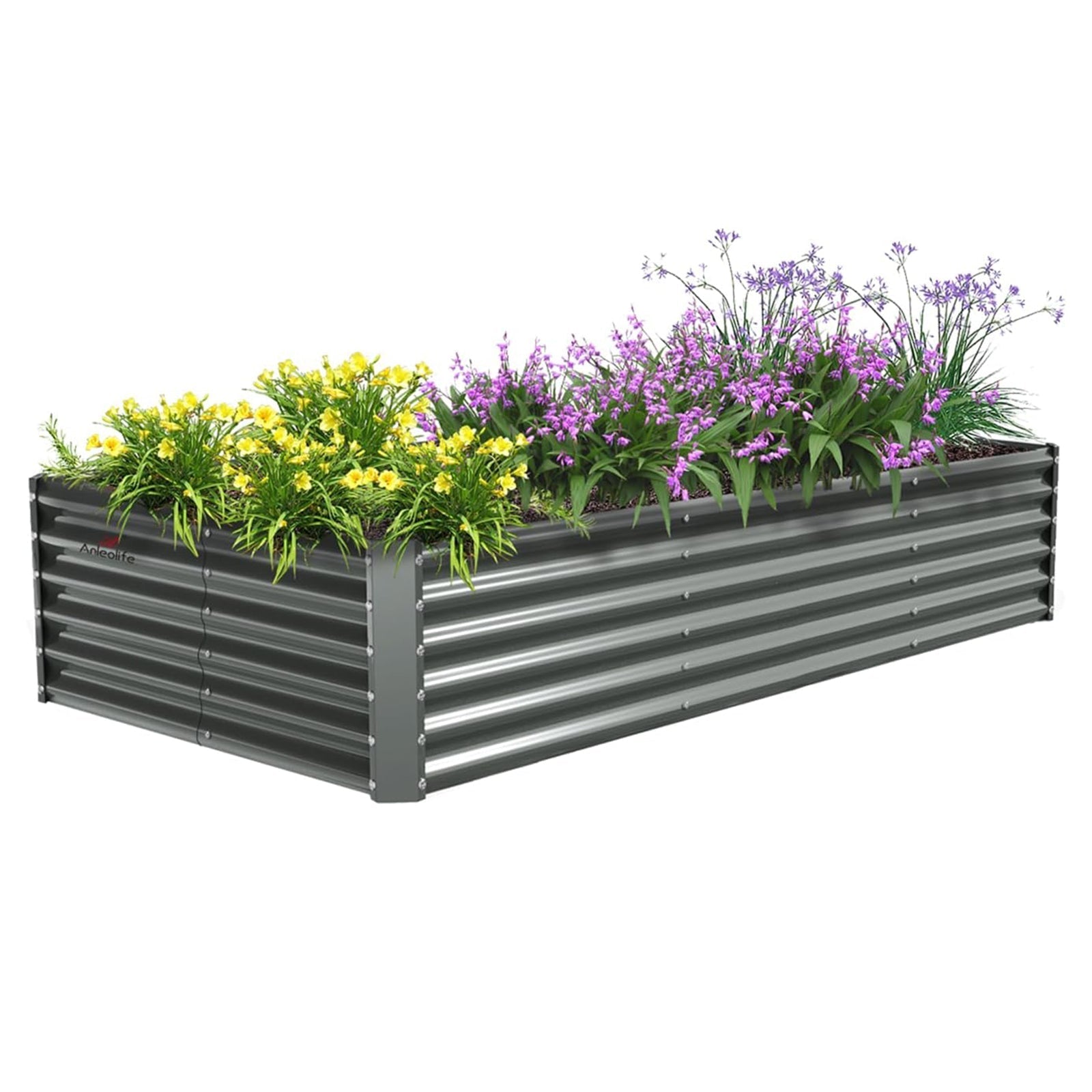
For the backbone of your layout—the primary vegetable production beds—larger footprints like the Anleolife 24" Extra Tall 8x4 ft raised garden beds deliver generous growing area without requiring you to step into the bed. The 8-foot length allows for structured companion planting rows (tomatoes at the north end, basil and marigolds in front), while the extra height means you're gardening at a comfortable posture—a genuine benefit for anyone with back concerns or mobility considerations.
For herbs, strawberries, and smaller crops, compact beds create dedicated zones that prevent aggressive spreaders (like mint) from taking over. The best size raised bed for strawberries is often debated among gardeners, but most experienced growers agree that a bed in the 4x4 ft range allows optimal spacing for a productive patch—enough room for 16–20 plants at the recommended spacing, with easy access from all four sides.
For the perimeter of your layout or corners where larger beds won't fit cleanly, the Anleolife 18" Tall 12x3 ft galvanized steel beds offer a long, narrow profile that maximizes linear planting area along fences or walls without consuming valuable center yard space.
Pathway Design: The Overlooked Variable
Pathways are not wasted space—they're the infrastructure that makes your garden usable. A pathway too narrow (under 18 inches) becomes frustrating when you're carrying a watering can or kneeling to harvest. A pathway too wide (over 36 inches) eats into your planting area unnecessarily.
The sweet spot for most home gardeners is 24 inches between beds. This width accommodates comfortable side-step movement, allows a standard garden cart to pass through, and gives you room to kneel without crowding adjacent bed edges. In a 600–1,000 sq.ft. yard, you can typically fit 4–8 raised beds of mixed sizes plus adequate pathway infrastructure while still leaving room for a small seating area or compost station.
For pathway surfacing, gravel, wood chips, or stepping stones all work well. Avoid bare soil pathways—they become muddy in wet weather and invite weeds that creep into your beds.
Irrigation Systems: Drip vs. Soaker for Multi-Bed Setups
An effective irrigation system is what separates a garden you enjoy from a garden you endure. Hand-watering 6–8 raised beds in a 1,000 sq.ft. yard takes significant time every day during peak summer heat—time most of us don't consistently have. A well-designed drip or soaker system reduces that daily task to a few minutes of monitoring and lets you take weekends away without worrying about your plants.
For multi-bed layouts, drip irrigation with a manifold timer at the water source is the most flexible option. You can run separate lines to each bed, adjust flow rates for different crops, and add or remove zones as your layout evolves. Install the main supply line before beds are filled (ideally laid in a shallow trench or along pathway edges) and run feeder lines into each bed.
Alternatively, soaker hoses looped through each bed provide even moisture distribution and are easier to install for gardeners who prefer a simpler setup. They work particularly well for densely planted beds where drip emitters can be difficult to position.
Whichever system you choose, connecting it to a basic battery-operated timer is a low-cost upgrade that pays immediate dividends in plant health and gardener sanity.
Kinetic Wind Spinners and Decorative Elements: Function Meets Beauty
Here's where many functional gardens miss an easy opportunity: the finishing layer. Kinetic wind spinners are more than garden ornaments—they serve genuine practical purposes in a multi-bed layout. The motion created by spinning blades or spirals can deter birds and small pests from settling in your beds, particularly useful for protecting strawberry patches and lettuce rows from opportunistic visitors.
Strategically placed kinetic wind spinners also create visual rhythm in a multi-bed garden. In a parallel row layout, a spinner at the far end of each pair of rows creates a destination point that draws the eye through the garden. In a cluster layout, a tall central spinner becomes an anchor that ties the arrangement together visually.
For a 600–1,000 sq.ft. yard, 2–4 wind spinners of varying heights create layered movement without visual clutter. Position them where prevailing winds are strongest—typically near open fence gaps or at the yard's south or west face—to ensure consistent motion throughout the day.
Planting Zones: Thinking in Layers and Seasons
A productive multi-bed layout thinks beyond individual beds to the garden as a whole system. Organize your beds into functional zones:
Zone 1 – High-productivity annuals: Place your largest beds in full-sun positions for tomatoes, peppers, cucumbers, zucchini, and beans. These crops are your volume producers and deserve prime real estate.
Zone 2 – Cool-season and succession crops: Dedicate one or two medium beds to crops that rotate through spring, fall, and (in mild climates) winter: lettuce, spinach, kale, radishes, and brassicas. These beds never sit idle.
Zone 3 – Perennials and herbs: Position strawberries, asparagus, and perennial herbs in beds where they won't disrupt your annual rotation. The Anleolife 18" Tall 4x4 ft beds work beautifully for a dedicated strawberry patch or herb garden.
Zone 4 – Flowers and companions: Integrate compact flower beds or in-bed flower rows throughout your layout. Marigolds, nasturtiums, and zinnias attract pollinators, repel pests, and—paired with kinetic wind spinners—give your garden the layered, intentional look that makes neighbors stop and ask questions.
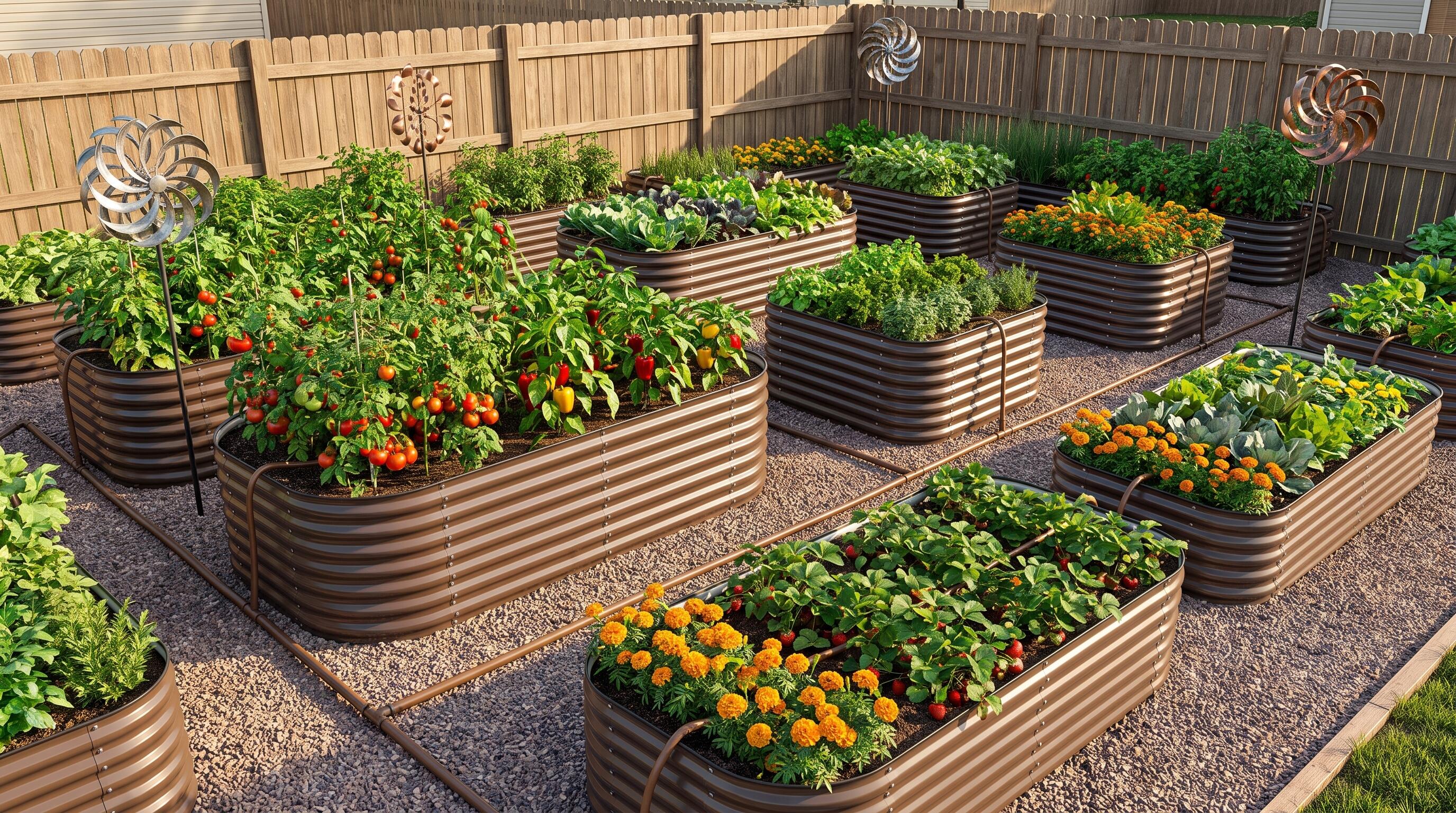
ALT: Organized multi-bed raised garden layout in a 1000 sq ft yard featuring drip irrigation systems, galvanized steel raised beds, and kinetic wind spinners for a complete garden ecosystem
Advanced Considerations: Soil Systems, Bed Materials, and Long-Term Planning
Getting Your Soil System Right
The most sophisticated layout in the world underperforms if the soil inside your beds is poor. Raised bed gardening succeeds largely because you control the growing medium from day one. A standard recommendation for raised bed soil is a mix sometimes called "Mel's Mix" (named after author Mel Bartholomew)—roughly equal parts coarse vermiculite, compost, and peat moss or coconut coir. This blend drains well, holds moisture efficiently, and provides the loose, aerated structure that vegetable roots thrive in.
For a multi-bed setup, soil quantity adds up quickly. Calculate the cubic footage of each bed (length × width × depth in feet) and order accordingly, accounting for 10–15% settling over the first season.
Choosing the Best Raised Bed Materials for a 20-Year Layout
When you're designing a permanent multi-bed layout, material choice matters enormously. Wooden beds—even cedar—typically need replacement within 5–10 years depending on climate and moisture exposure. Galvanized steel and rust-resistant metal beds, by contrast, are built for the long haul.
Anleolife's galvanized steel raised garden beds are designed to last up to 20 years, making them a genuinely sound long-term investment for homeowners who plan to garden seriously. This longevity means the upfront cost per year of use is remarkably low when amortized across the bed's lifespan. The heavy-duty construction also means the beds hold their shape under the pressure of densely planted soil without bulging or warping—a common failure point in lightweight alternatives.
For gardeners asking "what is the best raised bed to buy?"—the answer increasingly points to galvanized or rust-resistant metal beds for their combination of durability, clean aesthetic, and consistent performance across climates and soil types. Anleolife's lineup includes options from compact 18" tall beds ideal for herbs and flowers to 30" extra-tall waist-high models that eliminate the need to bend at all—genuinely transformative for older gardeners or anyone with back issues.
Common Misconceptions About Multi-Bed Layouts
Misconception 1: More beds always means more harvest. Not necessarily. Eight well-tended beds will consistently outperform twelve neglected ones. Start with a number you can genuinely maintain, then expand as your systems and habits are established.
Misconception 2: You need professional irrigation installation. Most home drip systems are DIY-friendly. Basic kits require only a water source connection, minimal tools, and an afternoon to install across a typical multi-bed setup.
Misconception 3: Kinetic wind spinners are purely decorative. As noted above, the motion they create genuinely deters certain pests and birds—making them a functional addition to any food garden, not just an ornamental one.
Frequently Asked Questions FAQ
Q1: How do I choose the right raised bed height for my multi-bed layout?
Height selection depends on two factors: what you're growing and your physical comfort. Standard 18" tall beds work well for most vegetables and all root crops with sufficient depth. The 24" extra-tall range hits a sweet spot for gardeners who prefer to work without kneeling. The 30" and 35" waist-high options from Anleolife are specifically designed for gardeners with back or mobility concerns, allowing you to tend plants while standing upright. For a multi-bed layout, mixing heights—shorter beds for ground-level crops, taller for daily-harvest plants—creates both visual interest and ergonomic efficiency.
Q2: Are Anleolife galvanized steel raised garden beds safe for growing vegetables?
Galvanized steel beds are widely used in food gardening and are generally considered safe for vegetable production. The galvanization process uses zinc as a protective coating, and research from gardening and agricultural sources indicates that zinc leaching into soil occurs at very low levels unlikely to affect plant health or human consumption at normal dietary amounts. Anleolife's rust-resistant raised garden beds are designed with food-safe gardening in mind, and their 20-year lifespan reflects a construction quality that maintains structural integrity without degradation over extended use.
Q3: How long does Anleolife delivery take, and what platforms carry their products?
Anleolife operates a strategic U.S. warehouse network across California, Texas, Florida, New York, Illinois, and Washington, with delivery typically arriving within 3–8 business days depending on your location and the specific product. Products are available through major platforms including Amazon, Walmart, Home Depot, Lowe's, and Wayfair, as well as directly through the official Anleolife.com website. Purchasing through the official site often provides the most direct access to customer support and after-sales service.
Summary
Planning a multi-bed garden layout for a 600–1,000 sq.ft. yard is one of the most rewarding projects a home gardener can undertake. When done well, it transforms underutilized outdoor space into a productive, beautiful, and deeply personal environment that improves with each passing season.
Three core principles should guide every decision you make:
1. Design before you dig. Sun mapping, pathway planning, and irrigation layout are not optional steps—they're the foundation on which everything else depends. The time invested in planning pays off exponentially in reduced frustration and higher yields.
2. Invest in materials that last. A multi-bed layout built around 20-year galvanized steel beds is a permanent garden infrastructure, not a temporary experiment. Choose beds that will still be serving you a decade from now.
3. Layer function with beauty. The most enduring gardens integrate practical elements—drip irrigation systems, companion planting zones, weed-suppressing pathway materials—with decorative ones. Kinetic wind spinners, flowering companions, and thoughtful spacing create a space that's genuinely enjoyable to be in, not just productive to harvest from.
Your next step: grab graph paper (or a free garden planning tool online), sketch your sun map, and begin placing bed footprints. Once you have a layout draft you're confident in, explore the full range of raised bed sizes and configurations at Anleolife.com to find the exact beds that fit your plan.
Start Your Garden Upgrade with Anleolife
Anleolife's nationwide U.S. warehouse network—strategically located in California, Texas, Florida, New York, Illinois, and Washington—ensures delivery within 3–8 business days, so your garden layout plans move forward without unnecessary delays.
Products are available across major platforms including Amazon, Walmart, Home Depot, Lowe's, Wayfair, and directly at Anleolife.com, offering consistent quality assurance and dedicated after-sales support wherever you shop.
Anleolife's three core garden scenarios—Planting (metal raised garden beds, soil systems), Raising (chicken coops, rabbit hutches), and Beautification (decorative accessories, pathway systems)—cover every dimension of a complete home garden ecosystem, from first harvest to finished landscape.
We understand that an ideal garden isn't built overnight—it's refined over seasons. Anleolife's modular product design allows you to start with a single bed and expand into a fully integrated planting-and-raising ecosystem as your confidence and ambitions grow. We grow with you, every step of the way.
References
- National Gardening Association. "Garden to Table: A Guide to Growing Food at Home".
https://garden.org - University of California Agriculture and Natural Resources. "Raised Bed Gardening".
https://ucanr.edu/ - U.S. Department of Agriculture. "Backyard Conservation: Bringing Conservation to Your Backyard".
https://www.nrcs.usda.gov/ - Cooperative Extension, Colorado State University. "Intensive Vegetable Gardening".
https://extension.colostate.edu/ - Penn State Extension. "Drip Irrigation for Home Gardens".
https://extension.psu.edu/
Note: Standards and recommendations may be updated over time. Please check the latest official documents or consult professional advisors for the most current guidance.
About Anleolife
Anleolife is a leading outdoor garden solutions provider in North America, dedicated to offering a full-scenario product ecosystem for home gardening enthusiasts, covering planting, raising, and garden beautification. Since its founding, we have upheld our brand mission, "Made for Garden Life," continuously innovating products and optimizing services to help hundreds of thousands of users upgrade their gardens, reconnect with nature, and enjoy a better garden lifestyle.