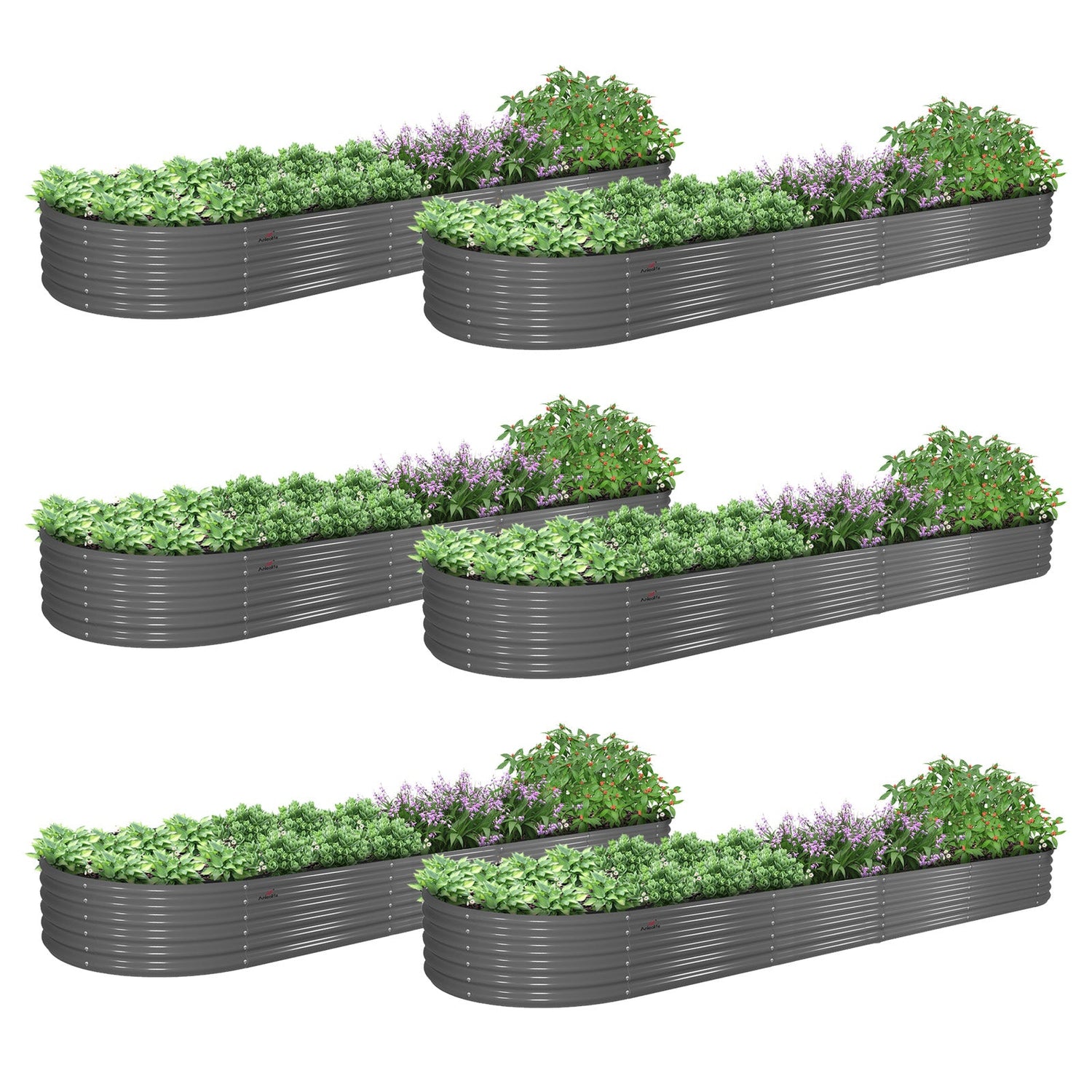



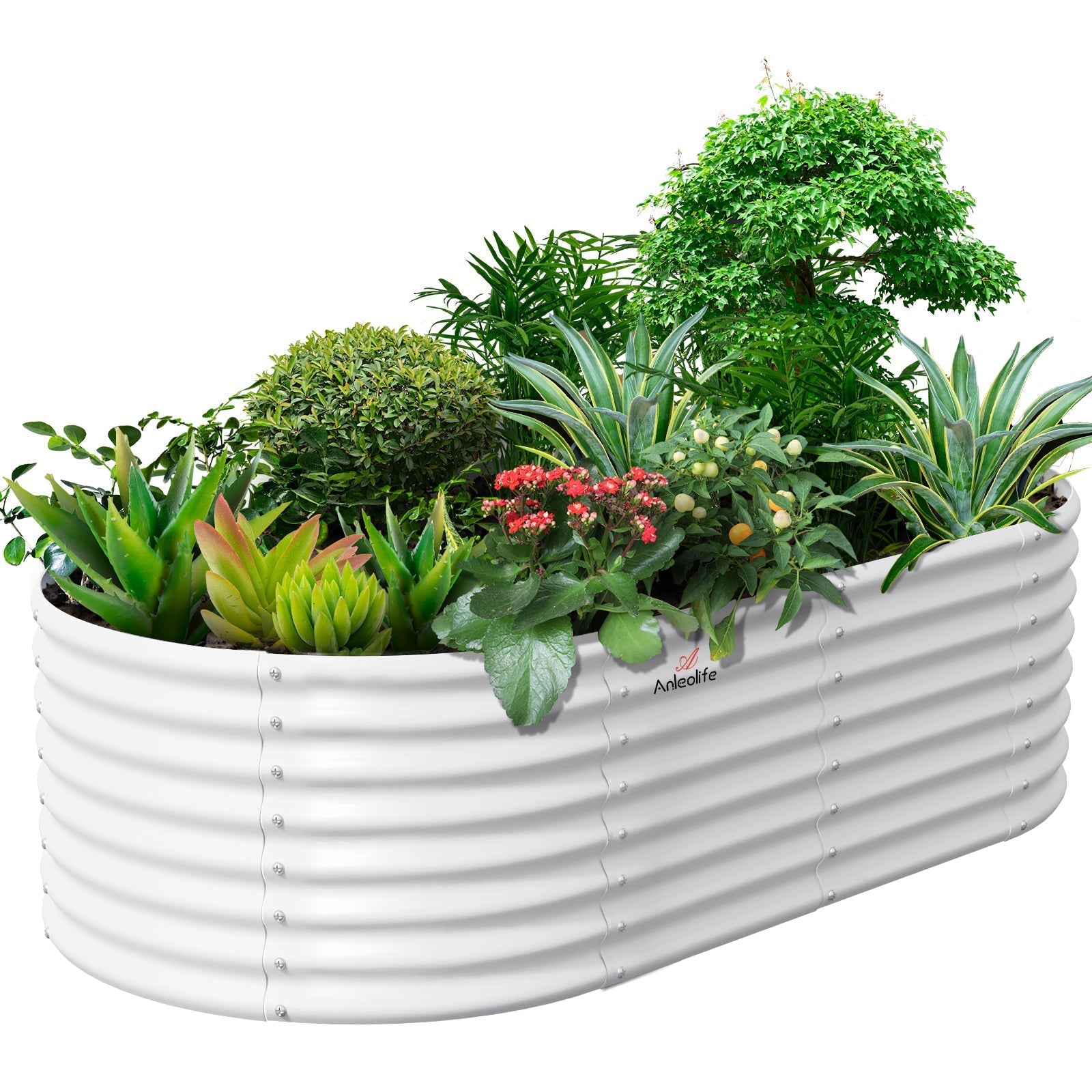
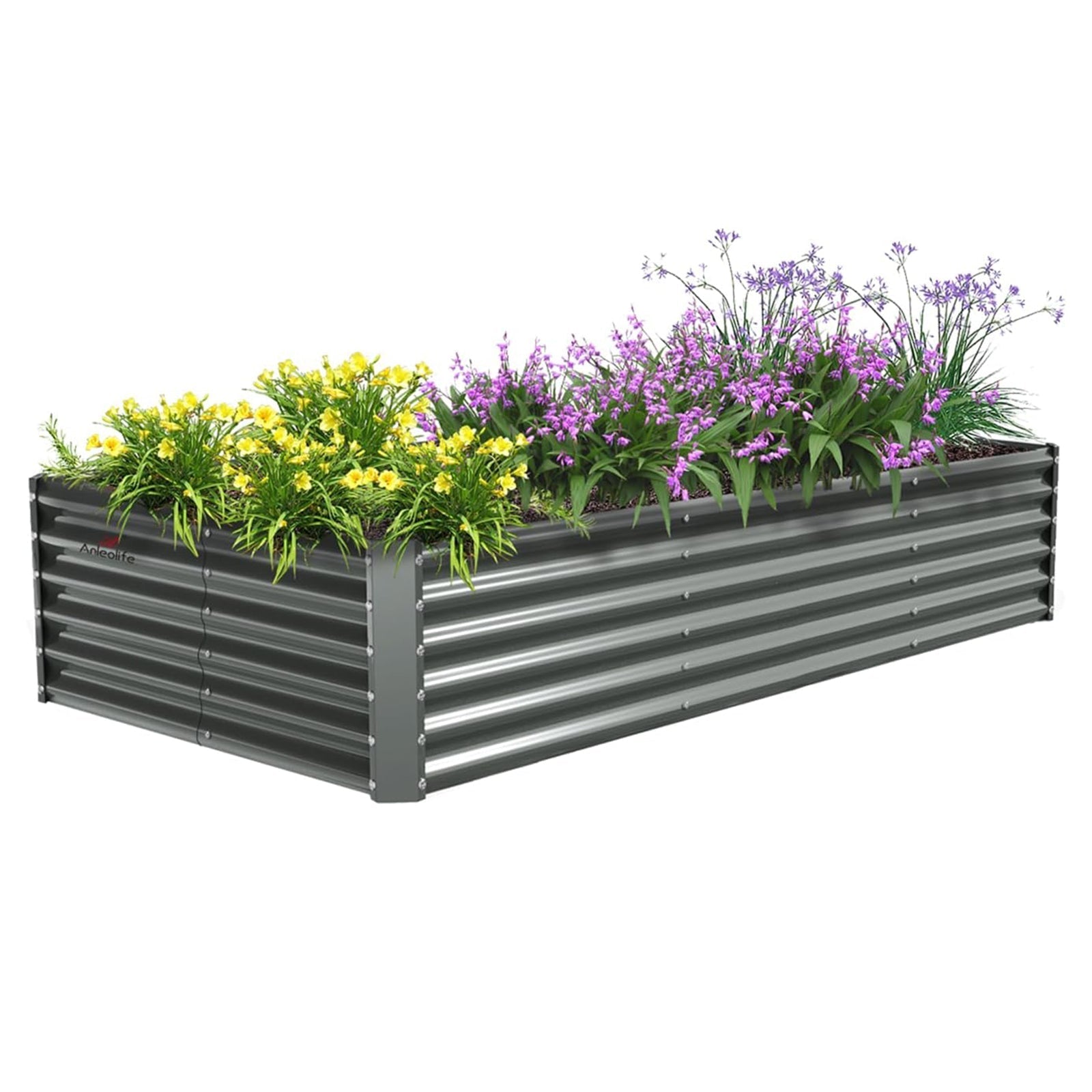




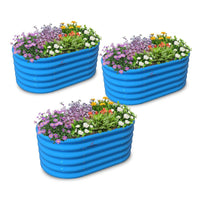
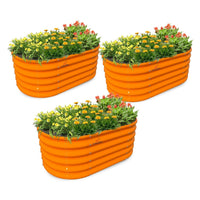
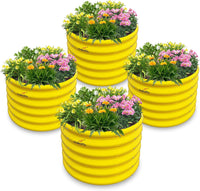
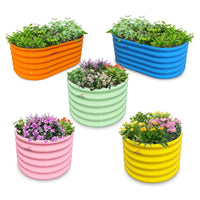
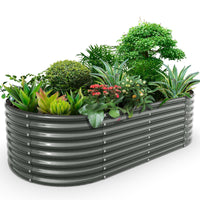



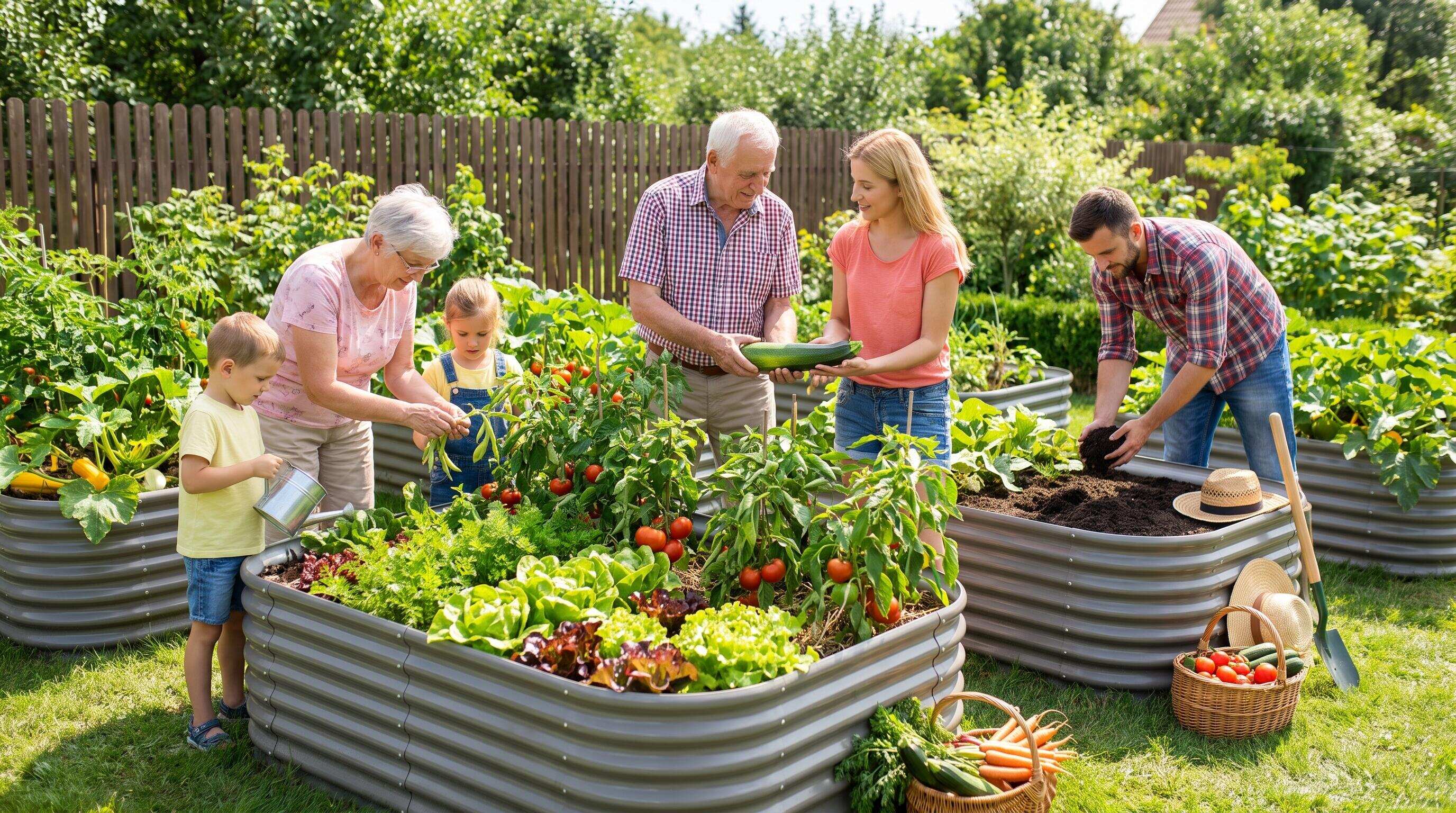
ALT: Multi-generational family working together in a backyard raised bed garden layout during summer
How a Thoughtful Raised Bed Garden Layout Brings Every Generation Together This Summer
Backyard gardening has quietly become one of the most powerful forces for family connection in American homes. Across busy households where schedules rarely align, a well-planned raised bed garden layout creates a shared space where grandparents, parents, and children can all find something meaningful to do — at their own pace, with their own hands. The trend is visible not just in suburban neighborhoods but in urban backyards, rental patios, and retirement communities: families are intentionally designing outdoor growing spaces that work for everyone who lives there.
This guide delivers eight practical, field-tested backyard gardening ideas built specifically for multi-generational households navigating busy summers. Each idea is organized around a real raised bed planting layout principle — because the physical arrangement of your garden often determines whether the whole family actually uses it. Ideas were selected based on three criteria: adaptability across age groups and physical abilities, ease of setup and maintenance during a hectic summer season, and long-term value for households that want a garden to grow with them over the years.
Whether you're setting up your first galvanized steel raised bed or redesigning an existing backyard, this list gives you a concrete starting point — and a clear path forward.
Eight Raised Bed Garden Layout Ideas That Work for Every Age and Schedule
The Zoned Layout: Assign Each Generation Their Own Bed
A zoned raised bed layout is one of the most practical structures a multi-generational household can adopt. The concept is straightforward: rather than managing one large, shared growing space, the family establishes separate garden beds — each sized, heightened, and planted to suit the person or group primarily responsible for it. In our work helping families configure their outdoor growing setups, a pattern we consistently see is that shared gardens fail not because of poor soil or bad placement, but because ownership is unclear. Zoning fixes that immediately.
For young children, a low-profile bed filled with fast-growing crops like radishes, lettuce, or cherry tomatoes gives them visible, fast results. For older adults or grandparents managing mobility challenges, a taller bed — such as a 30-inch extra-tall galvanized steel raised garden bed — eliminates the need to kneel or bend, making gardening genuinely comfortable rather than painful. For the household's primary adults, a mid-height bed in a larger footprint, such as an 8x4 layout, accommodates a more ambitious mix of vegetables and herbs.
Best for: Households with three or more generations living on the same property, or households where different family members have distinctly different physical needs or gardening goals.
Watch out: Zoning works best when each bed has its own clear caretaker. Without designated responsibility, even well-zoned gardens can become neglected by mid-July when summer schedules intensify.
The Accessible-Height Layout: Ergonomic Design for Older Gardeners and Kids
An accessible-height raised bed layout prioritizes the physical reality that one size does not fit all. Raised bed height is one of the most underestimated factors in garden planning — and one of the most impactful for keeping older adults and young children engaged through an entire growing season.
For older gardeners, especially empty nesters or retirees who want to maintain an active relationship with their garden, bed heights in the 24-inch to 35-inch range allow standing or seated gardening without strain. Ergonomic garden bed design principles consistently point to the importance of matching bed height to the user's mobility level — something many households overlook when purchasing their first bed. Anleolife's galvanized steel raised garden beds are available in heights from 18 inches all the way up to 35 inches waist-high, covering a genuine range of ergonomic needs within a single product family.
For children, lower beds at 18 inches give small hands and short arms full access to the soil. Positioning a child-height bed next to a taller adult bed also creates natural side-by-side gardening moments — which, in our experience, are some of the most powerful bonding opportunities a family garden produces.
Best for: Households where grandparents are regular participants in garden care, or families with children under ten who want to foster genuine gardening engagement from an early age.
Watch out: Purchasing a single-height solution for a multi-generational household is a common mistake. Plan bed heights for the specific users who will tend each bed daily, not for the average.
The Companion Planting Layout: Teaching Through the Garden
A companion planting raised bed layout is a garden design strategy that deliberately positions mutually beneficial plants in close proximity — for example, placing basil near tomatoes to deter pests, or growing nitrogen-fixing beans alongside heavy-feeding corn. Beyond its horticultural benefits, companion planting is an exceptional teaching tool for multi-generational households because it creates visible, understandable relationships between plants that children and grandparents can observe and discuss together.
According to research supported by Cooperative Extension programs at land-grant universities across the United States, companion planting strategies rooted in traditional knowledge — including the Indigenous "Three Sisters" method of growing corn, beans, and squash together — remain among the most effective organic pest management approaches available to home growers. Introducing this framework into your raised bed planting layout turns the garden into a living classroom, not just a food source.
For a practical starting point, a 4x8 raised bed layout divided into companion-planting zones — with each zone holding one plant partnership — gives families a manageable, visually clear structure. Resources like 4x8 Raised Bed Vegetable Garden Layout Ideas from Savvy Gardening offer helpful visual references for organizing companion planting arrangements within standard bed dimensions.
Best for: Families who want the garden to serve as an educational experience, particularly those with school-age children or grandparents with traditional gardening knowledge to share.
Watch out: Companion planting requires some advance planning. Randomly mixing plants without understanding their relationships can create competition for nutrients rather than mutual benefit.
The Modular Expansion Layout: Start Small, Grow With the Family
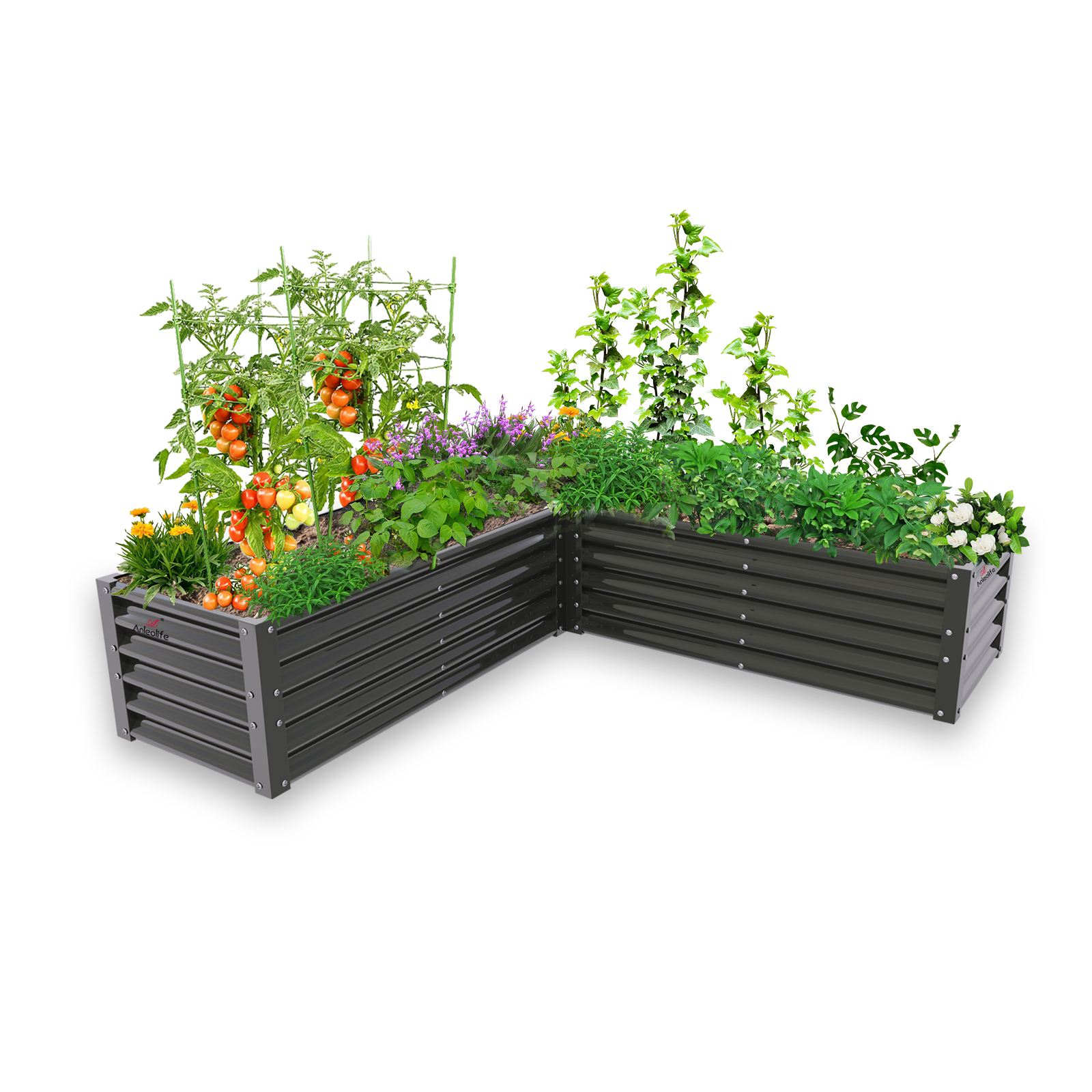
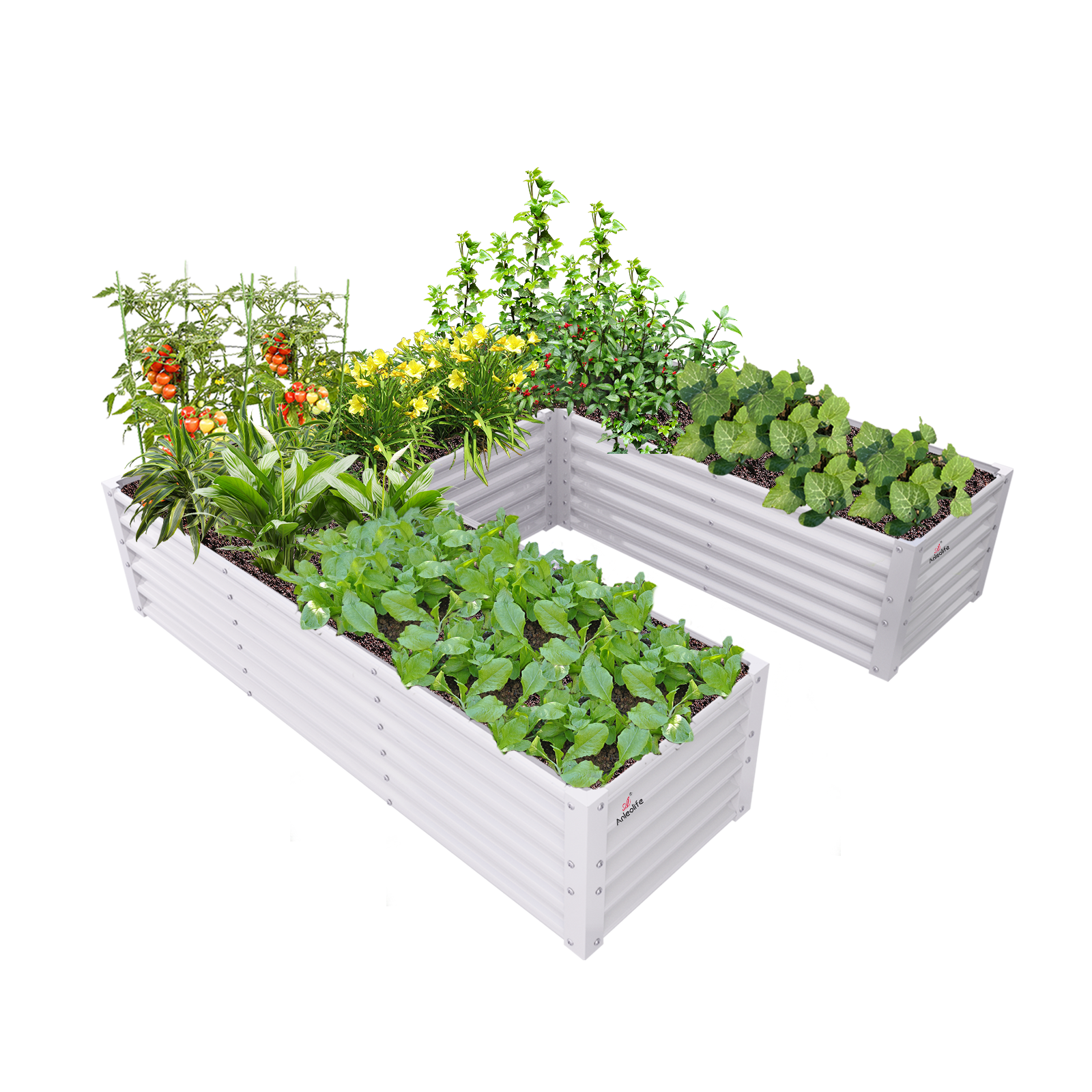
A modular raised bed garden layout is a design philosophy that treats your garden as an evolving system rather than a fixed installation. You begin with one or two beds sized for your current household and current schedule, then add beds, connectors, or adjacent units as your family's capacity and enthusiasm grow. This approach is particularly well-suited to busy households that recognize they cannot manage a large garden from day one, but do not want to be permanently constrained by a small footprint.
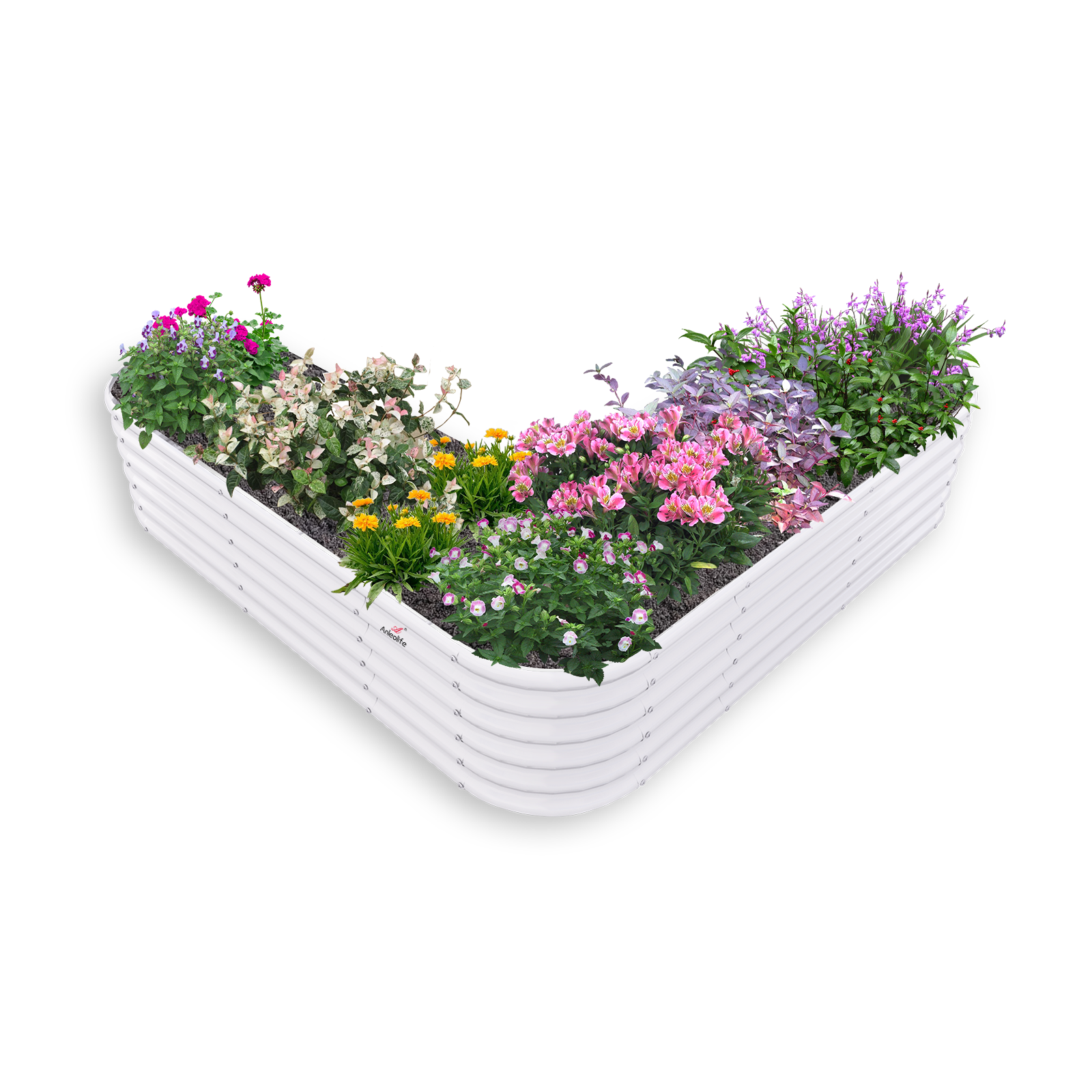
Anleolife's modular raised garden beds are built specifically for this kind of incremental expansion. Available in configurations from a compact 6x2 footprint to an expansive 12x3 layout, these beds can be arranged in linear rows, L-shapes, or U-configurations depending on the available space and the household's preferred workflow. For families just starting out, a beginner's roadmap to planning, building, and planting your first raised bed is an excellent reference for making smart initial decisions that leave room to scale.
What makes modular design genuinely powerful in a multi-generational context is that it allows the garden to track the household's changing composition. When a child grows old enough to manage their own bed, you add one. When grandparents move in, you configure a taller, ergonomic unit. The garden reflects who is living there right now — not who was there three years ago.
Best for: Families in transition — whether that means growing households, downsizing empty nesters, or anyone who anticipates that their gardening capacity will change over the next few years.
Watch out: Modular expansion requires thoughtful initial placement. Before purchasing your first beds, sketch out where additional units could logically go so that expansion does not create awkward pathways or shading conflicts.
The Raised Bed Row Layout: Maximizing Productivity for Busy Families
A raised bed row layout — a series of parallel rectangular beds with defined pathways between them — is the workhorse design of serious home food producers. For busy households, its primary advantage is efficiency: each bed in the row is maximally accessible from both long sides, weeding and harvesting are fast, and the visual order makes it easy to quickly assess what needs attention during a limited window of time.
In our experience working with families who are managing full-time work schedules alongside summer gardening, the row layout consistently produces more food per hour of maintenance than more complex, decorative arrangements. Pathway width matters enormously here: pathways wide enough for a garden cart or wheelchair keep the space accessible to older adults and make the summer harvest significantly easier for the whole family.
For summer productivity, a soil system that retains moisture effectively is as important as the layout itself. The University of California Cooperative Extension recommends a well-structured growing medium rich in compost for raised bed vegetable production — because good soil in an efficient layout is the combination that actually drives results. Pairing quality soil with Anleolife's galvanized steel raised garden beds, which are built to last up to 20 years, means your row layout investment serves the household through decades of summer growing seasons.
Best for: Households that prioritize food production and want to run their garden with minimal wasted time, particularly dual-income families managing full summer schedules.
Watch out: Row layouts can feel utilitarian rather than inviting. For households where the garden's aesthetic experience matters — for grandparents who want a beautiful outdoor retreat, for example — softening the rows with flowering edging plants or decorative accessories can make the space feel more welcoming.
The Sensory Garden Layout: Engaging Every Generation Through the Senses
A sensory raised bed garden layout is designed not just to produce food, but to provide a rich physical and sensory experience — texture, fragrance, color, and sound — that is deeply engaging for young children and older adults alike. Sensory gardens are increasingly recognized by horticultural therapy practitioners as powerful tools for cognitive engagement and emotional wellbeing in older populations, while simultaneously offering children a tactile learning environment that builds natural curiosity.
In practice, a sensory raised bed layout might include a bed of fragrant herbs — lavender, mint, rosemary, lemon balm — positioned at a height accessible to a seated grandparent, alongside a lower bed where children grow sunflowers, lamb's ear, and strawberries selected for their vivid colors and interesting textures. The garden becomes a place where every generation wants to spend time, not just a chore to complete.
Galvanized steel raised garden beds from Anleolife work particularly well for sensory garden configurations because their structural stability supports dense, layered planting without risk of bed walls bowing or degrading over time. For households concerned about material longevity and safety, comparing galvanized steel versus other materials is a worthwhile step — material choice has real implications for both long-term durability and garden aesthetics.
Best for: Households with grandparents who may be managing early cognitive changes, or families with young children who thrive with hands-on, exploratory learning experiences.
Watch out: Sensory gardens require thoughtful plant selection. Some fragrant plants, like certain varieties of mint, spread aggressively if not contained. Plan for physical barriers within beds to keep assertive plants in their designated zones.
The Herb and Kitchen Garden Layout: Fast Returns for Impatient Schedules
A herb and kitchen garden raised bed layout is built around the practical reality that busy households need fast, visible results to stay motivated. Unlike vegetable gardens that require weeks or months before producing anything harvestable, herbs deliver usable harvests within days to weeks of planting — and they do it repeatedly, all summer long.
The classic kitchen garden layout positions the most frequently used herbs nearest the back door or primary outdoor entrance: basil, parsley, chives, and cilantro within arm's reach, with less frequently harvested plants further out. This proximity-based raised bed layout reduces the friction between growing food and actually using it. In our observation, families that position herb beds close to where food is prepared use those herbs far more consistently than families with beautiful but distant herb gardens.
For pre-planned kitchen garden layouts, resources like Pre-Planned Gardens from Gardeners.com offer curated planting plans that take the guesswork out of spacing and plant selection — a genuinely useful starting point for households planting their first intentional kitchen garden.
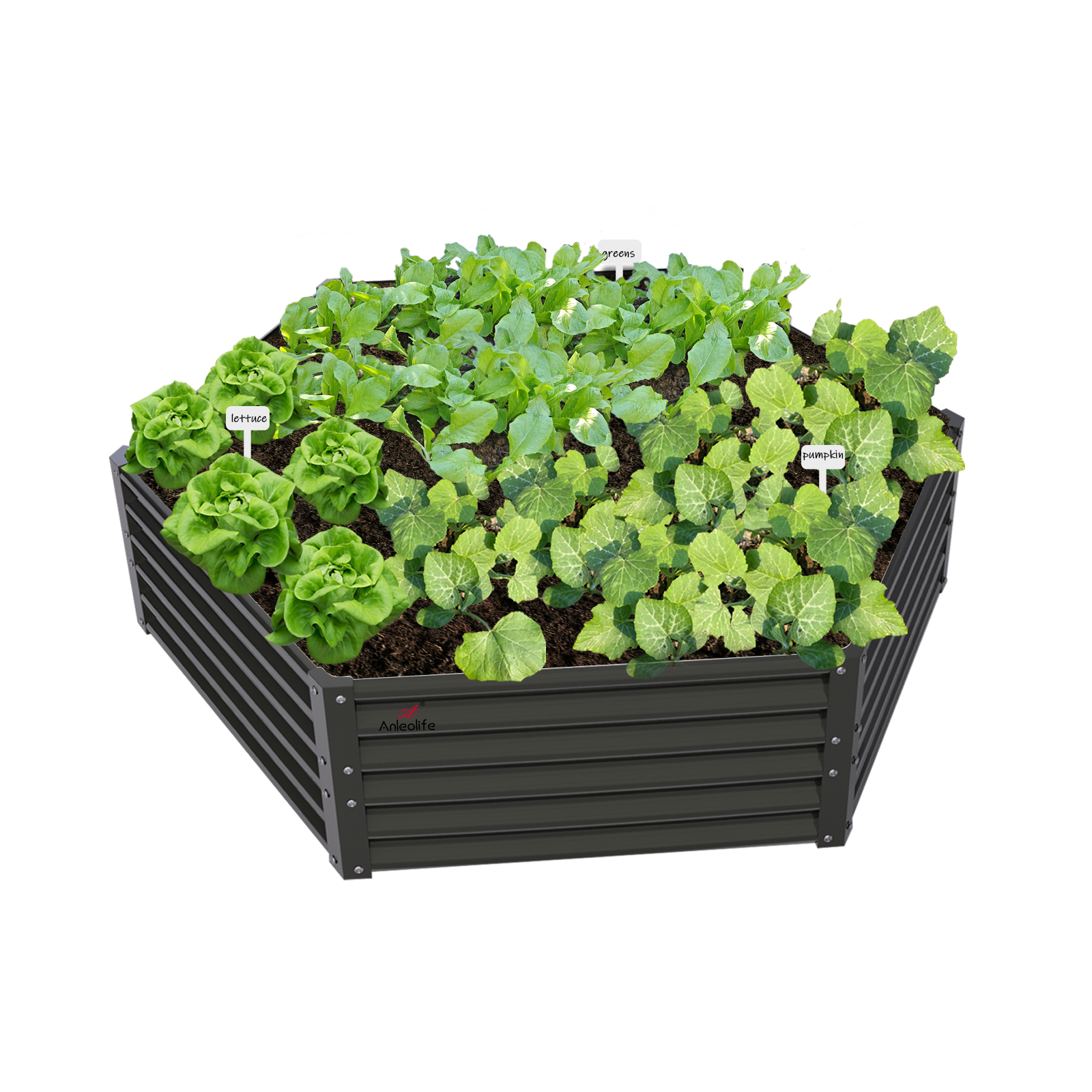
Anleolife's round raised garden beds and compact rectangular configurations are ideal for herb garden layouts in smaller backyard spaces or near-door placements where a large footprint is not practical.
Best for: Time-pressed families who want to cook with fresh herbs regularly, and for households new to gardening who need early successes to build confidence and maintain momentum.
Watch out: Herb gardens near kitchen doors can attract insects. Plant bee-friendly herbs like lavender and thyme with full awareness that they will draw pollinators — which is ecologically beneficial, but worth knowing before placing the bed directly beside a frequently used doorway.
The Raised Bed Perimeter Layout: Maximizing Small Backyards
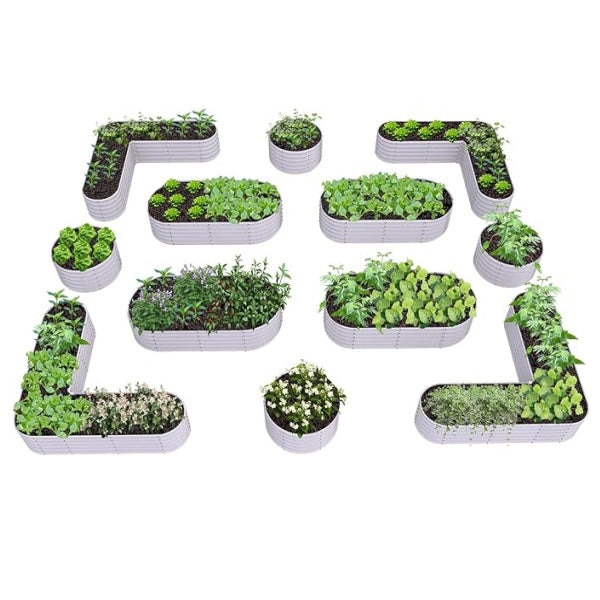
A raised bed perimeter layout positions garden beds along the outer edges of the backyard — against fences, walls, or property lines — leaving the central space open for other family activities. This arrangement is exceptionally practical for multi-generational households in which the backyard also needs to function as a play area, outdoor dining space, or relaxation zone.
The perimeter layout solves a tension that many busy households face: the desire to grow food and the need for open outdoor space. By running beds along the fence line, the household gains substantial growing area without sacrificing usable square footage in the center of the yard. Trellised plants grown vertically against fences within perimeter beds — beans, cucumbers, small squash varieties — extend growing capacity upward rather than outward.
For households working with oddly shaped or narrow yards, smart raised bed placement is critical to making a perimeter layout function well. Anleolife's galvanized steel raised garden beds are available in a wide range of sizes and configurations, making it possible to fit a productive perimeter layout into almost any yard geometry. For more specific placement strategies, guidance on smart raised bed placement for narrow or oddly shaped yards provides detailed, practical approaches for non-standard spaces.
Best for: Families in urban or suburban homes with smaller backyards, or households where the garden must share outdoor space with lawn, play equipment, or outdoor entertaining areas.
Watch out: Perimeter beds against solid fences may receive uneven sunlight depending on fence height and orientation. Always assess sun exposure at the specific fence line before planting sun-demanding crops.
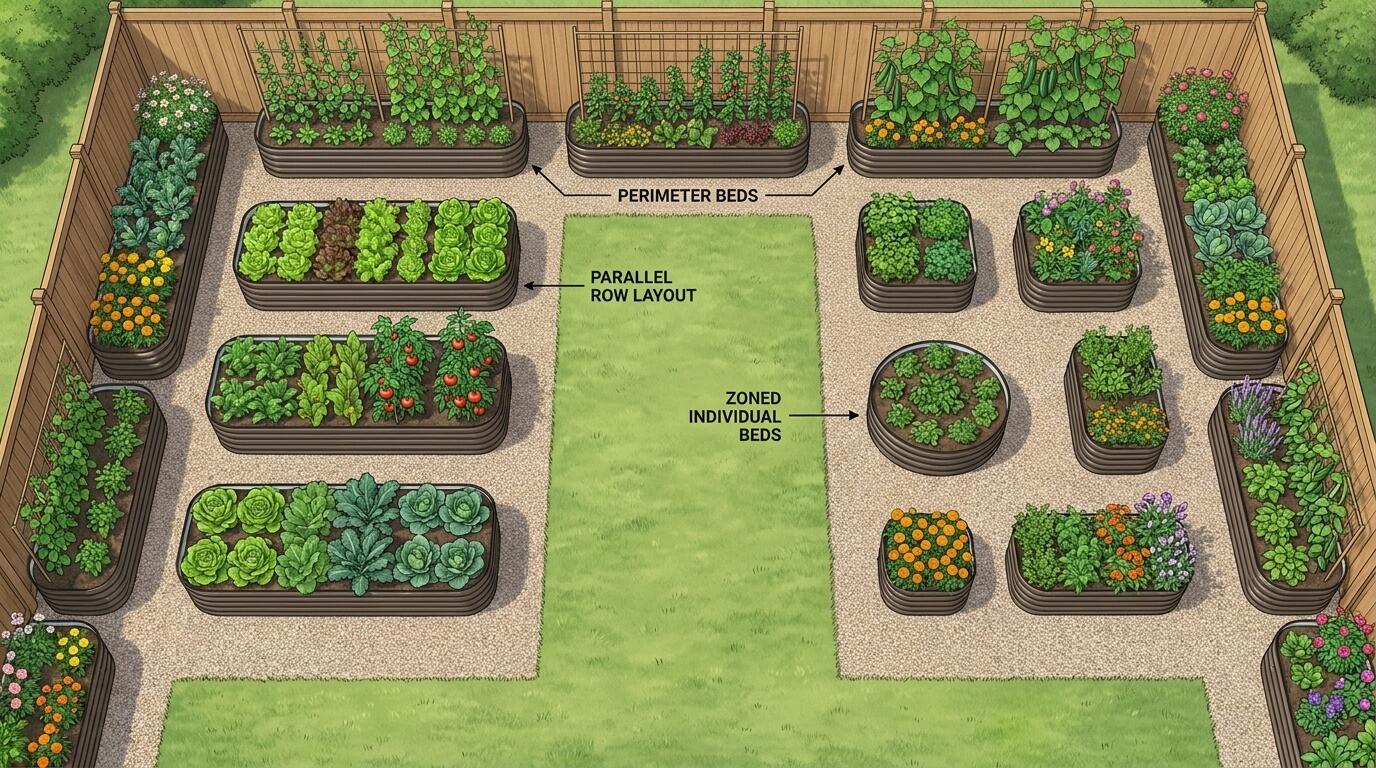
ALT: Overhead view of a multi-generational backyard showing different raised bed garden layout configurations including row, zoned, and perimeter arrangements for busy families
Quick Comparison at a Glance
Choosing the right raised bed layout depends on understanding what each approach is genuinely optimized for. The table below makes that comparison direct and scannable.
| Layout | Best For | Key Strength | Limitation |
|---|---|---|---|
| Zoned Layout | Three-generation households | Clear ownership, personalized beds | Requires designated responsibility per bed |
| Accessible-Height Layout | Older adults, young children | Reduces physical strain for all ages | Must plan height per user, not averaged |
| Companion Planting Layout | Educational households, organic growers | Teaches plant relationships, natural pest control | Requires advance planning and plant knowledge |
| Modular Expansion Layout | Growing or transitioning families | Scales up or reconfigures as family changes | Initial placement must allow future expansion room |
| Row Layout | Productivity-focused busy families | Maximum efficiency per maintenance hour | Can feel utilitarian without aesthetic softening |
| Sensory Garden Layout | Young children, older adults, therapy-focused homes | Multi-sensory engagement for all generations | Aggressive spreaders need containment within beds |
| Herb and Kitchen Layout | Time-pressed cooks, gardening beginners | Fast results, daily practical usefulness | Bee-attracting herbs near doors require awareness |
| Perimeter Layout | Small backyards, families needing open central space | Maximizes growing area without sacrificing yard space | Fence-line sun exposure must be assessed carefully |
How to Choose the Right Raised Bed Layout for Your Household
Selecting the right raised bed garden layout starts with an honest assessment of three things: who will use the garden, how much time is realistically available for maintenance, and what the backyard needs to do beyond growing food.
If your household includes grandparents or older adults with mobility considerations, prioritize the accessible-height layout or sensory garden layout first. These designs build in physical comfort from the start rather than retrofitting later. Anleolife's range of extra-tall and waist-high galvanized steel raised garden beds makes this straightforward — you are not compromising on aesthetics or durability to gain the ergonomic benefit.
If your household is primarily time-constrained — dual-income parents managing children's summer schedules — the row layout or herb and kitchen garden layout will deliver the most food value with the least maintenance overhead. Fast-producing herbs and efficiently organized vegetable rows reduce the gardening-to-payoff ratio, which is the metric that matters most for busy families.
If your backyard is small or shared for multiple purposes, the perimeter layout solves space competition before it becomes a problem. Pair it with modular beds that can expand along additional fence segments as your growing ambitions increase.
A common misconception worth addressing directly: many households assume that a larger raised bed layout is always better because it produces more food. In practice, the opposite is often true for busy families. A smaller, well-managed raised bed planting layout — one that gets watered, weeded, and harvested consistently — dramatically outperforms a large, ambitious layout that overwhelms the household's available time by July. Start at the scale you can genuinely maintain, then expand. This is not a compromise; it is the strategy that experienced gardeners consistently recommend.
Common Questions
Q1: How do I plan a raised bed garden layout that works for both elderly grandparents and young children?
Planning a multi-generational raised bed layout means selecting different bed heights for different users. Taller beds — in the 24-inch to 35-inch range — allow older adults to garden comfortably without kneeling. Lower beds at 18 inches give children full access to soil and plants. Position beds in proximity so family members can garden side by side without physical barriers between them. Keep pathways wide enough for garden carts or mobility aids.
Q2: Is a galvanized steel raised garden bed safe for growing vegetables?
Galvanized steel raised garden beds are widely used for food production and are considered safe for vegetable gardening by the gardening community and horticulture professionals. The zinc coating on galvanized steel is stable and does not leach harmful levels of compounds into soil under normal gardening conditions. Anleolife's galvanized steel beds are designed for long-term food production and are built to last up to 20 years — making them a durable, practical choice for families committed to multi-season growing.
Q3: How long does it take to set up a raised bed garden layout, and when will it deliver results?
Most raised bed configurations can be assembled and filled with a quality soil system within a single weekend. Herbs typically provide harvestable results within two to three weeks of planting. Fast-maturing vegetables like radishes and lettuce are typically ready within three to five weeks. Summer crops like tomatoes and peppers require a full growing season. Anleolife raised garden beds ship through a nationwide warehouse network, with delivery in 3–8 business days, so setup can begin quickly after ordering.
Wrapping Up
Multi-generational backyard gardening is not just a summer activity — it is one of the most effective ways busy households can create shared routines, build food knowledge across generations, and invest in a backyard that genuinely serves everyone who lives there.
Key Takeaways:
- Match your raised bed layout to the specific needs of the people who will use it most — ergonomics and ownership clarity matter more than size.
- A modular raised bed garden layout is the most flexible starting point for households whose composition or ambitions may change over time.
- Companion planting and sensory garden layouts turn the garden into an educational and therapeutic space, not just a food source.
- Start at a manageable scale. A well-tended small raised bed planting layout will outperform a large, neglected one every single summer.
- Invest in durable materials. Galvanized steel raised garden beds built to last 20 years are a long-term household asset, not a seasonal purchase.
The right layout is the one your household will actually use, maintain, and return to year after year. Spend time this week sketching out which of these ideas fits where your family is right now — and where you want your garden to be five summers from now.
Ready to build a backyard garden your whole family will use this summer and for years to come? Explore Anleolife's full range of galvanized steel and modular raised garden beds at the Anleolife website — available on Amazon, Walmart, Home Depot, Lowe's, and Wayfair, with delivery in 3–8 business days through a nationwide warehouse network spanning California, Texas, Florida, New York, Illinois, and Washington. Whether you're starting with a single ergonomic bed for a grandparent or designing a full planting-and-raising ecosystem for the whole family, Anleolife grows with you — from your first raised bed to a fully integrated backyard garden that covers planting, raising, and beautification.
Sources & Citations
- U.S. Department of Agriculture (USDA). "Home and Community Gardening Resources."
https://www.usda.gov/ - University of California Cooperative Extension. "Raised Bed Gardening and Soil Recommendations for Home Vegetable Production."
https://ucanr.edu/ - National Gardening Association. "Raised Bed Gardening Guides and Layout Planning."
https://garden.org/ - Savvy Gardening. "4x8 Raised Bed Vegetable Garden Layout Ideas."
https://savvygardening.com/4x8-raised-bed-vegetable-garden-layout/ - Gardeners.com. "Pre-Planned Gardens — Kitchen Garden Planner."
https://www.gardeners.com/pages/kitchen-garden-planner-preplanned-gardens
Note: Standards and guidance documents may be updated; please check the latest official documents or consult professional advisors for current recommendations.