


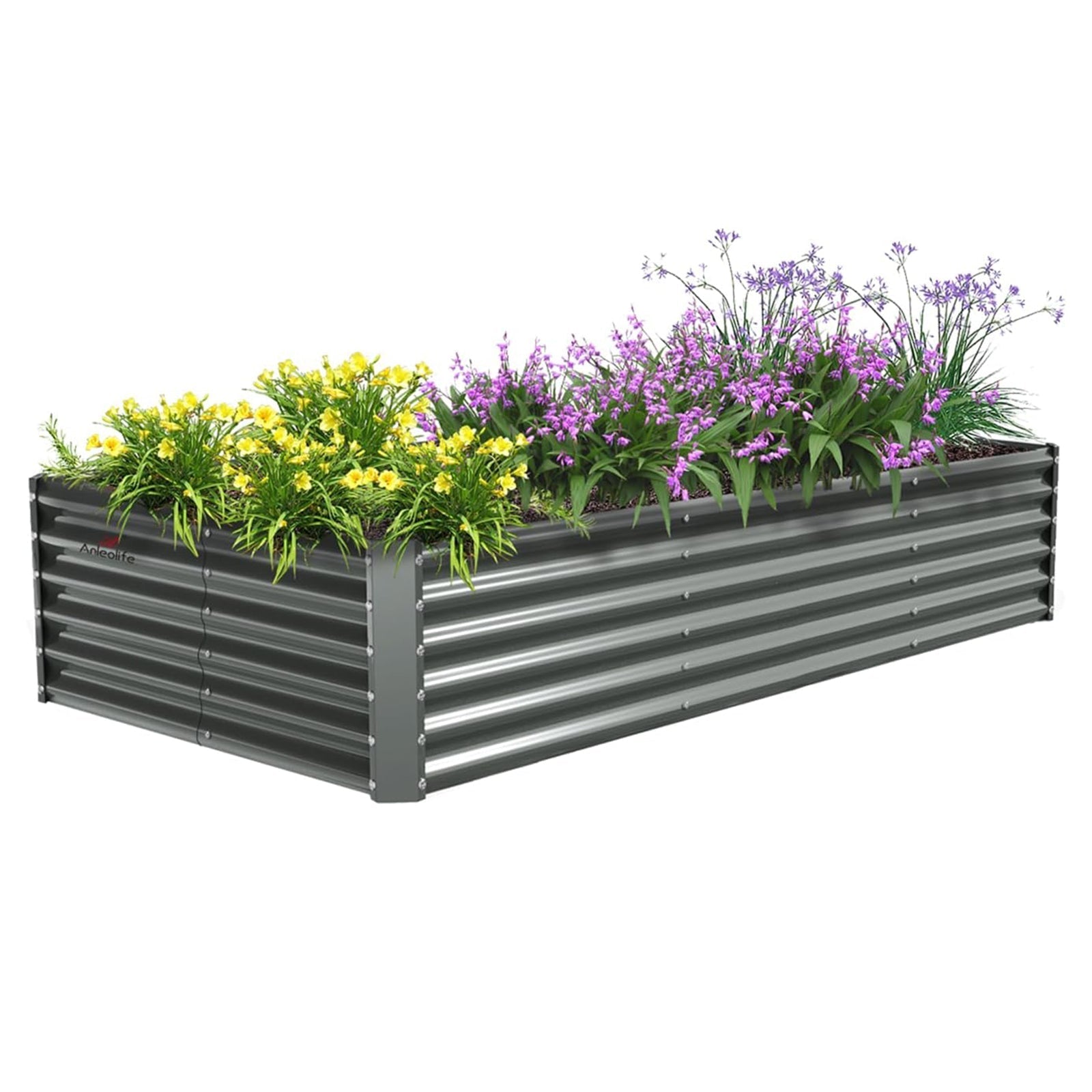

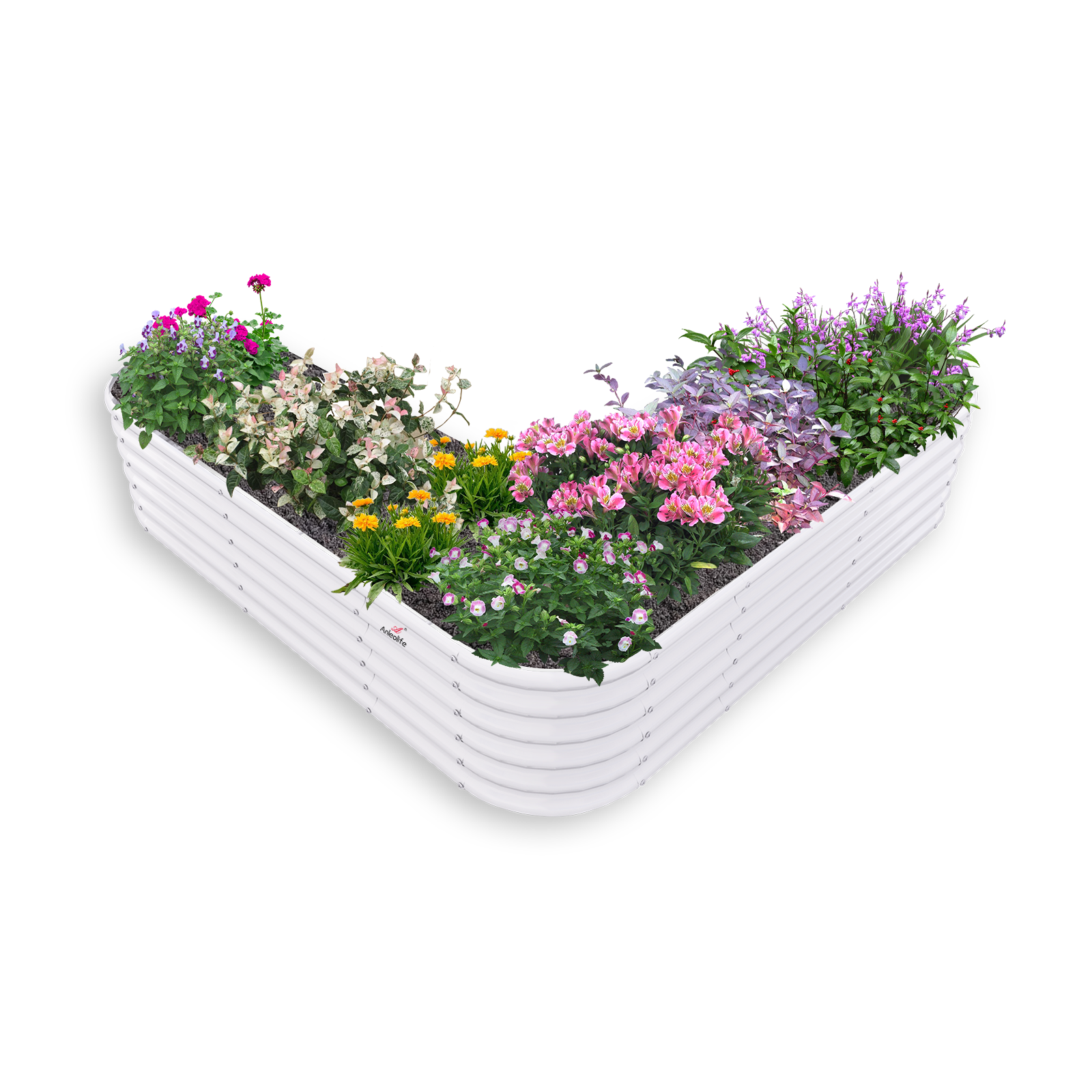
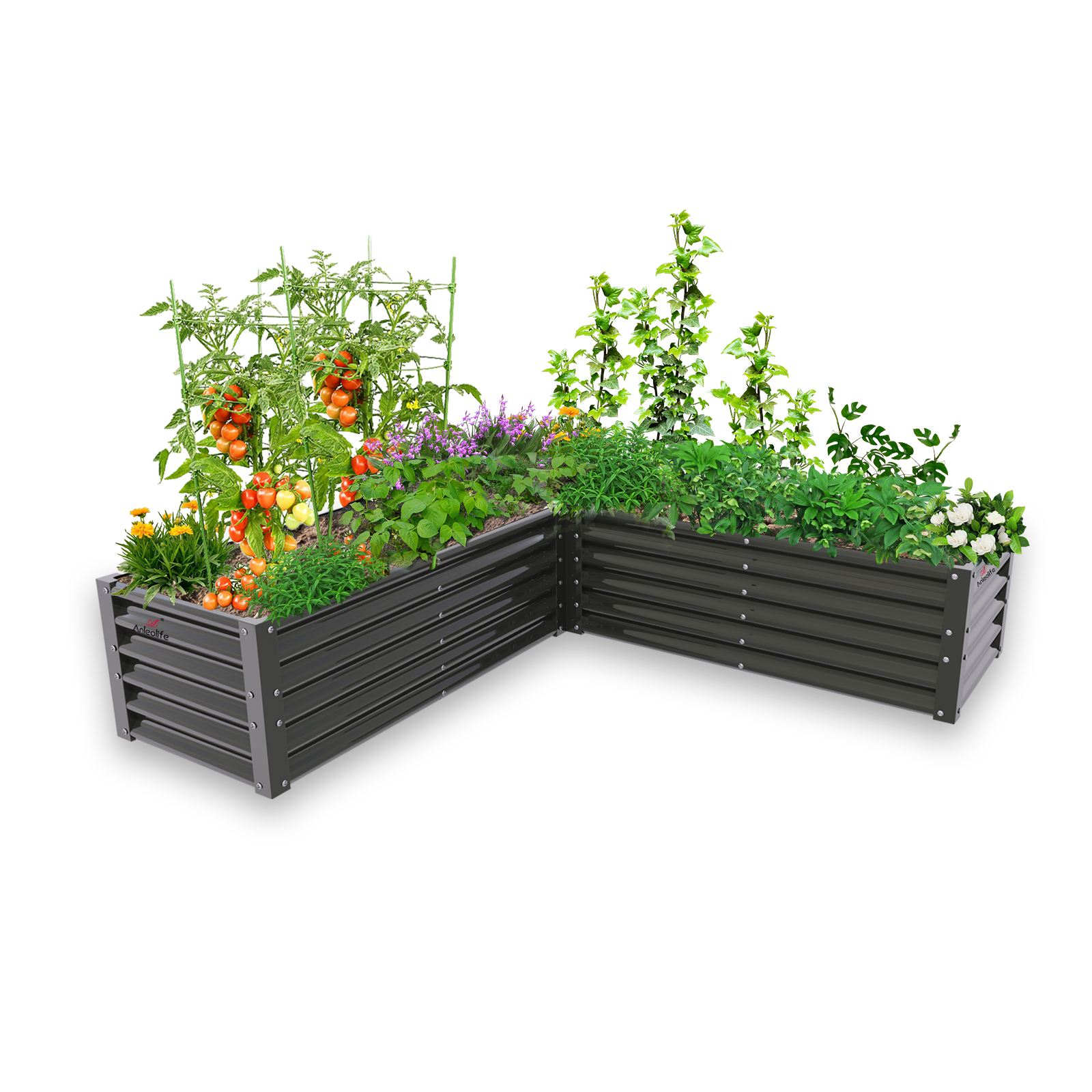
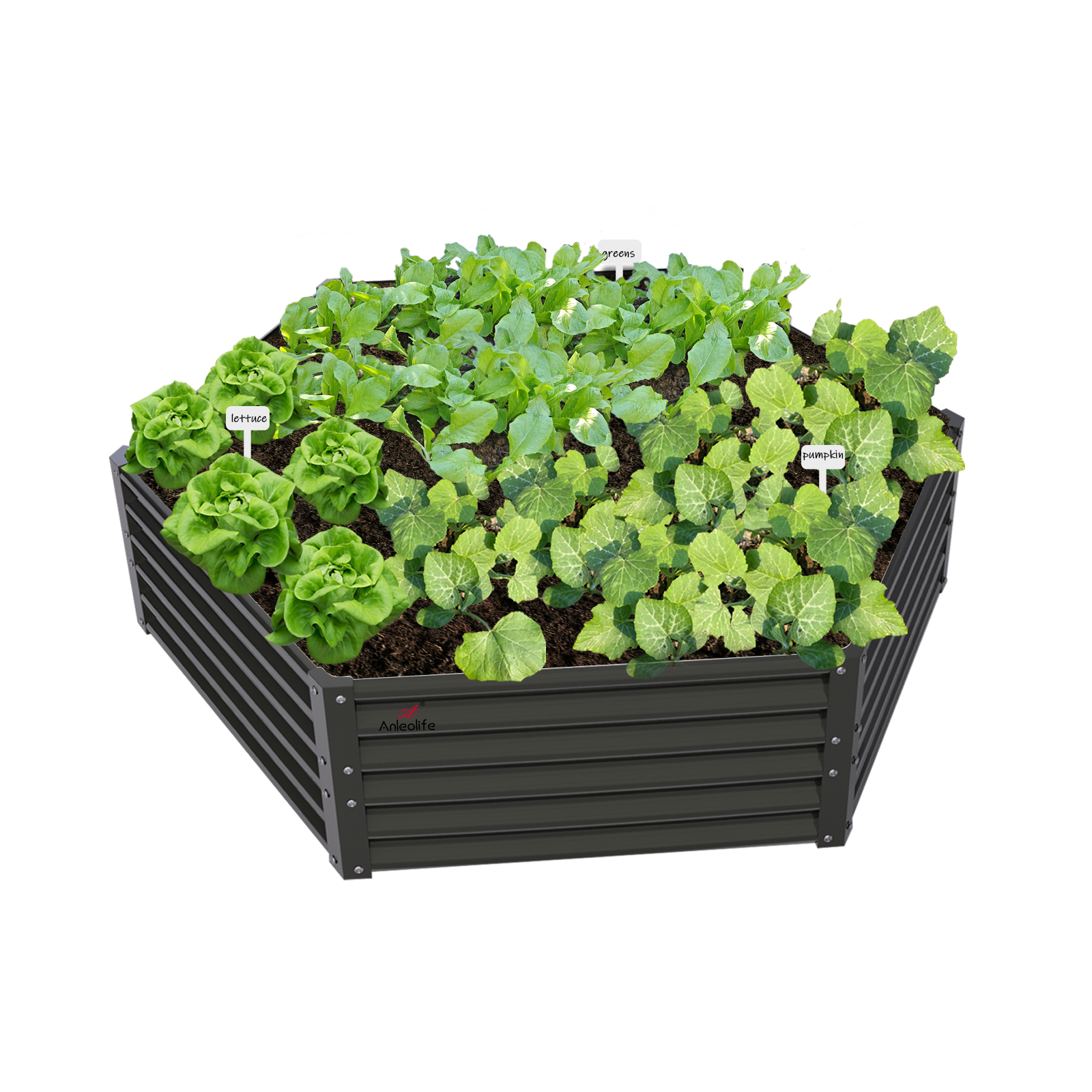
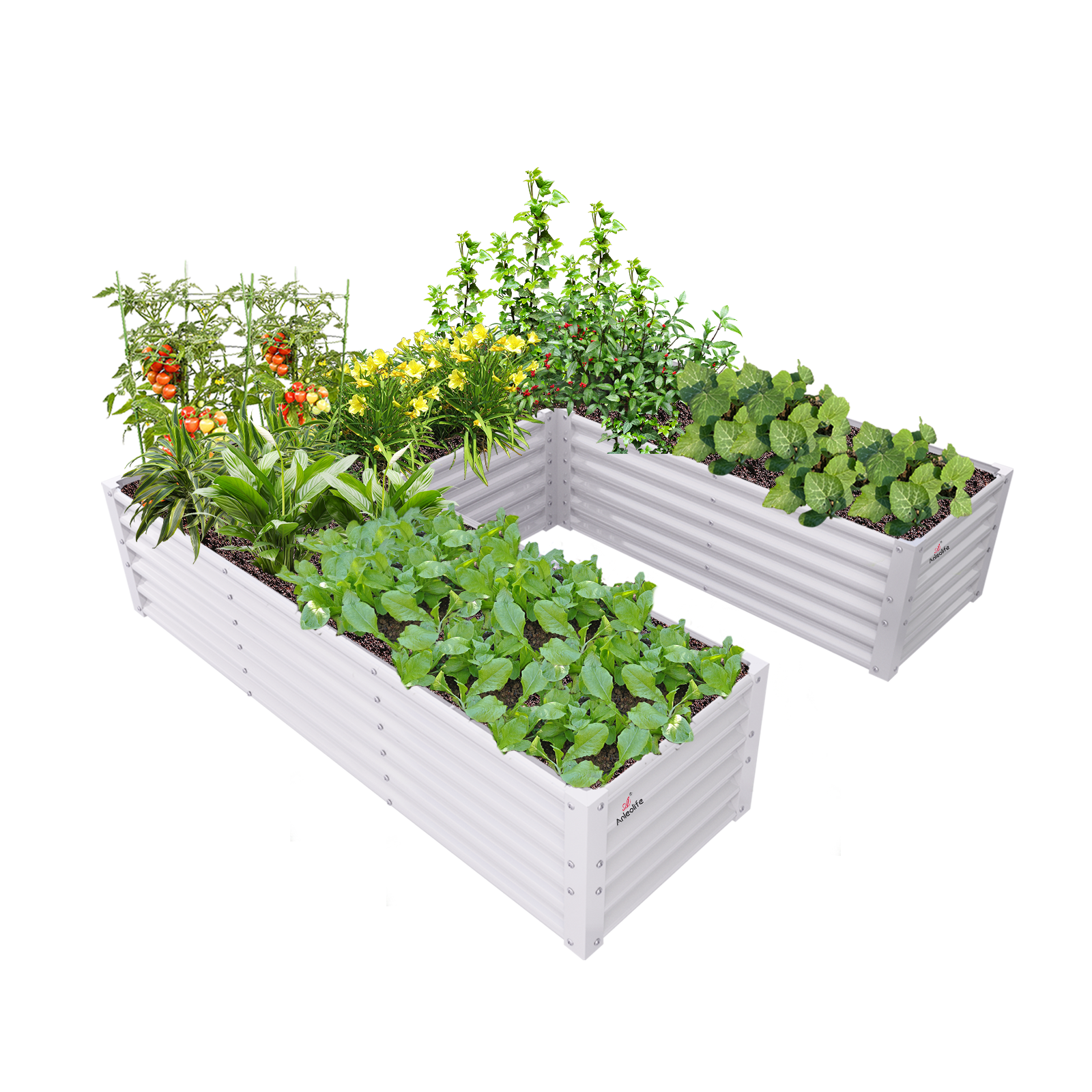

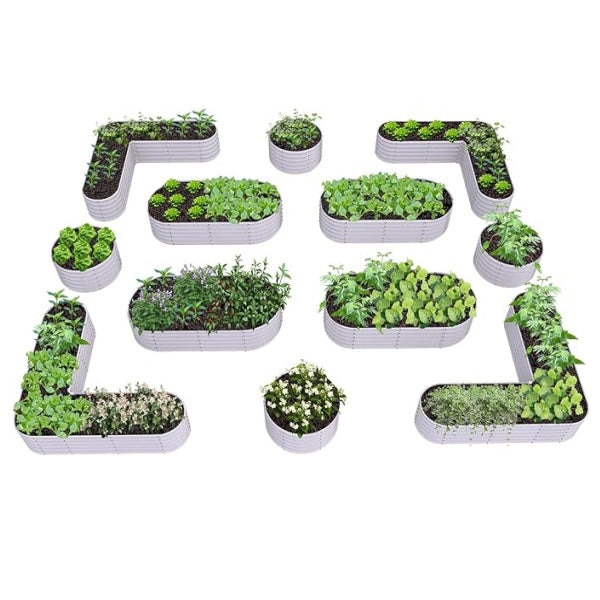


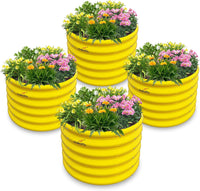
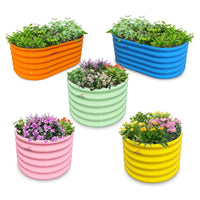
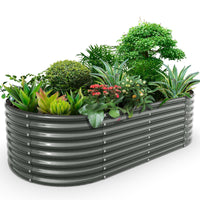




ALT: Natural pest repellent plants growing alongside raised bed vegetables in a thriving backyard garden
Why Natural Pest Repellent Plants Are Your Raised Bed's Best Defense
Key Conclusion: Growing natural pest repellent plants alongside your raised bed vegetables is one of the smartest, most chemical-free strategies a home gardener can adopt. From fragrant herbs like basil and lavender to bright blooms like marigolds and nasturtiums, companion planting creates a living shield around your crops — reducing pest pressure, attracting beneficial insects, and improving overall garden health. When paired with a well-structured raised bed system, this approach transforms your garden into a self-regulating ecosystem that's both beautiful and productive.
If you've ever watched aphids decimate a tomato plant or seen squash bugs hollow out a zucchini overnight, you know how disheartening garden pest damage can be. The good news? Nature has already engineered some remarkably effective solutions — and they come in the form of fragrant herbs, colorful flowers, and leafy groundcovers that do double duty as pest deterrents.
Companion planting with pest-repellent species isn't a new concept, but it's experiencing a well-deserved renaissance as more home gardeners seek organic, sustainable alternatives to synthetic pesticides. When you grow the right plants in and around your raised beds, you're not just adding visual interest — you're creating a layered defense system that works around the clock.
This guide explores the most effective natural pest repellent plants, how to integrate them into your raised bed layout, and how the right garden infrastructure sets the stage for companion planting success.
Who Should Read This Guide
✅ Applicable Scenarios:
- Home vegetable gardeners who want to reduce or eliminate chemical pesticide use
- Raised bed gardeners looking to maximize planting space by combining edibles with pest-deterring companions
- Eco-conscious growers, families with children or pets, and anyone prioritizing chemical-free food production
- Urban micro-gardeners and retirees who want a low-maintenance, self-regulating garden ecosystem
❌ Not Applicable/Cautions:
- Gardeners dealing with severe, established pest infestations — companion planting works best as prevention, not crisis management
- Those expecting immediate results: companion planting is a seasonal, cumulative strategy that builds effectiveness over time
- Gardens with extremely poor soil or drainage issues that need to be resolved before companion planting can be fully effective
The Science Behind Companion Planting and Pest Control
The idea of using one plant to protect another is rooted in ecology. In natural ecosystems, plant diversity creates chemical complexity — a mixture of volatile compounds, root exudates, and physical barriers that confuse, repel, or trap pest insects. Monocultures (growing a single crop in isolation) are notoriously vulnerable to pests because they offer a concentrated, easy-to-find food source. Diversified plantings, by contrast, create sensory confusion for pests while simultaneously attracting the predatory insects that eat them.
Modern research supports what traditional farmers have known for centuries. According to studies published through the University of California Cooperative Extension, polyculture systems — those that combine multiple plant species — consistently demonstrate lower pest pressure than monocultures. Companion planting is one accessible application of this principle for home gardeners.
The raised bed format is particularly well-suited to companion planting strategies. Because raised beds offer superior drainage, warmer soil, and defined planting boundaries, you can plan your companion combinations with precision. Whether you're working with a compact 4x4 ft bed or an expansive 12x3 ft configuration, there's always room to weave in a few pest-repelling allies.
If you're still planning your bed setup, the Step-by-Step Raised Bed Garden Layout Planning for Summer 2026 Beginners guide offers an excellent foundation for integrating companion plants from the very start of your design process.
It's also worth noting that healthy, well-fed plants resist pest damage more effectively. Before focusing on companion plants, make sure your soil is in peak condition — The Best Soil Recipe for Raised Garden Beds in Summer 2026 is a practical reference for building the nutrient-rich foundation that makes everything else work better.
Your Complete Guide to Natural Pest Repellent Plants for Raised Beds
Three-Step Quick Start: Integrating Companion Plants into Your Raised Bed
Step 1: Identify Your Primary Pest Threats
Before selecting companion plants, spend a week observing your garden. What's eating your vegetables? Common raised bed pests include aphids, whiteflies, spider mites, cabbage worms, squash bugs, and nematodes. Different companion plants target different pests, so knowing your enemy helps you choose the right allies. Keep a simple garden journal noting which plants show damage and what insects you observe — this takes about 5–10 minutes per day and pays dividends all season long.
Step 2: Select Companions Based on Your Vegetable Lineup
Match your pest-repellent companions to the vegetables already growing in your bed. Tomatoes pair beautifully with basil and marigolds; brassicas benefit enormously from nasturtiums and dill; squash and cucumbers thrive alongside nasturtiums and catnip. Plan for roughly 20–30% of your bed space to be devoted to companion plants — enough to create meaningful pest deterrence without crowding your main crops. This planning stage typically takes one afternoon before the growing season.
Step 3: Plant Strategically and Maintain Consistently
Plant companions at the same time as or slightly before your vegetables, so they're established and releasing their protective compounds when pests arrive. Edge your beds with low-growing companions, intersperse taller herbs among vegetables, and allow some plants to flower fully to attract beneficial predatory insects. Check companion plants weekly — trim them as needed to prevent overcrowding, and replace any that go to seed too early. Consistent maintenance keeps your living pest barrier functioning at full strength.
Comparing the Top Natural Pest Repellent Plants for Raised Beds
Different companion plants work through different mechanisms — some repel through scent, others attract beneficial predators, and a few act as trap crops that lure pests away from your vegetables. Here's how the most popular options compare:
| Comparison Dimension | Marigolds | Basil | Nasturtiums |
|---|---|---|---|
| Primary Pest Targeted | Nematodes, aphids, whiteflies | Aphids, mosquitoes, thrips | Aphids, whiteflies, squash bugs |
| Mechanism | Root exudates + scent | Volatile aromatic oils | Trap crop + scent |
| Edible? | Petals are edible | Fully edible herb | Fully edible (leaves & flowers) |
| Sun Requirement | Full sun | Full sun | Full sun to partial shade |
| Companion Best With | Tomatoes, peppers, squash | Tomatoes, peppers | Squash, cucumbers, brassicas |
| Bloom Duration | All season | Until bolting | All season |
| Ease of Growing | Very easy | Easy | Very easy |
| Comparison Dimension | Lavender | Dill | Catnip |
|---|---|---|---|
| Primary Pest Targeted | Fleas, moths, aphids | Aphids, spider mites | Aphids, squash bugs, beetles |
| Mechanism | Strong scent repels + attracts beneficials | Attracts beneficial wasps | Very strong scent repels |
| Edible? | Culinary uses | Fully edible herb | Edible in small amounts |
| Sun Requirement | Full sun | Full sun | Full sun to partial shade |
| Companion Best With | Most vegetables, borders | Brassicas, tomatoes, cucumbers | Squash, pumpkins, peppers |
| Bloom Duration | Summer | Summer | Summer through fall |
| Ease of Growing | Easy (well-draining soil) | Very easy | Very easy |
Deep Dive: The Best Natural Pest Repellent Plants and How to Use Them
Marigolds: The Raised Bed's Golden Guardian
Marigolds (Tagetes spp.) are arguably the single most versatile and well-researched companion plant available to home gardeners. Their roots release alpha-terthienyl, a compound that suppresses soil-dwelling nematodes — microscopic worms that can devastate root systems. Above ground, their pungent scent confuses and repels whiteflies, aphids, and even some beetle species.
For raised bed gardeners, French marigolds (Tagetes patula) are especially valuable because of their compact growth habit. Plant them along the edges of your bed as a colorful, functional border. For maximum nematode suppression, plant marigolds densely and let them grow for a full season before replanting vegetables in that soil the following year.
Pair marigolds with tomatoes, peppers, and squash for the best results. One of the greatest advantages of marigolds is their incredible resilience — they thrive in the same warm, well-drained conditions that Anleolife's galvanized steel raised beds are designed to provide, making them a natural fit for any raised bed vegetable garden.
Basil: The Aromatic Multitasker
Basil is far more than a pizza topping. This fragrant herb releases volatile compounds — primarily linalool and eugenol — that actively repel aphids, whiteflies, and thrips. It's also believed to improve the flavor of nearby tomatoes, though the science on flavor enhancement is still debated. What's certain is that basil and tomatoes share similar growing conditions (heat, full sun, consistent moisture) and work beautifully together in a raised bed.
Plant basil densely around and between your tomato plants. Allow a few plants to flower — basil flowers attract hoverflies and parasitic wasps that prey on many common garden pests. Harvest basil regularly to keep plants bushy and productive, but always leave a few flowering stems to support your garden's beneficial insect population.
For small-space gardeners exploring top rated raised planters for vegetables, basil's compact growth makes it an ideal companion in even the most limited configurations. It's equally at home in a 4x4 raised bed or tucked into corners of a larger 8x4 ft layout.
Nasturtiums: The Sacrificial Hero
Nasturtiums operate as a trap crop — they're so attractive to aphids that pests flock to them, leaving your vegetables relatively unscathed. Rather than viewing an aphid-covered nasturtium as a failure, recognize it as the companion plant doing exactly its job: drawing fire away from your crops.
Beyond trap cropping, nasturtiums emit isothiocyanates that deter squash bugs, whiteflies, and certain beetles. They're also entirely edible — both the peppery leaves and vibrant flowers add color and flavor to salads. Plant nasturtiums along the edges of squash, cucumber, and brassica beds. When nasturtiums become heavily infested with aphids, remove and compost the affected portions (away from your compost pile if aphid populations are severe), and the plant will often rebound.
Lavender: The Perennial Pest Barrier
Lavender is a perennial investment in your garden's long-term health. Its strong fragrance repels moths, fleas, aphids, and even deer and rabbits — making it particularly valuable for gardeners whose plots are visited by larger four-legged intruders. Lavender also draws pollinators and beneficial predatory insects in remarkable numbers.
Because lavender prefers well-drained, slightly alkaline soil and full sun, it pairs exceptionally well with the raised bed format, which naturally improves drainage. Plant lavender along the borders of your raised bed or in adjacent container planters for a flowing, fragrant barrier that does double duty as a beautification element. For gardens focused on both functionality and aesthetics — a hallmark of the Anleolife design philosophy — lavender is a near-perfect choice.
Dill and Fennel: Beneficial Insect Magnets
Dill is one of the most powerful attractors of beneficial insects in the home garden. Its umbrella-shaped flower heads (called umbels) are irresistible to parasitic wasps, lacewings, and hoverflies — all of which prey on common vegetable pests including aphids, caterpillars, and mites.
Plant dill near brassicas (cabbage, broccoli, kale) and tomatoes for maximum effect. One important caution: dill and fennel are allelopathic toward some plants, meaning they can inhibit the growth of close neighbors. Keep dill at least 12 inches from peppers and avoid planting it immediately adjacent to carrots. The best approach is to plant dill at one end or corner of your raised bed where it can flower freely without competing with sensitive neighbors.
Catnip: The Underrated Pest Warrior
Catnip (Nepeta cataria) is one of the most potent natural insect repellents available — research from Iowa State University found that nepetalactone, the compound that makes cats go wild, is actually more effective than DEET at repelling certain insects. For gardeners dealing with aphids, flea beetles, squash bugs, and Japanese beetles, catnip is a powerful ally.
The one caveat: if neighborhood cats frequent your garden, catnip may attract more feline attention than you want. In that case, consider growing catnip in a container placed near — but not inside — your raised bed, which allows you to position its repellent properties strategically without turning your garden into a cat magnet.
For gardeners who want to learn more about maximizing what grows in their raised beds, check out the Top 10 Vegetables to Grow in a Raised Bed This June and Beyond — many of the vegetables on that list benefit directly from the companion plants discussed here.
Garlic and Chives: The Allium Allies
Alliums — garlic, chives, and onions — produce sulfur compounds that repel a remarkably wide range of pests, including aphids, Japanese beetles, carrot flies, and even some fungal pathogens. Chives are particularly useful in raised beds because of their tidy growth habit and attractive purple flowers, which also attract pollinators.
Plant chives generously throughout your raised bed as a living mulch and pest barrier. Garlic is best planted at the bed's perimeter where it can establish its root system without competing aggressively with other crops. Avoid planting alliums near beans and peas, as they can inhibit legume growth — but with most other vegetables, alliums are excellent companions.

ALT: Colorful pest repellent companion plants including marigolds and basil growing in a galvanized raised garden bed with vegetables
Advanced Companion Planting: Getting More from Your Raised Bed System
Layering Companions for Multi-Pest Defense
The most effective pest management strategies don't rely on a single companion plant — they layer multiple species to address different threats simultaneously. A well-planned 8x4 ft raised bed might include tomatoes as the primary crop, basil interspersed throughout for aphid and thrip repellence, marigolds along the front edge for nematode suppression, and a dill plant in the back corner to attract parasitic wasps. This three-layer defense covers soil-level, mid-canopy, and aerial pest threats in one integrated system.
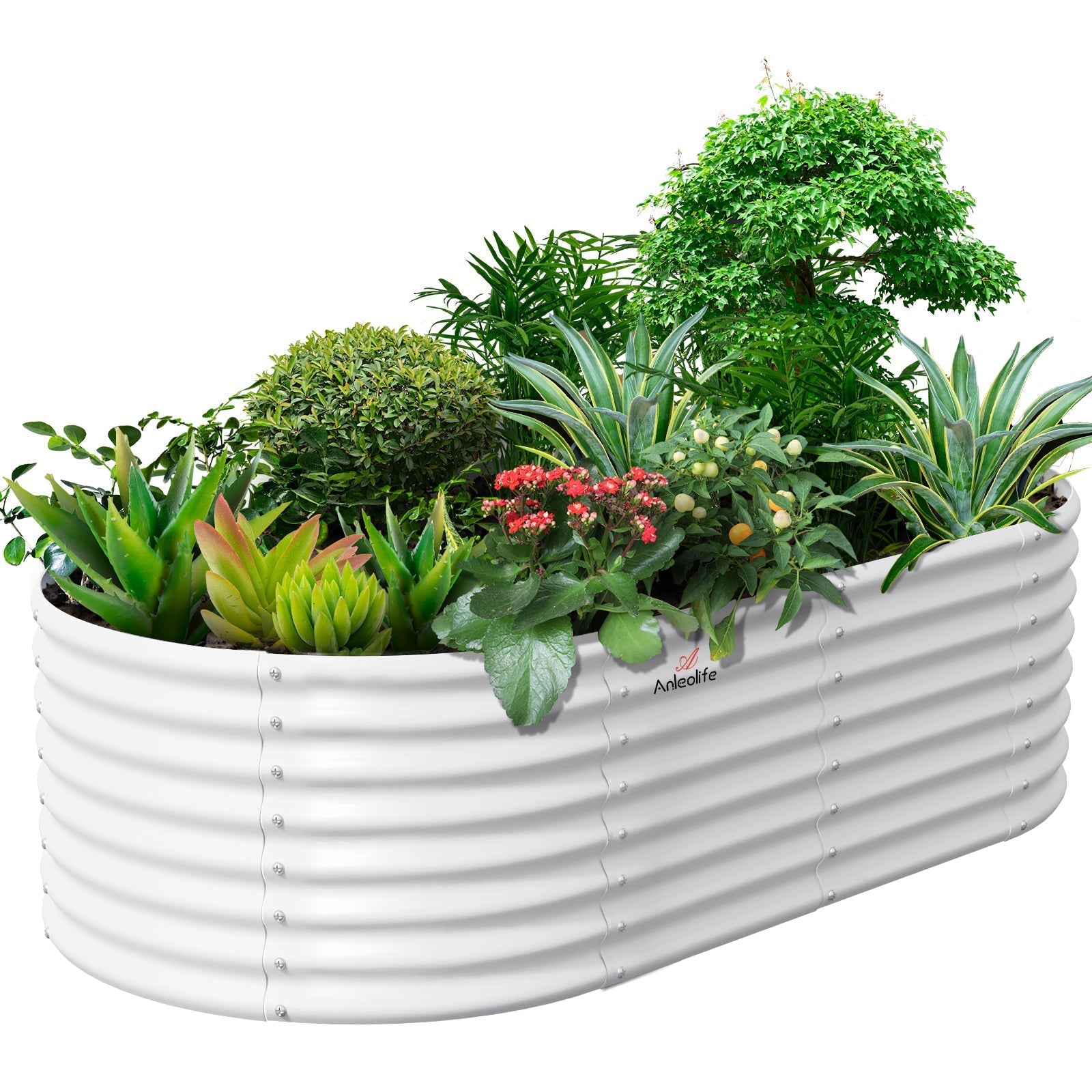
When building this kind of layered system, the structure of your raised bed matters enormously. Anleolife's range of galvanized steel raised beds — available in configurations from compact 18" tall beds to waist-high 35" models — provides the stable, long-lasting foundation that multi-species companion planting systems require. With a rated lifespan of up to 20 years, these beds give your companion planting strategy time to mature and compound in effectiveness over many growing seasons.
For gardeners interested in the best easy assembly garden beds for beginners, Anleolife's modular raised garden bed line offers tool-free or minimal-tool assembly that makes getting started simple, even if you've never gardened before. The sooner your bed is set up, the sooner you can begin establishing companion plant communities.
Common Misconceptions About Companion Planting
Misconception 1: Companion plants provide instant pest elimination. In reality, companion planting is a preventive and gradual strategy. It reduces pest pressure over time by disrupting pest feeding cues and building populations of beneficial insects — it won't eliminate an active, heavy infestation overnight.
Misconception 2: Any plant placed next to another counts as companion planting. Effective companion planting requires intentional species selection based on specific pest targets and plant compatibility. Random mixing without consideration of allelopathy, space competition, and sun requirements can actually reduce garden performance.
Misconception 3: You need a large garden for companion planting to work. Some of the most effective companion planting systems operate in very small spaces. Urban micro-gardeners working with wall-mounted garden tool racks for small spaces and compact raised beds can absolutely benefit from companion planting — a single marigold border on a 4x2 ft bed still provides meaningful protection.
Pairing Companion Planting with Mid-Season Maintenance
Companion planting doesn't operate in isolation — it works best as part of a broader garden care routine. Keeping your raised bed well-watered, regularly fertilized, and free of diseased plant material supports both your vegetables and your companion plants in maintaining their pest-repellent properties. Visit Mid-Summer Raised Bed Maintenance: Your Essential June–July Care Checklist for a practical seasonal reference that aligns perfectly with a companion planting approach.
For those looking at the bigger picture of garden structure and design, Galvanized Steel Raised Beds: 7 Reasons They Outperform Wood for Summer Gardening explains why the material your bed is made from directly affects growing conditions — and why those conditions matter for companion planting success.
Frequently Asked Questions FAQ
Q1: How do I know which companion plants to choose for my specific vegetable garden?
Start by identifying your most common pest problems — aphids, caterpillars, nematodes, whiteflies, or beetles all have specific companion plant deterrents. Then cross-reference those companions with your primary vegetables to ensure compatibility. As a general rule, marigolds, basil, and nasturtiums are nearly universally compatible with common raised bed vegetables and offer broad-spectrum protection, making them excellent starting points for any gardener new to companion planting.
Q2: Are natural pest repellent plants safe for gardens where children and pets play?
Yes — the companion plants discussed in this guide (marigolds, basil, nasturtiums, lavender, dill, chives, catnip) are all non-toxic to humans and generally considered safe around children and pets. In fact, many are edible. This is one of the primary advantages of companion planting over chemical pesticides. However, always verify specific plant safety for your pet species, as some animals (particularly cats and dogs) may have sensitivities to certain herbs.
Q3: How long does it take for companion planting to noticeably reduce pest damage in my raised bed?
Most gardeners notice a meaningful reduction in pest pressure within 4–6 weeks of establishing a diverse companion planting scheme, as beneficial insect populations begin to build in response to flowering companions. Full effectiveness — including soil-level nematode suppression from marigolds — may take a full growing season. For top rated inexpensive raised beds for beginners, pairing them with companion plants from day one sets up your garden for cumulative, season-over-season pest resilience.
Summary
Natural pest repellent plants are one of the most cost-effective, environmentally responsible, and aesthetically rewarding strategies available to raised bed vegetable gardeners. Here are the three core takeaways from this guide:
1. Plant diversity is your primary defense. A garden that incorporates marigolds, basil, nasturtiums, lavender, dill, and alliums creates a multi-layered pest management system that reduces chemical inputs, attracts beneficial insects, and improves overall crop health. No single companion plant does everything — diversity is the strategy.
2. The raised bed format amplifies companion planting success. Well-drained, nutrient-rich soil in a defined planting space makes it easier to plan, implement, and maintain companion planting combinations. The right bed structure — durable, properly sized, and thoughtfully positioned — is the foundation that makes everything else possible.
3. Companion planting is a long-term investment that compounds over time. Unlike chemical interventions, companion planting builds ecological capital in your garden. Each season, your beneficial insect populations grow stronger, your soil biology becomes richer, and your pest pressure decreases. The best time to start is now.
Your next step: select two or three companion plants from this guide, pick up seeds or starts at your local nursery, and integrate them into your raised bed this season. You'll likely be surprised by how quickly your garden responds.
Elevate Your Garden with Anleolife
Anleolife's nationwide U.S. warehouse network — strategically located in California, Texas, Florida, New York, Illinois, and Washington — ensures delivery within 3–8 business days, so your garden upgrade plans never have to wait through long shipping delays.
Our products are available across major e-commerce platforms including Amazon, Walmart, Home Depot, Lowe's, and Wayfair, as well as directly through Anleolife.com, offering consistent quality assurance and reliable after-sales support wherever you prefer to shop.
Anleolife covers three core garden scenarios: Planting (metal raised garden beds, soil systems), Raising (chicken coops, rabbit hutches), and Beautification (decorative accessories, pathway systems) — meeting your complete needs from functionality to aesthetics.
We understand that an ideal garden isn't built overnight — it's grown gradually, one thoughtful decision at a time. Our modular product design allows flexible expansion as your gardening ambitions grow, from your first compact raised bed to a fully integrated planting-and-raising ecosystem. We grow with you every step of the way. If you're curious about whether a metal bed is the right fit for your summer crops, Are Metal Raised Garden Beds Heat-Safe for Summer Vegetables? answers the most common concerns with clarity and confidence.
References
- University of California Agriculture and Natural Resources. "Pest Management Guidelines and Companion Planting Resources."
https://ucanr.edu/ - National Sustainable Agriculture Information Service (ATTRA). "Companion Planting and Botanical Pesticides: Concepts and Resources."
https://attra.ncat.org/ - Iowa State University Extension and Outreach. "Catnip as an Insect Repellent — Research Summary."
https://www.extension.iastate.edu/ - United States Department of Agriculture (USDA) Agricultural Research Service. "Polyculture and Integrated Pest Management in Home Gardens."
https://www.ars.usda.gov/ - Oregon State University Extension Service. "Beneficial Insects and Natural Pest Control in Home Vegetable Gardens."
https://extension.oregonstate.edu/
Note: Gardening research and pest management recommendations are regularly updated. Please check the latest official documents or consult a local extension service professional for guidance specific to your region.
About Anleolife
Anleolife is a leading outdoor garden solutions provider in North America, dedicated to offering a full-scenario product ecosystem for home gardening enthusiasts, covering planting, raising, and garden beautification. Since its founding, we have upheld our brand mission, "Made for Garden Life," continuously innovating products and optimizing services to help hundreds of thousands of users upgrade their gardens, reconnect with nature, and enjoy a better garden lifestyle.