


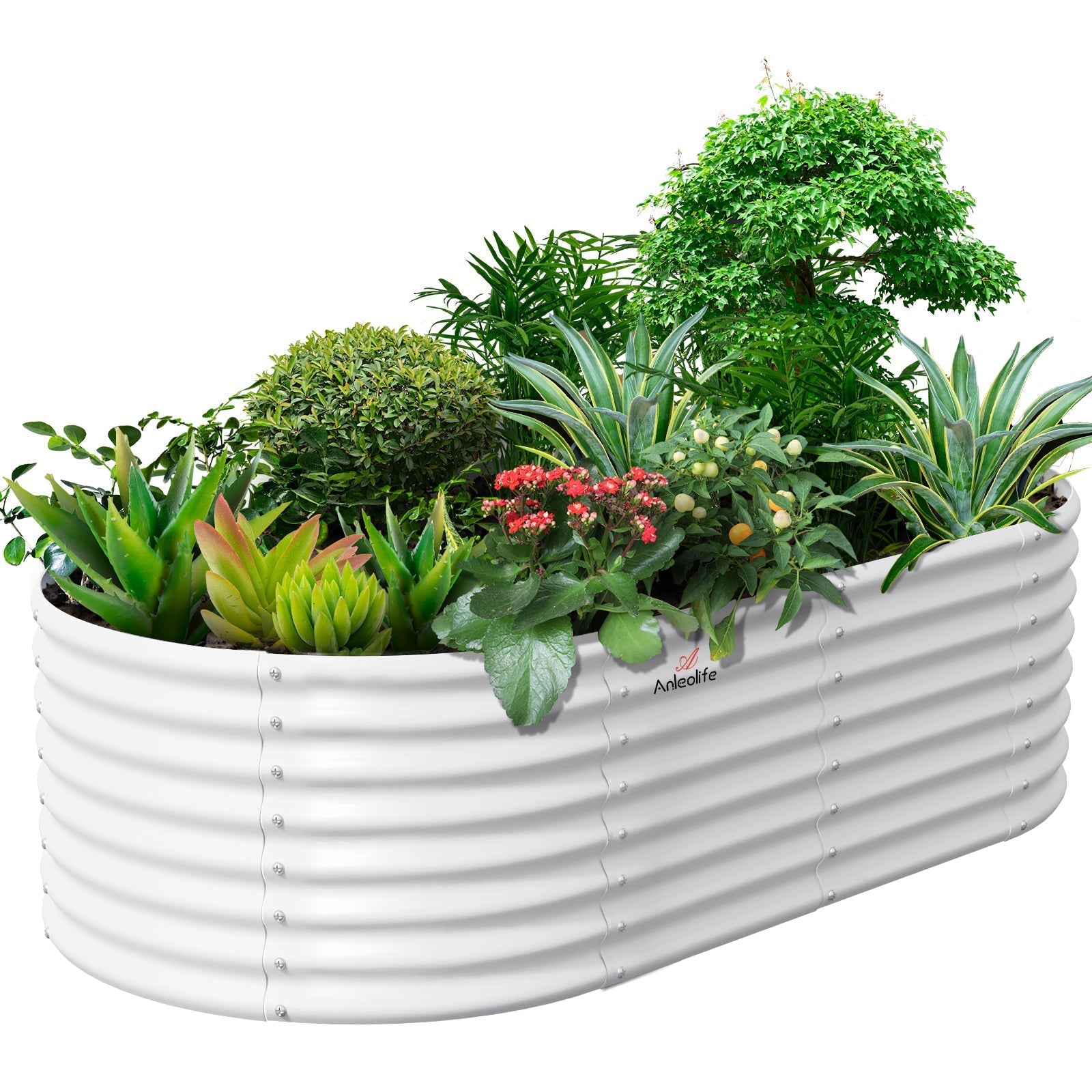
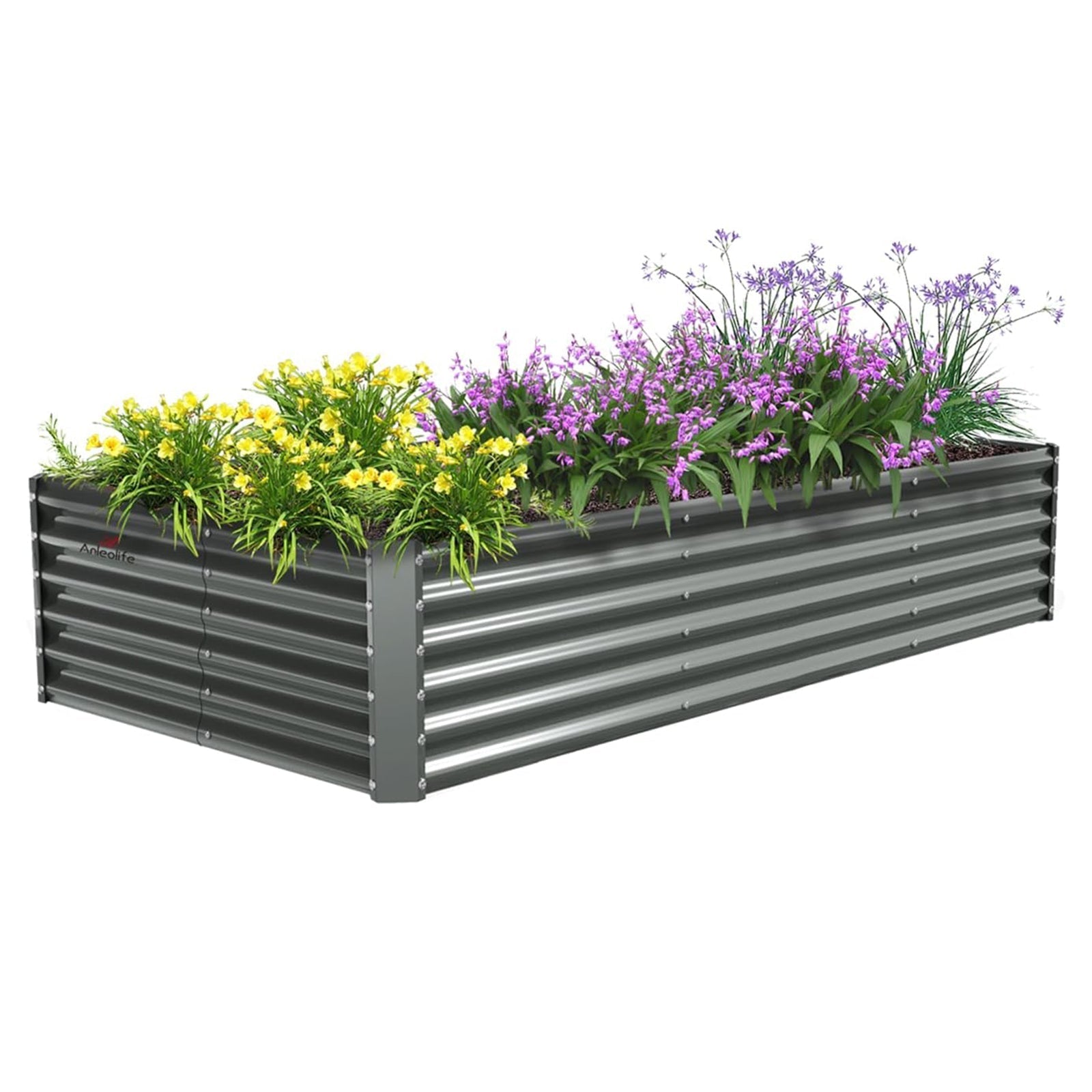

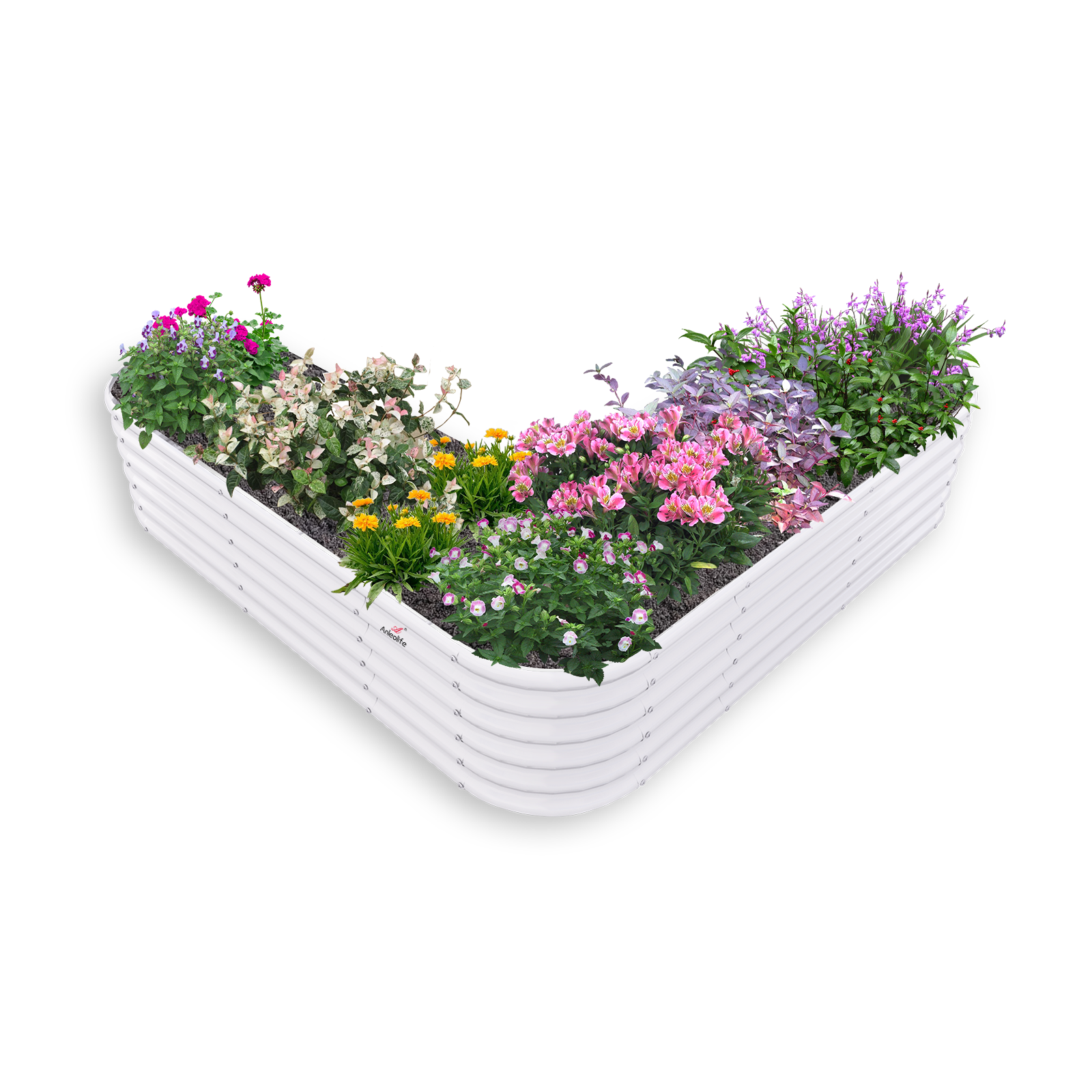
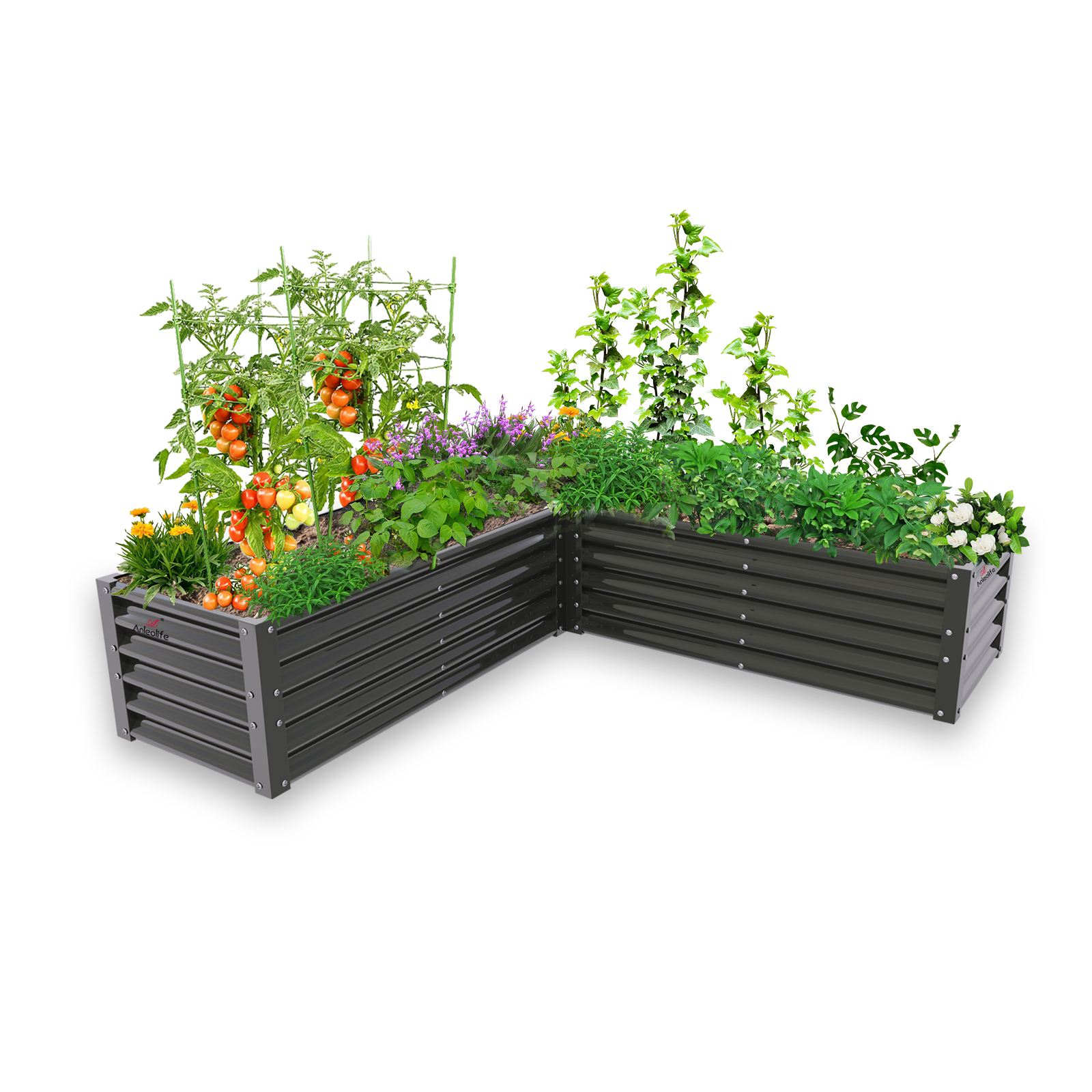
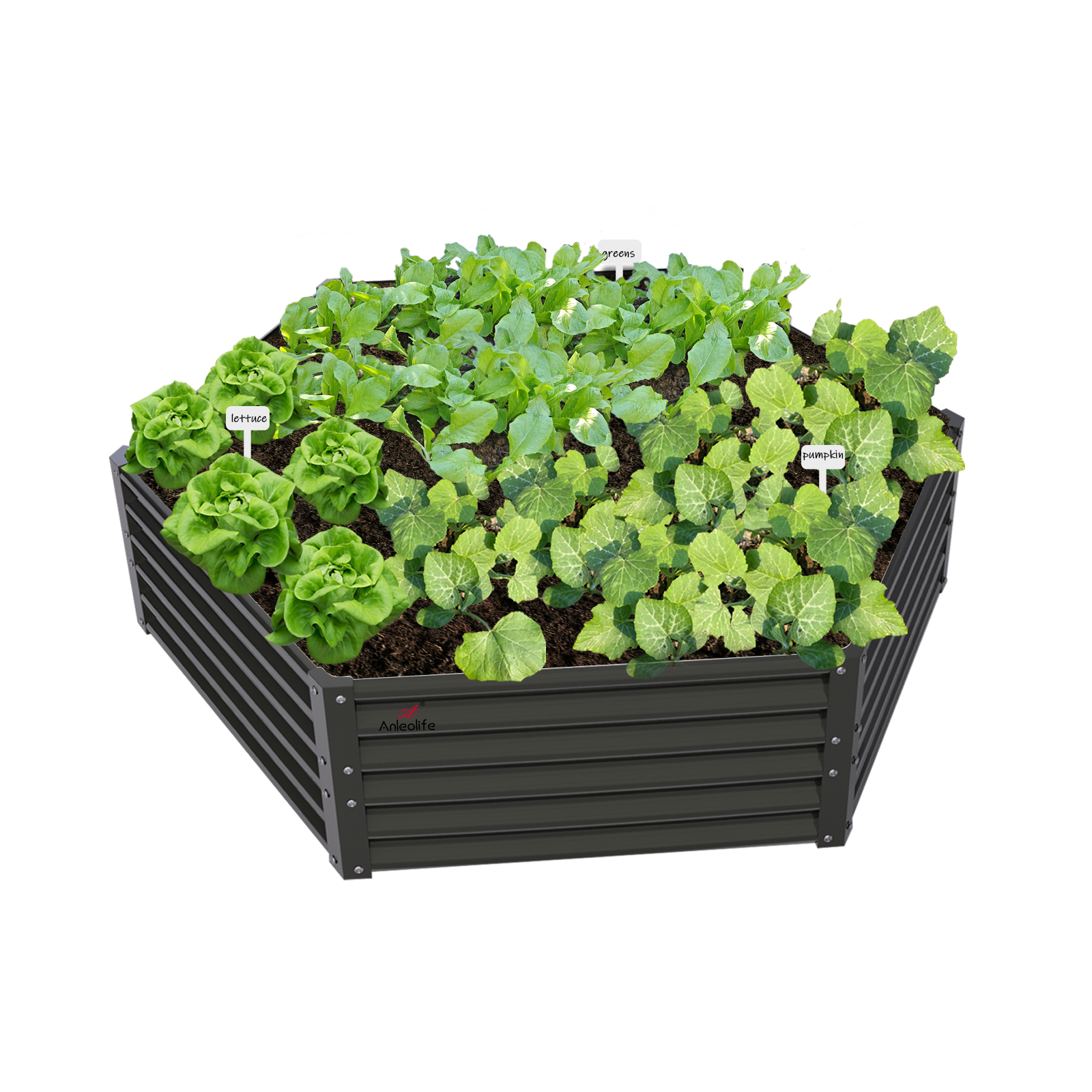
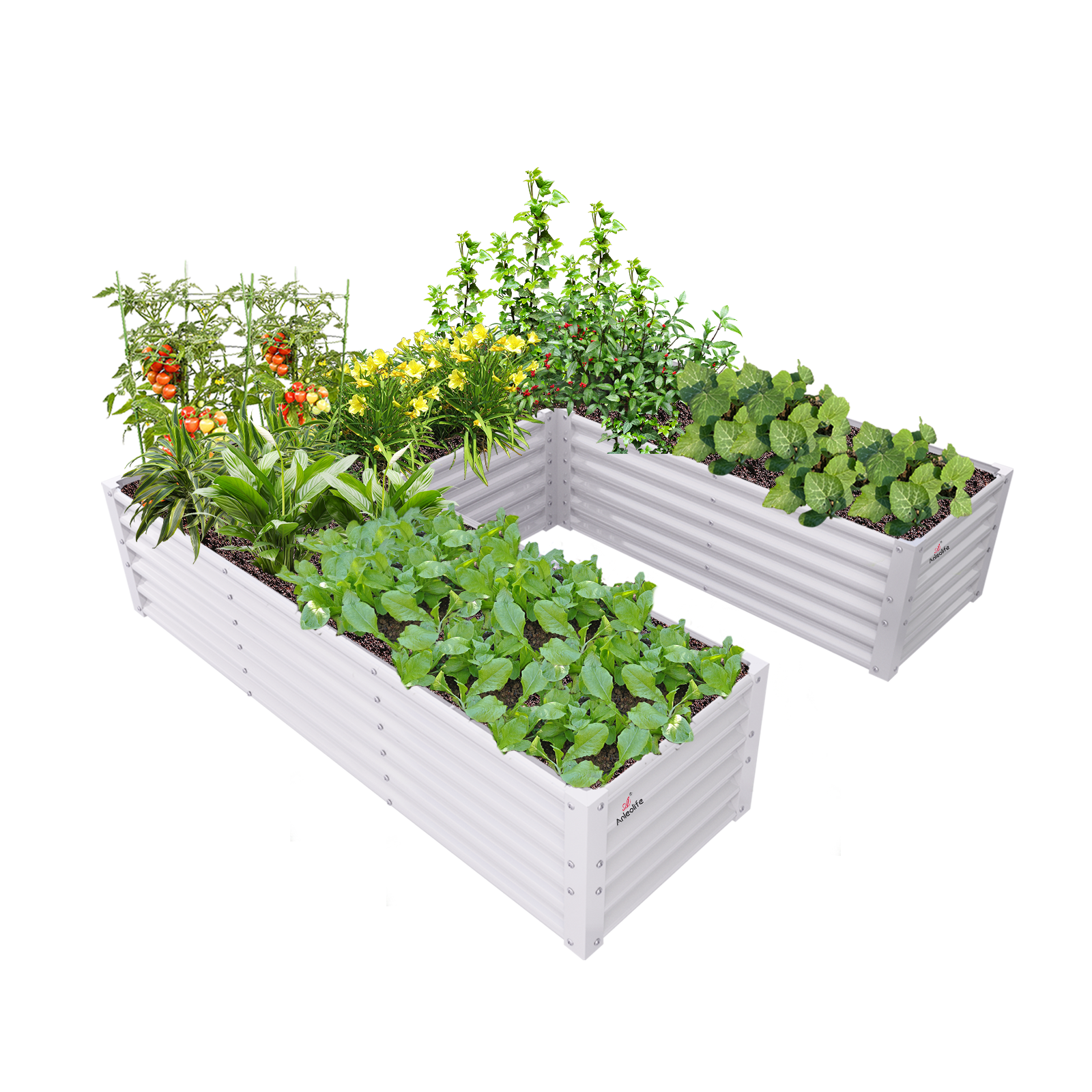

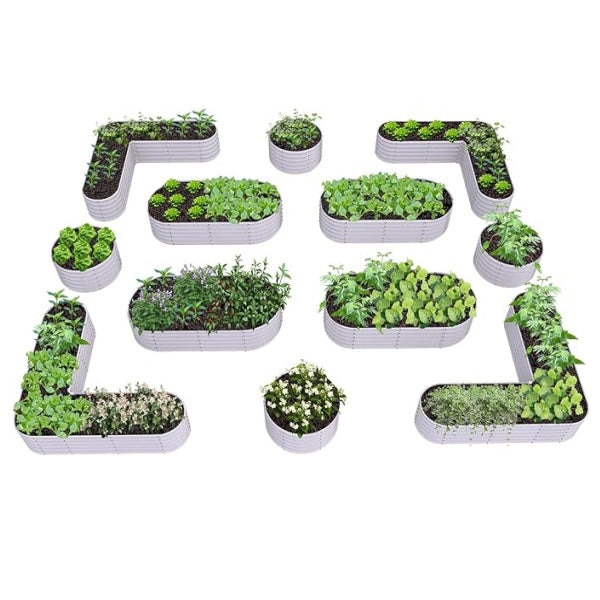


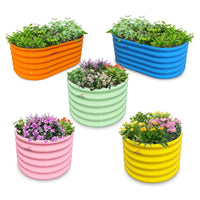
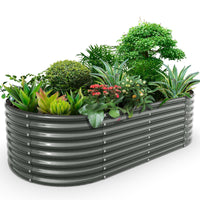




ALT: Healthy raised bed vegetable garden protected by organic pest control methods including companion planting and natural barriers
Why Organic Pest Control in Raised Beds Is the Smarter Approach for Home Vegetable Gardeners
Key Conclusion: Organic pest control methods for vegetable gardens in raised beds combine physical barriers, biological allies, companion planting, and natural sprays to manage harmful insects without toxic chemicals. Because raised beds create a contained, elevated growing environment, they naturally reduce many soil-borne pest problems—and with the right organic strategies layered on top, home gardeners can protect crops effectively while keeping their harvests safe, their soil healthy, and their family's food genuinely clean.
Raised bed vegetable gardening has surged in popularity across North America, and for good reason. The controlled environment, improved drainage, and defined growing space make it far easier to manage plant health—including pest pressure. But even the best-designed metal garden bed is not impervious to aphids, cabbage worms, spider mites, or fungus gnats.
The good news is that organic pest control integrates beautifully with raised bed gardening. Because you're working in a compact, well-organized space rather than sprawling rows, targeted organic interventions are both practical and highly effective. Whether you're a health-conscious parent wanting chemical-free produce, a retiree tending a few raised planters on the patio, or an urban micro-gardener maximizing a small backyard, understanding how to prevent and manage pests organically will transform your growing results.
Who This Guide Is For
✅ Applicable Scenarios:
- Home vegetable gardeners growing food in metal or galvanized raised beds
- Eco-conscious growers who want to avoid synthetic pesticides near edible crops
- Families with children or pets who need non-toxic garden management solutions
- Urban gardeners and patio growers working in compact raised bed setups
- Beginner and intermediate gardeners looking for a practical organic pest management system
❌ Not Applicable/Cautions:
- Commercial agricultural operations with large-scale pest infestations requiring licensed pesticide programs
- Gardeners dealing with severe, established pest populations that have already caused significant crop loss—these may require immediate professional assessment before transitioning to organic-only methods
- Situations where invasive or regulated pest species (such as certain beetles or nematode populations) are present—these require guidance from local agricultural extension services
The Case for Going Organic in a Raised Bed Garden
Organic pest control is not just a trend—it's a practical philosophy grounded in ecological science. The goal is not to eliminate every insect in your garden, but to create a balanced ecosystem where beneficial organisms keep harmful pest populations in check naturally. In a raised bed context, this becomes particularly achievable.
According to the USDA National Organic Program, organic pest management prioritizes prevention first, then mechanical and physical controls, followed by biological controls, and finally approved natural materials. This tiered approach is perfectly suited to the raised bed environment, where you already have strong control over soil quality, plant spacing, and microclimate.
Raised beds constructed from durable materials like galvanized steel inherently reduce certain pest pathways. Many soil-dwelling pests—such as root weevils and certain fungal gnats—find it harder to colonize when beds are elevated off the ground and filled with fresh, well-draining growing media. If you're wondering whether the metal itself poses any concern for your edible crops, Anleolife's guide Do Galvanized Steel Garden Beds Leach Zinc Into Your Vegetables? The Facts addresses this directly with evidence-based clarity.
The broader trend toward chemical-free home food production is also gaining momentum. A 2023 survey by the National Gardening Association found that over 77% of food-gardening households expressed interest in reducing or eliminating synthetic pesticide use. Raised bed gardeners are at the forefront of this shift—and organic pest control methods make it entirely feasible.
If you're also thinking about how to keep your raised beds well-watered as part of an integrated garden health strategy, understanding How to Set Up a Drip Irrigation System for Multiple Raised Garden Beds is worth exploring—because consistent moisture management plays a real role in plant vigor and pest resistance.
Organic Pest Control Methods: A Complete System for Raised Bed Vegetable Gardens
Three-Step Quick Start for New Raised Bed Gardeners
Step 1: Assess Your Current Pest Situation
Before choosing any control method, spend 10–15 minutes doing a thorough inspection of your raised beds. Check the undersides of leaves, soil surface, and stem bases for signs of pest activity—holes in leaves, sticky residue (aphid honeydew), wilting without water stress, or visible insects. Identify what you're dealing with before acting. This initial scouting step takes roughly one afternoon and forms the foundation of your entire pest management plan.
Step 2: Layer Physical and Preventive Defenses
Once you know what pests are present or likely based on your region and crop selection, install appropriate physical barriers. This includes floating row covers for flying insects, copper tape along bed edges to deter slugs, fine mesh netting over brassicas to block cabbage moths, and sticky yellow traps for monitoring flying pest populations. These preventive measures take roughly one to two hours to set up per bed and pay dividends throughout the entire growing season.
Step 3: Introduce Biological and Botanical Allies
After your physical barriers are in place, build your biological defense layer. This means planting pest-deterrent companion plants around and between your vegetables, releasing or encouraging beneficial insects like ladybugs and parasitic wasps, and preparing a rotation schedule for natural sprays such as neem oil or insecticidal soap to address active infestations. This ongoing phase of your organic pest control program requires just a few minutes of attention several times per week.
Comparing the Core Organic Pest Control Methods
There is no single silver bullet in organic pest control—the most successful gardeners layer multiple approaches. Here's a clear comparison of the major methods available for raised bed vegetable gardeners:
| Comparison Dimension | Physical Barriers | Biological Controls | Botanical/Natural Sprays |
|---|---|---|---|
| Ease of Implementation | High – install once, works passively | Moderate – requires sourcing or habitat creation | Moderate – requires preparation and reapplication |
| Effectiveness Against Flying Pests | High (row covers, netting) | Moderate (predatory insects help) | Moderate (neem deters some species) |
| Effectiveness Against Soil Pests | Low to moderate | High (beneficial nematodes) | Moderate (diatomaceous earth) |
| Cost | Low to moderate upfront | Low to moderate | Low (DIY sprays very affordable) |
| Impact on Beneficial Insects | None (passive method) | None – supports beneficials | Moderate – some sprays affect all insects; apply carefully |
| Residue on Edible Crops | None | None | Minimal – most approved for organic use near harvest |
| Skill Level Required | Beginner-friendly | Beginner to intermediate | Beginner to intermediate |
Deep Dive: The Five Pillars of Organic Pest Control in Raised Beds
Pillar 1 – Companion Planting as Your First Line of Defense
Companion planting is one of the most time-honored and effective organic pest control strategies, and it fits naturally into the raised bed format. The principle is simple: certain plants repel, confuse, or trap specific pests when grown nearby. Others attract beneficial predatory insects that feed on garden pests.
Marigolds (Tagetes spp.) are the classic example—their root secretions repel nematodes, and their scent deters aphids, whiteflies, and even some beetles. Plant them generously along the edges of your beds. Basil planted near tomatoes helps repel thrips and aphids while also improving tomato flavor. Nasturtiums act as a "trap crop," luring aphids away from more valuable vegetables.
For brassicas like cabbage, broccoli, and kale, interplanting with aromatic herbs such as dill, rosemary, or sage can confuse and deter cabbage moths and whiteflies. Dill also attracts predatory wasps that parasitize caterpillars and aphids.
If you're planning your raised bed plantings for the season, check out Top Vegetables to Plant in a Raised Garden Bed Right Now This Summer for crop suggestions that pair well with companion pest-control plants.
Pillar 2 – Physical Barriers and Exclusion Methods
Physical exclusion is arguably the most reliable organic pest control method because it prevents contact between pests and plants entirely, with no chemical input required.
Floating row covers made from lightweight spun fabric allow sunlight and water through while blocking most flying insects. They are particularly effective against cabbage moths, cucumber beetles, and squash vine borers. Install them at planting time and secure the edges firmly—in a raised metal garden bed, this is especially easy because you can anchor covers to the bed frame directly.
Copper tape placed along the outer rim of raised beds creates a mild electrical deterrent for slugs and snails, which dislike crossing the metal. This is especially useful in wetter climates like the Pacific Northwest or during rainy spring seasons.
Fine mesh netting provides more durable, season-long protection compared to row covers and is worth investing in for crops that are consistently targeted by flying pests in your area.
Diatomaceous earth (DE), a powder made from fossilized algae, can be dusted along the soil surface and around plant stems. Its microscopic sharp edges damage the exoskeletons of crawling insects like aphids, beetles, and earwigs, causing dehydration. It must be reapplied after rain. Food-grade DE is safe for humans and pets.
Pillar 3 – Biological Controls: Recruiting Nature's Pest Managers
Biological control leverages living organisms—predatory insects, beneficial nematodes, and microbial agents—to suppress pest populations. This is a cornerstone of organic integrated pest management.
Beneficial insects are your most powerful biological allies. Ladybugs and their larvae consume enormous numbers of aphids. Lacewing larvae feed on aphids, mites, thrips, and small caterpillars. Ground beetles prey on soil-dwelling pests. You can purchase these insects from garden suppliers or, more sustainably, create habitat that attracts them naturally: leave some flowering herbs to bloom (dill, fennel, cilantro), add a shallow water source, and avoid broad-spectrum pesticides that would kill them.
Parasitic wasps (Trichogramma spp.) are tiny, non-stinging wasps that lay eggs inside caterpillar eggs and aphid bodies, preventing pest development. They are widely available for purchase and highly effective against common raised bed pests.
Beneficial nematodes are microscopic roundworms applied to the soil that target larvae of fungus gnats, root weevils, and other soil-dwelling pests. They are completely safe for plants, earthworms, and mammals, and are particularly effective in the moist soil conditions of a well-watered raised bed.
Bacillus thuringiensis (Bt) is a naturally occurring soil bacterium that produces proteins toxic specifically to caterpillars when ingested. It's OMRI-listed for organic use and is highly targeted, with no effect on beneficial insects, birds, or mammals. Apply to leaf surfaces where caterpillars are feeding.
Pillar 4 – Natural and Botanical Sprays
When pest populations are actively building and physical or biological measures need support, natural sprays offer effective, fast-acting intervention that remains within organic guidelines.
Neem oil is derived from the neem tree and works in multiple ways: it disrupts the life cycle of insects, acts as a feeding deterrent, and has antifungal properties that also help prevent powdery mildew. Mix with water and a small amount of liquid dish soap as an emulsifier. Apply in the evening to avoid harming pollinators and to reduce evaporation. Effective against aphids, spider mites, whiteflies, and fungus gnats.
Insecticidal soap (potassium salts of fatty acids) kills soft-bodied insects on contact by disrupting their cell membranes. It's highly effective against aphids, spider mites, and mealybugs and breaks down quickly without leaving harmful residues. Reapply every five to seven days during active infestations.
Garlic spray is a simple, inexpensive homemade deterrent. Blend several cloves with water, strain thoroughly, and spray on foliage. The sulfur compounds repel a wide range of insects including aphids, caterpillars, and beetles. It's best used as a preventive spray rather than a curative treatment.
Pyrethrin, derived from chrysanthemum flowers, is a fast-acting natural insecticide effective against a broad range of pests. It breaks down rapidly in sunlight, leaving minimal residue. Because it can affect beneficial insects, use it only as a targeted, last-resort intervention rather than a routine spray.
Pillar 5 – Soil Health and Cultural Practices
Healthy plants resist pest pressure far better than stressed ones. Organic pest control is not only about what you apply to your plants—it's about building the conditions in which pests find your garden an unattractive target.
Rich, biologically active soil supports vigorous root systems and strong plant immunity. Amend your raised beds with compost, worm castings, and organic matter regularly. Avoid synthetic fertilizers that push rapid, soft growth—lush, tender new growth is highly attractive to sucking insects like aphids.
Crop rotation prevents pest populations from establishing in the same location year after year. Even within a raised bed system, rotating plant families between beds seasonally dramatically reduces buildup of soil-dwelling pests and diseases. Move brassicas, nightshades, cucurbits, and alliums to different beds each season.
Proper spacing is critical. Overcrowded plants create humid microclimates that harbor fungal disease and make it easier for pests to spread. The specific dimensions of your raised bed should guide your planting density—Anleolife's range includes options from compact 4x1.5 ft waist-high planters to spacious 12x3 ft and 8x4 ft configurations, giving you the right canvas to space your crops properly from day one.
Consistent watering at the root zone rather than overhead reduces fungal issues and helps maintain plant resilience. Understanding how to implement efficient watering in a multi-bed setup ties directly into your pest control success.

ALT: Raised bed vegetable garden with companion planting marigolds and basil demonstrating organic pest control methods for healthy chemical-free growing
Advanced Considerations: When Organic Methods Need Fine-Tuning
Handling Severe or Sudden Pest Outbreaks
Even with a well-layered organic system in place, sudden outbreaks can occur—particularly during warm, humid weather that favors rapid aphid or spider mite reproduction. When populations surge unexpectedly, the priority is speed over subtlety: apply insecticidal soap or neem oil immediately, remove heavily infested plant material, and consider introducing a concentrated release of beneficial insects from a garden supplier.
Do not wait and observe when you see rapid population growth. A single aphid colony can double in days. Act within the first 24–48 hours of noticing a significant infestation.
Common Misconceptions About Organic Pest Control
Misconception 1: "Organic means pest-free." Organic pest control aims for balance, not elimination. Some pest presence is normal and actually supports the ecosystem by sustaining beneficial predator populations. Judge success by crop health and yield, not by a total absence of insects.
Misconception 2: "Natural sprays are completely harmless." While approved for organic use, products like neem oil and pyrethrin can still harm beneficial insects, aquatic organisms, and pollinators if misused. Always apply in the evening, avoid spraying blooming flowers, and follow label directions.
Misconception 3: "Raised beds eliminate pest problems." Raised beds significantly reduce certain pest categories—particularly soil-borne and surface-crawling pests—but flying insects, birds, and wind-borne pests are unaffected by bed height or material. Above-ground protection is still essential.
How Bed Material Relates to Pest Management
The material of your raised bed can play a subtle but real role in the pest environment. Galvanized steel beds from Anleolife, engineered for a lifespan of up to 20 years, don't harbor insects the way wood does—no rot, no splinters, no bark beetle tunnels. Wooden beds can become habitat for woodlice, earwigs, and certain beetle species that, while not always damaging, indicate a different pest ecology. For more on material durability, see Galvanized Steel vs. Corten Steel Garden Beds: Which Holds Up Better Outdoors?
Frequently Asked Questions FAQ
Q1: How do I use neem oil safely and effectively in my raised bed vegetable garden?
Mix pure cold-pressed neem oil (typically around 2 tablespoons) with a quart of water and a few drops of liquid dish soap to emulsify. Spray thoroughly on all leaf surfaces, including undersides, in the early evening to minimize impact on pollinators and slow evaporation. Reapply every seven to fourteen days as a preventive measure, or every five to seven days during active infestations. Neem is OMRI-listed for organic use and is effective against aphids, spider mites, whiteflies, and fungus gnats without leaving harmful residues on edible crops.
Q2: Are beneficial nematodes safe to use in a raised metal garden bed with vegetables?
Yes—beneficial nematodes are entirely safe for plants, earthworms, pets, and humans. They target only specific soil-dwelling insect larvae, such as fungus gnat larvae, root weevil grubs, and certain beetle larvae. Apply them to moist soil in the early morning or evening (they are sensitive to UV light), water them in thoroughly, and keep the soil moist for at least a week after application. They are an excellent biological control option specifically suited to the rich, moist soil conditions of a well-maintained raised bed.
Q3: How long does it take to see results from organic pest control methods in raised beds?
Timeline varies by method. Physical barriers like row covers provide immediate protection from the moment they're installed. Biological controls such as released ladybugs or beneficial nematodes typically show measurable impact within one to two weeks as populations establish and feed. Natural sprays like insecticidal soap produce visible results on soft-bodied insects within 24–48 hours of contact but require reapplication every five to seven days. Building a full organic pest ecosystem—with companion planting, soil health, and biological layers in place—generally takes a full growing season to mature into a reliably effective system.
Summary
Organic pest control for vegetable gardens in raised beds is not a single product or a single action—it's a layered, thoughtful system that works with nature rather than against it. The three core principles to carry forward are:
- Prevention is always more effective than reaction. Companion planting, crop rotation, physical barriers, and healthy soil reduce pest pressure before it starts.
- Biological controls create lasting balance. Beneficial insects, nematodes, and microbial agents like Bt establish a living defense network that grows stronger over time.
- Natural sprays are tools, not a program. Neem oil, insecticidal soap, and diatomaceous earth are effective interventions for active problems, but they work best as part of a broader integrated organic system.
Your raised bed setup gives you a significant head start over traditional in-ground gardening. The elevated, well-drained, biologically rich growing environment of a quality metal raised bed naturally suppresses many common pest problems—leaving you to manage the rest with precision using the organic methods in this guide.
Start with one new strategy this season: add marigolds and basil to your existing beds, install a row cover over your brassicas, or apply a preventive neem oil spray. Build from there. Your garden—and your harvest—will reflect the difference.
Grow Smarter with Anleolife
Nationwide U.S. warehouse network: Strategically located in California, Texas, Florida, New York, Illinois, and Washington to ensure delivery within 3–8 business days—so your garden upgrade plans never have to wait.
Multi-channel sales network: Anleolife products are available on major platforms including Amazon, Walmart, Home Depot, Lowe's, Wayfair, and the official website Anleolife.com, providing consistent quality assurance and after-sales service.
Three core scenarios: Planting (metal raised garden beds, soil systems), Raising (chicken coops, rabbit hutches), and Beautification (decorative accessories, pathway systems)—meeting complete needs from functionality to aesthetics.
We understand that an ideal garden is not built overnight, but gradually improved over time. Anleolife's modular product design allows flexible expansion based on your needs—from your first compact raised planter to a fully integrated planting-and-raising ecosystem. Our galvanized steel raised garden beds are built to last up to 20 years, meaning the system you set up this season will still be serving your family's table for decades to come. We grow with you every step of the way.
References
- USDA National Organic Program. "Organic Production and Handling Standards".
https://www.ams.usda.gov/about-ams/programs-offices/national-organic-program - University of California Statewide Integrated Pest Management Program. "Pest Management Guidelines: Home Vegetable Gardens".
https://ipm.ucanr.edu/PMG/GARDEN/vegefruit.html - National Sustainable Agriculture Information Service (ATTRA). "Insects and Natural Enemies: A Guide to Biological Control".
https://attra.ncat.org/product/beneficial-insects-and-biological-pest-control/ - Penn State Extension. "Organic Pesticides: Are They Safer for the Environment?"
https://extension.psu.edu/organic-pesticides - National Gardening Association. "Food Gardening in the United States: Annual Survey Report".
https://garden.org/learn/articles/view/3819/
Note: Standards and guidelines may be updated. Please check the latest official documents or consult your local agricultural extension service for current recommendations.
About Anleolife
Anleolife is a leading outdoor garden solutions provider in North America, dedicated to offering a full-scenario product ecosystem for home gardening enthusiasts, covering planting, raising, and garden beautification. Since its founding, we have upheld our brand mission, "Made for Garden Life," continuously innovating products and optimizing services to help hundreds of thousands of users upgrade their gardens, reconnect with nature, and enjoy a better garden lifestyle.