


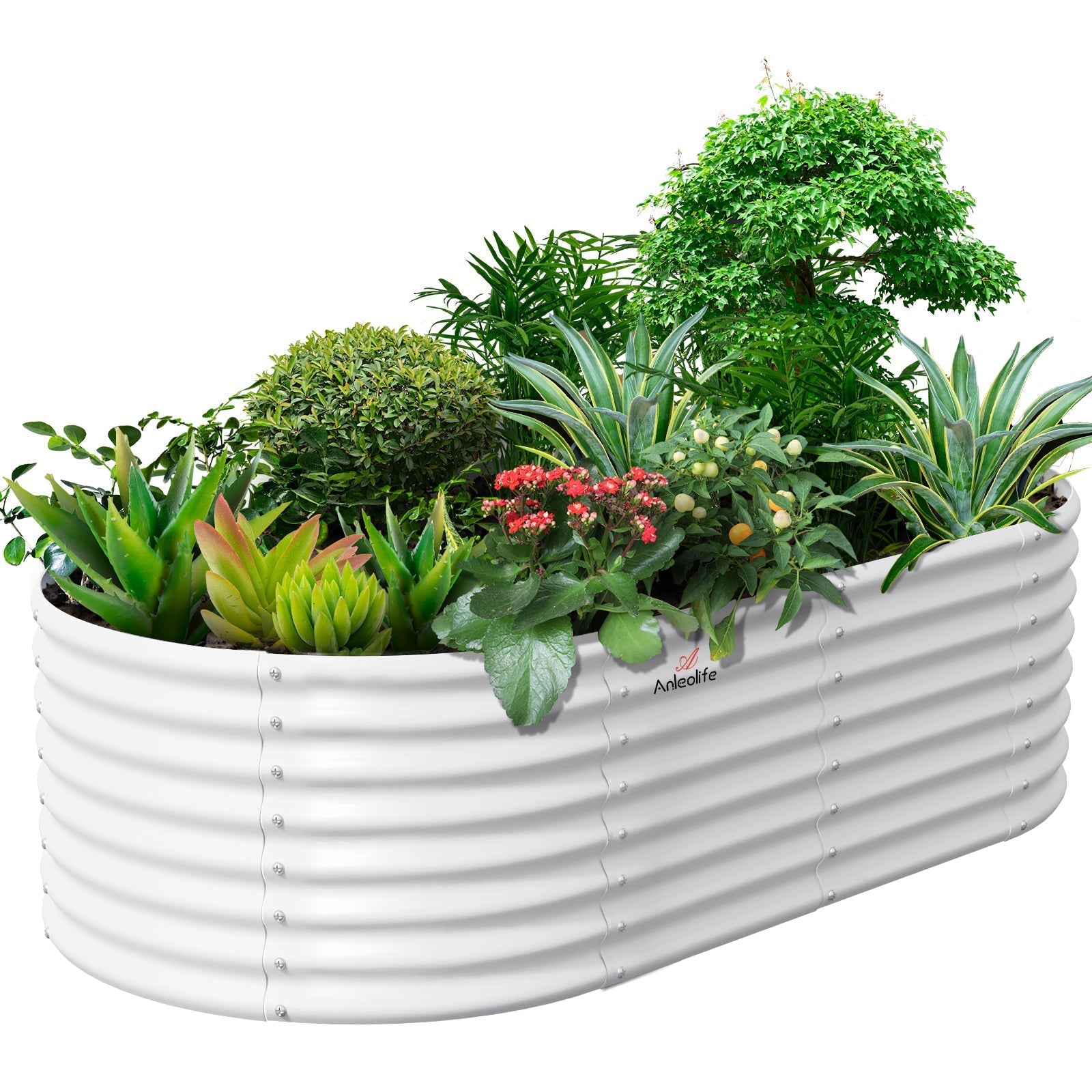
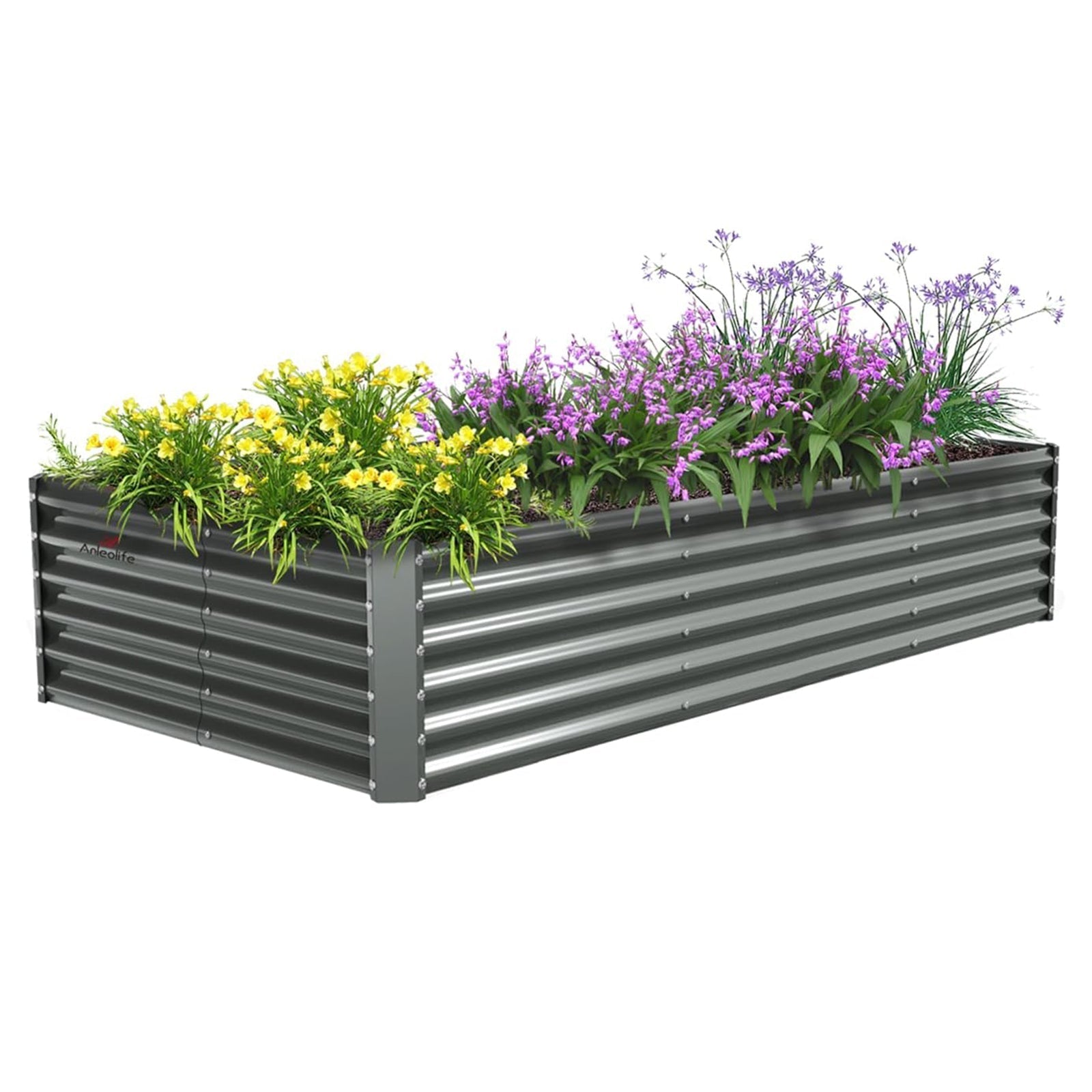

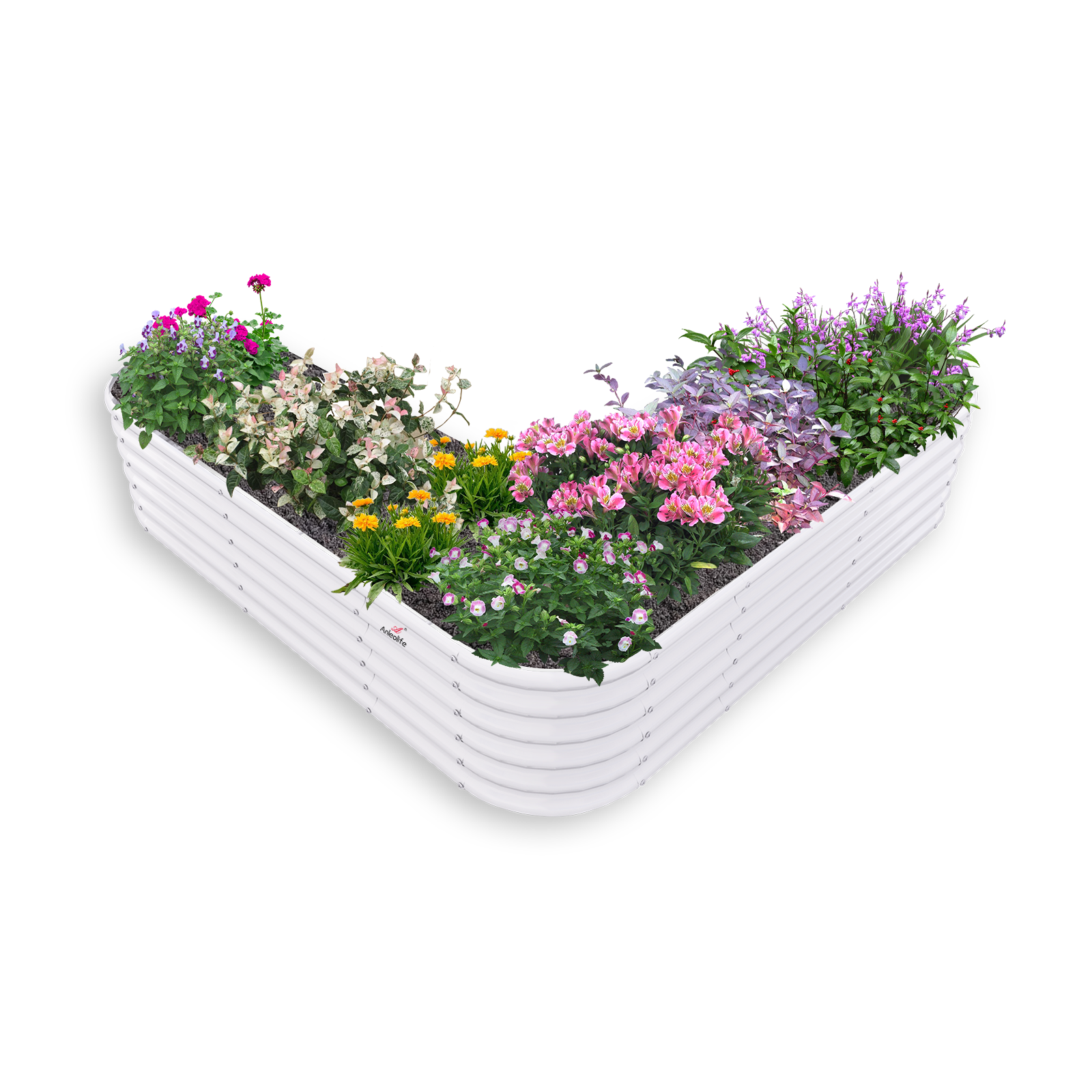
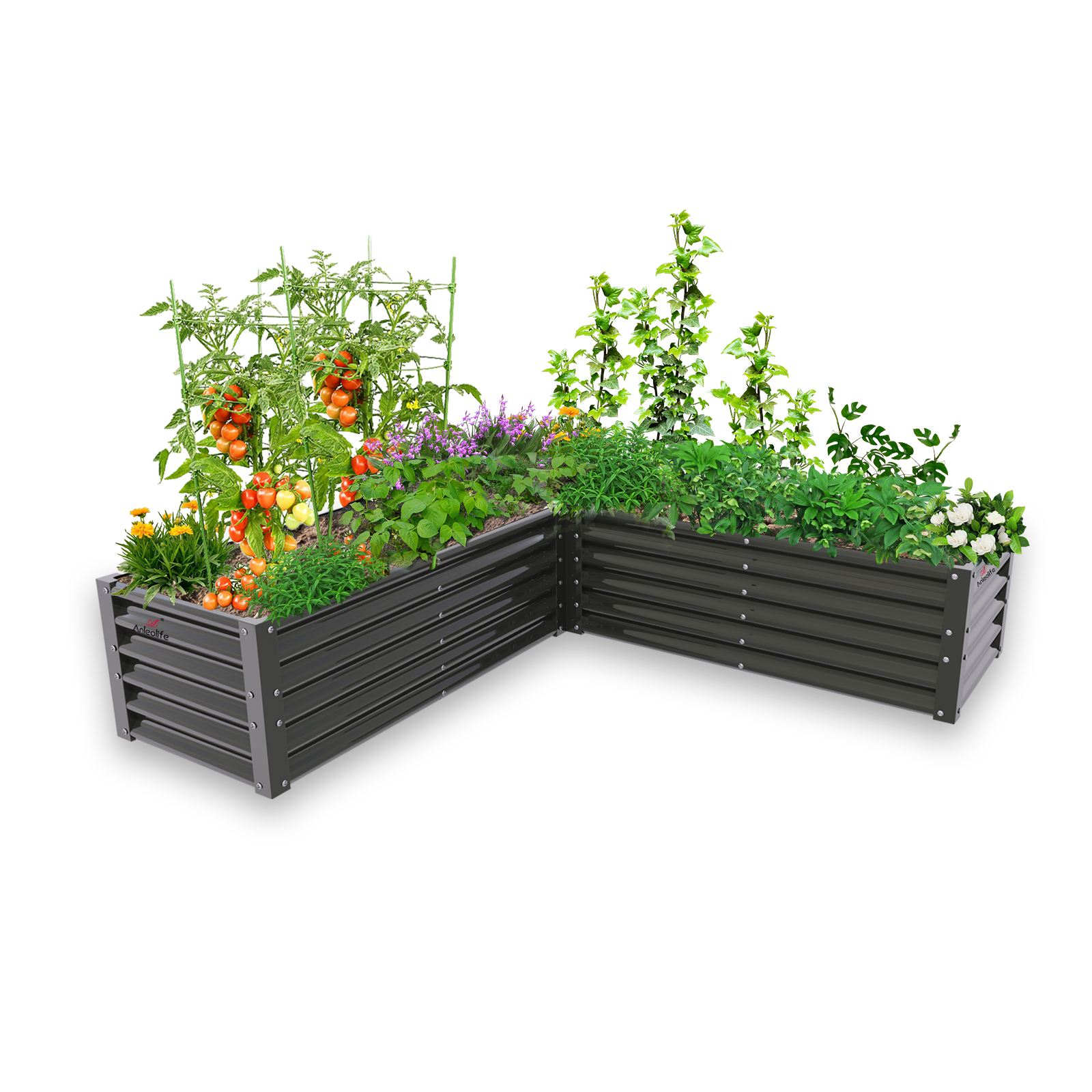
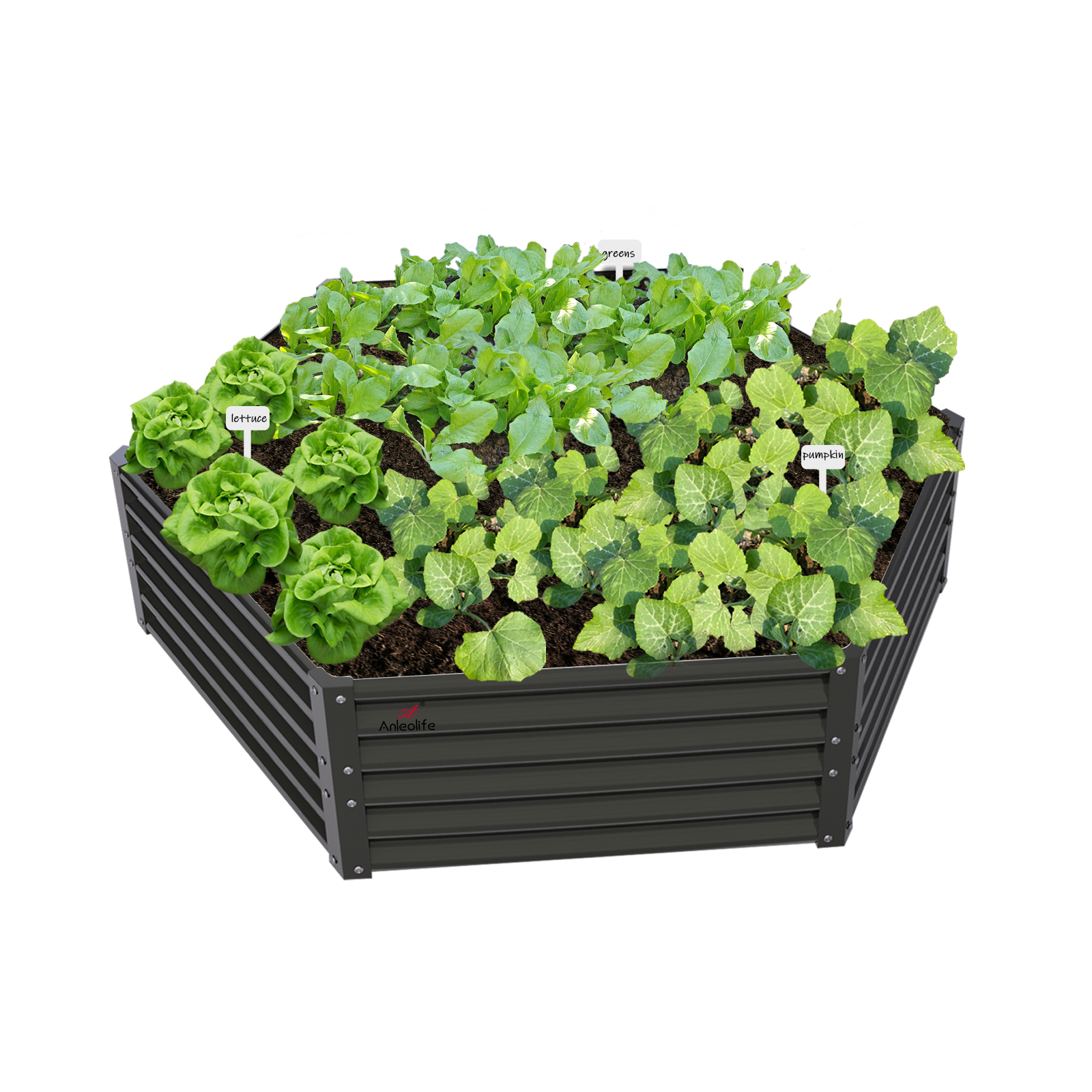
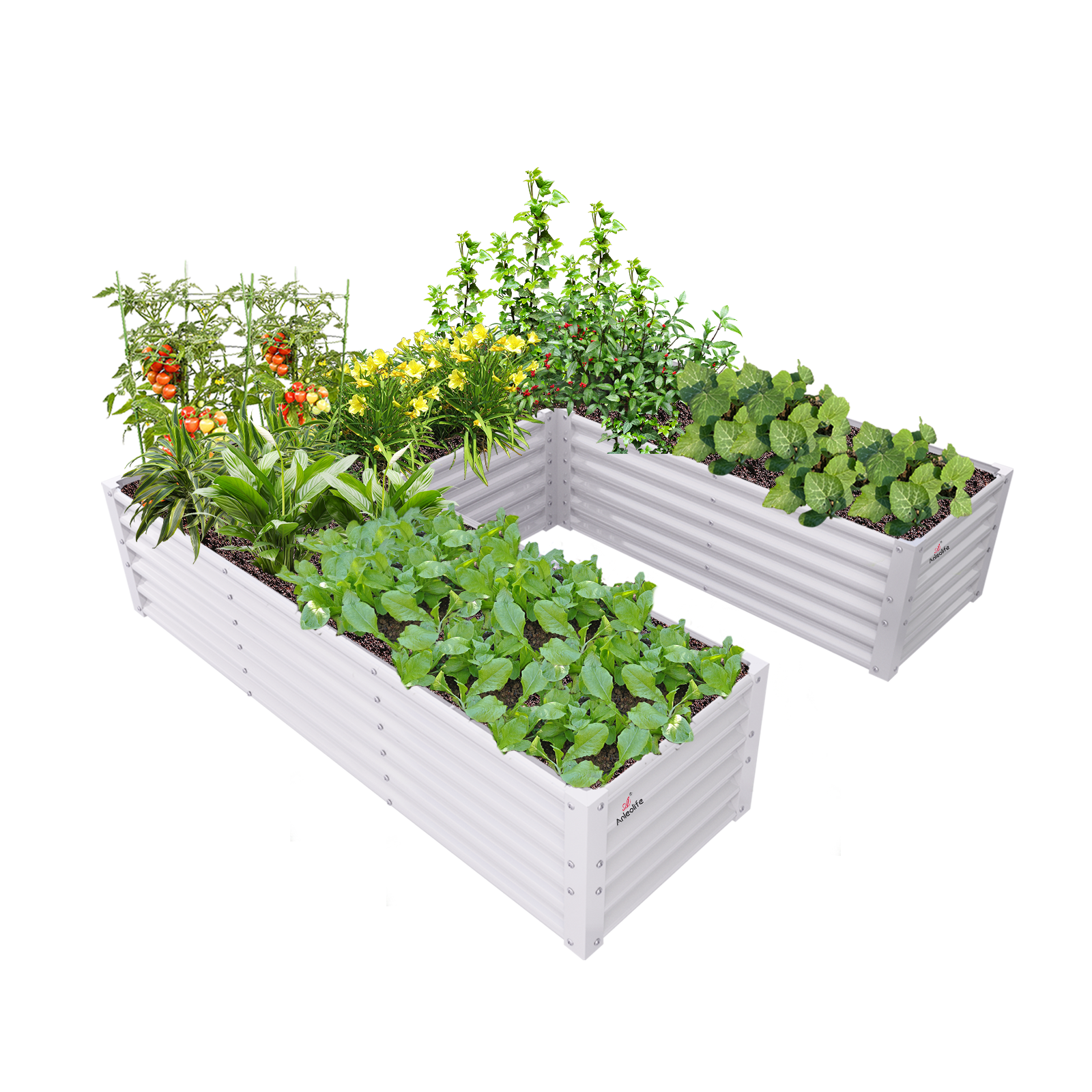

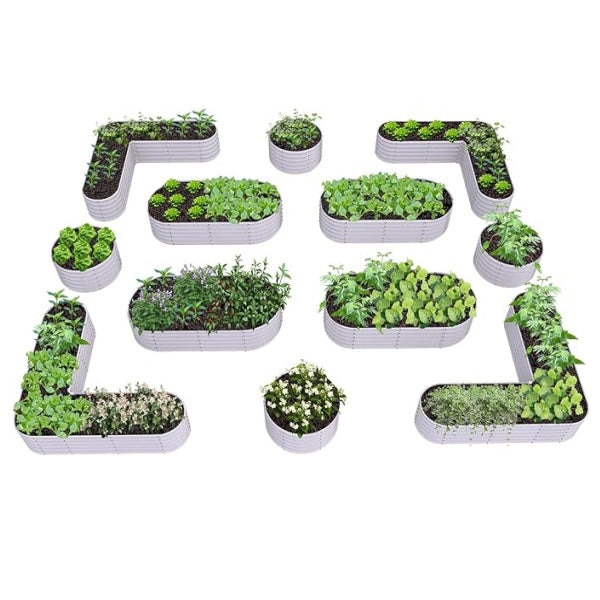


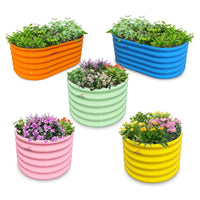
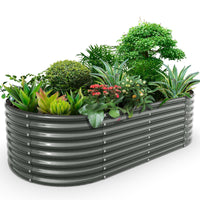



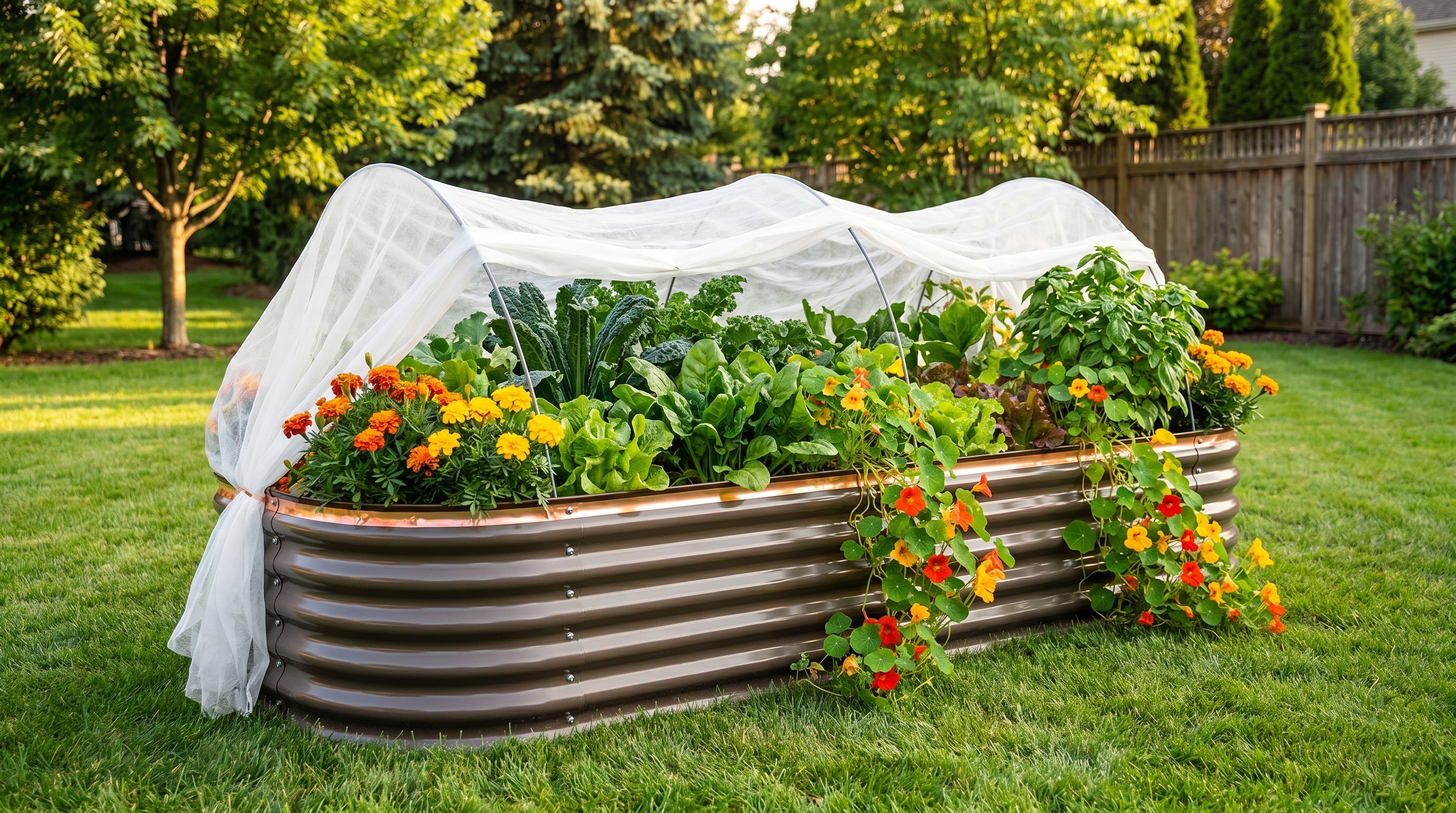
ALT: Organic pest control strategies for raised garden beds featuring companion planting and natural barriers in summer garden
Why Organic Pest Control in Raised Garden Beds Matters More This Summer
Key Conclusion: Summer heat accelerates pest reproduction cycles, making organic pest control strategies in raised garden beds not just a preference but a necessity for healthy harvests. Unlike conventional chemical treatments, organic methods protect soil ecosystems, safeguard beneficial insects, and keep your homegrown produce genuinely safe to eat. Whether you're managing modular garden beds, integrating chicken tunnels into your backyard ecosystem, or organizing your tools on firewood log racks, a thoughtful organic approach creates a resilient, self-sustaining garden system that flourishes season after season.
Organic pest management in raised garden beds has evolved from a niche practice into a mainstream movement—and for good reason. Home gardeners are increasingly aware that the food they grow should be free from synthetic residues, especially when children and pets share the same outdoor spaces.
This summer brings its own challenges: warmer temperatures are pushing pest pressure earlier and harder than typical seasons. Aphids, squash bugs, Japanese beetles, and cabbage worms are already appearing weeks ahead of schedule in many U.S. regions. The good news is that raised garden beds—by design—give you a structural advantage. Elevated, defined planting spaces are naturally easier to monitor, manage, and protect. Combined with smart organic strategies, they become powerful pest-resistant growing systems.
Who Should Use These Organic Pest Control Strategies
✅ Applicable Scenarios:
- Home gardeners growing vegetables, herbs, or fruits in metal raised garden beds who want chemical-free harvests
- Families with children or pets who share garden spaces and need non-toxic pest management
- Urban micro-gardeners with limited space who rely on intensive planting in compact raised beds
- Eco-conscious growers integrating chickens or rabbits into their garden ecosystem for natural pest control
- Empty nesters and retirees maintaining manageable, low-chemical garden plots for fresh, healthy produce
❌ Not Applicable/Cautions:
- Gardeners dealing with severe, widespread infestations that have already caused significant crop damage—organic methods work best as prevention and early intervention, not emergency rescue
- Situations requiring immediate, large-scale pest elimination where time constraints don't allow for the gradual effectiveness of organic approaches
- Growers in regulated agricultural or commercial settings where specific licensed treatments may be legally required
The Real Threat: Why Summer Pests Hit Raised Beds Differently
Summer is the peak season for garden pests in North America, and raised garden beds—despite their many advantages—aren't immune. Understanding why pest pressure intensifies in summer, and how raised bed environments interact with common insects, is the foundation of any effective organic control plan.
The summer acceleration effect is well-documented in entomology research. Warmer soil and air temperatures compress insect life cycles, meaning aphids that might take two weeks to reproduce in spring can cycle through generations in just days during a July heat wave. According to the University of California Agriculture and Natural Resources, many common garden pests have population growth rates that increase exponentially above certain temperature thresholds. This means that what begins as a small, manageable infestation can explode into a crop-threatening outbreak within a single week.
Raised garden beds present a unique microclimate. Metal raised beds, particularly those made from galvanized steel, warm up faster than ground soil in the morning—which gardeners love because it extends the growing season. However, that same warmth can attract certain pests, particularly soil-dwelling insects and those that favor warm, sheltered environments near plant stems.
At the same time, raised beds offer significant protective advantages. The defined borders of a raised garden bed create natural boundaries that make physical barriers—row covers, copper tape, netting—far easier to deploy than in traditional in-ground gardens. Elevated beds also reduce slug and snail access from surrounding lawns, and the improved drainage typical of well-designed raised beds discourages the fungal conditions that often accompany pest damage.
The gardening community is shifting decisively toward organic solutions. A 2023 survey by the National Gardening Association found that over 70% of home gardeners reported preferring organic or natural pest control methods, citing concerns about chemical residues on food, effects on pollinators, and soil health. This shift mirrors broader consumer trends toward cleaner living environments and more transparent food sourcing.
For gardeners using quality raised beds—like those from Anleolife, built with durable galvanized steel designed to last up to 20 years—the investment in a long-term organic garden system makes complete financial and ecological sense. When your beds are built to last two decades, developing sustainable pest management practices that protect both the structure and the soil ecosystem is simply smart stewardship.
Your Complete Organic Pest Control System for Raised Garden Beds
Three-Step Quick Start for the Overwhelmed Gardener
If you're facing pest pressure right now and need to act fast, here's a focused starting protocol before we dive into the comprehensive strategies below.
Step 1: Assess and Map Your Pest Situation
Before reaching for any treatment—organic or otherwise—spend 15–20 minutes doing a thorough walkthrough of your raised beds at two key times: early morning and late afternoon. Different pests are active at different times of day. Look under leaves, along stems, in soil near plant bases, and along bed borders. Take photos and note which plants are affected. This targeted assessment prevents wasted effort and ensures your chosen remedies match the actual culprits rather than assumed ones. The time invested here saves hours of misdirected treatment later.
Step 2: Deploy Immediate Physical Barriers
Once you've identified your pest population, install physical deterrents immediately. For flying insects and caterpillar-producing moths, lightweight row cover fabric draped over hoops creates an instant barrier. For slugs and snails, apply a ring of diatomaceous earth around affected plants. For aphid colonies, use a strong spray of water to dislodge them—raised beds make this precise targeting easy since you're working with contained, accessible planting areas. Complete this step within 24 hours of your assessment for maximum impact.
Step 3: Begin a Companion Planting Correction Plan
Review your current planting layout and identify gaps where pest-repelling companions can be added. Marigolds, basil, nasturtiums, and dill are fast-growing options that can be transplanted as seedlings into empty spots in your raised beds immediately. Even one or two strategically placed companion plants per bed can begin disrupting pest navigation patterns within days. Plan for a more comprehensive companion planting redesign for next season based on what you learn this summer.
Comparing Organic Pest Control Solutions: Which Approach Is Right for You?
Every gardener's situation is different. The best organic pest control strategy depends on your pest type, garden size, time availability, and comfort with different intervention methods. Here's how the main approaches compare:
| Comparison Dimension | Physical Barriers | Biological Controls | Organic Sprays & Amendments |
|---|---|---|---|
| Best For | Preventing infestation; flying insects, crawling pests | Established pest populations; ongoing management | Active infestations; fast knockdown needed |
| Effectiveness Speed | Immediate prevention | Moderate (days to weeks) | Fast (hours to days) |
| Cost Level | Low to moderate (one-time investment) | Low to moderate (ongoing) | Low (DIY) to moderate (purchased) |
| Labor Requirement | Low after initial setup | Very low (nature does the work) | Moderate (regular application) |
| Soil/Plant Safety | Completely safe | Completely safe | Safe when properly applied |
| Raised Bed Compatibility | Excellent (borders simplify setup) | Excellent | Excellent |
| Long-Term Benefit | Moderate | High (builds ecosystem) | Low to moderate |
| Pollinator Impact | None | Positive | Varies by product; apply carefully |
The most effective approach combines all three in a layered system—physical barriers as your first line of defense, biological controls as your ongoing ecosystem strategy, and organic sprays as targeted interventions when needed.
The Complete Organic Pest Control Playbook for Summer Raised Beds
Physical Barriers: Your First Line of Defense
Row covers and insect netting are among the most underutilized tools in the home gardener's arsenal. A lightweight floating row cover—secured around the perimeter of your raised bed—physically prevents flying insects from reaching plants entirely. This is particularly effective for squash vine borers, cabbage moths, and cucumber beetles, all of which are devastating summer pests.
The structural advantage of raised garden beds becomes immediately apparent here. Unlike ground-level gardens where securing fabric is awkward and imprecise, a raised bed with defined walls gives you clean edges to anchor netting. Galvanized steel raised beds, like those in the Anleolife lineup, have smooth, sturdy borders that make attaching hoop systems or netting clips straightforward and secure.
Copper tape is a highly effective deterrent for slugs and snails. Applied along the top outer edge of your bed's walls, it creates a mild electrical reaction when these mollusks contact it, causing them to retreat. One application at the start of summer provides protection for the entire season.
Diatomaceous earth (DE) works differently—it's a physical rather than chemical agent. The microscopic silica particles damage the exoskeletons of soft-bodied insects, causing dehydration. Apply it around plant bases and along bed borders. Reapply after rain. Food-grade DE is safe for humans, pets, and earthworms but should not be inhaled, so use a mask during application.
Companion Planting: Building a Pest-Resistant Plant Community
Companion planting is perhaps the most elegant organic pest control strategy because it works continuously without any additional labor once established. Certain plants repel specific pests through volatile chemical compounds, attract beneficial predatory insects, or simply confuse pest navigation by disrupting scent trails.
The classic four companions for summer raised beds are:
- Marigolds (French variety specifically): Repel aphids, whiteflies, nematodes, and squash bugs. Their root exudates also deter soil pests. Plant them at bed corners and borders.
- Basil: Repels aphids, spider mites, and tomato hornworms. Plant near tomatoes and peppers.
- Nasturtiums: Act as a "trap crop" for aphids—they attract aphids away from valuable crops. Plant at bed edges where you can monitor and remove aphid colonies easily.
- Dill and fennel: Attract beneficial insects including parasitic wasps and lacewings that prey on caterpillars, aphids, and other soft-bodied pests.
For gardeners using Anleolife's modular raised garden beds—which allow flexible configuration and expansion—companion planting can be strategically mapped across multiple connected beds, creating pest-repellent corridors between primary growing areas.
Biological Controls: Letting Nature Do the Work
Beneficial insects are nature's pest control professionals. Ladybugs consume hundreds of aphids daily. Parasitic wasps lay eggs inside caterpillar larvae, eliminating the next generation of pest. Ground beetles eat slug eggs and other soil pests. Lacewing larvae are voracious predators of soft-bodied insects.
Attracting and retaining these allies requires two things: reducing or eliminating broad-spectrum pesticides (which kill beneficial and harmful insects alike), and providing habitat and food sources like flowering plants, shallow water sources, and undisturbed mulch areas.
Chickens and integrated livestock represent a powerful biological control strategy that's gaining popularity among homesteaders and backyard gardeners alike. Using chicken tunnels—a system of portable, enclosed runs positioned adjacent to or between raised garden beds—allows chickens to scratch and forage in designated areas, consuming insects, larvae, and weed seeds without accessing your planted beds. This approach works beautifully with a raised bed system because the elevated structure of metal beds protects plant roots while chickens work the perimeter soil and pathways. Integrating rabbits via hutches positioned near garden beds similarly provides natural fertilizer while controlling certain pest populations.
Beneficial nematodes are microscopic organisms applied to soil that parasitize and kill soil-dwelling pests including grubs, fungus gnat larvae, and root weevils. They're safe for plants, earthworms, and humans, and particularly effective in the contained soil environment of a raised garden bed. Apply in the evening to moist soil for best results.
Organic Sprays and Amendments: Targeted Intervention
When pest populations spike despite preventive measures, organic sprays provide effective intervention without the ecological damage of synthetic chemicals.
Neem oil is the most versatile organic pesticide available. Derived from the neem tree, it disrupts the hormonal systems of insects, preventing them from feeding, molting, and reproducing. It's effective against a wide range of pests including aphids, whiteflies, spider mites, and fungus gnats. Dilute according to package instructions and apply in early morning or evening to avoid leaf burn and minimize bee exposure.
Insecticidal soap works on contact, disrupting the cell membranes of soft-bodied insects. It's highly effective for aphids, mites, and mealybugs, and degrades quickly with no residual soil effects. Make your own with pure castile soap (not detergent) diluted in water, or purchase ready-made formulations.
Bacillus thuringiensis (Bt) is a naturally occurring soil bacterium that produces proteins toxic specifically to caterpillar larvae. When caterpillars consume leaves treated with Bt, they stop eating within hours and die within days. It has no effect on birds, beneficial insects, mammals, or humans. Apply when you first observe caterpillar damage and repeat after rain.
Spinosad is a fermentation product of soil bacteria, effective against thrips, leafminers, and caterpillars. It's approved for organic use and breaks down quickly in sunlight.
Soil Health as Pest Prevention
Healthy soil grows healthy, pest-resistant plants. This is not a platitude—it's plant physiology. Plants under stress from nutrient deficiency, compaction, or poor drainage emit chemical signals that actually attract certain pest insects. Thriving plants with strong cell walls and robust root systems are genuinely less vulnerable.
In raised garden beds, you have complete control over your growing medium. Building and maintaining a rich soil ecosystem—with generous compost additions, proper pH management, and regular mulching—creates plants that can tolerate minor pest pressure without significant damage. Mulching also reduces the soil warming and moisture fluctuation that encourages certain pests.
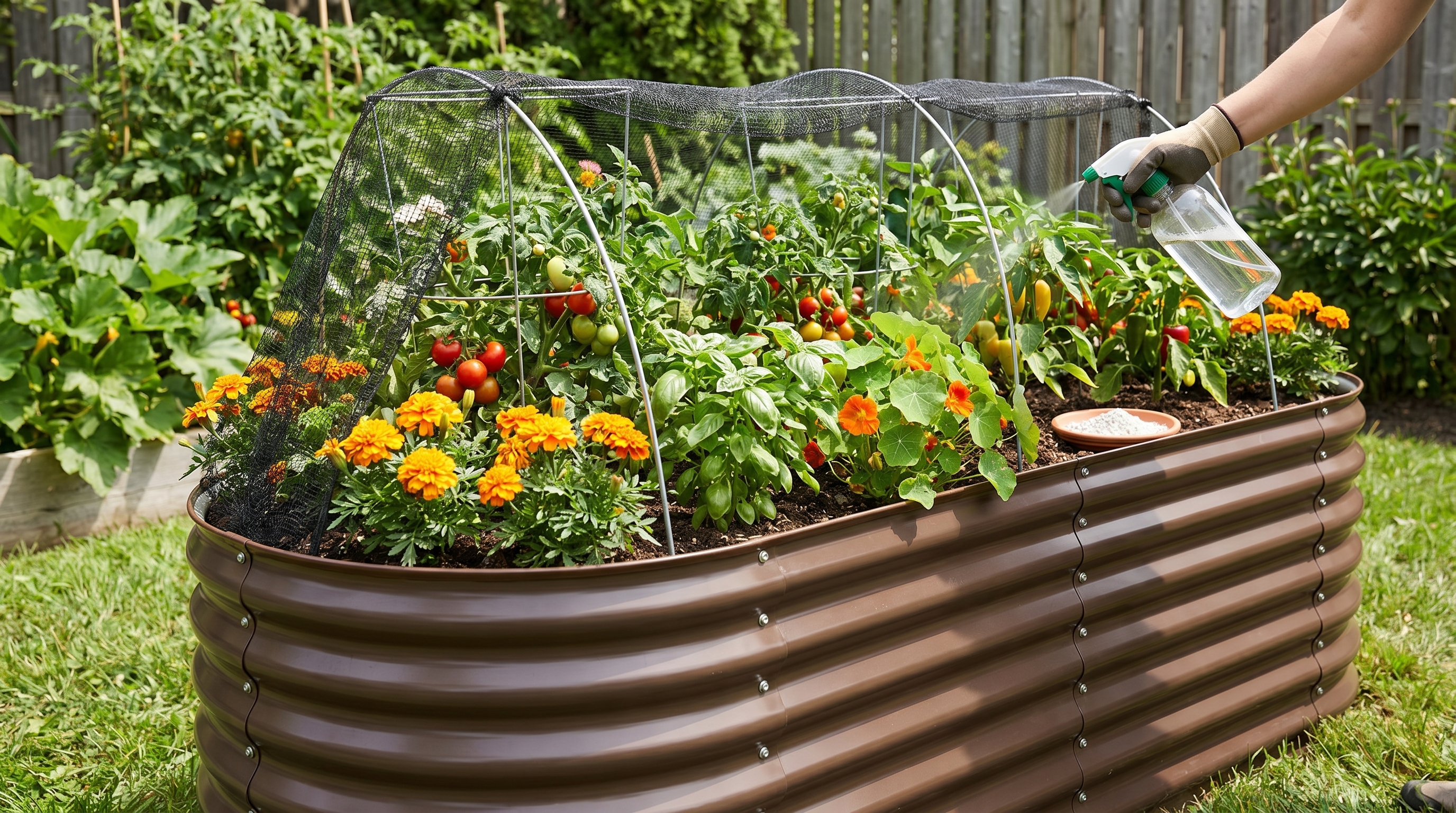
ALT: Layered organic pest control in raised garden beds using companion planting, physical barriers, and natural sprays for summer vegetable protection
Advanced Considerations: What Most Pest Control Guides Don't Tell You
Timing Is Everything in Organic Management
Organic pest control operates on a fundamentally different timeline than chemical pest control. Synthetic pesticides often kill on contact; organic methods work through prevention, disruption, and ecosystem balance. This means monitoring frequency matters more than intervention intensity. Successful organic gardeners typically check their beds three to four times per week during peak summer pest season, catching problems when populations are small and easily managed.
The Misconception About Organic Meaning Ineffective
Many gardeners abandon organic methods prematurely after comparing them unfavorably to chemical treatments during an active infestation. This comparison misunderstands the nature of organic pest management. These methods are most powerful as prevention systems, not emergency rescues. If you implement companion planting, physical barriers, beneficial insect habitat, and healthy soil before pests arrive in significant numbers, you may never experience an infestation that requires intensive intervention.
Raised Bed Structure Amplifies Every Strategy
The structural qualities of your raised bed meaningfully affect how well organic strategies perform. Deep beds with high-quality soil allow roots to develop the extensive systems that support pest resistance. Beds with defined, smooth walls simplify barrier installation. The consistent drainage of well-designed raised beds prevents the root stress and fungal conditions that amplify pest damage.
Anleolife's galvanized steel raised garden beds are engineered with these practical considerations in mind. With a product lifespan of up to 20 years, they're built for the long-term garden ecosystems that organic pest management requires. Whether you choose a compact bed for a balcony herb garden or an expansive configuration for a full kitchen garden, the quality of the structure directly supports the effectiveness of your pest management system.
Integrating Garden Organization for Better Pest Management
Effective pest control also depends on how well-organized your garden space is overall. Keeping tools properly stored and accessible means you can respond quickly to pest sightings—clippers for removing infested branches, spray bottles for organic treatments, gloves for handpicking. Quality garden tool storage that prevents rust and corrosion ensures your tools are always in working condition when you need them. Similarly, good garden lighting—including practical pathway lighting—helps you spot pest activity during evening hours when slugs, earwigs, and certain beetles are most active.
Frequently Asked Questions FAQ
Q1: How do I use companion planting effectively in small raised garden beds?
In compact raised beds, companion planting requires strategic placement rather than quantity. Focus on high-impact companions: plant marigolds at corners, tuck basil between tomatoes or peppers, and position nasturtiums along the outer edge where they can serve as trap crops. Even in a modest 4x4 bed, two or three companion plant species placed intentionally can meaningfully reduce pest pressure. As you expand your setup, modular bed systems allow you to dedicate entire companion zones adjacent to primary growing beds for a more systematic approach.
Q2: Are organic pest control methods safe to use around children and pets?
Yes—when used as directed, the organic methods described in this guide (diatomaceous earth, neem oil, insecticidal soap, Bt, companion plants, beneficial insects, and physical barriers) are safe in garden environments shared with children and pets. Diatomaceous earth should not be inhaled by anyone, so apply it when kids and pets are indoors. Neem oil has a strong scent but is non-toxic. Always read product labels for specific precautions. The absence of synthetic chemical residues on your produce is one of the primary reasons organic gardeners cite for their preference.
Q3: How long does it take for organic pest control strategies to show results this summer?
Timeline varies by method. Physical barriers work immediately upon installation. Insecticidal soap and neem oil show results within 24–72 hours for active infestations. Beneficial insect attraction and companion planting operate on a longer timeline—typically two to four weeks before you see measurable ecosystem effects, though companion plants begin releasing pest-deterring compounds from the moment they're established. Biological controls like nematodes and Bt typically show results within three to seven days. Plan your organic pest management as a season-long system rather than expecting single-application results.
Summary
Organic pest control in raised garden beds is not a single tactic—it's a philosophy of working with natural systems rather than against them. This summer, the most resilient gardens will be those where gardeners have implemented layered strategies: physical barriers that prevent access, companion plants that confuse and deter pests, biological controls that build self-sustaining predator ecosystems, and organic targeted treatments for active flare-ups.
Three core takeaways stand out from everything covered here:
- Prevention outperforms treatment: Deploy physical barriers, companion plants, and soil health strategies before pest pressure peaks for dramatically better results with less effort.
- Your raised bed structure is a tool: The defined borders, elevated height, and quality construction of metal raised garden beds actively support every organic pest control strategy—use these structural advantages deliberately.
- Consistency beats intensity: Regular monitoring three to four times per week during summer's peak pest season allows you to intervene when populations are small and organic methods are most effective.
Start with the three-step quick-start protocol if you're facing immediate pressure, then build toward the comprehensive layered system over the coming weeks. Your garden—and the ecosystem it supports—will be stronger for it.
Upgrade Your Garden with Anleolife
Nationwide U.S. warehouse network: Strategically located in California, Texas, Florida, New York, Illinois, and Washington to ensure delivery within 3–8 business days—so your garden upgrade plans never have to wait.
Multi-channel sales network: Products are available on major e-commerce platforms including Amazon, Walmart, Home Depot, Lowe's, and Wayfair, as well as the official website Anleolife.com, providing consistent quality assurance and after-sales service.
Three core scenarios: Planting (metal raised garden beds, soil systems), Raising (chicken coops, rabbit hutches), and Beautification (decorative accessories, pathway systems), meeting complete needs from functionality to aesthetics.
We understand that an ideal garden is not built overnight, but gradually improved over time. Our modular product design allows flexible expansion based on your needs—from your first raised bed to a fully integrated planting-and-raising ecosystem. With beds engineered to last up to 20 years, Anleolife grows with you every step of the way. Explore the full collection at Anleolife.com.
References
- University of California Agriculture and Natural Resources. "Integrated Pest Management for Home Gardens".
https://ipm.ucanr.edu/ - United States Department of Agriculture (USDA) National Organic Program. "Organic Production and Handling Standards".
https://www.ams.usda.gov/about-ams/programs-offices/national-organic-program - National Gardening Association. "Home Gardening Trends and Organic Practices Research".
https://garden.org/ - Cornell University Cooperative Extension. "Biological Control: A Guide to Natural Enemies in North America".
https://biocontrol.entomology.cornell.edu/ - Penn State Extension. "Companion Planting for Pest Management in the Home Garden".
https://extension.psu.edu/
Note: Standards and research findings may be updated; please check the latest official documents or consult local cooperative extension services for region-specific guidance.
About Anleolife
Anleolife is a leading outdoor garden solutions provider in North America, dedicated to offering a full-scenario product ecosystem for home gardening enthusiasts, covering planting, raising, and garden beautification. Since its founding, we have upheld our brand mission, "Made for Garden Life," continuously innovating products and optimizing services to help hundreds of thousands of users upgrade their gardens, reconnect with nature, and enjoy a better garden lifestyle.