






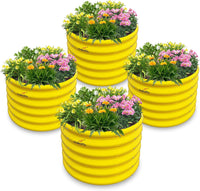
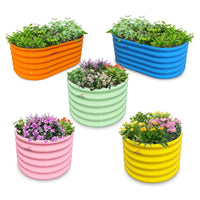
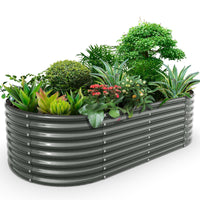



ALT: Organized outdoor storage setup with firewood racks, garden tools, raised beds, and decorative garden elements in summer backyard
Why Summer Is the Best Season to Finally Get Your Outdoor Storage Under Control
Key Conclusion: Summer is the ideal time to rethink your entire outdoor storage strategy — from firewood log racks that keep wood dry and accessible to organized garden tool stations that save you time every morning. A well-designed outdoor storage system also creates room for lifestyle upgrades like chicken tunnels for backyard poultry and decorative touches like kinetic wind spinners that bring movement and charm to any garden corner. When storage works with your outdoor layout, your whole backyard transforms into a functional, beautiful living space.
Every summer, homeowners rediscover the same frustration: tools scattered across the patio, firewood stacked haphazardly against the fence, garden accessories buried under seasonal clutter. But summer is also when backyards are used most heavily, which means poor organization has the biggest impact on daily enjoyment.
Getting organized outdoors isn't just about tidiness. It's about making your garden work smarter. When every tool has a home, every bag of soil is stored correctly, and every decorative element has a purpose, you spend less time searching and more time growing, relaxing, and entertaining. This guide walks you through a complete outdoor storage overhaul — from the practical (firewood, tools) to the inspired (garden beds, decorative features, and backyard poultry setups).
Who This Guide Is For
✅ Applicable Scenarios:
- Homeowners with a backyard, patio, or side yard who want to maximize usable outdoor space this summer
- Home gardeners managing multiple planting beds, soil bags, fertilizers, and seasonal tools
- Families with backyard chickens, raised beds, or decorative garden features who need a cohesive organization system
- Empty nesters and retirees looking to create a low-maintenance, high-enjoyment outdoor lifestyle
- Urban micro-gardeners working with limited square footage who need smart, space-efficient storage
❌ Not Applicable/Cautions:
- Renters without permission to install permanent fixtures or freestanding structures should check lease terms before purchasing heavy-duty storage systems
- Households in HOA-managed communities should verify guidelines around visible outdoor storage structures, garden enclosures, or decorative elements before investing in permanent installations
- Those in extreme climate zones (heavy snowfall, salt air coastal environments) should prioritize weather-resistant materials and consult product specifications before purchasing
The Real Cost of Disorganized Outdoor Spaces
Disorganized outdoor storage is more than an eyesore — it actively undermines the quality of your garden and outdoor lifestyle. According to the U.S. Department of Agriculture's research on home food gardening trends, American households that grow food at home are doing so in record numbers, with raised bed gardening being one of the fastest-growing segments. More gardeners means more tools, more soil amendments, more seasonal equipment — and without a system, more chaos.
Think about what a disorganized backyard actually costs you. Tools left in the weather rust faster and need replacing sooner. Firewood stored directly on damp ground invites rot, pests, and moisture that make it nearly impossible to burn efficiently. Garden chemicals and fertilizers stored improperly can degrade or become hazardous. And decorative items left in random spots lose their visual impact, making your outdoor space look cluttered rather than curated.
There's also a safety dimension. A 2022 report from the Consumer Product Safety Commission highlighted that yard and garden equipment is among the top categories for outdoor injuries, many of which occur during storage and retrieval — not actual use. When tools are stored correctly in dedicated racks or wall-mounted systems, these risks drop significantly.
The good news? Summer is your reset moment. The long days give you time to sort, install, and reorganize. The dry weather makes it easy to move items around, build or assemble storage structures, and do a full audit of what you own and what you actually need.
If you're also thinking about upgrading your planting setup alongside your storage overhaul, this step-by-step raised bed garden layout planning guide for summer beginners is a great companion resource. Planning your beds and your storage together means you'll design a backyard that flows logically from one zone to the next.
Your Summer Outdoor Storage Overhaul: A Complete How-To
Three-Step Quick Start
Step 1: Audit Everything You Own Outdoors
Before buying a single rack or bin, spend 60–90 minutes doing a full outdoor audit. Pull everything out — tools, pots, bags of soil, seasonal decorations, firewood, fertilizers, garden netting, hoses, stakes, and accessories. Sort items into three categories: keep and organize, store seasonally, or discard. This inventory gives you a realistic sense of how much storage capacity you actually need, and prevents you from buying solutions for problems you don't have.
Step 2: Zone Your Outdoor Space by Function
Once you know what you have, assign functional zones to your outdoor space. Common zones include a tool station (rakes, shovels, hoes, pruners), a planting zone (raised beds, soil storage, seed starting supplies), a firewood area (stacked wood, kindling, fire starters), a poultry zone (if applicable — coop, feed storage, tunnel access), and a decorative or relaxation zone (pathways, wind spinners, seating). Zoning prevents cross-contamination of functions and makes daily tasks significantly faster.
Step 3: Select Storage Solutions That Match Each Zone
Now you're ready to shop with intention. Each zone needs different storage solutions. The tool station benefits from wall-mounted racks or freestanding pegboards. The planting zone needs covered bins or a small shed for soil and amendments. The firewood area needs an elevated rack to keep wood off the ground. The poultry zone needs weatherproof feed containers and, ideally, a structured tunnel system for free-ranging. The decorative zone benefits from thoughtful placement of statement pieces like kinetic wind spinners and coordinated garden accessories.
Comparing the Top Outdoor Storage Approaches for Summer Gardeners
There are several broad approaches to outdoor storage, and each comes with distinct trade-offs. Here's a practical comparison to help you decide which model suits your space and lifestyle best.
| Comparison Dimension | Centralized Shed Storage | Zone-Based Distributed Storage | Modular/Expandable Systems |
|---|---|---|---|
| Best For | Large backyards with dedicated shed space | Mid-size yards with multiple activity areas | Growing gardens, expanding setups |
| Space Efficiency | High — all in one place | Moderate — spread across yard | High — adaptable to available space |
| Accessibility | Lower — one trip to shed for each item | Higher — tools near point of use | High — reconfigure as needs change |
| Weather Protection | Excellent (enclosed shed) | Variable (depends on covers/covers used) | Good (quality materials required) |
| Upfront Cost | Higher | Lower to moderate | Moderate, scalable over time |
| Expandability | Limited by shed size | Easy to add zones | Designed for expansion |
| Best Season to Install | Spring or fall | Any season, including summer | Any season |
For most home gardeners and families reading this guide, a zone-based or modular approach offers the best balance of practicality and flexibility — especially if your garden is actively growing or your outdoor lifestyle is evolving.
Deep Dive: Storage Solutions Zone by Zone
Firewood Log Racks: More Than Just a Stack
Firewood log racks are one of the most overlooked outdoor storage investments. Many homeowners simply pile wood against the fence or in a corner — and then wonder why it smokes, won't light, or attracts insects. A proper firewood rack solves all of these problems by elevating wood off the ground, promoting airflow around each piece, and making it easier to rotate stock (oldest wood in front, newest in back).
When choosing a firewood rack, look for materials that won't rust, bow, or collapse under heavy loads. Steel frame racks with powder coating offer excellent durability. For smaller yards or patios, a compact vertical rack can hold a meaningful supply of wood without taking up excessive floor space. For larger properties, a long horizontal rack positioned near the fire pit or back door creates a functional and attractive feature in your landscape.
The best time to install a firewood rack is before your supply arrives — typically in late summer to early fall. But summer is perfect for sourcing and setting up your rack so it's ready when you need it.
Garden Tool Storage: Create a Station, Not a Pile
Garden tools deserve a proper home. Whether you garden in raised beds, containers, or open ground, you likely own more tools than you realize — and they have a way of multiplying. An effective tool station combines vertical storage (for long-handled tools like rakes and shovels) with smaller compartments or hooks for hand tools, twine, gloves, and pruners.
Wall-mounted systems on a fence or exterior wall are ideal for smaller yards. Freestanding tool racks work well for those who want portability. If you have a garden shed, invest in interior wall organization systems to make the most of every square inch. Labeling hooks and shelves takes five minutes but saves significant frustration over the course of a busy growing season.
For gardeners using raised garden beds, keeping tools near the beds dramatically increases how often you use them. A small tool caddy or bucket organizer positioned between two beds creates a micro-station that's always within reach. Anleolife's raised garden bed systems — including popular sizes like the 24" Extra Tall 8x4 ft and the modular 30" Extra Tall 8x4 ft — are designed for accessible gardening, so your tool storage should match that accessibility. Learn more about making the most of your beds by checking out why galvanized steel raised beds outperform wood for summer gardening.
Soil, Amendments, and Potting Supplies
Bags of soil, compost, and fertilizer are bulky, heavy, and vulnerable to moisture. A dedicated soil storage area — even just a few stackable bins or a small rolling cart — keeps your planting supplies dry, organized, and easy to access. Label each container clearly. Separate fast-use items (potting mix, liquid fertilizer) from seasonal items (bone meal, cover crop seed) so you're not digging through everything every time.
Covered plastic bins with tight-fitting lids are a practical choice. For larger operations, a weatherproof storage chest or deck box can hold multiple bags and accessories while doubling as outdoor seating. Keep these close to your planting zone to minimize carrying distance.
Chicken Tunnels and Poultry Zone Storage
Backyard poultry keeping has surged in popularity, and with it comes the need for dedicated outdoor storage in the poultry zone. Chicken tunnels — also called chicken tractors or run tunnels — are flexible enclosures that let chickens access different areas of the yard while remaining protected from predators. They're an excellent space-saving solution for gardeners who want their flock to help with pest control between planting beds.
Effective poultry zone storage includes weatherproof feed bins (rodent-resistant lids are a must), a dedicated area for bedding material, a small hook or shelf for egg-collecting baskets and gloves, and proper placement of the tunnel system relative to the coop. Keep feed storage elevated and away from moisture to prevent mold. A clearly defined poultry zone prevents feed, tools, and nesting supplies from migrating into your general garden storage areas.
Decorative Storage: Making Beauty Functional
Outdoor decoration and organization aren't opposites — in fact, the best-designed gardens treat decorative elements as part of a cohesive storage and layout strategy. Kinetic wind spinners, for example, serve both as visual focal points and as lightweight space markers that draw the eye through a garden design. Placing them at the corners of raised bed groupings or at pathway junctions creates natural visual structure.
Other decorative storage ideas include using attractive planters as tool holders near entry points, installing decorative garden netting (which serves double duty as plant support and deer deterrent), and choosing pathway materials that double as edging to define and contain different garden zones. The best time to install garden netting is early summer — before plants are tall enough to tangle — so you're set up for the entire growing season.
When it comes to what size garden ornaments work best, the rule of thumb is to match scale to setting. Large ornaments (over 24 inches) work as anchors in open lawn areas or at the back of deep beds. Medium ornaments (12–24 inches) suit raised bed groupings and pathway intersections. Small ornaments (under 12 inches) work best as accents within beds or on shelving. Mixing scales intentionally creates visual depth; mixing them randomly creates clutter.
For backyard aesthetic inspiration that pairs well with an organized storage approach, see how to give your backyard a fresh summer aesthetic with minimal spend.
Raised Garden Beds as Organizational Anchors
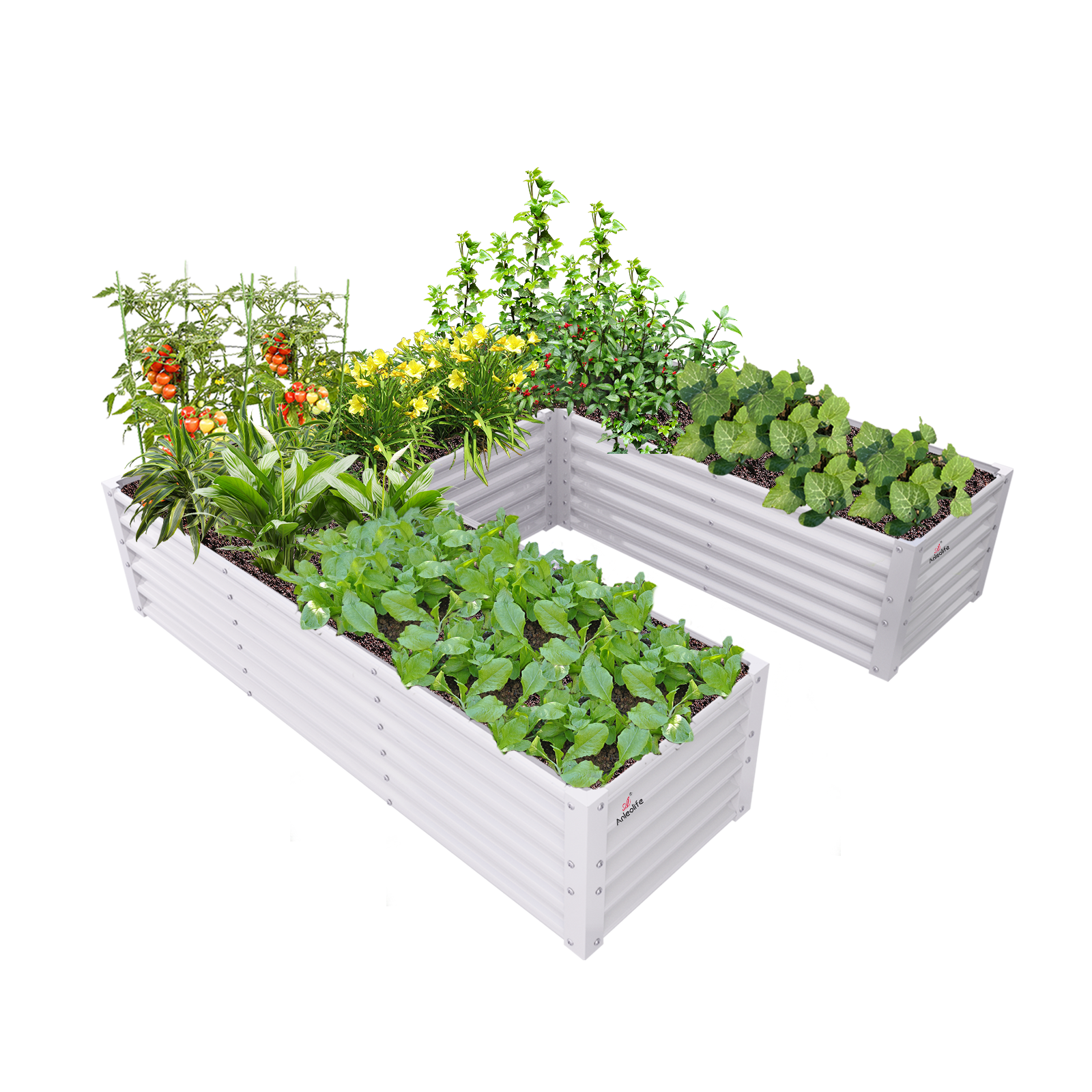
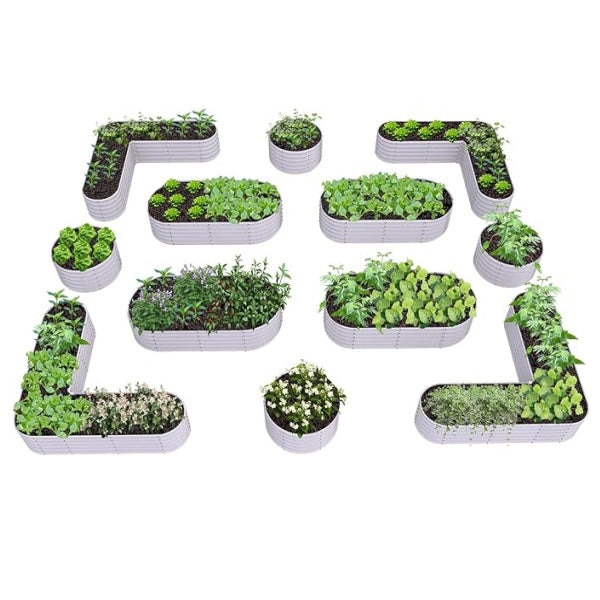
Raised garden beds aren't just growing spaces — they're organizational anchors that define the structure of your entire backyard. When beds are arranged thoughtfully, they create natural pathways, zones, and flow that make the rest of your storage layout logical and intuitive.
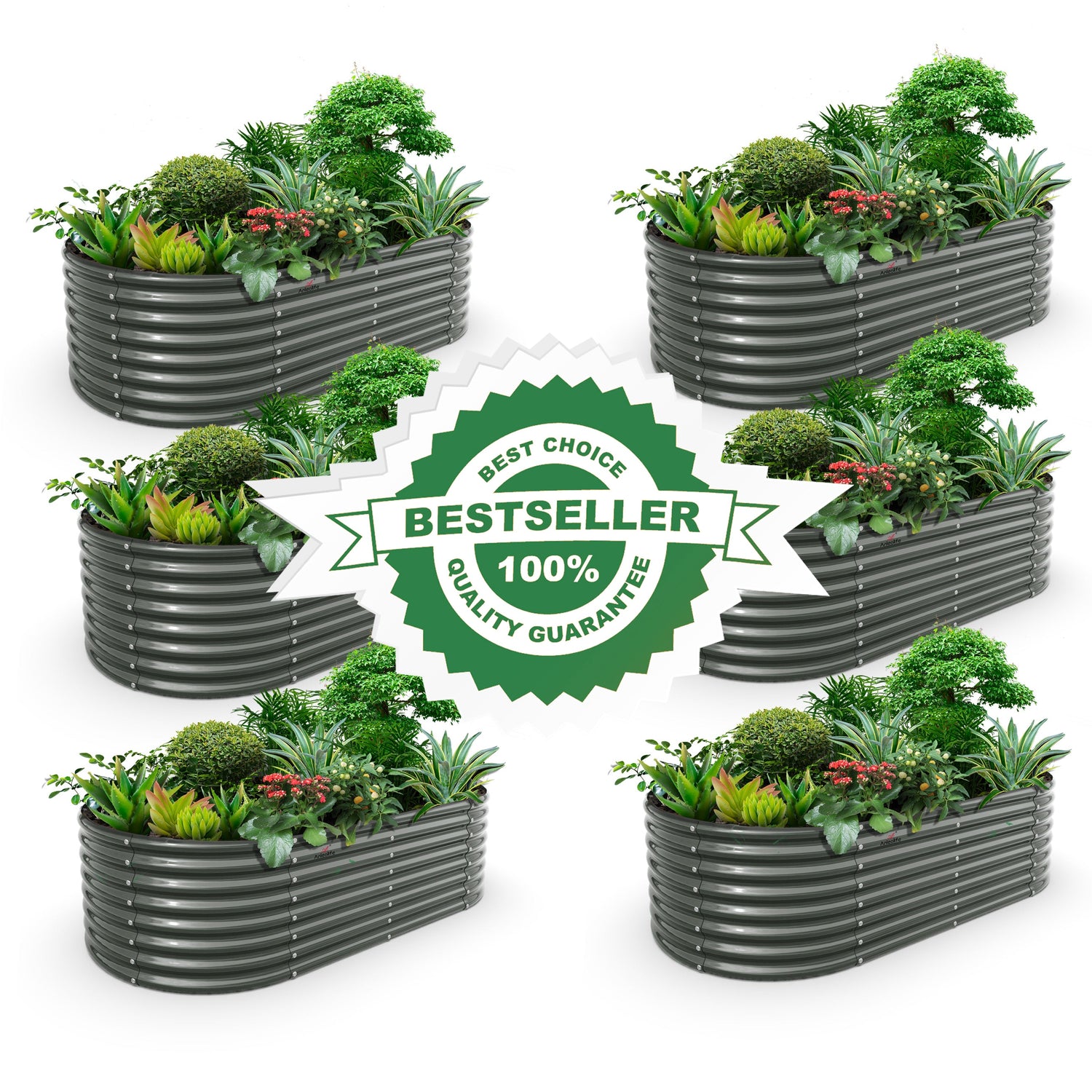
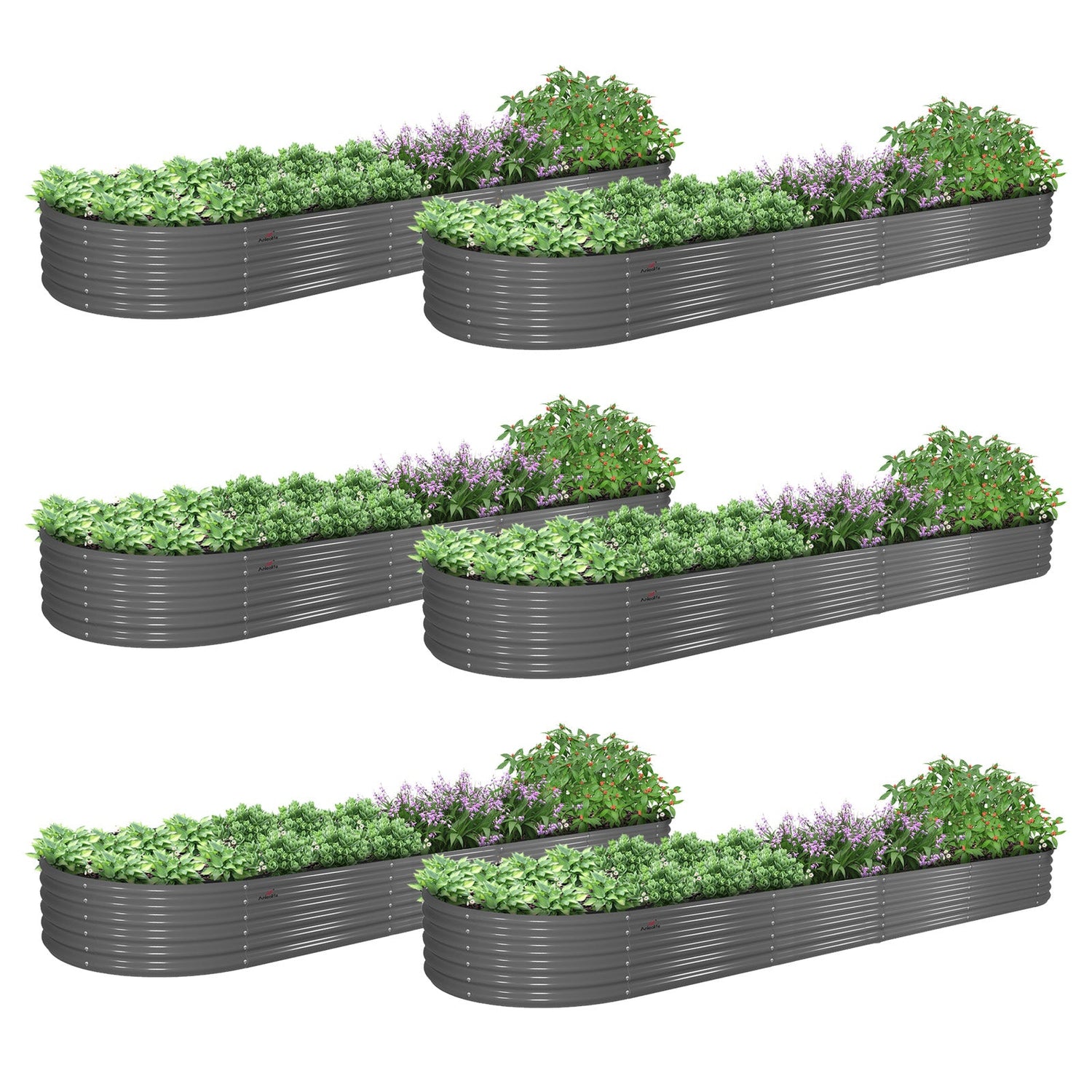
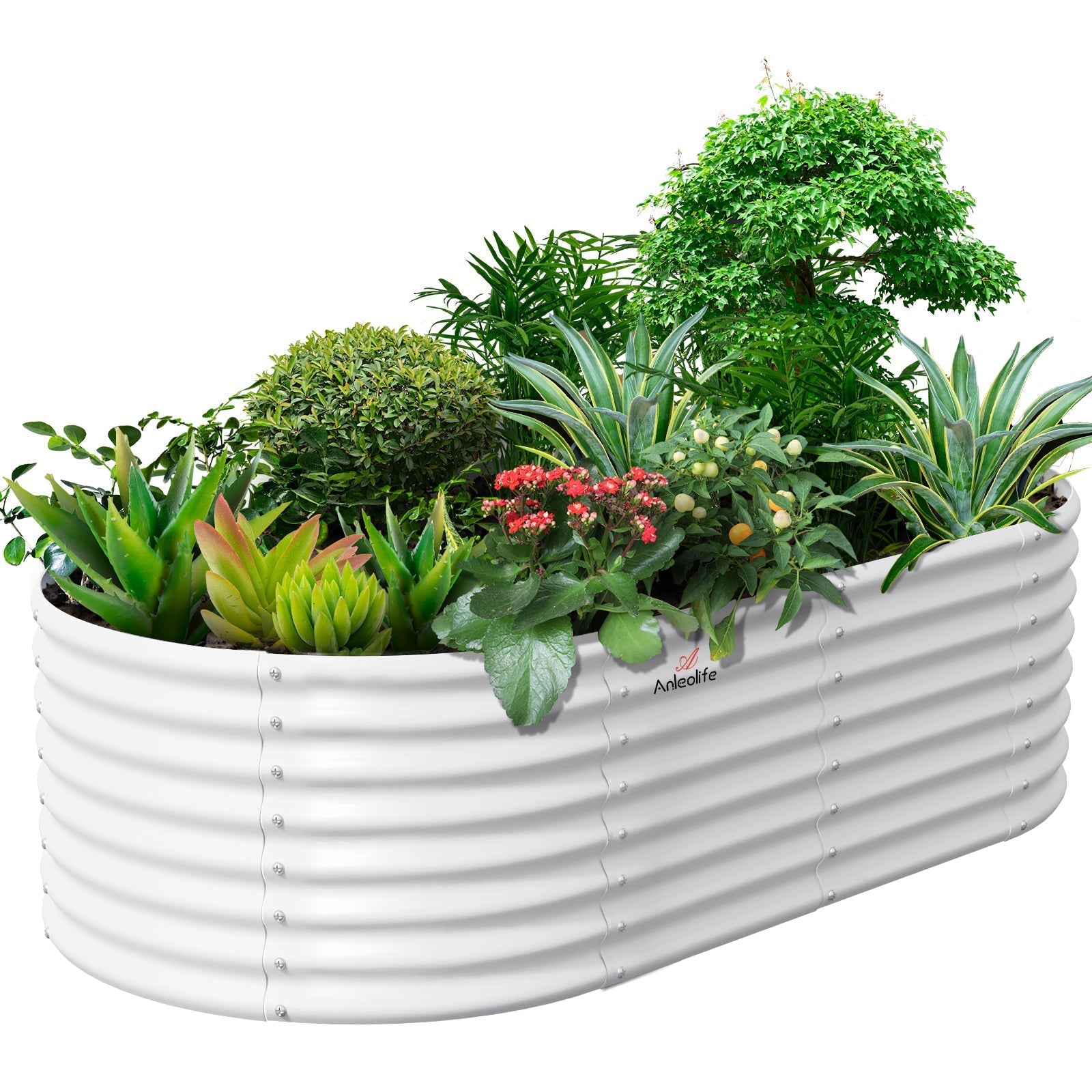
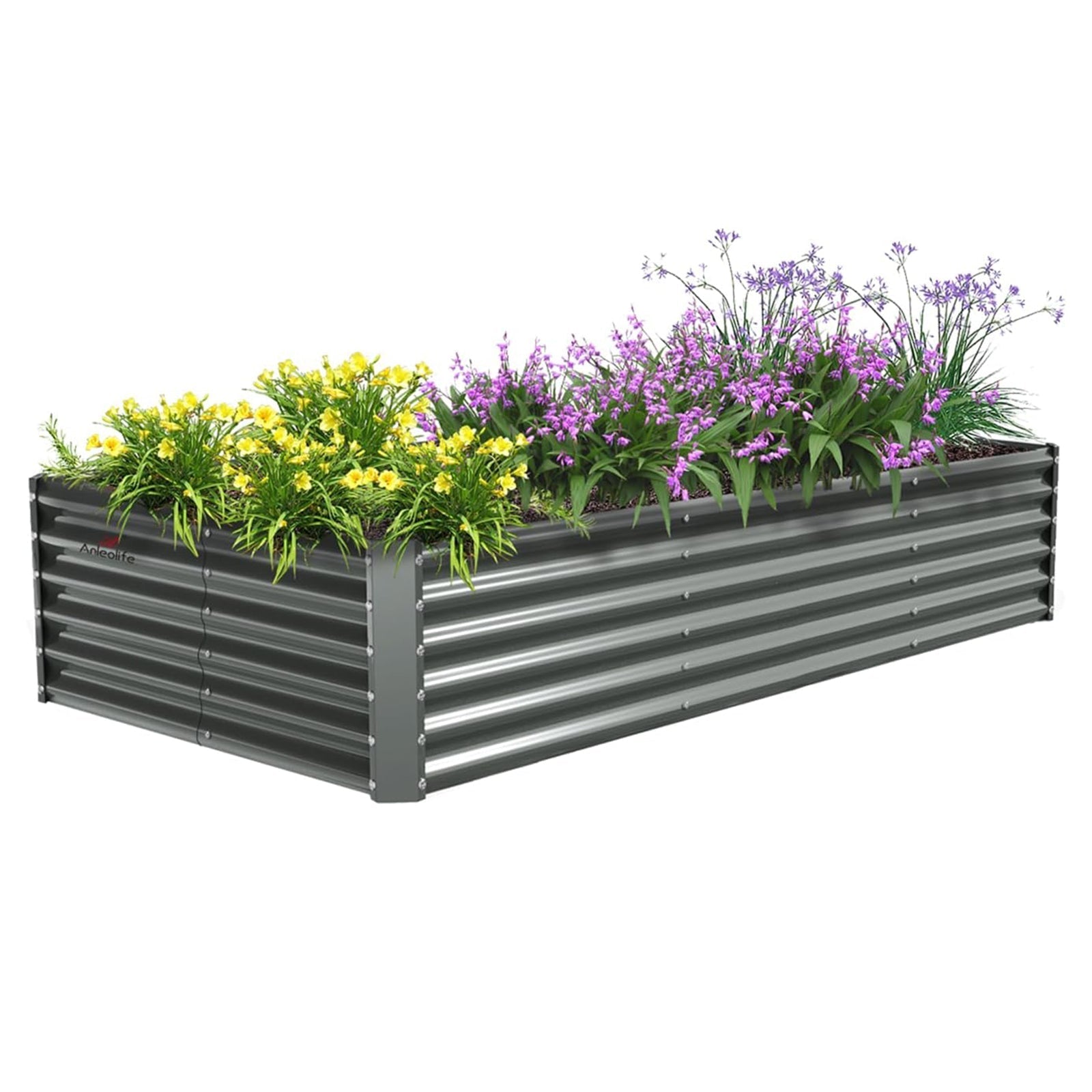
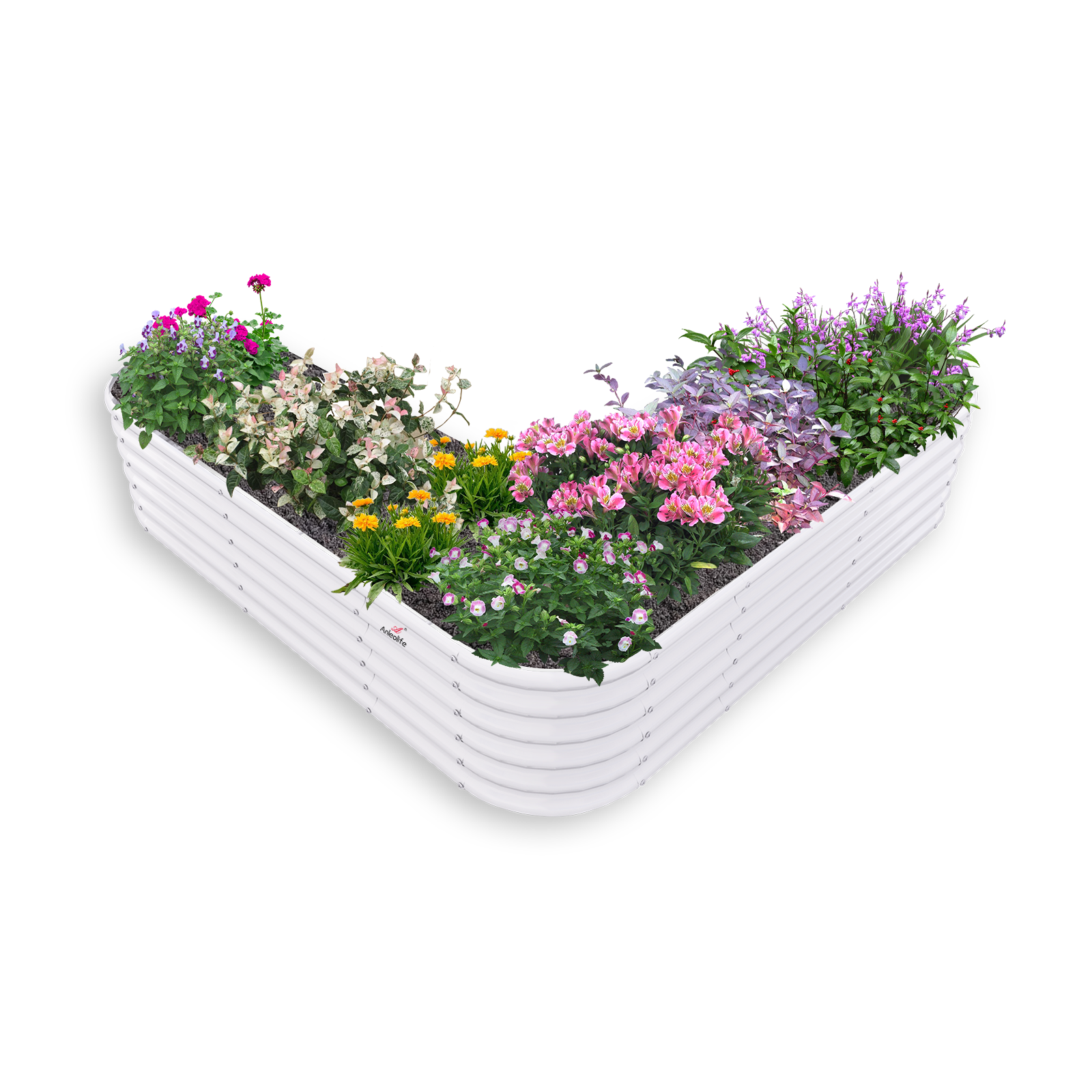
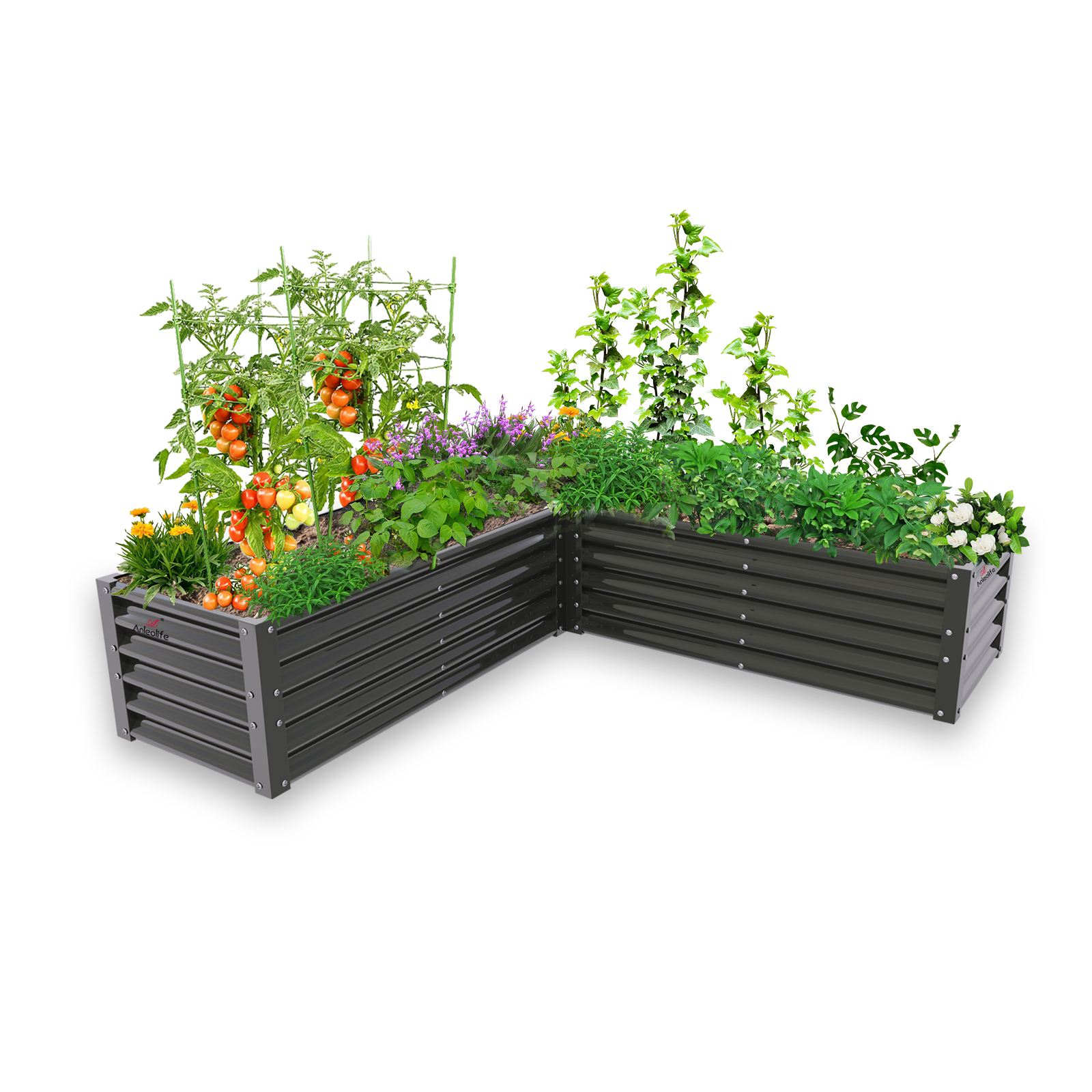
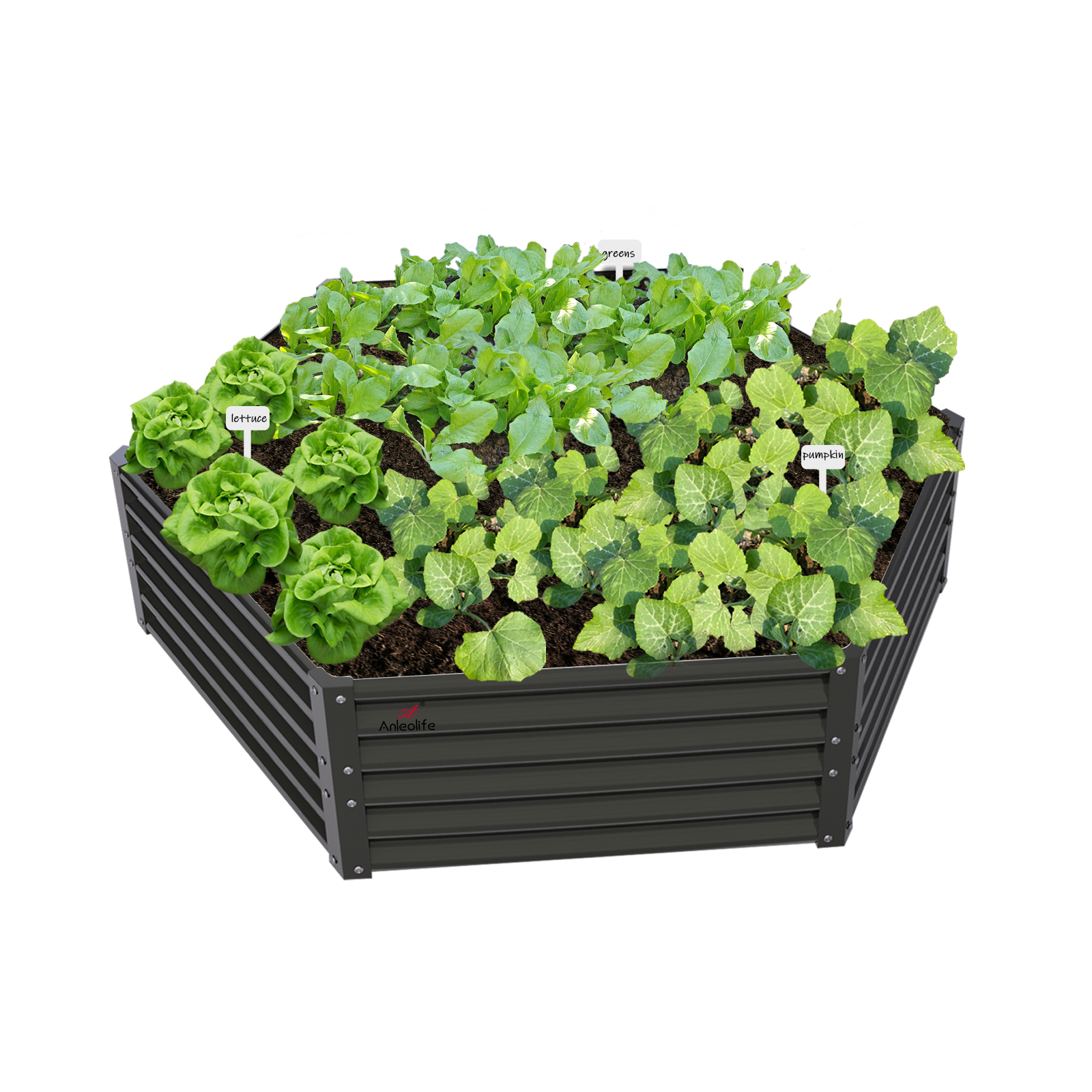
Anleolife's galvanized steel raised garden beds are built to last up to 20 years, meaning any organizational investment you make around them is truly long-term. The modular raised garden bed line — available in configurations like the 18" Tall 6x2 ft, 18" Tall 8x4 ft, 18" Tall 12x3 ft, 24" Extra Tall 8x4 ft, and 30" Extra Tall 8x4 ft — is especially well-suited to organized backyard layouts because you can add, rearrange, or expand sections as your needs grow. Customizing a modular garden bed system for your unique backyard shape is easier than most people think, and it's one of the highest-impact improvements you can make to your outdoor organization.
For small backyards specifically, the best modular garden systems are those that can be configured in L-shapes, U-shapes, or staggered rows to hug walls or fences. This frees up the center of the yard for tool movement, poultry runs, or social space, while maximizing planting area along the perimeter. Anleolife's modular beds are designed with exactly this flexibility in mind, and they receive consistently positive customer feedback for their ease of assembly, structural integrity, and clean, modern aesthetic that suits a wide range of backyard styles.
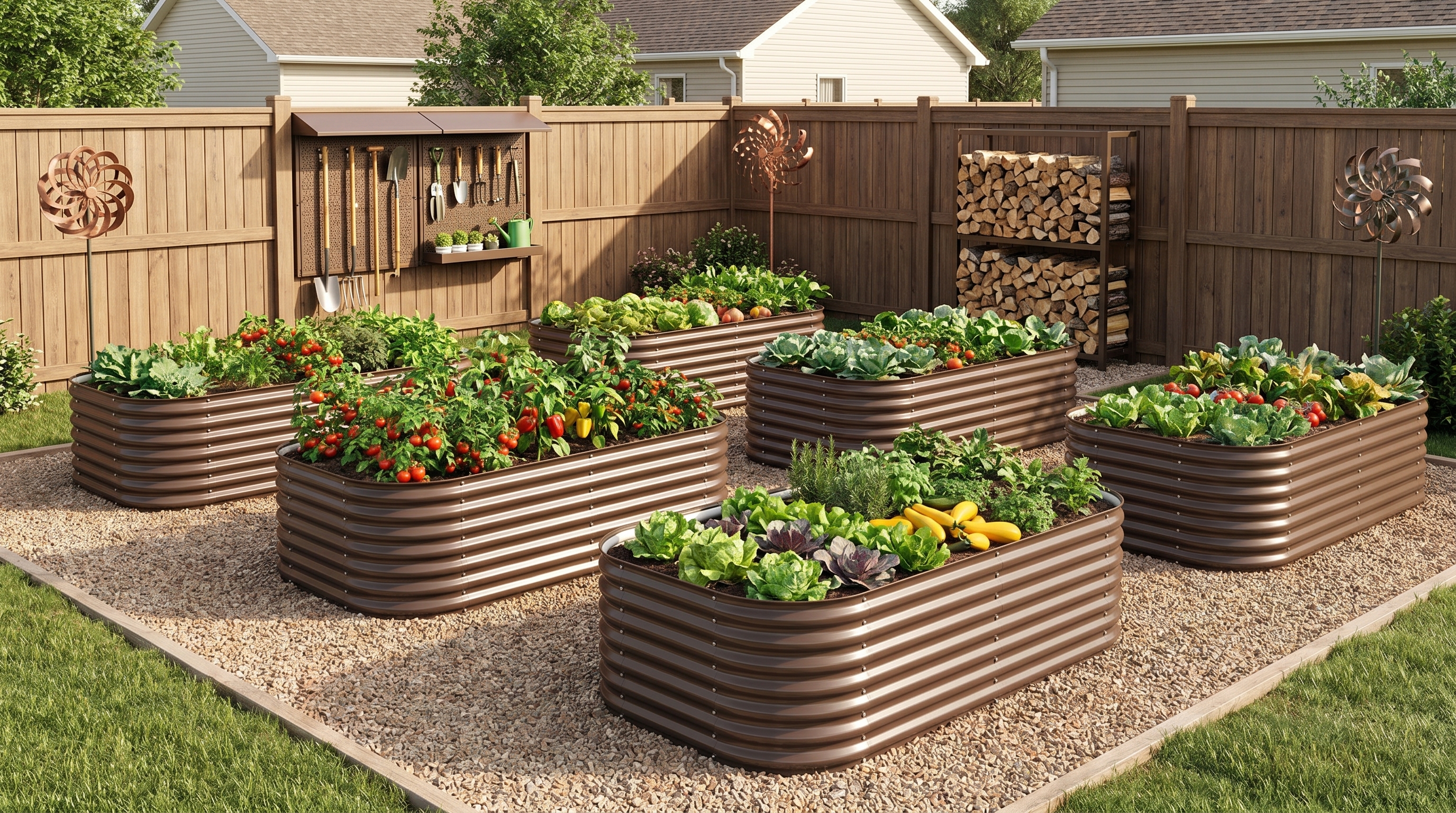
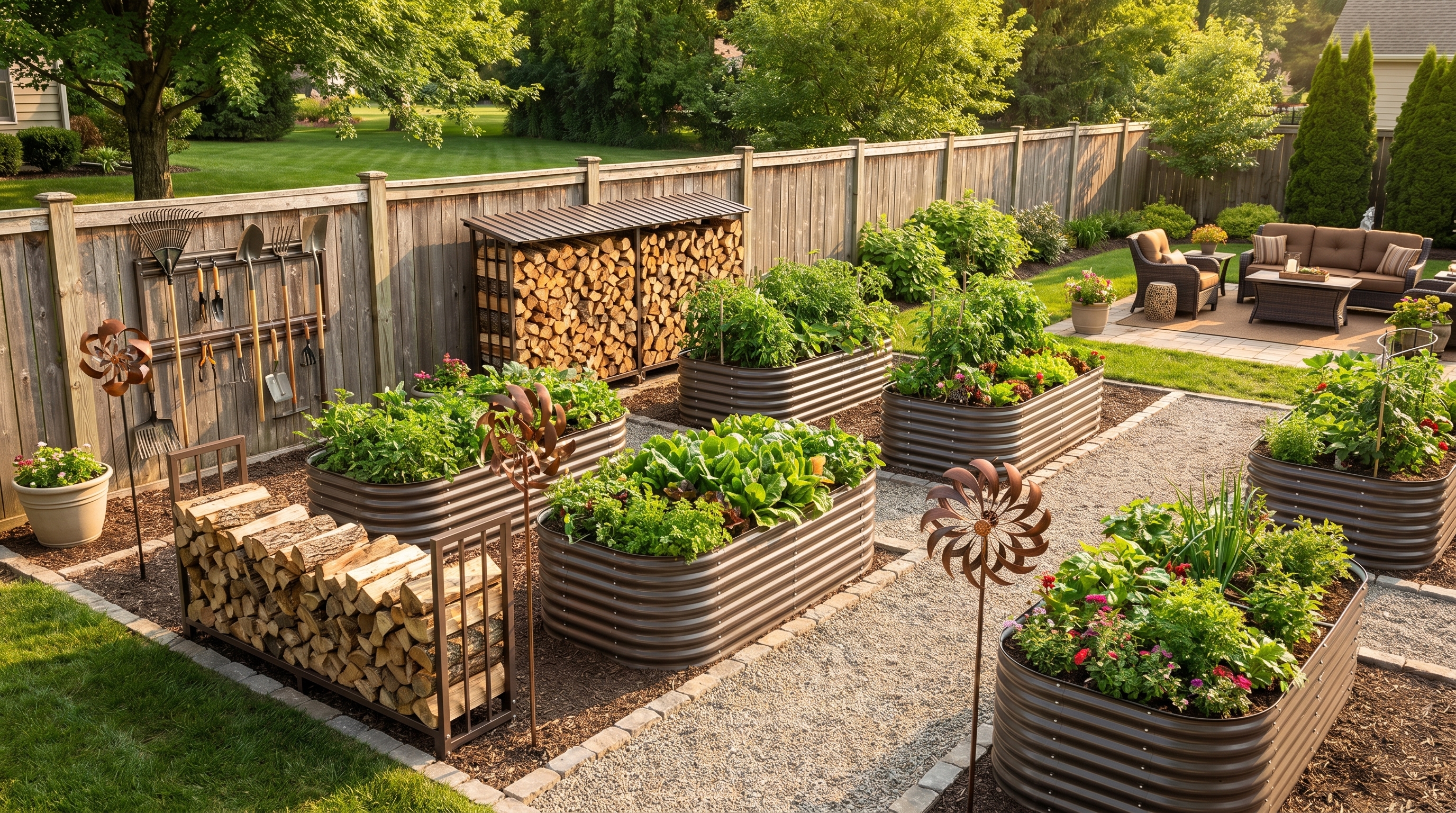
ALT: Modular galvanized steel raised garden beds from Anleolife organized in a summer backyard alongside tool storage, firewood rack, and decorative wind spinners
Advanced Tips: When Standard Solutions Aren't Enough
Handling Extreme Weather Conditions
Standard outdoor storage products are designed for typical residential use, but if you live in a region with heavy snow loads, strong coastal winds, or extreme summer heat, you'll need to factor in additional reinforcement or protective measures. Anchor freestanding firewood racks and tool stations to a fence or wall when high winds are likely. In coastal areas, prioritize powder-coated or galvanized steel materials over bare metal to prevent corrosion. In the desert Southwest, cover soil and amendment bags with UV-resistant tarps to prevent breakdown of packaging and ingredient quality.
The Common Misconception About "One Big Shed"
Many homeowners believe a single large shed solves all outdoor storage problems. In practice, a single centralized storage point often creates the opposite of efficiency: you walk back and forth constantly, tools are harder to find in a crowded space, and the shed becomes a dumping ground rather than a system. Zone-based storage — with a shed for bulk items and distributed stations for daily-use tools and supplies — consistently outperforms the single-shed approach for active gardeners.
Pairing Storage with Maintenance Routines
The best storage systems are the ones you actually use consistently. The key is aligning your storage setup with your natural movement patterns in the garden. If you always enter from the back gate, put your most-used tools near the gate. If you water every morning, store the hose reel close to the main water source. If you collect eggs daily, keep your egg basket at eye level near the coop. Small alignment choices like these turn good storage into great habits. For ongoing garden bed care, the mid-summer raised bed maintenance checklist offers a practical framework that pairs naturally with a well-organized tool station.
Frequently Asked Questions FAQ
Q1: How do I choose the best outdoor tool storage option for a small backyard?
For small backyards, vertical storage is your best friend. Wall-mounted pegboards, over-the-fence tool racks, and slim freestanding organizers all keep tools accessible without consuming precious floor space. Look for systems with adjustable hooks so you can reconfigure as your tool collection changes. The top-rated outdoor tool storage options for compact spaces consistently include magnetic tool strips for small hand tools, vertical wall panels for long-handled tools, and stackable bins with lids for soil and amendments — all of which can be positioned around raised beds without disrupting garden access.
Q2: Is it necessary to install garden netting before summer planting begins?
Installing garden netting early in the season — ideally right after your last frost date and before transplants go in — is strongly recommended. Once plants are established and growing, retrofitting netting becomes much more difficult and risks damaging stems and foliage. Early installation also gives you time to secure edges properly, preventing gaps that birds, deer, or rabbits could exploit. If you're using netting over raised garden beds, coordinate the netting frame size with your bed dimensions for a clean, secure fit that won't need constant adjustment.
Q3: How long does it take to set up a complete zone-based outdoor storage system, and what does it cost?
A full zone-based outdoor storage overhaul typically takes one to two weekends for a standard residential backyard. The first weekend covers auditing, discarding, and planning. The second covers purchasing, assembling, and placing storage solutions. Costs vary widely depending on the complexity of your setup — basic tool racks and firewood storage can be completed for under $200, while a more comprehensive system including raised beds, poultry enclosures, and decorative elements may range into several hundred to a few thousand dollars depending on product quality and quantity. Investing in durable materials like galvanized steel reduces long-term replacement costs significantly.
Summary
A well-organized outdoor storage system is one of the highest-return investments you can make in your backyard this summer. It saves time, protects your equipment, reduces frustration, and transforms your outdoor space from a cluttered work area into a polished, functional environment that reflects how you actually want to live.
Three key takeaways from this guide:
First, zone your backyard by function before you buy anything. Understanding where each activity happens — growing, storing, cooking outdoors, raising poultry, relaxing — lets you design a storage system that serves real needs rather than imagined ones.
Second, choose durable materials. Whether you're selecting a firewood rack, a tool organizer, or a raised garden bed system, durability is the metric that matters most for outdoor storage. Galvanized steel, powder-coated finishes, and UV-resistant plastics all significantly outlast cheaper alternatives and reduce your total cost over time.
Third, let your raised beds anchor the whole design. A thoughtfully arranged raised bed layout creates natural zones, pathways, and focal points that make the rest of your storage organization logical and attractive. Anleolife's modular and galvanized steel raised beds are designed with exactly this long-term, expandable approach in mind.
Your next step: start your outdoor audit this weekend. You don't need to tackle everything at once — even getting your tool station organized and your firewood properly racked will make an immediate difference in how your backyard feels and functions.
Ready to Upgrade Your Garden This Summer?
Nationwide U.S. warehouse network: Strategically located in California, Texas, Florida, New York, Illinois, and Washington to ensure delivery within 3–8 business days — so your garden upgrade plans never have to wait.
Multi-channel sales network: Products are available on major e-commerce platforms including Amazon, Walmart, Home Depot, Lowe's, and Wayfair, as well as the official website Anleolife.com, providing consistent quality assurance and after-sales service.
Three core scenarios: Planting (metal raised garden beds, soil systems), Raising (chicken coops, rabbit hutches), and Beautification (decorative accessories, pathway systems) — meeting complete needs from functionality to aesthetics.
We understand that an ideal garden is not built overnight, but gradually improved over time. Anleolife's modular product design allows flexible expansion based on your needs — from your first raised garden bed to a fully integrated planting-and-raising ecosystem. We grow with you every step of the way.
References
- U.S. Department of Agriculture, National Institute of Food and Agriculture. "Home Gardening and Food Security Research Overview".
https://www.nifa.usda.gov/ - U.S. Consumer Product Safety Commission. "Outdoor Power Equipment and Yard Tool Safety Data".
https://www.cpsc.gov/ - University of California Cooperative Extension. "Backyard Poultry Keeping: Housing, Runs, and Biosecurity Guidelines".
https://ucanr.edu/ - National Gardening Association. "Gardening Trends and Home Food Production Statistics".
https://garden.org/ - Penn State Extension. "Firewood Storage and Seasoning Best Practices".
https://extension.psu.edu/
Note: Standards and guidelines may be updated. Please check the latest official documents or consult professional advisors for the most current recommendations.
About Anleolife
Anleolife is a leading outdoor garden solutions provider in North America, dedicated to offering a full-scenario product ecosystem for home gardening enthusiasts, covering planting, raising, and garden beautification. Since its founding, we have upheld our brand mission, "Made for Garden Life," continuously innovating products and optimizing services to help hundreds of thousands of users upgrade their gardens, reconnect with nature, and enjoy a better garden lifestyle.