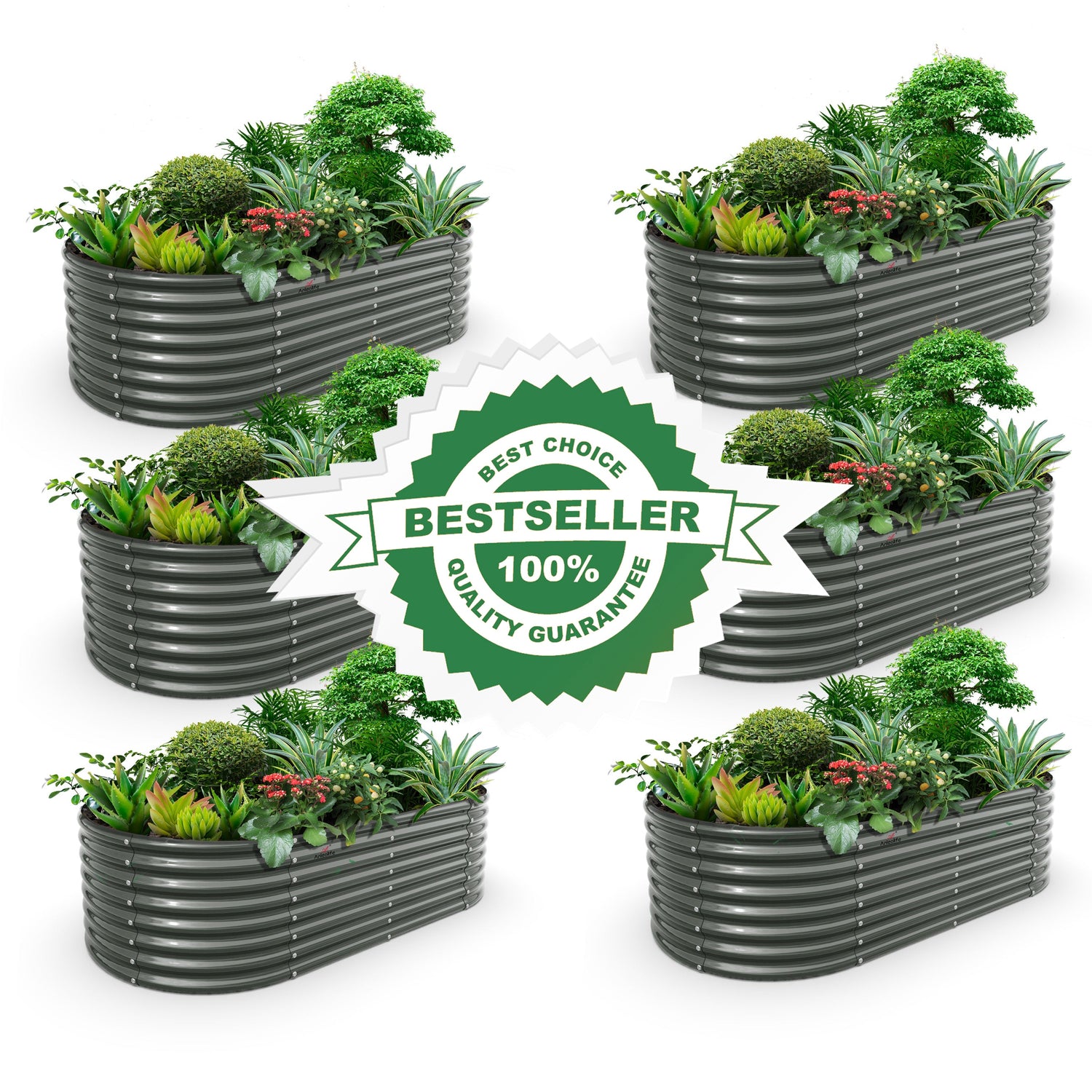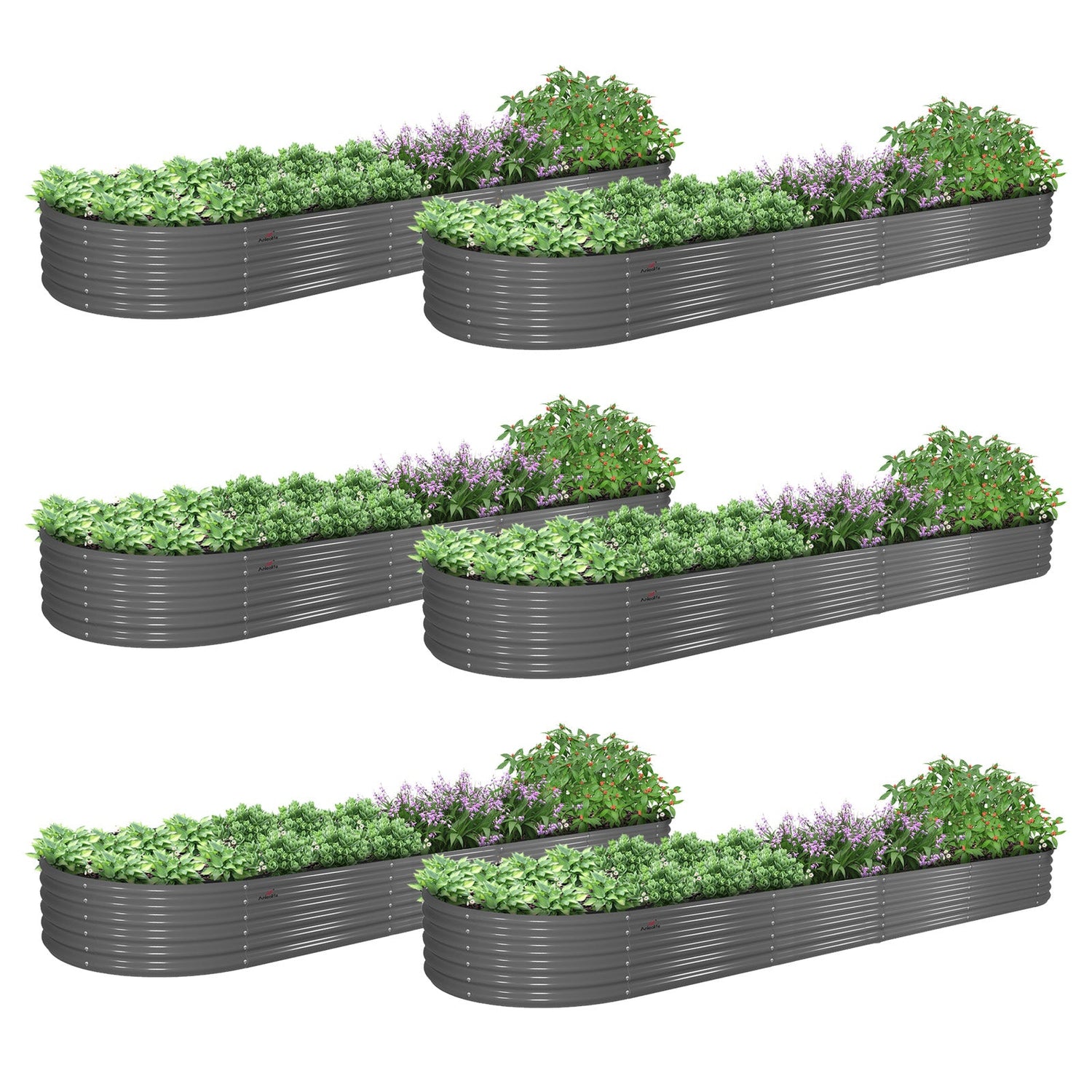



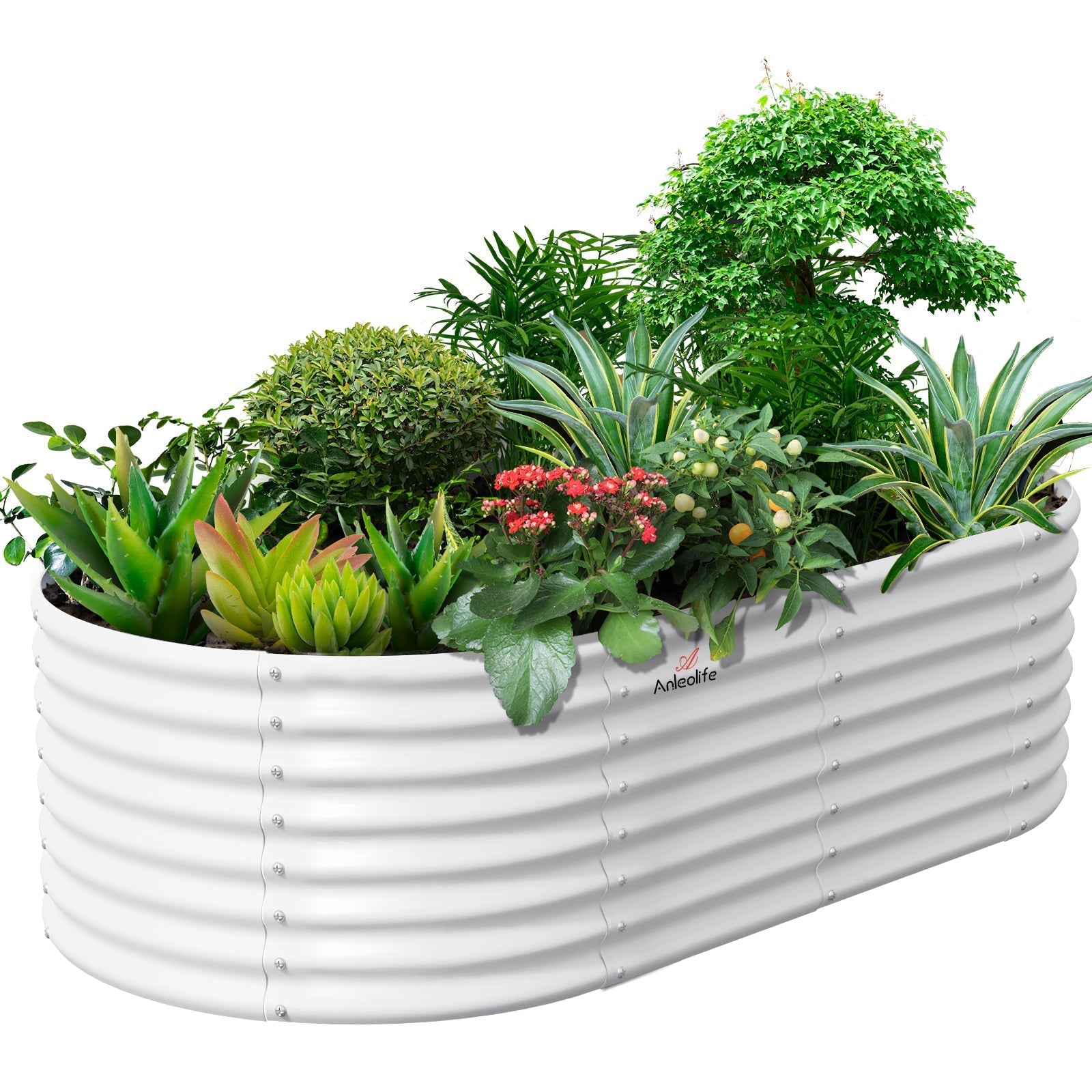
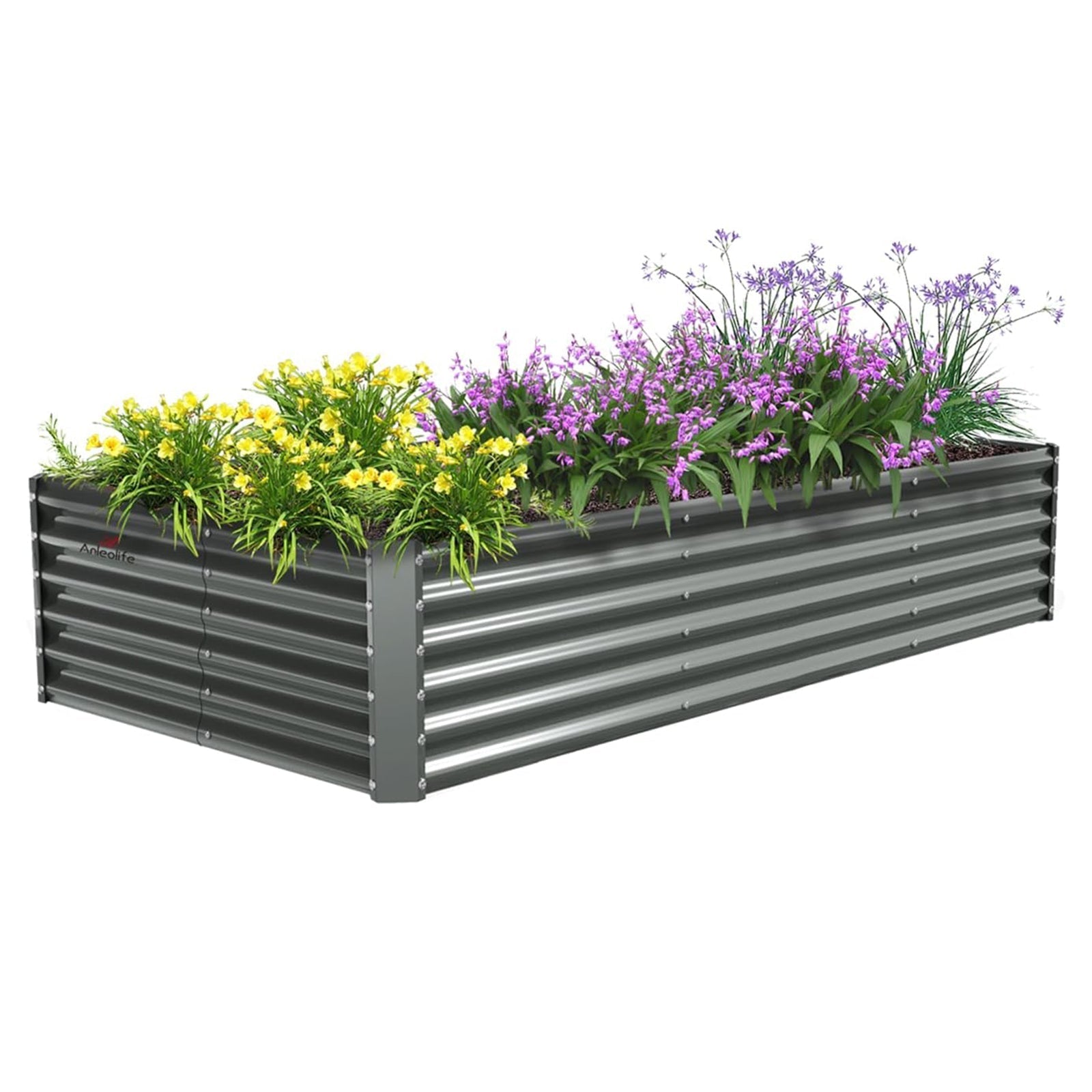

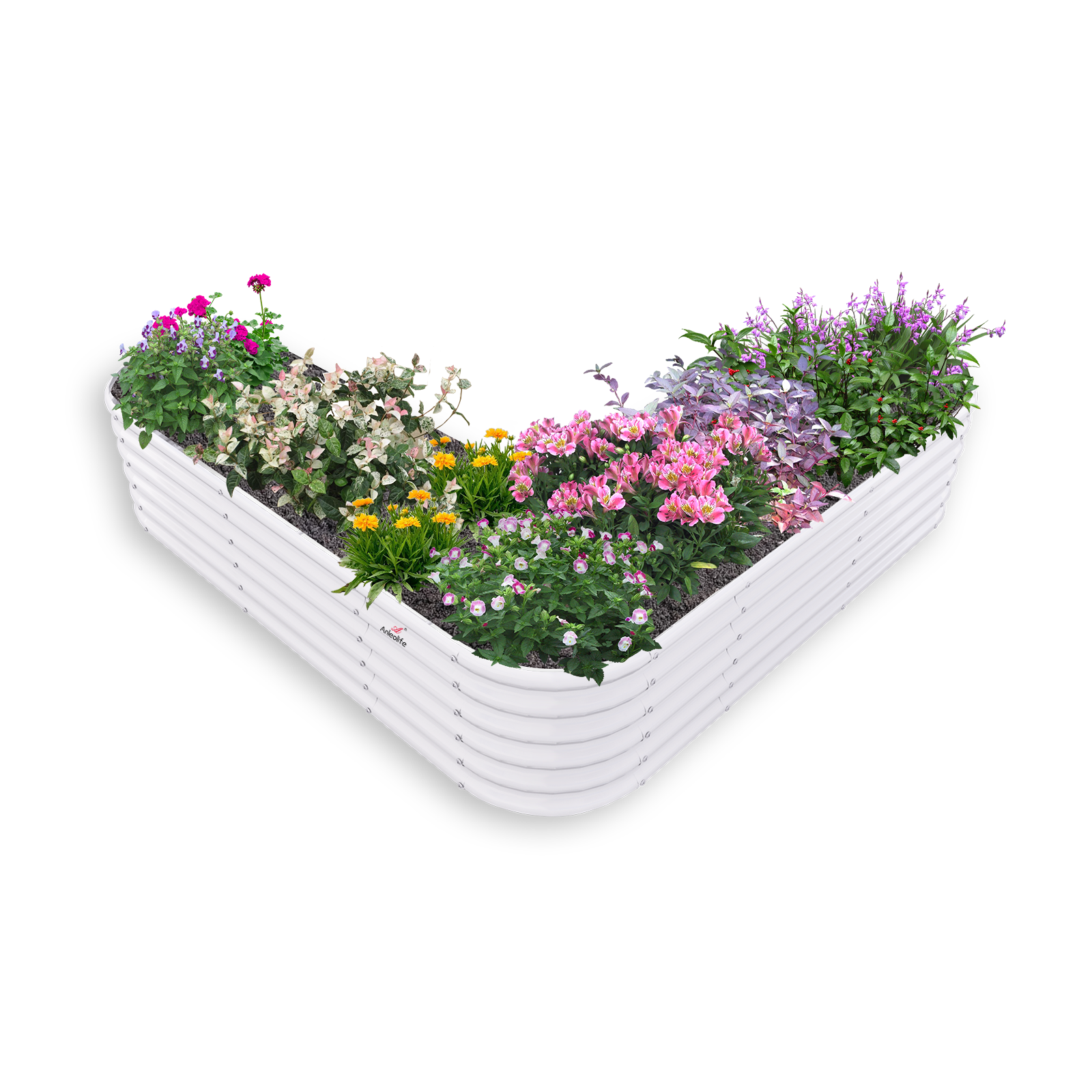
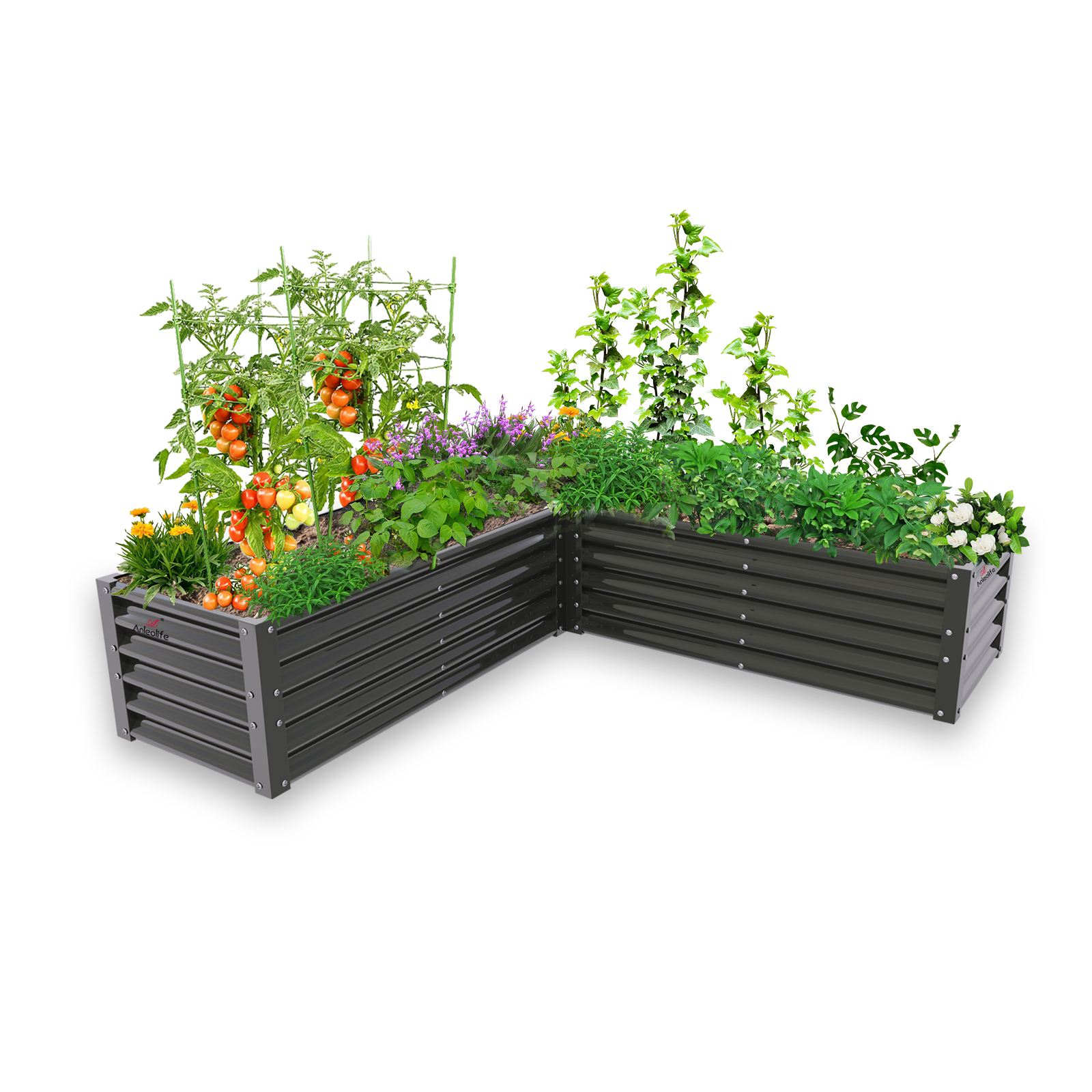
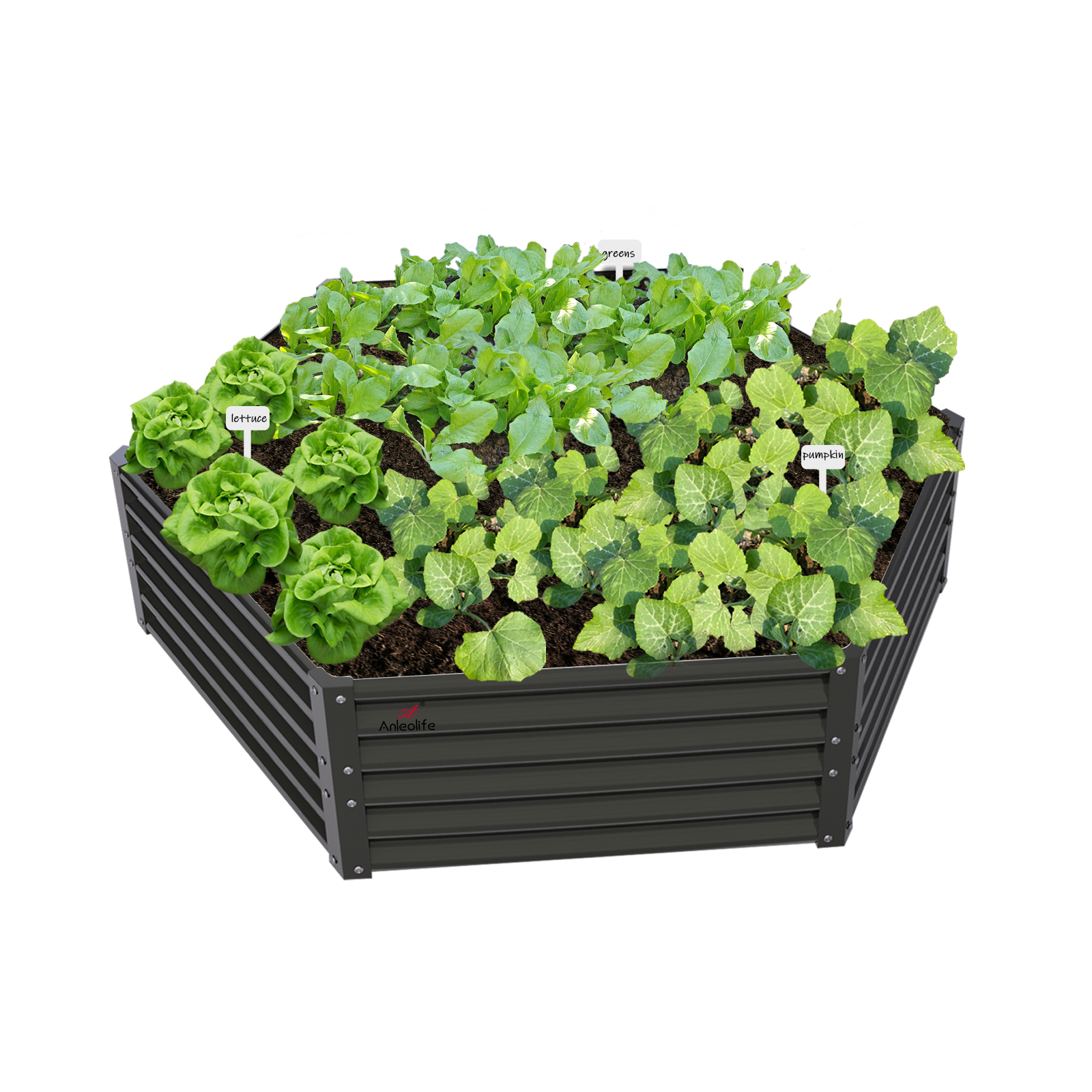
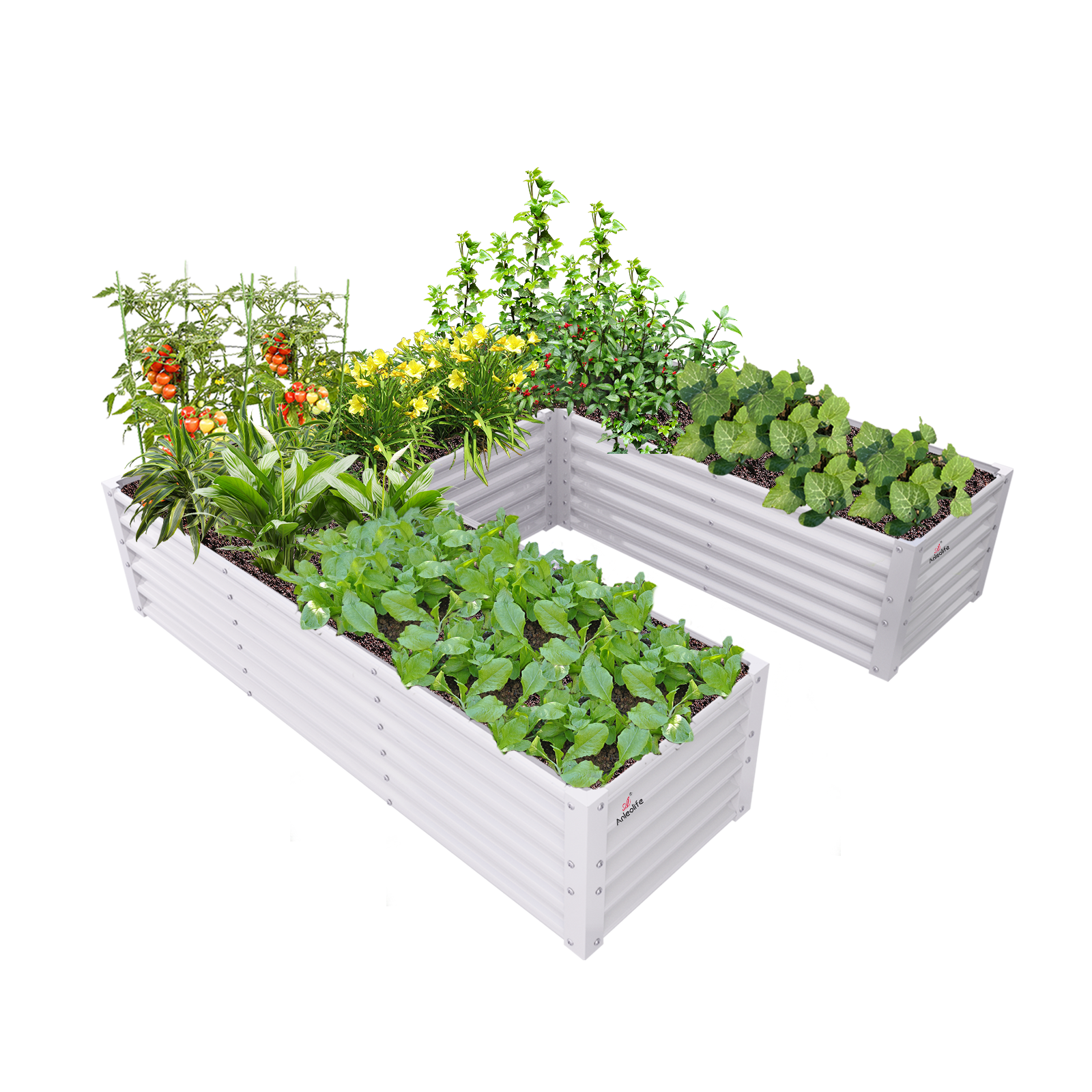

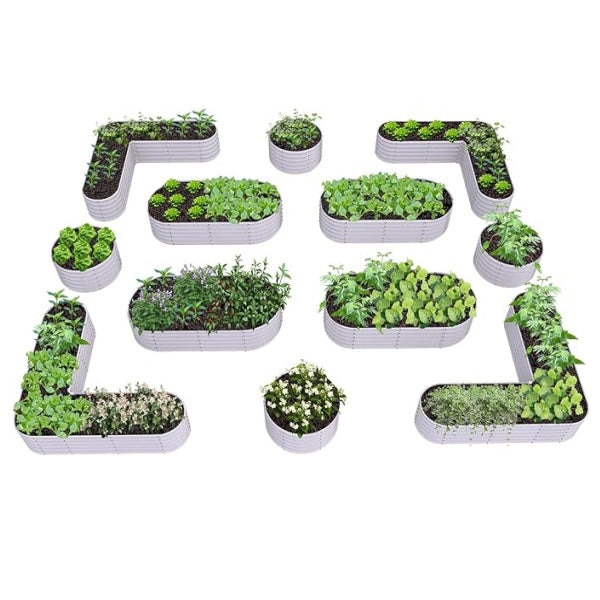


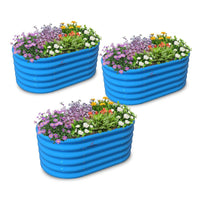
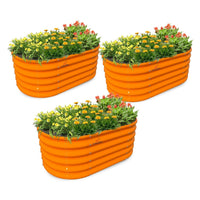
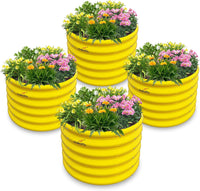
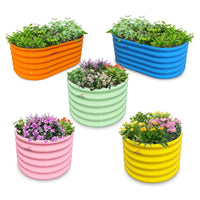
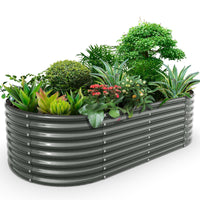



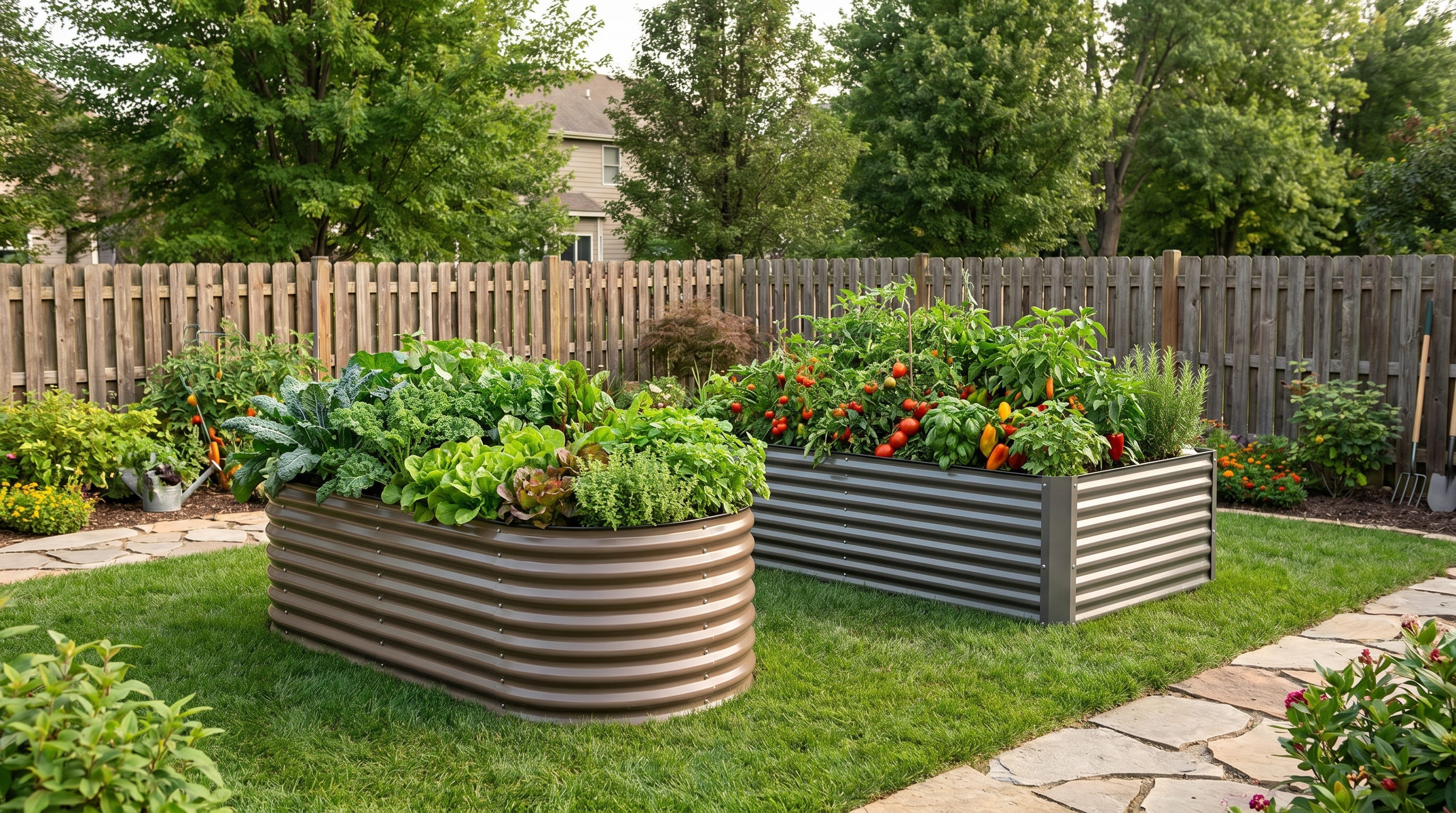
ALT: Oval and rectangle raised garden beds compared in a backyard garden layout for home growers
Choosing Your Shape: Why Oval vs. Rectangle Raised Garden Beds Matters More Than You Think
Key Conclusion: The shape of your raised bed is one of the most underrated decisions in any raised bed garden layout. Whether you choose an oval or rectangle affects how you access plants, how your raised bed planting layout flows through your yard, and ultimately how productive and beautiful your garden becomes. A well-thought-out raised bed layout can mean the difference between a thriving garden and a frustrating one—regardless of what you grow.
When most gardeners start thinking about raised beds, they obsess over soil mixes, plant varieties, and watering schedules. Shape, however, rarely gets the attention it deserves. Yet the footprint of your bed determines reach zones, walking paths, sunlight patterns, and even aesthetic harmony with your landscape.
Oval and rectangle are the two dominant raised bed shapes on the market today—and they serve genuinely different purposes. This guide will walk you through the honest pros and cons of each, real-world use cases, and exactly how to match a shape to your specific yard, goals, and lifestyle.
Who Should Read This Guide?
✅ Applicable Scenarios:
- Homeowners planning a new raised bed installation and unsure which shape fits their space
- Gardeners who've outgrown a single bed and want to design a cohesive multi-bed layout
- Urban or suburban growers working with irregular, small, or visually prominent yard spaces
- Retirees or empty nesters who want ergonomic, low-maintenance bed designs
- Eco-conscious families integrating garden beds into a landscaped backyard aesthetic
❌ Not Applicable / Cautions:
- If you're planning large-scale commercial growing, standard rectangle rows remain the industry norm and this comparison may be less relevant
- If your outdoor space has significant slope or drainage issues, shape alone won't solve structural challenges—address grading first before selecting a bed form
- This guide focuses on metal raised garden beds; wooden or fabric bed comparisons require separate consideration
The Growing Popularity of Shaped Garden Beds—And Why It Matters
Raised bed gardening has surged in popularity across North America over the past decade, and for good reason. According to research cited by the https://ucanr.edu/ (University of California Agriculture and Natural Resources), raised beds can increase vegetable yields by up to four times per square foot compared to traditional in-ground rows, thanks to improved drainage, soil quality control, and warmer growing conditions.
But the market has evolved well beyond the standard 4x8 rectangle. Today's home gardeners are treating their outdoor spaces as extensions of their living environments—places that need to be not just functional, but visually cohesive, ergonomically accessible, and emotionally satisfying to spend time in.
This shift has driven growing demand for oval raised garden beds, which offer a softer, more organic silhouette that blends naturally into landscaped settings. Meanwhile, rectangle beds remain the workhorses of productivity-focused gardeners, offering maximum soil area, clean geometric lines, and straightforward layout planning.
The challenge is that marketing from most brands treats these shapes as interchangeable aesthetic choices. They're not. Each shape has structural implications for how you interact with your garden every single day—how far you reach, where you walk, how water drains, and how the bed integrates with fencing, pathways, and other structures.
Understanding these differences at a practical level—before you buy—saves time, money, and a lot of gardening frustration. If you're also thinking about the broader ecosystem of your outdoor space (including chicken coops, rabbit hutches, or decorative pathway systems), shape compatibility with those elements becomes even more important. For a comprehensive overview of designing a full garden ecosystem, explore Anleolife's complete garden planning resources at https://www.anleolife.com/.
Oval vs. Rectangle Raised Garden Beds: A Complete Comparison
Three-Step Process for Choosing the Right Raised Bed Shape
Step 1: Map Your Available Space and Access Zones
Before comparing shapes on paper, walk your yard and physically measure your available planting area. Note any existing structures, pathways, fencing, or trees that constrain the footprint. Sketch your space roughly to scale, marking where the sun falls at different times of day. This step takes about 20–30 minutes but prevents costly mistakes. The golden rule: you should be able to reach the center of any bed from either side without stepping in—typically a maximum width of 4 feet.
Step 2: Define Your Primary Gardening Goals
Are you maximizing vegetable production, creating a decorative focal point, or balancing both? Write down your top three goals and rank them. If yield per square foot is your priority, rectangle wins almost every time. If your garden is a visible centerpiece—seen from a porch, patio, or living room window—an oval's softer curves may justify a slight reduction in planting area. This clarity step takes 10 minutes and anchors every decision that follows.
Step 3: Match Shape to Your Physical and Lifestyle Needs
Consider who will tend this garden daily. Gardeners with limited mobility, back pain, or who garden solo benefit significantly from beds that allow full reach from all sides without awkward stretching. Oval beds naturally achieve this since no corner is deeply recessed. Families with children may prefer the defined geometry of rectangles for organizing plant rows and teaching structured gardening. Factor in maintenance time, physical comfort, and long-term sustainability of the setup.
Head-to-Head: Oval vs. Rectangle Raised Garden Beds
Both shapes are widely available, but their differences become clear once you analyze them across the dimensions that actually matter to everyday gardeners.
| Comparison Dimension | Oval Raised Garden Beds | Rectangle Raised Garden Beds | Key Takeaway |
|---|---|---|---|
| Usable Planting Area | Slightly less per footprint (≈78% efficiency) | Maximum area per footprint (100% efficiency) | Rectangle wins for pure yield |
| Reach & Accessibility | Excellent from all sides; no deep corners | Good with ≤4ft width; corners can be hard to reach | Oval edges out in accessibility |
| Aesthetic Appeal | Soft, organic, landscape-friendly | Clean, structured, orderly | Depends on garden style |
| Layout Flexibility | Works as standalone focal point | Tiles and rows easily; great for multi-bed layouts | Rectangle better for scaling |
| Ergonomics | Easier to walk around; no sharp corners | Sharp corners require more careful navigation | Oval slightly safer/friendlier |
| Soil Volume | Slightly less at equal footprint | More soil per footprint | Rectangle holds more soil |
| Companion Planting | Good for circular companion groups | Ideal for row-based companion planting | Style-dependent |
| Cost | Slightly higher (complex form) | Generally more economical at comparable size | Rectangle often more affordable |
| Lifespan (Anleolife Metal) | 20 years | 20 years | Equal durability |
| Best For | Decorative gardens, solo gardeners, focal points | Productive home gardens, family plots, multi-bed systems | Different ideal users |
Deep Dive: The Real Advantages and Limitations of Each Shape
The Case for Oval Raised Garden Beds
Ergonomics that make a real difference
The most underappreciated advantage of an oval raised garden bed is how it handles the "reach problem." In a standard rectangle, the corners create zones that are geometrically farthest from any standing position on the outside of the bed. If your rectangle is 8 feet long and 4 feet wide, the corner diagonals can exceed 5 feet from a standing position on the long side—meaning some gardeners are inevitably leaning, stretching, or stepping in.
An oval eliminates corners entirely. Every point on the bed's perimeter is roughly equidistant from the center, which means full access from any side-standing position. For retirees, empty nesters, or anyone managing back or joint issues, this isn't a minor convenience—it's a genuine quality-of-life improvement that makes daily gardening sustainable over years.
Visual harmony in landscaped spaces
Hard geometry reads as structured and intentional in a garden—which can be beautiful, but can also feel rigid or institutional in softer, naturalistic landscapes. Oval shapes echo the organic forms found in nature: the curve of a garden path, the sweep of a lawn edge, the outline of a flower border. Placed strategically, an oval bed can become a genuine design feature—an anchor point that draws the eye and ties a garden composition together.
This makes ovals especially well-suited for front-yard edible gardens, cottage-style landscapes, or any setting where the garden bed is viewed as part of the visual environment rather than hidden behind a fence.
Practical limitations of oval beds
Honesty matters here: oval beds do trade some planting area for their curved form. At equivalent overall footprint dimensions, an oval holds approximately 78% of the soil volume of a same-size rectangle. Over a full growing season, that difference compounds—it means fewer tomato plants, shorter carrot rows, or less room for sprawling squash.
Row planting—which remains one of the most efficient methods for vegetables like beans, carrots, beets, and lettuce—is also less intuitive in an oval. The tapering ends make it harder to run uniform rows of equal length, which can complicate spacing and succession planting schedules.
The Case for Rectangle Raised Garden Beds
Maximum productivity per square foot
The rectangle is the gold standard of raised bed design for one simple reason: it uses space with complete efficiency. Every square inch inside a rectangular bed is usable planting area. With no tapering ends and no geometric waste, rectangle beds allow you to plan dense, square-foot gardening grids with mathematical precision.
This matters most when you're trying to grow a meaningful portion of your household's vegetables. If feeding a family of four is part of your goal—not just a decorative herb bed—the rectangle's additional soil volume over an oval of similar size genuinely translates to more food.
Scalable, tile-able layouts
Rectangles fit together. This is fundamental when designing a multi-bed raised bed garden layout. Two, four, or eight rectangle beds can be arranged in rows with uniform pathways between them—creating a kitchen garden that's easy to navigate, easy to irrigate (drip lines run straight), and easy to extend over time.
If you start with one 4x8 bed and want to add more over the following seasons, rectangle beds create seamless expansion without visual chaos. Each new bed slots into the layout like a building block. This scalability is one of the reasons rectangle raised beds dominate productive home kitchen gardens across North America.
The corner reach challenge—and how to solve it
The honest limitation of rectangle beds is corner access. In a well-designed raised bed planting layout, this is managed by keeping bed width at or below 4 feet and ensuring pathways on all four sides. When these conditions are met, corner access is manageable for most gardeners.
Problems arise when rectangle beds are positioned against fences, walls, or other structures on their long sides—eliminating access from that direction and turning what should be a 4-foot-reach bed into a 6- or 7-foot reach at the corner diagonal. Position rectangle beds with this in mind, and the limitation essentially disappears.
Companion planting and crop rotation
Rectangle beds excel at structured companion planting strategies. Classic combinations—like the Three Sisters (corn, beans, squash), tomatoes with basil, or carrots with onions—fit naturally into defined rectangular zones that can be systematically rotated season by season. A rectangle bed is essentially a map that gardeners can plan, annotate, and replicate across seasons.
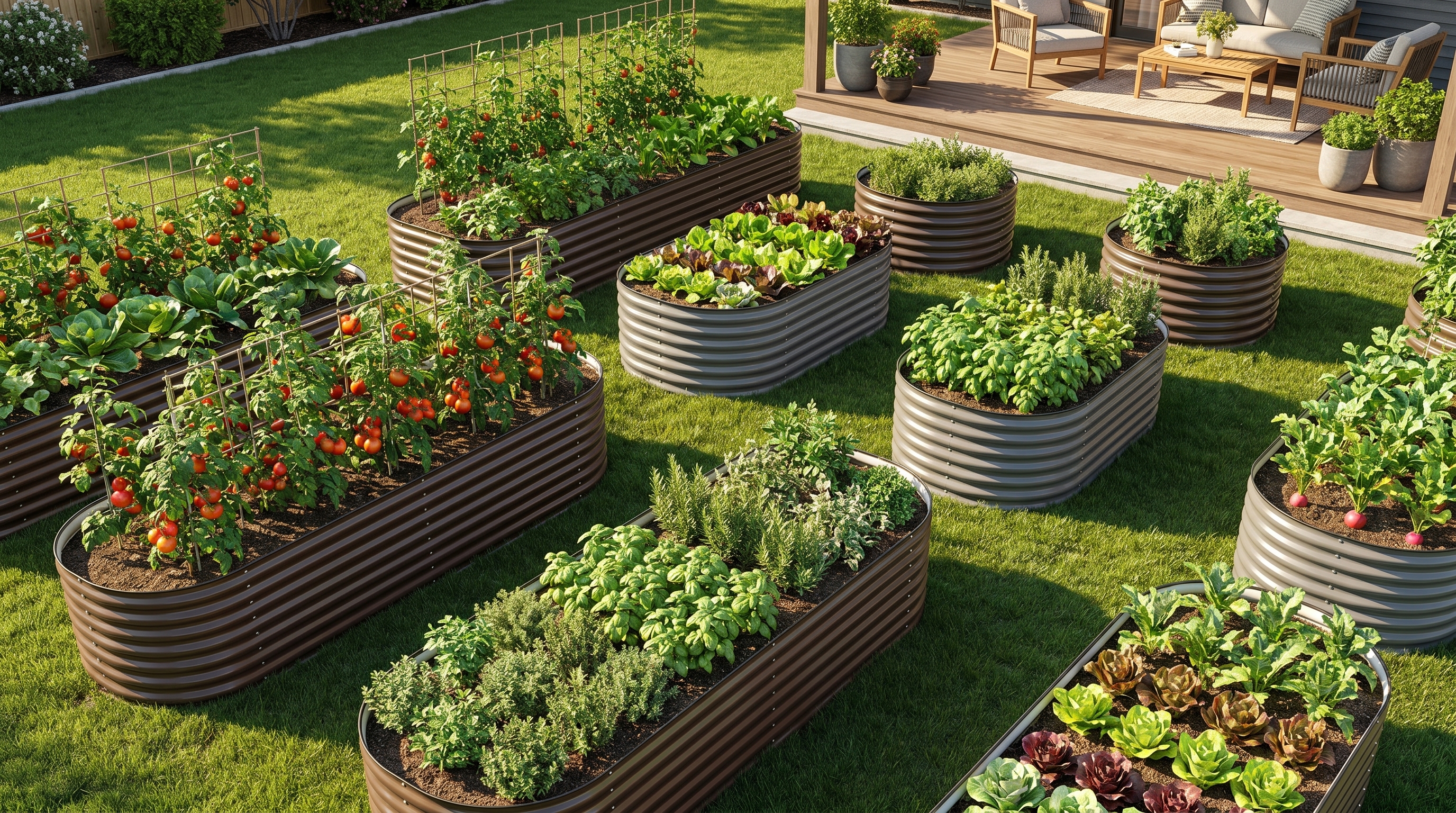
ALT: Metal raised garden beds in oval and rectangle shapes arranged in a productive backyard kitchen garden raised bed layout
Advanced Considerations: What Most Guides Don't Tell You
Material Quality Overrides Shape in the Long Run
Whatever shape you choose, the material determines whether your investment lasts one season or two decades. Anleolife's metal raised garden beds are engineered for a 20-year lifespan—built from aluminized steel with a UV-resistant coating that resists rust, warping, and soil degradation through freeze-thaw cycles, heavy rainfall, and years of seasonal use. This durability applies equally to both oval and rectangle configurations.
The takeaway: don't let the shape decision distract from material quality. A well-made oval or rectangle metal bed will outlast cheap wooden alternatives by a decade or more—and the long-term cost per growing season drops dramatically with quality materials.
Combining Both Shapes Strategically
Many experienced gardeners find the most satisfying raised bed layout isn't a single shape but a thoughtful combination. A common approach: use rectangle beds as the productive backbone of a kitchen garden—running parallel rows with defined pathways—and place one or two oval beds at key visual focal points, such as near a patio entrance or as centerpieces in a lawn area.
This hybrid approach gives you the efficiency of rectangles where yield matters most and the aesthetic softness of ovals where visual impact is the priority.
Matching Shape to Your Garden's Relationship with Adjacent Structures
Chicken coops, rabbit hutches, compost stations, and garden sheds all affect how you move through your outdoor space. Rectangle beds integrate more cleanly with rectilinear structures—fencing, shed walls, deck edges. Oval beds tend to work better as standalone elements in open lawn areas where they can be approached from all sides.
Common Misconception: "Oval Beds Are Just Decorative"
This is worth addressing directly. Oval raised garden beds are fully functional planting spaces. Many gardeners grow complete vegetable gardens in oval configurations—they simply require slightly more thoughtful planting plans (think concentric rings rather than straight rows). Herbs, salad greens, edible flowers, and root vegetables all thrive beautifully in oval beds with the right planting approach.
Frequently Asked Questions FAQ
Q1: How do I decide between an oval and rectangle raised garden bed for a small urban yard?
For small urban spaces, the decision comes down to one question: do you have access from all sides? If your space allows 360° access, an oval is worth considering for its ergonomic and aesthetic advantages. If your bed will sit against a wall or fence, a rectangle with open access on three sides will serve you better. In very tight spaces under 50 square feet, a single well-sized rectangle bed typically maximizes yield most efficiently. Prioritize usable planting area when space is at a premium.
Q2: Are oval raised garden beds as durable as rectangle raised garden beds?
Yes—when made from the same materials. Anleolife metal raised garden beds in both oval and rectangle configurations share the same aluminized steel construction rated for a 20-year lifespan. Shape does not compromise structural integrity in metal beds. In fact, oval shapes distribute soil pressure more evenly along curved walls, which can slightly reduce bowing compared to long rectangular panels without adequate corner reinforcement. Material quality, not shape, is the primary durability factor.
Q3: How long does it take to assemble a metal raised garden bed, and when will it arrive?
Most Anleolife metal raised garden beds—both oval and rectangle—can be assembled in 30–60 minutes with basic tools, following included instructions. No special skills are required. As for delivery: Anleolife operates a strategic warehouse network across California, Texas, Florida, New York, Illinois, and Washington, ensuring your order arrives within 3–8 business days of purchase, whether through Anleolife.com, Amazon, Walmart, Home Depot, Lowe's, or Wayfair. Your garden upgrade can realistically begin within the same week you order.
Summary
Choosing between an oval and rectangle raised garden bed isn't about which shape is objectively better—it's about which shape serves your specific garden, body, goals, and lifestyle best.
Three key takeaways to carry forward:
1. Rectangle beds maximize productivity. If growing meaningful quantities of vegetables for your household is the primary goal, the rectangle's superior planting area, row compatibility, and scalability make it the stronger choice. It's the foundation of any serious kitchen garden layout.
2. Oval beds optimize accessibility and aesthetics. If ergonomic access (especially for solo gardeners, retirees, or those with physical limitations), visual impact in a landscaped setting, or a soft, organic aesthetic are your priorities, the oval delivers meaningfully better results than a rectangle can in those specific areas.
3. The best gardens often use both. A hybrid raised bed garden layout that combines rectangle beds for core productivity with oval beds as focal points creates a garden that's both highly functional and genuinely beautiful to spend time in.
Whatever shape you choose, invest in quality materials that will go the distance. A 20-year lifespan metal bed pays for itself many times over compared to replacing wooden beds every three to five years.
Start Building Your Ideal Garden with Anleolife
Anleolife operates a nationwide U.S. warehouse network strategically located in California, Texas, Florida, New York, Illinois, and Washington—ensuring delivery within 3–8 business days so your garden plans never have to wait for the growing season.
Our products are available across major platforms including Amazon, Walmart, Home Depot, Lowe's, Wayfair, and directly at https://www.anleolife.com/, providing consistent quality and dedicated after-sales support wherever you prefer to shop.
Anleolife's three core product scenarios cover everything your outdoor space needs: Planting (metal raised garden beds, soil systems), Raising (chicken coops, rabbit hutches), and Beautification (decorative accessories, pathway systems)—meeting your complete needs from functionality to aesthetics.
We understand that an ideal garden isn't built overnight—it's developed gradually, season by season. Our modular product design allows flexible expansion based on your needs, from your first raised bed to a fully integrated planting-and-raising ecosystem. Anleolife grows with you every step of the way.
References
This article is based on the following official materials (as of January 2026):
- [UC ANR]. "Vegetable Gardening in California." University of California Agriculture and Natural Resources.
https://ucanr.edu/ - [USDA]. "Home and Community Gardening Resources." United States Department of Agriculture.
https://www.usda.gov/ - [EPA]. "Healthy Garden Practices and Soil Health." United States Environmental Protection Agency.
https://www.epa.gov/ - [OSU Extension]. "Raised Bed Gardening Guide." Oregon State University Extension Service.
https://extension.oregonstate.edu/
Note: Gardening standards and material certifications may be updated. Please check the latest official documents or consult professional advisors for your specific region and application.
About Anleolife
Anleolife is a leading outdoor garden solutions provider in North America, dedicated to offering a full-scenario product ecosystem for home gardening enthusiasts, covering planting, raising, and garden beautification. Since its founding, we have upheld our brand mission, "Made for Garden Life," continuously innovating products and optimizing services to help hundreds of thousands of users upgrade their gardens, reconnect with nature, and enjoy a better garden lifestyle.