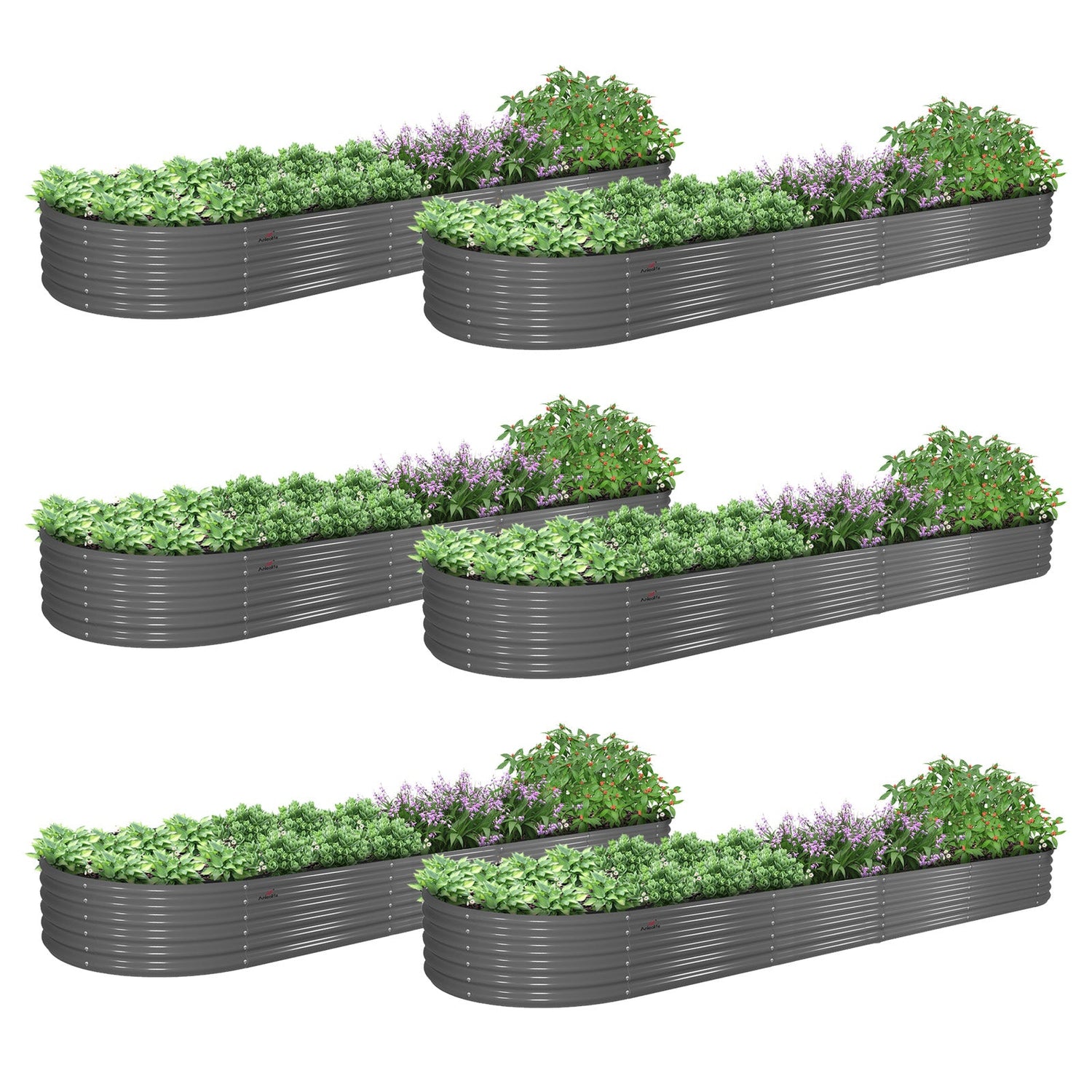



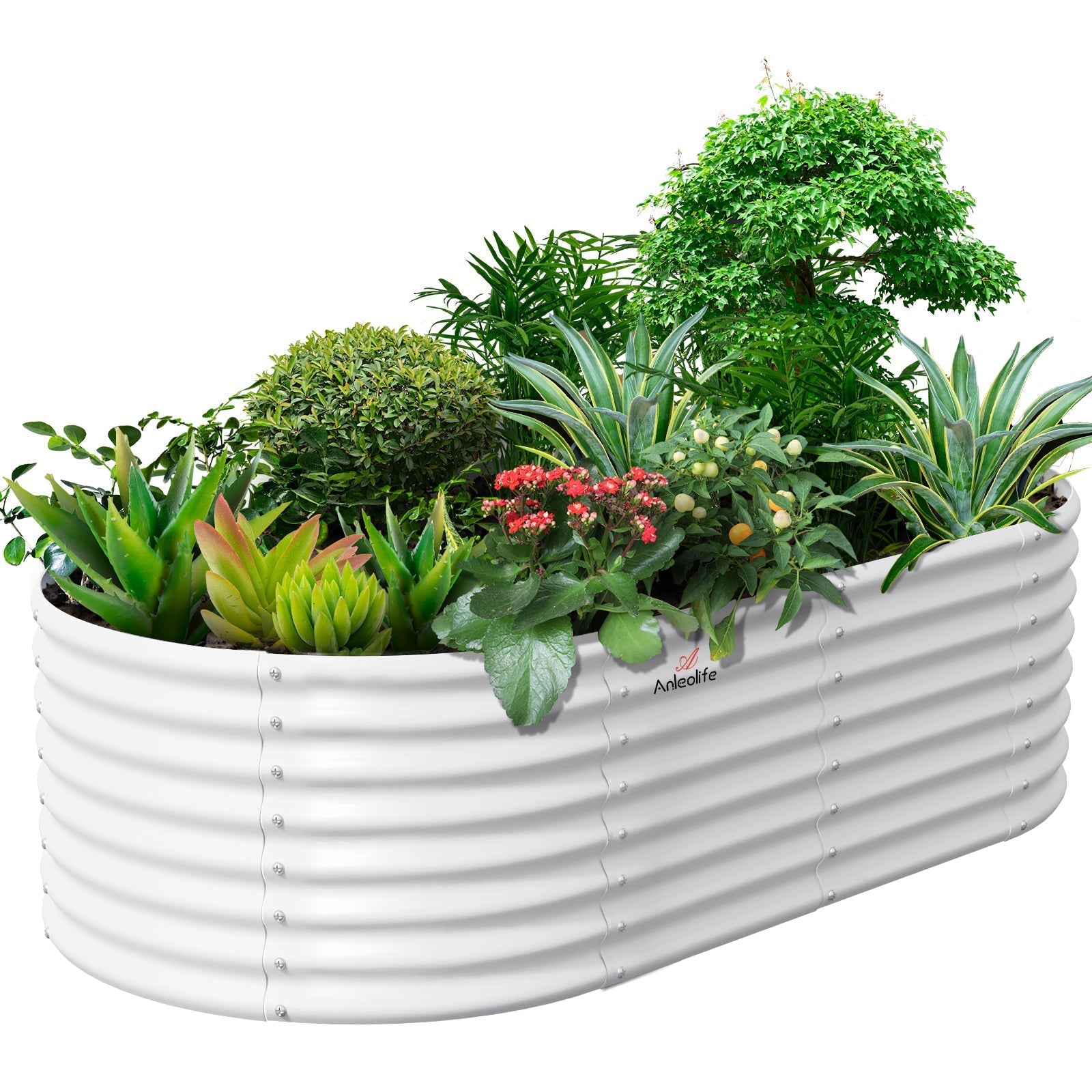
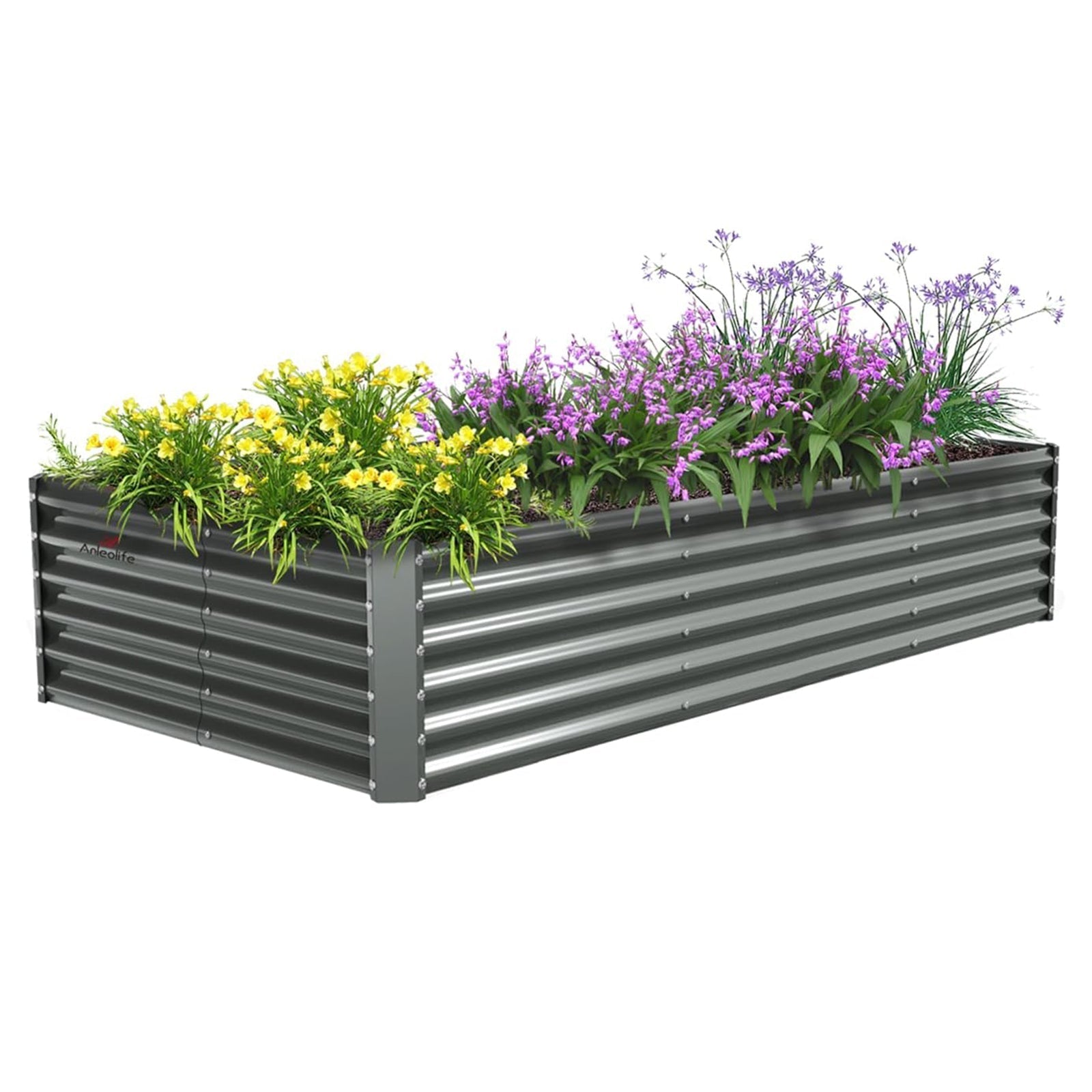

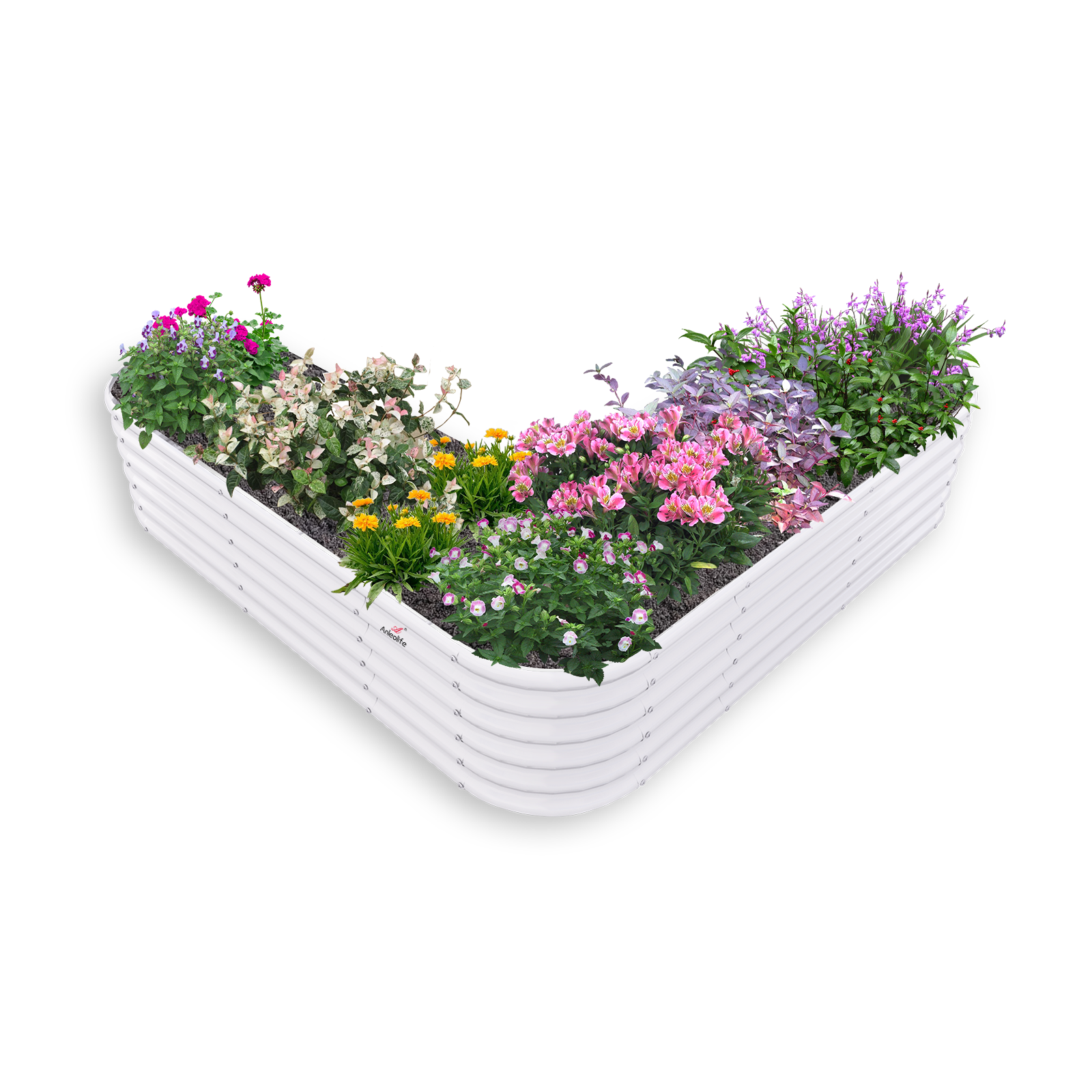
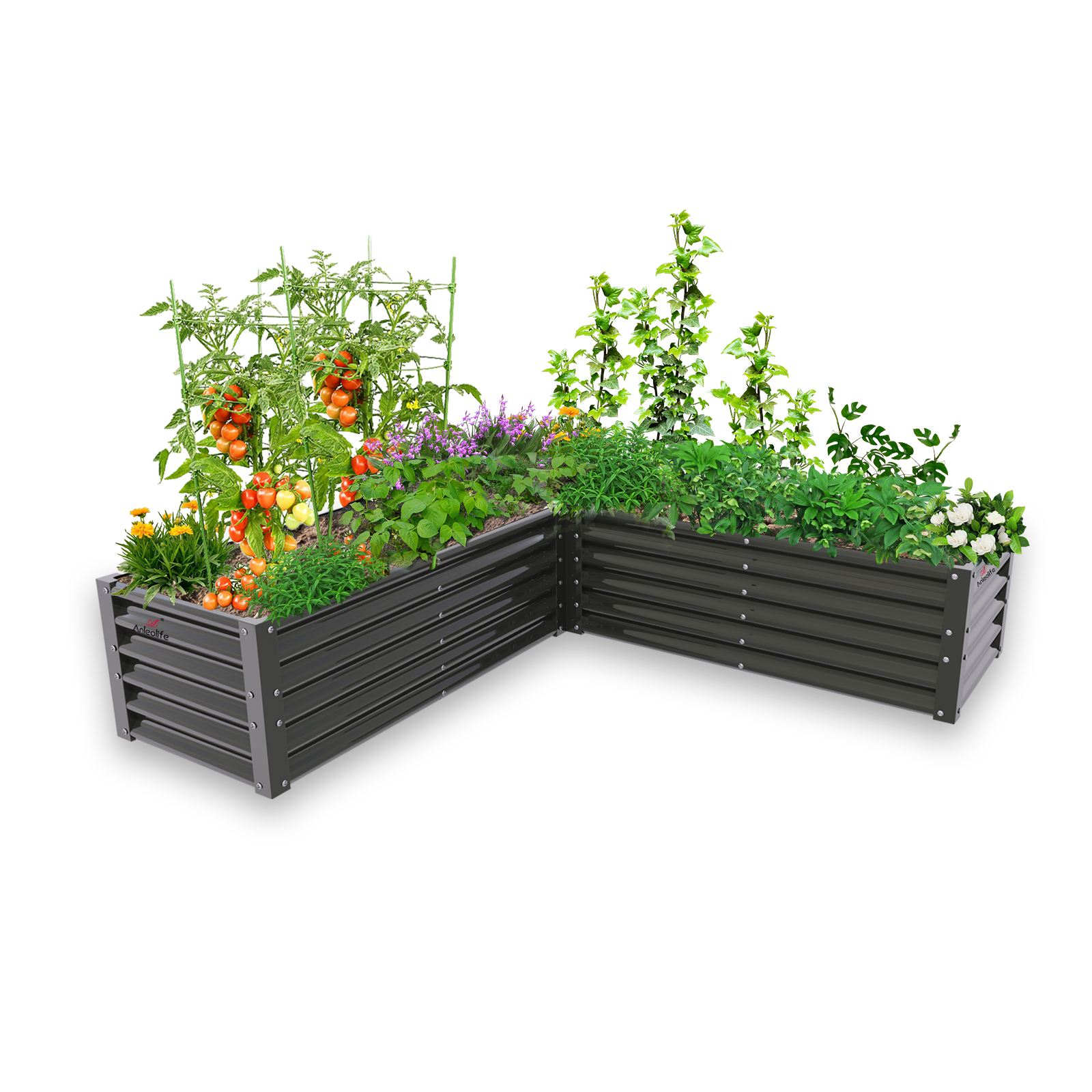
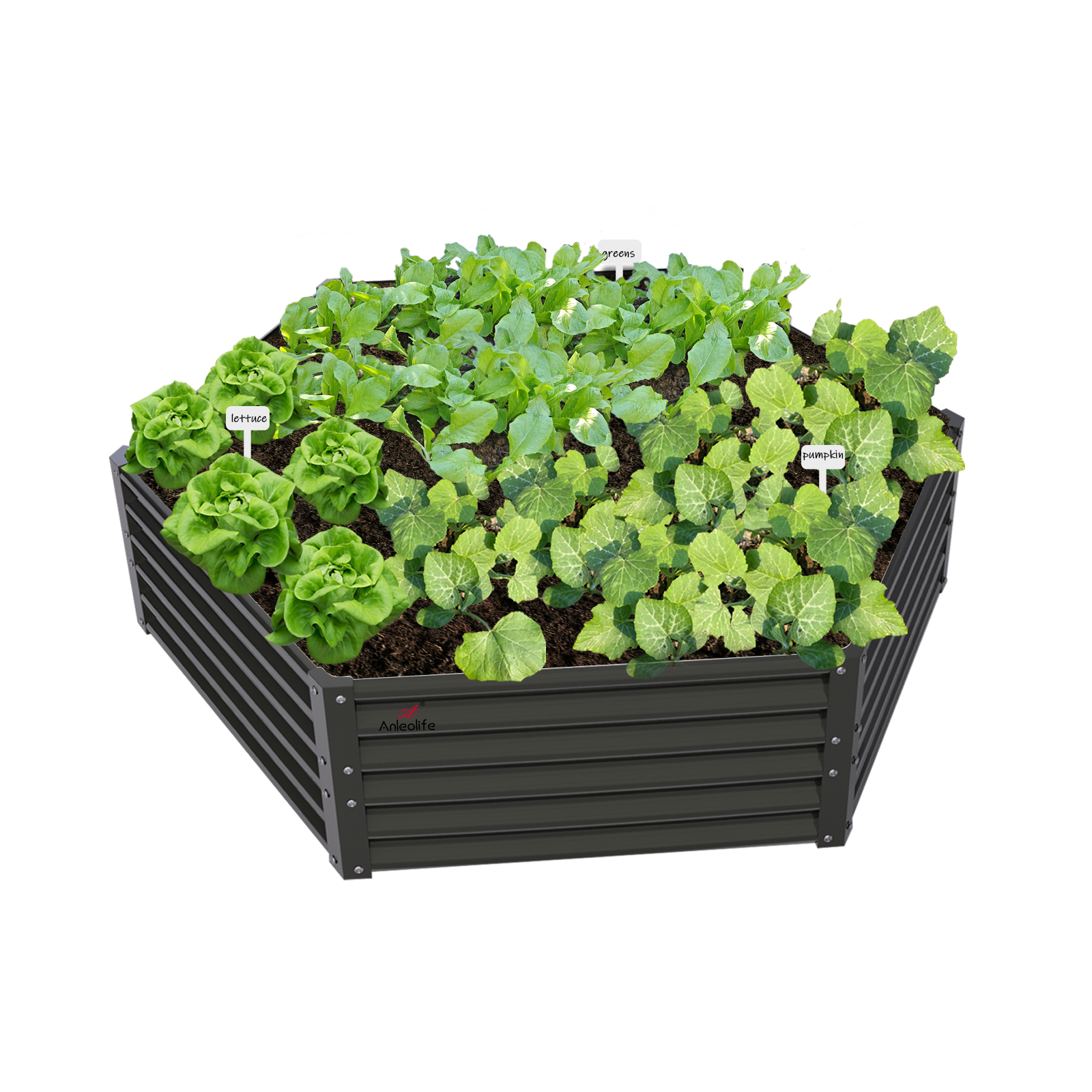
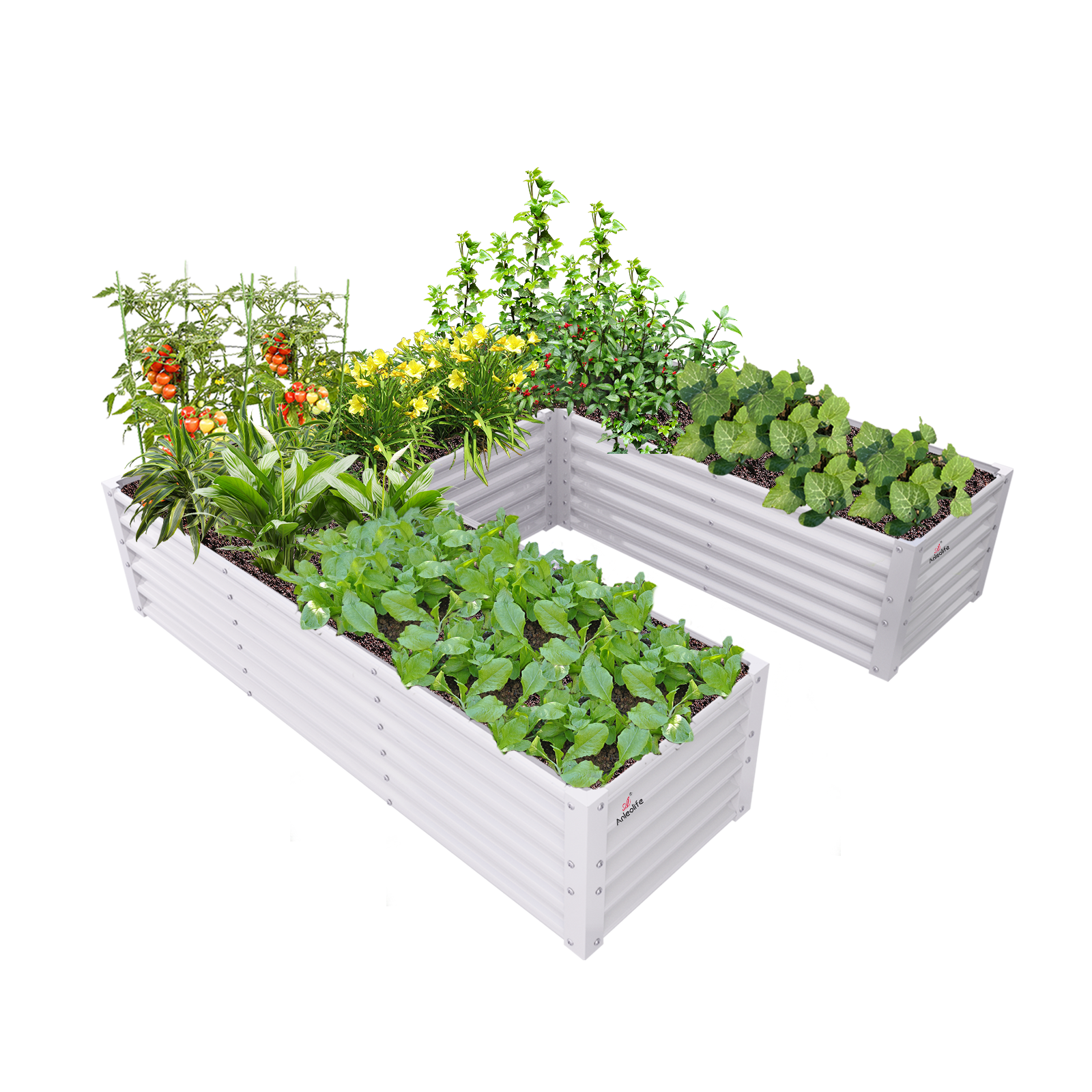

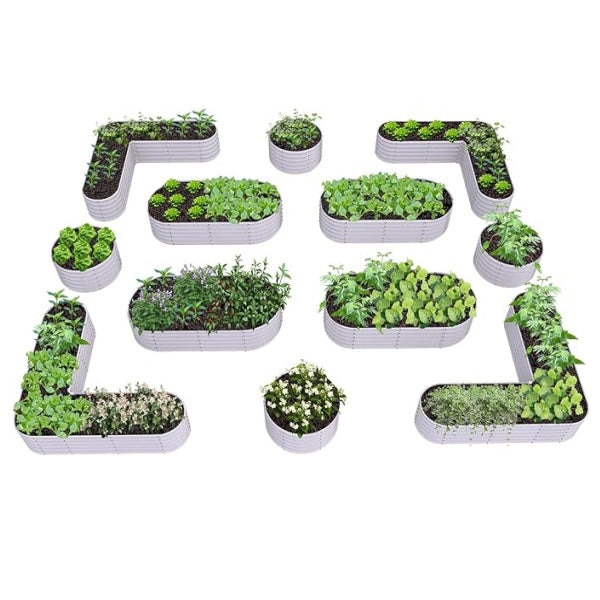


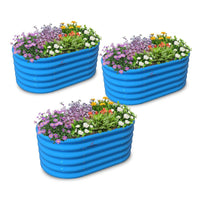
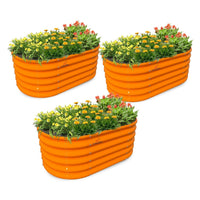
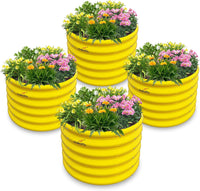
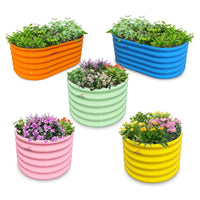



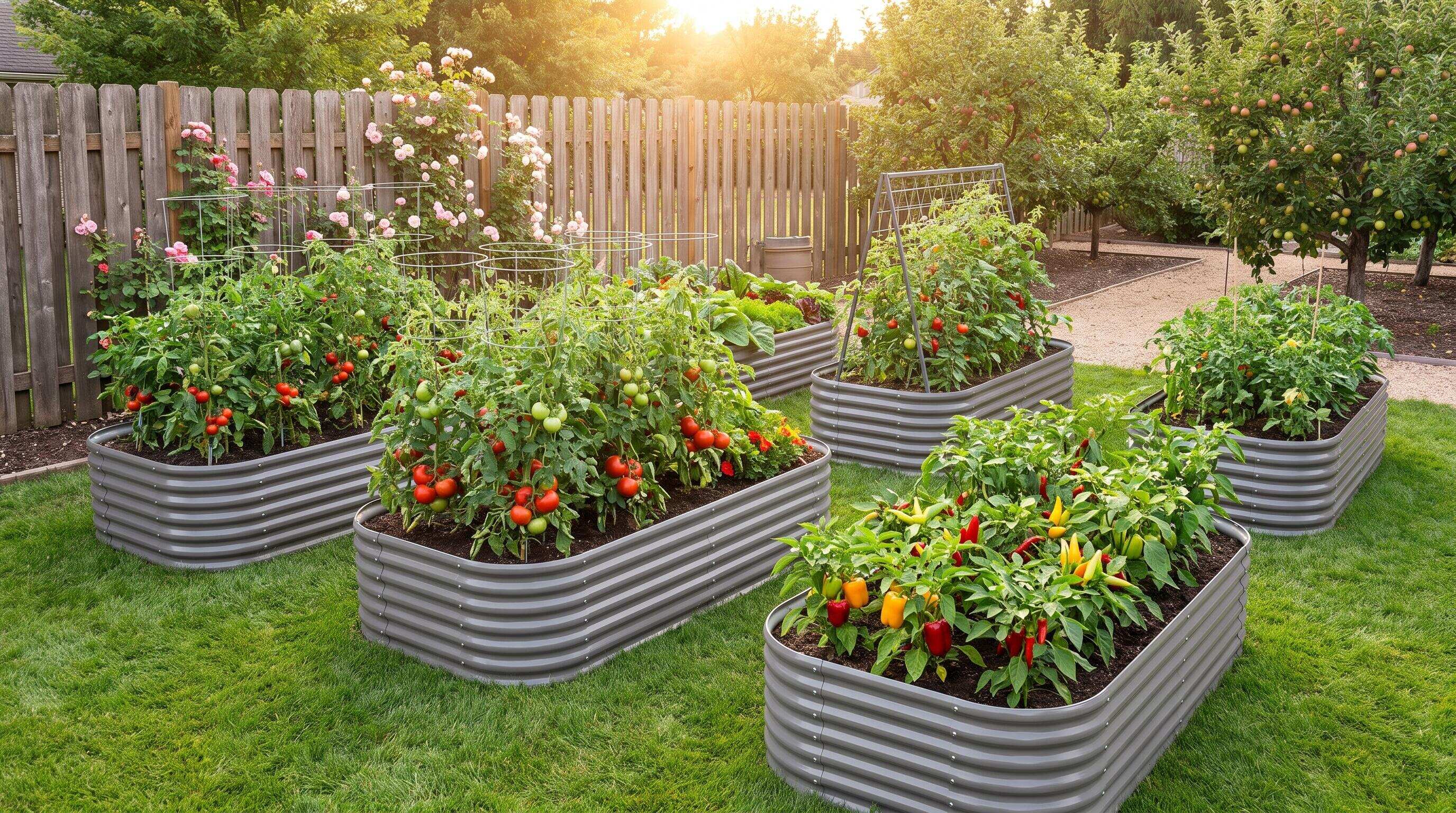
ALT: Modular raised bed garden layout growing with a family across seasons in a sunny backyard
Fixed vs. Flexible: Which Raised Bed Garden Layout Actually Grows With Your Family?
Picture this: you install two beautiful raised beds in spring, grow a thriving crop of tomatoes and kale, and by summer you realize you need three more beds, a pathway between them, and somewhere to keep the chickens your kids now desperately want. A raised bed garden layout that seemed perfect in April starts feeling cramped by July. This is a pattern we consistently see in our work with home growers — the initial layout solves today's problem but creates friction tomorrow.
The verdict is clear: a modular, expandable raised bed layout outperforms fixed, single-purchase setups for families whose needs are actively evolving. This article compares three layout approaches — fixed single-bed installations, static multi-bed arrays, and modular expandable configurations — across criteria that matter most to real home growers. The goal is to help you match your layout strategy to your family's actual trajectory, not just your current moment.
The options compared are a fixed single-bed setup (one or two beds, no expansion plan), a static multi-bed grid (several beds placed all at once in a predetermined pattern), and a modular expandable system (beds added incrementally, with designed pathways, soil systems, and complementary elements that integrate over time). The criteria used for comparison are scalability, long-term cost efficiency, soil system compatibility, child and family adaptability, aesthetic cohesion, and structural durability.
What Makes a Raised Bed Layout Worth Evaluating: The Criteria That Matter
A well-designed raised bed layout is a planned arrangement of growing containers that balances plant productivity, household accessibility, and long-term adaptability. Choosing the right layout approach is not simply about how many beds fit in your yard — it is about building a system that continues serving your family as circumstances change.
Scalability is the first and arguably most critical criterion. Gardens rarely stay the same size. Families add members, develop new interests (chickens, herbs, cut flowers), or simply want more fresh food. A layout that cannot be extended without demolishing what already exists punishes growth. Scalability measures how easily new beds, pathways, or functional zones can be added without disrupting what is already planted.
Long-term cost efficiency looks beyond the initial purchase. A setup that requires complete replacement after three seasons is more expensive than a modular system with a significantly longer usable life — even if the upfront cost is higher. According to the University of California Cooperative Extension, durable raised bed materials and well-structured layouts reduce cumulative soil amendment and replacement costs over a decade or more.
Soil system compatibility matters because the raised bed planting layout you choose directly dictates how you manage your soil. Deep beds suited to root vegetables, shallow configurations for salad greens, and modular designs that can accommodate different soil depths in adjacent beds all serve different growing goals. A layout that forces uniform soil depth across all beds limits what you can grow.
Child and family adaptability reflects how a garden evolves alongside the people using it. Young children need low beds with wide pathways. Teens may want dedicated zones. Empty nesters often prefer waist-high beds that reduce bending. A layout strategy should accommodate all of these stages without requiring a full rebuild.
Aesthetic cohesion addresses the garden as an outdoor living space. A raised bed layout is visible from inside the home, affects property value, and sets the character of the backyard. Beds that look mismatched or cluttered undermine the quality of the space regardless of how productive they are.
Structural durability is the final criterion. A raised bed is a long-term investment, and the layout only holds its intended form if the beds themselves last. Materials, construction quality, and resistance to weathering all determine whether your layout still looks and functions the same in year ten as it did in year one.
The Contenders: Three Layout Approaches Compared
The Fixed Single-Bed Setup: Simple but Limited
A fixed single-bed setup involves purchasing one or two standalone raised beds — typically placed wherever space is convenient — without a broader layout plan. This approach is common among first-time gardeners who want a low-commitment entry point. The beds are often sourced as individual units, placed on a lawn or patio, and filled with bagged soil. There is no designed pathway system, no companion planting framework, and no integration with other garden functions.
The strengths here are obvious: low initial investment, fast setup, and minimal planning required. For someone testing whether raised bed gardening suits their lifestyle, a single bed is a reasonable starting point. The problem emerges when that person — almost invariably — wants more. Moving an established raised bed, rerouting a pathway that was never designed, and retrofitting aesthetics onto a piecemeal layout are all costly and frustrating in practice.
In our work with clients, the single-bed approach often produces what we call "accidental sprawl" — beds added without plan, pathways that are too narrow, and a garden that feels chaotic rather than cultivated. The raised bed layout, in this case, is not really a layout at all.
The Static Multi-Bed Grid: Planned but Inflexible
A static multi-bed grid involves purchasing several beds at once and arranging them in a predetermined pattern — usually a 2x2 or 2x3 grid with set pathways. This approach reflects real planning effort and tends to produce a more polished initial result. Pathways are deliberate, beds are sized consistently, and the overall raised bed planting layout looks intentional.
The limitation is rigidity. A static grid is designed for a specific moment: the family's size today, the crops they want this season, the available budget right now. When circumstances change — a new hobby, a differently-abled household member, a desire to add a chicken coop adjacent to the vegetable garden — the static grid resists adaptation. Adding beds outside the original grid pattern breaks the aesthetic logic. Removing beds leaves awkward gaps. The layout works until it doesn't.
According to growing resources documented at Growing the Home Garden, even experienced home gardeners frequently find that their initial multi-bed layouts need significant restructuring within a few growing seasons as their needs evolve — underscoring the value of building adaptability into the plan from the start.
The Modular Expandable Layout: Designed to Evolve
A modular expandable layout is a raised bed garden layout strategy built around incremental growth. It begins with a core configuration — perhaps one or two beds — and expands systematically through additions that were anticipated in the original design. Pathways, soil systems, companion planting zones, and functional areas (like a chicken run or tool storage) are all planned as part of a coherent whole, even if they are not all installed at once.
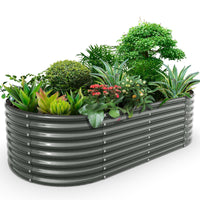
This is the approach Anleolife is built around. The modular raised bed product line is specifically designed so that individual beds — whether an 18-inch-tall 8x4 ft configuration or a 30-inch extra-tall 6x3 ft option — can be added to an existing layout without visual or functional disruption. The galvanized steel and rust-resistant construction means each new addition matches the durability profile of what is already in place. And because the product ecosystem extends from raised beds into raising (chicken coops, rabbit hutches) and beautification (decorative accessories, pathway systems), the layout can absorb new functions as the family's garden ambitions grow.
The modular raised bed line from Anleolife includes configurations ranging from compact 18-inch-tall beds to waist-high 35-inch options — meaning the layout can be reconfigured over time to accommodate different users, different crops, and different mobility needs without replacing the core infrastructure.
Head-to-Head Comparison: Raised Bed Layout Approaches Across All Criteria
| Criterion | Fixed Single-Bed | Static Multi-Bed Grid | Modular Expandable Layout |
|---|---|---|---|
| Scalability | Very low — expansion requires starting over | Moderate — can add beds but breaks aesthetic logic | High — designed for incremental, cohesive expansion |
| Long-term cost efficiency | Low — replacement cycles add up | Moderate — durable if well-built, but inflexible | High — investment compounds over time; Anleolife beds rated for 20-year lifespan |
| Soil system compatibility | Limited — uniform depth only | Moderate — some variation possible within grid | High — different bed heights and sizes allow varied soil profiles |
| Child and family adaptability | Very low — not designed for changing needs | Low to moderate — grid limits reconfiguration | High — height range from 18" to 35" supports all life stages |
| Aesthetic cohesion | Low — ad hoc appearance | High initially — degrades as needs change | High — consistent materials and design language across all additions |
| Structural durability | Variable — depends on individual unit quality | Moderate to high — depends on materials | High — galvanized and rust-resistant steel construction built for long-term outdoor use |
The table reveals a pattern that is consistent with what we observe across many home gardening contexts: the fixed single-bed approach performs well on only one dimension (initial simplicity) and trails significantly on every criterion that matters over time. The static multi-bed grid earns marks for initial aesthetic cohesion but struggles precisely when families need it most — when life changes and the garden must change with it.
The modular expandable layout leads across the majority of criteria, and the gaps are widest in the dimensions that compound over time. Structural durability is a particularly important differentiator: a raised bed garden layout is only as reliable as the beds holding it together. Anleolife's galvanized steel and rust-resistant raised beds are built for a 20-year lifespan — a figure that transforms the cost calculation entirely when you account for the multiple replacement cycles a lower-quality bed would require over the same period.
Soil system compatibility also deserves more attention than it typically receives. A modular layout that includes both standard 18-inch beds and 24- or 30-inch extra-tall options allows the same garden to grow shallow-rooted greens alongside deep-rooted root vegetables, perennial herbs, and even small fruiting plants — all in a cohesive raised bed planting layout rather than a disconnected collection of containers.
Which Layout Should You Choose? Scenario-Based Recommendations
If you are completely new to raised bed gardening and unsure whether it suits your lifestyle, start with one or two modular beds rather than a fixed single unit. The investment is comparable, but a modular-first purchase puts you on a trajectory where expansion is coherent rather than accidental. Begin with an 18-inch tall 8x4 ft or 12x3 ft configuration, place it thoughtfully relative to your home's sightlines and your yard's sun exposure, and plan the pathway that will eventually connect to the next bed.
If you have an established single-bed or two-bed setup and feel the pull to expand, the modular approach is the natural next step. Rather than adding whatever beds happen to be on sale, investing in a system with consistent material quality and size compatibility ensures your expanded raised bed layout looks and functions as a designed whole rather than an improvised collection.
If you are planning a large garden from scratch and have the budget to install everything at once, resist the impulse to lock into a static grid. Even if you install six beds immediately, choosing modular-compatible units means you can add a seventh next year, swap in a taller bed when your knees protest bending, or integrate a chicken coop into the corner of the layout without visual disruption.
If your household includes older adults, differently-abled family members, or small children, the height range available in a modular raised bed system is genuinely important. Waist-high options — like the 35-inch tall configuration — allow gardening without bending, which extends the years a person can comfortably garden. Lower beds draw children in at their natural eye level. Being able to mix heights within a single raised bed layout is a functional accessibility feature, not just an aesthetic preference.
If you are an eco-conscious grower focused on soil health over the long term, the modular layout supports progressive soil system development. You can build deeply amended beds for perennials, maintain a separate zone with a distinct soil mix for brassicas, and add a composting integration point without rebuilding the entire layout. Raised bed gardening, when planned well, dramatically reduces soil compaction, water use, and the need for synthetic inputs — but only if the layout is designed to support those practices.
Pros of the modular expandable approach: grows with the family, maintains aesthetic cohesion, supports varied soil profiles, accommodates accessibility needs over time, and leverages long-lasting materials. Cons: requires slightly more planning upfront and may have a higher initial per-unit investment than bare-bones alternatives.
Pros of the static multi-bed grid: looks polished immediately and suits families with stable, well-defined needs. Cons: resistant to change, can become visually awkward as needs shift.
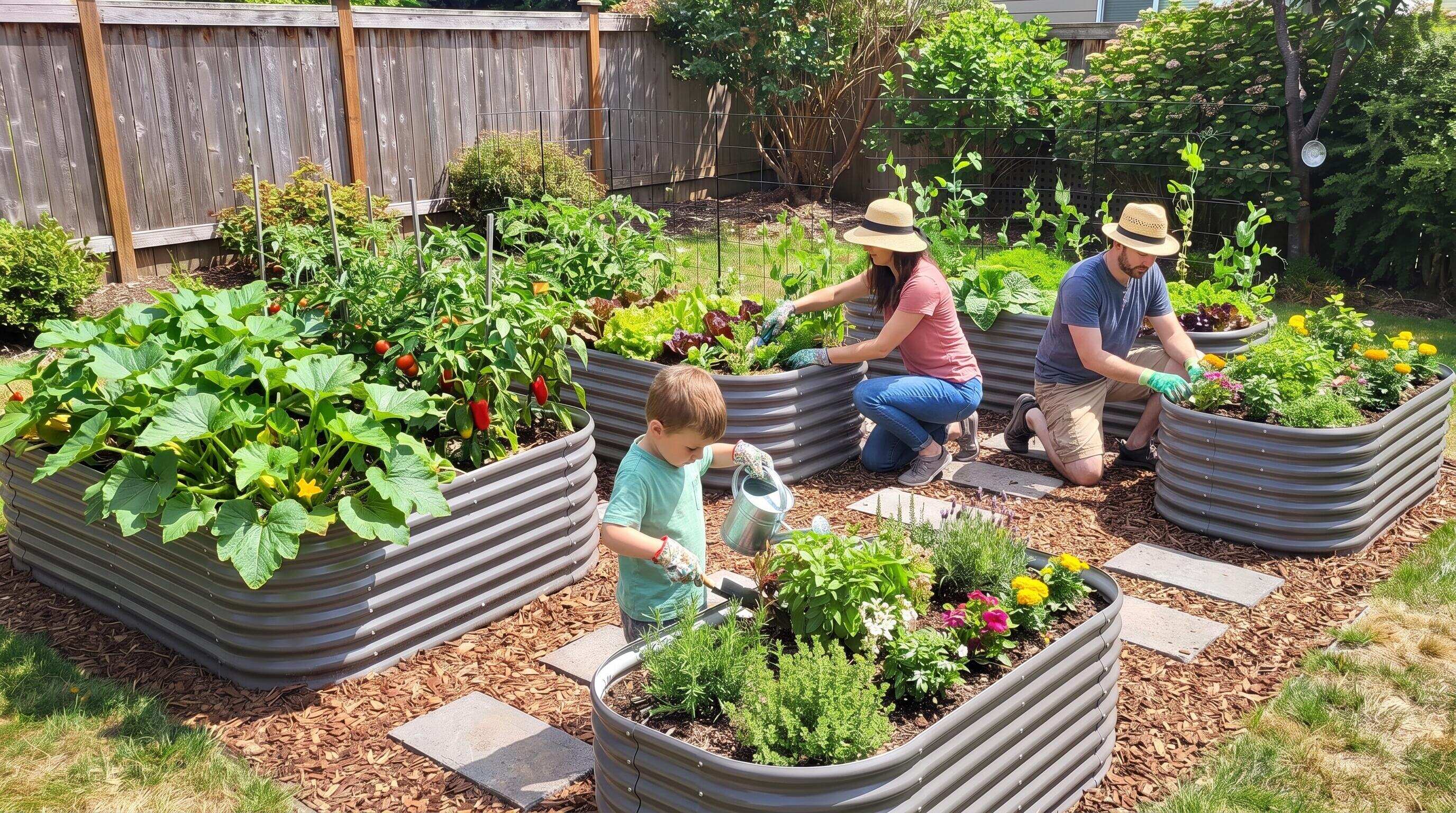
ALT: Parents and child tending a modular raised bed planting layout with varied heights, defined pathways, and cohesive galvanized steel garden beds
People Also Ask
Q1: How do I plan a raised bed garden layout that works for multiple growing seasons?
Planning a raised bed layout for multi-season use starts with orientation and access. Place beds running north-to-south to minimize shading between rows, ensure all beds are reachable from pathways no more than 24 inches from any planting point, and select bed dimensions that allow crop rotation without bed reconfiguration. A modular approach, where bed sizes and heights can be varied across the layout, gives you the flexibility to reassign zones by season without moving infrastructure. Per guidelines from university cooperative extension programs, consistent pathway access and varied bed heights significantly improve seasonal garden productivity.
Q2: Is galvanized steel a safe and durable material for raised bed garden construction?
Galvanized steel is widely considered a safe and highly durable material for raised garden beds. Modern galvanized coatings are designed to resist rust and weathering over extended periods, and the material holds soil structure without warping or degrading the way untreated wood can. Anleolife's galvanized steel raised garden beds are rated for a 20-year lifespan, making them a cost-effective long-term choice compared to materials that require periodic replacement. Regulatory and horticultural guidance from organizations including the U.S. National Gardening Association supports galvanized steel as appropriate for food-growing applications when properly manufactured.
Q3: How much does it cost to expand a modular raised bed layout over time compared to starting over?
Expanding a modular raised bed layout incrementally is consistently more cost-efficient than replacing a fixed layout. Because modular beds are designed to integrate with existing units — sharing materials, aesthetic language, and dimensional logic — each addition builds on sunk investment rather than writing it off. In practice, the 20-year lifespan of quality galvanized or rust-resistant steel beds means the per-year cost of the original installation decreases steadily over time. Starting over with a new layout involves discarding infrastructure, rebuilding soil, and repeating pathway work — costs that compound across multiple replacement cycles and can exceed the original modular investment within a decade.
Wrapping Up
A raised bed garden layout is not a one-time decision — it is a framework that either supports your family's growth or resists it. The three core points from this comparison are these: first, the fixed single-bed approach is a reasonable starting point but a poor long-term strategy; second, the static multi-bed grid offers initial polish at the cost of adaptability; and third, the modular expandable layout is the only approach that genuinely grows with the household across changing seasons, needs, and life stages.
The next practical step is to assess your current or planned layout through the lens of the six criteria in this article — scalability, cost efficiency, soil compatibility, family adaptability, aesthetic cohesion, and structural durability — and identify where your current approach is strong and where it is creating friction. If you find gaps, that is the signal to think modularly.
Whether you are starting with your first bed or redesigning an established garden, the principles here apply: plan for who you will be in five years, not just who you are today. A garden that grows with your family is not a luxury — it is what a well-designed outdoor living space is supposed to do.
Ready to build a raised bed layout that is designed to evolve with your family? Explore the full modular raised bed line — from compact 18-inch configurations to waist-high 35-inch options — and the complete Anleolife product ecosystem covering planting, raising, and garden beautification at the Anleolife website. With a nationwide U.S. warehouse network spanning California, Texas, Florida, New York, Illinois, and Washington, delivery arrives within 3–8 business days so your garden plans move at the pace you set. Products are also available on Amazon, Walmart, Home Depot, Lowe's, and Wayfair — wherever you prefer to shop.
Sources
- Growing the Home Garden. "My Vegetable Garden Layout Part 2 (Raised Beds)".
https://growingthehomegarden.com/my-vegetable-garden-layout-part-2/ - Instagram Explore. "Vegetable Garden Layout Raised Beds".
https://www.instagram.com/popular/vegetable-garden-layout-raised-beds/ - U.S. Department of Agriculture (USDA). Home and Community Gardening Resources.
https://www.usda.gov
Note: Standards and guidance documents may be updated; please check the latest official publications or consult professional advisors for current recommendations.