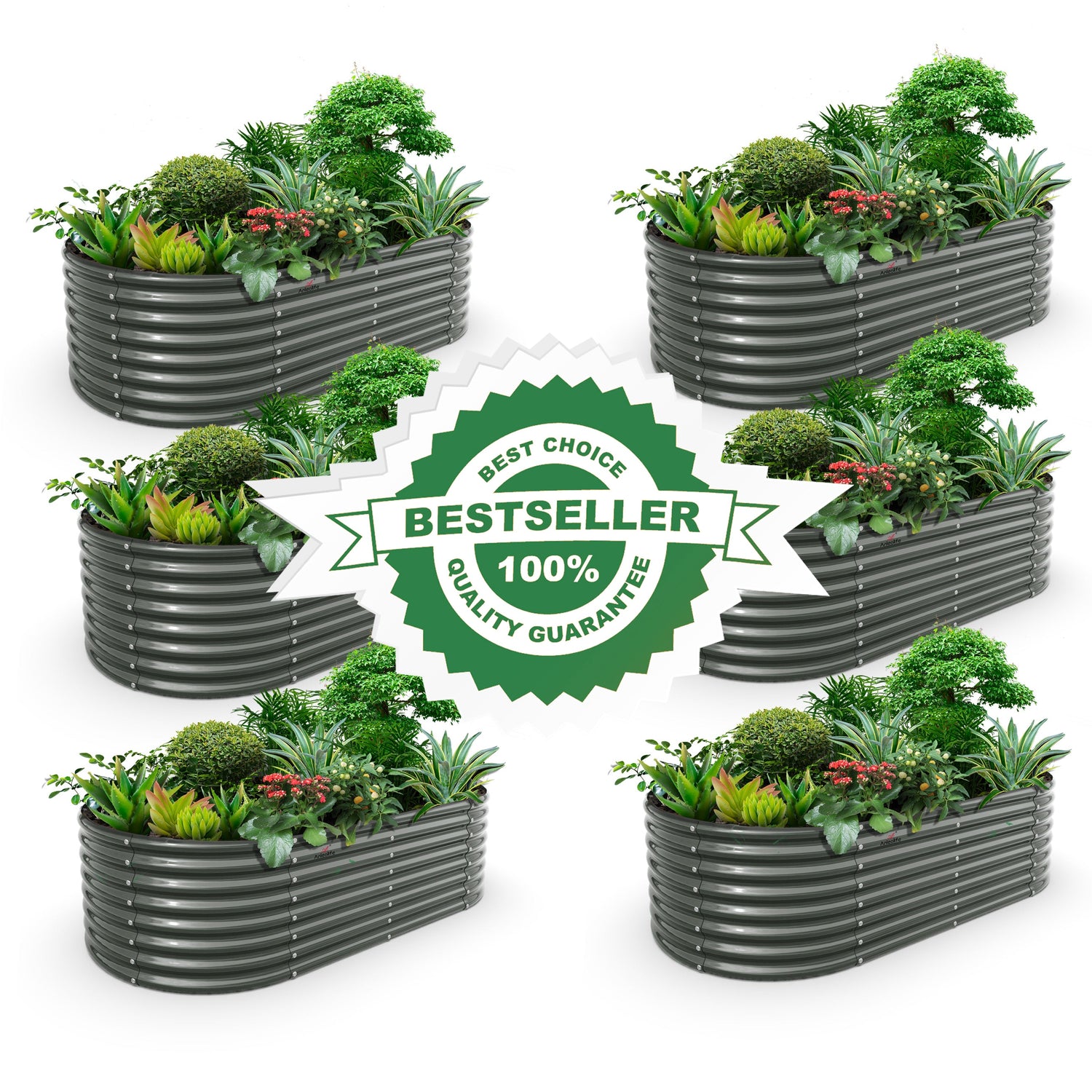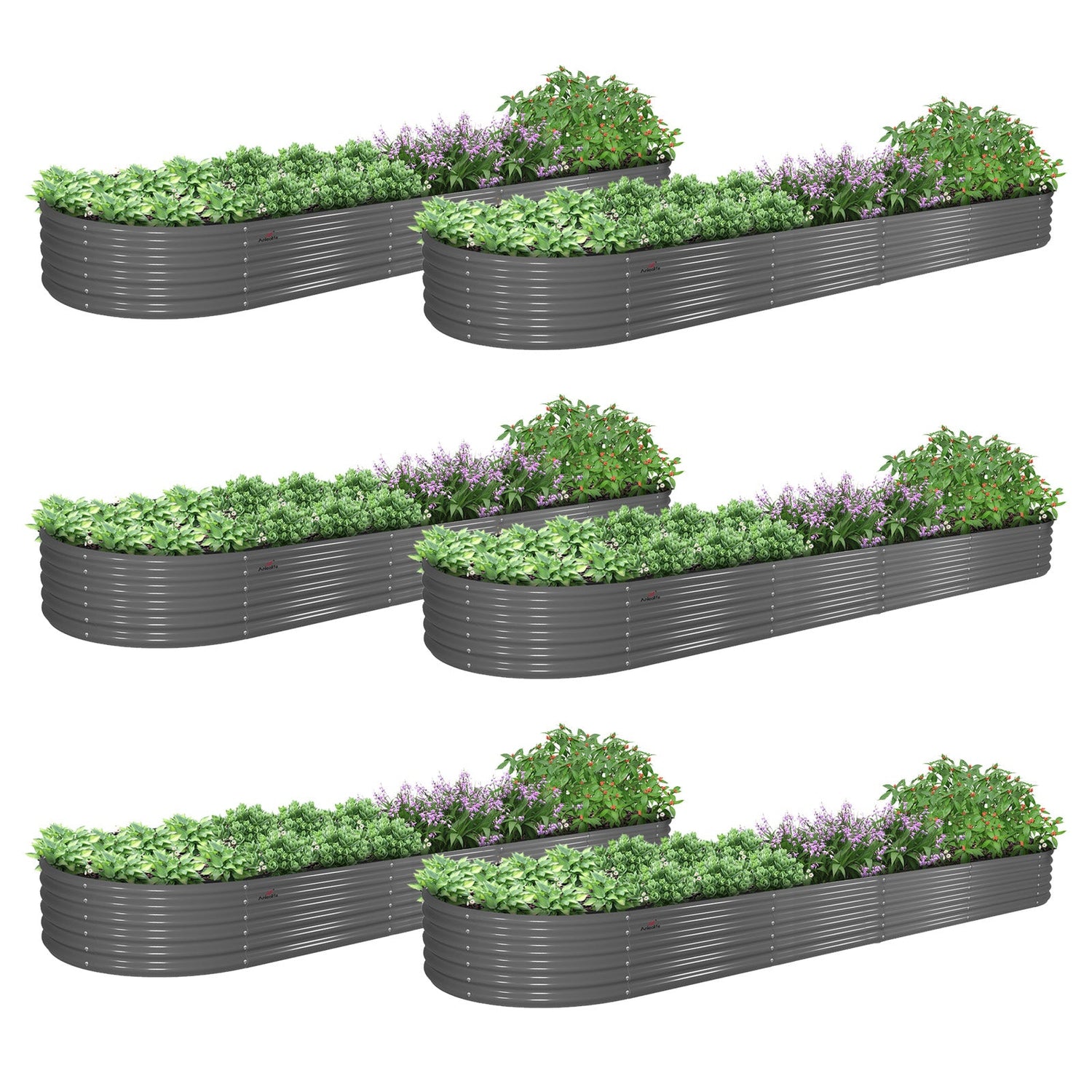



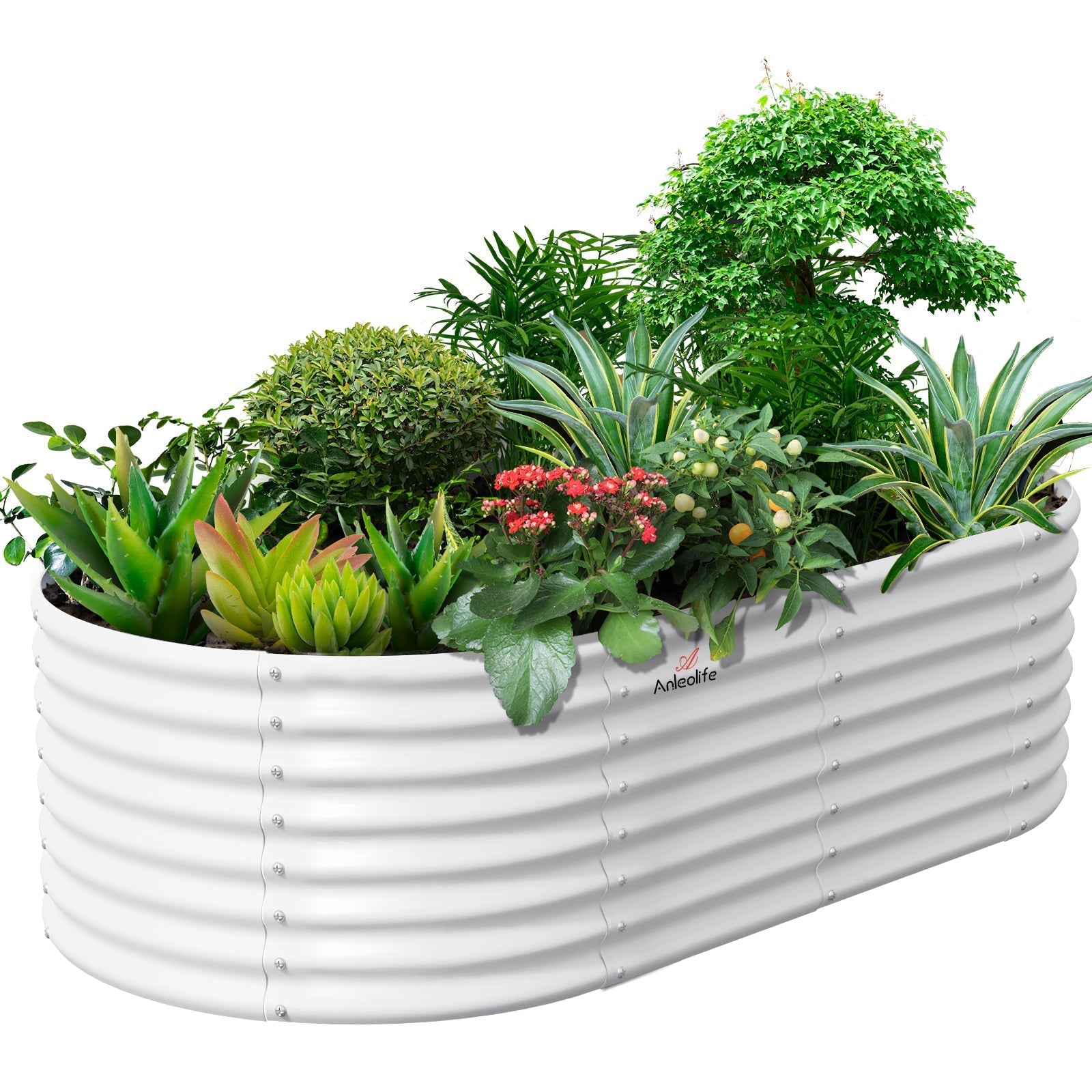
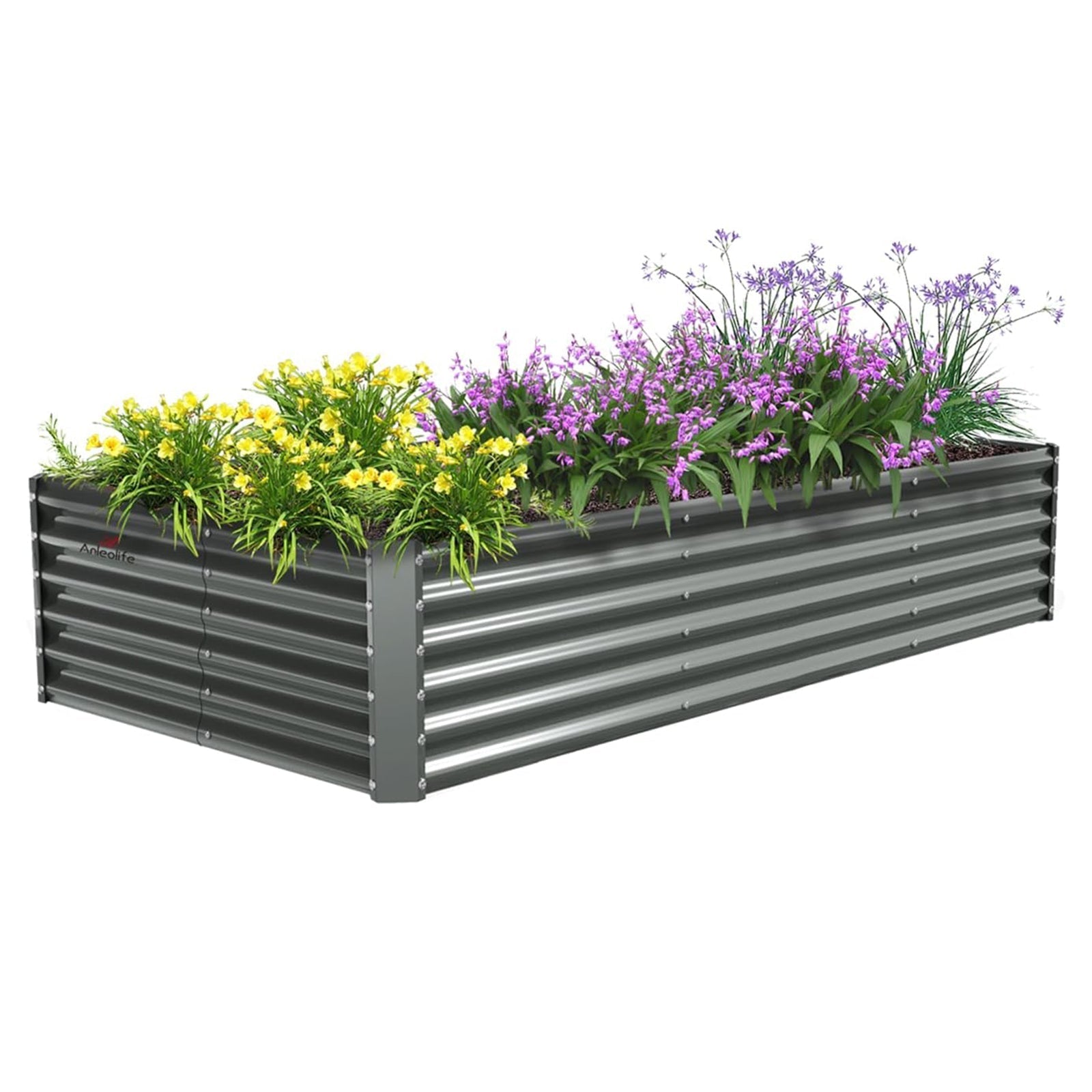

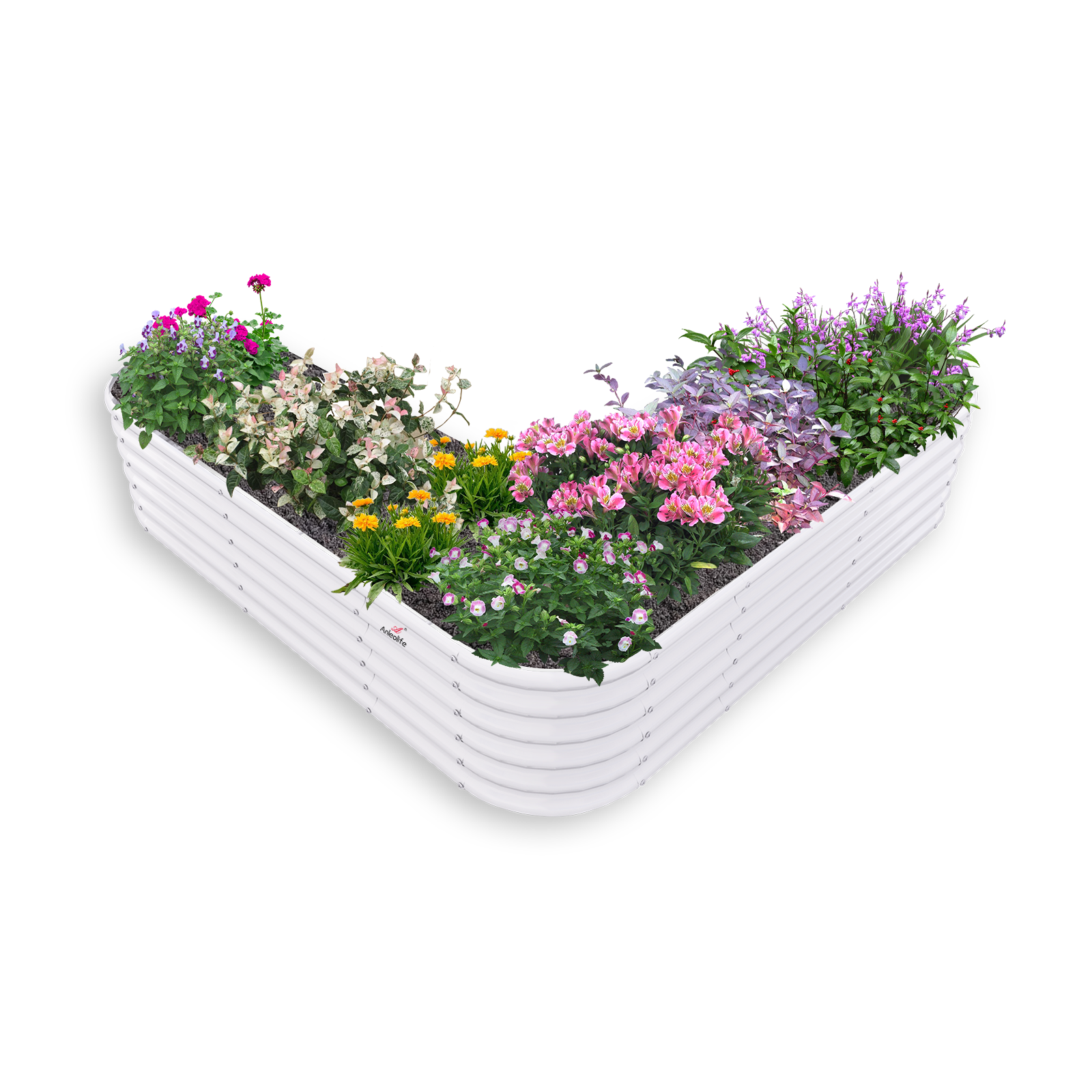
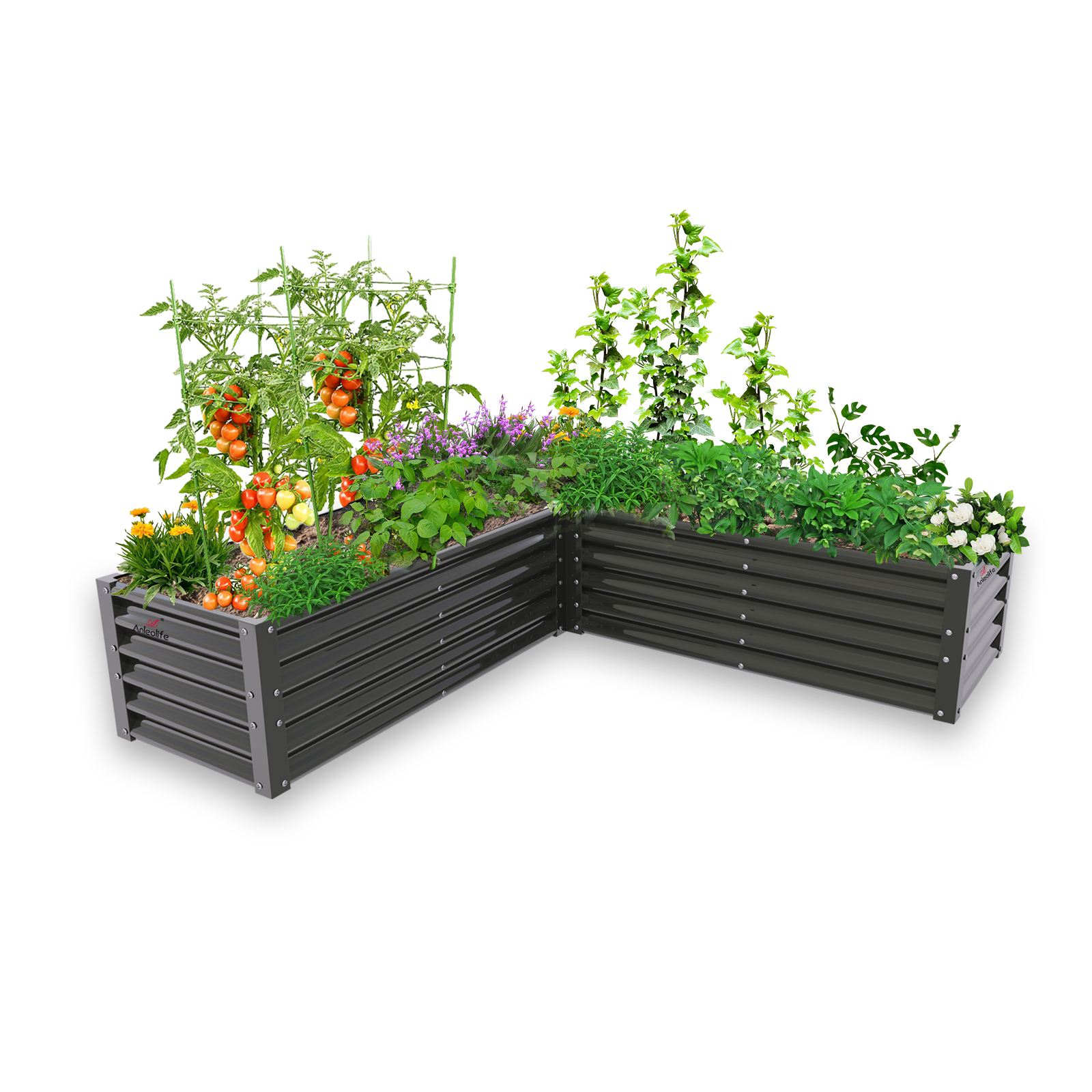
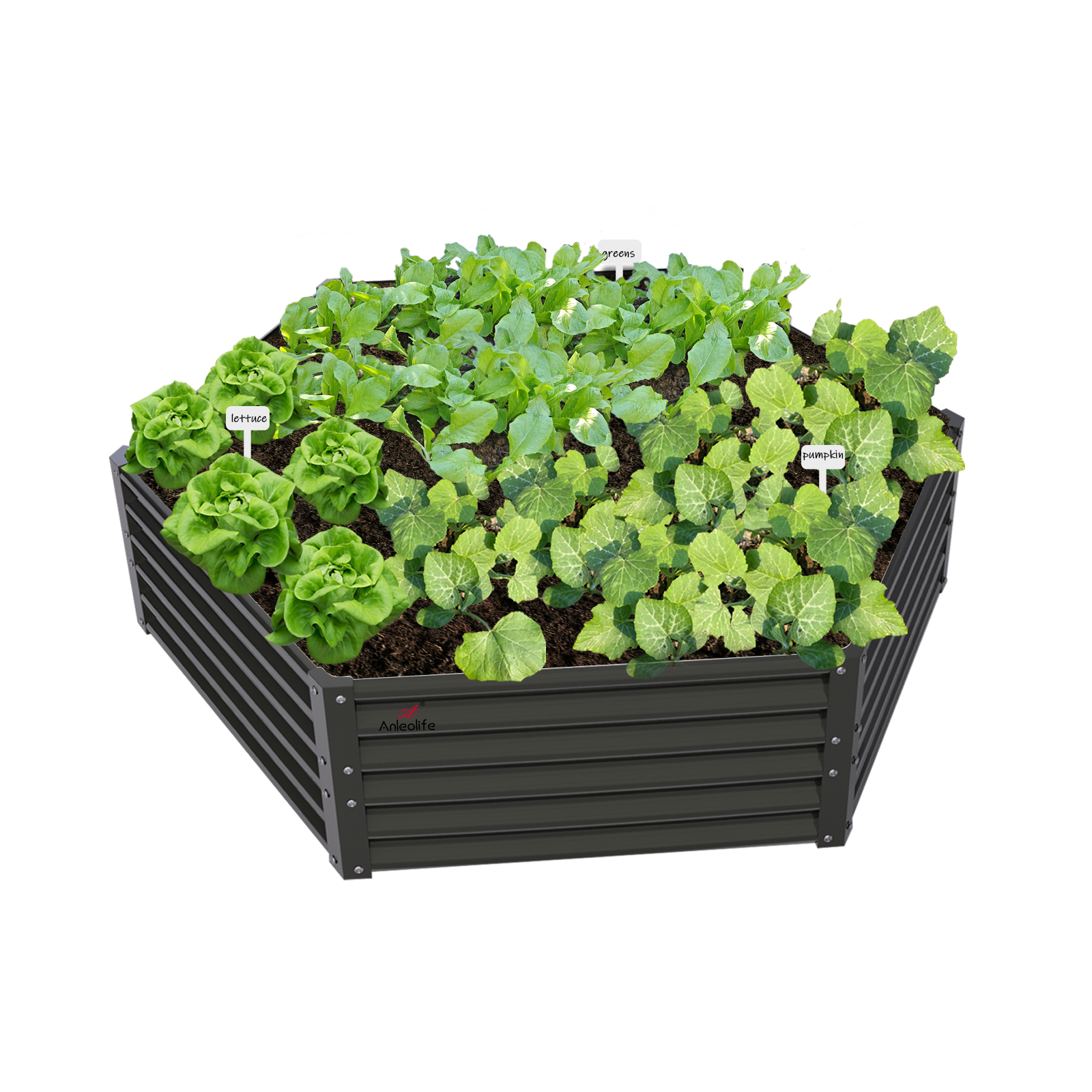
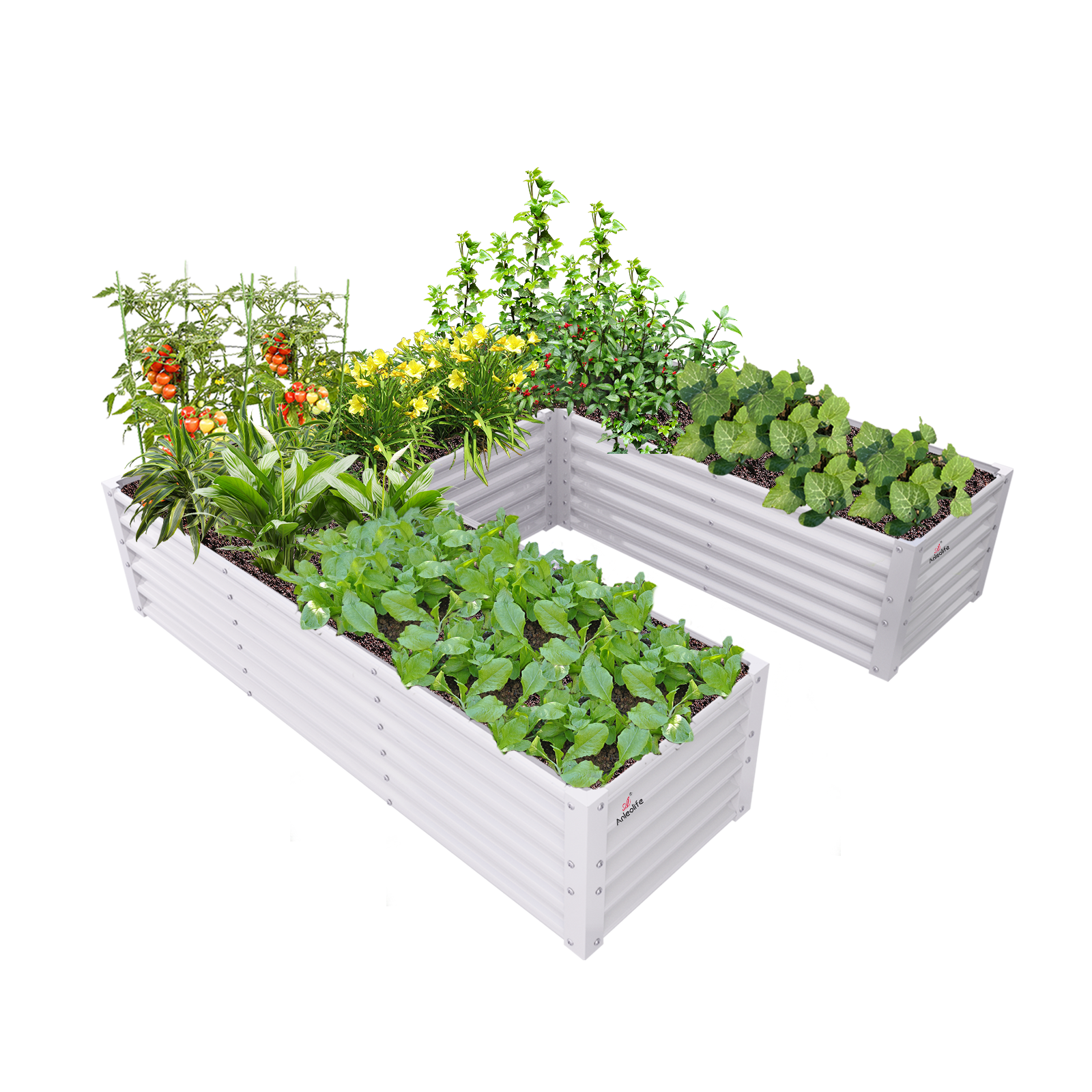

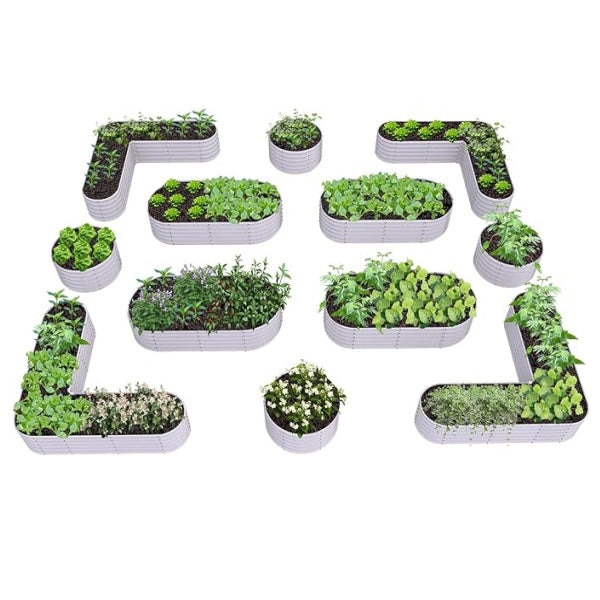


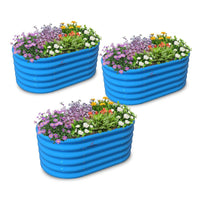
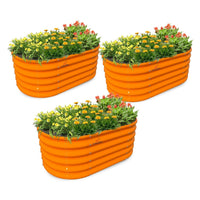
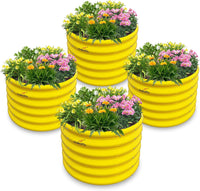
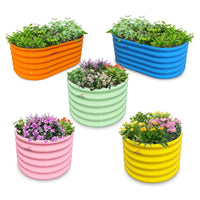
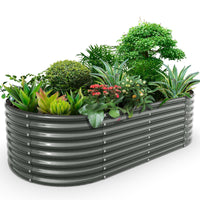



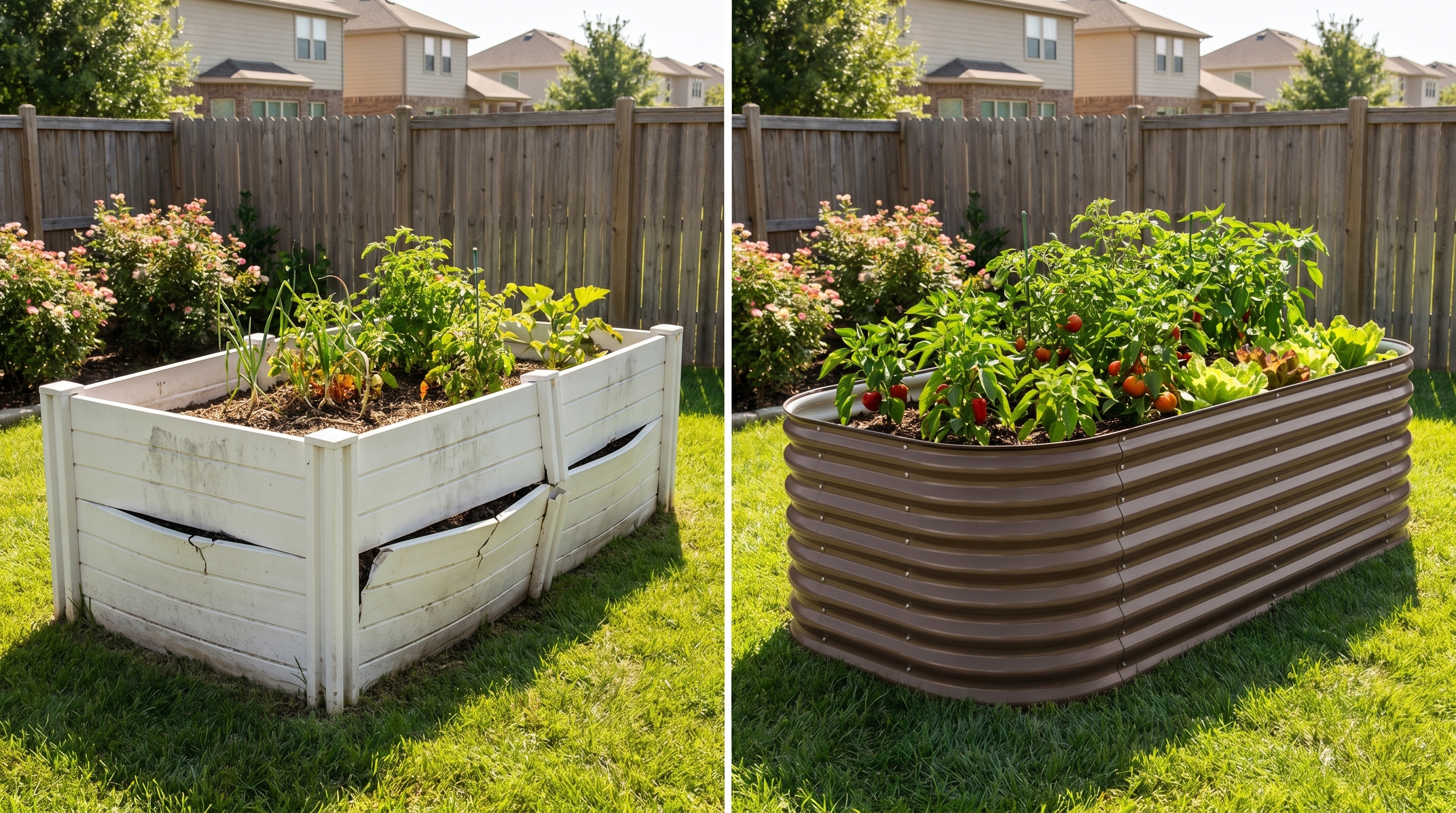
ALT: Plastic vs. metal raised garden beds compared side by side in summer heat, showing durability differences
Plastic vs. Metal Raised Garden Beds in Summer Heat: Which Material Actually Holds Up?
Key Conclusion: When summer temperatures soar, the material of your raised garden bed makes a significant difference in plant health, structural integrity, and long-term value. While plastic beds are lightweight and budget-friendly at first glance, galvanized steel gardens consistently outperform them in heat resistance, durability, and pest protection. For gardeners serious about long-term results, metal raised garden beds with easy assembly gardens designs offer the reliability and lifespan that plastic simply cannot match—making them the clear winner for summer growing.
Choosing the right raised garden bed isn't just about aesthetics—it's a decision that directly affects how well your plants survive brutal summer heat, how long your investment lasts, and how safe your food is to eat. With so many options flooding the market, the plastic vs. metal debate continues to be one of the most searched topics among home gardeners. In this guide, we'll break down exactly how each material performs when temperatures climb, help you figure out which option fits your specific needs, and share practical recommendations so you can make a confident, informed choice before your next growing season kicks off.
Who Should Read This Guide: Matching Your Situation to the Right Bed
✅ Applicable Scenarios:
- Home gardeners in warm or hot climates (USDA zones 7–11) who experience intense summer sun and prolonged heat waves
- Eco-conscious and health-oriented growers looking for food-safe, chemical-free materials that won't leach toxins into soil
- Budget-conscious families seeking the best long-term value—not just the lowest upfront price—for their garden investment
- Empty nesters or retirees building a permanent raised bed garden that requires minimal maintenance over many years
- Urban micro-gardeners comparing compact options and wanting to understand which material stays structurally sound on patios, rooftops, or small yards
❌ Not Applicable/Cautions:
- Gardeners in extremely cold northern climates where freeze-thaw cycles are the primary concern (though metal still performs well; the calculus shifts slightly)
- Those seeking temporary, season-only garden solutions where portability is the top priority over durability and food safety
Why Summer Heat Is the Ultimate Test for Raised Garden Bed Materials
Summer in North America is no joke. From Phoenix hitting 115°F to humid Houston summers hovering in the high 90s for weeks on end, the environment that surrounds your raised garden bed is harsh, punishing, and relentless. Most gardeners focus on what goes inside the bed—soil quality, watering schedules, plant selection—but overlook the silent, critical variable: the material of the bed itself.
Heat doesn't just affect your plants. It affects the structural integrity of the bed walls, the chemistry of what might leach into your soil, and the long-term cost of what you planted your money into. Plastic raised garden beds can warp, crack, fade, and potentially release chemical compounds when exposed to prolonged UV radiation and high temperatures. Metal raised garden beds, on the other hand, are engineered to handle thermal stress while maintaining structural stability season after season.
According to the U.S. Department of Agriculture's National Gardening Association data, raised bed gardening has grown by over 30% in the past decade, with material quality becoming an increasingly important purchase factor. More gardeners than ever are asking not just "what grows best in raised beds?" but "what is the raised bed itself made of, and is it safe?"
There's also a growing conversation around recommended materials for raised garden beds that won't rot. Wood was once the go-to, but it decomposes, invites pests, and requires regular treatment. Plastic seemed like a modern solution but comes with its own set of heat-related problems. That's pushed many experienced gardeners toward galvanized steel as the definitive long-term answer.
If you're planning your summer layout and haven't yet considered sizing alongside material choice, check out The Ultimate Raised Garden Bed Sizing Guide for Summer 2026: Find Your Perfect Fit for a comprehensive look at how to match bed dimensions to your growing goals before you invest in any material.
The bottom line: summer heat is the definitive stress test. Let's see which material passes.
The Head-to-Head Analysis: Plastic vs. Metal Raised Garden Beds
Three Questions to Ask Before You Choose
Step 1: How Long Do You Plan to Use This Bed?
Before comparing materials on a spec sheet, get honest about your timeline. Are you testing raised bed gardening for a single season, or are you building a permanent garden ecosystem? If you're a retiree designing your dream backyard garden, or a family that plans to grow vegetables for years to come, durability should be your number-one filter. A bed rated for 20 years—like Anleolife's galvanized steel raised garden beds—means you plant once and forget the replacement cycle entirely. Plastic beds rarely survive more than a few seasons of intense summer use without warping or cracking.
Step 2: What Are Your Local Summer Conditions Like?
Think specifically about your hottest weeks. In southern states like Texas, Florida, and California, ambient air temperatures regularly exceed 100°F, and dark-colored surfaces absorb even more radiant heat. Plastic under these conditions can become structurally compromised—panels bow outward under soil pressure when softened by heat. Metal, by contrast, expands and contracts within tolerances that preserve wall integrity. It doesn't warp. It doesn't lose shape. Understanding your climate zones your decision immediately.
Step 3: What Are You Growing, and Does Material Safety Matter to You?
If you're growing vegetables and herbs for your family to eat, material safety is non-negotiable. Some lower-quality plastics contain additives that can leach into soil over time, particularly when exposed to UV radiation and heat. This is a genuine concern for health-conscious home growers. Galvanized steel—especially food-grade versions—is widely recognized as a safe, inert material for vegetable gardening. Before planting edibles, always verify that any bed material you choose is explicitly rated as food-safe.
The Comparison Breakdown: Plastic vs. Metal in Summer Heat
Here's a comprehensive side-by-side look at how plastic and metal raised garden beds stack up across the dimensions that matter most when temperatures rise:
| Comparison Dimension | Plastic Raised Beds | Standard Metal Beds | Galvanized Steel (Anleolife) |
|---|---|---|---|
| Heat Resistance | Low – warps and softens above ~90°F | Moderate – may rust if uncoated | High – maintains structure in extreme heat |
| UV Resistance | Degrades over 1–3 seasons | Depends on coating quality | High – rust-resistant, weather-treated finish |
| Food Safety | Variable – risk of chemical leaching with heat | Moderate – depends on coating | High – food-grade galvanized construction |
| Lifespan | 2–5 years typical | 5–10 years typical | Up to 20 years |
| Rot/Pest Resistance | Resistant to rot, but can harbor pests | Resistant to both | Fully resistant to rot, pests, and corrosion |
| Summer Soil Temperature Management | Absorbs/retains heat unevenly | Conducts heat but dissipates quickly | Efficient thermal performance with proper setup |
| Assembly Ease | Usually snap-together or basic | Varies widely | Modular, tool-friendly design |
| Long-Term Value | Low – frequent replacement costs | Moderate | High – low total cost of ownership over 20 years |
| Best Budget Consideration | Appears cheaper upfront | Mid-range | Best value when calculated over lifespan |
Deep Dive: Why Metal Wins the Summer Heat Battle
The Structural Stability Advantage
One of the most underappreciated problems with plastic raised garden beds in summer is structural creep—the gradual bowing and warping that occurs when plastic softens under heat and then bears the weight and pressure of soil. A 4x8 bed filled with quality growing medium can exert significant lateral pressure on bed walls. In cooler weather, rigid plastic handles this reasonably well. In summer heat, softened plastic walls gradually lean outward, which can compromise the integrity of the entire bed, cause soil to spill, and eventually crack panels under stress.
Galvanized steel doesn't suffer from this problem. The thermal expansion of steel is predictable and minimal at typical garden temperatures. Walls stay vertical. Joints stay secure. The bed you assemble in spring looks and performs exactly the same in the middle of July and through the following decade. Anleolife's heavy-duty raised garden beds are specifically engineered with reinforced panel construction that handles both soil pressure and temperature fluctuations without compromise.
Food Safety in the Vegetable Garden
If you're growing tomatoes, lettuce, kale, or herbs for your dinner table, what's touching your soil matters. The debate over plastic safety isn't new—researchers have documented that certain plastic compounds, particularly those not rated for food contact, can release chemical byproducts when heated. While many modern plastic garden beds use food-grade resins, not all do, and it can be difficult for consumers to verify certifications at the point of purchase.
Galvanized steel, when produced to food-grade standards, has a long, well-documented history of safe use around food and water systems. It's the same material used in agricultural water troughs, food processing equipment, and irrigation infrastructure. For health-oriented growers who want complete peace of mind, this distinction is significant and often the deciding factor.
The Real Cost of "Budget" Plastic Beds
When comparing best budget raised beds under $200 for vegetables, it's tempting to grab the cheapest plastic option on the shelf. But let's do the honest math. A plastic raised bed that costs $60 and lasts three years costs $20 per year. An Anleolife galvanized steel raised garden bed with a 20-year lifespan, purchased at a mid-range price, works out to significantly less per year—and delivers far superior performance and food safety throughout that entire period.
There's also the hidden cost of replacement: new soil fill, new plants, the time and labor of tearing out and rebuilding. When you factor in the full lifecycle, metal raised garden beds aren't just better—they're genuinely more economical for anyone planning to garden for more than a couple of seasons.
Watering Efficiency: A Summer-Critical Consideration
Metal raised beds, particularly deeper models, actually support better watering efficiency in summer heat. Deeper soil volumes retain moisture more evenly and are less susceptible to rapid drying at the root zone. For those interested in maximizing water efficiency during hot weather, Watering Raised Garden Beds in June Heat: Tips for Conserving Moisture offers excellent techniques that pair perfectly with a quality metal bed setup.
When it comes to the best hose for watering vegetable gardens efficiently, pairing your metal raised beds with a high-quality, kink-resistant garden hose and an adjustable spray head gives you precise moisture delivery without waste—particularly important when every watering session in peak summer matters. Similarly, a best garden hose reel for organization keeps your setup tidy and prevents the hose from tangling or cracking in the sun—a small detail that makes your daily watering routine significantly smoother.
Anleolife's Range: Built for Summer, Built for Life
Anleolife offers a comprehensive range of galvanized steel raised garden beds designed to suit every garden style and space constraint. Whether you're looking for a compact 18" tall 4x4 ft bed for a small patio or an expansive 30" extra tall 10x3 ft waist-high option for comfortable access without bending, the lineup covers every scenario with consistent quality.
For those with limited mobility—particularly retirees and empty nesters—the taller options like the 35" waist-high 4x1.5 ft bed bring the garden up to you, eliminating the back strain that comes with traditional ground-level beds. This ergonomic advantage is something plastic beds, typically available only in standard heights, rarely offer.
The modular raised garden bed series deserves special mention for urban micro-gardeners and those who want flexibility. These beds can be configured and expanded as your garden evolves, starting with a manageable 18" tall 6x2 ft setup and scaling up to larger configurations over time—all maintaining the same structural integrity and 20-year durability standard.
Planning your layout well from the start is just as important as choosing the right material. Before you set up your beds, take time to read about 5 Common Raised Bed Layout Mistakes to Avoid When Planning Your Summer Garden to ensure your spacing, orientation, and organization set your plants up for success through the hottest months.
Garden Ambiance: Making Your Metal Beds Beautiful
A common misconception is that metal raised beds look industrial or out of place in a beautiful backyard. Modern galvanized steel beds—especially those with powder-coated or rust-resistant finishes—actually photograph beautifully and complement both rustic and contemporary garden aesthetics. Paired with thoughtful best garden lighting for entertaining outdoor spaces, such as solar stake lights along pathways or string lights overhead, even a simple metal raised bed setup becomes a charming focal point for summer evenings.
The combination of functional garden beds and well-placed ambient lighting transforms a growing space into an entertaining space—something increasingly important for families who want their backyard to serve multiple purposes throughout the warm months. For those interested in expanding beyond just planting into a full garden ecosystem, Anleolife's beautification accessories and pathway systems complement the raised bed lineup beautifully.
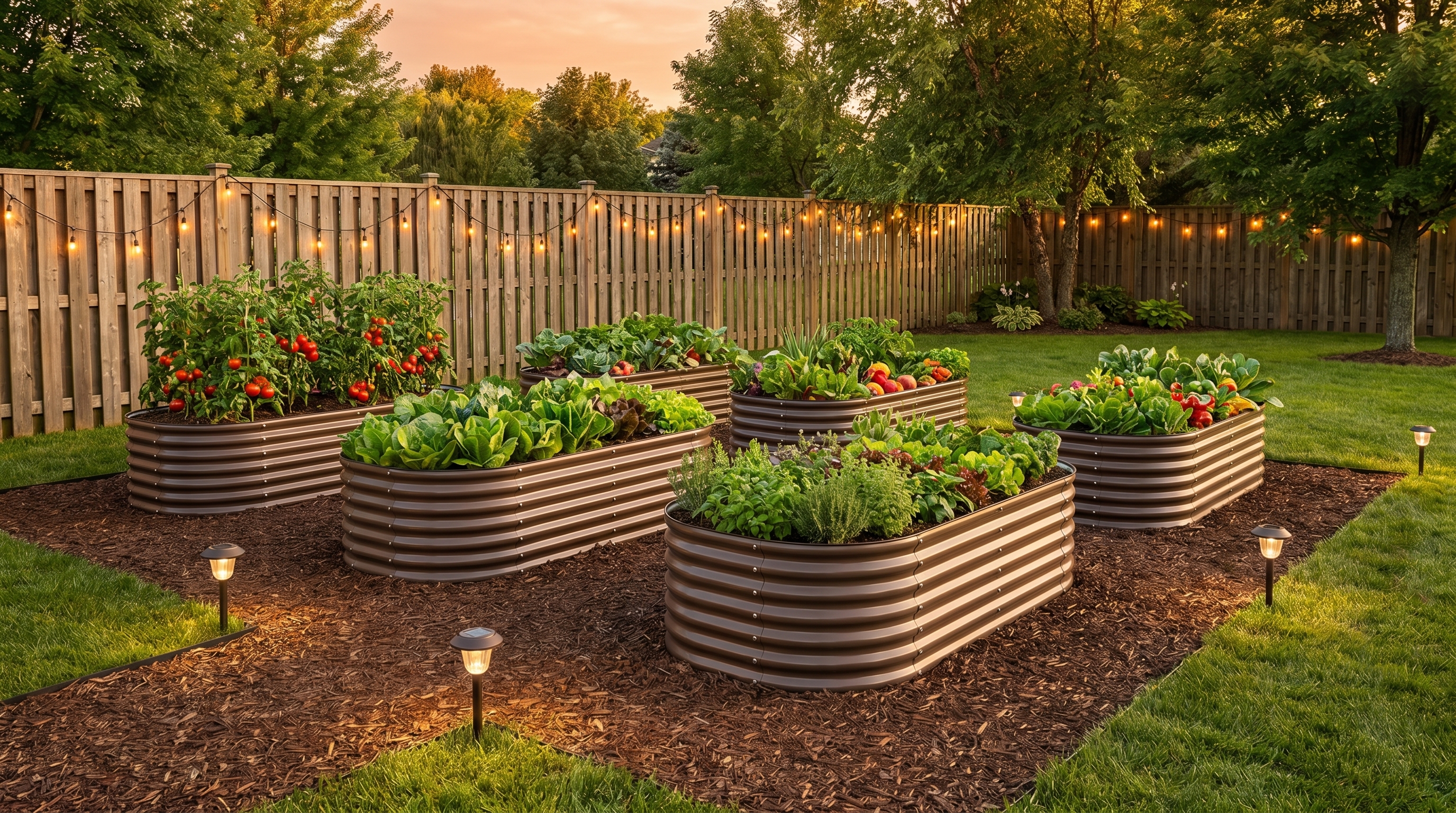
ALT: Anleolife galvanized steel raised garden beds in a lush summer garden showing heat resistance, durability, and beautiful backyard setup
Advanced Considerations: Edge Cases and Common Misconceptions
"Metal Beds Cook Plant Roots in Summer Heat" — Debunked
This is one of the most persistent myths about metal raised garden beds, and it deserves a direct response. The concern is that steel walls will absorb solar radiation and transfer excessive heat to the soil, damaging roots. In practice, several factors mitigate this effect. First, a properly filled raised bed has significant thermal mass—the large volume of soil doesn't heat up quickly from wall conduction alone. Second, surface mulching (2–3 inches of straw, wood chips, or compost) dramatically reduces soil temperature at the root zone. Third, strategic placement—avoiding all-day western sun exposure—is a simple step that prevents any meaningful heat transfer issue.
Plastic beds, by contrast, can create hot spots near their walls in exactly the same way—and without the structural integrity to stay in shape once softened.
Organic Pest Management Works Better with Metal Beds
An often-overlooked advantage of metal raised garden beds is their compatibility with organic pest control strategies. Because metal doesn't crack, splinter, or degrade, pests have no entry points or harborage spots in the bed structure itself. Understanding and implementing Organic Pest Control Strategies for Raised Garden Beds This Summer becomes significantly more effective when your bed material doesn't provide hiding places or structural weaknesses for insects and rodents to exploit.
"All Metal Beds Are the Same" — Understanding Quality Differences
Not all metal raised garden beds are created equal. Key differentiators include the gauge (thickness) of the steel, the type of coating (galvanized vs. painted vs. powder-coated), and the quality of the joining system. A thicker gauge holds up to soil pressure better and resists denting. A true galvanized zinc coating provides multi-layer corrosion protection that far outlasts simple paint. Anleolife's beds are built to these higher standards, which is precisely why they carry a 20-year lifespan rating—a commitment you simply won't find on plastic alternatives.
Frequently Asked Questions FAQ
Q1: How does summer heat specifically affect the soil temperature inside plastic vs. metal raised garden beds?
Both materials can elevate soil temperatures in peak summer, but the key difference is predictability and management. Plastic beds can develop uneven hot spots near walls when panels soften and shift, creating erratic temperature zones for roots. Metal beds maintain consistent wall geometry, allowing mulching and soil management techniques to work evenly across the entire bed. By applying a 2–3 inch layer of organic mulch over your soil surface, you can keep root-zone temperatures in the optimal range regardless of air temperatures—this technique works more reliably in structurally stable metal beds.
Q2: Are galvanized steel raised garden beds safe for growing vegetables and herbs?
Yes—food-grade galvanized steel is widely regarded as safe for vegetable gardening. The zinc coating that gives galvanized steel its rust resistance is the same material used in agricultural water storage and food processing equipment. Research from institutions including the University of California Agriculture and Natural Resources program supports the use of galvanized metal in food-growing contexts. As always, verify that any bed you purchase is explicitly described as food-safe by the manufacturer. Anleolife's galvanized steel raised garden beds are designed with vegetable gardening safety in mind.
Q3: How long does an Anleolife galvanized steel raised garden bed last compared to plastic, and what does that mean for my budget?
Anleolife's galvanized steel raised garden beds are built for a 20-year lifespan. In comparison, most plastic raised garden beds in outdoor conditions last between 2 and 5 years before UV degradation, cracking, or warping requires replacement. When you calculate cost-per-year of use, a metal bed that costs more upfront typically delivers significantly better value over time—especially when you factor in the cost of replacing soil, replanting, and the time investment of rebuilding a plastic bed every few seasons. For gardeners committed to growing long-term, metal is the economically sound choice.
Summary
After examining every angle of the plastic vs. metal raised garden bed debate—heat resistance, food safety, structural integrity, long-term cost, and aesthetic versatility—three core conclusions emerge clearly:
First, metal raised garden beds, particularly galvanized steel, are definitively superior in summer heat conditions. They maintain structural stability, resist UV degradation, and don't warp or crack under thermal stress the way plastic does over time.
Second, food safety and long-term value overwhelmingly favor metal. A 20-year lifespan isn't just a warranty number—it's a fundamental difference in how you approach your garden investment. You plant once, you build once, and you spend your energy on growing rather than replacing.
Third, modern metal raised garden beds have evolved far beyond the utilitarian, industrial look many gardeners imagine. With the right accessories, lighting, and landscaping, a galvanized steel raised bed becomes the centerpiece of a beautiful, functional outdoor living space.
If you're ready to move forward, start with your size and layout decisions—the right dimensions make all the difference for summer growing success. Then invest in a material that will serve your garden for decades, not seasons.
Upgrade Your Garden with Anleolife
Anleolife operates a nationwide U.S. warehouse network strategically located in California, Texas, Florida, New York, Illinois, and Washington, ensuring delivery within 3–8 business days—so your garden upgrade plans never have to wait through a long shipping delay.
Our products are available across major platforms including Amazon, Walmart, Home Depot, Lowe's, Wayfair, and directly through Anleolife.com, with consistent quality assurance and dedicated after-sales support wherever you shop.
Anleolife covers three complete garden scenarios: Planting (metal raised garden beds, soil systems), Raising (chicken coops, rabbit hutches), and Beautification (decorative accessories, pathway systems)—meeting your needs from pure functionality all the way through to a polished aesthetic.
We understand that an ideal garden isn't built overnight—it's cultivated gradually over time. Our modular product design allows flexible expansion based on your needs, starting with your first raised bed and growing into a fully integrated planting-and-raising ecosystem. We grow with you every step of the way.
References
- U.S. Department of Agriculture – National Institute of Food and Agriculture. "Community and School Gardens: Raised Bed Gardening Resources".
https://www.nifa.usda.gov/ - University of California Agriculture and Natural Resources. "Mulching and Soil Temperature Management in Home Gardens".
https://ucanr.edu/ - Penn State Extension. "Raised Bed Gardening: Soil, Materials, and Construction".
https://extension.psu.edu/ - National Gardening Association. "Raised Bed Gardening Guide: Choosing Materials and Managing Summer Conditions".
https://garden.org/ - Colorado State University Extension. "Home Vegetable Gardening: Raised Beds and Container Options".
https://extension.colostate.edu/
Note: Standards and guidelines may be updated. Please check the latest official documents or consult professional advisors for the most current information.
About Anleolife
Anleolife is a leading outdoor garden solutions provider in North America, dedicated to offering a full-scenario product ecosystem for home gardening enthusiasts, covering planting, raising, and garden beautification. Since its founding, we have upheld our brand mission, "Made for Garden Life," continuously innovating products and optimizing services to help hundreds of thousands of users upgrade their gardens, reconnect with nature, and enjoy a better garden lifestyle.