


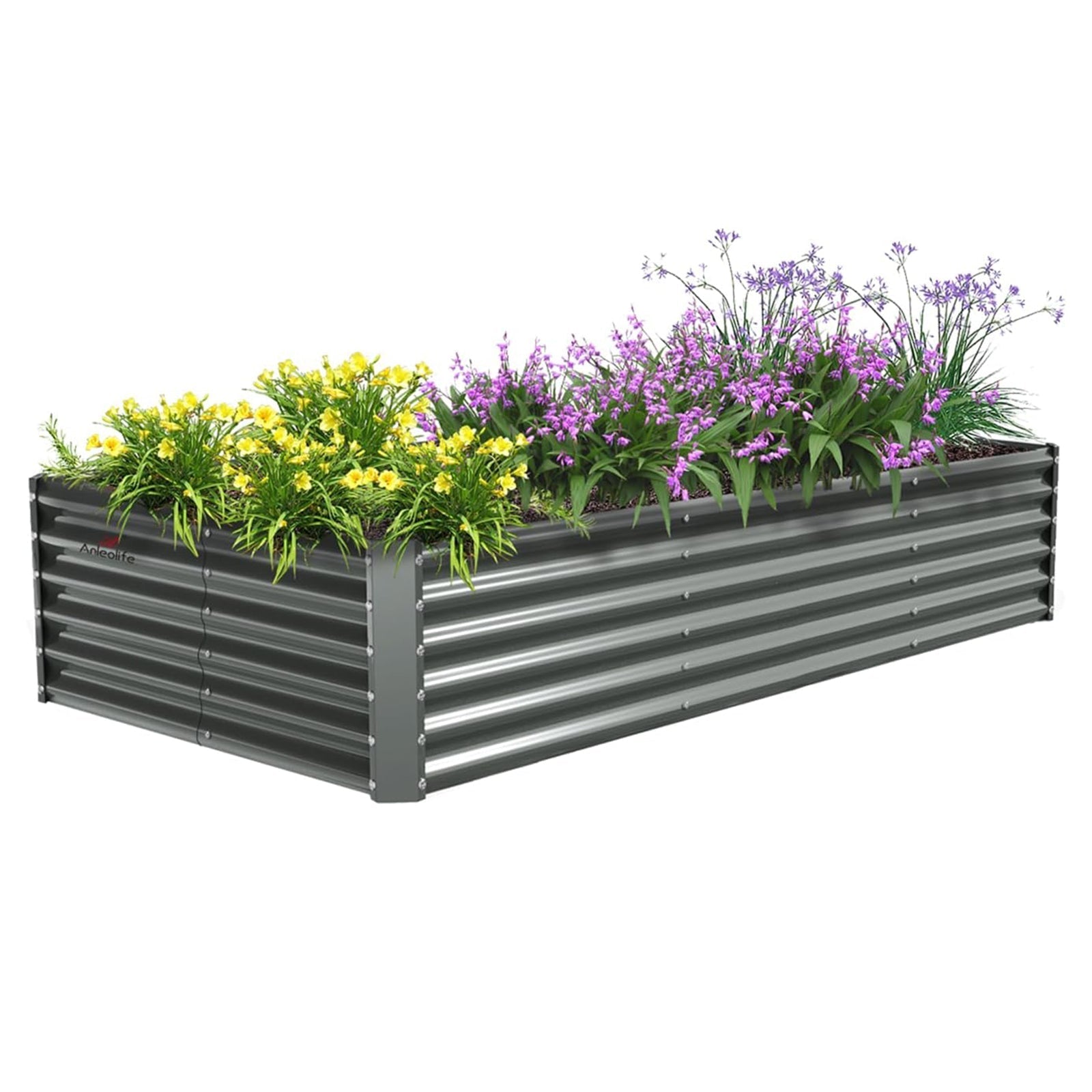

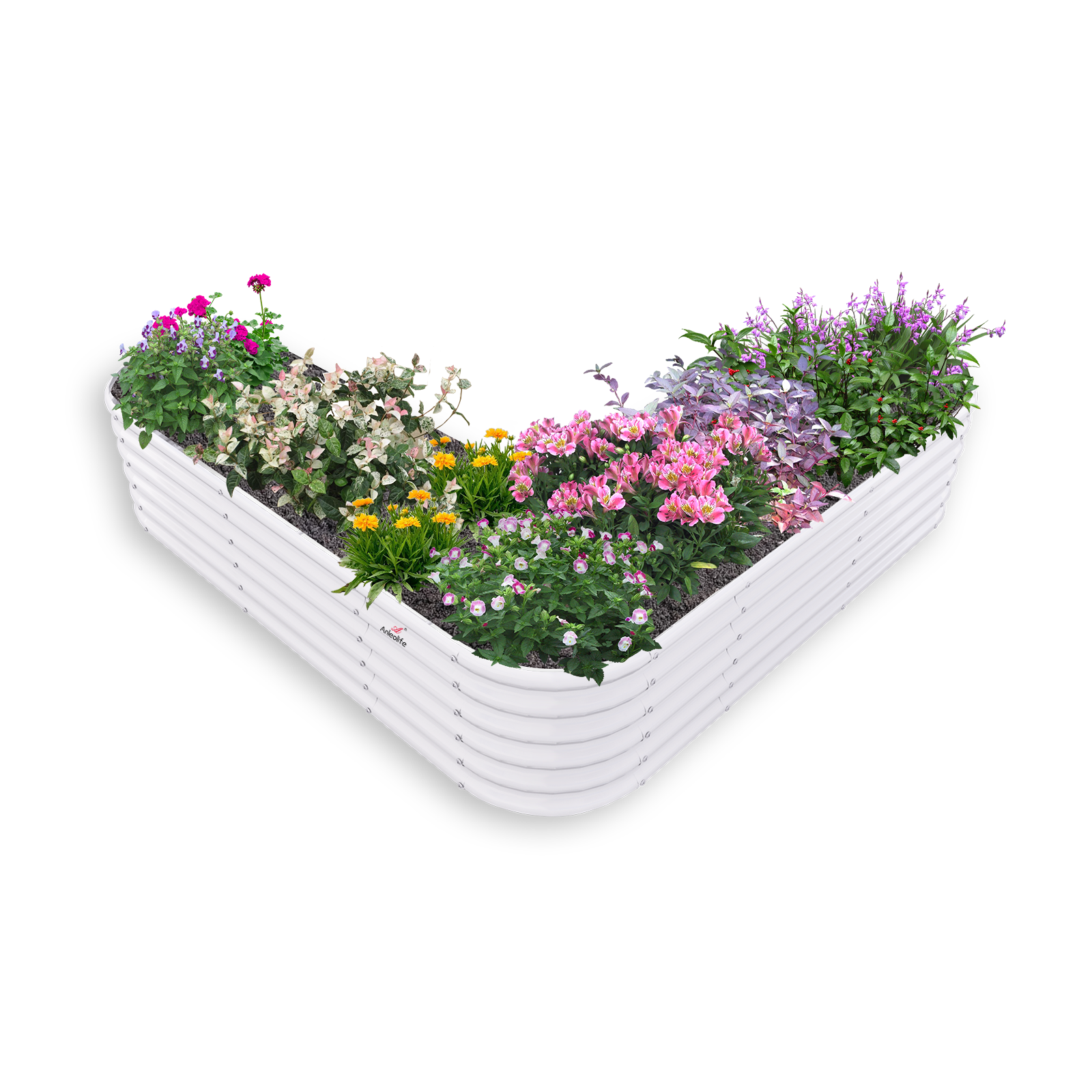
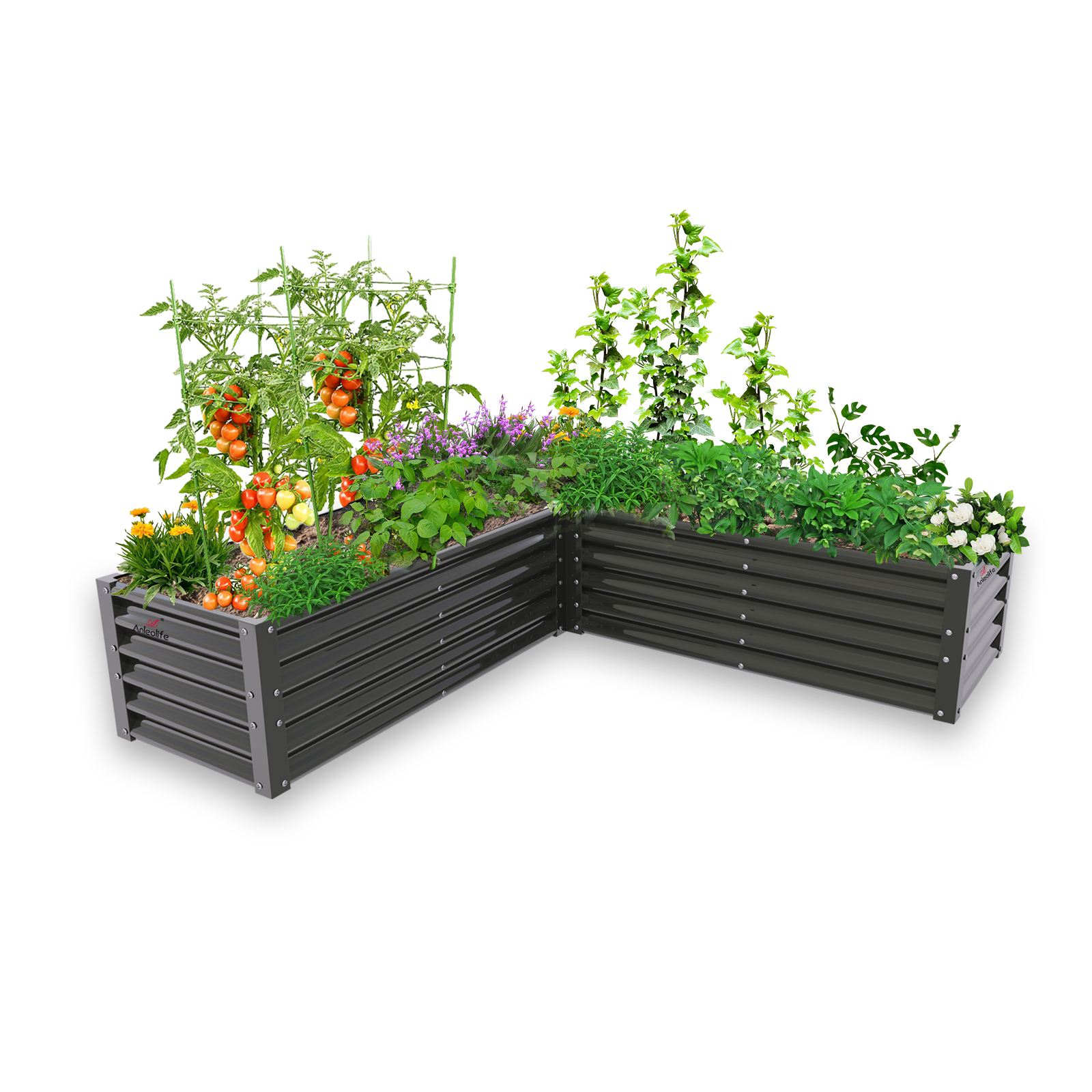
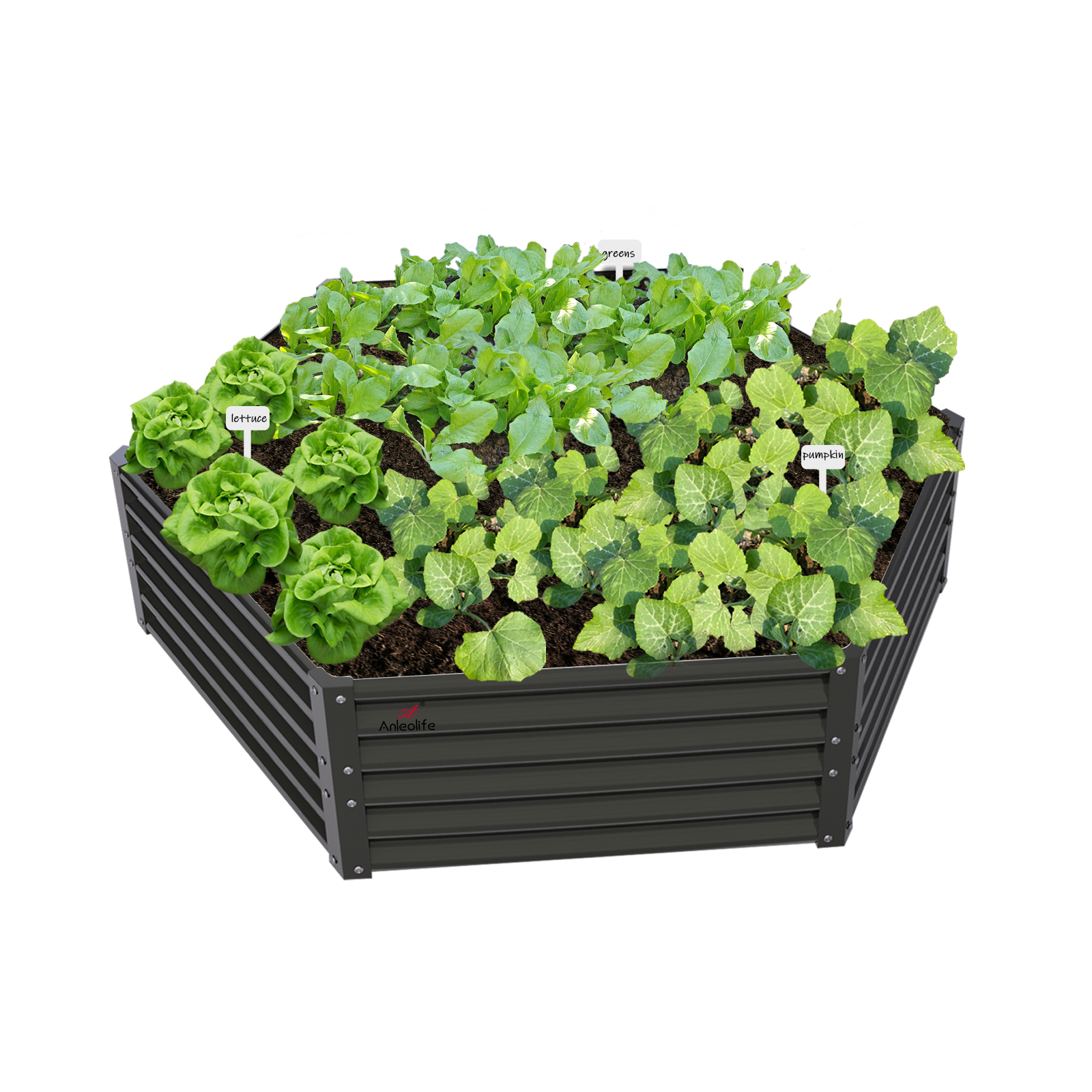
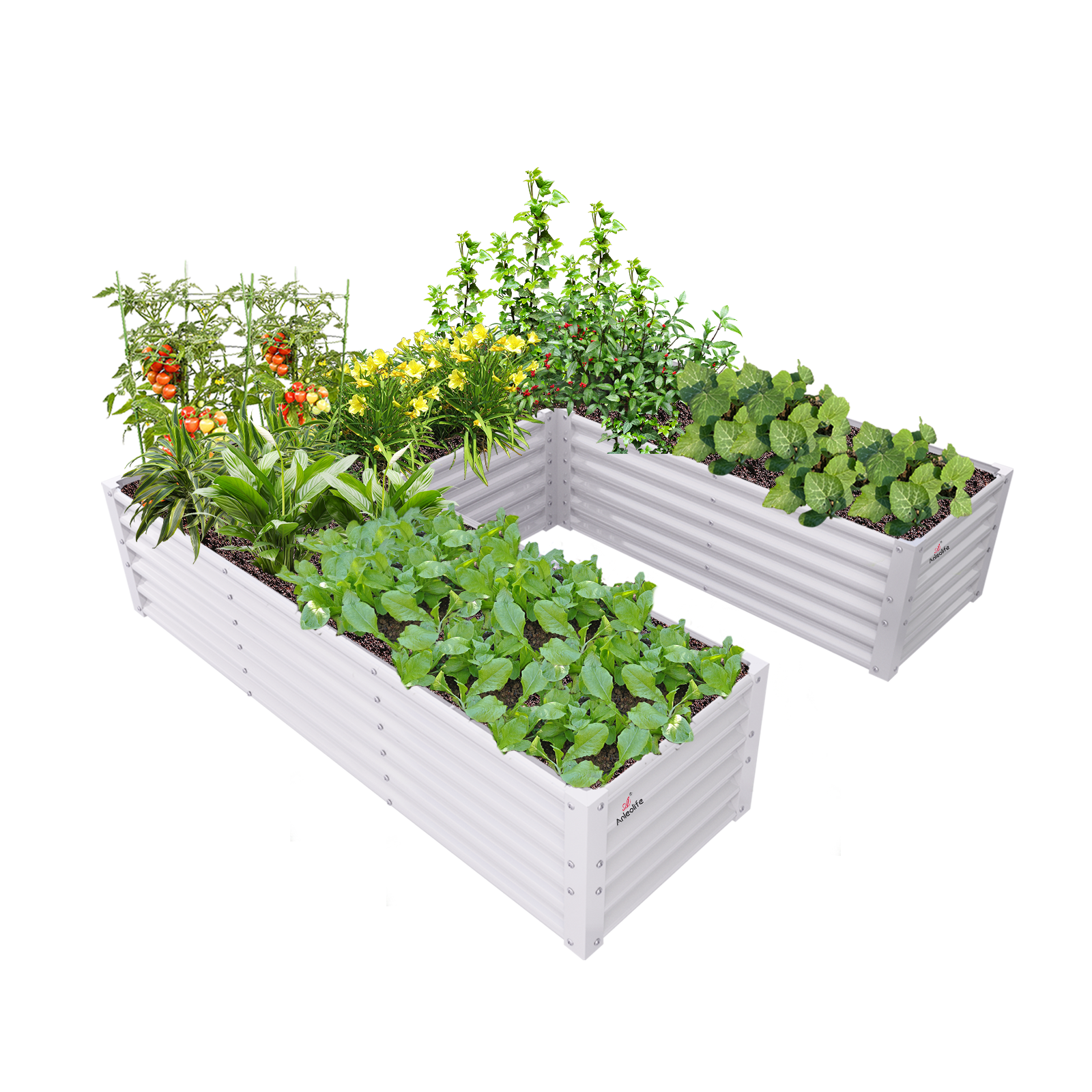

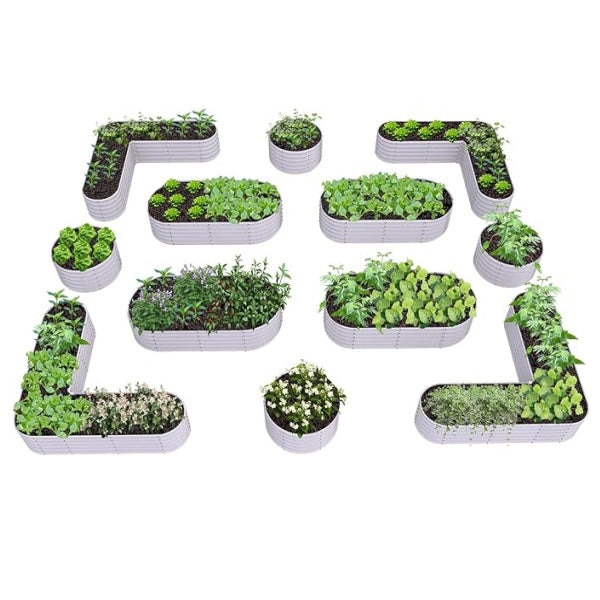


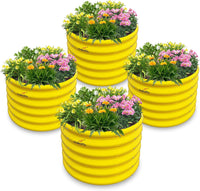
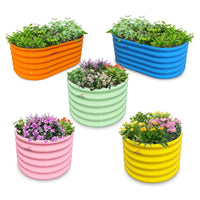



ALT: Questions to ask before buying a raised garden bed kit online for fall raised bed garden layout planning
Smart Questions Every Gardener Should Ask Before Buying a Raised Garden Bed Kit Online This Fall
Fall is one of the most rewarding seasons to start or expand a raised bed garden. Cooler soil temperatures, reduced pest pressure, and the opportunity to plant cold-tolerant crops make autumn the ideal window for setting up a new raised bed planting layout — or finally committing to that kit you have been eyeing since spring. Online shopping makes the process faster and more convenient than ever, but it also introduces a unique set of decisions that are easy to underestimate when you are browsing product photos on a screen rather than examining materials in a store aisle.
In our work helping home gardeners across North America plan and set up their outdoor growing spaces, a pattern we consistently see is that buyers who ask the right questions before purchasing end up far more satisfied than those who focus only on price or appearance. A well-chosen raised bed garden layout can support productive growing for decades; a poorly matched kit can mean wasted money, difficult installation, and disappointing harvests. This article compiles the most important questions to ask — and what the answers should tell you — so you can shop with confidence this fall season. The questions were selected based on the issues gardeners encounter most often when planning a raised bed layout for the first time or scaling up an existing setup.
The Key Questions to Ask Before You Click "Add to Cart" for Your Raised Bed Garden Layout
What Material Is the Raised Bed Made From, and How Long Will It Last?
Material is the single most consequential decision in raised bed gardening, because it determines durability, safety, and long-term cost. Raised garden beds are commonly made from galvanized steel, powder-coated steel, wood, or recycled plastic — and each material behaves very differently over time in outdoor conditions. Galvanized steel, for instance, is coated with a zinc layer that forms a protective barrier against moisture and oxidation, which is why it is a popular choice for gardeners who want a bed that genuinely holds up through seasons of rain, freezing, and thawing. According to the ASTM International standards body, the quality of galvanized coatings is measured by zinc thickness and coating uniformity — factors that directly affect how long a steel product resists corrosion in outdoor environments.
When evaluating any kit online, look specifically for details about the steel gauge (thicker gauge means sturdier walls) and the type of protective coating applied. Anleolife's galvanized steel raised garden beds, for example, are engineered for a lifespan of up to 20 years — a benchmark worth using as a reference point when comparing other products. If a listing does not mention expected lifespan or coating specifications, that omission is itself a signal worth noting. For a deeper look at how galvanized and powder-coated options compare in real-world conditions, this comparison of galvanized versus powder-coated steel beds covers the practical differences in detail.
Best for: Gardeners in regions with heavy rainfall, freeze-thaw cycles, or high humidity who need a material that will not rot, warp, or degrade within a few seasons.
Watch out: Not all "galvanized" claims are equal. Confirm whether the zinc coating meets a recognized standard or whether the product description is using the term loosely to describe a thin, low-quality coating.
What Size and Configuration Best Fits My Raised Bed Garden Layout?
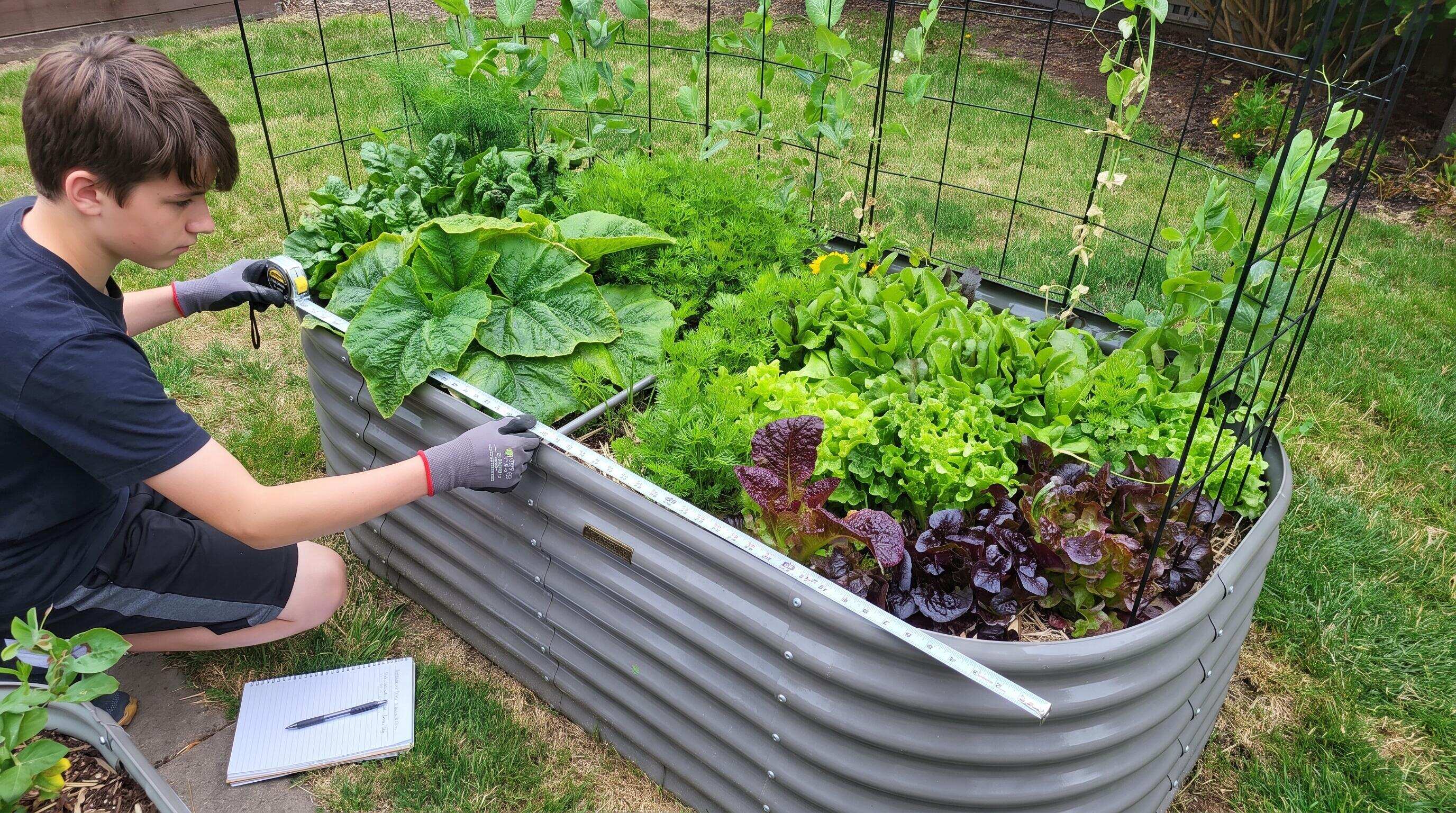
Before purchasing, measure your available space and sketch out your intended raised bed layout — even a rough drawing on paper helps. The right size depends on three factors: how much space you have, what you plan to grow, and how you intend to reach across the bed without stepping into the soil. A widely accepted ergonomic guideline in horticultural practice is that raised beds should be no wider than you can comfortably reach to the center from either side, which keeps all your plants accessible without compacting the growing medium.
Anleolife offers a broad range of sizes to accommodate different yard configurations and growing ambitions. Options span from compact footprints suited to patios and balconies up to larger formats designed for serious vegetable production. Height is equally important: shallower beds (around 12 to 18 inches tall) work well for most vegetables and herbs, while extra-tall beds ranging up to 30 or even 35 inches are beneficial for gardeners with mobility limitations or anyone who wants to avoid bending. The 35-inch waist-high option in the Anleolife lineup is specifically designed to bring gardening within comfortable reach for empty nesters and retirees. If you are new to sizing decisions, a first-time buyer's guide to sizing a raised garden bed kit walks through the key measurements in plain, practical terms.
Best for: Anyone planning a new raised bed planting layout from scratch, or gardeners who have previously felt limited by a bed that was too narrow, too shallow, or too large for their space.
Watch out: Online product images are frequently staged in spacious, professionally designed gardens. Always check the listed dimensions against your actual yard measurements before purchasing — the visual scale in photos can be misleading.
Is the Kit Modular, and Can I Expand It Later?
A modular raised bed system is a garden structure designed with interlocking or stackable components that can be reconfigured, extended, or added to over time without purchasing an entirely new product. Modularity is one of the most underappreciated features in raised bed kits, and it matters especially if you are starting small but envision a more expansive setup in the future.
In our experience supporting gardeners who are just beginning their raised bed journey, many start with a single bed and wish within a season or two that they had more growing space. A modular system allows you to add panels, increase depth by stacking additional rings, or arrange multiple beds into a cohesive raised bed planting layout without the hassle of starting over. Anleolife's modular raised garden bed line is built around exactly this flexibility — configurations range from smaller starter footprints up to larger arrangements, and the system is designed so that expansion feels like a natural next step rather than a costly overhaul. For perspective on what to evaluate when investing in a modular system, this resource on what to know before investing in a modular raised bed system is worth reviewing before you commit.
Best for: Beginners who want to start modestly and expand as their confidence and space allow, and experienced gardeners who want a cohesive, scalable raised bed garden layout.
Watch out: Some products are marketed as "expandable" but require purchasing proprietary connector pieces that are later discontinued or difficult to source. Confirm that expansion components are readily available before buying.
What Soil System Does the Kit Recommend, and Is That Guidance Included?
The raised bed structure itself is only half the equation. What you fill it with determines whether your plants thrive or struggle. Raised bed gardening offers the significant advantage of working with a controlled growing medium rather than relying on native soil, but that advantage only materializes if you fill the bed correctly. A high-quality raised bed soil system typically combines topsoil, compost, and an aerating material such as perlite or coarse vermiculite to create a mix that drains well, retains adequate moisture, and supplies consistent nutrients.
When evaluating a kit online, check whether the seller provides soil guidance — either as part of the product documentation or through supporting resources. Sellers who have genuinely invested in the complete gardening experience tend to include this information; those focused purely on moving hardware tend not to. According to the University Cooperative Extension system, one of the most common reasons raised bed gardens underperform in their first season is that gardeners fill them with dense native soil rather than a purpose-built growing mix. For a detailed breakdown of what goes into an effective soil system for vegetable beds, this guide on best soil composition for organic vegetable raised beds is a practical starting point.
Best for: First-time raised bed gardeners who want confidence that their soil system matches the structure they are purchasing, and health-conscious growers focused on organic, chemical-free growing media.
Watch out: Pre-filled soil options sold with kit bundles are often low-quality and overpriced. Sourcing a quality soil blend locally — or mixing your own — is usually more cost-effective and controllable.
How Easy Is Assembly, and What Tools Are Required?
A raised bed kit that arrives in multiple boxes of unlabeled panels and hardware can be genuinely discouraging, especially for a first-time buyer eager to get planting before the fall window closes. Before purchasing, look for clear information about assembly complexity: how many components are included, whether instructions are illustrated or text-only, and whether any special tools beyond a basic wrench or screwdriver are required.
Flat-pack and bolt-together designs are the most common for metal raised beds sold online. The better products are engineered so that the panels interlock or bolt together logically, with labeled hardware and step-by-step instructions. Customer reviews are a useful reality check here — look specifically for mentions of assembly time and any parts that customers found confusing or poorly designed. Anleolife beds are designed with a straightforward assembly process in mind, reflecting the understanding that most buyers are setting up their bed on a weekend afternoon, not on a construction site.
Best for: Busy families and retirees who want a quick, manageable setup experience without hiring outside help.
Watch out: Assembly videos on a seller's website are often produced under ideal conditions. Check independent customer reviews for a more candid picture of how assembly actually goes in a backyard setting.
What Are the Shipping and Delivery Details, Including Lead Time?
Fall gardening operates on a real seasonal timeline. If you are planning to grow cool-season crops like kale, spinach, garlic, or cover crops, the window for getting seeds or transplants into the ground is not indefinite. Delivery timing matters — a bed that arrives three weeks late may arrive after your optimal fall planting window has passed.
Before purchasing online, confirm the expected delivery timeframe and whether the seller has warehouses located close enough to your address to meet that window. Anleolife operates a nationwide warehouse network across California, Texas, Florida, New York, Illinois, and Washington, which allows the brand to deliver within 3–8 business days across most of the continental United States. That kind of distributed logistics infrastructure means your kit is more likely to arrive in time for meaningful fall planting rather than sitting in a distant fulfillment center. Also confirm what platform you are purchasing from — Anleolife products are available on Amazon, Walmart, Home Depot, Lowe's, Wayfair, and the official Anleolife website, each of which may have different shipping timelines and return policies.
Best for: Gardeners working within a specific fall planting calendar who cannot afford extended delays.
Watch out: Free shipping offers sometimes mean slower fulfillment. If timing is critical, check whether expedited shipping is available and what the cost difference is.
Does the Material Raise Any Food Safety Concerns for Edible Crops?
This question matters specifically to health-conscious gardeners growing vegetables, herbs, or fruit. The concern most commonly raised is whether galvanized steel — which is coated in zinc — can leach harmful substances into the soil at levels that affect food safety. Based on available scientific literature and guidance from agricultural extension services, the consensus is that modern galvanized steel raised beds do not pose a meaningful food safety risk at the trace zinc levels that might migrate into soil. Zinc is, in fact, an essential micronutrient for plants and for human health in small quantities.
The material to avoid in food-growing contexts is older pressure-treated lumber, which historically used chromated copper arsenate (CCA) — a compound the U.S. Environmental Protection Agency has restricted for residential use because of concerns about arsenic leaching into soil. Modern alternatives to CCA-treated wood are generally considered safer, but if food safety is a primary concern, galvanized steel or rust-resistant coated steel eliminates the wood-related uncertainty altogether. Per guidance from the U.S. Environmental Protection Agency, gardeners should avoid using older treated lumber in food garden applications.
Best for: Health-focused growers, organic gardeners, and families growing food for children who want to minimize any ambiguity about growing medium contamination.
Watch out: Some sellers describe their beds as "food-safe" without citing any specific standard or test. Ask what that claim is based on, and cross-reference with established guidance from extension services or regulatory bodies.
What After-Sales Support and Warranty Does the Seller Offer?
A raised bed garden is a medium-to-long-term investment. Even a well-manufactured kit can occasionally arrive with a damaged panel, a missing bolt, or a part that does not align correctly. How a seller handles those situations reveals a great deal about whether they stand behind their product or simply focus on volume sales.
Before purchasing, look for clear warranty information: what is covered, for how long, and how to initiate a claim. Equally important is whether customer service is responsive and accessible — check reviews specifically for mentions of after-sales experiences, not just initial product satisfaction. Anleolife provides consistent after-sales support across all of its sales channels, so whether you purchase through Amazon, Home Depot, Lowe's, or directly through the Anleolife website, you have access to the same quality assurance and service.
Best for: Any buyer making a meaningful investment in a raised bed system who wants assurance that problems will be resolved without a frustrating process.
Watch out: Marketplace listings from third-party resellers may not carry the same warranty terms as purchasing directly from the brand. Confirm the seller's identity and whether the warranty applies to that specific purchasing channel.
Is the Design Suited to My Climate and Yard Conditions?
Raised beds perform differently depending on where you live. In hot, arid climates, metal beds can absorb and retain heat — which can actually extend the growing season in fall but may require extra attention to irrigation. In rainy coastal regions, excellent drainage is critical to prevent waterlogging. In colder northern climates, bed depth and placement relative to sunlight exposure become especially important for maximizing the short fall growing window.
Before purchasing, consider whether the product description addresses your specific climate conditions, or whether the seller offers guidance on adapting their beds to different environments. A garden layout that works well in Southern California may need meaningful modification to perform in the Pacific Northwest or New England. Look for planning resources that address regional differences. According to guidance from Cooperative Extension programs affiliated with land-grant universities across the United States, orientation (north-south axis for most vegetable beds), sun exposure, and wind exposure are the three site factors that most reliably predict raised bed productivity.
Best for: Gardeners in climates with pronounced seasonal extremes — very hot summers, very cold winters, or high rainfall — who want to ensure their raised bed garden layout is engineered for their specific conditions.
Watch out: Generic product descriptions that do not mention climate compatibility are not necessarily a red flag, but they do mean the research burden falls on you. Look for seller resources, blog content, or community forums where buyers in your region share their experiences.
Quick Comparison at a Glance
The following table summarizes the questions above, mapping each to its primary purpose, what a strong answer looks like, and the limitation to watch for when evaluating responses online.
| Question | Best For | Key Strength | Limitation |
|---|---|---|---|
| Material and lifespan | All buyers | Determines long-term value and safety | Low-quality coatings can mimic the language of high-quality ones |
| Size and configuration | New layout planners | Ensures the bed fits your space and growing goals | Online images distort scale — always verify dimensions |
| Modularity and expandability | Growth-oriented gardeners | Protects your investment as your garden evolves | Proprietary parts can become unavailable |
| Soil system guidance | First-time growers | Sets up the growing environment correctly from day one | Bundled soil is often low quality — local sourcing is better |
| Assembly complexity | Busy buyers and retirees | Saves time and avoids frustration on setup day | Seller videos may not reflect typical buyer experience |
| Shipping and delivery timing | Fall planting planners | Ensures the kit arrives within the seasonal window | Free shipping often means slower fulfillment |
| Food safety of materials | Health-conscious growers | Removes ambiguity for edible crop gardens | "Food-safe" claims vary widely in credibility |
| After-sales support and warranty | Any serious investor | Protects against defects and damage | Third-party resellers may not honor brand warranties |
| Climate and yard suitability | Gardeners in extreme climates | Optimizes bed performance for regional conditions | Generic listings rarely address climate-specific needs |
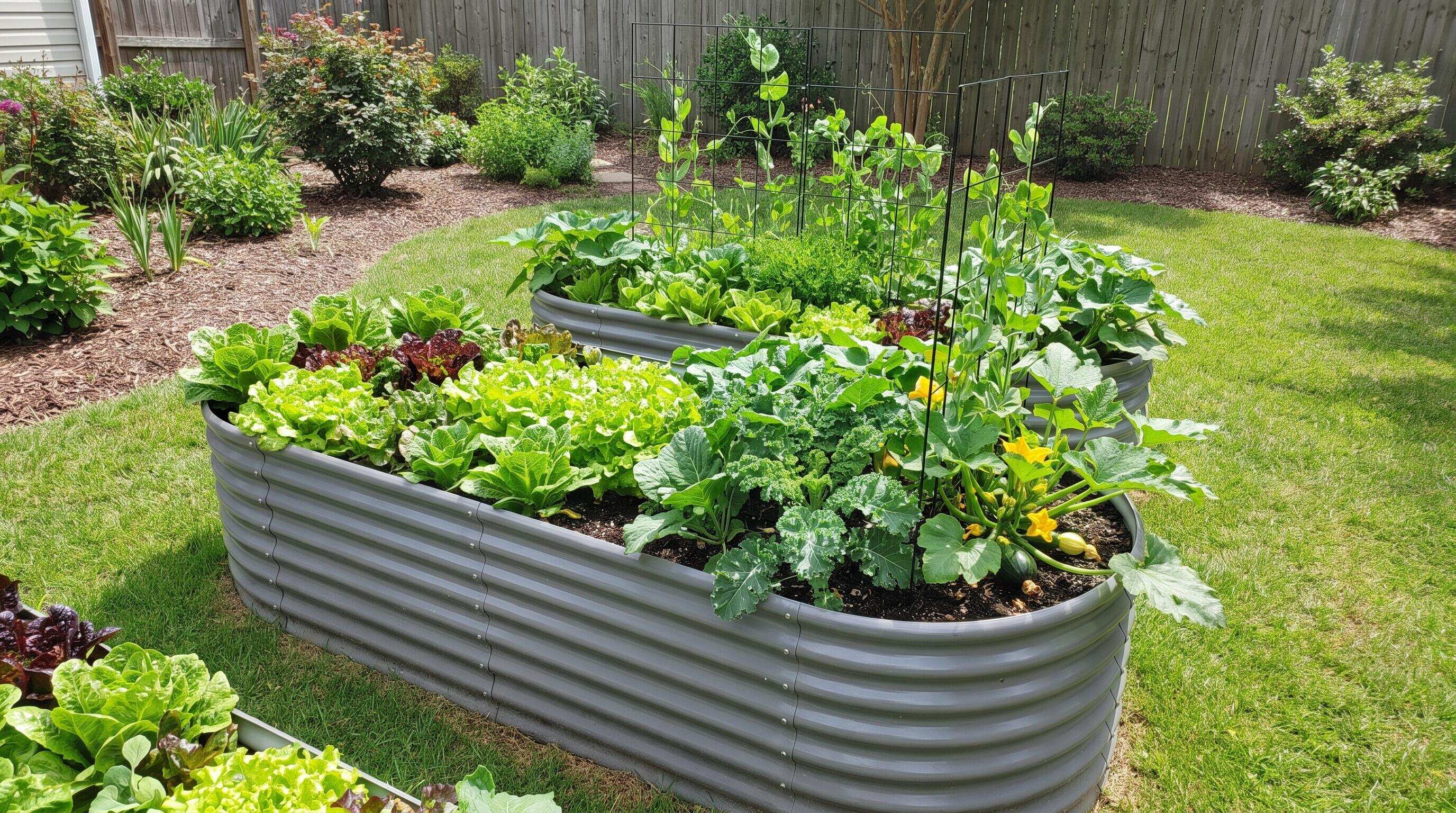
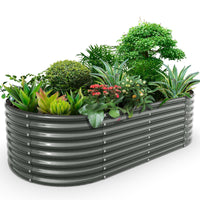
ALT: Fall raised bed garden layout planning checklist showing galvanized steel raised bed planting layout in a residential backyard with cool-season crops
How to Choose the Right Raised Bed Kit for Your Fall Garden Layout
Choosing the right raised bed kit comes down to matching the product's actual specifications to your specific situation — not to a generic "best seller" ranking. Here is how to map the questions above to common buyer profiles.
If you are setting up your first raised bed garden layout and have a modest budget and limited space, prioritize modularity and material quality above all else. A smaller galvanized steel bed that can be expanded later is a better starting point than a large wooden bed that will need replacing in a few seasons. If you are an experienced gardener scaling up an existing setup, focus on size compatibility with your current raised bed planting layout, soil continuity, and whether the new kit will integrate visually and functionally with what you already have.
For empty nesters or retirees who want low-maintenance, long-lasting structures, extra-tall bed options — those in the 24 to 35-inch height range — dramatically reduce the physical strain of gardening and make the activity sustainable over many years. For urban micro-gardeners working with patio or balcony space, the priority is footprint efficiency: choose a bed whose dimensions make the most of your square footage without overloading weight-bearing surfaces.
A common misconception worth addressing directly: many first-time buyers assume that a higher price automatically indicates a higher-quality product. In practice, price in the raised bed market reflects a combination of factors — material quality, brand support infrastructure, shipping logistics, and retailer margins — that are not always proportional. The more reliable indicator of quality is a combination of clear material specifications, documented lifespan claims, responsive after-sales support, and genuine customer reviews that address durability over time, not just initial appearance.
Questions & Answers
Q1: How do I choose the right raised bed garden layout size for a beginner fall vegetable garden?
Start by identifying the crops you want to grow and how much space each requires. Most cool-season vegetables — including lettuce, spinach, kale, and radishes — can be grown successfully in a bed as compact as 4x4 feet. The key ergonomic rule is to size the bed so you can reach the center without stepping in. For beginners, a single bed in the 8x4-foot range offers enough growing space to produce meaningful harvests while remaining manageable. Measuring your actual outdoor space before purchasing is essential — online product images rarely convey true scale.
Q2: Is galvanized steel safe to use in a raised bed planting layout for vegetables and herbs?
Galvanized steel is widely considered safe for food gardening. The zinc coating that gives galvanized steel its corrosion resistance is also an essential micronutrient for both plants and humans at trace levels. Multiple Cooperative Extension programs and horticultural authorities have reviewed the available evidence and concluded that zinc migration from galvanized steel into garden soil does not reach levels that pose a meaningful health risk. If food safety is a primary concern, galvanized or rust-resistant coated steel is generally a more reliably safe choice than older pressure-treated lumber, which may contain restricted compounds.
Q3: How long does a quality metal raised garden bed typically last, and how does delivery timing affect fall planting?
A well-manufactured galvanized steel raised garden bed, such as those in the Anleolife lineup, is engineered for a lifespan of up to 20 years — making it a genuine long-term investment rather than a seasonal purchase. Regarding delivery, fall planting windows for cool-season crops are time-sensitive. Anleolife's nationwide warehouse network, with locations across California, Texas, Florida, New York, Illinois, and Washington, enables delivery within 3–8 business days across most of the continental United States — a meaningful advantage when you are working against a seasonal deadline.
Wrapping Up
Shopping for a raised garden bed kit online this fall is genuinely exciting — and far more successful when approached with the right questions rather than a quick click-and-hope strategy. Here are the core takeaways from everything covered above.
Key Takeaways:
- Material and lifespan are the foundation of a good purchase decision — verify coating quality and look for documented durability claims before buying.
- Size your raised bed garden layout to your actual space and your physical reach, not to what looks impressive in a product photo.
- Modularity protects your investment by allowing the raised bed planting layout to grow with your experience and ambitions.
- Soil guidance, food safety clarity, and after-sales support separate full-service garden brands from simple hardware sellers.
- Delivery timing matters for fall planting — confirm warehouse proximity and lead times before committing.
The next step is straightforward: take the questions in this article, apply them to the kits you are considering, and see which products give you clear, confident answers. The ones that do are the ones worth buying.
Ready to put these questions to work? Browse the full range of Anleolife raised garden beds — from compact starter configurations to extra-tall, waist-high designs built for serious growers — at the Anleolife website. With a nationwide U.S. warehouse network delivering in 3–8 business days and products available on Amazon, Walmart, Home Depot, Lowe's, and Wayfair, getting your fall garden started has never been more accessible. Whether you are setting up your first raised bed or building out a full planting-and-raising ecosystem, Anleolife grows with you every step of the way.
Sources & Further Reading
- ASTM International. "Standards for Metallic Coatings and Corrosion Resistance in Steel Products."
https://www.astm.org/ - U.S. Environmental Protection Agency. "Chromated Copper Arsenate (CCA) and Pressure-Treated Wood Guidance."
https://www.epa.gov/ - Savvy Gardening. "4x8 Raised Bed Vegetable Garden Layout Ideas."
https://savvygardening.com/4x8-raised-bed-vegetable-garden-layout/ - Gardener's Supply Company. "Pre-Planned Gardens — Kitchen Garden Planner."
https://www.gardeners.com/pages/kitchen-garden-planner-preplanned-gardens
Note: Standards and regulatory guidance may be updated; please check the latest official documents or consult professional advisors for current recommendations.