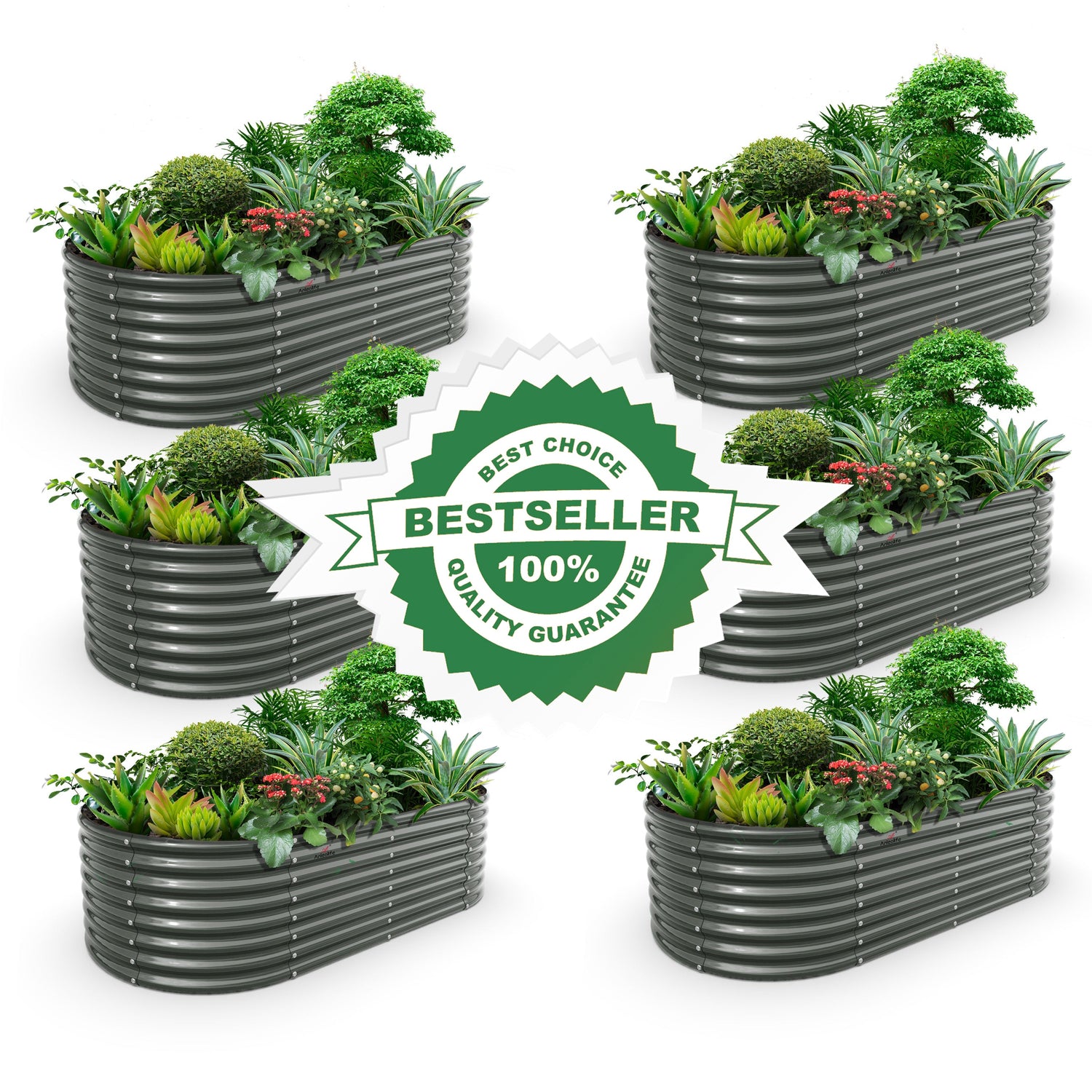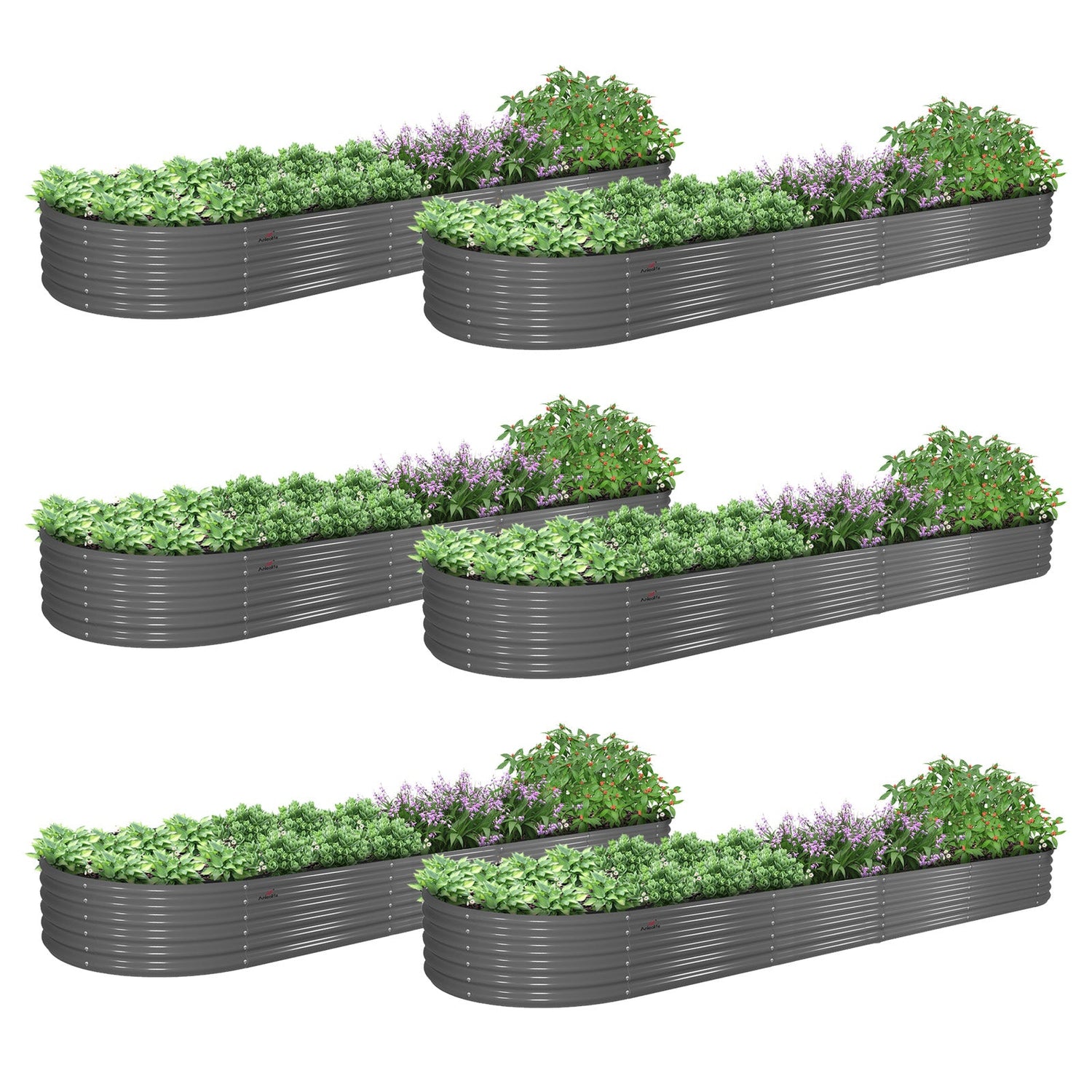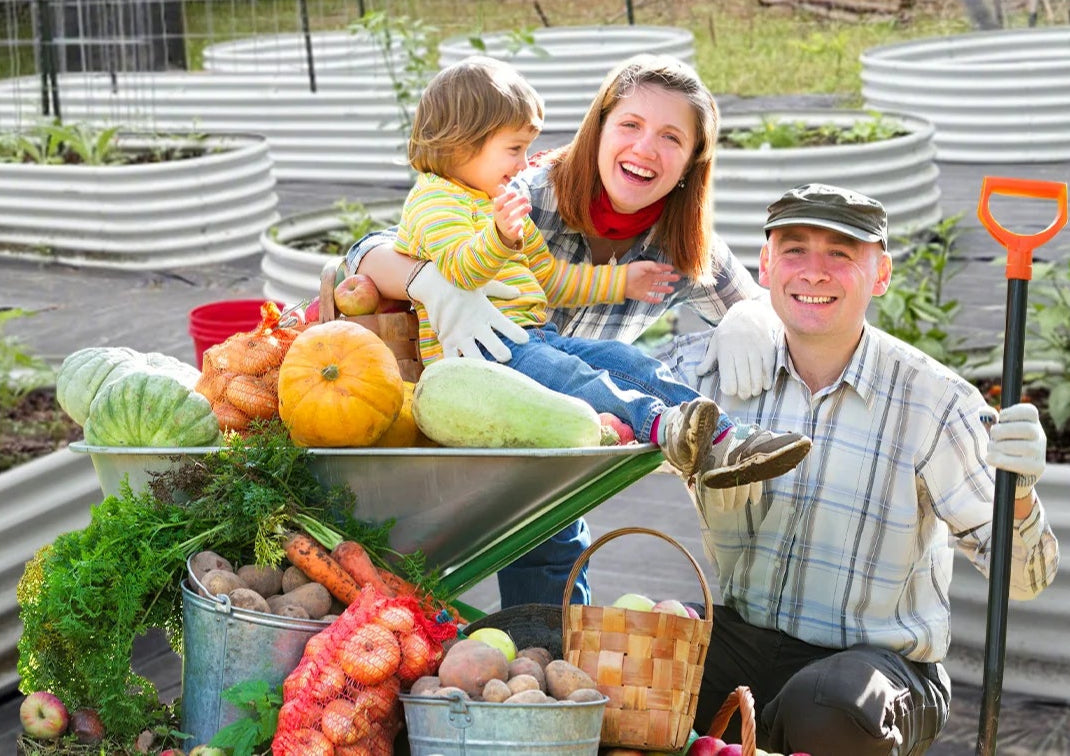



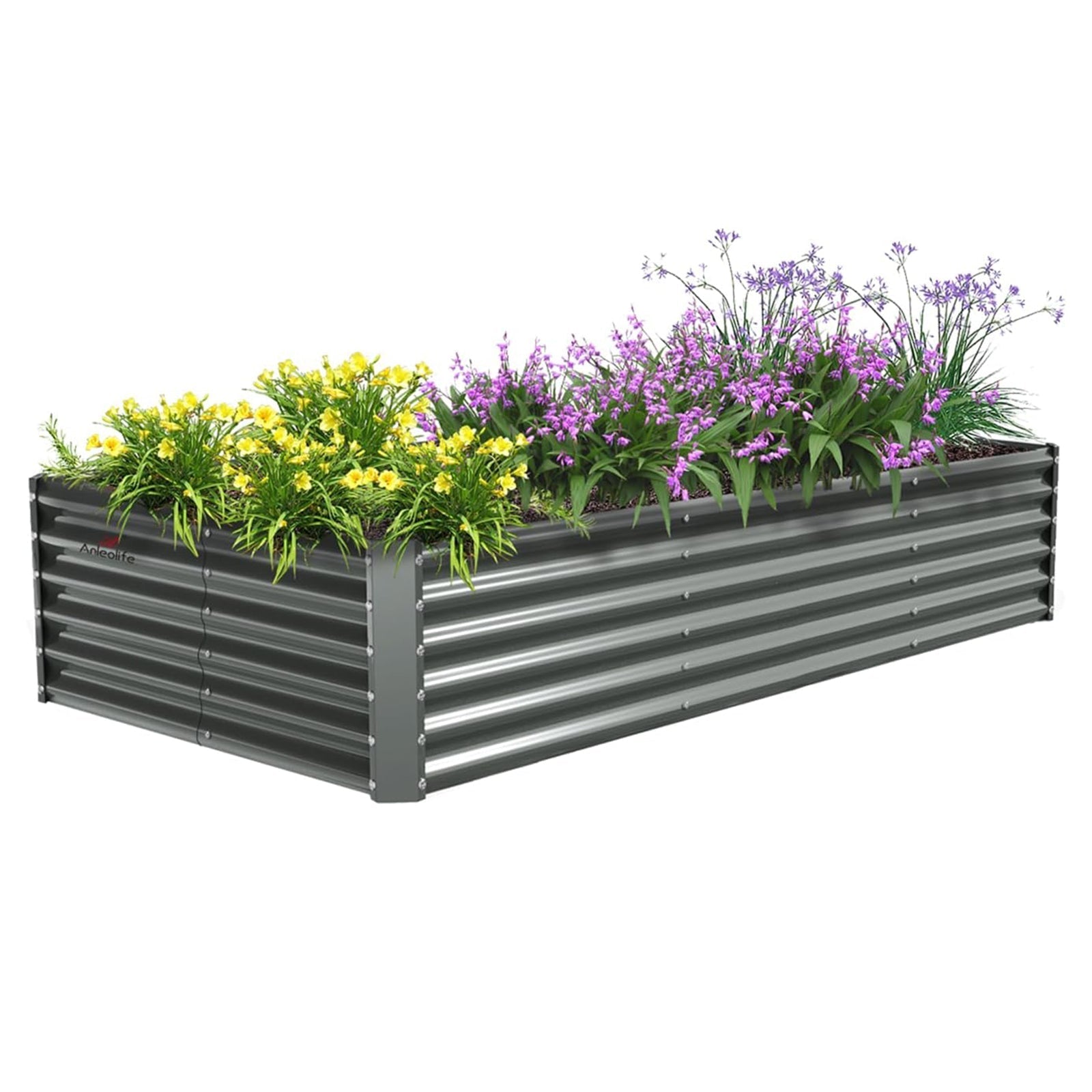

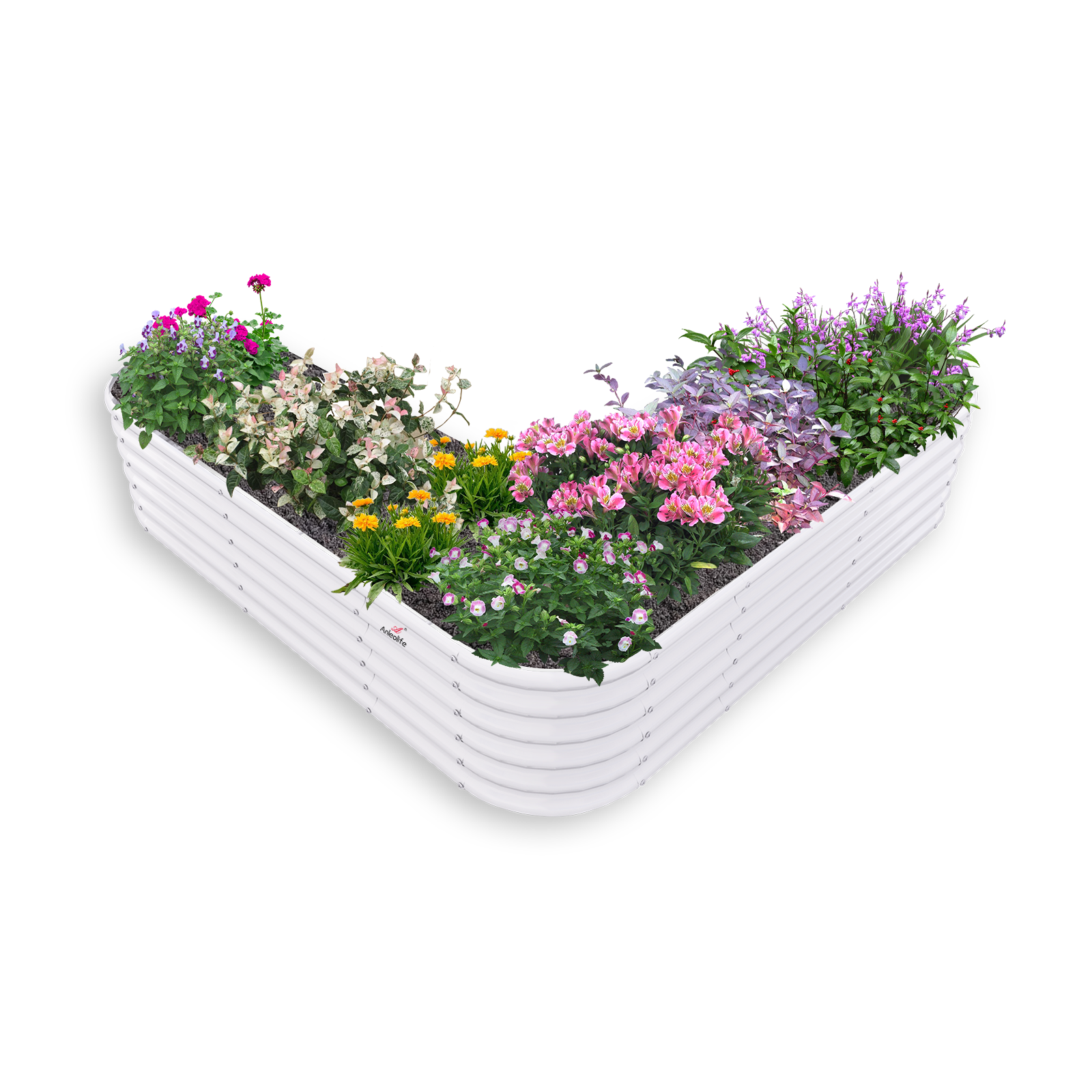
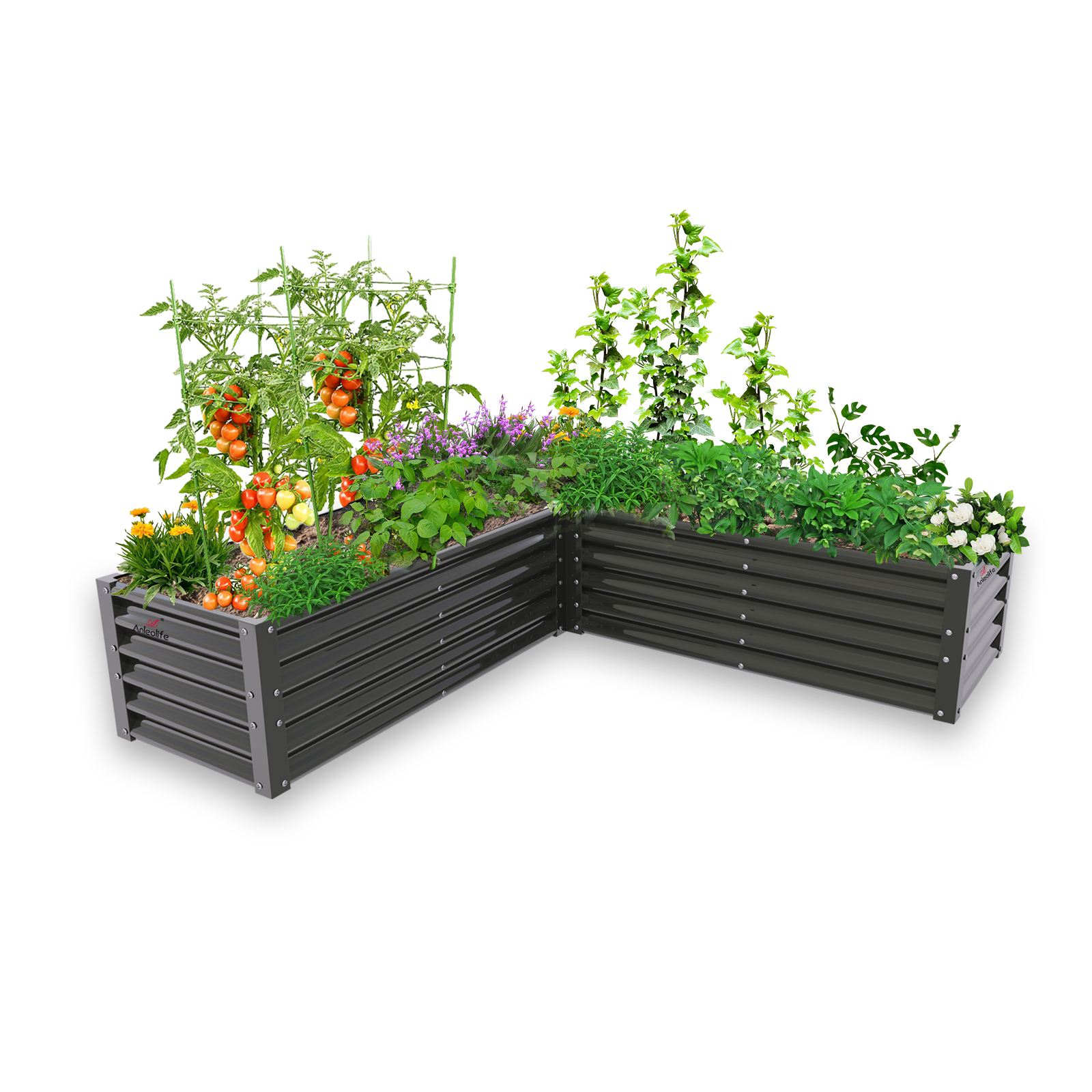
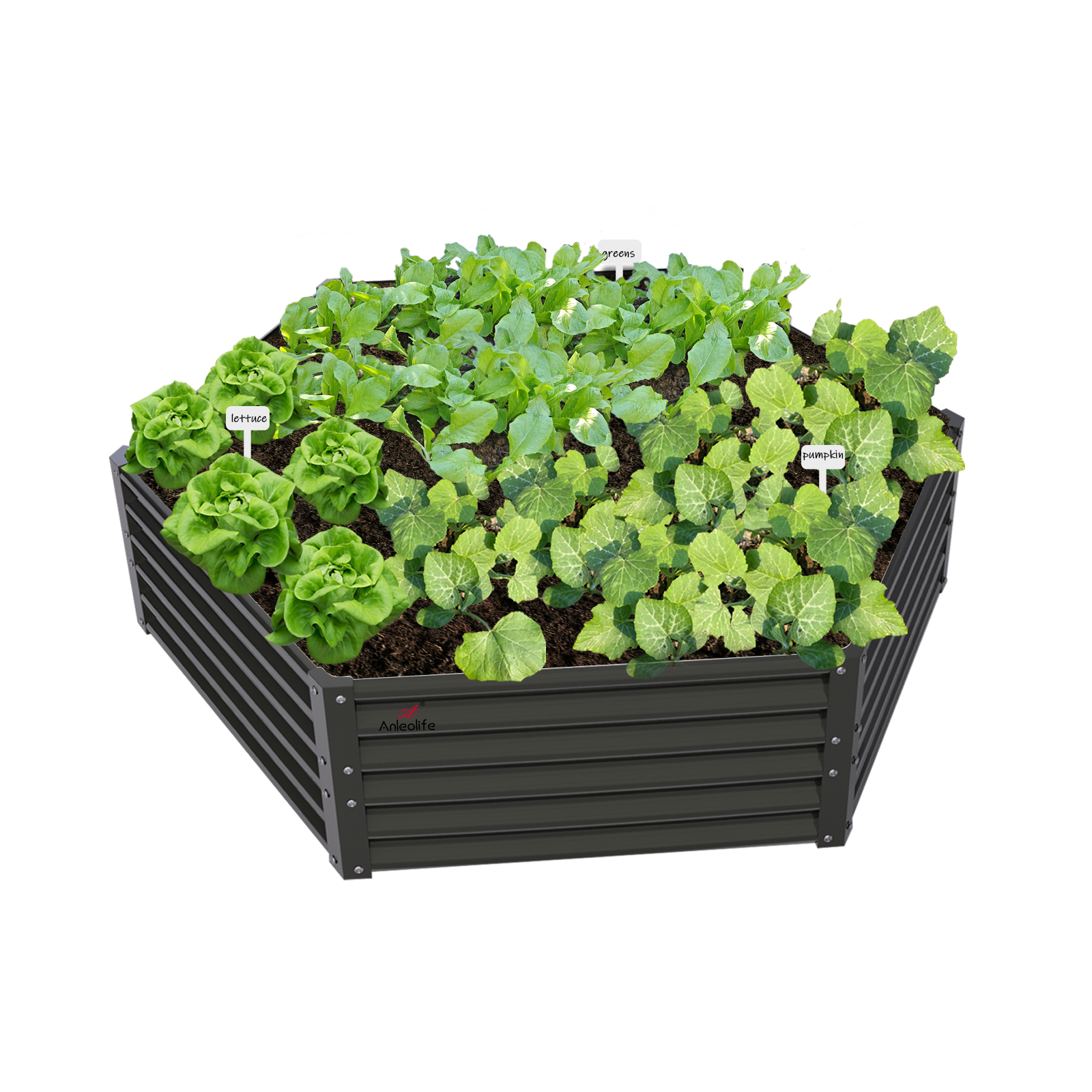
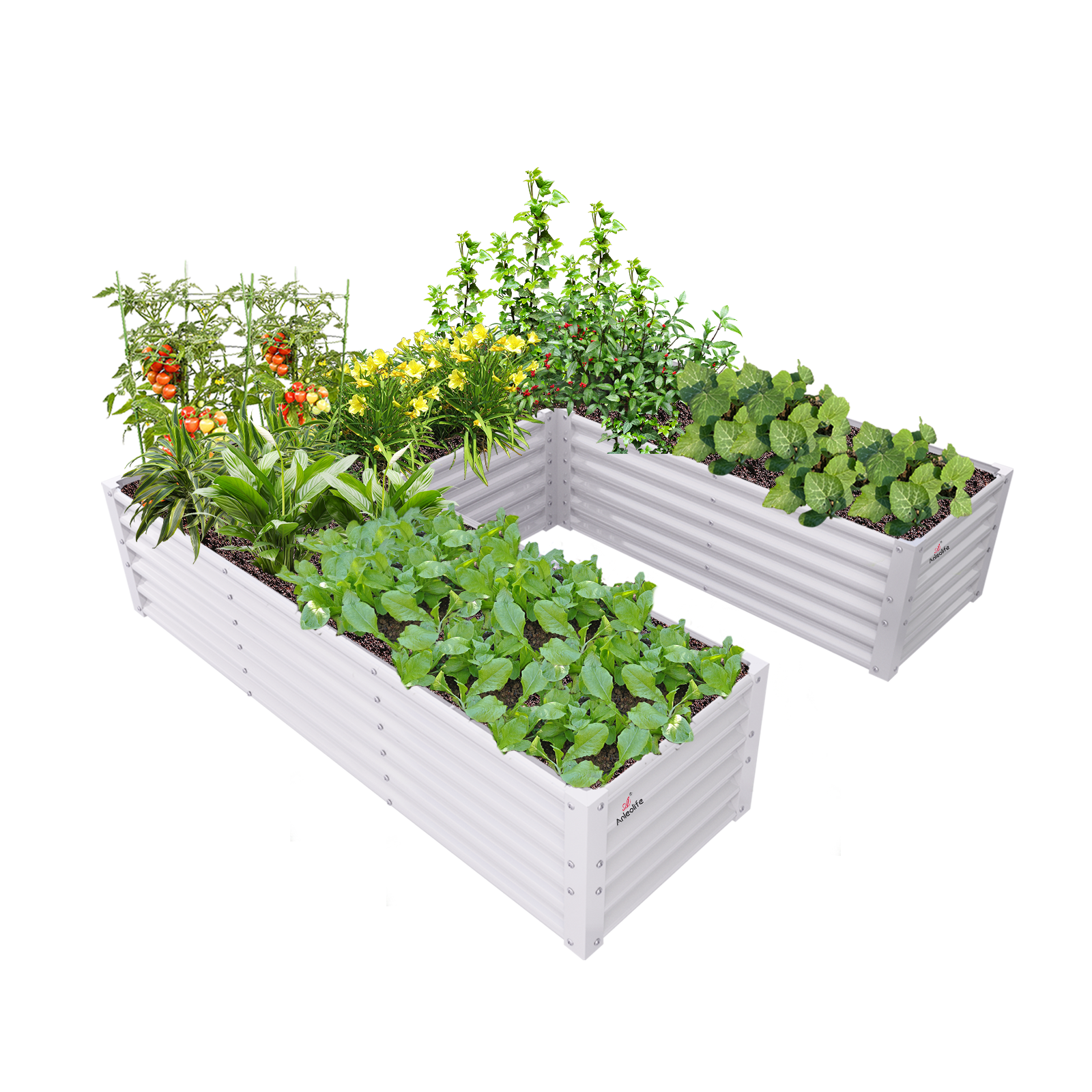

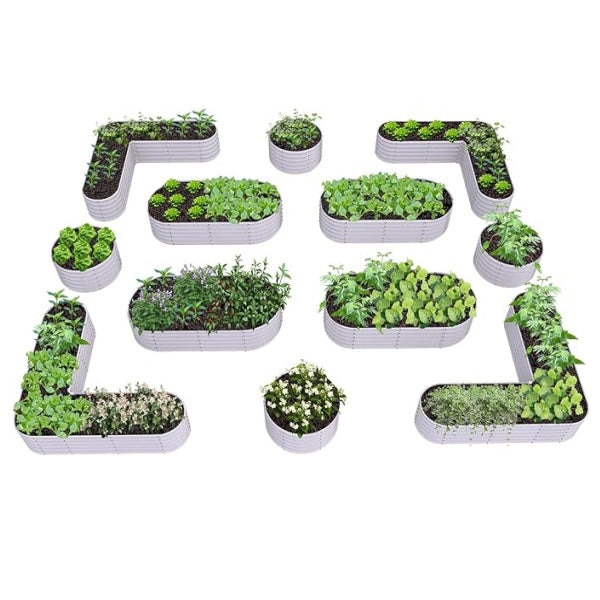


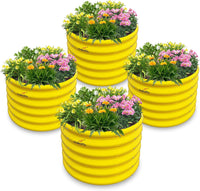
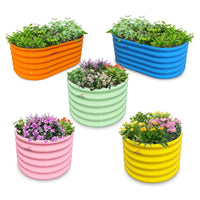
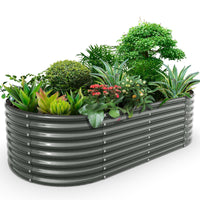



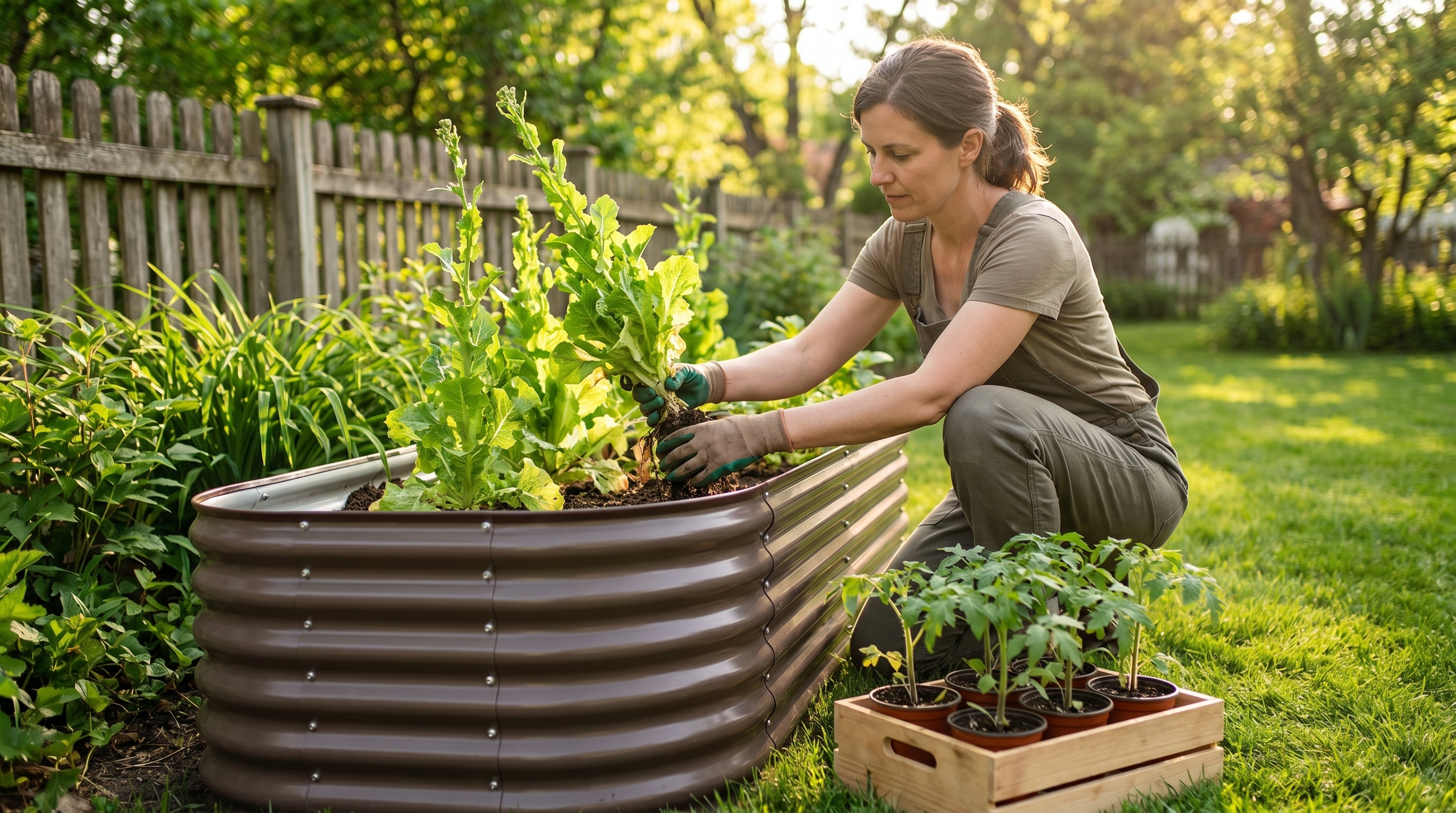
ALT: Gardener transitioning raised bed from spring lettuce to summer tomatoes using galvanized steel gardens
Spring to Summer Raised Bed Transition: Why Timing Is Everything for Your Garden's Success
Key Conclusion: Transitioning your raised bed from spring to summer crops is one of the most impactful moves a home gardener can make each year. By refreshing your soil, swapping out cool-season vegetables, and setting up proper support structures—including a garden trellis for climbing plants—you can dramatically increase your harvest potential. Gardeners using galvanized steel gardens benefit from durable, long-lasting beds that simplify seasonal transitions, while easy assembly gardens make it accessible for beginners and seasoned growers alike.
The shift from spring to summer is a pivotal moment in the gardening calendar. Cool-season crops like lettuce, spinach, peas, and kale begin to bolt, lose flavor, and take up valuable space that warm-weather plants desperately need. If you miss this seasonal window, you risk a productivity gap—weeks of empty beds and missed harvests.
The good news? With the right approach, this transition doesn't have to be stressful. Whether you're a retiree enjoying a relaxing weekend garden routine or a health-conscious family growing your own food, a well-timed changeover sets you up for an abundant summer season. This guide walks you through the entire process, from clearing out spent spring crops to installing heat-tolerant summer varieties that thrive through August and beyond.
Who This Guide Is For (And When to Apply These Tips)
✅ Applicable Scenarios:
- Home gardeners who planted cool-season crops in early spring and are now seeing signs of bolting or slowing growth
- Raised bed owners in USDA hardiness zones 4–9 who experience distinct seasonal temperature shifts
- Urban micro-gardeners and suburban families looking to maximize every square foot of their raised bed space through successive planting strategies
❌ Not Applicable/Cautions:
- Gardeners in frost-free regions (zones 10–12) who grow warm-season crops year-round—your transition timing and crop selection will differ significantly
- Raised bed setups that receive fewer than 6 hours of direct sunlight daily, as most summer crops require full sun to thrive and switching may not yield the results described here
The Science and Strategy Behind Seasonal Crop Transitions
Understanding why plants behave differently across seasons helps you make smarter decisions about when and how to make the switch. Cool-season crops evolved to germinate and mature in cooler temperatures—generally between 45°F and 75°F. When soil temperatures consistently rise above 80°F, most of these crops bolt (go to seed), turning bitter or losing nutritional density.
Summer crops, on the other hand—tomatoes, cucumbers, squash, peppers, basil, and beans—are warm-season performers. They need soil temperatures of at least 60°F to 70°F for healthy root development and thrive when daytime temperatures are between 70°F and 95°F. Planting them too early stunts their growth; planting too late cuts your harvest window short.
According to the University of Minnesota Extension, cool-season vegetables like spinach and lettuce begin to bolt when daytime temperatures consistently exceed 75°F, making timely removal crucial to preserving bed productivity. This is the signal most experienced gardeners watch for—when your spring greens start sending up flower stalks, it's time to act.
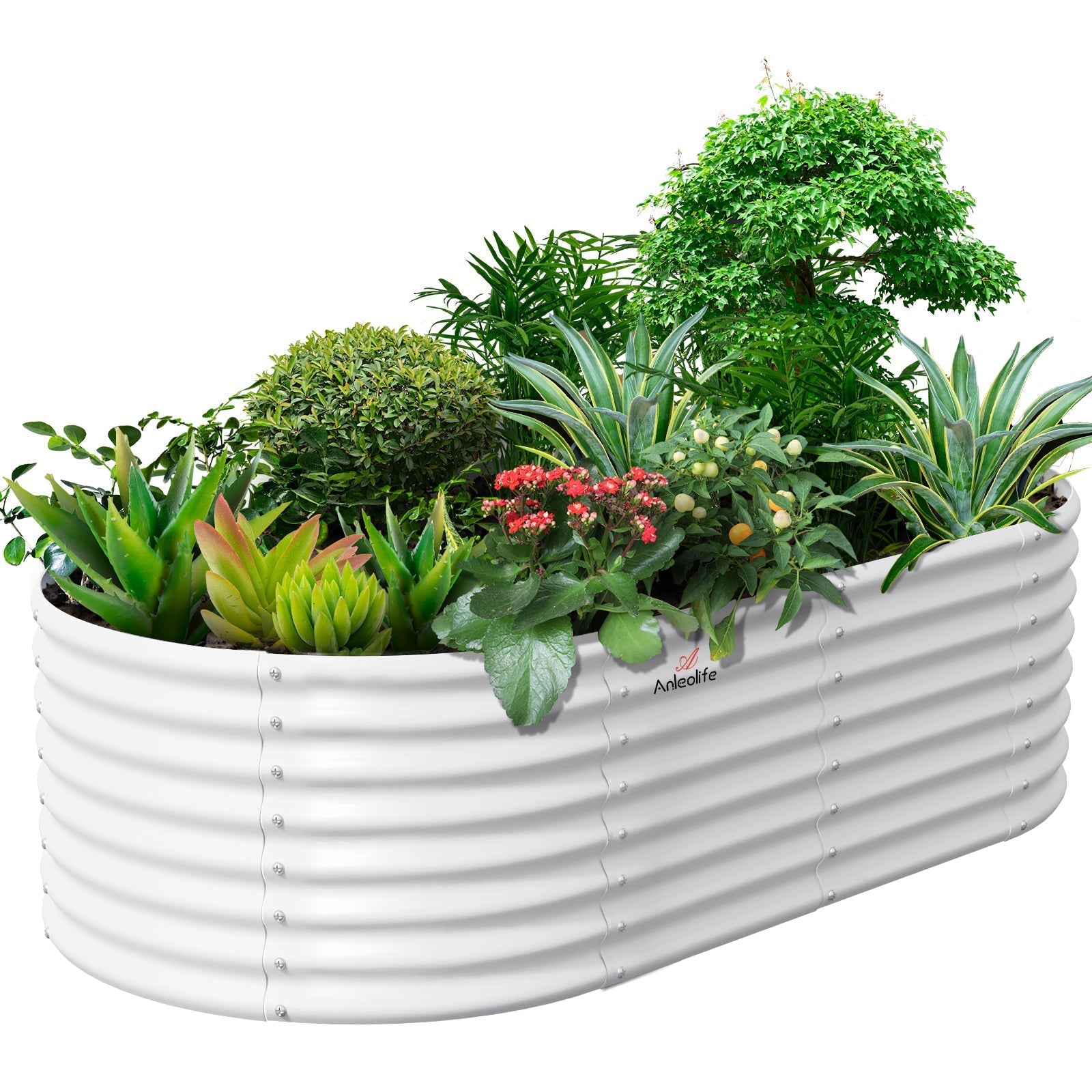
One often-overlooked benefit of raised beds in this context is how much faster they warm up compared to in-ground plots. Galvanized steel raised garden beds—like those in the Anleolife lineup—absorb and retain heat efficiently, meaning your soil is often ready for warm-season transplants sooner than you might expect. For a deeper dive into choosing the right bed dimensions to support your summer crop rotation strategy, check out The Ultimate Raised Garden Bed Sizing Guide for Summer 2026: Find Your Perfect Fit—it's an excellent resource for matching bed size to your planting goals.
Soil health is the other critical factor. Every season of growing depletes specific nutrients. Spring brassicas and leafy greens are heavy nitrogen consumers, leaving the bed nutritionally unbalanced for summer crops. Before you plant anything new, refreshing and amending your soil is non-negotiable.
Your Step-by-Step Seasonal Transition Plan
Three-Step Quick Start for Switching Your Raised Bed
Step 1: Clear, Compost, and Assess Your Bed
Begin by removing all spent or bolting spring crops. Pull plants out by the root rather than cutting at the base—leaving roots can harbor disease and pests. Sort removed plants: healthy non-diseased material can go into a compost bin, while any plants showing signs of disease or pest damage should be bagged and discarded. Take this opportunity to visually inspect the bed walls, drainage, and overall structure. This step typically takes 30–60 minutes per 4x8 bed.
Step 2: Refresh and Amend Your Soil
Once cleared, loosen the top 6–8 inches of soil with a garden fork to break up compaction. Add a 2–3 inch layer of compost or aged manure and work it in thoroughly. If your spring crops were heavy feeders, consider a balanced slow-release fertilizer to rebuild nitrogen levels. For gardeners who want to supercharge this process, explore Advanced Composting Techniques to Supercharge Your Raised Bed Soil This Season—the timing aligns perfectly with a seasonal bed reset. Soil amendment typically takes 20–40 minutes per bed and is the single most important factor in summer crop success.
Step 3: Plan Your Layout, Then Plant
Before putting anything in the ground, sketch your summer layout. Account for mature plant sizes, sun patterns, and vertical growing opportunities. Tall plants like tomatoes, pole beans, and cucumbers belong on the north side of the bed so they don't shade shorter crops. Install your garden trellis before planting rather than after—you'll avoid disturbing roots and save yourself significant frustration. Then transplant heat-tolerant seedlings or sow warm-season seeds according to your last frost date and current soil temperature.
Comparing Your Summer Crop Options: What to Plant in a Raised Bed
Choosing the right summer crops depends on your space, sunlight, and how much maintenance you want to commit to. Here's a practical comparison of popular warm-season options for raised bed gardeners:
| Comparison Dimension | Tomatoes & Peppers | Cucumbers & Squash | Herbs (Basil, Dill) |
|---|---|---|---|
| Space Requirements | High (needs 2–3 sq ft per plant) | High (sprawling or vertical) | Low (can tuck into edges) |
| Trellis/Support Needed | Yes (tomato cages or stakes) | Yes for cucumbers; squash can sprawl | No |
| Time to First Harvest | 60–90 days from transplant | 50–70 days from seed | 3–4 weeks for fresh use |
| Watering Needs | Moderate-High (consistent moisture) | High (especially in peak heat) | Moderate |
| Best for Small Beds | Choose compact varieties | Vertical cucumber training works well | Excellent space-efficient option |
| Pest Pressure | Moderate (aphids, hornworms) | Moderate (squash vine borers) | Low to Moderate |
| Beginner-Friendly | Moderate | Moderate | High |
This comparison makes it easier to decide what to prioritize based on your specific setup. A family wanting maximum yield from a single 8x4 raised bed, for example, might combine one determinate tomato plant, a vertical cucumber trained on a trellis, and a border of basil—a classic companion planting trio that also deters pests naturally.
Deep Dive: Soil, Pest Control, and Structural Setup for Summer Success
Choosing the Best Soil for Your Summer Raised Bed
The best soil for small raised garden beds heading into summer is a well-draining, nutrient-rich blend that retains moderate moisture without becoming waterlogged. A classic mix recommended by many cooperative extension programs consists of roughly one-third compost, one-third coarse material like perlite or coarse sand for drainage, and one-third topsoil or a quality bagged raised bed mix.
Avoid using straight garden soil from the ground—it compacts in raised beds, restricts root growth, and drains poorly in summer heat. As temperatures rise, good soil structure becomes even more important because roots need to access both oxygen and water simultaneously.
If your bed has been in use for multiple seasons, consider doing a soil test. Your local cooperative extension office often provides low-cost or free testing services. Knowing your pH and nutrient profile lets you amend with precision rather than guesswork—a small investment that pays off in healthier plants and bigger harvests.
Smart Pest Control for Warm-Season Raised Beds
Summer warmth doesn't just accelerate plant growth—it also brings increased pest activity. Common summer pests in raised beds include aphids, squash vine borers, cucumber beetles, tomato hornworms, and spider mites. The good news is that raised bed gardening gives you a natural advantage: better visibility, easier access for inspection, and the ability to use physical barriers more effectively.
The best time to install garden netting is before pests arrive—typically at transplanting time or just as seedlings emerge. Row cover fabric draped over lightweight hoops creates a protective barrier against flying insects and egg-laying moths without blocking much light. For crops that require pollination (like squash and cucumbers), remove covers during flowering hours or during the day to allow bee access.
For deeper strategies on managing pests without harsh chemicals, Organic Pest Control Strategies for Raised Garden Beds This Summer offers a comprehensive breakdown of companion planting, beneficial insects, and physical deterrents tailored specifically to raised bed environments.
Hand-picking pests during morning garden walks is surprisingly effective and requires no products at all. Combine this with strategic companion planting—basil near tomatoes, nasturtiums as aphid traps, dill to attract predatory wasps—and you can maintain a healthy garden with minimal intervention.
Setting Up Your Garden Trellis for Climbing Crops
A garden trellis is one of the most space-efficient tools a raised bed gardener can add. By training cucumbers, pole beans, and small melons vertically, you free up valuable horizontal space for additional crops while improving airflow—which reduces fungal disease pressure in humid summer conditions.
Install your trellis structure at the north end of the bed before planting. Options range from simple bamboo tepees tied at the top to more permanent A-frame structures or wire panels attached to the bed frame itself. For galvanized steel raised garden beds, many gardeners attach wire mesh panels directly to the bed's walls using zip ties or hooks, creating a sturdy, integrated growing system.
The key is to install support before plants need it. Young cucumber vines, for example, can be gently trained onto a trellis within days of emergence—waiting until they're established makes the process messier and risks damaging fragile stems.
Why Galvanized Steel Beds Make Seasonal Transitions Easier
If you're considering upgrading your growing setup, galvanized steel gardens offer significant advantages for year-round productivity and seasonal transitions. Metal beds warm up faster in spring, giving you an earlier start, and they retain heat longer in fall for extended growing seasons. Unlike wood, they don't rot, warp, or harbor overwintering pests in the way that deteriorating lumber can.
Anleolife's raised garden beds are built from high-quality galvanized steel designed for durability—each bed is rated for up to 20 years of use. That means investing in one now pays dividends through literally decades of spring-to-summer transitions. The easy assembly gardens design means you can set up or reconfigure your beds without special tools, making it practical to adjust your garden layout as your needs evolve.
To avoid common mistakes when setting up or expanding your layout, be sure to read 5 Common Raised Bed Layout Mistakes to Avoid When Planning Your Summer Garden before finalizing your summer plan.
For gardeners new to the warm season or looking to expand their crop list, 10 Best Vegetables for Raised Beds This Summer: A Beginner's Planting Checklist provides a beginner-friendly planting checklist with timing and care tips for the most productive summer crops.
Budget-Friendly Raised Bed Options for New Gardeners
Many gardeners hesitate to invest in quality raised beds because of cost concerns, but the math often surprises people. When you consider a 20-year lifespan, even beds that initially seem more expensive than a DIY wood alternative become extremely cost-effective over time—averaging just dollars per year of use.
For those researching best budget-friendly raised bed options under $200, Anleolife offers multiple configurations at accessible price points without sacrificing material quality or structural integrity. The range includes compact sizes ideal for balconies and patios, mid-size beds perfect for a typical suburban backyard, and larger options for serious growers who want maximum planting space. Galvanized steel construction ensures your investment holds up through seasonal transitions year after year without the maintenance costs associated with treated wood alternatives.

ALT: Gardener installing garden trellis in galvanized steel raised bed for summer crop transition, easy assembly gardens setup
Advanced Considerations: Succession Planting, Watering Strategy, and Preventing Common Mistakes
Once you've made the initial spring-to-summer transition, maintaining momentum requires a few advanced strategies.
Succession planting is the practice of staggering plantings every 2–3 weeks so that harvests are spread out rather than arriving all at once. For fast-maturing crops like bush beans or radishes, this means you can sow a new round even as your first planting is just beginning to flower. This keeps the bed productive throughout the season without a glut-and-gap cycle.
Watering in summer heat is significantly different from spring. Raised beds drain faster than in-ground plots, which is usually an advantage—but in peak summer heat, it means you may need to water more frequently, sometimes daily. Consider installing a simple drip irrigation system or soaker hose at the base of plants. This conserves moisture better than overhead watering and reduces the risk of fungal diseases by keeping foliage dry. For detailed guidance on summer moisture management, visit Watering Raised Garden Beds in June Heat: Tips for Conserving Moisture.
A common misconception is that you need to replace all your soil every season. In reality, well-maintained raised bed soil improves over time with regular compost additions. Over-tilling and over-fertilizing are often bigger problems than under-amending. Work with your soil biology, not against it, and you'll find the bed gets more productive each year rather than depleted.
Another frequent mistake: planting summer crops too early because of an unseasonably warm week. Warm air temperatures don't always reflect soil temperatures—use an inexpensive soil thermometer to confirm your bed is consistently above 60°F before transplanting heat-lovers like peppers and basil, which are particularly sensitive to cold soil stress.
Frequently Asked Questions FAQ
Q1: How do I know when my spring crops are ready to be removed from the raised bed?
The clearest sign is bolting—when plants begin sending up tall flower stalks and leaves turn bitter or tough. For lettuce, this happens when stems elongate and leaves become pointed and strongly flavored. Peas signal the end of their season when pods begin to dry on the vine. Rather than waiting until plants are completely spent, watch for these early signals and plan your transition accordingly. Early removal gives you more time to amend the soil before summer heat sets in.
Q2: Is galvanized steel safe for growing vegetables in raised garden beds?
Yes—modern galvanized steel used in quality raised garden beds has been extensively studied and is considered safe for vegetable gardening. The zinc coating that protects against rust does not leach into soil at levels harmful to plants or humans under normal gardening conditions. Organizations like the USDA Agricultural Marketing Service have reviewed the use of galvanized containers in organic systems. Anleolife's beds are designed specifically for food gardening and are built to last up to 20 years—giving gardeners long-term confidence in both safety and durability.
Q3: How long does the spring-to-summer raised bed transition typically take, and what does it cost?
The physical transition—removing spring crops, amending soil, and transplanting summer seedlings—typically takes a full weekend, spread over two days of 2–4 hours each. Costs vary widely. Soil amendments like compost can cost $15–$40 per cubic foot bag; transplants range from $3–$8 each at local nurseries; and basic trellising materials run $10–$30. If you're starting from scratch with a new raised bed, Anleolife offers multiple options that fit within a range of budgets, with galvanized steel construction ensuring your bed investment serves you for decades without replacement costs.
Summary
Transitioning your raised bed from spring to summer crops is one of the highest-return activities in the home gardening calendar. Done well, it transforms a bed that's winding down into a productive powerhouse for the next four to six months. Here are the three key takeaways to carry forward:
1. Timing and observation drive everything. Watch your spring crops for bolting signals, monitor soil temperatures, and don't rush the process—but don't delay once the signs appear. The transition window is often shorter than gardeners expect.
2. Soil is your most important investment. Every successful summer bed starts with refreshed, nutrient-rich, well-draining soil. Amending at transition time rather than waiting until problems appear is the single most impactful habit you can build.
3. Structure and planning prevent the most common problems. Install your trellis before planting, sketch your layout with mature plant sizes in mind, and set up your watering system early. Retrofitting these elements once plants are established is always harder and often damages what you've grown.
Your next step is simple: walk out to your raised bed today, look for those bolting spring plants, and begin planning what summer crop will take their place. The season is ready for you.
Start Your Summer Garden with Anleolife
Nationwide U.S. warehouse network: Strategically located in California, Texas, Florida, New York, Illinois, and Washington to ensure delivery within 3–8 business days—so your garden upgrade plans never have to wait for the right moment in the season.
Multi-channel sales network: Anleolife products are available on major e-commerce platforms including Amazon, Walmart, Home Depot, Lowe's, and Wayfair, as well as directly at Anleolife.com, providing consistent quality assurance and after-sales service wherever you prefer to shop.
Three core scenarios: Planting (metal raised garden beds, soil systems), Raising (chicken coops, rabbit hutches), and Beautification (decorative accessories, pathway systems)—meeting complete needs from functionality to aesthetics for every stage of your garden journey.
We understand that an ideal garden is not built overnight, but gradually improved over time. Anleolife's modular product design allows flexible expansion based on your needs—from your first compact starter bed to a fully integrated planting-and-raising ecosystem. With beds engineered for a 20-year lifespan, we're not just selling a product; we're growing with you every step of the way.
References
- University of Minnesota Extension. "Cool-Season Vegetables for the Home Garden".
https://extension.umn.edu/vegetables/cool-season-vegetables - UC Cooperative Extension / UC Agriculture and Natural Resources. "Vegetable Gardening in California".
https://ucanr.edu/ - USDA Agricultural Marketing Service. "Organic Production and Handling Standards".
https://www.ams.usda.gov/grades-standards/organic-production-handling-standards - Penn State Extension. "Raised Bed Gardening".
https://extension.psu.edu/raised-bed-gardening - Oregon State University Extension Service. "Soil Preparation for the Home Vegetable Garden".
https://extension.oregonstate.edu/
Note: Standards and guidelines may be updated periodically. Please check the latest official documents or consult a local cooperative extension professional for the most current recommendations in your region.
About Anleolife
Anleolife is a leading outdoor garden solutions provider in North America, dedicated to offering a full-scenario product ecosystem for home gardening enthusiasts, covering planting, raising, and garden beautification. Since its founding, we have upheld our brand mission, "Made for Garden Life," continuously innovating products and optimizing services to help hundreds of thousands of users upgrade their gardens, reconnect with nature, and enjoy a better garden lifestyle.