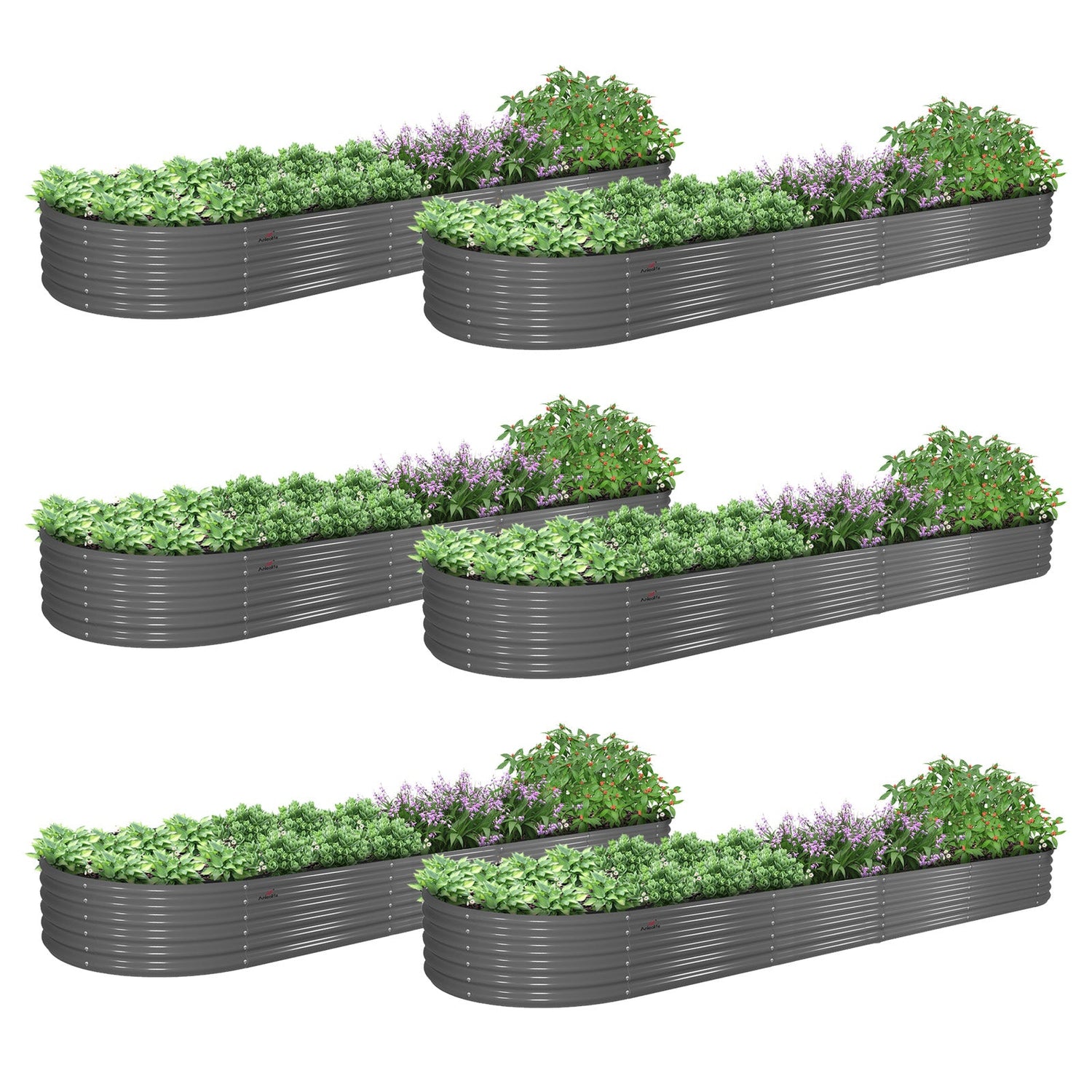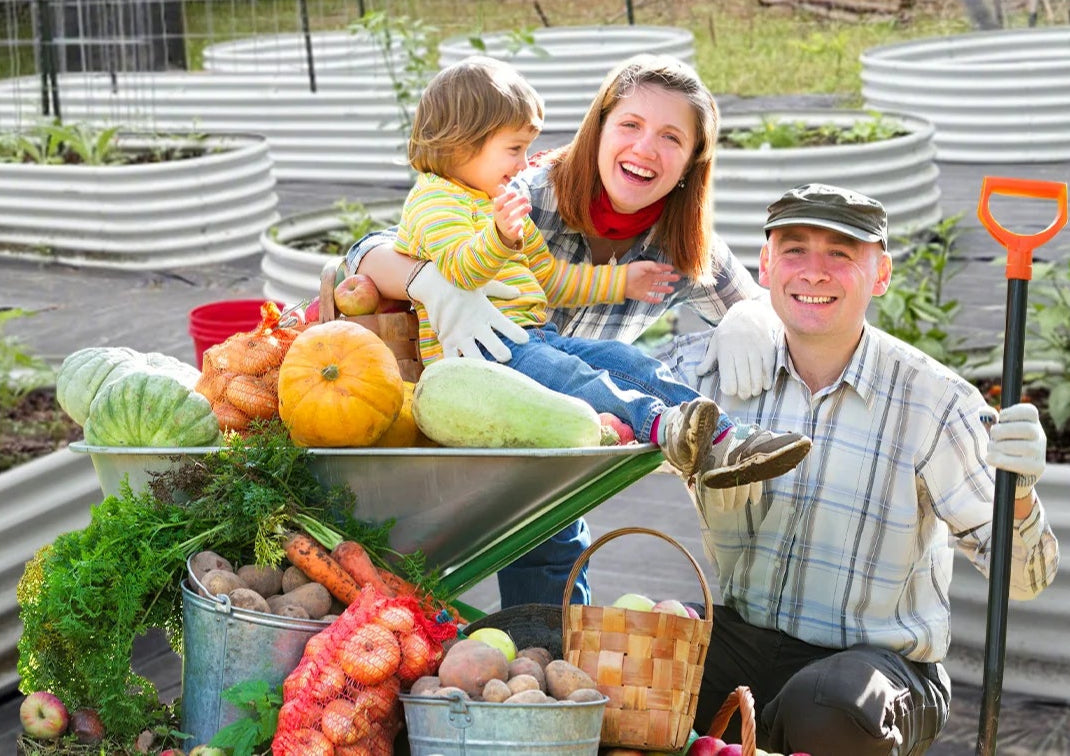



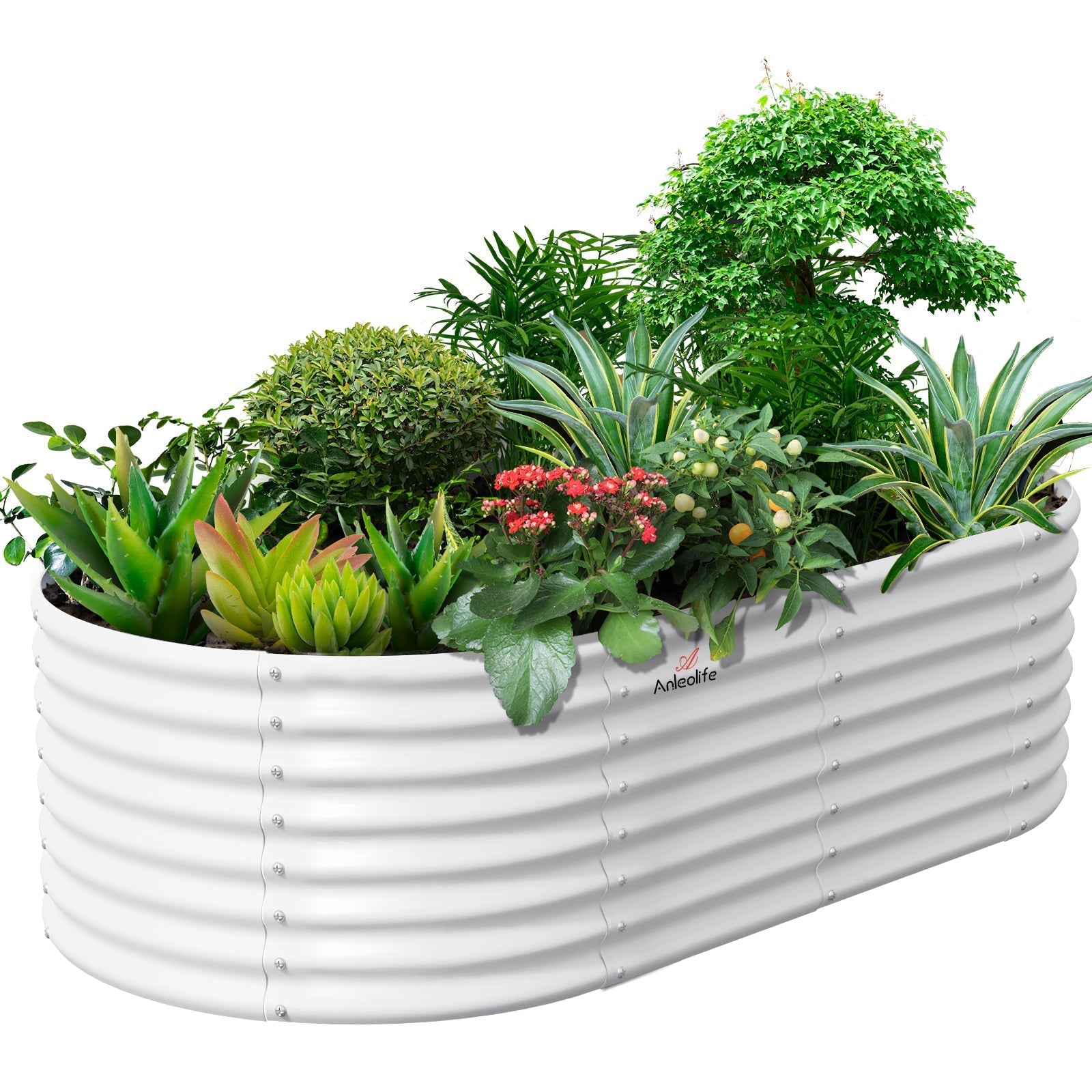
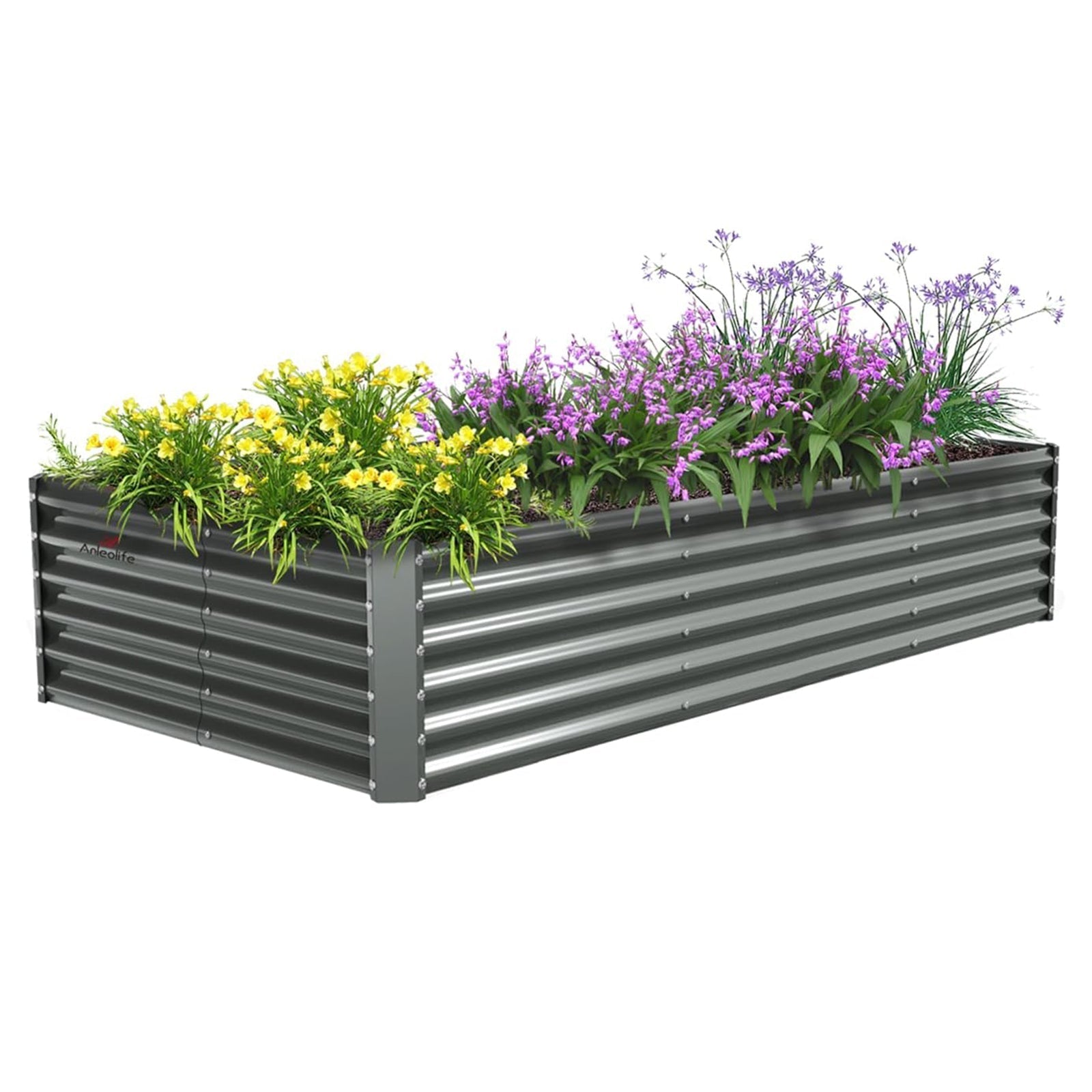

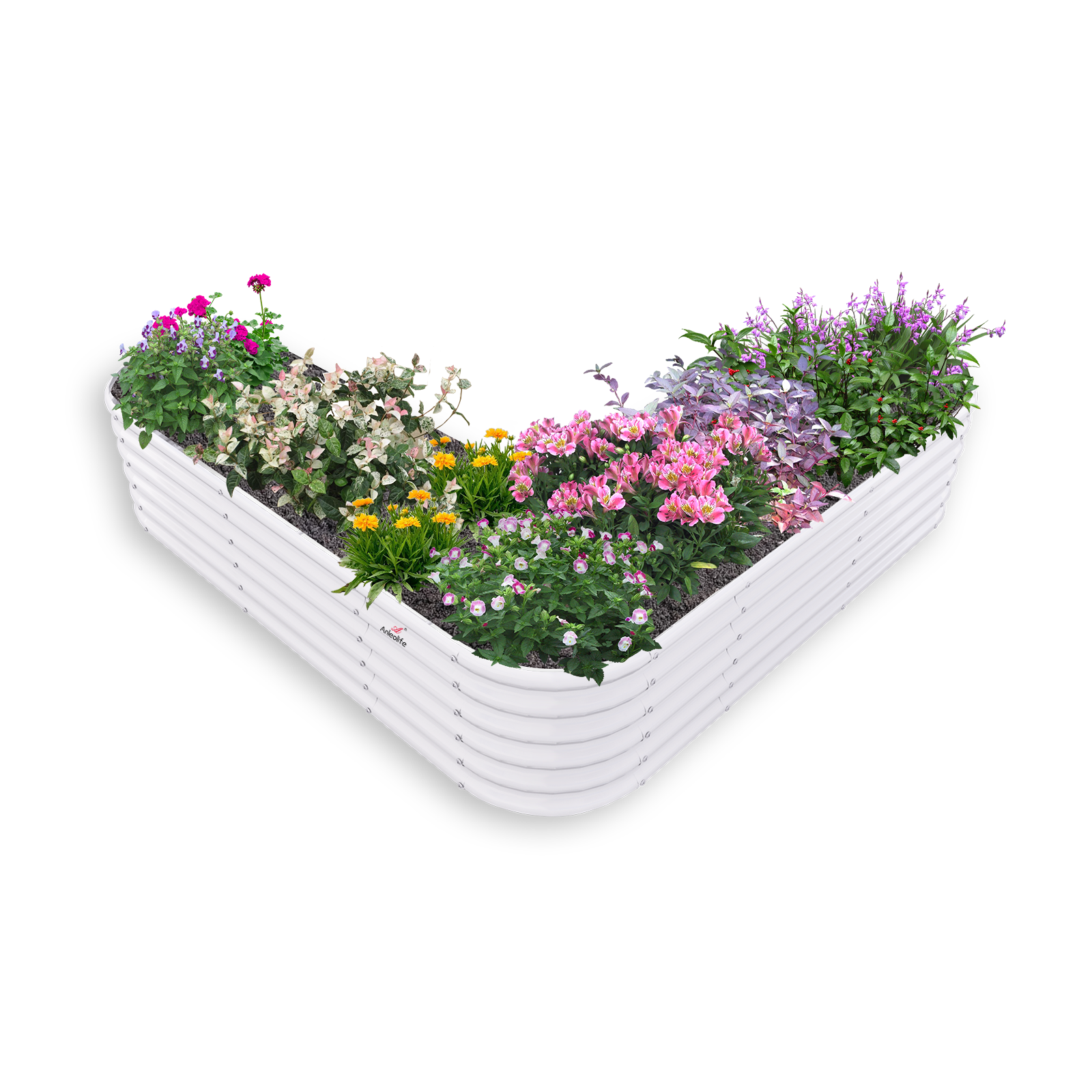
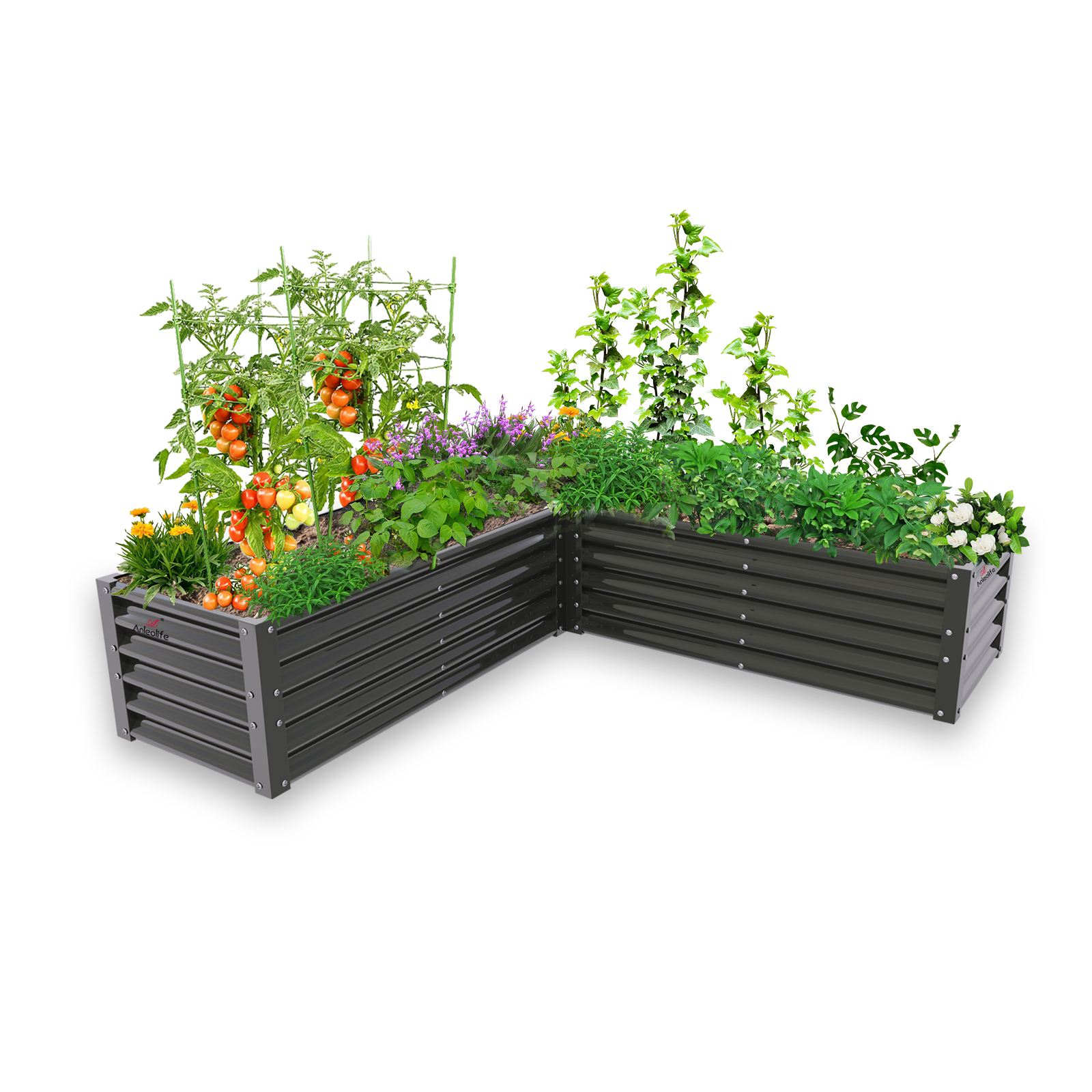
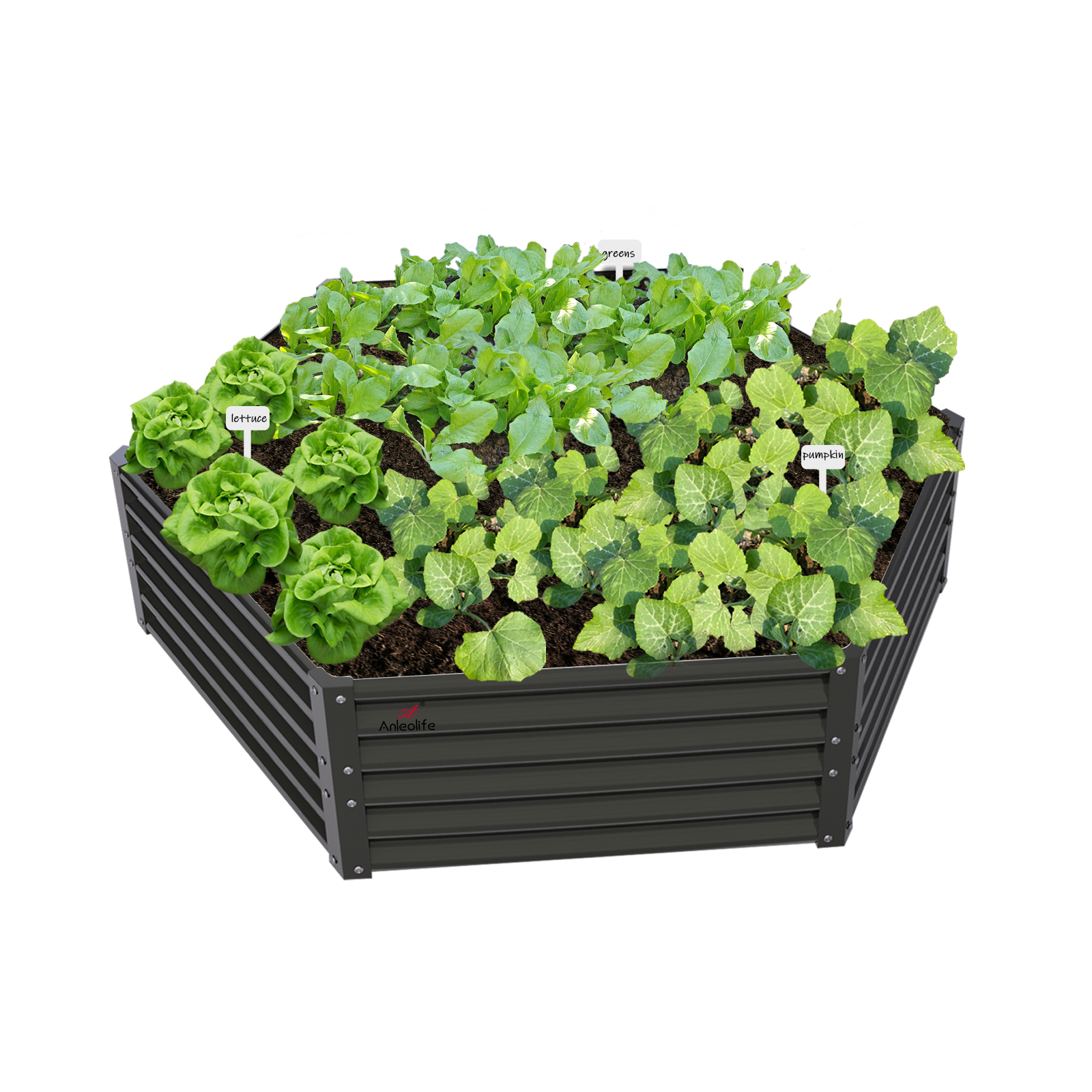
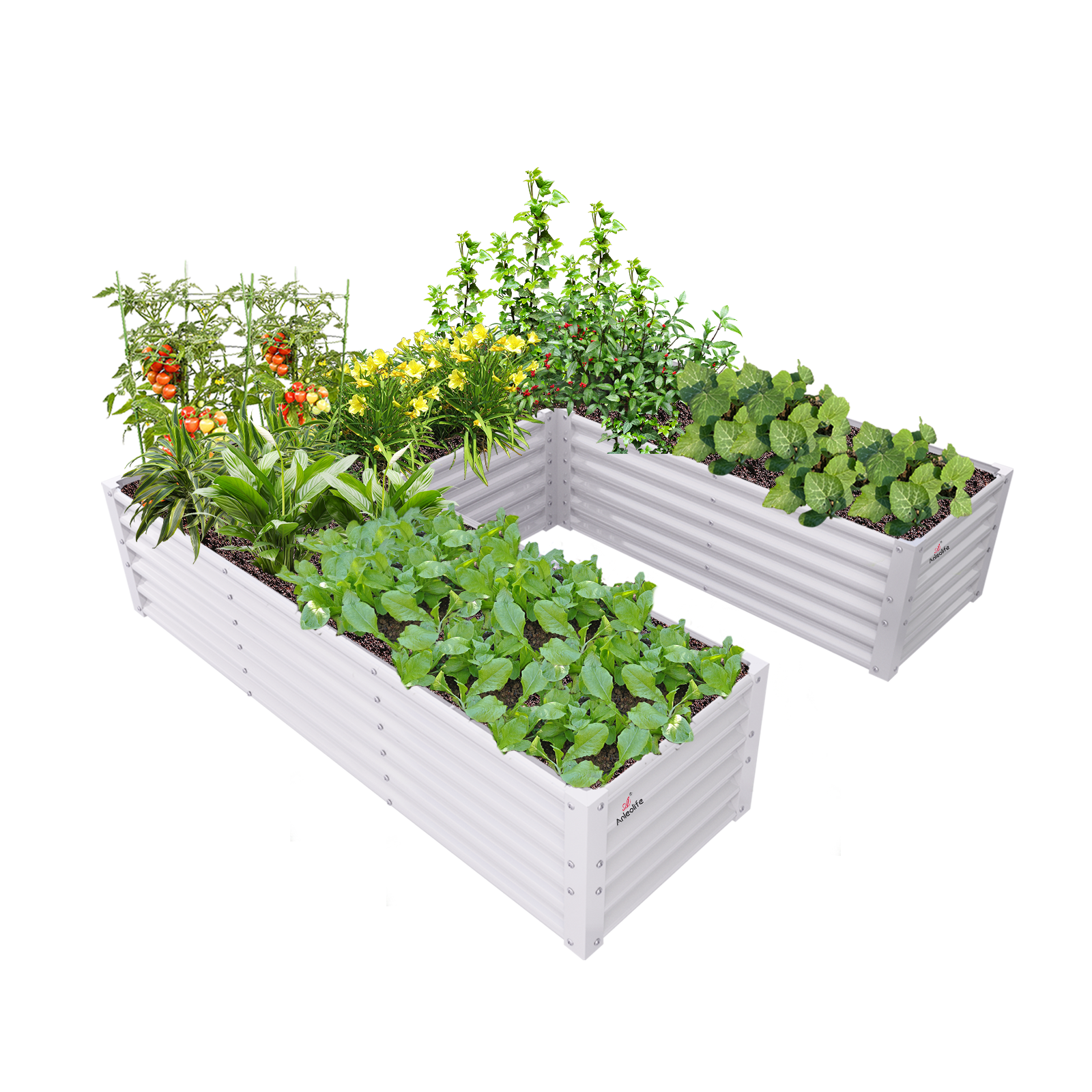

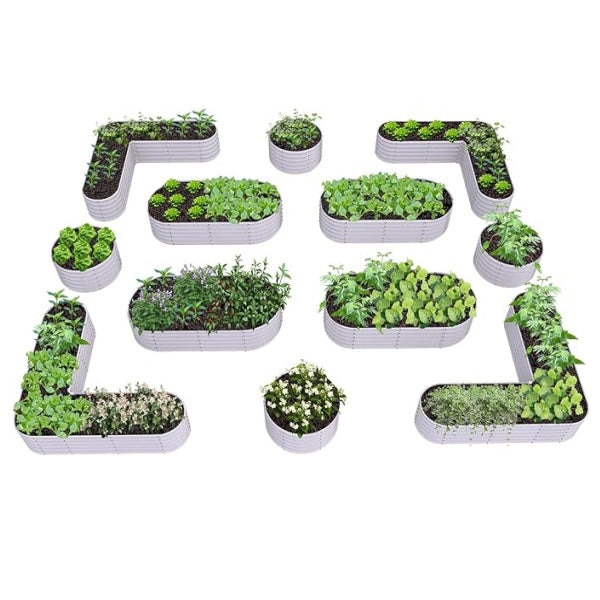


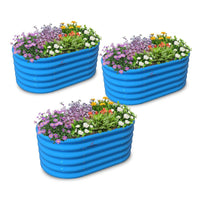
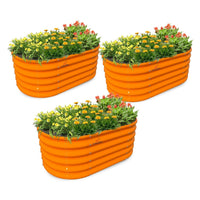
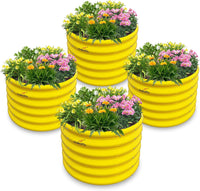



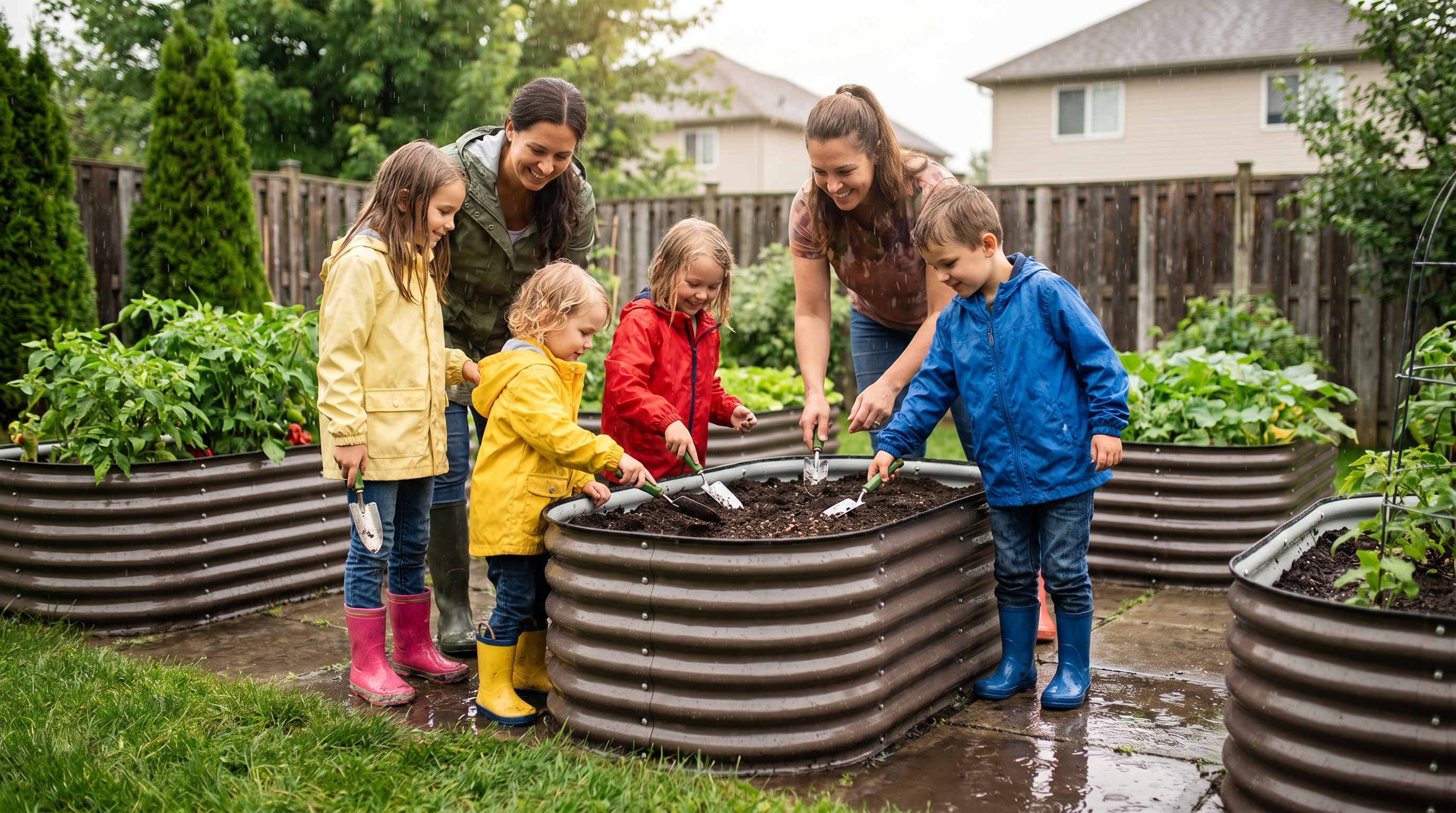
ALT: Kids learning rainy day gardening activities in raised garden beds during summer with family
Why Rainy Days Are Hidden Goldmines for Raised Bed Gardening with Kids
Key Conclusion: Rainy day gardening activities for kids transform gloomy summer afternoons into powerful learning experiences. When paired with well-designed raised bed garden layouts, even a downpour becomes an opportunity to teach children about plant science, soil health, and hands-on food growing. Far from a setback, rain days are some of the best moments to deepen a child's connection to the garden — safely, creatively, and memorably.
Summer rain doesn't have to mean retreating indoors to screens and snacks. In fact, some of the most meaningful gardening moments happen when the sky opens up and the backyard takes on that fresh, earthy smell that only comes after a summer shower. Raised beds, in particular, are perfectly suited for rainy-day exploration — their contained structure, manageable scale, and excellent drainage make them safe and accessible for kids of all ages.
This guide covers everything parents and caregivers need to know about using rainy summer days as a springboard for gardening education. From simple sensory activities for toddlers to more involved planting science projects for older kids, you'll find practical, age-appropriate ideas grounded in real garden skills. And if you're thinking about setting up or upgrading your family's raised bed setup, we'll point you toward the right tools to make it all happen.
Who This Guide Is For
✅ Applicable Scenarios:
- Families with children aged 3–14 who want to use summer rain days productively
- Parents or grandparents looking for outdoor STEM learning activities connected to real gardening
- Home growers with existing raised beds who want to involve their kids more meaningfully in the garden
- Urban micro-gardeners with limited outdoor space who rely on raised beds for efficient planting
- Empty nesters and retirees gardening alongside grandchildren during summer visits
❌ Not Applicable/Cautions:
- Activities involving young children (under 3) during active thunderstorms or lightning — always prioritize safety and move activities indoors or to a covered porch
- Households without any garden bed setup who are looking purely for indoor rainy-day crafts (though this guide may inspire you to get started!)
- Situations where standing water or flooded garden beds indicate a drainage problem that needs to be resolved first
The Case for Raised Beds as a Family Gardening Platform
Summer gardening with children is more popular than ever — and for good reason. According to the KidsGardening.org national research initiative, children who participate in garden-based learning show improved science achievement, better nutritional habits, and stronger social-emotional skills compared to peers without garden exposure. The garden, it turns out, is one of the most effective classrooms available.
But not every garden setup is equally kid-friendly. Traditional in-ground plots present challenges: unpredictable soil quality, harder-to-reach planting depths, and less visual structure for young learners. Raised bed gardens solve many of these problems elegantly. Their defined boundaries make it easy for children to understand "this is our garden," their elevated height reduces the amount of bending and kneeling involved, and their contained soil environment is easier to observe and manage together.
When it rains, raised beds become even more educational. Kids can watch water drain through healthy soil, observe how earthworms come to the surface, check moisture levels, and discuss why some plants love rain while others need protection. These aren't trivial observations — they're the building blocks of environmental science and ecological thinking.
If you're just getting started with planning your family garden space, the Step-by-Step Raised Bed Garden Layout Planning for Summer 2026 Beginners guide is an excellent place to begin. It walks through everything from choosing the right bed size to orienting your layout for sun exposure — all factors that matter when you're gardening with kids who need clear, organized spaces to work in.
It's also worth noting that the choice of raised bed material makes a real difference for family use. Galvanized steel beds, for example, are long-lasting (up to 20 years with proper care), safe for vegetable growing, and require minimal upkeep — all qualities that matter when you're not able to dedicate hours every week to maintenance. For a detailed look at why metal outperforms traditional wood for summer gardening, check out Galvanized Steel Raised Beds: 7 Reasons They Outperform Wood for Summer Gardening.
Rainy Day Raised Bed Activities: A Practical Playbook for Parents
Three-Step Quick Start for Rainy Day Garden Time
Step 1: Do a Safety Check Before Heading Out
Before any garden activity in the rain, spend five minutes assessing conditions. Is it a light drizzle or an active thunderstorm? Light summer rain is perfectly safe — even enjoyable — for supervised garden time. Make sure kids have appropriate clothing (rain boots, light waterproof jackets), and that the garden bed area has no standing water or slippery surfaces nearby. Clearing this step takes less than five minutes and sets a safe, confident tone for the activity.
Step 2: Choose One Focused Activity Per Session
Rainy day garden time works best when it has a clear purpose. Pick one activity from the list below based on your child's age and interest — whether it's planting a new seedling, checking soil moisture, or doing a nature observation journal entry. Trying to cram multiple projects into one session leads to overwhelm. One focused activity, done well, creates a lasting memory and a real skill. Budget 20–45 minutes depending on the child's attention span.
Step 3: Debrief Indoors with a Warm Drink
The learning doesn't end when you come inside. Spend 10 minutes at the kitchen table reviewing what you noticed, drew, or planted. Ask open-ended questions: "Why do you think the tomatoes looked so happy after the rain?" or "What did the soil feel like before and after it rained?" This reflection step cements the learning and gives children language to describe their garden experiences — skills that build over the whole summer.
Comparing Rainy Day Activity Types by Age Group
Different children engage with the garden in different ways, and rainy days open up a surprisingly varied menu of options. Here's a comparison of popular rainy day gardening activities by age group, type of learning, and what kind of raised bed setup works best:
| Comparison Dimension | Ages 3–6 (Sensory Learners) | Ages 7–10 (Hands-On Builders) | Ages 11–14 (Science Thinkers) |
|---|---|---|---|
| Best Activity | Mud play, seed touching, watering can practice | Transplanting seedlings, plant labeling, trellis building | Soil pH testing, plant journaling, companion planting planning |
| Learning Focus | Sensory development, nature vocabulary | Fine motor skills, responsibility, sequencing | Scientific inquiry, ecology, data recording |
| Raised Bed Size | Compact beds (e.g., 4x4 ft or smaller) for easy reach | Medium beds (e.g., 8x4 ft) with defined planting zones | Any size; larger beds allow more crop diversity |
| Adult Supervision | Close, hands-on | Guided but increasingly independent | Light supervision with self-directed tasks |
| Rain Safety Level | Light drizzle only, covered or close to shelter | Light to moderate rain with rain gear | Can manage moderate rain; involve them in safety decisions |
| Key Tool | Child-sized trowel, watering can | Hand pruner (age-appropriate), plant tags | pH strips, garden journal, measuring tape |
Detailed Activity Ideas for Each Age Group
Little Ones (Ages 3–6): Sensory Garden Exploration
Young children learn through touch, smell, and observation. Rainy days amplify all of these channels beautifully. The smell of petrichor (that earthy scent after rain), the feeling of moist soil, and the sight of water droplets on leaves are all deeply engaging sensory inputs for toddlers and preschoolers.
Mud Kitchen Play at the Bed Edge: Set up a small area at the edge of your raised bed where little ones can scoop, pour, and mix damp soil (not your precious growing soil — keep a small tray of play soil or sandbox mix nearby). This builds fine motor skills and introduces concepts like wet vs. dry, heavy vs. light, and how soil changes when it absorbs water.
Raindrop Counting on Leaves: Give your child a magnifying glass and ask them to count raindrops on different leaves. Which leaf holds the most drops? Why do some leaves seem to repel water (like nasturtium or cabbage)? This turns passive observation into curious inquiry without any formal instruction.
First Seeds in the Rain: If the rain is light and the timing is right, planting large seeds like sunflowers, beans, or squash in a small section of the raised bed can be a magical rainy-day ritual. The rain does the first watering for you, and children feel the poetry of planting something in the rain and watching it grow over the coming weeks.
Growing Gardeners (Ages 7–10): Hands-On Skills in the Rain
This age group is ready for real garden tasks. They can follow multi-step instructions, use child-safe tools, and begin to develop genuine responsibility for a plant or section of the bed.
Transplanting Seedlings: If you've been starting seeds indoors (as many families do during early summer), a rainy day is actually an ideal time to transplant seedlings into the raised bed. The soil is moist, the sun isn't beating down, and cooler temperatures reduce transplant shock. Walk your child through the process step by step: dig the hole, remove the seedling carefully, place it at the right depth, backfill, and gently press the soil down.
DIY Plant Labels: While not in the rain itself, making plant labels before heading out to install them is a wonderful rainy-day activity. Use craft sticks, waterproof markers, or even smooth stones as label bases. Kids can draw pictures of the plants alongside the names — a great literacy and creativity combo.
Basic Trellis Check and Training: If you're growing climbing plants like tomatoes, cucumbers, or beans, a rainy day is a good moment to check how the plants are attaching to their supports and gently guide any wayward stems. For older kids in this group, this is a great introduction to the concept of plant structure and vertical gardening. You can find more about mid-summer raised bed maintenance essentials to help guide these conversations with your kids.
Watering Science Experiment: Even in the rain, kids can explore irrigation. Set up a simple experiment: place two small containers of soil — one from your raised bed, one from a bare patch of ground — and let the rain fall on both. After 20 minutes, dig a few inches into each and compare moisture levels. This hands-on experiment teaches drainage and soil structure better than any textbook could. For a deeper dive into water management, the Raised Bed Watering Guide: How to Conserve Water This Summer is a great resource to explore together indoors afterward.
Teen Gardeners (Ages 11–14): Science and Strategy in the Garden
Older children and young teens can engage with the garden at a genuinely scientific level. Rainy days, when the garden is actively responding to environmental conditions, provide rich material for inquiry.
Soil pH and Nutrient Journaling: Purchase an inexpensive soil pH test kit and let your teen run the experiment on multiple spots in the raised bed. Different crops prefer different pH levels — and recording this data over the summer builds real scientific habits. Understanding soil chemistry is also foundational for knowing what amendments to add, which connects directly to the topic covered in The Best Soil Recipe for Raised Garden Beds in Summer 2026.
Companion Planting Planning Session: Challenge your teen to research and design a companion planting map for the raised bed. Which plants help each other grow? Which repel pests? This kind of planning activity is best done with a garden journal, graph paper, and a rainy afternoon. The results can guide real decisions about what to plant in the next succession round. For inspiration on what crops to include, browse through Top 10 Vegetables to Grow in a Raised Bed This June and Beyond.
Photography and Nature Journaling: Rainy day lighting is actually beautiful for garden photography — soft, diffused, no harsh shadows. Encourage your teen to document the garden in photos and written observations. What changed since last week? What's thriving, what's struggling, and why? Over the summer, this becomes a genuine scientific record and a personal artifact they'll be proud of.
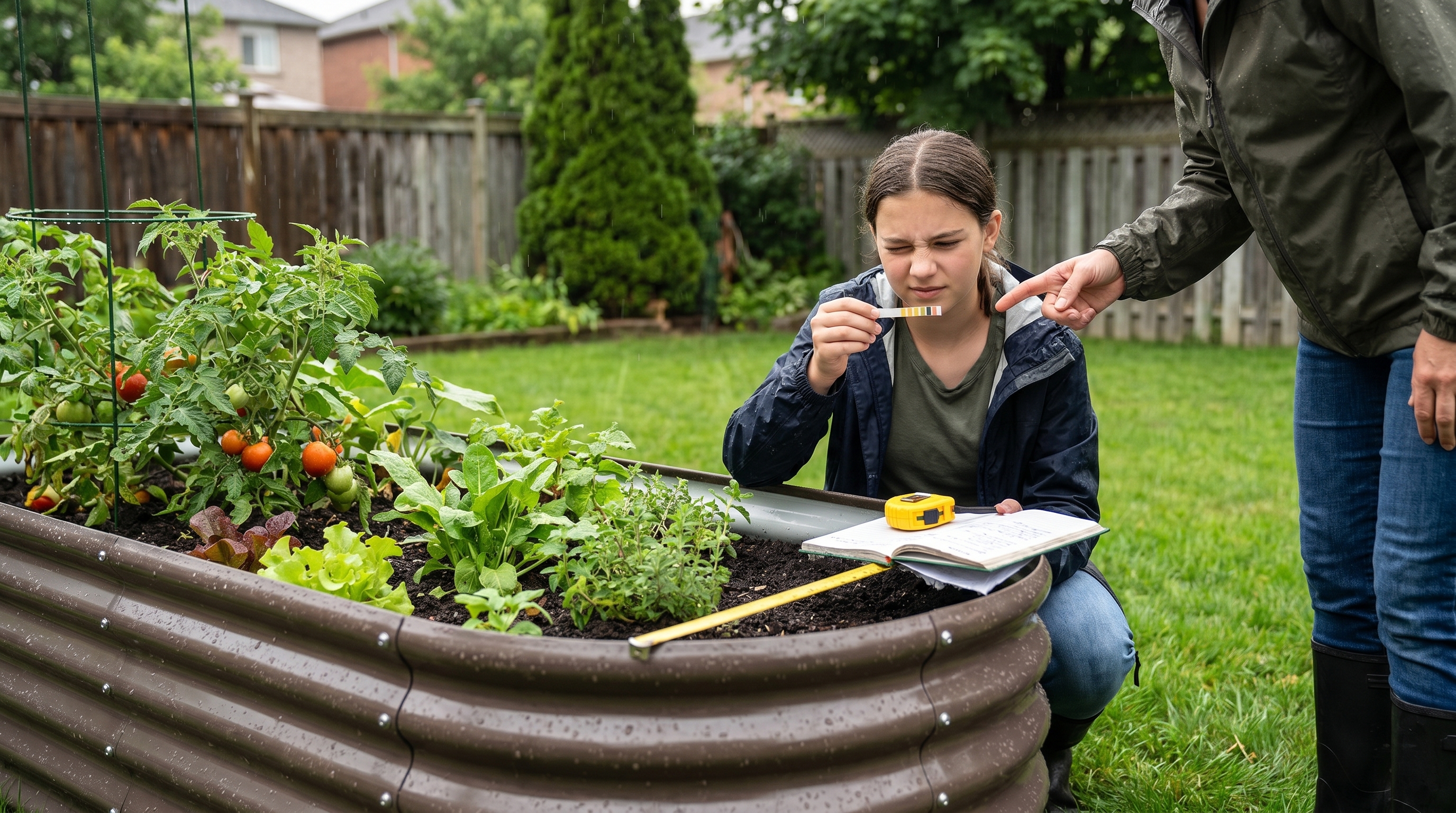
ALT: Teen gardener testing soil in galvanized steel raised garden bed during rainy summer day with parent nearby
Advanced Tips: Making Rainy Day Gardening a Lasting Family Habit
Special Situations and Common Misconceptions
"Rain will ruin our garden — shouldn't we stay inside?" This is the most common misconception parents have, and it's worth addressing directly. Light to moderate summer rain is genuinely beneficial for most vegetable gardens. Raised beds with quality, well-draining soil handle rainfall efficiently and rarely become waterlogged. The real risk is heavy, sustained downpour combined with poor drainage — something a well-built galvanized steel raised bed with a proper soil mix is designed to manage. If you're unsure whether your beds are draining properly, check out Are Metal Raised Garden Beds Heat-Safe for Summer Vegetables? — it addresses raised bed behavior in different weather conditions.
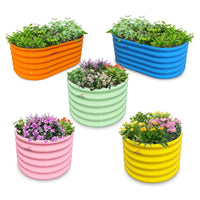
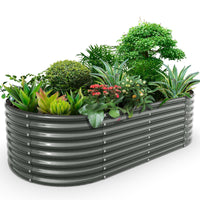
Choosing the Right Raised Bed for Family Use: Many parents ask whether wood or metal beds are better when kids are involved. Wood beds can splinter, warp, and degrade — especially in wet climates — which creates both safety and durability concerns over time. Anleolife's galvanized steel raised garden beds are designed for a lifespan of up to 20 years, meaning they'll grow with your children from their first seed to their teenage gardening years. The rust-resistant finish is safe for vegetable growing and doesn't require the seasonal sealing or replacement that wood demands.
Is one brand significantly better than others? Many gardeners ask questions like "is Vego Garden a good brand?" or "what is the best raised garden bed?" The honest answer is that the best raised garden bed is the one that fits your space, your budget, and your long-term gardening goals. Anleolife offers a wide range of galvanized and rust-resistant bed options — from compact round beds and modular configurations to heavy-duty extra-tall models — giving families the flexibility to start small and expand as their gardening ambitions grow.
Rainy Days Are Ideal for Planning, Not Just Doing: One underrated rainy day activity is simply sitting by the window with your child and mapping out what you want the garden to look like for the rest of the season. Which beds need more plants? Where could you add a trellis? What will you harvest in August? This planning mindset, developed early, helps children see the garden as a long-term project rather than a series of disconnected tasks.
Frequently Asked Questions FAQ
Q1: How do I keep young children safe while gardening in the rain?
Safety starts with weather awareness. Always check for lightning before heading outside — if there's any electrical activity in the sky, keep activities on a covered porch or indoors. For light rain, dress kids in rubber rain boots and lightweight waterproof layers. Avoid letting young children handle tools with sharp edges in wet conditions, and always supervise closely near raised beds with elevated sides. Stick to sensory and observation activities for the youngest children and save tool-based tasks for slightly older, steadier hands.
Q2: Are galvanized steel raised beds safe for kids to touch and work around?
Yes — high-quality galvanized steel raised garden beds are safe for both children and vegetable growing. The galvanization process creates a zinc coating that resists rust without leaching harmful chemicals into the soil or presenting a contact hazard. Anleolife's beds are designed with smooth, rolled edges to minimize sharp-edge risk, making them family-friendly. The beds are also built for a 20-year lifespan, so they'll remain structurally sound for many years of family gardening without the warping or splintering concerns associated with wood beds.
Q3: How much time does it take to set up a raised bed for family gardening activities?
Most Anleolife raised garden beds can be assembled in under an hour with basic tools — many parents complete assembly in 30–45 minutes. After assembly, filling with soil, planting, and getting the bed ready for kids to explore takes another hour or two depending on bed size. Anleolife ships from a strategic warehouse network across California, Texas, Florida, New York, Illinois, and Washington, with delivery typically arriving within 3–8 business days after ordering. Planning ahead by even a week means your family can have a fully functional raised bed ready for the next rainy day opportunity.
Summary
Rainy summer days don't have to be lost gardening days — they can be some of the most meaningful ones. When you have a well-designed raised bed garden as your platform, the rain becomes a teaching tool, a sensory playground, and a scientific laboratory all at once. Here are the three key takeaways from everything we've covered:
1. Raised beds are the ideal family gardening format. Their contained structure, manageable scale, and excellent drainage make them safe, accessible, and educational for children of all ages — even in wet weather.
2. Age-appropriate activities make all the difference. Whether your child is three or thirteen, there's a rainy-day garden activity that matches their developmental stage and stretches their skills — from mud play to soil science to companion planting design.
3. The right raised bed setup lasts a lifetime. Investing in high-quality, durable beds means your gardening platform grows with your family. Anleolife's galvanized steel beds are built for a 20-year lifespan, delivering genuine long-term value for home-growing families.
The next rainy afternoon is an opportunity, not an obstacle. Put on those rain boots, hand your child a trowel, and make something grow.
Start Your Family Garden Journey with Anleolife
Nationwide U.S. warehouse network: Strategically located in California, Texas, Florida, New York, Illinois, and Washington, Anleolife ensures delivery within 3–8 business days — so your garden upgrade plans never have to wait for the next sunny day.
Multi-channel availability: Anleolife products are available on Amazon, Walmart, Home Depot, Lowe's, Wayfair, and directly at Anleolife.com, providing consistent quality assurance and after-sales service wherever you prefer to shop.
Three core garden scenarios: Planting (metal raised garden beds, soil systems), Raising (chicken coops, rabbit hutches), and Beautification (decorative accessories, pathway systems) — everything you need to build a garden your whole family loves.
We understand that an ideal family garden isn't built in a single season. Our modular product design allows flexible expansion based on your needs — from your first compact raised bed to a fully integrated planting-and-raising ecosystem. We grow with you every step of the way. Visit Anleolife.com to explore the full range and find the right fit for your family's outdoor space.
References
- KidsGardening.org. "Research Supporting Garden-Based Learning".
https://kidsgardening.org/garden-based-learning/ - U.S. Department of Agriculture (USDA). "Know Your Farmer, Know Your Food — School and Community Gardens".
https://www.usda.gov/topics/farming/urban-agriculture - National Gardening Association. "Edible Gardening Trends and Family Participation Report".
https://garden.org/ - Penn State Extension. "Raised Bed Gardening — Soil, Drainage, and Family Vegetable Production".
https://extension.psu.edu/raised-bed-gardening - University of California Cooperative Extension. "Vegetable Gardening in California — Planting, Watering, and Family Engagement".
https://ucanr.edu/
Note: Resources and guidelines may be updated periodically. Please check the latest official documents or consult a local cooperative extension office for the most current recommendations.
About Anleolife
Anleolife is a leading outdoor garden solutions provider in North America, dedicated to offering a full-scenario product ecosystem for home gardening enthusiasts, covering planting, raising, and garden beautification. Since its founding, we have upheld our brand mission, "Made for Garden Life," continuously innovating products and optimizing services to help hundreds of thousands of users upgrade their gardens, reconnect with nature, and enjoy a better garden lifestyle. Whether you're setting up your first raised bed with a curious five-year-old or expanding a backyard ecosystem that spans multiple seasons and growing zones, Anleolife is built to be your long-term garden partner.