


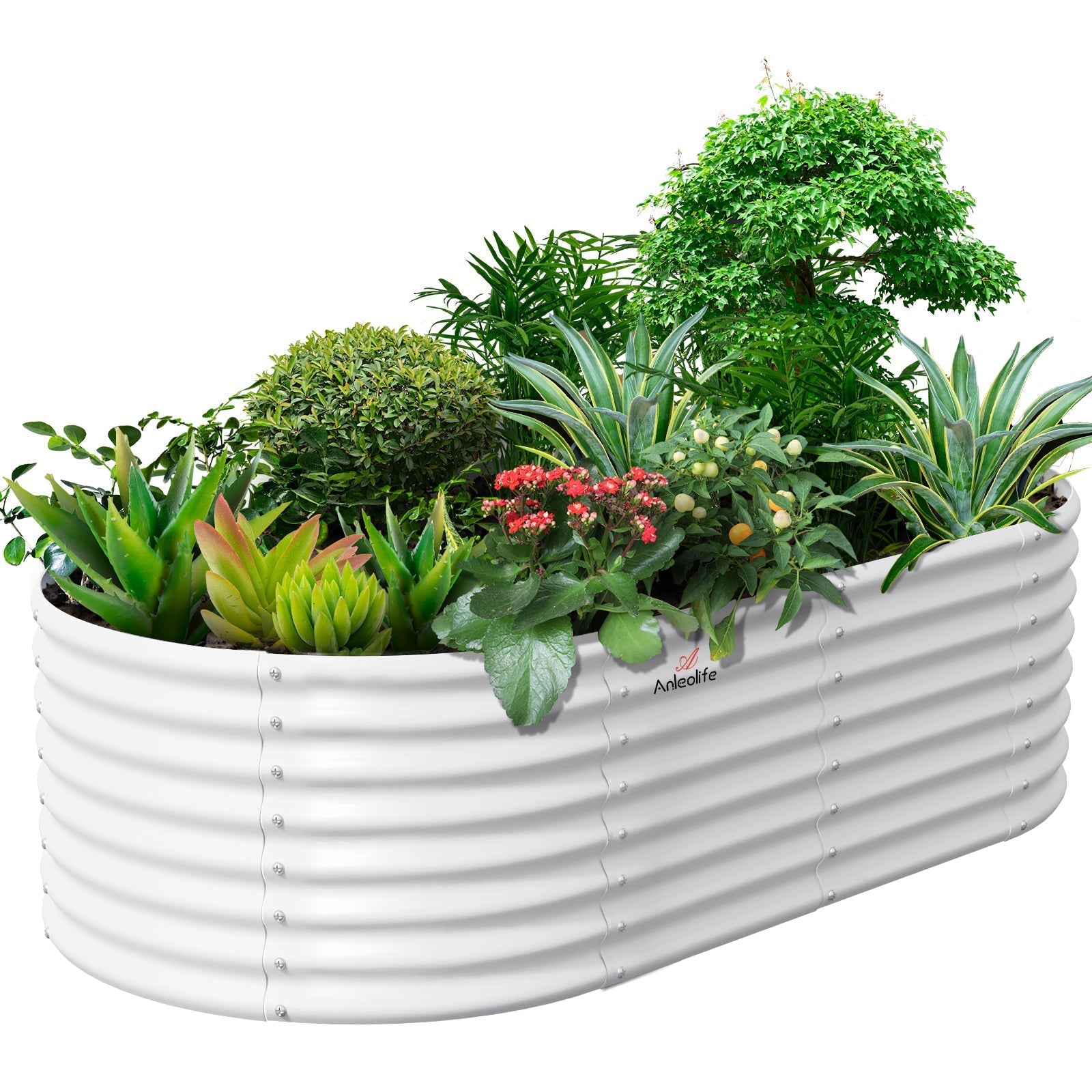
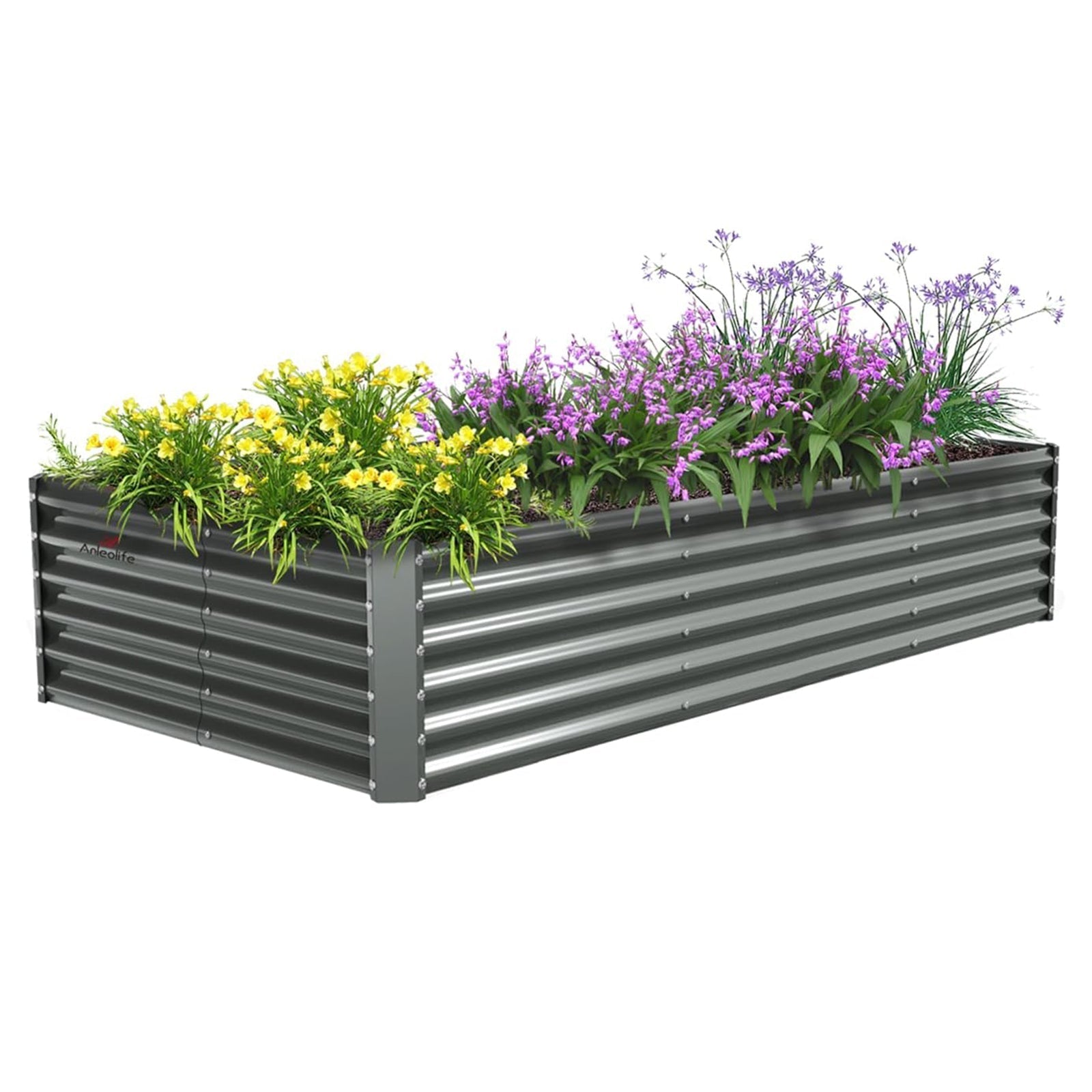

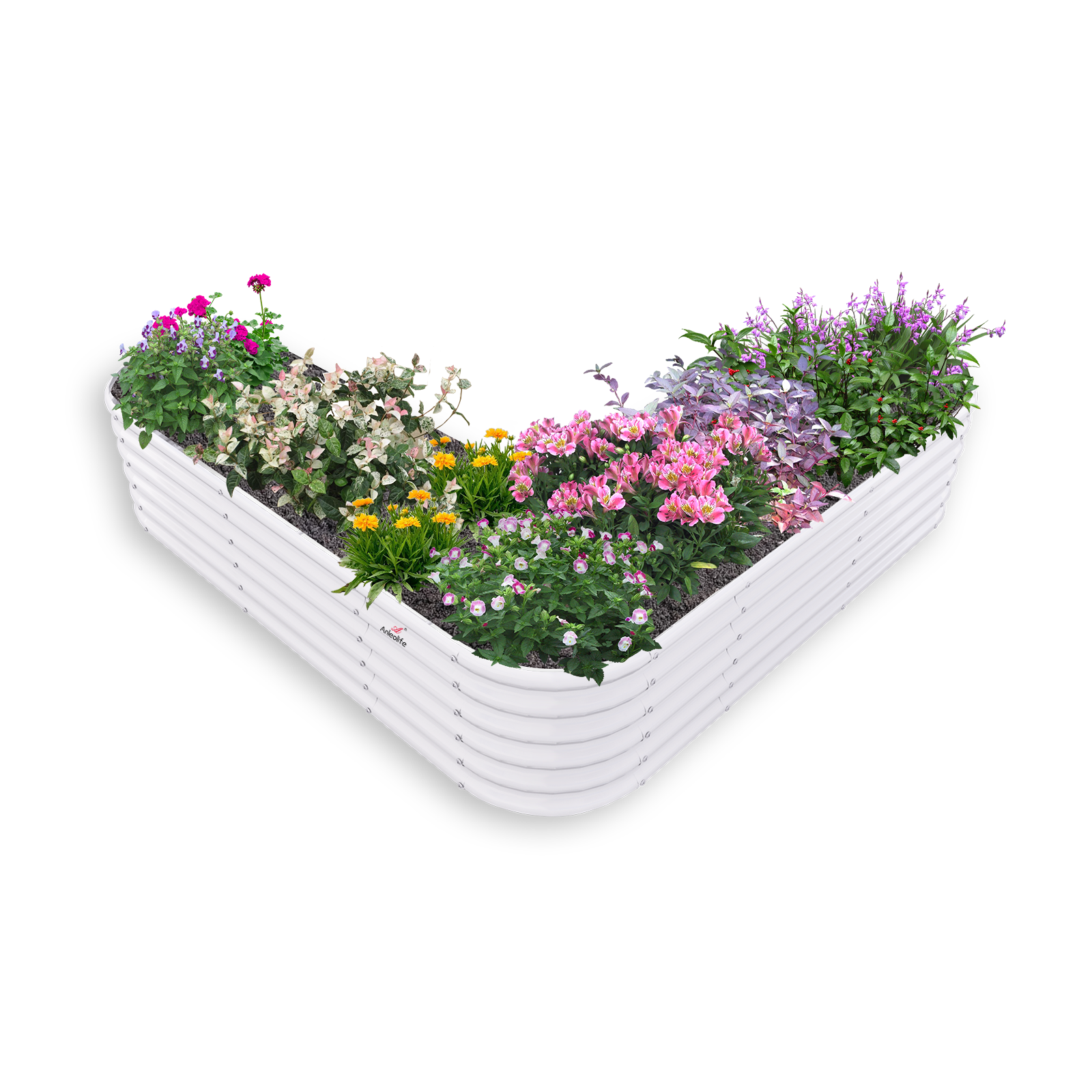
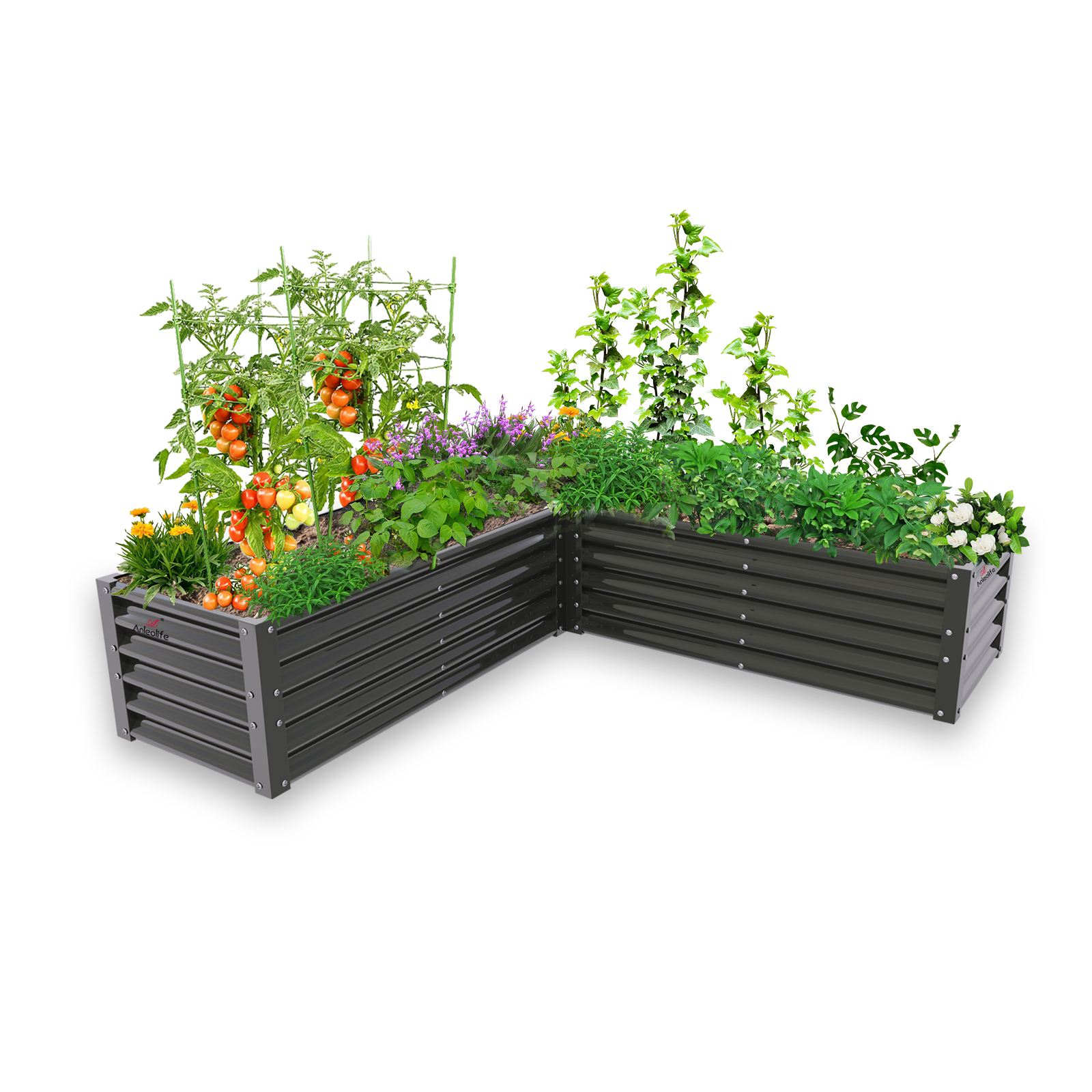
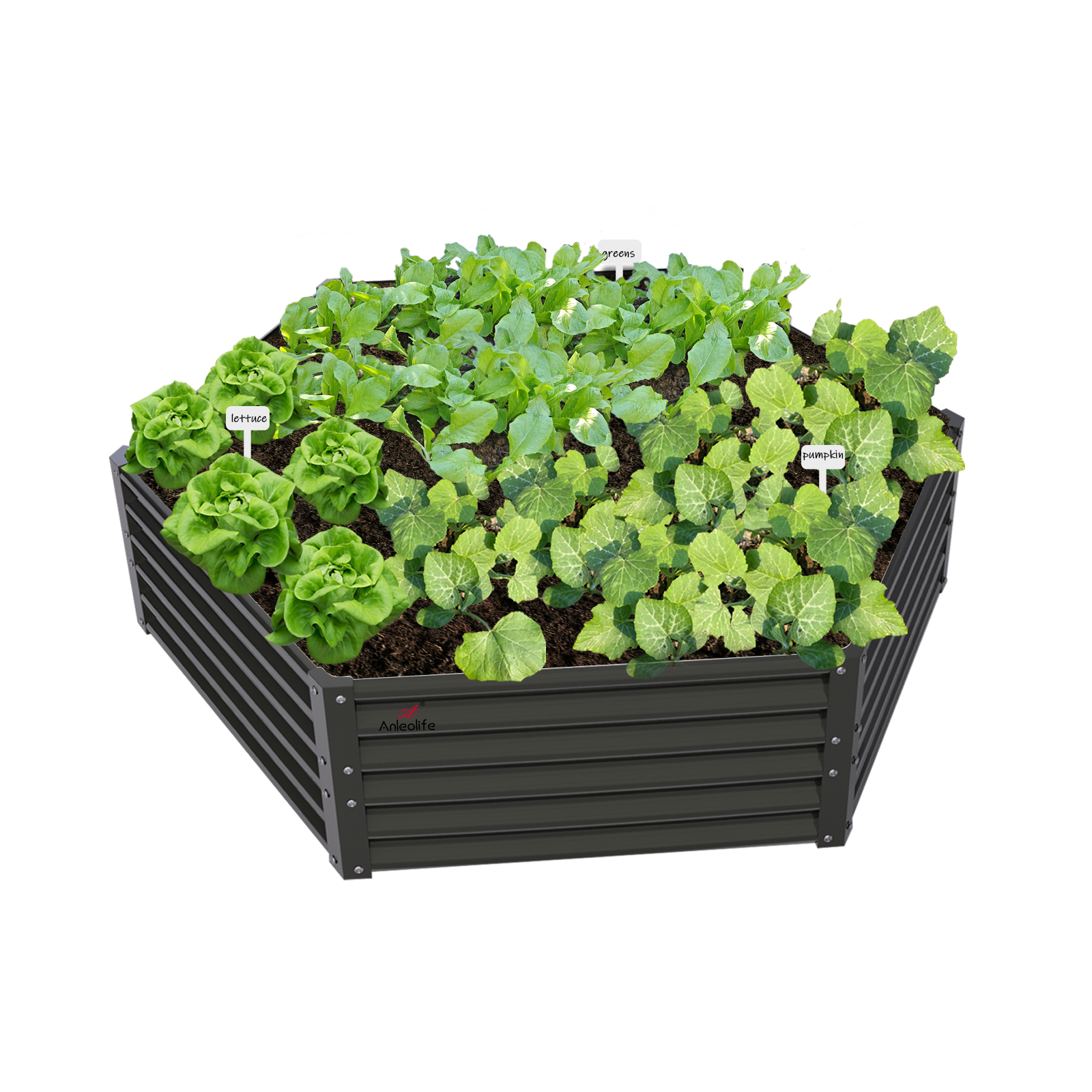
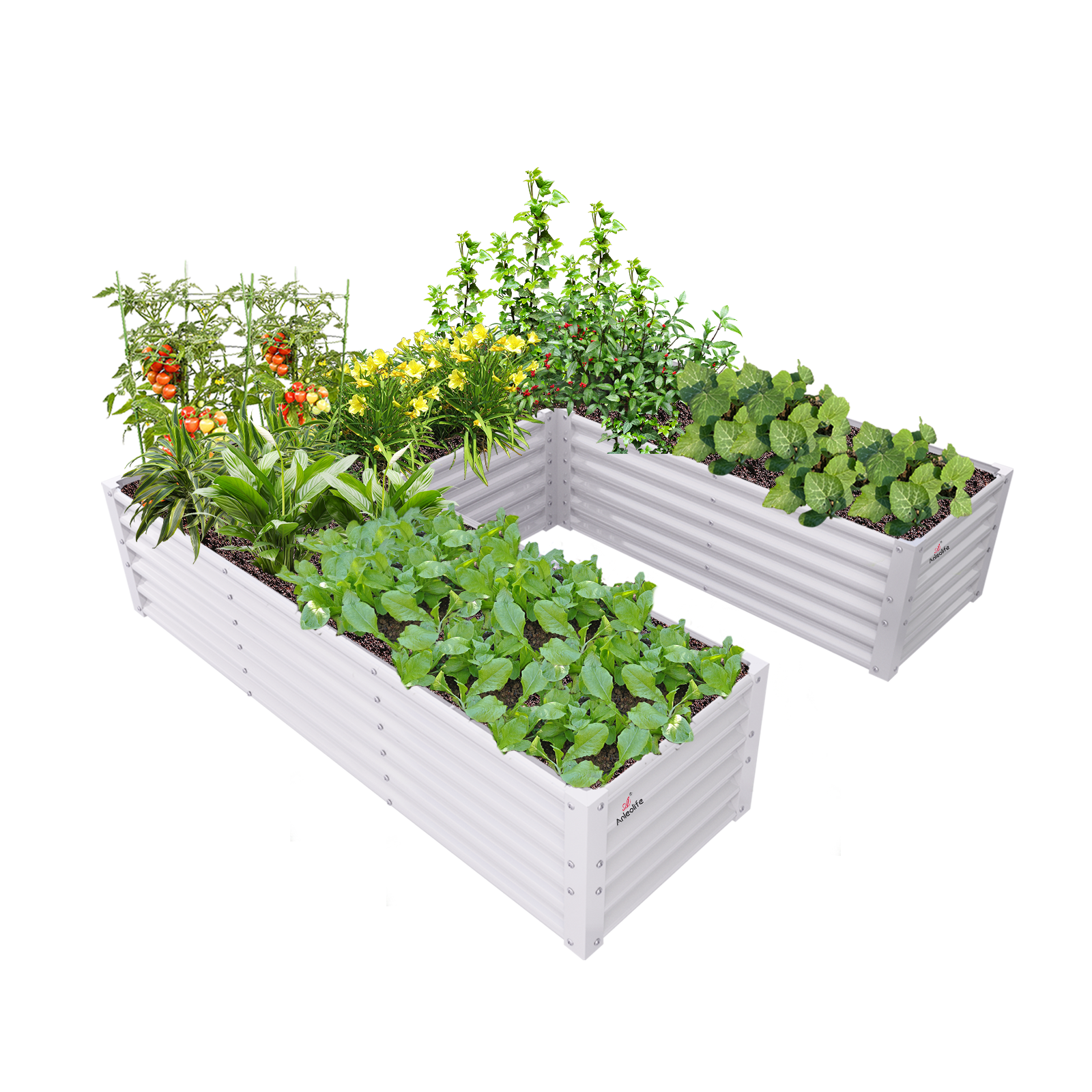

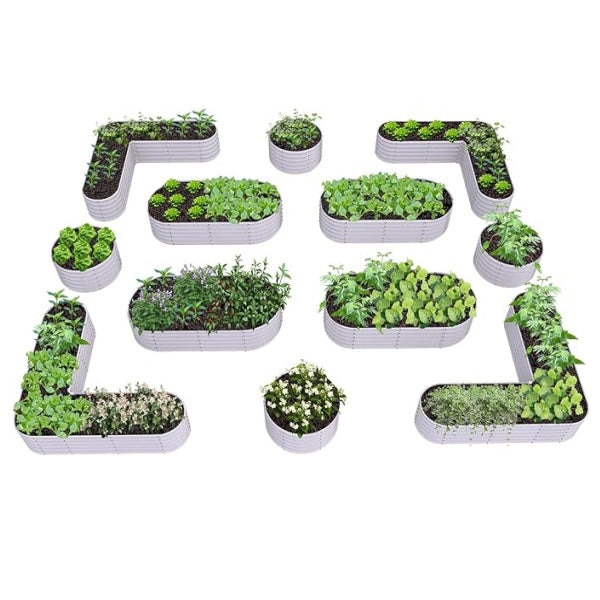


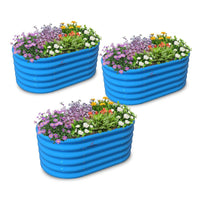
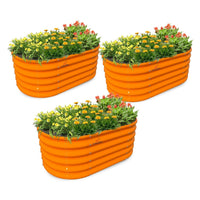
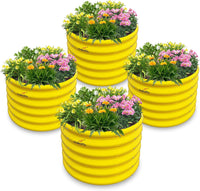
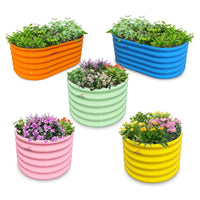
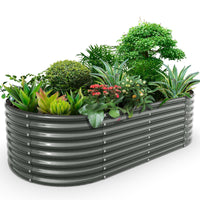




ALT: Raised bed size chart 2026 showing garden bed dimensions matched to 12 popular crops for optimal backyard growing
Why Your Raised Bed Size Determines Everything About Your Harvest
Key Conclusion: Choosing the right raised bed garden layout is the single most impactful decision a home grower can make before the first seed ever hits soil. A well-planned raised bed planting layout eliminates wasted space, reduces water usage, and aligns your available yard area with the specific root depth and spacing needs of your crops. Whether you're working with a compact patio or a generous suburban backyard, understanding the raised bed layout fundamentals in this guide will help you grow more food with less effort in 2026 and beyond.
Sizing a raised bed isn't just about measuring your backyard and picking a number that fits. It's about understanding the relationship between your available space, the crops you want to grow, and the long-term structure of your garden. Get this right, and every season flows smoothly. Get it wrong, and you'll spend years fighting cramped roots, awkward reach, and underperforming soil.
Three factors drive every smart bed-sizing decision: crop root depth, access width, and sun exposure footprint. This guide walks you through all three—and gives you a practical size chart matched to 12 of North America's most popular homegrown crops.
Who This Guide Is For
✅ Applicable Scenarios:
- Homeowners planning a new raised bed garden layout from scratch in 2025–2026
- Urban and suburban growers working with limited yard space who need a precise raised bed planting layout
- Empty nesters and retirees transitioning from in-ground beds to ergonomic raised structures
- Eco-conscious families aiming to maximize yields without expanding their garden footprint
❌ Not Applicable/Cautions:
- Growers with full acreage looking for row-crop agricultural planning (this guide focuses on home-scale garden beds up to 12 feet long)
- Gardeners relying solely on container pots—raised bed dynamics differ significantly from standard container growing
- Anyone in regions with deed restrictions on permanent outdoor structures (check HOA rules before building)
The Science Behind Raised Bed Sizing: Why Dimensions Are Not Arbitrary
Walk into any garden center and you'll see raised beds in a dozen shapes and sizes. What most packaging won't tell you is that the dimensions of your bed directly control what you can grow successfully—and how much of it.
Root Depth Is the Starting Point
Every vegetable has a preferred rooting zone. Shallow-rooted crops like lettuce and radishes thrive in as little as 18 inches of soil. Medium-rooted plants like tomatoes and peppers need 22 inches at minimum. Deep-rooted crops like carrots, parsnips, and asparagus require 24 inches or more to develop properly.
When your bed is too shallow for the crop you're growing, roots hit the native soil beneath—which may be compacted, nutrient-poor, or poorly drained. The result is stunted growth, poor yields, and frustrated gardeners. Matching bed depth to crop requirements isn't optional; it's foundational.
Width Determines Your Ergonomic Reach
The most overlooked dimension in raised bed planning is width. A standard recommendation of 4 feet wide exists for a specific reason: the average adult can comfortably reach 2 feet from either side of the bed, giving full access to the center without stepping into the soil.
Stepping into a raised bed compacts the growing medium, collapses air pockets, and defeats the whole purpose of loose, aerated soil. Beds wider than 4 feet are only practical if you can access them from all sides and have above-average reach. For most home gardeners, 3–4 feet wide is the ergonomic sweet spot.
Length Is Flexible—But Workflow Matters
Bed length is the most adjustable variable. A 4-foot bed works for a small balcony. A 12-foot bed suits a generous suburban lawn. The key consideration is workflow: longer beds mean longer walks around them. For frequent harvesters, multiple shorter beds often outperform one long run.
Market Trends Reinforce This Approach
According to data compiled by the USDA, home food gardening participation surged during the early 2020s and has maintained elevated levels heading into 2026. American households are increasingly treating their yards as productive spaces rather than purely aesthetic ones. As a result, the demand for structured, optimized raised bed garden layouts has shifted from hobbyist territory into mainstream home improvement culture.
The University of California Agriculture and Natural Resources program notes that intensive raised bed methods—where spacing and depth are precisely matched to crop needs—can produce two to four times more yield per square foot compared to traditional in-ground row gardening. That efficiency advantage is what drives the sizing decisions in this guide.
For a deeper dive into building your first bed from the ground up, Anleolife's complete guide to metal raised garden beds covers material selection, soil layering, and setup from start to finish.
The Complete Raised Bed Size Chart: 12 Popular Crops Matched to Optimal Dimensions
Three-Step Quick Start
Step 1: Measure Your Available Yard Space
Before consulting any chart, spend 15–20 minutes measuring your usable outdoor area. Note sunlight patterns—most vegetables need 6–8 hours of direct sun daily. Mark any permanent obstacles: fences, trees, utility boxes. Sketch a rough overhead view. This prevents the common mistake of selecting a bed size that physically fits but ends up in a shaded corner or blocks foot traffic.
Step 2: Identify Your Priority Crops
Decide on 3–5 crops you actually want to grow and eat. Don't plan for asparagus if your family never eats it. Cross-reference those crops against the sizing chart below to identify the minimum bed depth and ideal square footage per plant. This step takes about 10 minutes and prevents over-building or under-building. Group crops with similar depth requirements together for maximum efficiency.
Step 3: Select and Configure Your Bed Dimensions
Match your measured space to your crop requirements and choose from the standard sizes listed in the comparison table below. For most beginners, an 8×4×2 foot bed handles the widest range of common crops. For experienced growers wanting to expand, a modular approach—running two or three beds of different depths—covers every crop category without overcomplicating the layout. Allow at least 18–24 inches of path space between beds for comfortable access and wheelbarrow clearance.
Raised Bed Size Chart: 12 Crops at a Glance
The following table maps 12 of North America's most popular homegrown crops to their ideal raised bed dimensions. Use this as your core planning reference when designing a raised bed planting layout for the 2026 season.
| Crop | Min. Bed Depth | Ideal Bed Width | Recommended Bed Length | Plants per 4×8 Bed | Notes |
|---|---|---|---|---|---|
| Lettuce | 6 in | 3–4 ft | 4–8 ft | 16–24 | Fast-growing; great for small beds |
| Radishes | 6 in | 3–4 ft | 4–6 ft | 32–48 | Ideal succession crop |
| Spinach | 6–8 in | 3–4 ft | 4–8 ft | 18–24 | Tolerates partial shade |
| Bush Beans | 8–10 in | 3–4 ft | 4–8 ft | 16–20 | Compact and high-yielding |
| Herbs (Basil, Parsley) | 8 in | 2–3 ft | 2–4 ft | 6–12 | Works in narrow beds |
| Kale | 10–12 in | 3–4 ft | 4–8 ft | 6–9 | Heavy feeder; space generously |
| Peppers | 12 in | 3–4 ft | 4–8 ft | 4–6 | Needs consistent warmth |
| Tomatoes | 12–18 in | 4 ft | 8–12 ft | 2–4 | Support structures needed |
| Cucumbers | 12 in | 4 ft | 8 ft | 4–6 | Vertical trellising saves space |
| Zucchini | 12 in | 4 ft | 8–12 ft | 2–3 | Sprawling; plan space carefully |
| Carrots | 12–18 in | 3–4 ft | 4–8 ft | 32–48 | Loose, deep soil essential |
| Garlic | 10–12 in | 3–4 ft | 4–8 ft | 24–36 | Fall planting, summer harvest |
How to Read This Chart for Your Raised Bed Garden Layout
Shallow Beds (6–8 Inches): Leafy Greens and Fast Crops
A 6-inch depth is the entry-level option. It suits lettuce, radishes, spinach, and many herbs beautifully. If you're brand-new to gardening, a 4×4×0.5 foot bed is genuinely all you need to grow a continuous supply of salad greens through spring and fall.
Shallow beds are also the lightest to build, easiest to move, and least expensive to fill with quality soil. For urban micro-gardeners working with rooftop spaces, balconies, or small patios, shallow beds extend your growing options without structural weight concerns.
One important point: even "shallow" raised beds should use high-quality, loose growing medium. Compacted or heavy soil in a 6-inch bed defeats the purpose entirely.
Medium Beds (10–12 Inches): The All-Purpose Workhorse
The 12-inch depth is the single most versatile option on this list. It accommodates the majority of common garden vegetables including kale, peppers, bush beans, cucumbers, garlic, and even some carrot varieties if you choose shorter cultivars.
For most families, a 4×8×12-inch raised bed covers roughly 75% of what they want to grow in a single structure. This is why the 4×8×2 foot format (24 inches deep) has become the de facto standard for serious home growers—the extra depth handles virtually everything.
An 8×4×2 foot raised garden bed from Anleolife, for instance, provides enough volume for full-depth tomato and carrot growing while still remaining compact enough for a typical suburban side yard. Built from heavy-gauge galvanized steel, these beds are rated for a 20-year lifespan, meaning your investment in quality soil and structure pays dividends across decades of growing seasons.
Deep Beds (18+ Inches): Root Crops and Long-Term Perennials
Carrots and parsnips are the most demanding crops on this list in terms of depth. Shallow soil forces these roots to fork, twist, and stay stubby. If you want picture-perfect, full-length carrots, 18 inches of loose, stone-free growing medium is non-negotiable.
Deep beds also make sense for perennial installations—asparagus, for instance, needs undisturbed soil for 2–3 years before producing its first harvest, and a deep, permanent bed structure is the ideal home for it.
Matching Bed Length to Your Yard's Shape
Standard bed lengths run in multiples that make material use efficient: 4, 6, 8, and 12 feet are the most common. Here's a quick spatial guide:
- 4×4 ft: Ideal for patios, balconies, and corner spots. Best for herbs and leafy greens.
- 4×8 ft: The most popular all-purpose size. Fits comfortably in most suburban side yards and grows a wide variety of crops.
- 3×12 ft: Suited for gardeners with more space who want to grow larger quantities or include trellised crops like tomatoes and cucumbers in the same bed.
- 3×6 ft: A good narrow option for along fences or between pathways.
Companion Planting Considerations Within Your Raised Bed Planting Layout
Once you've selected your bed dimensions, companion planting lets you maximize every square inch. Classic combinations that work particularly well in raised beds include:
- Tomatoes + Basil: Basil is thought to improve tomato flavor and repel aphids. Both thrive at 12-inch depth.
- Carrots + Lettuce: Fast-growing lettuce fills space while slow-maturing carrots develop below. Uses full vertical depth efficiently.
- Cucumbers + Radishes: Radishes deter cucumber beetles. Their shallow roots coexist without competition.
- Beans + Kale: Beans fix nitrogen that heavy-feeding kale depletes from soil.
Thoughtful companion planting in a well-sized raised bed often eliminates the need for synthetic fertilizers—a major advantage for eco-conscious growers.
Configuring Multiple Beds: Designing Your Full Raised Bed Layout
When you're ready to move beyond a single bed, layout planning becomes its own skill. Here are three proven multi-bed configurations for different yard types.
The Row Configuration (Best for Rectangular Yards)
Two or three beds running parallel, oriented east-to-west so taller crops on the north end don't shade shorter ones to the south. Allow 24 inches between rows. A 2-bed setup with one 8×4×1-foot shallow bed for greens and one 8×4×2-foot deep bed for tomatoes and root crops covers most family needs.
The U-Shape Configuration (Best for Corner Spaces)
Three beds arranged in a U-shape create a central work area that gives access to all beds without walking around. This configuration works exceptionally well for empty nesters or retirees who want to minimize steps and physical strain while maintaining high-yield growing.
The Tiered Configuration (Best for Sloped Yards)
Stepped beds on a gentle slope both address the terrain and create a visually attractive garden feature. Each tier functions independently with its own soil depth, allowing different crop categories to occupy each level.

ALT: Diagram of three raised bed garden layout options including row, U-shape, and tiered configurations matching yard space to popular crops
Advanced Considerations: What Most Sizing Guides Leave Out
Accounting for Soil Settlement
Freshly filled raised beds settle—sometimes dramatically. A bed filled to the brim with a quality growing mix may sink 2–4 inches within the first growing season as the organic matter decompresses. This is normal and healthy. However, it means your effective depth is lower than your bed height in year one.
Plan for this by slightly overfilling new beds, or by selecting a bed height 2–3 inches taller than your minimum crop requirement. Over time, as you amend with compost annually, bed volume stabilizes.
The Width-Access Equation for Aging Gardeners
For retirees and those with limited mobility, the standard 4-foot-wide recommendation deserves extra scrutiny. If you're working from a seated position or using a gardening stool, 3 feet wide is often more practical. Pair that with a taller bed height—24 inches or more—to reduce bending entirely. Ergonomic bed design is one of the most impactful quality-of-life improvements for older gardeners.
Common Misconception: Bigger Is Always Better
Many new gardeners assume that a larger bed automatically produces more food. In practice, a well-managed 4×8 bed often outperforms a neglected 4×12. The key variable is attention and soil quality, not raw square footage. Start with the minimum size your crops require, manage it well, and expand once you've established confident routines.
Relationship Between Bed Sizing and Water Efficiency
Deeper beds hold moisture longer because the soil mass is greater. This is a genuine advantage in hot climates like Texas, California, and Florida—where Anleolife's warehouse network supports fast delivery to home gardeners in exactly these regions. A deep 18-inch bed may need significantly less frequent watering than a shallow 6-inch bed in the same summer heat. For water-conscious gardeners, investing in deeper beds often pays off in reduced irrigation needs.
Frequently Asked Questions FAQ
Q1: How do I choose between a 4×4 and a 4×8 raised bed for my first garden?
The 4×4 is ideal if space is genuinely tight—balconies, small patios, or a single corner of a yard—and you plan to grow primarily greens and herbs. The 4×8 is the better starting point for most families because it offers enough room to grow 3–4 different crop types simultaneously, making meal planning more practical. If you have the space, starting with a 4×8 at 18–24 inches deep gives you flexibility to grow almost anything on the chart above without needing a second bed immediately.
Q2: Is a 6-inch raised bed deep enough for growing tomatoes?
No—6 inches is insufficient for tomatoes. Tomatoes develop root systems that extend 18–24 inches deep under optimal conditions. In a 6-inch bed, roots quickly hit the native soil beneath, which may be compacted or poorly structured. This leads to water stress, nutrient deficiencies, and reduced fruit production. For tomatoes, aim for a minimum of 18 inches of quality growing medium, and if you're growing indeterminate varieties, 24 inches provides significantly better results.
Q3: How long does a metal raised garden bed last, and is the investment worth it?
High-quality galvanized steel raised beds—like those in Anleolife's lineup—are rated for a 20-year lifespan. Over that period, you'll amend and refresh the soil many times, but the bed structure itself requires virtually no maintenance. Compared to untreated wood beds that may need replacement every 5–7 years, metal beds offer a dramatically better long-term cost-per-season. For families making a sustained investment in home food growing, metal beds are the most economical choice over time.
Summary
Selecting the right raised bed size isn't a minor logistical detail—it's the architectural decision your entire garden is built around. Three core principles should anchor every sizing choice:
- Match depth to root requirements: Shallow crops in shallow beds, deep crops in deep beds. Violating this rule is the number-one cause of underperforming raised gardens.
- Respect ergonomic width limits: A 4-foot maximum width protects your soil structure and your back equally. Narrower is better for limited-mobility growers.
- Plan for growth, not just today: A modular approach—starting with one well-chosen bed and expanding strategically—outperforms an oversized setup that's hard to manage and maintain.
The 12-crop sizing chart in this guide gives you a practical, data-driven reference point for every major decision in your raised bed garden layout. Whether you're planting your first 4×4 herb bed or designing a full multi-bed raised bed layout for a suburban backyard, the same principles apply: match dimensions to crops, prioritize access, and invest in structures built to last.
Your next step is simple: measure your available yard space today, cross-reference your priority crops against the chart, and select your bed configuration. The best time to start is now—planting season waits for no one.
Start Growing with Anleolife
Nationwide U.S. warehouse network: Strategically located in California, Texas, Florida, New York, Illinois, and Washington to ensure delivery within 3–8 business days—so your garden upgrade plans never have to wait.
Multi-channel sales network: Products are available on major e-commerce platforms including Amazon, Walmart, Home Depot, Lowe's, and Wayfair, as well as the official website Anleolife.com, providing consistent quality assurance and after-sales service.
Three core scenarios: Planting (metal raised garden beds, soil systems), Raising (chicken coops, rabbit hutches), and Beautification (decorative accessories, pathway systems)—meeting complete needs from functionality to aesthetics.
We understand that an ideal garden is not built overnight, but gradually improved over time. Our modular product design allows flexible expansion based on your needs—from your first 8×4×2 garden bed to a fully integrated planting-and-raising ecosystem. Anleolife's metal raised beds carry a 20-year lifespan rating, so every dollar you invest today continues working for your family across decades of growing seasons. We grow with you every step of the way.
References
This article is based on the following official materials (as of January 2026):
- [USDA]. "USDA Home Gardening and Local Food Resources." https://www.usda.gov/
- [UC ANR]. "Vegetable Research and Information Center – UC Agriculture and Natural Resources." https://ucanr.edu/
- [OSU Extension]. "Raised Bed Gardening – Oregon State University Extension Service." https://extension.oregonstate.edu/
- [EPA]. "Safer Choice: Growing Food at Home and Soil Safety Guidance." https://www.epa.gov/
Note: Gardening standards and recommendations may be updated seasonally. Please consult the latest official extension publications or a local Master Gardener program for region-specific guidance.
About Anleolife
Anleolife is a leading outdoor garden solutions provider in North America, dedicated to offering a full-scenario product ecosystem for home gardening enthusiasts, covering planting, raising, and garden beautification. Since its founding, we have upheld our brand mission, "Made for Garden Life," continuously innovating products and optimizing services to help hundreds of thousands of users upgrade their gardens, reconnect with nature, and enjoy a better garden lifestyle.