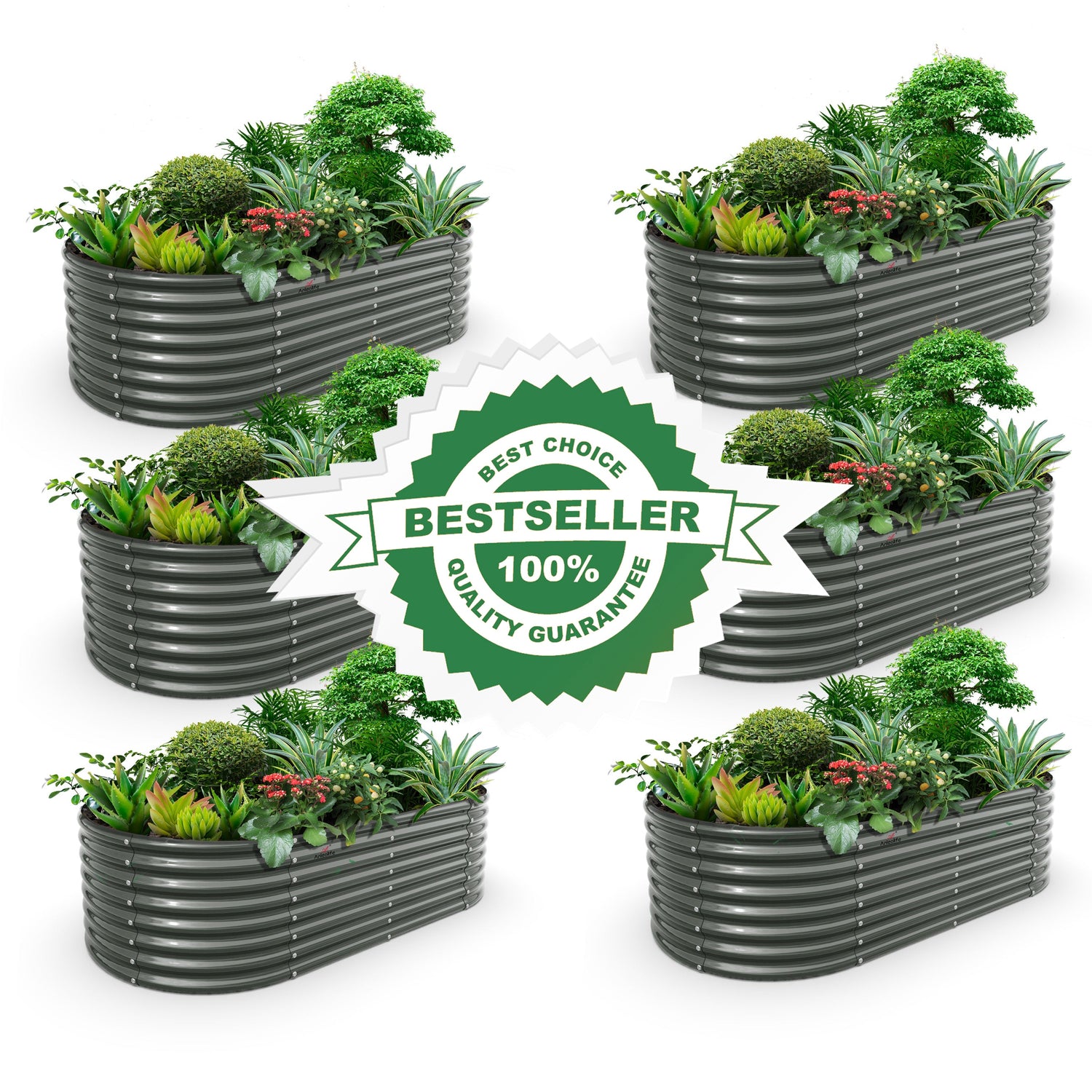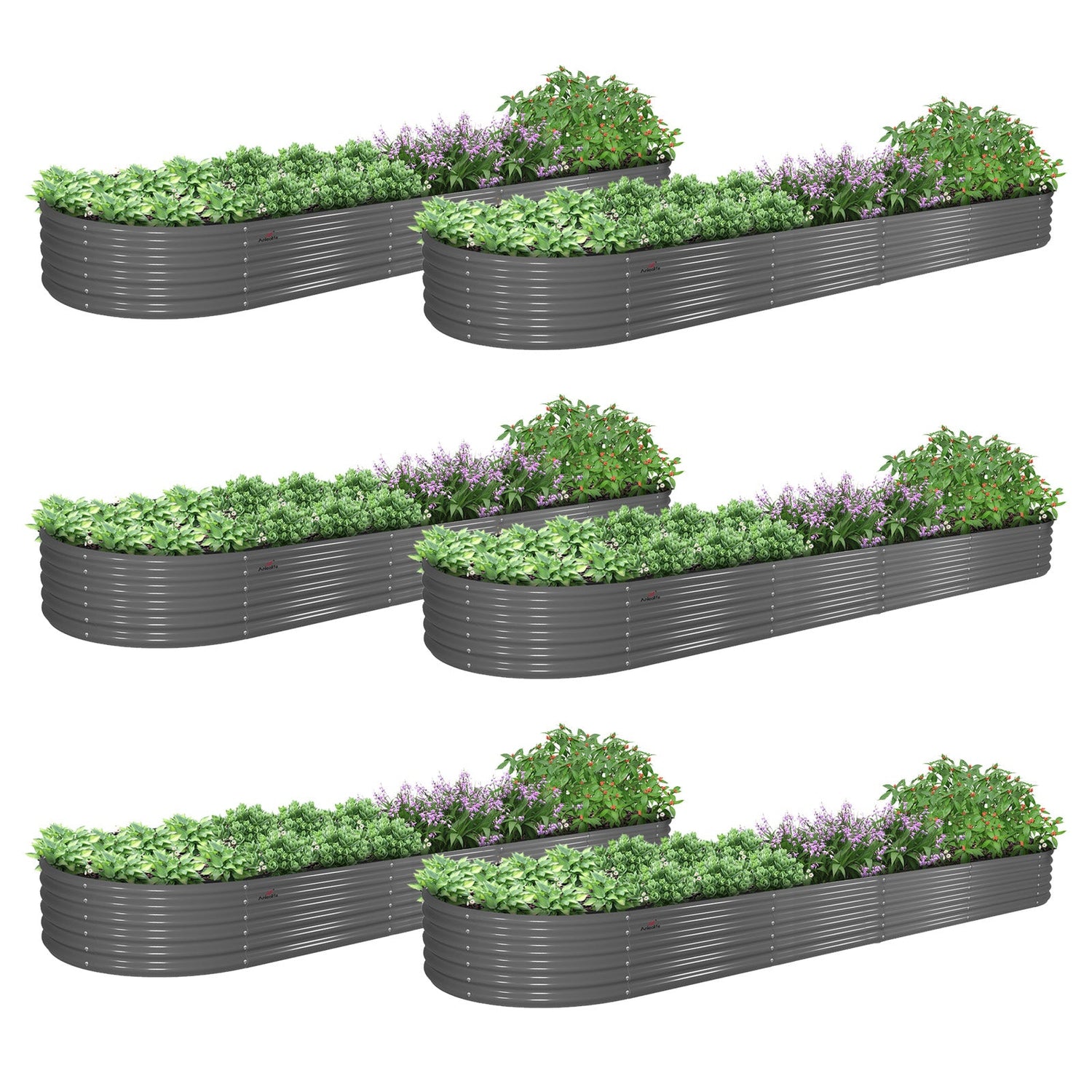



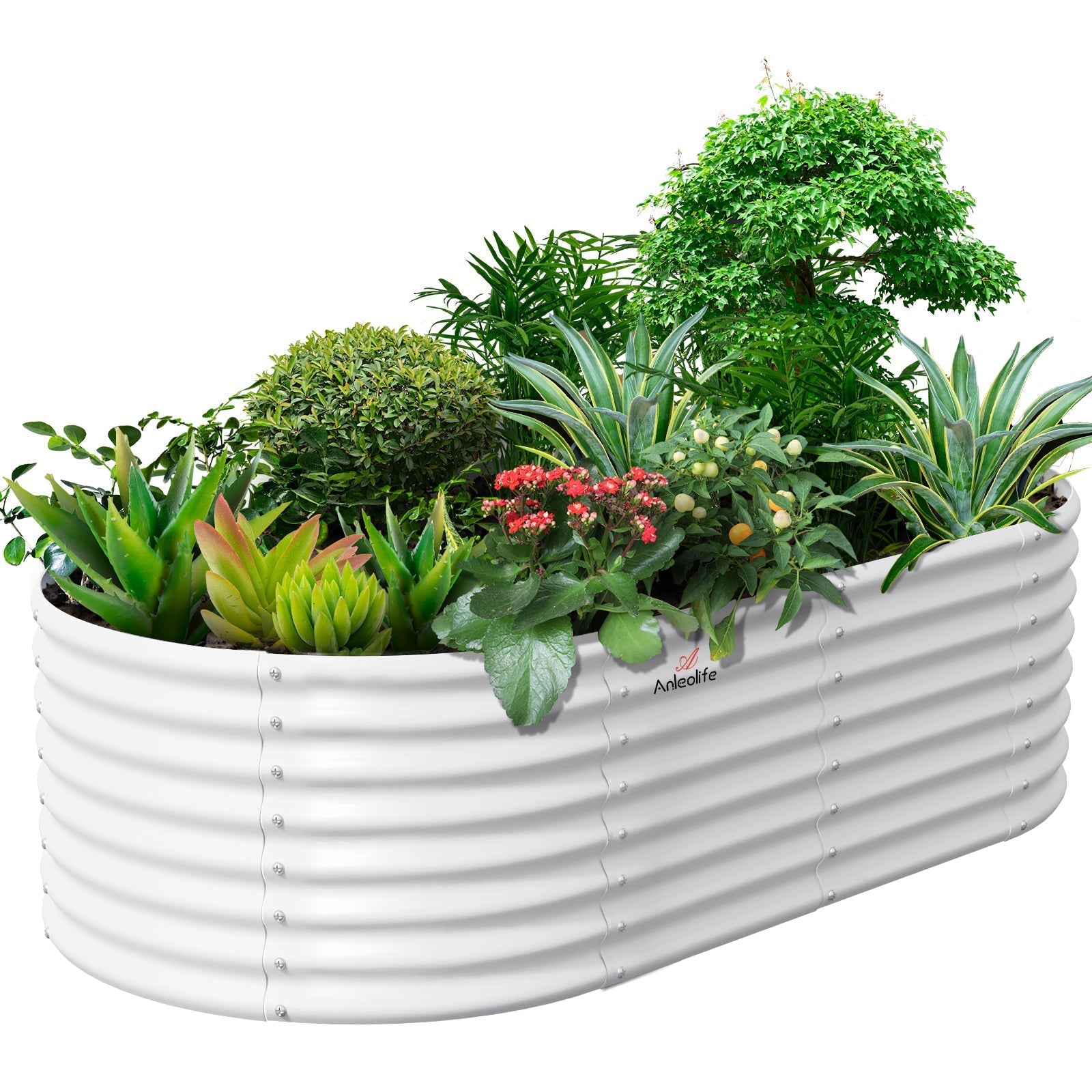
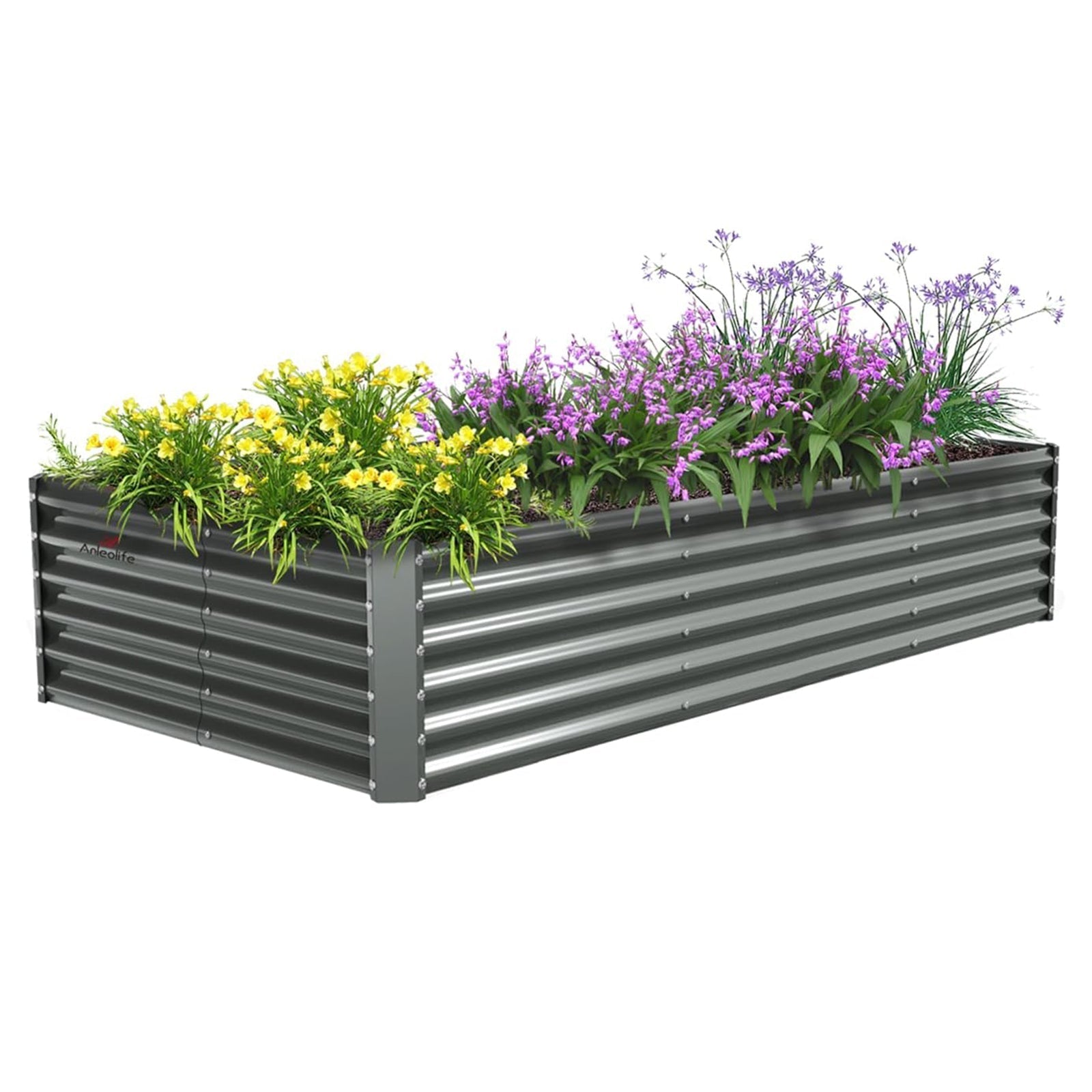

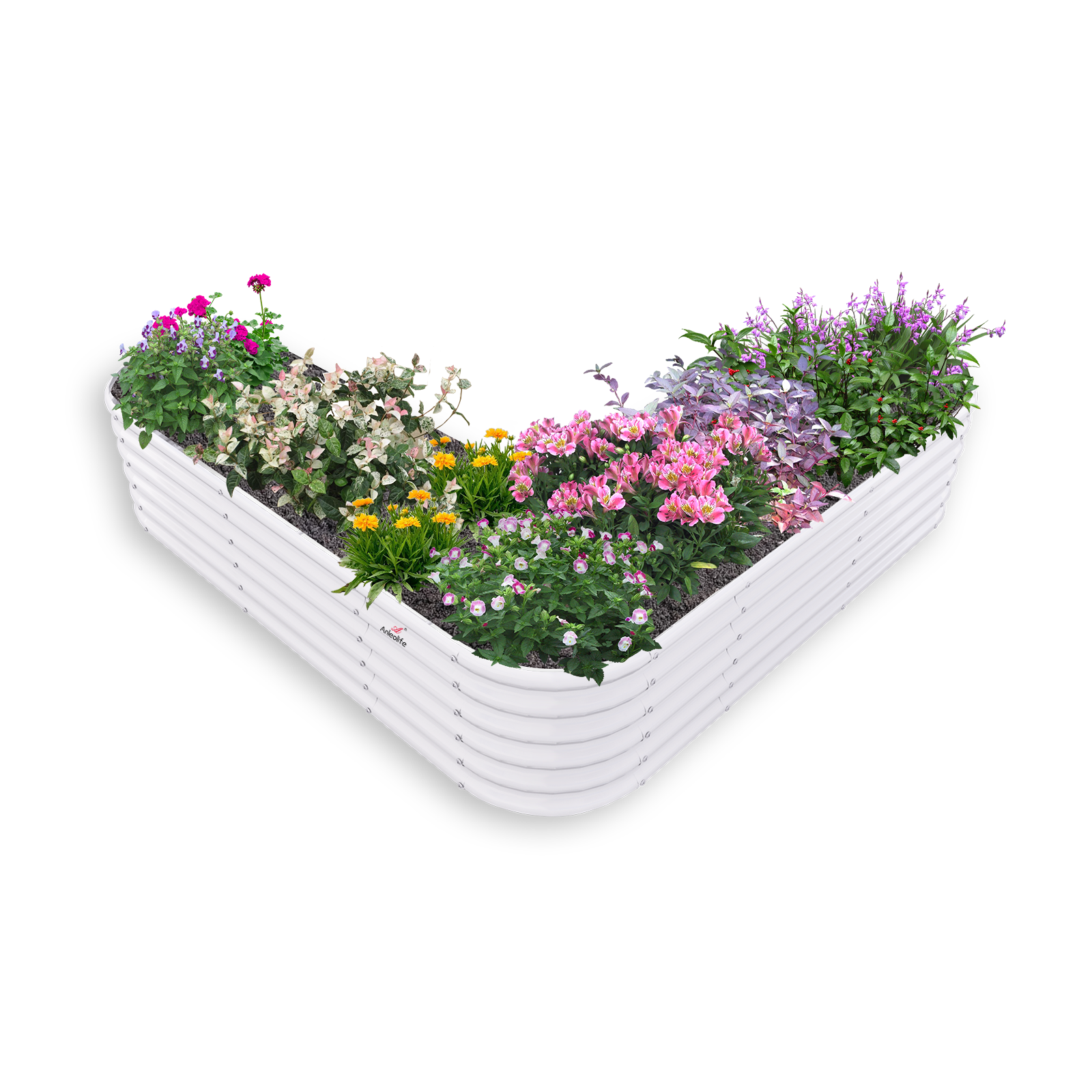
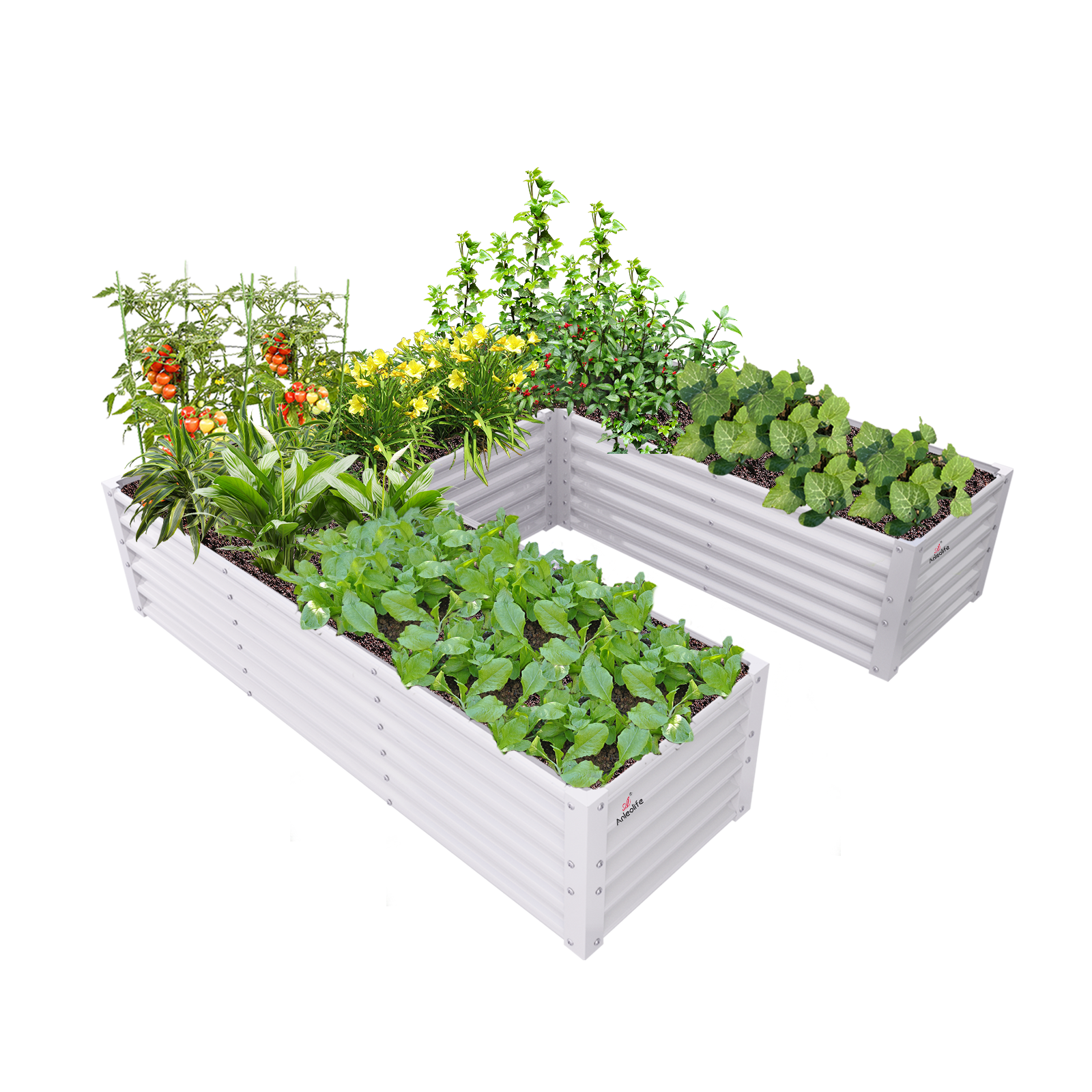



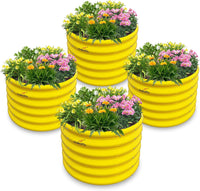
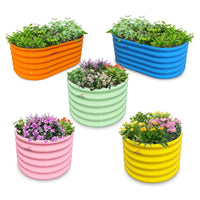
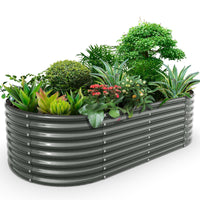




ALT: Drip irrigation system installed in a galvanized steel raised bed for water conservation this summer
Why Raised Bed Watering Matters More Than You Think This Summer
Key Conclusion: Raised bed gardening offers incredible growing advantages, but without a smart watering strategy, summer heat can drain both your plants and your water bill. By combining the right watering systems with quality raised garden beds, home growers can reduce water use by a significant margin while achieving healthier, more productive harvests. This guide walks you through practical, easy-to-implement approaches designed for real gardeners managing real budgets and real schedules.
Summer gardening is one of life's most rewarding pursuits — until the heat arrives and your carefully tended beds start demanding water twice a day. Raised beds warm up faster than in-ground plots and drain more freely, which is excellent for root development but challenging for moisture retention during peak summer months.
The good news is that with the right systems and strategies in place, raised bed watering doesn't have to be a daily struggle. From drip irrigation to mulching techniques and smart soil layering, there are proven approaches that save time, conserve water, and actually improve your plants' health. This guide breaks it all down in clear, actionable steps — whether you're a seasoned grower or just getting started with your first raised bed.
Who Will Benefit Most From This Raised Bed Watering Guide
✅ Applicable Scenarios:
- Homeowners with one or more raised garden beds in full-sun or high-heat locations
- Gardeners in drought-prone regions of the American South, Southwest, or Pacific Coast
- Busy families or retirees who want efficient, low-maintenance watering solutions
- Eco-conscious growers looking to reduce household water consumption
- Urban micro-gardeners with limited outdoor space who need to maximize every drop
❌ Not Applicable/Cautions:
- In-ground garden plots with natural moisture retention from surrounding soil may not benefit equally from all techniques described here
- Gardeners in consistently cool, rainy climates may need to adjust watering frequency recommendations significantly
- Automatic drip systems require an initial investment in time and money; they may not suit growers who prefer a fully manual, low-tech approach
The Real Problem: Why Raised Beds Dry Out Faster in Summer
Understanding why raised beds lose moisture more quickly is the first step toward solving the problem effectively.
Unlike traditional in-ground gardens, raised beds are surrounded by air on all sides. This exposure accelerates evaporation, especially from metal and wood beds that absorb heat during the day. The same drainage efficiency that prevents root rot in spring can leave soil parched within hours during a July heat wave.
According to the U.S. Drought Monitor, prolonged summer droughts now affect a greater portion of the continental United States than at any time in recorded history. For home gardeners, this means water conservation is no longer optional — it's a core part of responsible, sustainable gardening.
Several interacting factors make summer watering in raised beds uniquely challenging:
Heat absorption: Galvanized steel beds, while extremely durable and long-lasting, can absorb and radiate heat. However, modern well-designed galvanized beds are engineered to minimize this effect, and proper mulching almost entirely eliminates any concern.
Elevated drainage: Raised beds drain freely, which is ideal for avoiding waterlogged roots. However, it also means water exits the soil column faster than it would in a native soil bed, especially when the growing medium is a lighter, amended mix.
Wind exposure: Beds raised above ground level experience more airflow, which accelerates surface evaporation — particularly relevant for taller extra-deep beds.
Soil composition: Many gardeners fill raised beds with a mix heavy in perlite or coarse compost, which improves aeration but can reduce moisture retention. Balancing drainage with water-holding capacity is a critical part of raised bed garden maintenance tips.
The silver lining? Because you have complete control over your raised bed's contents and setup, you can address every one of these challenges systematically. The rest of this guide shows you exactly how.
A common question among new raised bed gardeners is: what's the best material for raised garden beds that lasts longest? Galvanized steel consistently ranks at the top for longevity, structural integrity, and resistance to weather. Anleolife's galvanized steel raised garden beds are built to last up to 20 years, which means any watering infrastructure you invest in building around them is a long-term asset, not a temporary fix.
Building Your Summer Water Conservation System: Step-by-Step
Three-Step Quick Start for Immediate Water Savings
Step 1: Audit Your Current Watering Habits
Before installing any new system, spend one week documenting how much water your raised beds currently receive, when you water, and how the soil responds. Check moisture levels two inches below the surface each morning. This audit — which takes roughly 10–15 minutes per day — will reveal patterns: Are you overwatering in the morning and finding dry soil by evening? This baseline makes every subsequent decision more accurate. Estimated time: 7 days of observation before moving to Step 2.
Step 2: Optimize Your Soil Layering for Moisture Retention
Many water conservation problems are solved at the soil level before any hardware is installed. What's the best way to layer soil in raised beds? Use a three-layer approach: a bottom drainage layer of coarse material (wood chips, straw, or cardboard), a middle layer of aged compost blended with a moisture-retaining component like coco coir, and a top growing layer of high-quality garden mix. This structure allows drainage while holding reserves. Estimated time: 2–4 hours per bed, done once per season.
Step 3: Install a Drip Irrigation or Soaker Hose System
Once your soil is optimized, a drip irrigation or soaker hose system delivers water directly to the root zone, cutting surface evaporation dramatically. For most raised beds, a simple soaker hose loop connected to an outdoor timer costs under $50 and can be set up in an afternoon. More advanced drip systems with emitters give you precision control. Whichever you choose, set timers for early morning — between 5 a.m. and 8 a.m. — to minimize evaporation loss. Estimated time: 2–3 hours for initial setup.
Comparing Your Main Watering System Options
Not every watering solution fits every garden or gardener. Here's a clear comparison of the three most common systems used in raised bed gardening:
| Comparison Dimension | Soaker Hose System | Drip Irrigation System | Manual Watering |
|---|---|---|---|
| Upfront Cost | Low ($20–$50) | Moderate ($50–$150+) | Very Low (just a hose or can) |
| Water Efficiency | High — delivers water at root level | Very High — precise emitters minimize waste | Low to Moderate — significant evaporation from overhead watering |
| Time Investment | Low after setup — pairs well with timers | Low after setup — highly automatable | High — daily hands-on attention required |
| Best For | Beginner to intermediate gardeners, single or multiple beds | Larger gardens, multiple beds, tech-savvy growers | Small single beds, growers who enjoy hands-on routine |
| Setup Complexity | Simple | Moderate | None |
| Compatibility with Raised Beds | Excellent | Excellent | Compatible, but less efficient |
| Scalability | Moderate | High — easy to expand | Low |
The right choice depends on your garden size, schedule, and budget. Many experienced gardeners find that a drip irrigation system paired with a digital timer offers the best long-term value, especially when you have multiple beds at different sizes.
Deep Dive: Strategies That Work Together for Maximum Water Conservation
The Mulching Multiplier
If there's a single intervention that offers the highest return for the least effort, it's mulching. Applying a 2–3 inch layer of organic mulch — straw, shredded leaves, wood chips, or cocoa shells — over the top of your raised bed soil can reduce surface moisture evaporation by a substantial margin.
Mulch works in three key ways: it physically blocks direct sun from hitting the soil surface, it moderates soil temperature (which reduces the plants' own water demands), and it gradually breaks down to enrich your growing medium over time.
Apply fresh mulch at the beginning of summer and replenish it as it breaks down. For gardeners using deeper extra-tall beds — like the 24-inch or 30-inch deep options available from Anleolife — the thermal buffering effect is even more pronounced, since the larger soil volume already acts as a natural heat sink.
Wicking Beds and Water Reservoirs
A wicking bed is a self-watering raised bed design where a reservoir of water sits below the growing medium, wicked upward to plant roots by capillary action. While not every raised bed is built as a wicking design, you can approximate this effect in any bed by:
- Installing a perforated pipe vertically into the soil connected to a surface fill tube
- Creating a sub-surface reservoir layer with coarse gravel or landscape fabric
- Using water-retaining crystals or hydrogels mixed into your growing medium
These approaches can dramatically reduce how often you need to top-water, especially during the hottest weeks of summer.
Timing and Frequency: Work With the Sun, Not Against It
Even the most efficient irrigation system loses effectiveness if it runs at the wrong time of day. Watering in the evening is a common mistake — it keeps foliage wet overnight, inviting fungal disease. Midday watering during peak summer heat is wasteful, as a high percentage of water evaporates before reaching roots.
Early morning watering — ideally through a drip or soaker system set to run before sunrise — is consistently the most water-efficient approach. The soil absorbs moisture while temperatures are still low, roots take up water before the heat stress of afternoon, and foliage has time to dry before evening.
For raised beds equipped with a timer, this requires a one-time setup: program your system to run for 20–40 minutes (depending on bed size and soil type) before 8 a.m. daily, then adjust based on your moisture audit results from Step 1.
Grouping Beds Strategically
If you have multiple raised beds, positioning them close together serves a double purpose: it simplifies your irrigation plumbing (a single soaker line can loop through several connected beds) and it creates a microclimate of slightly higher humidity that slows individual bed evaporation.
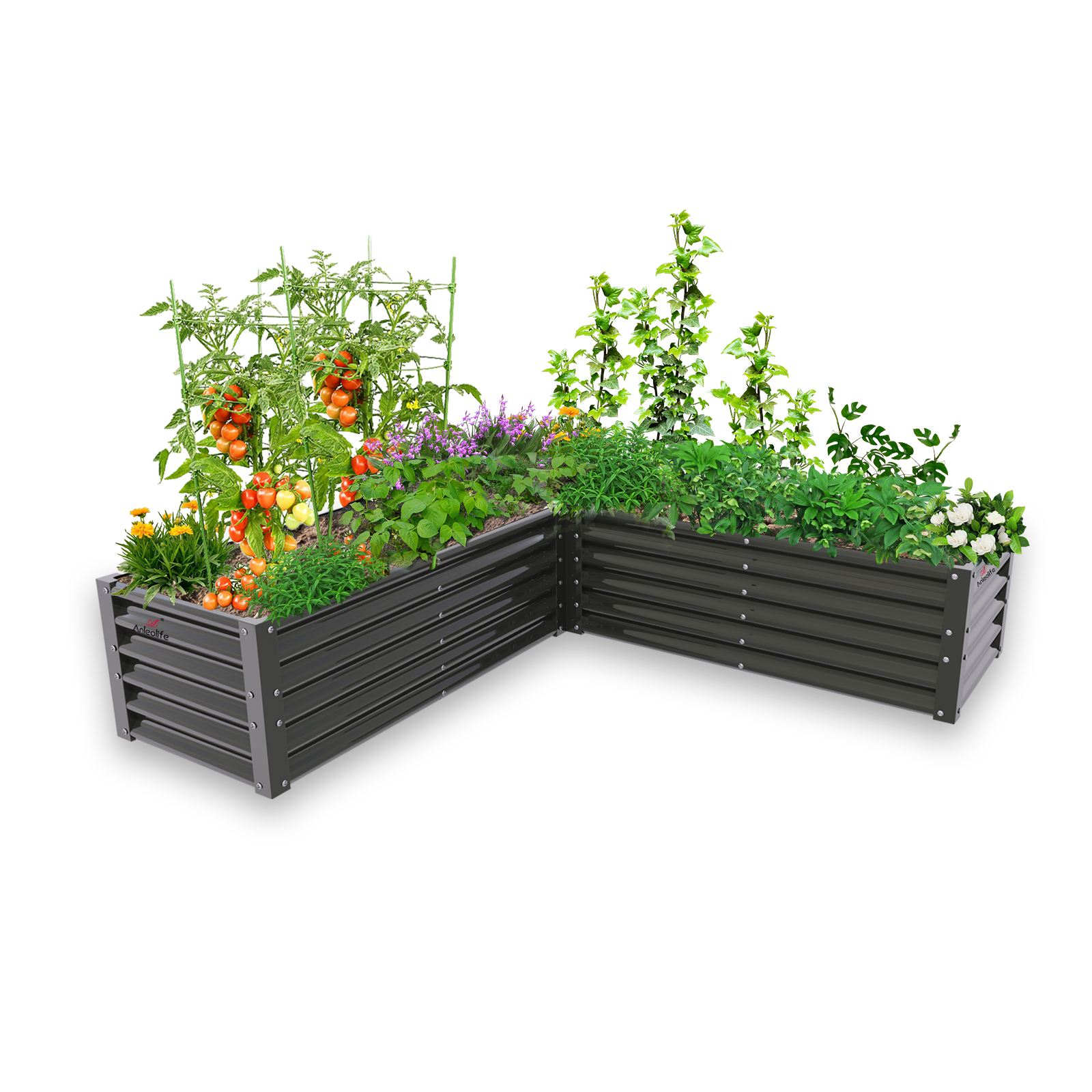
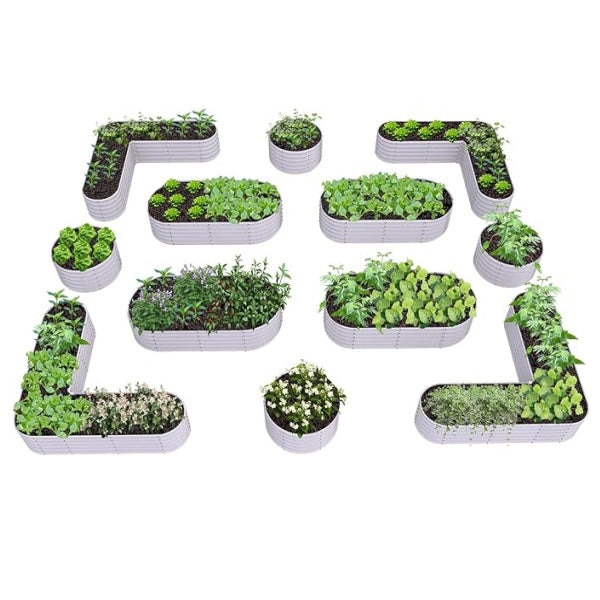
Anleolife's modular raised garden bed lineup is particularly well-suited to this approach. Beds can be arranged in configurations that allow a single irrigation line to water multiple beds sequentially, reducing both water waste and setup complexity.
What's the Best Soil Layer Strategy for Water Retention?
Revisiting the soil layering question more deeply: the goal is a profile that drains freely enough to prevent root rot but retains enough moisture to buffer plants through the hottest part of the day without wilting.
A recommended summer soil profile for raised beds:
- Bottom layer: Coarse drainage material — straw, cardboard, wood chips
- Second layer: Aged compost (high in organic matter, which holds moisture like a sponge)
- Third layer: 50/50 blend of topsoil and compost with added coco coir or perlite
- Top layer (growing zone): High-quality potting mix or garden blend, topped with mulch
This structure gives you the best of both worlds: drainage at the base, moisture reserves in the middle, and an optimal root zone at the top.

ALT: Cross-section diagram of raised bed soil layers for water conservation in summer gardening
Advanced Tips: Watering Smarter as the Season Progresses
Adjusting for Plant Growth Stages
Water needs change dramatically as your plants mature. Seedlings and transplants need consistent moisture at shallow depths; mature tomato or squash plants need deep, infrequent watering that encourages roots to follow water downward. As summer progresses, gradually shift from light daily watering to deeper, less frequent sessions — this trains roots to grow deep and access the moisture reserves you've built into your soil profile.
Recognizing Overwatering vs. Underwatering
A common misconception: wilting always means a plant needs water. In fact, plants also wilt when roots are suffocating in waterlogged soil. Before watering, always check soil moisture 2 inches below the surface. If it's still damp, hold off. Consistent overwatering is one of the most common raised bed garden maintenance mistakes, and it wastes far more water than underwatering does.
Using Rainfall Intelligently
Install a simple rain gauge near your raised beds and subtract natural rainfall from your irrigation schedule. Many smart irrigation controllers can connect to local weather data and automatically skip scheduled watering after significant rain. Even a basic manual approach — pausing your timer after rainfall of half an inch or more — will meaningfully reduce water consumption over the course of a summer.
Wind Barriers and Shade Cloth
For raised beds in particularly exposed or hot locations, temporary shade cloth (typically 30–40% block) can reduce heat load and evaporation during the peak afternoon hours. A simple wooden or metal frame — or even a strategic arrangement of taller plants — can also buffer wind and slow surface moisture loss. These low-cost additions are especially useful for extra-tall beds with larger soil volumes that would be expensive to water deeply multiple times per day.
Frequently Asked Questions FAQ
Q1: How do I know how often to water my raised garden beds in summer?
The right frequency depends on your climate, bed depth, soil composition, and what you're growing. A reliable starting rule: check soil moisture 2 inches deep every morning. Water when it feels dry at that depth. In peak summer heat, most raised beds in warm climates need water every 1–2 days. Deeper beds (24 inches or 30 inches) retain moisture longer than shallow ones. Mulching and drip irrigation can extend the interval between watering sessions significantly, reducing both time and water use.
Q2: Is drip irrigation worth the investment for just one or two raised garden beds?
For one or two beds, a simple soaker hose with an inexpensive timer offers most of the benefits of drip irrigation at a fraction of the cost. The investment pays off quickly in time saved and water bills reduced. If you plan to expand — and many gardeners do, especially once they experience the productivity of quality raised beds — a slightly more robust drip system with expandable lines will serve you better long-term. Anleolife's modular raised beds are designed with exactly this kind of gradual, flexible expansion in mind.
Q3: How long does it take to set up a complete drip irrigation system for raised beds?
A basic soaker hose system for one or two beds can be set up in 2–3 hours, including running the hose, connecting to a timer, and adjusting coverage. A more comprehensive drip irrigation setup covering multiple beds typically takes a full afternoon — roughly 4–6 hours. Once installed, the ongoing maintenance is minimal: check connections at the start of each season, flush lines periodically, and inspect emitters for clogs. The time investment pays dividends every single summer day you don't have to hand-water.
Summary
Water conservation in raised bed gardening isn't about doing more — it's about doing the right things at the right times with the right systems in place.
Three core takeaways from this guide:
- Soil preparation is your foundation. A well-layered growing medium that balances drainage with moisture retention reduces watering needs before you install a single piece of hardware. Get this right first.
- Automation changes everything. A timer-controlled drip or soaker system delivering water at the root zone in early morning is the single highest-impact upgrade most raised bed gardeners can make. It saves water, saves time, and consistently produces healthier plants.
- Small habits compound. Mulching, grouping beds, checking moisture before watering, adjusting for rainfall — none of these takes significant time, but together they can cut your summer water use substantially while improving plant health.
The starting point is having raised beds worth investing in. Beds that last, perform consistently, and accommodate the systems and strategies described in this guide. That's exactly what high-quality galvanized steel beds designed for the long term are built to provide.
Your next step: audit your current setup using the three-step quick start above, then decide which watering system fits your garden, schedule, and budget. Start simple, and add layers of efficiency as you go.
Call to Action
Anleolife supports your water-smart summer garden from the ground up.
Our nationwide U.S. warehouse network — strategically located in California, Texas, Florida, New York, Illinois, and Washington — ensures delivery within 3–8 business days, so your raised beds and irrigation infrastructure arrive in time for the growing season, not after it.
Find Anleolife raised garden beds on Amazon, Walmart, Home Depot, Lowe's, Wayfair, and directly at Anleolife.com — with consistent quality assurance and after-sales support across every channel.
Our product ecosystem covers three complete garden scenarios: Planting (metal raised garden beds, soil systems), Raising (chicken coops, rabbit hutches), and Beautification (decorative accessories, pathway systems) — everything you need from functionality to beauty, all in one place.
We understand that an ideal garden isn't built overnight. It grows with you. Anleolife's modular design philosophy means you can start with a single bed and gradually build a fully integrated garden ecosystem at your own pace. Our raised garden beds are engineered to last up to 20 years, which means every water-saving system you build around them is a long-term investment in your home, your health, and your quality of life.
Upgrade your garden with Anleolife. We grow with you, every step of the way.
References
- U.S. Drought Monitor. "Current Drought Conditions and Historical Drought Data."
https://droughtmonitor.unl.edu/ - University of California Agriculture and Natural Resources. "Water-Efficient Gardening and Landscaping."
https://ucanr.edu/ - U.S. Environmental Protection Agency (EPA). "WaterSense: Water-Efficient Landscaping."
https://www.epa.gov/watersense/landscaping-irrigation - Oregon State University Extension Service. "Drip Irrigation for Home Gardens."
https://extension.oregonstate.edu/ - National Gardening Association. "Raised Bed Gardening Guide."
https://garden.org/
Note: Standards and recommendations may be updated. Please check the latest official documents or consult professional advisors for the most current guidance.
About Anleolife
Anleolife is a leading outdoor garden solutions provider in North America, dedicated to offering a full-scenario product ecosystem for home gardening enthusiasts, covering planting, raising, and garden beautification. Since its founding, we have upheld our brand mission, "Made for Garden Life," continuously innovating products and optimizing services to help hundreds of thousands of users upgrade their gardens, reconnect with nature, and enjoy a better garden lifestyle.