


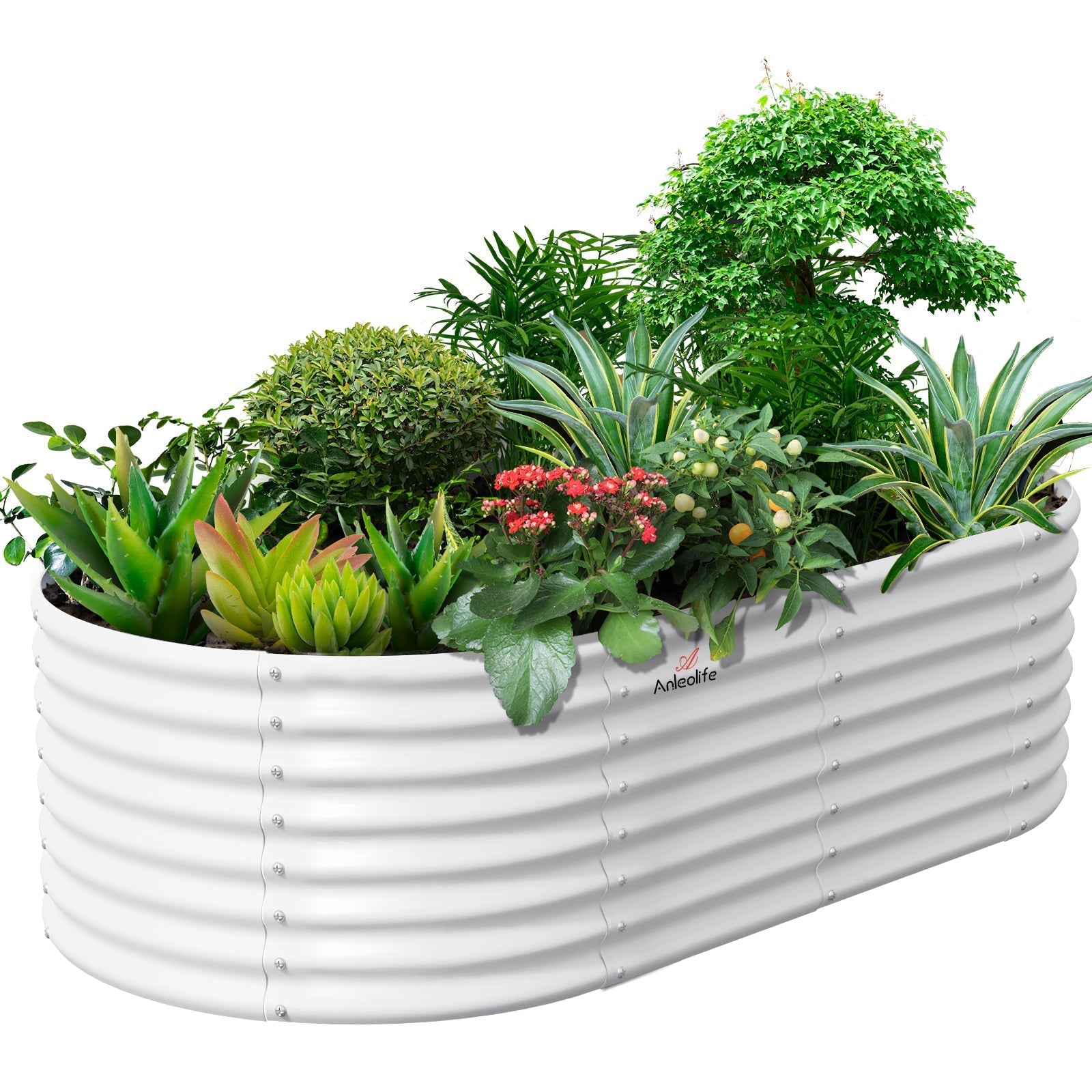
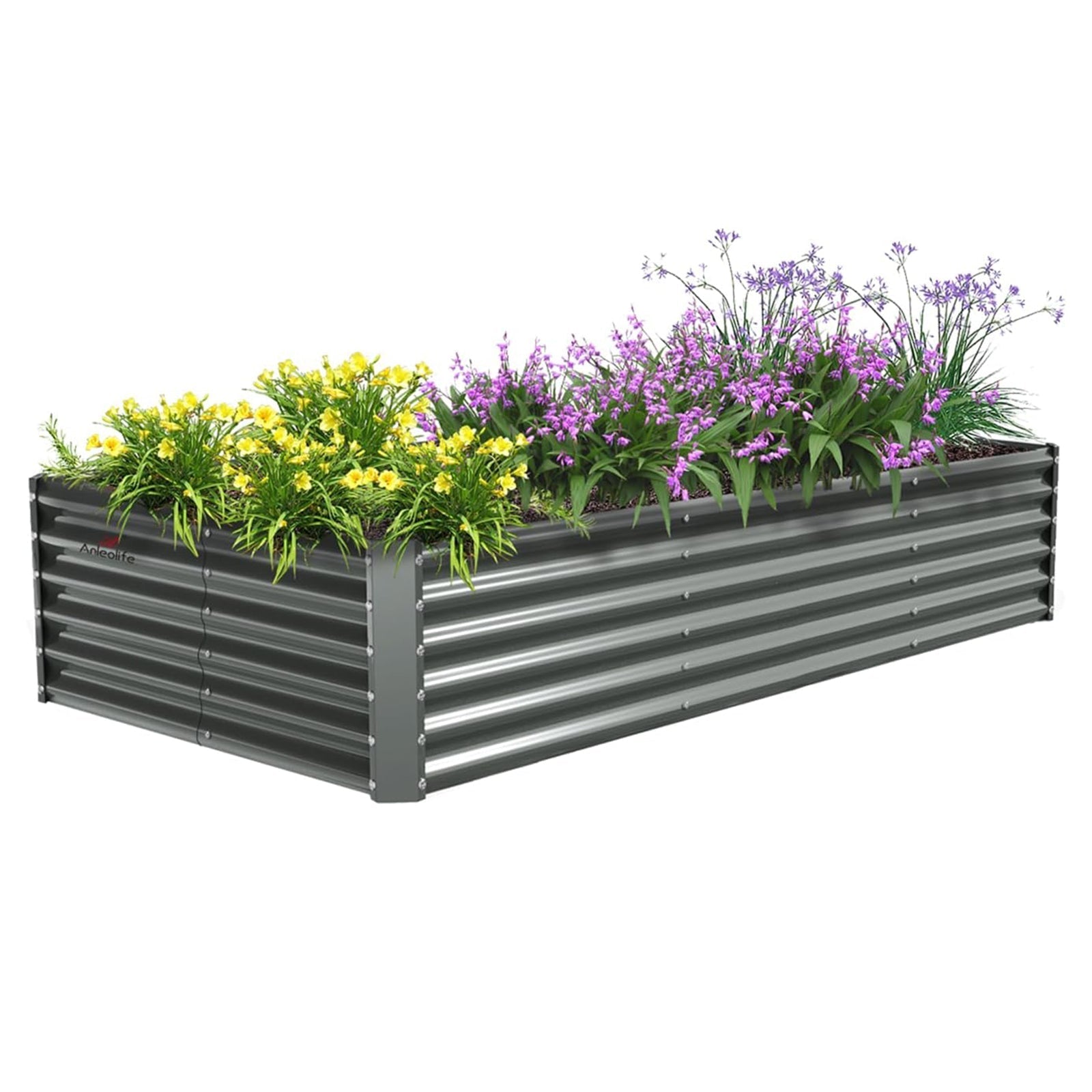
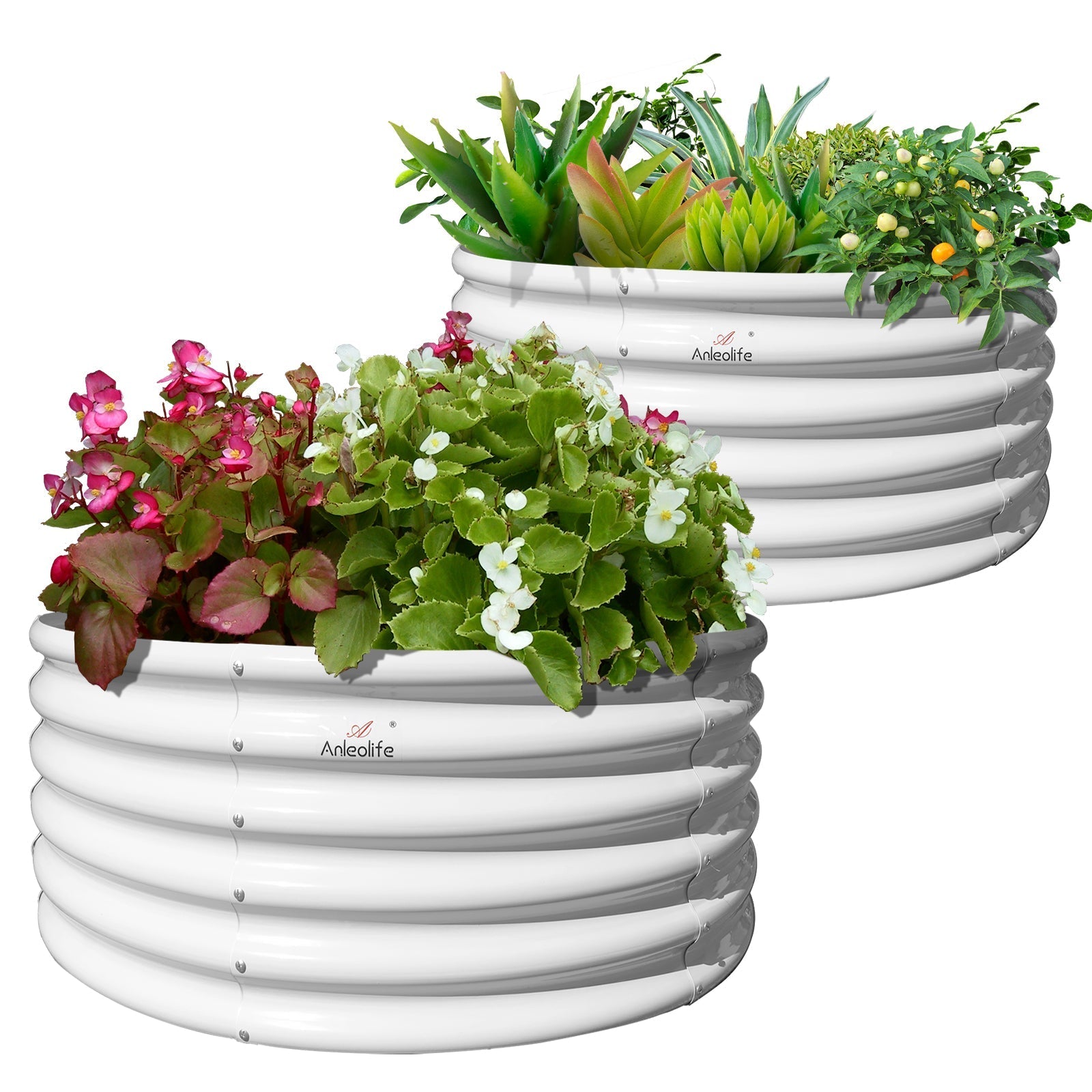
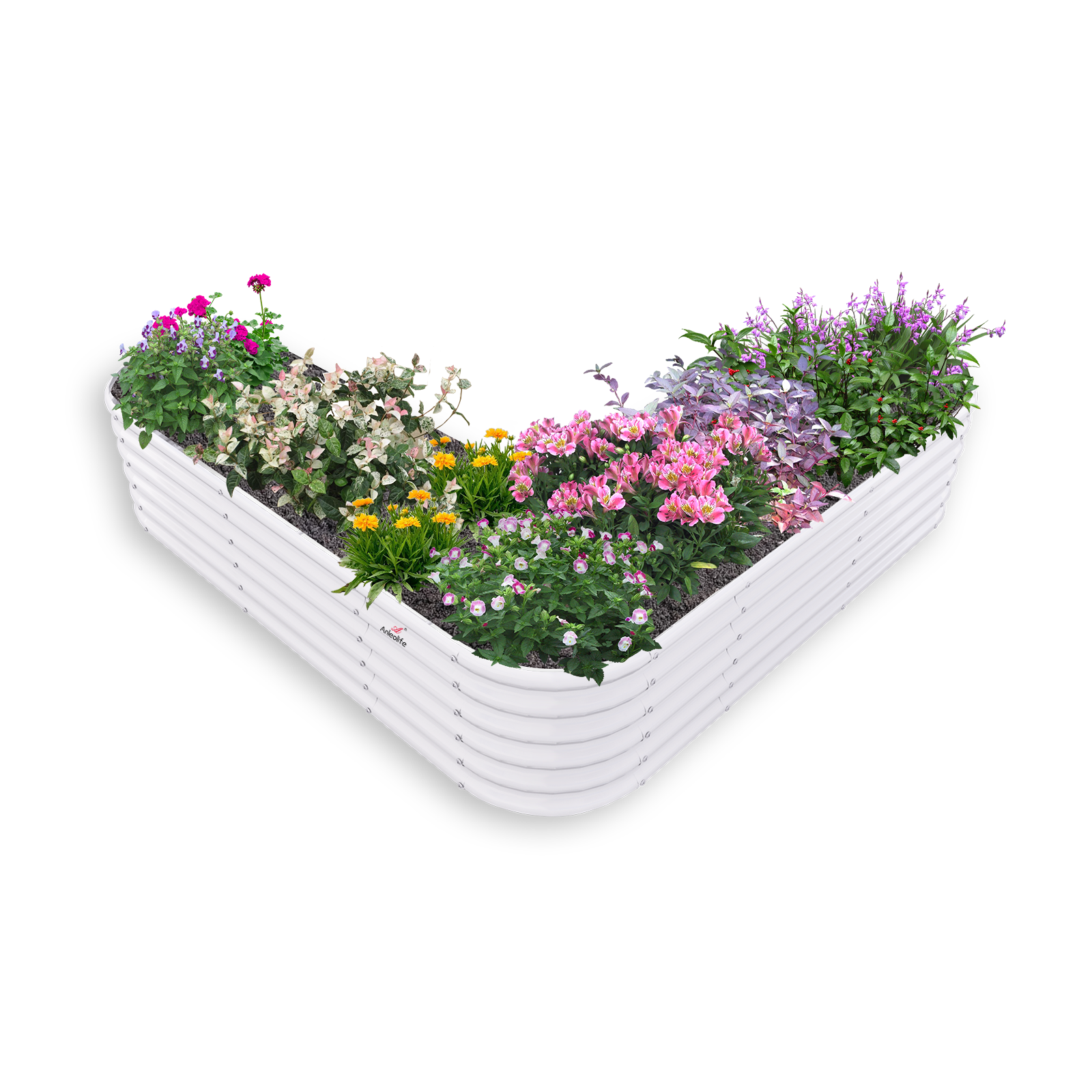
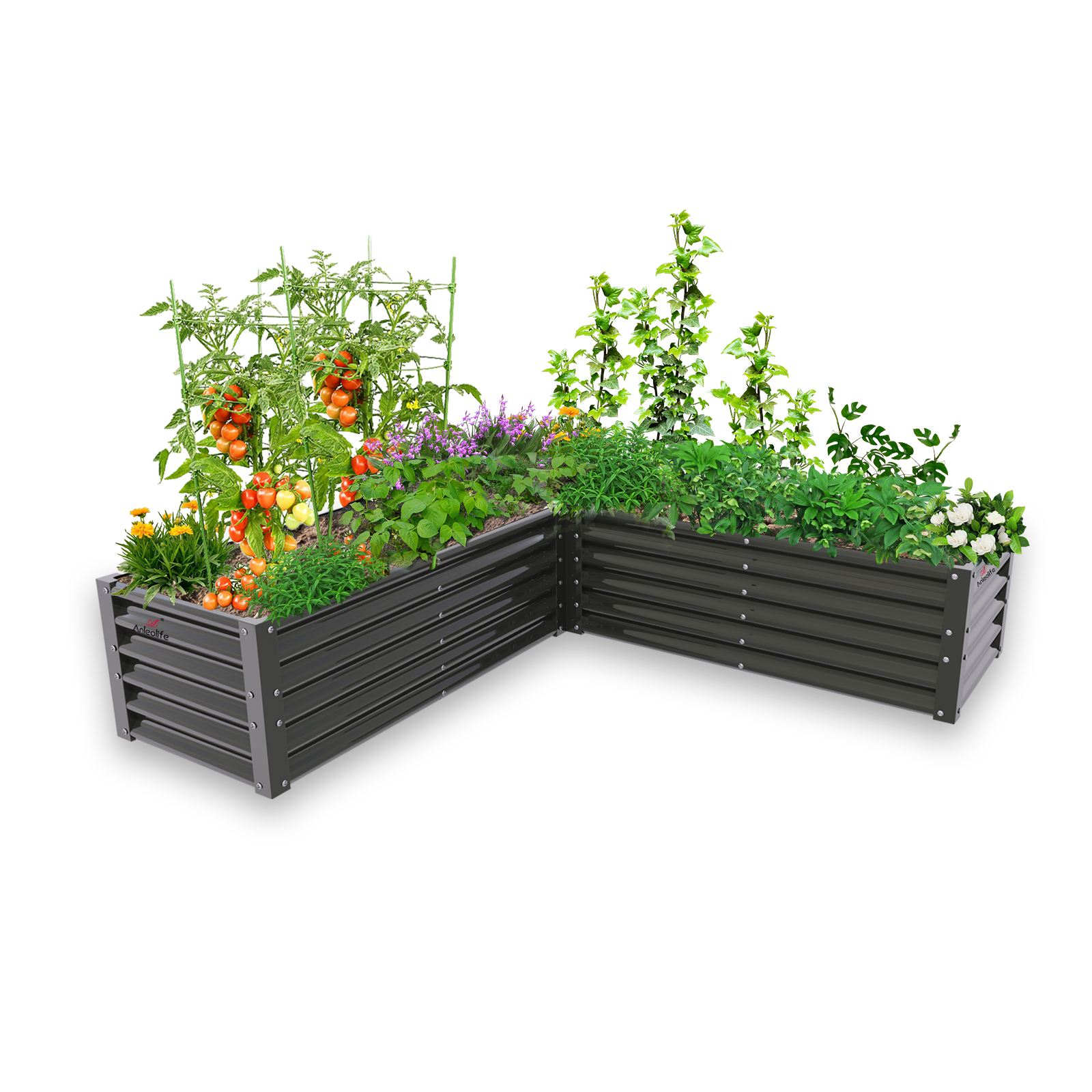
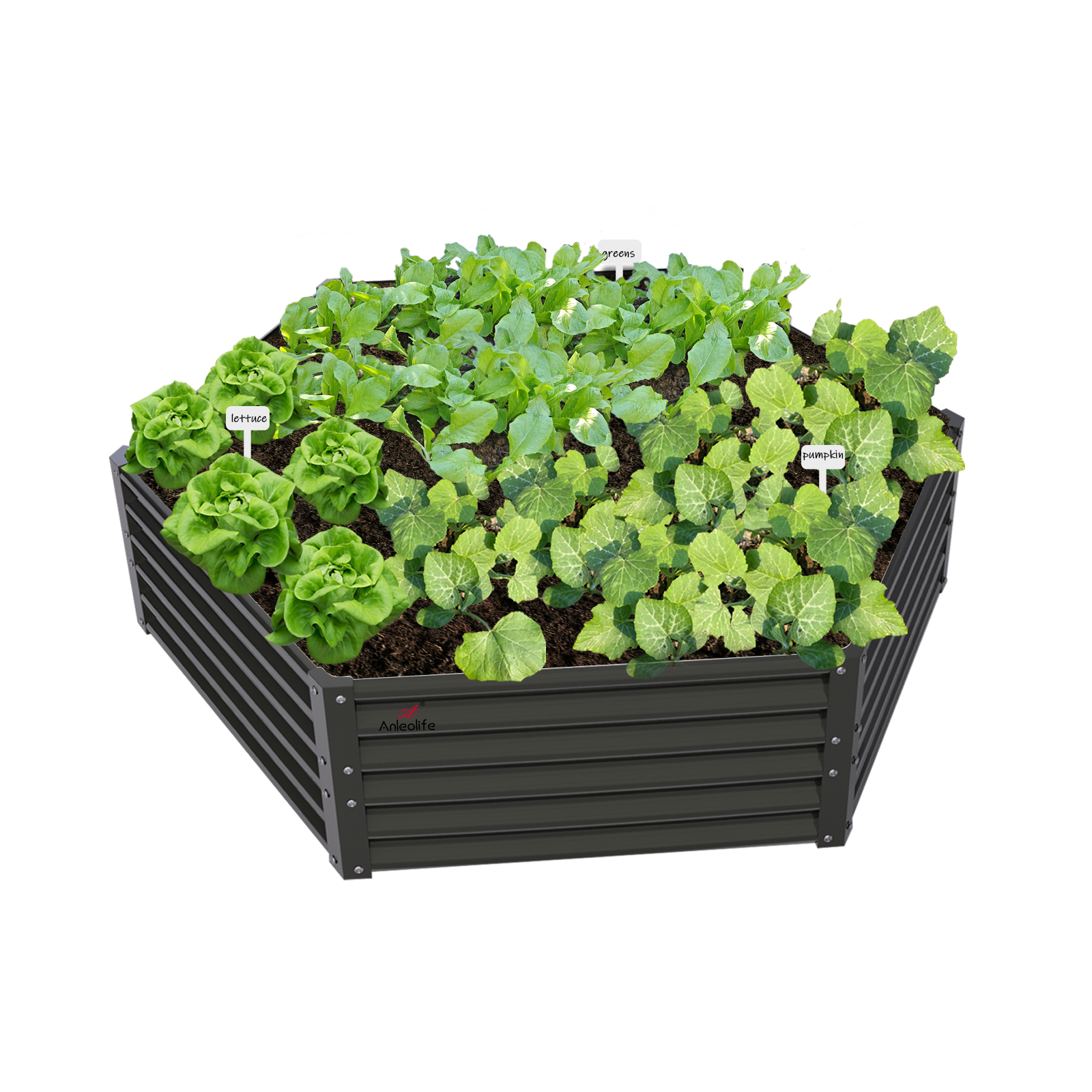
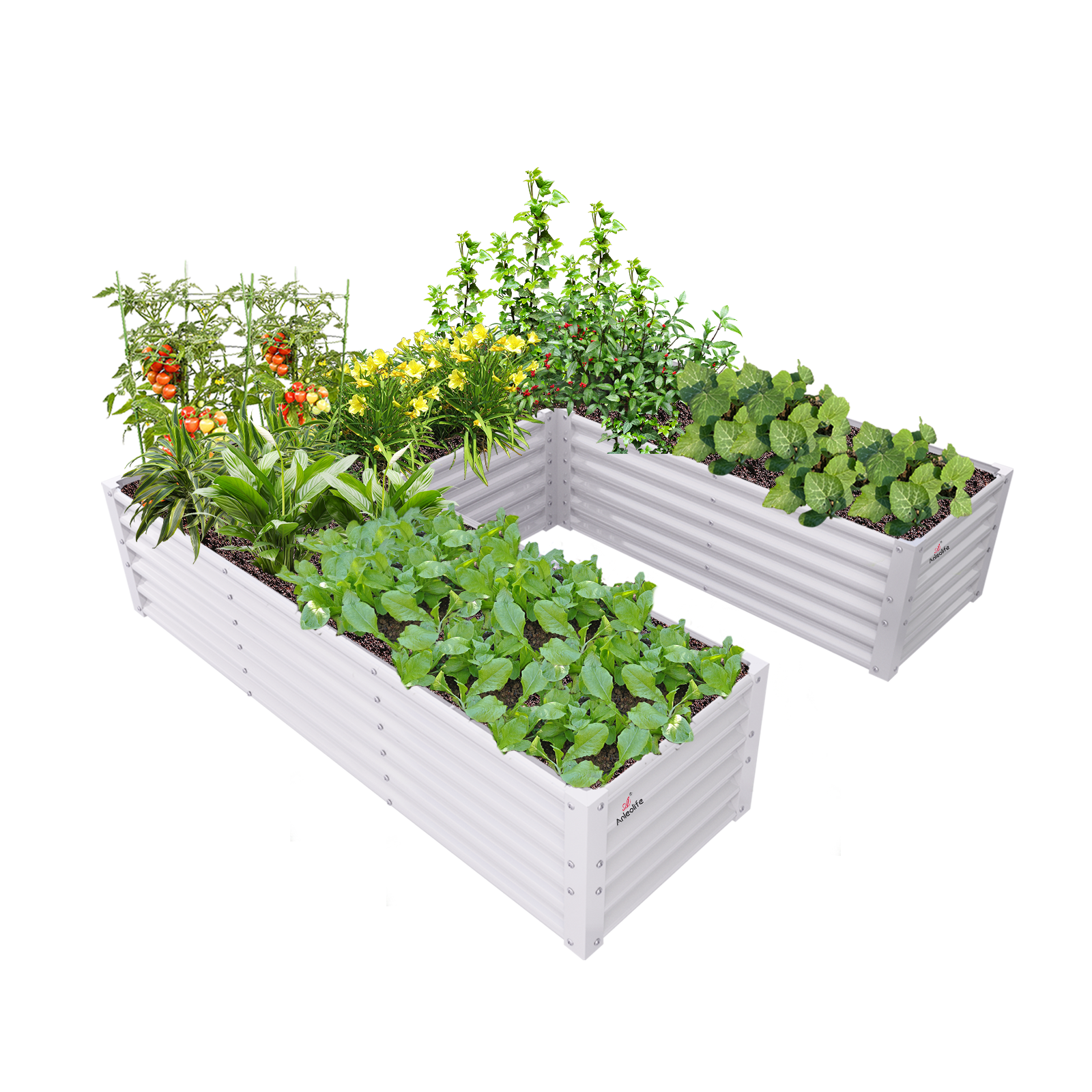

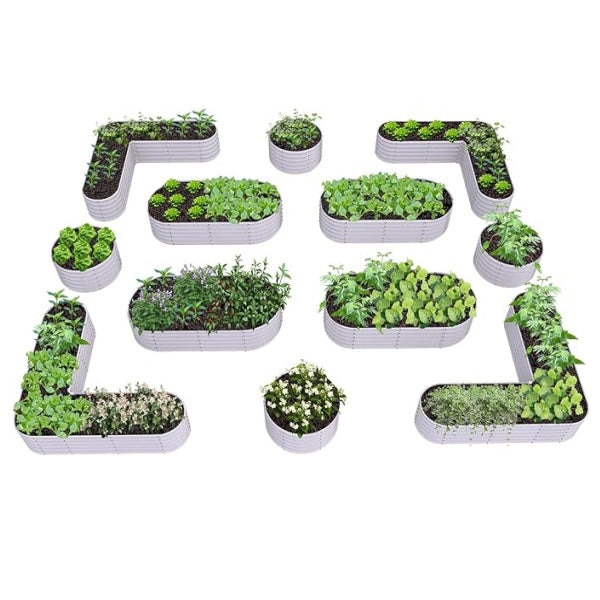

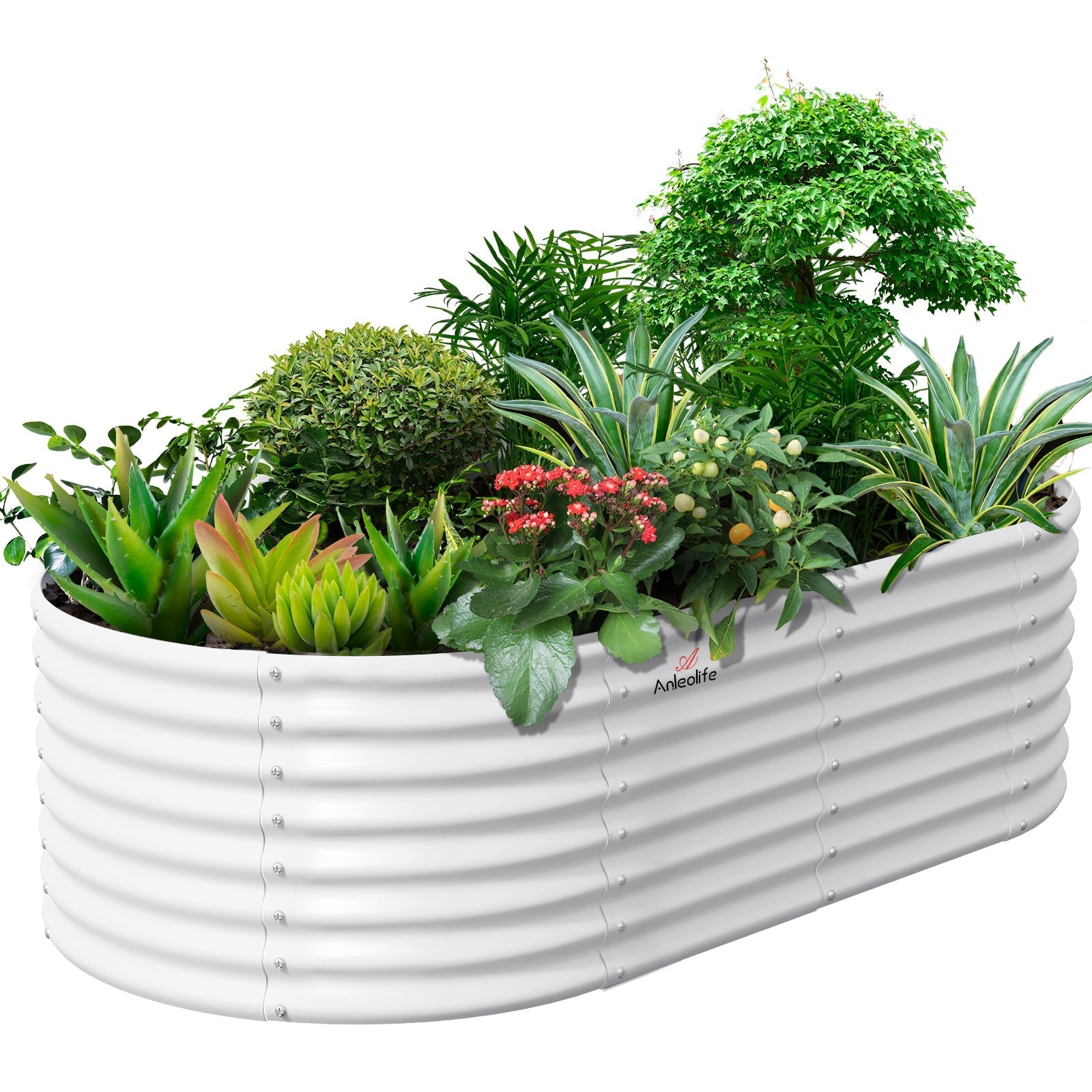


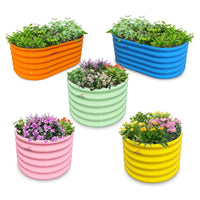
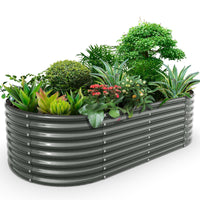




ALT: Homeowner comparing raised garden bed budget options and pricing this summer with metal beds in background
Raised Garden Bed Costs Explained: Your Complete Summer Budget Guide
Key Conclusion: Planning a garden upgrade this summer means understanding exactly where your dollars go. Whether you're drawn to rust-resistant planters that stand up to decades of outdoor exposure, considering a garden trellis to maximize vertical growing space, or budgeting for replacement trimmer lines to keep your borders clean, the total cost of a raised garden bed setup ranges widely based on material quality, size, and long-term durability. This guide breaks down every line item so you can plan with confidence.
Raised garden beds have evolved from a niche gardening trend into a mainstream home improvement investment — and for good reason. They offer better drainage, improved soil control, reduced weed pressure, and a significantly more productive growing environment than traditional in-ground plots. But as demand has grown, so has the market's complexity.
The challenge most homeowners face isn't finding a raised garden bed — it's understanding what they're actually paying for and whether a lower upfront price means higher lifetime costs. This guide answers both questions with practical, research-backed breakdowns.
Who This Budget Guide Is For
✅ Applicable Scenarios:
- First-time raised bed gardeners trying to understand startup costs before committing to a purchase
- Experienced growers looking to expand their setup and compare material investments
- Urban micro-gardeners working with limited patio or balcony space who need cost-efficient, compact solutions
- Empty nesters and retirees converting lawn space into productive kitchen gardens on a fixed budget
❌ Not Applicable/Cautions:
- Commercial-scale growers who require industrial-grade infrastructure pricing (this guide focuses on residential home gardening)
- Renters without outdoor space or landlord approval for permanent installations, since some raised bed structures require ground-level anchoring
Why Raised Garden Bed Prices Vary So Much (And What That Means for You)
If you've shopped for raised garden beds recently, you've probably noticed a staggering range of prices — from budget kits under $30 to premium configurations pushing $500 or more. That variance isn't random. It reflects real differences in material science, construction quality, and long-term performance.
Material is the single biggest driver of price. Wood, while initially affordable, is highly susceptible to rot, pest damage, and moisture degradation. Untreated pine beds may need replacement in as few as two to four years. Cedar and redwood last longer but carry a significant premium. Galvanized and rust-resistant steel, by contrast, offers a dramatically different cost profile when you extend the analysis over a full product lifespan.
A well-built galvanized steel bed rated for 20 years of use may cost more upfront than a basic wood kit, but amortized over two decades, the annual cost becomes remarkably competitive. For budget-conscious gardeners who think in terms of total value rather than sticker price, this math is transformative.
Size and height are the second major cost variable. Taller beds require more material and more soil to fill, both of which increase your initial investment. A standard 18-inch-tall bed accommodates most vegetables comfortably, while extra-tall and waist-high designs (reaching 30 to 35 inches) are engineered for accessibility and deep-root crops — a meaningful feature for gardeners managing back or knee discomfort.
Market trends confirm the shift toward durability. According to the National Gardening Association, home food gardening has surged significantly over the past five years, with more households prioritizing permanent, low-maintenance infrastructure over seasonal disposable setups. Consumers are increasingly willing to pay more upfront for products that don't require annual replacement.
Understanding this context helps you frame your budget not as a single summer purchase but as a multi-decade garden infrastructure investment.
The Complete Budget Breakdown: What You'll Actually Pay
Quick-Start Cost Planning in Three Steps
Step 1: Define Your Growing Goals
Before pricing anything, clarify what you want to grow and how much of it. A household aiming to supplement grocery spending with herbs, lettuce, and tomatoes needs far less infrastructure than one attempting to grow the majority of its summer vegetables. Spend 10–15 minutes listing the crops you want to grow, estimating the square footage each requires, and deciding whether you'll start with one bed or multiple. This prevents both under-buying and over-spending.
Step 2: Choose Your Primary Material and Calculate the Lifetime Cost
Once you know your size requirements, evaluate your material options against a multi-year timeframe rather than just the purchase price. Take the total cost of the bed, add estimated soil replacement and maintenance costs over your expected ownership period, then divide by the number of growing seasons. For a galvanized steel bed with a 20-year lifespan, this number is often far lower than for wood alternatives that require replacement every few years. This step alone can shift your entire budget framework.
Step 3: Account for All Setup Costs — Not Just the Bed Itself
New gardeners frequently underestimate total setup costs by focusing only on the bed purchase. A realistic budget must include quality soil and amendments (often the largest hidden cost), optional accessories like a garden trellis for vertical crops, liners, irrigation components, and tools. If you're maintaining surrounding lawn areas, consumables like trimmer lines for your edger should be factored into your annual upkeep budget as well.
Material Comparison: What Each Option Actually Costs Over Time
The table below compares the most common raised bed materials across dimensions that matter for real-world budgeting. Note that specific product prices vary by retailer and configuration; the ranges below reflect general market averages for residential-grade products.
| Comparison Dimension | Untreated Wood | Cedar / Redwood | Galvanized Steel |
|---|---|---|---|
| Typical Entry Price | Low | Medium–High | Medium–High |
| Expected Lifespan | 2–5 years | 7–15 years | Up to 20 years |
| Annual Maintenance | Repainting/sealing | Minimal | Minimal |
| Rust/Rot Resistance | Low | Moderate | High (rust-resistant) |
| Soil Retention Performance | Good initially | Good | Excellent |
| Recyclability | Limited | Limited | High |
| Long-Term Value | Poor | Moderate | Excellent |
| Assembly Complexity | Low | Low–Moderate | Low–Moderate |
The data makes a compelling case for galvanized and rust-resistant steel, particularly for gardeners who plan to maintain their beds for many seasons. A product built to last 20 years eliminates multiple replacement cycles, reducing both cost and environmental waste over time.
Detailed Cost Categories: Where Every Dollar Goes
The Bed Structure Itself
The raised bed frame is your primary expense and the one that sets the ceiling for everything else. Prices vary significantly by material, size, and brand quality.
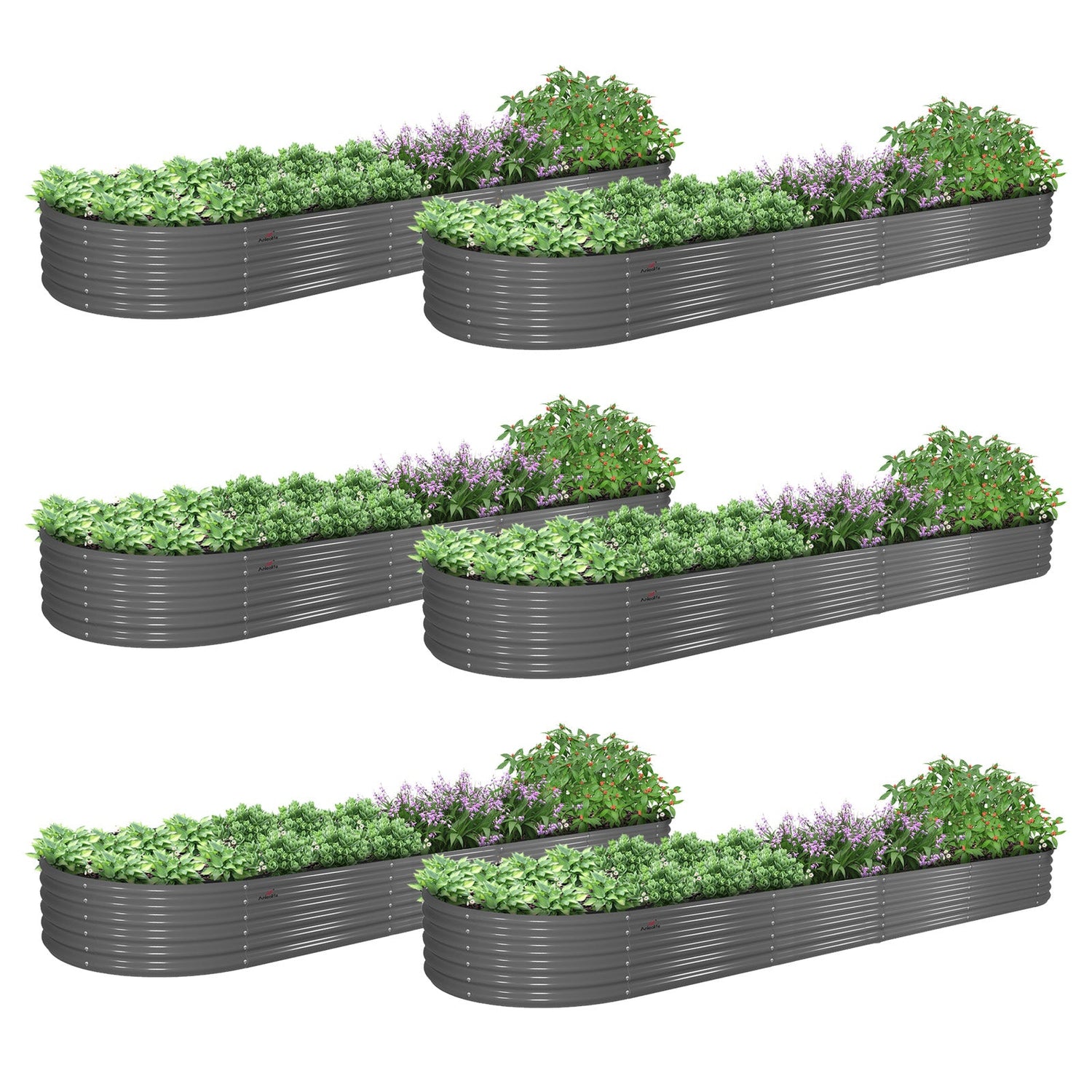
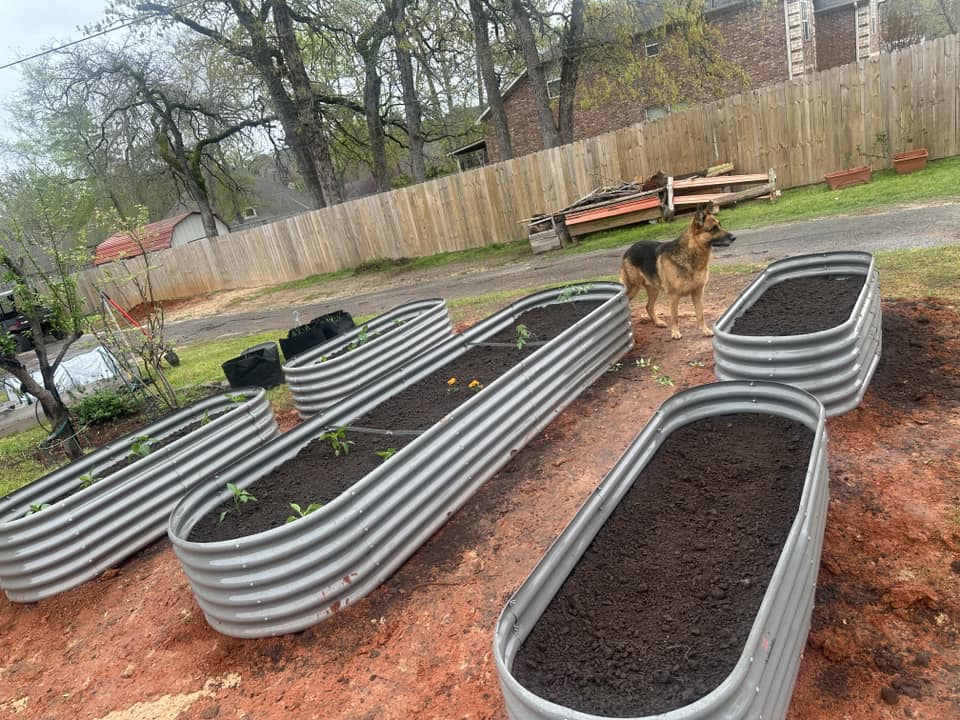
Galvanized steel raised garden beds from reputable brands span a wide range of sizes — from compact 4x1.5-foot waist-high designs ideal for patio or balcony gardening, to large 12x3-foot or 8x4-foot configurations suited to serious kitchen gardens. Taller extra-tall models (24 to 30 inches) command a higher price than standard 18-inch models but deliver important benefits for accessibility and certain root vegetables.
For budget planning purposes, expect to invest meaningfully more in a high-quality steel bed than in a basic wood kit — but remember that this investment typically doesn't need to be repeated for two decades.
Rust-resistant raised garden beds represent a step up in coating technology, offering enhanced protection against the oxidation that shortens the life of lower-grade metal products. These are particularly recommended for gardeners in humid climates, coastal regions, or areas with frequent rainfall.
Round raised garden beds offer an aesthetically distinctive option for decorative kitchen gardens or accent planting areas, typically priced between standard rectangular sizes of comparable diameter.
Soil: The Most Underestimated Budget Item
If the raised bed is the structure, soil is the engine — and it's frequently where first-time buyers experience budget shock. A standard 8x4-foot bed at 18 inches deep requires substantial soil volume, and filling it with quality amended mix rather than basic topsoil makes an enormous difference in yield.
A high-quality raised bed mix typically combines topsoil, compost, and a coarse amendment like perlite or aged wood chips. Budget approximately $0.10–$0.25 per liter of quality blended mix, though prices vary significantly by region and supplier. For larger beds, this can mean $100–$300 or more in soil costs at initial setup.
The good news: unlike the structural bed itself, soil is an asset that improves over time with composting and amendment. Your year-two soil costs will be substantially lower than year one.
Accessories and Productivity Enhancements
A garden trellis is one of the highest-ROI accessories for raised bed gardeners. By training vining crops like cucumbers, beans, pole tomatoes, and peas vertically, a trellis can effectively double your usable growing area without requiring a second bed. Trellis systems range from simple bamboo DIY options at minimal cost to powder-coated metal arch designs that complement steel beds aesthetically. Budget $20–$80 for a quality trellis appropriate for a standard raised bed.
Irrigation systems represent another meaningful investment. Drip irrigation kits designed for raised beds typically run $30–$100 for a single-bed setup and can dramatically improve water efficiency while reducing the labor of daily hand-watering. Many gardeners find this pays for itself within a season through reduced water bills and improved yields.
Bed liners and weed fabric are optional but valuable, particularly if your bed is sited over grass or invasive-root areas. Quality landscape fabric or galvanized mesh liners run $15–$40 per bed.
Tools and Ongoing Maintenance
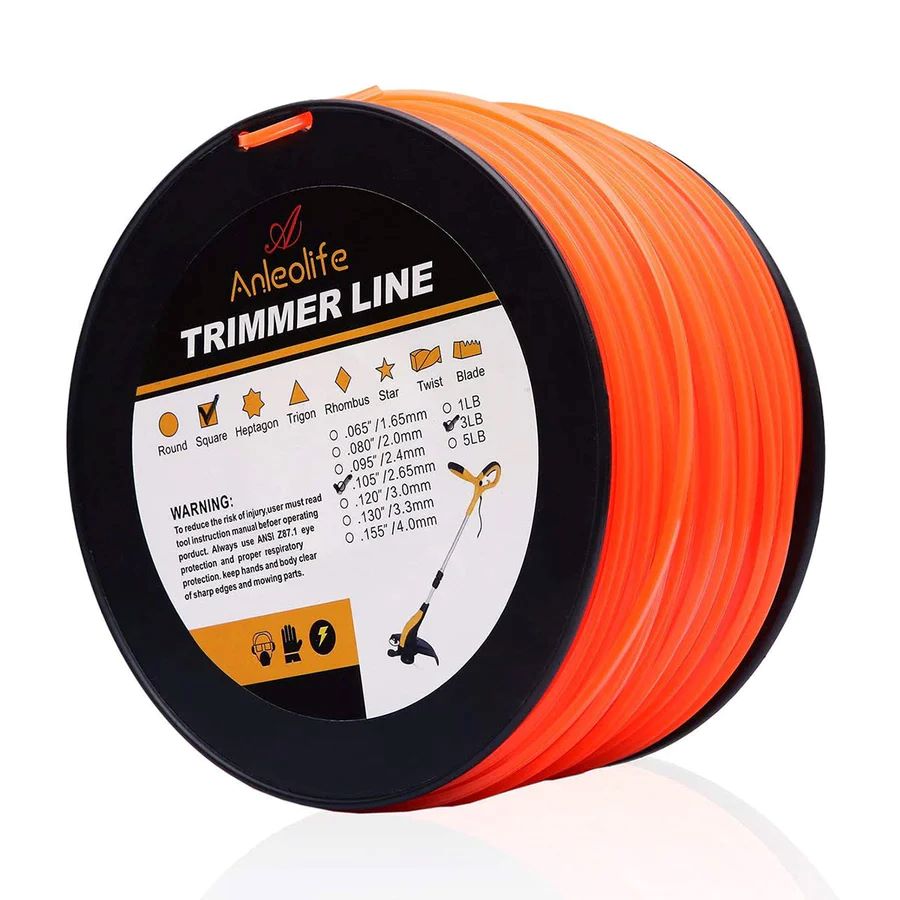
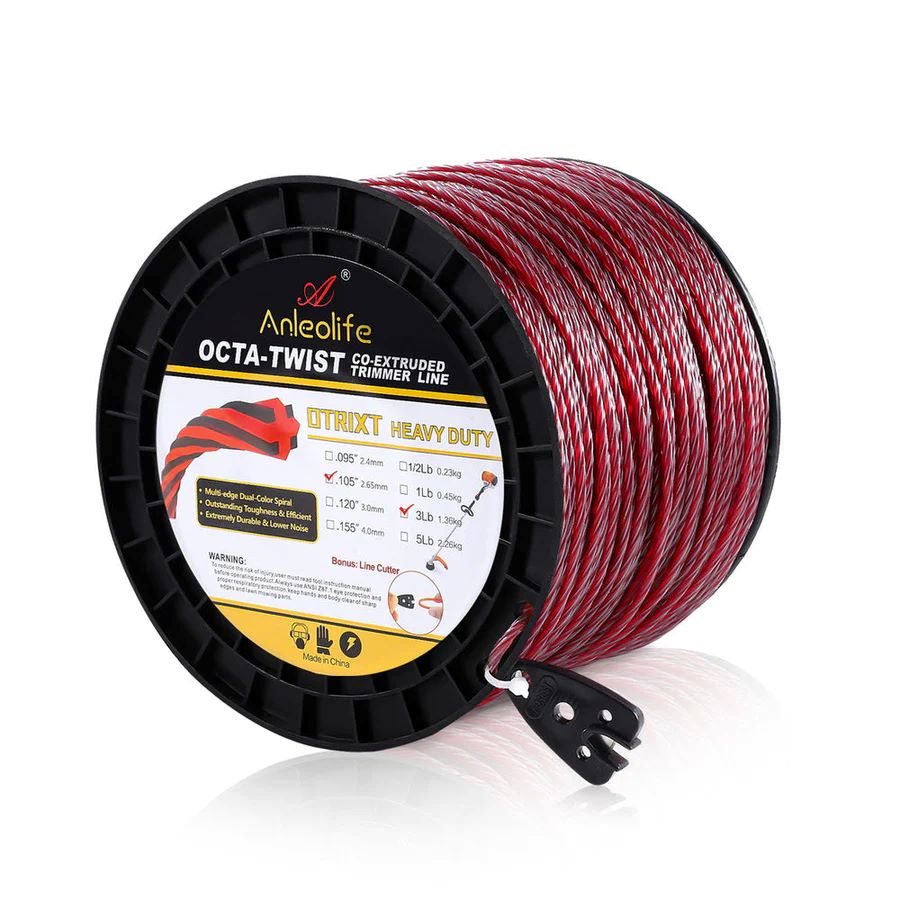
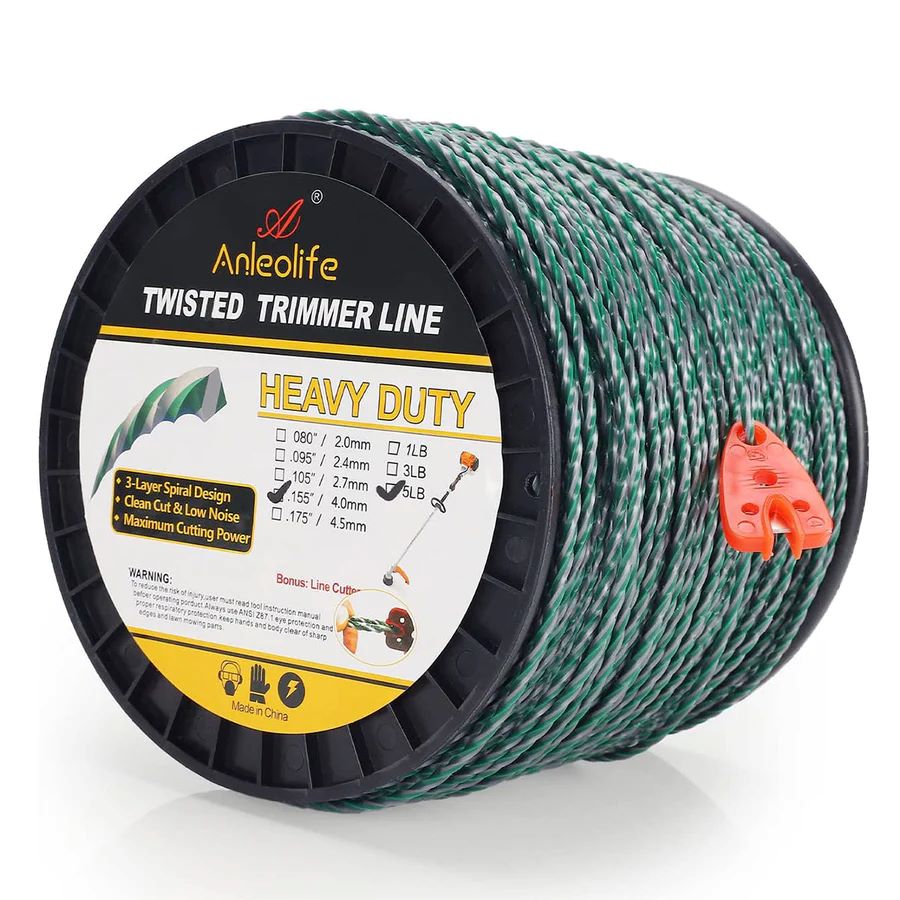
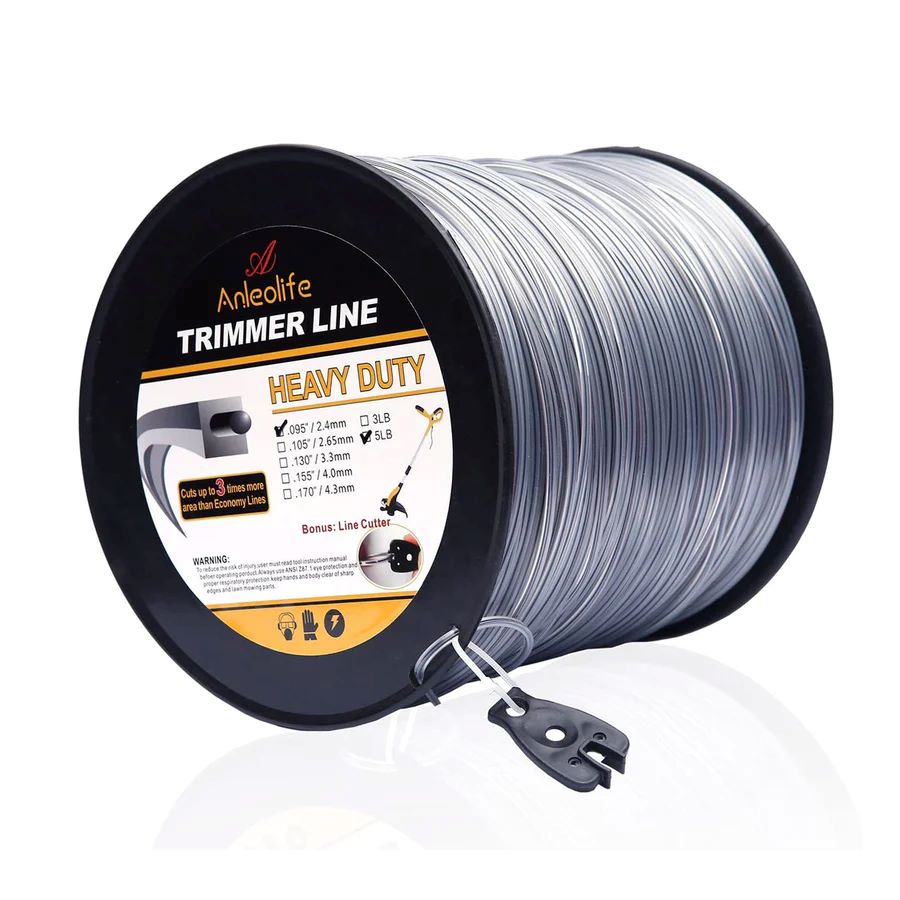
A raised bed garden requires relatively minimal tooling compared to traditional in-ground gardening, but a few basics are essential. A quality hand trowel and transplanting fork are sufficient for most planting tasks. If your raised beds are surrounded by lawn areas, a string trimmer for edging requires periodic replacement of trimmer lines — typically a few dollars per spool, making it a negligible but recurring line item.
For outdoor storage of hand tools and power tools near your garden area, weather-resistant storage options matter. A dedicated outdoor tool rack, sealed storage box, or small garden shed keeps implements dry and extends their service life significantly. This is worth budgeting $50–$200 depending on your tool collection size, even if it seems tangential to the garden bed itself.
How often to water raised garden beds is another factor affecting your setup decisions. Because raised beds drain more efficiently than in-ground plots, they generally require watering every 1–2 days during hot summer months, and daily during heat waves. Automated drip systems make this manageable, but manual watering requires a quality hose or watering can — budget $20–$50 for this if you don't already own one.
Outdoor Seating: Often Forgotten, Always Worth It
One of the most overlooked line items in a garden setup budget is outdoor seating. If you're investing in a beautiful productive garden, you'll want somewhere comfortable to sit, observe, and enjoy it. For small patios adjacent to raised bed areas, the best outdoor seating options balance durability, space efficiency, and aesthetic cohesion.
Folding bistro chairs and a small café table are excellent for tight spaces — often available for $80–$200 for a complete set. Weather-resistant resin wicker loveseats or benches offer a more substantial seating solution at $150–$400. For raised bed gardeners who garden seriously, a kneeling pad with handles (not traditional seating, but equally important for comfort) runs $25–$50.

ALT: Galvanized steel rust-resistant raised garden beds filled with vegetables on a well-designed summer patio with seating
Advanced Budgeting: Scaling Up and Avoiding Common Mistakes
Scaling Your Setup Without Breaking Your Budget
The most financially efficient approach to raised bed gardening is to start with one high-quality bed and expand incrementally. Modular raised garden bed systems make this particularly practical — they're designed with compatibility in mind, allowing you to add new sections or beds over time without visual inconsistency or wasted investment.
If you start with a single 8x4-foot bed this summer and find gardening rewarding, adding a second or third bed next season is straightforward. Your soil knowledge, tool investment, and watering infrastructure are already in place — marginal cost for each additional bed is primarily just the structure and soil fill.
Three Common Budget Mistakes to Avoid
Mistake 1: Buying the cheapest bed available and ignoring lifespan. A $35 untreated wood kit that warps and rots within three years has a higher effective annual cost than a $200 galvanized steel bed rated for 20 years. Always calculate cost-per-season, not just purchase price.
Mistake 2: Underfunding the soil budget. New gardeners frequently allocate 80% of their budget to the structure and 20% to soil — when the optimal ratio is arguably closer to 50/50, especially in the first season. Poor soil produces poor yields regardless of bed quality.
Mistake 3: Forgetting climate-specific material requirements. In humid or coastal climates, the best raised garden bed materials for rust resistance and durability are non-negotiable. A standard steel bed without proper galvanization or rust-resistant coating will degrade rapidly in these environments, negating any upfront savings. Always verify coating specifications before purchasing.
The Misconception About "Starter Kits"
Many retailers market entry-level raised bed kits as complete starter packages, but these often exclude the most expensive components: soil, soil amendments, irrigation, and sometimes even essential hardware. Reading kit contents carefully before purchase prevents budget surprises. A kit priced at $49 may require an additional $150–$200 in soil and amendments to become functional — meaning the true all-in cost was never actually $49.
Frequently Asked Questions FAQ
Q1: How much should I budget for my first raised garden bed setup including everything?
A comprehensive first-time raised bed setup — including the bed structure, quality soil and amendments, basic tools, a simple trellis, and a liner — typically runs $250–$600 for a standard 8x4-foot configuration using quality galvanized steel. This range accounts for significant regional variation in soil costs and tool ownership status. Choosing a durable steel bed with a 20-year lifespan means this investment amortizes to a low annual cost over time.
Q2: Are galvanized steel raised garden beds safe for growing vegetables?
Galvanized steel raised garden beds are widely considered safe for food gardening by horticultural authorities. The zinc coating used in galvanization is the same mineral found naturally in soils and is essential for plant growth. Studies indicate that zinc leaching from galvanized beds into soil is minimal and does not accumulate to levels of concern in food crops under normal residential gardening conditions. Rust-resistant coated beds add an additional layer of protection and longevity.
Q3: How much does soil cost to fill a raised garden bed, and does it need to be replaced annually?
Soil costs for initial fill of a standard 8x4-foot bed at 18 inches deep typically range from $100–$250 depending on mix quality and your local market. The good news is that quality raised bed soil does not need full replacement annually. With regular composting, seasonal topdressing, and the addition of amendments as needed, your soil actually improves year over year. Expect to spend $20–$60 per season on amendments and compost after the initial fill investment.
Summary
Budgeting for a raised garden bed this summer is less complicated than it seems once you understand the key cost drivers: material quality and lifespan, soil volume, and accessory investments. Here are the three most important takeaways:
- Think in lifetime cost, not purchase price. A galvanized steel bed built for 20 years of use delivers dramatically better value per growing season than lower-cost alternatives that require frequent replacement.
- Don't underestimate soil costs. The structure gets the attention, but soil quality determines actual garden performance. Budget generously here in your first season, and your investment compounds over time.
- Scale gradually with quality infrastructure. Starting with one premium modular bed and expanding incrementally is far more financially sound than purchasing multiple low-quality beds simultaneously.
Your summer garden upgrade doesn't need to feel financially overwhelming. With clear planning, realistic expectations, and investment in durable materials, a productive and beautiful raised bed garden is well within reach for most households — and it delivers returns in fresh food, outdoor enjoyment, and property value that compound for years to come.
Start Your Raised Garden Bed Journey with Anleolife
Anleolife's nationwide U.S. warehouse network — strategically located in California, Texas, Florida, New York, Illinois, and Washington — ensures delivery in as fast as 3–8 business days, so your garden upgrade plans never have to wait through the growing season.
Our products are available on major e-commerce platforms including Amazon, Walmart, Home Depot, Lowe's, and Wayfair, as well as our official website Anleolife.com, providing consistent quality assurance and after-sales service wherever you prefer to shop.
Anleolife's three core scenarios cover everything your garden needs:
- Planting — metal raised garden beds and soil systems engineered for productive, long-lasting performance
- Raising — chicken coops and rabbit hutches for complete backyard self-sufficiency
- Beautification — decorative accessories and pathway systems that elevate your outdoor space from functional to stunning
We understand that an ideal garden is not built overnight — it's gradually improved over time. Our modular product design allows flexible expansion based on your needs, from your first compact raised bed to a fully integrated planting-and-raising ecosystem. We grow with you every step of the way.
References
- National Gardening Association. "Garden to Table: A Guide to Growing Food at Home".
https://garden.org/ - University of California Agriculture and Natural Resources. "Raised Bed Gardening".
https://ucanr.edu/ - U.S. Environmental Protection Agency. "Reducing Food Waste at Home: The Role of Home Gardening".
https://www.epa.gov/recycle/reducing-wasted-food-home - Penn State Extension. "Raised Bed Gardening — Soil Preparation and Planting".
https://extension.psu.edu/ - Oregon State University Extension Service. "Building Raised Beds: Materials, Dimensions, and Soil Mixes".
https://extension.oregonstate.edu/
Note: Standards and pricing data may be updated. Please check the latest official documents or consult professional advisors for the most current recommendations.
About Anleolife
Anleolife is a leading outdoor garden solutions provider in North America, dedicated to offering a full-scenario product ecosystem for home gardening enthusiasts, covering planting, raising, and garden beautification. Since its founding, we have upheld our brand mission, "Made for Garden Life," continuously innovating products and optimizing services to help hundreds of thousands of users upgrade their gardens, reconnect with nature, and enjoy a better garden lifestyle.