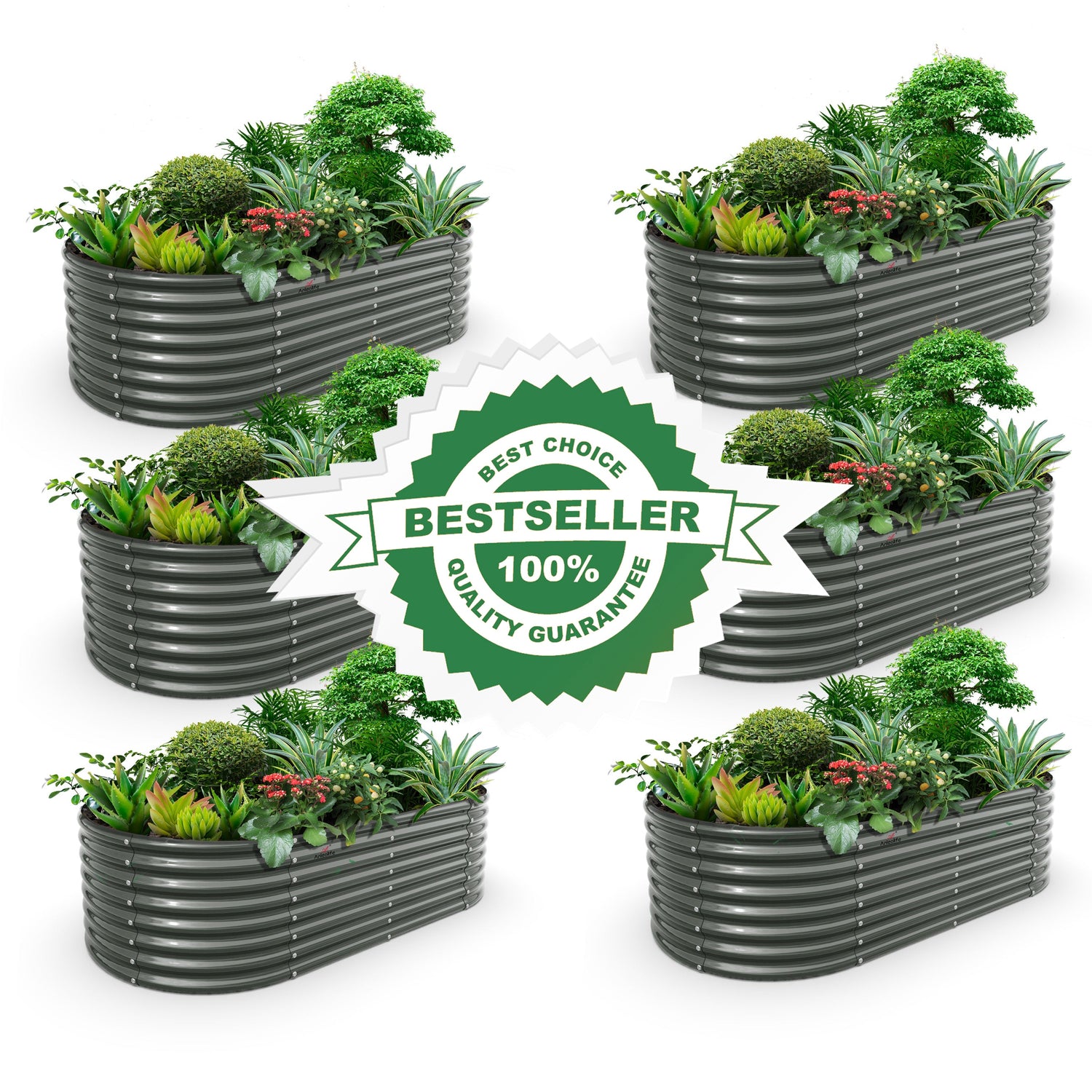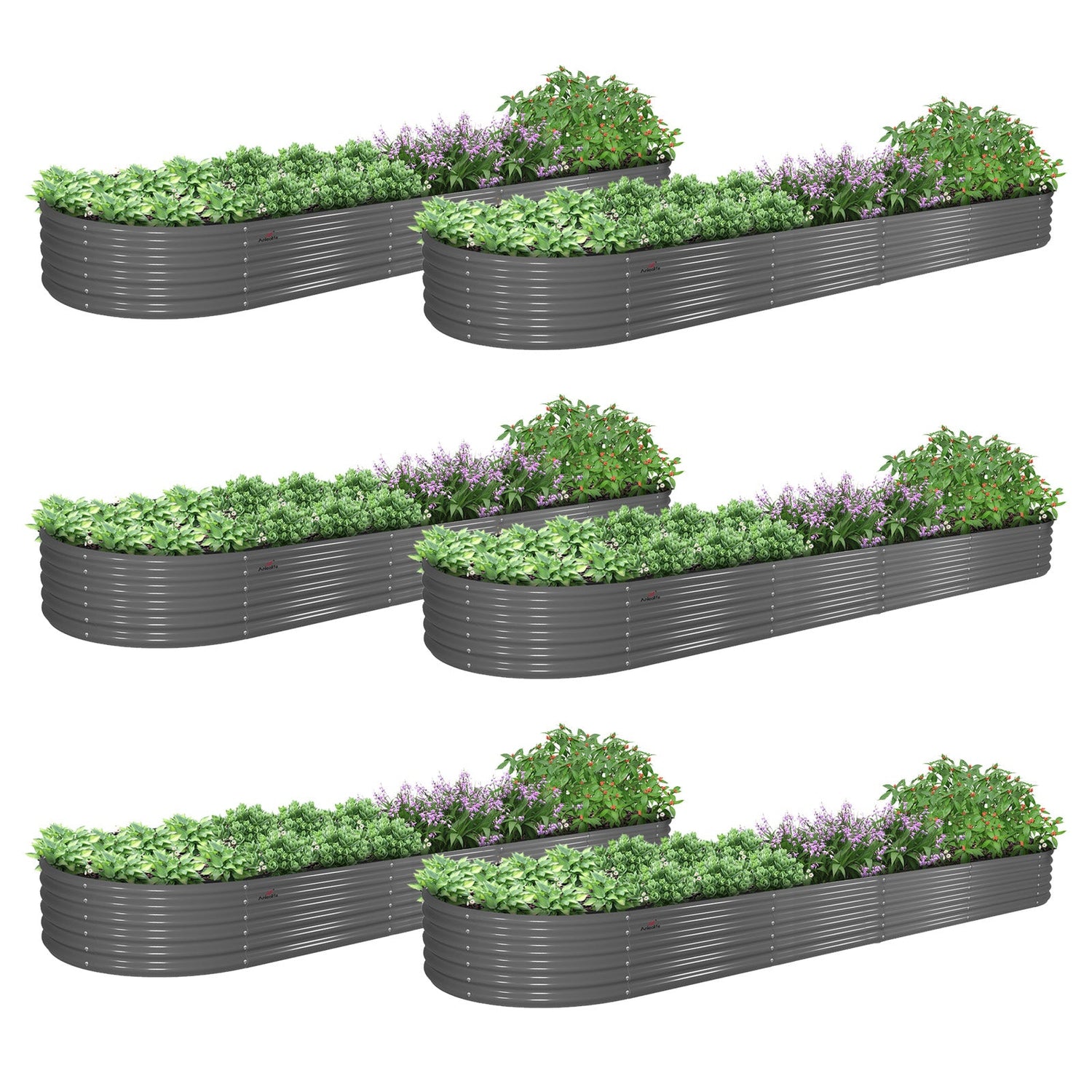



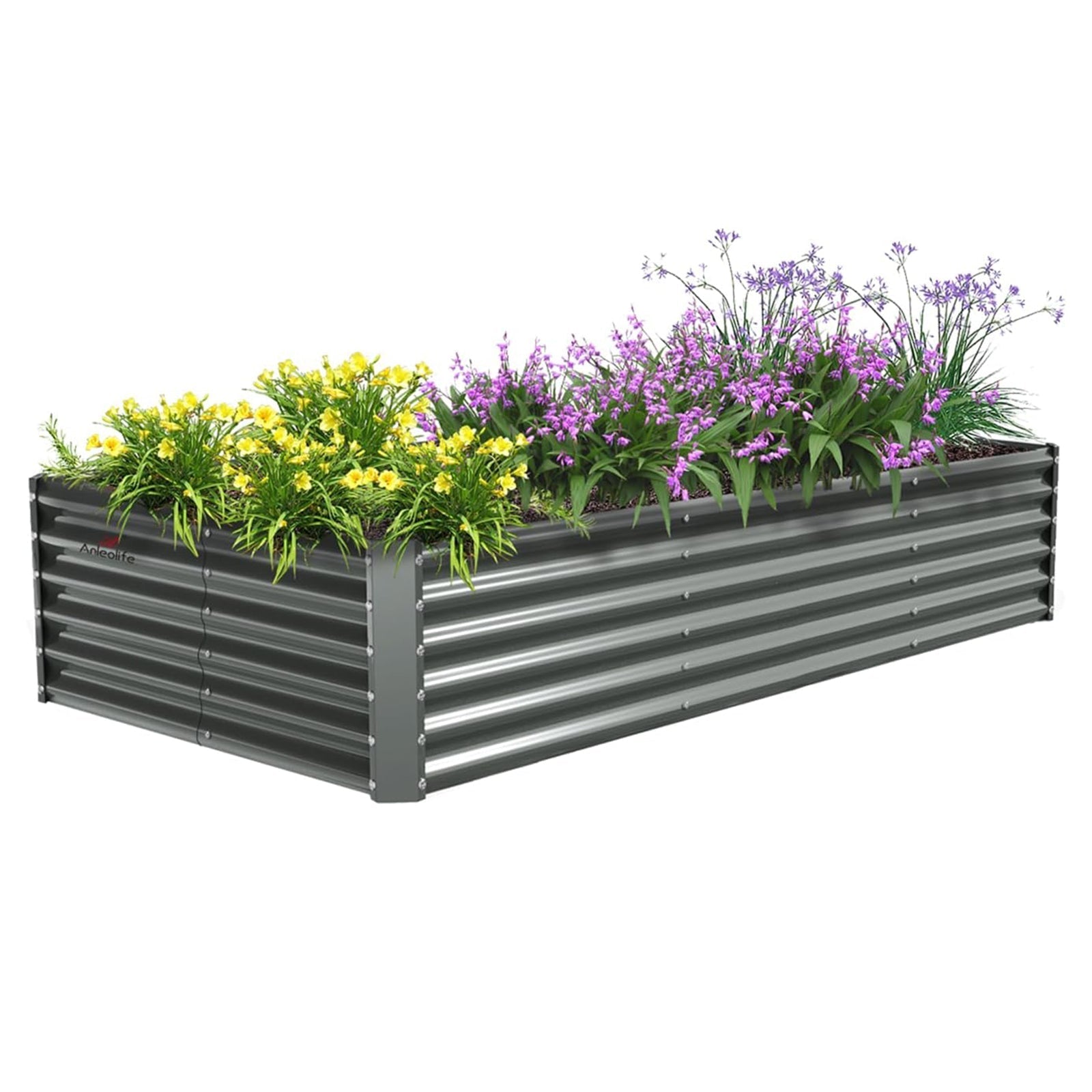

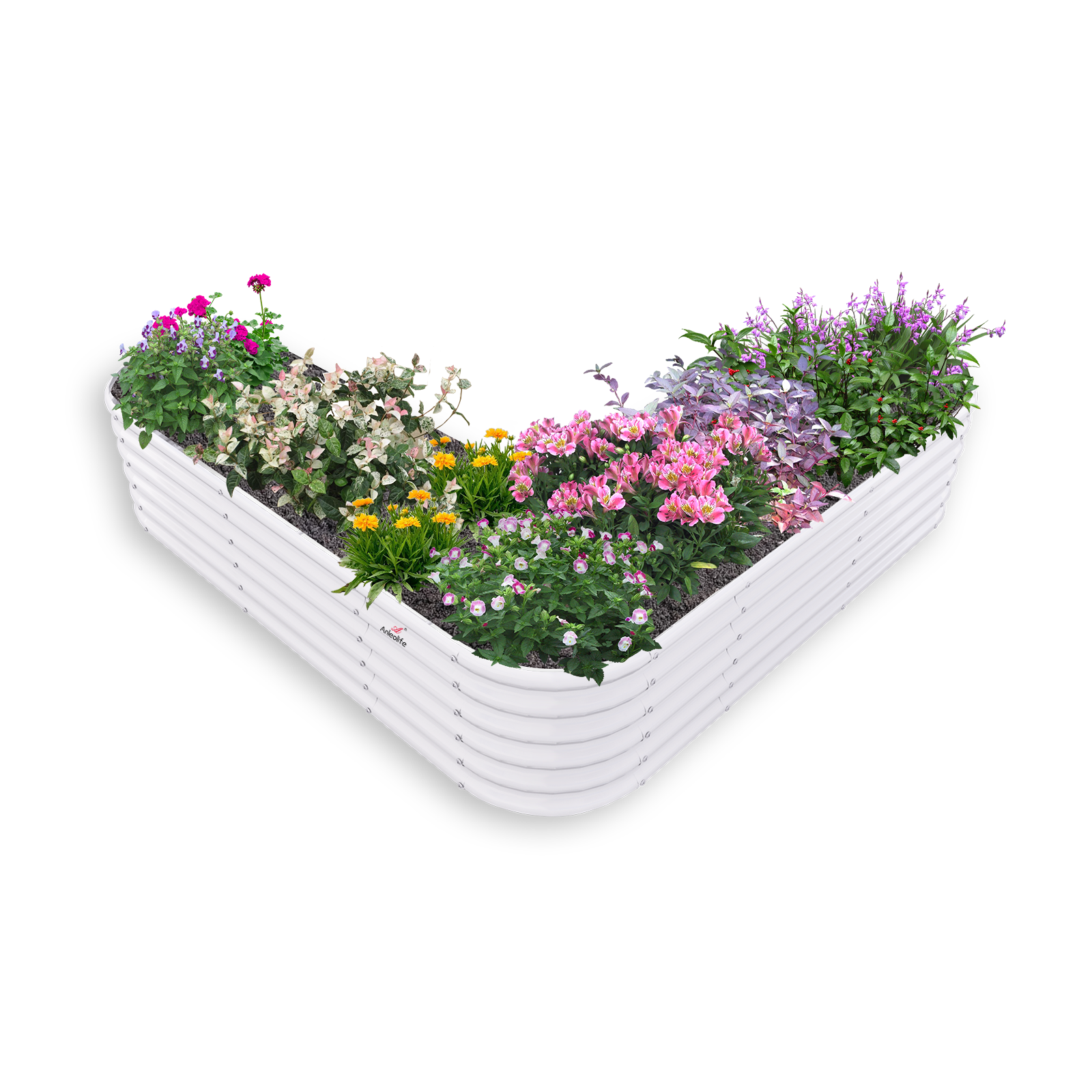
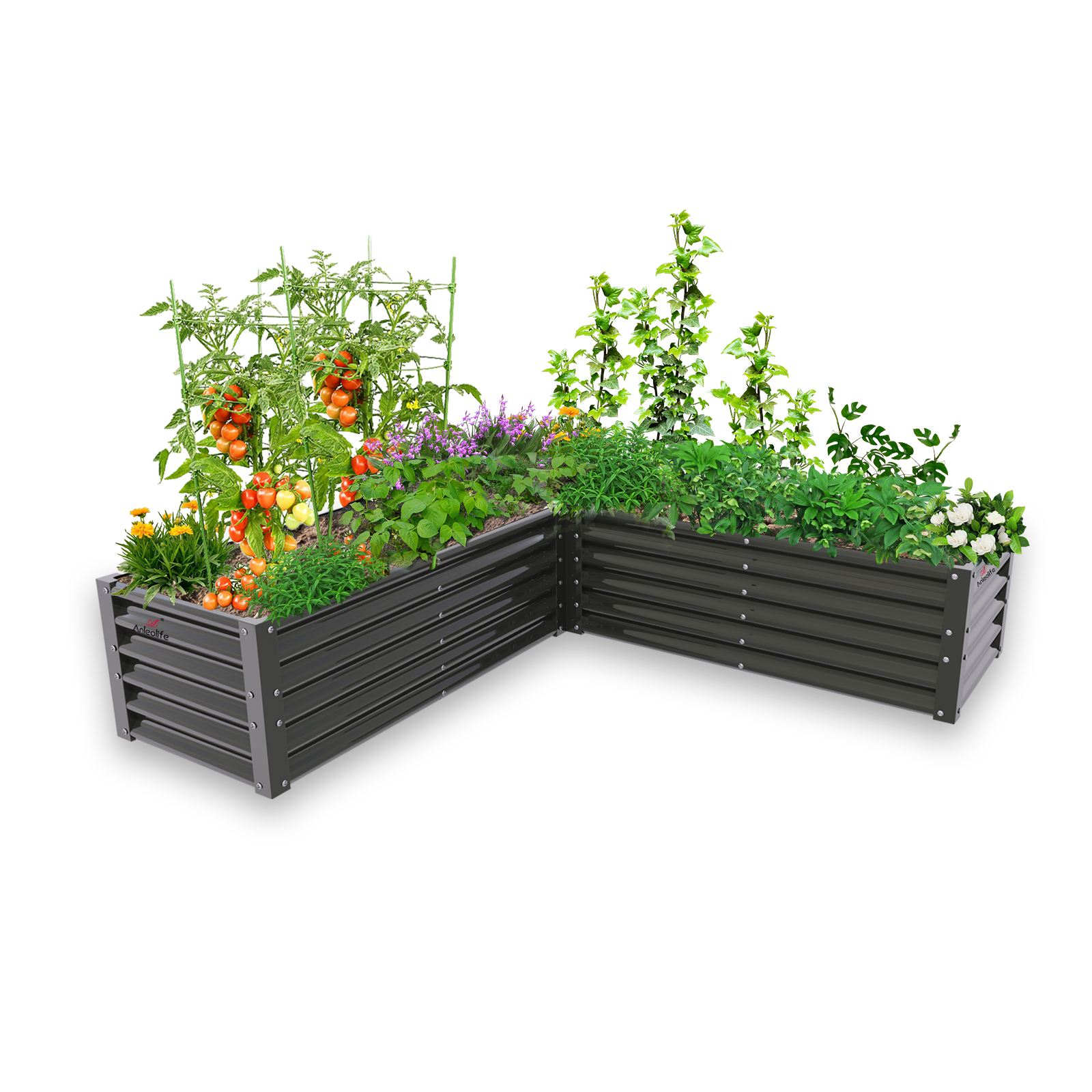
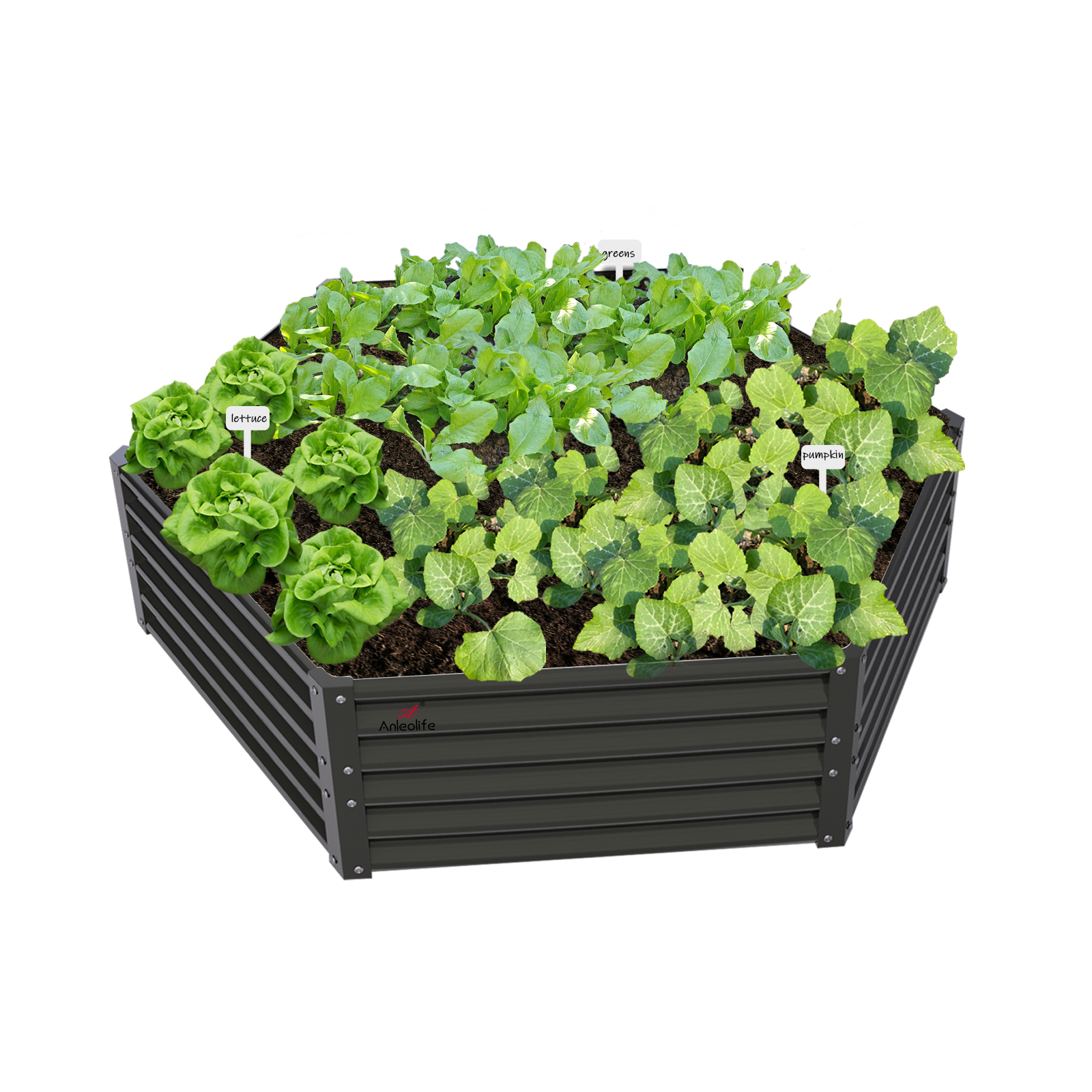
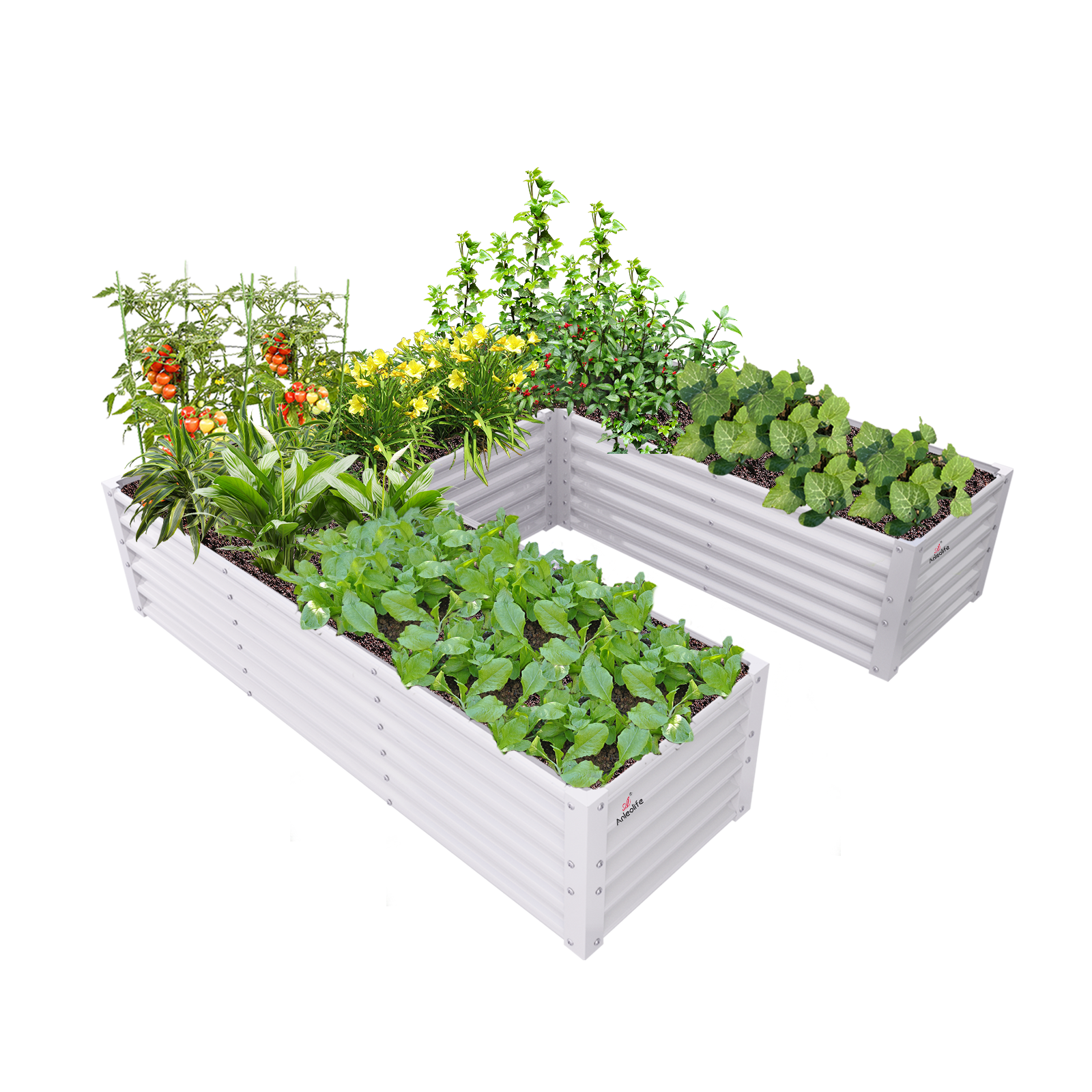

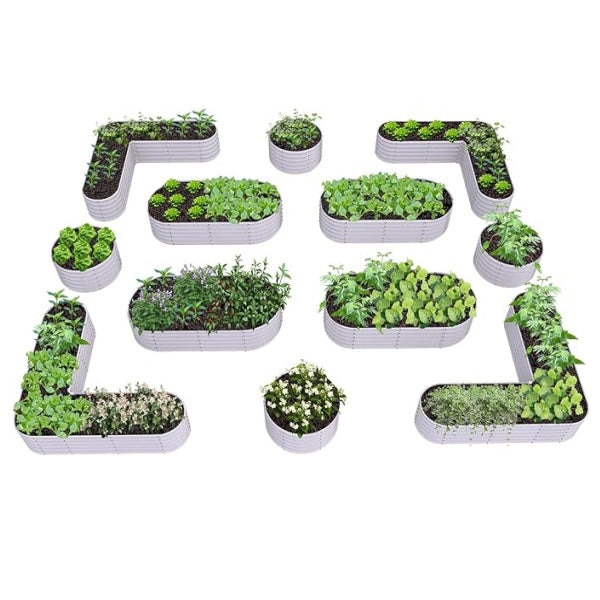


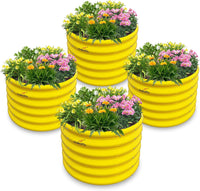
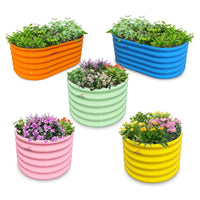
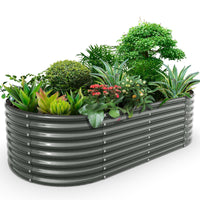



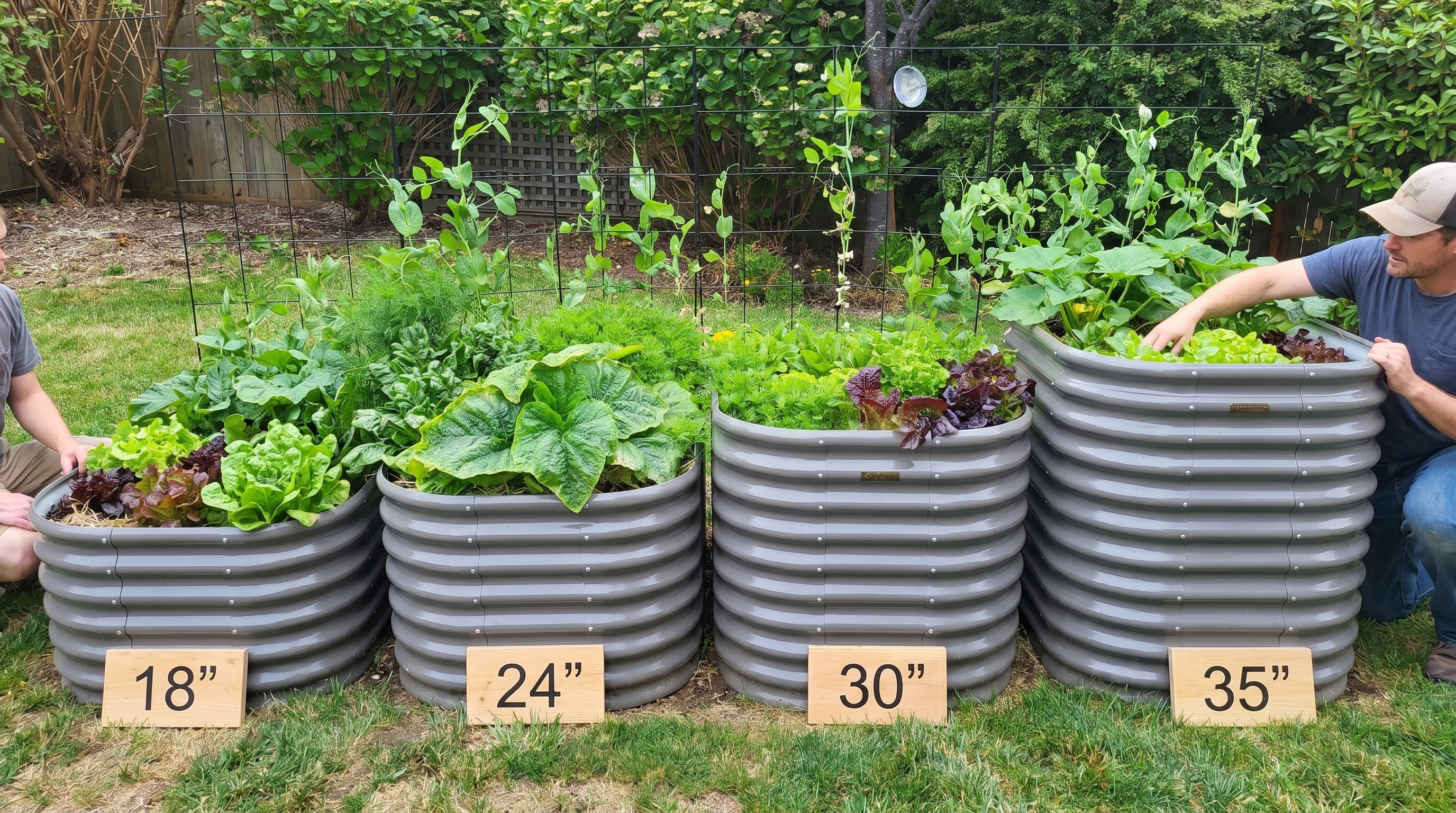
ALT: Comparison of raised garden bed heights 18 24 30 and 35 inches showing best metal raised beds for home gardeners
Why Raised Garden Bed Height Matters More Than You Think
Key Conclusion: Choosing the right raised garden bed height is one of the most impactful decisions a home gardener can make. Whether you're a first-time planter selecting your best raised garden beds or a seasoned grower optimizing an established space, the height of your bed directly affects root development, physical comfort, drainage performance, and long-term productivity. From compact 18" beds for shallow-rooted herbs and greens to waist-high 35" structures designed for back-friendly gardening, understanding the purpose of each height tier helps you grow smarter, not harder.
Raised garden beds have transformed backyard growing across North America—and for good reason. They give gardeners control over soil quality, drainage, and planting depth that ground-level plots simply can't match. But as more families invest in the best metal raised beds for their outdoor spaces, a common question comes up: how tall should your bed actually be?
The answer depends on three intersecting factors: what you're growing, who's doing the gardening, and where the bed is going. This guide breaks down each height tier—18", 24", 30", and 35"—so you can make a confident, practical choice backed by real growing logic.
Who This Guide Is For
✅ Applicable Scenarios:
- Home gardeners planning their first or second raised bed and unsure which height fits their needs
- Older adults or gardeners with mobility limitations looking for ergonomic planting solutions
- Urban micro-gardeners working with patios, rooftops, or compact outdoor spaces
- Families who want to grow vegetables, herbs, or flowers with minimal soil prep and maximum yield
❌ Not Applicable/Cautions:
- Gardeners with unlimited in-ground planting space and no accessibility concerns may find standard raised beds unnecessary
- Those looking for decorative-only planters without functional growing depth may find the taller options over-engineered for their needs
The Science Behind Raised Bed Depth and Plant Health
Before diving into the height tiers, it helps to understand why depth matters agronomically. Root systems vary dramatically by plant type. Lettuce and spinach roots typically reach 6–12 inches deep. Tomatoes, peppers, and squash need 12–24 inches of rich, loose soil to develop strong root architecture. Root vegetables like carrots and parsnips demand the deepest medium possible to grow straight and full.
In traditional in-ground gardens, roots are often restricted by compacted subsoil, clay layers, or poor drainage. Raised beds eliminate these barriers—but only if the bed is deep enough to begin with. A bed that's too shallow forces roots to hit the sidewalls or circle back, limiting plant vigor and yield.
Beyond plant biology, soil science also plays a role. Deeper beds hold more volume, which means better moisture retention, more stable temperature gradients, and room for a richer layered soil system—including the increasingly popular "no-dig" lasagna layering method, which uses compost, cardboard, and organic matter to create a thriving growing medium from the bottom up. Using the best mulch for vegetable garden applications on top of these layers further conserves moisture and suppresses weeds, making deep beds especially productive.
Raised beds also address a challenge that ground gardeners face constantly: soil quality. In many North American suburbs, native soil is compacted, clay-heavy, or nutrient-poor. Rather than spending years amending in-ground soil, raised beds let you fill with exactly the mix your plants need from day one.
Market data reflects this shift. According to the USDA's Urban Agriculture Census data, participation in home food gardening has grown significantly in recent years, with raised beds cited as one of the top structural investments among new gardeners. As the interest in growing fresh, chemical-free produce continues to rise, understanding how to build the right foundation—literally—becomes more important than every year.
The Complete Height Guide: 18", 24", 30", and 35" Explained
Three Steps to Choosing Your Ideal Raised Bed Height
Step 1: Identify What You're Growing
Start with your plant list. Are you focusing on leafy greens, culinary herbs, and compact flowers? An 18" bed provides plenty of depth for shallow-rooted crops and works especially well for beginners. Planning to grow tomatoes, cucumbers, peppers, or root vegetables? You'll want 24" or more to accommodate the deeper root systems these plants require. Spending 5–10 minutes drafting a simple plant list before purchasing a bed can save you from frustration mid-season.
Step 2: Consider Your Body and Physical Comfort
Think honestly about who will be tending this garden regularly. If you or a family member has back pain, hip stiffness, or limited mobility, a taller bed at 30" or 35" dramatically reduces the need to kneel or bend. For households with young children who garden alongside parents, a mid-height 18"–24" bed is typically easier for little ones to reach. Matching bed height to the gardener's body is just as important as matching it to the plants.
Step 3: Evaluate Your Space and Surface
Consider whether your bed will sit on soil, gravel, a deck, a patio, or a concrete slab. Beds placed on hard, non-permeable surfaces need deeper profiles to hold sufficient soil volume since roots can't extend downward into the ground. Beds on in-ground soil can use shallower heights and still give roots some access to native soil below. Also consider visual proportions—a 30" or 35" bed in a small patio space can look striking and architectural, while an 18" bed in a large open yard may look understated.
Height Tier Comparison: At a Glance
Here's how the four primary height tiers compare across the dimensions that matter most to home gardeners:
| Comparison Dimension | 18" Standard | 24" Extra Tall | 30" Extra Tall | 35" Waist-High |
|---|---|---|---|---|
| Best for plant types | Herbs, greens, flowers, strawberries | Tomatoes, peppers, cucumbers, root vegetables | Deep-rooted crops, full vegetable gardens | All crops; optimized for ergonomic access |
| Root depth capacity | Good (shallow to medium roots) | Excellent (medium to deep roots) | Excellent (deep roots, layered systems) | Excellent with maximum volume |
| Ergonomic benefit | Low (requires kneeling/bending) | Moderate (reduced bending) | High (minimal bending) | Very High (stand-up gardening) |
| Ideal user | Beginners, families with children | Intermediate growers, mixed planters | Serious growers, gardeners with back issues | Seniors, those with mobility concerns |
| Placement flexibility | Ground, patios, decks | Ground, patios | Ground, garden spaces | Ground; larger footprint works best |
| Visual presence | Subtle, low-profile | Balanced, visible | Bold, architectural | Statement piece |
A Deeper Look at Each Height Tier
18" — The Versatile Everyday Bed
The 18-inch raised garden bed is the most widely used height in home gardens, and for good reason. It strikes a balance between soil volume and accessibility, providing enough depth for the majority of popular vegetables and herbs while keeping material costs and setup effort manageable.
At 18 inches, beds accommodate leafy greens like lettuce, kale, chard, and arugula with ease. Compact root vegetables such as radishes and beets, along with herbs like basil, parsley, cilantro, and thyme, also thrive at this depth. Strawberries, marigolds, and many annual flowers are equally well-suited.
For families with children, the 18" height is approachable and easy for younger gardeners to reach and engage with. Many first-time gardeners start here because the setup feels manageable—and it is. Anleolife's Galvanized Steel Raised Garden Beds at 18" are available in a wide variety of sizes including 12x3 ft, 8x4 ft, 6.2x6.2 ft, and more, giving new gardeners significant flexibility in footprint without committing to a towering structure.
One practical consideration: if you're placing an 18" bed on a patio or deck, you're working with a fixed soil volume. Choosing the right soil blend from the start—rich, well-draining, and amended with compost—is critical. Applying the best mulch for vegetable garden use on the surface will also help retain moisture and protect the growing medium across seasons.
24" — The Sweet Spot for Serious Vegetable Growing
For gardeners who want to grow a more diverse range of crops—including heavier feeders and deeper-rooted varieties—the 24-inch raised bed is often described as the sweet spot. It provides a meaningful step up in root depth, allowing tomatoes, eggplant, peppers, and climbing cucumbers to develop the strong foundational root systems they need.
The additional depth also unlocks the layered soil approach more fully. With 24 inches of growing medium, you can implement a bottom layer of rough organic material for drainage, a middle layer of compost-rich blended soil, and a fine top layer for seeding—a method that experienced gardeners find dramatically improves yield and plant health.
From an ergonomic standpoint, 24" also offers meaningful relief for gardeners who find constant kneeling uncomfortable. While it doesn't eliminate bending entirely, it reduces the range of motion required, particularly for taller individuals.
Anleolife offers 24" Extra Tall options in both the Galvanized Steel and Rust-Resistant Raised Garden Bed lines, as well as in the Modular Raised Garden Bed category, in sizes like 8x4 ft and 6x3 ft. This height tier consistently ranks among the best raised garden beds for households that want genuine growing performance alongside visual presence in the garden.
30" — For Deep Roots and Demanding Crops
Step up to 30 inches, and you're entering serious growing territory. This height is purpose-built for gardeners who want to grow the most demanding crops—deep-taproot carrots, parsnips, and beets; sprawling squash and melon vines; and large-format tomatoes that benefit from extensive root networks.
At 30", the soil column is substantial enough to maintain excellent moisture and temperature stability even during summer heat spikes. This is particularly valuable in states like Texas, Florida, and California, where Anleolife has regional warehouse infrastructure to support fast 3–8 business day delivery.
From an ergonomic standpoint, 30" beds significantly reduce the need to bend down, making them a popular choice among gardeners who are starting to feel the physical toll of lower beds. Many users in their 50s and 60s describe the 30" bed as "the moment gardening became comfortable again." It's not quite a full stand-up experience, but it's close—and for those who simply want more depth without going all the way to waist height, it's the ideal compromise.
Anleolife's 30" Extra Tall beds are available in the Galvanized Steel series in sizes like 6x3 ft and 10x3 ft, as well as in the Rust-Resistant and Heavy Duty lines, giving serious growers multiple material and size options to match their garden plan.
35" — Waist-High, Back-Friendly, and Purpose-Built
The 35-inch waist-high raised bed is in a category of its own. Designed explicitly with ergonomics as the primary criterion, this height allows most adults to garden in a fully upright position—no bending, no kneeling, no strain. For seniors, retirees, and anyone managing chronic back or joint conditions, this isn't a luxury. It's a game-changer.
At 35 inches, gardening transitions from a physically demanding chore to an genuinely enjoyable daily ritual. You can tend your plants, harvest your vegetables, water, prune, and weed without putting any stress on your lower back or knees. This opens the garden to people who had previously given up on growing due to physical limitations.
Anleolife's 35" Waist-High 4x1.5 ft bed is available in the Galvanized Steel series, and while it comes in a more compact footprint, it's perfect for balconies, patios, and small outdoor areas where accessibility is the top priority. It's also an elegant choice for retirees and empty nesters who want a thoughtful, low-effort growing space that enhances their outdoor lifestyle without demanding physical sacrifice.
It's worth noting that all Anleolife raised garden beds, regardless of height, are built to last. The brand's galvanized steel construction is engineered for a 20-year lifespan, meaning the bed you install today will still be performing beautifully decades from now—an investment that pays back season after season.
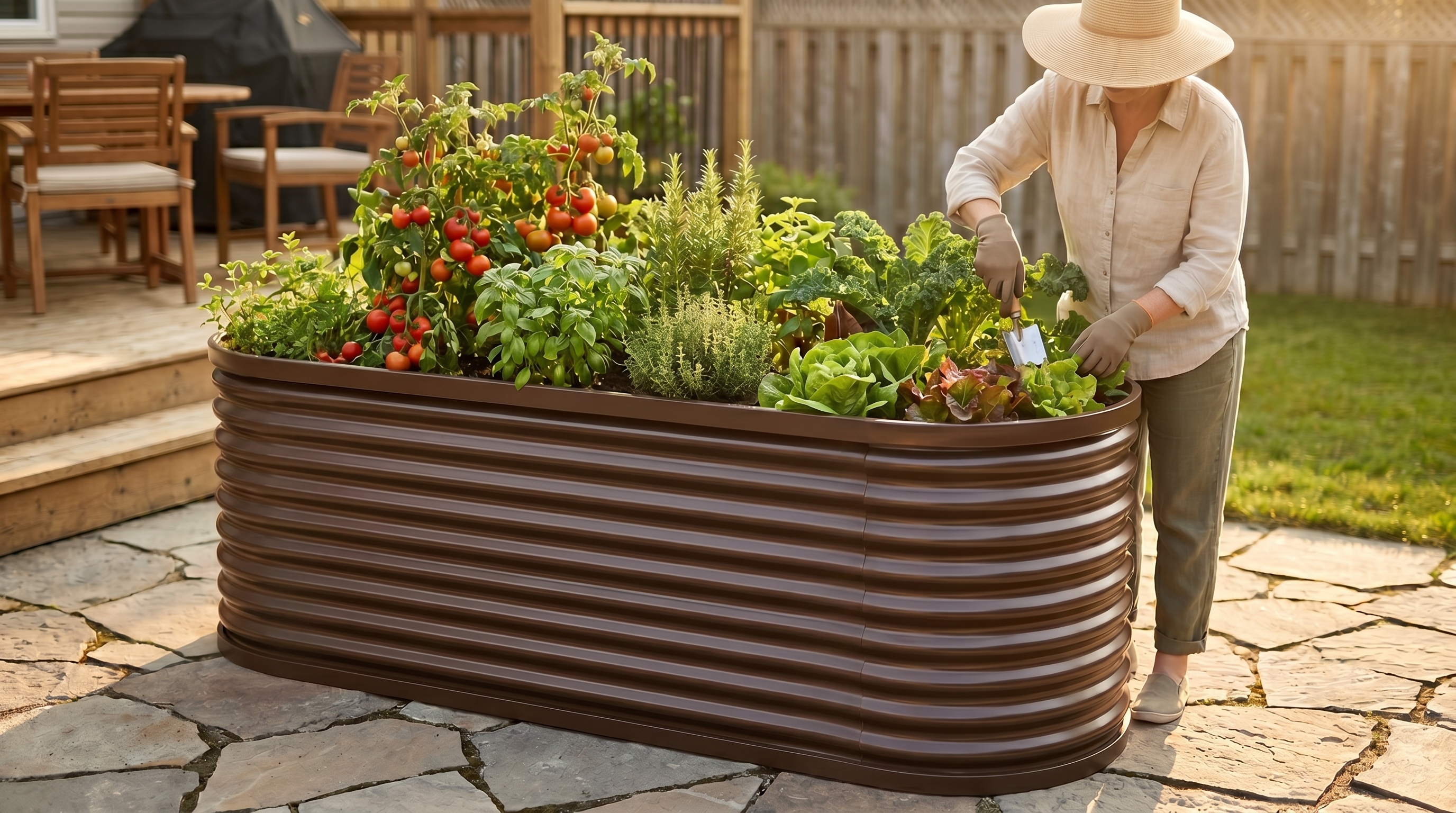
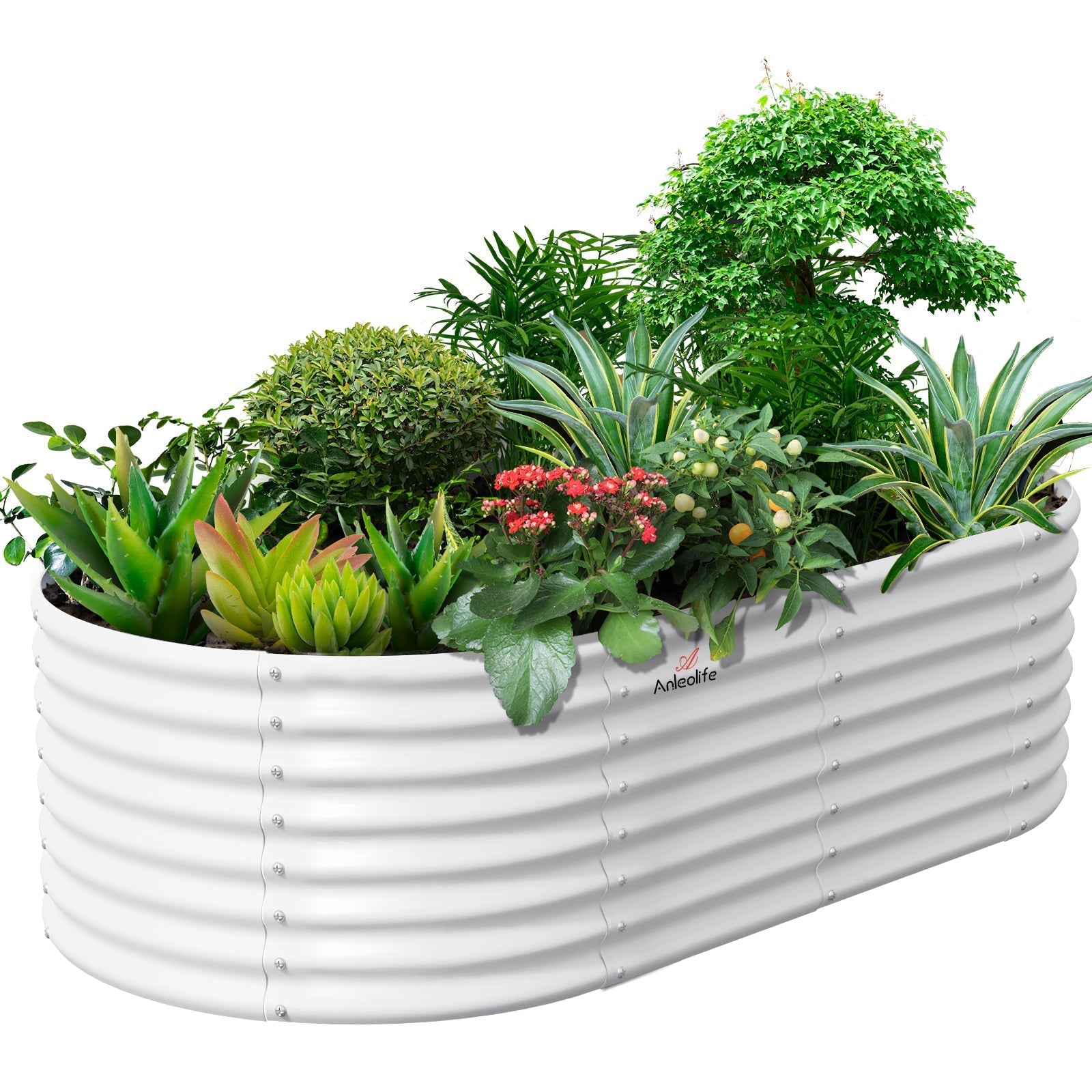
ALT: Anleolife 35-inch waist-high galvanized steel raised garden bed on patio ideal for ergonomic accessible gardening and best metal raised beds
Advanced Considerations: When Standard Advice Doesn't Fit
What If Your Soil Drainage Is Already Excellent?
Many gardeners assume that a bed placed directly on good native soil doesn't need as much height. While it's true that plant roots can penetrate down into the ground below an open-bottomed raised bed, relying on this entirely limits your control over soil quality and structure. Even on well-draining ground, a minimum of 18" ensures you're building a self-contained, manageable growing system. If you're on clay or compacted soil, go taller—24" or 30"—to guarantee adequate aeration.
Common Misconception: Taller Always Means Better
It's tempting to assume that more height equals more growing potential in every case. But a 35" waist-high bed filled with poorly mixed soil will underperform a well-maintained 18" bed every time. Height creates the capacity for excellent growing conditions—your soil blend, watering habits, and plant selection determine whether that capacity is realized. Invest equally in the physical structure and the growing medium inside it.
Mixing Heights: Building a Multi-Tier Garden System
One of the most effective strategies for experienced gardeners is combining multiple heights across a single garden plan. A 35" bed near the porch for easy daily herb harvesting, a 24" bed for tomatoes and peppers in the sunny center of the yard, and a low 18" bed for strawberries along the edge—this kind of intentional design maximizes both function and visual appeal. Anleolife's modular and standard product lines make it easy to mix and match heights and footprints without sacrificing aesthetic cohesion.
Frequently Asked Questions
Q1: How do I choose between a 24" and 30" raised garden bed for growing tomatoes?
Both heights work well for tomatoes, which need at least 12–18 inches of deep, rich soil for strong root development. If you're growing standard varieties and have good native soil below the bed, a 24" Extra Tall bed provides excellent depth and is the most common choice among home vegetable growers. If you're using a hard surface like a patio or growing large indeterminate varieties that develop extensive root systems, the additional volume in a 30" bed will give you more buffer and stability throughout the growing season.
Q2: Are galvanized steel raised garden beds safe for growing vegetables and edible plants?
Yes—modern galvanized steel raised garden beds, like those from Anleolife, are widely considered safe for edible gardening. The galvanization process creates a zinc coating that is highly resistant to rust and corrosion without leaching harmful compounds into the soil at levels considered dangerous for food crops. University extension programs and horticultural organizations have broadly endorsed galvanized steel as a durable and food-safe material for raised bed construction. Anleolife's beds are engineered for a 20-year lifespan, making them one of the most cost-effective long-term choices available.
Q3: How long does it take to receive and set up an Anleolife raised garden bed?
Anleolife operates a strategic U.S. warehouse network in California, Texas, Florida, New York, Illinois, and Washington, ensuring delivery within 3–8 business days for most customers. Products are available through Amazon, Walmart, Home Depot, Lowe's, Wayfair, and directly at Anleolife.com. Setup time varies by bed size and configuration, but most standard models can be assembled in under an hour with basic tools. The modular designs are particularly intuitive, designed so that one or two people can complete assembly comfortably without professional help.
Summary
Choosing the right raised garden bed height isn't about finding one universal answer—it's about matching a specific tool to your specific needs. Here are the three core principles to carry forward:
1. Match height to your plants. Shallow-rooted herbs and greens thrive in 18" beds. Serious vegetable crops like tomatoes, peppers, and root vegetables need 24"–30" of growing depth to reach their potential.
2. Match height to your body. Physical comfort isn't secondary—it's foundational to long-term gardening success. If bending and kneeling cause discomfort, 30" and 35" beds turn gardening from a strain into a pleasure.
3. Invest in quality that lasts. A raised garden bed is a multi-decade investment. Anleolife's galvanized steel construction carries a 20-year lifespan, meaning the right bed, chosen thoughtfully today, will serve your garden for years to come.
Your next step: visit Anleolife.com to explore the full height and size range, compare material options across the Galvanized Steel, Rust-Resistant, Modular, and Heavy Duty collections, and find the bed that fits your garden vision perfectly.
Ready to Build Your Best Garden Yet?
Anleolife supports North American gardeners with a nationwide U.S. warehouse network strategically located in California, Texas, Florida, New York, Illinois, and Washington—ensuring delivery within 3–8 business days so your garden upgrade plans never have to wait.
Shop across major platforms including Amazon, Walmart, Home Depot, Lowe's, Wayfair, and directly at Anleolife.com, with consistent quality assurance and dependable after-sales support on every order.
Anleolife's three core product scenarios—Planting (metal raised garden beds, soil systems), Raising (chicken coops, rabbit hutches), and Beautification (decorative accessories, pathway systems)—cover everything from functionality to aesthetics, so your outdoor space can grow into something truly exceptional.
We understand that an ideal garden isn't built overnight—it's cultivated season by season. Our modular product design allows flexible expansion based on your evolving needs, from your first raised bed to a fully integrated planting-and-raising ecosystem. We grow with you, every step of the way.
References
- U.S. Department of Agriculture (USDA). "Urban Agriculture and Home Food Gardening Resources."
https://www.usda.gov/topics/urban - University of California Cooperative Extension. "Raised Bed Gardening: Soil Depth and Plant Root Requirements."
https://ucanr.edu/ - Penn State Extension. "Raised Bed Gardening — Planning, Planting, and Maintaining Your Garden."
https://extension.psu.edu/raised-bed-gardening - National Gardening Association. "Vegetable Gardening in Raised Beds: A Practical Guide."
https://garden.org/ - Oregon State University Extension Service. "Ergonomic Gardening: Designing Accessible Garden Spaces."
https://extension.oregonstate.edu/
Note: Standards and research findings may be updated over time. Please check the latest official documents or consult professional advisors for the most current guidance.
About Anleolife
Anleolife is a leading outdoor garden solutions provider in North America, dedicated to offering a full-scenario product ecosystem for home gardening enthusiasts, covering planting, raising, and garden beautification. Since its founding, Anleolife has upheld the brand mission "Made for Garden Life," continuously innovating products and optimizing services to help hundreds of thousands of users upgrade their gardens, reconnect with nature, and enjoy a better garden lifestyle. Whether you're planting your first raised bed or building an expansive backyard growing system, Anleolife is committed to being the garden partner you can count on—season after season, year after year.