


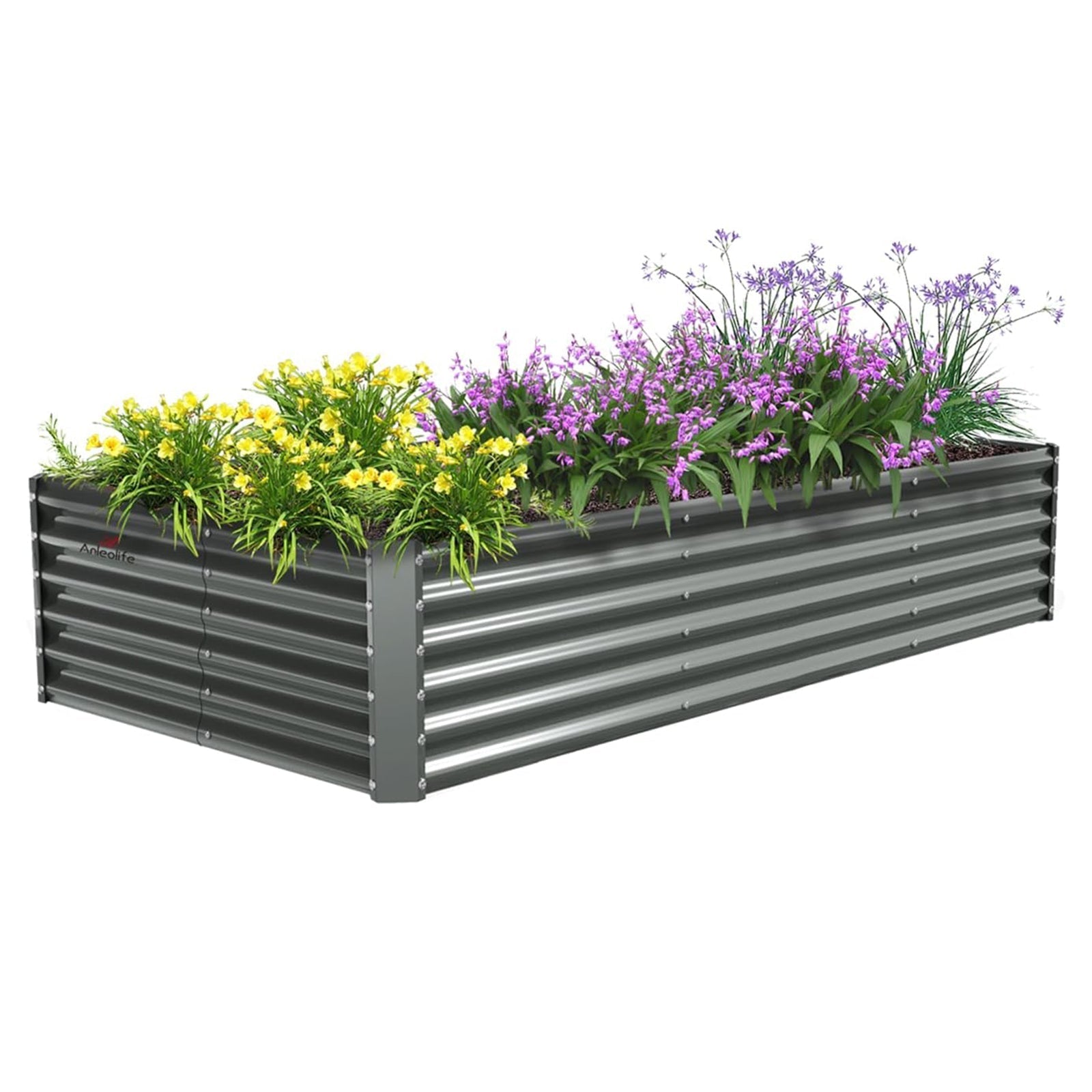
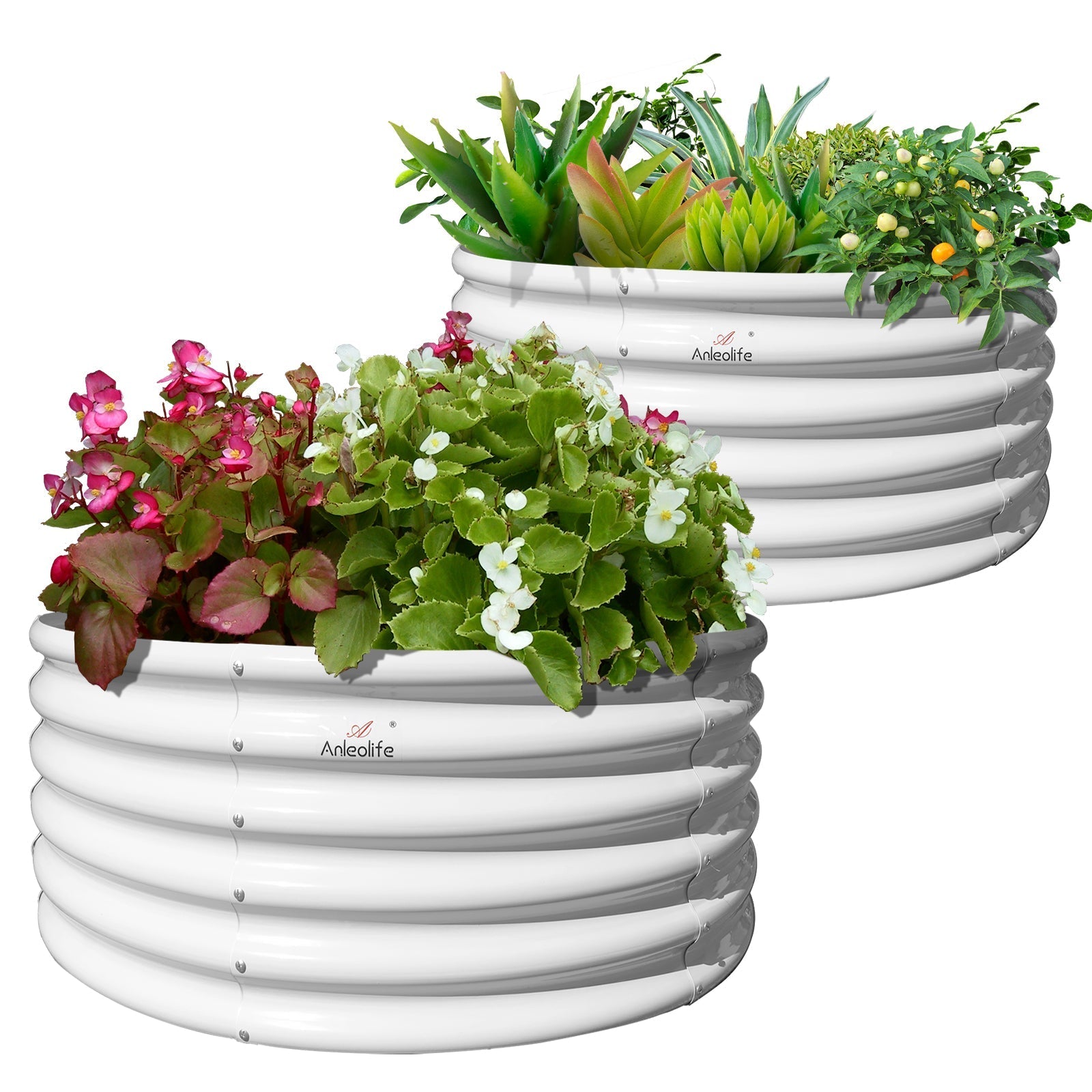
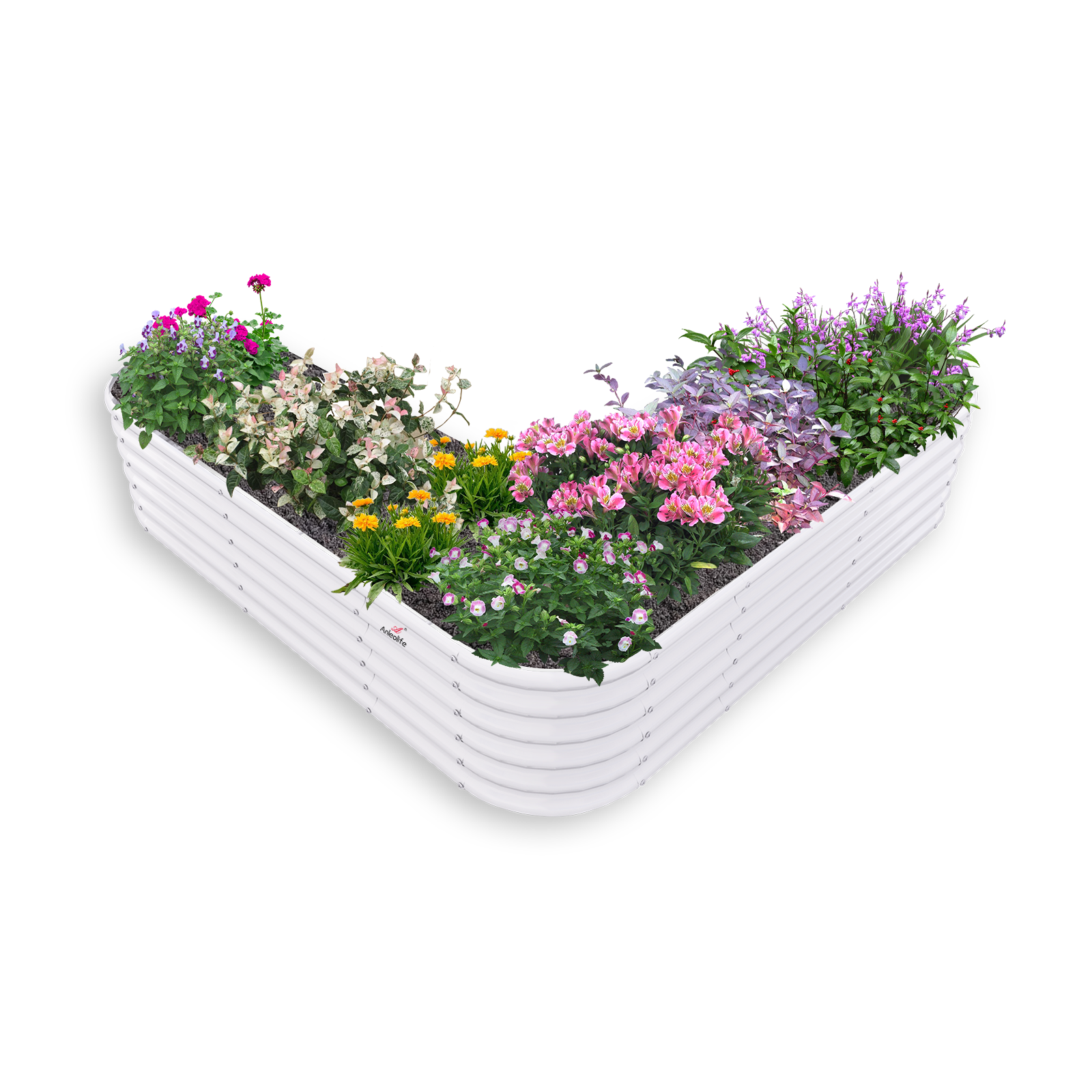
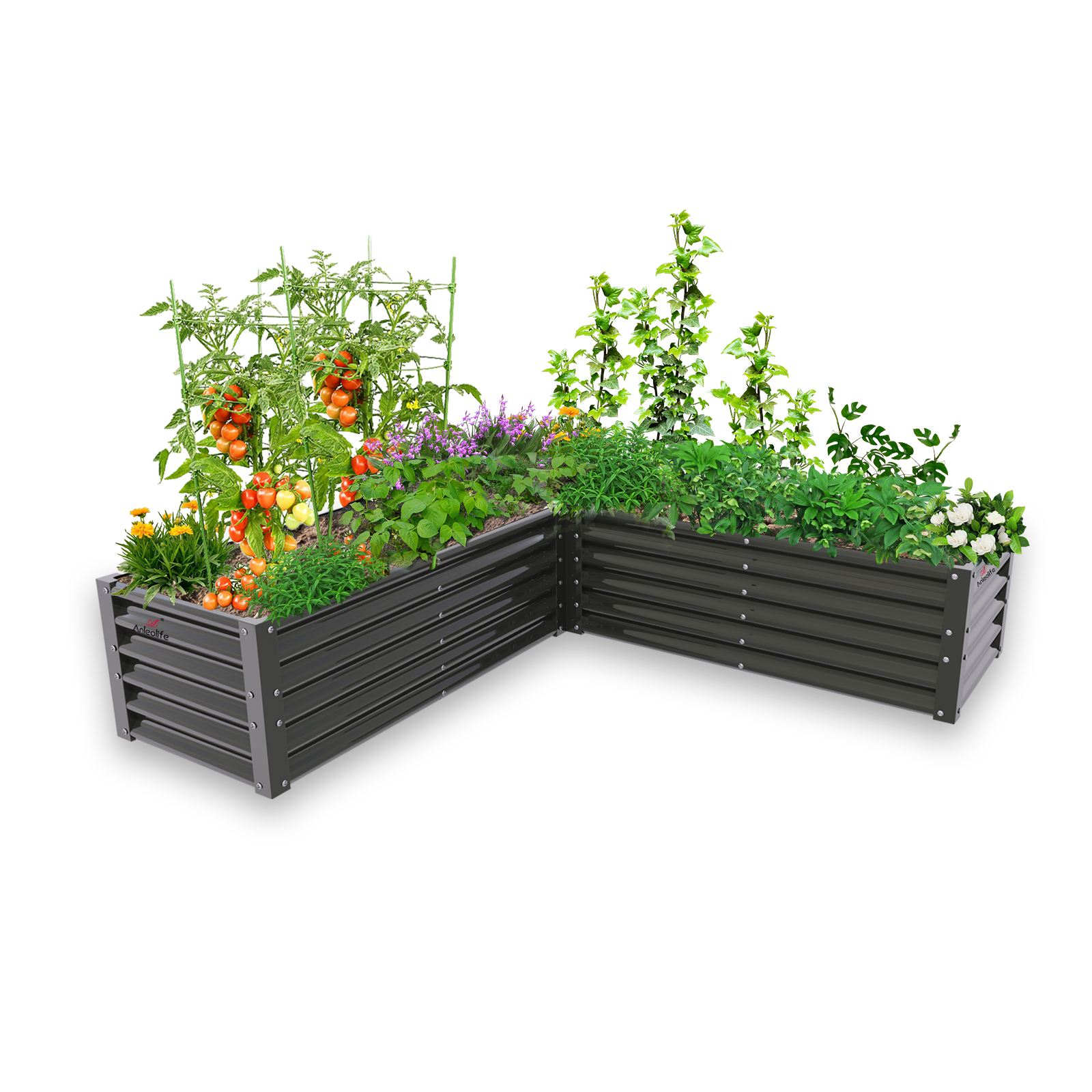
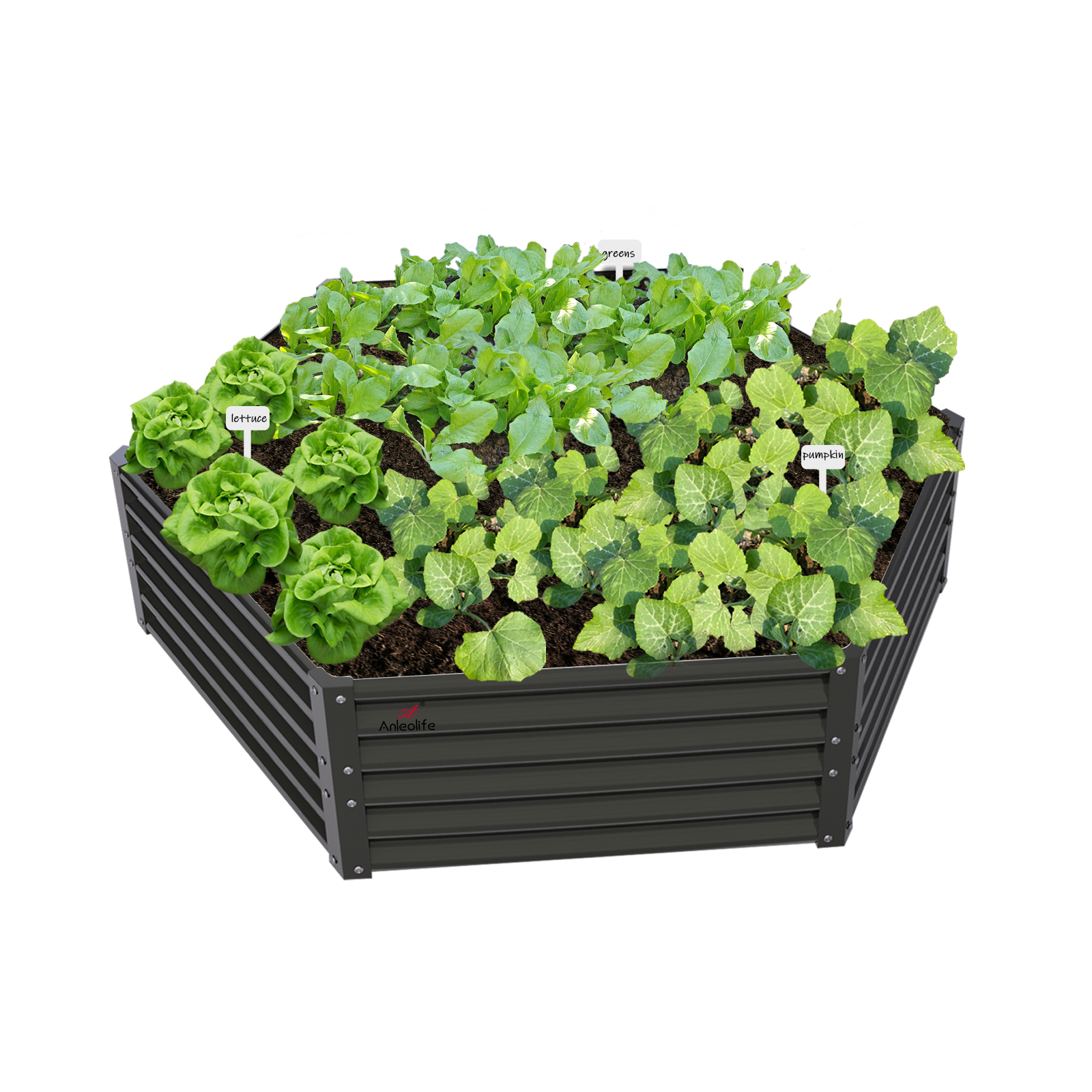
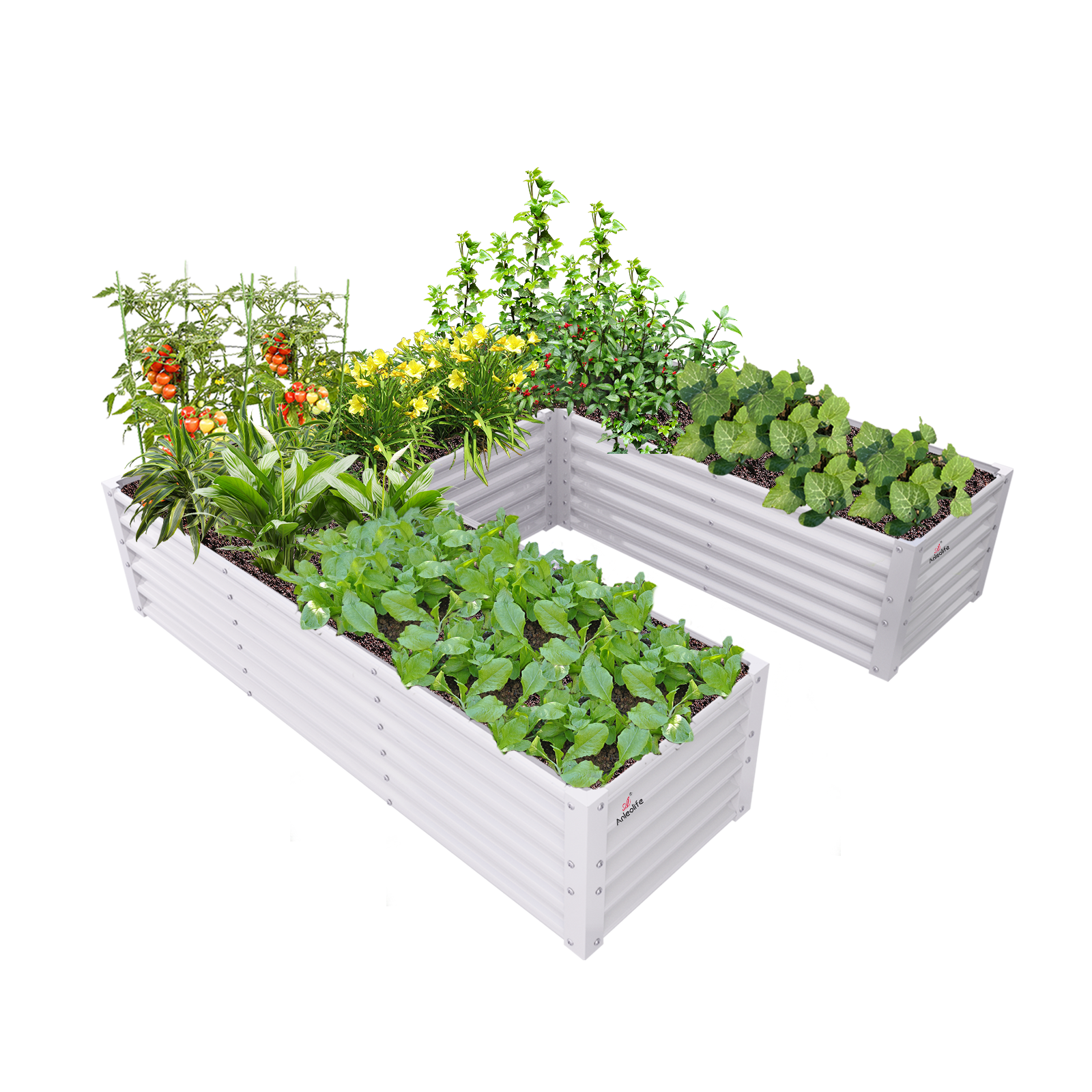

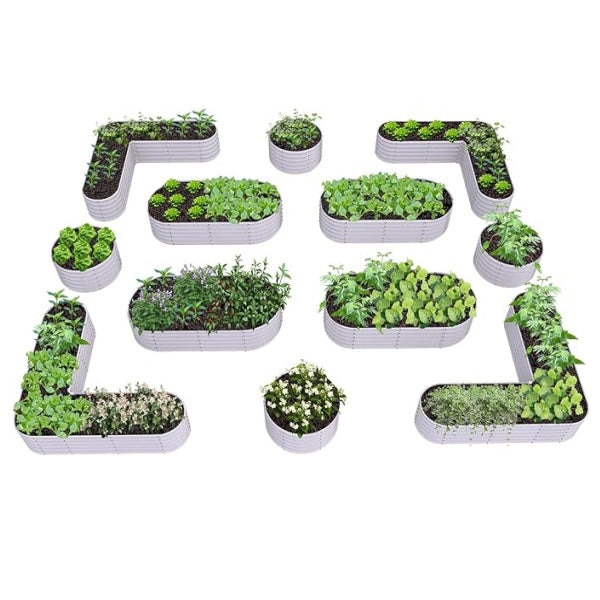

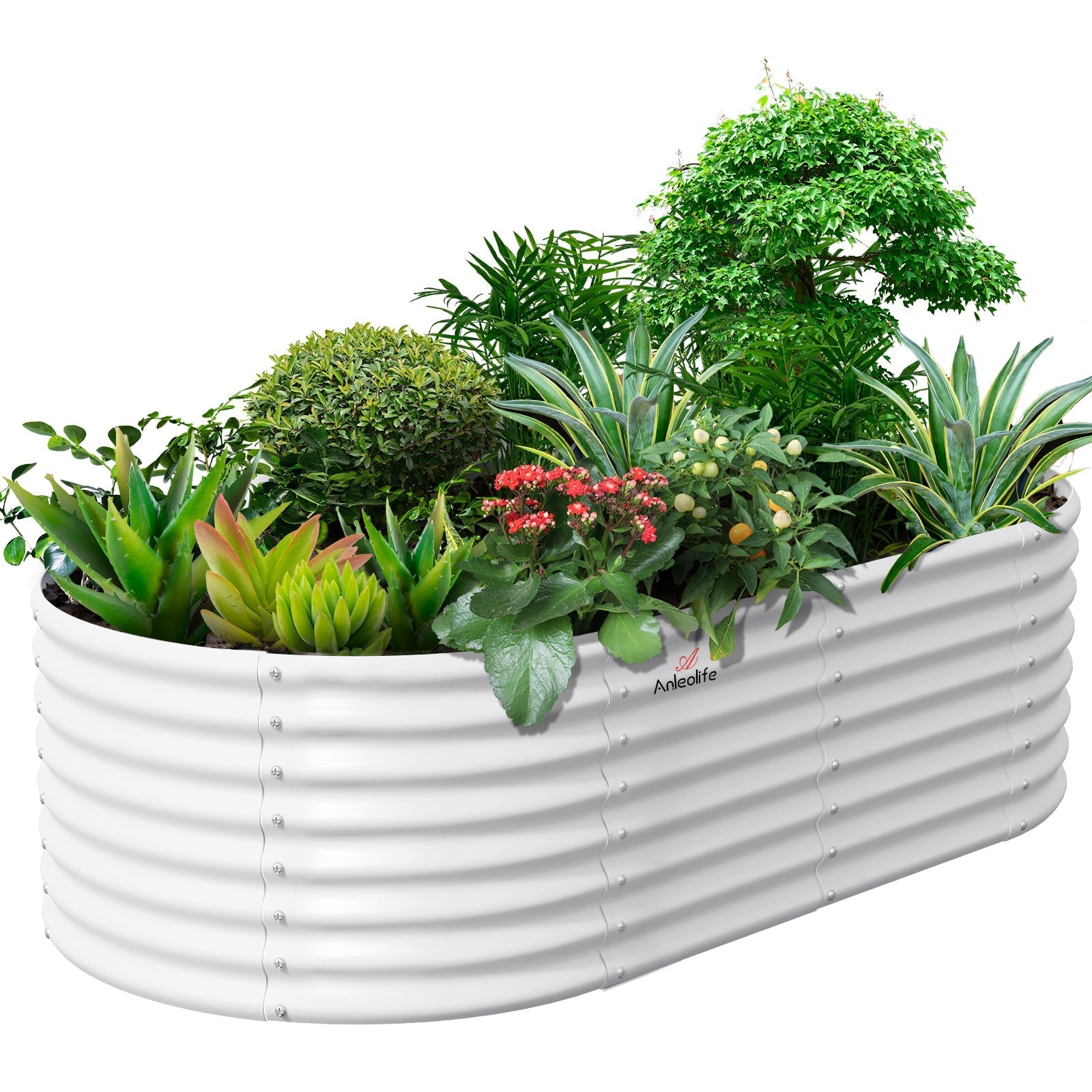

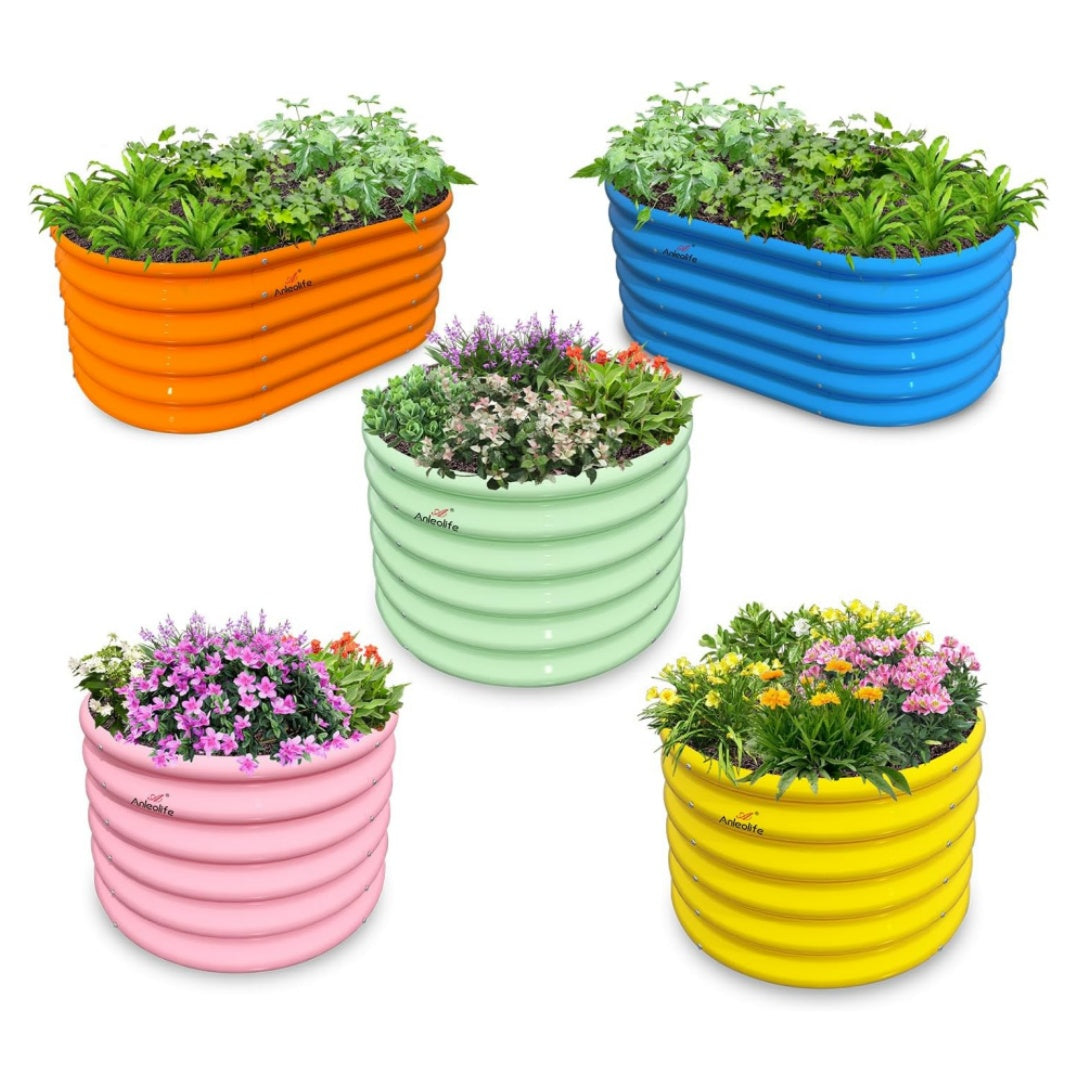
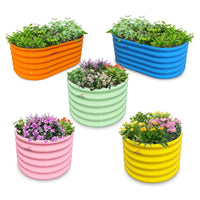
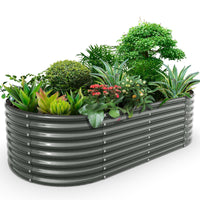



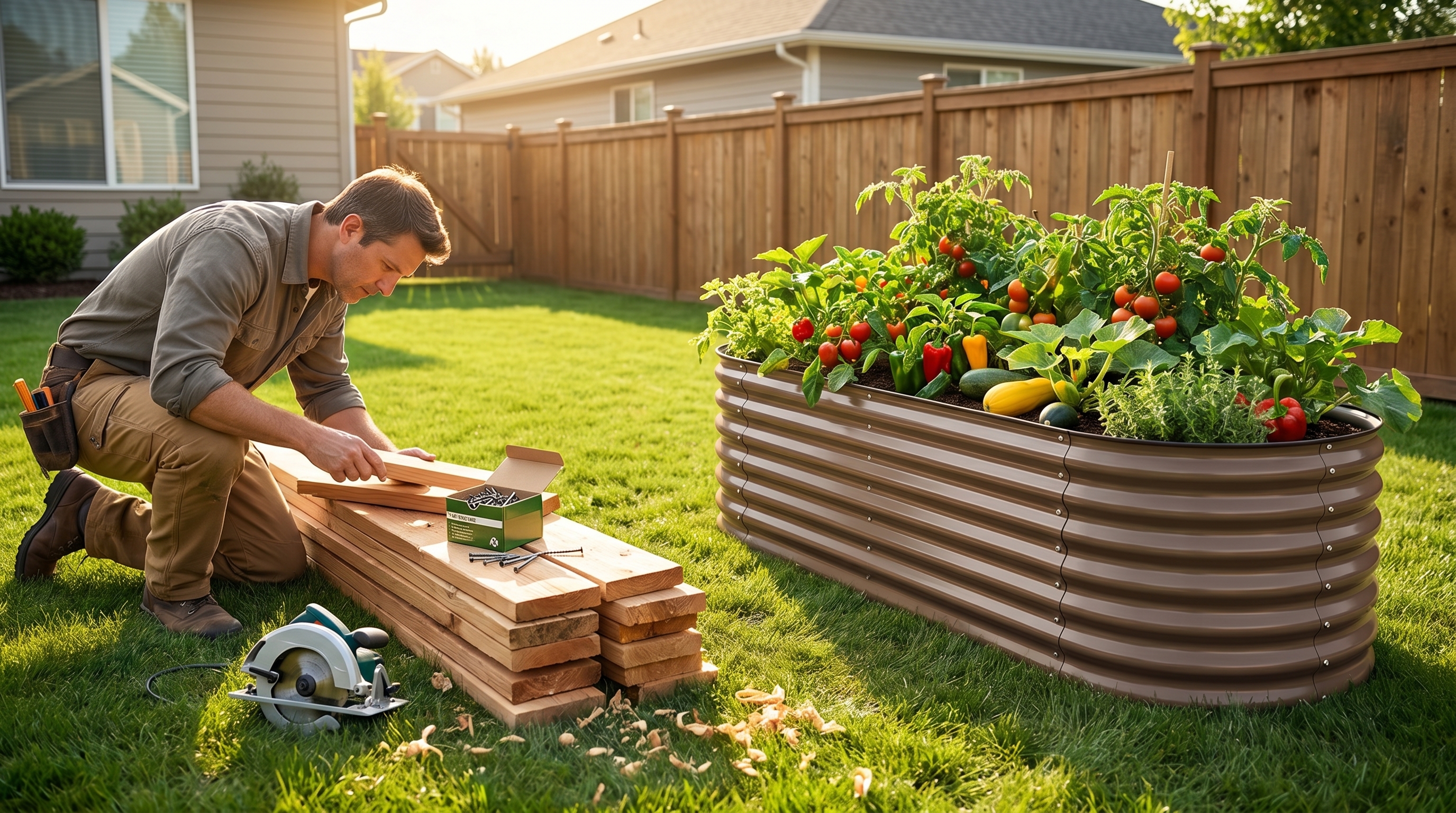
ALT: Raised garden bed kits vs DIY build cost comparison for home gardeners choosing the best raised garden beds
Raised Garden Bed Kits vs. DIY Build: Which Actually Saves You Money in the Long Run?
Key Conclusion: Choosing between a raised garden bed kit and a DIY build isn't simply about upfront price—it's a full-picture cost analysis covering materials, labor, time, durability, and long-term value. When you factor in the complete raised bed garden layout, potential integration with irrigation systems and grow lights, and the true lifespan of your materials, kits from reputable brands often deliver superior cost-per-year value compared to scratch-built alternatives that seem cheaper at the checkout counter.
Making the right choice here can save you hundreds of dollars and years of frustration. Whether you're a first-time home grower excited about fresh tomatoes or a seasoned gardener expanding your backyard setup, understanding the real numbers behind both paths is the smartest investment you can make before buying a single screw or plank.
Who This Comparison Is For
✅ Applicable Scenarios:
- Homeowners planning their first raised bed garden layout and wanting to understand total cost before committing
- Existing gardeners who built DIY beds and are considering upgrading to a more durable system
- Urban micro-gardeners with limited time who need an efficient, low-maintenance solution
- Empty nesters and retirees looking for accessible, waist-high growing options without heavy construction work
❌ Not Applicable/Cautions:
- Gardeners with highly irregular yard shapes that require fully custom sizing not available in kit form
- Hobbyists who genuinely enjoy woodworking as a creative outlet and consider the building process part of the gardening experience—for them, the intangible value of DIY may outweigh pure cost logic
Why This Question Matters More Than Ever
The home gardening boom that accelerated over the past several years has not slowed down. According to the National Gardening Association, food gardening participation in the United States has grown steadily, with millions of households growing their own vegetables, herbs, and fruits each year. Raised beds have become the go-to format—they offer better drainage, improved soil control, reduced weed pressure, and accessibility advantages that in-ground plots simply can't match.
But with that popularity surge has come a wave of confusing choices. Walk into any home improvement store or scroll through Amazon, Walmart, or Home Depot, and you'll find dozens of raised bed options ranging from sub-$50 plastic kits to premium galvanized steel beds priced at several hundred dollars. Meanwhile, the DIY community on YouTube and gardening forums confidently promotes building your own beds from cedar, pine, or treated lumber as the "affordable" alternative.
The reality? Both camps are partially right—and partially misleading. The true cost picture requires you to look beyond the sticker price.
This comparison focuses specifically on metal raised garden bed kits (particularly galvanized and rust-resistant steel) versus traditional DIY lumber-built beds, because these are the most commonly compared categories among serious home gardeners today. If you're already researching which approach suits your space, this analysis will give you the numbers and context to make a confident, informed decision.
The Real Cost Breakdown: Kits vs. DIY, Step by Step
Step 1: Calculate Your True Material Costs
Time required: 1–2 hours of research and price comparison
The first step is to get honest about what materials actually cost—not just the wood or the kit itself, but every component you'll need to finish the project.
For a DIY lumber bed (using a common 8x4 ft footprint as a reference):
- Lumber (cedar, redwood, or untreated pine) for the walls
- Exterior screws or galvanized hardware
- Corner brackets or post supports
- Weed barrier fabric
- Optional: wood sealant or stain for protection
These costs add up faster than most tutorials admit. Cedar, the gold standard for rot resistance, has seen significant price increases in recent years. Untreated pine is cheaper but may begin breaking down within 3–5 years in wet climates, meaning you'll rebuild sooner than expected.
For a raised garden bed kit (such as Anleolife's galvanized steel or rust-resistant options):
- The kit itself includes pre-cut panels, connectors, and often hardware
- Weed barrier fabric (sometimes sold separately)
- No lumber, sealant, or additional fasteners required
When you itemize every component honestly, the material cost gap between quality kits and quality DIY lumber builds is often smaller than gardeners expect—sometimes just $30–$80 difference for a standard bed size.
Step 2: Factor in Tools, Labor, and Your Time
Time required: 30 minutes to calculate your personal time investment
This is where many DIY cost comparisons quietly fall apart. Building a raised bed from lumber requires:
- A circular saw or miter saw (or rental fees)
- Drill and drill bits
- Measuring tape, square, sandpaper
- Physical labor—cutting, drilling, lifting, assembling
If you already own these tools and genuinely enjoy the process, the labor cost feels like zero. But if you need to buy or rent tools, or if you're valuing your weekend hours honestly, the equation shifts. A typical beginner might spend 4–6 hours sourcing, cutting, and assembling a single 8x4 lumber bed. A quality kit from a brand like Anleolife can often be assembled in under an hour with basic hand tools and a clear instruction manual.
For empty nesters, retirees, or anyone with limited physical capacity, this labor difference isn't just financial—it's practical. A modular kit that snaps or bolts together means you can build your bed independently, without needing to borrow a neighbor's saw or call in a favor.
Step 3: Project the Long-Term Cost Per Year
Time required: 15 minutes of simple math
This is the most important step, and the one most gardeners skip. Instead of asking "what does this cost today?", ask: "what does this cost per year over its useful lifespan?"
Here's how the math works:
- A pine DIY bed at $60 in materials that lasts 4 years = $15/year
- A cedar DIY bed at $180 in materials that lasts 8–10 years = $18–22/year
- An Anleolife galvanized steel kit rated for a 20-year lifespan = the upfront cost spread over two decades
When you apply a 20-year lifespan to a quality galvanized steel bed, the annual cost becomes remarkably competitive—often lower than the cedar alternative, and dramatically lower than pine once you account for replacement cycles.
Comparing Your Options: A Side-by-Side Analysis
Understanding the trade-offs at a glance is crucial before committing to either path. Here's how the three most common approaches stack up across the dimensions that actually matter to home gardeners:
| Comparison Dimension | Pine/Untreated Lumber DIY | Cedar/Redwood Lumber DIY | Anleolife Galvanized Steel Kit |
|---|---|---|---|
| Typical Upfront Material Cost | Lower | Moderate to High | Moderate to High |
| Assembly Time | 4–6 hours | 4–6 hours | Under 1 hour (most models) |
| Tools Required | Saw, drill, hardware | Saw, drill, hardware | Basic hand tools only |
| Estimated Lifespan | 3–5 years | 8–12 years | 20 years |
| Rot/Rust Resistance | Low | Moderate | High (galvanized/rust-resistant steel) |
| Cost Per Year (estimated) | Low short-term, higher long-term | Moderate | Low when amortized over 20 years |
| Customization | Fully custom | Fully custom | Multiple size options available |
| Raised Bed Garden Layout Flexibility | Manual | Manual | Modular designs available |
| Irrigation System Integration | Custom fit required | Custom fit required | Uniform dimensions simplify planning |
| Grow Light Compatibility | Variable | Variable | Consistent height for grow light setup |
| Availability | Local lumber yards | Local lumber yards | Amazon, Walmart, Home Depot, Lowe's, Wayfair, Anleolife.com |
| Delivery | N/A (pickup) | N/A (pickup) | 3–8 business days |
The Hidden Costs Most Gardeners Overlook
The Replacement Cycle Problem
One of the most underappreciated costs in the DIY versus kit debate is the replacement cycle. When a pine board rots after four years, the cost isn't just the new lumber—it's the time spent tearing down the old bed, disposing of the degraded wood, rebuilding, and re-amending your soil (which gets disrupted in the process).
If you're running irrigation systems through your beds or have carefully designed a raised bed garden layout with companion planting zones, a premature rebuild is genuinely disruptive. You lose your established soil structure, your carefully laid drip lines get displaced, and your garden essentially resets.
A galvanized steel bed with a 20-year lifespan sidesteps this problem entirely. You set it up once, amend your soil, install your irrigation, and let the system work for you—year after year.
Soil Investment Is Non-Trivial
First-time raised bed gardeners often underestimate how much quality soil costs. Filling a single 8x4 ft bed to proper depth requires a significant volume of quality growing medium—a blend of compost, topsoil, and amendments. This soil investment is the same whether you're using a kit or a DIY build.
But here's the key insight: the better your bed holds up, the more your soil investment compounds over time. In a long-lasting steel bed, your soil microbiome develops and matures. In a bed you rebuild every few years, you're partially disrupting that biological investment each time.
What About the Best Raised Garden Beds for Accessibility?
For gardeners with back pain, mobility challenges, or simply a preference for standing while they tend their plants, bed height becomes a critical cost variable. Building a truly tall DIY bed—something in the 24"–35" range—requires more lumber, more structural engineering, and often temporary bracing during assembly.
Anleolife's product lineup includes options ranging from standard 18" heights up to 30" and 35" waist-high models, designed specifically for this accessibility need. Getting that same ergonomic benefit from a DIY build typically costs more in both materials and complexity.
Thinking About Grow Lights and Irrigation Systems
If you're planning to extend your growing season with grow lights or integrate drip irrigation systems, consistent bed dimensions matter enormously. Kits come in standardized sizes, which makes planning your infrastructure much simpler. You can order drip emitter kits sized to your bed dimensions, position overhead grow lights at manufacturer-recommended heights, and replicate the same setup across multiple beds with confidence.
DIY builds, while flexible, introduce variation—a bed that's slightly wider or narrower than planned can throw off your entire irrigation layout, requiring custom fittings or awkward workarounds.
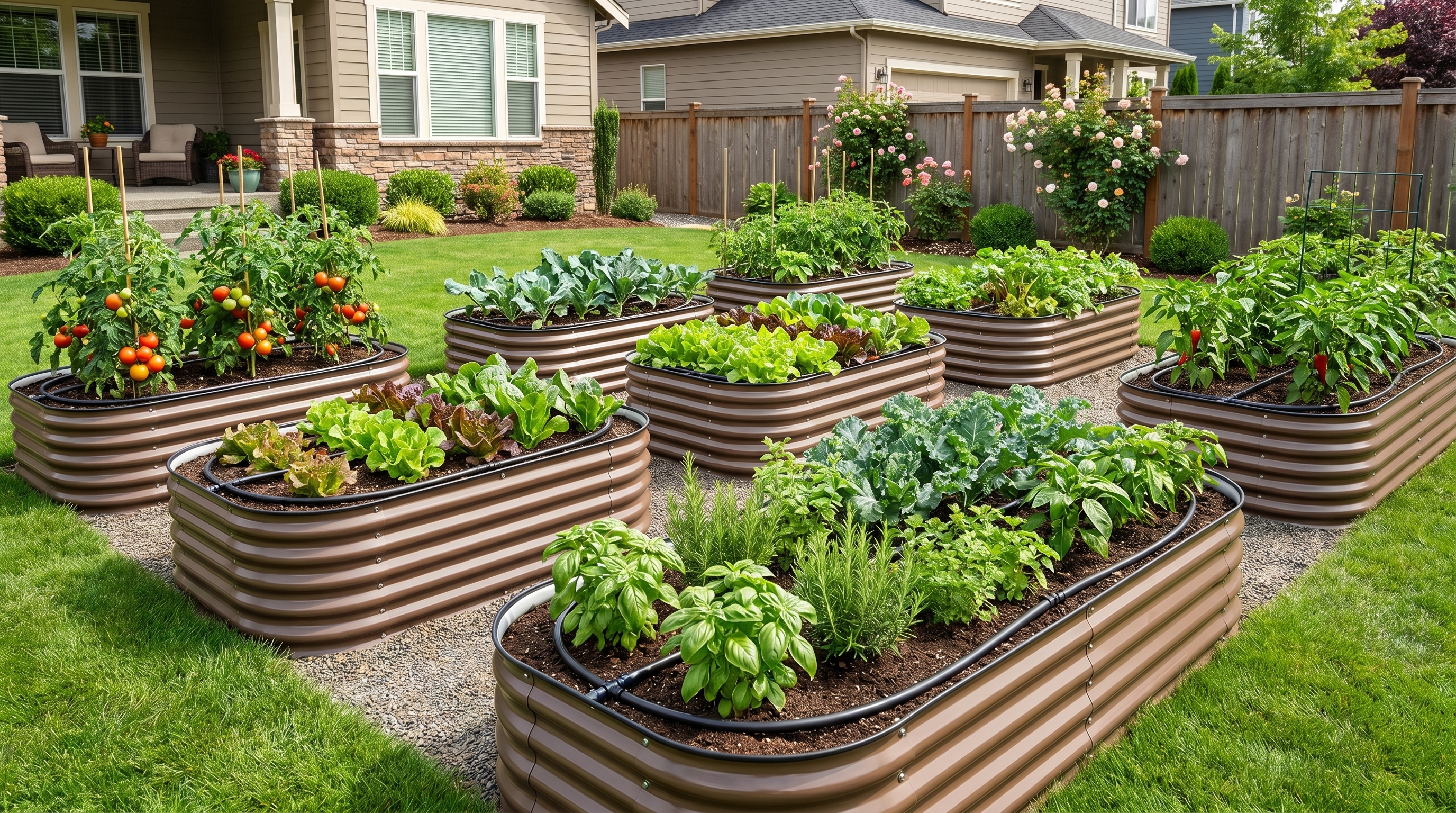
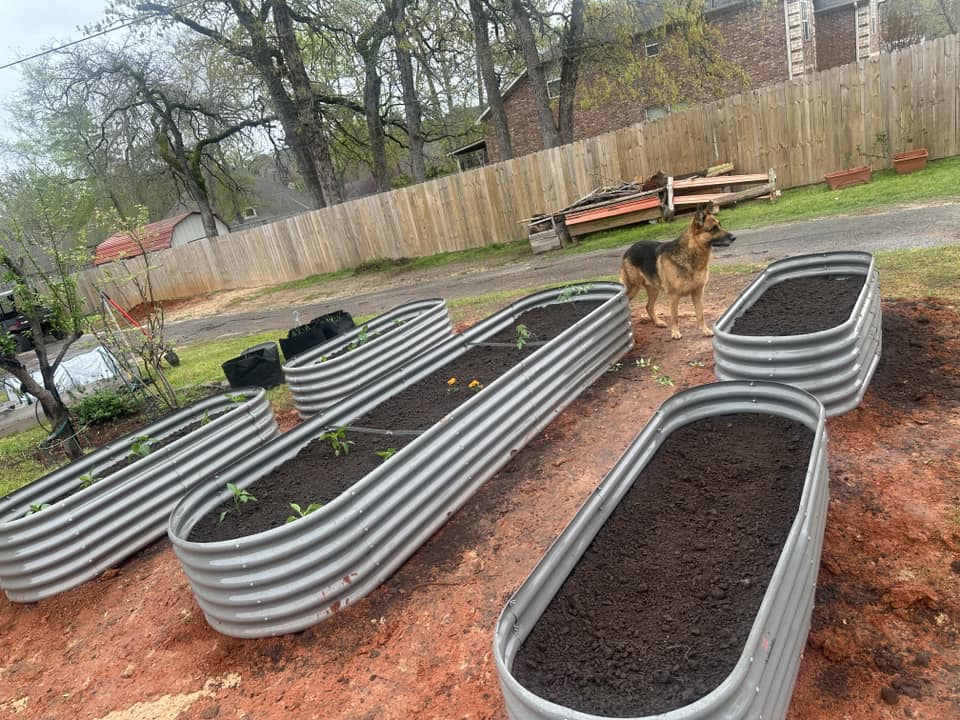
ALT: Anleolife galvanized steel raised garden beds with drip irrigation system integration in a well-organized backyard raised bed garden layout
Advanced Considerations: When the Math Gets More Complex
Bulk Orders and Cost Scaling
If you're planning to build out multiple beds—say, 4–6 beds to create a complete kitchen garden—the economics shift further toward kits. Many gardeners wonder whether there are discounts for bulk orders when purchasing from brands like Anleolife, and the answer is worth exploring directly through the retailer or official website. Purchasing multiple units from a single source also means consistent sizing, uniform aesthetics, and a single customer service relationship if anything needs addressing.
With DIY, scaling up means proportionally more cutting, more hardware, more time, and more potential for dimensional inconsistency between beds.
Misconception: "DIY Is Always Cheaper"
This is the most persistent myth in the raised bed gardening community. It's true that a very basic, small pine bed built from construction-grade lumber can be cheaper upfront than a quality steel kit. But the moment you upgrade to better wood species, add structural corner posts, apply sealant, and invest your time honestly, the cost gap narrows significantly—and often disappears when you extend the comparison over a 10–20 year window.
The "DIY is always cheaper" narrative also rarely accounts for the cost of mistakes. A first-time builder who cuts boards to the wrong length, strips screws, or builds a bed that bows outward under soil pressure has to buy replacement materials. Kits include pre-engineered components designed to assemble correctly, reducing costly errors.
Misconception: "Metal Beds Will Harm My Plants"
Some gardeners worry that galvanized steel beds leach zinc or other metals into the soil at harmful levels. Current research and guidance from gardening extension services suggests that modern galvanized steel, particularly at the coating thickness used in quality garden beds, does not release zinc at levels harmful to plants or humans in normal gardening use. The zinc oxide layer actually provides the corrosion resistance that enables that impressive 20-year lifespan. If you're growing edibles and have concerns, you can also line the interior with food-safe membrane barriers for added peace of mind.
Pairing Your Beds with the Right Accessories
Once your bed decision is made, success also depends on complementary choices. While this article focuses on the beds themselves, it's worth noting that factors like the best cell tray for seed starting (which affects your transplanting efficiency), garden pruning shears for thick branches (relevant if your raised bed includes shrubby herbs or berry canes), and appropriate insecticides for tomatoes (if you're growing nightshades) all play into your overall garden investment. Planning these accessories in advance, rather than purchasing reactively, helps keep your total garden budget predictable.
Frequently Asked Questions FAQ
Q1: How do I calculate whether a raised garden bed kit or DIY build will save me more money over time?
The key formula is simple: divide the total cost (materials + tools + labor value + any rebuilds) by the expected lifespan in years. For a DIY pine bed that costs $70 and lasts 4 years, that's $17.50/year. For a galvanized steel kit with a 20-year lifespan, divide your purchase price by 20. In most scenarios, quality steel kits win the long-term cost-per-year calculation decisively, especially once you factor in the disruption and soil costs associated with rebuilding a shorter-lived wooden bed.
Q2: Are galvanized steel raised garden beds safe for growing vegetables and edible plants?
Yes—modern galvanized steel raised garden beds are widely considered safe for edible gardening. The zinc coating that gives these beds their impressive rust resistance and 20-year durability does not leach into soil at levels harmful to plants or humans under normal growing conditions. This position is supported by guidance from university extension programs across the U.S. If you want extra reassurance, you can add a food-safe liner to the interior walls. Anleolife's rust-resistant and galvanized steel options are specifically engineered for home food gardening.
Q3: How long does it take to receive and assemble a raised garden bed kit compared to building DIY?
With Anleolife's nationwide warehouse network across California, Texas, Florida, New York, Illinois, and Washington, delivery typically arrives within 3–8 business days. Assembly for most kit models takes under an hour with basic tools—no saw required. Compare that to a DIY build, which involves sourcing lumber (often a separate trip or delivery), cutting to length, and assembling over 4–6 hours. From "decision to planted bed," a quality kit is dramatically faster than scratch-building.
Summary
The raised garden bed kit vs. DIY debate ultimately comes down to three core insights:
First, true cost requires a long-term lens. Upfront price is only one variable. When you account for lifespan, replacement cycles, labor, tools, and soil disruption costs, quality metal kits—especially those rated for a 20-year lifespan—consistently deliver strong cost-per-year value that often beats DIY lumber alternatives.
Second, your time and physical capacity have real value. If you're an urban micro-gardener with limited weekends, an empty nester who prefers a hands-free assembly experience, or anyone who wants to spend their gardening hours actually growing rather than building, a kit removes significant friction from the process.
Third, consistency enables better planning. Standardized kit dimensions make it dramatically easier to design a cohesive raised bed garden layout, integrate irrigation systems, position grow lights for season extension, and scale your garden intelligently over time.
Whether you're starting with a single compact bed or planning a full backyard transformation, the smartest approach is to calculate your true costs honestly—and then choose the option that serves your gardening goals for the long haul.
Start Growing Smarter with Anleolife
Anleolife's nationwide U.S. warehouse network is strategically located in California, Texas, Florida, New York, Illinois, and Washington, ensuring delivery within 3–8 business days—so your garden upgrade plans never have to wait.
Our products are available across major platforms including Amazon, Walmart, Home Depot, Lowe's, and Wayfair, as well as directly through Anleolife.com—offering consistent quality assurance and responsive after-sales support wherever you prefer to shop.
Anleolife's three core scenarios cover everything your garden needs: Planting (metal raised garden beds, soil systems), Raising (chicken coops, rabbit hutches), and Beautification (decorative accessories, pathway systems)—meeting your complete needs from functionality to aesthetics.
We understand that an ideal garden isn't built overnight—it's cultivated gradually. Our modular product design allows flexible expansion based on your needs, from your first raised bed to a fully integrated planting-and-raising ecosystem. We grow with you every step of the way. Explore the full Anleolife collection and find the bed that fits your space, budget, and growing goals.
References
- National Gardening Association. "Food Gardening in the United States."
https://garden.org/ - University of Minnesota Extension. "Raised Bed Gardening."
https://extension.umn.edu/landscaping-and-outdoors/raised-bed-gardening - Oregon State University Extension Service. "Galvanized Metal Garden Beds and Food Safety."
https://extension.oregonstate.edu/ - U.S. Department of Agriculture (USDA). "Home Gardening Resources."
https://www.usda.gov/ - UC Agriculture and Natural Resources. "Vegetable Research and Information Center."
https://ucanr.edu/
Note: Standards and research may be updated over time. Please check the latest official documents or consult professional advisors for the most current guidance.
About Anleolife
Anleolife is a leading outdoor garden solutions provider in North America, dedicated to offering a full-scenario product ecosystem for home gardening enthusiasts, covering planting, raising, and garden beautification. Since its founding, we have upheld our brand mission, "Made for Garden Life," continuously innovating products and optimizing services to help hundreds of thousands of users upgrade their gardens, reconnect with nature, and enjoy a better garden lifestyle.