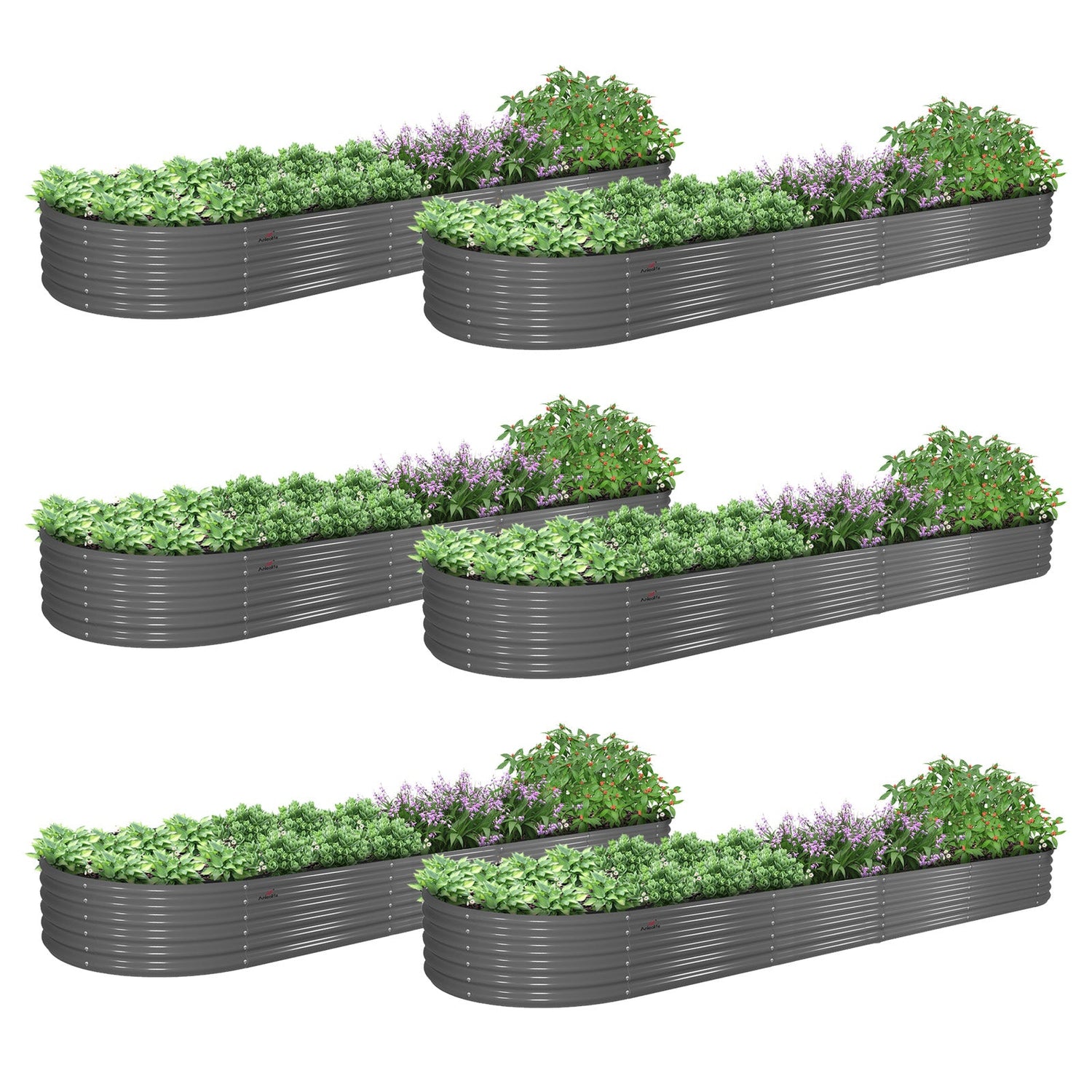



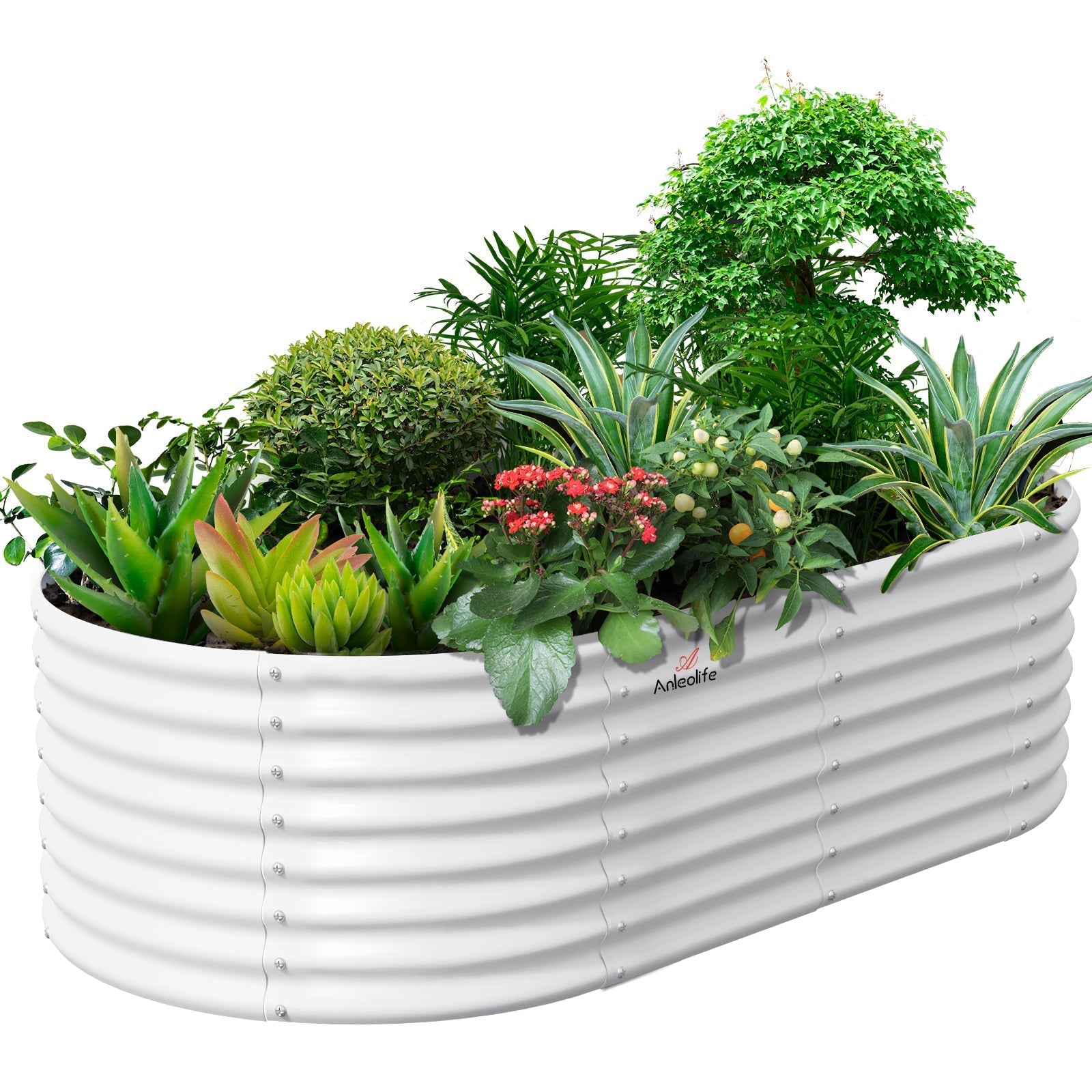
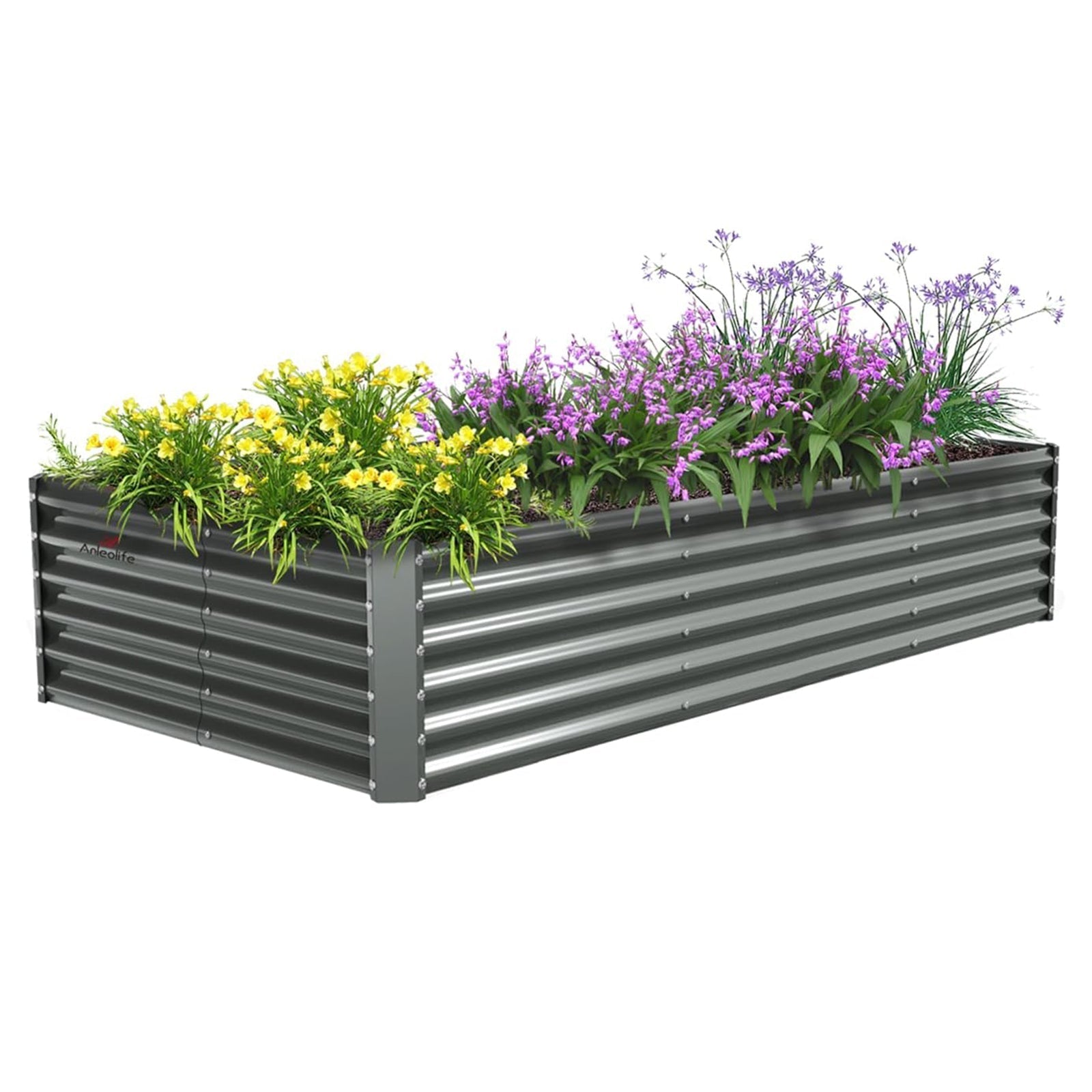

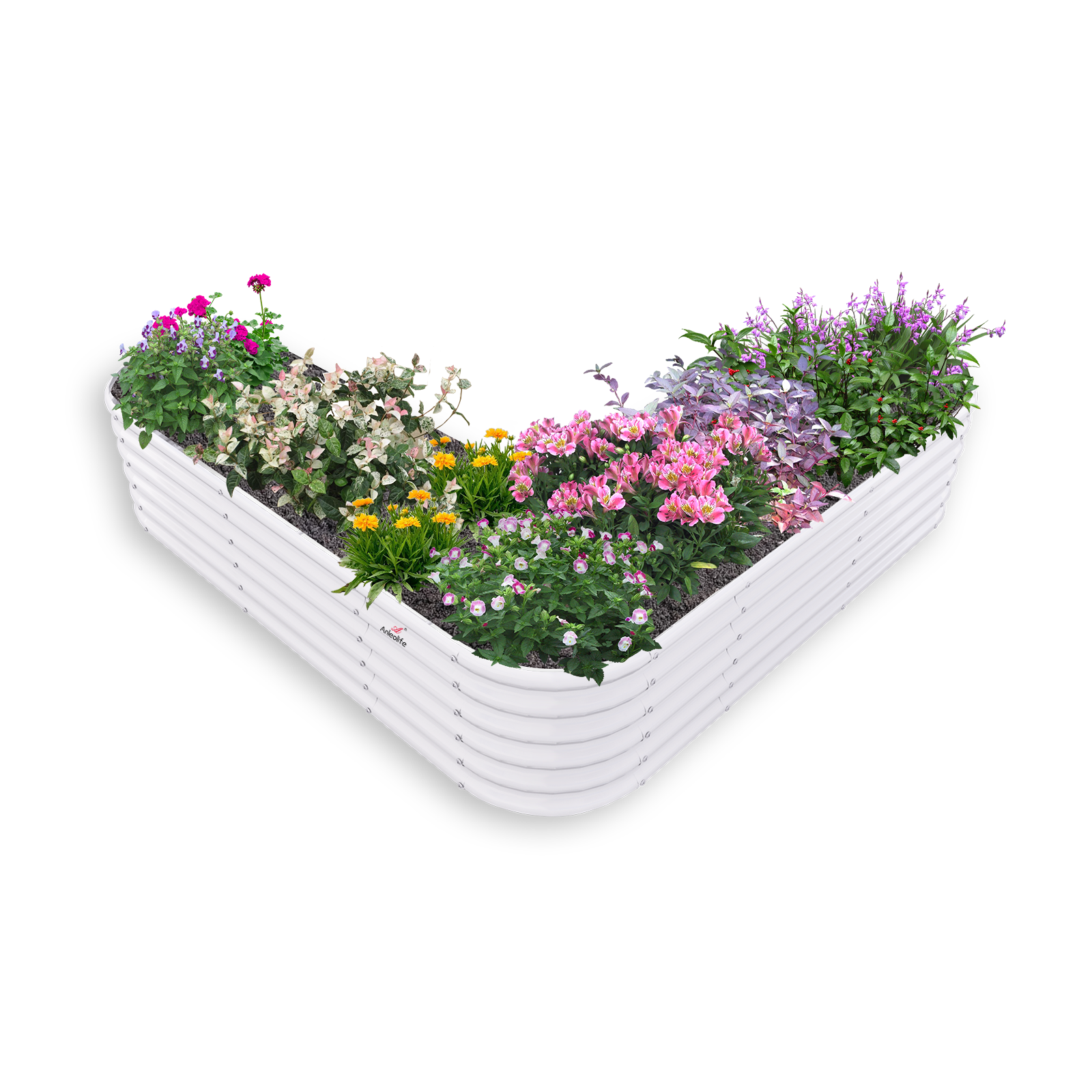
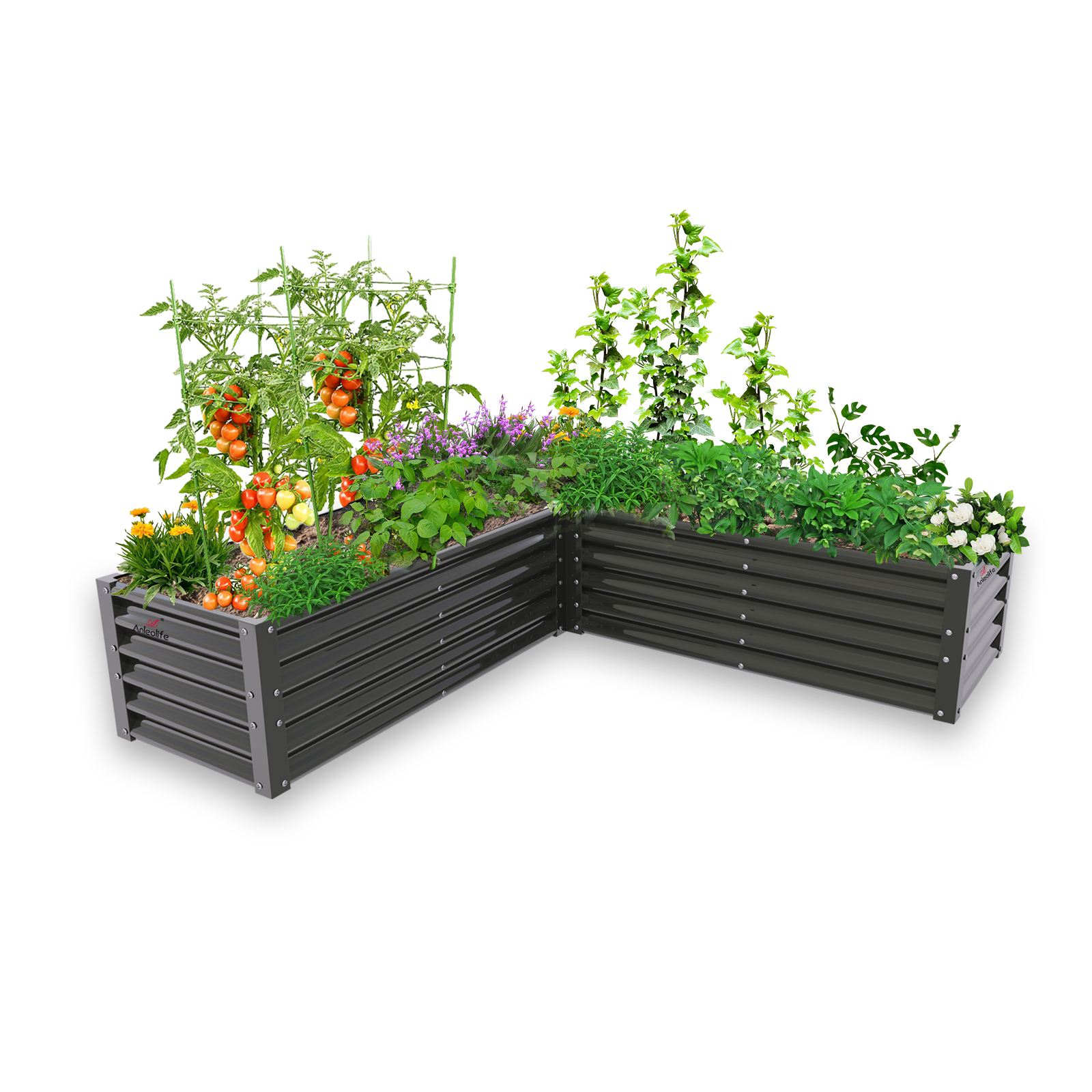
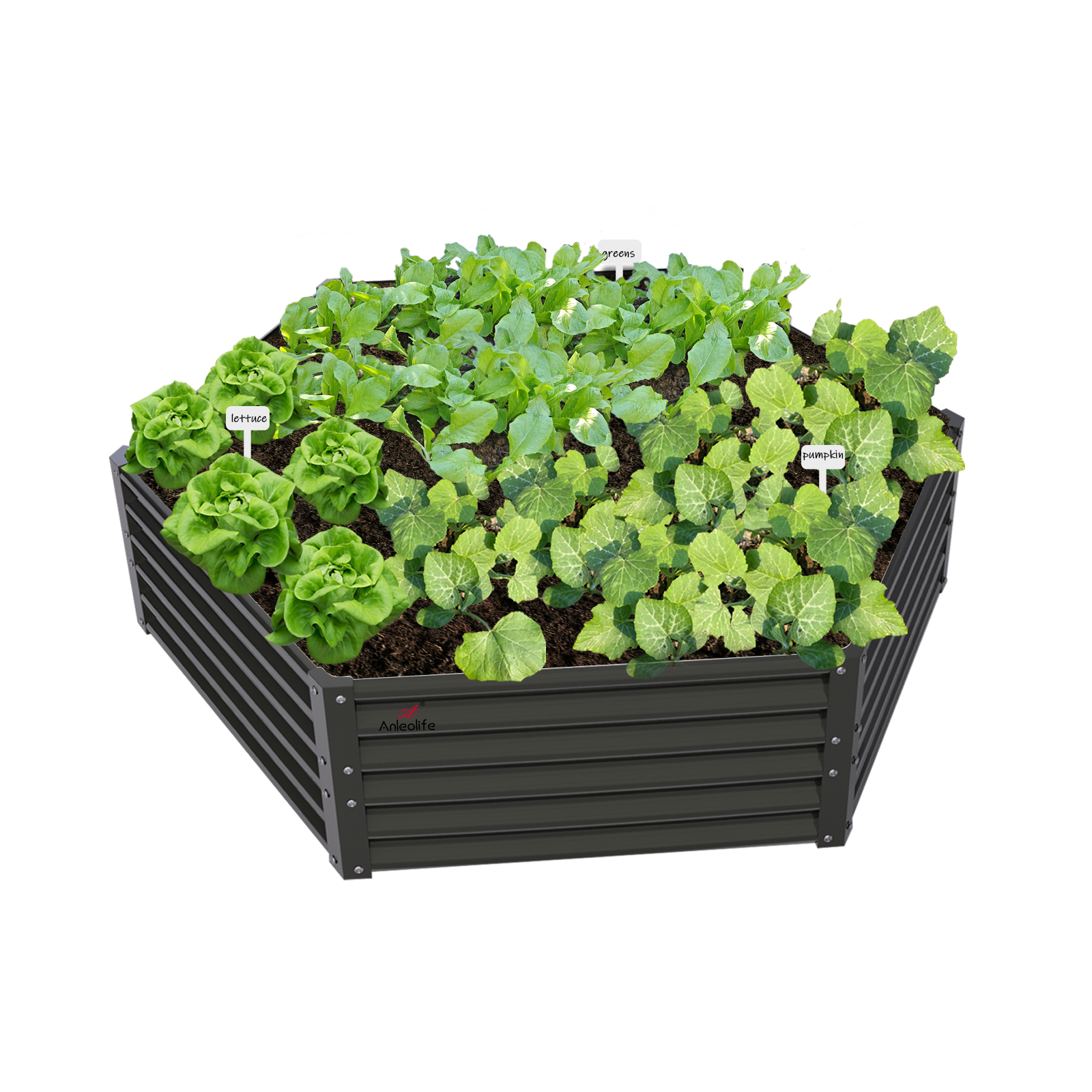
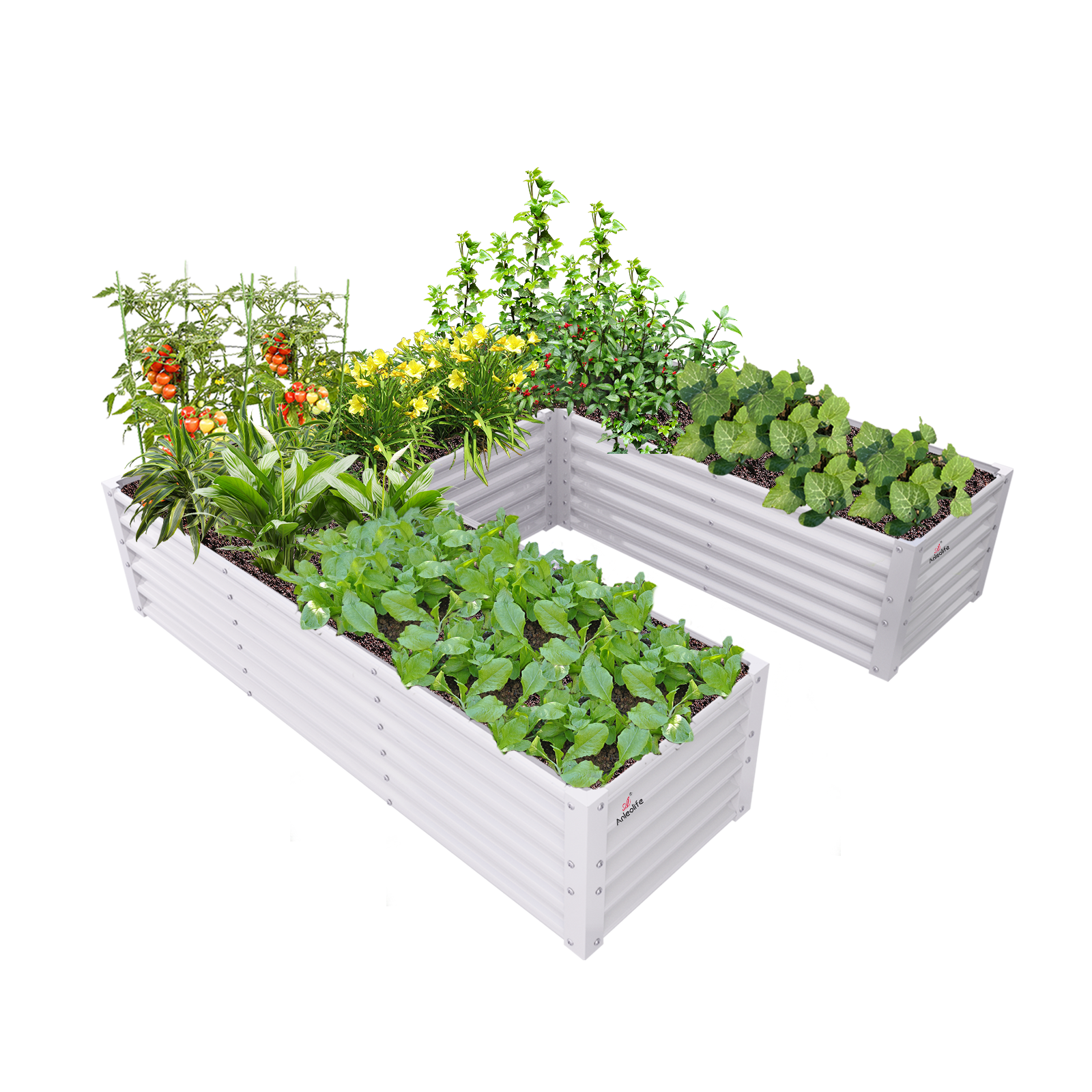

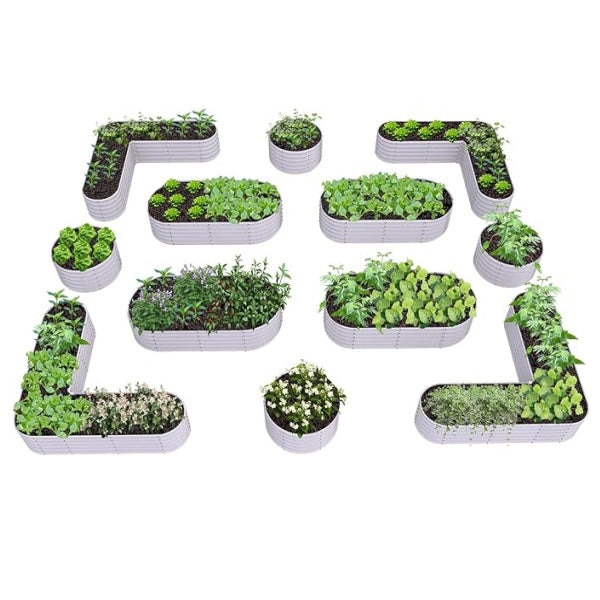


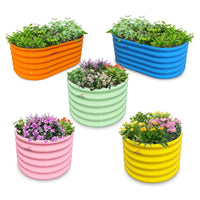
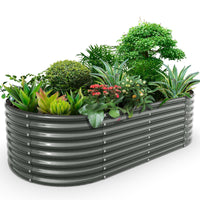




ALT: Raised garden bed kit versus DIY build cost comparison in a suburban backyard garden setting
Is a Raised Garden Bed Kit Really Worth It in 2026? The Numbers May Surprise You
Key Conclusion: When comparing raised garden bed kits versus DIY builds, most home gardeners underestimate the true cost of going the DIY route. Factor in lumber, hardware, tools, soil, and your own labor time, and a quality kit often comes out ahead—especially when you consider that a well-built metal raised garden bed can last 20 years with minimal maintenance. Your raised bed garden layout, raised bed planting layout, and long-term raised bed layout goals should all inform this decision before you spend a single dollar.
Whether you're a first-time grower dreaming of homegrown tomatoes or an experienced backyard farmer expanding your operation, the question comes up every spring: Should I buy a raised garden bed kit or just build my own?
It sounds like a simple question, but the answer depends on three big factors: your real budget (not just the sticker price), your available time and skill level, and how long you plan to use the bed. This guide breaks down both options with honest numbers, real scenarios, and practical advice to help you make the right call for your garden in 2026.
Who This Guide Is For—and When Each Option Makes Sense
✅ Applicable Scenarios:
- Homeowners who want a durable, long-lasting garden bed without investing in tools or construction know-how
- Urban and suburban gardeners with limited time who want to start planting quickly
- Empty nesters or retirees looking for a low-maintenance, high-quality garden upgrade
- Eco-conscious growers who want to avoid pressure-treated wood and chemical leaching concerns
- Families planning a permanent raised bed layout they won't have to rebuild every few years
❌ Not Applicable/Cautions:
- Gardeners who already own all necessary tools and have surplus lumber available—DIY may genuinely be cheaper for you
- Renters or those in temporary living situations where portability and investment recovery matter more than permanence
- Anyone building unusually large or custom-shaped beds that no standard kit can accommodate
Why the Raised Bed Cost Debate Has Gotten More Complicated in 2026
The raised garden bed market has grown dramatically over the past five years. What was once a niche gardening trend is now a mainstream home improvement category—and for good reason. According to the USDA, home food production has seen a significant uptick since 2020, with millions of American households now growing at least some of their own food (https://www.usda.gov/).
That growth has created two parallel markets: a booming DIY scene fueled by YouTube tutorials and reclaimed lumber enthusiasm, and a rapidly maturing garden bed kit industry offering everything from cedar plank kits to powder-coated galvanized steel systems engineered to last decades.
Here's the problem with most cost comparisons you'll find online: they only count the upfront materials cost. They ignore the hidden costs that often make DIY more expensive in practice:
- Tool costs: circular saws, drills, corner clamps, and measuring tools add up fast if you don't already own them
- Time costs: most DIY raised bed builds take 4–8 hours for a standard 4x8 bed, including measuring, cutting, drilling, and assembly
- Revision costs: first-time builders often make mistakes that require additional materials
- Longevity gaps: untreated pine or fir lumber typically lasts only 3–7 years before rotting, meaning you'll rebuild—and re-spend—multiple times
Meanwhile, the quality of available raised garden bed kits has improved significantly. Galvanized steel kits from established brands now offer 20-year lifespans, modular expansion options, and tool-free assembly that takes 30–60 minutes.
The UC ANR (University of California Agriculture and Natural Resources) has published research on soil management in raised bed systems that reinforces another key consideration: the quality of your bed structure directly affects soil stability and long-term growing success (https://ucanr.edu/). A bed that shifts, warps, or degrades disrupts root systems and soil layering—a cost that rarely appears on any spreadsheet.
The EPA also notes that pressure-treated lumber—still commonly used in DIY builds—can leach chemicals into soil over time, raising legitimate concerns for vegetable growers (https://www.epa.gov/). This is an often-overlooked "cost" of the DIY route that has nothing to do with dollars.
The Real Cost Comparison: A Step-by-Step Framework
Three-Step Quick Start for Your Cost Analysis
Step 1: Define Your Garden Bed Layout Goals
Before comparing costs, get specific about what you actually need. How many beds? What size—4x4, 4x8, or something larger? How tall—standard 6 inches, or a deeper 17-inch bed for root vegetables? Sketch out your ideal raised bed garden layout on paper, including pathways and spacing. This step takes about 20–30 minutes but prevents you from pricing the wrong thing entirely. It also reveals whether a modular kit system might serve you better than a series of individual DIY builds.
Step 2: Build a True Total Cost Estimate for Each Option
For DIY, don't just price lumber. Add hardware (screws, corner brackets, L-brackets), soil liner or landscape fabric, any tools you'd need to purchase or rent, and your time at a realistic hourly rate. For kits, get the all-in price including shipping, and check whether soil and liner are included. This step takes 30–45 minutes and often produces a surprising result: the "cheap" DIY option frequently costs more once everything is accounted for.
Step 3: Factor in Long-Term Maintenance and Lifespan
Divide the total cost by the expected lifespan to get a true annual cost. A $180 kit that lasts 20 years costs $9/year. A $120 DIY build that needs replacing every 5 years costs $24/year—plus the labor of rebuilding three more times. This 10-minute calculation is the most revealing part of the entire process.
Head-to-Head Comparison: Kit vs. DIY vs. Hybrid
Here's how the three main approaches stack up across the dimensions that matter most to home gardeners:
| Comparison Dimension | Raised Garden Bed Kit | Standard DIY Build | Hybrid (Kit Frame + DIY Soil System) |
|---|---|---|---|
| Upfront Material Cost (4x8 bed) | $120–$280 | $80–$200 | $130–$260 |
| Tool Requirements | None (tool-free assembly) | Saw, drill, measuring tools | Minimal |
| Assembly Time | 30–60 minutes | 4–8 hours | 1–2 hours |
| Material Lifespan | Up to 20 years (galvanized steel) | 3–7 years (untreated wood) | 10–20 years |
| True Annual Cost | $6–$14/year | $16–$50/year | $8–$16/year |
| Chemical Leaching Risk | Low (galvanized steel) | Variable (depends on lumber type) | Low |
| Expandability / Modularity | High (modular systems) | Low | Moderate |
| Aesthetic Finish | Consistent, professional | Variable by builder skill | Good |
| Ideal Raised Bed Layout Flexibility | High | Moderate | High |
| Best For | Time-limited, quality-focused gardeners | Skilled builders with tools on hand | Gardeners wanting customization + durability |
The hybrid approach—using a quality kit frame and customizing the interior soil system—is increasingly popular among experienced gardeners who want the best of both worlds. But for most families and retirees comparing options for the first time, the kit route wins on almost every measurable dimension.
Breaking Down the Numbers: What You're Really Paying For
The True Cost of DIY
Let's build an honest budget for a standard DIY 4x8 raised garden bed using untreated cedar (the most commonly recommended wood for food gardens):
- Lumber (cedar, 2x8 or 2x10 boards): $60–$100 depending on your region
- Corner brackets and screws: $15–$25
- Landscape fabric or liner: $10–$20
- Soil (approximately 14–18 cubic feet for a 6-inch-deep bed): $40–$80
- Tools (if purchasing): a basic drill runs $40–$80; a circular saw $70–$150
- Your time (at a modest $20/hour for 6 hours): $120
DIY Total (with tools): $335–$535
DIY Total (if you own all tools): $125–$225
The wide range reflects a critical reality: if you already own a full set of tools and have building experience, DIY can genuinely be cost-competitive. If you're buying tools for the first time, you're often better off with a kit.
And here's the kicker—cedar, despite being the best wood for raised beds, typically lasts 5–10 years before showing serious rot at the joints. That means the $180 cedar bed you built in 2026 may need replacement by 2031 or 2033. By contrast, a galvanized steel kit is engineered for a 20-year lifespan, meaning you build once and plant for two decades.
The True Cost of a Quality Raised Garden Bed Kit
Let's look at what a mid-range galvanized steel raised garden bed kit actually costs:
- Kit price (8x4x2 galvanized steel kit, fully assembled dimensions): $150–$260
- Liner (often included or available as add-on): $0–$20
- Soil: $40–$80
- Assembly time: 30–60 minutes, no tools required
Kit Total (full system with soil): $190–$360
Annual cost over 20-year lifespan: $9.50–$18/year
Compare that annual cost against a DIY rebuild cycle, and the math shifts substantially in favor of the kit—especially when you account for the fact that you will not be spending another Saturday assembling a garden bed in 2031.
A Note on Soil: The Hidden Cost Both Options Share
Whether you go kit or DIY, soil is your biggest recurring expense and often the most underestimated part of any raised bed setup. For a standard 4x8x1 foot bed, you'll need approximately 32 cubic feet of soil mix. The recommended blend—1/3 compost, 1/3 vermiculite, 1/3 peat moss or coconut coir—typically runs $60–$120 for a quality mix.
This cost is the same regardless of what your bed frame is made of, which makes it an important equalizer in the comparison. Don't let it factor into your frame decision; evaluate bed frames on their own merits.
What About a Larger Raised Bed Garden Layout?
If you're planning three or more beds, the economics shift again. Most kit brands offer bundle pricing that reduces per-bed cost by 15–25%. A 3-bed raised bed layout planned with modular kits can come in significantly under what three separate DIY builds would cost once tools and materials are totaled.
On the other hand, if you're an experienced builder tackling a large property project—say, 8–10 beds using lumber milled from your own land—DIY absolutely wins on upfront cost. Context matters.

ALT: Homeowner assembling a galvanized steel raised garden bed kit outdoors as part of a planned raised bed planting layout
Advanced Considerations: When the Standard Comparison Doesn't Apply
When DIY Is the Right Choice (Genuinely)
We want to be honest here: there are real scenarios where DIY makes more sense than buying a kit.
You have a non-standard space. Kits come in standard dimensions. If your garden has an unusual shape—an L-shaped area, a slope requiring terraced beds, or a triangular corner plot—custom DIY construction may be your only option. In this case, the premium you pay in time and materials is unavoidable.
You have access to free or reclaimed materials. Some gardeners have access to non-treated reclaimed wood, repurposed corrugated metal, or other materials at little to no cost. If you can source quality materials for free and have the tools, DIY beats a kit handily.
You genuinely enjoy the build process. There's real value in the satisfaction of building something with your own hands. If assembly is part of the joy of gardening for you, don't let a cost comparison talk you out of it.
Common Misconceptions Worth Addressing
"Galvanized steel beds are unsafe for vegetables." This is one of the most persistent myths in the gardening community. Research from the OSU Extension confirms that galvanized steel raised beds do not leach harmful levels of zinc into soil under normal growing conditions, and the amounts that may be present are well within safe limits (https://extension.oregonstate.edu/). In fact, zinc is a micronutrient plants need. The safety concern, if any, is far more valid for older pressure-treated wood.
"A kit won't last as long as something I built myself." This may have been true of early, thin-gauge metal kits from discount retailers. It is not true of modern powder-coated galvanized steel systems from reputable brands, which are engineered for 20 years of outdoor use through hot summers, freezing winters, and continuous soil moisture exposure.
"DIY is always cheaper." As the numbers above show, this is only true under specific conditions—when you own all necessary tools and have building experience. For most first-time or occasional builders, the all-in cost of DIY frequently exceeds a quality kit.
Frequently Asked Questions FAQ
Q1: How do I choose the right size raised garden bed kit for my yard?
Start with your raised bed planting layout goals. A standard 4x8 bed gives you 30 square feet of growing space—enough for a solid mix of vegetables for a family of 2–4. If you can only reach across from one side, keep the width at 3–4 feet maximum. For root vegetables like carrots or potatoes, look for kits with at least 18–24 inch depth. Modular systems allow you to start small and expand your raised bed layout as your garden grows, without starting over.
Q2: Are metal raised garden bed kits safe for growing vegetables?
Yes, modern galvanized steel kits from reputable manufacturers are considered safe for vegetable gardening. The zinc coating used in galvanization is not present in quantities that pose a health risk to plants or humans under normal use. This is well-supported by university extension research. The greater food safety concern in raised beds is actually untreated wood that may be contaminated or pressure-treated lumber that can leach chemicals—something a quality metal kit avoids entirely.
Q3: How much does it cost per year to own a raised garden bed kit versus a DIY build?
Based on current 2026 pricing, a quality galvanized steel raised garden bed kit priced at $180–$260 and rated for a 20-year lifespan works out to approximately $9–$13 per year in bed structure costs. A cedar DIY bed built for $120–$180 and lasting 5–8 years costs $15–$36 per year—and requires your labor to rebuild. Over a 20-year horizon, the kit typically saves $100–$400 in real costs per bed, plus the time of three or more rebuilds.
Summary
After running the real numbers, three conclusions stand out clearly.
First, the true cost of DIY is consistently underestimated. When you include tools, time, and the inevitable replacement cycle, a DIY build often costs more per year than a quality kit—sometimes dramatically more.
Second, lifespan is the single most important variable in the equation. A 20-year bed structure changes the entire math. You build once, plant for two decades, and spend your energy on growing instead of rebuilding.
Third, your raised bed garden layout goals should drive your format choice. Modular kit systems offer flexibility that rigid DIY builds rarely match—making them especially well-suited for gardeners who want to expand, reconfigure, or adapt their raised bed planting layout over time.
Our recommendation: unless you have a specific reason that makes DIY genuinely advantageous for your situation, a high-quality raised garden bed kit is the smarter investment for most home gardeners in 2026.
Ready to Build Your Best Garden? Here's How Anleolife Makes It Easy
Nationwide U.S. warehouse network: Strategically located in California, Texas, Florida, New York, Illinois, and Washington, Anleolife ensures delivery within 3–8 business days—so your garden upgrade plans never have to wait for the growing season.
Multi-channel availability: Anleolife products are available on Amazon, Walmart, Home Depot, Lowe's, Wayfair, and directly at https://www.anleolife.com/, providing consistent quality assurance and reliable after-sales support wherever you prefer to shop.
Three complete garden scenarios: Whether you're focused on Planting (metal raised garden beds, soil systems), Raising (chicken coops, rabbit hutches), or Beautification (decorative accessories, pathway systems), Anleolife's full ecosystem meets your needs from functionality to aesthetics.
We understand that an ideal garden isn't built overnight—it's grown gradually, season by season. Our modular product design allows you to expand flexibly based on your evolving needs, from your first 8x4x2 raised garden bed to a fully integrated planting-and-raising ecosystem. Whatever stage of the gardening journey you're on, Anleolife grows with you every step of the way.
References
This article is based on the following official materials (as of January 2026):
- [USDA]. "Home Food Gardening and Production Data." https://www.usda.gov/
- [EPA]. "Chemicals in Pressure-Treated Wood and Garden Safety Guidance." https://www.epa.gov/
- [UC ANR]. "Raised Bed Gardening and Soil Management in Home Gardens." https://ucanr.edu/
- [OSU Extension]. "Metal Raised Garden Beds: Safety and Soil Health Considerations." https://extension.oregonstate.edu/
Note: Product specifications, lumber pricing, and regulatory guidance may be updated. Please check the latest official documents or consult professional advisors for current information before making purchasing decisions.
About Anleolife
Anleolife is a leading outdoor garden solutions provider in North America, dedicated to offering a full-scenario product ecosystem for home gardening enthusiasts, covering planting, raising, and garden beautification. Since its founding, we have upheld our brand mission, "Made for Garden Life," continuously innovating products and optimizing services to help hundreds of thousands of users upgrade their gardens, reconnect with nature, and enjoy a better garden lifestyle.