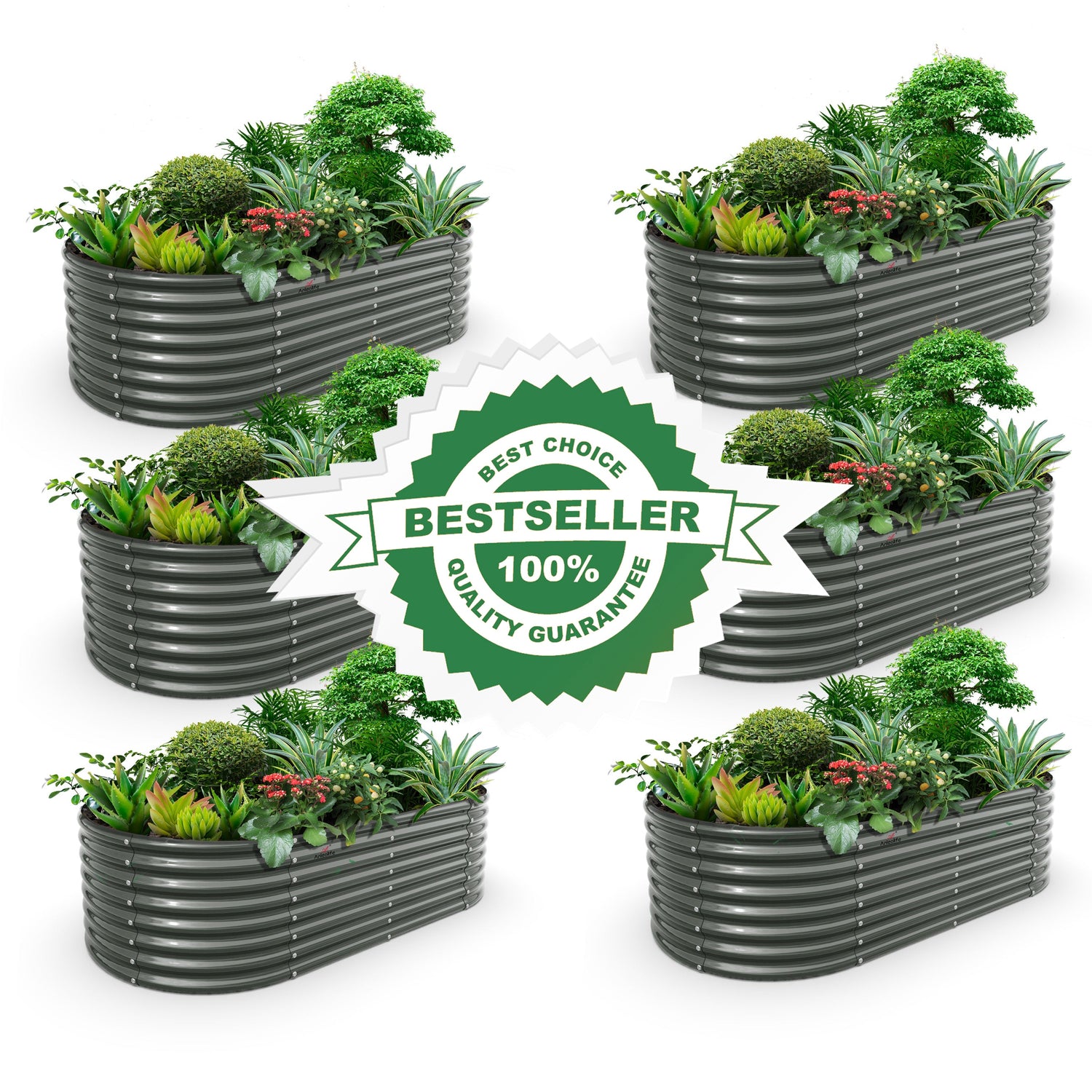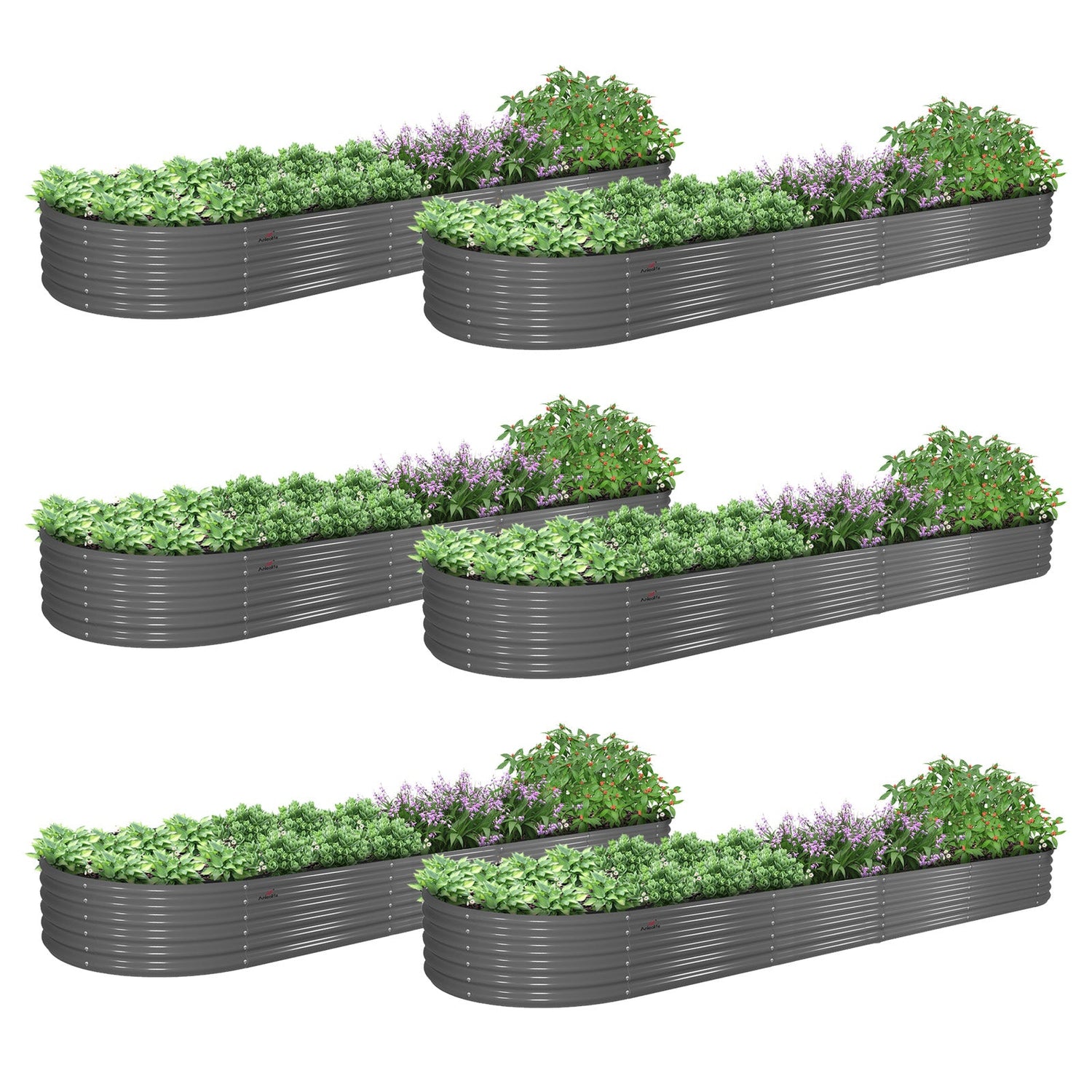



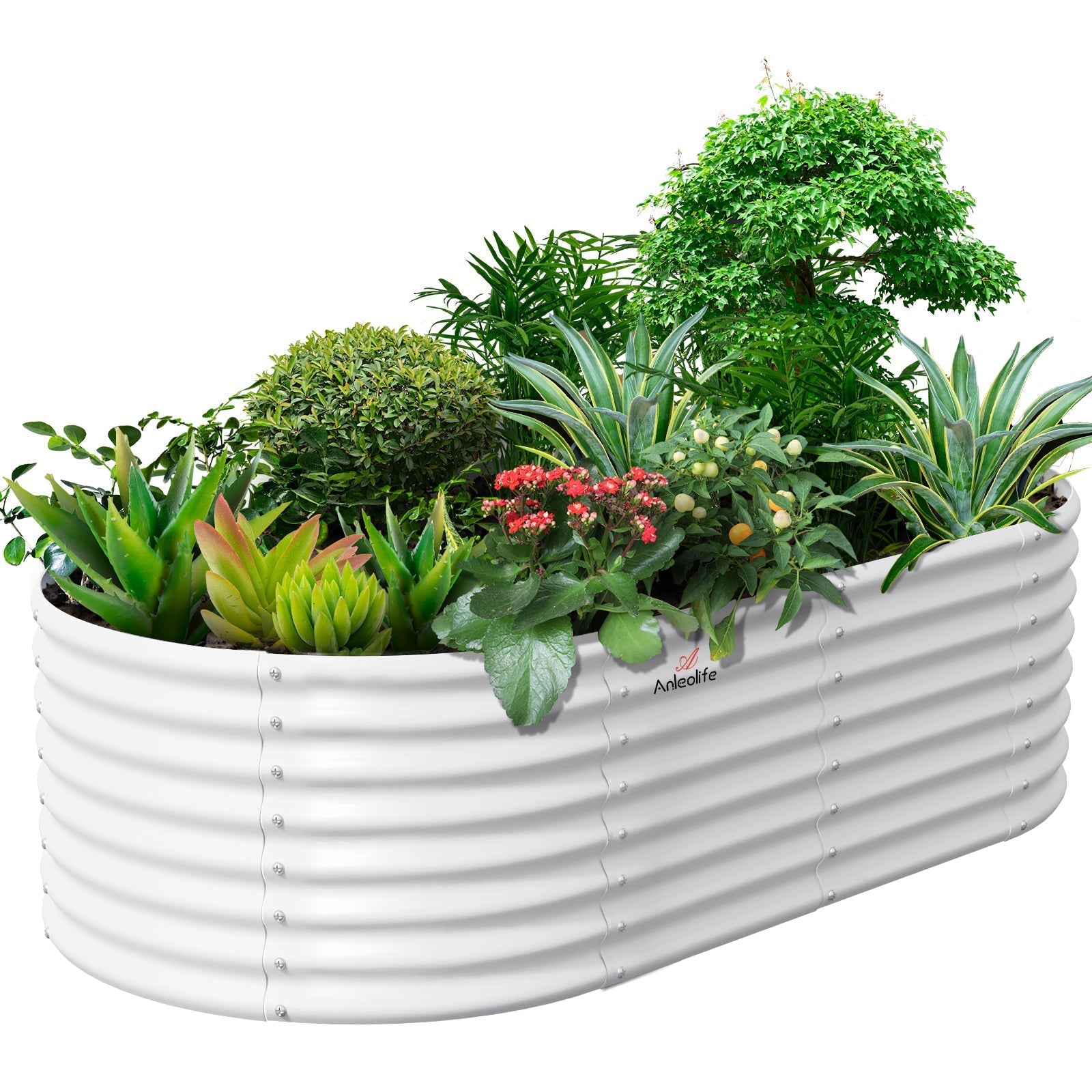
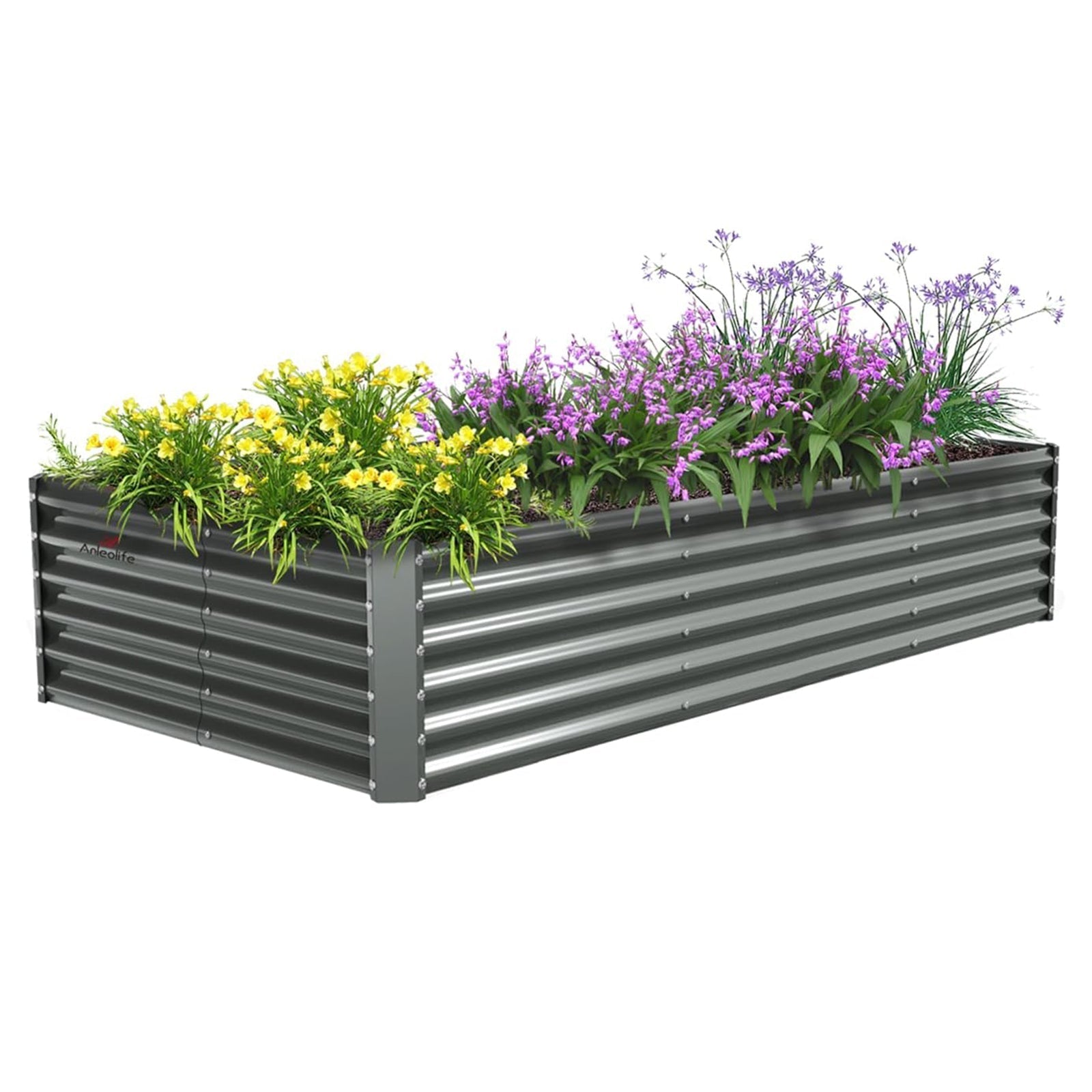

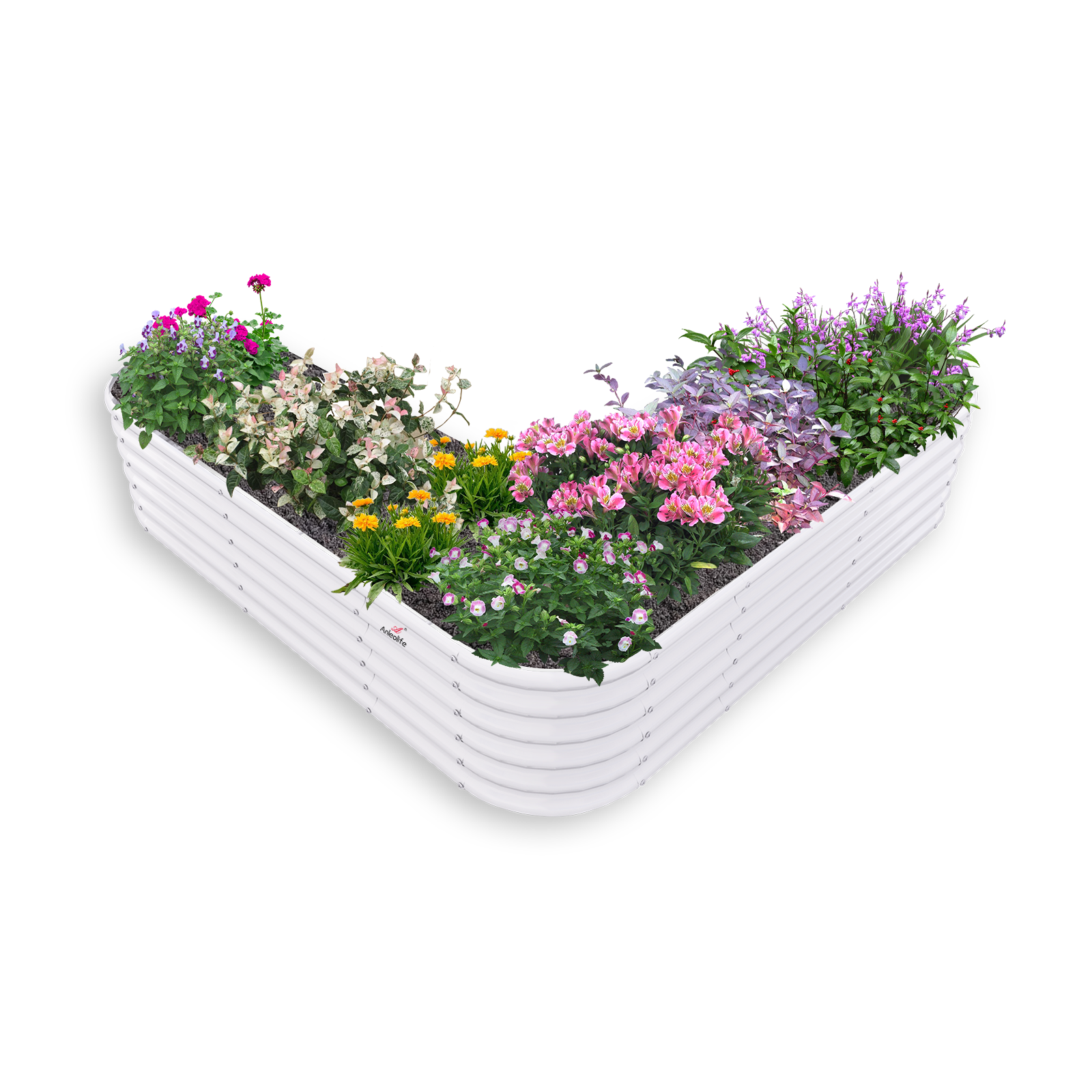
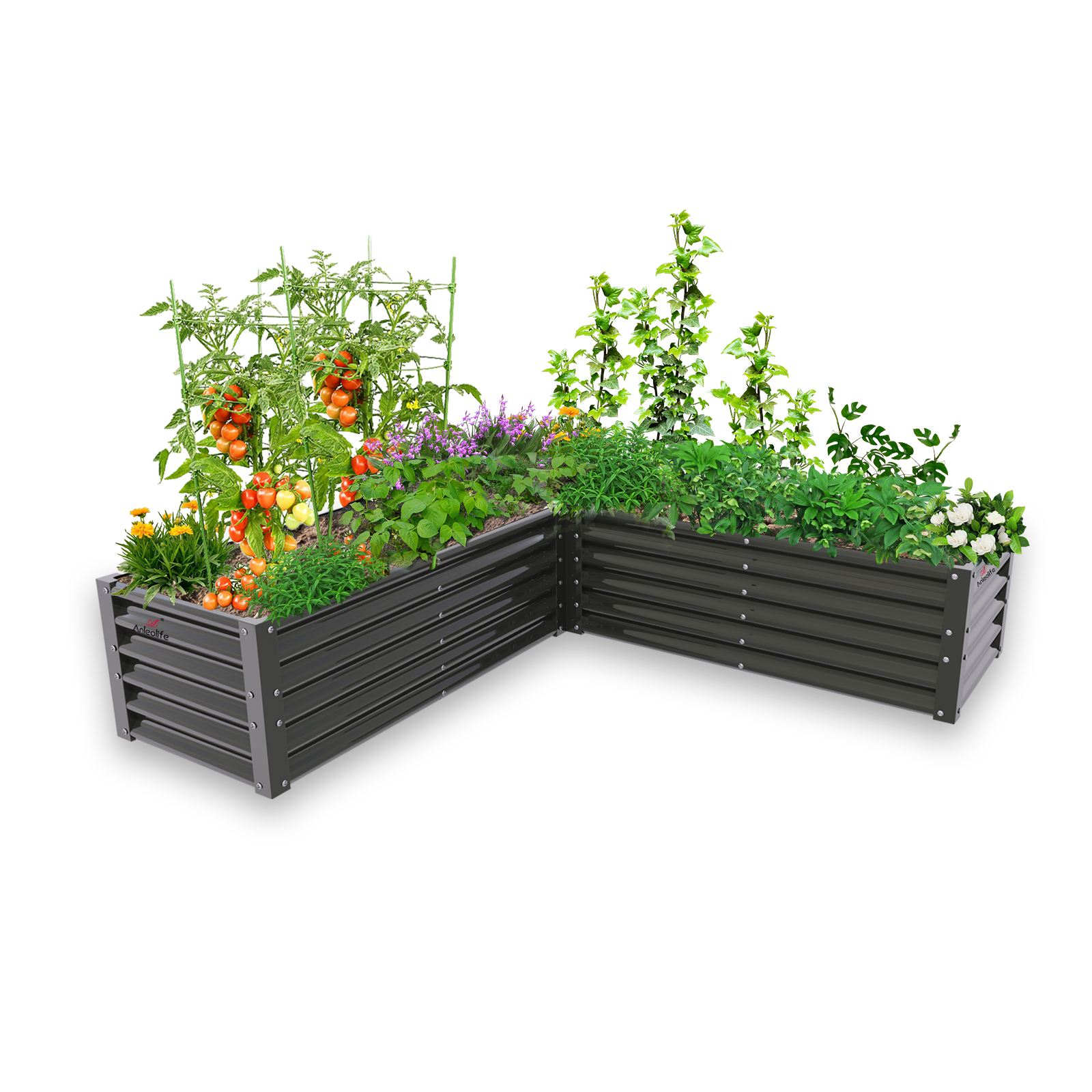
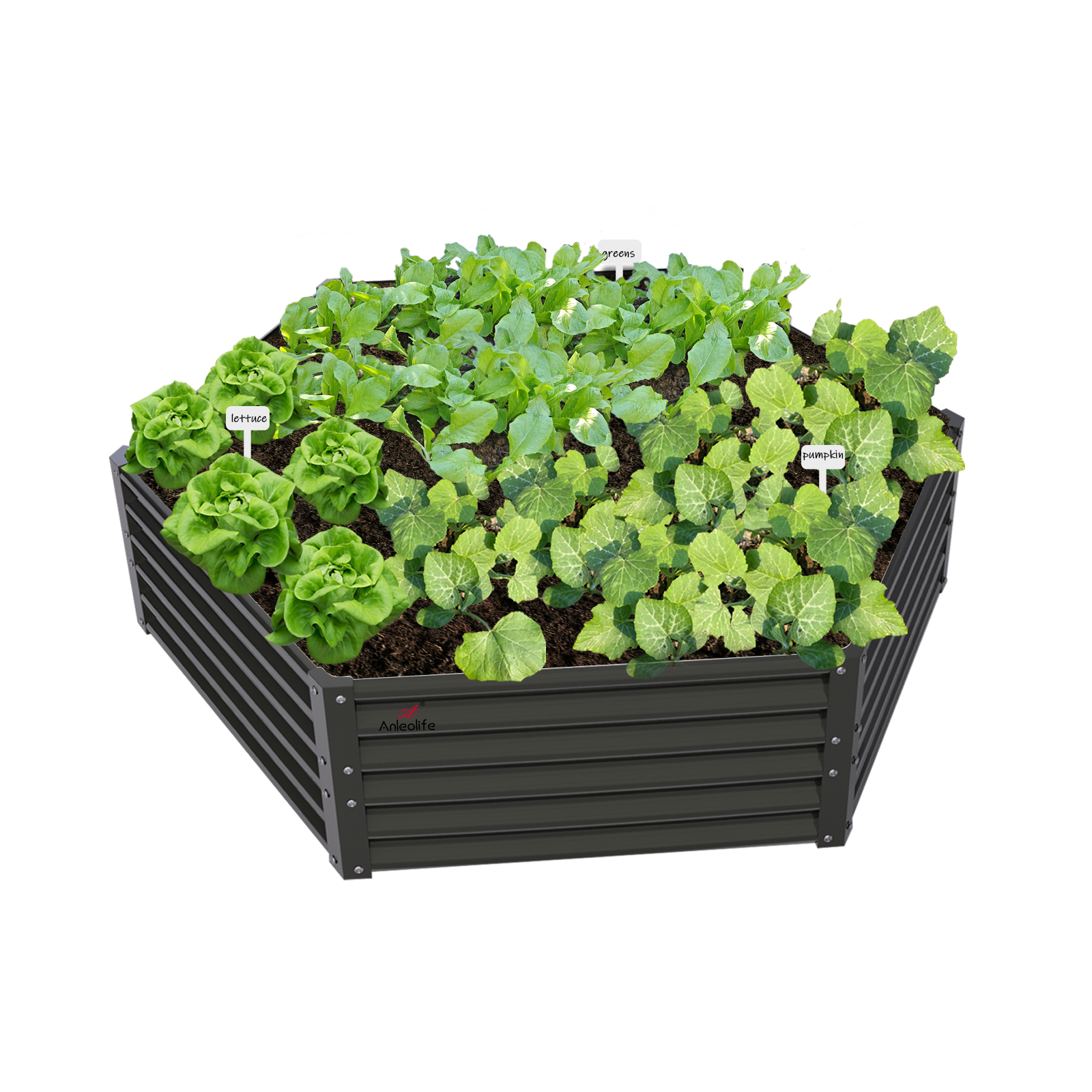
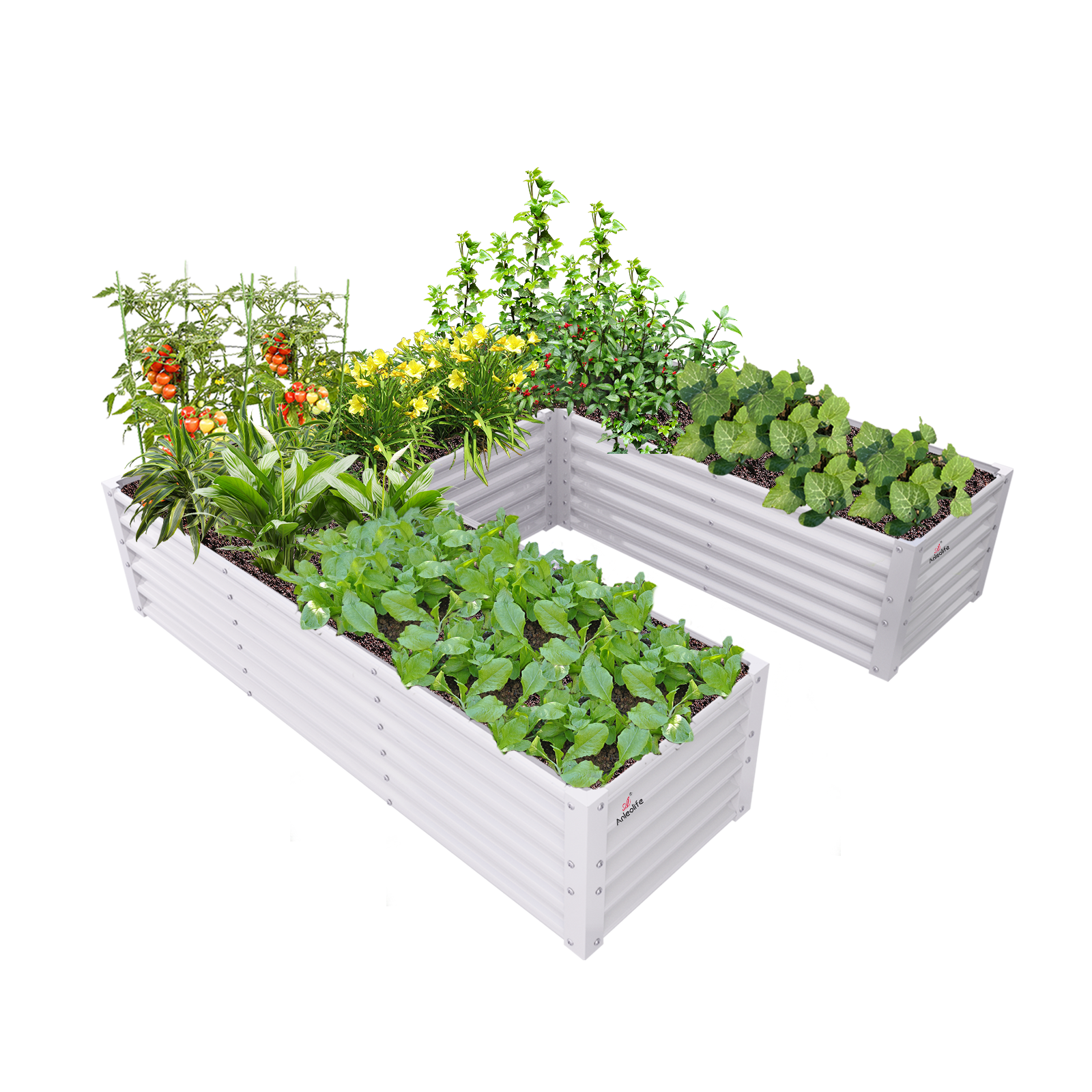

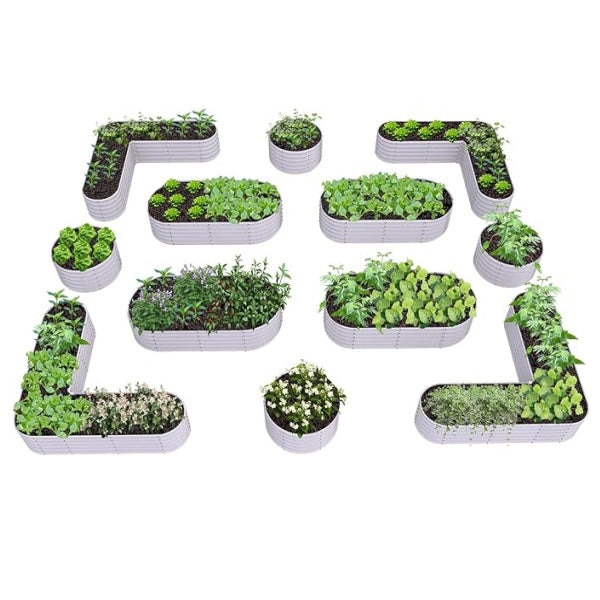


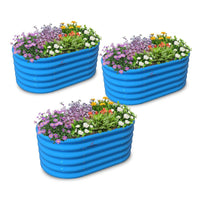
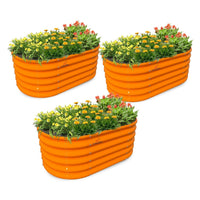
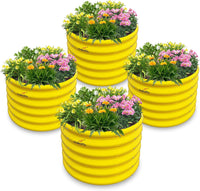
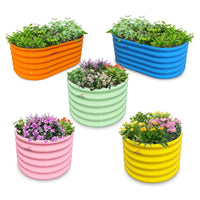
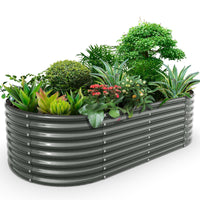




ALT: Raised garden bed kit versus DIY build real cost comparison for summer home gardening projects
Is a Raised Garden Bed Kit or DIY Build Actually Cheaper This Summer?
Key Conclusion: When planning your raised bed garden layout, the true cost comparison between kits and DIY builds goes far beyond lumber prices. A thoughtful raised bed planting layout requires considering material longevity, labor hours, soil investment, and long-term durability. Whether you're designing a simple raised bed layout for a patio corner or a multi-bed backyard system, understanding the full financial picture ensures you invest wisely—and grow confidently—this summer season.
Choosing between a pre-assembled raised garden bed kit and a fully custom DIY build is one of the most common dilemmas home gardeners face when gearing up for summer. At first glance, DIY seems like the budget-friendly option, but once you factor in materials, tools, time, and potential mistakes, the math often tells a different story.
This guide breaks down the real costs on both sides—not just the sticker price—so you can make a confident, informed decision before you break ground. We'll cover everything from material quality and recommended soil depth for vegetables in raised beds, to tool storage considerations, garden ergonomics, and the hidden value of choosing the right solution for your lifestyle.
Who This Guide Is For
✅ Applicable Scenarios:
- First-time gardeners who want a productive raised bed layout without trial-and-error material selection
- Experienced DIY builders who want to verify whether their planned build truly saves money versus a quality kit
- Empty nesters or retirees looking for a manageable, lower-effort garden setup this summer
- Urban micro-gardeners working with limited space and tight timelines who need a quick-start raised bed planting layout
❌ Not Applicable/Cautions:
- Gardeners who already have a large surplus of quality lumber and hardware on hand may find DIY calculations more favorable than the general estimates in this guide
- Those with professional carpentry experience who can absorb zero labor cost may have a unique cost advantage in DIY builds that general readers won't share
- This guide focuses on standard residential raised beds and may not apply to commercial-scale or community garden projects requiring specialized permitting
Why the Raised Garden Bed Market Is Booming—and Why Cost Matters More Than Ever
The home gardening movement has seen sustained growth over the past several years, accelerated by a collective interest in food security, sustainability, and outdoor living. Raised garden beds sit at the center of this movement, offering better drainage, soil control, reduced weeding, and accessible growing heights that traditional in-ground gardens simply cannot match.
According to the National Gardening Association, home food gardening participation continues to rise year-over-year, with millions of new gardeners entering the hobby each season. This growing demand has expanded the marketplace significantly—both for DIY materials at home improvement stores and for purpose-built raised bed kits from brands specializing in garden solutions.
But with more options comes more complexity. Lumber prices have fluctuated considerably in recent years, making it harder to predict the true cost of a DIY raised bed project. Meanwhile, the quality range among pre-made kits has widened dramatically, from flimsy short-lived options to professional-grade metal systems designed to last decades.
For the middle-class family or health-conscious home grower trying to build a smart, productive raised bed garden layout this summer, understanding where your money actually goes is essential. This isn't just about saving a few dollars—it's about making sure every dollar you invest contributes to a garden that performs well, looks great, and lasts for years.
The hidden costs of DIY and the overlooked value of quality kits are what this comparison is really about. Let's dig in.
The Full Cost Breakdown: Kits vs. DIY Step by Step
Three-Step Framework for Evaluating Your True Cost
Step 1: Define Your Raised Bed Layout Goals
Before comparing a single price, get clear on what you actually need. How many beds? What dimensions? How deep do you want the growing space? What materials are acceptable in your climate? This planning phase typically takes one to two hours but saves significant money down the line. Sketch your desired raised bed planting layout on paper, including pathways, access points, and irrigation needs. Your goals will determine whether a kit or DIY approach better serves your situation.
Step 2: List Every Line-Item Cost for Both Options
For DIY, this means accounting for lumber (or alternative materials), hardware (screws, corner brackets, brackets), liner if needed, delivery fees for bulk materials, tool rentals or purchases, and any finishing treatments. For a kit, check what's included versus what's sold separately—some kits include everything; others require separate soil, connectors, or ground cover. Budget one to two hours to research pricing at your local home improvement stores and online retailers before committing.
Step 3: Factor in Time, Skill, and Long-Term Durability
Assign an honest hourly value to your labor. If a DIY build takes a full weekend—roughly 12 to 16 hours—and you value your time at even a modest rate, that hidden cost is real. Then consider longevity: a pressure-treated wood bed may last 7 to 10 years before replacement is needed, while a high-quality galvanized metal raised bed like those from Anleolife is built to last up to 20 years, dramatically changing the per-year cost calculation.
Side-by-Side Comparison: Kits vs. DIY Build
Choosing between a kit and DIY isn't a one-size-fits-all decision. The right choice depends on your available time, skill level, budget, and how long you want your investment to last. Here's a clear, honest comparison across the most important dimensions:
| Comparison Dimension | Quality Kit (e.g., Metal Raised Bed) | DIY Wood Build (Standard Lumber) | DIY Alternative Materials |
|---|---|---|---|
| Upfront Material Cost | Moderate to higher | Lower to moderate | Varies widely |
| Assembly Time | Typically 30–90 minutes | 4–16+ hours | 3–12+ hours |
| Tools Required | Usually minimal (often tool-free) | Saw, drill, hardware | Varies by material |
| Expected Lifespan | Up to 20 years (galvanized steel) | 5–10 years (untreated/treated wood) | Highly variable |
| Long-Term Cost Per Year | Lower (amortized over decades) | Higher (replacement costs) | Unpredictable |
| Rot/Pest Resistance | Excellent (metal) | Moderate to low | Depends on material |
| Aesthetic Consistency | High (uniform design) | Variable (skill-dependent) | Variable |
| Soil Depth Customization | Available in various heights | Fully customizable | Partially customizable |
| Beginner-Friendly | Yes | Requires moderate DIY skill | Varies |
| Warranty/Support | Often included | None | None |
This table makes one thing very clear: when you look beyond the initial purchase price and account for lifespan, labor, and replacement costs, quality kits frequently offer equal or better value over time—especially for gardeners who don't already own the necessary tools.
The Hidden Costs Most Gardeners Miss
What DIY Really Costs When You Add It All Up
The appeal of building your own raised bed is understandable. You control every detail, you can customize dimensions freely, and the initial material cost often appears lower. But "appears lower" is doing a lot of work in that sentence.
Lumber costs are volatile and often underestimated. Standard pine boards will rot within a few seasons in moist soil conditions, forcing you into annual maintenance or complete replacement. Rot-resistant options like cedar or redwood come at a significant price premium—sometimes making the total material cost comparable to or exceeding a mid-range kit. Pressure-treated lumber is affordable, but there are ongoing discussions among organic gardeners about chemical leaching into soil, particularly for edible gardens.
When researching recommended materials for raised garden beds that won't rot, cedar consistently tops the list for DIY wood builds because of its natural oils and weather resistance. However, quality cedar lumber has become increasingly expensive, and even cedar beds typically require replacement within a decade—sometimes sooner in humid climates.
Hardware adds up faster than you'd think. Corner brackets, galvanized screws, ground staples, and weed barrier fabric can collectively add a meaningful sum to your total. Forget to account for these in your initial estimate, and your "budget build" suddenly costs significantly more than planned.
Tool costs catch beginners off guard. If you don't already own a circular saw, drill, speed square, and clamps, you'll either need to purchase or rent them. Tool rental for a weekend project can run $40–$80 depending on your location, and purchasing entry-level tools adds considerably more to your upfront investment.
Labor is real money, even when it's yours. A typical first-time DIY raised bed build takes a full day or more when you account for measuring, cutting, assembly, troubleshooting, and cleanup. If you're a working professional or retiree managing energy levels, that time investment carries genuine cost.
What Kits Offer That the Price Tag Doesn't Fully Communicate
A well-designed raised garden bed kit addresses virtually every pain point listed above. Pre-cut or pre-formed components mean no sawing required. Hardware is typically included and pre-matched to the system. Assembly is designed for simplicity, often requiring nothing more than basic hand tools or no tools at all.
The lifespan advantage of a galvanized steel raised bed is where the real financial story unfolds. At up to 20 years of functional life, a quality metal raised bed amortizes its cost to a level that frequently beats even the most affordable wood DIY build when replacement and maintenance costs are factored in. Over two decades, you won't be purchasing replacement lumber, re-treating surfaces, or rebuilding corners that have rotted out.
For eco-conscious gardeners worried about chemical treatments, galvanized steel eliminates that concern entirely. The metal doesn't leach chemicals into your soil, making it an excellent choice for organic vegetable growing.
Soil: The Cost Every Gardener Underestimates
Regardless of whether you choose a kit or DIY, soil is typically your largest single expense—and it's proportional to bed depth. Understanding the recommended soil depth for vegetables in raised beds is critical for both your plant health and your budget planning.
Most vegetable crops need a minimum of 18 inches of quality growing medium to thrive, with root crops like carrots and parsnips benefiting from 24 inches or more. Shallow beds save on soil cost but limit what you can grow effectively. Deeper beds require more fill—a combination of quality topsoil, compost, and organic amendments—which can cost substantially more than beginners expect.
A key tip: regardless of your bed construction choice, always plan your soil budget separately and generously. Skimping on soil quality undermines the entire investment.
Garden Ergonomics and Supporting Infrastructure
One often-overlooked aspect of the true cost of your garden setup involves the supporting elements that make gardening comfortable and sustainable long-term. For empty nesters, retirees, or anyone with back concerns, ergonomic considerations can make or break the gardening experience.
Garden seating matters more than most beginners realize. The best garden chairs for back support and comfort allow you to tend beds, harvest, and enjoy your space without strain. Investing in quality seating as part of your garden budget is money well spent, particularly if you plan to spend meaningful time outdoors.
Tool and hose management are often afterthoughts that become real problems. The best hose storage solutions and reel systems keep your garden tidy, prevent hose kinking and damage, and make irrigation significantly more efficient. Similarly, top-rated outdoor tool storage options—whether wall-mounted racks, free-standing sheds, or compact organizers—protect your tool investment and reduce setup time before every gardening session.
These supporting investments contribute to a garden experience that's genuinely enjoyable rather than frustrating, and they should be factored into your overall garden budget alongside your bed construction choice.

ALT: Organized backyard raised bed garden layout with metal kit bed, tool storage solutions, and comfortable garden seating for ergonomic outdoor gardening
Advanced Considerations: When the Standard Math Doesn't Apply
Special Situations That Change the Equation
Situation 1: You Have Leftover Quality Lumber
If you genuinely have substantial quantities of rot-resistant cedar or redwood already on hand from another project, your DIY material cost drops considerably, making the build more competitive with a kit. However, verify the wood hasn't been treated with chemicals incompatible with food gardening before repurposing it.
Situation 2: You're Building an Unusually Large or Custom-Shaped Layout
For highly irregular spaces—L-shapes, terraced hillsides, or very long runs—DIY may offer customization flexibility that kit modular systems can't easily match without purchasing many units. In these cases, a hybrid approach often works best: kits for standard beds, custom DIY sections for unique fills.
Situation 3: You're Prioritizing Rapid Setup Before Summer Planting Window Closes
Time is a genuine gardening resource. Missing the early summer planting window by spending weekends on construction has real consequences for your harvest. A quality kit that assembles in under two hours preserves that planting window in ways that a multi-weekend DIY project simply cannot.
Common Misconceptions Worth Addressing
Misconception: "DIY always saves money."
As this guide demonstrates, total cost accounting frequently proves otherwise. When you include labor, tools, shorter lifespan, and replacement costs, DIY can easily exceed the cost of a comparable kit over a 5–10 year horizon.
Misconception: "Metal beds overheat soil and harm roots."
Quality galvanized steel beds with proper design allow adequate airflow and don't cause meaningful soil temperature problems that affect root health under normal growing conditions. This is a persistent myth that shouldn't deter gardeners from choosing durable metal options.
Misconception: "More depth always means better growing."
Optimal depth depends on what you're growing. Most herbs and lettuces thrive at 6–8 inches, while tomatoes and root vegetables need 18–24 inches. Building excessively deep beds wastes soil budget without improving yields for shallow-rooted crops.
Frequently Asked Questions FAQ
Q1: How do I calculate the true total cost of a DIY raised bed build before starting?
Start with a complete materials list: lumber (accounting for rot-resistance needs), all hardware, weed barrier, and any finishing treatments. Then add tool costs if you don't already own what you need, and honestly estimate your labor hours at a meaningful hourly value. Finally, factor in lifespan—if your wood bed lasts 7 years versus a metal kit lasting 20 years, divide each total cost by its expected lifespan to get an accurate annual cost for comparison. Most gardeners find the gap narrows significantly with this approach.
Q2: Are galvanized steel raised bed kits safe for growing vegetables and organic produce?
Yes. Galvanized steel raised beds use a zinc coating process that does not leach harmful chemicals into garden soil at levels that affect food safety. Unlike some pressure-treated lumber options that raise legitimate questions for organic growers, galvanized steel is widely accepted as safe for vegetable gardening. For gardeners pursuing organic certification or simply preferring to avoid any chemical uncertainty in their raised bed planting layout, metal beds represent a clean and durable choice.
Q3: How long does a quality raised garden bed kit typically last, and does it affect cost-per-year value?
A high-quality galvanized steel raised garden bed like those offered by Anleolife is built to last up to 20 years—significantly longer than most wood DIY alternatives, which typically require replacement or major repairs within 5–10 years. When you divide the total investment by expected lifespan, quality kits often deliver a lower annual cost than they appear to at purchase. This long-term value calculation is especially relevant for gardeners planning a multi-bed setup where replacement costs would multiply considerably over time.
Summary
The raised garden bed kit versus DIY debate doesn't have a universal winner—but it does have a clearer answer once you account for all the real costs involved.
Three key takeaways from this comparison:
- Upfront price is only one piece of the puzzle. Material quality, tool costs, labor time, and lifespan dramatically change which option actually costs less over 5, 10, or 20 years.
- Soil and supporting infrastructure matter as much as the bed itself. Budgeting adequately for quality growing medium at the right depth—and for ergonomic support elements like tool storage and seating—ensures your total garden investment pays off in productivity and enjoyment.
- Durability is where quality kits shine. A 20-year lifespan galvanized steel bed fundamentally changes the cost math, offering value that's difficult for DIY wood builds to match without significant ongoing maintenance.
For most home gardeners this summer—especially first-timers, busy families, retirees, and anyone who values their weekend time—a quality raised bed kit delivers a compelling combination of simplicity, longevity, and genuine long-term value.
Your next step: define your raised bed layout goals, calculate your full soil budget, and choose the build method that aligns with both your finances and your lifestyle. Then get growing—summer doesn't wait.
Start Your Garden Upgrade with Anleolife
Ready to skip the measuring tape and get straight to growing? Anleolife makes it easy.
Nationwide U.S. warehouse network: Strategically located in California, Texas, Florida, New York, Illinois, and Washington to ensure delivery within 3–8 business days—so your garden upgrade plans never have to wait for the planting window.
Multi-channel availability: Products are available on major e-commerce platforms including Amazon, Walmart, Home Depot, Lowe's, and Wayfair, as well as the official Anleolife.com website, providing consistent quality assurance and after-sales service wherever you prefer to shop.
Three core scenarios covered: Planting (metal raised garden beds built to last up to 20 years, soil systems), Raising (chicken coops, rabbit hutches), and Beautification (decorative accessories, pathway systems)—meeting complete needs from functionality to aesthetics.
We understand that an ideal garden is not built overnight, but gradually improved over time. Our modular product design allows flexible expansion based on your needs—from your first garden bed to a fully integrated planting-and-raising ecosystem. We grow with you every step of the way.
References
- National Gardening Association. "Garden to Table: A Guide to Growing Food at Home".
https://garden.org/ - University of California Agriculture and Natural Resources. "Vegetable Gardening in Raised Beds".
https://ucanr.edu/ - U.S. Department of Agriculture (USDA). "Home Gardening Resources and Soil Health".
https://www.usda.gov/topics/farming/urban-agriculture - Penn State Extension. "Raised Bed Gardening: Building, Filling, and Planting".
https://extension.psu.edu/raised-bed-gardening - Colorado State University Extension. "Raised Bed Vegetable Gardening: Soil Depth and Material Selection".
https://extension.colostate.edu/
Note: Standards and recommendations may be updated. Please check the latest official documents or consult professional advisors for current guidance.
About Anleolife
Anleolife is a leading outdoor garden solutions provider in North America, dedicated to offering a full-scenario product ecosystem for home gardening enthusiasts, covering planting, raising, and garden beautification. Since its founding, we have upheld our brand mission, "Made for Garden Life," continuously innovating products and optimizing services to help hundreds of thousands of users upgrade their gardens, reconnect with nature, and enjoy a better garden lifestyle.