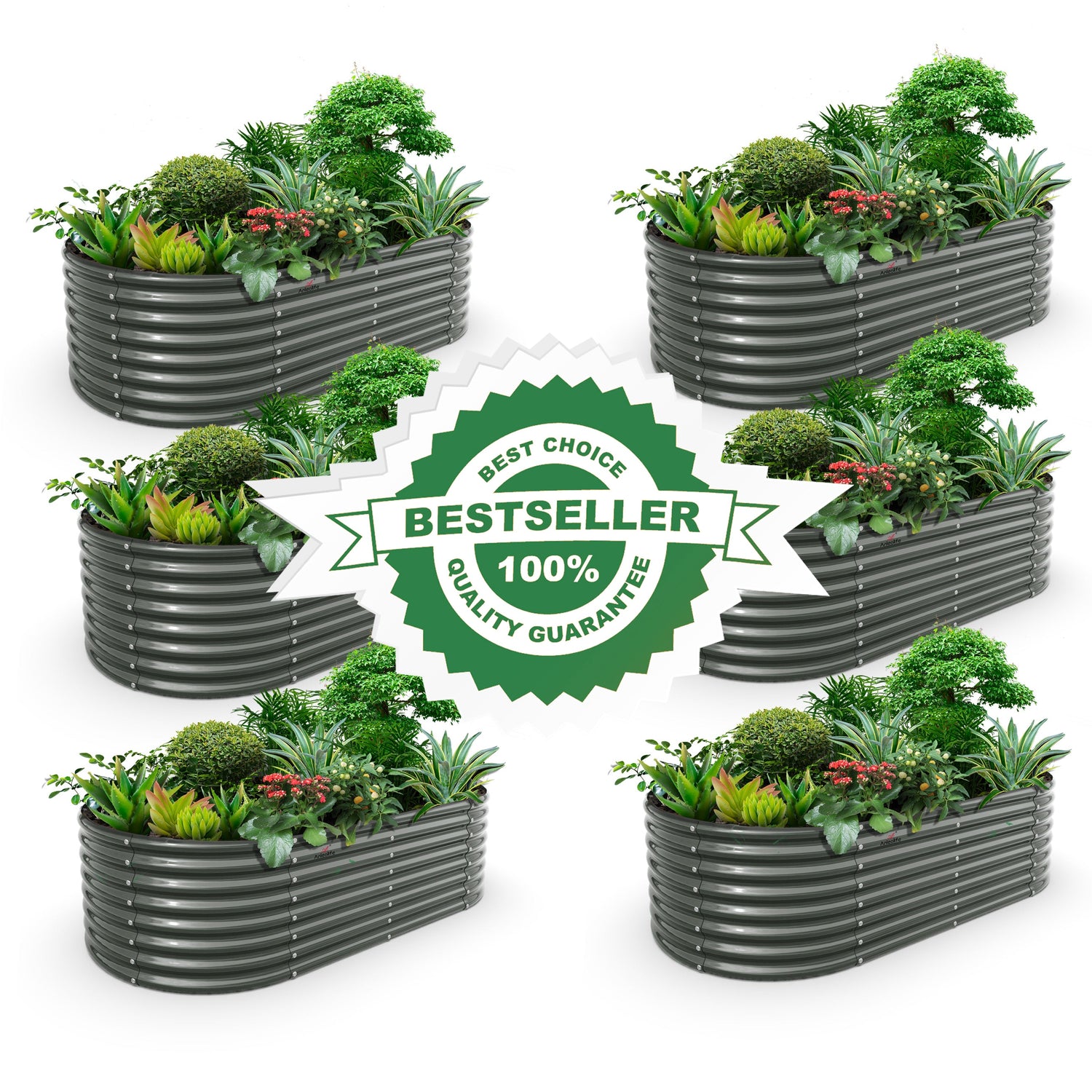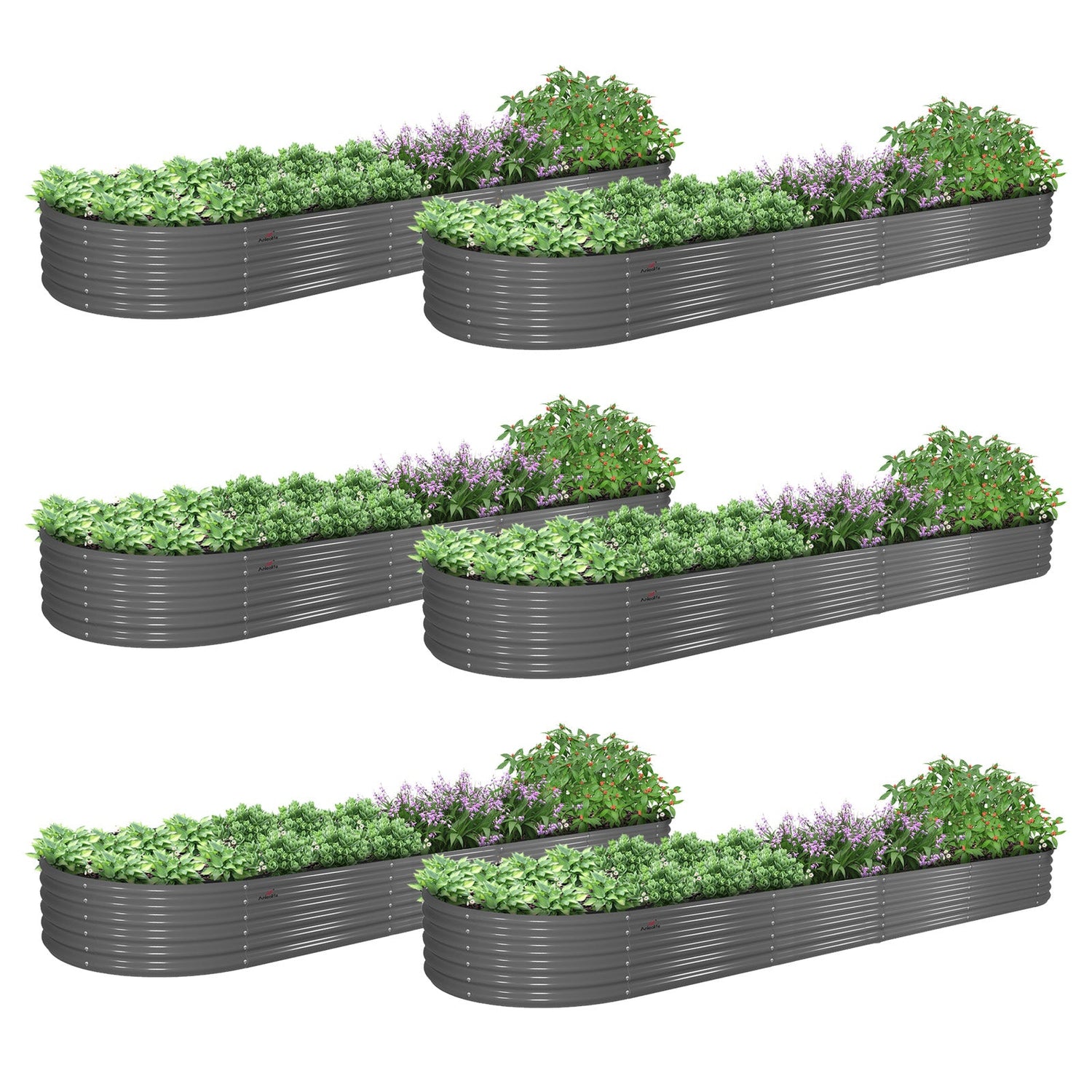



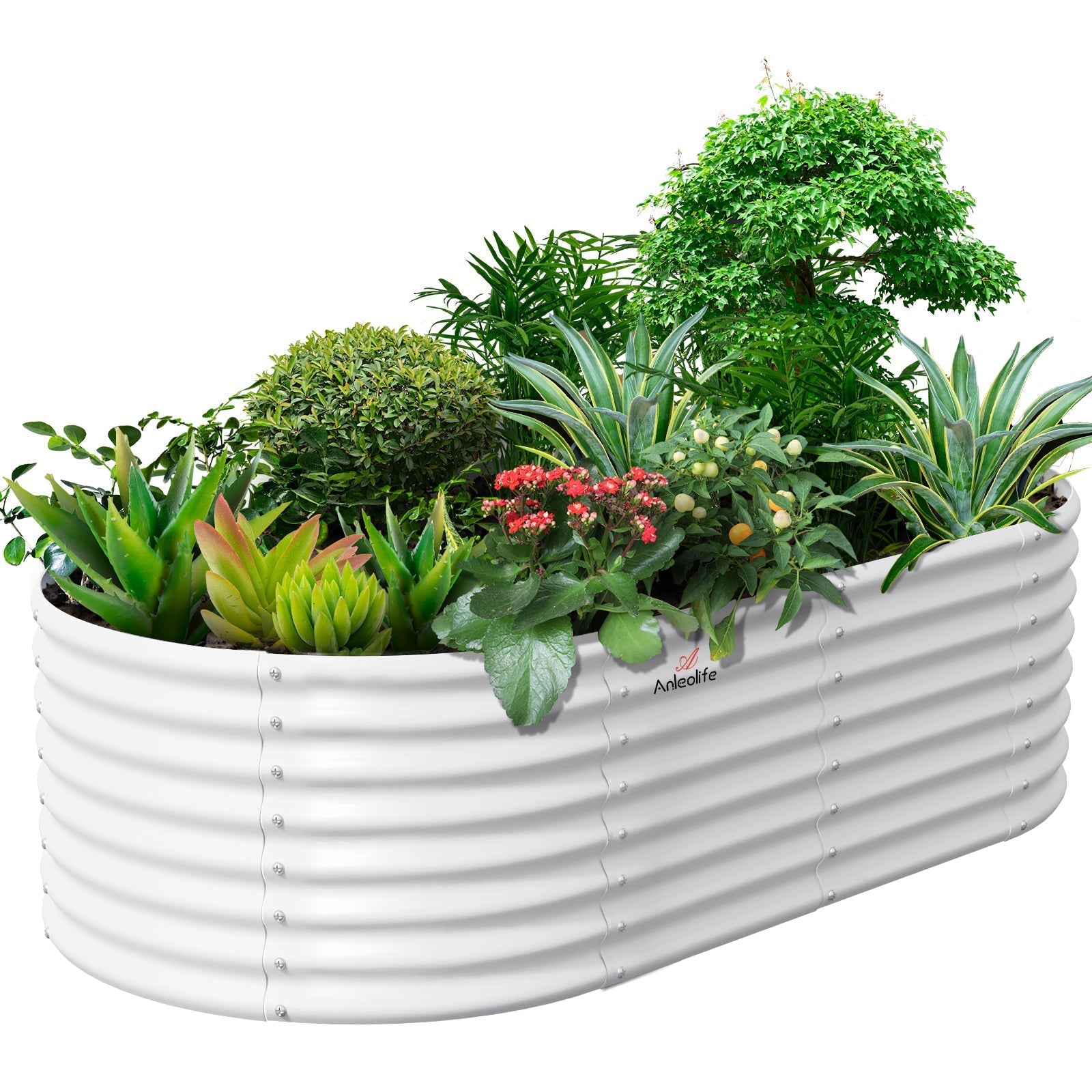
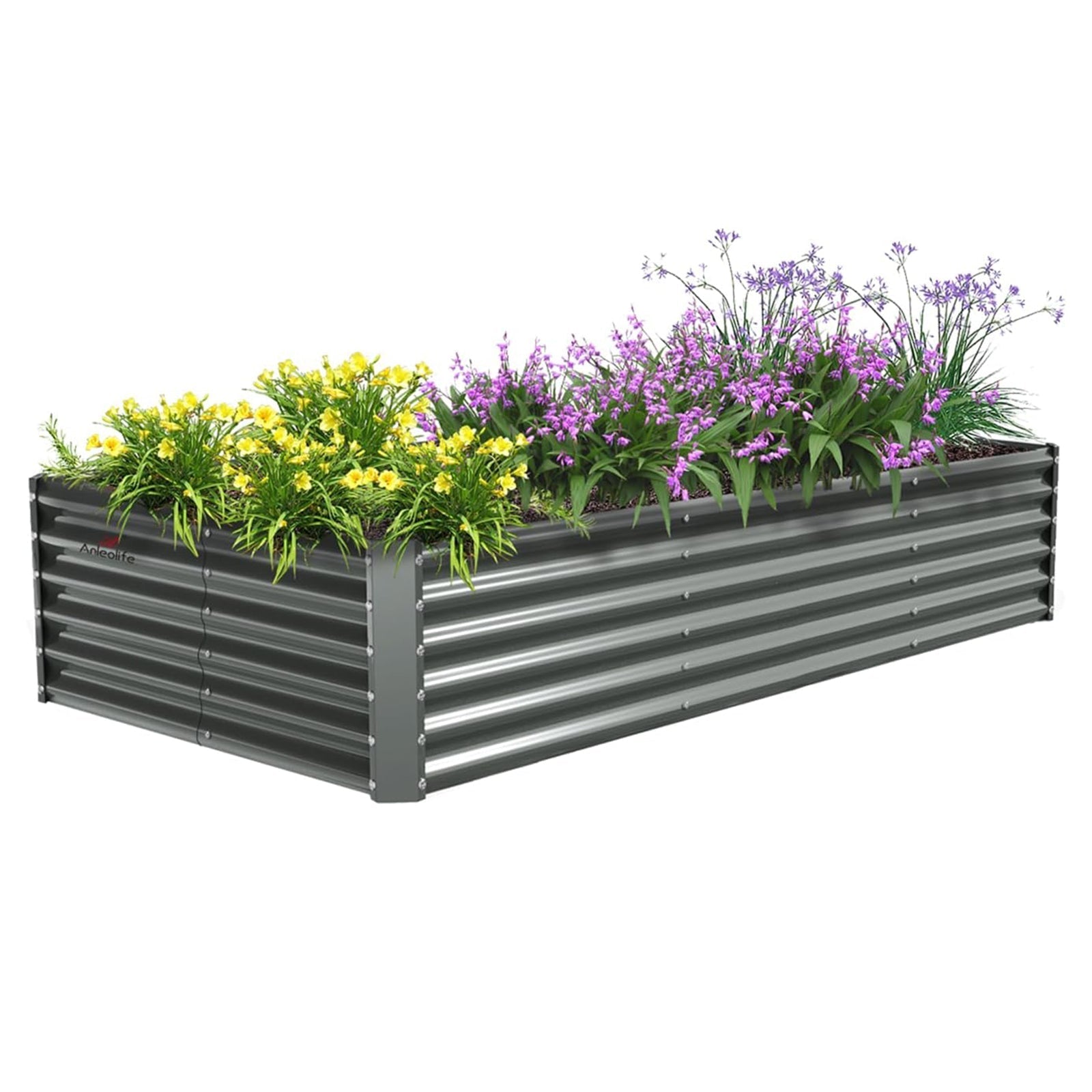

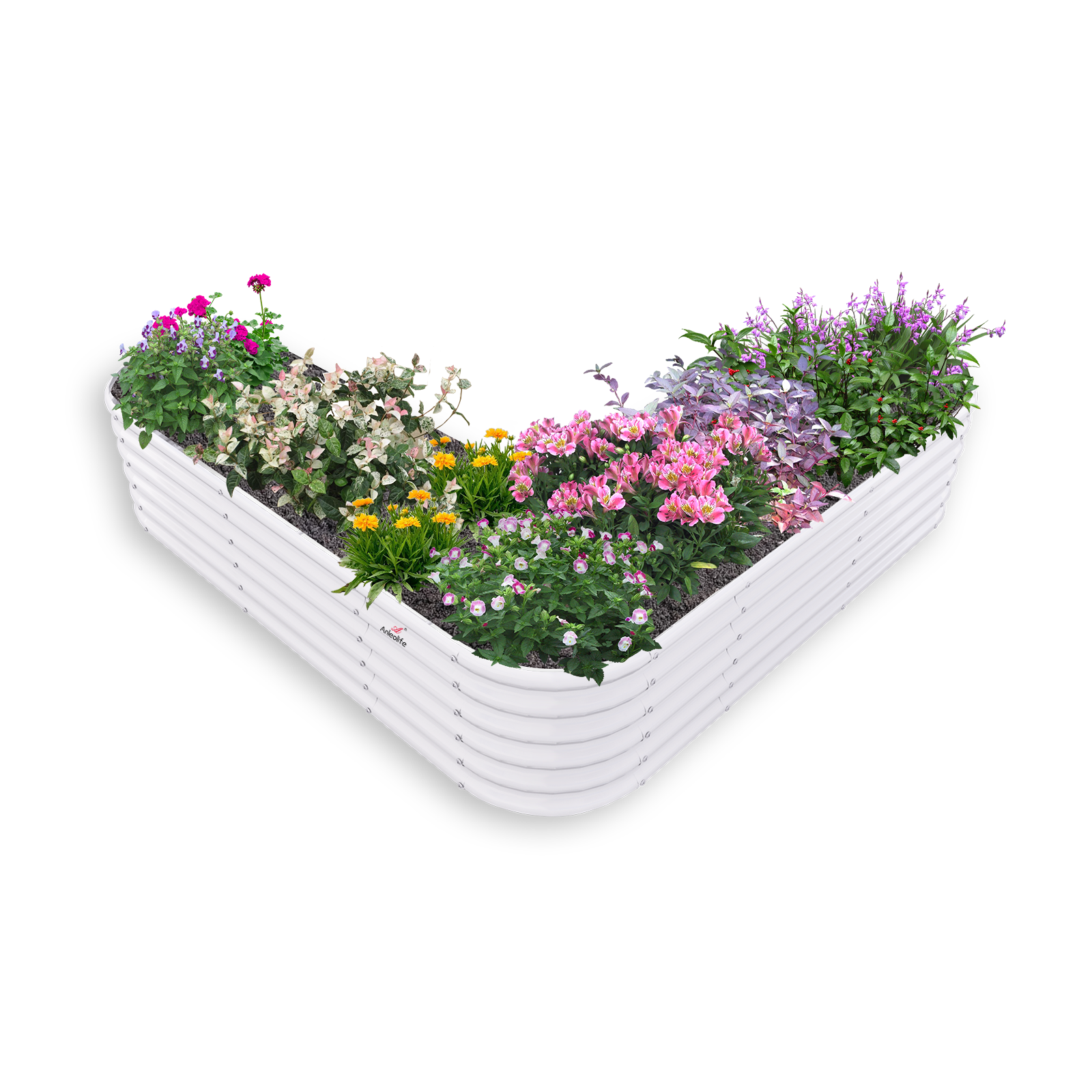
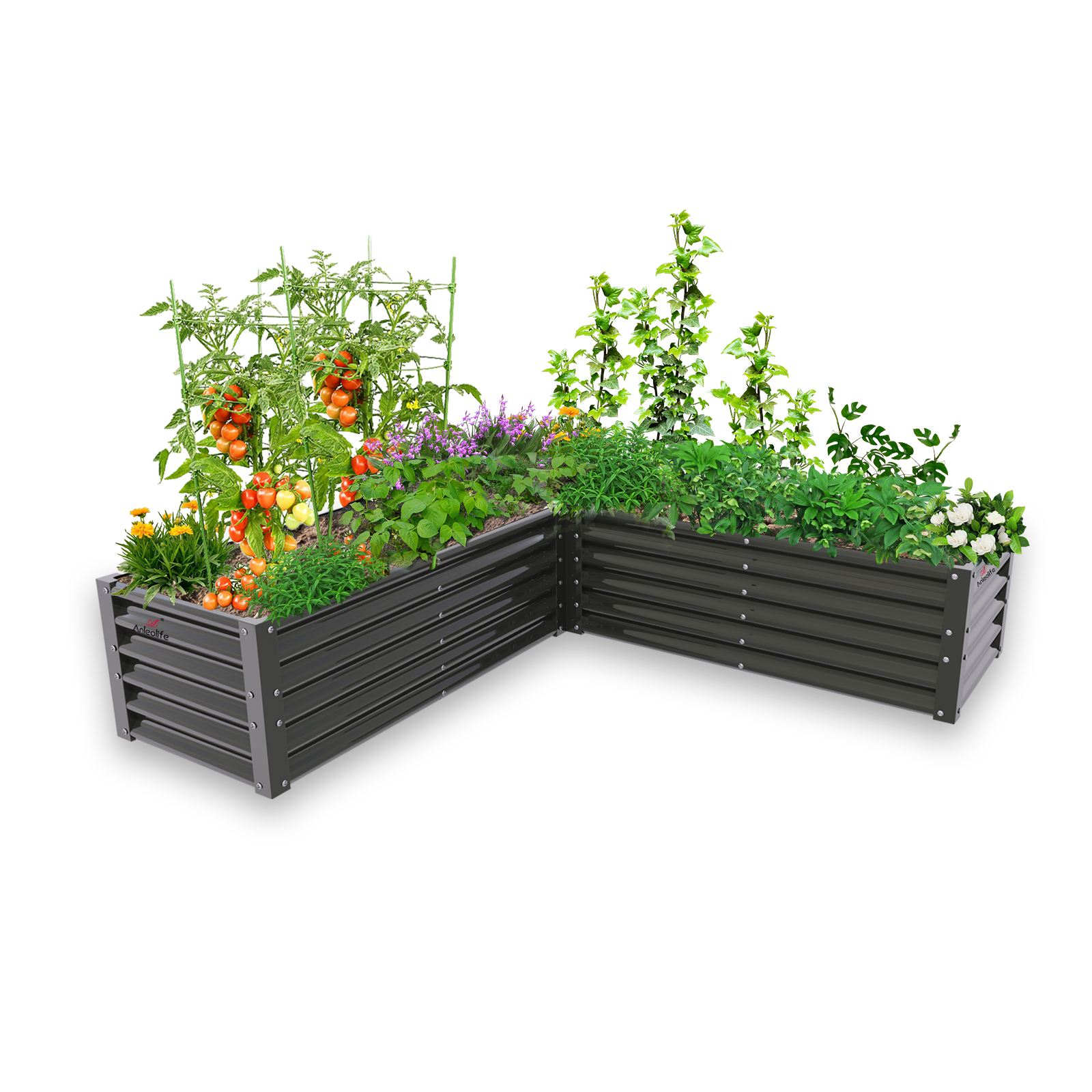
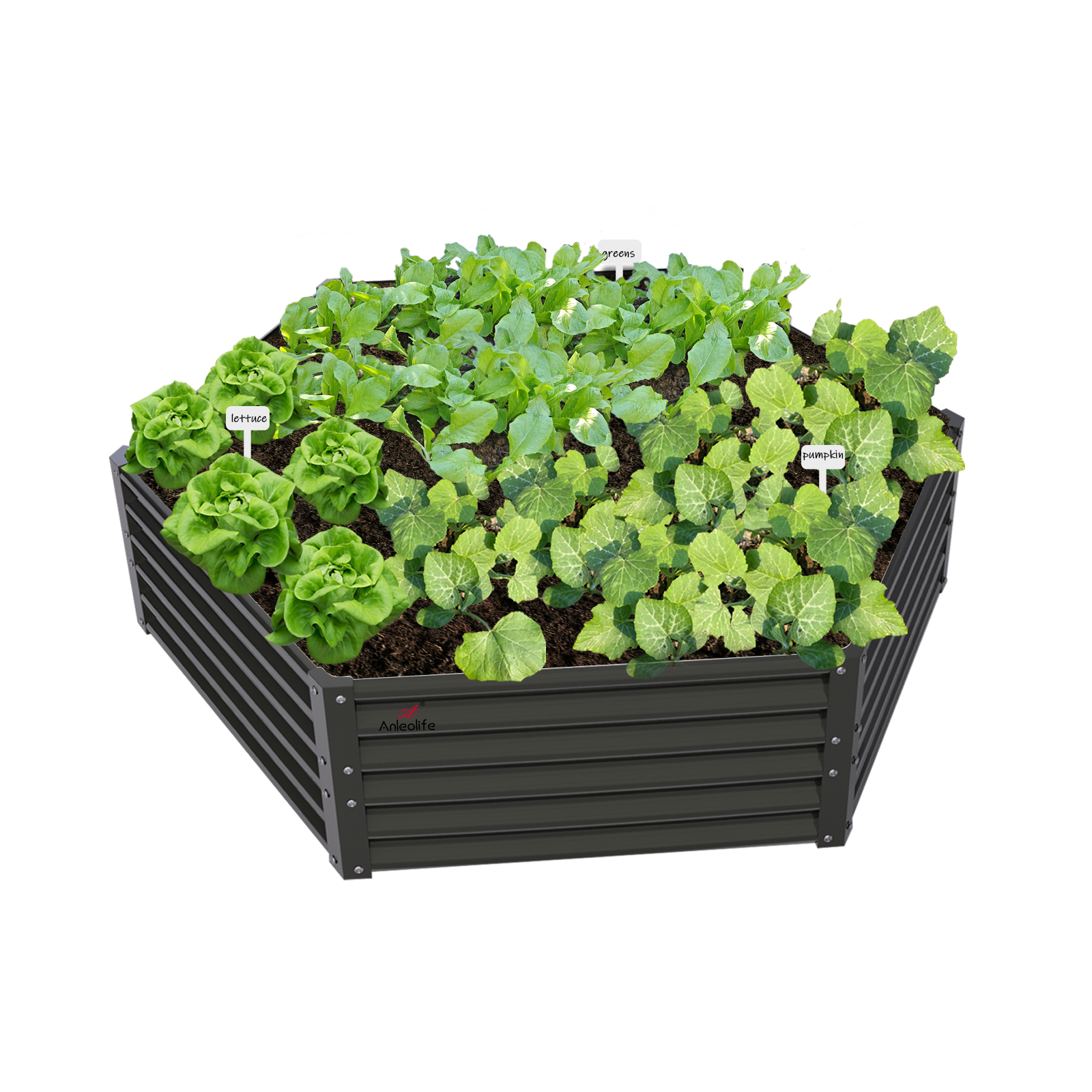
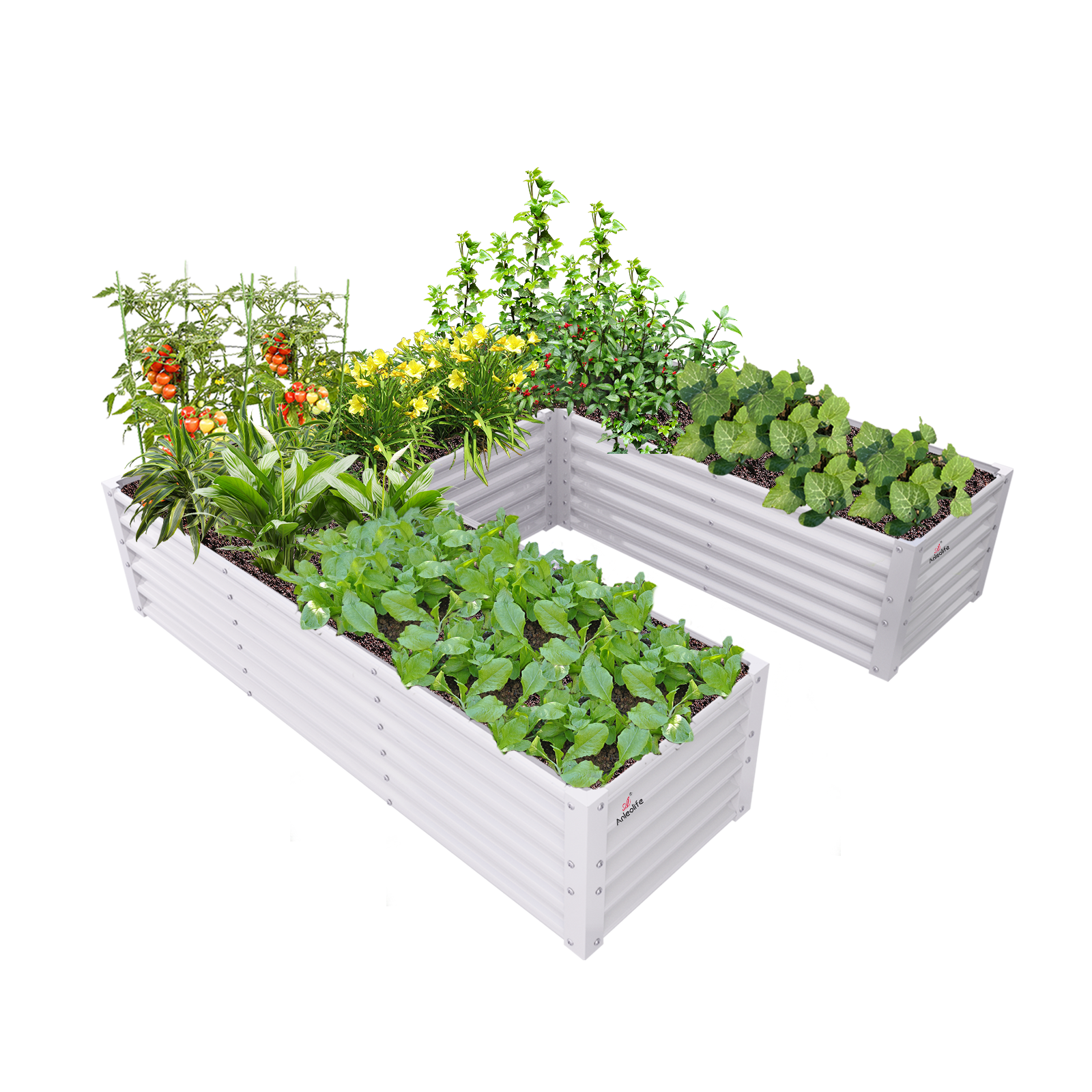

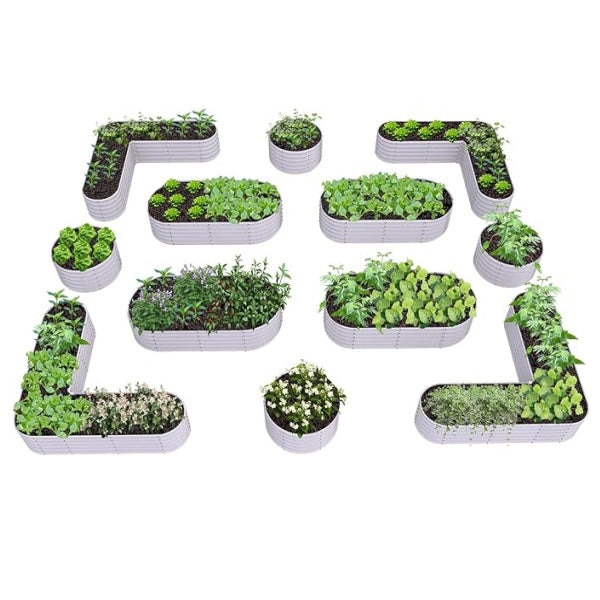


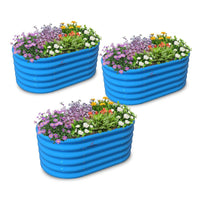
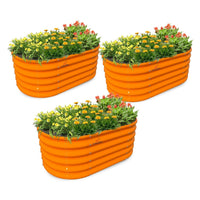
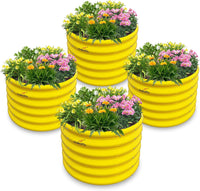
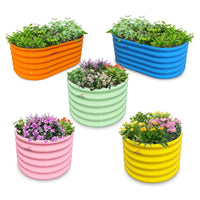
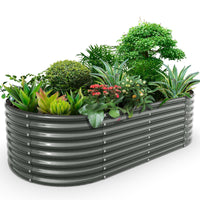



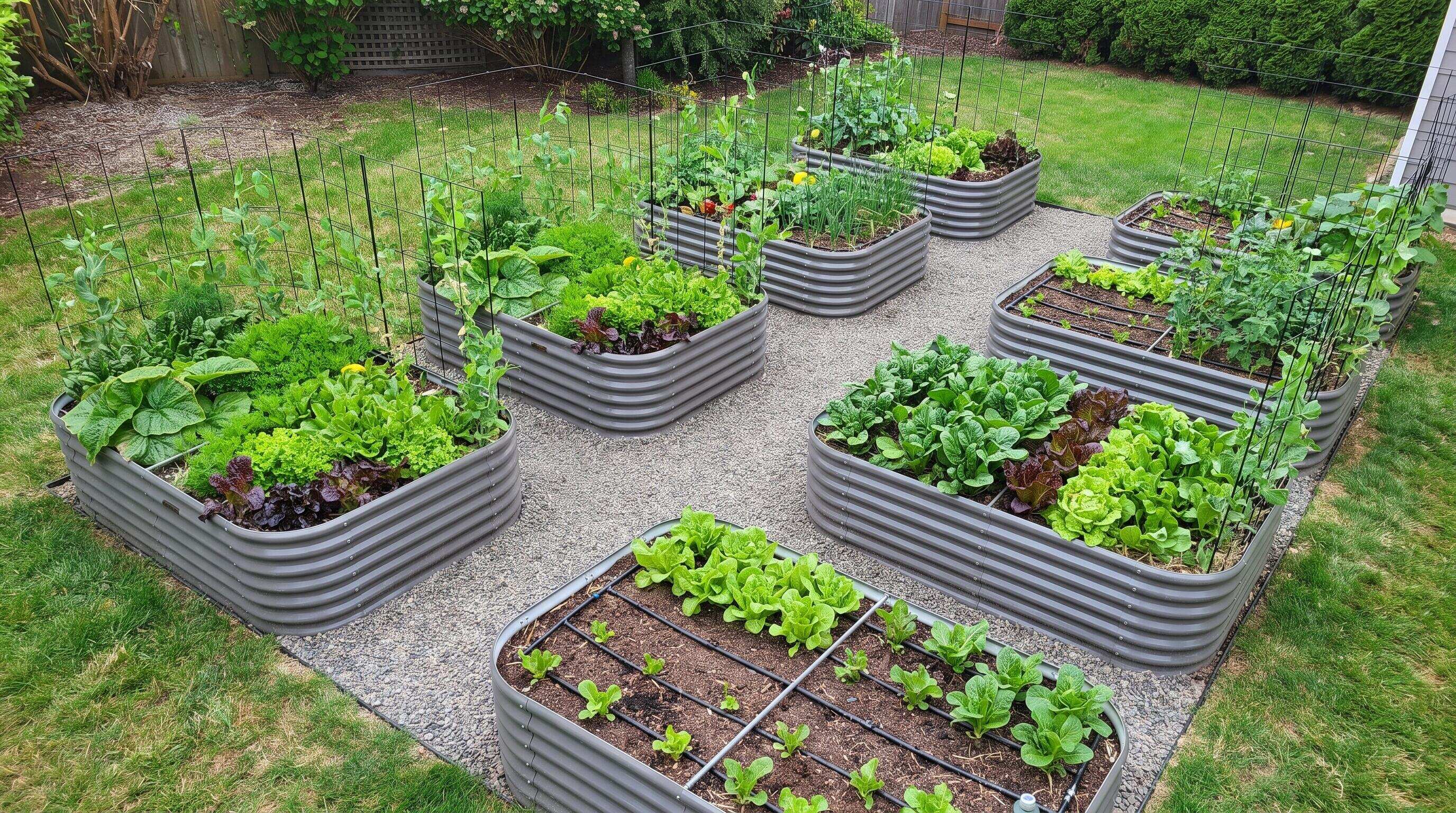
ALT: Raised bed garden layout planning checklist with galvanized steel raised garden beds in a well-organized home garden
Before You Spend a Dollar: The Raised Garden Bed Purchase Checklist That Actually Matters
Key Conclusion: A thoughtful raised bed garden layout starts long before you break ground — it starts before you even add anything to your cart. This checklist covers the nine most critical decisions home gardeners need to confirm before purchasing a raised bed: from site assessment and raised bed planting layout strategy to material durability, bed height, soil system compatibility, and long-term cost. Whether you are planning your first raised bed layout or expanding an existing setup, these checkpoints will save you from costly mistakes and help you build a garden that works for the next two decades.
In our work with home gardeners across North America, a pattern we consistently see is that buyers regret the things they did not check, not the things they did. A raised bed purchase looks simple — a rectangle of metal or wood dropped into a yard — until you realize the dimensions do not fit your space, the height strains your back, or the soil mix you planned will not drain properly in your climate. This checklist distills the most important pre-purchase confirmations into one place, presented in the order you will naturally encounter each decision. Work through it before you buy, and your first season in the garden will look very different from the one most beginners experience.
Nine Things to Confirm Before You Buy a Raised Garden Bed This Quarter
Measure Your Available Space — Then Measure Again
Site dimensions are the single constraint that no product upgrade can fix after the fact. A raised bed planting layout that looked perfect on a sketch pad can become unworkable once you account for walking clearance, tool access, and sunlight corridors. Before you choose any bed size, measure the usable area of your intended planting zone and subtract at least 18 to 24 inches on every side that will need foot traffic. This clearance is not aesthetic padding — it is the working space that lets you harvest, weed, and amend soil without stepping inside the bed and compacting it.
According to the University of Minnesota Extension, raised beds wider than four feet make it difficult to reach the center from either side without stepping in, which defeats one of the primary benefits of the format. A bed that is four feet wide, for instance, allows comfortable access from both sides for most adults — a principle that directly shapes which dimensions make sense for your space.
Consider the shape of your yard honestly. If you are working with a narrow side yard or an L-shaped patio edge, a standard rectangular layout may not be the most efficient use of your footprint. In those cases, smart raised bed placement ideas for narrow or oddly shaped yards can help you extract far more growing area from an unconventional space than a standard grid arrangement would allow.
Best for: Anyone working with irregular yard dimensions, sloped terrain, or mixed sun-and-shade conditions that demand careful positioning before committing to a bed size.
Watch out: Measuring the open ground is not the same as measuring usable ground. Note the location of downspouts, HVAC units, utility access panels, and overhead structures — all of which will influence your final layout footprint.
Confirm Daily Sunlight Hours at the Exact Location
A raised bed garden layout is only as productive as the light it receives. Most food crops — tomatoes, peppers, cucumbers, most leafy greens — need a minimum of six hours of direct sun per day, with eight or more hours producing the strongest yields. The critical mistake here is measuring sunlight at the wrong time of year. If you are planning your garden in late fall or early winter, the sun angle is significantly lower than it will be in June, which means a spot that looks sunny now may be partially shaded by a fence, a neighbor's structure, or even a large shrub once the season progresses.
Track sunlight at your intended location across a full day before committing to a position. Note where shadows fall at 8 a.m., noon, and 4 p.m. If you cannot do this in real time, use a sun-tracking tool to model the sun path for your zip code at the month you intend to plant.
Best for: Gardeners in suburban or urban settings where neighboring structures, mature trees, and fencing create complex, shifting shade patterns that are not obvious at a glance.
Watch out: Reflected heat from walls, fences, or pavement can supplement light but also stress plants during peak summer — a factor worth noting when you position beds against south-facing structures.
Choose the Right Bed Dimensions for Your Planting Goals
Raised bed dimensions are not just a space question — they are a raised bed planting layout question. The size of your bed directly determines how many plants you can grow, which companion planting arrangements are feasible, and how efficiently you can organize crops by water and nutrient needs. A 4x8 foot bed, for example, is one of the most versatile formats for home growers because it accommodates a wide range of planting grid configurations and is still manageable for a single person to maintain. Per Savvy Gardening, 4x8 raised bed vegetable garden layout ideas range from single-crop rows to intensive square-foot grids that can produce a surprising variety of vegetables in a compact footprint.
Anleolife's product range spans a wide spectrum of functional sizes — from compact formats suited to balconies and small patios to larger beds like the 12x3 ft and 8x4 ft configurations that accommodate serious vegetable production. Their Extra Tall series reaches heights of 24 to 30 inches, and the Waist-High 35-inch option is designed specifically for gardeners who want to eliminate bending entirely. Matching bed size to your actual planting list before you buy prevents the common frustration of running out of growing space mid-season or, equally frustrating, having more bed than you can consistently maintain.
Best for: Home growers with a defined planting list — knowing what you want to grow tells you how much space you need, rather than guessing at a size and fitting plants around it afterward.
Watch out: Longer beds (10 feet and above) can flex slightly along the center span if the soil depth is substantial — look for beds with center support stakes or reinforced panel joints when shopping at larger dimensions.
Assess Bed Height Relative to Your Physical Needs
Bed height is one of the most personal specifications in a raised bed purchase, and one of the most commonly underweighted. A standard 18-inch bed keeps soil above ground level and improves drainage, but it still requires moderate bending for most adults. For gardeners managing back problems, knee limitations, or simply prioritizing comfort for long gardening sessions, a taller bed changes the experience fundamentally. As covered in detail in ergonomic garden bed design guidance, matching bed height to the gardener's physical profile is one of the highest-impact decisions in the entire setup process.
Anleolife offers beds in a consistent height progression — 18-inch standard, 22-inch, 24-inch Extra Tall, 30-inch Extra Tall, and the 35-inch Waist-High format — which gives buyers a clear ladder of options rather than a binary choice. The right height for you depends on whether you plan to stand, kneel, or use a stool while gardening, and on the eventual soil depth required by your primary crops (root vegetables, for instance, need more depth than lettuce or herbs).
Best for: Empty nesters, retirees, and anyone with a history of lower-back strain who wants to garden comfortably for years without physical compromise.
Watch out: Taller beds require more soil volume to fill, which directly affects your soil system budget. Factor that cost into your total purchase calculation before choosing the tallest option available.
Evaluate Material Quality and Long-Term Durability
The material a raised bed is made from determines its maintenance burden, its environmental safety, and how long it will actually last. In our experience working with gardeners across diverse climates — from humid Florida summers to the freeze-thaw cycles of the upper Midwest — material selection is where the difference between a five-year bed and a twenty-year bed is decided. For a full side-by-side analysis of the two most common structural materials today, the comparison in galvanized steel vs. recycled plastic raised bed options walks through durability, sustainability, and cost trade-offs in practical terms.
Anleolife's galvanized steel beds are engineered for a 20-year lifespan, a figure that reflects the quality of their zinc coating process and structural panel thickness. Their rust-resistant line extends that durability to environments where moisture and salt exposure are ongoing concerns — coastal gardens, irrigated vegetable plots, and high-humidity climates where standard galvanizing would be challenged over time. When evaluating any bed's material claims, ask specifically what treatment has been applied to the interior surface (the side in contact with moist soil) and whether the fasteners are rated for outdoor exposure — these two details are where lower-quality beds tend to fail first.
Best for: Eco-conscious buyers who want a bed material that does not leach chemicals into the soil, and long-term planners who want to amortize their initial investment over many seasons.
Watch out: Not all "galvanized" steel is identical. The thickness of the zinc coating and the gauge of the steel sheet both affect real-world durability — specifications that are worth requesting from any manufacturer before you buy.
Plan Your Soil System Before You Order the Bed
A raised bed is a container, and what goes inside it matters more than most first-time buyers anticipate. Raised bed gardening performed in native soil rarely achieves its potential — the structure's primary advantage is allowing you to control the growing medium completely. Before you purchase your bed, confirm what soil mix you will use, where you will source it, and approximately how many cubic feet the bed will require at your chosen depth.
The general guidance from soil science is that a high-performing raised bed mix combines screened topsoil, compost, and a coarse drainage material in balanced proportions — though the ideal ratio varies by crop type and local climate. For detailed composition guidance, the resource on best soil composition for thriving organic vegetable raised beds offers a practical framework that accounts for drainage, nutrient retention, and seasonal amendment needs. Pre-planning your soil system also helps you catch logistical constraints early — particularly if you live in an urban area where bulk soil delivery is difficult or if your intended location is accessible only through a narrow gate.
Best for: First-time raised bed gardeners who may not realize that the bed itself is just the housing — the soil system is the actual growing environment.
Watch out: Filling a taller bed entirely with premium blended mix can be expensive. Many experienced gardeners use the "Hugelkultur lite" approach — filling the lower third of a deep bed with wood chips, straw, or cardboard to reduce the volume of soil mix needed, while still providing excellent root-zone conditions at the top.
Verify Assembly Requirements and Tools Needed
Raised bed assembly ranges from a twenty-minute solo task to a two-person afternoon project, depending on bed size, panel count, and fastening system design. In a pattern we consistently see among first-time buyers, assembly difficulty is one of the most underestimated factors — and one of the most frustrating to discover after delivery. Before you buy, confirm whether the bed ships with all required hardware, whether the fastening system requires tools beyond a basic screwdriver or mallet, and whether the instructions are available in English (or your preferred language) before purchase rather than only inside the box.
Modular bed systems are worth particular attention here. Anleolife's modular raised garden bed line is designed for tool-free or minimal-tool assembly and for the flexibility to expand the configuration over time — a meaningful advantage if your garden plans are likely to evolve in coming seasons. Modular designs also allow you to reconfigure the layout without purchasing an entirely new structure, which reduces long-term cost considerably.
Best for: Solo assemblers, renters who may need to disassemble and move the bed, and gardeners who anticipate expanding their setup incrementally rather than all at once.
Watch out: Beds with many small components can be challenging to assemble on uneven ground. Confirm whether the design requires a level surface and whether leveling feet or adjustable panels are available for sloped terrain.
Confirm Delivery Timeline and Platform Availability
Raised bed gardening has a seasonal window, and a bed that arrives two weeks after your ideal planting date can cost you an entire growing season for certain crops. Before you complete a purchase, verify the realistic delivery timeline to your address — not just the standard estimate listed on the product page, but the actual fulfillment timeline given current inventory levels and your region.
Anleolife maintains a nationwide warehouse network strategically located in California, Texas, Florida, New York, Illinois, and Washington, which enables delivery within 3–8 business days to most U.S. addresses. That range is worth planning around: if you are targeting a specific planting window, order with enough lead time to account for the full 8-day end of that range, plus a day or two for unpacking and assembly. Products are available across major platforms including Amazon, Walmart, Home Depot, Lowe's, and Wayfair, as well as directly through the official Anleolife website — which means you can choose the platform that best fits your existing account, shipping preferences, or loyalty program.
Best for: Gardeners working toward a specific season start date, particularly those in northern climates where the last frost date creates a firm deadline for getting beds in the ground.
Watch out: Marketplace listings on third-party platforms occasionally show different SKUs or bundle configurations than the manufacturer's direct website. Cross-check the exact model and dimensions against the official product listing to ensure you are ordering what you intend.
Map Out Your Raised Bed Layout Before Final Purchase
The final checkpoint — and the one most buyers skip — is mapping your complete raised bed layout on paper or in a planning tool before finalizing the order. A raised bed layout is not just about where the beds physically sit; it encompasses irrigation run paths, seasonal sunlight shifts, companion planting zones, and the walking corridors that make the whole system usable day to day. Gardeners Supply Company offers pre-planned garden layouts at their kitchen garden planner that can serve as useful starting templates — a practical way to see how different bed arrangements function before committing to a specific configuration.
Doing a paper or digital layout also reveals hidden conflicts: a planned 12x3 bed that would block a gate, or two 8x4 beds placed so close together that the corridor between them becomes a mud trap after rain. If your layout involves more than two beds, consider how you will manage irrigation and whether a drip system or soaker hose configuration is compatible with the bed spacing you have chosen.
Best for: Anyone planning to install two or more beds, or gardeners who want to integrate raised beds with other garden elements like pathways, trellises, or water features.
Watch out: A raised bed planting layout drawn at the wrong scale is easy to misread. Use actual measurements and mark them clearly — many gardeners who do this for the first time discover they planned for significantly less space than they thought they had.
Quick Comparison at a Glance
| Checklist Item | Best For | Key Strength | Limitation |
|---|---|---|---|
| Site Measurement | All buyers | Prevents dimension mismatches | Easy to overlook clearance zones |
| Sunlight Assessment | Urban and suburban gardeners | Ensures crop productivity | Requires tracking across seasons |
| Bed Dimensions | Growers with defined plant lists | Aligns space to planting goals | Larger beds need center supports |
| Bed Height | Retirees, back-pain sufferers | Improves ergonomic comfort | Taller beds require more soil volume |
| Material Quality | Long-term planners, eco buyers | Determines lifespan and safety | Not all galvanizing is equivalent |
| Soil System Planning | First-time raised bed gardeners | Controls growing environment fully | Bulk soil logistics can be complex |
| Assembly Requirements | Solo builders, renters | Affects setup time and flexibility | Uneven ground can complicate assembly |
| Delivery Timeline | Seasonal planners | Prevents missed planting windows | Marketplace SKUs may vary from direct |
| Layout Mapping | Multi-bed gardeners | Reveals conflicts before install | Easy to draw at wrong scale |
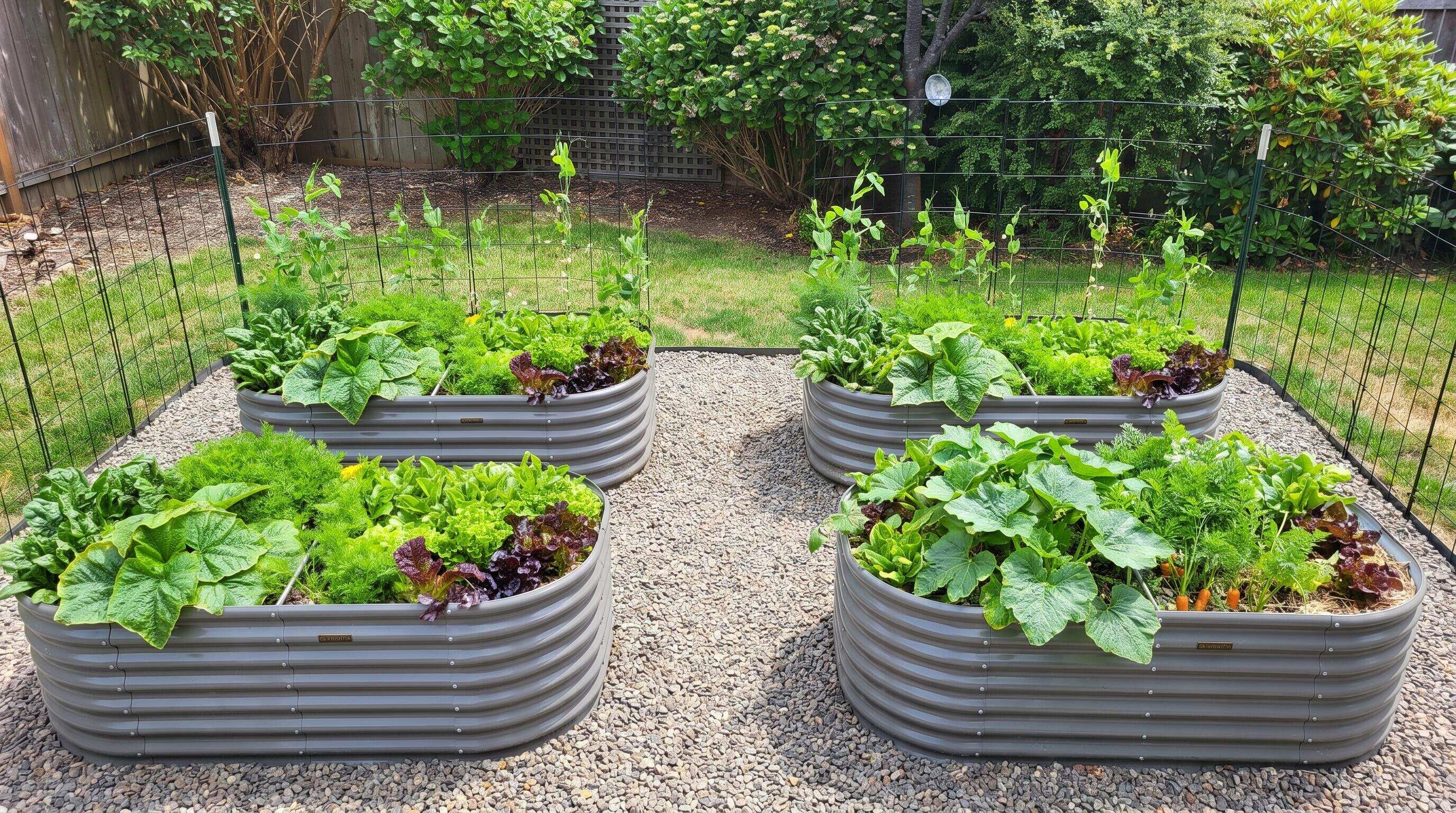
ALT: Top-down view of a raised bed planting layout with galvanized steel garden beds, walkway clearance, and organized companion planting zones in a backyard garden
How to Match This Checklist to Your Specific Situation
The nine items above are not equally urgent for every buyer. Your situation determines where to focus your attention most carefully.
If you are a first-time raised bed gardener, prioritize site measurement, sunlight assessment, and soil system planning. These three are the most common sources of first-season disappointment, and they are entirely preventable with a few hours of pre-purchase preparation. A good starting resource is A Beginner's Roadmap to Planning, Building, and Planting Your First Raised Bed, which covers the foundational steps in a format that does not assume prior gardening knowledge.
If you are an experienced gardener expanding an existing setup, your priorities shift toward material consistency, layout mapping, and delivery timing. Matching the material and height of new beds to your existing ones matters more than it might seem — both aesthetically and functionally, since a mixed-height, mixed-material layout tends to create irrigation and access inconsistencies that compound over time.
If you are an older gardener or someone managing physical limitations, bed height is the single most important variable in your checklist. Choosing a bed that is ergonomically appropriate at the time of purchase is far more cost-effective than buying a standard-height bed and later deciding it is not comfortable. The 30-inch and 35-inch Waist-High options in Anleolife's line were designed precisely for this buyer — and in our experience, gardeners who choose this height category rarely go back to lower options.
A common misconception worth addressing directly: many buyers assume that a more expensive bed is automatically a more durable one. Price is a rough proxy at best. The variables that actually determine longevity — steel gauge, zinc coating thickness, fastener quality, and panel joint design — are not visible in a product photo and are not reliably correlated with price tier across different brands. Ask for material specifications explicitly, and look for manufacturers who publish their durability claims as concrete, verifiable figures rather than marketing language.
People Also Ask
Q1: How do I plan a raised bed garden layout for maximum productivity?
A raised bed garden layout for maximum productivity should align bed orientation, size, and spacing with your specific crop list, sunlight conditions, and access needs. Most experienced growers orient rectangular beds on a north-to-south axis to minimize shade cast by taller plants onto shorter ones. Within each bed, apply a square-foot planting grid or companion planting groupings that match the mature size of each crop. Pre-planning your layout on paper or using a digital garden planner before purchasing your beds prevents structural conflicts and helps you determine how many beds and what dimensions you actually need.
Q2: Is galvanized steel safe for growing vegetables in a raised bed?
Galvanized steel is widely considered safe for vegetable gardening. The zinc coating used in modern galvanization is stable under normal soil and moisture conditions, and research from agricultural institutions consistently shows that zinc migration into soil is minimal and generally falls well within the natural zinc range already present in most garden soils. Zinc is also an essential micronutrient for plants at low concentrations. Anleolife's galvanized steel beds are built for a 20-year lifespan, reflecting a coating quality that maintains integrity over extended contact with moist soil. If you have specific concerns about heavy-metal content, their rust-resistant bed line offers an alternative formulation worth reviewing.
Q3: How long does it take for a raised garden bed to be delivered and ready to plant?
Delivery and setup time for a raised garden bed depends on where you order from, your location, and the bed's assembly requirements. With Anleolife's nationwide U.S. warehouse network — covering California, Texas, Florida, New York, Illinois, and Washington — most customers receive their order within 3–8 business days. Assembly for a standard bed typically takes one to two hours for a single person. After assembly, the bed needs to be filled with your planned soil mix before planting, which may require an additional delivery day if you are ordering bulk soil. Plan for a total lead time of one to two weeks from order to first planting for a comfortable, unrushed setup.
Summary
A well-chosen raised garden bed is a 20-year investment in how your family eats, your backyard functions, and how much you enjoy the act of gardening itself. This checklist exists because the difference between a purchase you will still appreciate a decade from now and one you will quietly regret by the second season almost always comes down to pre-purchase decisions made in the space of a few hours.
Three points stand out above all others. First, your raised bed layout — the full spatial plan for how beds sit within your yard — must be confirmed before you order, not after. Second, material quality and bed height are the two product specifications most directly linked to long-term satisfaction, and both deserve more scrutiny than most buyers give them. Third, your soil system is as important as the bed structure itself — a great bed filled with poor soil will underperform every season, while a good bed filled with a well-composed soil mix will exceed your expectations from the first planting.
Use this checklist as a working document, not a one-time read. Come back to it when you are ready to expand your setup, when you are buying for a new location, or when you are helping a friend or family member make their first purchase.
Ready to put this checklist into action? Browse Anleolife's full line of galvanized steel, rust-resistant, modular, and extra-tall raised garden beds at the Anleolife website, or find them on Amazon, Walmart, Home Depot, Lowe's, and Wayfair. With warehouse locations across California, Texas, Florida, New York, Illinois, and Washington, your order arrives in 3–8 business days — so your planting timeline stays on track. Whether you are starting with a single 8x4 bed or planning a full planting-and-raising ecosystem, Anleolife's modular product design grows with you every step of the way.
References & Further Reading
- Savvy Gardening. "4x8 Raised Bed Vegetable Garden Layout Ideas".
https://savvygardening.com/4x8-raised-bed-vegetable-garden-layout/ - Gardeners Supply Company. "Pre-Planned Gardens — Kitchen Garden Planner".
https://www.gardeners.com/pages/kitchen-garden-planner-preplanned-gardens - University of Minnesota Extension. Raised Bed Gardening Guidance.
https://extension.umn.edu/
Note: Standards and guidance documents may be updated; please check the latest official publications or consult professional advisors for current recommendations.