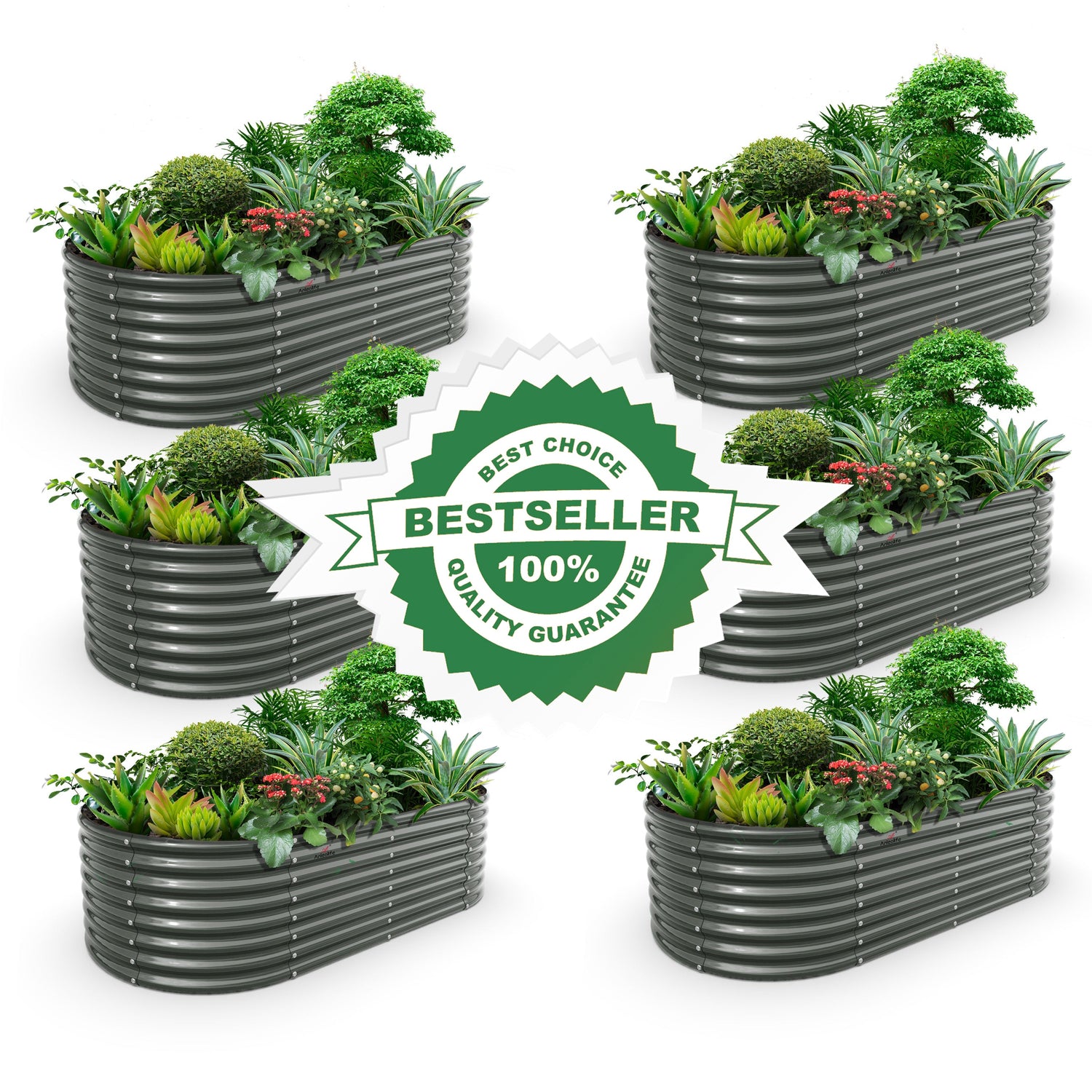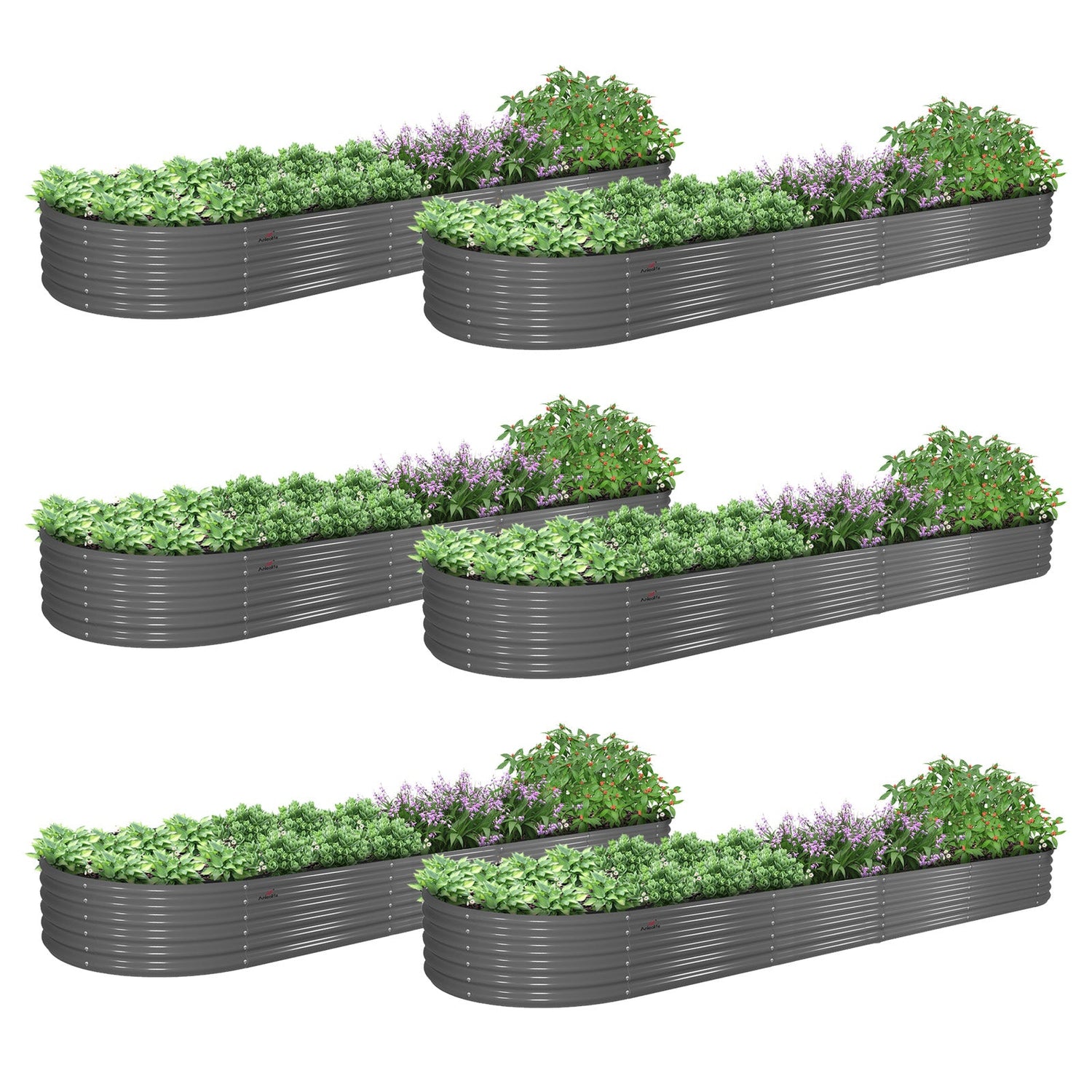



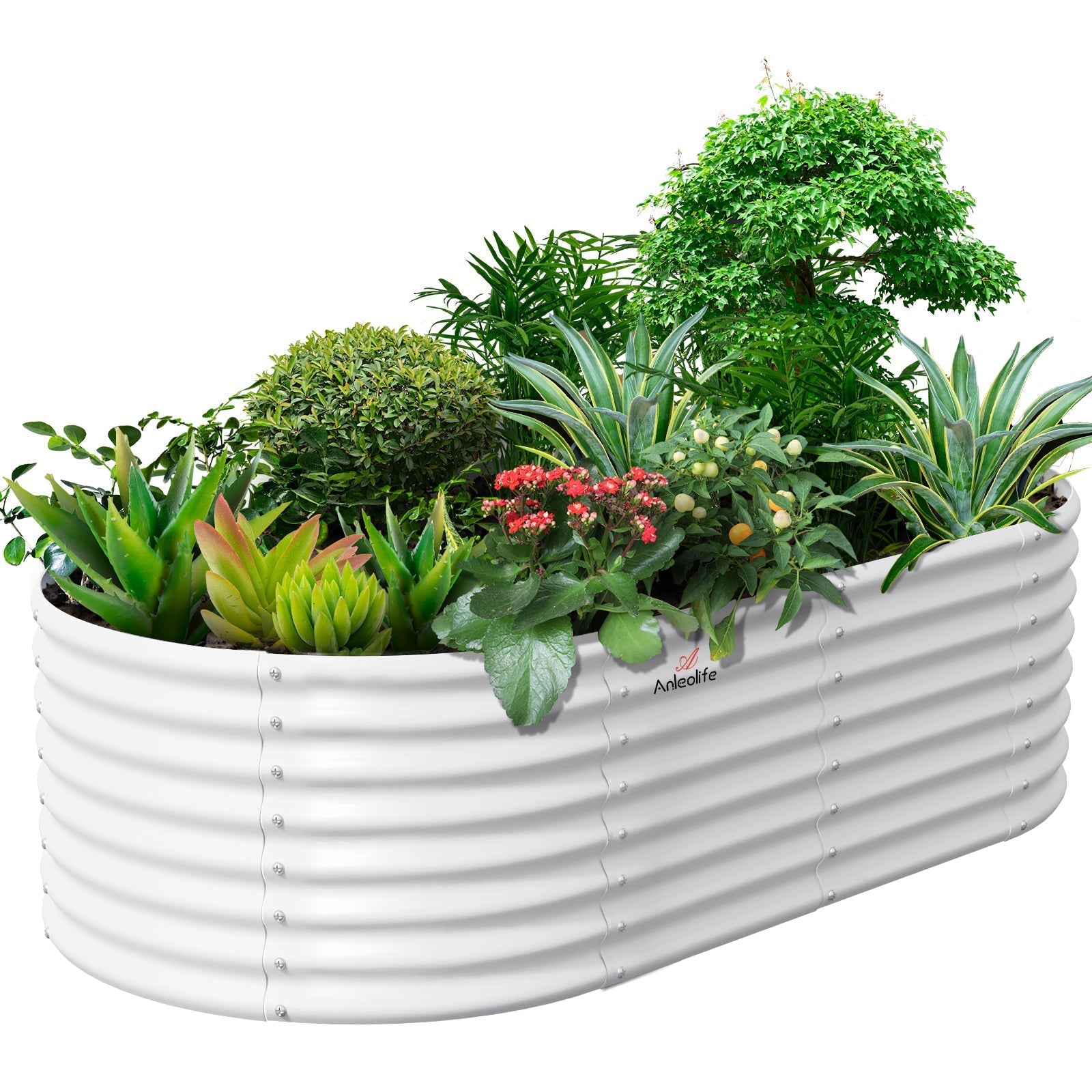
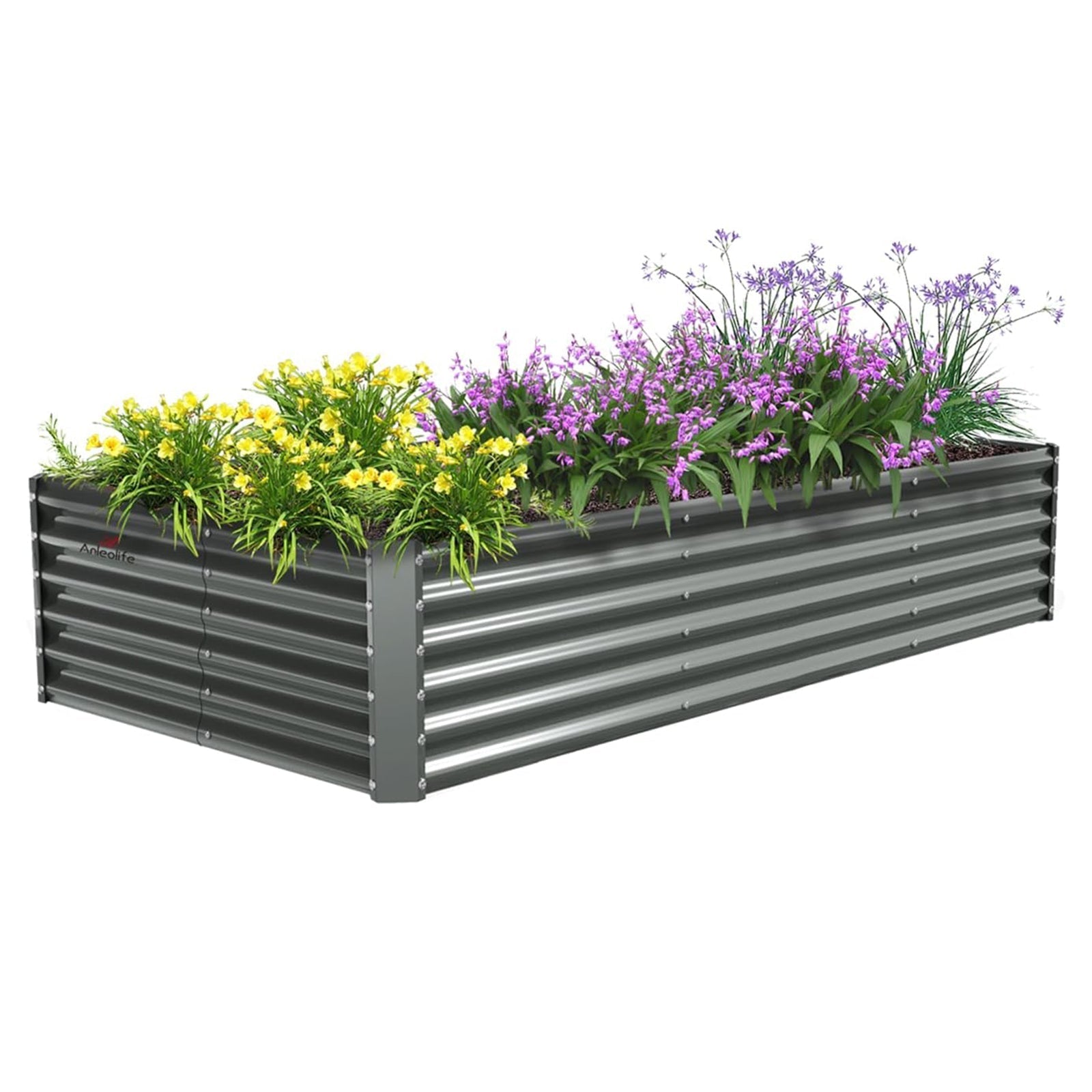

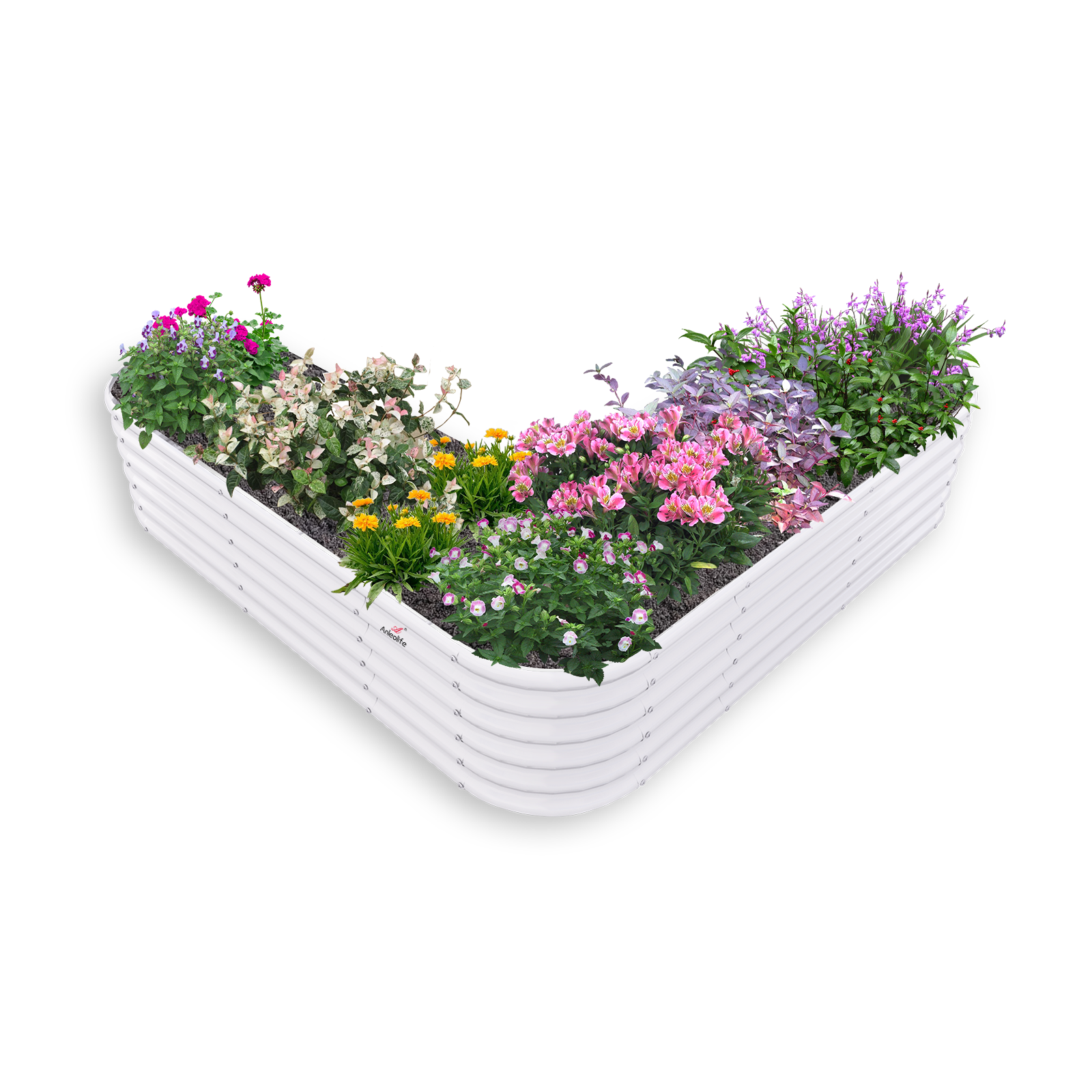
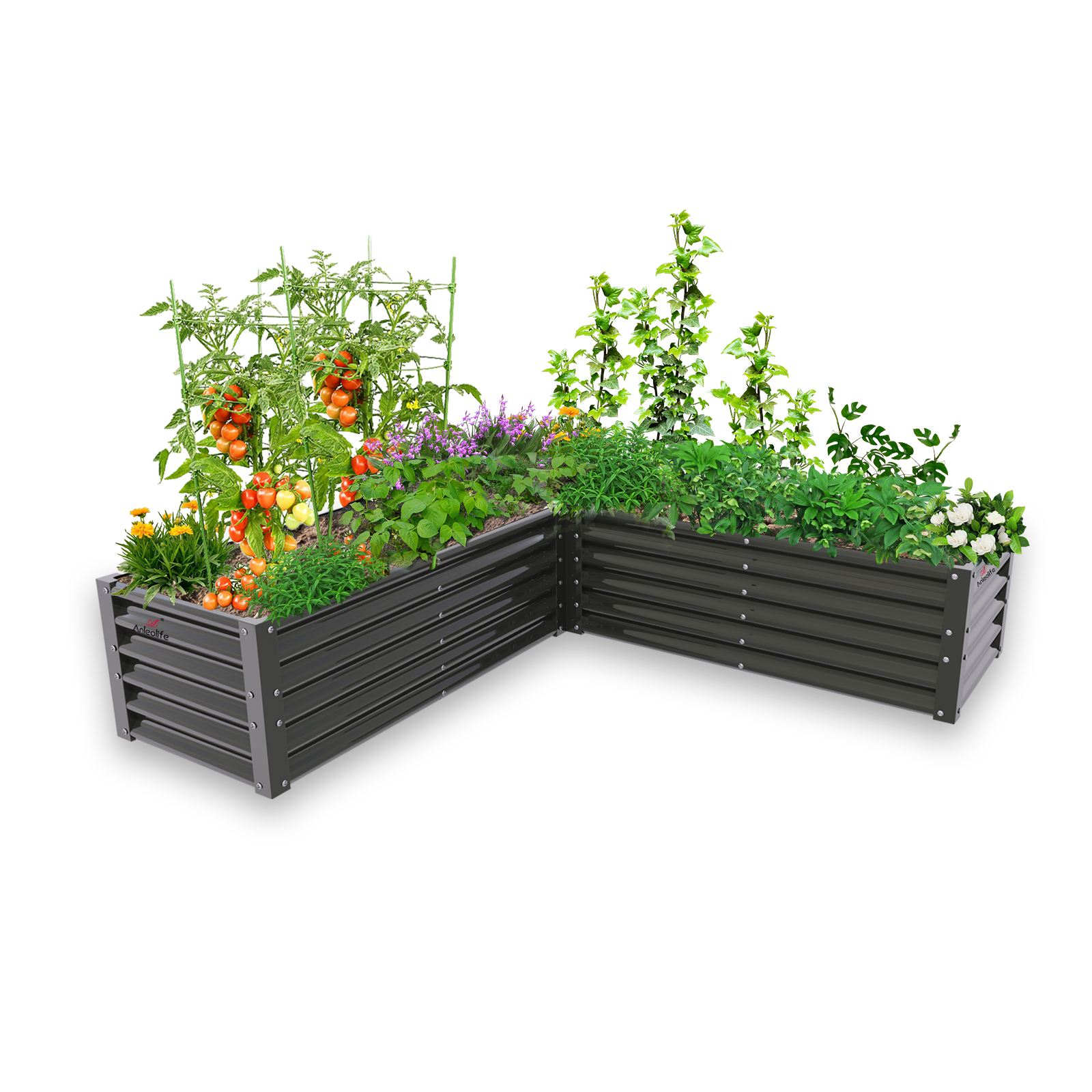
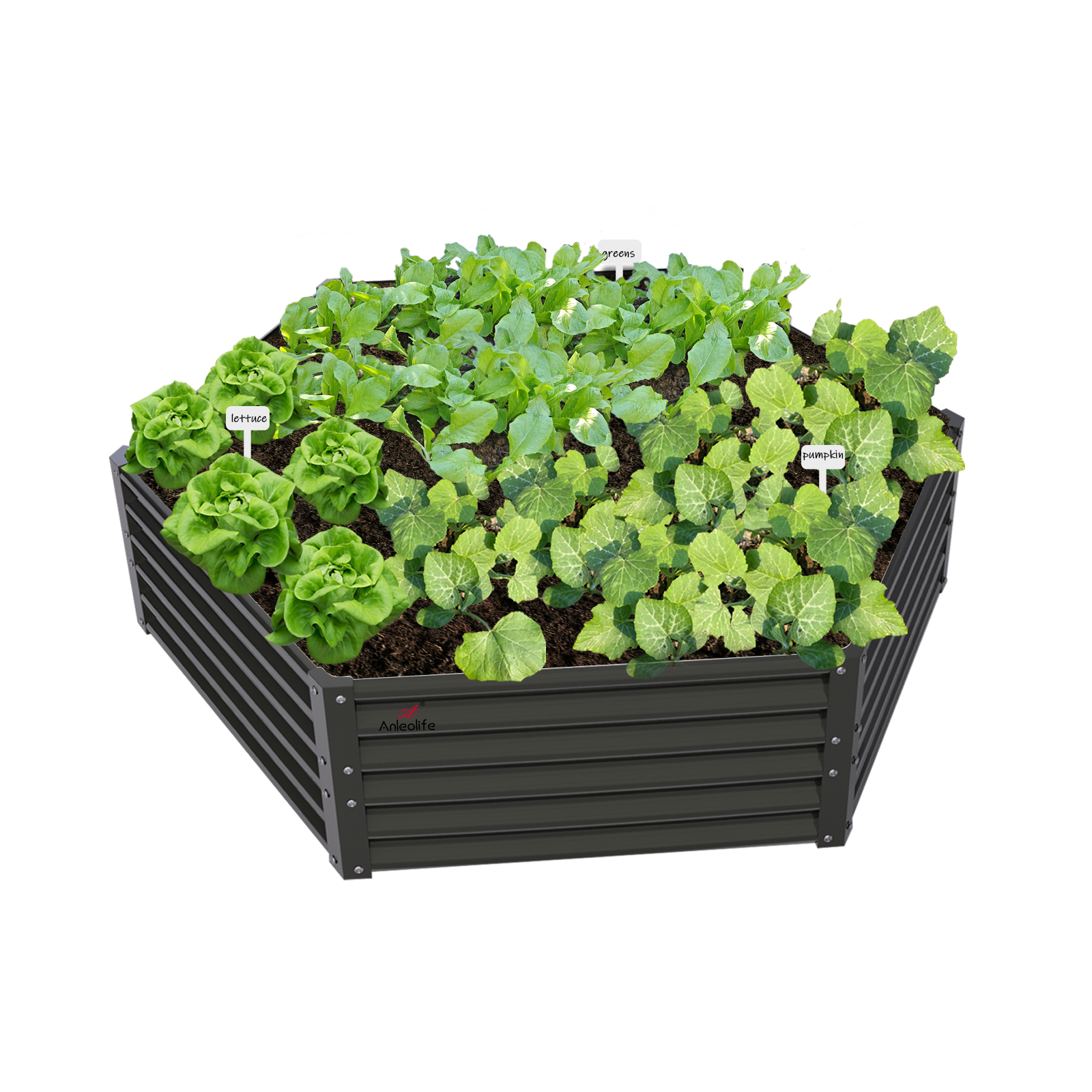
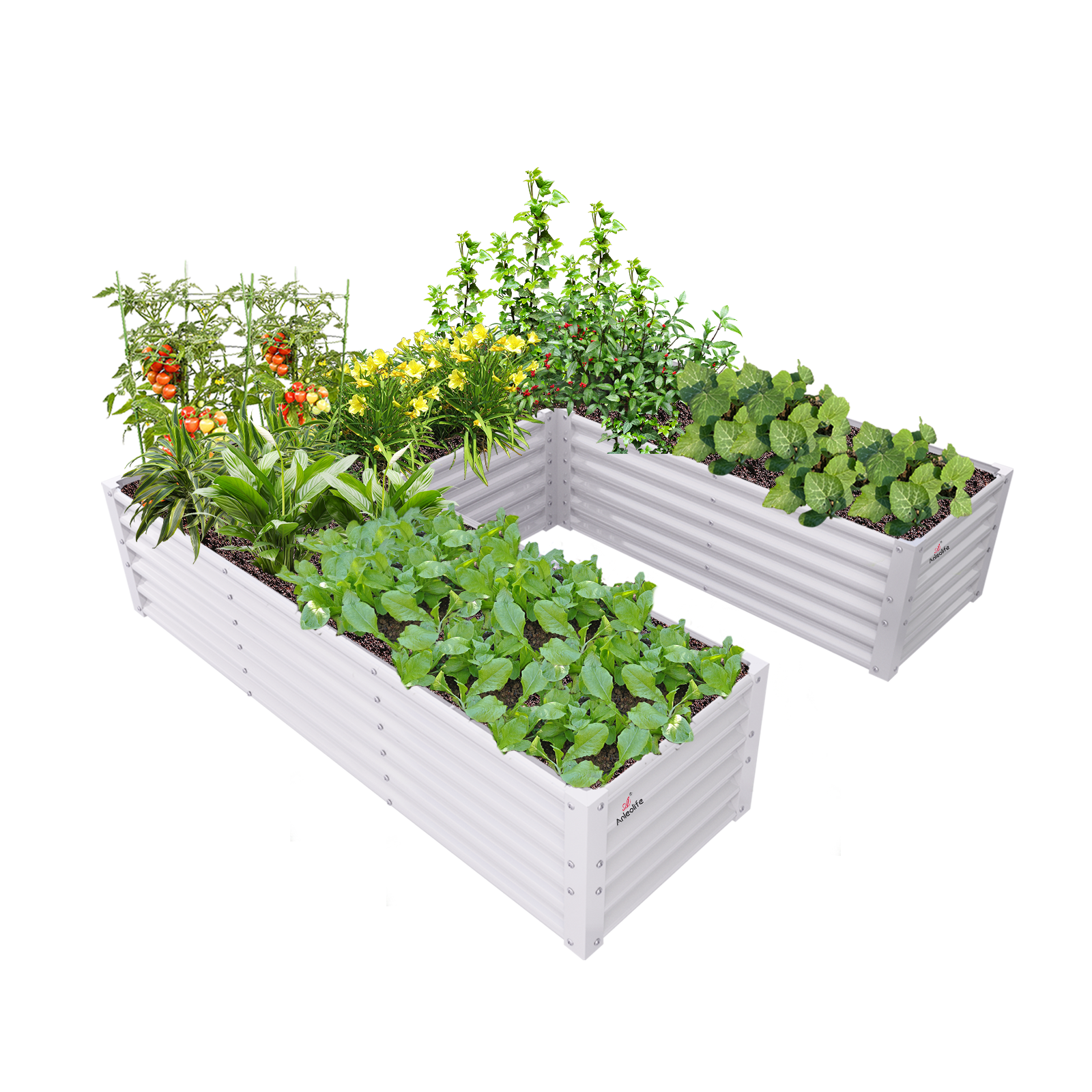

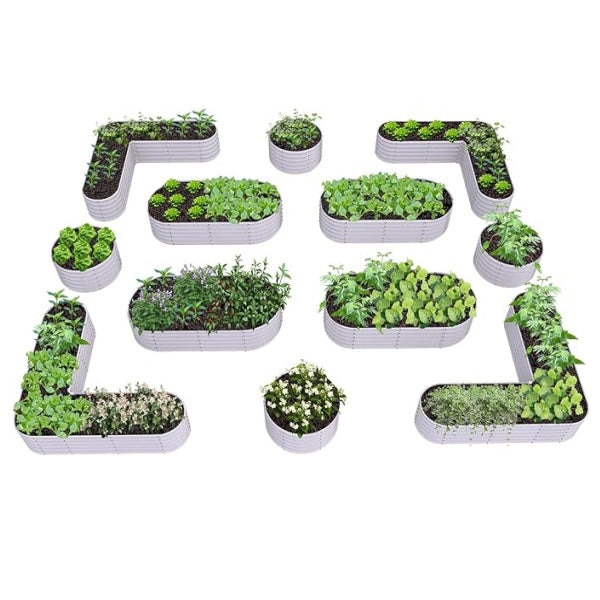


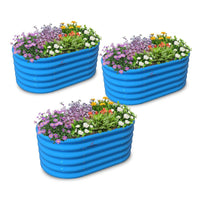
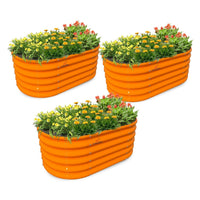
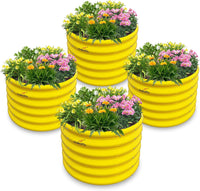
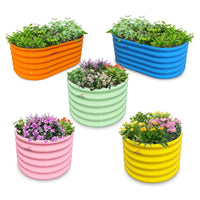
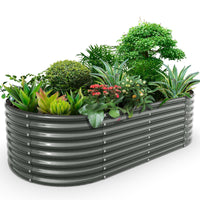



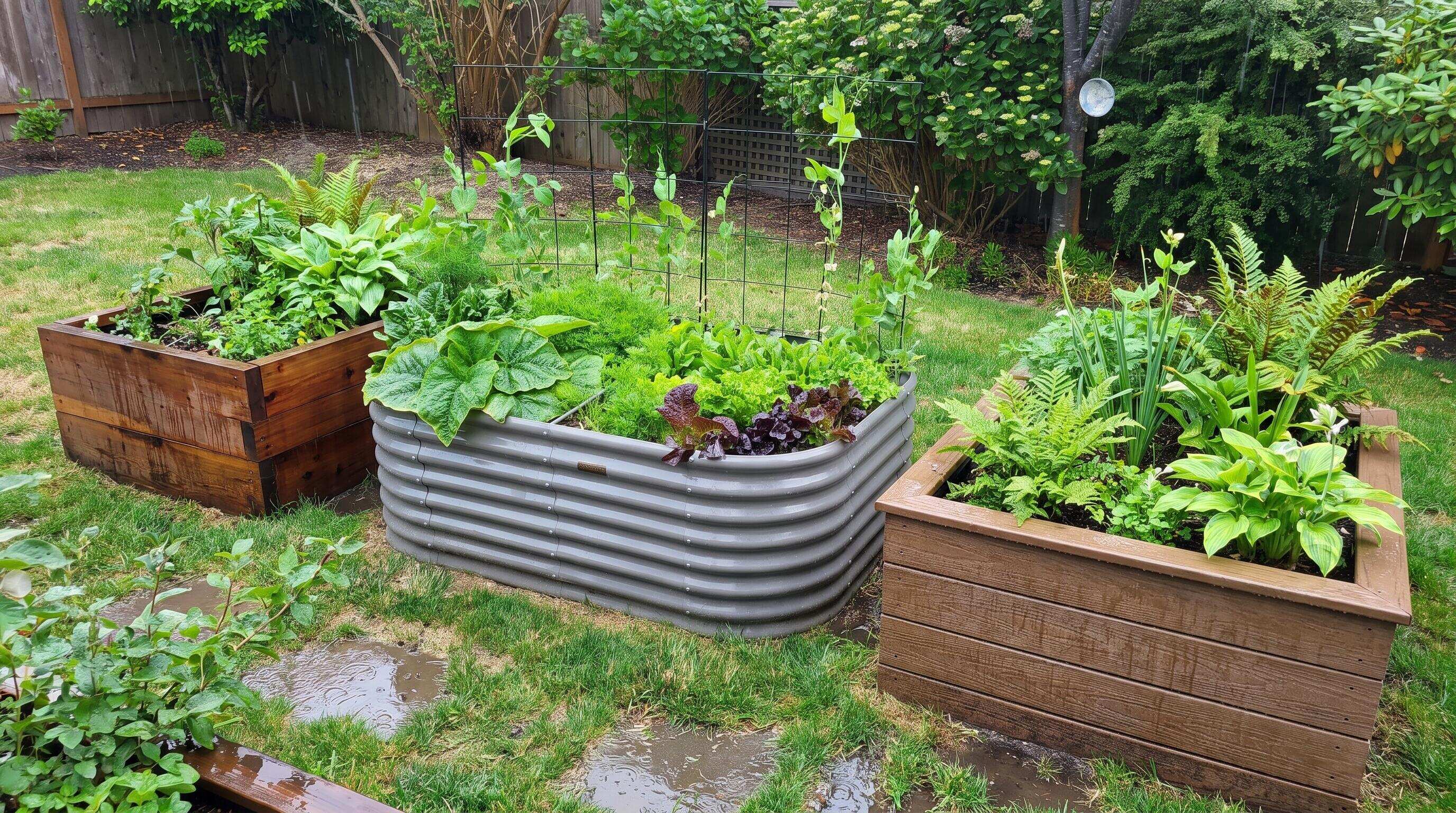
ALT: Rust-resistant raised garden bed materials compared for durability and long-term raised bed gardening performance
Which Raised Garden Bed Materials Actually Resist Rust — And Which Ones Let You Down
Choosing the wrong material for your raised garden bed is one of those mistakes that doesn't announce itself immediately. It shows up quietly — a little orange staining along a seam after the first winter, panels that bow and flake by year three, and a complete rebuild project you never budgeted for. In our work with clients across North America, this is a pattern we consistently see: gardeners invest real time and money into their raised bed garden layout, only to watch the structure fail long before the plants do.
The good news is that material science for raised beds has advanced considerably. Today's market offers a wider range of rust-resistant options than ever before, and the differences between them — in longevity, safety, cost, and practical performance — are significant enough to determine whether your raised bed planting layout lasts two seasons or two decades. This article breaks down the materials that actually hold up, explains what makes each one work (or fail), and helps you match the right choice to your specific gardening situation. Whether you are designing your first raised bed layout or replacing something that disappointed you, the guidance here is grounded in real-world durability.
The items below were selected based on practical performance across varied climates, soil conditions, and use cases — not marketing claims. We have focused on materials that are genuinely available to home gardeners right now and that have a credible track record worth discussing honestly.
The Best Rust-Resistant Materials for Raised Garden Beds This Year
Galvanized Steel: The Industry Standard That Earns Its Reputation
Galvanized steel is steel that has been coated with a layer of zinc through a hot-dip or electrolytic process, and that zinc layer is the key to its rust resistance. The zinc acts as a sacrificial barrier — it oxidizes slowly over time, protecting the underlying steel from moisture and oxygen. This is not a temporary coating that wears away in a season; properly hot-dip galvanized steel develops a stable zinc-iron alloy layer that bonds metallurgically to the base metal.
In practical terms, this means a well-manufactured galvanized raised garden bed can serve a gardener for decades. At Anleolife, our galvanized steel raised garden beds are engineered with a rated lifespan of 20 years — a figure that reflects real-world performance in humid, rainy, and freeze-thaw environments, not just ideal laboratory conditions. That kind of longevity fundamentally changes the economics of raised bed gardening: the upfront investment amortizes over a much longer useful life than wood or painted alternatives.
Per guidance from the American Galvanizers Association, hot-dip galvanized coatings provide corrosion protection that self-heals at small scratches or cut edges, because zinc corrodes preferentially and migrates to cover exposed steel. This self-healing behavior is something no painted or powder-coated finish can replicate.
Best for: Gardeners who want a permanent, low-maintenance raised bed layout that does not require seasonal treatment or repainting. Ideal for wet climates, heavy-irrigation setups, and anyone who wants to plant and forget the structure.
Watch out: Cheaper galvanized products may use a thinner zinc coating or a lower-grade base steel. Look for clearly stated coating specifications and a meaningful warranty — a vague "galvanized" label alone is not sufficient due diligence.
Aluminized or Aluminized-Zinc Alloy Coatings (Zincalume/Colorbond-Type)
Aluminized zinc alloy coatings — often sold under proprietary names like Zincalume or used in Colorbond-type panels — combine zinc and aluminum in the coating to produce a surface that outperforms standard zinc galvanization in certain conditions. The aluminum component improves barrier protection (it does not allow moisture to reach the steel as readily), while the zinc component retains the sacrificial, self-healing quality.
In raised bed gardening contexts, this coating type performs especially well in coastal environments where salt-laden air accelerates ordinary corrosion. The aluminum fraction also gives the surface better heat reflectivity, which can be a subtle benefit in hot southern climates where dark metal beds can overheat root zones. From a raised bed garden layout perspective, panels made from aluminized-zinc alloys tend to maintain their structural integrity and appearance longer than basic electro-galvanized alternatives.
Best for: Coastal gardeners, those in high-humidity southern climates, and growers who want the absolute best barrier performance available in metal panel form.
Watch out: Aluminized-zinc products cost more than standard galvanized options and are less universally available. Verify that the specific product you are purchasing uses a genuine alloy coating rather than a simple zinc coating with marketing language dressed up to sound more advanced.
Powder-Coated Steel Over a Galvanized Base
Powder coating is an electrostatic dry-finishing process that applies a durable polymer layer to a metal surface, cured under heat. When applied over an already galvanized steel substrate, powder coating adds a second layer of protection: the zinc underneath handles any electrochemical corrosion, while the powder coat provides a physical barrier against moisture, UV degradation, and mechanical scratching.
The key phrase here is "over a galvanized base." Powder coating applied directly to untreated mild steel is a single-layer defense — once it chips, scratches, or develops a pinhole, moisture reaches bare steel and rust begins immediately. Powder coat over galvanized steel gives you two independent protection mechanisms working in sequence. This combination is increasingly common in higher-quality garden bed lines and represents a meaningful upgrade over single-layer finishes.
From a raised bed planting layout standpoint, powder-coated galvanized panels also offer aesthetic flexibility: they come in a wider range of colors than bare metal, letting gardeners integrate the beds more intentionally into a landscape design.
Best for: Gardeners who care about visual integration in their outdoor space and want color options without sacrificing durability. Also well-suited for raised bed layouts in visible front-yard or patio settings where appearance matters alongside function.
Watch out: Powder coat finish, even over galvanized steel, will eventually chip with sharp tools or impact. Small chips should be touched up promptly to prevent the appearance of surface rust, even though the underlying zinc layer continues to protect the steel beneath.
Corten (Weathering) Steel
Corten steel — short for corrosion-resistant steel — is a group of steel alloys that form a stable, adherent rust-like patina on the outer surface when exposed to weather cycles. This patina layer is not the damaging, flaking rust of ordinary steel; it is a tightly bonded oxide layer that actually slows further corrosion by limiting oxygen and moisture penetration to the steel beneath.
Corten has been used in architectural and industrial applications for decades, and it has found a following among gardeners and landscape designers who appreciate its distinctive warm, earthy appearance. The weathered surface looks intentional and blends naturally with soil, wood, and stone — making it a strong aesthetic choice for raised bed garden layout design.
However, there is a practical caveat that matters in home gardening: during the initial weathering period (which can span a full season or more), Corten does produce visible rust-colored runoff. This can stain concrete, pavers, decking, and nearby surfaces. Once the patina stabilizes, the runoff typically stops — but gardeners should plan their raised bed layout placement with this in mind and avoid installing Corten directly against light-colored hardscaping.
Best for: Design-conscious gardeners who want a natural, industrial-chic aesthetic and are willing to manage the initial weathering phase. Works well in garden settings with bark, gravel, or dark-tone pathways that won't show rust staining.
Watch out: The initial weathering phase produces rust runoff that can stain surrounding surfaces. Also, Corten is not ideal in permanently wet or continuously submerged conditions — the self-protecting patina requires wet-dry cycles to stabilize properly.
Stainless Steel
Stainless steel is a steel alloy that contains a minimum of approximately 10.5% chromium by mass, which causes the metal to form a thin, invisible chromium oxide layer on its surface. This passive layer is highly resistant to moisture, oxygen, and many chemicals — which is why stainless steel is used extensively in food processing, medical equipment, and marine environments.
In raised bed gardening applications, stainless steel is the most corrosion-resistant metal option available. It does not rely on a sacrificial coating or a self-forming patina — the rust resistance is inherent to the alloy itself. A properly specified stainless steel bed will not rust under normal gardening conditions, full stop.
The obvious limitation is cost. Stainless steel is significantly more expensive than galvanized or powder-coated alternatives, and that cost difference is hard to justify for most home gardeners when high-quality galvanized steel already offers a 20-year lifespan. Stainless is also heavy and more difficult to cut or modify, which limits flexibility in raised bed layout customization.
Best for: Gardeners with specific needs that justify the cost premium — such as those in extreme marine environments, commercial or institutional installations, or those who simply want the highest-specification option available regardless of price.
Watch out: Not all products marketed as "stainless" use the same grade of stainless steel. Grade 304 and Grade 316 (marine-grade) perform very differently in high-salt environments. Always verify the specific alloy grade before purchasing for a demanding installation.
Recycled HDPE (High-Density Polyethylene) Plastic Lumber
High-density polyethylene, or HDPE, is a thermoplastic polymer used to manufacture a "lumber" alternative from recycled plastic materials. HDPE raised garden beds do not rust — they are entirely immune to the electrochemical corrosion that affects metals — and they are also resistant to rot, insect damage, and most chemicals.
HDPE is a genuinely rust-proof option, which makes it worth including in any honest comparison of rust-resistant raised bed materials. It is also non-toxic and safe for food gardening, which is a meaningful consideration for health-conscious home growers focused on raised bed gardening for vegetables and edibles.
The trade-offs relative to metal involve structural rigidity and long-term appearance. HDPE panels can flex under soil pressure, particularly at greater depths, and many gardeners find that the aesthetic of plastic lumber — even high-quality recycled HDPE — does not integrate as naturally into landscaped settings as metal options do. Thermal expansion can also cause joints to loosen over time in climates with significant temperature swings.
Best for: Gardeners who prioritize absolute rust immunity and are working in conditions where even galvanized metal might face unusually aggressive soil chemistry. Also a strong choice for gardeners who want to use reclaimed or recycled materials as an environmental priority.
Watch out: Lower-quality HDPE products can fade, warp, or become brittle after prolonged UV exposure. Look for UV-stabilized formulations and verify that the product is made from food-safe, recycled content if you are growing edibles.
Untreated or Naturally Rot-Resistant Wood
Cedar, redwood, and black locust are naturally rot-resistant woods that have been used for raised garden beds for generations. Their resistance to decay comes from natural oils and tannins embedded in the heartwood. While wood does not rust — it is not metal — it belongs in this discussion because many gardeners compare it directly to metal options when making their raised bed material choice.
Naturally rot-resistant woods perform reliably for several years in most climates, and they offer a warm, traditional aesthetic that integrates beautifully into cottage-style or naturalistic garden layouts. They are also easy to cut, modify, and repair, which gives significant flexibility in customizing a raised bed layout to fit irregular spaces.
The honest limitation is that even the most durable wood species will eventually degrade. In moist climates or when beds are heavily irrigated, the lifespan of wood is substantially shorter than that of a properly galvanized metal bed. This means repeated replacement cycles and ongoing material and labor costs that can exceed the lifetime cost of a metal alternative.
Best for: Gardeners who prefer a traditional aesthetic, those building temporary or experimental raised bed layouts, and those who prioritize ease of modification over long-term structural permanence.
Watch out: Avoid pressure-treated lumber in raised beds intended for food production — older formulations contained arsenic-based preservatives, and while modern treatments have improved, naturally rot-resistant species remain the cleaner choice for edible gardens. According to the U.S. Environmental Protection Agency (EPA), treated wood decisions for garden applications should be made with awareness of the specific preservative chemistry in use.
Composite Metal-Wood Panels
Composite raised garden bed panels combine a wood-grain aesthetic with a metal or plastic structural core. They aim to capture the visual warmth of wood while providing better durability than untreated solid lumber. Quality varies widely across this product category — the best composites use a galvanized or aluminum inner frame with a polymer outer shell, while lower-end versions are primarily wood fiber with a thin plastic coating.
When the composite design is executed well, these panels can be a genuine hybrid solution: more durable than bare wood, more visually adaptable than bare metal, and reasonably resistant to both rot and rust when the internal metal components are properly protected. In raised bed planting layout contexts where visual integration with wooden decks, fences, or furniture is a priority, composites can bridge the gap more naturally than bare galvanized panels.
Best for: Gardeners who want wood-look aesthetics without committing to full wood maintenance cycles, and those designing raised bed garden layouts that need to match existing wooden structures in a patio or deck environment.
Watch out: The durability of composite panels is highly dependent on build quality and the specific materials used. Inspect how the interior structural components are sealed and protected before purchasing — an exposed internal steel frame with no rust protection will fail from the inside out, and the wood-look exterior makes it difficult to detect until the damage is significant.
Quick Comparison at a Glance
| Material | Best For | Key Strength | Limitation |
|---|---|---|---|
| Galvanized Steel | Long-term durability in most climates | 20-year lifespan, self-healing zinc coating | Coating quality varies by manufacturer |
| Aluminized-Zinc Alloy | Coastal and high-humidity environments | Superior barrier performance, heat reflective | Higher cost, less widely available |
| Powder-Coated Galvanized Steel | Aesthetics + durability combined | Two-layer protection, broad color range | Chips need prompt touch-up |
| Corten (Weathering) Steel | Design-focused landscape gardens | Distinctive natural patina, long-term stable | Initial rust runoff stains surrounding surfaces |
| Stainless Steel | Extreme environments, premium installs | Inherent rust immunity, no coating required | Highest cost, limited DIY flexibility |
| Recycled HDPE Plastic | Absolute rust immunity, eco priorities | Zero corrosion risk, recycled content | Can flex under soil pressure, aesthetic limitations |
| Naturally Rot-Resistant Wood | Traditional aesthetic, temporary layouts | Easy to modify, warm appearance | Shorter lifespan, requires eventual replacement |
| Composite Metal-Wood Panels | Wood-look with improved durability | Aesthetic flexibility, better than bare wood | Quality varies widely; hidden internal corrosion risk |
How to Choose the Right Material for Your Raised Bed Layout
The right rust-resistant material for your raised bed is not a universal answer — it depends on where you garden, how you garden, and what you want the space to look like in ten years.
If long-term value is your primary concern, galvanized steel is the straightforward recommendation. A bed rated for a 20-year lifespan means you plant your raised bed garden layout once and maintain the structure not at all — no repainting, no sealing, no replacement lumber. Over a gardening lifetime, this represents both cost savings and a significant reduction in the work of maintaining the infrastructure around your growing space.
If you live near the coast or in a high-humidity region, the aluminized-zinc alloy coating type is worth the additional investment. Standard galvanization performs well in most environments, but the aluminum component in alloy coatings provides meaningfully better performance where salt air is a persistent factor.
If visual integration matters as much as performance, powder-coated galvanized steel or Corten are the two paths worth considering. Powder coat gives you color control; Corten gives you a living, textured surface that evolves with the garden. Both require some behavioral adjustment — prompt chip repair for powder coat, surface planning for Corten's initial weathering phase — but both can produce genuinely beautiful raised bed layouts.
If you are building for a temporary or transitional space — renting your home, testing a layout before a permanent installation, or working with an unusual shape that needs frequent modification — naturally rot-resistant wood remains a practical and aesthetically pleasing choice. Just build your expectations for lifespan around the species and your local climate.
A common misconception worth addressing: many gardeners assume that "galvanized" and "rust-proof" are synonyms. They are not. Galvanization makes steel highly rust-resistant for an extended period, but the protection level depends on the thickness of the zinc coating, the quality of the base steel, and the consistency of the application. A thin electro-galvanized coating on a low-grade steel base will not perform like a properly hot-dip galvanized structural panel. When evaluating any galvanized raised garden bed, ask specifically about the coating process and look for manufacturers who stand behind their products with a meaningful lifespan commitment.
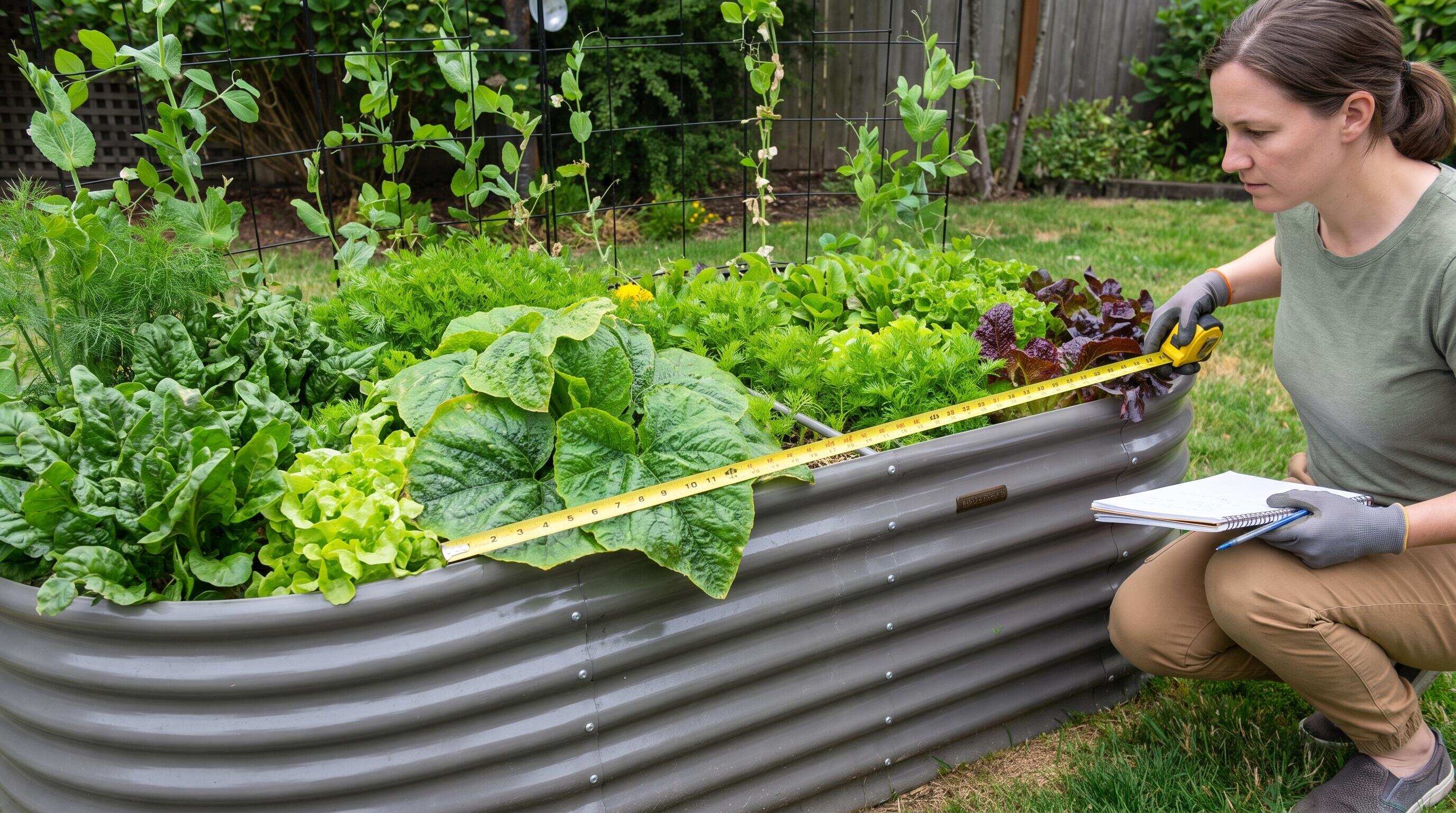
ALT: Gardener evaluating galvanized and powder-coated raised garden bed materials for a durable raised bed planting layout in a residential backyard setting
Common Questions
Q1: How do I know if a galvanized raised garden bed is safe for growing vegetables?
Galvanized steel raised garden beds are widely considered safe for vegetable gardening. The zinc coating presents a negligible risk in normal soil conditions — zinc is actually a plant micronutrient, and the quantities that leach from galvanized surfaces under typical gardening conditions are far below harmful thresholds. For additional confidence, look for beds that specify food-safe materials in their product documentation. The concern about zinc leaching is most relevant in highly acidic soil conditions, so gardeners growing in very acidic soil who want extra reassurance can use a liner.
Q2: Is Corten steel really low-maintenance for a raised bed planting layout?
Corten steel is genuinely low-maintenance once the surface patina has fully stabilized — which typically requires one to two full wet-dry weather cycles. After stabilization, the rust-colored surface neither grows deeper nor produces significant runoff. The maintenance-intensive phase is the beginning: you need to manage placement relative to concrete, pavers, or light-colored fencing to prevent permanent staining. Once established, Corten requires no painting, sealing, or coating renewal, making it a truly hands-off structural material for a raised bed garden layout.
Q3: How long does a quality raised bed garden layout structure realistically last, and what should I expect to spend on replacements?
Material lifespan varies dramatically by type. A well-manufactured galvanized steel raised garden bed — such as those in the Anleolife range, which carry a 20-year lifespan rating — effectively eliminates replacement cycles for most gardeners' active gardening years. Naturally rot-resistant wood typically lasts several years in most climates before deterioration becomes structural. HDPE plastic lumber sits somewhere between the two in most conditions. The honest calculation is total cost over time: a higher upfront investment in a 20-year galvanized steel bed almost always costs less than three or four rounds of wood replacement, plus the labor of rebuilding your raised bed layout each time.
Summary
Three points stand out clearly from this comparison. First, galvanized steel — particularly hot-dip galvanized with a verified coating thickness — remains the most practical rust-resistant choice for the broadest range of gardeners, offering a 20-year lifespan that no wood or lightweight coating alternative can match at a comparable price point. Second, the right secondary choice depends on specific conditions: aluminized-zinc alloys for coastal environments, Corten for design-forward installations, powder-coated finishes where color and aesthetics drive the decision. Third, "rust-resistant" is not a binary claim — it is a spectrum determined by materials, coating quality, and manufacturing standards, which is why buying from a manufacturer who specifies and stands behind those details matters more than the label alone.
For anyone building or rebuilding a raised bed garden layout this season, the practical next step is clear: identify your climate type, your aesthetic priorities, and your budget horizon — then match the material accordingly using the framework above. A raised bed is a long-term investment in both your land and your food. It deserves the same careful selection as any other permanent outdoor structure.
If you are ready to move from planning to planting, explore the full range of galvanized and rust-resistant raised garden beds at Anleolife — available through Amazon, Walmart, Home Depot, Lowe's, Wayfair, and the official Anleolife website, with delivery within 3–8 business days from our nationwide warehouse network across California, Texas, Florida, New York, Illinois, and Washington. From a single 8x4 starter bed to a fully integrated planting-and-raising ecosystem, we grow with you at every stage.
Sources & Further Reading
- American Galvanizers Association. "Hot-Dip Galvanizing for Corrosion Protection."
https://www.galvanizeit.org/ - U.S. Environmental Protection Agency (EPA). "Treated Wood in the Environment."
https://www.epa.gov/ - ASTM International. "Standards for Metallic Coatings and Corrosion Testing."
https://www.astm.org/
Note: Standards may be updated; please check the latest official documents or consult professional advisors.