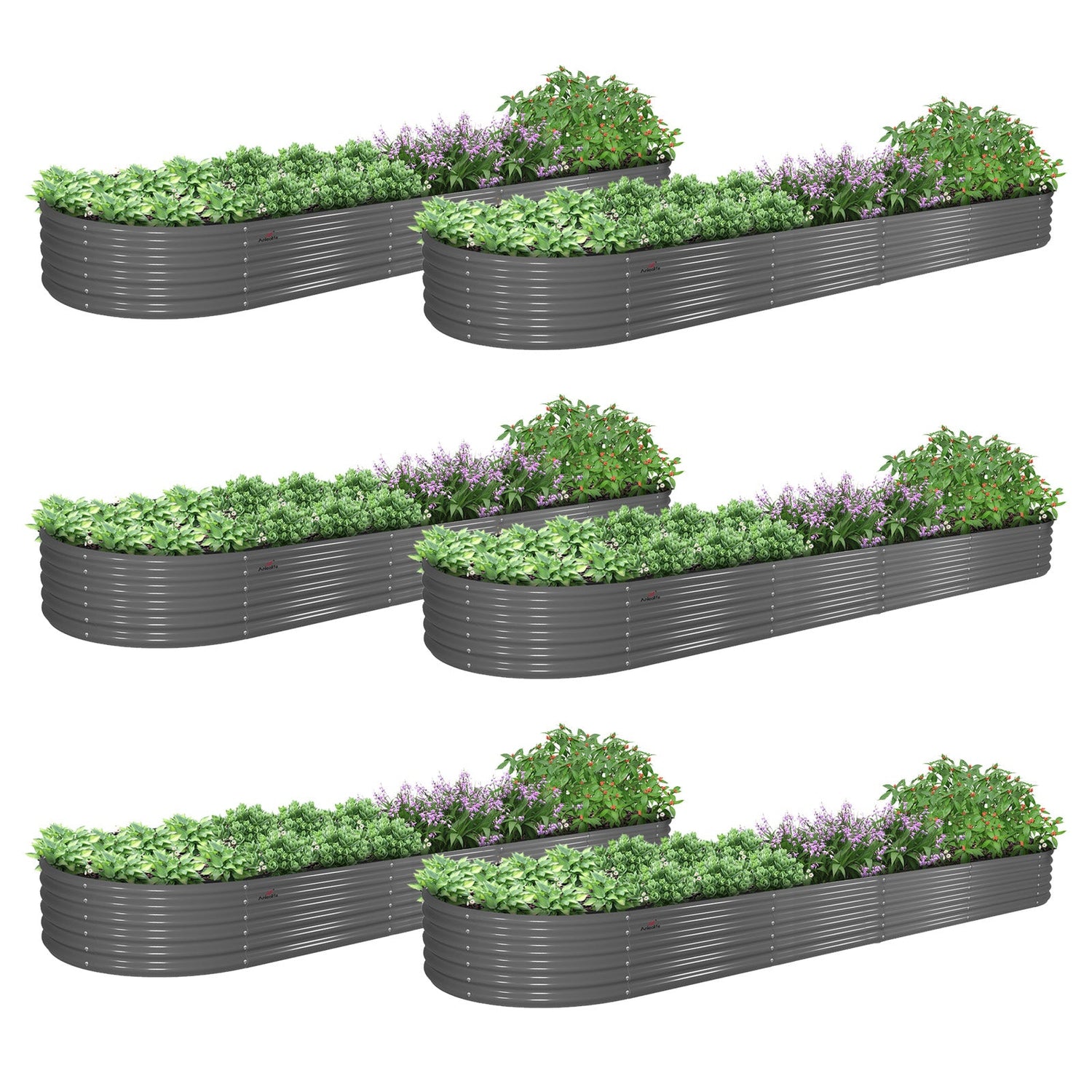



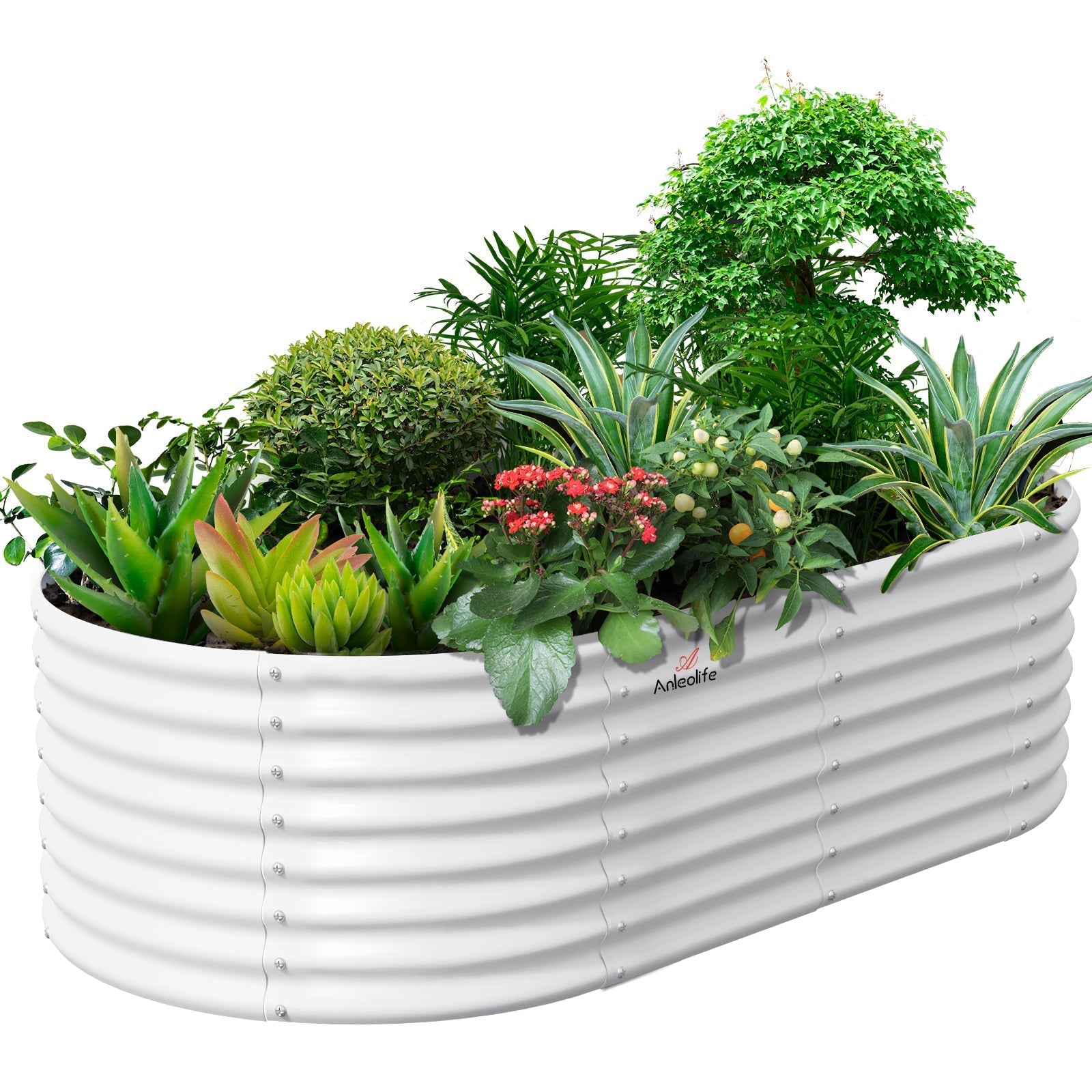
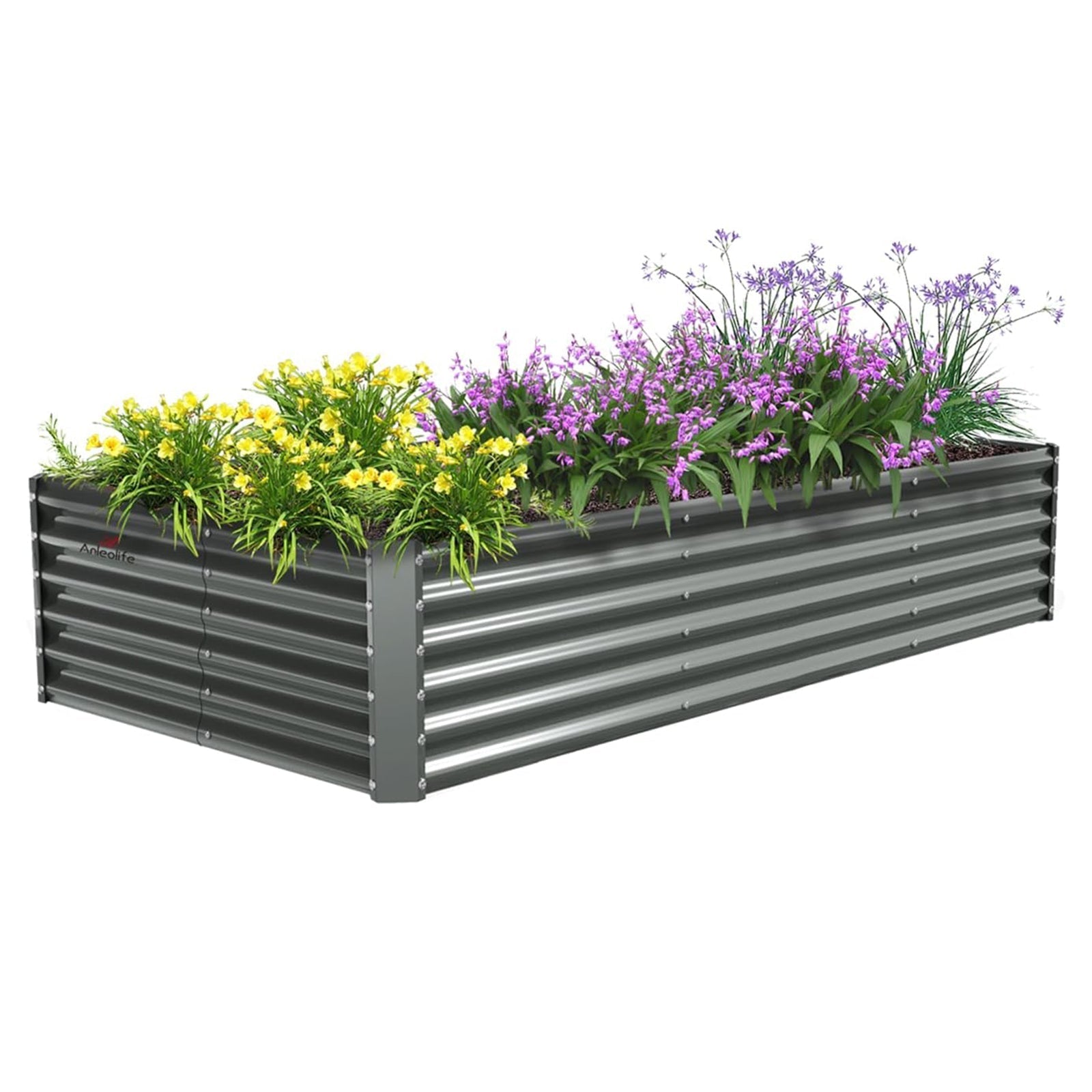

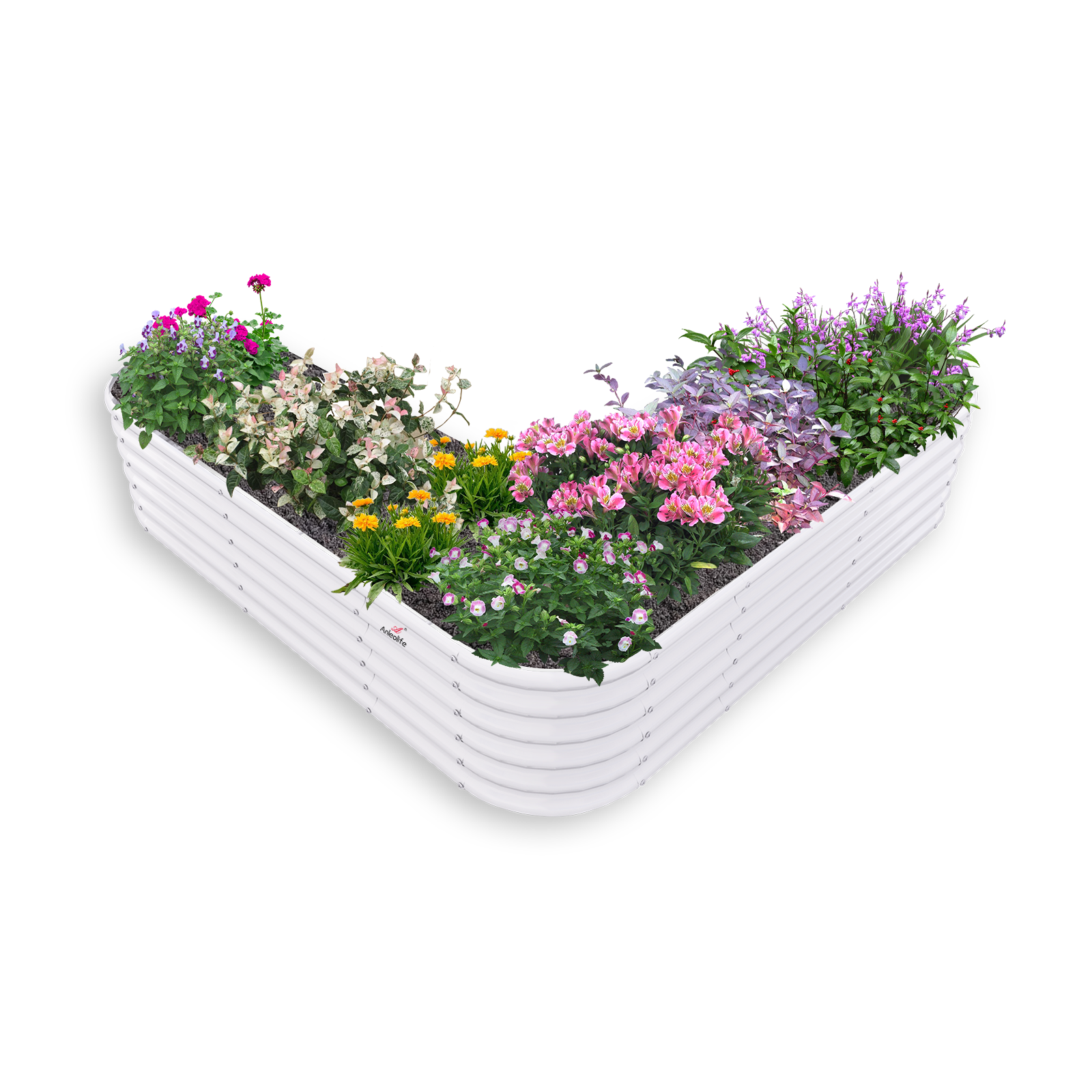



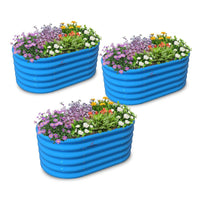
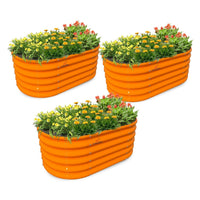
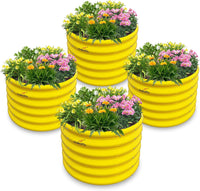
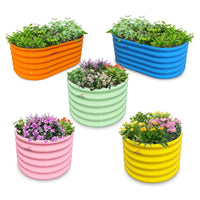
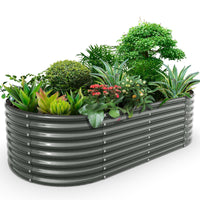



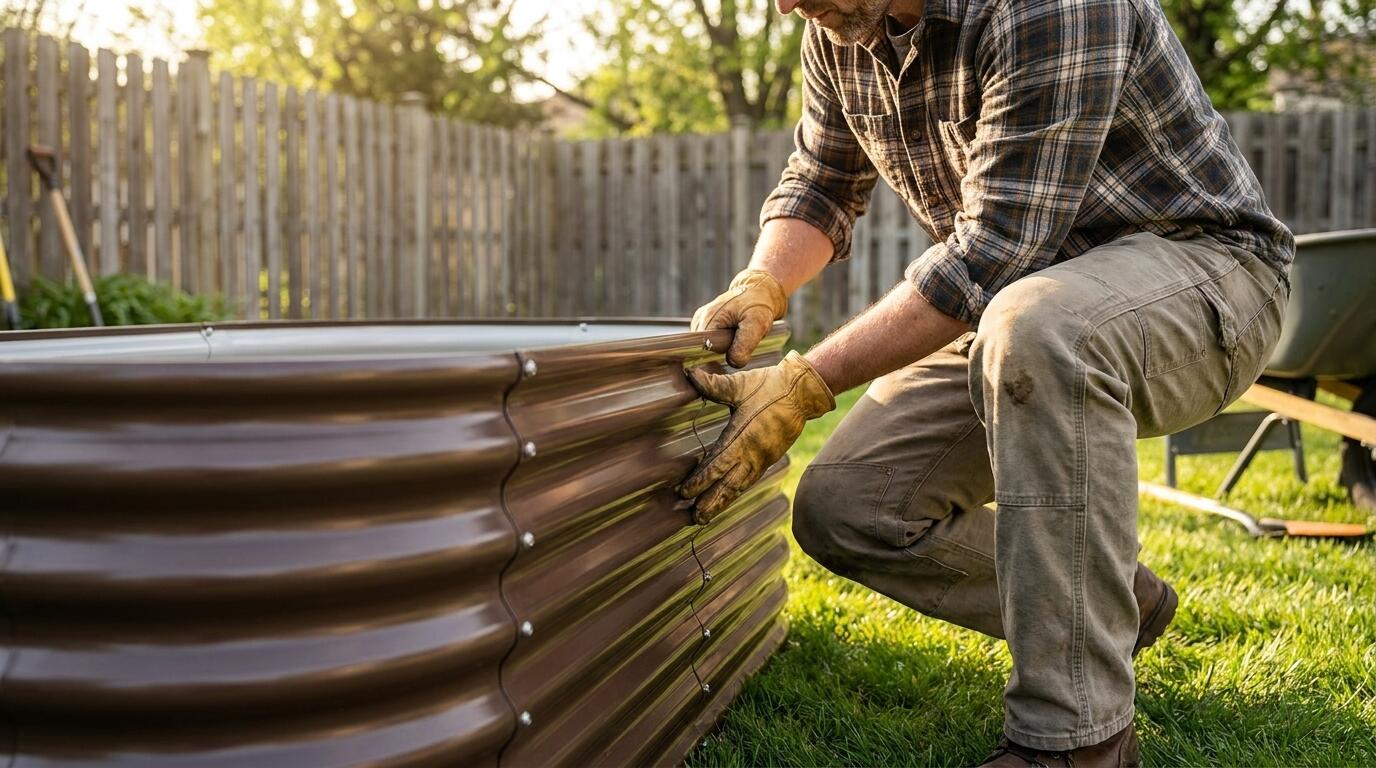
ALT: Gardener inspecting damaged raised garden bed panels before the next planting season begins
Why Your Raised Garden Bed Layout May Be Working Against You This Season
Key Conclusion: A well-maintained raised bed garden layout is the foundation of a productive growing season, yet most gardeners overlook structural wear until it begins to compromise soil integrity, drainage, and plant health. Identifying signs of damage before the next planting season — from warped panels to failing fasteners and degraded soil systems — allows you to make targeted repairs that protect both your investment and your raised bed layout for years to come.
Every seasoned gardener knows the anticipation of a new planting season: fresh seeds, reworked soil plans, and the quiet satisfaction of watching the first green shoots push through. But in our work with clients across North America, a pattern we consistently see is this — gardeners spend considerable energy planning what to grow, yet rarely stop to assess whether their raised bed itself is still up to the task. The bed is treated as a permanent fixture rather than a living piece of infrastructure that ages, flexes, and responds to seasonal stress. That oversight tends to surface at exactly the wrong moment: mid-season, when a bowing panel floods a freshly planted row or a compromised corner joint lets soil spill into the walkway. Catching these problems before the season starts is not just good housekeeping — it is the difference between a thriving garden and a frustrating one.
The State of Home Raised Bed Gardening and Why Repair Is Now Part of the Conversation
Raised bed gardening in North America has moved well past a niche hobby. Over the past decade, the practice has expanded steadily among middle-class families seeking better control over their food quality, urban micro-gardeners working with limited square footage, and retirees who appreciate the ergonomic advantages of elevated planting surfaces. The Cooperative Extension systems at several land-grant universities have documented consistent growth in home food production, noting that raised bed systems rank among the most adopted formats precisely because they offer better drainage, warmer soil temperatures, and defined planting zones.
That growth, however, has created a secondary conversation that the gardening community is only beginning to address openly: maintenance and repair. When raised beds were a novelty, the expectation was often that a bed would last indefinitely with minimal attention. As more gardeners have now accumulated five, eight, or ten seasons of experience with the same structure, the reality of material fatigue, soil compaction, and hardware deterioration has become impossible to ignore.
Metal raised garden beds — particularly galvanized steel and rust-resistant steel variants — have become the preferred choice for durability-minded growers. A high-quality galvanized steel raised garden bed from a reputable manufacturer is engineered for a lifespan of up to 20 years, which is a meaningful commitment. But that 20-year figure assumes the bed is installed correctly, maintained seasonally, and repaired promptly when early warning signs appear. It does not mean a bed can be ignored for two decades and expected to perform at the same level throughout. The distinction matters, and it shapes how we should approach pre-season inspections.
According to the Old Farmer's Almanac, planning a raised bed vegetable garden layout requires attention not just to what goes inside the bed but to the structure that contains it — because a failing bed wall directly affects soil depth, drainage patterns, and root development. Resources such as Raised Bed Garden Layout Plans reinforce that the physical integrity of the bed is inseparable from the success of the planting plan itself.
Reading the Warning Signs: What Structural Damage Actually Looks Like
Raised garden bed damage rarely announces itself dramatically. It tends to accumulate quietly over multiple seasons, and by the time a panel buckles visibly, several earlier warning signs have already passed unnoticed. Understanding the root mechanisms behind each type of damage helps gardeners know exactly what to look for and why it matters.
Outward Bowing or Bulging Side Panels
Panel bowing is the most common structural complaint in raised bed gardening, and it stems from a straightforward cause: soil pressure. Moist, dense soil exerts significant lateral force against vertical walls, especially when the soil system is rich in organic matter and retains water well. Over time, panels that are not adequately supported by internal corner brackets or cross-bracing will bow outward, reducing the effective depth of the bed and creating low points where water pools.
A slight outward lean of a few millimeters may look cosmetic, but it signals that the fastening points are under stress. Left unaddressed, the bow accelerates — particularly through freeze-thaw cycles in colder climates, where expanding ice in saturated soil multiplies the lateral load. In our experience working with gardeners across regions from the Pacific Northwest to the upper Midwest, beds that show early bowing in the fall frequently arrive at spring in a significantly more compromised state.
Rust, Corrosion, and Coating Failure
Even galvanized or rust-resistant steel can show surface deterioration under certain conditions. Scratches from garden tools, prolonged contact with acidic soil amendments, and areas where the protective coating was damaged during installation are all entry points for oxidation. Surface rust — the reddish-brown discoloration that appears at joints and cut edges — is worth distinguishing from structural corrosion. Surface rust is primarily cosmetic and can be treated. Structural corrosion, where the metal has pitted or thinned significantly, weakens load-bearing capacity and warrants panel replacement.
Before each planting season, run a gloved hand along all interior and exterior surfaces, paying particular attention to corners, fastener holes, and any areas where two panels meet. Flaking coating, rough texture, or visible pitting are signs that the protective layer has been breached. According to guidance from the ASTM International standards community — the body responsible for materials testing and performance standards — galvanized coatings are rated by thickness of zinc deposit, and once that layer is compromised below a threshold, accelerated corrosion follows.
Loose, Missing, or Stripped Fasteners
Fastener integrity is the single most underinspected element in a raised bed structure. Bolts, screws, and connecting clips are subjected to repeated thermal expansion and contraction across seasons, and over time they loosen — sometimes imperceptibly at first. A loose fastener at a corner joint allows the panel to shift under soil pressure, which in turn increases stress on adjacent fasteners and the panel material itself. It is a cascading failure mode that begins with one overtightened bolt that stripped its thread, or one forgotten screw that backed out over winter.
Before the season begins, systematically check every connection point. Any fastener that spins without resistance or that shows significant rust should be replaced. If the hole itself has been stripped or enlarged by movement, the connection needs to be re-engineered — adding a backing plate, using a larger fastener, or repositioning to fresh metal.
Degraded or Compacted Soil Systems
The soil system inside a raised bed is not permanent. Without annual refreshing, raised bed soil compacts progressively under its own weight and the action of rainfall, reducing pore space and limiting root penetration. Soil compaction can also be a sign of drainage failure — if the bed's base layer has broken down or been colonized by roots from below that have blocked drainage, water retention increases and anaerobic conditions can develop at the root zone.
A healthy raised bed soil should feel loose and friable when dry, and should drain visibly after rainfall rather than holding standing water. If you notice persistent waterlogging, a surface that crusts over between waterings, or dramatically reduced yields despite adequate fertilization, the soil system itself needs assessment alongside the structural components.
Liner Deterioration and Contamination Risk
Many raised bed setups include a weed barrier or liner at the base. These liners degrade over time — particularly thin plastic films that were never rated for multi-season use. A degraded liner ceases to function as a weed barrier and can trap moisture against the metal wall, accelerating corrosion at the base of the panels. Before refilling soil each spring, inspect the liner condition and replace it if it shows brittleness, tears, or significant discoloration.
Evidence and Approaches: How Different Repair Strategies Compare
Not every sign of wear calls for the same response, and choosing the right approach depends on the severity of the damage, the age of the bed, and the investment rationale. In our observations across various gardening contexts, three broad strategies emerge.
| Perspective / Approach | Strengths | Trade-offs | Best Fit |
|---|---|---|---|
| Targeted spot repair (fasteners, panels) | Low cost, preserves existing investment, minimal disruption | Only appropriate when damage is localized; may miss systemic issues | Beds under five seasons old with isolated damage points |
| Full soil refresh and structural inspection | Addresses both visible and hidden deterioration; resets the soil system | Time-intensive; requires emptying the bed | Beds showing multiple warning signs or reduced productivity despite good inputs |
| Bed replacement or modular upgrade | Restores full structural integrity; opportunity to resize or reconfigure the raised bed layout | Higher upfront cost; involves reinstallation | Beds with structural corrosion, severely bowed panels, or stripped fastener holes across multiple joints |
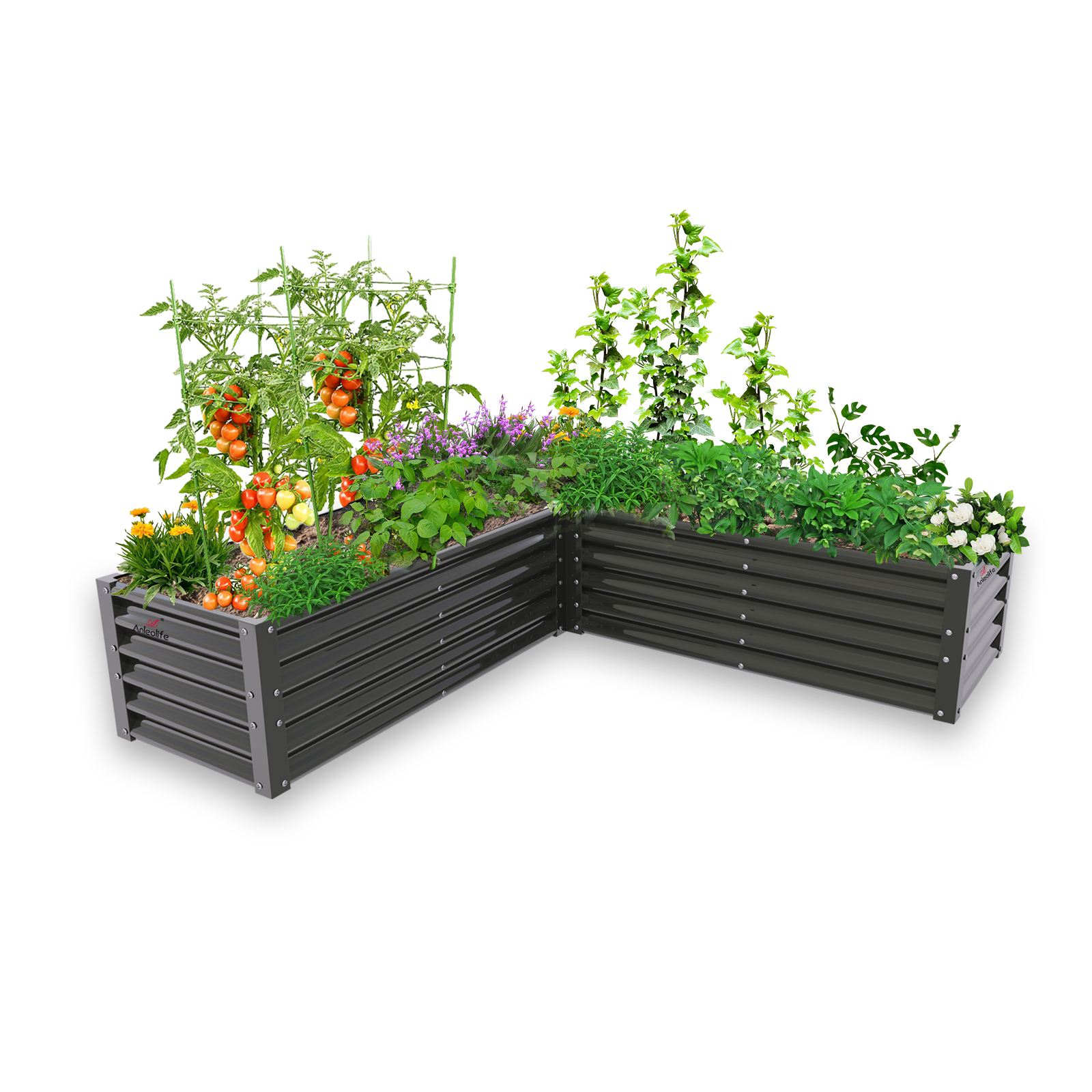
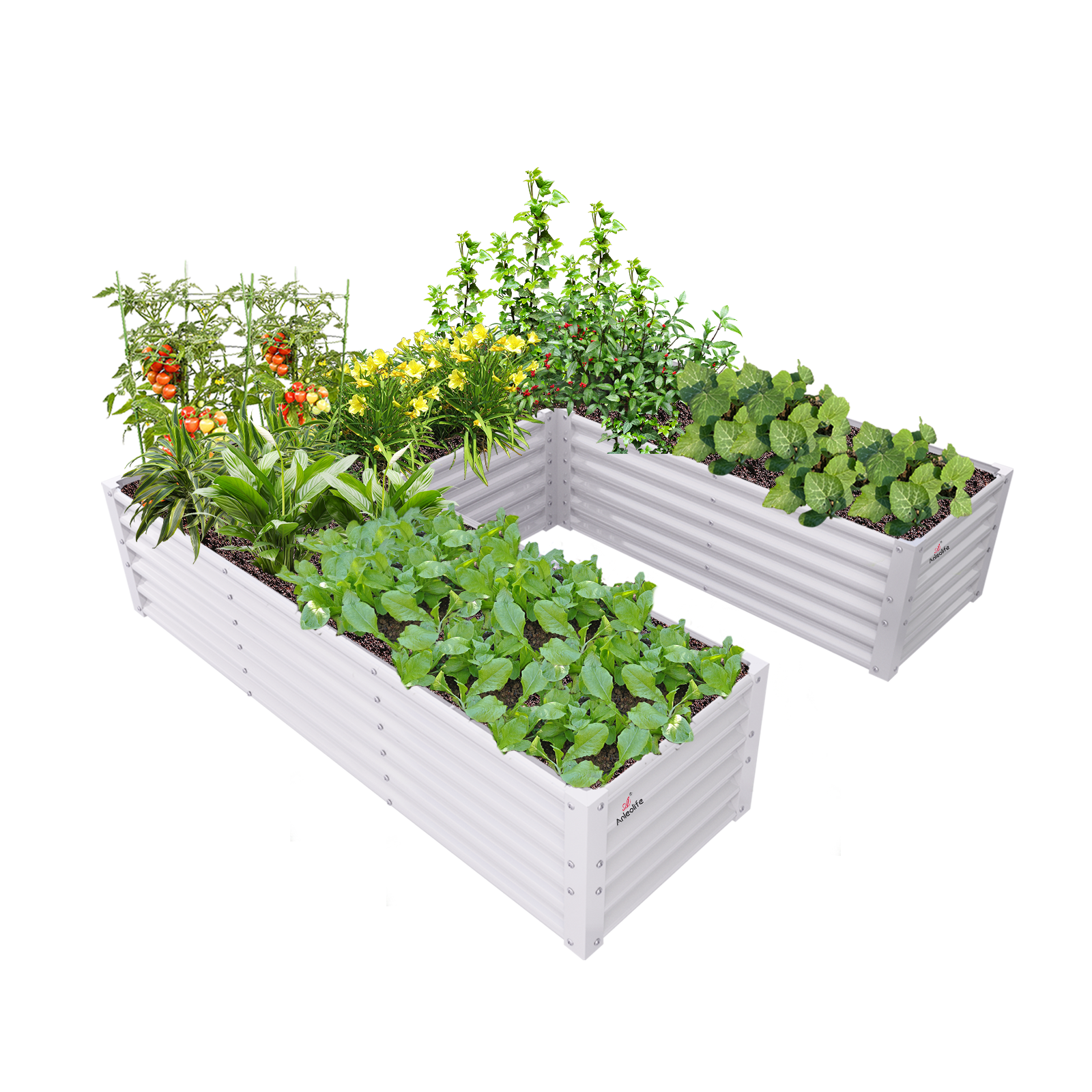
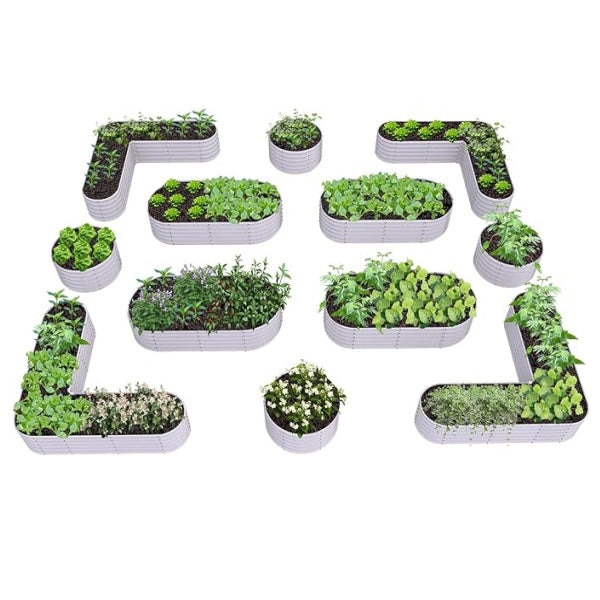
The modular approach deserves particular attention for gardeners who want to evolve their raised bed planting layout over time. A modular raised garden bed system allows individual panels to be replaced without dismantling the entire structure, making targeted repairs far more practical. This flexibility also supports layout changes — adding length, adjusting height, or integrating new beds into an existing garden design — without starting from scratch.
According to planning resources such as 4x8 Raised Bed Vegetable Garden Layout Ideas, the standard 8x4 footprint is popular precisely because it balances accessibility with planting area, and modular systems that preserve this footprint while allowing height adjustment give growers long-term adaptability.
Pre-season repair also intersects with broader raised bed garden layout planning. Changing a damaged single-height bed to a taller configuration — for example, upgrading to an extra-tall or waist-high model — can transform the ergonomics of the entire growing space while resolving the structural problem simultaneously. Resources like Pre-Planned Gardens from reputable gardening suppliers illustrate how layout redesign and structural renewal often go hand in hand.
Where Raised Bed Maintenance Is Heading and What It Means for Your Garden
Raised bed garden maintenance is shifting from an afterthought to a recognized discipline within the home gardening community. Several converging trends are driving this shift, and understanding them helps gardeners make better decisions about repair versus replacement and long-term investment.
First, the quality bar for raised garden beds has risen considerably. Gardeners who invested in well-engineered galvanized or rust-resistant steel beds several seasons ago are now discovering that these structures genuinely do hold up — provided they receive appropriate seasonal attention. The 20-year lifespan that high-quality beds are built to achieve is attainable, but it requires the owner to treat pre-season inspection as a routine rather than an exception.
Second, the trend toward taller raised beds reflects growing awareness of ergonomics and soil depth requirements for root vegetables. Extra-tall and waist-high configurations that were once considered specialty products are now mainstream choices, and gardeners who started with standard-height beds are increasingly considering an upgrade as part of a broader raised bed layout redesign. A repair moment — when the bed is already emptied of soil — is the natural time to make that transition.
Third, sustainability-minded growers are paying closer attention to what goes into their soil systems and how their beds perform over time. A structurally compromised bed that allows soil to leak or drainage to fail undermines the entire investment in premium soil amendments, compost, and organic inputs. The repair-first mindset aligns with a broader ethic of maintaining and extending what you already have rather than discarding and replacing prematurely.
Actionable steps for the coming pre-season inspection include: walking the perimeter of each bed and pressing gently on panels to feel for flex or movement; checking every fastener by hand; examining all corner joints for alignment; testing soil drainage with a slow pour of water; and documenting any areas of coating damage with a photograph for comparison next season. These steps take less than thirty minutes per bed and can prevent mid-season failures that are far more disruptive to address.
Anleolife designs its raised bed systems with pre-season inspection in mind, using modular panel connections and corrosion-resistant materials that make individual component replacement practical rather than arduous.
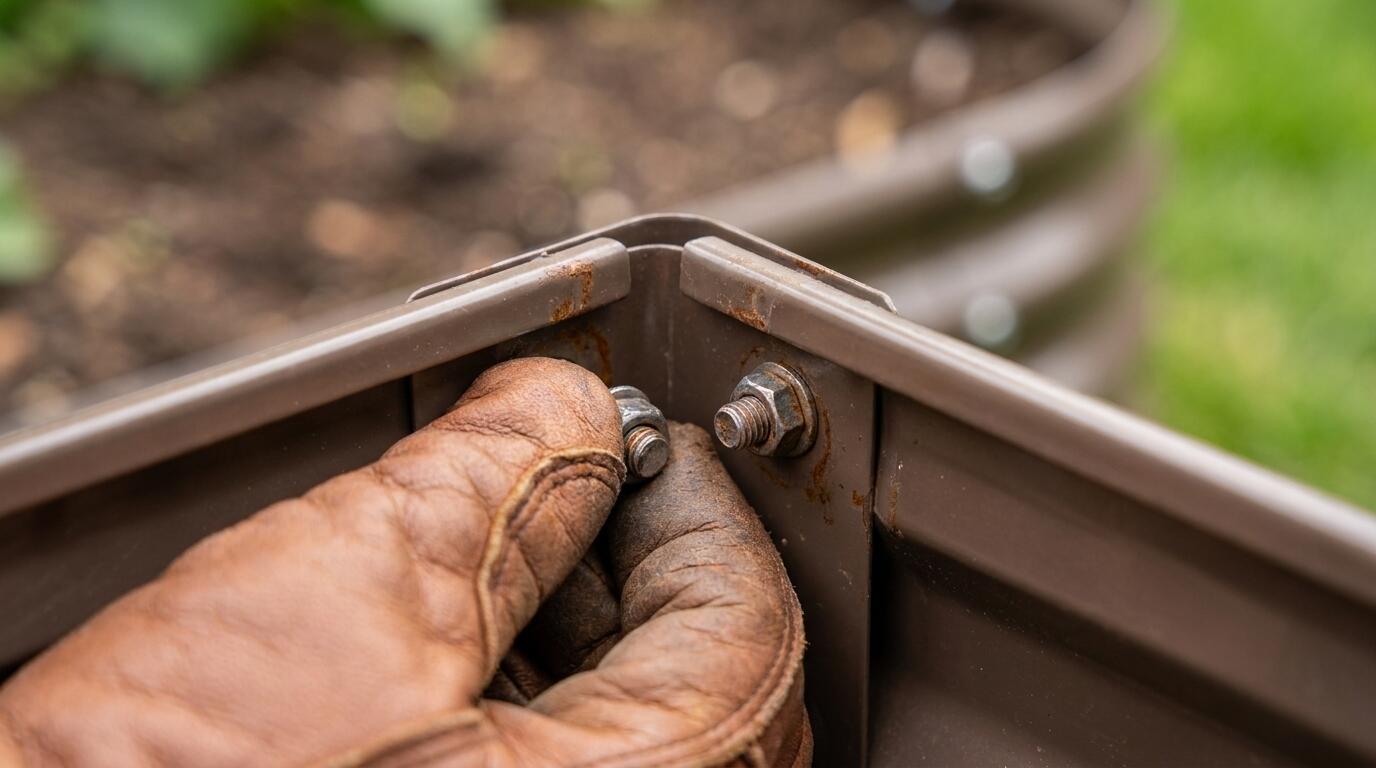
ALT: Close-up of galvanized steel raised garden bed corner joint being inspected for rust and loose fasteners before spring planting season
People Also Ask
Q1: How do you tell if a raised garden bed panel needs replacing versus just reinforcing?
A panel that bows outward but retains its structural metal integrity — meaning it has no pitting, thinning, or through-rust — can often be corrected by adding internal bracing or tightening the fastener connections. A panel that shows visible pitting, has lost significant coating area, or feels thin and flexible when pressed should be replaced. The safest test: if the panel feels rigid when you press firmly against the center and all fasteners are sound, reinforcement is usually sufficient. If it flexes easily or shows corrosion at the base, replacement is the more reliable fix.
Q2: Is it safe to grow vegetables in a raised bed where some rust is visible?
Surface rust on a galvanized steel raised garden bed is generally not a food safety concern. Zinc, used in galvanization, and trace iron oxides are present in garden soil naturally and at levels far below any threshold of concern for edible crops. The concern with rust is structural, not culinary: once the protective coating is compromised, corrosion progresses and weakens the panel over time. If you see surface rust, treat it before the season begins — clean the area, apply a food-safe rust converter or protective coating, and monitor it through the growing season. Deep pitting that reaches bare metal warrants panel replacement.
Q3: When is the best time to inspect and repair a raised garden bed?
The optimal window for raised bed inspection and repair is late winter to early spring — after the final hard frost has passed but before you begin soil preparation or seeding. Inspecting at this point gives you maximum time to source replacement panels or fasteners without delaying the planting season. A secondary inspection in late fall, after the growing season ends, allows you to note any emerging issues while the damage is fresh and address them before winter stresses (freeze-thaw cycles, snow loading) worsen the situation. Annual inspections at both junctures are the most reliable maintenance cadence.
Final Thoughts
A raised bed garden layout performs at its best when the structure beneath it is sound. Skipping pre-season inspection is one of the most common — and most preventable — mistakes we see among experienced gardeners, and it consistently leads to mid-season disruptions that a thirty-minute walk-around could have avoided.
Key Takeaways:
- Outward panel bowing, loose fasteners, coating failure, soil compaction, and liner deterioration are the five primary warning signs to address before each planting season.
- Surface rust is a structural concern, not a food safety issue — treat it promptly and monitor its progression.
- Modular raised bed systems make targeted panel replacement practical, preserving your investment and enabling layout evolution over time.
- High-quality galvanized and rust-resistant steel beds are built for a 20-year lifespan, but that longevity depends on annual maintenance and prompt repair.
- Pre-season inspection is also the natural moment to upgrade bed height or reconfigure your raised bed planting layout for the coming season's goals.
The best time to address a structural problem is before the soil goes in and the seeds go down. Take the inspection seriously this season, make the repairs that are warranted, and your raised bed will reward you with years of reliable growing ahead.
Ready to repair, upgrade, or expand your garden? Browse the full range of galvanized steel, rust-resistant, modular, and heavy-duty raised bed options at the Anleolife website — with a nationwide U.S. warehouse network spanning California, Texas, Florida, New York, Illinois, and Washington, your order arrives in 3–8 business days. Shop across Amazon, Walmart, Home Depot, Lowe's, Wayfair, or directly at the Anleolife website for consistent quality and after-sales support. Whether you're replacing a single panel or building out a complete planting-and-raising ecosystem, Anleolife grows with you every step of the way.
Sources & Citations
- Old Farmer's Almanac. "Raised Bed Garden Layout Plans."
https://www.almanac.com/raised-bed-vegetable-garden-layouts-beginners - Savvy Gardening. "4x8 Raised Bed Vegetable Garden Layout Ideas."
https://savvygardening.com/4x8-raised-bed-vegetable-garden-layout/ - Gardener's Supply Company. "Pre-Planned Gardens."
https://www.gardeners.com/pages/kitchen-garden-planner-preplanned-gardens - ASTM International. Standards for metallic coatings, corrosion resistance, and galvanized steel performance.
https://www.astm.org/
Note: Standards may be updated; please check the latest official documents or consult professional advisors.