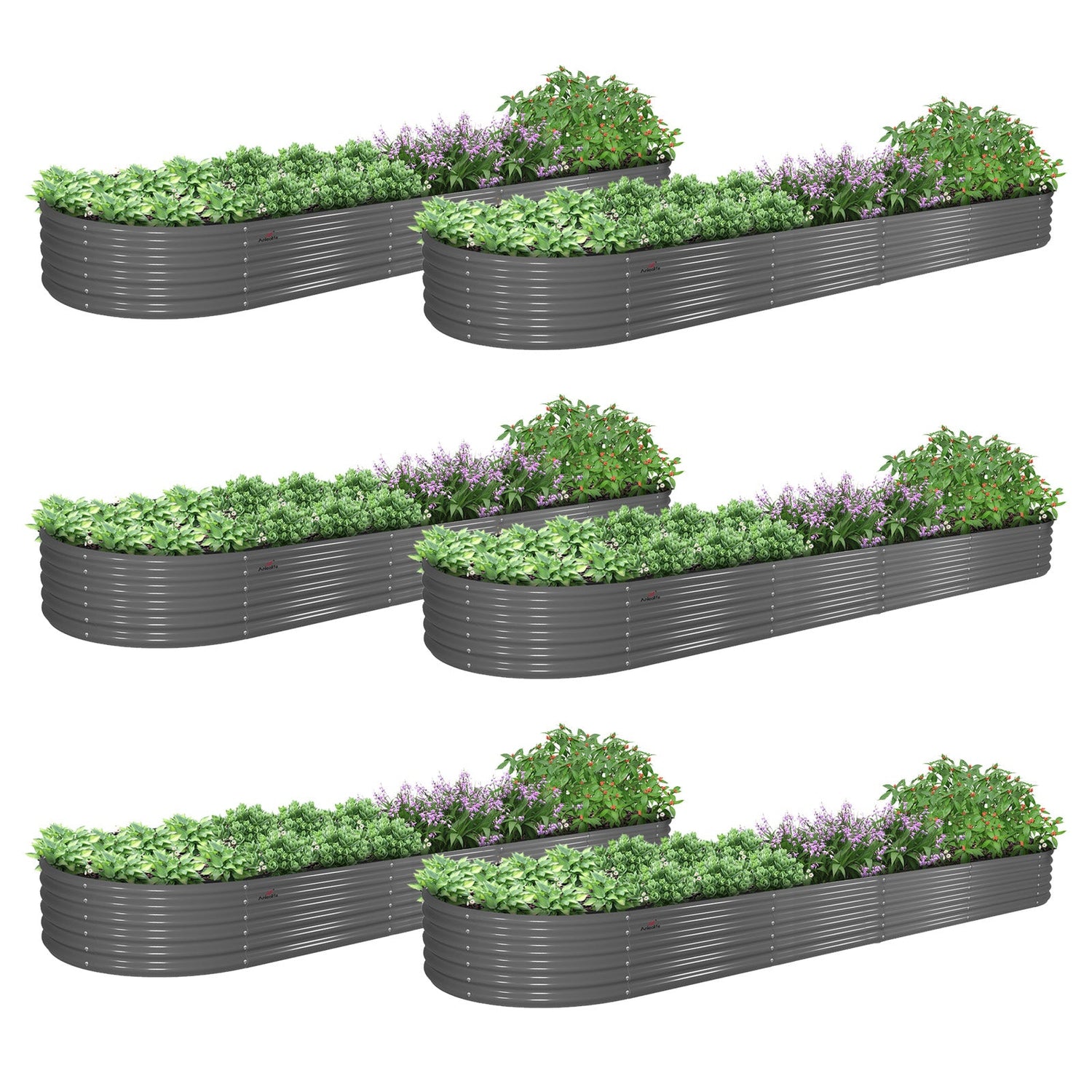



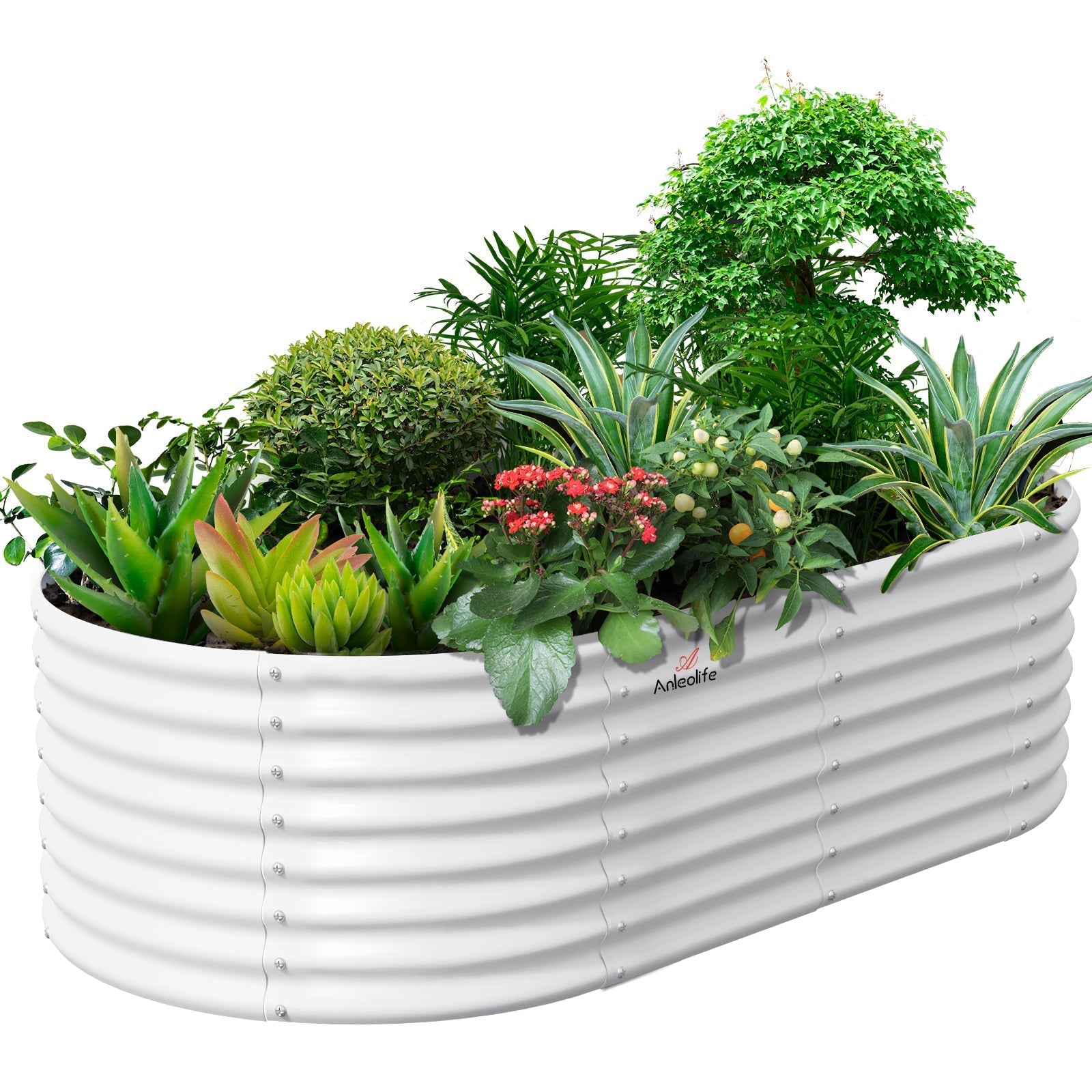
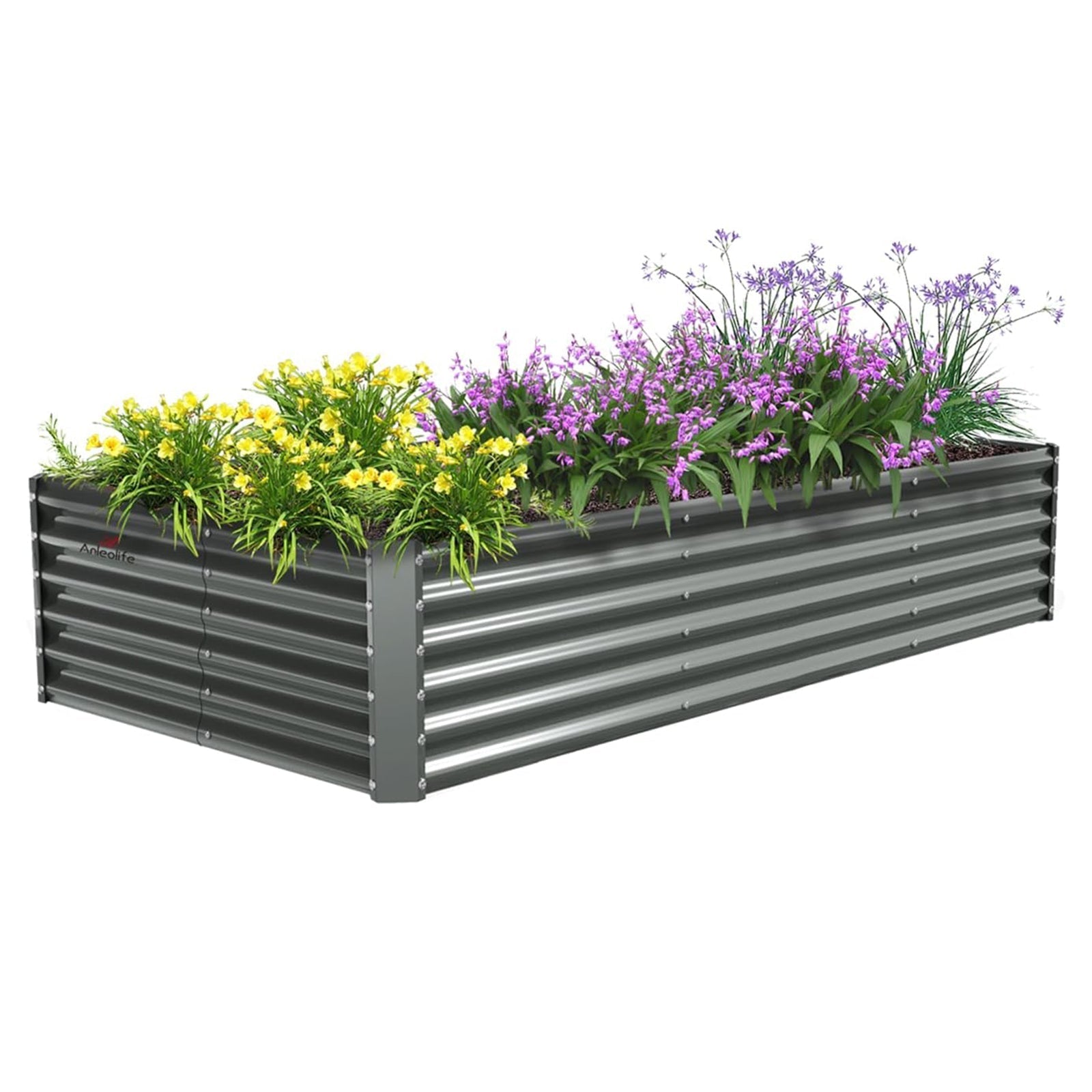





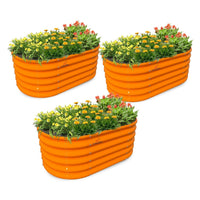
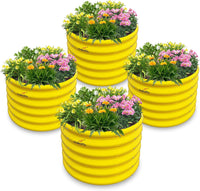
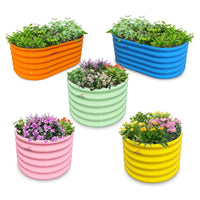
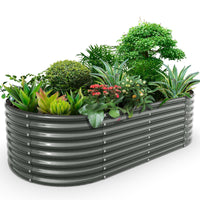



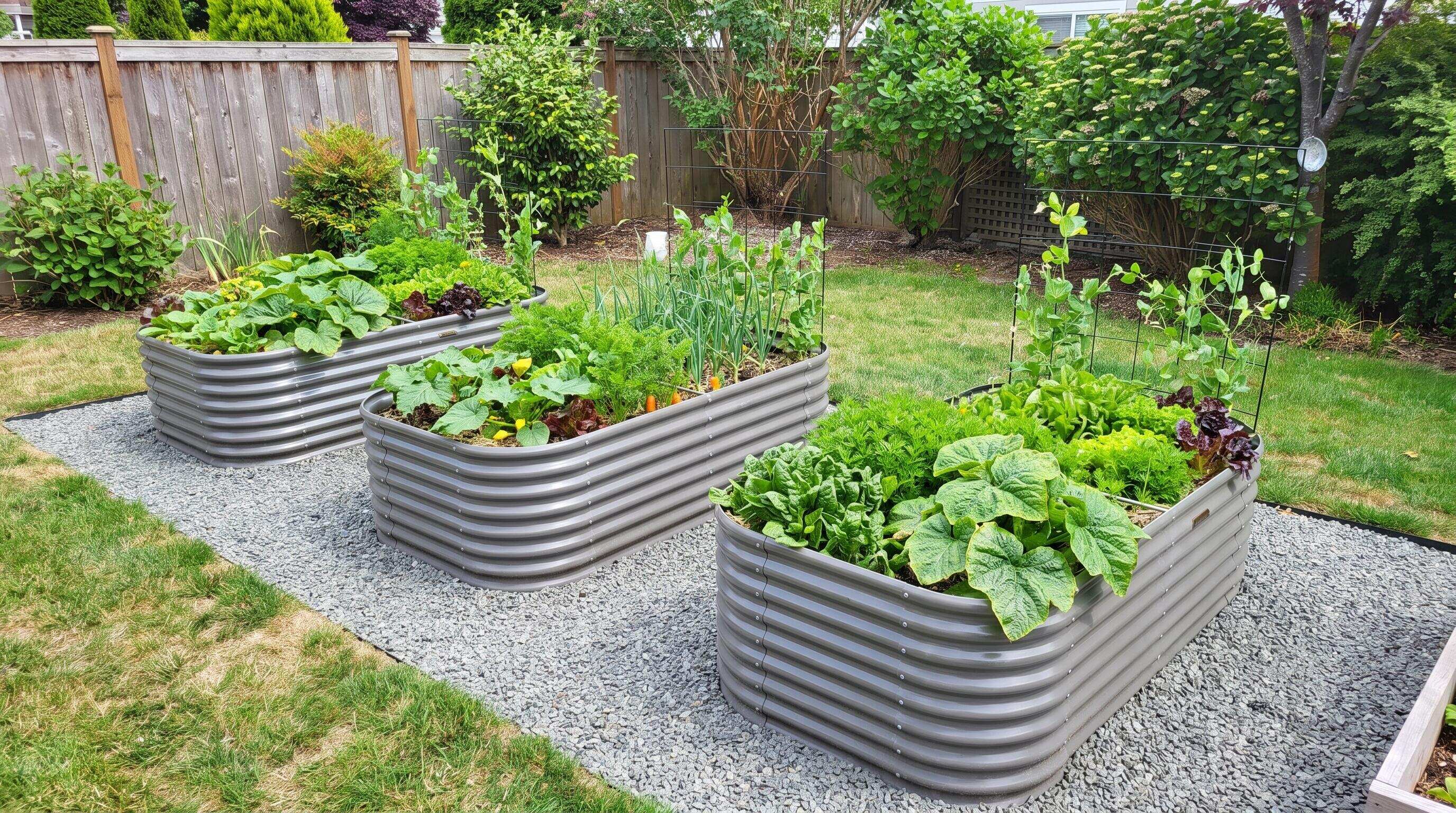
ALT: Smart raised bed garden layout ideas for narrow oddly shaped yards with galvanized steel beds
Why Your Yard's Unusual Shape Is Actually an Advantage for Raised Bed Gardening
You have a long, skinny side yard that seems to defy every standard garden plan. Or maybe your backyard angles off at an odd diagonal, leaving you with a triangular patch that no off-the-shelf layout seems to address. In our work helping North American home gardeners design productive outdoor spaces, this is one of the most common situations we encounter — and one of the most rewarding to solve.
This article delivers a curated list of raised bed garden layout strategies built specifically for narrow corridors, L-shaped lots, sloped terrain, and other unconventional yard geometries. Every raised bed planting layout idea here was selected because it solves a real spatial problem while still maximizing harvest potential, aesthetic appeal, and long-term return on investment. Whether you are planting your first bed or reorganizing an existing raised bed layout, these ideas will help you make deliberate, confident decisions.
The strategies below range from simple single-row configurations to more layered, multi-level arrangements. Each one is practical enough to implement on a modest budget and scalable enough to grow with your ambitions over time.
Smart Layout Strategies for Narrow and Oddly Shaped Yards
The Single-File Linear Layout for Long, Narrow Corridors
A single-file linear layout is a raised bed arrangement where individual rectangular beds are placed end-to-end in a straight line, following the length of a narrow space. This approach is the most intuitive solution for a side yard or alley-style garden corridor, where width is the primary constraint. By aligning beds in a continuous row, you preserve a full-width walking path on at least one side — critical for tending plants without compacting surrounding soil.
In practice, narrower beds work best here. A bed footprint around 12 feet long and 3 feet wide, for example, allows comfortable reach from both sides without requiring you to step inside the growing area. Keeping bed width at or under 4 feet is a widely recognized principle in raised bed gardening, supported by cooperative extension guidance from institutions like the University of California, because it eliminates the need to step into the bed and disturb root zones.
Best for: Side yards, fences, alleyways between structures, or any yard that is significantly longer than it is wide.
Watch out: A pure single-file row limits visual variety. Consider alternating taller beds (such as an extra-tall 24-inch or 30-inch model) with shorter ones to create rhythm and improve sun exposure for lower-growing crops.
The Parallel Double-Row Layout with a Central Path
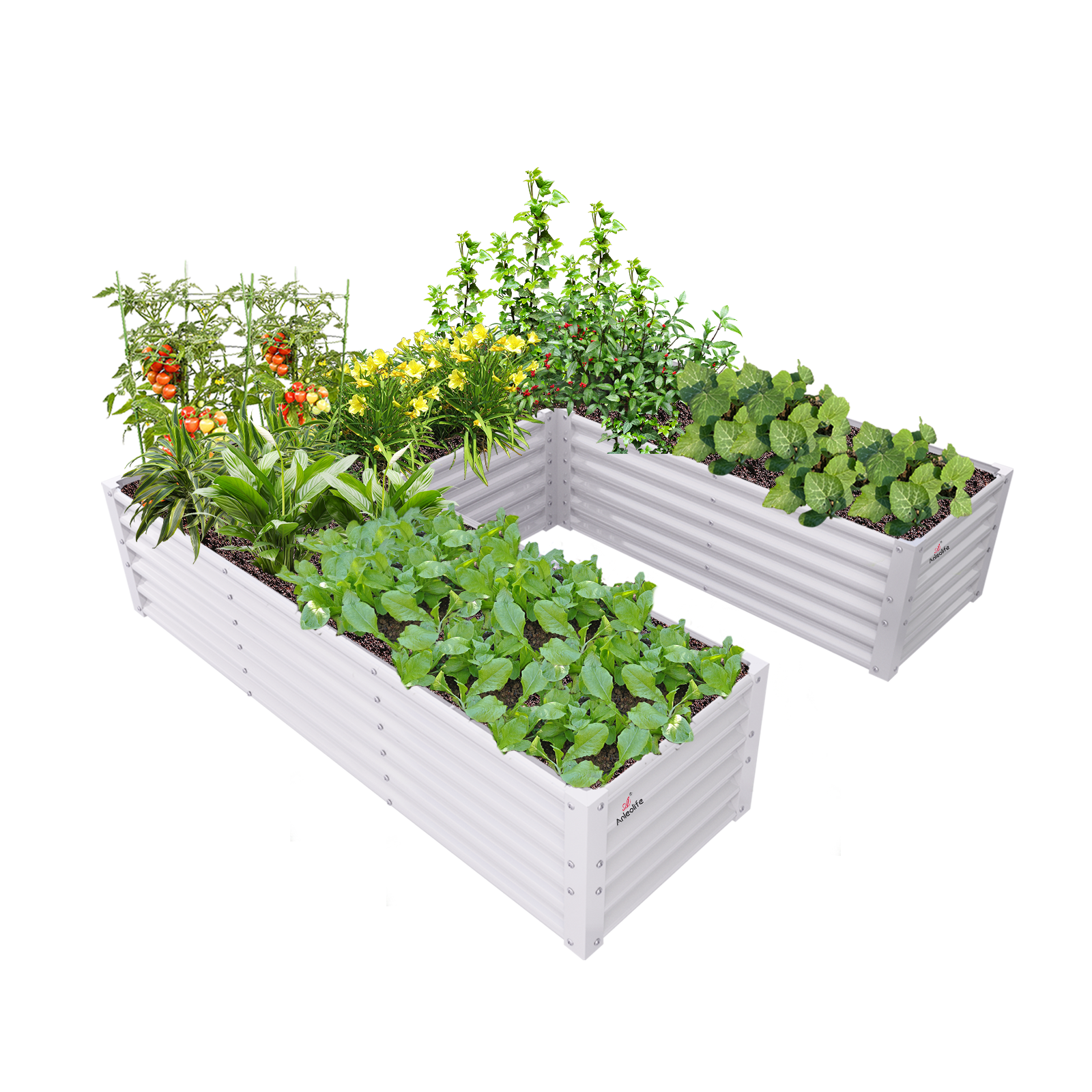
A parallel double-row layout places two lines of raised beds facing each other with a central walking path running between them. This configuration converts a moderately wide narrow yard — one wide enough for two rows and a path — into a highly productive kitchen garden corridor. The path between rows serves as both a practical harvesting lane and a visual organizing spine.
This raised bed layout is one of the highest-yield arrangements per square foot available to home gardeners. With beds on both sides of a central path, you effectively double the growing area without expanding the yard's footprint. According to cooperative extension resources from the University of Minnesota Extension, organizing garden beds around clear pathways also reduces soil compaction and makes succession planting significantly easier to manage.
Best for: Yards that are narrow but not extremely so — enough to accommodate two rows of beds plus at least a 24-inch access path between them.
Watch out: Ensure the central path is wide enough for a garden cart or wheelbarrow. A path that is too narrow quickly becomes frustrating during heavy harvest or soil amendment tasks.
The L-Shaped or Corner Wrap Layout
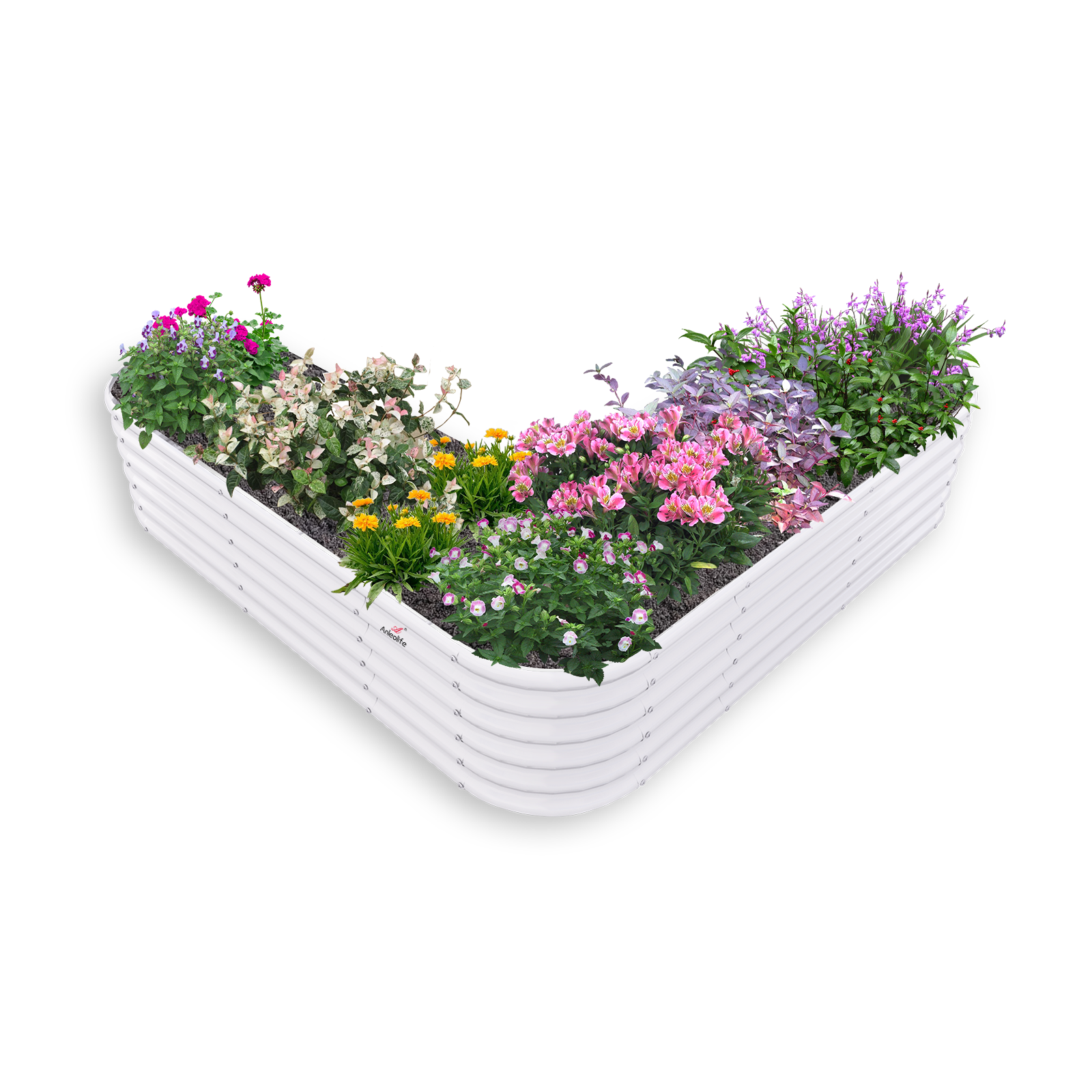
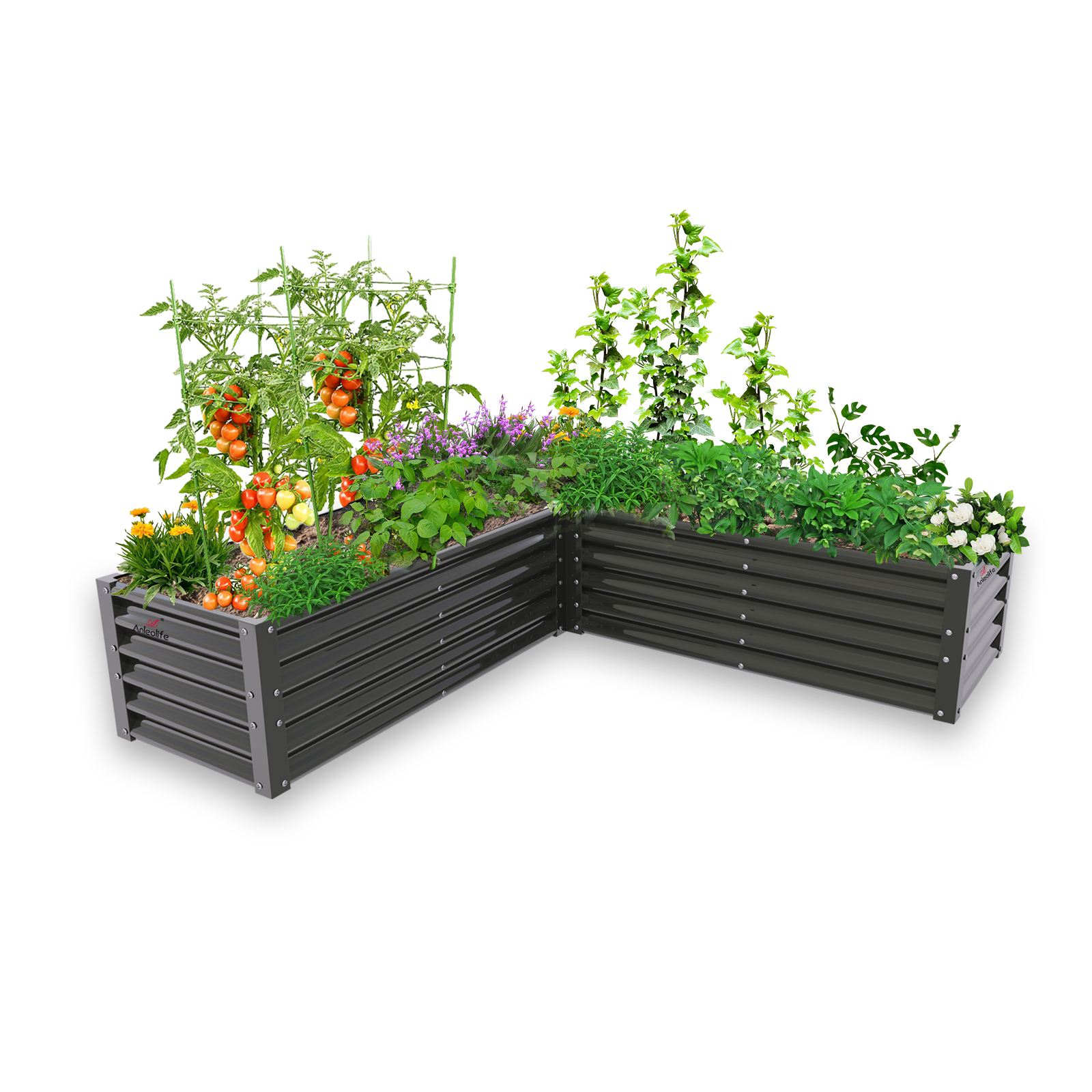
An L-shaped raised bed layout uses beds arranged at a right angle to wrap around a corner — whether that corner is formed by two fences meeting, a house wall, or an irregular property boundary. Rather than fighting the geometry of the yard, this approach embraces it by turning an awkward corner into the focal point of the garden.
Modular raised garden beds are particularly well suited for this strategy. Because modular systems can be configured and reconfigured in multiple footprints, you can create a true L-shaped planting area that mirrors the yard's own shape. In our experience, homeowners are often surprised at how much growing area exists in corners they had previously written off as unusable. Corner wraps also create a natural sense of enclosure that makes a garden feel intentional and designed rather than improvised.
Best for: Yards with prominent corners — fence intersections, deck corners, patio edges, or house foundations.
Watch out: Corner zones can receive uneven sunlight, with one arm of the L potentially more shaded than the other. Plan sun-tolerant crops for shadier arms and sun-loving crops (tomatoes, peppers, squash) for the brighter side.
The Staggered Offset Layout for Diagonal or Irregular Lots
A staggered offset layout involves placing beds at slightly varying depths rather than in a perfectly straight line, creating a zigzag or stepped arrangement that follows an irregular lot boundary. This is one of the most versatile raised bed planting layout approaches for lots with diagonal property lines, curved boundaries, or unusually angled structures.
The visual effect is purposeful and dynamic — staggered beds break up the visual monotony of long parallel rows while still keeping all beds within easy reach. Practically, offset placement allows you to tuck additional beds into spaces that a rigid grid plan would leave empty. From a cost-effectiveness standpoint, this approach ensures you are extracting value from every square foot of available ground rather than leaving growing space unused simply because it does not conform to a rectangle.
Best for: Irregular or diagonal lots, curved fence lines, or yards with multiple small awkward zones rather than one consistent shape.
Watch out: Staggered layouts require more deliberate pathway planning to avoid dead-end corners where a cart cannot turn around.
The Tiered or Stepped Layout for Sloped Yards
A tiered layout arranges raised beds in steps down a sloped yard, with each successive bed sitting lower than the one above it — essentially building a functional terracing system. Slopes are one of the most challenging yard geometries for traditional in-ground gardening because of erosion, uneven watering, and difficult access. A tiered raised bed layout solves all three problems simultaneously.
Taller raised beds — particularly extra-tall 24-inch or 30-inch models — are especially effective here because their greater height compensates for grade changes and helps level the growing surface even on uneven terrain. The soil system within each bed can be optimized independently, which means you are not fighting the native slope's drainage issues. From a long-term value perspective, investing in durable galvanized steel beds on a slope makes strong economic sense; well-constructed galvanized beds are built to last up to 20 years, absorbing the cost of installation and soil preparation over a very long productive life.
Best for: Sloped backyards, hillside properties, or any yard where running water or grade change makes flat-ground gardening impractical.
Watch out: The highest tier will receive the most direct sun and may dry out faster. Plan your most drought-tolerant crops there and position moisture-loving plants in lower tiers.
The Keyhole or Inward-Curve Layout for Fan-Shaped or Triangular Spaces
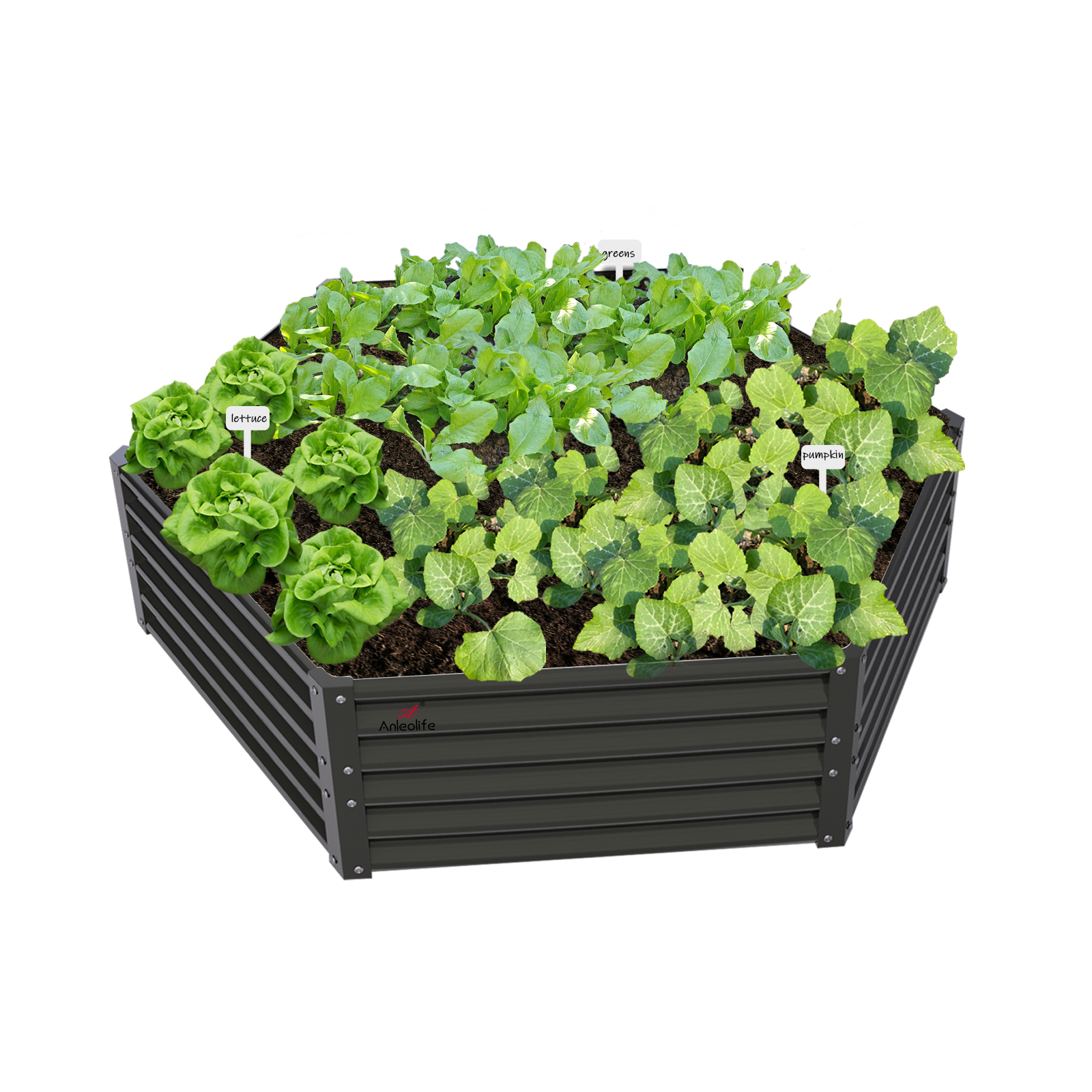
A keyhole layout is a raised bed planting configuration that curves around a central access point — typically a small circular compost station — allowing the gardener to reach all parts of the bed from a single standing position. A variation of this concept, the inward-curve layout, bends a bed or series of beds slightly inward to follow a triangular or fan-shaped yard boundary.
This raised bed layout strategy is especially well regarded in permaculture-influenced garden design because it maximizes the ratio of productive growing space to access pathway. For triangular lots or yards that widen or narrow dramatically from one end to the other, the inward-curve adaptation allows the garden's footprint to track that shape rather than defaulting to a rectangle that wastes edge space.
Best for: Fan-shaped yards, pie-slice lots, triangular patches near fence angles, or any space where a traditional rectangular layout leaves significant unused area.
Watch out: Curved beds can require more custom-fitting of bed lengths. Modular raised garden bed systems, which can be assembled in multiple size configurations, handle this situation better than fixed-size single-panel beds.
The Vertical Accent Layout for Extremely Narrow Strips
A vertical accent layout uses tall or waist-high raised beds positioned along a narrow strip — typically a wall, fence line, or structure edge — and pairs them with trellises, cages, or vertical growing supports mounted directly to or behind the bed. This approach effectively stacks growing volume upward when horizontal expansion is impossible.
Waist-high raised beds are particularly valuable here. A 35-inch waist-high model provides exceptional ergonomic access without bending, which is a significant benefit for gardeners managing joint issues or mobility concerns — a pattern we consistently see in our work with empty nesters and retirees. Growing vertically (cucumbers, pole beans, indeterminate tomatoes) from a waist-high bed in a narrow strip can produce a surprisingly substantial harvest from a footprint as compact as 4 feet wide by 1.5 feet deep.
Best for: Extremely narrow strips against walls, fences, or house foundations — spaces under 2 feet wide where horizontal bed depth is simply not available.
Watch out: Vertical plantings can shade lower-growing crops in the same bed. Position taller vertical crops on the north side of the bed (in the northern hemisphere) so they do not block sun from shorter plants.
The Multi-Zone Cluster Layout for Fractured or Multi-Section Yards
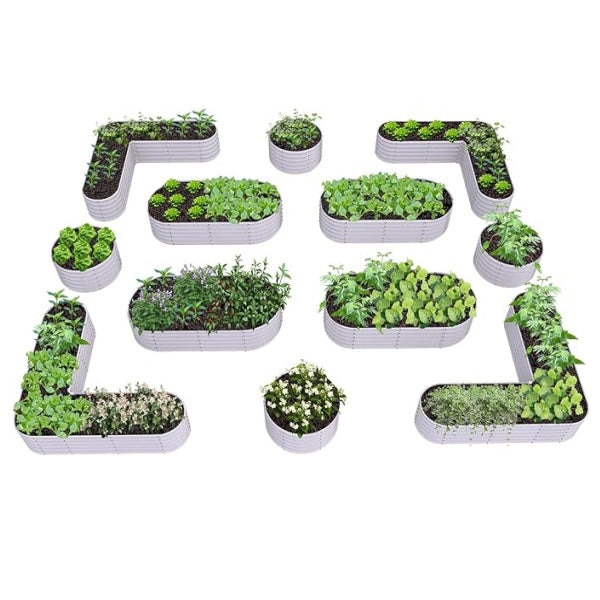
A multi-zone cluster layout treats each disconnected or oddly shaped section of a yard as its own garden "room," with a dedicated cluster of beds sized and arranged for that zone's specific dimensions. Rather than trying to force a unified grid across a fragmented property, this approach celebrates the yard's diversity and turns each zone into a themed or functionally distinct space.
In our experience working with urban home gardeners, fractured yards — ones with a small front strip, a narrow side passage, and an irregular back corner — are more common than most layout guides acknowledge. The multi-zone approach is the honest answer to this reality. Each cluster can be optimized independently: a compact 3-by-6 or 4-by-4 bed in a front strip, a linear row along a side fence, and a more expansive planting cluster in the back. For families thinking about long-term garden investment, this modular mindset also aligns naturally with how productive home gardens actually evolve — one zone at a time.
Best for: Urban properties with multiple small disconnected patches, front-to-back yard access only, or homes where different zones serve different purposes (food production, pollinator habitat, decorative planting).
Watch out: Managing multiple separate zones increases time spent walking between areas. Group high-maintenance crops (daily harvesting, frequent watering) in the zone closest to your kitchen or water source.
Quick Comparison at a Glance
The following table summarizes all eight raised bed layout strategies discussed above so you can quickly identify which best matches your yard's specific conditions.
| Layout Strategy | Best For | Key Strength | Limitation |
|---|---|---|---|
| Single-File Linear | Long narrow corridors, side yards | Simple, space-efficient, easy access | Limited visual variety; single crop exposure |
| Parallel Double-Row | Moderately narrow yards | Maximum yield per footprint | Needs adequate path width for cart access |
| L-Shaped Corner Wrap | Corner-heavy lots, fence intersections | Uses dead corners productively | Uneven sun across both arms |
| Staggered Offset | Diagonal/irregular lot lines | Extracts value from awkward shapes | Requires deliberate path planning |
| Tiered/Stepped | Sloped yards and hillsides | Solves erosion and drainage challenges | Top tier may dry out faster |
| Keyhole/Inward-Curve | Triangular or fan-shaped lots | High growing-to-path ratio | Curved beds may need modular sizing |
| Vertical Accent | Extremely narrow strips under 2 ft | Multiplies yield through vertical space | Tall crops shade lower plants |
| Multi-Zone Cluster | Fractured multi-section urban yards | Flexibility across disconnected spaces | More walking time between zones |
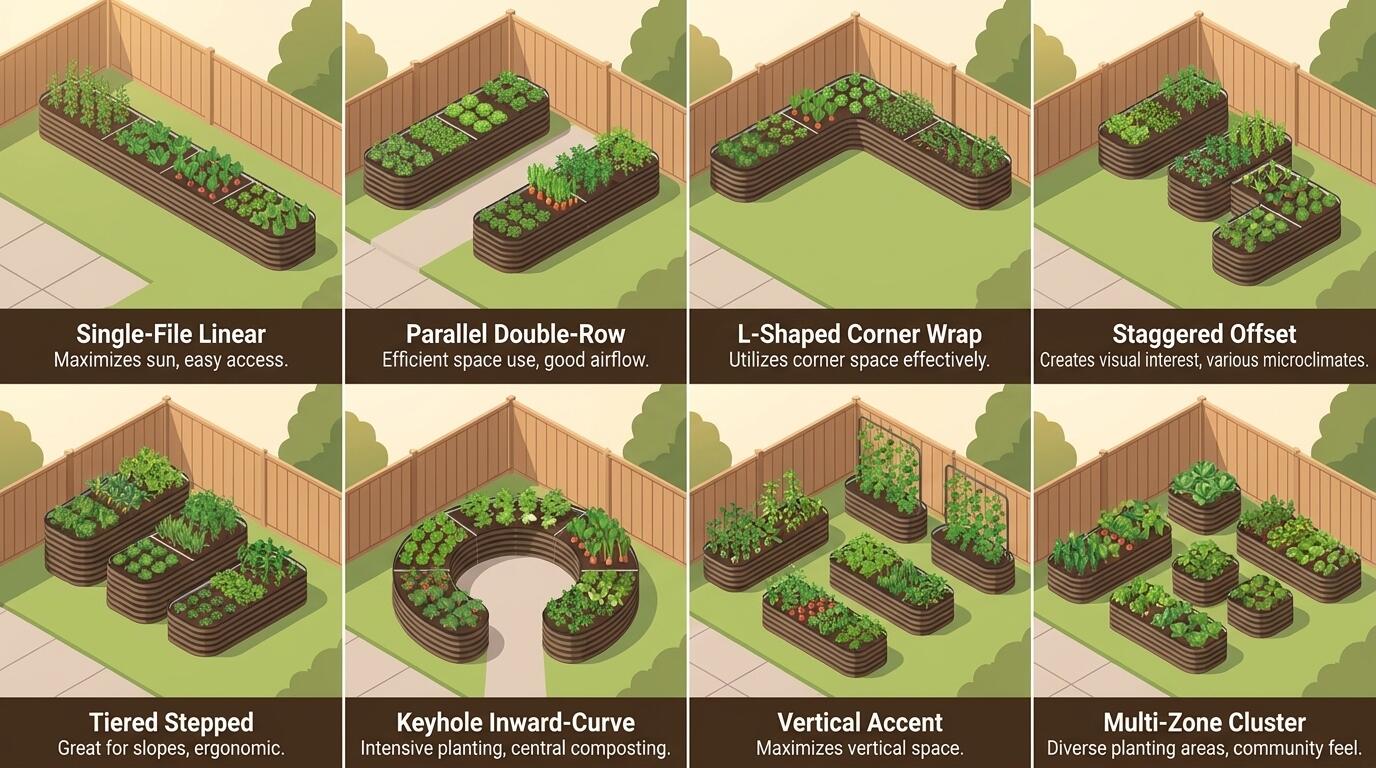
ALT: Comparison of raised bed layout strategies for narrow sloped triangular and oddly shaped yard spaces showing galvanized steel raised beds arranged in multiple configurations
How to Choose the Right Raised Bed Layout for Your Yard
Choosing the right raised bed garden layout begins with one honest measurement exercise: walk every edge of your available space with a tape measure, note where the sun hits throughout the day, and identify your primary access point — the door, gate, or path you will use to enter the garden daily. Those three data points alone will eliminate most of the eight strategies above and point you clearly toward two or three that fit.
If your yard is longer than 20 feet and narrower than 8 feet, start with the single-file or parallel double-row layout. If your property has a prominent corner — fences meeting at 90 degrees, a patio edge, or a deck — the L-shaped wrap will almost always outperform a straight-line approach both aesthetically and in growing area. If your yard slopes noticeably, the tiered layout is not optional; it is the only strategy that addresses drainage and erosion at their source.
A common misconception worth addressing directly: many gardeners assume that a narrow or oddly shaped yard is simply too small to justify raised beds. In practice, the opposite is often true. Raised beds concentrate growing resources — high-quality soil systems, consistent moisture, targeted compost — into precisely the footprint you define. A thoughtfully arranged raised bed layout in a 6-by-20-foot side yard can consistently outperform an in-ground garden three times its size by sheer productivity per square foot, according to guidance from the Oregon State University Extension Service on intensive vegetable production in small spaces.
For gardeners investing in galvanized steel raised beds designed to last up to 20 years, the layout decision carries genuine financial weight. A well-chosen layout locks in years of productive use from a structure built to go the distance. Spending an hour planning the right raised bed planting layout before purchase is one of the highest-return steps a gardener can take.
For resources on layout planning templates, the Raised Bed Layout Template from Journey with Jill offers a useful starting framework you can adapt to your yard's specific shape. And for broader inspiration on raised bed garden ideas, Savvy Gardening's coverage of 4x8 raised bed vegetable garden layouts demonstrates how a single standardized bed footprint can be adapted across many growing scenarios.
Common Questions
How do I plan a raised bed garden layout for a yard that is both narrow and sloped?
A yard that is both narrow and sloped benefits most from a combination of the tiered layout and the single-file linear arrangement. Position beds in a stepped configuration down the slope, each one set into the grade slightly, and orient them in a single row along the yard's length to stay within the available width. Use taller extra-tall beds on steeper sections to compensate for grade changes and level the growing surface without major excavation. Prioritize beds closest to your water source for the highest-maintenance crops.
Are raised beds a cost-effective solution for oddly shaped yards, or are they more expensive than in-ground planting?
Raised beds have a higher upfront cost than in-ground planting, but their long-term cost-effectiveness is well established for difficult terrain. On narrow, compacted, or sloped sites, in-ground planting requires extensive soil amendment across the entire area, while raised beds concentrate that investment only where you grow. A galvanized steel raised garden bed rated for a 20-year lifespan amortizes its purchase price over two decades of productive seasons — often a lower annual cost than repeated in-ground soil improvement.
How long does it take to set up a raised bed layout for an oddly shaped yard, and how soon can I plant?
Setup time for a typical single-bed or two-bed layout runs from a few hours to a full weekend, depending on the number of beds, terrain leveling needed, and your soil delivery logistics. Once beds are in place and filled with a quality soil system, most vegetable and herb crops can be planted immediately. With Anleolife's nationwide warehouse network delivering within 3–8 business days across the continental U.S., you can realistically plan, order, set up, and begin planting within two weeks from the initial decision.
Wrapping Up
Narrow, sloped, diagonal, or otherwise unconventional yards are not obstacles to productive raised bed gardening — they are design prompts. The right raised bed garden layout turns a spatial constraint into a garden that is more intentional, more efficient, and often more visually interesting than a standard rectangular plot.
Three principles stand out from everything covered here. First, match your layout strategy to your yard's specific geometry rather than forcing a standard template onto a nonstandard space. Second, invest in durable, long-lasting materials — galvanized steel beds built for a 20-year lifespan reward good layout decisions with decades of productive returns. Third, think in modules: a single well-placed bed is the beginning of a system, not the end of one.
Your next step is straightforward: measure your available space, identify your sun exposure, and match your yard to one of the eight layout strategies above. Start with one or two beds, observe how the space performs through a full growing season, and expand from there.
Ready to turn your awkward yard into a productive garden space? Explore the full range of modular and galvanized raised garden beds at Anleolife, available for delivery in 3–8 business days through a nationwide U.S. warehouse network. Shop across major platforms including Amazon, Walmart, Home Depot, Lowe's, and Wayfair, or order directly at the Anleolife website for the complete product selection — from your first bed to a fully integrated planting-and-raising ecosystem.
Sources
- Savvy Gardening. "4x8 Raised Bed Vegetable Garden Layout Ideas".
https://savvygardening.com/4x8-raised-bed-vegetable-garden-layout/ - Journey with Jill. "Raised Bed Layout Template".
https://journeywithjill.net/wp-content/uploads/2023/04/Raised-Bed-Layout-Designs.pdf - University of California Agriculture and Natural Resources — UC Cooperative Extension.
https://ucanr.edu/ - University of Minnesota Extension — Home Garden and Landscape Resources.
https://extension.umn.edu/ - Oregon State University Extension Service — Small-Space Vegetable Gardening Guidance.
https://extension.oregonstate.edu/
Note: Standards and extension guidance may be updated; please check the latest official documents or consult professional advisors.