



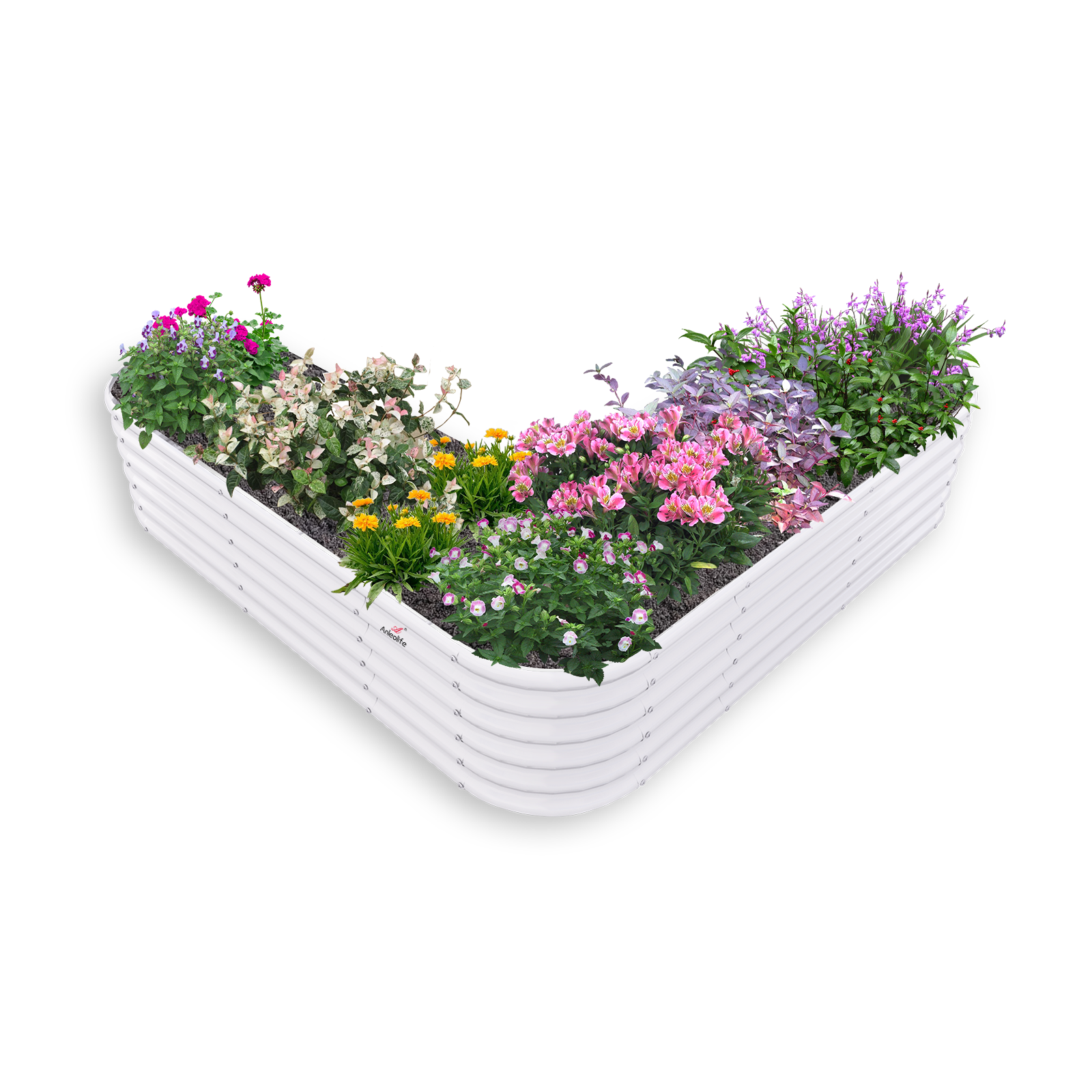
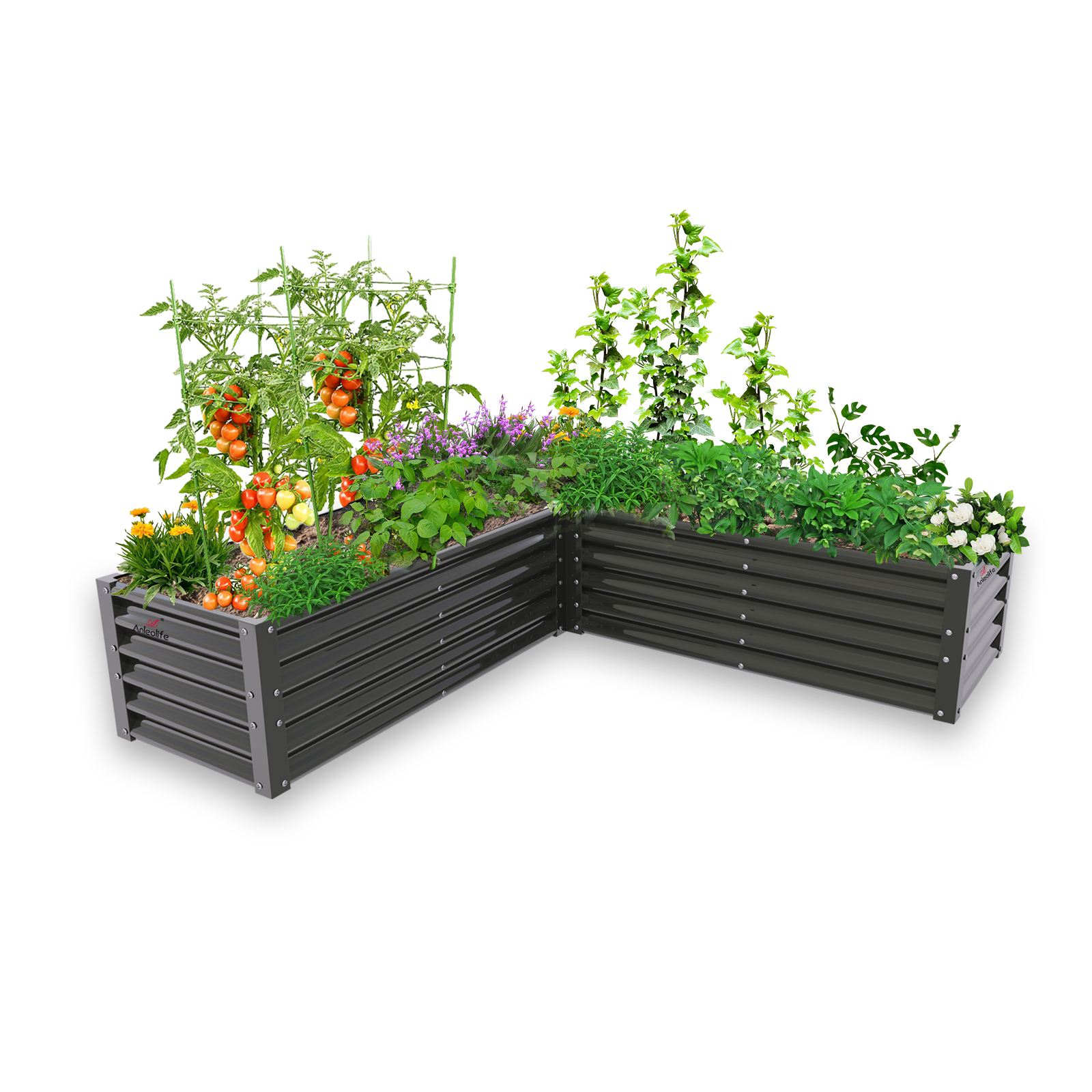
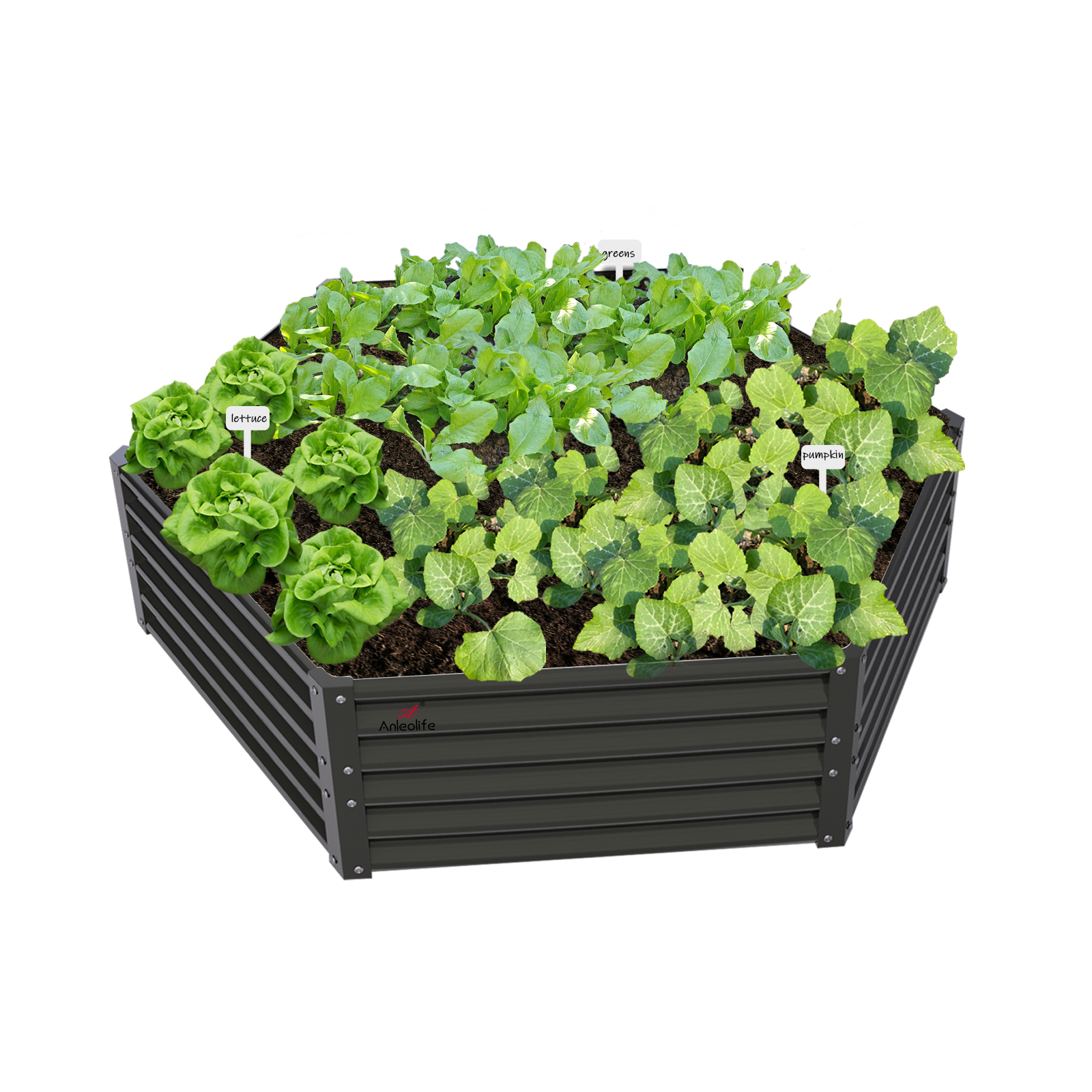
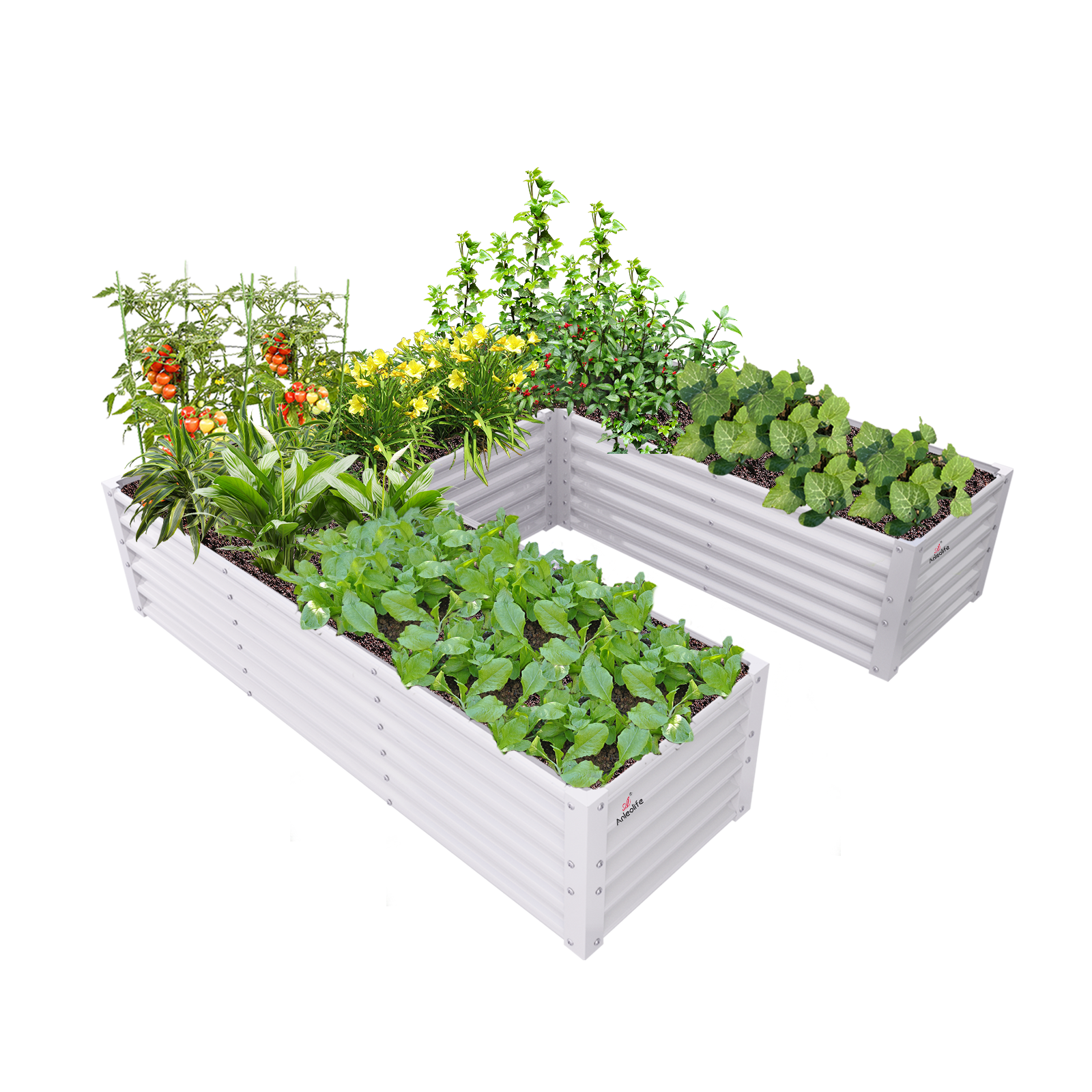

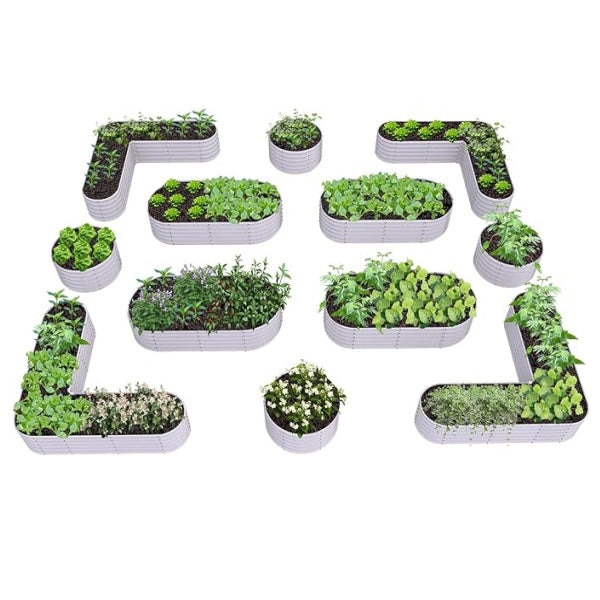


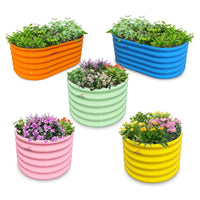
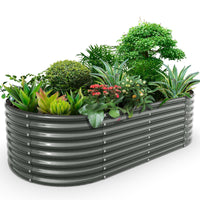



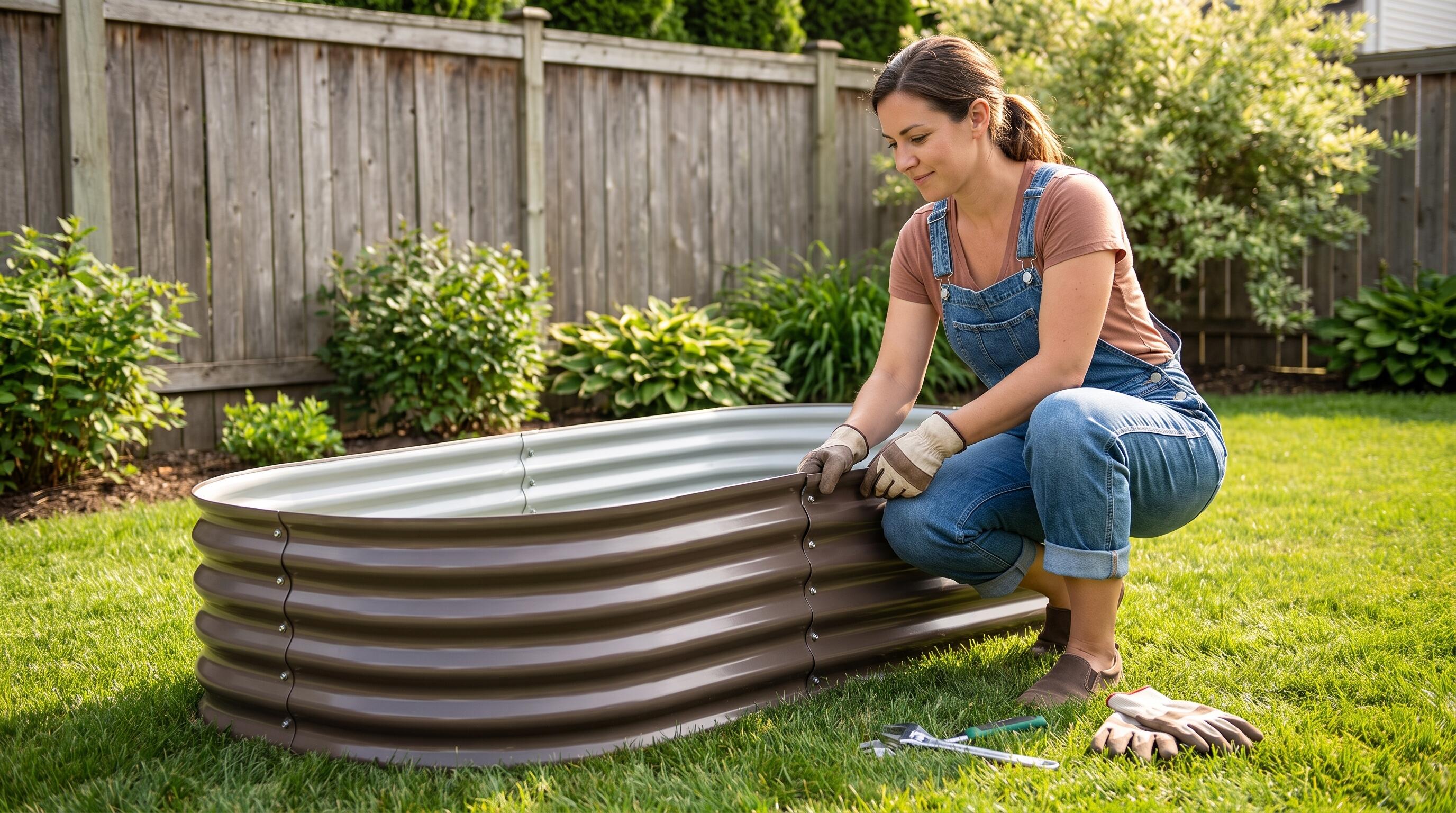
ALT: First-time gardener assembling a galvanized steel raised bed outdoors, raised bed gardening setup guide
Your First Galvanized Steel Raised Bed: How to Set It Up in Under an Hour
Key Conclusion: Setting up a galvanized steel raised bed for the first time doesn't have to be complicated or time-consuming. With the right preparation, a clear raised bed layout plan, and basic tools on hand, most homeowners can complete full assembly in under an hour. Once in place, you can integrate a simple drip irrigation system and add decorative touches like kinetic wind spinners to create a functional, beautiful garden space that lasts up to 20 years.
Getting started with raised bed gardening is one of the most rewarding decisions a home grower can make. Whether you're converting a patch of lawn into a productive kitchen garden, building a dedicated growing zone for herbs and vegetables, or simply trying to make the most of a small outdoor space, a galvanized steel raised bed offers durability, clean aesthetics, and impressive versatility.
But for first-time assemblers, the process can feel intimidating. Which orientation is best for your raised bed layout? Do you need special tools? How does irrigation fit in? This guide walks you through everything — step by step — so you can go from unboxing to planting-ready in a single afternoon.
Who This Guide Is For
✅ Applicable Scenarios:
- First-time gardeners assembling a galvanized steel raised bed for the first time with no prior experience
- Homeowners who want to set up a complete planting zone — including irrigation systems and decorative elements like kinetic wind spinners — in one session
- Urban micro-gardeners working with limited outdoor space who need a structured, efficient setup process
- Empty nesters or retirees looking for an accessible, low-maintenance garden project with long-term payoff
❌ Not Applicable/Cautions:
- Gardeners seeking information on in-ground or wooden raised bed systems — galvanized steel has specific assembly steps that differ from other materials
- Those planning large-scale commercial installations — this guide is designed for residential home garden setups of one to four beds
Why Galvanized Steel Raised Beds Are Changing Home Gardening
The raised bed gardening movement has surged over the past decade. According to the National Gardening Association, home vegetable gardening participation in the U.S. has grown significantly, with more households than ever choosing to grow food at home. And within that trend, galvanized steel raised beds have emerged as the premium choice for serious home growers.
Unlike wood, which rots and splinters within a few years, galvanized steel is engineered for lasting performance. Anleolife's galvanized steel raised garden beds are built to last up to 20 years, making them a genuinely long-term investment for your outdoor space. The material resists rust, holds its shape season after season, and looks sharp whether you're growing tomatoes, flowers, or herbs.
Beyond durability, the appeal is practical. Galvanized steel beds warm up faster in spring, giving seeds and transplants a head start. Their smooth walls are easy to clean, and the contained environment makes it simple to optimize your soil system without amending an entire yard.
There's also an aesthetic angle. A well-placed raised bed — especially when paired with a thoughtfully designed raised bed layout, drip irrigation systems, and decorative accents like kinetic wind spinners — transforms a utilitarian growing space into something genuinely beautiful. For families pursuing a high-quality outdoor lifestyle, this matters.
The question isn't whether a galvanized steel raised bed is worth it. The question is: how do you get it up and running as smoothly as possible?
Assembling Your Galvanized Steel Raised Bed: Step-by-Step
Three-Step Quick Start
Step 1: Lay Out Your Site and Unbox Your Components
Before touching a single panel, spend 10–15 minutes on site preparation. Choose a level spot that receives at least 6–8 hours of direct sunlight daily. Clear away any debris, grass, or weeds. Lay a weed barrier fabric if desired — this step takes only a few minutes but can save hours of weeding later. Then unbox all components, grouping panels, corner posts, and hardware together. Check that all pieces are present using the included parts list.
Step 2: Attach Corner Posts and Lock Panels Into Place
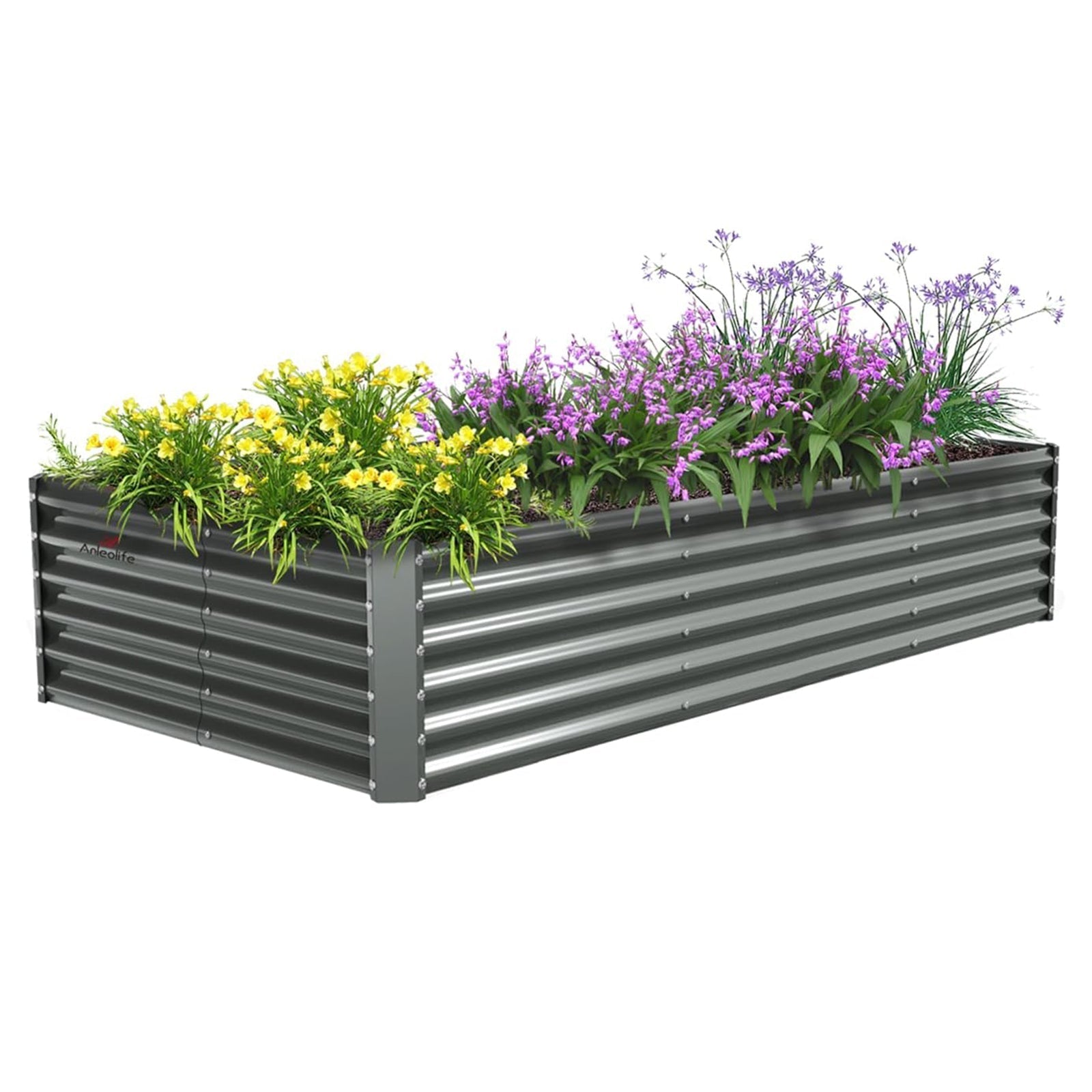
This is the core assembly step and typically takes 20–30 minutes. Start by sliding the first panel into the corner post channel — most Anleolife galvanized steel beds use a tool-free or minimal-hardware interlocking system. Work around the bed shape, connecting each wall panel to the next corner post until the full frame is closed. If your bed includes intermediate support posts for longer spans, insert those as directed. Give each connection a firm press or gentle tap to seat it fully. No power tools required.
Step 3: Level, Fill, and Finish
Once the frame is assembled, check all four sides for level — a simple spirit level works perfectly. If needed, adjust by adding or removing a small amount of soil beneath the base. Then begin filling with your chosen soil system, alternating layers if you're using a Hugelkultur or lasagna layering method. Leave a few inches of clearance from the top. Finally, set up your drip irrigation lines, install any trellis or netting, and add finishing decorative touches — a pair of kinetic wind spinners nearby adds movement and helps deter birds in a whimsical, low-effort way.
Comparing Anleolife Galvanized Steel Bed Options: Which Size Is Right for Your Layout?
Not all raised beds serve the same purpose, and choosing the right dimensions is a key part of smart raised bed garden layout planning. Anleolife offers an extensive range of galvanized steel raised beds to suit different spaces and growing goals. Here's a helpful comparison to guide your decision:
| Comparison Dimension | Compact/Starter Beds | Mid-Range Beds | Large/Extra-Tall Beds |
|---|---|---|---|
| Example Sizes Available | 18" Tall 4x4 ft, 18" Tall 6x3 ft | 18" Tall 8x4 ft, 24" Extra Tall 6x3 ft | 30" Extra Tall 6x3 ft, 30" Extra Tall 10x3 ft, 35" Waist-High 4x1.5 ft |
| Best For | Patios, balconies, first-time gardeners | Family vegetable gardens, herb and flower combos | Deep-root crops, accessibility-focused growing, seniors |
| Soil Volume Needed | Moderate | Higher | Highest |
| Assembly Complexity | Simple | Moderate | Moderate |
| Ideal Irrigation Setup | Single drip line or soaker hose | Multi-zone drip system | Dedicated drip manifold |
| Estimated Lifespan | Up to 20 years | Up to 20 years | Up to 20 years |
| Available Finishes | Consult provider | Consult provider | Consult provider |
For first-time assemblers, an 18" Tall 8x4 ft galvanized steel raised garden bed from Anleolife strikes the ideal balance — enough growing space for a meaningful harvest, manageable assembly, and compatibility with standard irrigation components. Those with back or knee concerns may want to look at the 35" Waist-High or 30" Extra Tall options, which dramatically reduce bending and strain.
Digging Deeper: Setting Up Your Raised Bed Layout, Irrigation, and Decor
Planning Your Raised Bed Layout
A well-considered raised bed layout is what separates a productive garden from a frustrating one. Before assembly day, sketch a simple overhead view of your outdoor space and mark where each bed will go. A few principles to keep in mind:
North-to-south orientation is typically recommended for rectangular beds — it ensures that taller plants on the north end don't shade shorter ones to the south. For square or round beds, this matters less, but sun mapping your space in the morning and afternoon will reveal any shade patterns from fences, structures, or trees.
Pathway width is often underestimated by first-time gardeners. Allow at least 18–24 inches between beds for comfortable access, and 36 inches if you plan to use a wheelbarrow. This isn't just about comfort — adequate paths promote airflow, reduce disease pressure, and make harvesting much more enjoyable.
Grouping beds by water need is a simple but powerful strategy. If you're installing multiple beds, place those growing thirsty crops like squash and tomatoes together on a single irrigation zone. Drought-tolerant herbs like rosemary and thyme can share a separate zone with lower output. This makes managing your irrigation systems far more efficient.
Building a Soil System That Works
The galvanized steel frame is only as good as what goes inside it. A high-performing soil system for raised bed gardening typically combines three elements: a quality loamy base, organic compost for fertility, and a drainage amendment like perlite or coarse sand.
For deep beds — especially the 24" or 30" extra-tall options — consider filling the bottom third with organic material such as straw, logs, or cardboard to reduce the total volume of purchased soil needed and to improve long-term soil biology. This approach, sometimes called Hugelkultur, naturally enriches the soil as organic matter breaks down.
The best soil amendments for organic raised garden beds include well-aged compost, worm castings, biochar, and kelp meal. Avoid using straight garden soil from your yard, which tends to compact and drain poorly inside a contained raised bed environment. A custom mix — roughly 60% topsoil, 30% compost, and 10% perlite — delivers excellent results for most vegetables and herbs.
Installing Your Drip Irrigation System
Once your bed is assembled and filled, setting up a basic drip irrigation system is the single highest-impact upgrade you can make for long-term garden success. Drip systems deliver water directly to the root zone, reducing evaporation by up to 50% compared to overhead sprinklers and dramatically lowering the risk of fungal disease on foliage.
For a standard 8x4 raised bed, a simple inline drip tape or a few adjustable emitters connected to a ¾-inch main line will provide even coverage. Pair this with a programmable timer, and your garden can water itself — a major advantage for busy families, frequent travelers, or retirees who want reliability without daily effort.
Connecting to a standard garden hose is straightforward: attach a backflow preventer, add a Y-splitter if running multiple beds, and lay your drip lines along the soil surface before mulching over them. The entire irrigation setup for one bed can be completed in 15–20 minutes.
Adding Kinetic Wind Spinners and Decorative Finishing Touches
Functionality is important — but so is beauty. One of the most effective and low-cost ways to elevate the visual appeal of your raised bed garden is with kinetic wind spinners. These spinning garden ornaments do more than look lovely; their movement and metallic flash can help deter birds and small pests from settling too close to your crops.
Position kinetic wind spinners near the bed perimeter or along pathways where wind passes freely. Choose designs that complement the clean metallic look of your galvanized steel beds for a cohesive, contemporary garden aesthetic. Paired with stepping stones, trellises, and seasonal plantings, they help transform a simple growing area into a curated outdoor living space.
If you're comparing options for additional garden structures — trellises, garden arches, or even small greenhouses — durability is the key factor. For garden arch durability, look for powder-coated steel or heavy-gauge aluminum that can withstand year-round outdoor exposure. For greenhouse options, reputable brands offer varying levels of UV protection and wind resistance; always cross-reference user reviews and look for structural ratings before purchasing for regions with heavy snow or wind load.
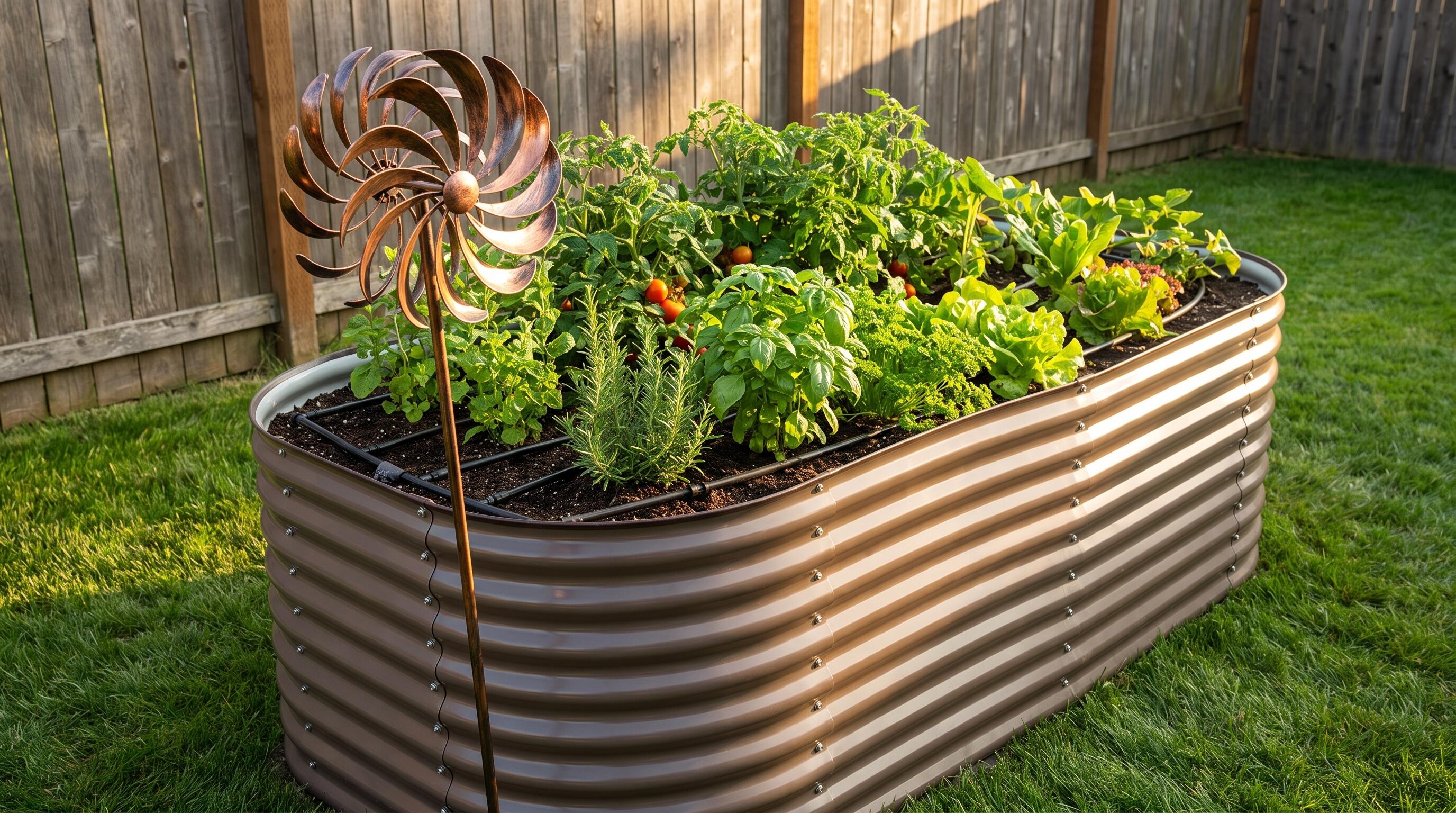
ALT: Galvanized steel raised bed with irrigation system, kinetic wind spinner, and thriving vegetable garden in a residential backyard
Advanced Setup Considerations and Common Misconceptions
Special Situations Worth Planning For
Sloped or uneven ground: If your yard has a mild slope, you don't need to regrade the whole area. Galvanized steel beds can be shimmed level on one side by adding a layer of compacted gravel beneath the lower edge. For slopes greater than a few inches, terracing with two or more stepped beds is a cleaner long-term solution.
Raised beds on concrete or decking: Many urban gardeners and condo dwellers place raised beds directly on hard surfaces. This works well with the extra-tall or waist-high Anleolife models, which provide enough soil depth for most crops without needing to connect to native soil below. Ensure your surface can handle the weight of a soil-filled bed before committing to placement.
Extending your ecosystem: Once you're comfortable with one raised bed, expanding into a full planting-and-raising ecosystem is natural. Anleolife's product range spans not just raised beds but also chicken coops, rabbit hutches, and beautification accessories — allowing you to grow food, raise animals, and create a genuinely integrated homestead experience, even on a modest suburban lot.
Common Misconceptions Cleared Up
"Galvanized steel will leach zinc into my soil and harm my plants." This is a frequently repeated concern that research consistently fails to support at harmful levels. The zinc coating on galvanized steel is stable and releases only trace amounts under normal conditions — well within safe thresholds for edible crops. Anleolife's beds are designed for food gardening, and their 20-year lifespan reflects this safety standard.
"I need a professional installer." Not at all. Anleolife's galvanized steel raised beds are specifically designed for DIY assembly. The interlocking panel system means most setups require no power tools and can be completed solo in under an hour.
"Vego Garden vs. Anleolife — aren't they basically the same?" This is a common question from shoppers. Both brands offer metal raised garden beds, but Anleolife distinguishes itself through its full-scenario product ecosystem — covering planting, raising, and garden beautification — rather than focusing solely on beds. Anleolife also backs its products with a nationwide U.S. warehouse network (California, Texas, Florida, New York, Illinois, and Washington), enabling delivery within 3–8 business days, and offers multi-channel availability across Amazon, Walmart, Home Depot, Lowe's, Wayfair, and the official Anleolife.com website.
Frequently Asked Questions FAQ
Q1: How do I choose the right Anleolife raised bed size for a beginner vegetable garden?
For most first-time gardeners, an 18" tall 8x4 ft galvanized steel raised bed provides a good balance between growing space and manageability. It's wide enough to plant in three rows but still reachable from both sides without stepping inside. If back strain is a concern, consider upgrading to a 24" extra-tall or 30" extra-tall model, which significantly reduces bending. All models share the same durable construction and 20-year lifespan.
Q2: Is it safe to grow vegetables in a galvanized steel raised bed?
Yes. Research consistently shows that zinc leaching from galvanized steel occurs at very low levels that pose no known risk to human health through food consumption. The protective zinc coating is chemically stable under normal soil and moisture conditions. Galvanized steel raised beds have been widely used for food production by home gardeners and small-scale growers for many years. Anleolife's beds are purpose-built for residential food gardening and are safe for growing herbs, vegetables, and fruit.
Q3: How long does assembly typically take, and what tools do I need?
For most Anleolife galvanized steel raised beds, the assembly process takes between 30 minutes and one hour for a first-time builder working alone. No power tools are required — a rubber mallet for seating stubborn panel connections and a spirit level for checking your base are the only additions to the included hardware. After assembly, filling the bed with soil takes additional time depending on bed size, but the structural setup itself is genuinely a sub-one-hour project.
Summary
Setting up your first galvanized steel raised bed is less about technical skill and more about preparation, planning, and following a clear process. The three core takeaways from this guide:
- Assembly is genuinely achievable in under an hour — Anleolife's galvanized steel raised beds are designed for DIY-friendly setup, with no power tools required and an intuitive interlocking panel system that first-timers can master quickly.
- Your raised bed layout, soil system, and irrigation setup are equally important — spend as much thought on where you place your beds, how you orient them for sun, and how you'll water them as you do on the physical assembly. These decisions determine your long-term success.
- A well-designed raised bed garden is both functional and beautiful — from kinetic wind spinners that add movement and deter pests, to drip irrigation that waters your crops efficiently, to a curated soil system that feeds your plants organically, every layer of your setup contributes to a garden you'll love spending time in.
Your next step: measure your available outdoor space, sketch a simple raised bed layout, and browse the full range at Anleolife.com to find the bed size and height that suits your needs best. With delivery available within 3–8 business days through Anleolife's nationwide warehouse network, your garden upgrade is closer than you think.
Start Growing With Anleolife
Anleolife's nationwide U.S. warehouse network is strategically located in California, Texas, Florida, New York, Illinois, and Washington — ensuring delivery within 3–8 business days so your garden plans never have to wait. Products are available on major platforms including Amazon, Walmart, Home Depot, Lowe's, and Wayfair, as well as directly at Anleolife.com, with consistent quality assurance and after-sales support across every channel.
Anleolife's three core scenarios — Planting (metal raised garden beds, soil systems), Raising (chicken coops, rabbit hutches), and Beautification (decorative accessories, pathway systems) — mean that as your garden grows, your product ecosystem grows with it.
We understand that an ideal garden isn't built overnight — it's built gradually, one season at a time. Anleolife's modular product design allows you to expand flexibly, from your first 8x4 raised bed to a fully integrated planting-and-raising ecosystem. We grow with you, every step of the way.
References
- National Gardening Association. "Garden to Table: A Guide to Home Food Gardening".
https://garden.org/ - University of Minnesota Extension. "Raised Bed Gardening".
https://extension.umn.edu/yard-and-garden/raised-bed-gardening - UC Agriculture and Natural Resources. "Irrigating the Vegetable Garden".
https://ucanr.edu/ - Oregon State University Extension Service. "Raised Bed Gardening".
https://extension.oregonstate.edu/gardening/techniques/raised-bed-gardening - U.S. Department of Agriculture. "Urban Agriculture".
https://www.usda.gov/topics/farming/urban-agriculture
Note: Standards and best practices may be updated periodically. Please check the latest official documents or consult a local extension service advisor for the most current guidance.
About Anleolife
Anleolife is a leading outdoor garden solutions provider in North America, dedicated to offering a full-scenario product ecosystem for home gardening enthusiasts, covering planting, raising, and garden beautification. Since its founding, we have upheld our brand mission, "Made for Garden Life," continuously innovating products and optimizing services to help hundreds of thousands of users upgrade their gardens, reconnect with nature, and enjoy a better garden lifestyle.