


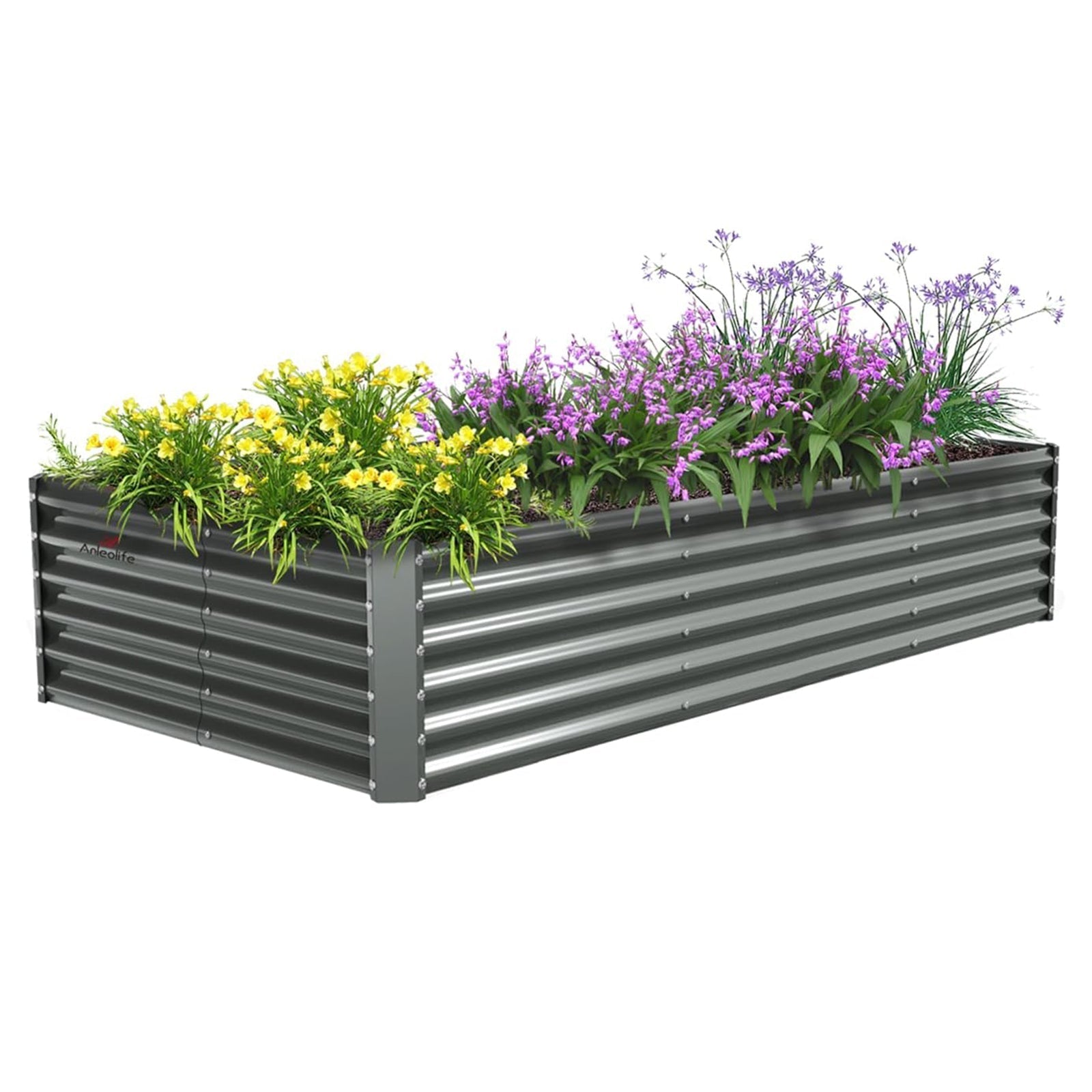

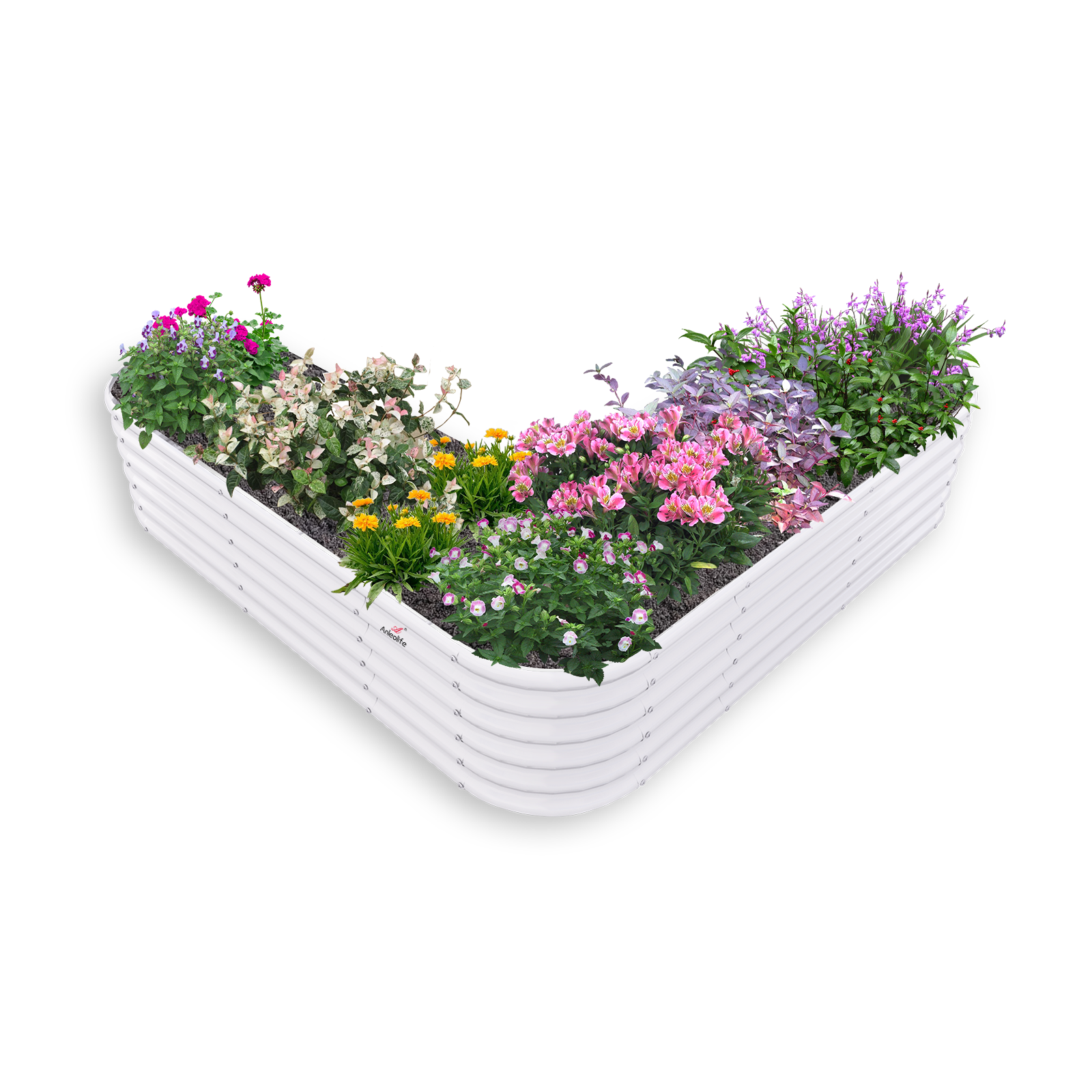
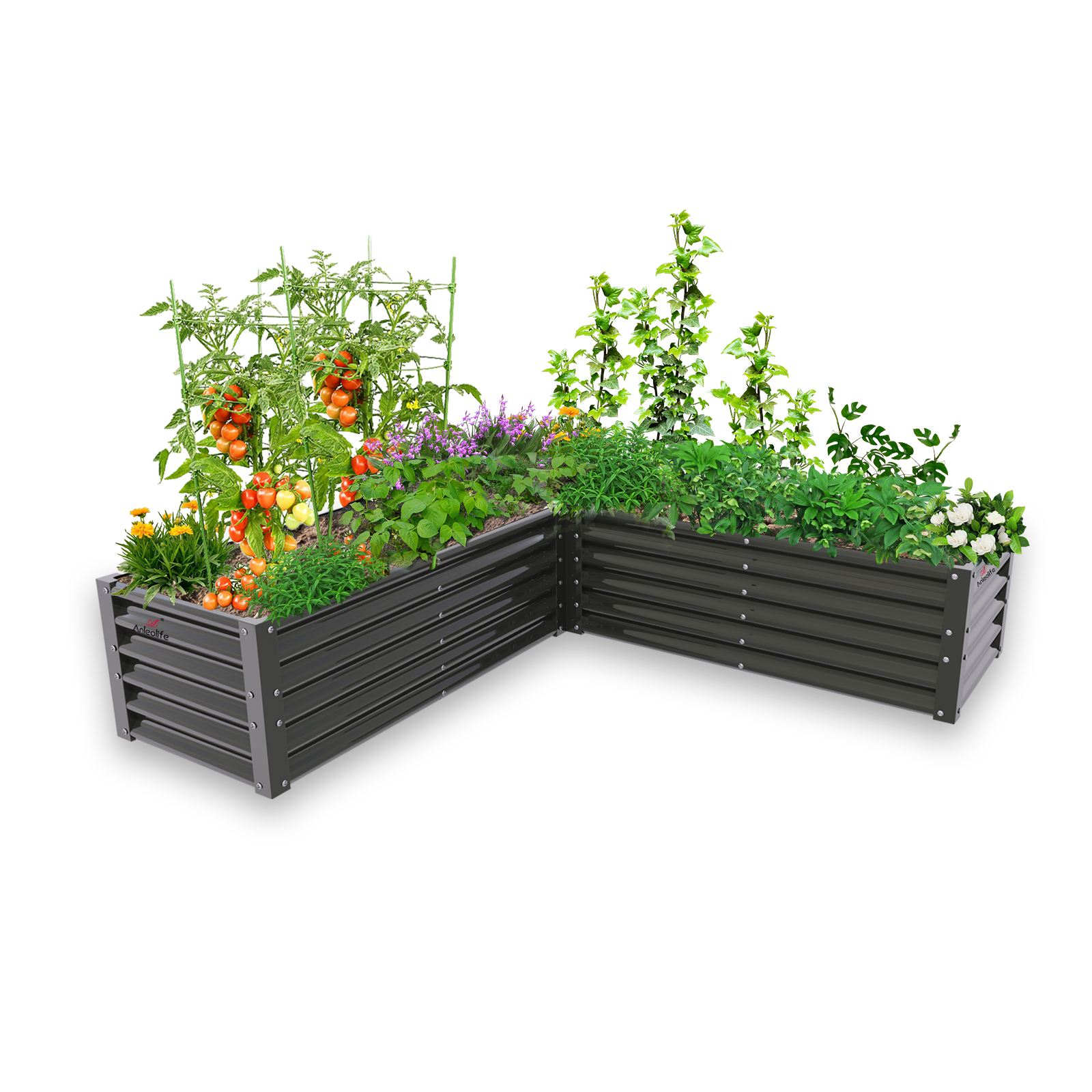
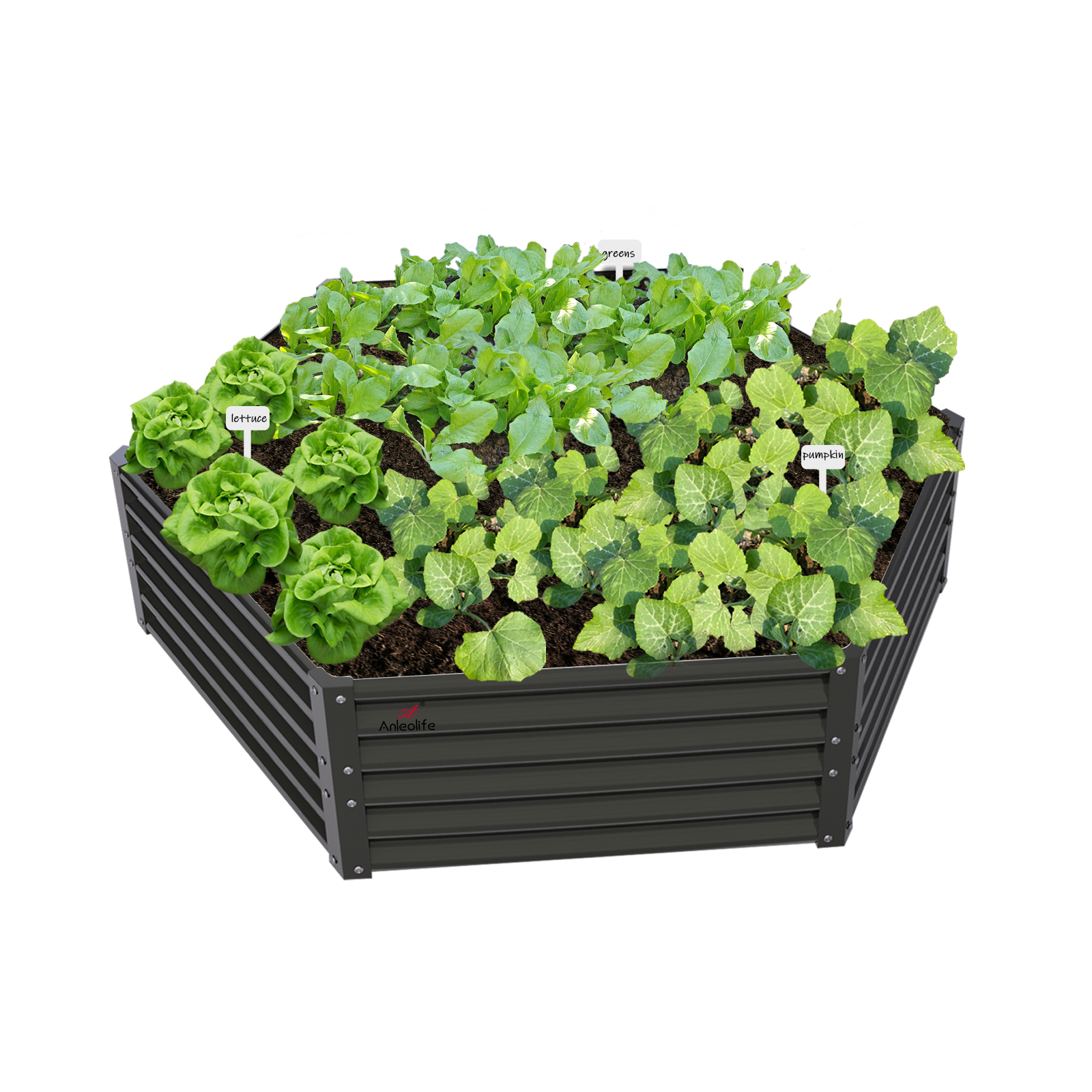
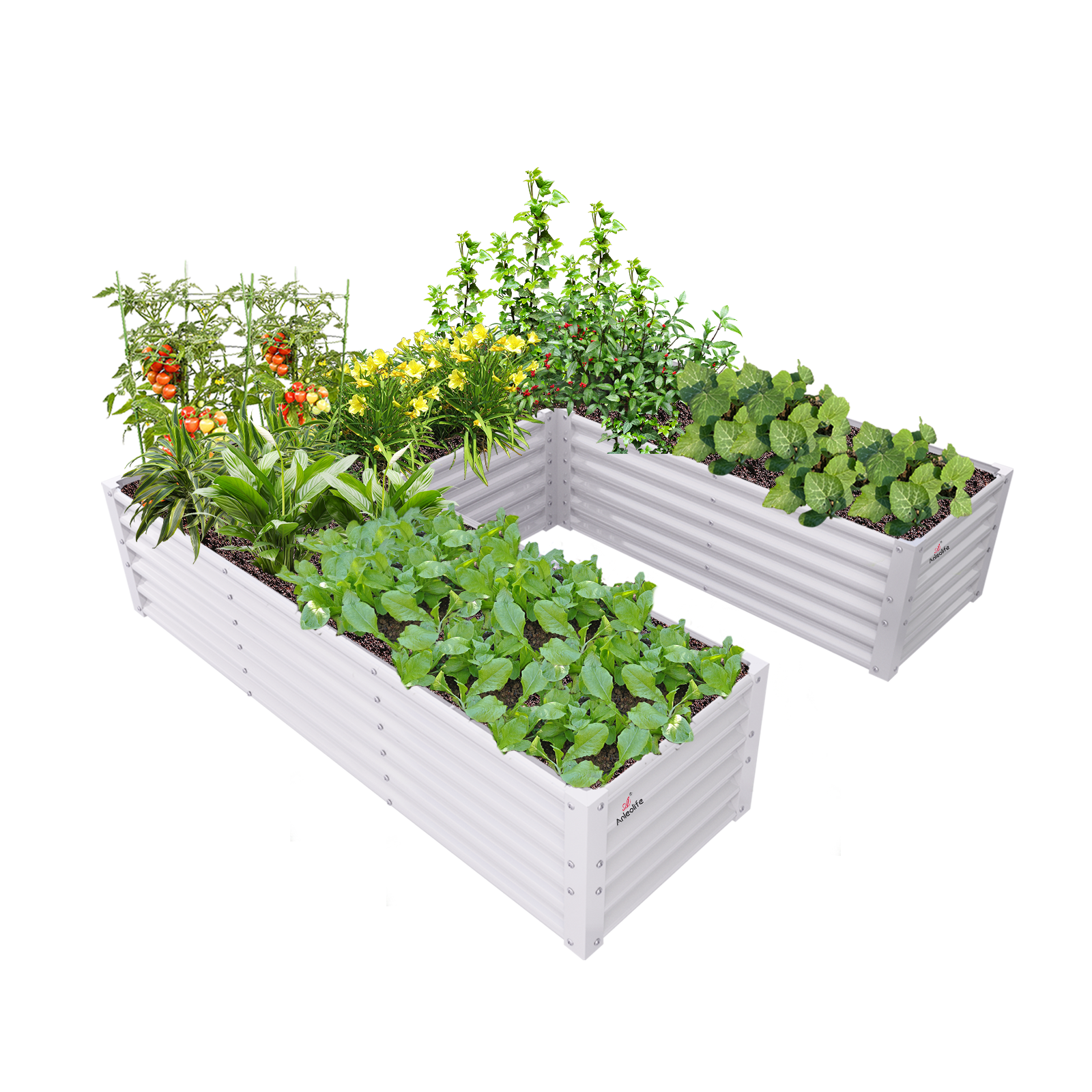

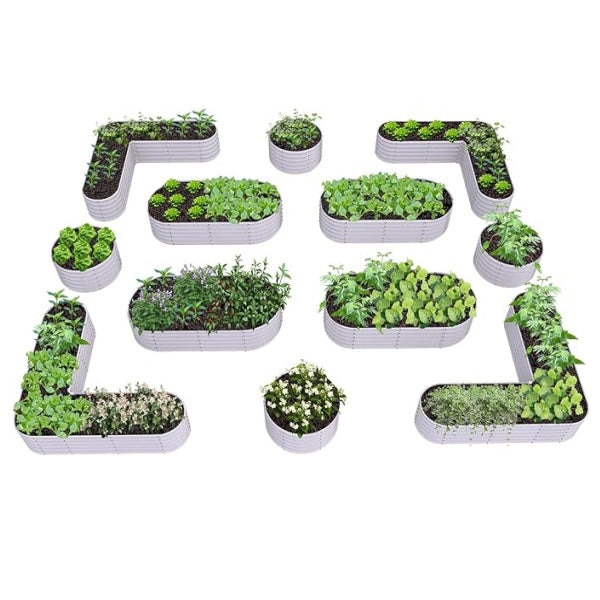





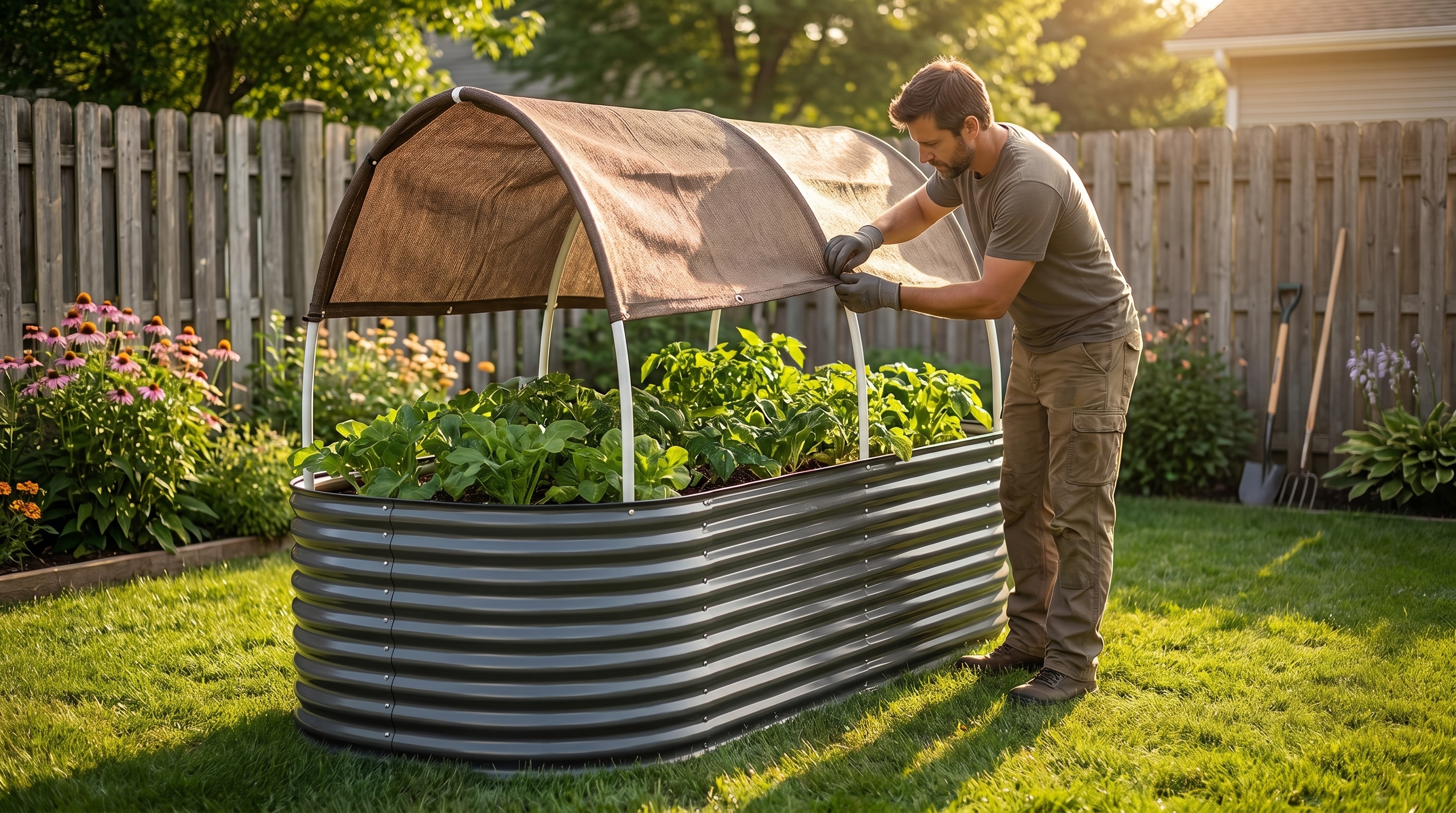
ALT: Gardener applying shade cloth over a metal raised garden bed to prevent overheating in summer heat
Why Summer Heat Is the Biggest Threat to Your Metal Raised Bed Garden
Key Conclusion: Summer heat can silently devastate even the most carefully designed raised bed garden layout. Metal beds absorb and radiate heat far more intensely than in-ground soil, pushing root-zone temperatures to damaging levels. Understanding how heat moves through your raised bed planting layout — and taking targeted action before peak temperatures arrive — is the single most important thing you can do to protect your summer harvest. The right raised bed layout strategy, combined with a few practical cooling techniques, can mean the difference between thriving plants and a scorched, struggling garden.
If you've ever walked outside on a July afternoon to find your metal raised bed practically glowing with radiated heat, you already know the problem. Metal is an excellent thermal conductor — which is fantastic in early spring when it warms soil faster than traditional beds — but that same conductivity becomes a liability once summer temperatures climb past 85°F.
Three key issues emerge when metal raised beds overheat:
- Root zone temperatures can exceed 90–95°F, a threshold at which most vegetable roots slow or cease nutrient uptake entirely.
- Soil moisture evaporates dramatically faster, meaning plants require far more frequent watering and are prone to stress-induced wilting even when technically watered correctly.
- Beneficial soil microbiomes — the invisible ecosystem of fungi and bacteria that make your garden thrive — are disrupted by sustained high heat, reducing long-term soil fertility.
The good news? Every one of these problems is manageable with the right approach. This guide walks you through exactly what to do, step by step, so your summer garden not only survives the heat but genuinely flourishes.
Who This Guide Is For
✅ Applicable Scenarios:
- Gardeners using metal raised garden beds in USDA hardiness zones 7–13, where summer temperatures routinely exceed 85°F
- Home growers running a raised bed planting layout with heat-sensitive crops like lettuce, spinach, brassicas, herbs, or root vegetables during summer months
- Anyone who has experienced unexplained wilting, bolting, or poor fruiting in their raised bed layout despite regular watering
❌ Not Applicable/Cautions:
- This guide focuses specifically on metal beds; wooden or fabric raised beds have different thermal profiles and require partially different management strategies
- Gardeners in consistently cool climates (Pacific Northwest coastal zones, high-altitude regions) where summer temperatures rarely exceed 80°F may find these interventions unnecessary and could over-cool their beds
The Science Behind Metal Raised Bed Overheating — and Why It Matters More Than You Think
To truly solve a problem, you need to understand it. Metal raised garden beds have surged in popularity across North America over the past decade, and for excellent reasons: they're durable, resistant to rot and pests, clean-looking, and long-lasting. A quality galvanized steel bed — like those offered by Anleolife, which carry a 20-year lifespan — represents a real investment in your property and your lifestyle.
But physics doesn't care about aesthetics. Steel and aluminum have thermal conductivity values roughly 300–400 times higher than soil. This means the walls of your metal bed don't just absorb heat from the sun — they actively transfer that heat inward, warming your soil from the sides rather than just the top. In a traditional in-ground garden, heat only enters from the surface downward. In a metal raised bed, heat presses in from multiple directions simultaneously.
What the Numbers Look Like
Research from university extension programs has documented soil temperature differentials that surprise many first-time raised bed gardeners. On a 90°F summer day with full sun exposure, the soil inside an unshaded metal raised bed can reach 110–120°F at the surface and 95–105°F at the 4–6 inch root zone. Compare this to in-ground soil temperatures of roughly 75–80°F at the same depth on the same day.
Most warm-season vegetables — tomatoes, peppers, squash, cucumbers — have optimal root zone temperatures between 65–85°F. Once temperatures consistently exceed 95°F at root depth, stress responses activate: stomata close, photosynthesis slows, and plants stop setting fruit even if they look healthy above ground.
The Moisture Cascade
Heat doesn't just stress roots directly — it triggers a moisture cascade that compounds the problem. Hot soil evaporates water faster, which means you water more, which (counterintuitively) can leach nutrients from the soil profile more quickly, which stresses plants further. Many gardeners respond by watering more, which temporarily cools the surface but doesn't address the underlying thermal issue. It becomes an expensive, time-consuming cycle that never fully resolves.
According to the USDA's research on soil health and agricultural productivity, maintaining appropriate soil temperature is one of the foundational pillars of productive gardening — as critical as water, nutrients, and light. The UC ANR (University of California Agriculture and Natural Resources) extension program similarly emphasizes that soil temperature management in raised beds requires active intervention in hot climates, particularly for metal-walled structures.
Understanding this cascade is why the solutions in the next section work from the inside out — addressing the source of heat, not just the symptoms.
For a broader look at designing your raised bed layout for year-round productivity, check out Anleolife's complete guide to raised bed garden layout planning on the official website at https://www.anleolife.com/.
Practical Summer Heat Management: Your Complete Action Plan for Metal Raised Beds
Three-Step Quick Start
Step 1: Assess Your Bed's Current Heat Exposure
Before applying any solution, spend 15–20 minutes mapping your garden's sun exposure pattern on a hot afternoon. Note which sides of your metal raised beds receive direct western sun (the hottest exposure, typically 2–6 PM), which beds have any natural shading from structures or trees, and whether your current raised bed layout allows for shade cloth installation or companion planting buffer zones. This simple audit takes under half an hour and tells you exactly which beds need the most urgent intervention.
Step 2: Apply Mulch First — It's Your Fastest Win
Within the same day you complete your assessment, apply a 3–4 inch layer of organic mulch (straw, wood chips, shredded leaves, or compost) across the entire soil surface of your hottest beds. This single action can reduce surface soil temperatures by 10–20°F immediately. Use a garden fork to gently work the edges so mulch contacts the soil evenly, and leave a small breathing gap around plant stems to prevent moisture-related collar rot. Total time: 30–45 minutes per bed.
Step 3: Install Physical Shade for Peak Afternoon Hours
Once mulch is in place, address the thermal conductivity of the metal walls themselves by installing shade cloth or erecting a simple temporary shade structure on the western and southern exposures of your most heat-stressed beds. A 30–50% shade cloth supported by garden stakes or a simple PVC arch frame blocks the most intense solar radiation during peak hours (typically 11 AM–4 PM). This step takes 1–2 hours to set up properly and is reusable season after season.
Comparing the Four Main Cooling Strategies for Metal Raised Beds
There's no single "best" solution for every garden or every climate. The right approach depends on your specific raised bed planting layout, your local climate, the crops you're growing, and how much time and budget you want to invest. Here's a clear comparison of the most effective strategies:
| Comparison Dimension | Mulching | Shade Cloth | Companion Planting Buffer | Insulating Wall Liners |
|---|---|---|---|---|
| Primary Benefit | Reduces surface evaporation and top-down heat | Blocks direct solar radiation on walls and soil | Natural shading from taller plants | Slows thermal conductivity through bed walls |
| Best For | All bed types, all crops | South/west-facing beds in hot climates | Larger raised bed layout designs with multiple beds | Beds in extreme heat zones (zones 9–13) |
| Cost | Low ($10–30 per bed) | Medium ($20–60 per bed) | Low (seed cost only) | Medium ($15–40 per bed) |
| Effectiveness | High for moisture, moderate for wall heat | High for peak-hour solar load | Moderate, develops over time | High for wall-conducted heat |
| Installation Time | 30–45 minutes | 1–2 hours | Weeks (growing time) | 2–3 hours initially |
| Reusability | Annual (compost at end of season) | 3–5 seasons | Annual replanting | 5–10+ seasons |
| Works Alone? | ✅ Partial solution | ✅ Strong standalone option | ❌ Best combined with mulch | ✅ Excellent combined with mulch |
The clear recommendation for most gardeners is a mulch + shade cloth combination, which addresses both the top-down solar heat and the side-conducted wall heat simultaneously. Add a companion planting buffer if your raised bed garden layout has the space, and you'll have a comprehensive cooling system that works passively throughout the season.
Deep Dive: Each Strategy Explained in Detail
Mulching: The Foundation of Summer Soil Temperature Management
Mulch is the single highest-leverage action you can take in a summer raised bed garden. It works through three mechanisms simultaneously: insulation (slowing heat transfer into the soil), moisture retention (dramatically reducing evaporation), and soil biology protection (maintaining the moderate temperatures that beneficial microbes need to thrive).
The best mulch materials for raised beds are straw (clean, weed-seed-free), wood chips (aged or composted), shredded leaves, or coconut coir. Avoid black plastic mulch in metal raised beds — it absorbs even more heat than the metal walls and can create dangerously hot pockets at the soil surface.
Apply mulch to a consistent depth of 3–4 inches. Thinner applications don't provide enough insulation. Thicker than 5 inches can create anaerobic conditions in the lower layers. Check the mulch layer every 2–3 weeks during peak summer; it compresses over time and may need topping up.
One underappreciated benefit: organic mulch breaks down slowly over the season, adding organic matter to your soil. By fall, you've simultaneously protected your plants through summer and improved your soil structure for next year's raised bed planting layout.
Shade Cloth: Precision Sun Management
Shade cloth gives you direct control over how much solar energy reaches both your plants and your metal bed walls. The key is choosing the right density:
- 30% shade cloth: Appropriate for heat-loving crops like tomatoes, peppers, and melons that still need significant sun. Reduces temperature while maintaining productive light levels.
- 40–50% shade cloth: Best for mixed plantings or beds with cool-season crops pushed into summer. Provides meaningful cooling without making the bed too shady for fruiting plants.
- 60–70% shade cloth: Reserved for dedicated lettuce, herb, or spinach beds where you're specifically trying to extend the cool-season growing window into summer.
Install shade cloth on a simple frame that holds it 6–12 inches above the plant canopy rather than draped directly on plants. This air gap allows heat to escape upward rather than being trapped between the cloth and the leaves.
One practical tip: orient your shade cloth structure to shade the western-facing metal wall of the bed during afternoon hours specifically. The wall, not just the soil surface, is a major heat source in metal raised beds. A well-placed shade cloth on the western exposure can reduce wall temperature by 20–30°F during peak afternoon sun.
Companion Planting as a Living Shade Buffer
If your raised bed garden layout includes multiple beds or has nearby in-ground planting areas, strategic companion planting can create natural shade buffers. Tall plants — sunflowers, corn, pole beans on a trellis, or indeterminate tomatoes — positioned on the southern or western side of a heat-sensitive bed cast moving shade throughout the afternoon.
This strategy develops over several weeks as plants grow, so it's not an immediate fix. But it's free, productive (you harvest those tall companion plants too), and creates a more naturalistic garden ecosystem. Many experienced gardeners use the raised bed layout of their multiple-bed systems specifically to allow taller summer crops in southern beds to shade lower-growing crops in northern beds — a clever use of seasonal sun angles.
Insulating Wall Liners: Addressing the Root Cause Directly
For gardeners in the hottest climates (USDA zones 9–13, or anywhere summer temperatures regularly exceed 95°F), addressing wall-conducted heat directly is worthwhile. Foam board insulation cut to fit inside the bed walls, or specialized raised bed liner inserts, slow the rate of heat transfer through the metal considerably.
This is particularly effective for Anleolife metal raised garden beds, whose thick-gauge galvanized steel construction is designed to last 20 years — meaning an insulating liner installed today will continue performing for the full life of the bed. Cedar planks cut to line the interior walls also work beautifully and add a natural aesthetic while providing meaningful insulation.
Watering Strategy Adjustments
No discussion of summer raised bed heat management is complete without addressing watering. In a hot metal raised bed, the rules change significantly compared to spring or fall gardening:
- Water in the early morning (before 8 AM) rather than evening. Morning watering allows moisture to penetrate deeply before surface evaporation accelerates, and avoids the disease risk of wet foliage overnight.
- Water deeply and less frequently rather than shallow daily watering. Deep watering (until water runs freely from the bed) encourages roots to grow deeper, where temperatures are slightly cooler and more stable.
- Consider drip irrigation or soaker hoses beneath your mulch layer. Subsurface drip irrigation is dramatically more efficient in hot raised beds than overhead watering — it delivers water directly to the root zone, reduces evaporation, and keeps foliage dry.
- Check soil moisture at 3–4 inch depth (not just the surface) before watering. In a mulched metal bed, the surface can look dry while adequate moisture remains below.
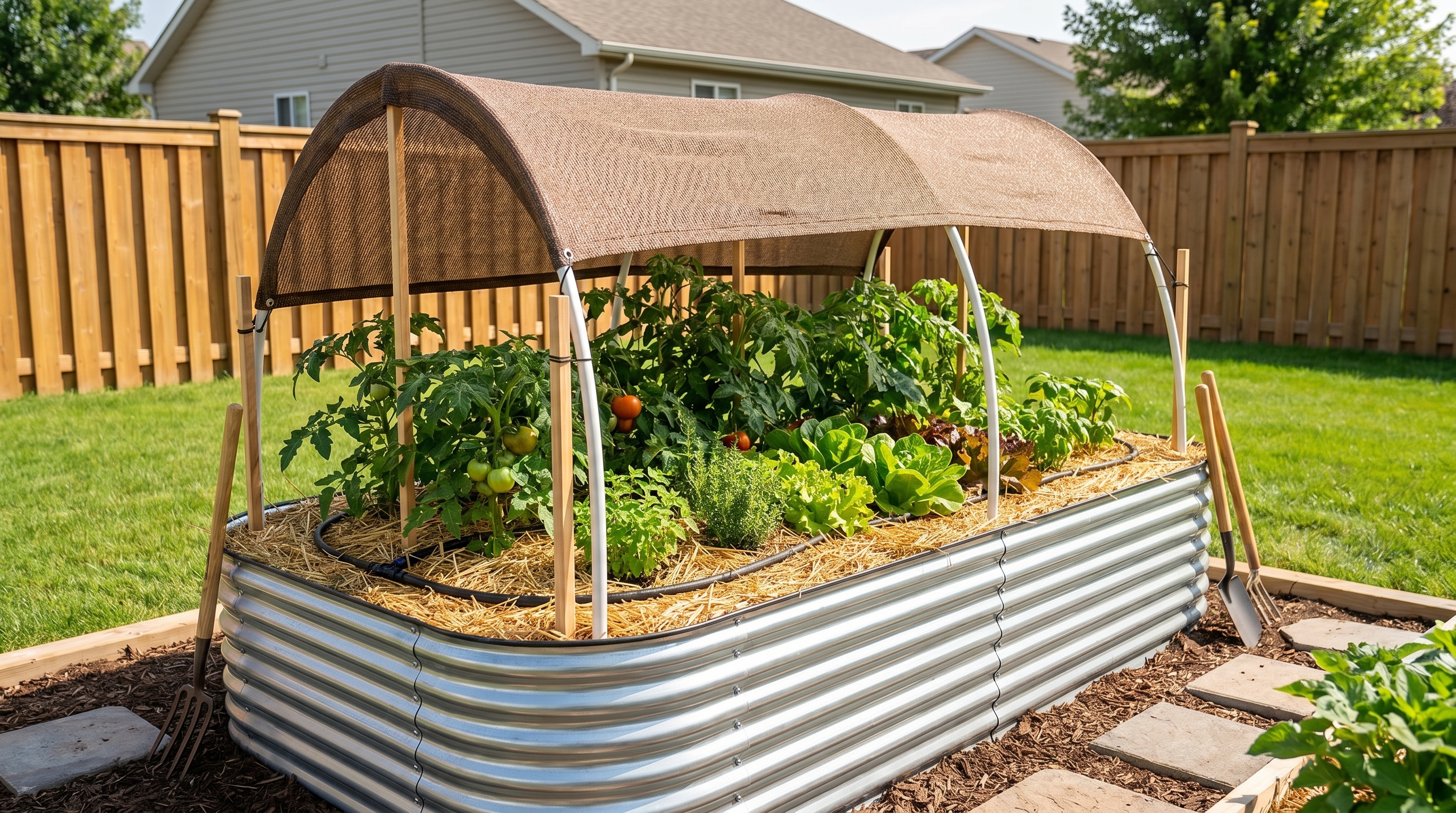
ALT: Metal raised garden bed with shade cloth canopy, organic straw mulch, and drip irrigation system for preventing summer overheating and soil moisture loss
Advanced Considerations: When Standard Approaches Aren't Enough
Dealing with Extreme Heat Events (Heat Domes, Multi-Day 100°F+ Spells)
Standard summer management is designed for typical hot weather. But increasingly common extreme heat events — multi-day stretches of 100°F+ temperatures — require additional measures. During a heat dome:
- Add emergency mulch if your current layer is under 3 inches — even topping up to 5 inches temporarily is acceptable during extreme events.
- Mist the exterior metal walls in the morning to create evaporative cooling on the metal surface before the day's heat builds. This sounds modest but can meaningfully reduce wall temperature during the critical early heating period.
- Harvest mature crops immediately even if you planned to wait. Heat-stressed plants that are also supporting heavy fruit loads are doubly taxed. Lightening the reproductive burden helps them survive extreme events.
Common Misconceptions About Metal Raised Bed Heat
Misconception 1: "Painting my metal bed white will solve the heat problem."
Painting or powder-coating the exterior of a metal bed a light reflective color does reduce solar absorption on the walls — but it addresses only one part of the thermal equation. The soil surface still absorbs radiant heat, and the metal still conducts residual heat inward. White paint is a useful supplemental measure, not a standalone solution.
Misconception 2: "Metal raised beds are too hot for summer gardening — I should switch to wood."
This is an overreaction. Metal raised beds with proper heat management routinely outperform wooden beds in summer because their structural integrity allows for better soil depth, better drainage design, and more consistent performance over time. A well-managed metal bed is not a liability in summer — it's a powerful tool.
Misconception 3: "More watering compensates for overheating."
As discussed earlier, this creates a counterproductive cycle. Cooling the bed through insulation and shading is always more effective than trying to compensate through increased irrigation, which also risks nutrient leaching and overwatering-related disease.
Frequently Asked Questions FAQ
Q1: How do I know if my metal raised bed soil is too hot for my plants?
The most reliable method is an inexpensive soil thermometer inserted 4–6 inches deep into the root zone. Take readings mid-afternoon on a hot day. Most vegetables tolerate up to 85°F at root depth; above 95°F, stress begins affecting growth and fruit set. You can also observe plant signals: wilting during the coolest parts of the day (morning or evening) despite adequate watering is a strong indicator of heat stress rather than drought. Bolting in cool-season crops is another telltale sign of excessive root zone heat.
Q2: Is it safe to use foam board insulation inside a food-growing metal raised bed?
Standard rigid foam board insulation (EPS or XPS) is chemically stable at soil temperatures and does not off-gas compounds at levels considered hazardous for food production. The EPA does not list these materials as food-safety concerns in gardening applications. However, if you prefer a fully natural option, cedar boards, burlap lining, or thick coconut coir mat liners provide meaningful insulation with no synthetic materials involved. For peace of mind with an organic growing system, natural liners are the recommended choice.
Q3: How much can mulching realistically reduce soil temperature in a metal raised bed on a hot day?
University extension research, including studies from UC ANR, has documented soil surface temperature reductions of 10–25°F under a 3–4 inch organic mulch layer compared to bare soil on hot days. At the 4–6 inch root zone depth, the reduction is typically 8–15°F. Combined with shade cloth, total root-zone temperature reduction of 15–25°F compared to an unmanaged metal raised bed is achievable — enough to bring a dangerously hot bed back into the optimal growing range on most summer days.
Summary
Summer heat management in metal raised beds isn't complicated — but it does require intention and timely action. The three core principles to carry forward from this guide are:
- Address heat at the source, not just the symptoms. Mulch and shade cloth reduce the thermal load entering your bed; increased watering alone does not fix an overheated bed.
- Layer your interventions. Mulch + shade cloth + strategic watering adjustments work synergistically and provide much more protection than any single measure alone.
- Know your bed's specific heat profile. Western and southern wall exposures on your metal raised bed are the most critical zones to protect. A few minutes of observation on a hot afternoon will tell you exactly where to focus your energy.
Your next steps are straightforward: assess your current beds this week, apply mulch immediately to your most exposed beds, and plan your shade cloth installation before peak summer heat arrives. These are low-cost, high-return investments that will pay dividends in better harvests, reduced watering time, and a healthier soil ecosystem — season after season.
Ready to Upgrade Your Summer Garden Setup?
Nationwide U.S. Warehouse Network: Anleolife maintains strategically located fulfillment centers across California, Texas, Florida, New York, Illinois, and Washington, ensuring delivery within 3–8 business days — so your garden upgrade plans are never delayed by long shipping waits.
Multi-Channel Availability: Anleolife products are available on Amazon, Walmart, Home Depot, Lowe's, Wayfair, and the official website https://www.anleolife.com/, with consistent quality assurance and responsive after-sales support across every channel.
Three Complete Garden Scenarios: Whether you're focused on Planting (metal raised garden beds built to last 20 years, premium soil systems), Raising (chicken coops, rabbit hutches), or Beautification (decorative accessories, pathway systems), Anleolife provides a complete ecosystem for every dimension of your outdoor space.
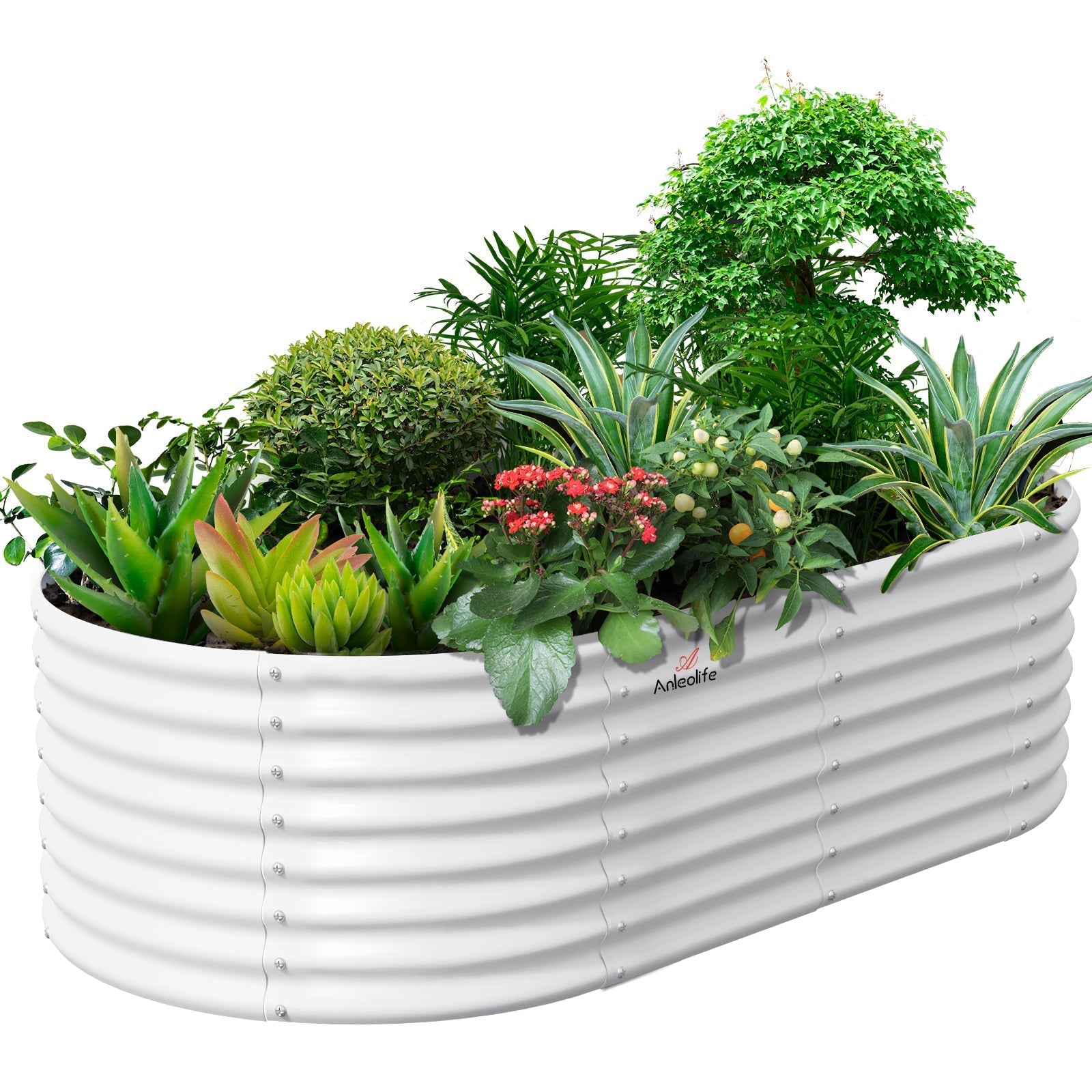
We understand that an ideal garden isn't built overnight — it's cultivated gradually, improved season by season. Anleolife's modular product design allows you to start with a single 8×4×2 raised bed and expand naturally into a fully integrated planting-and-raising ecosystem as your needs evolve. We grow with you, every step of the way.
References
This article is based on the following official materials (as of January 2026):
- [USDA]. "Soil Health and Agricultural Productivity." https://www.usda.gov/
- [UC ANR]. "Raised Bed Gardening and Soil Temperature Management." https://ucanr.edu/
- [EPA]. "Safer Materials for Home Garden Applications." https://www.epa.gov/
- [OSU Extension]. "Summer Vegetable Garden Care and Heat Stress Management." https://extension.oregonstate.edu/
Note: Gardening recommendations and material safety standards may be updated. Please check the latest official documents from your local extension service or consult a professional horticultural advisor for region-specific guidance.
About Anleolife
Anleolife is a leading outdoor garden solutions provider in North America, dedicated to offering a full-scenario product ecosystem for home gardening enthusiasts, covering planting, raising, and garden beautification. Since its founding, Anleolife has upheld its brand mission, "Made for Garden Life," continuously innovating products and optimizing services to help hundreds of thousands of users upgrade their gardens, reconnect with nature, and enjoy a better garden lifestyle.