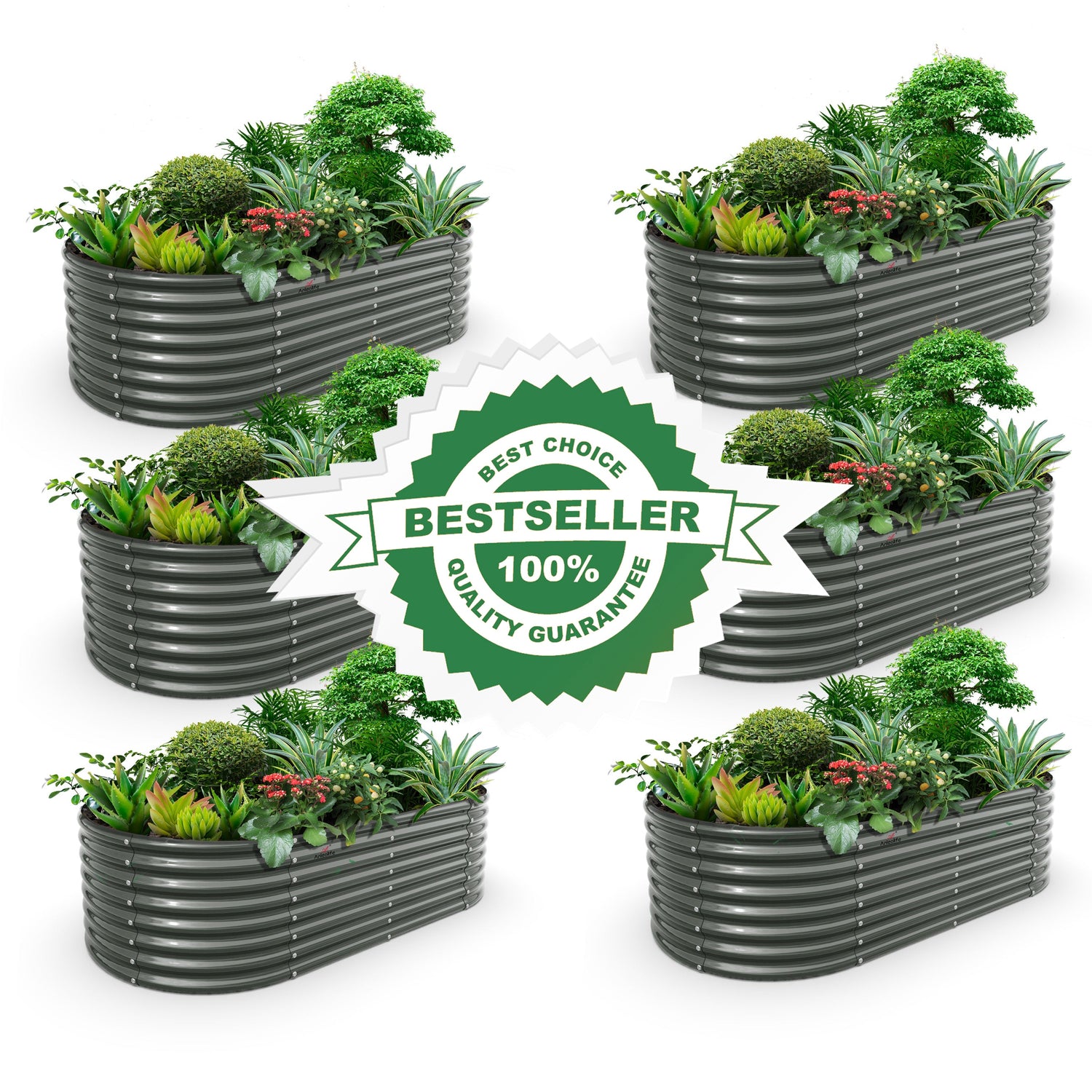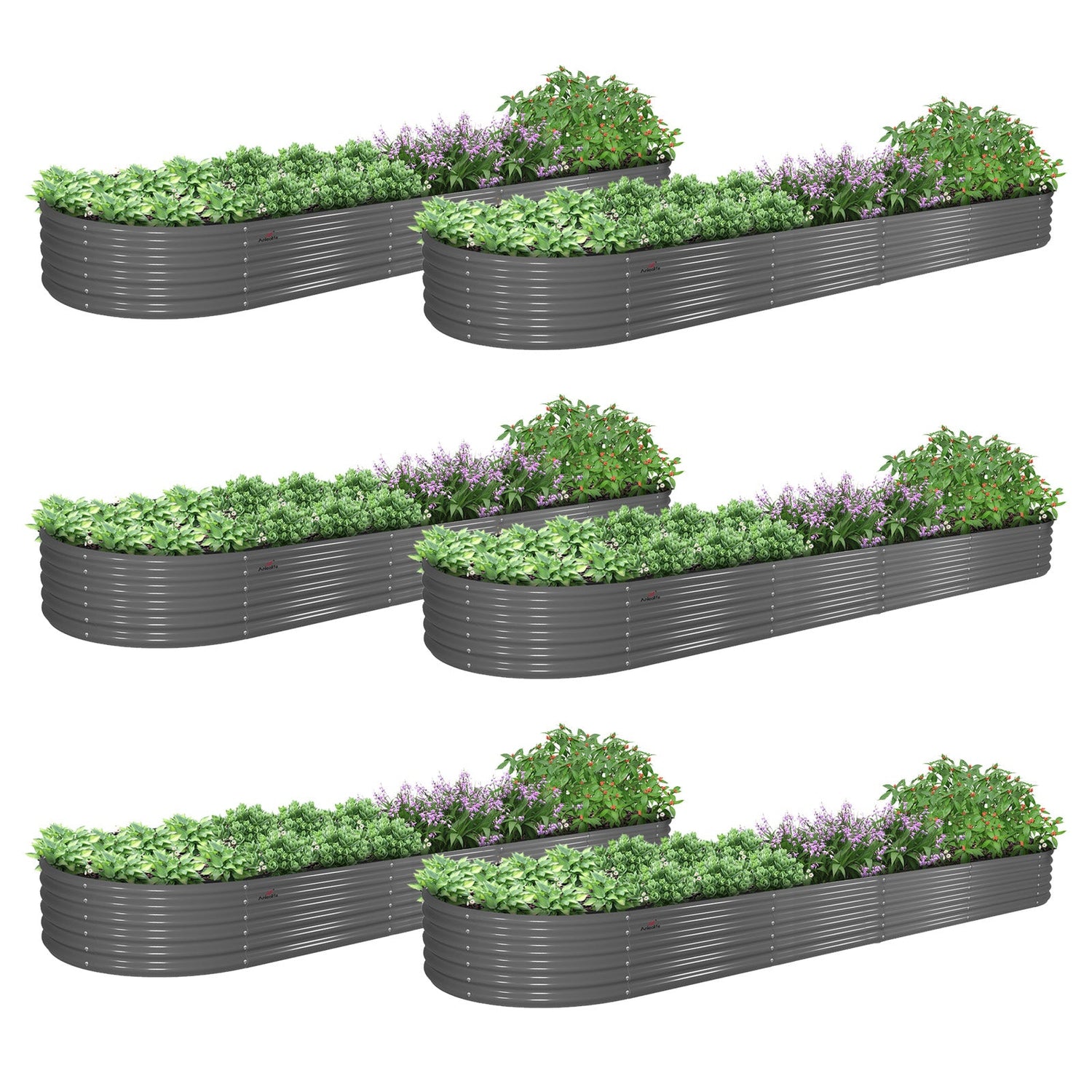



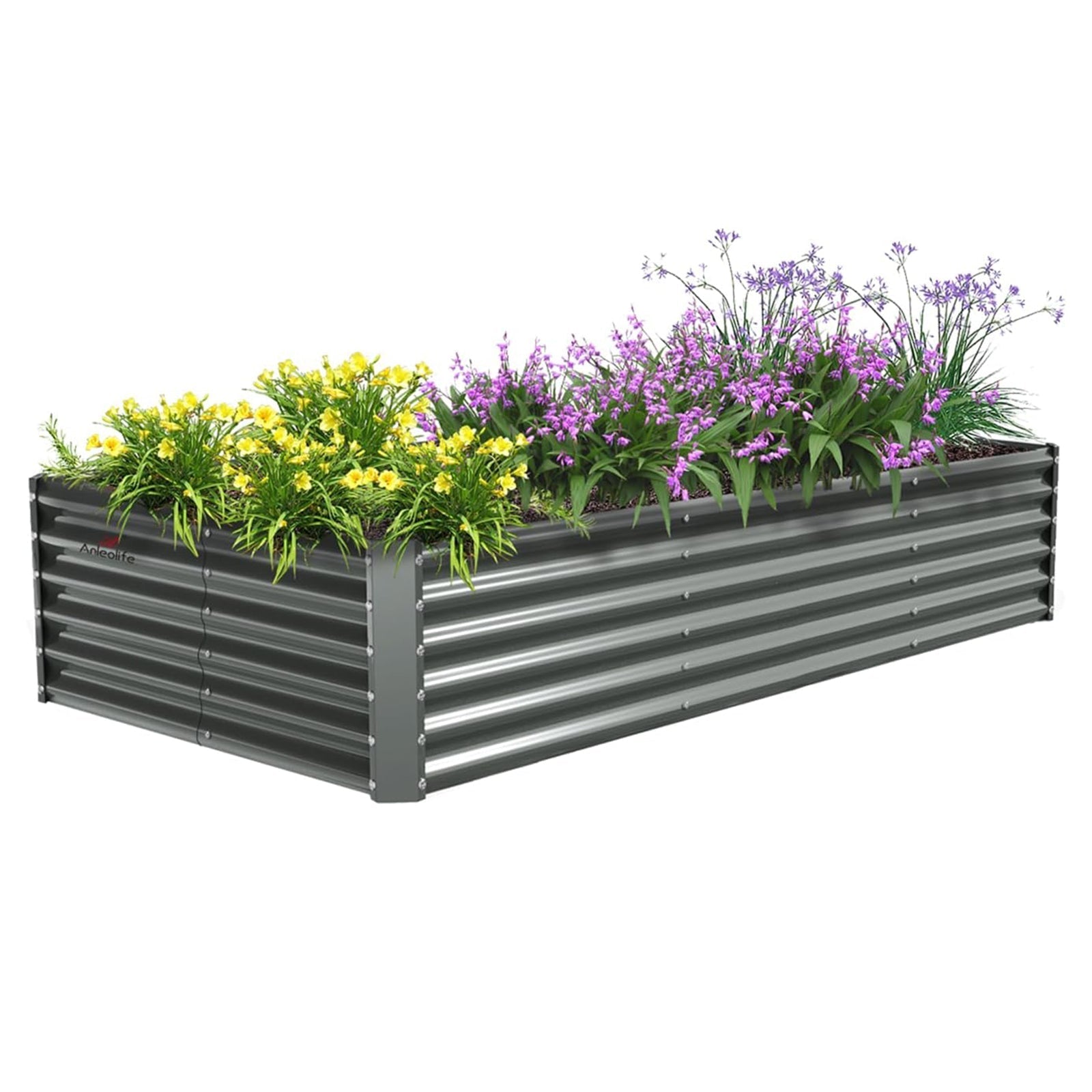

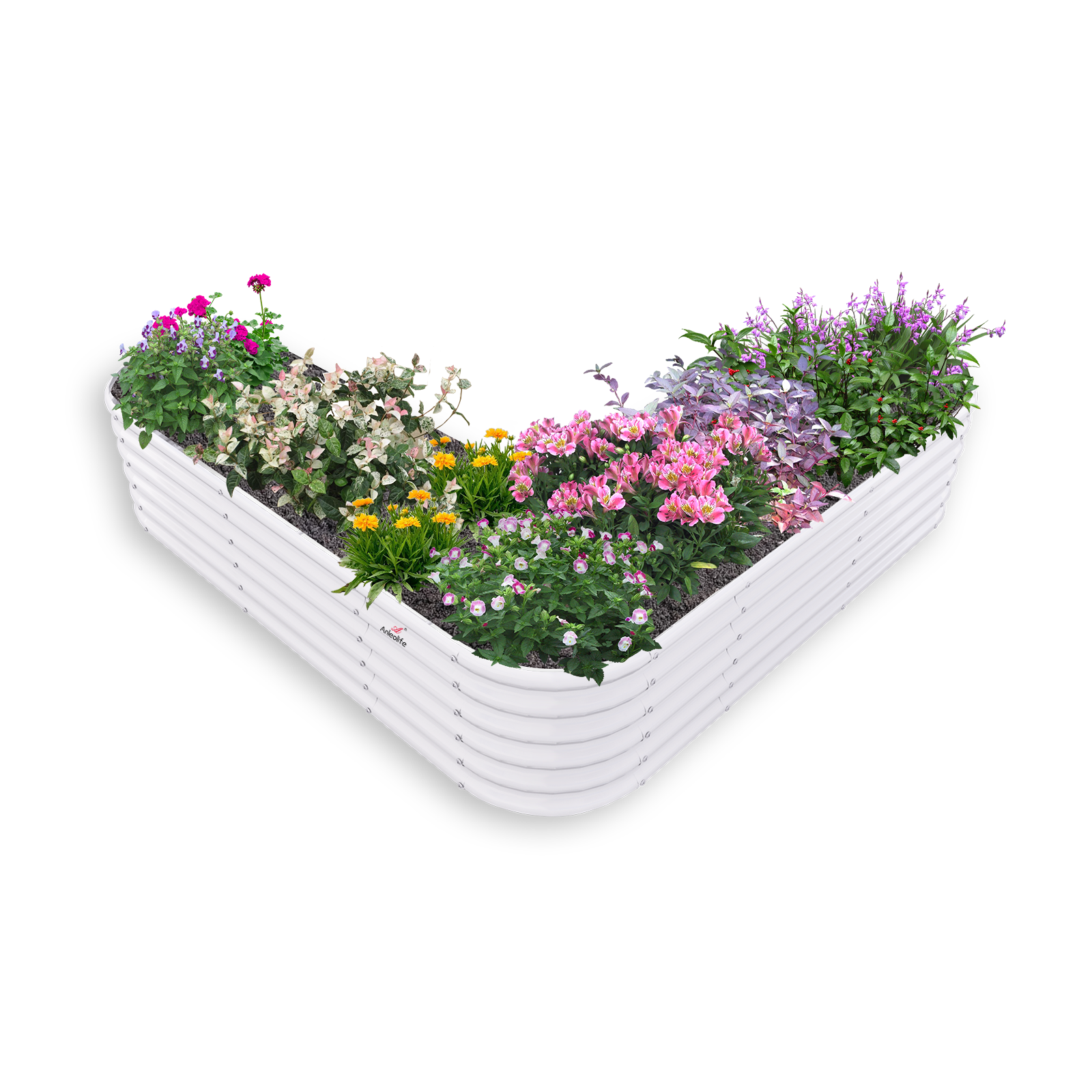
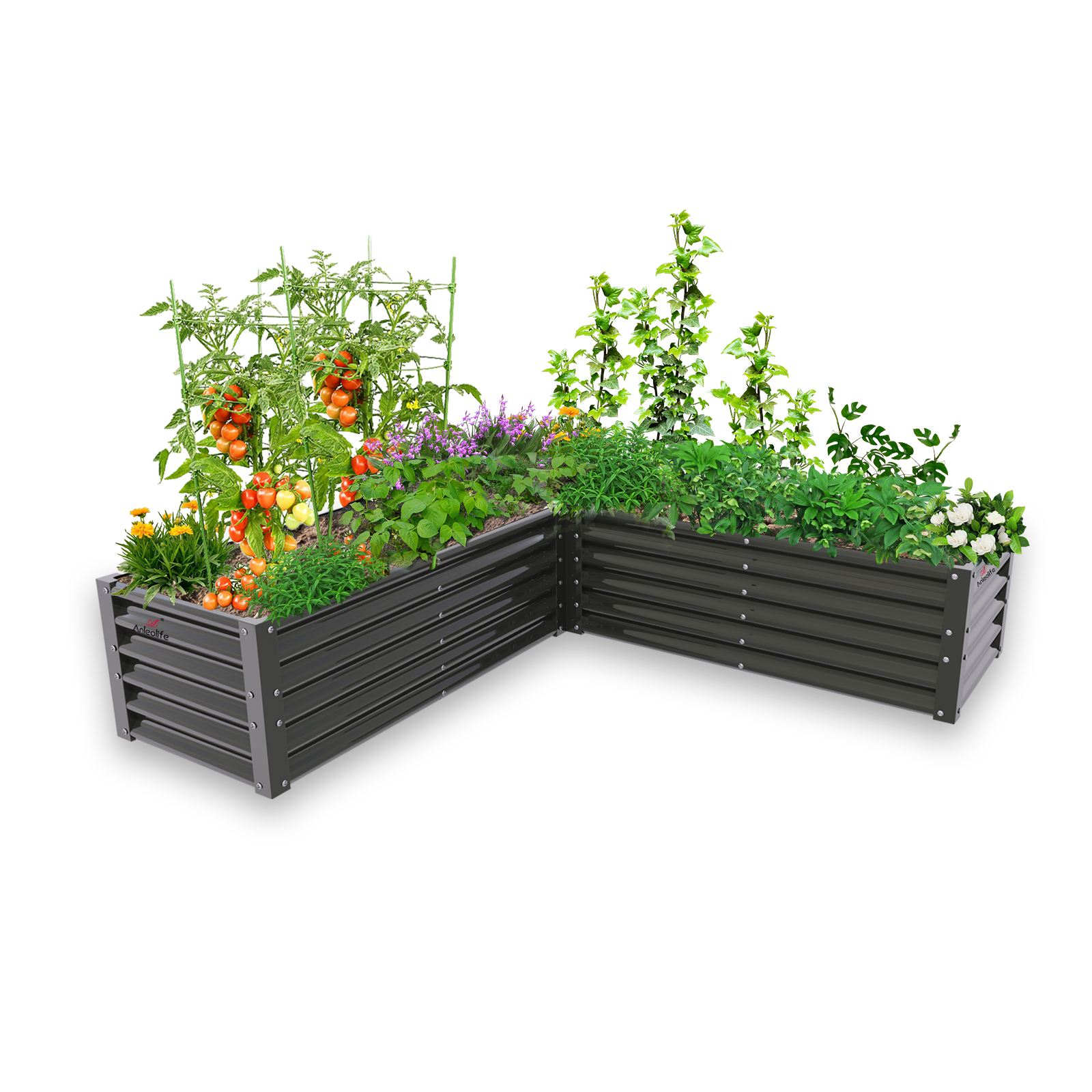
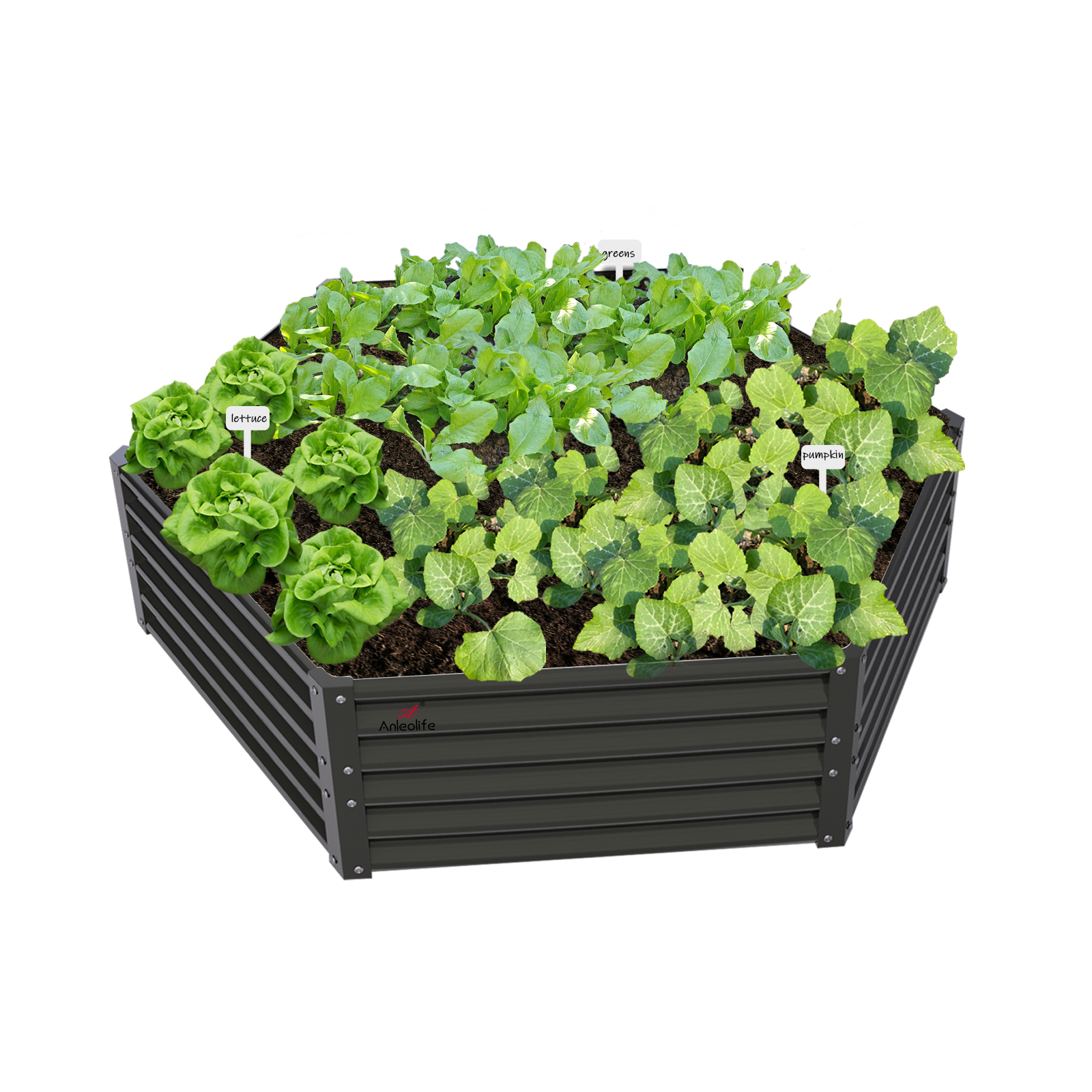
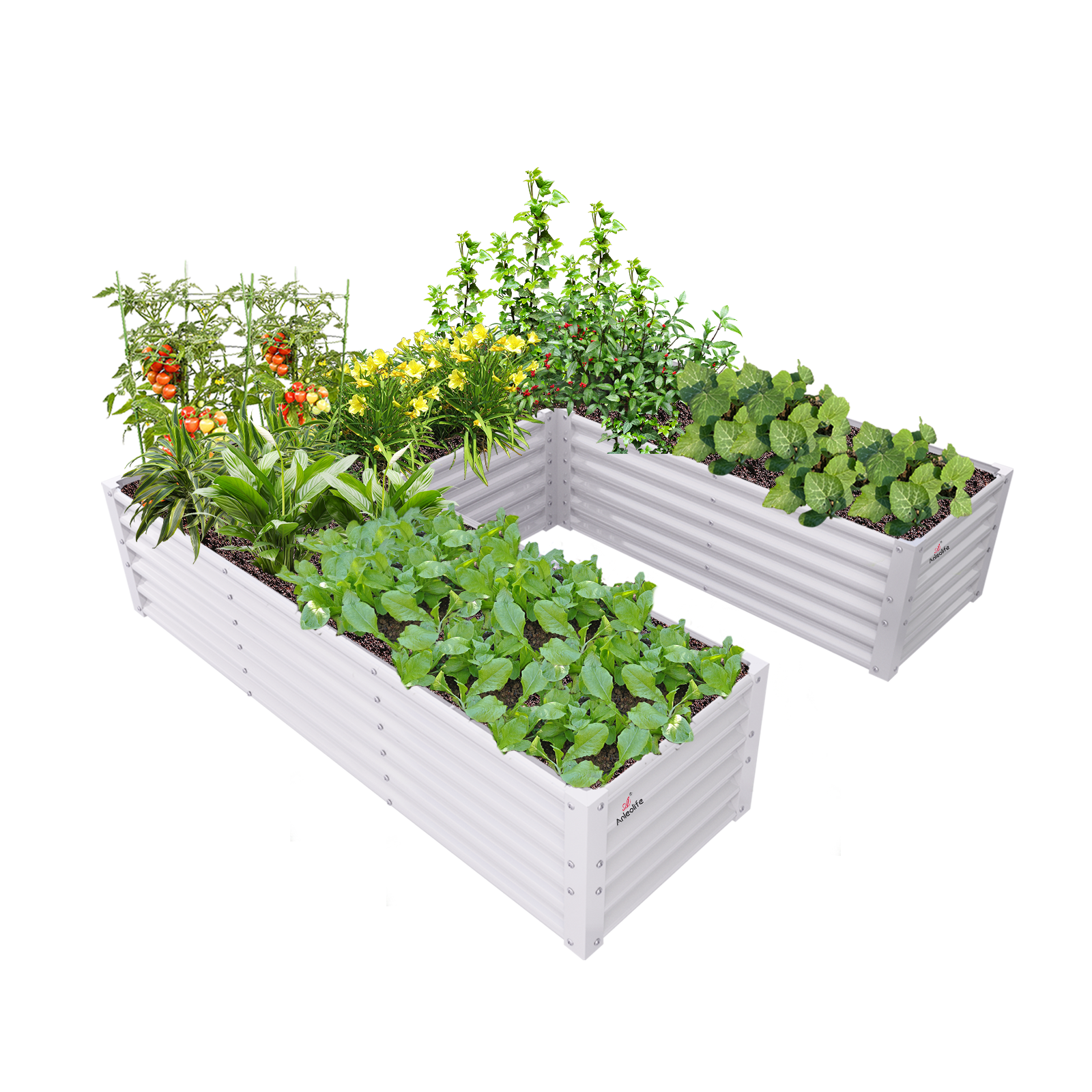

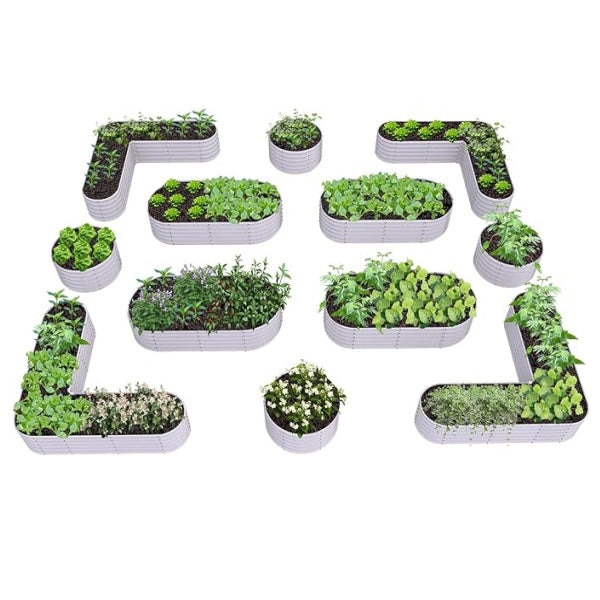


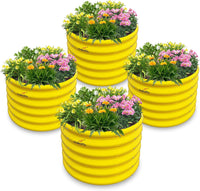
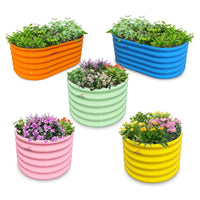
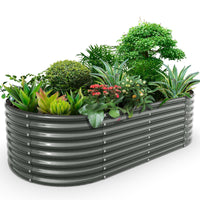



ALT: Lush raised bed garden in summer with vegetables sown in June and July using smart planting calendar
Your Summer Planting Calendar for Raised Beds Starts Here: June and July Sowing Guide
Key Conclusion: A well-planned summer planting calendar for raised beds turns June and July into your most productive gardening months. By understanding which crops thrive in warm soil, how to sequence plantings for continuous harvest, and how a durable raised bed system supports root health and water retention, home growers can dramatically boost their summer yields. Whether you're new to raised bed gardening or refining your routine, this guide covers exactly what to sow, when to sow it, and how to set your beds up for success.
Summer is simultaneously the most exciting and most unforgiving season in the garden. Soil temperatures rise, days lengthen, and the window for planting certain crops narrows quickly. But for raised bed gardeners, this is actually good news: raised beds warm up faster than ground soil, drain more efficiently, and give you far more control over your growing environment.
In this guide, we'll walk through a practical, month-by-month sowing calendar for June and July, with crop-specific tips, bed setup advice, and strategies to keep your garden productive from midsummer all the way into early fall. We'll also highlight which Anleolife raised bed options support these high-output growing conditions best.
Who This Guide Is For: Matching the Right Grower to the Right Strategy
✅ Applicable Scenarios:
- Home gardeners in USDA Hardiness Zones 4–9 who want to maximize their summer growing season in raised beds
- Urban micro-gardeners with limited space looking to squeeze maximum productivity out of compact beds
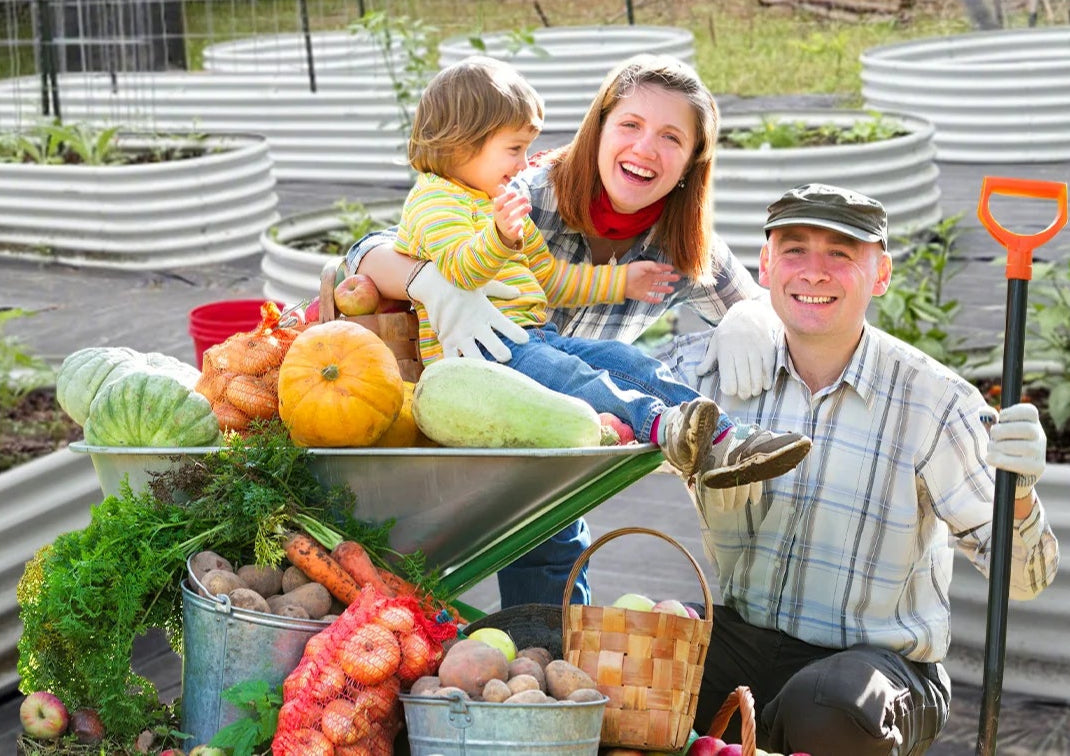
- Eco-conscious families who want to grow their own pesticide-free vegetables through the summer months
- Empty nesters and retirees who enjoy a hands-on, manageable garden routine with predictable harvest cycles
- Anyone who has recently set up a new raised bed and wants a structured plan for their first summer sow
❌ Not Applicable/Cautions:
- Gardeners in very cold northern regions (Zone 3 and below) where frost can arrive as early as August—some of these crops may not reach maturity in time
- Growers dealing with severe pest infestations or diseased soil who haven't yet addressed the root cause—sowing into unhealthy beds will produce disappointing results regardless of timing
- Those relying solely on container pots without proper drainage, as summer heat and moisture management differ significantly from raised bed conditions
Why June and July Are the Most Strategic Months for Raised Bed Sowing
Most beginner gardeners assume that summer planting means only maintaining what was started in spring. In reality, June and July represent a critical second planting window—one that experienced gardeners use deliberately to extend their harvest season well into September and October.
Raised beds are particularly well-suited for summer sowing because their elevated structure means soil temperatures remain more consistent. Ground-level garden plots can experience dramatic temperature swings, but a well-filled raised bed acts almost like a thermal buffer. This matters enormously for germination: most warm-season vegetables need soil temperatures between 60°F and 85°F to sprout reliably, and raised beds hit that sweet spot faster and hold it longer.
There's also the matter of drainage. Summer storms can waterlog flat garden plots, rotting seeds before they germinate. A raised bed's superior drainage structure keeps seeds and roots in the right moisture zone without drowning them.
According to the National Gardening Association, the average American household with a food garden saves hundreds of dollars annually on produce—and summer plantings account for a significant portion of that value. Yet many home growers leave that potential untapped by stopping their sowing activity after the spring window.
If you're still deciding on what kind of bed to plant in, it's worth reading Galvanized Steel Raised Beds: 7 Reasons They Outperform Wood for Summer Gardening to understand why material choice matters especially in hot conditions. And if you haven't finalized your layout yet, the guide on Step-by-Step Raised Bed Garden Layout Planning for Summer 2026 Beginners will help you map it all out efficiently.
The Complete June and July Sowing Plan for Raised Beds
Three-Step Quick Start for Summer Sowing
Step 1: Assess and Refresh Your Bed
Before sowing anything new, take 20–30 minutes to evaluate your current bed condition. Remove spent spring crops, check moisture levels, and top off with a few inches of compost or balanced garden mix. Summer crops are heavy feeders, and tired soil from spring plantings may lack the nitrogen and organic matter needed. This refresh step sets the biological foundation for everything you'll sow in the coming weeks.
Step 2: Build Your Planting Calendar by Crop Family
Different crops have different maturity times, which means June and July sowings will produce harvests at different points in the season. Spend 15–20 minutes mapping out which crops you'll sow in early June, late June, and across July. Prioritize fast-maturing crops (like radishes and bush beans) for July sowing, and reserve June for longer-season warm crops like squash, cucumbers, and sweet corn. Group crops by family to simplify rotation and care routines.
Step 3: Set Up Consistent Watering and Shade Management
Summer heat can stress seedlings fast. Before you drop a single seed, plan your watering approach—whether that's a drip system, soaker hose, or daily hand watering—and identify whether any section of your bed would benefit from temporary afternoon shade cloth. Getting this infrastructure in place before sowing will prevent the frustrating cycle of scorched seedlings and failed germination. A well-prepared bed, watered correctly, gives your crops the best possible start in summer conditions.
What to Sow in June: Warm-Season Powerhouses
June is the last reliable month to direct-sow many warm-season crops and still expect a full harvest before fall. The soil is warm, the days are long, and the growing window is at its widest.
Top crops to sow in early June:
- Summer squash and zucchini: Direct sow seeds 1 inch deep, 2–3 per hill, thinning to the strongest seedling. In a larger bed like an 8x4 ft raised bed, you can fit 2–3 squash plants comfortably while leaving room for companion plantings.
- Cucumbers: Sow in clusters of 2–3 seeds, planning for vertical trellising if space is limited. Cucumbers are one of the most productive crops per square foot in a raised bed, especially when trained upward. This is also where a proper trellis becomes valuable—if you're growing vining crops like blackberries or climbing vegetables, the right support structure makes a significant difference in yield and plant health.
- Bush beans: Sow directly, spacing 3–4 inches apart in rows or a grid pattern. Bush beans germinate quickly in warm soil and can go from seed to harvest in as little as 50–60 days.
- Basil and other heat-loving herbs: Sow directly or transplant starts. Basil especially loves the warmth of a raised bed and thrives alongside tomatoes.
Top crops to sow in late June (succession planting):
- Second round of lettuce: Use heat-tolerant varieties like 'Jericho' or 'Sierra'. Provide afternoon shade if temperatures regularly exceed 85°F.
- Carrots: Sow directly and keep soil consistently moist for germination. In a deep bed (24 inches or more), carrots develop their full length without compaction.
- Beets: Fast-growing and dual-purpose—both the roots and greens are edible. Sow directly 1 inch deep, thin to 3 inches apart.
For a more in-depth look at specific vegetable choices, Top 10 Vegetables to Grow in a Raised Bed This June and Beyond provides a ranked breakdown with growing notes for each.
What to Sow in July: Fast Crops and Fall Starters
July sowing is all about strategic timing. The goal is twofold: keep your beds productive through August, and start crops that will carry you into the fall harvest season.
Fast-maturing crops for direct July sowing:
- Radishes: Among the fastest vegetables you can grow, ready in as few as 25–30 days. Perfect for filling gaps between slower crops.
- Spinach: Use bolt-resistant summer varieties. Sow in partially shaded sections of your bed to extend the season.
- Kale and Swiss chard: Both tolerate heat well when established, and kale actually improves in flavor after light frost in fall—sown in July, it will be ready to harvest right as temperatures drop.
- Bush beans (succession sow): A second sowing of bush beans in early July will produce a second harvest wave in September.
Fall-targeted crops to start in July:
- Broccoli and cauliflower starts: If started from seed in mid-July, these cool-season crops will be ready to transplant into beds in August and should mature in September or October.
- Cabbage: Similar timing to broccoli—start indoors or in a seedling tray in July, transplant in late August.
- Autumn lettuce mixes: Sow directly in late July in your sunniest bed section, knowing these will come into their best production as summer heat fades.
Understanding how to transition your plantings smoothly is key to year-round productivity. The article on Transitioning Your Raised Bed from Early Summer to Mid-Season Crops covers this bridge period in detail.
June vs. July Sowing Comparison: Choosing the Right Crops for the Right Month
Understanding the difference between what works in June versus July helps prevent wasted seed and missed harvests.
| Crop | Sow in June | Sow in July | Days to Harvest | Notes |
|---|---|---|---|---|
| Zucchini / Squash | ✅ Early June | ⚠️ Early July only | 50–70 days | Late July sowing may not mature before frost in northern zones |
| Cucumbers | ✅ June | ⚠️ Early July only | 50–65 days | Need warm soil; vertical trellising maximizes space |
| Bush Beans | ✅ June | ✅ Early–Mid July | 50–60 days | Great succession crop; second July sowing yields fall harvest |
| Carrots | ✅ Late June | ✅ Early July | 70–80 days | Deep beds essential; consistent moisture needed for germination |
| Radishes | ✅ June | ✅ All July | 25–30 days | Fastest returnable crop; ideal gap-filler |
| Kale | ✅ Late June | ✅ July | 55–75 days | Better flavor after light fall frost |
| Broccoli (starts) | ⚠️ Late June | ✅ Mid July | 60–80 days (from transplant) | Start indoors; transplant in August |
| Lettuce (heat-tolerant) | ✅ Late June | ✅ Late July | 45–60 days | Use shade cloth above 85°F |
Choosing the Right Raised Bed Depth for Summer Crops
Not all summer crops have the same root depth requirements, and your raised bed dimensions directly impact which plants will thrive. This is an often-overlooked factor when planning a summer sowing calendar.
Shallow-rooted crops (12–18 inches of soil depth is sufficient):
Lettuce, radishes, herbs, bush beans, and spinach all grow well in shallower beds. Anleolife's 18-inch tall galvanized steel raised beds are a strong match for these crops, offering enough depth for root development while remaining easy to manage.
Medium-rooted crops (18–24 inches ideal):
Cucumbers, squash, kale, and beets prefer a deeper growing medium. An 18–24 inch bed provides the right environment for these crops to spread roots freely and access consistent moisture reserves—especially important in summer when the top layer of soil can dry out quickly.
Deep-rooted crops (24+ inches for best results):
Carrots, parsnips, and some tomato varieties perform best in beds 24 inches or deeper. Anleolife's extra-tall options—including 24-inch and 30-inch raised beds—make these crops genuinely achievable without the compaction issues of in-ground growing.
One important consideration for summer gardeners: metal raised beds are sometimes assumed to overheat in direct sun. This concern is worth addressing directly. Properly designed galvanized steel beds distribute heat more evenly than dark-painted wood or plastic, and the soil mass inside insulates the root zone effectively. For a thorough look at this topic, Are Metal Raised Garden Beds Heat-Safe for Summer Vegetables? provides research-backed reassurance.
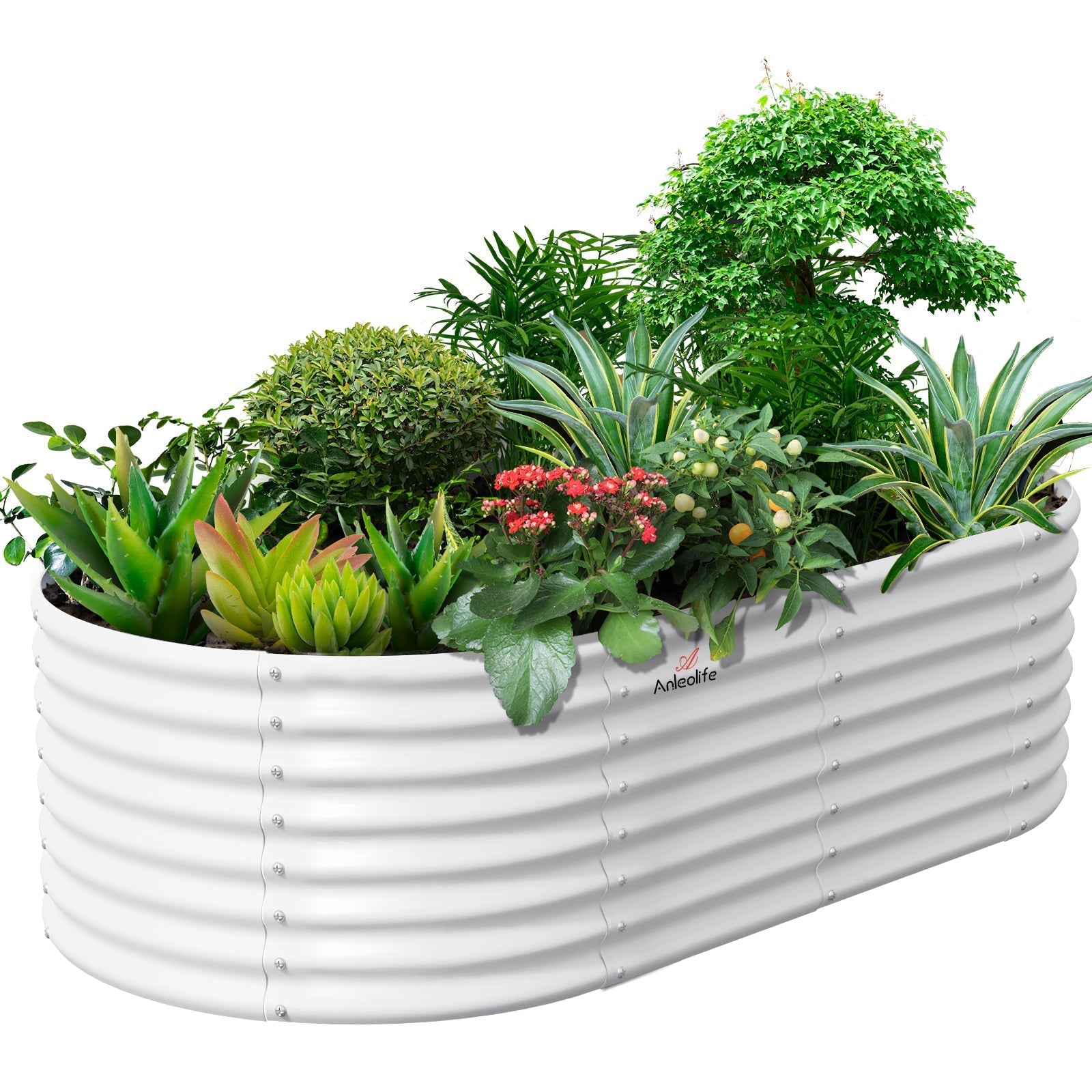
Anleolife's galvanized steel raised garden beds are also designed to be rust-resistant and easy to assemble—two features that matter enormously during the busy summer season when you want to spend time gardening, not troubleshooting your equipment. The rust-resistant coating means no degradation of your growing environment over time, and with a product lifespan of up to 20 years, these beds represent genuine long-term value for any serious home grower.
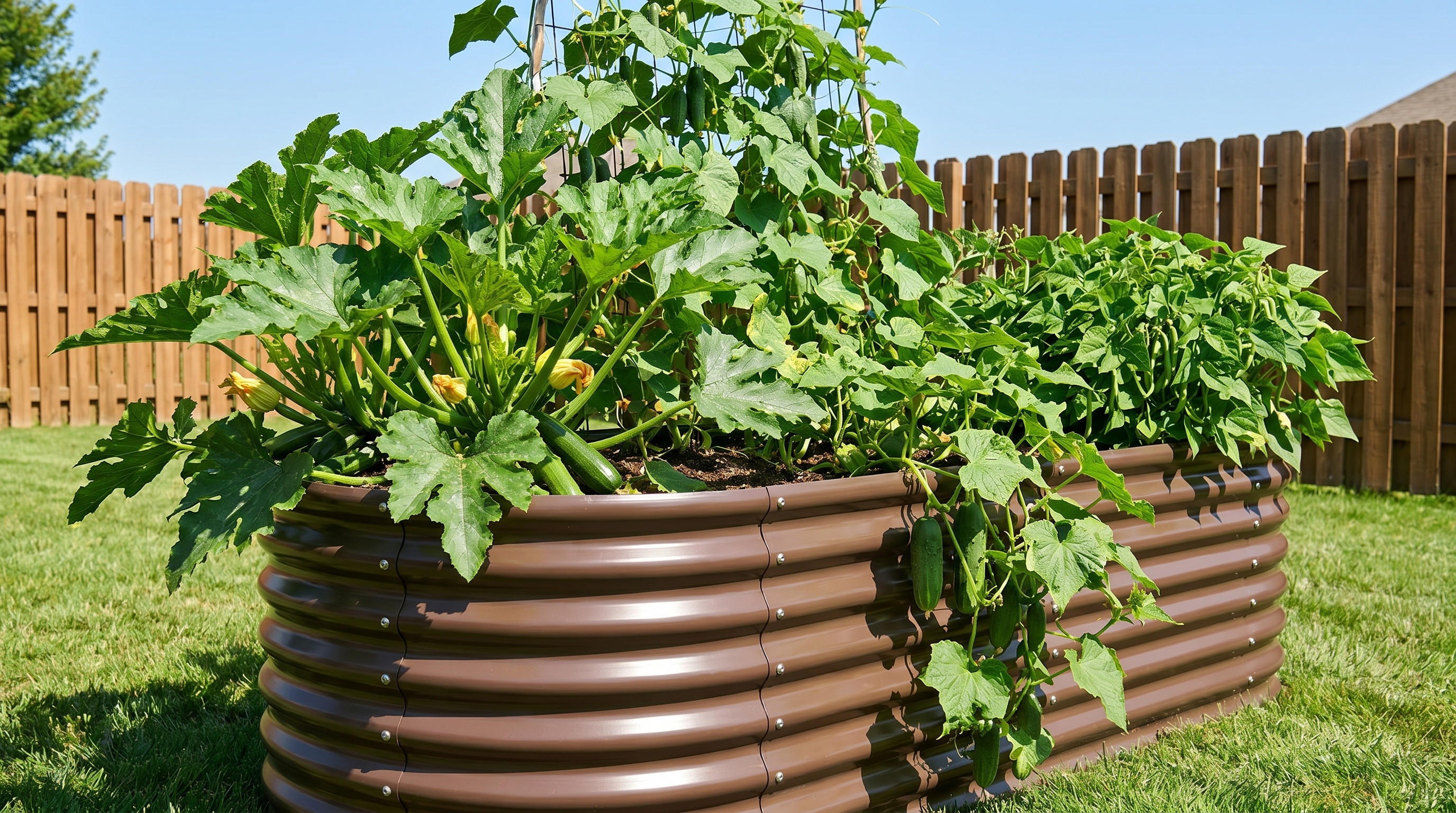
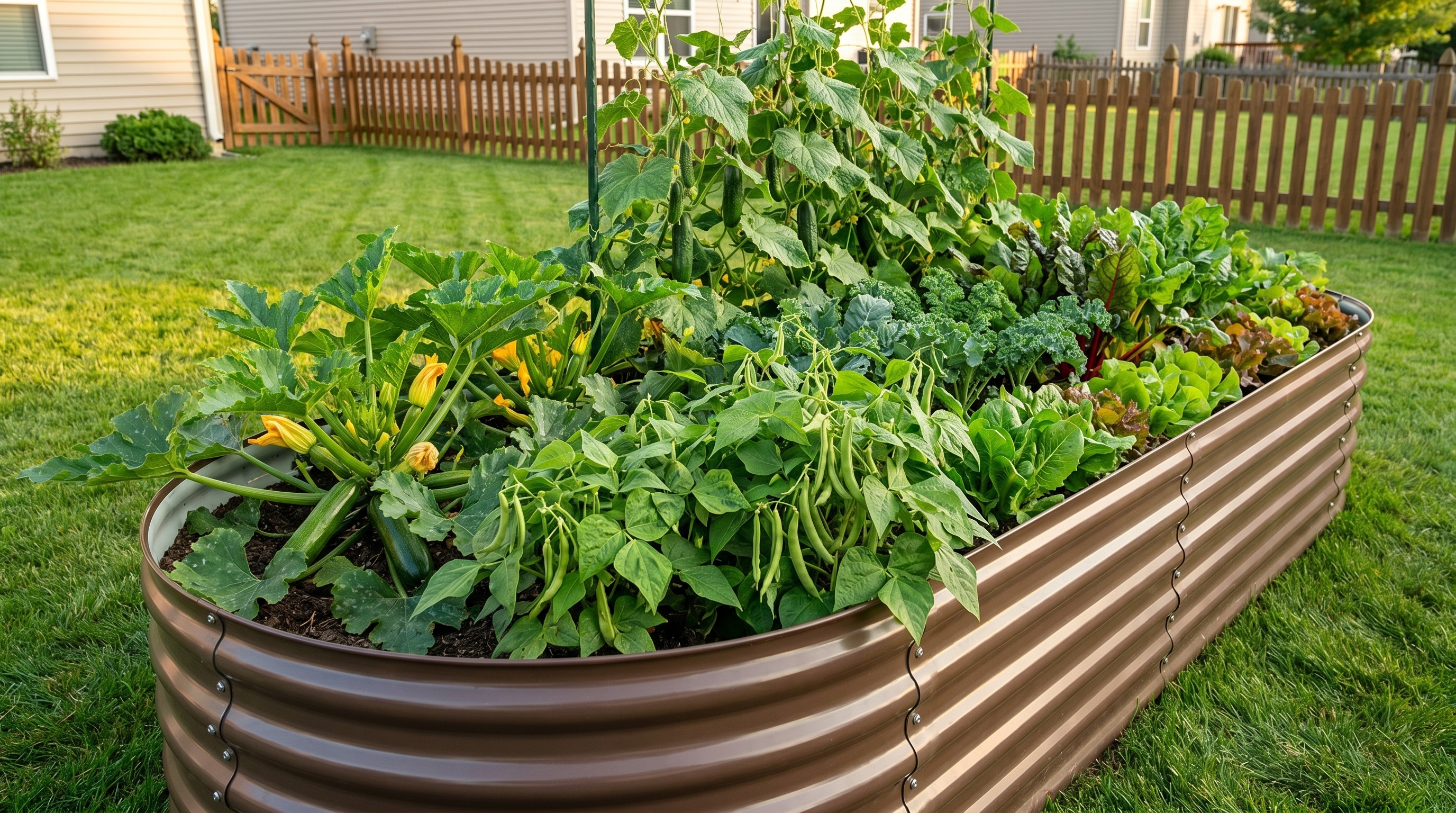
ALT: Anleolife galvanized steel raised bed growing zucchini cucumbers and beans in a backyard summer garden
Advanced Strategies for Maximizing Summer Raised Bed Productivity
Succession Planting: The Single Most Impactful Technique
Most gardeners plant once and wait. Succession planting—sowing the same crop every 2–3 weeks—keeps your beds continuously productive instead of producing one overwhelming glut followed by weeks of nothing. For beans and radishes especially, a three-wave succession approach (early June, late June, mid-July) will give you fresh harvests almost every week from July through September.
Intercropping: Making Every Square Inch Count
Pairing fast-growing crops with slow-growing ones in the same bed is a proven space multiplier. Classic combinations include:
- Radishes between carrot rows: Radishes germinate fast, break up soil, and are harvested before carrots need the space
- Basil beneath tomatoes: Basil uses low space while tomatoes climb; both benefit from close proximity
- Lettuce under taller crops: Lettuce actually appreciates the partial shade that taller crops like kale or cucumbers provide in peak summer heat
Soil Fertility Mid-Season: Don't Let it Slip
Summer crops are heavy feeders, especially squash, cucumbers, and beans. A mid-season top dressing of compost or balanced organic fertilizer—applied around week 4–5 after germination—can dramatically improve yield and fruit quality. The guide on The Best Soil Recipe for Raised Garden Beds in Summer 2026 provides detailed soil composition guidance worth bookmarking.
Common Misconception: "It's Too Late to Plant in July"
This is probably the single most damaging myth in summer gardening. July is absolutely not too late—it's an active, productive sowing month for dozens of crops. The key is matching crop selection to remaining growing days in your zone. Gardeners who dismiss July as a dead zone are consistently leaving 2–3 months of potential harvest on the table. Check your average first frost date, count back by each crop's days-to-maturity, and you'll find July opens up more options than you expected.
Frequently Asked Questions FAQ
Q1: How do I know which crops are still worth planting in mid-July?
The simplest approach is to check your average first fall frost date (available from your local extension office or the USDA Plant Hardiness Zone Map) and then count backward by each crop's days-to-maturity. If your frost date is October 15th and you're planting on July 15th, you have roughly 90 days—enough for beans, kale, radishes, beets, and even some squash in favorable conditions. Fast-maturing varieties are always your safest mid-summer bet.
Q2: Are Anleolife raised garden beds rust-resistant and easy to assemble for first-time gardeners?
Yes—Anleolife offers both galvanized steel and dedicated rust-resistant raised garden bed lines, designed specifically for durability in outdoor growing conditions. The beds are engineered for straightforward assembly without specialized tools, making them accessible for first-time gardeners. With a rated lifespan of 20 years, they're built to support many seasons of sowing and harvesting. Available in a wide range of dimensions and heights, there's an option suitable for every garden size and crop type, from compact urban setups to larger family growing spaces.
Q3: How long does delivery take if I need a raised bed quickly for summer planting?
Anleolife operates a strategic warehouse network across California, Texas, Florida, New York, Illinois, and Washington. Standard delivery arrives within 3–8 business days, and products are available through multiple channels including Amazon, Walmart, Home Depot, Lowe's, Wayfair, and directly at Anleolife.com. For summer planting urgency, ordering through the channel with the fastest available shipping to your zip code is recommended. The multi-platform availability means you can often compare shipping windows and choose the most efficient option.
Summary
Summer raised bed gardening is far more opportunity-rich than most people realize. The key takeaways from this planting calendar are straightforward but genuinely transformative for your harvest outcomes:
First, June and July are not a single undifferentiated "summer" block—they're two distinct planting windows with different crop strategies. June is for warm-season powerhouses; July is for fast crops and fall starters.
Second, raised bed depth is a variable worth planning around. Matching your crop's root depth requirements to your bed's dimensions dramatically improves germination rates and overall yield, especially in summer when soil moisture management is critical.
Third, succession planting and mid-season soil refreshing are the two most under-used tools in a home grower's toolkit. Implementing both consistently will keep your beds productive from now until your first fall frost.
For ongoing guidance through the summer season, the Mid-Summer Raised Bed Maintenance: Your Essential June–July Care Checklist is an excellent companion resource to bookmark alongside this planting calendar.
Your next step: check your current bed condition, choose your first succession crops from the June/July table above, and get seeds in the ground this week. The summer window is open—use it.
Start Your Best Summer Garden with Anleolife
Nationwide U.S. Warehouse Network: Strategically located in California, Texas, Florida, New York, Illinois, and Washington to ensure delivery within 3–8 business days—so your garden upgrade plans never have to wait.
Multi-Channel Sales Network: Products are available on major e-commerce platforms including Amazon, Walmart, Home Depot, Lowe's, and Wayfair, as well as the official website Anleolife.com, providing consistent quality assurance and after-sales service.
Three Core Scenarios: Planting (metal raised garden beds, soil systems), Raising (chicken coops, rabbit hutches), and Beautification (decorative accessories, pathway systems)—meeting complete needs from functionality to aesthetics.
Upgrade your garden with Anleolife. We understand that an ideal garden is not built overnight, but gradually improved over time. Our modular product design allows flexible expansion based on your needs—from your first raised garden bed to a fully integrated planting-and-raising ecosystem. We grow with you every step of the way.
References
- National Gardening Association. "Food Gardening in the United States."
https://garden.org - USDA Agricultural Research Service. "Plant Hardiness Zone Map."
https://www.ars.usda.gov - University of California Cooperative Extension. "Vegetable Planting Guide for Home Gardens."
https://ucanr.edu - Penn State Extension. "Raised Bed Gardening."
https://extension.psu.edu - Cornell University Cooperative Extension. "Vegetable Growing Guides."
https://gardening.cals.cornell.edu
Note: Growing conditions, planting windows, and crop performance vary by region and season. Always consult your local agricultural extension office for the most current guidance specific to your hardiness zone and microclimate.
About Anleolife
Anleolife is a leading outdoor garden solutions provider in North America, dedicated to offering a full-scenario product ecosystem for home gardening enthusiasts, covering planting, raising, and garden beautification. Since its founding, we have upheld our brand mission, "Made for Garden Life," continuously innovating products and optimizing services to help hundreds of thousands of users upgrade their gardens, reconnect with nature, and enjoy a better garden lifestyle.