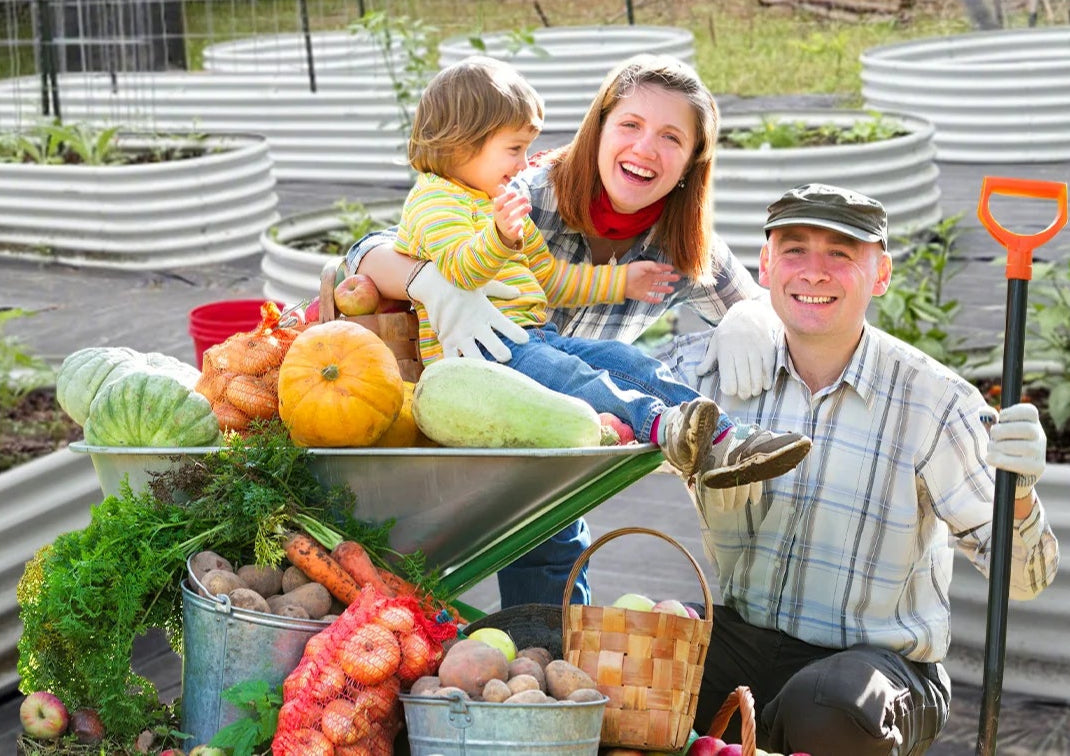



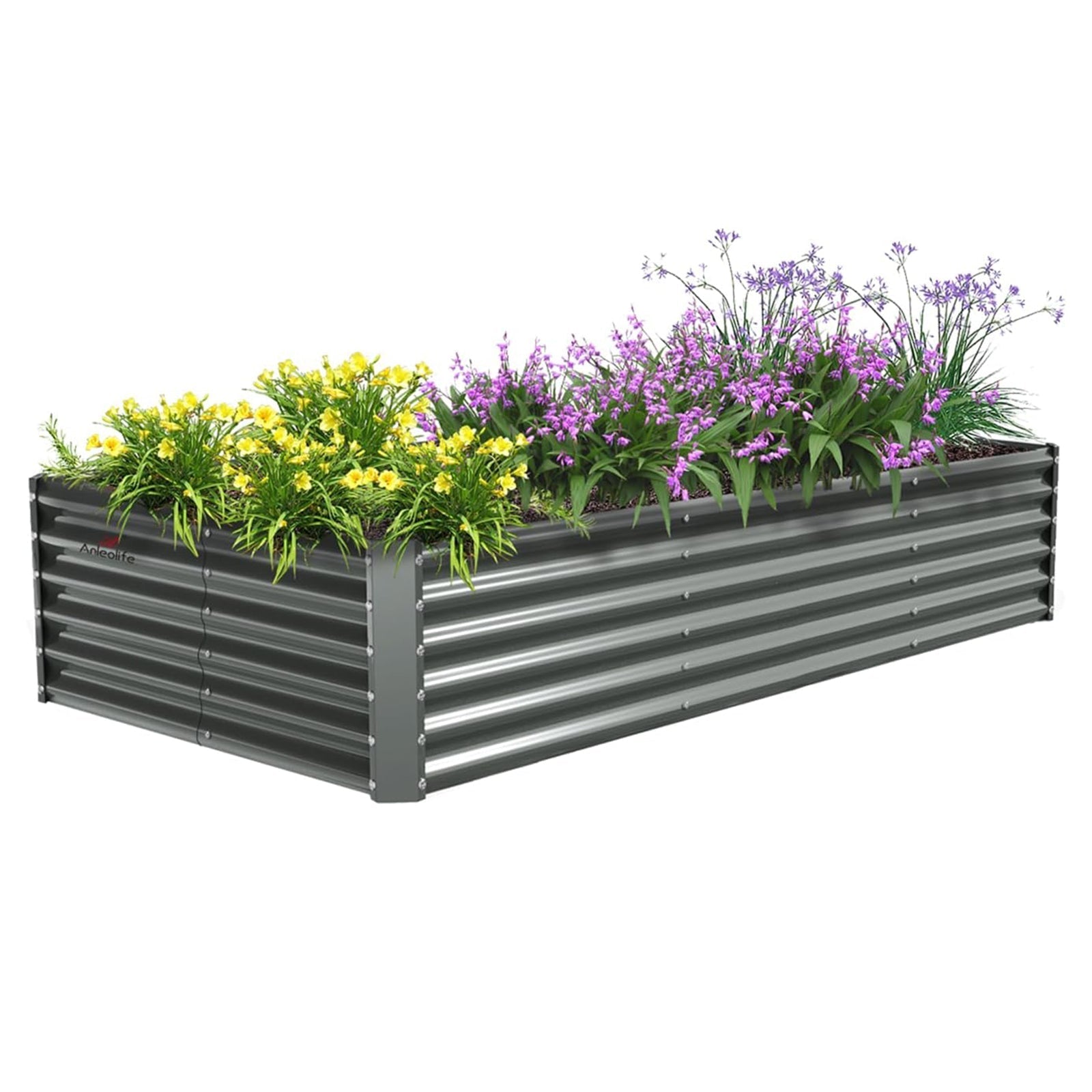

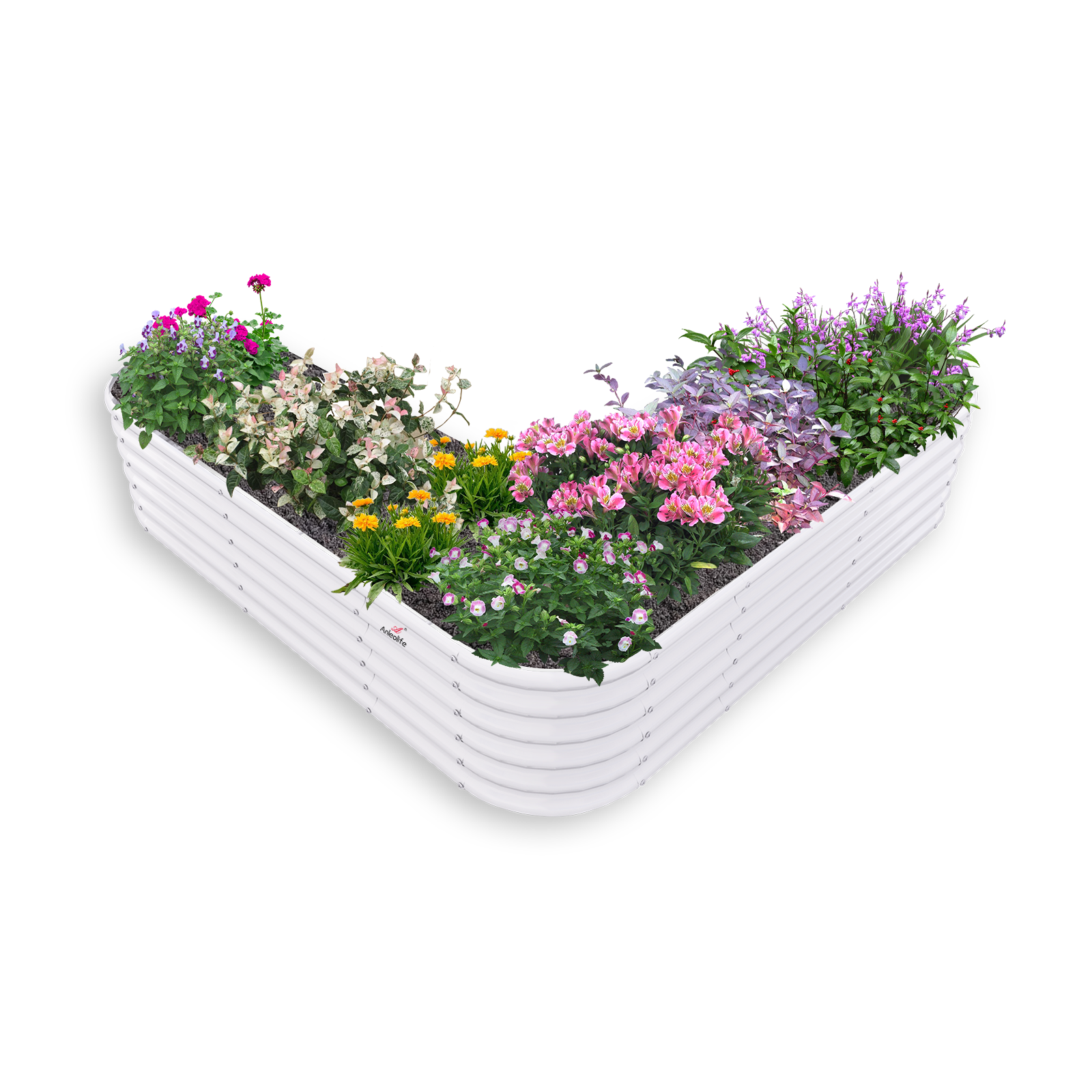
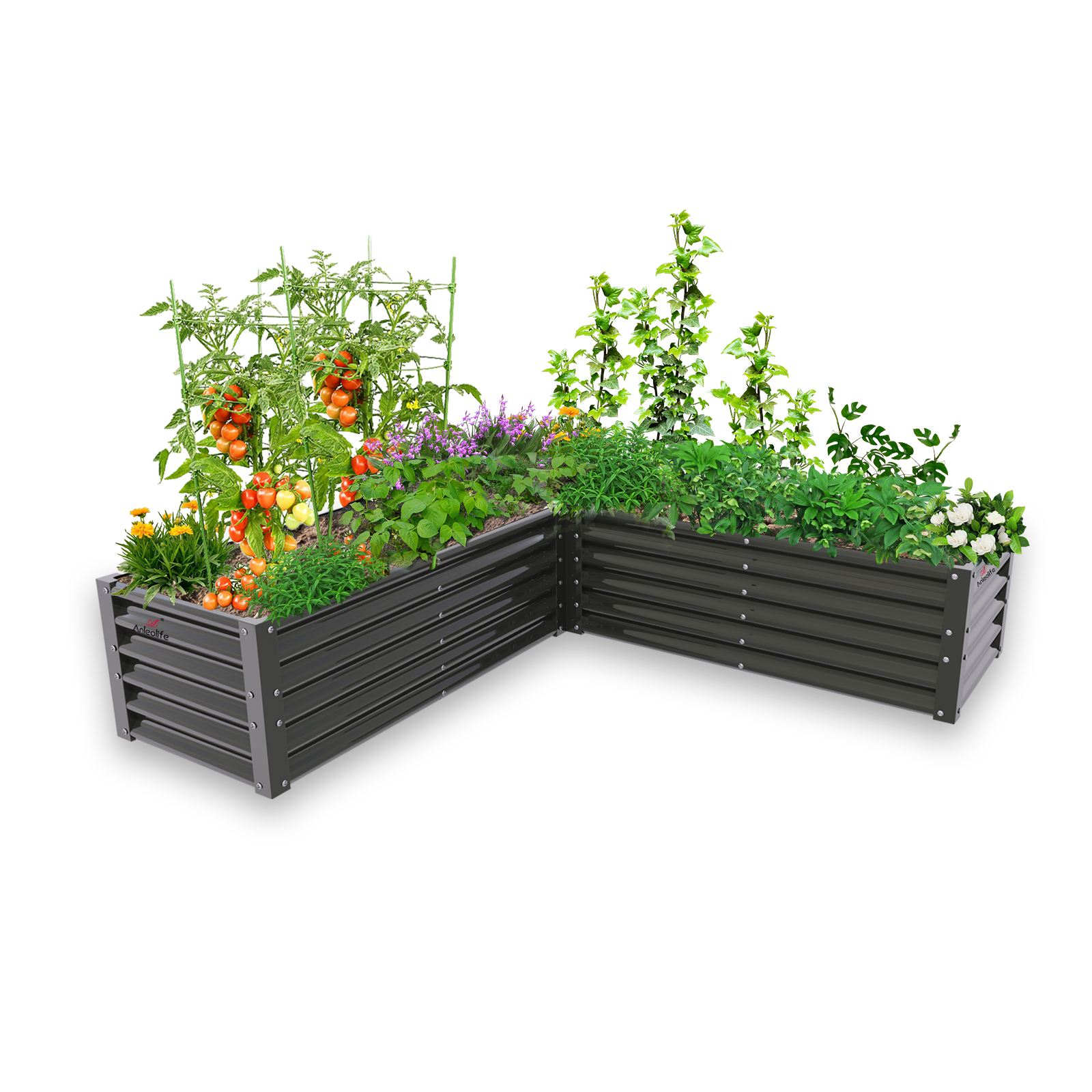
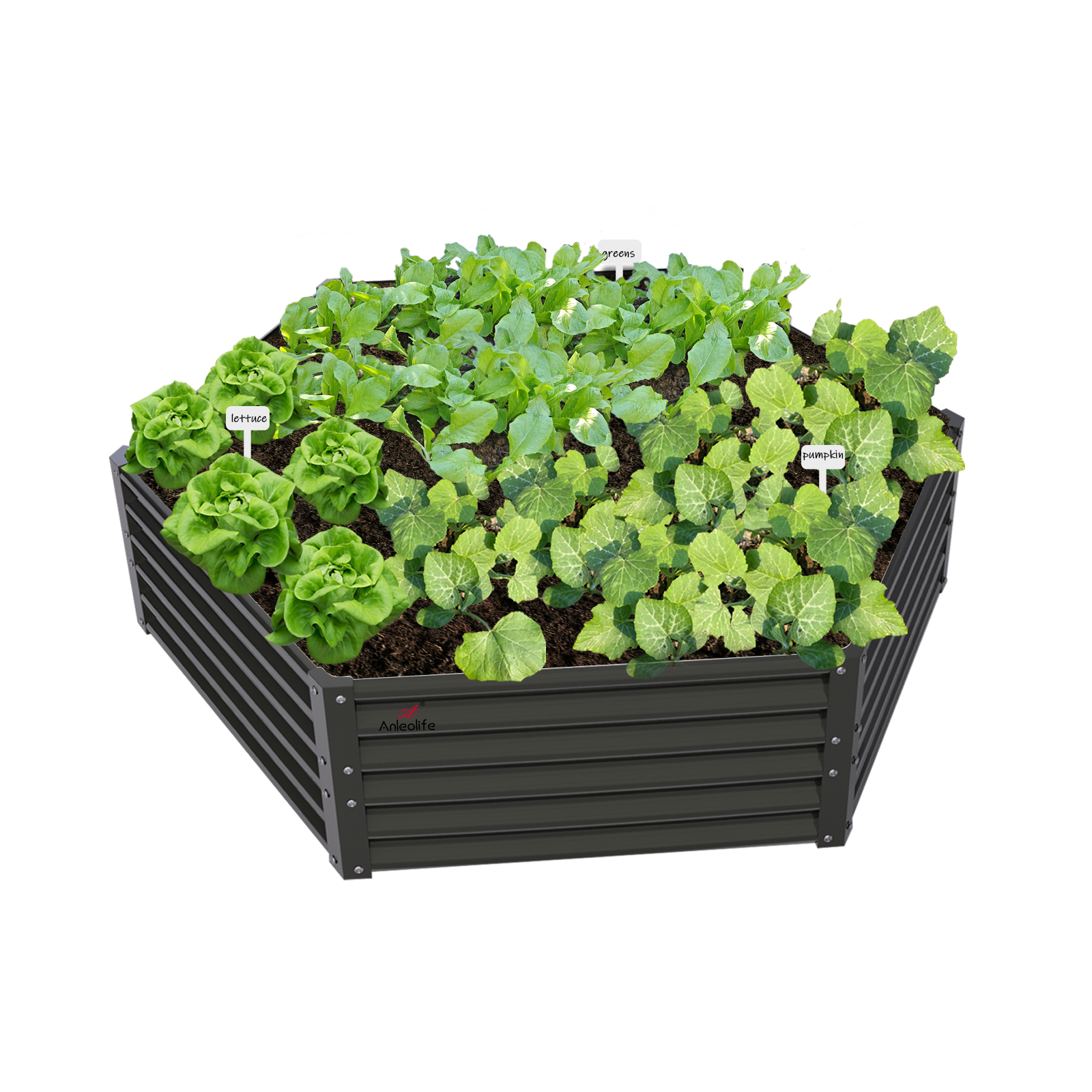



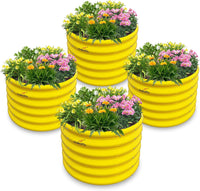
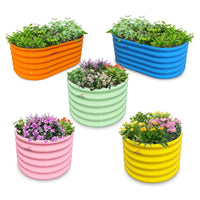



ALT: Gardener amending raised bed soil with compost and mulch for peak summer vegetable growing season
Why Summer Soil Prep Is the Secret to a Thriving Raised Garden Bed
Key Conclusion: Getting your raised garden bed ready before peak growing season is one of the highest-return investments a home gardener can make. From testing and amending soil to refreshing your bed structure and planning companion planting layouts, proper summer soil prep sets the foundation for healthier plants, higher yields, and fewer pest problems. Whether you're deep into backyard gardening or just getting started, this checklist gives you a practical, step-by-step framework to make every inch of your raised bed count.
Summer is when your garden earns its keep—but only if the foundation is solid. Most gardeners focus on what to plant, overlooking the more critical question of where those roots are going to live. Soil that's been sitting through a cold winter can become compacted, nutrient-depleted, and full of last season's debris—creating conditions that stress plants before they even have a chance.
In this guide, we walk through every stage of summer soil preparation for raised garden beds, including soil testing, amendment strategies, bed maintenance, structural checks, and planting-ready finishing touches. Whether you're managing a compact urban setup or a backyard ecosystem with multiple beds, this checklist is designed to help you get the most out of peak growing season.
Who This Guide Is For
✅ Applicable Scenarios:
- Home gardeners with existing raised beds who want to maximize summer vegetable production
- New gardeners setting up their first raised bed and unsure where to begin with soil prep
- Urban micro-gardeners working with limited space who need every square foot to perform
- Empty nesters and retirees who enjoy low-effort, high-reward gardening methods
- Eco-conscious growers who want to build healthy, living soil without chemical inputs
❌ Not Applicable/Cautions:
- In-ground garden beds that require different drainage and amendment strategies
- Container gardening setups with proprietary potting mix requirements
- Gardeners in USDA zones with frost dates that extend well into early summer—timing adjustments may be needed before following this checklist
The Real Cost of Skipping Soil Prep
Most gardening problems—yellowing leaves, stunted growth, pest pressure, poor yields—trace back to one root cause: unhealthy soil. It's easy to focus on what's visible above the soil line, but the unseen biology beneath the surface is where plant success actually begins.
Research from cooperative extension programs consistently shows that raised bed vegetables outperform their in-ground counterparts when soil management is proactive rather than reactive. A well-structured raised bed offers excellent drainage, warms faster in spring, and gives you total control over soil composition. But those advantages erode quickly if the growing medium isn't refreshed and maintained.
Summer adds particular stress to raised bed soil. High temperatures accelerate moisture evaporation, beneficial microorganisms can decline under heat stress, and fast-growing summer crops like tomatoes, cucumbers, and squash are nutrient-hungry and will strip soil resources rapidly. Before the growing season peaks, you need to know what's in your soil and what it's missing.
For gardeners who want to build a long-term productive system, start by ensuring your beds are appropriately sized for your growing goals. The Ultimate Raised Garden Bed Sizing Guide for Summer 2026: Find Your Perfect Fit is a great reference point if you're also thinking about expanding or adding new beds this season.
Your Complete Summer Soil Prep Checklist
Three-Step Quick Start
Step 1: Clear the Bed and Assess What You're Working With
Before you add anything to your raised bed, remove all plant debris, spent root systems, and any weeds. This step typically takes 20–40 minutes per standard-sized bed. As you clear, take note of soil texture—does it feel loose and crumbly, or dense and clumping? Look for signs of root rot, fungal growth, or excessive clay. This initial assessment determines how much amendment work lies ahead.
Step 2: Test Your Soil pH and Nutrient Levels
A basic soil test takes about 15 minutes and costs very little at most garden centers or through county extension offices. Testing reveals your pH level, nitrogen-phosphorus-potassium (NPK) balance, and sometimes trace mineral deficiencies. Most summer vegetables thrive in a slightly acidic to neutral range (roughly 6.0–7.0 pH). Without this data, any amendments you add are essentially guesswork.
Step 3: Add Amendments and Aerate
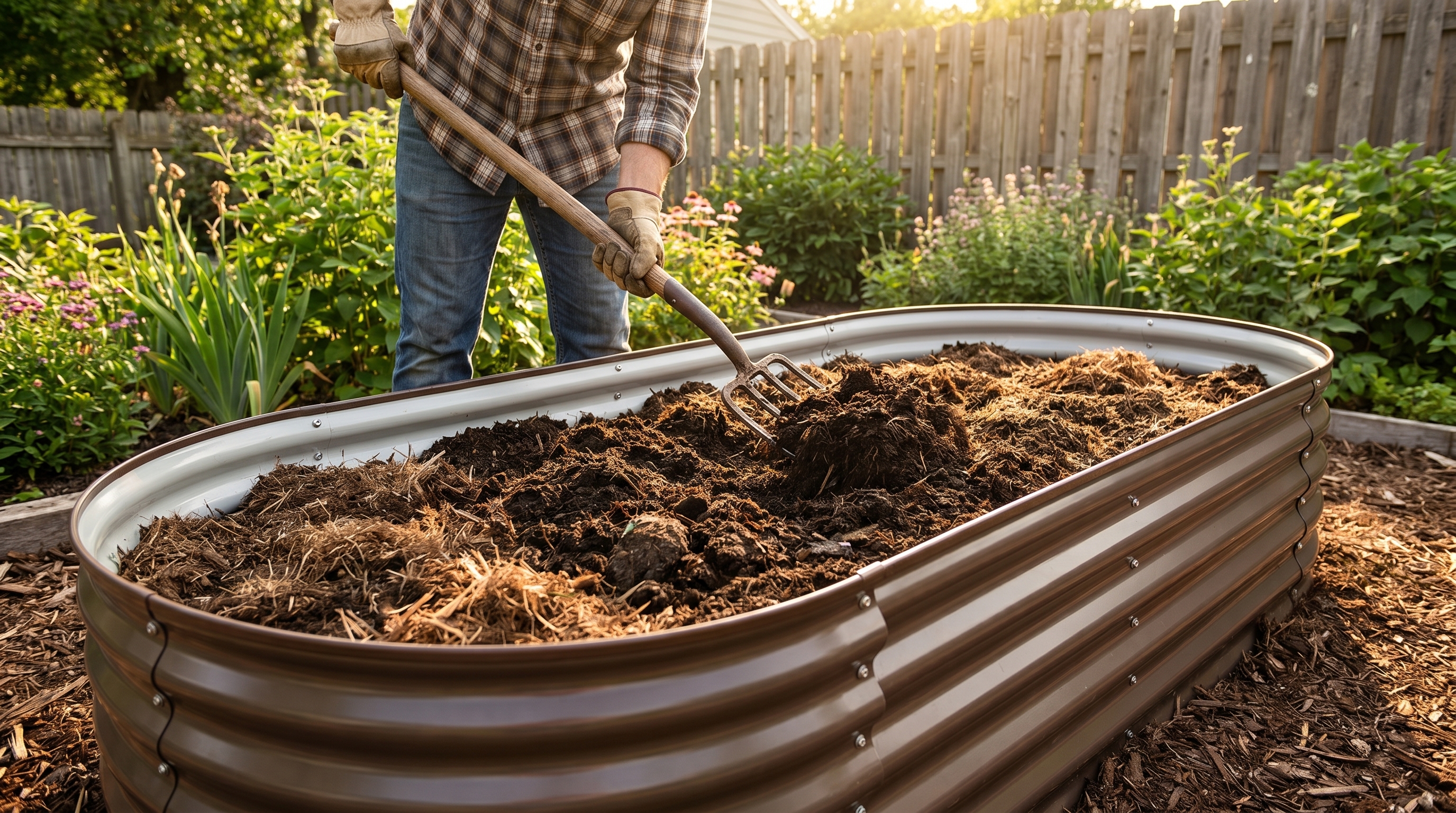
Based on your test results, incorporate compost, pH adjusters, and any targeted nutritional inputs. Use a garden fork to loosen the top several inches of soil, working amendments in without disrupting the deeper soil structure. This aerates the bed, improves drainage, and creates the kind of loose, friable texture that root vegetables and heavy feeders absolutely love. This step typically takes 30–60 minutes depending on bed size.
Comparing Soil Amendment Approaches for Raised Beds
Every gardener has a different philosophy and budget when it comes to soil amendments. Here's a practical comparison of the three most common approaches:
The right choice depends on your specific soil test results, the crops you're planting, and how hands-on you want to be with your garden management.
| Comparison Dimension | Compost-Only Method | Balanced NPK Fertilizer | Living Soil System |
|---|---|---|---|
| Cost | Low | Low to moderate | Moderate to high |
| Setup Time | Minimal | Minimal | Higher initial investment |
| Long-Term Soil Health | Excellent | Moderate | Outstanding |
| Best For | Organic growers | Quick nutrient fix | Serious home growers |
| Risk of Over-Application | Very low | Moderate | Low |
| Summer Vegetable Compatibility | High | High | Very high |
For those interested in a deep dive into composting as a strategy for building soil richness, Advanced Composting Techniques to Supercharge Your Raised Bed Soil This Season offers excellent guidance on turning your compost into a nutrient-dense soil booster.
The Full Soil Prep Deep Dive: Every Step Explained
Testing and Understanding Your Soil
Soil testing is the first non-negotiable step in any serious summer prep routine. Many gardeners skip this because it feels overly technical, but a basic home test kit or mail-in extension service gives you actionable data that removes all guesswork.
What you're looking for: pH (target 6.0–7.0 for most vegetables), nitrogen levels (often depleted after a full growing season), phosphorus (crucial for root development and fruiting), and potassium (helps with disease resistance and water regulation). Some tests also check calcium and magnesium, which are commonly deficient in beds that have been growing heavy feeders like tomatoes and peppers for multiple seasons.
If your pH is too low (acidic), add agricultural lime and work it into the top few inches. If it's too high (alkaline), elemental sulfur or acidic compost can bring it down over several weeks. Make these adjustments at least two to three weeks before planting for best results.
Refreshing Soil Structure and Volume
Raised bed soil compacts and shrinks over time. Even well-maintained beds lose several inches of volume per season as organic matter breaks down. Before summer planting, top off each bed to restore its original depth.
For beds that have experienced significant compaction, use a broadfork or garden fork to loosen the soil to a depth of 8–12 inches. This restores aeration and drainage without fully turning the bed, which would disrupt the beneficial fungal networks and worm activity beneath the surface. Adding a 2–4 inch layer of finished compost on top, then gently forking it in, is usually sufficient to restore volume and texture.
If your bed has been in use for three or more seasons without a significant refresh, consider replacing up to one-third of the total volume with a fresh, high-quality growing mix. This approach maintains biological continuity while introducing fresh nutrients and improved structure.
Checking and Maintaining the Bed Structure Itself
Before you invest time and money into soil prep, confirm that your raised bed structure is still in good shape. A bed that's warped, rusted through, or structurally compromised will undermine all your soil work.
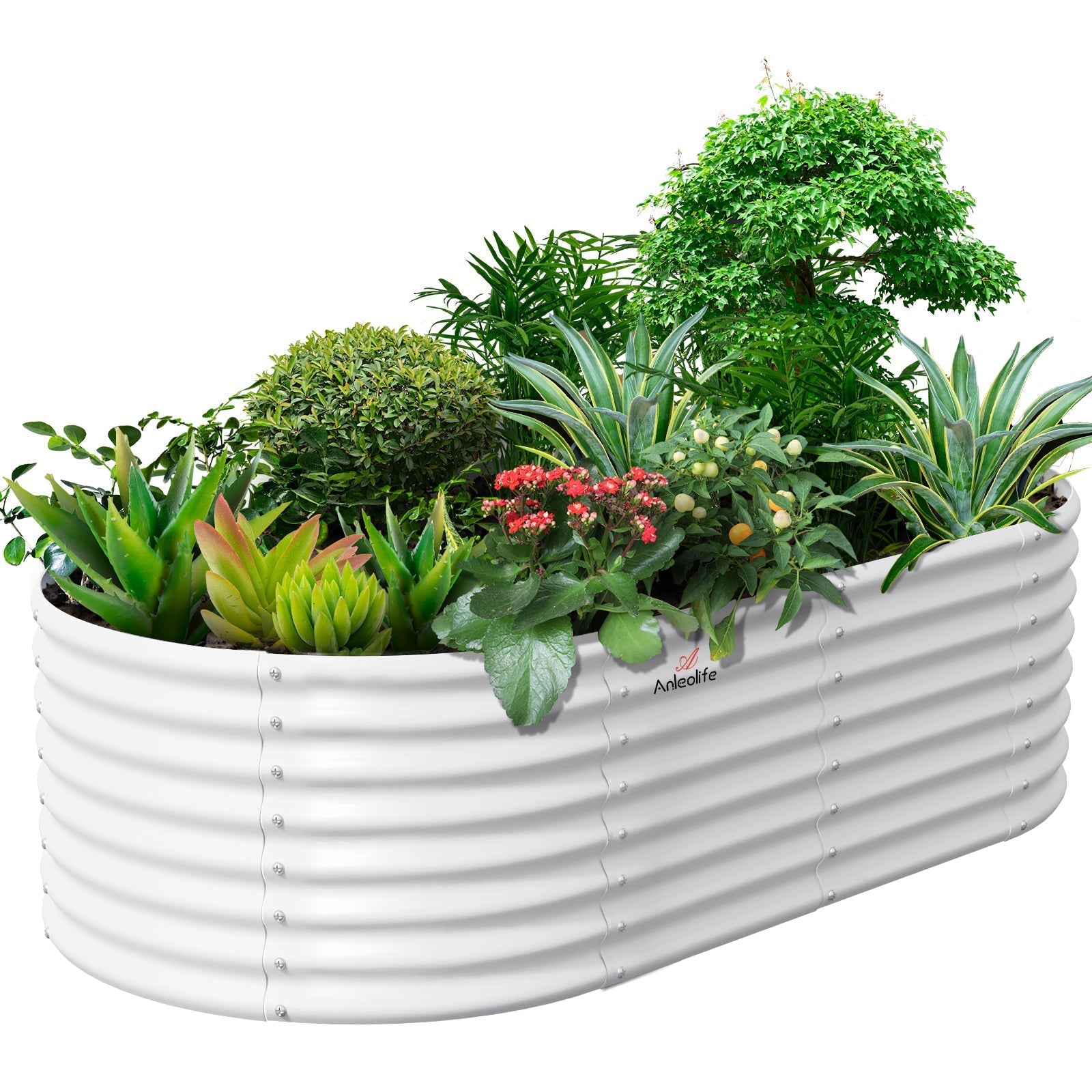
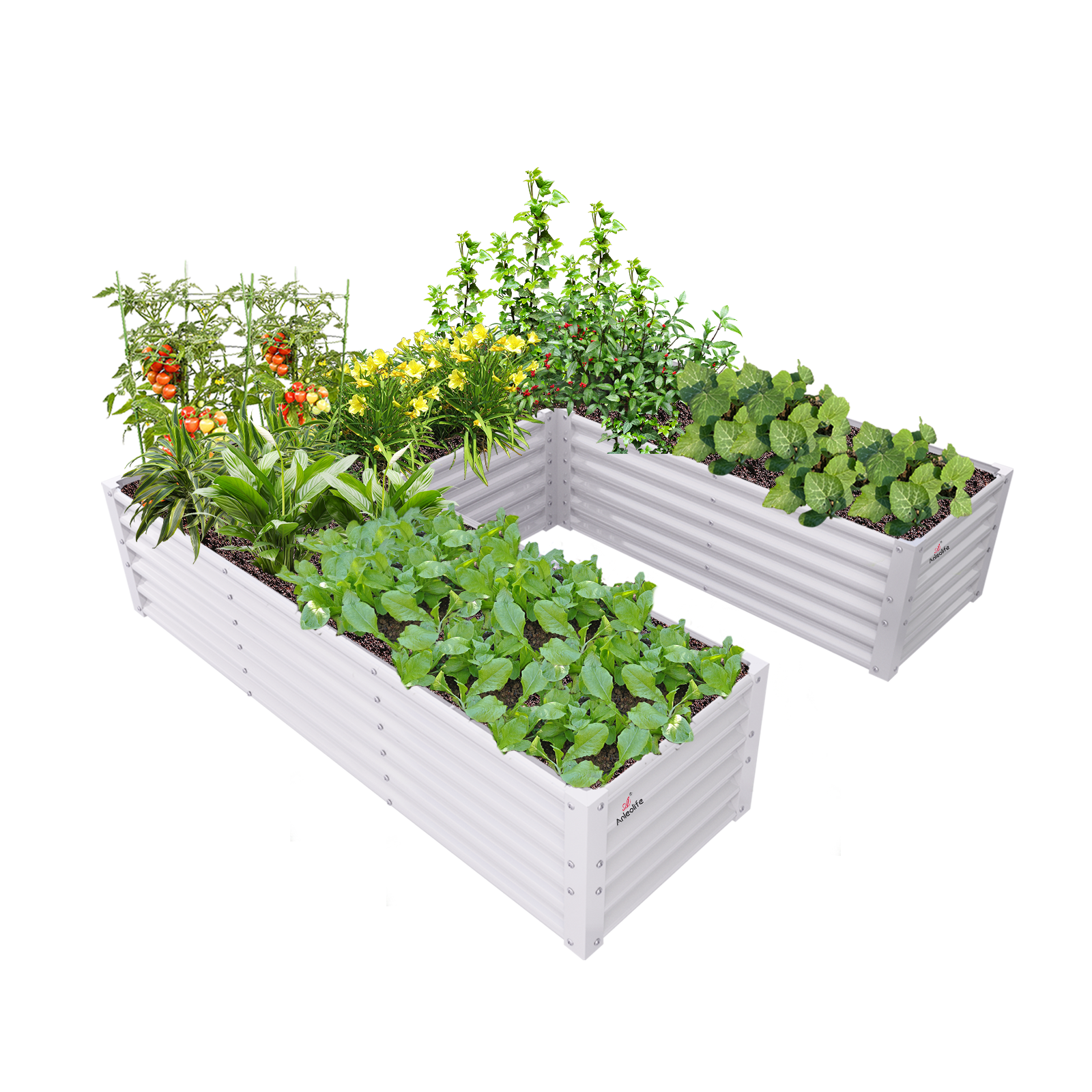
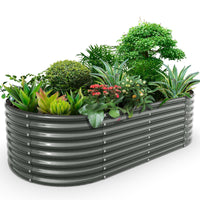
This is where the choice of bed material matters significantly. Galvanized steel raised garden beds are among the most durable options available for long-term home gardening. Anleolife's galvanized steel raised garden beds, for example, are built for a lifespan of up to 20 years, meaning your structural investment pays forward across decades of growing seasons—not just one summer.
Check all connection points, corners, and side panels. Look for bulging from soil pressure, particularly at the long sides of larger beds. Most structural issues are minor and easy to address early in the season before soil load is fully restored.
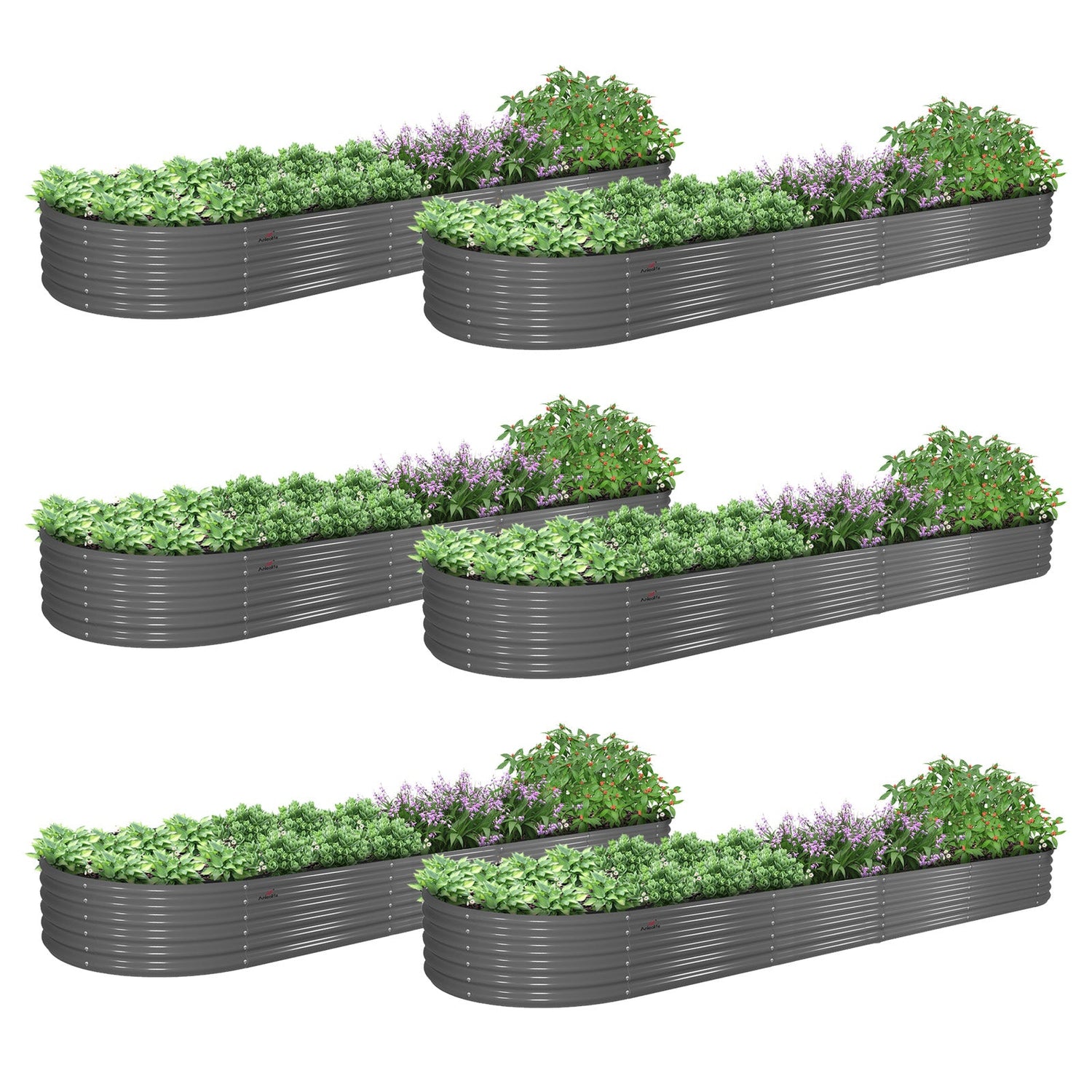
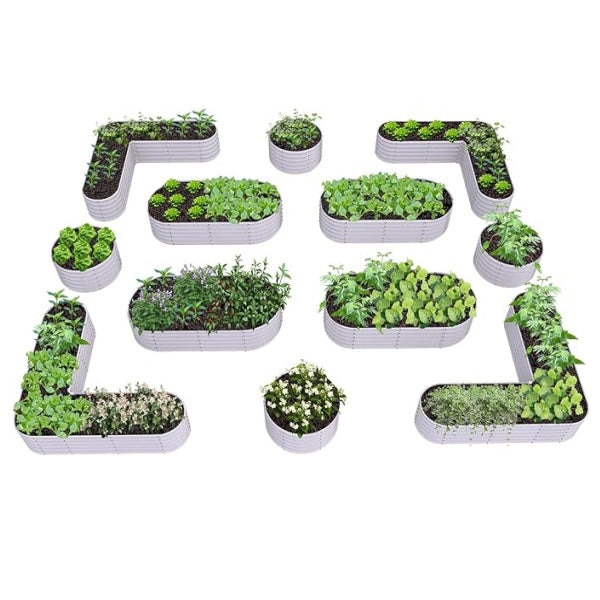
If you're considering adding or replacing beds this summer, Anleolife offers a range of sizes to suit every growing scenario—from compact options like the 18" tall 4×4 ft bed for urban patios to the expansive 24" extra tall 8×4 ft beds that give deep-rooted crops like tomatoes and squash plenty of room to grow. The extra-tall options are especially valuable for gardeners who want to avoid bending and kneeling, making them popular with retirees and those managing physical limitations.
Mulching for Moisture Retention and Temperature Control
Once your soil is amended and your bed is structurally sound, apply a 2–3 inch layer of organic mulch on top of the soil. This single step has an outsized impact on summer performance.
Mulch moderates soil temperature (preventing the extreme heat spikes that stress shallow roots), conserves moisture (reducing watering frequency by up to 30–50% in hot weather), and suppresses weed germination. Straw, wood chips, shredded leaves, and untreated grass clippings all work well. Avoid dyed or treated wood products, which can introduce unwanted chemicals into your food-growing space.
Keep mulch pulled back slightly from plant stems to prevent rot and fungal issues at the base of your plants. Refresh the mulch layer mid-season if it breaks down significantly—this is especially common in climates with high summer humidity.
Planning Your Summer Layout Before You Plant
Soil prep is also the ideal time to think about plant layout, spacing, and companion planting strategy. Before anything goes in the ground, sketch out which crops will grow where. Tall plants like pole beans and indeterminate tomatoes should go on the north side of the bed to avoid shading shorter crops. Root vegetables need loose, deep soil (making extra-tall beds particularly valuable). Heavy feeders and light feeders should alternate to naturally balance soil demand.
This is also a good moment to avoid common planning mistakes. To refine your approach, check out 5 Common Raised Bed Layout Mistakes to Avoid When Planning Your Summer Garden—it's one of the most practical planning resources for home growers.
Once your layout is planned, consider setting up supports like trellises and cages before planting rather than after. Installing supports in freshly amended, unplanted soil is far easier and avoids disturbing roots later.
Pre-Season Pest and Disease Prevention
Summer soil prep isn't just about nutrition—it's also an opportunity to reset the biological environment in your bed and prevent problems before they start. Remove any visible fungal growth, old plant stems that may harbor disease spores, and decomposed material that's attracting pests.
For organic pest control strategies for raised garden beds this summer, consider inoculating your bed with beneficial nematodes after final soil prep. These microscopic organisms target soil-dwelling pests like grubs and fungus gnat larvae without affecting plants, earthworms, or surface-beneficial insects.
Dusting the top layer with diatomaceous earth along the bed perimeter is another effective preventive measure against soft-bodied insects. Apply it after rain passes, as moisture reduces its effectiveness.
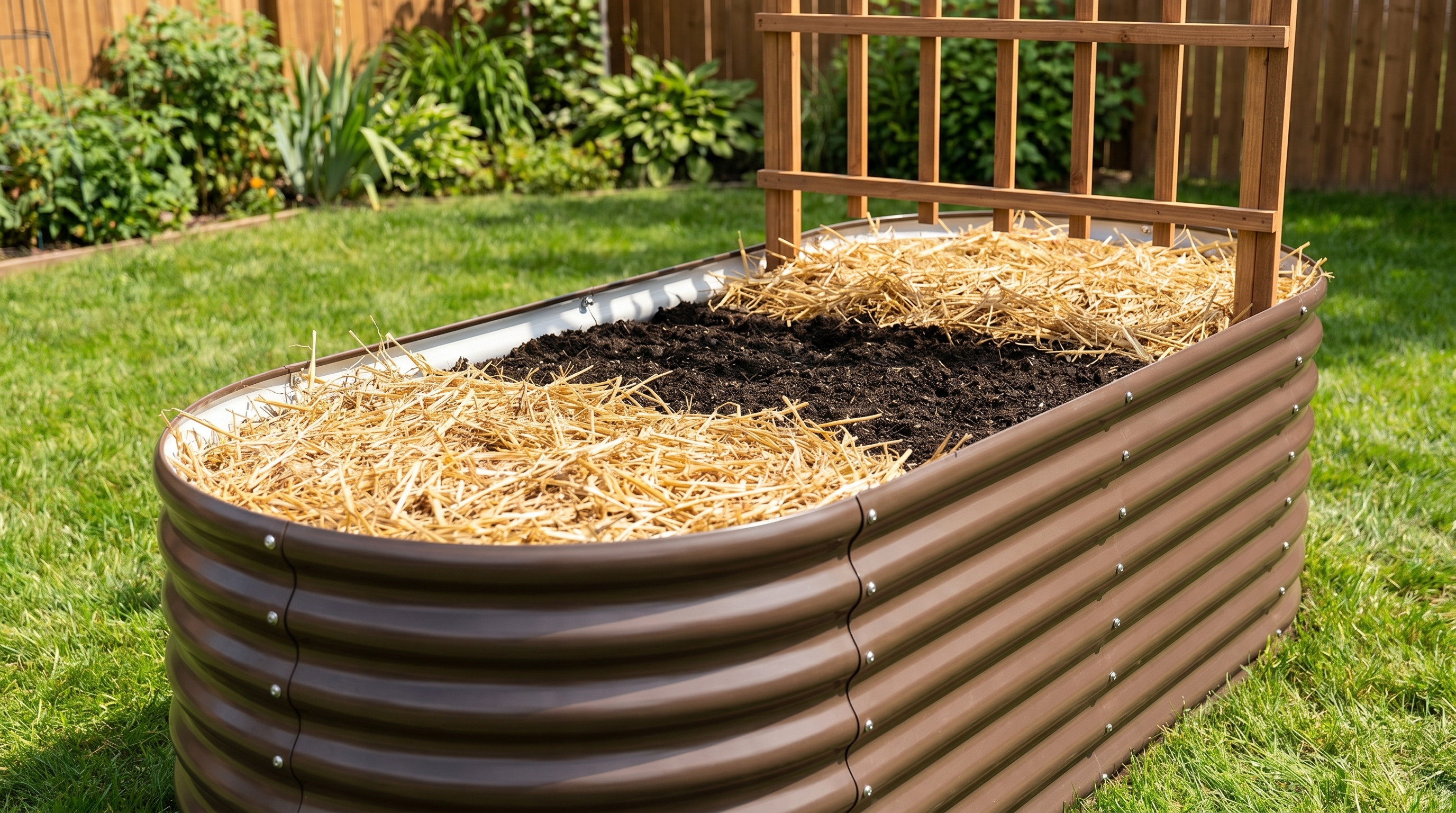
ALT: Well-prepared galvanized steel raised garden bed with fresh compost, mulch, and trellis support ready for summer vegetable growing season
Advanced Considerations for Long-Term Raised Bed Success
Building a Living Soil Ecosystem Over Time
The most productive raised beds aren't treated as sterile planting containers—they're managed as living ecosystems. Over time, consistent compost additions, minimal tilling, and diverse crop rotations build a rich community of bacteria, fungi, earthworms, and other beneficial organisms that make your bed increasingly productive with less effort each season.
One common misconception is that you need to fully replace raised bed soil every year. For well-maintained galvanized or rust-resistant steel beds with solid structural integrity, the soil can be refreshed—not replaced—season after season. A 20-year bed lifespan means you're building decades of soil biology, not starting from scratch each spring.
What About Garden Ornaments and Lighting?
Summer prep is also an opportunity to think about the overall garden environment. If you use garden ornaments to mark bed edges or create visual boundaries, choose proportionate sizes—smaller ornaments (under 12 inches) work well in tight raised bed settings, while larger statement pieces are better suited for pathway areas and garden borders where they won't compete with plant volume.
For outdoor garden lighting, wattage requirements vary by garden size and purpose. Small raised bed setups typically function well with low-wattage LED pathway lights in the 1–5 watt range, while larger backyard gardens benefit from 10–20 watt spotlights to illuminate seating areas and larger planting zones safely. Always choose weather-resistant fixtures rated for outdoor use in your climate.
Tool Storage and Seasonal Readiness
A frequently overlooked part of summer garden prep is tool organization. Recommended tool storage cabinets for wet climates should be made from UV-resistant resin, powder-coated steel, or teak hardwood—materials that resist swelling, rust, and mold in humid conditions. Keep a dedicated soil-prep kit (hand trowel, soil knife, pH test kit, broadfork) accessible at the start of each season so there's no delay getting your beds ready when the weather cooperates.
Frequently Asked Questions FAQ
Q1: How do I know if my raised bed soil needs to be fully replaced or just amended?
Soil that is heavily compacted, drains poorly even after aeration, smells sour or anaerobic, or consistently produces weak plants despite amendments may benefit from a partial replacement—swapping out roughly one-third of the volume with fresh growing mix. In most cases, however, annual compost additions and light aeration are enough to keep raised bed soil productive for many consecutive seasons without full replacement.
Q2: Are galvanized steel raised garden beds safe for growing vegetables?
Yes, galvanized steel raised garden beds are widely considered safe for vegetable growing. The zinc coating used in galvanization is stable and does not leach into soil at meaningful levels under normal conditions. Anleolife's galvanized steel beds are designed with a lifespan of up to 20 years, offering long-term structural reliability without the toxicity concerns associated with older treated wood products. For extra peace of mind, many gardeners add a liner to the interior walls.
Q3: How long before planting should I complete soil amendments?
Ideally, complete your soil amendments and pH adjustments two to four weeks before transplanting seedlings or direct sowing. This gives lime, sulfur, and other slow-release inputs time to integrate and stabilize. Quick-release liquid fertilizers and finished compost can be applied closer to planting time—even just a few days before—with minimal wait time required. For summer gardeners on a tighter timeline, focus on compost and aeration first.
Summary
Getting your raised bed ready for peak summer growing season comes down to three core principles: know your soil, restore what's been depleted, and protect the structure you've invested in.
The checklist in this guide gives you a clear, sequenced approach:
- Test before you amend—soil data guides every other decision
- Refresh volume and structure, not just the surface layer
- Choose bed materials that last, like galvanized or rust-resistant steel with a 20-year service life
- Use mulch, planning, and preventive biology to stay ahead of summer stress
The result is a bed that's ready not just to survive summer heat but to thrive through it—producing healthy, abundant crops with less reactive problem-solving and more intentional growing.
If you're also planning what to grow once your beds are prepped, don't miss 10 Best Vegetables for Raised Beds This Summer: A Beginner's Planting Checklist for crop-by-crop guidance on what performs best in a raised bed environment.
Start Growing with Anleolife
Anleolife supports your garden from the ground up—literally. With a nationwide U.S. warehouse network strategically located in California, Texas, Florida, New York, Illinois, and Washington, your order arrives in 3–8 business days so your soil prep timeline never stalls waiting for equipment.
Shop Anleolife products across major platforms including Amazon, Walmart, Home Depot, Lowe's, Wayfair, and directly at Anleolife.com—with consistent quality assurance and responsive after-sales support wherever you buy.
Anleolife's product ecosystem covers all three core garden scenarios: Planting (metal raised garden beds in a wide range of sizes and heights, soil systems), Raising (chicken coops, rabbit hutches), and Beautification (decorative accessories, pathway systems)—meeting your complete needs from functionality to aesthetics.
We understand that an ideal garden isn't built overnight—it's improved season by season. Our modular product design allows flexible expansion as your needs grow, from a first 8×4 raised bed to a fully integrated planting and raising ecosystem. Anleolife grows with you every step of the way.
References
- University of California Agriculture and Natural Resources. "Soil Management in Organic Farming Systems."
https://ucanr.edu/ - National Gardening Association. "Soil, Compost & Mulch: Raised Bed Gardening Guide."
https://garden.org/ - U.S. Department of Agriculture Natural Resources Conservation Service. "Soil Health Principles."
https://www.nrcs.usda.gov/conservation-basics/natural-resource-concerns/soils/soil-health - Penn State Extension. "Soil Testing: Understanding Your Report and Fertilizer Recommendations."
https://extension.psu.edu/soil-testing - Cornell Cooperative Extension. "Building and Maintaining Raised Bed Gardens."
https://gardening.cals.cornell.edu/
Note: Standards and recommendations may be updated over time. Please check the latest official documents or consult a local extension service professional for the most current guidance.
About Anleolife
Anleolife is a leading outdoor garden solutions provider in North America, dedicated to offering a full-scenario product ecosystem for home gardening enthusiasts, covering planting, raising, and garden beautification. Since its founding, Anleolife has upheld its brand mission, "Made for Garden Life," continuously innovating products and optimizing services to help hundreds of thousands of users upgrade their gardens, reconnect with nature, and enjoy a better garden lifestyle.